 English
 Deutsch
 Français
 Nederlands
 Español

Reset. Heal. Grow.
Is the Ayahuasca Vine Running Out? The Conservation Story Nobody at Retreats Talks About
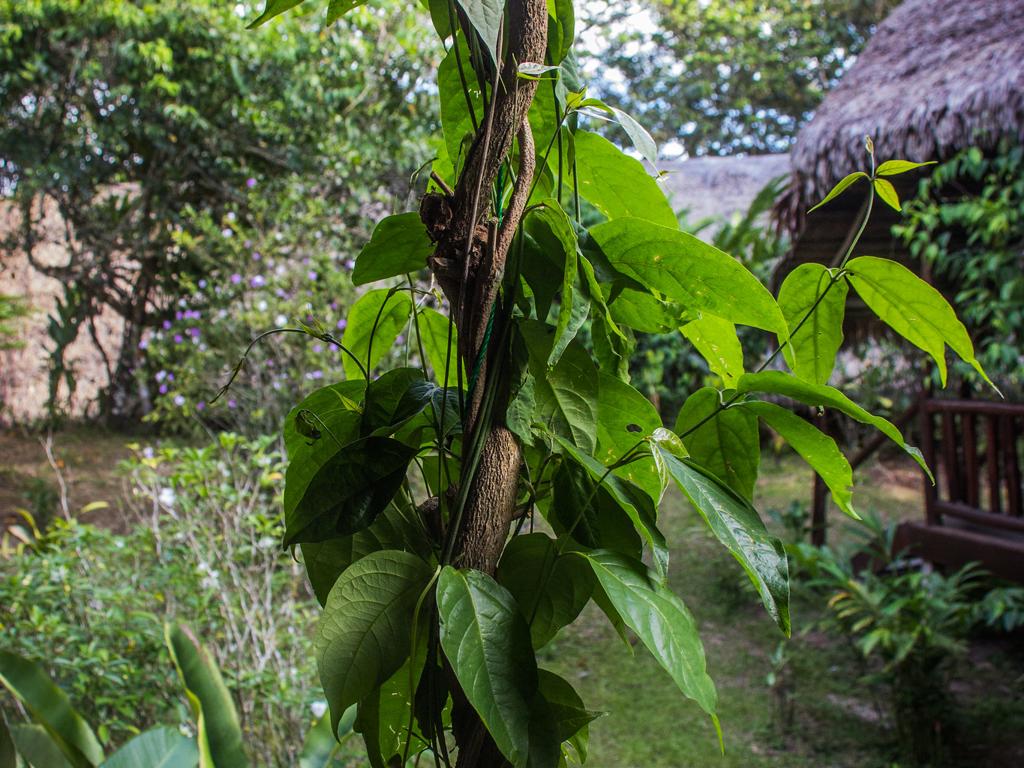
If you've spent any time researching ayahuasca retreats, you've probably read the brochures. The reverence for the vine. The lineage of the curanderos. The candlelit maloca three hours into the night. What you've almost certainly not read — and what almost no retreat website wants to bring up — is whether the plant at the center of all this is being harvested faster than the rainforest can grow it. I want to talk about that. Because if you're seriously considering booking an ayahuasca ceremony, you're stepping into a story that's bigger than your own healing. The vine has its own life, its own ecology, and increasingly, its own crisis. None of this should scare you off a retreat. But it should change how you choose one. Ayahuasca is a brew. Usually two plants, sometimes more. The psychoactive punch comes from DMT-containing leaves — most commonly chacruna (Psychotria viridis) or, in parts of Brazil, chaliponga. But the leaves on their own do nothing when you drink them. Your gut breaks the DMT down before it can reach your brain. That's where the vine comes in. Banisteriopsis caapi — caapi, jagube, mariri, depending on where you are — contains harmala alkaloids that switch off the enzyme responsible for that breakdown. Without the vine, no journey. The Quechua word ayahuasca means “vine of the soul,” and it refers both to the plant and to the brew. Among most Amazonian traditions, the vine is considered the elder, the teacher, the actual master plant. The leaves are the voice; the vine is the spirit doing the talking. This matters for conservation because the vine is the slow-growing one. Chacruna grows back like a weed. Caapi takes years — sometimes a decade or more — to reach the maturity that traditional brewers consider proper. You can't simply replant your way out of a shortage in a single season. Western botany has been calling caapi a single species since Richard Spruce described it in 1852. But the people who actually use the plant have always known better. Ayahuasqueros across the Amazon distinguish numerous varieties — tucunacá, caupuri, cielo, trueno, ourinhos, and many more — each with its own appearance, character, and felt effect in ceremony. For a long time, scientists shrugged. Even the legendary ethnobotanist Richard Evans Schultes admitted he couldn't visually tell the varieties apart, even though indigenous brewers could identify them from across a clearing. More recent Brazilian research has started to confirm what traditional knowledge has held all along: the varieties differ in leaf color, gland arrangement, stem nodes, bark, and crucially, in their alkaloid profiles. A 2020 chemistry study found significant variation in harmala content between varieties — which is a polite scientific way of saying yes, they hit different. Why does this matter to a person booking a retreat? Because conservation isn't just about saving the vine. It's about saving the varieties. If commercial harvesting flattens the genetic diversity down to whichever vines are easiest to find and chop, something irreplaceable is lost — not just biologically, but ceremonially. The honest answer: it depends where you look, and there isn't enough data. The International Union for Conservation of Nature hasn't formally assessed B. caapi. Peer-reviewed papers on its wild population are thin on the ground. So most of what we know comes from ethnographers, working ayahuasqueros, journalists, and the conservationists trying to sound an alarm. Here's what the picture looks like, region by region: The thread connecting all of this is straightforward. Where the vine is used by local communities at a community scale, it's been managed sustainably for centuries. The problems start when global demand collides with a slow-growing plant. There's also a knock-on effect most retreat-goers never hear about. A 2019 study in Conservation Biology linked the ayahuasca tourism boom to jaguar poaching — researchers interviewing vendors and people in the tourism industry traced demand for jaguar teeth, claws, and other parts back, in part, to spiritual-tourism markets. Sacred plants don't exist in a vacuum. When demand for a ceremony economy explodes, all sorts of unintended currents start flowing through the forest. This isn't an argument that ayahuasca tourism is inherently destructive. It isn't. But it does mean the choices a foreign visitor makes — which retreat, which lineage, which sourcing — ripple outward in ways the marketing copy will never describe. I'm not going to tell you to skip an ayahuasca retreat over conservation concerns. The medicine has helped a lot of people who had run out of other options — people working through addiction, depression, trauma loops that wouldn't quit. That's a real thing, and I won't pretend otherwise. But if you're going to drink the vine, you owe it a little curiosity about where it came from. A retreat center that genuinely cares about sustainability will be able to answer questions. The places that get squirrelly when you ask are telling you something. Here are the questions worth asking before you book: A retreat that grows its own vine, works with a known curandero lineage, and can talk plainly about its sourcing is doing more for your safety and your experience than one with prettier Instagram photos. Sustainability and quality tend to travel together. Sloppy sourcing usually means a sloppy operation. The vine of the soul has been quietly holding up a global movement — addiction recovery work, psychedelic-assisted healing experiments, the slow mainstreaming of plant medicine as a serious tool for people who've exhausted everything else. None of that happens without Banisteriopsis caapi, and none of it continues if the forest gives out. The honest truth is that the people drinking ayahuasca in retreat centers are, collectively, one of the major economic forces shaping what happens to the vine. That's not a guilt trip. It's leverage. The retreats that buyers reward — the ones with serious cultivation programs, transparent sourcing, and real relationships with indigenous stewards — are the ones that will define the next decade of this work. If any of this resonates and you're weighing your options seriously, a curated selection of ayahuasca retreats with vetted sourcing and lineage details can be browsed on our marketplace here. Choose carefully. The vine has been patient with us. The least we can do is return the favor.
Compass Pathways and the Rise of Corporate Psilocybin: What It Means for Retreat-Seekers
Here's a story that explains a lot about where psychedelic medicine is heading. A mother, a physician, watches her son collapse under the weight of OCD and depression. She reads everything. One night she stumbles on a small 2006 study suggesting psilocybin — the compound in magic mushrooms — might quiet the obsessive loops that conventional medicine couldn't touch. She finds an underground guide. Her son drinks the tea. Six hours later, something shifts. He goes back to school. He gets his life back. That family went on to launch a company now worth roughly $400 million, listed on the Nasdaq, running one of the largest psilocybin trials in history. For anyone researching ayahuasca, psilocybin, or other plant medicines as a way out of addiction, depression, or trauma, the rise of Compass Pathways is worth understanding. It's reshaping the whole landscape — including the retreat world you're probably reading about right now. The origin story matters because it explains the tension. Ekaterina Malievskaia and George Goldsmith weren't pharmaceutical executives. They were parents. After watching their son emerge from a single supervised psilocybin session looking like himself again — sleeping, exercising, returning to class — they did what desperate, well-resourced parents do. They threw money at the problem. Hundreds of thousands of dollars into psychedelic nonprofits. A small project on the Isle of Man offering psilocybin to hospice patients. A nonprofit called C.O.M.P.A.S.S. to bring these treatments to people who'd run out of options. Then, in 2016, they pivoted. The nonprofit shut down. A for-profit corporation launched in London. The reasoning, as they tell it: you cannot move a drug through regulatory approval on donations alone. The price tag for late-stage trials runs into the hundreds of millions. To reach the people who needed psilocybin most — the ones whose insurance might one day cover it — they needed venture capital, not philanthropy. That pivot didn't sit well with everyone. Several researchers and longtime advocates who'd helped them in their nonprofit days felt blindsided. Some still do. The argument that follows them around — that you can't ethically commercialize a sacrament — is one the company has spent years answering. By 2017, three names had quietly placed bets on Compass: Christian Angermayer (a German entrepreneur who'd had his own psilocybin experience and become an evangelist), Michael Novogratz (the crypto investor), and Peter Thiel (the PayPal cofounder). Each put in roughly a million pounds. Novogratz's framing was almost charmingly blunt — he'd taken a flyer on cryptocurrencies and made a fortune, so why not a flyer on something equally fringe? The money kept coming. A £25 million round in 2018. An $80 million Series B in 2019, then a record for the sector. A Nasdaq IPO in 2020 at a billion-dollar valuation. The company is now running a Phase 3 trial with nearly a thousand participants, testing a synthetic form of psilocybin (they call it COMP360) against treatment-resistant depression — the cases where SSRIs, talk therapy, and everything else have already failed. Analysts have floated peak sales numbers somewhere between $1.1 billion and $8 billion if the drug clears approval and gets expanded for other mental-health conditions. The first approvals could land as early as 2026. That's not a footnote. That's the medical mainstream walking into a room it's been locked out of since the 1960s. You might be wondering why a story about a publicly traded pharmaceutical company matters if you're researching, say, an ayahuasca retreat in Peru or a psilocybin ceremony in Jamaica. Fair question. Here's the honest answer: the two worlds are bleeding into each other, and the choices you make as a retreat-seeker are going to be shaped by what happens in those clinical trials over the next two years. A few things are likely to shift: This is the question I get asked most often by people deciding whether to book. The answer isn't binary, and anyone who tells you it is — on either side — is selling something. Plant medicine, when it works, doesn't work because the molecule is magic. It works because the molecule cracks something open, and what you do with the opening matters more than the opening itself. The single session that turned Allan Malievsky's life around wasn't just six hours of psilocybin. It was a darkened room, a trusted guide, music chosen with care, and — crucially — a family ready to support whatever came next. The medicine was the catalyst. The container was the cure. This is why master plants — ayahuasca, peyote, San Pedro, iboga, the whole lineage — have always been used inside ritual frameworks. The Shipibo curanderos in the Peruvian Amazon haven't been running clinical trials, but they have been refining a practice over generations. There's wisdom there that no Phase 3 protocol can replicate. There's also, let's be honest, plenty of charlatanism out there too. Both things are true. If you're weighing a retreat, a few honest filters worth running: Compass has earned its share of critics, and the criticism is worth understanding before you form an opinion. Some of it centers on patent applications that activists argued were overreaching — attempts, they said, to lock down techniques that the broader community considered shared heritage. Some of it is more philosophical: the discomfort with anyone profiting from substances that Indigenous communities have stewarded for centuries without commercial interest. You can think both things at the same time. You can be glad that millions of people with treatment-resistant depression may soon have a real option, and uneasy about the consolidation of plant medicine into corporate IP portfolios. The retreat world tends to live closer to the older, communal model. The clinical world is heading somewhere very different. Where you land on that spectrum will shape what kind of healing path makes sense for you. Read more than the marketing. Talk to people who've actually sat in ceremony — not the ones writing breathless trip reports, but the ones who can tell you what their life looked like six months later. Pay attention to whether they sound like they're still chasing the experience or whether they've integrated it and moved on. The second group is who you want to learn from. And give yourself permission to wait. The clinical trials will keep running. The retreats will still be there next year. If you're in acute crisis, that's a different conversation — find a clinician, find support, don't make a major decision while drowning. But if you're in the careful research phase, careful is good. This is real medicine, and real medicine deserves real preparation. If something here resonates and you want to see what's actually available, a range of curated ayahuasca and psilocybin retreats can be browsed on our marketplace here. Take your time. The right container matters as much as the medicine itself.
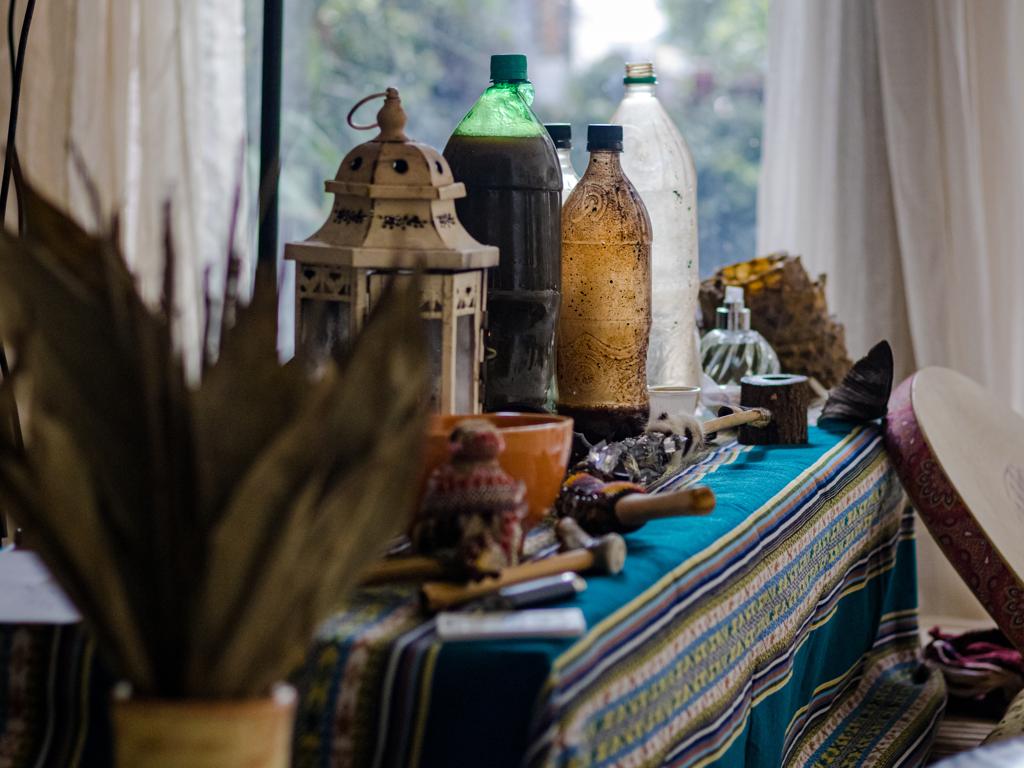
First Ayahuasca and Kambo Ceremony: What to Expect After a Rough Start
So you booked the retreat. You read the testimonials, watched a few YouTube interviews, maybe even did the dietary prep — no pork, no alcohol, no sex, no salt — and then you sat down in the maloca and the medicine didn't do what you thought it would. Or worse, it did something you really, really didn't want it to do. This happens more than people admit. The carefully edited retreat marketing rarely shows the person who threw up for four hours and saw nothing. Or the one who had a panic spiral on night two and quietly wondered if they'd just wasted three thousand dollars. A first ayahuasca ceremony can be transcendent. It can also be a mess. Sometimes it's both, in the same night. If you're researching plant medicine because you're carrying something heavy — addiction, depression, trauma, a stuck pattern you can't seem to outrun — you deserve a more honest picture than the glossy version. Let's walk through what actually tends to happen when the first ceremony goes sideways, what kambo adds to the equation, and what you can do to give yourself the best shot at a real experience. Here's the thing nobody tells you in the pre-retreat WhatsApp group: the first ceremony is rarely the big one. Plenty of seasoned facilitators will say the first night is mostly the medicine getting acquainted with you — sweeping the house, so to speak. The visions, the catharsis, the so-called download — those tend to come on night two, three, or four. Sometimes never on that retreat at all. The plants run on their own schedule. What does the first night usually look like? For many people: nausea, body tension, weird heat, a churning stomach, a few fragmented images, and a lot of waiting. Some people purge violently. Some don't purge at all and feel cheated. Others get hammered with hard, scary content right out of the gate — old grief, old shame, the face of someone they haven't thought about in a decade. None of these outcomes mean the medicine isn't working. They mean you're a human being meeting one of the most potent psychoactive brews on the planet for the first time. There's also the simple matter of dose. Facilitators almost always serve a conservative first cup. They're reading the room. They're watching how you sit, breathe, respond. A weaker pour on night one is usually a sign the shaman is being careful — not a sign you're being cheated out of an experience. A bad ceremony, in the way most people mean it, falls into a few categories. There's the physically rough one — relentless nausea, cold sweats, a body that won't stop shaking. There's the emotionally brutal one, where old material surfaces and you can't escape it. And there's the disappointing one — you drank the medicine, you waited, and nothing much happened beyond a queasy stomach and a long night on a mat. Each of these has its own integration work. The physically rough night is usually the body doing what the Shipibo call limpieza — a cleaning. It's exhausting, but it's not failure. The emotionally brutal night needs careful unpacking with a facilitator the next morning, ideally with someone trained in trauma. The disappointing night is its own teacher — sometimes the lesson is that you wanted a fireworks show when what you needed was to sit quietly with yourself in the dark for six hours. Here's a quick checklist of things that signal you should flag a rough experience to your facilitator, not just push through: Reputable retreats expect this. They have integration sessions in the morning, one-on-one time with the shaman, and ideally a therapist or integration coach on staff. If your retreat doesn't, that's worth knowing before you book the next one. Kambo is the secretion of the giant monkey frog, applied to small burns on the skin in a ceremony that usually lasts twenty to forty minutes. It's not psychedelic. It won't give you visions. What it will do is make you feel, with absolute clarity, like you are dying for about ten minutes. Your face swells, your heart pounds, your stomach empties violently, and then it passes and you feel — depending on who you ask — either reborn or like you got hit by a truck. Some retreats offer kambo on the morning of an ayahuasca day, or the day before. The reasoning varies. Traditional practitioners describe it as clearing panema, a kind of heavy, stagnant energy. More clinical-minded facilitators describe it as a hard physiological reset — a flush that helps the body meet the brew with less resistance. There's some early research on its peptides and their effects on inflammation and the immune system, though it's nowhere near settled science. If your first ayahuasca ceremony was rough and a kambo session is offered before the next, here's what to weigh: kambo is intense, and stacking it onto a body that's already wrung out from a difficult night isn't automatically helpful. Tell your kambo practitioner exactly what happened the night before. A good one will adjust the number of points, the placement, or whether you do it at all. Most retreats run three to seven ceremonies over a week or two. If night one was rough, you still have time. The recovery between ceremonies is where a lot of the actual healing happens, and it's the part most people underestimate. The retreats worth their salt build in this kind of flexibility. The ones that pressure you to drink every night, regardless of how the last one went, are showing you something about themselves. If you're reading this in the research stage — still on the fence, still scrolling through retreat websites at midnight — the takeaway isn't that ayahuasca is dangerous or disappointing. It's that the work is real work, and it doesn't always feel good while it's happening. People who go in expecting a guaranteed mystical encounter often come away rattled. People who go in expecting an unpredictable, sometimes uncomfortable confrontation with their own interior tend to come away changed. Choose your retreat carefully. Ask about facilitator-to-participant ratios. Ask what their integration support looks like — not just on-site, but in the weeks after you fly home. Ask whether they screen for medications (SSRIs, MAOIs, certain heart conditions are real concerns). Ask whether they offer kambo, and if so, who administers it and what their training is. Ask how they handle a participant who has a hard night. The answers, and the way they're delivered, will tell you a lot. Plant medicine has helped people break addictions, soften decades of depression, and find a foothold against patterns that resisted years of talk therapy. It has also left some people more confused, more raw, less stable — usually when the container around the ceremony wasn't strong enough, or when underlying conditions weren't properly screened. The container matters as much as the brew. If something in this piece resonates and you want to see what a properly run retreat actually looks like, a curated selection of ayahuasca and kambo retreats can be browsed on our marketplace here. Take your time with the decision. The medicine, if you go, will be there when you're ready.
Ibogaine for Addiction Recovery: What the Experience Actually Looks Like
There's a particular kind of phone call that happens in addiction circles. Someone you knew years ago, someone you'd half written off, calls out of the blue. Their voice sounds different. Cleaner. They mention they went to Mexico, or Costa Rica, or some clinic with a name you can't quite catch, and they took something called ibogaine. And now, six months later, they haven't touched the thing that was killing them. If you've been researching plant medicines for addiction recovery, you've probably encountered these stories. They're scattered across Reddit threads, recovery forums, late-night YouTube rabbit holes. People describing how a single session of ibogaine — extracted from the root bark of an African shrub called Tabernanthe iboga — apparently switched something off in their brain. The craving, the obsession, the daily war. Just… quieter. So what's actually going on here? And should you be considering it? Ibogaine sits in a strange category. It's a psychoactive alkaloid, technically a psychedelic, but it doesn't really behave like ayahuasca or psilocybin or LSD. There's no euphoria, no giggles, no expansive sense of cosmic love. People who've sat through an ibogaine flood dose tend to describe it as a long, intense, often physically uncomfortable inventory of their own life — and a kind of biochemical reset that follows. The reset part is what makes it interesting for addiction. Ibogaine appears to interact with opioid receptors in a way that dramatically reduces withdrawal symptoms and post-acute cravings, particularly for opiate addiction. Heroin users have walked into clinics expecting hell and walked out, often within 48 hours, without the dopesickness they'd been bracing for. That's not folklore — clinicians who've worked with the substance for decades have documented it repeatedly. But here's the part the enthusiastic Reddit posts often skip: ibogaine carries real cardiac risk. It can prolong the QT interval, the electrical rhythm of the heart, and people have died from cardiac events during sessions. Reputable clinics screen with EKGs, blood work, and sometimes overnight cardiac monitoring. The ones that don't are gambling with your life. Genuinely. A flood-dose ibogaine session is not a weekend activity. The acute phase typically runs 24 to 36 hours, and the recovery tail can stretch a week or more. People describe three rough stages. Physically, it's a slog. Ataxia (loss of coordination) means you can't really walk for the first day. Nausea and vomiting are common. Most people don't sleep for a couple of nights. Anyone telling you it's a blissful spa retreat is selling something. Short answer: for some people, dramatically. For others, it's a powerful experience that didn't fix the underlying problem. The strongest results show up with opioid dependence. Observational studies and clinic outcomes consistently report that a substantial percentage of people who undergo ibogaine treatment for heroin or prescription opioid addiction remain abstinent at 30, 60, and 90 days — far higher than typical detox-and-go statistics. Methamphetamine, alcohol, and cocaine results are more mixed, though many people still report a significant reduction in cravings. What ibogaine seems to do is interrupt the addiction. It buys you a window — maybe three to six months — where the compulsive pull is genuinely weaker. What you do with that window determines whether the change sticks. The people I've spoken with who are still clean years later all did the same thing: they used the post-ibogaine clarity to rebuild. Therapy, support groups, new relationships, a different city in some cases. The medicine doesn't do recovery for you. It clears the table so recovery becomes possible. The people who relapsed almost universally did the opposite: they flew home, went back to the same apartment with the same dealer's number in their phone, and assumed the magic would hold. It doesn't work like that. Ibogaine is unregulated in most countries, illegal in the United States (Schedule I), and legal or unscheduled in places like Mexico, Costa Rica, Portugal, the Netherlands, and parts of the Caribbean. The clinic landscape is genuinely uneven. Some operations are medical facilities run by physicians with cardiac monitoring, addiction specialists, and integration support. Others are guys with a guest house and a bottle. Things to ask before you book anything: Cost ranges widely. A bare-bones provider might charge $3,000 to $5,000. A medically robust clinic with proper screening, monitoring, and aftercare usually runs $7,000 to $15,000 or more. The cheap end is where most of the horror stories originate. Ibogaine isn't for everyone, and the recovery community can sometimes oversell it. A few things worth sitting with: It's not a guarantee. Even with the best clinic, the best preparation, and the best aftercare, some people relapse. The medicine is a tool, not a cure. If you go in expecting to be fixed, you've already misunderstood what's on offer. It can surface trauma you weren't ready to look at. The visionary phase doesn't discriminate. Childhood abuse, deaths you didn't grieve properly, harm you caused other people — it all comes up, and there's no off switch. Having a therapist lined up for the integration period isn't optional. It's part of the protocol. And the cardiac risk is real. People with underlying heart conditions, certain medications, or active stimulant use can die. This is the part of the conversation that gets glossed over in feel-good testimonials, and it shouldn't be. The screening exists for a reason. Most people I've talked to who've done ibogaine and stayed clean describe the months before their session as a kind of cornered desperation. They'd tried meetings, rehab, medication-assisted treatment, willpower. Nothing held. Ibogaine wasn't a curiosity for them. It was the thing they tried when they'd run out of other things to try. If that's roughly where you are, the research is worth doing carefully. Talk to people who've been through it — not just the evangelists, but the ones whose stories were complicated. Read the clinical literature on cardiac safety. Get the EKG before you contact anyone. And take seriously the question of what your life will look like the week after you fly home, because that week matters more than the session itself. For readers who want to explore this further, a range of vetted ibogaine and plant-medicine retreats can be browsed on our marketplace here. Whatever you decide, decide it with your eyes open — the people who do well with this medicine tend to be the ones who took it seriously enough to be a little scared of it.
Celebrities and Psilocybin: What Famous Mushroom Trips Reveal About Plant Medicine
Something shifted in the public conversation around psilocybin somewhere around 2020. What used to be whispered about at house parties started showing up in late-night talk show segments, memoirs, and serious clinical trials. And famous people — the ones whose every habit gets dissected — started talking openly about their mushroom trips. Some of those stories are funny. Some are harrowing. A few hint at why psychedelics are finally being studied as serious tools for healing addiction, depression, and trauma. If you're reading this because you're quietly weighing whether a psilocybin retreat or another plant-medicine experience might be right for you, the celebrity anecdotes are worth paying attention to — not because famous people are reliable guides, but because their stories cover the full range of what can happen. The deep healing. The accidental tongue-biting. The ego death. The bad trip in an airport. All of it. Here's what some well-known names have shared, and what their experiences quietly tell us about the broader landscape of psychedelics, master plants, and the growing case for psychedelic-assisted recovery. Of all the celebrity psilocybin stories, Tyson's might be the most consequential. The former heavyweight champion has spoken publicly about being nearly suicidal at one point — masking a brutal depression behind the public bravado. He credits psychedelic mushrooms with pulling him back from that edge. He's since described psilocybin as “amazing medicine” and expanded his exploration into other compounds, including DMT and the venom of the Bufo alvarius toad (often called 5-MeO-DMT). His framing matters. He doesn't call it a party drug. He calls it medicine. That language shift — from recreation to healing — is exactly what's driving the current research surge around psychedelic therapy. For readers thinking specifically about plant medicine for addiction, Tyson's arc is worth sitting with. He's been candid about substance abuse earlier in his life. The fact that he found something genuinely useful in psilocybin lines up with what early clinical trials at Johns Hopkins and NYU are now finding: psychedelics, used in the right setting, can interrupt the patterns that keep addiction locked in. Bell's entry point will sound familiar to a lot of you. She read Michael Pollan's How to Change Your Mind, got curious, and decided to try psilocybin for her birthday — with her husband acting as a sober trip-sitter. She had been managing depression and anxiety with medication for years. Her takeaway: there are places in your own mind that ordinary therapy can't quite reach, and certain compounds can open the door. That's not a clinical claim — it's a personal one — but it tracks with what researchers studying psilocybin for treatment-resistant depression are reporting. The drug seems to loosen rigid thought patterns long enough for someone to see themselves from a new angle. What's instructive about her story isn't the trip itself. It's the preparation. She didn't grab mushrooms at a festival. She researched, chose a safe environment, and had a trusted person present. Those three things — intention, set, and setting — are the foundation of every reputable psychedelic retreat in operation today. You'll hear the term “master plants” thrown around in retreat brochures and Instagram posts. It refers to a specific category of plants used in Amazonian and Andean traditions for teaching, healing, and visionary work. Ayahuasca is the most famous one. San Pedro and peyote are others. Tobacco — in its raw, sacred form, not cigarettes — is considered a master plant in many lineages. Psilocybin mushrooms aren't strictly classified as “master plants” in the traditional Amazonian sense, but they belong to the same broad family of substances that indigenous and contemporary practitioners treat with deep ceremonial respect. The shared idea is that these aren't drugs you take. They're something more like teachers you sit with. That distinction matters when you're choosing a retreat. A serious facilitator talks about the medicine as a relationship — preparation, ceremony, integration. A sketchy one talks about it as a product. If you're reading promotional copy and it sounds more like a spa weekend than a sacred container, that's a signal. Harry Styles bit off the tip of his tongue. Seth Rogen accidentally ended up in Paris. Nick Kroll let his friends bury him in 50 pounds of sea kelp. Miley Cyrus had a full anxiety attack at an airport. Frances McDormand had her experimental phase. These stories are funny in the retelling because everyone survived intact, more or less. But strip away the celebrity gloss and you see the same pattern that lands ordinary people in genuine trouble: no preparation, no setting, no sitter, no plan. The mushrooms were treated as recreation, not as anything that required respect. Sometimes you get a fun story. Sometimes you get a panic attack you carry for months. Here's what an honest read of the funny stories tells you: None of this is to scold anyone. It's to point out that the same compound that helped Tyson step back from suicide also sent a 17-year-old into a panic spiral in an airport terminal. The molecule isn't the whole story. The container is. A legitimate psilocybin retreat — and there are a growing number of legal ones, particularly in Jamaica, the Netherlands, and now Oregon — exists precisely to provide what those celebrity party stories lacked. Structure. Screening. Trained facilitators. A physical space designed for safety. And, critically, integration support afterward. Here's roughly what to expect from a reputable program: The integration piece is the part most people underestimate. The trip is dramatic. The integration is where the actual rewiring happens. Skip it and you risk having a fascinating weekend that fades back into the same old patterns within a month. This question comes up constantly, and the answer keeps changing. As of now, Oregon is the only U.S. state with a regulated psilocybin services program — adults can access it through licensed facilitators. Colorado is rolling out a similar framework. Several cities, including Denver, Oakland, Santa Cruz, and Washington D.C., have decriminalized possession of psilocybin to varying degrees, which is not the same as legalization. Outside the U.S., Jamaica has long been a destination because psilocybin was never criminalized there. The Netherlands permits sale of psilocybin-containing truffles, which are biologically similar to mushrooms. Several countries in Central and South America have ambiguous or tolerant legal frameworks around traditional use. The point isn't to memorize the map. It's to know that you don't have to break the law or trust a stranger at a festival to access this medicine in a serious setting. The infrastructure for safe, legal psychedelic experiences has grown enormously over the last few years. You might roll your eyes at celebrity drug stories — fair enough — but the cultural shift they represent is real. When Tyson talks about psilocybin saving his life, when Bell credits it with reaching depression her meds couldn't touch, when serious actors and athletes describe ego death without irony, the conversation moves. Stigma loosens. Research funding follows. Insurance companies start paying attention. Veterans' organizations start advocating. For someone considering a retreat — perhaps because conventional treatment for depression, addiction, or trauma hasn't done what you hoped — that cultural shift translates into something concrete: more options, more research, more legitimate places to go, and far less shame about going there. If the stories above sparked something in you, take it seriously but don't rush. Read more. Talk to people who've done it. Ask hard questions of any retreat you consider — about screening, facilitator training, medical support, and integration. For readers ready to look at specific options, a curated selection of psilocybin and broader plant-medicine retreats can be browsed on our marketplace here. The celebrities had their wild nights. The actual work — the kind that changes a life rather than producing a good talk-show anecdote — happens in much quieter rooms, with much more preparation, and with people who know what they're doing.
Craving More Stories?
Join our ShopAyahuascaRetreats newsletter for the latest updates on thrilling
destinations and inspirational tales, delivered straight to your inbox!
We value your privacy. Your email address will never be shared or published.
Where to Find the Best Ayahuasca Retreats in 2026: A Region-by-Region Guide
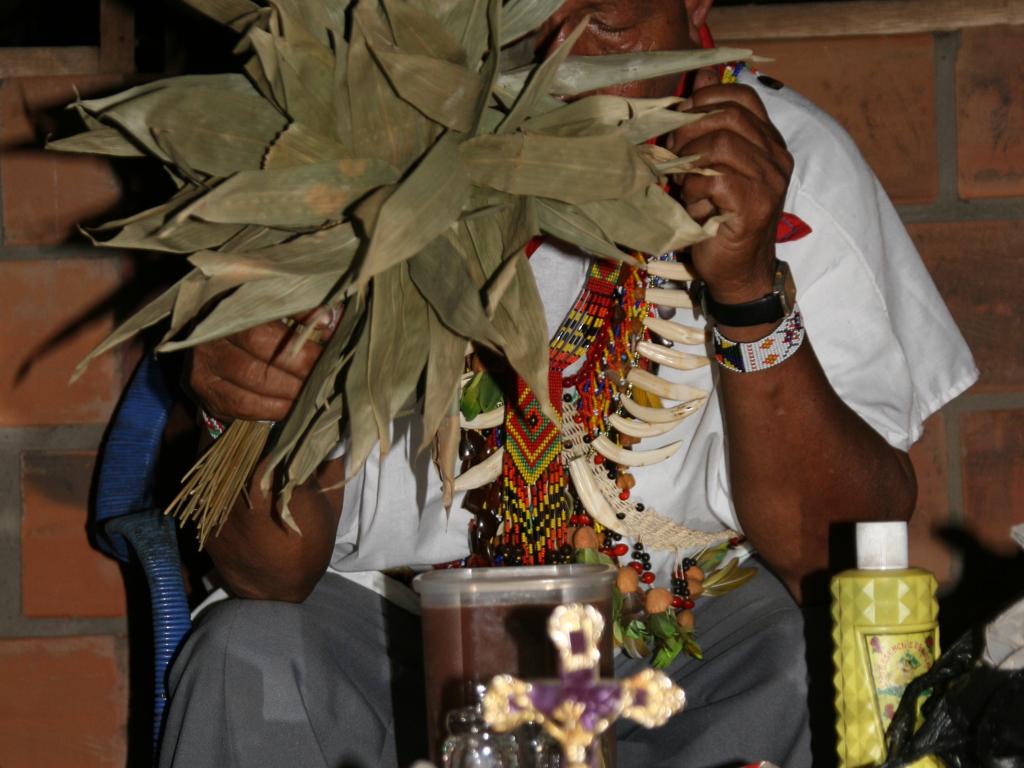
Ask ten people who've sat with ayahuasca to describe it, and you'll get ten different answers. Profound. Brutal. Hilarious. Like a decade of therapy compressed into eight hours. Like meeting yourself for the first time. The vocabulary tends to escape people, which is part of why anyone considering an ayahuasca retreat does so much research before booking — there's no clean way to know what you're signing up for until you're in it. What you can research is where to go. The geography of ayahuasca has shifted dramatically over the last decade. What used to be a journey reserved for the Peruvian Amazon is now a global network of ceremony spaces — some traditional, some hybrid, some questionable. This guide walks through the regions worth knowing about in 2026, what makes each one different, and the kinds of questions you should be asking before you hand over a deposit. It's not a vacation. I want to be blunt about that because the word "retreat" carries spa-day baggage that doesn't fit. Yes, many centers have beautiful grounds, good food, and hammocks under palm trees. But the core experience — the ceremony itself — is closer to surgery than to a weekend getaway. The brew tastes terrible. You will probably purge. You may meet the parts of yourself you've spent years avoiding. That's the point. People come to ayahuasca for different reasons. Some are wrestling with addiction, depression, PTSD, or grief that won't shift. Others are not in crisis at all — they're curious about consciousness, or feel stuck, or want to understand a tradition they've read about for years. Both are legitimate. The plant doesn't really care about your reason. It tends to show you whatever you most need to see, which is rarely what you came expecting. A good retreat acknowledges all of this upfront. A great one screens you for medical and psychiatric contraindications before you even pay, prepares you with a proper dieta, and — crucially — gives you tools to integrate afterward. Skip the integration piece and you risk turning a powerful experience into an expensive blur. If authenticity matters to you, this is the region to look at first. The Amazon basin is where ayahuasca originated, where the lineages are still intact, and where the maestros and curanderas you've read about actually live and work. The trade-off is logistical: longer flights, more remote locations, and a level of rusticity that some people love and others find rough. Peru is the spiritual home of ayahuasca. Iquitos, Tarapoto, Pucallpa, and the Sacred Valley near Cusco all host serious centers. The Shipibo lineage — known for their icaros, the medicine songs sung during ceremony — is particularly well represented around the Ucayali river region. Centers run by or in genuine partnership with Shipibo curanderas tend to be the gold standard for traditional practice. What to expect: deeper jungle immersion, longer programs (seven to twelve days is common), and a stricter dieta both before and during the retreat. The food is simple — often plantain, fish, and rice with no salt, sugar, oil, or spice. The accommodations range from rustic tambo huts to comfortable lodges. Costs typically run anywhere from $1,500 to $4,000 for a week-plus stay, which is a fraction of what you'd pay closer to home. Costa Rica has become the entry point for a lot of first-timers who want a credible ceremony space without going deep into the Amazon. The country has stable infrastructure, easier flights from North America, and several well-regarded centers that import Shipibo healers from Peru rather than working with local facilitators. The result is a kind of hybrid: traditional ceremony, more comfortable surroundings, and stronger emphasis on Western-style preparation and integration support. Expect to pay more here — often $3,000 to $5,000 for a week — but the gap is partly justified by the level of psychological screening and aftercare that the better centers provide. If this is your first time and the idea of the deep jungle feels like too much, Costa Rica is a reasonable middle path. Mexico, especially the Yucatán and Riviera Maya, has a growing ceremony scene that blends ayahuasca with other plant medicines like temazcal sweat lodges and bufo. Colombia, particularly around the Sierra Nevada and the Putumayo region, hosts ceremonies led by taita healers from the Cofán and Inga traditions, which use a yagé preparation slightly different from the Peruvian style. Twenty years ago, almost nobody was sitting with ayahuasca in Europe. Today it's one of the fastest-growing regions for ceremony work, driven partly by the cost and hassle of flying to South America and partly by a quietly evolving legal landscape. The plant exists in a gray zone in much of Europe — DMT is controlled, but the brew itself isn't always explicitly named in legislation, and several centers operate under religious-use frameworks. The Dutch psychedelic scene is the most developed in Europe. Amsterdam is famous for legal psilocybin truffle retreats, and ayahuasca ceremonies operate in a tolerated gray area near major cities. Several long-running centers offer ceremonies with facilitators who've apprenticed in Peru, plus structured preparation calls and group integration afterward. If you want a credible ceremony space within a short flight of most European cities, the Netherlands is probably the easiest option. Both countries have decriminalized personal drug use, which has created space for ceremony work to develop more openly than elsewhere in Europe. The Iberian peninsula tends to attract a slower, more contemplative style of retreat — often combined with yoga, vegetarian cooking, and longer integration windows. Centers in Andalucía, the Algarve, and rural Portugal frequently work with visiting Peruvian maestros, blending traditional ceremony with the comforts of a European country estate. Region matters less than the people running the place. I've sat in mediocre ceremonies in legendary jungle lodges and extraordinary ones in unassuming farmhouses. Here's what I'd look at before booking anywhere: A serious retreat will cost you between $1,500 and $6,000 depending on region, length, and amenities. Add flights, travel days, and time off work, and the real number climbs. People sometimes balk at this, then spend the same amount on a beach holiday they'll forget within a year. Whether it's worth it depends entirely on what you're bringing and what you do afterward. I've watched people get a year of insight from one ceremony and waste it within a month by going straight back to old patterns. I've watched others have a relatively mild experience that quietly rewired how they relate to a parent, a partner, or themselves. The plant is one part of the equation. You are the rest of it. If you've read this far, you're already taking the decision seriously, which is the right starting place. Talk to people who've sat with the medicine. Ask hard questions of any center you're considering. Don't book the cheapest option, and don't book the most expensive one just because it looks beautiful on Instagram. For readers who want to start comparing specific ayahuasca retreats across these regions, a curated selection can be browsed on our marketplace here. Whatever you decide, give yourself enough time on the other side to actually absorb what happened. That part matters more than where you went.
Where Psychedelic Medicine Is Headed: Five Predictions Worth Knowing
The psychedelics conversation has shifted. A few years ago, asking a doctor about psilocybin would have earned you a raised eyebrow and maybe a referral. Now there are publicly traded psychedelic companies, billion-dollar valuations, FDA breakthrough designations, and state-level legalization rolling out in real time. If you’re someone weighing a retreat — quietly wondering whether ayahuasca, psilocybin, or another master plant might help with the depression, addiction, or stuck pattern you can’t seem to shake — the ground under you is moving fast. So where is all of this actually going? I’ve been tracking the industry, sitting in ceremonies, and talking to facilitators and investors for years now. A handful of clear themes keep surfacing — and they matter, because they shape what kind of psychedelic healing will be available to you in three years, five years, ten. Here’s an honest read on what’s coming. There are two psychedelic worlds running in parallel right now, and they barely speak. One is the clinical pipeline — pharma companies, FDA trials, standardized dosing, therapists in carpeted offices. The other is everything else: the Shipibo curanderos in the Peruvian Amazon, the underground guides in Brooklyn apartments, the Bwiti iboga practitioners in Gabon, the decriminalization activists in Denver and Oakland. One side has the data and the money. The other side has thousands of years of accumulated practice and, frankly, most of the wisdom about how these substances actually work on a human soul. Several leaders in the field have pointed out — correctly, in my view — that the wall between these worlds is doing nobody any favors. The medical track could learn enormous amounts from traditional preparation, dieta, and integration. The underground could benefit from rigorous safety standards and harm reduction data. What I think we’ll see over the next five years is messy convergence. Not a clean merger — these worlds are too different — but more cross-pollination. More retreats hiring licensed therapists. More clinics borrowing ceremony elements. And more honesty from both sides about what the other does well. For the past few years, venture funding in psychedelics has been overwhelmingly aimed at drug development — new molecules, new patents, new delivery mechanisms. That’s starting to shift. Several investors I respect have been saying the next wave of capital will go into the boring-but-essential stuff: clinics, training programs, integration platforms, insurance pathways. Here’s why that matters to you. Even if the FDA approves psilocybin-assisted therapy for depression tomorrow, you can’t use it unless there are trained therapists in your city, a clinic that takes your insurance, and an aftercare program that doesn’t cost your monthly rent. The molecule is the easy part. The system around the molecule is the hard part. The bottleneck nobody talks about enough is the human one. By some estimates, the field needs tens of thousands of trained psychedelic therapists this decade just to meet projected demand for MDMA and psilocybin treatment. We’re not close. A retreat you book in 2026 — even at a reputable center — may still have facilitators who learned through apprenticeship rather than any formal credential. That’s not necessarily bad. Traditional lineages have trained people brilliantly for centuries. But it does mean you have to do your homework. This is the question I get asked most often, and there’s no single answer. But there are filters worth applying before you wire money to anywhere. The good news: the marketplace is maturing. Five years ago, you mostly had to ask around in person to find a reputable place. Now there’s real comparison, real reviews, real accountability. Drug development is brutal. Most biotech companies that start clinical trials never make it to market, and there’s no reason to expect psychedelics to defy that math. Over the next few years, plenty of well-funded, well-publicized psychedelic startups are going to quietly disappear. Some will fold their programs. Some will pivot. A few will get acquired. This will look, in headlines, like the field collapsing. It isn’t. It’s the normal washout that happens in any new industry — a clearing of the field that leaves behind the operators who actually have something durable. The companies that survive will likely be the ones who took preparation, set, setting, and integration seriously rather than treating psychedelics as just another pill. For you as a potential retreat-goer, this matters less than it sounds. The retreats themselves — especially the established ones in Peru, Costa Rica, the Netherlands, Mexico, Jamaica — operate largely outside this corporate churn. Traditional plant medicine has been running for a long time without any quarterly earnings calls. The cultural shift is real. Ten years ago, telling your boss you were taking a week off for an ayahuasca retreat would have been career-limiting. Today, in plenty of industries — tech, creative work, healthcare ironically enough — it’s become almost mundane. Therapists are getting trained. Veterans’ groups are openly advocating for MDMA-assisted therapy. Athletes and executives talk about plant medicine on podcasts. But don’t mistake the cultural shift for the legal one. Ayahuasca is still federally illegal in the United States outside of religious exemptions. Psilocybin remains Schedule I almost everywhere. Oregon and Colorado are early experiments, not the national norm. Most people who want to work with these medicines still have to either leave the country or operate in legal gray zones at home. What’s changing is the texture of the conversation. People are less embarrassed. Doctors are more curious. The phrase “plant medicine” has stopped sounding fringe to anyone under fifty. That cultural permission slip is part of why retreats are filling up — and part of why the quality of what’s on offer has gotten much better. Demand creates options. If you’re reading this because you’re considering a retreat — for addiction, for depression, for trauma, for the sense that something in your life is asking to be looked at — here’s the honest framing. The industry is professionalizing, but it isn’t finished. The science is encouraging, but it isn’t settled. The legal landscape is opening, but slowly and unevenly. Some retreats are excellent. Some are not. The work itself, when it lands, can be genuinely life-rearranging, but it isn’t magic and it isn’t guaranteed. What I can say with confidence: people who do this carefully — with proper screening, a reputable facilitator, real integration support, and clear intentions — tend to come back changed in ways that hold up over years, not weeks. People who treat it like a vacation or a bucket-list item tend to get a vacation. The variable that matters most isn’t the medicine. It’s how seriously you take the container around it. If any of this has landed somewhere in you, the next move isn’t booking — it’s researching. Read the published trial data. Talk to people who’ve sat in ceremony at the place you’re considering. Ask hard questions and notice how the retreat answers them. When you’re ready to compare specific options, a curated selection of vetted psychedelic and plant-medicine retreats can be browsed on our marketplace here. Take your time. The medicines aren’t going anywhere, and the right retreat is worth waiting for.
The DEA vs. Ayahuasca: How a Flawed Federal Report Tried to Reshape the Conversation
Somewhere in a federal filing cabinet sat a document the public wasn't supposed to see for a long time. It took two Freedom of Information Act requests and the better part of two years before the DEA finally handed it over — a report titled Ayahuasca: Risks to Public Health and Safety, dated July 2020. Once it surfaced, the scientific community read it, raised eyebrows, and then sharpened their pens. If you're researching ayahuasca seriously — maybe weighing a retreat in Peru, maybe wondering whether the legal grey zone in the U.S. is shifting — this story matters. It tells you a lot about why ayahuasca occupies the strange position it does in American law, why research has been so slow despite mounting evidence of therapeutic benefit, and why the regulatory landscape isn't likely to shift overnight. Knowing this context changes how you think about plant medicine, about master plants, and about the whole machinery surrounding psychedelics and addiction recovery in the West. The report came out of an internal DEA review and landed firmly on the prohibitionist side of the ledger. Its core claim: ayahuasca poses a meaningful risk to public health and safety. That framing matters because it props up the federal classification of DMT — the active alkaloid in the brew — as a Schedule I substance. Schedule I, in DEA parlance, means a drug with high abuse potential and no accepted medical use. The agency has long argued that ayahuasca is essentially a delivery vehicle for DMT, which is how it justifies the same legal treatment. The trouble is, the report leaned heavily on a curated stack of references that supported its conclusions while leaving out a striking amount of contrary evidence. There was no mention, for instance, of the first randomized controlled trial of ayahuasca for treatment-resistant depression — a study that suggested both reasonable tolerability and meaningful clinical benefit. There was scant engagement with decades of epidemiological data from Indigenous Amazonian communities and the Brazilian religious churches (Santo Daime, União do Vegetal) where ayahuasca has been consumed ceremonially for generations without the public-health catastrophe the agency seems to anticipate. In other words: the science was selective. Not absent, just trimmed. In June 2023, the Chacruna Institute — together with scholars across biology, neuroscience, psychiatry, anthropology, and sociology — published a formal critique in the Journal of Psychedelic Studies. The article walked through the DEA report point by point, documenting factual omissions, theoretical assumptions presented as established fact, and what looked an awful lot like confirmation bias dressed up in citations. A few of the rebuttal's sharpest threads: The point of the critique wasn't to declare ayahuasca a miracle cure. It was to insist that policy this consequential should rest on a complete reading of the evidence, not a partial one. Here's where the abstract policy fight touches the ground. If you're a person in the U.S. researching ayahuasca because nothing else has worked for your depression, your drinking, your PTSD — the federal stance on plant medicine is a big part of why you're probably looking at a retreat in Peru, Costa Rica, or Brazil rather than a clinic in Colorado. The Schedule I classification creates real downstream effects. Research funding is harder to secure. Clinical trials face procedural hurdles that drugs in other categories don't. Therapists who might otherwise help with integration work risk their licenses if they get too close to the substance itself. And practitioners who run ceremonies in the U.S. — outside the narrow religious exemptions granted to the UDV in 2006 and to Santo Daime shortly after — operate in legal jeopardy. That's the landscape you're navigating when you start comparing retreat centers. The retreat industry that's grown up in Latin America exists in part because of these federal blockages. Many facilitators are themselves U.S. expats who relocated precisely because they couldn't practice openly at home. Short answer: not soon. The agency's mandate is enforcement, not research advocacy. Drug scheduling decisions technically flow from a coordinated process involving the FDA, but the DEA has historically resisted descheduling petitions even when the underlying science had moved on. The most-cited example is cannabis — twenty-five-plus years of state-level legalization, mounting clinical data, and federal scheduling has barely budged. A few realistic paths forward, in rough order of likelihood: For now, the gap between what the research suggests about plant medicine and addiction recovery — and what U.S. policy permits — remains wide. The Chacruna rebuttal won't close it by itself, but it's the kind of scholarship that eventually changes minds in the rooms where these decisions get made. If you've read this far, you're the kind of person who wants to make an informed decision rather than just chase a transformative-sounding weekend. A few honest pointers, born out of the policy reality above: The DEA's report tried to flatten a complex picture into a single warning label. The peer-reviewed response did the harder work of holding multiple truths at once: yes, there are risks; yes, there is therapeutic promise; yes, the science deserves better than selective citation. That's the spirit you want to bring to your own research, too. If something in this piece resonates and you're ready to look at the practical side of things, a curated selection of ayahuasca and plant-medicine retreats can be browsed on our marketplace here. Take your time with the decision — the medicine isn't going anywhere, and the right setting matters more than the calendar does.
Synthetic Psilocybin and the Pharma Race to Medicalize Magic Mushrooms
Somewhere right now, in a quiet clinical room in London or Toronto or San Diego, a person with depression that hasn't budged for years is swallowing a measured dose of laboratory-made psilocybin under the gaze of two trained therapists. No shaman. No icaros. No jungle. Just a sofa, an eye mask, a curated playlist, and a molecule that — chemically speaking — is identical to the one inside a Psilocybe cubensis mushroom growing in a damp Oaxacan field. This is the version of psychedelics that's about to go mainstream. And if you're researching an ayahuasca retreat, a psilocybin ceremony, or any kind of plant-medicine experience for help with depression, addiction, or trauma, it's worth understanding what's actually being built in the pharmaceutical lane — because it changes the landscape you're choosing from. Compass Pathways became the first psilocybin-focused company to trade publicly on a major US exchange, and its CEO has been refreshingly blunt about one thing: they don't grow mushrooms. They synthesize the active compound in a lab. The reasoning is practical, not philosophical. Regulators trust standardized batches. Doctors want precise dosing. A 25-milligram capsule made in a controlled facility is easier to study than a handful of dried caps that might vary in potency by a factor of three. The FDA granted the company breakthrough therapy designation back in 2018 for treatment-resistant depression — the term for depression that hasn't responded to at least two rounds of conventional antidepressants. That designation doesn't mean approval. It means the agency agrees the unmet need is serious enough to fast-track the review process. Phase II trials are now running across roughly nine countries, testing different dose strengths to find the sweet spot before Phase III. The internal target is to have a legally prescribable psilocybin therapy on the market within the next couple of years. Whether they hit that timeline or not, the direction is clear: psilocybin is moving from the Schedule I list toward the prescription pad, one trial at a time. Here's where it gets interesting for anyone weighing a retreat. The clinical-trial version of a psilocybin session looks almost nothing like an Amazonian ayahuasca ceremony or a Mazatec velada. There's no group circle. No master plants in the traditional sense. No fasting protocols rooted in centuries of indigenous practice. The set is medical. The setting is medical. The framing is medical. That's not a criticism — it's a description. The clinical model is built to satisfy regulators and insurance companies, and it's designed for people who can't or won't travel to Peru, Costa Rica, or the Netherlands. For someone with severe depression who's been failed by SSRIs, having a covered, supervised psilocybin session in their own city might be the most accessible option they ever get. But it's a different experience from what plant-medicine retreats offer, and it answers a different set of questions. A retreat invites you into a tradition, a community, sometimes a worldview. A clinical session offers you a molecule, a sofa, and a follow-up appointment. Both can be profoundly helpful. They aren't the same thing. I get asked this almost every month. Someone reads an article about MDMA for PTSD or psilocybin for depression, sees the phrase “by 2026 or 2027,” and wonders whether they should just hang on a couple more years. My honest answer: it depends on how acute your situation is, what you're trying to address, and what kind of experience you're actually drawn to. If you're functional but stuck — patterns you can't break, grief you can't process, addictions that keep pulling you back — waiting for a clinical model that may or may not arrive on schedule is a real cost. Years of your life are not a small thing. Plenty of people who've sat in well-run ceremonies describe shifts that conventional therapy hadn't touched in a decade. The catch: the quality of the container matters enormously, and bad retreats absolutely exist. If you're in crisis — actively suicidal, in the grip of a substance dependency that's life-threatening, or managing a serious psychiatric condition — a retreat is usually not the right first move. Ceremonies are intense. They can surface material faster than you have support to handle. A reputable retreat will screen you out if you're in that zone, and if they don't, that itself is a red flag. The plant-medicine world isn't regulated the way the pharma world is. That's both its gift and its danger. The good retreats take screening seriously, run small groups, have medical staff on hand, and put as much emphasis on integration as they do on the ceremony itself. The bad ones take your money, hand you a cup, and send you back to the airport with a head full of unprocessed material and no support. A few things I'd want to know before sending money to any retreat center: For people specifically considering plant medicine for addiction, ibogaine deserves a separate conversation — it's a different molecule with a different risk profile (including real cardiac risk) and requires medical supervision that goes beyond what most ayahuasca retreats provide. Don't lump it in with mushrooms or ayahuasca just because they all fall under the “psychedelic” umbrella. The Compass CEO used the phrase “Cambrian explosion” to describe what's coming in the broader psychedelic and mental-health space. He's probably right. We're going to see prescription psilocybin, MDMA-assisted therapy, ketamine clinics on every other block, decriminalization measures in more cities, indigenous-led retreats fighting to protect their traditions, venture-backed startups trying to patent everything that isn't nailed down, and a long tail of underground practitioners doing what they've been doing for fifty years. The reader who benefits most from all this won't be the one who picks a side. It'll be the one who understands the differences — between a ceremony and a clinical session, between a master plant and a synthesized molecule, between a tradition with thousands of years behind it and a startup with a Series B. Both lanes can serve real people. Neither is the answer for everyone. If you've read this far, you're probably not researching idly. You're weighing something specific. For readers who want to take this further, a range of curated psychedelic and plant-medicine retreats can be browsed on our marketplace here — useful for getting a sense of what's actually out there before you commit to anything. Take your time. The molecule will still be there next month, and so will the vine.
Cacao Ceremony: What It Really Is, How It Feels, and Why It Matters
The first time I drank ceremonial cacao, I was sitting on a damp log in a pine forest in Maine, full moon overhead, expecting something resembling hot chocolate. What landed in my wooden cup was darker, grittier, and considerably more bitter than anything I'd associated with the word “chocolate.” I sipped it anyway. An hour later, I understood I'd been drinking the wrong cacao my entire life. This isn't a story about a psychedelic blowout. Cacao isn't ayahuasca. It won't dissolve your ego or send you spiraling through fractal jungles. But for a lot of people moving through the broader world of plant medicine and psychedelic healing, cacao has become a kind of gentle on-ramp — a way to learn what it feels like to sit in ceremony, drop into the body, and meet a plant with respect before encountering something stronger. If you're researching retreats and you keep seeing cacao mentioned alongside ayahuasca, San Pedro, and psilocybin, here's what's actually going on. A cacao ceremony is a ritual gathering — usually in a circle, often around a fire or altar — where participants drink a strong dose of ceremonial-grade cacao prepared with intention. There's typically a facilitator or shaman holding the space. There may be songs, prayers, silence, breathwork, journaling, or movement. The specifics vary wildly depending on the lineage and the facilitator's training. The cacao itself is the centerpiece, and this is where most newcomers get tripped up. Ceremonial cacao is not the cocoa powder in your pantry. The cacao fruit is harvested in Central or South America, fermented to strip away the pulp, and the beans are ground whole into a thick paste. Nothing is removed. No fats stripped out, no alkaloids isolated, no sugar dumped in. It's the full, unaltered plant. The comparison I keep coming back to: store-bought cocoa is to ceremonial cacao what a fast-food orange juice pouch is to a freshly squeezed orange. Same family. Different universe. Cacao has been used ceremonially for thousands of years across what we now call Mexico, Guatemala, Belize, and Honduras. The Maya and Aztec civilizations treated it as sacred — a food for royalty and a medicine for ritual. It appeared in marriage ceremonies, in offerings to deities, in funerary rites. The word "cacao" itself traces back to Mesoamerican languages, and archaeological residue testing has found cacao traces in ceremonial vessels dating back over three millennia. The modern revival, mostly Western-led and concentrated around facilitators in Guatemala, Bali, Costa Rica, and the U.S. wellness scene, is a more recent phenomenon. Some of it honors the original traditions carefully. Some of it doesn't. As with any plant medicine making the leap from indigenous context to global retreat circuit, there's a wide spectrum of integrity out there. Worth knowing before you book. No. Not in the way ayahuasca, psilocybin, or ibogaine are psychedelic. You won't hallucinate. You won't lose your sense of self. You won't see geometric patterns or commune with entities from other dimensions. If that's what you're after, cacao isn't your medicine. What cacao does is more subtle, and that subtlety is exactly why some people dismiss it and others swear by it. The active compounds — theobromine, anandamide, phenylethylamine, magnesium, a small amount of caffeine — work together to gently elevate mood, increase blood flow, soften the nervous system, and open up emotional access. Theobromine is a vasodilator; you'll often feel warmth spreading through your chest within twenty or thirty minutes. Anandamide is sometimes called the “bliss molecule.” Phenylethylamine is associated with feelings of attraction and connection. Put that together in a ceremonial dose (usually 30 to 45 grams of pure cacao paste, far more than a chocolate bar) and you get a state that's hard to describe but easy to recognize once you've felt it: alert but not wired, soft but not sleepy, emotionally accessible without being overwhelmed. People cry. People laugh. People sit silently for two hours and report feeling fundamentally rearranged afterward. A lot of facilitators in the broader plant medicine world use cacao as a complementary practice. There are practical reasons for this: This is part of why cacao retreats and cacao ceremonies are increasingly stitched into broader plant medicine programming, especially in places like Guatemala's Lake Atitlán region, Costa Rica's Nicoya Peninsula, and parts of Bali. Every facilitator does this differently, but the rough arc tends to look something like this. You arrive, leave your shoes at the door, and find a cushion in the circle. There's usually an altar in the center — flowers, candles, sometimes crystals or feathers, sometimes nothing more than a single carved wooden bowl. The facilitator opens the space, sets intentions, may invoke directions or sing an opening song. Then the cacao is served, cup by cup, often with eye contact and a quiet exchange. You sit with your cup. You set your own intention — what you're sitting with, what you're asking for, what you want to release. You drink. The next two to four hours are loosely held. There might be guided meditation, ecstatic dance, sharing circles, breathwork, or extended silence. The facilitator's job is to hold the container, not to direct your experience. You go where the medicine takes you, which for cacao usually means somewhere quieter and more emotionally honest than your day-to-day mind. Cacao is broadly safe, but it isn't for everyone. A few honest caveats: The cacao world ranges from deeply traditional Maya-rooted ceremonies led by indigenous abuelas in Guatemala to weekend wellness pop-ups in converted yoga studios run by someone who took a five-day training. Both can be meaningful. Neither is automatically legitimate just because it's labeled “ceremony.” A few things to look for: For readers who want to take this further, a range of curated cacao and plant medicine retreats can be browsed on our marketplace here. Whether cacao becomes a standalone practice or a doorway into deeper psychedelic and plant medicine work, the value is the same: you learn what it feels like to actually sit with a plant, ask it something, and listen to what comes back.
Dreaming of a Psychedelic Retreat?
We have the best deals and offers from thousands of organizers all over the world! Get them into your mailbox every week!
We value your privacy. Your email address will never be shared or published.
