 English
 Deutsch
 Français
 Nederlands
 Español


Reset. Heal. Grow.

Low Testosterone in Your 50s? Why Age Isn't Always the Culprit
You're 52. You're tired in a way sleep doesn't quite fix. Your jeans fit differently around the middle, your sex drive has quietly slipped down the priority list, and somewhere in the back of your mind a voice keeps whispering it's just what happens now. Maybe. But probably not the whole story. Testosterone gets treated like a straightforward decline curve — you age, it drops, end of discussion. The research says something more interesting. In older men, low testosterone is often less about the calendar and more about what's happening metabolically, and that distinction changes what you should actually do about it. A recent review looking at male hypogonadism — the clinical term for consistently low testosterone — dug into how much of the midlife dip is genuinely age-driven versus driven by conditions that happen to become more common as men get older. Obesity, type 2 diabetes, metabolic syndrome, chronic illness, and even certain medications all showed up as significant players. The takeaway isn't that aging doesn't matter. It does, especially past about 65 or 70, when the testes themselves start producing less efficiently. But for men in their 40s, 50s, and early 60s, the more common pattern is what researchers call functional hypogonadism — testosterone is low because something else in the body is off, not because the biological clock has run out. That's a big deal, because functional hypogonadism is often reversible. Body fat, particularly around the waist, kept coming up. In one study cited in the review, 44% of men with a waist circumference of 43 inches or more had biochemically low testosterone. That's not a small correlation — that's nearly half. What makes this tricky is the loop it creates. Low testosterone makes it harder to hold onto muscle and easier to store fat. Extra fat — especially visceral fat around the organs — actively suppresses testosterone production. Once you're in the cycle, it self-reinforces. Which is exactly why chasing the number in isolation, without addressing the metabolic picture underneath, tends to disappoint. Here's where a lot of men go wrong. They read a list of symptoms, recognize themselves in most of them, and decide the case is closed. The problem is that fatigue, low mood, brain fog, and even weight gain overlap with a dozen other things — sleep apnea, depression, thyroid issues, chronic stress, poor sleep hygiene, plain old burnout. The symptoms most tightly linked to genuinely low testosterone are sexual: reduced libido, fewer spontaneous morning erections, and erectile changes. Those are the ones clinicians take most seriously as signals. Fatigue and mood are relevant but noisier. Testing matters just as much as symptoms — and it matters how you test. Testosterone fluctuates dramatically across the day, peaking in the morning. Guidelines suggest a fasting blood draw between 7 and 11 a.m., followed by a second confirmatory test on a different day. A single low reading proves almost nothing. Treatment decisions made off one number are how men end up on lifelong hormone therapy they didn't need. Say you've done the testing properly and the results are consistently low. The temptation, especially with the rise of men's health clinics advertising testosterone therapy on billboards, is to jump straight to a prescription. Slow down. The review outlines a smarter sequence. The way testosterone gets talked about in the wellness corners of the internet — as a single dial you can crank up to reclaim youth, energy, and virility — misses the point. Hormones are downstream of a lot of other things. Sleep. Body composition. Stress load. Alcohol. Underlying illness. Emotional state. Whether you've been sitting for eleven hours a day for the last decade. Men who quietly go on testosterone without addressing any of that often feel better for a while and then plateau, because the underlying terrain hasn't changed. The ones who see the biggest, most durable improvements tend to be the ones who used the low number as a prompt to look at the whole system — and, sometimes, at the parts of their lives they'd been avoiding. This is where things get more interesting than a hormone panel. A lot of the men who arrive at midlife with flatlined energy, low libido, and a nagging sense that something's off aren't just metabolically stuck — they're psychologically stuck. Unresolved stress, buried grief, chronic overwork, a marriage on autopilot, a career they stopped believing in years ago. The body keeps score, and eventually the labs reflect it. Some men explore that terrain through therapy or somatic work. Others through meditation retreats, breathwork, or plant-medicine ceremonies — ayahuasca, psilocybin, and ibogaine have all drawn men in this age bracket looking to interrupt patterns they can't seem to change on their own. None of that is a testosterone treatment. It's not meant to be. But addressing the deeper why behind the stuckness sometimes shifts things that no supplement stack ever touched. If you're in your 40s or 50s and suspect your testosterone is low, here's a reasonable sequence before you commit to hormone therapy: Midlife is a fair time to take your body seriously. It's also a fair time to notice that the tiredness and the flatness and the loss of spark might be pointing at more than a hormone. For readers who feel that pull toward deeper inner work as part of the picture, a curated range of psychedelic and plant-medicine retreats can be browsed on our marketplace here. Whatever route you take, get the number, get the context, and treat the whole man — not just the lab result.
Do You Actually Need All Those Wellness Trends? An Honest Look
The first question people ask me at wellness gatherings these days isn't about sleep, or breathwork, or even ayahuasca anymore. It's about peptides. What are you stacking? Which pharmacy? Are you on BPC-157 yet? My answer usually disappoints them. I'm not on any of it. Not because I think it's snake oil — some of it clearly isn't — but because I haven't found a specific problem I'm trying to solve. And that, according to an integrative medicine physician I spent a long afternoon talking to recently, is exactly the right instinct. His framing has stuck with me. Every intervention should be matched to a specific need. Otherwise you're just spending money and adding variables to a system you don't fully understand — your own body. That principle, taught to him in his fellowship, applies to a lot more than peptides. It applies to full-body scans, supplement stacks, hormone panels, cold plunges, red light panels, and yes — even the plant-medicine retreats many of us in this world care deeply about. We talked about Bryan Johnson, the tech founder who has turned his own body into a public science experiment. Nobody's putting him down. The effort is genuine. But his regimen is a case study of one — not a template for how the rest of us should live. When the culture keeps signaling that more is always better, more supplements, more testing, more interventions bolted onto each other, it becomes very easy to lose the plot. The counter-instinct is quieter and less Instagrammable: figure out the smallest, most targeted thing that will actually help your body do what it already knows how to do. That's it. That's the whole game. Everything else is either specific medicine for a specific problem or a very expensive hobby. This matters for anyone considering a retreat too. Plant medicine can be profound. It can also become another line item on a spiritual shopping list — something you stack on top of ten other modalities without really letting any of them land. Ask yourself what you're actually trying to solve before you book anything. Peptides are a useful test case because they're everywhere right now. They're short chains of amino acids. Some have been part of mainstream medicine for decades — insulin is a peptide, collagen is a peptide, and the GLP-1 medications currently reshaping the obesity conversation (semaglutide, tirzepatide) fall into the same broad family. Then there are the stacks that dominate every corner of health-adjacent social media. The so-called Wolverine stack — BPC-157 with TB-500 — is marketed for tissue repair and inflammation. The Glo stack leans on GHK-Cu, a copper peptide sometimes paired with KPV, aimed at skin and general repair. Some of the research is genuinely interesting. Some of it is extrapolated from rodent studies and vibes. A few caution points worth flagging. People with precancerous lesions should be careful with anything that boosts VEGF, a growth factor involved in building new blood vessels — you don't want to accidentally feed something you'd rather starve. Sourcing is another minefield. Compounded peptides from sketchy suppliers can be contaminated or mislabeled, so a certificate of analysis from a certified pharmacy isn't optional; it's the bare minimum. I asked where a serious person should actually start. Not a curious dabbler — someone who genuinely wants to move the needle on their long-term health. The answer wasn't a $2,000 panel. It was your blood pressure. Cardiovascular disease remains the top killer in the United States. Blood pressure is the single most predictive vital sign for it, and you can walk into any pharmacy in the country and check yours for free. That's the starting line. Not NAD infusions. Not a stool test. A cuff. From there, a sensible baseline includes a comprehensive metabolic panel, a complete blood count, thyroid, sex and adrenal hormones, a lipid panel, advanced cardiac markers, inflammatory markers, and micronutrient testing. Rechecked every three to six months, or every 90 days if someone's on hormone replacement or another active intervention. Hemoglobin A1c gives you a 90-day picture of blood glucose; a fasting insulin adds important context. Only after that do the deeper dives — advanced stool tests, SIBO breath tests, DUTCH hormone panels, mold panels — start to earn their place. Full-body scans? More skepticism than you'd expect. They surface a lot of benign findings that generate genuine anxiety and follow-up biopsies for things with a very low likelihood of mattering. That energy is often better spent elsewhere. Here's where the whole philosophy of less-but-smarter really shows up. Before ordering a $500 microbiome test, try answering these seven questions honestly: That's it. Free. Slightly awkward. Wildly informative. A thoughtful clinician can extract a huge amount from those answers — often as much as a fancy panel would reveal in the first pass. Testing still has its place, but it belongs downstream of the conversation, not upstream. I think about this a lot in the context of people preparing for a ceremony. So many folks arrive at an ayahuasca or psilocybin retreat with digestive systems in open rebellion, then blame the medicine for a rough night. Ayahuasca in particular will find every weak link in your gut. The purge is real. Doing the boring work — the dieta, cleaning up what you eat for a few weeks beforehand, actually paying attention to what your body is telling you — pays off in ways the marketing brochures don't advertise. The physician I spoke with admitted he used to be the wellness police in his own household. Every label scrutinized. Getting on his parents' case about their grocery cart. Then he watched people live richly into their 70s, 80s, and 90s while still enjoying their lives, and something loosened. His view on alcohol shifted too. The online consensus has swung hard toward zero as the only defensible number. Going back through the actual research told a more nuanced story. He's not telling anyone to start drinking. But he does see something real in what happens when people share a glass of wine over a meal with people they love. Context is almost everything. The same nuance applies to the psychedelic space. A weekend of ceremony is not a magic reset. It's one input into a life, and its value depends enormously on what surrounds it — the community, the integration, the food you eat the following month, whether you actually make the changes the medicine seemed to demand of you. The most transformed people I've met after retreats weren't the ones stacking every modality. They were the ones who picked one or two things and went deep. If you're reading this because you're considering ayahuasca, psilocybin, ibogaine, or another plant medicine, the same principle holds. Ask what you're actually trying to solve. Depression that hasn't shifted with therapy or medication? An addiction pattern you've circled for years? Grief that never fully processed? A creeping sense of being stuck in a life that no longer fits? Those are real, specific problems, and plant medicine has helped a lot of people move through them. What plant medicine is less useful for: general upgrading, vague self-optimization, or adding one more experience to the pile because everyone in your friend group did it last year. If you can't name what you're trying to solve, you'll have a harder time recognizing whether the medicine actually helped. A few practical checks before you book anything: The through-line, whether we're talking peptides or plant medicine, is the same. Small, targeted steps that stack into something real beat a maximalist regimen you can't sustain. If a facilitator or a clinician promises you a total transformation from one intervention, be a little suspicious. Real change tends to look like 5% better, then 10%, then a life that quietly stops resembling the one you had a year ago. For readers who want to explore this more concretely, a carefully curated range of ayahuasca and plant-medicine retreats can be browsed on our marketplace here. Start with what you're trying to solve. The rest follows from there.
Strength Training and Body Image: What Shifts When You Stop Chasing a Look
There's a specific moment most people who start training remember. Not the first workout — that one usually just hurts. It's the one three or four months in, when you notice you carried all the grocery bags up the stairs in a single trip and didn't think about it. Or the squat weight that used to make you nervous now feels like a warmup. Something quiet flips over in your head. Your body stops being a project you're trying to fix and starts being a thing that actually works. A small qualitative study out of Türkiye recently put some language around this shift, and it's worth talking about — especially for anyone weighing whether physical practice belongs alongside the deeper work of therapy, meditation, or plant-medicine retreats. Because the honest truth is that a lot of us walk into healing spaces carrying a body we've spent years being at war with. That war doesn't pause just because we're doing inner work. Sometimes it needs its own separate treaty. The study involved 16 women between the ages of 23 and 48, all members of women-only fitness centres in Malatya. Most had been exercising regularly for under a year — long enough to notice changes, short enough to still remember what starting felt like. Researchers gave them written questionnaires and combed the answers for patterns. The headline finding was less about weight loss or fitness metrics and more about attention. Where the women's attention went, before and after they started training, was completely different. Early on, most said they exercised for appearance-related reasons — the standard cultural script. Get smaller. Look a certain way. Fit into something. Familiar territory for anyone who's grown up female in more or less any country on earth. But as the weeks stacked up and the workouts got easier, the reason for showing up changed. The women started talking less about how their bodies looked and more about what their bodies could do. That's a small linguistic shift with enormous psychological weight behind it. A mirror gives you one kind of information — a static image, filtered through whatever mood you happened to wake up in. Training gives you a different kind. You get feedback in kilograms, in repetitions, in the fact that a hill you used to dread is now just a hill. That feedback is harder to argue with than a reflection. The women in the study described feeling more confident, more comfortable in their skin, and more aware of their own physical strength. Several mentioned feeling more independent — able to handle daily life without needing to ask for help with things like moving furniture or hauling luggage. That kind of small-scale sovereignty tends to bleed into other areas. If you trust your body to carry a heavy box, you start trusting yourself with other things too. There's a phrase I've heard from more than one facilitator over the years: the body keeps the receipts. What they usually mean is trauma-related — the body stores what the mind can't process. But the flip side is also true. The body keeps receipts on every rep, every walk, every time you did the harder thing. Those receipts compound. One detail from the study that deserves more attention: the participants specifically named the women-only setting as part of what made the whole thing work. They felt less watched, less judged, less like their form or their body was on display for commentary. That meant they could focus on their actual progress instead of managing everyone else's opinions about it. This isn't a small thing. A lot of people — women especially, but not only — quietly avoid the gym because the social overhead is exhausting. If you're already fighting your own inner critic, adding a room full of strangers to the equation can be too much. The women in the study also mentioned pushback from people in their lives who questioned why they were exercising at all. Which tells you something about how uncomfortable other people can get when a woman starts prioritising her own strength. The takeaway isn't that everyone needs a women-only gym. It's that the setting you choose has to actually let you show up. That might mean: The best training environment is the one you'll actually return to. Everything else is a preference. People who spend time around retreats, ceremonies, and integration circles tend to talk a lot about embodiment. And embodiment is a beautiful word that sometimes gets used to mean nothing in particular. What the strength-training research suggests is that embodiment isn't only cultivated through breathwork or somatic therapy or lying under a blanket during a ceremony. It's also cultivated through picking up something heavy and putting it down, week after week, until your nervous system updates its model of what you are. Ayahuasca facilitators I've spoken to often recommend some form of physical practice as part of preparation and integration. Not because it's required, but because a body that trusts itself tends to metabolise big experiences better. When something intense comes up in ceremony — grief, fear, ancient stuck stuff — a person with an established relationship to their physical strength has one more anchor to hold onto. They know their legs work. They know they can walk out of the maloca if they need to. That's not nothing. And on the other side of the experience, during integration, training gives you a tangible rhythm. Insights fade. Feelings shift. But the deadlift you couldn't do in January that you can do in April — that stays. It becomes proof that you're capable of change, which is often the thing that's hardest to believe about yourself after a hard chapter. If any of this is landing and you've been thinking about adding a physical practice to whatever else you're doing, a few honest suggestions: None of this means physical strength is a substitute for the deeper healing work. Trauma, addiction, depression, and stuck life patterns rarely surrender to a well-programmed lifting routine alone. That's part of why people turn to ayahuasca, psilocybin, ibogaine, and other master plants in the first place — because some of what we carry lives in places that squats can't reach. But the two work well together. A body that knows its own capability is a better vessel for whatever the medicine, or the meditation, or the therapy is trying to show you. And a person who's stopped fighting their own reflection has more energy for the harder inner work. If you're already curious about combining physical practice with plant-medicine paths, a range of thoughtfully vetted retreats can be explored on our marketplace here. Get stronger because it feels good to be strong. The mirror can catch up whenever it wants.

Camel Milk and Healthy Aging: What the Science Actually Says
Walk into almost any wellness shop this year and you'll notice camel milk showing up next to the oat and almond cartons, often with a price tag that makes you blink twice. The marketing around it is bold — better blood sugar, sharper brains, slower aging, calmer inflammation. It sounds like the kind of thing that would rearrange your grocery list overnight. But here's the thing about buzzy wellness ingredients: what a compound might do in a petri dish and what it actually does inside a human body over years of drinking it are two very different stories. A recent scientific review dug into what camel milk has genuinely been shown to do, and the honest answer is more interesting than the marketing. Researchers based at the Chinese Academy of Medical Sciences and Peking Union Medical College pulled together the existing body of work on camel milk — human trials, animal experiments, and cell-culture studies. They also zoomed in on specific compounds inside the milk, including lactoferrin and various whey proteins that get name-checked a lot in the longevity space. Their goal wasn't to sell anyone on camel milk. It was to sort the proven from the plausible from the purely speculative. They mapped the evidence across metabolic health, cardiovascular markers, immune response, and neurological effects — the four buckets where most of the health claims live. What emerged is a pretty familiar pattern in nutrition research. Some findings are solid. Some are suggestive. And a lot of the flashiest claims are running well ahead of the data. If there's one area where camel milk has earned genuine attention, it's diabetes management. Several clinical trials — actual humans, not just mice or isolated cells — have found measurable improvements in blood-sugar control when camel milk is added to standard care. One 16-week study followed 54 people living with type 1 diabetes. Half a liter of camel milk per day, alongside their usual treatment, was associated with lower fasting glucose and improved HbA1c, which is the marker doctors use to track average blood sugar over months rather than moments. Some participants also required less insulin to keep their numbers stable. Other trials, across both type 1 and type 2 diabetes, have echoed the pattern, and a few noted knock-on improvements in cholesterol and triglycerides. None of this makes camel milk a treatment. It's not a replacement for medication, and no responsible researcher is claiming otherwise. But it's a real signal — the kind that justifies bigger, longer studies. That's a meaningful bar to clear in a field full of ingredients that never make it past the mouse stage. Now for the part the wellness ads don't lead with. When it comes to aging itself — the actual claim that camel milk will help you live longer, think more clearly at 75, or protect your heart into your ninth decade — the evidence is nowhere near as strong. Most of the aging-related work has been done in animals or in cells growing on a plate. Those studies suggest camel milk and some of its isolated compounds may dial down oxidative stress and inflammation, both of which are tangled up in how bodies age. There are also animal experiments hinting at effects on markers connected to heart and brain function. But hinting at is not the same as proving. The review authors are careful with their language: the connection between camel milk and healthy aging in humans is currently a hypothesis, not a demonstrated outcome. And a lot of the more exciting laboratory results used purified proteins or concentrated extracts, not the whole milk you'd actually pour into your coffee. A cell reacting to a lab-grade dose of one isolated compound tells you almost nothing about what happens when a person drinks a glass of the stuff on a Tuesday morning. Camel milk is a useful case study in how nutrition science gets translated — and often mistranslated — for the wellness market. A promising early finding gets pulled out of context, a marketing team wraps it in a longevity story, and suddenly a niche traditional food has a price tag to match its new mythology. A few filters worth applying to any "anti-aging" food or supplement: Applying those filters to camel milk gives you a much more honest picture: real promise for blood sugar, interesting early signals elsewhere, and a longevity story that hasn't been earned yet. If you're reading about camel milk because you're genuinely trying to age well, the boring truth is that the highest-leverage habits aren't found in a specialty carton. They're the ones you already know about and probably underrate. A few worth prioritizing: If you have diabetes and you're curious about camel milk specifically, that's a conversation to have with the clinician who manages your care. The research is genuinely more compelling in that space, but it belongs alongside your existing treatment, not in place of it. What's interesting about the camel milk story isn't really the milk. It's the reminder that the wellness world moves faster than the science, and that a food can be genuinely worth studying without being the miracle it gets marketed as. Curiosity is good. Skepticism is better. Both together — that's how you avoid spending your grocery budget on hope. Many people drawn to these kinds of longevity conversations eventually find their way toward deeper healing work, including plant medicine and contemplative retreats. If that's a direction you're exploring, a range of curated plant-medicine and psychedelic retreats can be browsed on our marketplace here. In the meantime, keep the basics tight, read the studies before you read the labels, and let the science catch up to the hype at its own pace.

Ashwagandha After Menopause: What a New 12-Week Trial Actually Found
You can follow every rule in the book — eat clean, walk daily, cut the wine, keep the phone out of the bedroom — and still find yourself staring at the ceiling at 3 a.m., damp sheets and racing thoughts, wondering what happened to the person who used to sleep through anything. Post-menopause life has its own weather system. Hot flashes crash in without warning, sleep frays at the edges, and body fat starts parking itself in places it never used to. So it's not surprising that a lot of women in their late forties and fifties are quietly experimenting with adaptogens. Ashwagandha — a root that's been used in Ayurvedic medicine for centuries — has become the darling of the wellness aisle, mostly for stress and sleep. But a recent randomized clinical trial asked a more interesting question: could it also help with the specific tangle of symptoms that menopause hands you? The trial was modest but properly designed. Researchers recruited 66 postmenopausal women between the ages of 45 and 65 and split them into two groups. One group took 600 milligrams of a standardized ashwagandha root extract every day for twelve weeks. The other group took a placebo. Neither the women nor the researchers knew who was getting what until the study wrapped — the gold-standard double-blind setup. Over those three months, the team tracked a lot of variables. Sleep quality. The severity of menopause-related symptoms. Body composition, meaning shifts in muscle and fat percentages. Quality of life across physical, emotional, and social domains. They even measured bone mineral density, curious whether the herb might nudge that needle too. Three participants dropped out along the way, leaving 63 women who completed the full protocol. Sleep was the standout. Women taking ashwagandha reported meaningfully better sleep quality by the end of the trial, while the placebo group barely moved. That tracks with what a lot of ashwagandha users anecdotally report — it doesn't knock you out like a sedative; it just seems to soften the edges enough that sleep comes more easily and stays longer. Menopause symptoms improved too, and by a wider margin than placebo. Quality-of-life scores climbed in several categories. Body composition shifted slightly in the ashwagandha group's favor — body-fat percentage ticked down, while it drifted up in the placebo group. Bone density didn't budge in either group, but that's not shocking. Meaningful bone changes usually take a year or more to show up on a scan. Twelve weeks is a blink for a skeleton. Side effects? Minimal. No serious adverse events were reported, and the supplement was generally well tolerated. Which is roughly consistent with ashwagandha's broader safety record in short-term use. Here's where the enthusiasm needs a slight cooling. The study was small — 63 women is enough to detect a signal, but not enough to declare victory. Everyone came from a single research center in Amritsar, India, which means we don't yet know whether the results generalize to women with different diets, genetics, activity levels, or hormonal histories. The twelve-week window is another honest limitation. It's plenty of time to catch changes in sleep and mood. It's not nearly long enough to tell us whether the fat-loss trend continues, whether bone health eventually improves, or whether the sleep benefits hold up at month six or twelve. And the study doesn't explain the mechanism — we don't really know why ashwagandha seems to help with these particular symptoms, only that in this group, for this duration, it did. One more thing that gets glossed over in most write-ups: the trial used a specific standardized root extract at 600 mg. Ashwagandha supplements on the shelf are a wild west of extract types, dosages, and quality-control standards. A cheap capsule of ground root powder is not the same product as a concentrated, standardized extract. If you want to replicate what the study measured, you need to read labels carefully. Adaptogens like ashwagandha have crossed over from Ayurvedic tradition into mainstream wellness in a way that mirrors, in a smaller and gentler register, the mainstreaming of plant medicines more broadly. People are increasingly willing to look outside the pharmacy for tools to manage stress, sleep, mood, and the messy transitions of midlife. That's mostly a healthy trend. But it comes with a responsibility to actually look at the evidence rather than the marketing. Ashwagandha isn't a psychedelic and it isn't a hormone. It's a plant compound that appears, based on a growing but still limited body of research, to gently support the stress-response system — the HPA axis, cortisol regulation, that whole cascade. That's the plausible mechanism behind why it might help with sleep and menopause symptoms, since both are tangled up with how the body handles stress signals. Whether or not you decide to try ashwagandha, the boring fundamentals still matter more than anything you'll find in a bottle. If sleep and body composition are what you're chasing, these move the needle: This trial is a promising lead, not a case closed. Ashwagandha may be a quiet multitasker for post-menopausal women — helping with sleep, easing symptom load, nudging body composition in a favorable direction — but we're going to need larger, longer, more diverse studies before we can say that with real confidence. Treat it as one small tool, not a fix. For readers who are drawn to plant-based approaches to healing and want to explore that world more deeply — retreats built around traditional plant medicines, contemplative practice, and integration work — a curated selection can be browsed on our marketplace here. The bigger point is the same either way: the plants are only ever part of the answer. What you do with the rest of your life is the other part, and usually the more decisive one.
Craving More Stories?
Join our ShopAyahuascaRetreats newsletter for the latest updates on thrilling
destinations and inspirational tales, delivered straight to your inbox!
We value your privacy. Your email address will never be shared or published.
Plant Variety and Colon Cancer: What a New Phytochemical Study Suggests
Think back to what you actually ate yesterday. Not what you meant to eat — what actually landed on the plate. A handful of blueberries with your oats? A side salad you almost skipped? Lentils in a soup, some pumpkin seeds on top, maybe a mug of green tea while you answered emails? If any of that sounds familiar, you were quietly loading up on phytochemicals — the compounds plants make to protect themselves that seem to do useful things for us too. A study published earlier this year put a striking number on the payoff. People whose diets scored highest for phytochemical-rich foods had roughly 52% lower odds of colorectal cancer than people whose diets scored lowest. That’s the kind of headline that deserves both attention and a little skepticism, so let’s unpack it — and then talk about why any of this matters if you’re preparing for a plant-medicine retreat, coming home from one, or just trying to eat like you mean it. The study compared 980 adults — half diagnosed with colorectal cancer, half not — and asked them to fill out detailed food questionnaires. From those answers, researchers calculated something called a Dietary Phytochemical Index, a score that estimates how much of a person’s daily calorie intake comes from plants rich in these protective compounds. Phytochemicals aren’t a single thing. The umbrella covers polyphenols, flavonoids, carotenoids, phytosterols, and a long tail of lesser-known compounds. You’ll find them in berries, leafy greens, beans and lentils, whole grains, nuts, seeds, herbs, spices, cacao, coffee, and tea. Different plants carry different mixes, which is why nobody serious in nutrition science is still hunting for one heroic superfood. The highest-scoring participants didn’t just have lower cancer odds. They also showed friendlier markers of inflammation and oxidative stress — two processes that turn up over and over in research on chronic disease. The obvious caveat: this is an observational study. Some participants already had cancer when their diets were measured, so we can’t say the phytochemicals prevented anything. What we can say is that a pattern keeps showing up, in study after study, and it’s pointing in the same direction. Here’s the thing the wellness industry keeps getting wrong: it wants a hero. One berry. One mushroom. One powder in a $60 tub. The research just doesn’t cooperate. What consistently helps is the range of plants someone eats over a week, not the intensity of any one item. The reason is chemical. Blueberries bring anthocyanins. Broccoli brings sulforaphane. Turmeric brings curcumin. Green tea brings catechins. Black beans bring their own polyphenol profile. Each compound seems to do slightly different work in the body — some are antioxidants, some modulate inflammation, some feed the specific gut bacteria that keep the colon lining calm. Eat only one of them and you get one narrow slice of the benefit. Rotate through many and the effects appear to stack. There’s a rough goal that keeps popping up in gut-health research: thirty different plant foods a week. That sounds like a lot until you count herbs, spices, nuts, seeds, and beans — a bowl of chili with cumin, cilantro, onion, garlic, tomatoes, kidney beans, black beans, and a squeeze of lime is already eight before you’ve touched a vegetable side. You don’t need a spreadsheet or a supplement stack. You need a slightly wider rotation and slightly less autopilot at the grocery store. A few honest starting points: The goal isn’t perfection. It’s exposure. You’re trying to feed a wider bacterial community in your gut and hand your body a broader set of raw materials, not audition for a magazine cover. If you’re here because you’re researching ayahuasca, San Pedro, or a psilocybin retreat, the phytochemical conversation should actually be interesting to you. Traditional ayahuasca dieta — the food restrictions the shipibo and other Amazonian traditions ask participants to follow — tend to strip the plate down to simple, bland foods: plantain, rice, some fish, boiled vegetables. Salt, sugar, fermented foods, pork, alcohol, and aged foods usually come off the table for a stretch. There are safety reasons (the MAOI activity in the ayahuasca brew makes certain foods risky) and there are ceremonial reasons (the fewer competing inputs, the clearer the plant’s voice, in the traditional view). But the dieta ends. Integration doesn’t. In the weeks after a ceremony, when the emotional cracks are still open and the nervous system is recalibrating, what you feed yourself matters more than usual. Chronic inflammation dulls mood, disrupts sleep, and clouds the kind of insight-work integration depends on. Loading the post-retreat weeks with colorful plants, plenty of fiber, and a wide phytochemical rotation isn’t just cancer-risk arithmetic — it’s giving your gut, your mood, and your brain the substrate to actually consolidate whatever you saw in ceremony. And on the other side, the pre-retreat window is a good moment to start too. Facilitators often ask participants to reduce processed food, alcohol, sugar, and caffeine in the two to four weeks before a retreat. That’s an opening. Fill the gap with variety rather than deprivation and you arrive lighter, clearer, and less likely to spend the first ceremony purging a week of drive-through. A 52% reduction in odds sounds enormous, and it is — but odds ratios in observational studies always deserve a second look. The people who eat the widest range of plants also tend to move more, sleep better, smoke less, and drink less. Statisticians try to adjust for those factors, but no adjustment is perfect. So treat the number as a strong signal, not a promise. What makes this line of research trustworthy isn’t any single study. It’s the consistency. Population studies, mechanistic lab work on individual phytochemicals, and gut-microbiome research keep converging on the same story: diverse plant intake is protective across a range of chronic diseases, and colorectal cancer is one of the clearest examples. The exact size of the effect will vary from study to study. The direction doesn’t. Nobody’s asking you to become vegan or memorize a list of flavonoids. The suggestion is smaller and more doable: widen the rotation. Add one new plant food to the shopping list this week. Put seeds on things. Drink tea. Cook with more herbs. The gut and the brain are more connected than most people were taught — take care of one and the other tends to thank you. For readers whose interest in this stretches beyond diet into deeper healing work, a range of curated ayahuasca and plant-medicine retreats can be browsed on our marketplace here — many of them build nutrition, dieta, and integration meals directly into the program. Whatever you decide, the plate in front of you tonight is a fine place to start.
Solo Time in Nature: The Quiet Antidote to Loneliness Most of Us Overlook
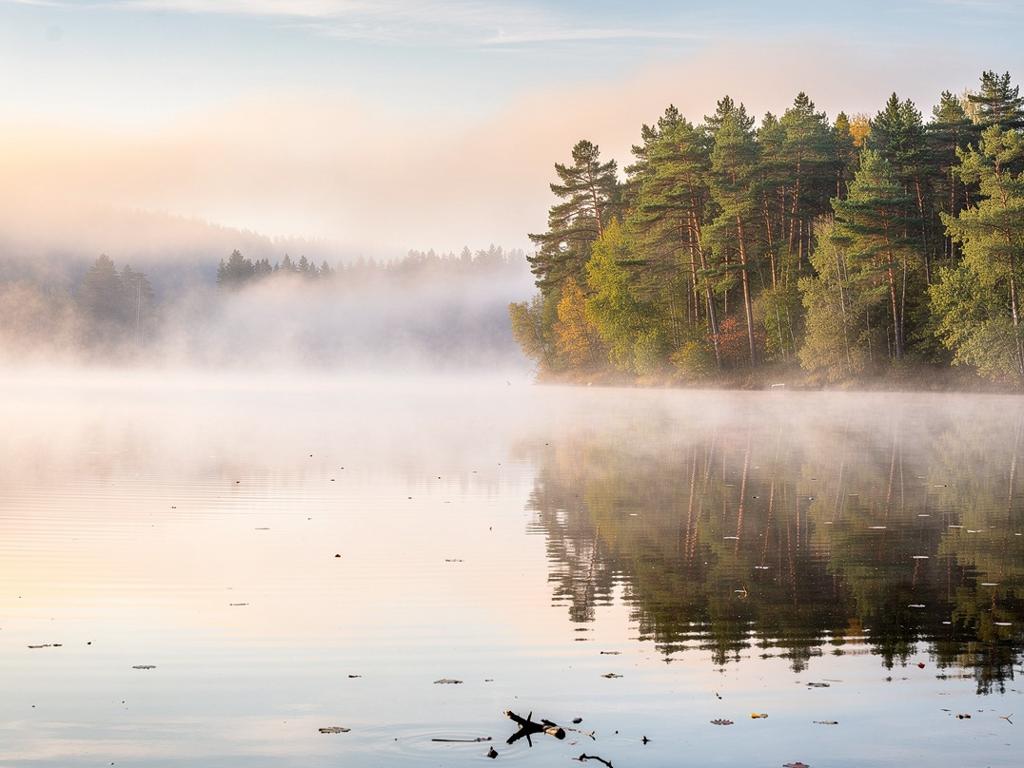
Here's a strange thought: what if the cure for feeling lonely isn't more people, but fewer? Not isolation — nobody's arguing for that — but chosen, attentive time by yourself, outside, doing very little. A recent study out of Norway suggests exactly this, and it lines up with something a lot of us who've sat in ceremony or done deep integration work already suspect: connection isn't only about other humans. Sometimes the thing you're missing is a felt sense of belonging to something larger than the group chat. The study, published in Health and Place, surveyed more than 2,500 people living near Norway's largest lake. Researchers tracked how often participants walked the shoreline, swam, paddled, fished — and crucially, how often they did those things alone. What they found flips the usual advice on its head. It wasn't the socializing by the water that reduced loneliness most. It was feeling bonded to the place itself, and to the living world around it. And the effect was often stronger when people went alone. Two variables did the heavy lifting: connectedness to nature (a sense of kinship with plants, animals, the whole living system) and place attachment (an emotional tie to a specific spot). Both correlated with lower loneliness scores across multiple measures. Connectedness to nature had the strongest effect overall — especially on the loneliness that comes from feeling cut off from a wider community, not just from close relationships. The type of activity mattered too. Walking the shore, sitting by the water, walking on the frozen lake in winter — these had the strongest ties to that feeling of connectedness. Exercise-focused activities, oddly, had the weakest. The researchers think it comes down to where your attention lands. When you're pushing yourself through a run, your focus is inward and mechanical. When you're strolling and noticing, your senses open outward. The nervous system does something different in each mode, and the second mode is where the belonging shows up. Worth noting: this is an observational study. It can't prove that nature time causes reduced loneliness — it's possible lonelier people simply gravitate toward the water. But the pattern is consistent enough with other research on nature and mental health to take seriously. Anyone who's spent time in the plant-medicine world knows how much emphasis gets placed on relationship — with the medicine, with the facilitators, with the group. That's real and important. But there's a parallel thread that gets talked about less: the direct, unmediated encounter with the natural world. Curanderos in the Amazon don't treat the forest as scenery. It's kin. It's teacher. It's populated with intelligences you're expected to notice. The Norwegian researchers describe two mechanisms that might explain what's happening. The first is internal — solitude gives your attention somewhere to go besides other people or your own scrolling. Reflection becomes possible. Emotional regulation gets easier. You catch up with yourself. The second is external — feeling emotionally bonded to a place creates a sense of belonging that doesn't require anyone else to show up. You're not alone in the way that hurts. You're a small part of something big and alive. This is why solitude in nature can feel expansive rather than empty. Sit by a river for an hour with no phone and no companion, and something odd happens: the loneliness you carried in often loosens its grip. Not because the loneliness was fake, but because it was partly a story about being separate — and the story starts to weaken when you can hear water and wind and birds doing their thing without needing anything from you. Here's where the research gets careful, and where readers should be too. Solitude and isolation are not the same thing. Solitude is chosen. It's restorative. It has a clear end point and you come back from it feeling more like yourself. Isolation is the opposite — unwanted, painful, corrosive. Prolonged isolation is genuinely bad for you, and no amount of forest bathing will fix a life without meaningful human relationships. The study doesn't say to disappear into the woods. It says that intentional solo time in nature, done with your senses awake, can quietly reduce the ache of disconnection. If you're already isolated and starving for human contact, walking alone by a lake isn't the answer — reaching out to someone is. But if you're overstimulated, drained, or feeling like you've lost track of yourself in the noise of everyone else's opinions, an hour by yourself outside might be more medicine than another dinner party. This distinction matters especially for people considering plant medicine work. A lot of retreat-goers arrive at ceremony carrying loneliness they've been trying to fix with more activity, more relationships, more consumption. Ayahuasca and psilocybin often reveal a different diagnosis: the loneliness isn't from too little contact with others. It's from too little contact with yourself, with the earth, with a sense of being part of something. The Norwegian data is pointing at a low-cost, everyday version of the same insight. You don't need a lake. You don't need a wilderness. You don't need a week off. A city park with a decent tree count works. So does a quiet stretch of beach, a rooftop with sky access, or a scruffy bit of trail behind your neighborhood. What matters is doing it on purpose, and doing it in a way that lets your senses lead. Loneliness is now recognized as a serious public health issue, on the same scale as smoking or obesity in terms of long-term mortality risk. That's a big claim, and it's led to a lot of well-meaning but complicated interventions — apps, programs, initiatives. This research is a reminder that some of the most useful tools are older than any of that. Sit by water. Walk under trees. Pay attention. Come back tomorrow. For anyone in the middle of a healing process — recovery from addiction, trauma work, integration after a psychedelic experience — this practice is almost stupidly practical. It costs nothing. It requires no scheduling. It builds a baseline of nervous system regulation that makes every other kind of work go better. Facilitators who run ayahuasca and psilocybin retreats have been quietly prescribing this for decades. They send people to walk alone in the jungle, sit by the river, spend an afternoon with a single tree. It's not filler. It's part of the medicine. The bigger frame here is one that plant-medicine traditions have understood for a long time: healing isn't only relational in the human sense. It's ecological. The world you live in — the specific patch of it you inhabit — has something to offer if you let it. For readers who want to take this further inside a structured setting, a range of curated plant-medicine and nature-immersive retreats can be browsed on our marketplace here. Whether or not that's your path, the smaller version is available today: put on your shoes, pick a spot, leave the phone in your pocket, and go be alone outside for a while. See what shifts.
Joyspan: 7 Everyday Habits That Quietly Extend Your Life
Somewhere in the last decade, staying alive turned into a side hustle. We count steps, stack supplements, log our resting heart rate before breakfast, and swap CGM screenshots like baseball cards. None of that is bad. Some of it is genuinely useful. But there's a question hiding under all the biometrics that almost nobody asks out loud: are you actually enjoying being alive? Because a longer life you don't want to be in isn't much of a prize. I've started thinking about this in terms of what a friend of mine calls joyspan — the stretch of years where you feel curious, connected, engaged, and glad to wake up. It's a softer metric than VO2 max, and you can't buy a wearable for it. But it might be the one that matters most. And here's the strange, hopeful thing: the habits that seem to grow joyspan are, almost without exception, the same ones the longevity researchers keep pointing at. Let's start with the most embarrassing evidence: dog owners tend to live longer. Studies have linked owning a dog to lower blood pressure, reduced cardiovascular risk, and better recovery odds after a heart attack. Skeptics will say correlation, not causation. Maybe. But look at what a dog actually does to a day. You move more, whether you feel like it or not. You go outside in weather you would have skipped. You bump into neighbors and end up in conversations you didn't plan. There's a real thing researchers call the dog-park effect — enforced, low-stakes social contact with other humans, which turns out to be one of the more protective things a nervous system can get. And petting the animal releases oxytocin, the same hormone that shows up during hugs and breastfeeding. Maybe most importantly, a dog gives you a reason. Purpose is wildly underrated as a health variable, and a creature that needs breakfast at 6:47 a.m. delivers it in the most uncomplicated way imaginable. Cats count too, before anyone writes in. If longevity research has one greatest hit, it's this: relationships predict how long and how well you live better than almost any other single factor. The Harvard Study of Adult Development has been tracking the same men for more than eighty years, and the finding that keeps surviving every re-analysis isn't about diet or income or blood work. It's about who you're close to. You can feel it in the ordinary evidence of a good life. A dinner that runs an hour long because nobody wants to leave the table. A friend you can call without rehearsing the opener. A sibling who knows what you actually mean when you say you're fine. These aren't nice extras. They're regulating your nervous system, tamping down stress hormones, and changing, quite literally, how your body ages. Loneliness, meanwhile, appears to be about as bad for you as smoking. Which is a grim sentence, but a useful one. If you find yourself investing more in supplements than in the people you love, the ledger is upside down. Adulthood has a way of quietly demoting play. It becomes something you'll get to after the important stuff. The important stuff, of course, never ends. But there's a reason the world's longest-living populations — the Blue Zones people can't stop writing books about — organize their days around movement that feels like play. Walking to a friend's house. Gardening. Dancing at community events. Pickup games. Tennis in particular has been associated with one of the biggest life-expectancy boosts of any recreational activity, probably because it's physical and social and cognitively demanding all at once. You're reacting, reading a person, moving laterally, and swearing under your breath. It's a full-body cognitive workout dressed up as a Saturday afternoon. The trick is to find movement you'd choose even if it weren't good for you. When exercise stops feeling like homework and starts feeling like the best part of the week, the consistency problem solves itself. You know the feeling of being somewhere new — how the coffee tastes more like coffee, the streets seem louder, everything is a little more vivid? That heightened attention isn't just a nice vacation buzz. Novel experiences appear to build what neuroscientists call cognitive reserve, the brain's capacity to keep adapting as it ages. Curiosity, in other words, is protective tissue. The good news: you don't need a passport. Novelty is available in a different route home, a class in something you're bad at, a restaurant in a neighborhood you've been meaning to explore, a book by someone whose worldview annoys you. The point is to interrupt the autopilot that middle life installs by default. Some people find that novelty at its most concentrated shows up in retreat settings — silent meditation, wilderness immersion, or plant-medicine ceremonies conducted in traditions that ask you to encounter yourself differently. Those are heavier decisions, obviously, and not for everyone. But they belong on the same continuum: doing something that makes today feel meaningfully different from yesterday. The research on time outdoors is now embarrassingly consistent. Even small doses — morning light in your eyes, twenty minutes on a green block, a weekend walk somewhere with trees — show up in measurable improvements to mood, sleep, stress hormones, and inflammatory markers. You don't need a national park. What I like about the nature research is how forgiving it is. You don't have to become a hiker. You don't have to buy gear. You have to walk outside without your phone for ten minutes, more days than not. That's the whole prescription. Awe is one of those emotions we don't discuss enough because it sounds vaguely religious. But researchers have been quietly documenting some strange effects. Experiencing awe — the feeling of standing in front of something larger than yourself — has been linked to reductions in inflammatory markers, decreased self-focus, and stronger feelings of connection to other people. The trigger doesn't have to be a Grand Canyon rim. It can be a piece of music that undoes you, a sky that looks impossible, a moment in a ceremony or a service that quiets the internal chatter, or the sudden sense of how old the trees on your street actually are. Awe is available in ordinary moments if you're paying attention. The more you notice it, the more it seems to arrive. This is one of the reasons contemplative and plant-medicine traditions have persisted for as long as they have. Whatever else they do, they crack the ordinary open. Something like ayahuasca or psilocybin, taken in a responsible setting, is essentially a technology for producing awe on demand — with all the risks and responsibilities that phrase implies. Not the only path. But a path some people find when the ordinary ones have stopped working. There's a distinct satisfaction that comes from doing something with no productivity angle. No optimization, no outcome, no post about it. Reading a novel. Baking bread that isn't for anyone. Learning a chord you'll never perform. Gardening the same tomato plant your grandmother grew. Psychologists call this state flow — full absorption in an activity that's just hard enough to hold your attention. Flow has been linked to lower stress, better mental health, and higher life satisfaction across dozens of studies. It's also, subjectively, one of the closest things adult life offers to the way time felt when you were nine. My own evidence, for whatever it's worth: the weeks I feel most like myself are the ones where I made room for something creative or absorbing. A pottery class. An afternoon in the kitchen. A long stretch with a book. The measurable stuff — sleep, workouts, meals — improves in those weeks too, almost as a byproduct. Here's the pattern, if you squint at all seven: none of these habits are clinical. They don't require an app. They can't be A/B tested against a placebo. They're just what a good life has always looked like — animals, friends, play, curiosity, weather, wonder, and something to make with your own two hands. The uncomfortable question they raise is whether the modern obsession with optimization has quietly swapped means for ends. If the point of eating well and sleeping enough is to live longer, and the point of living longer is to have more of the good stuff, then maybe the good stuff should get top billing on the calendar, not the leftovers. Most people are surprised. Sleep improves when you have people to see. Blood pressure drops when you laugh more. Cravings settle when the day contains something you actually look forward to. And if a piece of your curiosity is pointing toward deeper work — trauma you've been circling for years, addictive patterns you're tired of, a stuck feeling that no amount of green juice has moved — the awe and connection you can find in a well-run plant-medicine retreat is one option worth considering carefully. If that thread pulls at you, a range of curated ayahuasca and psychedelic retreats can be browsed on our marketplace here. Lifespan tells you how long. Healthspan tells you how well. Joyspan tells you whether any of it was worth the trouble. Aim for all three, but don't forget which one the other two are supposed to serve.

Fast Weight Loss, Hidden Costs: What Alternate-Day Fasting Actually Does to Your Body
Fast results are seductive. You cut hard, the scale drops, the jeans fit, and you feel like you cracked the code. But a recent trial of alternate-day fasting adds weight to something a lot of us in the wellness world have been muttering about for years: the quicker you shed pounds, the more likely a chunk of what's leaving your body isn't fat at all. This isn't a takedown of fasting. Intermittent approaches have genuine merit, and plenty of people feel sharper, lighter, and more in control when they use them thoughtfully. The nuance is in the pace — and in what the scale isn't telling you. Researchers tracked 35 adults with obesity through a 62-day alternate-day fasting protocol. For the first 32 days, fasting days got progressively stricter, eventually landing at roughly a quarter of each participant's normal calorie intake. On the off days, people ate freely, though they were nudged away from very high-fat meals. The final 30 days shifted to a gentler pattern — around 500 to 600 calories on fasting days, with less hand-holding from the research team. The team checked in at day zero, day 16, day 32, and day 62. They looked at the usual suspects — weight, fat mass, lean mass, blood pressure — and paid particular attention to uric acid, a marker tied to gout risk and cardiovascular health that often gets ignored in weight-loss conversations. By day 62, participants had lost about 6.8 kilograms on average — roughly 7% of starting body weight. Waist circumference shrank. Visceral fat, the stubborn stuff wrapped around the organs, decreased. On paper, a clear win. Here's the catch. During the most aggressive phase of the protocol, nearly a quarter of the weight lost came from lean mass. That includes muscle. Uric acid crept up almost 9% in the same window. When the protocol eased, some of the lean mass returned and uric acid fell back below where it started. The people who lost the most lean mass also tended to see the biggest uric acid spikes — an association, not proof of cause, but worth noticing. Translation: the fastest phase produced the fastest weight loss and the biggest collateral damage. That's not a coincidence you can hand-wave away. Muscle isn't just aesthetic. It's the tissue that keeps you upright at 70, keeps your metabolism humming, keeps you able to carry groceries and grandkids and hike the trail you promised yourself you'd hike. It's metabolically active — meaning the more of it you have, the more calories your body burns just existing. Lose it, and you can end up in a frustrating spot: lighter on the scale, weaker in the mirror, and more prone to rebounding, because your body now needs fewer calories to maintain itself. This is the classic yo-yo trap. People blame willpower. Often it's biology reacting to being starved too hard, too fast. Then there's the uric acid piece. Elevated uric acid is linked to gout — which anyone who's had a flare will tell you is not a mild inconvenience — and to broader cardiovascular concerns. No one in the trial developed gout, but the pattern is worth flagging. The stricter the phase, the higher the levels climbed. Ease off, and they normalized. Honestly, it depends. Fasting works well for some people and poorly for others. If you have a history of disordered eating, it's probably not your tool. If you're an athlete in a heavy training block, cutting calories that hard will likely tank your performance and your recovery. If you're on medications for blood sugar or blood pressure, you need medical guidance before you experiment with anything this aggressive. For the general adult trying to lose some weight and improve metabolic health, a gentler approach tends to win over the long run. That might mean: Slower isn't sexier. It's just more durable. If you're going to cut calories — whether through fasting, portion control, or any other framework — two things move the needle more than anything else for keeping muscle on your frame. Eat enough protein. Most people undershoot this dramatically, especially on fasting days. Aim for something in the range of 1.6 to 2.2 grams per kilogram of body weight, spread across your eating windows. On low-calorie days, protein should be the last thing you cut, not the first. Eggs, fish, chicken, tofu, tempeh, Greek yogurt, cottage cheese, legumes with grains — pick your sources and get them in. Lift something heavy, regularly. Resistance training is the signal your body needs to hold onto muscle when calories are scarce. Cardio alone won't do it. Two to four sessions a week of proper strength work — real load, real effort, progressive over time — makes a significant difference in what gets preserved versus what gets sacrificed. You don't need a fancy gym. Bodyweight progressions, resistance bands, or a modest set of dumbbells will take most people a very long way. Sleep and stress management matter too. Both influence how your body decides what to burn and what to hold onto. Chronically underslept, chronically stressed people tend to lose muscle faster and hang onto fat more stubbornly. That's not moral failure — it's endocrinology. Weight loss discourse is stuck in a rush. Thirty-day challenges. Before-and-afters shot six weeks apart. The subtle message that if you're not dropping pounds visibly and fast, you're doing it wrong. This trial is a small but useful reminder that the body doesn't actually reward that pace. It compensates for it. The same principle shows up in almost every area of genuine change — physical health, emotional healing, spiritual work. The people who move fastest often move furthest from what they were actually trying to build. Sustainable transformation, whether we're talking body composition or something deeper, usually looks less dramatic day to day. It also tends to last. Plenty of retreats and structured programs bake this pace into how they work — combining nutrition, movement, contemplative practice, and rest in a way that treats the body as an ally rather than a project to be forced. If exploring that kind of container appeals to you, a curated selection of health and wellness retreats can be browsed on our marketplace here. Whatever route you take, the through-line is the same: go a little slower than feels satisfying, and you'll probably end up further along than the sprinters.

Not All Plant Foods Are Equal: What Heart Research Reveals
“Eat more plants.” It’s the advice you’ll hear from every doctor, every wellness podcast, every well-meaning cousin who just watched a documentary. And it’s not wrong. But it’s also not quite the whole story. A bag of lentils and a bag of gummy worms are, technically speaking, both plant-derived. So is a slice of sprouted rye and a slice of white sandwich bread. Grouping them under the same virtuous umbrella is how a lot of well-intentioned eaters end up wondering why their bloodwork isn't budging. New research out of China suggests the distinction matters more than we've been giving it credit for — especially for people already living with heart disease. Researchers followed 1,526 older adults for more than a decade as part of a long-running aging study. Every participant had cardiovascular disease of some kind — heart disease, cerebrovascular disease, or both. That's an important detail. This isn't a study of healthy twenty-somethings tweaking their macros. These are people whose diet choices were already carrying real cardiovascular weight. Participants filled out food questionnaires that let researchers estimate what they normally ate. Then the plant foods were sorted into two buckets. The healthier group included whole grains, fruits, vegetables, legumes, nuts, garlic, tea, and vegetable oils. The less-healthy group covered refined grains, sugary foods, and salt-preserved vegetables — all technically plant-based, all common in daily eating patterns around the world. Over the ten-plus years of follow-up, researchers tracked who died and when, then looked back at what everyone had been eating. The pattern that emerged was clearer than a lot of nutrition research manages to be. Here's the headline: yes, people who ate more plant foods overall tended to live longer. But that top-line finding hid something more interesting underneath. The type of plant food did most of the actual work. Higher intake of the healthier plant foods was linked to a lower risk of dying during the follow-up. Higher intake of the less-healthy plant foods went the other direction — it was linked to a higher risk. Same broad category. Opposite effect. This is the piece that most wellness headlines miss when they run with “plant-based diets extend life.” Whole grains, beans, nuts, fruit, and vegetables carry fiber, micronutrients, polyphenols, and a stack of compounds that support blood-vessel function and metabolic health. Refined grains and sugary snacks, on the other hand, deliver a fast glucose hit with very little of the surrounding nutritional context. Your heart notices the difference, even if the marketing on the packaging doesn't distinguish. For anyone with cardiovascular disease, diet does real, measurable work. It affects blood pressure. It affects blood sugar. It affects inflammation and the day-to-day operating conditions of the whole cardiovascular system. Piling on added sugar, sodium, and refined carbs makes every one of those markers harder to manage. Fiber-rich whole foods make it easier. That doesn't mean you have to go vegan. The researchers didn't test veganism, and plenty of long-lived populations eat fish, eggs, and dairy without issue. The point isn't to eliminate animal foods — it's to be more discerning about which plant foods you're actually reaching for. A diet built around white bread, cookies, and pickled vegetables is technically plant-heavy. It's also not doing your arteries any favors. Walk through any grocery store and you'll see the word plant-based slapped on packaging that has almost nothing in common with an actual plant. Plant-based chicken nuggets. Plant-based cookies. Plant-based cheese product. Some of these are fine occasional foods. Some are ultra-processed concoctions with ingredient lists longer than a CVS receipt. The word plant-based has become a marketing signal, not a nutritional guarantee. It tells you what a food doesn't contain — usually animal ingredients — but almost nothing about what it does contain. A boxed pastry made with palm oil and cane sugar is plant-based. So is a bowl of lentil soup. Treat the term as information about ingredients, not a verdict on health. You don't need a complete kitchen overhaul. Small, repeatable swaps do most of the work over time. Here's where to start: None of this is revolutionary. It's the same advice that keeps showing up in study after study, dressed in slightly different clothes. The reason it bears repeating is that the food environment most of us live in makes the opposite choice easier by default. No. The research here didn't compare vegans to omnivores — it compared people who ate more high-quality plant foods to people who ate more low-quality ones. Fish, eggs, and dairy can absolutely fit into a heart-healthy pattern. The lever that seems to matter most is the quality of the plant portion of the plate. Yes, and often they're just as nutritious as fresh. Frozen produce is typically picked and flash-frozen at peak ripeness, which locks in the nutrients. Canned is fine too, though it's worth glancing at the sodium level on canned vegetables and beans. Technically, but juice strips out most of the fiber that makes whole fruit so useful. You end up with a concentrated sugar hit and a fraction of the benefit. Whole fruit almost always wins. Whole potatoes with the skin are a legitimate vegetable, especially when they're baked or roasted rather than fried. What tips them into the less-healthy category is the preparation — deep-frying and drenching in butter changes the equation quickly. Every plant food is not created equal. If you already have cardiovascular concerns — or you're just trying to build eating habits that hold up over decades — the smart move is to make whole grains, beans, nuts, produce, and unrefined oils the foundation of the plate. Let the ultra-processed “plant-based” snacks be occasional, not structural. Food is one piece of a bigger picture that also includes sleep, movement, stress, and community. For readers whose interest in whole-body wellbeing extends into contemplative and plant-medicine practices, curated wellness and healing retreats can be browsed on our marketplace here. Eating well is the daily practice; the deeper work usually happens somewhere quieter.
Dreaming of a Psychedelic Retreat?
We have the best deals and offers from thousands of organizers all over the world! Get them into your mailbox every week!
We value your privacy. Your email address will never be shared or published.
