 English
 Deutsch
 Français
 Nederlands
 Español
SHOP AYAHUASCA RETREATS BLOG
Is the Ayahuasca Vine Running Out? The Conservation Story Nobody at Retreats Talks About

Cleo Adler
June 10, 2026
Your ultimate guide to discover transforming ayahuasca and psychedelic experiences. Dive into serene destinations and elevate your consciousness to unparalled heights.
Discover Ayahuasca & Psychedelic Retreats NowSearch for ayahuasca & psychedelic retreats
Discover retreats, trainings, and holidays from all over the world
If you've spent any time researching ayahuasca retreats, you've probably read the brochures. The reverence for the vine. The lineage of the curanderos. The candlelit maloca three hours into the night. What you've almost certainly not read — and what almost no retreat website wants to bring up — is whether the plant at the center of all this is being harvested faster than the rainforest can grow it.
I want to talk about that. Because if you're seriously considering booking an ayahuasca ceremony, you're stepping into a story that's bigger than your own healing. The vine has its own life, its own ecology, and increasingly, its own crisis. None of this should scare you off a retreat. But it should change how you choose one.
What Ayahuasca Actually Is — and Why the Vine Matters Most
Ayahuasca is a brew. Usually two plants, sometimes more. The psychoactive punch comes from DMT-containing leaves — most commonly chacruna (Psychotria viridis) or, in parts of Brazil, chaliponga. But the leaves on their own do nothing when you drink them. Your gut breaks the DMT down before it can reach your brain.
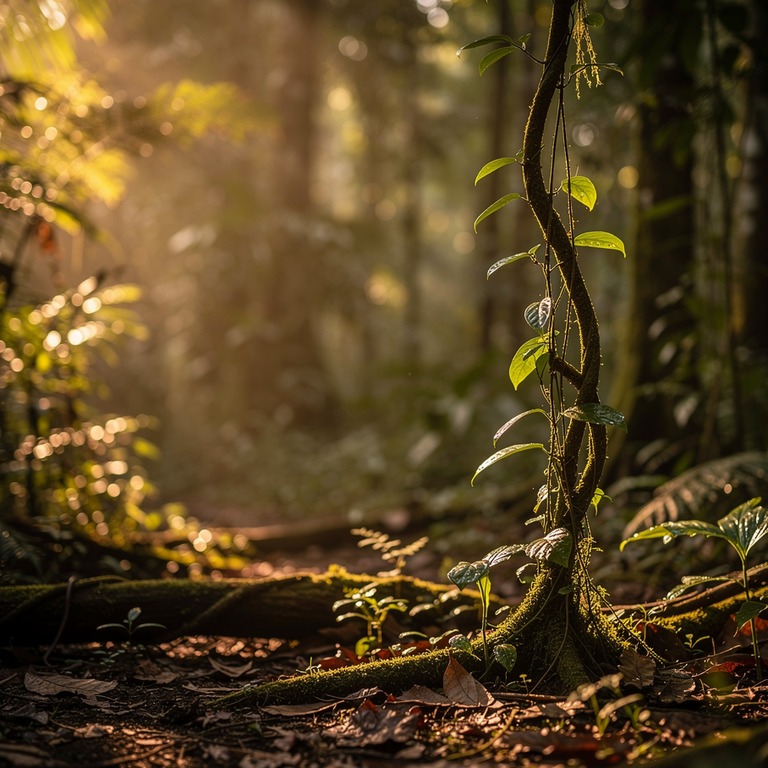
That's where the vine comes in. Banisteriopsis caapi — caapi, jagube, mariri, depending on where you are — contains harmala alkaloids that switch off the enzyme responsible for that breakdown. Without the vine, no journey. The Quechua word ayahuasca means “vine of the soul,” and it refers both to the plant and to the brew. Among most Amazonian traditions, the vine is considered the elder, the teacher, the actual master plant. The leaves are the voice; the vine is the spirit doing the talking.
This matters for conservation because the vine is the slow-growing one. Chacruna grows back like a weed. Caapi takes years — sometimes a decade or more — to reach the maturity that traditional brewers consider proper. You can't simply replant your way out of a shortage in a single season.
One Species, or Many? The Taxonomy Question Hiding in Plain Sight
Western botany has been calling caapi a single species since Richard Spruce described it in 1852. But the people who actually use the plant have always known better. Ayahuasqueros across the Amazon distinguish numerous varieties — tucunacá, caupuri, cielo, trueno, ourinhos, and many more — each with its own appearance, character, and felt effect in ceremony.
For a long time, scientists shrugged. Even the legendary ethnobotanist Richard Evans Schultes admitted he couldn't visually tell the varieties apart, even though indigenous brewers could identify them from across a clearing. More recent Brazilian research has started to confirm what traditional knowledge has held all along: the varieties differ in leaf color, gland arrangement, stem nodes, bark, and crucially, in their alkaloid profiles. A 2020 chemistry study found significant variation in harmala content between varieties — which is a polite scientific way of saying yes, they hit different.
Why does this matter to a person booking a retreat? Because conservation isn't just about saving the vine. It's about saving the varieties. If commercial harvesting flattens the genetic diversity down to whichever vines are easiest to find and chop, something irreplaceable is lost — not just biologically, but ceremonially.
How Bad Is the Shortage, Really?
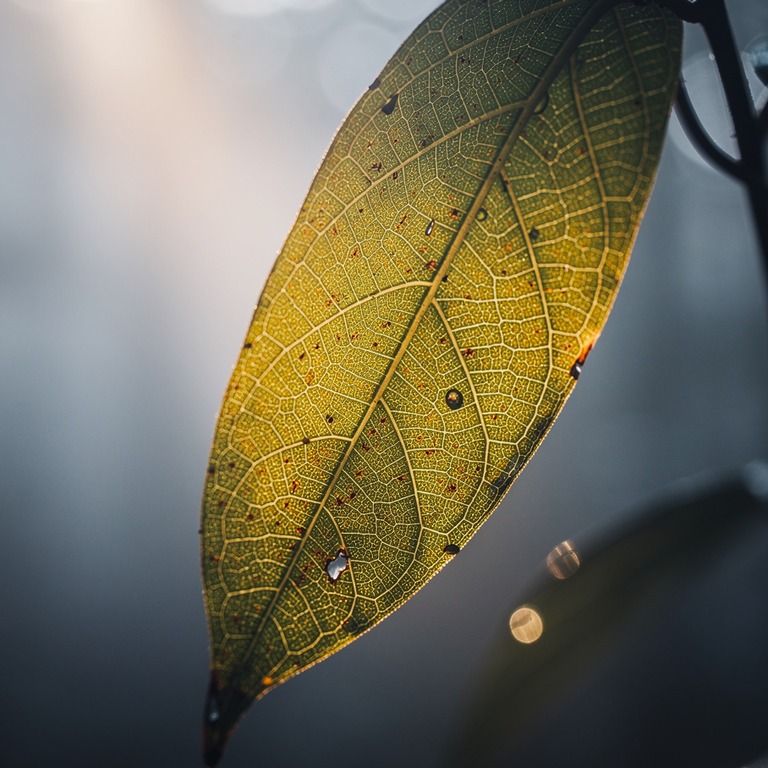
The honest answer: it depends where you look, and there isn't enough data. The International Union for Conservation of Nature hasn't formally assessed B. caapi. Peer-reviewed papers on its wild population are thin on the ground. So most of what we know comes from ethnographers, working ayahuasqueros, journalists, and the conservationists trying to sound an alarm.
Here's what the picture looks like, region by region:
- Iquitos, Peru — the unofficial capital of ayahuasca tourism. Thousands of foreigners pass through retreat centers in the surrounding area each year. Local wild stocks are visibly depleted. Brewers report having to source vine from further and further away.
- Pucallpa and the Ucayali region — much of the vine destined for Iquitos comes from here, often harvested from areas around the Imiría Conservation Reserve. The wild vines arriving at market are reportedly thinner and younger than they used to be, which is the textbook signal of overharvest.
- Brazil — the syncretic churches (Santo Daime, União do Vegetal, Barquinha) cultivate vine on a serious scale to meet their own demand. Some Brazilian states have legislation requiring religious organizations to register, get licenses, and present reforestation plans. Enforcement, though, is patchy at best, and political winds matter enormously — recent years of weakened environmental protection have driven significant deforestation in the very regions where caapi grows.
- Colombia — where the plant is called yagé. Indigenous Cofán communities have cultivated it for generations, and overharvest hasn't yet hit the levels seen in Peru. The threats here are different: oil extraction, fragmentation of indigenous land, coca-related fumigation, and creeping deforestation for cattle and agriculture.
The thread connecting all of this is straightforward. Where the vine is used by local communities at a community scale, it's been managed sustainably for centuries. The problems start when global demand collides with a slow-growing plant.
The Less Obvious Costs of the Boom
There's also a knock-on effect most retreat-goers never hear about. A 2019 study in Conservation Biology linked the ayahuasca tourism boom to jaguar poaching — researchers interviewing vendors and people in the tourism industry traced demand for jaguar teeth, claws, and other parts back, in part, to spiritual-tourism markets. Sacred plants don't exist in a vacuum. When demand for a ceremony economy explodes, all sorts of unintended currents start flowing through the forest.
This isn't an argument that ayahuasca tourism is inherently destructive. It isn't. But it does mean the choices a foreign visitor makes — which retreat, which lineage, which sourcing — ripple outward in ways the marketing copy will never describe.
What This Means If You're Thinking About a Retreat
I'm not going to tell you to skip an ayahuasca retreat over conservation concerns. The medicine has helped a lot of people who had run out of other options — people working through addiction, depression, trauma loops that wouldn't quit. That's a real thing, and I won't pretend otherwise.
But if you're going to drink the vine, you owe it a little curiosity about where it came from. A retreat center that genuinely cares about sustainability will be able to answer questions. The places that get squirrelly when you ask are telling you something.
Here are the questions worth asking before you book:
- Where do you source your caapi? The answer “we cultivate our own” or “we work with a specific indigenous community that cultivates it” is a good sign. “We get it locally” without further detail is a shrug.
- Do you grow chacruna and caapi on-site? Many of the better centers do, partly for sustainability and partly because cultivated vine of known lineage produces more consistent brews.
- How long have you worked with your sourcing partners? Long-term relationships with growers usually mean better practices than chasing the cheapest wild-harvested supply.
- What's your stance on the broader ecology — protected species, the surrounding forest, the indigenous communities? Retreat centers that protect the vine usually protect a lot of other things too.
- Are you transparent about which variety of caapi you use? Not every center will know, but the ones who do tend to take the plant seriously as a being, not just an ingredient.
A retreat that grows its own vine, works with a known curandero lineage, and can talk plainly about its sourcing is doing more for your safety and your experience than one with prettier Instagram photos. Sustainability and quality tend to travel together. Sloppy sourcing usually means a sloppy operation.
A Quiet Responsibility
The vine of the soul has been quietly holding up a global movement — addiction recovery work, psychedelic-assisted healing experiments, the slow mainstreaming of plant medicine as a serious tool for people who've exhausted everything else. None of that happens without Banisteriopsis caapi, and none of it continues if the forest gives out.
The honest truth is that the people drinking ayahuasca in retreat centers are, collectively, one of the major economic forces shaping what happens to the vine. That's not a guilt trip. It's leverage. The retreats that buyers reward — the ones with serious cultivation programs, transparent sourcing, and real relationships with indigenous stewards — are the ones that will define the next decade of this work.
If any of this resonates and you're weighing your options seriously, a curated selection of ayahuasca retreats with vetted sourcing and lineage details can be browsed on our marketplace here. Choose carefully. The vine has been patient with us. The least we can do is return the favor.

Craving More Stories?
Join our ShopAyahuascaRetreats newsletter for the latest updates on thrilling
destinations and inspirational tales, delivered straight to your inbox!
We value your privacy. Your email address will never be shared or published.