 English
 Deutsch
 Français
 Nederlands
 Español



Reset. Heal. Grow.
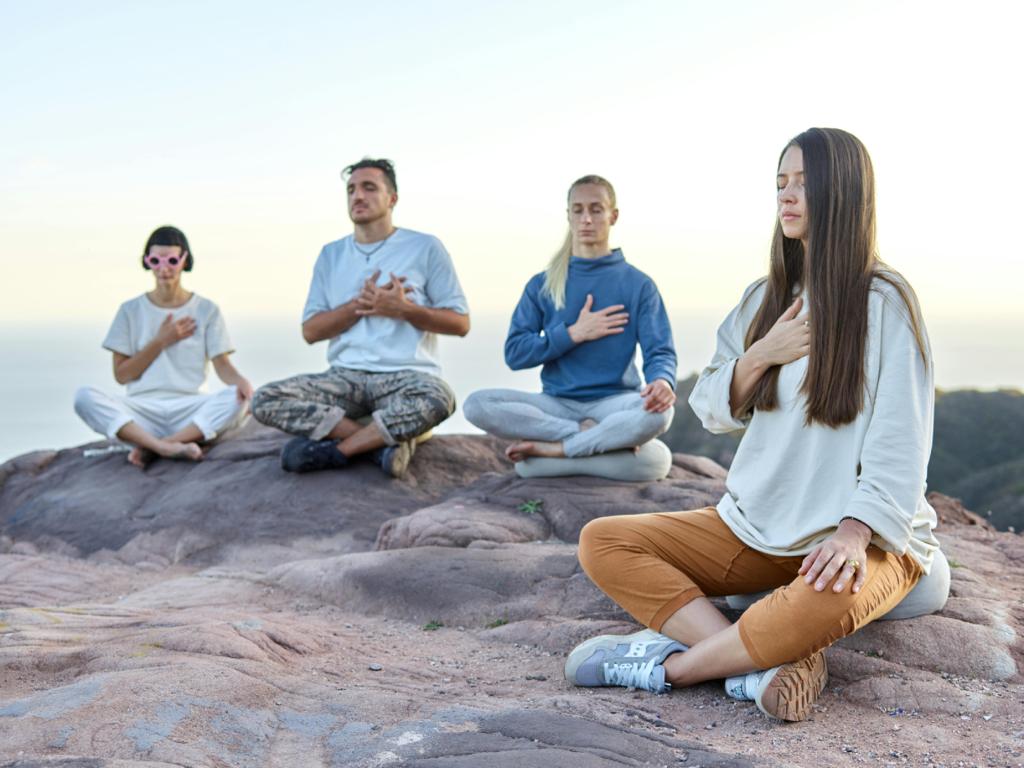
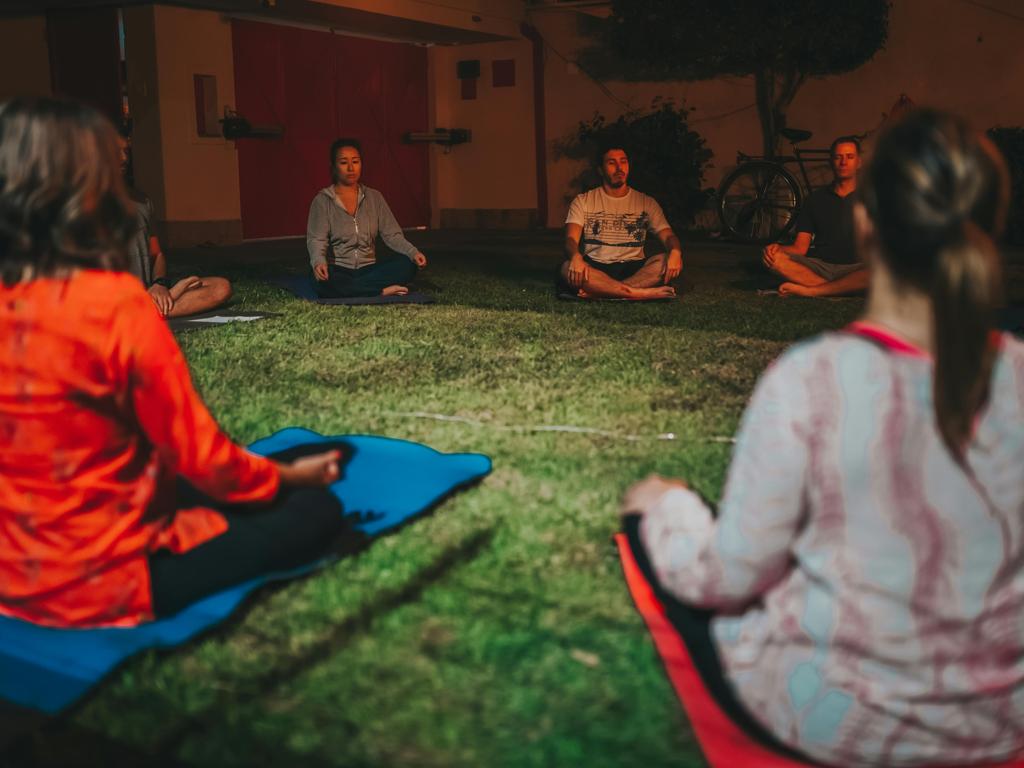
Choosing a Plant Medicine Retreat in Peru: An Honest Guide for First-Timers
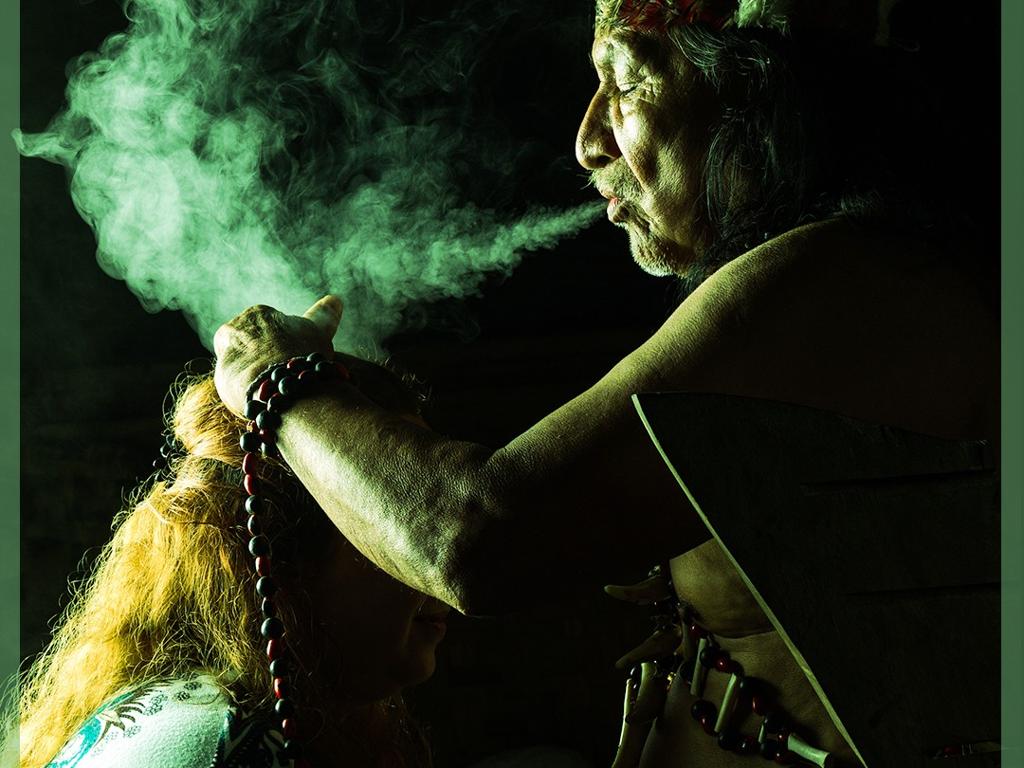
Peru keeps pulling people in. Not the tourists snapping photos at Machu Picchu — I mean the other kind. The ones who fly into Lima with a half-formed question they can't quite articulate, a stuck feeling they've been carrying for years, maybe an addiction or a depression that talk therapy hasn't touched. They come for ayahuasca. They come for huachuma. They come for the master plants. And most of them have no idea what they're signing up for. If that's you — or somewhere near you — this is the kind of guide I wish I'd had before my first trip into the Amazon. Peru is genuinely one of the world's most important destinations for plant medicine work, but it's also a country where the word shaman gets stamped on a lot of business cards. Knowing the difference between a real lineage holder and a guy with a feathered hat matters. So does knowing what kind of retreat actually fits what you're carrying. The short answer: lineage. Ayahuasca has been brewed and consumed in the western Amazon for at least several centuries, and the Shipibo-Conibo, Shuar, and other Amazonian peoples have refined ceremonial frameworks around it that simply don't exist elsewhere. When you sit in a maloca outside Iquitos or in the high jungle near Tarapoto, you're not at a wellness pop-up — you're inside a tradition with its own grammar. The geography matters too. Coastal desert, Andean highlands above 11,000 feet, and dense lowland jungle all sit within a single country. Different plants thrive in different zones. Ayahuasca and the master plant dietas belong to the jungle. San Pedro (huachuma) belongs to the Andes. Knowing where you're going changes everything about what the experience will feel like — humidity, altitude, mosquitoes, the sound of the night. There's also a legal reality worth naming. Ayahuasca is recognized as cultural heritage in Peru and can be served openly in ceremonial contexts, which means reputable centers operate above-board rather than in the shadows. That alone changes the safety calculus compared to a basement ceremony in a country where everything's illegal. Forget the Instagram version. A genuine ayahuasca retreat is mostly quiet. You arrive, you settle in, you eat bland food (no salt, no sugar, no pork, no spice — the dieta is real and it starts before the first ceremony). You meet the facilitators. You fill out a medical form that asks about SSRIs, heart conditions, and psychiatric history, and if the center doesn't ask, leave. Ceremonies usually run from after sunset until somewhere around three or four in the morning. You sit or lie on a mat in a circular wooden structure called a maloca. The curandero or curandera sings icaros — medicine songs that shape the visions and hold the space. You drink a small cup of something that tastes like burnt earth and bitter regret. Then you wait. Within forty minutes or so, the medicine starts to move. What happens next is impossible to summarize honestly. People purge. People weep. People meet versions of themselves they've been avoiding for decades. Some nights are profound. Some nights are confusing and uncomfortable and seem to do nothing — until three weeks later when you realize you stopped doing the thing you've been doing for fifteen years. That's how plant medicine often works. Sideways. Ayahuasca gets the headlines, but it's not the only medicine working in Peru. A few worth knowing about: If you're researching plant medicine for addiction recovery specifically, ayahuasca and huachuma both have decades of anecdotal reports and a growing handful of preliminary studies behind them. They aren't magic bullets. People I've spoken with who got real traction with their drinking, their opiates, or their compulsive patterns almost always combined ceremony with serious aftercare — therapy, sober community, lifestyle overhaul. The retreat is the catalyst, not the cure. Pricing varies wildly, and the cheapest option is almost never the right one. A reasonable range for a reputable 7-to-10-day ayahuasca retreat in Peru runs roughly $1,200 to $3,500, including lodging, meals, ceremonies, and integration sessions. Master plant dietas often cost a bit more per day because of the extended supervision. Flights to Lima and onward to Iquitos, Tarapoto, or Cusco add several hundred dollars on top. What you're paying for, at a good center: licensed facilities, trained facilitators, medical screening, a curandero with actual lineage, vetted brew (sourced and prepared correctly, not cut with toxic additives), and proper integration support afterward. What you save by going cheap: usually exactly those things. I've heard enough stories of people drinking sketchy brew in roadside operations to feel comfortable telling you flatly — don't. This is the part of the conversation that doesn't happen often enough. The plant medicine space attracts good people, and it attracts predators. Knowing the difference protects you. Most centers send you a preparation document with the dieta guidelines. Follow them. The standard is two to four weeks beforehand: no alcohol, no recreational drugs, no pork, no aged cheese, no fermented food, no spicy food, minimal salt and sugar, no sex in the final week. It sounds extreme. It's there for pharmacological reasons (MAOI interactions are real) and for ceremonial ones. The psychological prep matters just as much. Spend time with the question of why you're going. Write it down. Not as a wish list — the medicine is not a vending machine — but as honest reflection on what's pulling you toward this. People who arrive with a clear, sincere intention generally have more coherent experiences than people who show up just curious. Practical stuff: bring a headlamp with a red-light setting, loose clothing in layers, a journal, bug spray that doesn't contain DEET (the jungle centers usually advise natural repellents), and earplugs. Leave the laptop. Tell someone at home where you'll be and roughly when you'll be reachable again. Here's the thing about plant medicine. The ceremony is loud and the integration is quiet, and the integration is where the actual change either happens or doesn't. People come back from Peru radiant for about ten days. Then real life shows up — the same job, the same partner, the same patterns waiting patiently at the door. Without a practice to bring the insights into ordinary time, the experience tends to fade into a beautiful memory that doesn't actually move the needle. That's the sad version. The other version, the one I've seen work, involves continued therapy, a regular meditation or somatic practice, community with other people who've done this work, and a willingness to be patient with yourself for months, not days. If something in this piece is calling to you, sit with it for a while before booking anything. Read more. Talk to people who've been. When you're ready to compare specific options, a curated selection of ayahuasca, huachuma, and master plant retreats in Peru can be browsed on our marketplace here. Peru will still be there when you're ready. The plants aren't going anywhere.
The History of Psychedelics: From Cave Paintings to Plant Medicine Retreats
The history of psychedelics is older than most religions, older than written language, and — depending on which cave painting you trust — possibly older than agriculture itself. That matters. If you're reading this because you're weighing a ceremony or a retreat, it helps to know that ayahuasca, peyote, psilocybin, and the rest aren't a wellness trend invented last Tuesday. They're part of a long, messy, beautifully human story about people trying to understand consciousness, heal sickness, and reckon with what some traditions call the master plants. This is a tour through that story. We'll move from prehistoric murals to Spanish conquistadors, from a Swiss chemist's bicycle ride to the modern psychedelic research labs at Johns Hopkins. Along the way, I'll point out where the trail goes cold, where the science gets interesting, and what it all means for someone considering plant medicine for addiction, depression, or the slower kind of stuck that doesn't have a name yet. The deepest archaeological trail leads to a cave in the Tassili-N-Ajjer plateau in the Algerian Sahara. Painted on its rock walls, somewhere between 7,000 and 9,000 years old, is a figure researchers nicknamed the “mushroom shaman” — a bee-headed character with mushrooms growing out of his body. Scholars believe the species depicted is Psilocybe mairei, a psychedelic mushroom native to North Africa. Take a moment with that. People were painting their visions on cave walls before anyone built a pyramid. Across the Atlantic, the evidence is just as old. In the Rio Grande region of what's now Texas, peyote specimens dating back to roughly 3,700 BC have been analysed for mescaline content. The conclusion was straightforward: Indigenous North Americans recognised the psychoactive properties of peyote at least 5,700 years ago. In northern Peru, a stone carving from around 1,300 BC shows a deity clutching a San Pedro cactus — another mescaline-bearing plant still used in ceremony today. Further south, in Mexico and Guatemala, archaeologists have unearthed carved “mushroom stones” dated between 1,000 and 1,500 BC, widely interpreted as ritual objects connected to psilocybin use. And in 2019, researchers described a 1,000-year-old shaman's pouch found in southwestern Bolivia, containing snuffing tablets, a snuffing tube, and chemical residues of bufotenin, DMT, and harmine. That last combination is significant — harmine plus DMT is the basic pharmacology of ayahuasca. Whether the brew itself is that old, we can't quite prove. But the molecules were in the right pouch. Europe didn't go looking for psychedelics. They stumbled into them, usually while trying to convert or conquer the people who already had a relationship with these plants. The earliest written record comes from 1496, when Friar Ramon Pane — travelling with Columbus on his second voyage — described how the Taino of the Caribbean used a snuff called cohoba, made from a DMT-containing shrub. He didn't approve. He documented it anyway. Sixty-odd years later, the Spanish missionary Bernardino de Sahagún catalogued Aztec use of peyote and psilocybin mushrooms in his Florentine Codex. In the 1570s, the conquistador-physician Francisco Hernández recorded the Aztec use of ololiuqui, the seeds of a morning glory species containing LSA — a close chemical cousin to LSD. The Aztecs had their own pharmacology, fully developed, and the Spanish chroniclers preserved it, often while condemning it. It took until 1851 for ayahuasca to enter the Western written record. The English botanist Richard Spruce, exploring the upper Amazon, watched the Tukano people drink the brew and — to his credit — tried it himself. Thirteen years later, the French physician Griffon du Bellay reported iboga use in Gabon and the Congo, describing the root that would, more than a century later, become central to a particular kind of addiction recovery work. Some of the early Western encounters with psychedelics were intentional. Others were, let's say, agricultural accidents. In 1799 in London, a man went out to pick mushrooms for his family's breakfast and brought home a fistful of Psilocybe semilanceata by mistake. The whole family had what is almost certainly the first medically documented psilocybin experience in Britain. Their doctor was, by all accounts, baffled. From there, things turned more deliberate. In 1887 a Texas physician named J.R. Briggs published an account of his own peyote self-experiment. In 1893, the Comanche chief Quanah Parker handed over 50 pounds of dried peyote buttons to a Smithsonian ethnologist, and some of that material ended up in the hands of the philosopher William James. In 1897, the German pharmacologist Arthur Heffter isolated mescaline and swallowed 150 milligrams of it — the first known human experience with a purified psychedelic compound. He took careful notes, which was very on-brand for a nineteenth-century chemist. Then came 1943. Albert Hofmann, a Swiss chemist at Sandoz Laboratories, accidentally absorbed a trace of a compound he'd synthesized five years earlier and called LSD-25. A few days later, on April 19th, he ingested 250 micrograms on purpose, hopped on his bicycle to ride home, and changed the trajectory of twentieth-century neuroscience. That bike ride still gets celebrated as Bicycle Day. The man lived to 102, which is either a coincidence or a hell of an endorsement. The 1950s and early 60s were a strange, productive window. Researchers ran more than a thousand clinical studies on LSD, exploring its potential for alcoholism, depression, end-of-life anxiety, and what we'd now call PTSD. Psilocybin was synthesised by Hofmann in 1958 and quickly entered psychiatric research. For a moment it looked like Western medicine might genuinely fold these compounds into its toolkit. Then the culture turned. The compounds escaped the lab, became woven into the counterculture, and by 1970 the U.S. Controlled Substances Act had placed LSD, psilocybin, mescaline, and DMT into Schedule I — meaning, officially, no medical use and high abuse potential. Most of the world followed. Research funding evaporated. Several promising therapeutic threads simply got cut, mid-experiment. A handful of underground therapists kept working quietly. Almost everyone else moved on. This is the part of the story that's worth pausing on if you're considering plant medicine today. The reason your doctor probably can't prescribe psilocybin for your depression isn't that the science failed. It's that the science was halted, politically, for roughly forty years. We are still catching up. Somewhere around the late 1990s, the door cracked open again. Roland Griffiths' team at Johns Hopkins published carefully designed psilocybin studies showing durable reductions in depression and end-of-life distress. MAPS pushed MDMA-assisted therapy for PTSD through phase 3 trials. Imperial College London opened a dedicated Centre for Psychedelic Research. Ibogaine clinics opened in Mexico, working specifically with opioid and stimulant addiction. Ayahuasca retreats — once a rumour passed between travellers in Cusco hostels — became something a software engineer in Berlin might book on her phone. The research now points in directions that would have made Hofmann nod. Psilocybin shows real promise for treatment-resistant depression. Ibogaine appears, in observational studies, to interrupt opioid cravings in a way nothing else does. Ayahuasca has been studied for its effects on the default mode network — the brain circuitry associated with rumination and rigid self-narrative. The mechanism isn't magic. It looks more like a temporary loosening of mental ruts, with a window afterward where new patterns can take hold. That window is what serious facilitators call integration, and it's where the real work happens. A few practical things worth knowing if you're considering a retreat: Here's the honest version. The plants and compounds we now call psychedelics have been part of human life for thousands of years, used by people who took the work seriously and built elaborate frameworks around it. The West discovered them late, studied them briefly, banned them in a panic, and is now slowly, awkwardly remembering what older cultures already knew. The current renaissance isn't a discovery. It's a homecoming with paperwork. If you're considering plant medicine for addiction, trauma, or that quiet kind of depression that doesn't make a scene but rearranges your whole life — you're stepping into a tradition with deep roots, not a wellness fad. Knowing the history doesn't tell you whether a retreat is right for you. It does tell you that the question deserves more than a weekend's research. Talk to people who've done it. Read about the specific medicine you're drawn to. Find facilitators who can describe their lineage and their screening process in plain language. If something here speaks to you, the ayahuasca, psilocybin, and ibogaine retreats discussed across the broader plant-medicine world can be browsed on our marketplace here. Take your time. These plants have waited 9,000 years; they'll wait a few more weeks while you choose well.
Psychedelics and Grief: How Plant Medicine Helped Me Process My Father's Sudden Death
My father died in his sleep on a quiet morning in December. He was sixty. The cause, in the end, was the bottle — a long, slow story with a short, brutal final chapter. Grief like that doesn't arrive in a single wave. It seeps in. It sits in your chest for weeks before you notice it's been there the whole time, breathing in and out with you. What I want to write about isn't really about the death. It's about what came after — specifically, the role that psychedelics played in helping my brother and me actually feel the loss instead of armouring against it. Plant medicine and grief is a quiet conversation happening in living rooms and rented cabins all over the world right now, and I think it deserves to be talked about honestly, without either the breathless evangelism or the reflexive sneer. What follows is one story. Mine. It's not a clinical recommendation. But if you're researching whether psychedelic healing might have a place in your own life — for grief, for addiction recovery, for the patterns you can't quite shake — maybe some of it will be useful. A few days after the funeral, my brother Rory and I rented a small cabin in the southern English countryside. Neither of us could stand being in the house where it had happened. We needed walls that didn't remember anything. Rory had brought a small bag of Hawaiian baby woodrose seeds — the source of LSA, a naturally occurring psychedelic that's a chemical cousin of LSD. He'd picked them up legally in Amsterdam months earlier, with no particular plan. When he suggested we take them together, I thought about it for maybe ten seconds. It seemed, frankly, a healthier option than what we were both quietly drifting toward, which was drinking ourselves into the same grave our dad had dug. An hour in, the room softened. Two hours in, we were hugging — really hugging, not the British half-pat that passes for affection in our family. We told each other things we'd never said. We cried. We laughed at how absurd it was that two grown men needed a handful of seeds to finally say the obvious. By morning the first snow of the winter was falling outside the cabin window, and something between us had shifted in a way that has held ever since. I'm not going to pretend my anecdote is evidence. It isn't. But there's a reason the conversation around psychedelics, addiction, and trauma has gone from fringe to front-page in the last few years — and grief sits squarely inside that conversation. Researchers studying psilocybin and 5-MeO-DMT think these compounds temporarily loosen the brain's habitual patterns. Grief, like depression and like addiction, tends to lock the mind into well-worn grooves: the same thoughts, the same avoidances, the same numbing strategies. A psychedelic experience can briefly disrupt those grooves — long enough for something new to land. A study launched at the University of Texas' Dell Medical School in late 2022 set out to test exactly this in widows of veterans, comparing psilocybin and 5-MeO-DMT against no treatment. The researchers there have spoken openly about the theory: that these molecules can interrupt depressive patterns and let the brain run differently for a while. Whether that translates into durable relief from prolonged grief is still being worked out. The early signals are interesting. They are not yet proof. Six months after Dad died, I travelled to a retreat in Mexico to observe — and to work with — 5-MeO-DMT. People call it the God Molecule. They also call it the toad, because the version most commonly used is derived from the venom of the Sonoran Desert toad. It's the fastest-acting and arguably the most overwhelming of the classic psychedelics. A full dose lasts maybe twenty minutes. It feels like a lifetime. By the time I sat down on the mat, Dad wasn't at the front of my mind. Life had moved on, the way life does. But when the medicine hit, every unresolved scrap I was still carrying — his drinking, his absence, the moments I was angry with him, the moments I missed him — surfaced at once. I wept in a way I hadn't allowed myself to weep at any point during the months prior. And then, somehow, on the other side of the weeping, there was something I can only describe as a wave of release. A surrender. A blissful, full-body letting go. I've thought about that twenty minutes many times since. What it gave me wasn't a memory or an insight. It was a kind of permission. Permission to stop bracing. The plant-medicine traditions of the Amazon talk about ayahuasca, San Pedro, tobacco, and others as master plants — teachers, not just substances. Whether or not you buy the spiritual framing, there's something useful in it: these medicines tend to work by softening the ego's defences and letting feeling move through you that was previously stuck. That softening is, I think, what made the night in the cabin with my brother so important. We didn't have a shaman. We didn't have a ceremony. We had each other and a willingness to drop our guard. The medicine did the rest. And the bond it formed has outlasted the trip by years. Some of the most credible work emerging right now on psychedelics for addiction recovery points at exactly this mechanism. Whether the substance is ayahuasca, psilocybin, ibogaine, or 5-MeO-DMT, the consistent thread in the participant reports isn't a chemical fix. It's a re-opening — to oneself, to other people, to grief that had been buried, to love that had been blocked off. I'm wary of telling anyone what to do here. Psychedelics aren't a universal answer and they aren't risk-free. People with certain heart conditions, certain medications, and certain mental-health histories should not take them. A reputable retreat will screen for all of that before they take your booking. If a retreat doesn't ask hard medical and psychological questions before accepting you, that itself is a red flag. A few things worth thinking about if you're researching: Cost varies wildly. A short psilocybin retreat in the Netherlands might run a thousand euros; a two-week ibogaine programme for addiction recovery in Mexico can stretch past ten thousand dollars. Ayahuasca retreats in Peru sit somewhere in between, depending on length and lineage. Cheap usually means corners cut. Expensive doesn't automatically mean good. If there's one thing my brother and I figured out, it's that grief doesn't want to be solved. It wants to be felt. The reason psychedelics seem to help — for some people, sometimes — isn't that they erase the pain. They make the pain accessible. They lower the walls long enough for you to walk in and meet what's there. That's why the integration piece matters so much. The medicine opens the door. You still have to walk through it, day after day, in the months that follow. Therapy helps. Honest friendships help. Time helps. Writing it down helps. The trip is a beginning, never an end. I miss my dad. I always will. But the grief that used to sit on my chest like a stone now sits more like a friend who visits sometimes — sad, familiar, no longer crushing. I credit a lot of things for that shift. The medicines are among them. So is my brother. So is time. If something in this piece has landed, and you want to look more closely at what's out there, a range of curated ayahuasca, psilocybin, and 5-MeO-DMT retreats can be browsed on our marketplace here. Take your time with the decision. The right retreat will still be there next month.
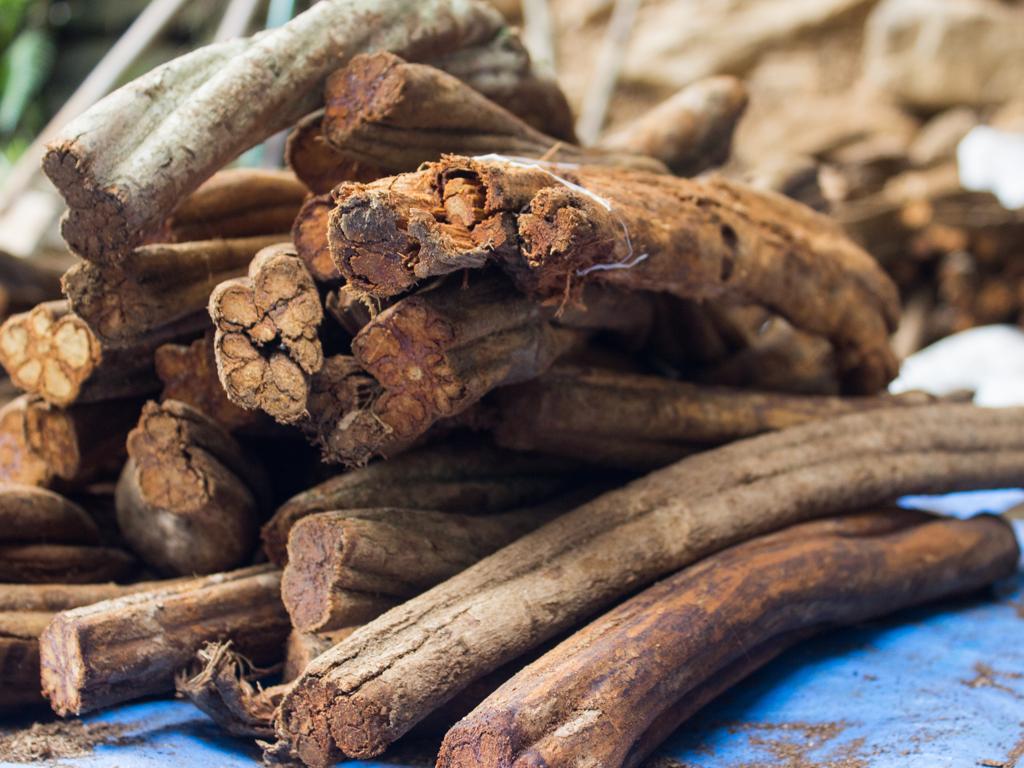
Ibogaine in Mexico for Opioid Addiction: What Recovery Actually Looks Like
Picture someone who has been on opioids for ten years. Not casually. Not recreationally. Daily, with all the architecture of a life built around the next dose — the planning, the lying, the slow narrowing of what feels possible. Now picture that same person flying to Tijuana or Playa del Carmen, sitting in a clinic bed, and swallowing a capsule made from the root bark of a West African shrub. Within hours, the withdrawal that should have crushed them for two weeks is mostly gone, and they're watching their own life unspool in front of them like an old film reel. That's the ibogaine story in its compressed form. It sounds like marketing copy. It isn't, exactly — there's real science behind it, and there are also real risks, real costs, and a whole category of things nobody warns you about until you're three days in and the visions have stopped but your nervous system feels like it's been turned inside out. If you're researching ibogaine for addiction recovery, you deserve the unsanitized version. Ibogaine is a Schedule I substance in the United States. That single legal fact is the reason an entire ecosystem of clinics has grown up along the Mexican coast and border, plus pockets in Costa Rica, Portugal, and a few other jurisdictions where the molecule sits in a legal grey area. Mexico doesn't formally regulate ibogaine, which has produced both legitimate medical clinics with cardiologists on staff and, frankly, some operations you wouldn't want your dog to detox at. The draw is specific. Ibogaine, derived from the iboga plant traditionally used by the Bwiti people of Gabon, appears to do something genuinely unusual to opioid dependence — it interrupts the withdrawal cycle and resets opioid receptor sensitivity in a way that no other single intervention reliably does. People walk in physically dependent on heroin, fentanyl, methadone, or oxycodone and walk out, days later, without the cravings that defined their lives. Not everyone. But enough that the testimonials keep stacking up. The other reason people go: desperation. Most ibogaine seekers have tried the standard menu — Suboxone tapers, methadone maintenance, twelve-step programs, inpatient rehab, sometimes multiple times. Ibogaine is what you look at when conventional addiction medicine hasn't held. A reputable clinic will not just hand you a capsule. The protocol typically starts days before the dose itself, with bloodwork, an EKG, liver panels, and a careful review of every substance in your system. This matters more than people realize — ibogaine can prolong the QT interval in the heart, which is the technical way of saying it can cause fatal arrhythmias in people with the wrong cardiac profile. The deaths that have happened in the ibogaine world have, overwhelmingly, happened in settings where this screening was skipped. The flood dose itself — the big therapeutic dose — usually lands you in bed for somewhere between 12 and 36 hours. The first phase is the visionary one. People describe panoramic life reviews, encounters with deceased relatives, dialogues with what feels like their own subconscious laid bare. The traditional Bwiti framing calls iboga a teacher, and even Western recipients who came in skeptical tend to walk out describing the experience as instructional rather than recreational. It is not, by any account, fun. The second phase is quieter. The visions fade, the body feels heavy and strange, sleep doesn't come for another day or two, and the mind keeps processing. This is where the work happens — where the relationship to the drug, the patterns underneath the using, the things avoided for years come up for examination. The third phase, which extends for weeks afterward, is often called the afterglow: a window of unusual clarity and reduced craving that participants describe as their best chance at rebuilding. This is the question people ask last and should ask first. Real medical ibogaine treatment in Mexico runs, on average, between $6,000 and $15,000 for a full program. The wide range reflects real differences: Anything priced significantly below that range should raise questions. Ibogaine is expensive to source, cardiac monitoring equipment isn't cheap, and qualified medical staff cost money. A $2,500 program is almost certainly cutting one of those corners, and the corner being cut is usually the one that keeps you alive. People researching plant medicine for addiction often end up comparing ibogaine and ayahuasca, and the comparison deserves honesty. Both are master plants. Both have been used in traditional healing contexts for generations. Both have clinical evidence supporting their use in substance use disorders. They are not interchangeable. Ayahuasca works more gradually and tends to be most useful for the psychological and emotional layers of addiction — the trauma underneath, the patterns of avoidance, the relationship to self. Multiple ceremonies over a week or two of retreat is the typical container. It does not, however, reliably interrupt physical opioid withdrawal in the way ibogaine does. Ibogaine is the heavier intervention. Single dose, more medically risky, more physically intense, and uniquely effective at the receptor-reset piece that opioid dependence requires. Some people do both — ibogaine to break the physical hold, then ayahuasca work months later to address what's underneath. Others find one is enough. Neither is a magic pill, and anyone selling either as a one-shot cure is overselling. Here's where the conversation usually stops, and where it shouldn't. The treatment itself is a doorway. What you do with the next 90 days determines whether the door stays open. The afterglow is real, but it's also temporary. The window of reduced craving and emotional openness typically lasts somewhere between four and twelve weeks. During that window, the brain is unusually plastic and unusually willing to rewire around new behaviors. Without active integration work — therapy, community, exercise, sleep, sometimes follow-up plant medicine sessions — many people drift back to old patterns once the window closes. The relapse rates in studies that don't include strong aftercare are sobering. The other thing nobody mentions: ibogaine is exhausting. Most people need two to four weeks before they feel physically normal again. Energy is low, sleep is weird, emotions sit close to the surface. Going back to a high-stress job within a week of treatment is a setup for disappointment. Plan for genuine recovery time on the other side, not a triumphant return to the same life that built the addiction in the first place. If you're seriously considering ibogaine, treat the clinic search the way you'd treat surgery research. Some honest filters: Reputable operators tend to have been working for years, have a clear medical director, publish their protocols, and are willing to say no to candidates who aren't appropriate. The newer, cheaper, glossier operations are where most of the horror stories originate. It's worth being honest with yourself about what ibogaine actually does and doesn't do. It will probably get you through opioid withdrawal in a way nothing else can. It will likely give you a window of clarity and reduced craving you can use to build something different. It will not, on its own, fix the reasons you started using, repair the relationships you damaged, or hand you a new life. That part is still on you, and it's still hard. For some people, that combination is exactly what they've been missing — a circuit breaker followed by the chance to actually do the work. For others, the medical risk, the cost, or the intensity make it the wrong fit. Both answers are legitimate. The worst outcome is the one where someone treats ibogaine as a vacation cure and skips the harder months that follow. If you've read this far and something in it resonates, the next step is talking to clinicians who do this work, not booking on impulse. For readers who want to take this further, a curated selection of ibogaine and plant-medicine retreats focused on addiction recovery can be browsed on our marketplace here. Whatever you decide, decide it slowly — this is one of the few choices where the speed of the decision matters as much as the choice itself.
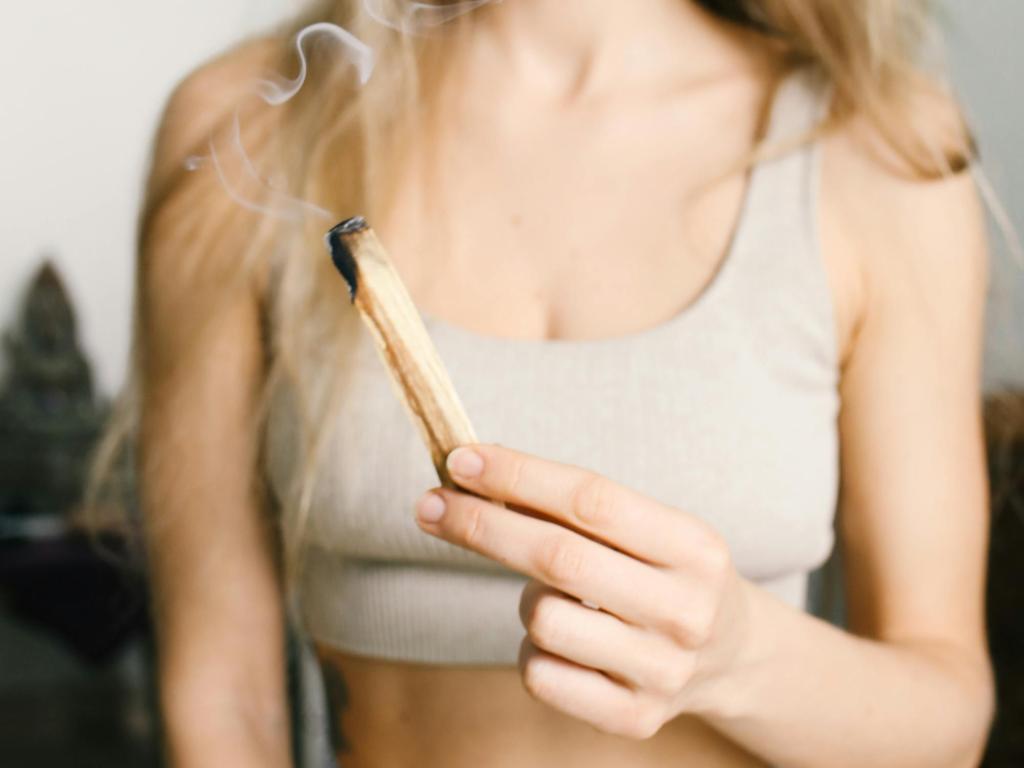
Ayahuasca in Canada: How Religious Exemptions Are Opening the Door to Legal Ceremony
Something quiet has been shifting in Canada. While most of the conversation about psychedelics focuses on Oregon's psilocybin program or the slow march of MDMA trials in the U.S., a small number of religious communities north of the border have been granted something genuinely remarkable: legal permission to import, possess, and serve ayahuasca. Not in a research lab. Not under emergency provisions. In ceremony. As sacrament. If you've been researching plant medicine and wondering whether your only options involve a flight to Peru or a leap of faith into the underground, this matters. It signals a shift in how a major Western government is treating a brew that contains DMT — a substance still classified as a controlled drug. And it raises real questions about what legitimate ayahuasca practice looks like, who gets to offer it, and how the rest of us should think about choosing a retreat. The federal health agency in Canada has issued five Section 56 exemptions to religious organisations, allowing their members to legally use ayahuasca — often called Daime Tea — in ceremony. The first two were granted in 2017 to congregations in Montreal. Three more followed, going to Ceu da Divina Luz do Montreal, the Église Santo Daime Céu do Vale de Vida in Val-David, Quebec, and Ceu de Toronto. These exemptions are not casual paperwork. They authorise designated members to possess, transport, import, administer, and yes, destroy the brew when it's used as part of religious practice. They last two years and can be renewed. And they exist because Canadian law allows the health minister to carve out exceptions to the Controlled Drugs and Substances Act for medical, scientific, or public-interest reasons. The churches involved trace their lineage to the Santo Daime tradition, founded in the Brazilian Amazon in the 1930s. It's a syncretic faith — a braid of Indigenous Amazonian shamanism, Christianity, and African spiritual elements — and the tea sits at its centre, the way bread and wine sit at the centre of a Catholic Mass. Jessica Rochester, who leads Céu do Montreal and shepherded one of the original exemptions through, has described the process as exhausting. More than a decade and a half of legal back-and-forth, paperwork, scientific submissions, and the slow grind of proving to a federal bureaucracy that drinking a DMT-containing brew in a ritual setting deserves the same protection as taking communion. That timeline tells you something important. These weren't loopholes. They were hard-won concessions built on a careful argument about religious freedom, public safety, and the long history of ayahuasca's ceremonial use. The churches had to demonstrate trained leadership, member screening, safe sourcing, and a clear pastoral structure. None of which, frankly, the average pop-up ayahuasca circle in a rented Airbnb can claim. Here's where it gets practical. If you're a Canadian — or anyone, really — looking at ayahuasca for help with depression, addiction, trauma, or the broader sense that something in your life has calcified and needs to crack open, you now have a slightly clearer map. There are legitimate, legal ceremonial communities operating in Canada. There are also legal ceremonial centres in Peru, Brazil, Costa Rica, and a handful of other countries where ayahuasca operates within indigenous or established religious frameworks. And then there's everything else — which is most of what's out there. The everything-else category isn't necessarily bad. Plenty of underground facilitators are skilled, ethical, and deeply committed. But the spectrum runs wide, and the further you wander from established traditions and clear oversight, the more your screening matters. A few things worth weighing when you're deciding where to sit: One of the underrated benefits of these Canadian exemptions is that they pave the way for serious study. Researchers like Brian Rush at the Centre for Addiction and Mental Health have been evaluating ayahuasca-assisted treatment programs — including one in Peru where the brew is legal — and the findings keep pointing the same direction. There's something genuinely useful happening for people struggling with depression, addiction, and PTSD. The mechanism is still being mapped. Ayahuasca seems to open access to repressed material — emotions, memories, body sensations that the daily mind keeps locked away. Combine that with the serotonergic effects of DMT and the MAO-inhibiting action of the Banisteriopsis caapi vine, and you get a state in which both the unconscious and the nervous system become unusually plastic. Therapy in the days and weeks afterwards seems to consolidate the gains. None of which is a green light for everyone. Researchers consistently warn that people with a history of psychosis, schizophrenia, or bipolar disorder should avoid ayahuasca. Certain antidepressants — particularly SSRIs and MAO inhibitors — create dangerous interactions. The medicine is powerful, and powerful tools cut both ways. Rochester has been blunt about her concern with what she calls ayahuasca tourism — the boom in retreat centres, the proliferation of weekend facilitators, the steady stream of people flying to Iquitos with a vague sense that the vine will fix them. The worry isn't snobbery. It's that the human urge to feel better now collides badly with a tradition that asks for preparation, humility, and time. The tragic cases are real. A Canadian woman died at a Peruvian retreat in 2015. Other deaths and serious incidents have followed, usually involving inadequate screening, undertrained facilitators, or participants taking medications that should never have been combined with the brew. None of this means ayahuasca is uniquely dangerous — by most measures, it's safer than alcohol — but it does mean the container matters enormously. That's part of why the Canadian exemptions are interesting beyond their immediate legal effect. They model what a regulated, accountable, community-rooted ayahuasca practice can look like. Members. Records. Trained leadership. A relationship with the law rather than a workaround of it. Whatever you think of organised religion, the Santo Daime structure offers something most weekend retreats can't: continuity. If you're sitting with the question of whether to attend a ceremony, the Canadian story offers a few useful framings. First, there's no rush. Plant medicine has been here for centuries; it will be here next year. The right time is when you've prepared — physically, emotionally, and logistically — and when you've found a setting you trust. Second, be honest with yourself about what you're hoping for. Ayahuasca isn't a vending machine. People who arrive expecting a specific outcome often get something else entirely, and the gap between expectation and experience can itself become the lesson. Come curious, not transactional. Third, talk to people who've actually done it — ideally several people, across different traditions and centres. The internet is full of glossy retreat pages and equally glossy horror stories. Real conversations with real participants will give you a calibrated sense of what's plausible, what's exaggerated, and what you might actually be walking into. For readers who want to take this further, a range of vetted ayahuasca and plant-medicine retreats can be browsed on our marketplace here. Whether you end up booking one this year or simply spend the next six months reading, talking, and preparing, the move toward legal recognition in places like Canada means the conversation is only getting more open — and the options, more grounded.
Craving More Stories?
Join our ShopAyahuascaRetreats newsletter for the latest updates on thrilling
destinations and inspirational tales, delivered straight to your inbox!
We value your privacy. Your email address will never be shared or published.

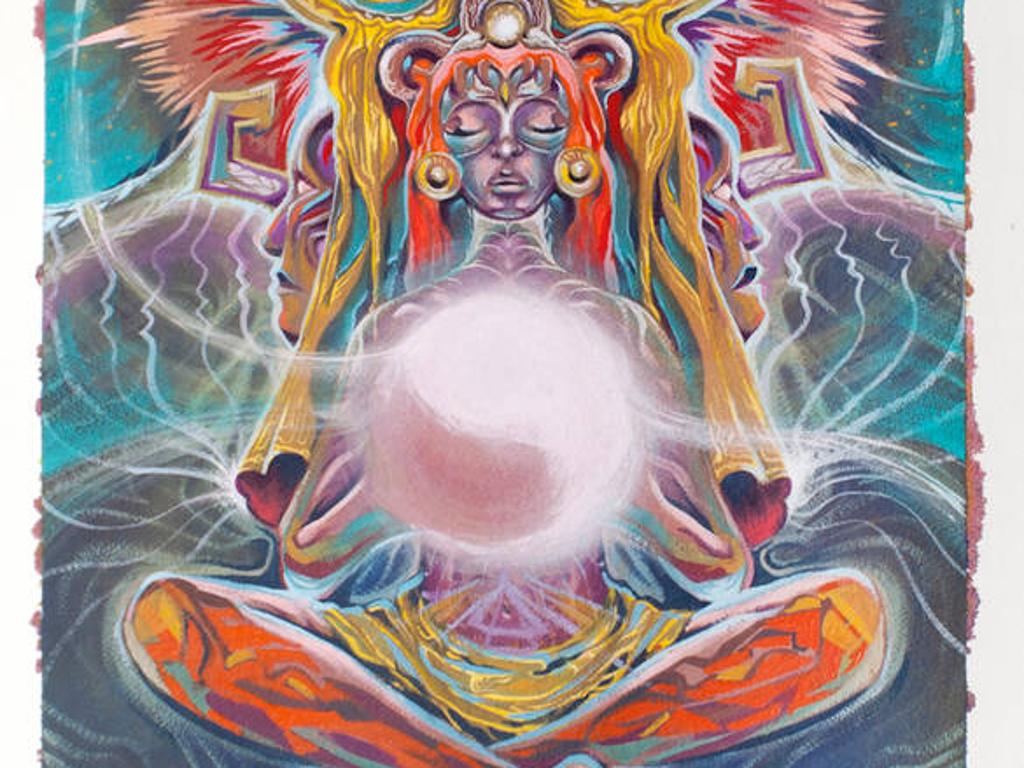
How Psychedelics Rewire the Brain: New Science on Neuron Growth
Here's something that doesn't get said often enough in the plant-medicine world: the most interesting evidence for why ayahuasca, psilocybin, and other psychedelics seem to help people isn't coming from retreat testimonials. It's coming from petri dishes and brain-imaging labs. Researchers are watching, in real time, what these compounds actually do to the architecture of a neuron — and the picture that's emerging helps explain why so many people walk out of a ceremony feeling, in their words, rewired. If you're reading this because you're considering a retreat — for depression, for addiction, for the slow-grinding sense of being stuck — the neuroscience matters. Not because it'll tell you whether to go. But because it gives you a more honest framework for what you're signing up for than the usual mystical brochure language. A study published in Science a couple of years back, out of David Olson's lab at UC Davis, looked at how psychedelic compounds like DMT (the active molecule in ayahuasca) and psilocin (what your liver turns psilocybin into) physically interact with neurons. The headline finding: these molecules don't just bounce around on the outside of brain cells. They get inside them. And once inside, they appear to trigger neurons to regrow their dendrites — the branching extensions that let one brain cell talk to another. Think of a neuron like a tree. The dendrites are its branches. In healthy brains, those branches are bushy and well-connected. In brains affected by chronic depression, PTSD, or long-term stress, those branches tend to wither — a process neuroscientists call dendritic atrophy. Fewer branches, fewer connections, narrower mental flexibility. It's one of the more reliable biological signatures of conditions we collectively call mental illness. The lab work showed that when neurons were exposed to certain psychedelics, those branches started growing back. Not metaphorically. Measurably. Under a microscope. Most antidepressants prescribed today — Prozac, Lexapro, Zoloft, the whole SSRI family — also seem to thicken dendrites over time. That's part of why they work, when they work. But there's a catch most people who've taken them already know: SSRIs are slow. Six to eight weeks to feel anything. Sometimes longer. And for a meaningful percentage of patients, they never quite get there. Olson's team argues that psychedelics may work faster and more robustly because of where they act. Serotonin, the neurotransmitter SSRIs target, mostly binds to receptors on the outside surface of neurons. Psychedelics, on the other hand, are lipid-soluble — they cross the cell membrane and activate receptors that sit inside the neuron itself. Olson likes to say it's a matter of location, location, location. Same receptor family, different address, very different result. What that means practically: a single psychedelic experience may produce structural changes in the brain that would take weeks of daily SSRIs to approximate. This lines up with what people describe after ayahuasca ceremonies and psilocybin sessions — a sense that something shifted quickly, and that the shift was about more than just mood. Addiction researchers have been paying attention to this work for obvious reasons. If you've ever been close to active addiction — your own or someone else's — you know it's not really about the substance. It's about the rigidity of the loop. The same craving, the same trigger, the same response, on repeat. Neurologically, that rigidity has a fingerprint: reduced plasticity in the prefrontal cortex, the part of the brain responsible for choice, reflection, and overriding impulse. If psychedelics can regrow dendrites in those exact circuits, you have a plausible biological story for why ibogaine seems to interrupt opioid addiction, why psilocybin trials are showing strong results for alcohol use disorder, and why ayahuasca participants frequently report a loosening of compulsive patterns they'd lived with for decades. The plant-medicine traditions have been saying for centuries that these substances help people see their patterns from the outside. Neuroscience is now sketching out how. The same logic applies to PTSD and treatment-resistant depression. When trauma carves a deep groove in the brain's threat-detection circuits, dendritic regrowth isn't just a nice metaphor — it's potentially the mechanism by which a person becomes capable of forming new associations with old memories. That's the actual work of healing. This is the part I won't gloss over, because nobody else seems to want to. Here's what the research doesn't say: That last point is contested, by the way. Many therapists working in this field — and most traditional ayahuasqueros and psilocybin guides — would tell you the experience is the medicine, and that integration of what you see during ceremony is what makes the structural changes stick. The truth is probably somewhere in the messy middle: the molecule cracks something open, the experience gives it meaning, and the weeks afterward determine whether the new wiring holds. If you're weighing whether to book an ayahuasca, psilocybin, or ibogaine retreat, the neuroscience is genuinely useful — not because it proves anything about your specific situation, but because it reframes what you're doing. You're not paying for a vacation or a vision quest. You're paying for a controlled context in which to undergo a temporary, intense state of neuroplasticity, with people around you who know how to hold space while it happens. That reframe should change what you look for in a retreat: The lab evidence is moving fast — faster than the legal and clinical infrastructure can keep up with. That gap is part of why the retreat world exists at all. People aren't waiting around for the FDA. They're going to Peru, to Costa Rica, to Mexico, to Jamaica, and increasingly to Portugal and the Netherlands, because the science has convinced them — and convinced a growing number of doctors quietly — that something real is happening here. What's worth holding onto, as you decide: the neurons in your brain still know how to grow new branches. That's not poetry. It's biology. The question is whether a psychedelic retreat is the right context for you to invite that growth, or whether some other path — therapy, somatic work, time, community — fits your life better right now. Both can be true at different moments. If you've read this far and the science has made you more curious rather than less, a range of ayahuasca, psilocybin, and ibogaine retreats can be browsed on our marketplace here. Take your time with the decision. The medicine, if you choose it, will still be there.
Inside Oregon's Legal Psilocybin Centers: What a $3,400 Mushroom Session Actually Buys You
Picture a quiet room in Eugene, Oregon. Tie-dye mattresses on the floor, wind chimes catching a breeze through an open window, a ceramic cup of bitter brown tea cooling on a side table. Somewhere down the hall, a trained facilitator is reviewing intake notes. In a few minutes, a person who has waited months — possibly years — for this appointment will drink that tea and spend the next six hours legally tripping on psilocybin. This isn't an underground ceremony. It isn't a research trial. It's a licensed, above-board psychedelic session that anyone over 21 can sign up for, no prescription needed, no diagnosis required. And the waitlist already stretches into the thousands. If you've been quietly researching whether psilocybin might help with depression, addiction, or one of those stuck patterns that talk therapy hasn't budged, Oregon's experiment matters. Here's what's actually happening on the ground — and what to think about before you reach for your credit card. Back in 2020, Oregon voters narrowly passed Measure 109, making it the first state in the country to create a legal framework for supervised psilocybin use. After several years of building out regulations, licensing facilitators, and approving service centers, the doors finally opened. EPIC Healing Eugene was first, and a small but growing network of centers has followed. Here's the part most headlines gloss over: this is not recreational legalization. You can't walk into a dispensary and buy a bag of dried mushrooms. Possession outside a licensed center is still technically prohibited (decriminalized for small amounts, but not legal to buy or sell). You can only consume psilocybin in person, at a licensed service center, under the supervision of a trained facilitator, after going through a preparation session. It's also not medicine in the traditional sense. There's no doctor writing a script. The framework deliberately avoids the medical model — facilitators aren't therapists, and the session isn't called treatment. It's called a psilocybin service. That distinction matters legally, and it shapes what the experience actually feels like. The sticker price at EPIC Healing runs between roughly $2,372 and $3,400 per session, with some partner and group discounts available. Insurance doesn't cover any of it. That's a real chunk of money, and it's worth understanding where it goes. A typical session structure includes three parts: a preparation meeting (usually an hour or two), the dosing session itself (six hours minimum, often longer), and an integration conversation afterward. Add in the cost of regulated, lab-tested psilocybin, facility overhead, facilitator time, mandatory licensing fees, and insurance for the center, and the math starts to make sense — even if it still stings. For comparison, an ayahuasca retreat in Peru runs anywhere from $1,500 to $4,000 for a week of multiple ceremonies, lodging, and meals included. A clinical psilocybin trial, if you can get into one, is free but extremely competitive. Underground guided sessions in the U.S. exist but are unregulated and carry real legal risk. Oregon's option sits in an awkward middle: legal, supervised, single-session, and not cheap. A few honest questions to ask yourself before paying: According to reporting from the centers themselves, a striking number of people on the waitlists describe severe depression — including suicidal ideation — and PTSD. Others are dealing with end-of-life anxiety, long-term addiction, or grief that hasn't moved in years. Some are veterans. Some are healthcare workers who've watched conventional psychiatry fail their patients (or themselves). A few are simply curious. What they share, mostly, is that they've tried other things. SSRIs that flatten the edges but never resolve the core. Therapists who've been helpful but not transformative. Meditation apps. Maybe a microdosing experiment that didn't go anywhere. Psilocybin is rarely the first thing people try — it's often what they consider after a long road of partial answers. That context matters because it shapes what realistic expectations look like. A single legal session is not going to undo twenty years of complex trauma. The research that's gotten everyone excited — particularly Johns Hopkins and NYU studies on depression and end-of-life distress — generally involves multiple sessions plus substantial therapy. Oregon's framework offers something narrower: a well-supervised opening, not a complete treatment protocol. People expecting either a clinical sterile experience or a full-blown shamanic ceremony tend to be surprised. The reality at most Oregon centers sits somewhere in between — warmer than a doctor's office, more structured than a friend's living room. You'll typically arrive in the morning, settle into a quiet room with soft lighting, blankets, and a comfortable place to lie down. Many centers provide eyeshades and a curated music playlist. The facilitator's job isn't to guide you through visions or interpret your experience in the moment — it's to keep you physically and emotionally safe, offer water, walk you to the bathroom if needed, and hold space without intervening unless you ask. Most of the work happens internally. The experience itself varies wildly. Some people report meeting versions of themselves they'd forgotten existed. Others sob through the first two hours and laugh through the last two. A few have what facilitators politely call “challenging” experiences — periods of fear, confusion, or confrontation with painful material. Those aren't failures; they're often where the most useful insights come from. But they're also why having a trained sober presence in the room matters. Afterward, you're usually given time to come down, eat something, and start talking through what happened. Integration — the slow process of metabolizing the experience into actual life changes — extends for weeks or months afterward. The center handles the first conversation. The rest is on you. Legal doesn't mean risk-free. Psilocybin can be genuinely dangerous for people with certain conditions — a personal or family history of psychosis or schizophrenia is the big one. Bipolar disorder is a serious consideration. Some heart conditions and medications (especially lithium and certain SSRIs) interact badly with psilocybin. Reputable centers screen carefully for these. If a center seems uninterested in your medical history, that's a red flag in itself. Other things to watch for when evaluating any psychedelic service: And honestly: the field is new. Even with regulation, quality varies. Some facilitators come from decades of underground experience and bring real wisdom. Others completed a state-mandated training program last year. Both are legal. Only one might be right for you. Colorado followed Oregon's lead, decriminalizing several psychedelics and laying groundwork for its own regulated access program. Similar measures are being debated in New York, Washington, Massachusetts, and a handful of other states. Federally, psilocybin remains a Schedule I substance, but the FDA has granted breakthrough therapy designation to psilocybin-based depression treatments, and clinical approval is a question of when, not if. Which means the Oregon model is being watched closely. If it works — if people report meaningful benefits, if adverse events stay rare, if the regulatory framework holds — expect to see legal access expand. If it stumbles, expect a slower, more cautious rollout elsewhere. Either way, the underground will keep doing what it's done for decades, and ceremonies with traditional plant medicines like ayahuasca will keep drawing people abroad. For anyone weighing options right now, the legal Oregon route is one path among several. Clinical trials are another. International retreats — particularly long-established ayahuasca and San Pedro centers in Peru, Costa Rica, and Mexico — offer a different kind of container: longer, ceremonial, often less expensive per ceremony though more expensive to travel to. If you're trying to figure out which model fits your situation, a range of curated psilocybin and plant-medicine retreats can be browsed on our marketplace here, where you can compare formats, locations, and depths of support before committing to anything. The most important thing, whichever path you consider: this stuff is powerful. Treat it that way. Don't rush the decision because a waitlist is closing or a discount expires. The mushrooms have been around for thousands of years. They'll still be there next month.

How to Have a Good Magic Truffle Trip: 12 Practical Tips
Magic truffles sit in a strange middle ground in the psychedelic world. They’re less mythologised than ayahuasca, less notorious than LSD, and quietly legal in a few corners of Europe — which is why a lot of curious first-timers end up trying them before any other classical psychedelic. The active compound is psilocybin, the same molecule found in magic mushrooms, and the experience can run anywhere from a soft afternoon of giggles to something that genuinely shakes loose how you see your own life. If you’re thinking about a truffle session — whether on your own, with a trusted friend, or as part of a guided psilocybin retreat in the Netherlands — the difference between a great experience and a rough one almost always comes down to preparation. Not luck. Preparation. Here are twelve things worth knowing before you sit down with the bag. Set and setting. You’ve probably heard it. It’s repeated so often that people glaze over, but every experienced facilitator I’ve spoken to says the same thing: the mental state you bring into the session is the single biggest predictor of how it’ll go. If you’re anxious, exhausted, in the middle of a breakup, or carrying unspoken resentment toward whoever you’re tripping with — psilocybin will find it. And then it’ll hand it to you, magnified. This isn’t a reason to be scared. It’s a reason to be honest with yourself. Sleep well the night before. Eat lightly. Sort out the logistics so nothing’s nagging at you. If something heavy is going on in your life, ask whether today is really the day, or whether next month would serve you better. Because it does. A familiar living room with soft light, blankets, and music you trust is a world away from a stranger’s couch with people coming and going. Outdoors can be magnificent — a quiet forest, a private garden — but only if you know the area and aren’t going to bump into a confused dog walker mid-peak. Make the space comfortable before the truffles kick in. Water within reach. A bathroom you don’t have to think about. A blanket. A spot to lie down. The vibe you create in the first thirty minutes is the vibe you’ll be marinating in for the next five hours. A sober trip sitter is one of the most underrated tools in psychedelics. Their job isn’t to entertain you. It’s to be a calm, grounded presence in the room — someone who hands you water, reassures you that yes, you’re fine, and quietly handles anything practical that comes up. Choose someone who isn’t squeamish about emotion and who you’d trust to drive you to a hospital if, in some unlikely scenario, that became necessary. If you don’t have anyone like that in your life, this is exactly the gap that licensed psilocybin retreats fill. A trained facilitator, a vetted environment, a group of people doing the same thing. For some readers that structure is overkill. For others it’s the reason the experience works at all. Truffles, technically called sclerotia, are the underground nutrient stores of certain Psilocybe species. They contain psilocybin and psilocin, the same compounds that make magic mushrooms psychoactive — just at somewhat different concentrations and in a slightly chewier package. Different strains have different reputations: some lean visual, some lean introspective, some lean euphoric. None of them care about your weekend plans. Read up on the specific variety you have. Know roughly how strong it’s supposed to be. If you bought from a reputable supplier, this information will be on the packaging or the website. If you can’t find it, that itself tells you something. The most common rookie mistake isn’t taking too little — it’s taking too much, getting impatient when nothing’s happening at the 30-minute mark, taking more, and then having a four-hour panic spiral when both doses arrive at once. Onset is typically 30 to 60 minutes on an empty stomach, longer if you’ve eaten. For a first session, start lower than the recommended amount. You can always go deeper next time. Rough orientation: An empty stomach gives a faster, cleaner come-up. A heavy meal can blunt the experience and make nausea more likely. The sweet spot for most people is a small, light meal two to three hours before — fruit, a bit of toast, something easy. Avoid big greasy plates. Some people fast for longer; that’s a personal call, but make sure your blood sugar isn’t crashing when the come-up hits, because that adds an unnecessary layer of physical weirdness. Music shapes a psilocybin experience more than people expect. The right track at the right moment can crack something open; the wrong one can drag you sideways. Build a playlist in advance. Mostly instrumental, mostly without lyrics that might intrude on your inner narrative. Ambient, classical, world music, soft electronic — whatever feels good to you sober. Have a backup ready in case your first choice stops working halfway through. And — small thing, big payoff — turn off all notifications on whatever device you’re using. The last thing you want at hour two is a Slack ping from your boss. Going in with a question or a soft theme tends to deepen the experience. Something like, “What am I avoiding?” or “Show me what I need to see about this relationship.” Keep it open. Psilocybin doesn’t respond well to demands. It tends to give you what you need, which isn’t always what you asked for. Then — and this is the part people forget — let the intention go once the trip begins. Don’t white-knuckle it. The medicine will return to it on its own terms. This should be obvious but apparently isn’t. Don’t combine truffles with alcohol, MDMA, cannabis, prescription antidepressants, or recreational stimulants. SSRIs in particular blunt the effect and, more importantly, can interact in ways nobody fully understands. If you’re on any psychiatric medication, talk to a doctor who actually knows about psychedelics before considering a session. This is not the area to wing it. Difficult moments happen. A wave of fear, a tight chest, an old memory surfacing uninvited. The instinct is to resist — to clamp down and try to make it stop. That almost always makes it worse. The counterintuitive move is to soften, breathe, and let whatever’s arising actually arrive. Most challenging passages dissolve within ten or fifteen minutes if you stop wrestling them. Reminders that help in the moment: this is temporary, you took a substance, you are safe, this will pass. Your sitter or guide can be invaluable here. So can a hand on your own chest and three slow breaths. The come-down is part of the experience, not an inconvenience to power through. As things wind down, you’ll feel tender, reflective, sometimes wide open. Don’t schedule anything social or demanding. Have warm food ready — soup, a simple meal, something nourishing. A quiet walk outside in the early evening can be lovely if you’re still mobile and the light is gentle. Sleep usually comes easily that night, though dreams can be vivid. Give yourself the next day clear too, if you can. You’ll thank yourself. Here’s the part most casual users skip, and the part anyone who’s taken psychedelics seriously will tell you matters most. The trip itself is the spark. Integration is what turns it into actual change in your life. Write down what you remember the next morning, even if it feels fragmentary. Talk it through with someone who gets it — a friend, a therapist familiar with psychedelics, an integration circle. Notice in the days that follow what you’re drawn toward, what you’re avoiding, what feels different. The insights from a single session can keep unfolding for weeks if you give them attention. Ignored, they fade fast. Truffles are, for many people, a doorway. Some take a session at home, find what they were looking for, and never feel the need to return. Others find themselves curious about deeper terrain — longer ceremonies, traditional plant medicines, structured group settings with experienced facilitators. There’s no correct path. There’s just the path that fits where you actually are. If something here resonates and you’d like the support of an experienced container rather than a solo sitting, a range of curated psilocybin and plant-medicine retreats can be browsed through the marketplace. Whatever you decide, take it slow, take it seriously, and treat the medicine — and yourself — with the respect both deserve.
Why Oregon's Psilocybin Market Faces a Tax Code Built for the Drug War
Here's something most people don't realize when they hear that Oregon legalized psilocybin: the people trying to build that market are walking straight into a federal tax landmine that was planted nearly forty years ago, during the height of the Reagan-era drug war. The substance is legal under state law. The businesses serving it are still, in the eyes of the IRS, drug traffickers. And that contradiction is about to make a lot of operators very unhappy when their first tax bill arrives. If you've been watching the psychedelic space — maybe even considering a psilocybin retreat in Oregon once licensed facilities open their doors — this matters more than it sounds. The rule in question shapes which retreats survive, which fold within a year, and which ones cut corners to stay afloat. So let's talk about what 280E actually is, why it's haunting the psychedelic industry now, and what it means for anyone weighing a future ceremony in Oregon. Section 280E of the federal tax code is a single sentence with enormous consequences. Passed in 1982, it prohibits any business that traffics in Schedule I or Schedule II controlled substances from deducting ordinary business expenses — rent, payroll, utilities, marketing, the boring stuff every other company writes off without thinking. The result is that a state-legal cannabis dispensary can pay effective tax rates north of 70 percent on its profits. Sometimes higher. The catch for the psychedelics world is that psilocybin is still federally classified as Schedule I, right next to heroin and LSD. Oregon's Measure 109 created a state framework for licensed psilocybin services, but federal law didn't budge an inch. So the moment a licensed psilocybin facilitator collects payment for a session, the IRS treats them the same way it treats a cannabis grower in Denver — meaning most of their normal operating costs aren't deductible. Until now, most psychedelic companies have sidestepped this problem by sticking to pharmaceutical research, operating offshore, or running ceremonies in countries where the law is friendlier. Oregon changes the math. For the first time, American operators are about to learn what cannabis entrepreneurs have been complaining about for over a decade. Talk to anyone who's run a dispensary and they'll tell you the same thing: 280E doesn't just shrink margins, it warps every decision you make. You can't write off the therapist's salary. You can't deduct the cost of the heating system. You probably can't even get a normal bank account, because most credit unions won't touch a federally illegal business. Financing dries up. Insurance gets weird. Landlords charge a premium because they know you're stuck. Sam Chapman, who leads the Healing Advocacy Fund in Oregon, has been blunt about expecting the tax issue to blindside operators who didn't come from the cannabis world. There's still no clean playbook for managing the liability. People assume that because their service is state-legal and looks more like therapy than retail drug sales, the IRS will see it the same way. The IRS will not. Investors are paying attention too. One venture capitalist focused on psychedelics put it plainly — from a returns perspective, a business saddled with 280E isn't exactly exciting to back. That sentiment, repeated across the funding world, means the operators most likely to survive Oregon's first few years aren't necessarily the most thoughtful or experienced. They're the ones with deep pockets and the patience to bleed cash while figuring it out. Not every business in the psilocybin supply chain is treated the same. The lines aren't fully drawn yet, but the rough shape is becoming visible: That distinction is going to shape the industry in ways most people aren't thinking about yet. Expect a wave of corporate restructuring where retreats split themselves into multiple legal entities — one that handles the ceremony space, the integration, the meals, the lodging, and another, narrower entity that handles the actual administration of psilocybin. Only the second one eats the tax penalty. Tax advisors who've been through this with cannabis clients warn that you can't just paper this over. The separation has to be economically real — different staff, different contracts, different books, a paper trail strong enough to survive an audit. Pretend-separation gets you in worse trouble than not separating at all. You're not here for tax law. You're probably here because you're quietly considering whether plant medicine might help with something you've been carrying — depression that hasn't budged, a stuck pattern, a loss you can't talk your way through, an addiction that traditional treatment hasn't touched. Oregon is the closest thing to a legal option in the United States, and that's why the business side of this matters to you, even if it sounds dry. Here's the practical translation. The financial pressure on Oregon operators is going to be real, and it's going to show up in ways that affect your experience: None of this should scare you off the idea of a psilocybin retreat. It should sharpen the questions you ask. Who's behind this operation? How are they funded? What's their facilitator training? What does integration look like after the session ends? A retreat that can answer those clearly is one that's thought past the tax form. Zoom out and the 280E situation tells you something honest about where psychedelic-assisted recovery sits in the United States right now. We have growing evidence that psilocybin can meaningfully shift depression, that ibogaine can interrupt opioid addiction in ways nothing else does, that ayahuasca and other master plants are doing real work for trauma survivors. We also have a federal legal framework that treats every one of these substances as if it were 1986 and the answer were just to say no. Until federal scheduling changes — and there are real efforts moving in that direction, but no guarantees — the legal psychedelic industry in this country will keep operating with one hand tied behind its back. That's why so many people still travel to Peru, Costa Rica, Mexico, or the Netherlands for plant medicine work. The legal climate abroad is cleaner, the traditions are older, and the price often ends up comparable once you factor in the tax distortion at home. What Oregon represents, despite the headaches, is a beginning. Imperfect, expensive, complicated — but a real legal pathway where one didn't exist before. The operators who survive the early years will help define what American psychedelic healing actually looks like. The choices they make about ethics, accessibility, and integration will matter for decades. If you're sitting with a quiet question about whether plant medicine might be part of your own next chapter, take the time to research carefully and ask the unsexy questions — about safety, screening, and aftercare — before you commit to anything. For readers who want to keep exploring, a curated range of psilocybin and plant-medicine retreats can be browsed on our marketplace here, including options both in the U.S. and internationally where the legal picture is different. Whatever you decide, decide it slowly. This kind of work rewards patience.

Your Genes and Psychedelics: What DNA Reveals About Your Trip
Two people drink the same cup of ayahuasca on the same night, in the same maloca, with the same shaman pouring. One spends six hours weeping into a bucket and rearranging the architecture of her grief. The other shrugs, says it was “interesting,” and goes to bed at midnight. What gives? Set and setting explain part of it. Dose, diet, body weight, sleep, and the thousand invisible variables of mood account for more. But somewhere in that puzzle sits your DNA — the quiet hand that decides how your brain metabolizes a molecule, how many receptors it hands out for serotonin, and whether psychedelics are likely to feel like a doorway or a landslide. For anyone weighing a plant-medicine retreat, your genetic profile is worth at least a passing thought. Genetic testing companies have started selling kits that claim to predict your psychedelic sensitivity. The science behind them is real, but it's also young, contested, and often oversimplified by marketing copy. So let's walk through five of the genes researchers keep coming back to — what each one actually does, what the research suggests, and how seriously you should take the results before you sign up for a ceremony. Classical psychedelics — ayahuasca, psilocybin mushrooms, LSD, mescaline from San Pedro — all interact with the serotonin system. Ketamine works through a different mechanism. Ibogaine is its own beast entirely. Each of these substances passes through your liver, binds to specific receptors, and is then metabolized at a speed that varies wildly between individuals. That variability has consequences. A “moderate” dose for one person can be a full ego-dissolution wallop for another. Someone with certain genetic variants may metabolize ketamine at half the normal rate, dragging out the experience for hours longer than the facilitator expected. Someone else may have a genetic profile that makes psychedelics genuinely risky — not unpleasant, but medically inadvisable. None of this means you need a lab report before you go anywhere near plant medicine. People have been drinking ayahuasca for centuries without knowing what a serotonin receptor is. But if you're someone with a family history of psychosis, schizophrenia, or bipolar disorder, the genetic conversation gets serious fast. Here are the markers most often discussed in psychedelic research. If you've read anything about how psychedelics work in the brain, you've met the 5-HT2A receptor. It's the docking site for psilocybin, LSD, DMT (the active alkaloid in ayahuasca), and mescaline. When these molecules fit into the receptor, they make cortical neurons fire in a chaotic, exuberant pattern — the neural signature, scientists believe, of the psychedelic state itself. The HTR2A gene codes for that receptor. Roughly one in five people carries a variant that produces more receptors than average, which may translate into greater sensitivity. More docking sites, more activity, potentially a more intense trip from the same dose. It's not a guarantee — sensitivity is shaped by many factors — but it's a plausible piece of the puzzle. Practically, what does this mean? If you suspect you're a sensitive responder (and many people figure this out the hard way), start lower than the standard ceremonial dose and tell your facilitator. A good shaman or guide will respect that. A facilitator who pushes you to drink more than feels right is a red flag regardless of your genes. Ketamine isn't a classical psychedelic, but it's increasingly part of the broader conversation around psychedelic-assisted therapy and addiction treatment. The CYP2B6 gene encodes a liver enzyme that breaks ketamine down. About 10 to 20 percent of people have a variant that slows that process dramatically — they clear the drug roughly half as fast as everyone else. For these slow metabolizers, a standard dose lingers. The dissociation lasts longer, the hangover is heavier, and the risk of side effects — drowsiness, confusion, unsettling hallucinations — climbs. The route of administration matters here too: intramuscular injection hits harder than nasal or oral dosing, which is part of why reputable clinics start cautious and titrate up. If you're booking a ketamine-assisted therapy session and you've ever had outsized reactions to anesthesia or other sedatives, mention it. That history is often a clue. This is where things get heavier. Three genes — C4A, NRG1, and DISC1 — have all been linked, with varying strength of evidence, to increased risk of psychosis, schizophrenia, and bipolar disorder. They influence brain development through different mechanisms: Why does this matter for psychedelics? Because powerful serotonergic drugs can, in rare cases, trigger or unmask a latent psychotic episode in people already vulnerable. Most retreat centers screen for personal and family history of schizophrenia, bipolar disorder, and psychosis — and they turn people away who disclose those conditions. That screening exists for good reason. If you have a parent, sibling, or grandparent with one of these diagnoses, talk to a psychiatrist before you book anything. A genetic test is not a substitute for that conversation; it's at best a supplement to it. The honest answer: take the results as one signal among many, not as a verdict. Genetic testing for psychedelic sensitivity is a young field. Some of the conclusions marketed by direct-to-consumer companies rest on a small handful of studies, and a few have been called out by researchers as overstated or based on outdated science. Reports often come with disclaimers that the results are not medical advice — and that disclaimer is doing real work. What a test can usefully tell you: What it can't tell you: whether you'll have a healing experience, whether you'll fall apart, whether the ayahuasca will show you the face of your grandmother or a tunnel of geometric snakes. Genes are one input. Your psychological history, your relationship with the facilitator, your preparation, the integrity of the lineage running the ceremony — all of these matter just as much, and most of them matter more. Skip the genetic test if you want. Buy one if you're curious. Either way, the practical checklist for anyone considering a plant-medicine experience looks roughly the same: Psychedelics, used carefully, are showing real promise for addiction recovery, depression, PTSD, and the kind of stuck life patterns that talk therapy struggles to crack. Master plants like ayahuasca, San Pedro, and iboga have helped many people loosen the grip of things they couldn't loosen on their own. But the keyword in that sentence is carefully. The same molecules that open doors can also kick down walls you weren't ready to lose. If you've read this far and you're still curious about taking the next step, a range of vetted ayahuasca and psychedelic retreats can be browsed on our marketplace here. Whatever you decide, decide it slowly, with good information, and with a clear sense of why you're going.
Dreaming of a Psychedelic Retreat?
We have the best deals and offers from thousands of organizers all over the world! Get them into your mailbox every week!
We value your privacy. Your email address will never be shared or published.
