 English
 Deutsch
 Français
 Nederlands
 Español

Reset. Heal. Grow.
How to Find a Safe and Reputable Ibogaine Clinic: A Practical Guide
Ibogaine is not a weekend wellness experience. It's a powerful psychoactive derived from the iboga root, used for decades in West African Bwiti ceremonies and, more recently, in clinics that specialize in interrupting opioid and stimulant addiction. People fly across the world for it. Some come home transformed. A few, tragically, don't come home at all — and that's the part most marketing pages won't tell you. If you're reading this, you're probably weighing a real decision. Maybe you're trying to break free of heroin, methadone, or alcohol. Maybe you're chasing relief from trauma that ayahuasca or psilocybin didn't fully reach. Either way, you deserve straight talk about how to pick a clinic that won't get you killed, ripped off, or re-traumatized. Here's what I've learned from years of covering plant medicine, sitting in ceremony, and talking to facilitators on both ends of the quality spectrum. Most plant medicines have a wide safety margin. Ibogaine doesn't. It affects the heart's electrical rhythm — specifically, it can prolong the QT interval, which in plain English means cardiac arrhythmia is a real risk. People have died during sessions, almost always because of pre-existing heart issues, undisclosed drug use, or sloppy medical oversight. This isn't fearmongering. It's the reason any legitimate clinic insists on bloodwork, an ECG, and a thorough medical history before they'll touch you. That's also why ibogaine sits in a different category from ayahuasca or San Pedro retreats. You're not just looking for a wise shaman and a beautiful jungle. You're looking for something closer to a medical facility with psychedelic competence — a place that takes the spiritual dimension seriously but treats the pharmacology with the respect a cardiac drug deserves. Add to that the legal patchwork. Ibogaine is a Schedule I substance in the United States. It's unregulated or decriminalized in Mexico, Costa Rica, Portugal, the Netherlands, parts of the Caribbean, and a few other jurisdictions, which is why most reputable clinics operate offshore. The legal gray zone attracts both serious practitioners and outright charlatans. Knowing how to tell them apart is the whole game. Before you wire a single dollar, the clinic should be asking you for documentation. If they're not, run. A trustworthy program will require — at minimum — the following before they accept you as a client: Clinics that skip these steps aren't being chill or accommodating. They're being negligent. A facilitator who tells you that bloodwork is optional, or that they can “feel” whether your heart is okay, is telling you everything you need to know about whether to book. On-site, the medical setup matters just as much. Ask, explicitly: Is there a doctor or nurse present during the entire flood dose? Do they have continuous cardiac monitoring? Is there an emergency crash cart with the specific medications and defibrillator equipment needed to handle a cardiac event? How far is the nearest hospital, and what's the protocol if something goes wrong at 3 a.m.? The answers should be specific, rehearsed, and confident. Vague answers are red flags. Here's an uncomfortable truth: anyone with an internet connection and a beach house can put up a website and call themselves an ibogaine retreat. Some are run by recovered addicts who genuinely want to help. Some are run by people who watched a documentary and decided they had a calling. A few are run by people who simply saw a market. The legitimate ones tend to share certain features. Look for: If a place ticks most of these boxes, you're probably in the realm of the responsible operators. If they tick fewer than half, keep looking. There's no medal for taking the first option. Some warning signs are obvious once you know what to look for. Others are subtle — and the subtle ones cause more harm because they slip past tired, hopeful people. A short list of things that should make you close the browser tab: That last one is worth underlining. Ibogaine has killed people who looked perfectly healthy on the outside but had undiagnosed long QT syndrome. Any clinic that doesn't take this seriously is not one you want sitting beside you when the visions start. Ibogaine has a tradition behind it. The Bwiti people of Gabon and Cameroon have used iboga for initiation ceremonies for centuries — long before Western addiction researchers got curious in the 1960s. That ancestral context matters, and a lot of seekers want a retreat that honors it. The catch: most authentic Bwiti ceremonies aren't run as medical detoxes. They're spiritual initiations, often without the cardiac monitoring that a heavy opioid user absolutely needs. If your primary goal is addiction interruption, prioritize medical safety and look for clinics that incorporate spiritual or traditional elements thoughtfully — not the other way around. Some Western clinics have built genuine relationships with Bwiti elders and integrate traditional practice with medical care. Others slap the word “shamanic” on a brochure and call it a day. Ask specifically how the spiritual framework is held. Who leads it? What's their lineage? Is it presented as one option or forced on every participant regardless of background? The honest answers will tell you whether the integration is real or marketing. This isn't a euphoric trip. Most people describe ibogaine as long, intense, and physically demanding — a 24 to 36 hour journey where you can barely move, the room spins, and your psyche is force-marched through a slideshow of every choice that brought you here. People often call it the “waking dream” phase, followed by a quieter introspective stretch that can last several more days. What it tends to do well is interrupt physical withdrawal from opioids almost completely, which is why it's gained so much attention in addiction recovery. What it doesn't do is fix your life. The window it opens — that strange, soft, post-ibogaine clarity that can last weeks — is an invitation, not a cure. If you don't have a plan for what to do with that window (therapy, community, a different city, a different job, anything other than your old routine), the gains tend to evaporate. This is why the most successful ibogaine outcomes I've seen involved months of preparation and a clear aftercare scaffolding — sober living, talk therapy, a sponsor, sometimes microdoses of other plant medicines to extend the integration. The treatment is the easy part. The life you build afterward is everything. When you finally get on a call with a clinic — and you should always get on a call before booking — have a list ready. Some questions worth asking, even if they feel awkward: A clinic that welcomes these questions is one you can probably trust. A clinic that gets defensive, vague, or condescending is showing you who they'll be when something goes wrong. Believe them. Choosing an ibogaine clinic isn't like booking a yoga retreat. The stakes are higher, the variability is wider, and the marketing is often slicker than the actual operation. Take your time. Talk to multiple programs. Talk to alumni. Trust the part of you that notices when something feels off. For readers who want to take this further, a range of vetted ibogaine and plant-medicine retreats can be browsed on our marketplace here — a useful starting point for comparing programs once you know what to ask. Whatever you decide, decide slowly. The right place is worth waiting for.

This Is Your Brain on DMT: What New Ayahuasca Imaging Studies Actually Show
Picture this. You're lying on a mattress in a softly lit room, an IV line in your arm, and twenty milligrams of synthesized DMT have just started doing their work. Around you, machines are recording every electrical flicker and blood-flow change in your brain. Twenty minutes later, you come back. Whatever just happened — and people describe it in wildly different ways — has left a measurable fingerprint on the scans. That's roughly the setup behind a study from the Centre for Psychedelic Research at Imperial College London, and it's worth paying attention to if you're researching ayahuasca, weighing a retreat, or just trying to make sense of why this particular plant medicine has caught the attention of neuroscientists, addiction specialists, and a steady stream of curious Westerners. DMT is the active psychedelic component of the brew. Understanding what it does inside the skull helps demystify what people are actually signing up for. Twenty healthy volunteers, average age 33, were given a high dose of DMT intravenously while two different imaging techniques ran simultaneously — functional MRI to map the whole brain, including its deeper structures, and EEG to capture the fine-grained electrical rhythms. Scans started eight minutes before the dose and continued for twenty minutes after. Participants rated the intensity of the experience on a one-to-ten scale as it unfolded. The headline finding: under DMT, the brain shifts into what the lead researcher described as a more “anarchic” mode. The usual networks — the ones that keep your sense of self, your perception, and your thinking neatly partitioned — start to blur. They lose their distinctness. The major rhythms that normally hold things in check break down. What replaces them is a state the team calls more entropic, or, in plainer language, more information-rich. The brain becomes noisier, more interconnected, less hierarchical. The effects were strongest in regions tied to high-level, distinctly human functions — imagination, abstract thought, the construction of inner imagery. Which tracks with what people report. The vivid alternative realities, the encounters with seemingly intelligent entities, the sense of having traveled somewhere — those experiences seem to live in exactly the parts of the brain that go the most haywire. Here's the wrinkle worth flagging if you're researching retreats. The study used injected DMT, which produces a short, intense trip lasting about twenty minutes. Ayahuasca is a different animal entirely. It's a brew, usually made from the Banisteriopsis caapi vine combined with chacruna leaves (which contain the DMT). The vine contains MAO inhibitors that let the DMT remain orally active and prolong its effects for four to six hours. That longer arc changes the experience in ways neuroscience hasn't fully mapped yet. The come-up is slower. The peak is sustained. There's space for the body to participate — the nausea, the purging, the cold sweats that the tradition treats as part of the medicine working, not as side effects to be suppressed. In ceremony, you also have icaros (the songs sung by the curandero), the dieta beforehand, and a container of other participants going through something similar. None of that exists in a lab. What the imaging research helps explain is the neurological mechanism underneath. Whether the DMT enters your bloodstream through a syringe or through a cup of bitter brown liquid, you're still looking at the same molecule doing similar things to brain networks. The setting and ritual shape how those changes are experienced and integrated, but the underlying biology rhymes. Researchers aren't running these scans just because the brain looks interesting on DMT. They're trying to understand why psychedelics — psilocybin, MDMA, ketamine, and the longer-acting plant medicines like ayahuasca and ibogaine — keep showing promise in clinical trials for conditions that have stubbornly resisted standard treatment. Severe depression. PTSD. Treatment-resistant addiction. The “anarchic brain” finding fits a broader theory you'll hear repeated across the psychedelic research world: that conditions like addiction and depression are partly conditions of rigidity. The brain gets locked into well-worn loops — the same intrusive thoughts, the same craving circuits, the same self-narratives. Psychedelics seem to temporarily loosen those grooves. The networks that had been firing in lockstep start talking to networks they normally ignore. For a few hours, the system becomes plastic again. Whether that plasticity translates into lasting change depends almost entirely on what you do with it. This is something every honest facilitator will tell you. The dose doesn't fix you. The dose creates an opening. Integration — therapy, lifestyle changes, the unglamorous work of reorganizing your life around new insights — is what determines whether the opening becomes a doorway or closes back up by next Tuesday. DMT has been used in plant form across the Amazon basin for what archaeologists now think may be thousands of years. The Shipibo, the Shuar, the Kichwa, and many other Indigenous traditions consider ayahuasca part of a family of master plants — teachers, in the truest sense, that reveal things about yourself and the world that you couldn't reach any other way. The word “master” isn't decorative. It implies a relationship with study, dieta, and respect. The wellness-tourism boom of the last decade has scrambled some of this context. Retreats now exist on a spectrum from rigorously traditional (lineage-trained curanderos, restricted diet, deep ceremony) to thoroughly Westernized (group therapy with a side of brew). Neither end is inherently bad, but they're not the same product, and the marketing rarely makes the difference clear. If you're researching options, a few things worth checking: A quick caveat, because this is the part wellness marketing tends to skip. The Imperial team scanned twenty healthy volunteers under controlled conditions. They didn't prove ayahuasca cures depression. They didn't prove DMT heals trauma. They mapped what happens in the brain during the experience, which is genuinely useful but not the same as a clinical outcome. Clinical trials are ongoing for psilocybin and MDMA, with some encouraging results. Ayahuasca-specific trials are sparser, partly because the brew is harder to standardize and partly because its legal status in most countries is murky. What you can say honestly is that people in well-run ceremonies often describe profound, lasting shifts — and that the neuroscience is beginning to offer plausible mechanisms for why. What you can't say honestly is that the medicine works for everyone, or that it's safe for everyone, or that a single ceremony will solve a decades-old pattern. Honestly, the most grounded people I've met in this world tend to be the most cautious about big claims. They've seen the medicine help. They've also seen people leave a retreat raw, dysregulated, and without the support they needed. Both things are true. Start by being honest with yourself about why. “I want to fix my depression” is a different starting point from “I'm curious about consciousness” or “I'm trying to understand a trauma I haven't been able to access in talk therapy.” All are legitimate, but they call for different choices in facilitator, setting, and aftercare. Talk to a doctor about your medications. Talk to a therapist, ideally one who knows something about psychedelic integration, before you go. Build a plan for the weeks after. The integration period is when the real work happens, and going in without that scaffolding is one of the most common mistakes I see. If something in this piece resonates and you want to look at specific options, a curated set of ayahuasca and plant-medicine retreats can be browsed on our marketplace here. The brain images are striking. The personal stories are sometimes more so. But the decision in front of you isn't really about whether DMT does interesting things to neural networks. It's about whether this particular form of inner work, with all its risk and weight, is the right next step for you. Take your time with that question. The medicine will still be there when you're ready.
Microdosing Psilocybin: An Honest Guide to Benefits, Risks, and Getting Started
Microdosing has gone from niche Silicon Valley curiosity to something your accountant might quietly ask you about. The word turns up in podcasts, in wellness columns, at dinner parties where nobody used to mention psychedelics. And yet — most people researching it still don't really know what microdosing involves, what it can reasonably do, or where it goes sideways. This post is for the person who's curious but cautious. Someone weighing whether sub-perceptual psilocybin belongs anywhere near their week. Let's get into what microdosing actually is, what the evidence suggests, where the real risks live, and how it fits into the broader conversation around plant medicine and psychedelic healing. A microdose is a tiny fraction of a full psychedelic dose — usually between 5 and 10 percent of what someone would take to actually trip. For dried psilocybin mushrooms, that puts most microdoses somewhere around 0.1 to 0.3 grams. For fresh truffles, the range looks different again. The defining feature isn't a precise number, though. It's the experience: at a true microdose, you shouldn't feel high. No visuals. No giggling at the curtains. No couch-lock. What people report instead is subtler. A slight lift in mood. A bit more patience with annoying coworkers. The sense that the mental cobwebs cleared out a little earlier than usual. Some folks describe better focus on creative work. Others notice almost nothing on the dosing days themselves but feel a cumulative shift over weeks. It's worth saying plainly: a lot of what microdosing produces is genuinely subtle, and the placebo question is real. Researchers have been chewing on it for years. The most-cited approach is the Fadiman protocol — one day on, two days off — named for psychologist James Fadiman, who began collecting microdosing reports in the early 2010s. Other people prefer the Stamets stack or a four-days-on, three-days-off rhythm. There's no consensus winner. The shared principle across all of them: you take breaks. Daily dosing is broadly considered a bad idea, partly because of tolerance, partly because nobody really knows the long-term effects of constant sub-perceptual psychedelic exposure. Here's where I want to be careful. The internet is full of breathless microdosing testimonials, and clinical trials so far have produced mixed, sometimes underwhelming, results. So let's separate user-reported benefits from proven medical claims. From the survey data and self-reports gathered across the last several years, the most common things people say microdosing helps with are: The addiction angle is genuinely interesting. There's preliminary research at full therapeutic doses suggesting psilocybin can help interrupt habitual patterns — alcohol use disorder, smoking, compulsive behaviours. Microdosing isn't the same thing as a guided high-dose session in a clinical setting, but a lot of people in recovery communities have started experimenting with low doses as a complement to other work. Worth noting, not worth treating as established medicine. What microdosing is not: a replacement for therapy, medication, or the deeper work that an actual ceremony or guided psychedelic session can offer. People sometimes arrive at microdosing hoping it'll quietly fix the thing they've been avoiding. It rarely does that on its own. If you only read enthusiast forums, you'd think microdosing is risk-free. It isn't. There are a few categories of concern that deserve real attention before anyone starts. Mental health predispositions. Psilocybin affects serotonin pathways in ways that can be destabilising for people with a personal or family history of psychosis, schizophrenia, or bipolar disorder. Most clinical psychedelic research deliberately excludes participants with those diagnoses, which means we genuinely don't know how microdosing affects them — and the precautionary stance is the right one. If this is you or your family, talk to someone qualified before going near psychedelics at any dose. Drug interactions. SSRIs, MAOIs, lithium, tramadol — these all interact with psychedelics in ways that range from "reduces the effect" to "sends you to the emergency room." Lithium plus psilocybin is particularly dangerous and has been linked to seizures. This is not the place for guesswork. Source quality. In most countries, psilocybin remains illegal, which means whatever you buy comes from an unregulated source. Mushroom species vary wildly in potency. Misidentification of wild mushrooms can be lethal — there are toxic look-alikes that don't forgive mistakes. If you're going to do this, the source matters more than almost anything else. Cardiac considerations. Psilocybin has some effect on heart valves at high, sustained exposure — the so-called valvulopathy concern tied to 5-HT2B receptor activity. The risk at occasional microdoses is likely small, but people with pre-existing heart conditions should think carefully and ask a cardiologist. The placebo problem isn't a risk, exactly, but it's worth knowing. Several recent self-blinded studies found that people who thought they were microdosing got many of the same benefits as people who actually were. Translation: a lot of what's happening might be the act of paying attention to your mood and intentions, not the molecule itself. That doesn't make the benefits fake. It does mean you can probably get some of them other ways. This is where I think the conversation gets genuinely interesting. Microdosing is often presented as a separate thing from ayahuasca, psilocybin retreats, ibogaine work, or any of the other plant-medicine paths. But for a lot of people, the two overlap. I've spoken with retreat facilitators who recommend a microdosing protocol as part of integration after a big ceremony — gently extending the neuroplastic window, supporting the changes that emerged during the deeper work. I've also met people who started with microdosing, found it useful but ultimately too quiet, and went looking for something more substantial. A weekend with psilocybin in a held container, or an ayahuasca ceremony in the Sacred Valley, or San Pedro under a desert sky. The molecule is the same family. The experience is a different order of magnitude entirely. The honest reality is that microdosing won't crack open the things a full ceremony will. It can support, refine, maintain. It probably can't shatter and rebuild. If you've been circling the question of a deeper psychedelic experience — wondering whether to commit to a retreat — microdosing can sometimes feel like a lower-stakes way to dip a toe in. Just don't mistake the toe for the ocean. I'm not going to tell anyone whether to microdose. But if you're going to, a few things worth thinking about: And the obvious one: legality. Psilocybin remains a controlled substance in most jurisdictions. The legal landscape is shifting — Oregon's regulated services program, Colorado's natural medicine framework, several decriminalisation efforts at the city level — but "shifting" is not the same as "legal where you live." Know your local situation before you do anything. People rarely ask about microdosing because they're curious about pharmacology. They ask because something in their life isn't working — the depression that won't lift, the drinking that crept up during the pandemic and never left, the sense that they're sleepwalking through years they should be awake for. Microdosing is one possible response to that, and a modest one. It might help. It might not. For some people, what they actually need is the deeper plant-medicine work — a held ceremony, a real container, time away from the patterns of ordinary life. If you're researching microdosing seriously, you're probably also wondering what a fuller experience might look like. For readers wanting to take that exploration further, a range of psilocybin and broader plant-medicine retreats can be browsed on our marketplace here. Whatever direction you go, go slowly, ask hard questions, and treat your own nervous system with the respect it deserves.
Why You Don't Inject Psilocybin: A Cautionary Tale About Magic Mushrooms
There's a case study floating around medical journals that anyone curious about psilocybin should probably read before they do anything else. A man in Nebraska, mid-thirties, struggling with bipolar disorder and trying to taper himself off opioids, decided to brew magic mushrooms into a tea — and then inject the tea directly into his bloodstream. He ended up in the ICU for three weeks. The fungi, it turned out, were still alive. They grew inside him. This is not a story I tell to be lurid. I tell it because the conversation around psychedelics has shifted so fast in the last few years that a lot of people are walking into plant medicine with enthusiasm but very little grounding. The research on psilocybin for depression, anxiety, and addiction is genuinely promising. The cultural momentum behind psychedelic healing is real. But the gap between what these substances can do in a supported setting and what they do when someone improvises alone at home is enormous. And occasionally fatal. The basics are these. The man had untreated bipolar I and had stopped his medication. During a manic phase, he read online about psilocybin as a possible tool for reducing opioid dependence. Somewhere in his research he made a leap that nobody in the legitimate psychedelic-medicine world would ever make: he decided injection would be more effective than swallowing. He boiled dried mushrooms, strained the liquid through a cotton swab, and pushed it into a vein. Within days he was vomiting blood, jaundiced, confused, and his organs were shutting down. Doctors found his liver damaged, his kidneys failing, and — the detail that made the case famous — Psilocybe cubensis spores germinating and multiplying in his bloodstream. He needed a ventilator, blood filtration, antibiotics, and antifungals. He stayed alive. Many people in that situation wouldn't. The case got written up in the Journal of the Academy of Consultation-Liaison Psychiatry. It's now cited in harm-reduction trainings around the world for a very simple reason: it illustrates, in the most extreme way possible, what happens when the method of administration is wrong, the setting is wrong, and the person taking the medicine is in a fragile psychiatric state with nobody watching. If you're reading this, you're probably not planning to inject anything. Good. But the deeper lesson here isn't just about needles. It's about the assumption that because a substance is natural, or because it shows up in promising clinical trials, you can figure it out on your own. Master plants — ayahuasca, psilocybin mushrooms, San Pedro, iboga, peyote — have been used in structured ceremonial contexts for centuries, sometimes millennia. Those contexts exist for reasons that go beyond ritual aesthetic. Dosage, preparation of the body, screening for medical and psychiatric contraindications, the presence of an experienced guide, the integration period afterward — all of that scaffolding is what makes the difference between healing and harm. Strip it away, and you're not doing plant medicine. You're doing a chemistry experiment on yourself. The man in Nebraska wasn't reckless because he was curious about psilocybin. He was reckless because he tried to treat a serious psychiatric condition during an active manic episode, without medical oversight, using a method he invented. Any one of those factors alone would be a red flag at a reputable retreat. All three together is the kind of thing that lands you on a ventilator. This is one of the most-searched questions in the whole psychedelic space, and it's worth answering honestly. The short version: yes, there's real evidence, and it's getting stronger every year. Johns Hopkins has run trials showing psilocybin's effect on tobacco addiction with results that beat anything pharmaceuticals have managed. NYU and other institutions have studied it for alcohol use disorder, depression in cancer patients, and treatment-resistant depression. The early data is striking. But here's the part the headlines tend to skip. Every one of those trials uses pharmaceutical-grade psilocybin, screened participants, two trained therapists in the room, preparation sessions before, and integration sessions for weeks after. The drug itself does some of the work. The container does the rest. Take away the container and you're left with a powerful psychoactive substance and a person who may or may not be ready for what it shows them. This is why the better retreats — the ones genuinely worth your time — look more like clinical programs than vacations. They want your medical history. They ask about medications, especially SSRIs and lithium and MAO interactions. They want to know your psychiatric background. If they don't ask, that's the red flag, not a good sign. If the Nebraska case made you wary, that's healthy. It should also make you more careful about choosing where to go if you do decide a retreat is right for you. A few things to look for: None of this guarantees a good experience. Plant medicine is unpredictable by nature. But these basics filter out the operators who are running tourist traps or, worse, the ones who have no idea what to do when something goes sideways at 3 a.m. Beyond extreme cases like injection, there are subtler risks that most enthusiastic retreat-goers underestimate. Psilocybin and ayahuasca can both destabilize people with personal or family histories of psychosis, schizophrenia, or bipolar disorder. The Nebraska man's bipolar diagnosis was relevant before the needle ever came into the picture — psychedelics during a manic phase are a known accelerant. Drug interactions matter too. SSRIs can blunt the experience or, in the case of MAO inhibitors and ayahuasca's harmala alkaloids, create serious cardiovascular danger. Lithium plus psychedelics has triggered seizures. Even cannabis, which a lot of people don't think of as a drug at all, can interact unpredictably during or after a ceremony. And then there's the psychological aftermath, which gets less attention than it deserves. People come home from intense psychedelic experiences with their normal coping patterns dismantled and not much in place yet to replace them. The first few weeks are tender. Some people experience what looks like depression as old material surfaces. This is normal and often part of the healing arc, but it needs support to move through. Going back to a job and a relationship and a life that hasn't changed, with no one to talk to, is how good experiences turn into difficult ones. The reason stories like the Nebraska case stick with me isn't the horror of the medical details. It's the loneliness behind them. A man in distress, trying to help himself, working from internet fragments, with no one around to say wait, that's not how this works. The tragedy isn't that he tried psilocybin. It's that he had nobody to do it with him properly. If something has drawn you to plant medicine — addiction you can't shake, a depression that doesn't lift, a sense that you're stuck in patterns you didn't choose — that pull is worth honoring. Just honor it the right way. Talk to your doctor. Be honest about your medications and your mental health history. Take time to research facilitators rather than booking the first retreat that comes up on Google. Read accounts from people who've been through it, the difficult ones as well as the glowing ones. For readers who want to take the next step thoughtfully, a curated selection of vetted psilocybin and ayahuasca retreats can be browsed on our marketplace here. The point isn't to rush — it's to find a setting where the medicine has a chance to do what it's actually capable of, in a container built by people who know what they're doing.
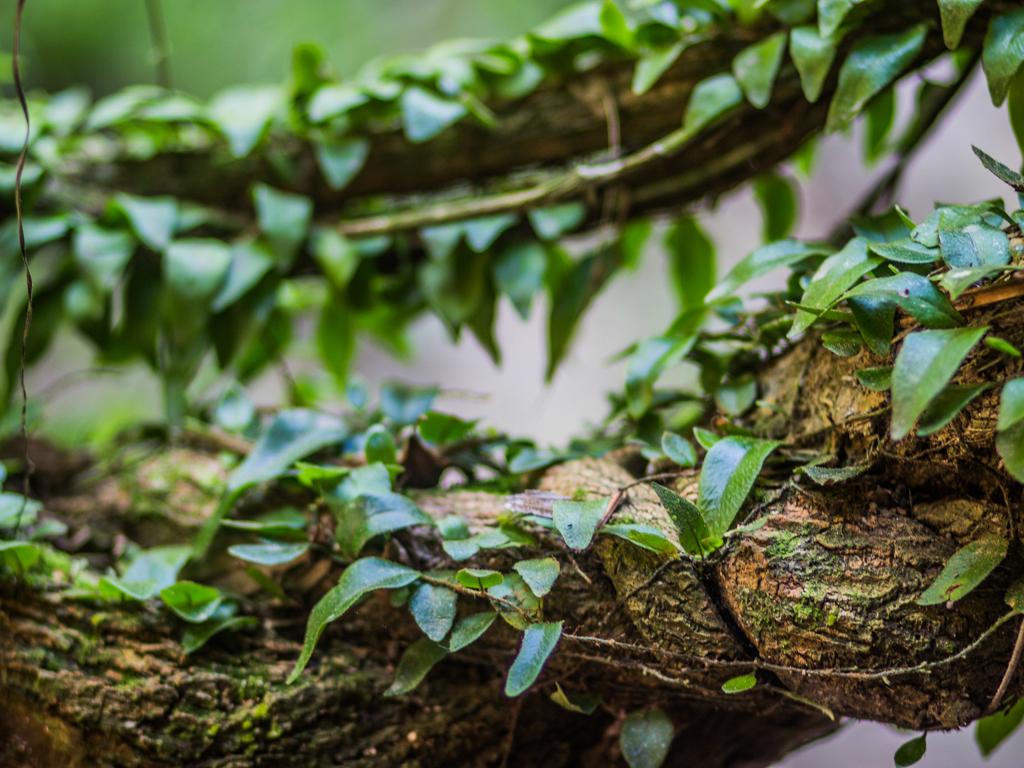
Psychedelics, Addiction, and the Quiet Return of Plant Medicine to Medicine
Somewhere around three in the morning inside a Navajo tepee, a roadman is singing in Diné, a deerskin drum is keeping time, and a couple at the center of the circle is weeping through their troubles. Peyote is being passed in a worn bowl. Nobody is chasing visions. They're trying to get through something — together. That scene, described decades ago by a journalist who'd been invited in by a Harvard psychiatrist, captures something the renewed wave of psychedelic enthusiasm often misses: the medicine is rarely the whole story. That's worth holding onto when you're scrolling through ayahuasca retreat websites at midnight, wondering if plant medicine might finally crack open the depression, addiction, or stuck pattern you can't seem to budge on your own. Psychedelics are real. The research is real. The risk is real too. And the context — who's running the ceremony, what you bring into it, what you do after — matters as much as the brew itself. Research on psychedelics in the 1950s and 60s was genuinely promising. Clinicians were exploring LSD for alcoholism, psilocybin for end-of-life distress, mescaline for understanding consciousness. Then the substances escaped the lab, the cultural backlash arrived, and by the early 1970s most of that research had been shut down. Nearly all of it. For about thirty years, serious clinical work on these compounds was essentially frozen. What's changed since the late 1990s is that researchers — including psychiatrists with very mainstream credentials — quietly began running rigorous studies again. Some looked at peyote use in the Native American Church and found, somewhat to the surprise of skeptics, that long-term ceremonial users showed cognitive function comparable to non-users, plus better measures of life satisfaction and mental health. Others started examining MDMA for PTSD, psilocybin for depression, and ibogaine for opioid addiction. The work is still early. But it's no longer fringe. If you've been hearing more about ayahuasca and psychedelics in the last couple of years, that's not just media hype. It's the slow reemergence of a research field that lost three decades and is trying to catch up. This is the question I get asked most often, usually in a quieter voice than the other questions. Someone in their late thirties has tried meetings, tried rehab, tried therapy, tried white-knuckling, and is now wondering if a week in the jungle drinking ayahuasca might do what nothing else has. The honest answer is: maybe, but not the way people imagine. Plant medicines aren't a magic erase button. What participants and clinicians describe is something more like a hard reset — a chance to see the addiction from outside, to feel the wound underneath it, to access grief or shame that's been locked away, and to imagine being someone who doesn't need the substance. That experience, when it happens, can be a powerful pivot point. It's not a cure on its own. A few things tend to be true of the people who get the most out of these experiences for recovery: Ibogaine, in particular, has a striking track record with opioid dependence. People describe an extraordinarily long experience — sometimes more than 24 hours — that often interrupts withdrawal symptoms and gives them a clear window to rebuild. It also carries real cardiac risk and requires medical screening. This is not a substance to take in someone's spare bedroom. Reputable ibogaine clinics run ECGs, check liver function, and have a doctor on site. If the place you're considering doesn't, walk away. The term master plants comes from Amazonian tradition. It refers to plants — ayahuasca, tobacco (mapacho), San Pedro, chacruna, and others — that are understood within those traditions as teachers. Not metaphorically. Literally. A curandero will tell you that the plant has things to show you, and your job is to listen. You don't have to share that worldview to take it seriously. What you do need to understand is that traditional ceremonies are built around this premise, and the people guiding them are working within a framework that has its own logic, its own protocols, and its own internal accountability. A dieta — the period of restricted food, social isolation, and connection with a specific plant — isn't a wellness trend. It's a discipline practiced for centuries. This matters when you're choosing a retreat. There's a meaningful difference between a center where Shipibo or Quechua curanderos are leading ceremony in their own tradition, and a center where a Western facilitator with three years of training is improvising something that looks the part. Neither is automatically better or worse for every person, but you should know which one you're booking. People want this question answered honestly and almost nobody does, so here's the closest I can get. The first hour of an ayahuasca ceremony is often the hardest. The brew tastes terrible — bitter, earthy, like swamp water with notes of disappointment. Then you wait. Maybe forty minutes in, things start to shift. Geometry, colors, a sense of something underneath the surface of things. Then, often, nausea. The purge — vomiting, sometimes crying, sometimes both — is considered part of the medicine, not a side effect to be avoided. From there, what unfolds is impossible to generalize. Some nights are gentle. Some nights are excavations. People meet their grief, their younger selves, their parents, their fears about death. Some encounter what they describe as beings, or as the plant itself. Some get nothing and feel cheated and then have a breakthrough the next night. It is not a recreational experience. By hour four, most people in the maloca are too busy to remember why they thought this would be fun. By morning, there's often a strange quiet. People drift out, drink water, sit in hammocks, don't talk much. The work, in many ways, is just beginning. This is the section retreat brochures skip, and it's the most important one. Plant medicines aren't for everyone, and a responsible facilitator will turn people away. If they don't screen you carefully, that itself is a red flag. The standard cautions, from clinicians who've worked with these substances for decades: Pregnancy is another clear no. Recent serious head injury, another. Be radically honest on intake forms. The retreat isn't trying to trip you up; they're trying to keep you alive. A few practical filters that have served me and the people I've sent in this direction: And trust your gut. If something about the place feels off in the email exchange — defensive, vague, weirdly aggressive about money — that signal will not improve once you're on site. The ceremony is not the work. The ceremony is the opening. The work is what happens in the weeks and months after, when the insights start to fade and your old patterns come knocking with their luggage. Integration looks like therapy, journaling, somatic practice, community, time in nature, changes to who you spend time with, changes to how you spend your evenings. It's slow. It's mostly invisible from the outside. And it's where the actual healing — if there's going to be any — gets cemented. People who skip this part often end up chasing the next ceremony, then the next, hoping the experience itself will do the work. It won't. The plants, if they're teachers, are pointing at something. You still have to walk over and look at it. If you've read this far, you're probably not looking for a sales pitch — you're looking for a thoughtful next step. For readers who want to take this further, a range of vetted ayahuasca, ibogaine, and psilocybin retreats can be browsed on our marketplace here. Whatever you decide, go in with clear eyes, an honest history, and someone at home who knows where you are.
Craving More Stories?
Join our ShopAyahuascaRetreats newsletter for the latest updates on thrilling
destinations and inspirational tales, delivered straight to your inbox!
We value your privacy. Your email address will never be shared or published.
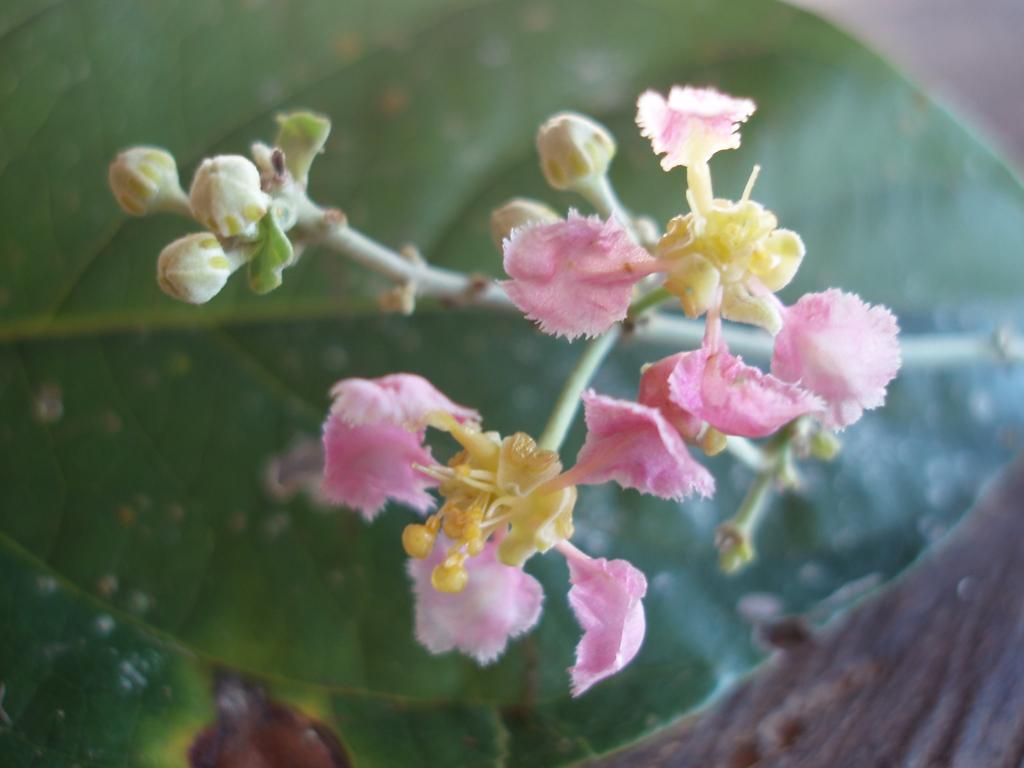

Why Venture Capital Is Pouring Into Psychedelic Medicine (And What It Means for Retreats)
Something strange is happening at the intersection of finance and plant medicine. The same people who used to put money into biotech start-ups and cannabis brands are now writing cheques to companies developing psilocybin therapies, synthetic 5-MeO-DMT, and ayahuasca-adjacent treatments for depression, addiction, and trauma. If you've been quietly researching whether a psychedelic retreat might help with something stuck in your own life, this matters more than it might look. Here's why: the money flowing into clinical research is changing the conversation around psychedelics from fringe spiritual practice to credible mental health intervention. That shift affects everything — the legal landscape, the kind of people booking ceremonies, the safety standards retreat centres are starting to adopt, and the way insurance companies and doctors talk about plant medicine. Whether you find that exciting or unsettling probably depends on where you sit. Maybe both. Let's unpack what's actually going on, what the research is showing, and what any of it has to do with you sitting in a maloca in Peru drinking a bitter brown brew. A few years ago, the idea of a venture fund dedicated entirely to psychedelics would have sounded like a joke at a dinner party. Today there are dozens of them. Funds in London, Berlin, Toronto, and New York are scouting biotech start-ups working on psilocybin, ibogaine analogues, DMT delivery systems, and ketamine clinics. Some have raised tens of millions. A few of the companies they back have gone public on the Nasdaq. The driver is brutally simple: mental illness is the most expensive health crisis on the planet. Estimates put the global cost at trillions of dollars a year once you factor in lost productivity, healthcare burden, and the human side that doesn't show up on a spreadsheet at all. Conventional antidepressants help some people some of the time. They fail a lot of people. Therapy is expensive and rationed. Into that gap walks a class of compounds that, in early trials, are doing things SSRIs simply cannot do — particularly for treatment-resistant depression, PTSD, end-of-life anxiety, and certain addictions. If you're an investor, that's a market. If you're a person who has tried three antidepressants and still can't get out of bed, that's a maybe-finally. The headline finding from the past several years of psilocybin research is that a small number of guided sessions — often just one or two — can produce sustained reductions in depression and anxiety scores months later. That's not how pharmaceuticals usually work. SSRIs require daily dosing and weeks to kick in. Psilocybin, in the trial settings, behaves more like a catalyst than a maintenance drug. Similar signals are emerging in other corners of the field: None of this is settled science. Trials are small. Placebo effects are notoriously hard to control for when participants can obviously tell whether they've been dosed. Long-term safety data is still thin. But the pattern is consistent enough that serious researchers at serious institutions are no longer hedging the way they did a decade ago. If you came to this article because you or someone you love is wrestling with addiction, pay close attention to this section. Of all the conditions psychedelics are being studied for, addiction may be where they have the most distinctive contribution to make. Conventional addiction treatment is largely behavioural — meetings, counselling, harm reduction, sometimes maintenance drugs like methadone or buprenorphine. It works for many people. It also has high relapse rates, and it tends to address the surface behaviour rather than what's underneath it. For a lot of people in recovery, the question that haunts them isn't how do I stop but why do I keep coming back to this thing that's killing me. Plant medicine seems to act on exactly that layer. Ayahuasca, ibogaine, psilocybin — in different ways and with different intensities, they tend to surface the emotional and biographical material that addiction has been managing. People report seeing, sometimes for the first time, what they've been numbing. That's brutal. It's also, for many, the first time the underlying knot has been visible enough to start untying. None of this means psychedelics are a magic bullet. Ibogaine in particular carries real cardiac risk and should never be taken outside medically supervised settings. People with serious cardiovascular conditions, certain psychiatric histories, or who are on SSRIs face genuine danger. But for the right person in the right setting, the evidence is increasingly hard to dismiss. Here's where the venture-capital story circles back to the person reading this on their phone at midnight, wondering whether to put down a deposit on an ayahuasca retreat. The research funding doesn't directly change what happens in ceremony. The shamans aren't on anyone's payroll. The vine still grows in the Amazon. The icaros are still sung the way they've been sung for generations. But the cultural permission structure around retreats is shifting fast. Five years ago, telling a colleague you were going to Peru to drink ayahuasca would have raised eyebrows. Now it's a conversation people have at dinner parties without anyone choking on their wine. That cultural shift is partly the work of the researchers and the investors — they've made it respectable to say in public that these substances have therapeutic potential. The practical downstream effects you might notice as a retreat-seeker: Some of this is genuinely good. Better screening saves lives. Integration support is the difference between a difficult night becoming a turning point and a difficult night becoming a wound. Some of it is more complicated — the medicalisation of plant medicine has critics who argue that stripping out the indigenous context strips out the part that actually heals. If you're weighing whether to book somewhere, the investment boom doesn't really change the questions you should be asking. It just means there are more options, at more price points, with more varied philosophies. A short checklist that's served people I've spoken with well: Price is not a reliable signal of quality. Some of the most respected centres in the Amazon charge a fraction of what a polished European retreat costs. Some of the expensive ones are excellent. Some are essentially wellness theatre. Do the homework. It would be irresponsible to write this much about psychedelic medicine without naming what it isn't. It isn't a guaranteed cure for anything. People go to retreats hoping for a single ceremony that will undo decades of pain and sometimes come home disappointed, or worse, destabilised. The experiences can be physically punishing. They can surface material you weren't ready for. They can interact badly with psychiatric medications. They are not appropriate for people with personal or family histories of psychosis or bipolar disorder. The legal situation in your home country probably matters more than the marketing copy suggests. Most psychedelics remain illegal in most jurisdictions, even when the research is promising. The retreats operating legally tend to be in countries — Peru, Costa Rica, Jamaica, the Netherlands, Mexico — where specific substances exist in legal grey or green zones. That's why the retreat industry exists where it does. And finally: the venture-capital story is a real one, but it's not the only story. Indigenous communities have been working with these plants for centuries without anyone's IPO. The medicine doesn't need permission from a fund manager in London to do what it does. If you decide to go, you're stepping into a tradition that long predates the spreadsheet. If something in all of this resonates and you'd like to take a closer look at what's actually available, a curated range of ayahuasca and psychedelic retreats can be explored on our marketplace here. Read carefully, ask questions, and take your time — this isn't a decision to rush.
Santa Cruz Decriminalized Psilocybin and Ayahuasca: What It Means for Plant Medicine
Santa Cruz is a small coastal city, the kind of place where the surfers outnumber the office workers and the bookstores still sell hand-printed zines. So it tracks, weirdly, that it became one of the first cities in the United States to formally pull back the policing of psilocybin mushrooms, ayahuasca, and peyote. The city council voted unanimously to make personal use, possession, and cultivation of natural psychedelics among the lowest priorities for local law enforcement. That single vote — quiet, unflashy, passed in a council chamber most people will never set foot in — said something larger about where the country is heading on plant medicine and master plants. Ayahuasca, psilocybin, San Pedro, peyote: substances that have been used ceremonially for centuries are being reconsidered as legitimate tools for addiction recovery, treatment-resistant depression, and the kind of stuck-life patterns that ordinary therapy sometimes can't budge. If you've been quietly researching a retreat, or wondering whether the legal landscape is shifting fast enough to matter, this is the kind of decision worth understanding. Not because Santa Cruz is going to be your destination — but because it tells you something about the direction of travel. The resolution doesn't legalize anything. That's the first thing worth being clear about. What it does is instruct local police to deprioritize investigations and arrests of adults 21 and over who are using, possessing, or growing entheogenic plants and fungi for personal use. Commercial activity — selling, trafficking — is still on the table for enforcement. The list of covered substances is specifically natural: psilocybin mushrooms, ayahuasca, peyote, ibogaine-containing plants, and other plant or fungal preparations with psychoactive compounds. Synthetic compounds like LSD and MDMA aren't included, which is consistent with how Denver and Oakland framed their earlier moves. The distinction matters because the case for decriminalization here leans heavily on the idea that these are traditional medicines with deep cultural lineage, not lab inventions. What does that mean on the ground? Practically, it means a Santa Cruz resident growing a few mushroom jars in their closet is unlikely to face local prosecution. It does not mean they can legally sell them, advertise them, or operate a retreat center. Federal law also still classifies psilocybin and DMT (the active alkaloid in ayahuasca) as Schedule I, so the federal picture hasn't budged. Denver got there first, in 2019, after a grassroots campaign that nobody outside Colorado expected to succeed. Oakland followed a month later with a broader resolution covering all entheogenic plants and fungi. Santa Cruz made three. Within a few years, the list grew to include Washington D.C., several Massachusetts towns, Detroit, and others — and Oregon voters went further still, approving regulated therapeutic psilocybin use statewide. The arguments driving these votes tend to cluster around three points. First, there's the medical research — and there's now a serious amount of it. Johns Hopkins, Imperial College London, NYU, and others have published studies showing meaningful results for treatment-resistant depression, end-of-life anxiety, smoking cessation, and alcohol use disorder. A 2017 study in Nature Scientific Reports found nearly half of patients with treatment-resistant depression showed positive responses five weeks after psilocybin sessions. Numbers like that get policymakers' attention in a way that anecdotal testimony doesn't. Second, there's the cultural lineage argument. Ayahuasca has been part of Amazonian healing for generations. Peyote is sacrament in the Native American Church. Psilocybin mushrooms appear in Mesoamerican religious practice going back centuries. Framing prohibition as a relatively recent and culturally narrow imposition makes the policy easier to unwind. Third — and this is the one that resonates most with readers I've spoken to — there's the addiction question. Conventional treatment for addiction works for some people and fails badly for others. Plant medicine for addiction recovery, particularly ibogaine for opioid dependence and ayahuasca for various substance disorders, has produced results striking enough that even cautious clinicians are paying attention. Here's where I want to slow down, because the news cycle around decriminalization tends to imply more than it delivers for the person actually weighing a retreat. Decriminalization at the city level changes nothing about your federal risk if you bring substances across borders or transport them between states. It does nothing for the safety of the ceremony you'd actually attend — that depends entirely on the facilitators, the setting, your preparation, and your own medical and psychological readiness. And it does not create a regulated marketplace where you can verify quality or training. In the cities that have decriminalized, you still can't walk into a storefront and book a sanctioned ayahuasca ceremony the way you can in Peru or Costa Rica. For most people serious about a psychedelic retreat for addiction, depression, or trauma work, the realistic options remain: None of these are casual decisions. Each carries its own due diligence — facilitator credentials, medical screening (some SSRIs, MAOIs, and heart conditions are genuinely dangerous with ayahuasca), the ethical record of the retreat center, and what the integration support looks like in the weeks after you come home. The ceremony itself is maybe a third of the work. The preparation and the integration are the rest. The temptation, when you see headlines like Santa Cruz's, is to assume the dam is breaking. It isn't, quite. What's happening is more interesting and more gradual: a steady accumulation of municipal and state-level decisions, combined with FDA breakthrough therapy designations for psilocybin and MDMA, that together signal a slow normalization of psychedelic-assisted therapy as a clinical category. For someone researching a retreat right now, this trend matters for a few practical reasons. Quality is improving as the stigma lifts and more experienced facilitators come out of the shadows. Medical screening protocols are getting more rigorous. Integration services — therapists, coaches, peer groups who specifically work with people coming home from psychedelic experiences — are easier to find than they were five years ago. It also means more people in your life may have already done this, which makes the conversation less awkward. Asking a friend who attended a ceremony two years ago what they wish they'd known is probably the single most useful research step you can take, after honest medical screening. If the Santa Cruz vote nudged you toward looking more seriously, here's the short version of what I'd suggest paying attention to — gathered from too many conversations with people who got it right and people who got it wrong: Plant medicine isn't a guaranteed fix for addiction or depression, and any retreat that promises otherwise should make you nervous. What it can do — when the setting is sound and you've done your part — is open a window onto patterns that have been running your life from below. Whether you can keep that window open afterward depends on the work you do once the ceremony ends. If something here has nudged you to look more seriously at the options, a range of curated ayahuasca and psilocybin retreats from facilitators around the world can be browsed on our marketplace here. Read carefully, ask hard questions, and take your time — the right retreat will still be there next month.
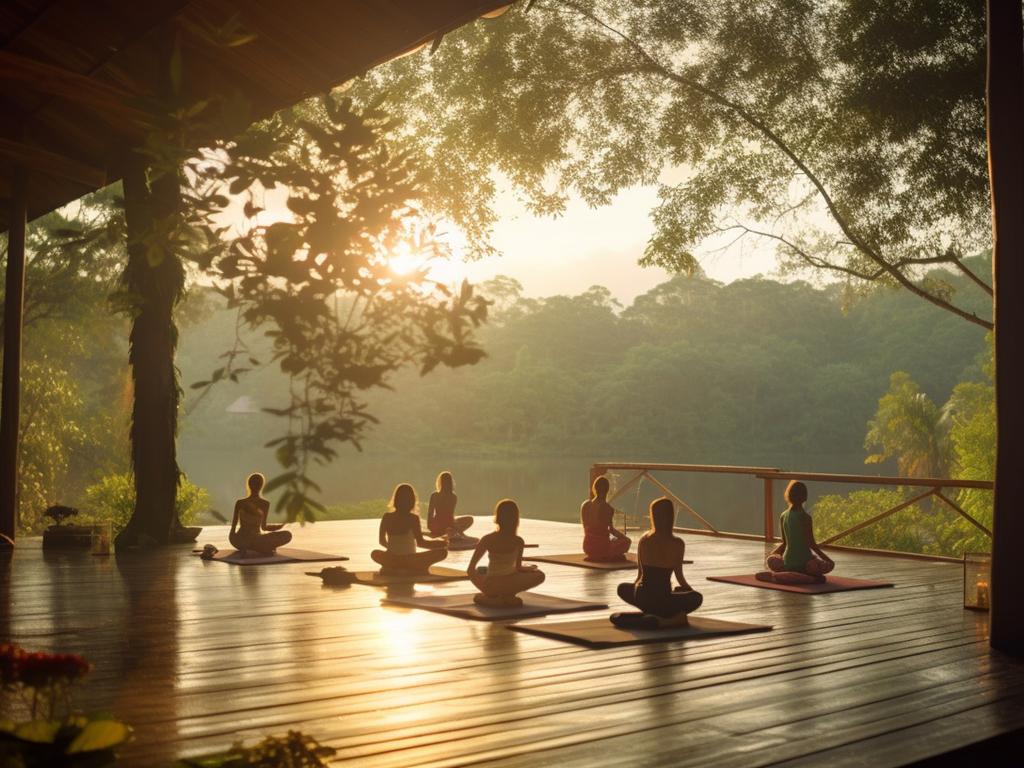
Why Europe Keeps Cracking Down on Ayahuasca — And What It Means for Seekers
A few months back, a Spanish YouTuber spent nine months pretending to be a sincere seeker inside a Santo Daime church. He filmed ceremonies with a hidden camera, edited the footage into something theatrical, and posted it to an audience of hundreds of thousands. The video framed ayahuasca, master plants, and the people who drink them as a brainwashing cult dealing illicit drugs to the vulnerable. Talk-show appearances followed. So did police raids on two unrelated neoshamanic groups. And just like that, public opinion in Spain on one of the world's oldest plant medicines tilted sharply backwards. If you're reading this while weighing whether to book an ayahuasca retreat — in Peru, Costa Rica, Portugal, anywhere — episodes like this matter. Not because they reflect what ceremonies actually are, but because they shape the legal landscape you'll be walking into, the headlines your family will read while you're away, and the broader cultural conversation around psychedelics and addiction recovery. So let's talk about what's actually happening in Europe, why it keeps happening, and what an honest reader should make of it. The short version: one person with a camera, a serious appetite for clicks, and a sensational framing managed to do more damage to the public image of ayahuasca in Spain than a decade of clinical research has been able to repair. He also filed a complaint claiming attempted kidnapping after members of the church confronted him about the secret filming. Whatever the legal merits of that, it gave news producers a juicy hook — and they ran with it. Spanish media has historically struggled with ayahuasca. The scientific literature on the brew — its safety profile in ceremonial settings, its effects on depression and addiction, its centuries-long ritual use — exists, and is mostly ignored when a tabloid story breaks. Instead, the framing defaults to the same tired script: a dangerous sect, a charismatic leader, gullible victims, illegal substances, money changing hands. It's a story shape that sells. It's also, in most cases involving established ayahuasca communities, wrong. The fallout has been real. Raids. Arrests. A chilling effect on groups that have been quietly operating for years without incident. And, importantly for you as a reader, a renewed debate about whether ayahuasca should be legal in Spain at all. Spain isn't an outlier. It's part of a pattern that's been unfolding across Europe for nearly twenty years. France banned ayahuasca and its constituent plants in 2005 — three months after a Santo Daime group in Paris was actually acquitted of trafficking charges. The acquittal should have been a turning point. Instead, the Ministry of Health, with input from MIVILUDES (the French government's cult-monitoring body), pushed through a prohibition. The same Santo Daime leader who was cleared in 2005 was arrested again in 2019 and is still awaiting trial. He could face years in prison. Italy followed suit in March 2022, when the Ministry of Health issued a decree banning ayahuasca, the plants used to brew it, and its active compounds. Italian Santo Daime members were so caught off guard they held ceremonies drinking water instead of the brew — a quiet protest echoing what the União do Vegetal did during their US court fight years earlier. The Netherlands had been the European exception for almost two decades, tolerating religious ayahuasca use after a 2001 court decision. That tolerance ended in 2018, when Dutch courts reversed course and effectively closed the door. Notice what unites these cases. None of them turned on new scientific evidence of harm. None followed a wave of medical emergencies. They followed political and cultural anxieties — about cults, about drugs, about religious minorities doing unfamiliar things in candle-lit rooms. Yes, and the contrast matters. Brazil, where ayahuasca religions like Santo Daime, Barquinha, and União do Vegetal were born in the 1930s through 1960s, has gone the opposite direction. Way back in 1987, a federal Brazilian commission studied the religious use of ayahuasca and concluded there was no evidence of health risk or social harm. Subsequent rulings in 2006 and 2010 formally recognized religious ayahuasca use as constitutionally protected. The country is now in the process of recognizing the brew as intangible cultural heritage — moving it out of drug policy entirely and into the realm of cultural protection. Peru recognized ayahuasca as national cultural heritage to protect traditional and Indigenous use. Colombia has no formal regulation, but Indigenous communities have built self-regulation frameworks, and administrative rulings have legitimized the ceremonial use of yagé. In the United States, two religious groups — the UDV and certain Santo Daime branches — won the legal right to use ayahuasca after Supreme Court and federal court decisions. Costa Rica operates in a gray zone that has, in practice, allowed retreats to flourish. If you're booking an ayahuasca retreat right now, this geography is the reason most reputable centers are in South America. The legal infrastructure that took fifty years to build there is what allows ceremonies to happen openly, with safety protocols, screening, and accountability. The simplest answer is also the most cynical: ayahuasca got popular. Once a brew known mainly to anthropologists and a handful of religious congregations, it now circulates in global wellness conversations, celebrity interviews, podcasts about psychedelic healing, and serious clinical trials for depression and addiction. The psychedelic renaissance has pulled master plants into the mainstream. Whenever something sacred goes mainstream, three things happen at once: You can hold two truths at the same time. Bad actors exist in the plant-medicine world; some retreats are unsafe, some facilitators are predatory, some ceremonies cause harm. AND the response from several European governments has been wildly disproportionate, ignoring decades of evidence about responsible ceremonial use and lumping centuries-old religious traditions in with sketchy weekend retreats. Here's where I'll get practical, because that's probably why you scrolled this far. First, know the law of the country you're traveling to, not just the country you live in. Drinking ayahuasca in Peru is legal and culturally protected. Bringing it home is not. If you live in France, Italy, or Spain right now, your retreat itself isn't the legal risk — what happens at the airport on the way back, if you tried to bring anything home, very much is. Don't. Second, choose retreats with histories you can actually verify. The Santo Daime church being filmed by that YouTuber has decades of documented practice, theological literature, and international branches. That's a different category from someone who learned to pour ayahuasca on a six-month trip and started a center in Tulum. Both might call themselves legitimate. They aren't equivalent. Third, screening matters. Reputable ayahuasca retreats — and reputable centers working with master plants in general, whether that's San Pedro, kambo, or psilocybin — will ask you serious questions before accepting your booking. Medications you take (SSRIs are a real interaction risk). Mental health history. Cardiovascular conditions. If a retreat doesn't ask, that's a red flag the size of a maloca. Fourth, think hard about why you want to go. Plant medicine has shown real promise for addiction, depression, PTSD, and the kind of stuck life patterns that talk therapy alone often can't shift. It's also not a magic eraser. The people I've watched get the most out of ceremony work tend to share two qualities: they came in with a specific question or wound, and they took integration seriously afterwards. The ones who treated it like an extreme sport mostly got an extreme experience and not much else. The European crackdowns are real, and they're not going away tomorrow. But they're also not the whole story. Indigenous federations in Brazil have been organizing conferences since 2017 to defend their ancestral use of ayahuasca. Researchers across multiple countries are publishing on its therapeutic potential. Clinical trials for psilocybin and MDMA are quietly normalizing the broader conversation about psychedelic healing. The cultural pendulum, despite the headlines, is still moving — just unevenly. For someone deciding whether to drink ayahuasca, the takeaway isn't really about politics. It's about doing your homework: pick a country where the practice is protected, pick a center with a track record, prepare your body and mind seriously, and treat the days after the ceremony as more important than the ceremony itself. If something here speaks to you, the available ayahuasca retreats and broader plant-medicine ceremonies can be browsed and booked on our marketplace here. Take your time with the choice. The plant has been around for centuries. It can wait a few more weeks while you find the right place.
The Science of Psilocybin Therapy: What Mushrooms Actually Do to the Brain
Here's something most people don't realize when they first start reading about psychedelic healing: the mushrooms aren't doing the heavy lifting. The mushrooms crack the door. What walks through it — old grief, buried memory, the version of yourself you've been avoiding for fifteen years — that's the actual work. And the science of psilocybin therapy is finally catching up to what curanderos and underground therapists have quietly known for decades. If you're researching a psilocybin retreat, or wondering whether psychedelics could help with the depression or addiction or stuck pattern that hasn't budged with anything else, you deserve a real answer rather than a glossy one. So let's get into what the research actually shows, what happens in the brain, and what an honest decision-making process looks like before you commit your money and your nervous system to a journey. Psychedelic therapy, at its simplest, is the supervised use of substances like psilocybin, MDMA, LSD, or ketamine in combination with psychotherapy. The substance creates an altered state. The therapist — or a trained facilitator, depending on the setting — helps the person prepare for that state, holds space during it, and then guides the integration afterward. The integration piece is the part people skip in articles, and it's also the part that determines whether you come home changed or just come home with a story. Two broad models tend to show up. The first is psycholytic therapy, which uses smaller, more frequent doses over many sessions. The person stays largely lucid and the therapist works conversationally. The second, and the one most modern clinical trials are built around, is high-dose therapy — one to three big sessions, eyeshades on, curated music in the headphones, minimal talking. The facilitator's job is mostly to keep you safe so your own psyche can do what it needs to do. What makes this approach different from standard psychiatry is the durability of the results. Three sessions. Sometimes one. That's not how SSRIs work. That's not how years of weekly talk therapy work. Something else is happening here, and researchers are finally allowed to ask what. For decades, the research was effectively frozen. After the cultural collision of the late 1960s, psilocybin landed on Schedule I in the United States and the labs went dark. The last few years have changed that. Institutions like Johns Hopkins and Imperial College London have been quietly producing studies that read less like cautious science and more like a slow-motion paradigm shift. The headline findings cluster around a few areas — treatment-resistant depression, end-of-life anxiety, addiction (especially nicotine and alcohol), obsessive-compulsive disorder, and PTSD. The effect sizes in these trials are, to put it plainly, unusual. We're not talking about a 10% improvement over placebo. We're talking about studies where the majority of participants experience meaningful, sustained change after a small number of sessions. A 2016 Johns Hopkins study gave psilocybin to patients with life-threatening cancer who were struggling with depression and existential dread. Roughly 80% reported a significant reduction in both depression and anxiety, and the effect held for at least six months. Many described what they'd seen as the most personally meaningful experience of their lives — ranked alongside the birth of a child or the death of a parent. That's not a sentence you read in clinical literature very often. A smaller 2014 Johns Hopkins study looked at psilocybin paired with cognitive behavioral therapy for people trying to quit smoking. Fifteen participants. Two or three high-dose sessions. At the twelve-month follow-up, 67% were still cigarette-free. For context, the best pharmaceutical smoking-cessation drugs hover around 35% at six months and drop from there. The number isn't a fluke — it's been replicated in extended follow-ups — and it suggests something important about how psilocybin works on addiction at a level deeper than nicotine cravings. When researchers at Imperial College London first put people on psilocybin into fMRI scanners, they expected to see the brain light up. Psychedelic, more activity — seemed obvious. The opposite happened. Activity in a region called the default mode network actually went down. The default mode network is the brain's autopilot. It's the chatter that runs when you're not focused on a task — the planning, the worrying, the rehearsing of conversations you'll never have. It's also where most neuroscientists think the sense of self, the ego, gets constructed. When psilocybin quiets it, the result is what people across cultures have been describing for thousands of years: ego dissolution, the sense that the boundary between self and everything else has gone soft. That softening is the therapeutic mechanism. With the ego less in charge, material that's been locked away — trauma, grief, shame, the story you tell yourself about who you are — can surface and be reconsidered. The brain also forms unusual new connections during the experience, with regions that don't normally talk to each other suddenly in conversation. Some researchers describe it as the snow globe of your psyche being shaken so the patterns can settle differently. Psilocybin isn't operating alone in this field. Several other substances — many of them traditional master plants used by indigenous cultures for centuries — are showing similar therapeutic promise. Each of these works differently. Each carries its own risks, its own ceremonial lineage (or lack of one), and its own integration demands. Treating them as interchangeable is one of the more common mistakes people make when they're new to this space. Psilocybin remains illegal in most jurisdictions, though that's shifting. Oregon and Colorado have established legal therapeutic frameworks. Retreats operate legally in the Netherlands (where truffles containing psilocybin are permitted), Jamaica, and parts of Mexico. Clinical trials exist for those who qualify and can wait. Before you book anything, the questions worth sitting with: Public opinion on psychedelics has shifted faster in the past five years than in the previous fifty. Michael Pollan's writing brought the conversation into living rooms it had never reached before. The FDA has granted breakthrough therapy designation to psilocybin for treatment-resistant depression. Clinical trials are expanding into Alzheimer's, anorexia, chronic pain, and grief. None of that means psychedelic therapy is a solved problem. It isn't. There are people for whom these substances are genuinely contraindicated — anyone with a personal or family history of psychosis or bipolar disorder, for starters. There are bad trips that aren't transformative, just bad. There are retreats that take your money and send you home raw with nothing to land on. And there's a quiet phenomenon researchers are starting to name: the spiritual bypass, where people use big experiences to skip over the unglamorous, daily work of actually changing their lives. Still, what's emerging from the labs and the long-running ceremonial traditions is pointing in the same direction. Used carefully, in the right setting, with real preparation and real integration, these medicines can move things that nothing else moves. For readers who want to take this further, a range of curated psilocybin and plant-medicine retreats can be browsed on our marketplace here. Whatever you decide, decide it slowly — the mushrooms have been around for a few million years and will wait.
Psilocybin for Cancer Anxiety: One Man's Clinical Trial Story
Most people who sign up for a psilocybin trial aren't chasing a high. They're chasing relief — from a diagnosis, from years of grinding anxiety, from the slow erosion that chronic illness does to a person's relationships. That was true for one of the early participants in the now-famous Johns Hopkins and NYU psilocybin studies, a sailor and longtime cancer patient who walked into a treatment room one cold December morning hoping a single dose of a psychedelic might loosen something twenty years of medicine hadn't touched. His story, which has been told in various forms over the years, is worth revisiting because it captures something important about the current wave of psychedelic healing — what the experience can actually feel like, why it isn't a magic bullet, and how the real work tends to begin after the drug wears off. If you're researching a psilocybin retreat or weighing plant medicine for depression or trauma, this is the kind of first-person account worth sitting with before you book anything. The diagnosis came the same year his daughter was born. What followed was the kind of medical marathon that swallows lives: six surgeries, experimental treatments, thousands of appointments, an unspoken vigilance about the next scan. The cancer never fully went away, but it never fully won either. Doctors kept catching it on the edge of spreading. The body survives that. The inner life often doesn't. By the time he was in his late fifties, he was carrying a deep, low-grade depression and a persistent anxiety that had quietly rerouted his attention away from the people he loved. He and his daughter — the baby who'd been born the year his world cracked open — barely spoke. Relationships across the board had thinned out. He'd spent two decades managing a disease, and somewhere in there, he'd stopped being fully present for the rest of his life. This is a pattern anyone who has lived with chronic illness, addiction, or long-term trauma will recognize. Survival mode is a closed loop. You don't notice how small your world has become until something jolts you out of it. In 2010 he read a magazine piece about a trial giving psilocybin — the active compound in psychedelic mushrooms — to cancer patients struggling with depression and existential dread. He reached out. After weeks of questionnaires, interviews, and screening, he was accepted. That study, run jointly at Johns Hopkins and NYU, has since become one of the most cited pieces of psychedelic research, with results striking enough that some clinicians have compared a single guided psilocybin session to a kind of surgical intervention for the mind. The Hopkins treatment room looked less like a hospital and more like someone's living room. Soft lighting, a couch, a stereo, two trained guides who would stay with him the entire time. He swallowed a pill with a glass of water — neither he nor the guides knew yet whether it was psilocybin or placebo — pulled an eye mask over his face, lay back, and waited. It started badly. Within minutes he felt panic climbing up his chest. He tried to meditate it down. That made it worse. There was no off switch — the drug was in him, time had gone strange, and the more he reached for control, the more it slipped. He described the feeling using the language of a sailor. Years earlier, a wave had knocked him off his boat in open ocean. By the time he surfaced, the boat had drifted out of reach. The terror of that moment — boat gone, then water gone, then self gone — was exactly what the early stage of the trip felt like. A full-blown panic attack felt one breath away. His guides did what good guides do. They didn't try to talk him out of the fear. They sat with him, reminded him he was safe, let him know they weren't going anywhere. Slowly, the panic loosened its grip. What replaced it was harder to describe — a kind of timeless ease, a sense of being a witness to his own life rather than a hostage of it. He recalled being in a cathedral-like space, asking to be spoken to. And for the first time in a very long while, he didn't feel alone. People expect psychedelic stories to end with fireworks. They usually don't. The most honest accounts describe a subtle reorientation that becomes obvious only in hindsight. For him, the shift showed up in his relationships. He'd spent years approaching other people as a problem to manage — How do I come across? Am I listening well enough? What should I say next? Coming down from the trip, he noticed a different possibility: that connection is mostly spontaneous if you're actually present for it. That insight wasn't new — therapists and contemplatives have been saying it for centuries — but something about the psilocybin let it land in a place where it could stick. He's been clear, in the years since, that the drug didn't fix him. It cracked something open. The real changes — the slow rebuilding with his daughter, the way he showed up at work, the way he listened — happened over months and years of acting differently because he'd briefly glimpsed a different way of being. He calls the trip a kick-start. A catalyst. Not a cure. If you're considering psilocybin, ayahuasca, or another psychedelic retreat for depression, anxiety, addiction, or trauma, his experience offers a few honest lessons worth holding onto: The current research landscape is genuinely promising. Trials at Hopkins, NYU, Imperial College London, and elsewhere keep showing meaningful reductions in depression and end-of-life anxiety after just one or two guided sessions. Psilocybin, MDMA, ibogaine, and ayahuasca are all under active study for addiction, PTSD, and treatment-resistant depression. None of this means a retreat is right for you. It means the question is worth taking seriously. A few practical things to weigh before you put money down. What's the facilitator's training, and where did they get it? Who handles a medical emergency if one happens? What integration support is included after the ceremony — and is it actually scheduled, or just a vague promise? Are there other participants, and how many? What's the screening process for medications and mental health history? If a retreat brushes these questions off, that's the answer you needed. The man at Johns Hopkins didn't go looking for a mystical experience. He went looking for a way out of a loop that twenty years of standard medicine couldn't break. What he got wasn't a miracle — it was a few hours of strange, hard, occasionally beautiful inner work, followed by years of integrating what he'd seen. That's closer to the real shape of psychedelic healing than the social-media version most people encounter first. If something in this story resonates and you want to look at concrete options, a range of vetted psilocybin and plant-medicine retreats can be browsed on our marketplace here. Take your time with the decision. The retreats worth attending will still be there next month.
Dreaming of a Psychedelic Retreat?
We have the best deals and offers from thousands of organizers all over the world! Get them into your mailbox every week!
We value your privacy. Your email address will never be shared or published.
