 English
 Deutsch
 Français
 Nederlands
 Español
SHOP AYAHUASCA RETREATS BLOG
Psychedelics, Addiction, and the Quiet Return of Plant Medicine to Medicine
Liam Beckett
June 17, 2026
Your ultimate guide to discover transforming ayahuasca and psychedelic experiences. Dive into serene destinations and elevate your consciousness to unparalled heights.
Discover Ayahuasca & Psychedelic Retreats NowSearch for ayahuasca & psychedelic retreats
Discover retreats, trainings, and holidays from all over the world
Somewhere around three in the morning inside a Navajo tepee, a roadman is singing in Diné, a deerskin drum is keeping time, and a couple at the center of the circle is weeping through their troubles. Peyote is being passed in a worn bowl. Nobody is chasing visions. They're trying to get through something — together. That scene, described decades ago by a journalist who'd been invited in by a Harvard psychiatrist, captures something the renewed wave of psychedelic enthusiasm often misses: the medicine is rarely the whole story.
That's worth holding onto when you're scrolling through ayahuasca retreat websites at midnight, wondering if plant medicine might finally crack open the depression, addiction, or stuck pattern you can't seem to budge on your own. Psychedelics are real. The research is real. The risk is real too. And the context — who's running the ceremony, what you bring into it, what you do after — matters as much as the brew itself.
How Did We Get Here? A Brief, Honest History
Research on psychedelics in the 1950s and 60s was genuinely promising. Clinicians were exploring LSD for alcoholism, psilocybin for end-of-life distress, mescaline for understanding consciousness. Then the substances escaped the lab, the cultural backlash arrived, and by the early 1970s most of that research had been shut down. Nearly all of it. For about thirty years, serious clinical work on these compounds was essentially frozen.
What's changed since the late 1990s is that researchers — including psychiatrists with very mainstream credentials — quietly began running rigorous studies again. Some looked at peyote use in the Native American Church and found, somewhat to the surprise of skeptics, that long-term ceremonial users showed cognitive function comparable to non-users, plus better measures of life satisfaction and mental health. Others started examining MDMA for PTSD, psilocybin for depression, and ibogaine for opioid addiction. The work is still early. But it's no longer fringe.
If you've been hearing more about ayahuasca and psychedelics in the last couple of years, that's not just media hype. It's the slow reemergence of a research field that lost three decades and is trying to catch up.
Can Psychedelics Actually Help With Addiction?
This is the question I get asked most often, usually in a quieter voice than the other questions. Someone in their late thirties has tried meetings, tried rehab, tried therapy, tried white-knuckling, and is now wondering if a week in the jungle drinking ayahuasca might do what nothing else has.
The honest answer is: maybe, but not the way people imagine. Plant medicines aren't a magic erase button. What participants and clinicians describe is something more like a hard reset — a chance to see the addiction from outside, to feel the wound underneath it, to access grief or shame that's been locked away, and to imagine being someone who doesn't need the substance. That experience, when it happens, can be a powerful pivot point. It's not a cure on its own.
A few things tend to be true of the people who get the most out of these experiences for recovery:
- They went in with intention — a specific reason, not just curiosity.
- They had genuine support afterward: therapy, community, integration coaching, or all three.
- They didn't treat the ceremony as the destination. It was a doorway.
- They were honest with the facilitators about their substance use history and any medications they were on.
Ibogaine, in particular, has a striking track record with opioid dependence. People describe an extraordinarily long experience — sometimes more than 24 hours — that often interrupts withdrawal symptoms and gives them a clear window to rebuild. It also carries real cardiac risk and requires medical screening. This is not a substance to take in someone's spare bedroom. Reputable ibogaine clinics run ECGs, check liver function, and have a doctor on site. If the place you're considering doesn't, walk away.
The Master Plants and Where They Fit
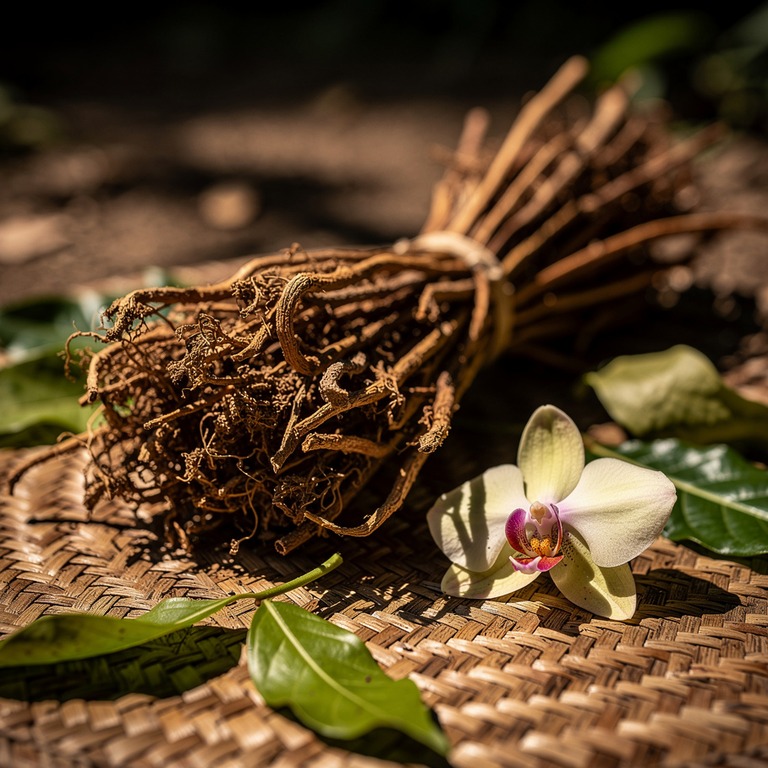
The term master plants comes from Amazonian tradition. It refers to plants — ayahuasca, tobacco (mapacho), San Pedro, chacruna, and others — that are understood within those traditions as teachers. Not metaphorically. Literally. A curandero will tell you that the plant has things to show you, and your job is to listen.
You don't have to share that worldview to take it seriously. What you do need to understand is that traditional ceremonies are built around this premise, and the people guiding them are working within a framework that has its own logic, its own protocols, and its own internal accountability. A dieta — the period of restricted food, social isolation, and connection with a specific plant — isn't a wellness trend. It's a discipline practiced for centuries.
This matters when you're choosing a retreat. There's a meaningful difference between a center where Shipibo or Quechua curanderos are leading ceremony in their own tradition, and a center where a Western facilitator with three years of training is improvising something that looks the part. Neither is automatically better or worse for every person, but you should know which one you're booking.
What a Ceremony Actually Feels Like
People want this question answered honestly and almost nobody does, so here's the closest I can get.
The first hour of an ayahuasca ceremony is often the hardest. The brew tastes terrible — bitter, earthy, like swamp water with notes of disappointment. Then you wait. Maybe forty minutes in, things start to shift. Geometry, colors, a sense of something underneath the surface of things. Then, often, nausea. The purge — vomiting, sometimes crying, sometimes both — is considered part of the medicine, not a side effect to be avoided.
From there, what unfolds is impossible to generalize. Some nights are gentle. Some nights are excavations. People meet their grief, their younger selves, their parents, their fears about death. Some encounter what they describe as beings, or as the plant itself. Some get nothing and feel cheated and then have a breakthrough the next night. It is not a recreational experience. By hour four, most people in the maloca are too busy to remember why they thought this would be fun.
By morning, there's often a strange quiet. People drift out, drink water, sit in hammocks, don't talk much. The work, in many ways, is just beginning.
Who Should Be Cautious — or Stay Home
This is the section retreat brochures skip, and it's the most important one. Plant medicines aren't for everyone, and a responsible facilitator will turn people away. If they don't screen you carefully, that itself is a red flag.
The standard cautions, from clinicians who've worked with these substances for decades:
- Personal or family history of psychosis, schizophrenia, or bipolar disorder. Psychedelics can precipitate episodes in people who are vulnerable. This isn't theoretical.
- Certain medications, especially SSRIs and MAOIs. Ayahuasca contains MAO inhibitors, and the interactions can be dangerous. Stopping antidepressants requires a careful taper with a doctor, not a Reddit thread.
- Heart conditions, particularly for ibogaine. QT prolongation is a real risk.
- An immediate crisis. If you're in acute suicidal distress or actively psychotic, a retreat is not the right next step. Stabilize first.
- A need to be in control. People who can't surrender often have the hardest trips. That doesn't mean you shouldn't ever go — but know yourself.
Pregnancy is another clear no. Recent serious head injury, another. Be radically honest on intake forms. The retreat isn't trying to trip you up; they're trying to keep you alive.
How to Tell a Real Retreat From a Risky One
A few practical filters that have served me and the people I've sent in this direction:
- Medical screening before they take your deposit. Not after.
- A facilitator-to-participant ratio that lets someone actually sit with you if you need it. One curandero for twenty people in a dark room is not safety.
- Clear information about lineage and training. Who taught the people leading ceremony? How long have they been doing this?
- Integration support, ideally for weeks afterward. A retreat that ships you home with a hug and a goodbye is selling you an experience, not a process.
- Honest pricing. Real retreats in Peru typically run $1,500 to $4,000 for a week, more for boutique centers. Ibogaine clinics tend to run higher because of medical overhead. Suspiciously cheap is suspicious.
- A track record you can verify. Talk to former participants. Read reviews that aren't on the retreat's own website.
And trust your gut. If something about the place feels off in the email exchange — defensive, vague, weirdly aggressive about money — that signal will not improve once you're on site.
The Part Most People Underestimate: After
The ceremony is not the work. The ceremony is the opening. The work is what happens in the weeks and months after, when the insights start to fade and your old patterns come knocking with their luggage.
Integration looks like therapy, journaling, somatic practice, community, time in nature, changes to who you spend time with, changes to how you spend your evenings. It's slow. It's mostly invisible from the outside. And it's where the actual healing — if there's going to be any — gets cemented.
People who skip this part often end up chasing the next ceremony, then the next, hoping the experience itself will do the work. It won't. The plants, if they're teachers, are pointing at something. You still have to walk over and look at it.
If you've read this far, you're probably not looking for a sales pitch — you're looking for a thoughtful next step. For readers who want to take this further, a range of vetted ayahuasca, ibogaine, and psilocybin retreats can be browsed on our marketplace here. Whatever you decide, go in with clear eyes, an honest history, and someone at home who knows where you are.

Craving More Stories?
Join our ShopAyahuascaRetreats newsletter for the latest updates on thrilling
destinations and inspirational tales, delivered straight to your inbox!
We value your privacy. Your email address will never be shared or published.