 English
 Deutsch
 Français
 Nederlands
 Español




Reset. Heal. Grow.
Psychedelics as Medicine: What Science Actually Says About MDMA, Psilocybin, and Ketamine
Something genuinely strange is happening in medicine. Substances that landed people in jail a generation ago are now sitting in clinical trial pipelines, getting fast-tracked by regulators, and inspiring the kind of investor enthusiasm usually reserved for tech IPOs. If you've been quietly wondering whether psychedelics might help with depression, addiction, or trauma that hasn't budged in years — you are not imagining the shift. The science has been catching up to what indigenous traditions and a handful of stubborn researchers have been saying for decades. But the headlines run hot, and most retreat-seekers I talk to are not looking for hype. They want to know what's actually working, what's still experimental, and how any of it connects to the very real question of whether to fly to Peru, Costa Rica, or the Netherlands and sit in a ceremony. So here's the honest map — what current research suggests about MDMA, psilocybin, ketamine, and ayahuasca, and how that intersects with the world of plant medicine retreats. For roughly forty years after the cultural backlash of the late 1960s, serious psychedelic research basically stopped. Funding dried up. Careers were quietly ended. Then, around the early 2000s, a few research groups — Johns Hopkins, Imperial College London, NYU, MAPS — started getting permission to study these compounds again. The early results were strong enough that the conversation has, slowly, gone mainstream. What's driving the resurgence isn't just curiosity. It's that conventional psychiatry has hit a wall. SSRIs help some people some of the time. Talk therapy is essential but slow. Treatment-resistant depression, complex PTSD, end-of-life anxiety, and entrenched addiction remain stubborn problems that swallow lives. Psychedelics — for all their cultural baggage — appear to do something genuinely different at the neurological level. They appear to loosen the brain's habitual patterns in a way that lets people see their lives, and their pain, from outside the rut. This is the same territory that traditional plant medicine has worked with for centuries. The vocabulary is different. The framing is different. The underlying phenomenon may not be. Of all the psychedelic-adjacent compounds in research, MDMA has gone the furthest down the regulatory road. Studies running through MAPS (the Multidisciplinary Association for Psychedelic Studies) showed striking results — in some trials, around two-thirds to three-quarters of participants with chronic, treatment-resistant PTSD no longer met the diagnostic criteria after a course of MDMA-assisted therapy. These were people who had been suffering, in many cases, for over a decade. The mechanism makes intuitive sense to anyone who has done trauma work. MDMA temporarily quiets the fear response while keeping the patient lucid and able to talk. Combat veterans, sexual assault survivors, and first responders have described being able to revisit memories that, sober, were simply too overwhelming to approach. The therapy isn't the drug — it's the trauma processing that the drug makes possible. It's not risk-free. MDMA raises blood pressure and body temperature, can cause insomnia for days afterwards, and is genuinely dangerous outside a medical setting where dose and purity are controlled. Recreational ecstasy is not the same thing as a measured dose in a clinical room with two therapists present. That distinction matters. Researchers studying psilocybin — the active compound in magic mushrooms — have used phrases like "surgical intervention" to describe what a single high dose, in the right setting, can do to depression. That's not marketing language. It comes from clinicians watching cancer patients with crushing end-of-life anxiety report durable shifts in mood and outlook after one or two sessions. Brain imaging gives a partial explanation. Depression seems to involve over-activity in the brain's default mode network — the circuit that runs rumination, self-criticism, and the looping replay of regrets. Psilocybin appears to temporarily dial that network down, which is part of why people describe a sense of "ego dissolution" during the experience. When the ego comes back online a few hours later, the grooves it ran in seem, for a while, less deep. A handful of well-funded biotech companies are now running large psilocybin trials for treatment-resistant depression. The serious researchers in the field believe a psilocybin-based prescription medicine could be approved before the end of this decade. In the meantime, psilocybin retreats have opened legally in the Netherlands (where truffles remain legal), Jamaica, and a growing number of jurisdictions in the Americas. Ketamine is the odd one out — technically a dissociative anesthetic rather than a classical psychedelic, but its rapid antidepressant effects have been hard to ignore. A nasal spray version called Spravato has been an approved depression treatment in the United States for several years now, specifically for severe depression that hasn't responded to other medications. What's notable about ketamine is the speed. Conventional antidepressants can take six weeks to do anything. Ketamine can lift suicidal ideation within hours. That's a different category of intervention — closer to emergency medicine than to maintenance therapy. The mechanism involves a brain receptor system (the NMDA pathway) that older antidepressants largely ignored. Ketamine clinics have proliferated quickly, which is both encouraging and worth approaching carefully. The quality of the integration and therapeutic container varies wildly. A ketamine infusion in a strip-mall clinic with no follow-up support is a different experience from ketamine-assisted psychotherapy with a skilled practitioner. Ayahuasca hasn't gone through the same Western regulatory pipeline as MDMA or psilocybin, partly because it's a brew rather than a pharmaceutical molecule, and partly because its cultural home is in indigenous Amazonian practice rather than a lab. But early research — much of it coming from Brazilian institutions and observational studies of long-term churchgoers in syncretic traditions like Santo Daime and the UDV — points in directions that align with what's being seen for psilocybin. Reductions in depression and anxiety scores. Shifts in addictive patterns. A common report of having been shown something true about one's own life. Ayahuasca contains DMT, which is structurally similar to psilocybin and serotonin, alongside MAO inhibitors from the caapi vine that allow it to work orally. The pharmacology is real. The ceremonial container, in traditional settings, is what allows the pharmacology to land therapeutically. This is the piece that gets lost in the rush to medicalize. The drug is part of the medicine. The space, the music, the facilitator, the dieta beforehand, and the integration afterwards are the rest of it. A retreat done well bundles those elements; a retreat done poorly hands you a cup of brew and hopes for the best. Reading the research can make you feel like the answer is obvious — book a retreat, fix the depression, change your life. The reality is more textured. A few things worth holding in mind: The research is real and it's promising. It is not a guarantee, and it does not replace the slow work of becoming a different person. What psychedelics — in clinical settings or in traditional ceremony — seem to offer is an opening. A few hours in which the usual self loosens its grip enough that something new can be glimpsed. Whether that glimpse becomes a life depends on what gets built around it. If you're somewhere on the spectrum from curious to quietly desperate, treat the decision the way you'd treat any other significant medical and personal choice. Read widely. Talk to people who've actually sat. Vet facilitators carefully. Take the preparation and the aftercare as seriously as the ceremony itself. For readers who want to take this further, a range of vetted ayahuasca and plant medicine retreats can be browsed on our marketplace here, with details on facilitators, traditions, and the kind of work each container is designed for.
Sexual Abuse in Ayahuasca Ceremonies: What a Major Survey Revealed
Nobody wants to start a conversation about ayahuasca with the word abuse. The brew is sacred to the people who carry the tradition, and life-changing for many who sit with it. But if you're weighing whether to fly to Peru or Costa Rica and hand your nervous system over to a stranger in the dark, the most useful thing a writer can do is tell you the truth — including the parts the glossy retreat brochures skip. A few years back, a community-led survey took on exactly this taboo. The findings are sobering, occasionally hopeful, and genuinely useful for anyone considering an ayahuasca retreat. I want to walk you through what came back, what it means for your decision, and how to use the information without either dismissing plant medicine or romanticising it. For years, whispers circulated through the plant-medicine world about facilitators crossing lines — touching participants inappropriately during ceremony, soliciting sexual contact under the guise of healing, taking advantage of people in deeply altered states. Some stories made it to journalism. Most didn't. The combination of remote jungle settings, language barriers, power asymmetry, and the assumption that a shaman is somehow above reproach made it remarkably easy for misconduct to go unreported. In response, a working group within the broader ayahuasca community drafted a free, downloadable safety guide — translated into fourteen languages and distributed across retreat centres, tour agencies, and tourism offices in Peru. The companion legal resource breaks down, country by country, what your rights are if something happens in Peru, Brazil, Costa Rica, Bolivia, or Mexico. By early 2023 the guide had been downloaded nearly 29,000 times. That's not a niche document. That's a quiet movement. The survey came next. Launched in 2020 in English and Spanish, it asked a simple question: are people in the community aware that this happens, and is the safety guide actually changing how they behave? Out of 2,071 people who started the survey, 745 completed it in a way that allowed their answers to be analysed. The drop-off is normal for online surveys, especially on sensitive subjects — some people don't have skin in the game, some find the questions uncomfortable and bail. Of those who finished, roughly 60% identified as female, 38% as male, and the rest as something else. Here's the figure that stopped me when I first read it: 83.1% of respondents already knew that sexual abuse can and does occur in ayahuasca settings. Only 16.9% had no idea. That's a community that has, at least at the level of awareness, accepted there's a problem. More uncomfortable: 52.1% had direct or indirect experience with sexual misconduct in these settings. Either it had happened to them, to someone they knew, or they'd heard credible accounts of it happening to others. About half. Let that sit for a second. The pattern of what people reported is worth understanding. The more covert behaviours — verbal sexual advances, hands lingering where they shouldn't, the ambiguous touch a facilitator might brush off as healing work — turned up far more often than overt sexual assault or rape. That's consistent with what we know about predatory behaviour generally. It rarely starts with the worst-case act. It starts with small boundary tests, in a setting where the person being tested is too altered, too disoriented, or too culturally deferential to push back. Around 94% of respondents said the guide gave them clear, helpful examples of what abuse in these settings can look like. That's a strong response to an educational document. More interesting is the behaviour question: 32.8% said reading the guidelines actually changed how they approach ayahuasca ceremonies. If a third sounds modest, consider what's being measured. A consultant in the sexual-violence field noted that in forensic psychology, even a 5% behavioural shift from an intervention is considered significant. Getting a third of respondents to admit — in writing, on a survey about a taboo subject — that they're doing things differently is, by the standards of the field, a serious result. The 169 people who wrote in their own words about what changed gave us the most useful map. Here's roughly how the themes shook out, in order of how often they came up: A small but striking group — about 4 out of 130 — said the guidelines made them question whether they wanted to do ayahuasca at all. That's a legitimate response to honest information. Not every reader of this article should book a retreat. Some shouldn't. You're probably here because something in your life feels stuck — addiction, depression, trauma, a pattern you can't seem to break — and ayahuasca keeps coming up in your reading. That's a real and valid reason to be looking. Plant medicine has helped a lot of people. It has also been the setting for harm. Both things are true. The job is to filter for centres that take the second part seriously. From the survey and from my own time reporting on this, here's what to actually look for when you're vetting a place: One of the more thoughtful responses in the survey came from people who'd started seeing shamans as humans rather than gods. That reframe matters. The plant itself doesn't care about your money or your status. The human pouring it for you might. Cultural reverence is a beautiful thing, and it's also exactly the dynamic predators exploit. You can hold deep respect for a tradition while still treating any individual practitioner as a person who needs to earn your trust. Bringing a friend is underrated. So is staying somewhere with other participants you can talk to between ceremonies. Isolation is the abuser's friend. A buddy who'll notice if something seems off — and who'll back you up if you need to raise a concern — is one of the most effective safety measures available, and it costs nothing. And one more thing the survey hinted at but didn't quite name: integration matters here too. If something happens that doesn't sit right, you need somewhere to bring it. A therapist who knows about psychedelic experiences, a trusted integration circle, a friend who'll listen without trying to fix it. Don't sit alone with a confusing memory for months. That's how harm calcifies. The point of all this isn't to scare you away from ayahuasca. Plenty of people have profound, safe, transformative experiences every week. The point is to make you a harder target — informed, skeptical of the right things, and clear about what a reputable container looks like. The community is, slowly, getting better at this. The survey itself is evidence of that. Awareness is up. Conversation is up. Some behaviour is genuinely changing. If you've read this far and you're still drawn to the work, take that seriously — both the pull and the responsibility to choose well. For readers who want to take this further, a range of vetted ayahuasca retreats can be browsed on our marketplace here. Read carefully, ask the hard questions, and trust your gut when something feels wrong. The medicine will still be there once you've found the right place to meet it.
Ayahuasca as Medicine: Could Plant Medicine Be the Next Frontier in Healing?
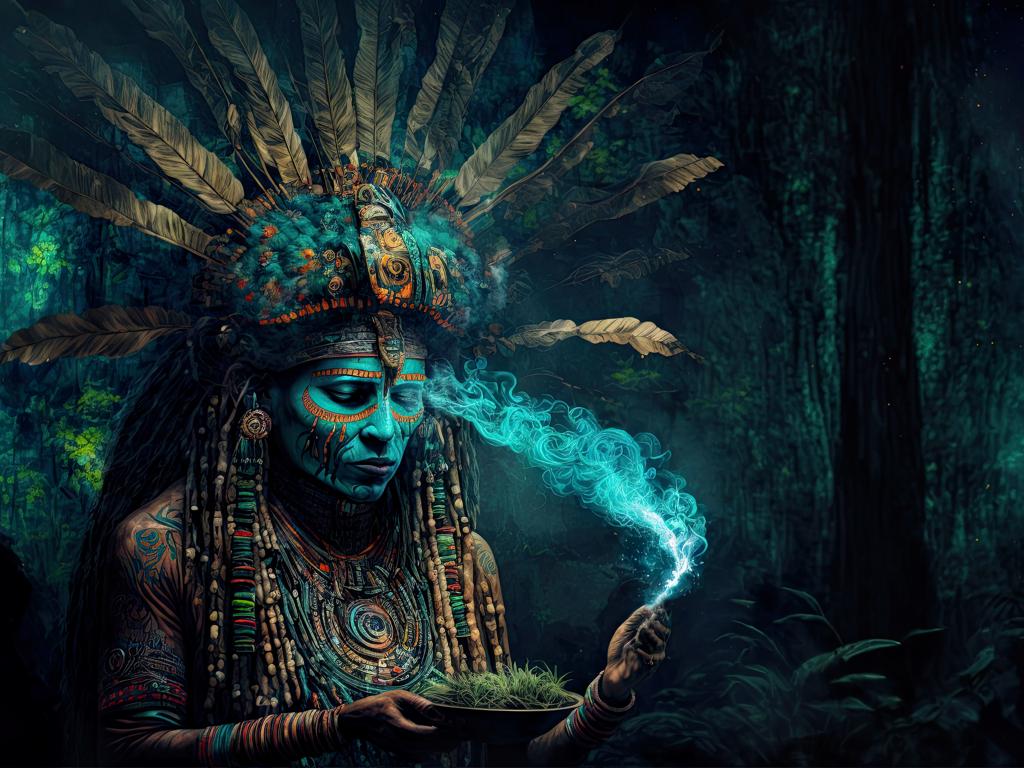
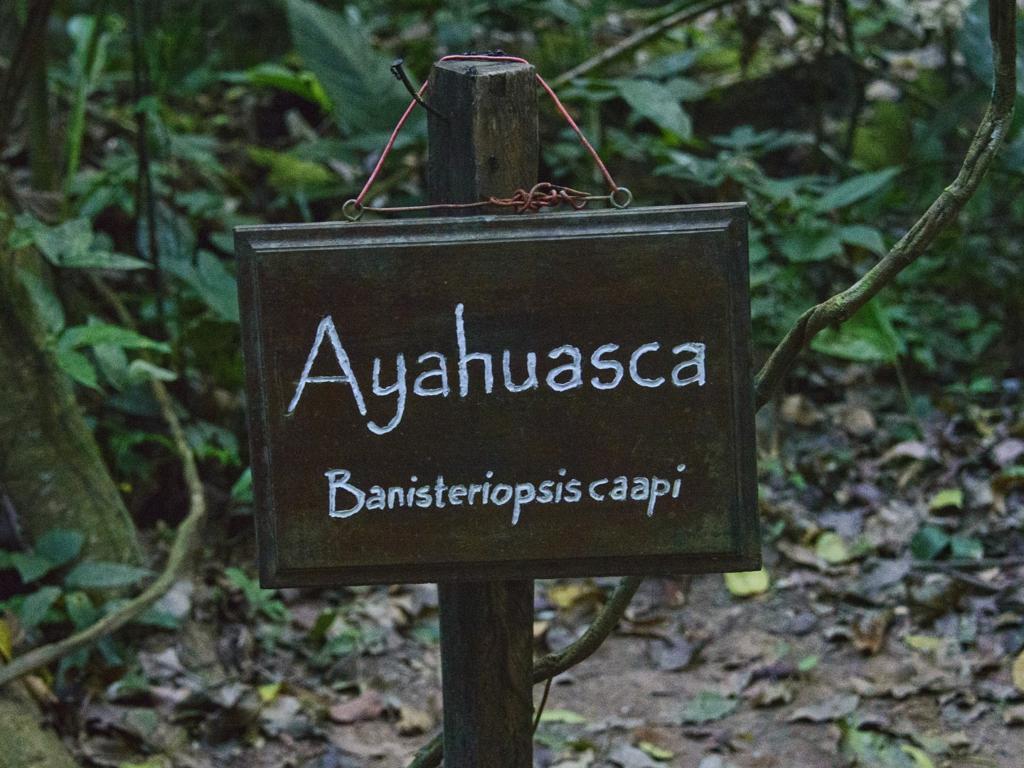
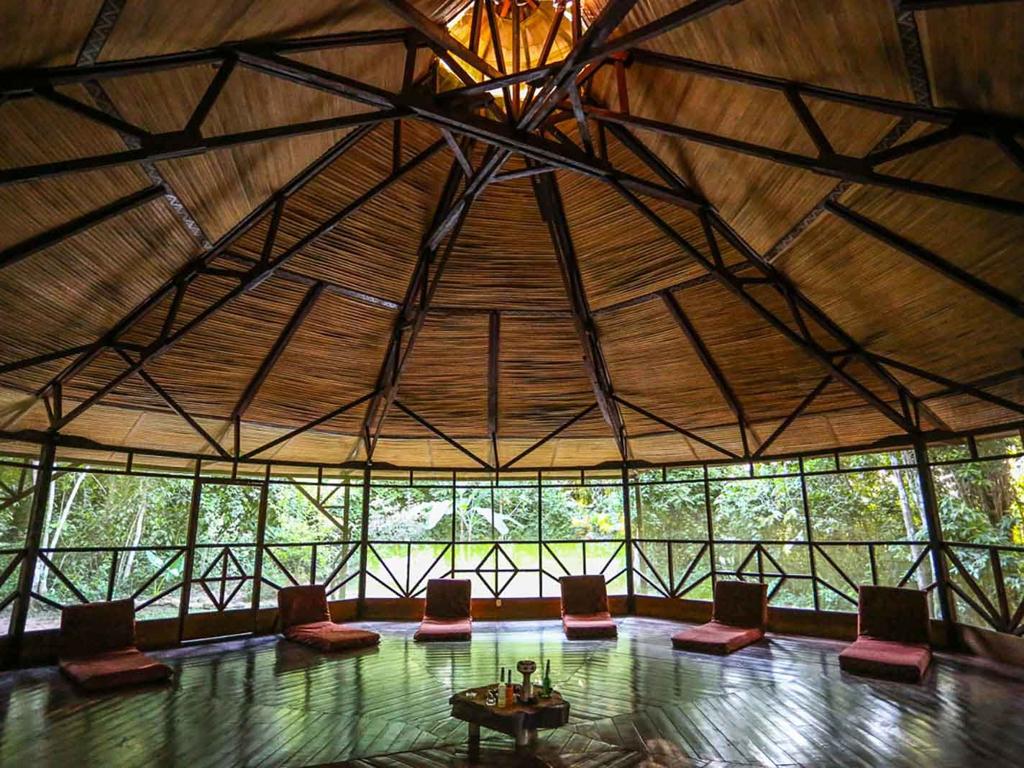
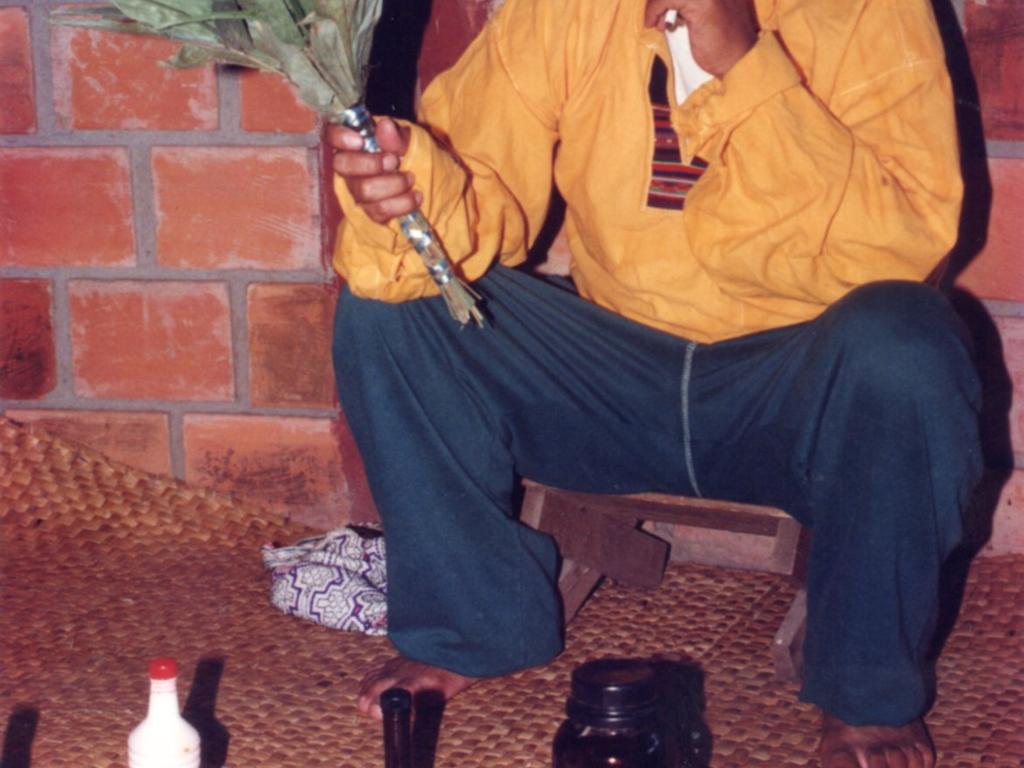
A decade ago, almost nobody outside a small ring of anthropologists, ethnobotanists, and curious travelers had heard the word ayahuasca. Now it shows up on podcasts, in memoirs, in clinical trial registries, and at dinner parties where someone’s cousin just got back from Iquitos. The conversation around ayahuasca and other psychedelics has shifted — not just culturally, but medically. People are starting to ask whether plant medicine could become the next big chapter in mainstream healing, the way medicinal cannabis quietly did. The comparison isn’t perfect. Cannabis is a relatively gentle, daily-use plant; ayahuasca is a several-hours-long psychedelic experience that can shake you to your foundations. But the cultural arc looks similar — taboo to curiosity to research to, possibly, regulated access. So what does the science actually say? What does a ceremony involve? And if you’re reading this because you’re quietly wondering whether ayahuasca might help with addiction, depression, or something stuck inside you that hasn’t budged in years — what should you actually know before booking a retreat? Ayahuasca is a brew. Traditionally it’s made from two plants found in the Amazon basin: the Banisteriopsis caapi vine and the leaves of Psychotria viridis (chacruna). The vine contains MAO inhibitors. The leaves contain DMT — dimethyltryptamine, one of the most powerful psychedelic compounds known. On their own, DMT taken orally would be broken down by your stomach before it ever reached your brain. The vine prevents that breakdown. The result is a several-hour visionary state, usually accompanied by deep introspection and, often, vomiting. Shamans call the purge la purga, and they consider it part of the medicine, not a side effect. In the indigenous traditions of Peru, Brazil, Colombia, and Ecuador, ayahuasca has been used for centuries — possibly far longer — as a tool for diagnosis, healing, and spiritual guidance. It’s one of what curanderos call the master plants: plant teachers that, properly approached, are said to communicate, instruct, and reveal what’s hidden inside the person who drinks them. You don’t take ayahuasca for fun. You take it because something needs to shift. Here’s where the comparison gets interesting. Medicinal cannabis spent decades stuck behind cultural fear before researchers, patients, and eventually lawmakers caught up to what people on the ground already knew — it helped with certain conditions. Ayahuasca and other psychedelics are sitting in a similar phase right now, except the research is accelerating faster than cannabis ever did. Psilocybin has FDA breakthrough therapy designation for treatment-resistant depression. MDMA-assisted therapy has gone through multiple Phase 3 trials. Ibogaine clinics are operating legally in Mexico and Costa Rica, treating opioid dependence with results that, anecdotally, make conventional rehab look modest. Ayahuasca itself is harder to study because it’s not a single compound — it’s a brew with variable composition. But small studies out of Brazil and Spain have looked at its effects on depression, addiction, and PTSD, and the early findings are striking. A single ceremony, in some cases, produced sustained reductions in depressive symptoms lasting weeks. That’s not a claim you can make about most antidepressants. Is it going to be sold at your local pharmacy? Almost certainly not in that form. But access through legal retreats, religious-exemption churches (the União do Vegetal and Santo Daime have legal status for sacramental ayahuasca use in several countries, including a 2006 U.S. Supreme Court ruling), and a growing therapeutic underground — that’s already here. This is the part that draws the most serious researchers, and the most desperate seekers. Addiction is brutal. Conventional treatment — twelve-step programs, medication-assisted therapy, residential rehab — works for some people, fails plenty of others. The relapse rates are sobering. So when reports started circulating in the 1990s that people were using ayahuasca to break long-running addictions to alcohol, cocaine, and opioids, addiction specialists started paying attention. Canadian psychiatrist Gabor Maté, who worked for years in Vancouver’s Downtown Eastside with people in severe addiction, has spoken extensively about what ayahuasca seemed to do for some of his patients. The mechanism isn’t mysterious in a hand-wavy way. Addiction is, at its core, often a relationship with unprocessed pain. Ayahuasca tends to bring that pain up — vividly, undeniably, in a state where you can’t look away from it. Combined with skilled integration afterward, the experience can sometimes loosen patterns that years of talk therapy didn’t touch. A few honest caveats. Ayahuasca isn’t a cure. It’s a catalyst. The people who use it successfully for addiction recovery tend to be the ones who do the work afterward — therapy, community, lifestyle changes. And ibogaine, another plant-derived psychedelic, has a more direct track record specifically for interrupting opioid withdrawal. If addiction is the central issue, doing your homework on which medicine fits your situation matters more than picking the one that’s most fashionable. Forget the Instagram version. A real ayahuasca ceremony usually looks like this: a group of people sitting or lying on mats in a wooden ceremonial space (often called a maloca), a shaman or facilitator at the front, the lights dimmed or off, a single candle. You drink a small cup of a dark, bitter liquid that tastes — there’s no nice way to put this — like something that should not exist. Then you wait. Forty minutes later, give or take, the world starts to change. What happens next is intensely personal. Some people see geometric visions. Some feel they’re reviewing their lives in reverse. Some confront a parent, a memory, a version of themselves they’ve been avoiding. Many vomit. Some cry for hours. A few sleep through it. The shaman sings icaros — medicine songs — that experienced drinkers say genuinely shape the direction of the experience. The whole thing lasts four to six hours. This is the part nobody selling a retreat wants to dwell on, so let’s dwell on it. Ayahuasca interacts dangerously with several classes of medication, most notably SSRIs and other antidepressants. The MAO inhibitors in the vine can also produce serious reactions with certain foods (aged cheese, fermented products, some meats). People with cardiovascular issues, schizophrenia, bipolar disorder, or a personal or family history of psychosis should approach with extreme caution or not at all. A responsible retreat screens for these things before they take your deposit. If a retreat doesn’t ask about your medications and mental health history, that tells you everything you need to know about how seriously they take safety. Other red flags worth watching: shamans or facilitators who promise specific outcomes, retreats with no integration support afterward, anyone presenting themselves as a guru, sexual contact of any kind between facilitators and participants, and centers that pack twenty-five people into a ceremony with one shaman who can’t possibly hold that much energy safely. Reputable retreats tend to have small groups, lineage-based facilitators, medical screening, and structured integration support. Cost is real too. A legitimate week-long retreat in Peru typically runs anywhere from $1,500 to $4,500 depending on the level of care and accommodation. Be skeptical of anything dramatically cheaper — corners are getting cut somewhere — and skeptical of anything dramatically more expensive unless the program justifies it with serious therapeutic infrastructure. Ayahuasca isn’t for everyone, and pretending otherwise does a disservice to the people who genuinely shouldn’t drink it. A few honest questions to sit with: The honest truth is that ayahuasca, like cannabis before it, is moving from the cultural margins toward something resembling legitimacy. Whether that ends in regulated clinical access, broader retreat tourism, or something we can’t yet imagine — nobody really knows. What we do know is that thousands of people each year are finding something in plant medicine that conventional care didn’t give them. For some, it’s addiction recovery. For others, depression that finally lifts. For others still, just a clearer relationship with what they want from their life. If after reading all of this you find yourself still curious — not chasing a thrill, but genuinely wondering whether this might help — that curiosity is worth taking seriously. A range of vetted ayahuasca retreats can be browsed on our marketplace here, and the time you spend choosing carefully is rarely wasted. Whatever you decide, decide it slowly. The medicine has been around for centuries. It can wait a few more months while you do your homework.
Mushrooms and Brain Health: Can Psilocybin and Functional Fungi Help Prevent Alzheimer's?
Watching a parent forget your name is a particular kind of grief. It arrives in pieces, over years, and by the time you understand what's happening, the person you knew has already started to fade. For families with a history of Alzheimer's, that grief tends to carry a second weight — the quiet question of whether the same thing is waiting for them. That question is fueling one of the more interesting corners of the current psychedelic and plant medicine conversation: the role of mushrooms — both the functional kind like Lion's Mane and the psychedelic kind like psilocybin — in supporting long-term brain health. It's a thread that runs from cutting-edge neuroscience labs to grandmothers microdosing in suburban kitchens, and it's worth pulling on if you're someone trying to protect your mind for the decades ahead. The standard medical answer to Alzheimer's has, for decades, been a shrug dressed up in a lab coat. A few drugs slow symptoms modestly. None reverse the disease. And the cruel structural problem is this: by the time symptoms appear, the underlying damage has been building quietly for twenty or thirty years. If you want to do something useful, you have to start long before anything feels wrong. That timeline is what's pushed a lot of curious, science-literate people toward mushrooms. Functional varieties — Lion's Mane, reishi, cordyceps, chaga — have been used in East Asian medicine for centuries. Lion's Mane in particular has caught researchers' attention because of compounds called hericenones and erinacines, which appear to stimulate nerve growth factor in the brain. In plain English: they may help neurons grow and stay connected. That's exactly the machinery Alzheimer's destroys. Then there are the psychedelic mushrooms, which work on a different but related axis. Psilocybin, the active compound in magic mushrooms, has been shown in early studies to promote neuroplasticity — the brain's ability to rewire itself and form new connections. Researchers at Johns Hopkins and Imperial College London have spent the past several years documenting how a single high dose can reset patterns of depression that have resisted every other treatment. The implications for cognitive aging are still being studied, but the early signals are interesting enough that serious money and serious scientists are paying attention. This trips people up, so it's worth being clear. Not all medicinal mushrooms get you high. In fact, most don't. Both categories are mushrooms. Both are being studied for brain benefits. But they work through very different mechanisms and demand very different commitments from the person taking them. Functional mushrooms are a daily habit, like a vitamin. Psychedelic mushrooms — taken at ceremony doses — are an event you prepare for, integrate from, and don't take lightly. Microdosing has gone from Silicon Valley curiosity to something your aunt might be doing. The basic idea: take a sub-perceptual dose of psilocybin (usually around a tenth of a recreational dose) on a schedule — say, every third day for a few weeks — and observe what happens. People report sharper focus, lifted mood, reduced anxiety, and a softer relationship to old mental ruts. Veterans use it for PTSD. Mothers use it for the relentless cognitive load of parenting. Older adults are starting to use it specifically with brain longevity in mind. The research here is genuinely early. Placebo effects are real, dosing isn't standardized, and most of what we know comes from self-reports rather than controlled trials. That said, the consistency of those reports across very different populations is hard to dismiss entirely. Companies and academic labs are now running proper studies to figure out what's signal and what's noise. If you're considering microdosing, a few honest cautions: legality varies wildly by where you live, dosing without scales and proper sourcing is a recipe for inconsistent experiences, and microdosing isn't appropriate for people with certain mental health conditions or on certain medications. It is not a magic bullet. It is, at best, one tool in a much larger toolkit. Here's the part the supplement industry would prefer you skip. Mushrooms — functional or psychedelic — are not going to save a brain that's being neglected in every other way. The boring stuff still matters more than anything in a capsule. Mushrooms slot into this picture as a possible enhancer, not a replacement. The person taking Lion's Mane while sleeping four hours a night and living on takeout is not going to outrun their genetics. For some people, the entry point isn't a daily supplement but a single, carefully held psychedelic experience — often within the container of a retreat. Psilocybin retreats in legal jurisdictions like the Netherlands, Jamaica, and increasingly parts of the U.S. offer multi-day programs where participants prepare, journey under supervision, and integrate what came up afterward. Ayahuasca retreats in Peru, Costa Rica, and elsewhere offer something related but distinct — a longer, often more challenging plant medicine arc with deep indigenous roots. Why would someone worried about Alzheimer's consider this? A few reasons. The neuroplasticity window opened by a full psychedelic experience appears to last weeks, not hours. The psychological work that often happens — releasing long-held grief, untangling patterns of depression, reconnecting with purpose — has its own protective effect on the aging brain. And for people with a strong family history, the experience of facing mortality directly, which most ceremonies provoke in one form or another, tends to clarify priorities in ways that change everyday behavior. None of this is a guarantee. Retreats vary enormously in quality, screening, and safety, and the wrong setting can do more harm than good. If you're exploring this path, vet facilitators carefully, be honest about medications and medical history, and pay attention to whether the program treats integration as seriously as the ceremony itself. For readers who want to explore this further, curated psilocybin and plant medicine retreats can be browsed on our marketplace here. The science of mushrooms and brain health is real, promising, and nowhere near settled. Lion's Mane and other functional mushrooms have a plausible mechanism and a long traditional track record. Psilocybin has produced some of the most striking results in modern psychiatry. Microdosing is interesting and under-studied. None of it is a substitute for sleep, movement, diet, and human connection — and none of it can rewind damage that's already done. But for someone in their thirties, forties, or fifties watching a parent disappear into Alzheimer's, the question isn't whether mushrooms are a miracle. It's whether the accumulated weight of small, intelligent choices made over decades can shift the odds. The current evidence says yes, probably, and that fungi — humble, ancient, and increasingly well-studied — deserve a real seat at that table.
Iboga and Ibogaine: What an Honest First Retreat Actually Looks Like
The first thing anyone who has sat with iboga will tell you is that it doesn’t feel like the other plant medicines. Ayahuasca moves like a river. Psilocybin opens like a door. Iboga sits you down in a hard chair, switches on a projector, and walks you through your own life — frame by frame — without much sympathy and without much hurry. If you’re researching an iboga or ibogaine retreat because something in your life has stopped working — an addiction you can’t shake, a depression that won’t lift, a grief you can’t name — it’s worth understanding what you’d actually be signing up for. This isn’t a glamour piece. Iboga is one of the most physically demanding psychedelics and plant medicines a person can take, and it’s also one of the most effective tools we currently know of for breaking certain kinds of addiction. Both of those things are true at once. Let’s get into what that really means. Iboga is the root bark of Tabernanthe iboga, a shrub native to the equatorial forests of Gabon and the surrounding region. In Bwiti tradition — the spiritual practice that has used iboga for centuries — it’s considered a master plant and a teacher, not a party drug or a quick fix. Ceremonies are long, sober, and structured. They’re also nothing like an ayahuasca ceremony, even though both fall under the broad banner of plant medicine. Ibogaine is the principal alkaloid extracted from the bark. It’s the form used in most clinical and semi-clinical addiction-recovery settings, particularly for opioid dependence. The science here is genuinely interesting: ibogaine appears to reset certain neural pathways involved in craving and withdrawal, and many people who go through a single session report that the physical pull of opioids is dramatically reduced afterward. That’s not marketing. That’s what shows up in interviews with participants and in the small body of clinical research that exists. The trade-off is that ibogaine is cardiotoxic in a way most psychedelics are not. It can affect heart rhythm, and people have died from it — almost always when proper medical screening was skipped. This is the single most important fact about ibogaine, and any retreat that doesn’t require an EKG, bloodwork, and a serious medical questionnaire before accepting you is a retreat you should walk away from. Most ayahuasca ceremonies run four to six hours. An iboga session runs anywhere from twenty to thirty-six. You don’t sleep. You don’t move much. You lie on a mat or a low bed in a quiet, dim room, and the medicine takes you somewhere very specific. People describe the early hours as a kind of buzzing, with a high-pitched ringing in the ears and a sense that gravity has doubled. Then the visions start — but not the kaleidoscopic geometry of mushrooms or the spirit-realm of ayahuasca. Iboga visions tend to be cinematic and biographical. Old memories. Faces of people you wronged. Decisions you made at nineteen that you’ve been pretending not to think about. It plays them back without commentary, and you watch. One person I interviewed described it as “sitting through a documentary about myself, produced by someone who has access to every file.” That’s about right. The medicine doesn’t shout. It doesn’t need to. It just shows you what’s there, and lets you draw your own conclusions. The physical side is no joke either. Nausea is common. Ataxia — loss of coordination — is universal; you genuinely cannot walk. Most people don’t want to. You stay lying down, eyes closed, for the entire experience, with a facilitator nearby monitoring vital signs and occasionally bringing water. The population at iboga retreats skews different than at ayahuasca centers. You’ll meet fewer wellness tourists and more people who have run out of other options. In rough strokes: What unites them is a particular kind of seriousness. Iboga isn’t a weekend. It’s closer to elective surgery on your psyche, and the people who choose it tend to know that going in. This is the use case that gets the most attention, and rightly so. For opioid dependence specifically, ibogaine appears to interrupt withdrawal in a way nothing else really does. Participants describe coming out of a session no longer feeling the physical craving that had defined their daily life for years. The window this opens — usually a few weeks to a few months — is when the real work happens. The medicine doesn’t do the work for you. It makes the work possible. Recovery rates vary wildly depending on what happens after the session. Retreats that send you home with no follow-up have poor long-term outcomes. Retreats that integrate ibogaine into a longer program — aftercare calls, therapy, sober community, sometimes a follow-up booster session — show much better numbers. The choice of retreat matters more than almost anything else. It’s also worth being honest: ibogaine isn’t magic. Some people relapse. Some find it doesn’t take. Some have profound experiences that don’t translate into behavior change. Psychedelic-assisted recovery is a tool, not a cure, and any retreat that promises a cure is misrepresenting what they can offer. This is the section to read twice. Iboga and ibogaine retreats vary enormously in quality, and the consequences of choosing badly are higher than with other plant medicines. Cost varies. A serious ibogaine-for-addiction retreat with proper medical infrastructure typically runs between five and ten thousand dollars for a week or two. Traditional Bwiti ceremonies in Africa can be less expensive but require considerably more cultural adaptation. Free or very cheap iboga is almost always a warning sign. Iboga rewards preparation. In the weeks before a session, most retreats ask you to taper off pharmaceuticals (under medical supervision), eat clean, abstain from alcohol and other substances, and start journaling about what you’re bringing to the medicine. The dieta is less elaborate than ayahuasca’s, but the principle is the same: arrive empty so the medicine has room to work. Mentally, the best preparation is honesty. Sit down before you go and write — actually write, on paper — what you want to look at. The patterns you’re tired of. The fears you’ve been avoiding. Iboga will likely show you all of it anyway, but going in with your eyes already open changes the quality of the experience. Afterward, expect to feel scoured. Many people describe a few weeks of unusual clarity, followed by the slow return of regular life. What you do with that clarity window is the whole game. Therapists who specialize in psychedelic integration are worth their weight in gold during this period. If you’ve read this far, you’re probably not casually curious — you’re weighing a real decision. For readers who want to take this further, a range of vetted ibogaine and iboga retreats can be browsed on our marketplace here. Whatever you decide, decide slowly, ask hard questions, and choose the people running the ceremony as carefully as you’d choose a surgeon. With this medicine, that’s not an exaggeration.
Craving More Stories?
Join our ShopAyahuascaRetreats newsletter for the latest updates on thrilling
destinations and inspirational tales, delivered straight to your inbox!
We value your privacy. Your email address will never be shared or published.
How Psychedelics Reshape the Brain: New Science on Depression and Healing
For a long time, the story we were told about depression was tidy and chemical. Your serotonin is low. Take this pill. Wait six weeks. Feel better. Except for millions of people, that script never quite worked — and the more neuroscientists look under the hood, the messier the actual picture becomes. Depression, it turns out, isn’t just a chemistry problem. It’s a structural one. And psychedelics, of all things, may be one of the most interesting tools we have for addressing it. That’s not a wellness-influencer claim. It’s where the lab work is pointing. Researchers studying psychedelics — LSD, psilocybin from magic mushrooms, DMT from ayahuasca, MDMA — have found that these compounds don’t just shift perception for a few hours. They appear to physically change the architecture of neurons themselves. And those changes look a lot like the opposite of what depression does to the brain. If you picture a neuron as a tree, its dendrites are the big branches reaching out toward other cells, and the tiny dendritic spines are the smaller offshoots that catch incoming signals. Neuroscientists genuinely borrow horticultural language for this — arbors, pruning, growth. The brain is, in a real sense, a forest that thins and thickens depending on how you live in it. In people with chronic depression, certain regions of that forest go quiet. The prefrontal cortex — the area that helps regulate mood, anxiety, and decision-making — shows atrophy. Branches shrivel. Spines disappear. Connections that used to fire together fall out of contact. This shrinkage correlates with the experience people describe in plain language: feeling flat, disconnected, locked in, unable to imagine anything different. The old chemical-imbalance story doesn’t really account for any of this. It treated the brain like a soup that needed reseasoning. What the structural research suggests is closer to a garden that’s been neglected through a long drought. You don’t fix a drought by adjusting one ingredient. You have to bring the system back to life. Here’s where it gets interesting. When researchers grow neurons in a dish and expose them to psychedelic compounds, the neurons sprout. More branches. More spines. More synaptic connections with neighboring cells. The same thing shows up in studies on fruit flies and rodents. The effect is fast — sometimes within 24 hours — and it lasts. Scientists have started calling these compounds psychoplastogens: substances that rapidly promote structural plasticity in the brain. The category includes the classic psychedelics (LSD, psilocybin, DMT), MDMA, and ketamine, which technically isn’t a psychedelic at all but produces eerily similar effects on neuronal growth. They appear to work, at least in part, by activating a protein called mTOR, which acts as a kind of master switch for cell growth. This matters because the brain changes don’t expire when the trip ends. The hallucinatory part of an ayahuasca night might last six or eight hours. The neural rewiring it kicks off seems to keep working for weeks. That timeline lines up with what people consistently report after well-held ceremonies — that the days and months afterward are when the real shifts happen, not the night itself. Ayahuasca is the most studied plant medicine in this space, partly because traditional Amazonian use has been documented for so long and partly because DMT — the active visionary alkaloid — is one of the more dramatic psychoplastogens in the lineup. A 2015 Brazilian study found that a single dose of ayahuasca produced fast-acting antidepressant effects within a day in patients with treatment-resistant depression. Not modest improvements over months. Same-day shifts. The Amazonian curanderos who work with ayahuasca, San Pedro, and other master plants would tell you none of this is news. They’ve been describing these medicines as plant teachers for generations — beings that show you what’s stuck, what needs tending, what wants to grow. The Western science just gives us a different vocabulary for the same observation: something about these compounds wakes the brain back up. It’s worth being honest, though. The lab data is exciting; it isn’t a guarantee. A neuron sprouting in a dish is not the same as a human being healing from twenty years of trauma. The ceremonial container, the integration afterward, the people you sit with — all of that matters enormously for whether the biological window the medicine opens turns into actual change. The same structural logic applies to addiction. Addictive behavior carves deep ruts in the brain — strong, well-worn neural circuits that fire reliably in response to certain cues. Conventional treatment tries to weaken those circuits gradually, through behavior change and abstinence. It works, but slowly, and relapse rates are brutal. Psychedelic-assisted recovery seems to work differently. By temporarily destabilizing the brain’s rigid patterns and encouraging new growth, plant medicines may give a person something closer to a window — a period where the old grooves loosen enough for new ones to form. Ibogaine, in particular, has shown striking results for opioid addiction. Ayahuasca and psilocybin have shown promise for alcohol dependence and tobacco cessation. MDMA-assisted therapy for PTSD is moving toward approval in several jurisdictions. None of this means you swallow a substance and your addiction lifts. The substance opens a door. Walking through it — with a skilled facilitator, a real preparation period, and a serious integration practice — is what does the work. The brain’s new growth needs somewhere to grow toward. Here’s the part the enthusiastic articles tend to gloss. Promoting rapid neural growth is a powerful intervention, and we don’t fully understand its long-term consequences. Excessive mTOR activity has been linked to other conditions, including some neurodevelopmental disorders. The same biological mechanism that may heal one brain in one context might do something else entirely in another. There are also the obvious considerations: And the experience itself isn’t gentle. Ayahuasca nights routinely involve purging, hours of intense visionary content, and moments most people would describe as the hardest thing they’ve ever done. The brain’s sudden plasticity is not a soft, fuzzy event. It’s a system being shaken loose. If you’ve read this far, you’re probably not casually curious. Most people researching plant medicine seriously are doing it because something in their life hasn’t shifted through the usual channels — therapy, medication, willpower, time. That’s a legitimate reason to look, but it also means the decision deserves more care than choosing a vacation. A few honest questions worth sitting with before booking anything: Cost varies wildly. A reputable ayahuasca retreat in Peru typically runs between $1,500 and $3,500 for a week, with luxury operations going much higher. Ibogaine clinics, because they require medical supervision, tend to start around $5,000 and climb. Cheaper isn’t always worse and expensive isn’t always better — what matters is the integrity of the people holding the space. The most ambitious researchers in this field are trying to engineer compounds that produce the neural growth without the hallucinations — a kind of psychoplastogen without the visionary night. Whether that’s desirable or whether it misses the point is one of the live debates in the space. Plenty of clinicians and traditional practitioners would argue that the subjective experience isn’t a side effect to be optimized away. It’s where the meaning gets made. For now, the practical situation is this: legal access to psychedelics is expanding (Oregon and Colorado have decriminalized or regulated psilocybin services; ayahuasca remains legal in Peru, Brazil, Costa Rica, and a handful of other places), the research keeps stacking up, and more people every year are deciding the risks of trying are smaller than the costs of staying stuck. For readers who want to take this further, a range of vetted ayahuasca and plant-medicine retreats can be browsed on our marketplace here. Whatever you decide, treat it as a decision, not a leap. The brain is more plastic than we used to think. So is a life.
When MDMA Cracked Open a White Supremacist: What One Study Reveals About Psychedelic Healing
A man named Brendan walked into a research lab in early 2020. He was, at that point, a known figure in American white nationalism — he'd helped organize the Charlottesville rally three years earlier, and his name was already a liability in his own life. The study he signed up for had nothing to do with hate or healing. The researchers wanted to know whether MDMA made human touch feel more pleasant. That was it. A small, almost banal question. Then Brendan took the dose. And somewhere in the next few hours, something in him cracked open. He went home, wrote a note to the team, and told them — in so many words — that he was done. Done with the movement. Done with the worldview. He wrote that he now knew what he needed to do, and suggested they Google him to understand why that mattered. They did. And the researchers were, understandably, alarmed before they were astonished. This story keeps surfacing in conversations about psychedelics, addiction, and the broader question of whether plant medicines and synthetic compounds like MDMA can actually shift the architecture of a person's beliefs. It's a striking anecdote. It's also wildly easy to misread. So let's slow down and look at what happened, what it might mean, and what it almost certainly doesn't. The trial, run by Harriet de Wit at the University of Chicago, wasn't a therapy protocol. There was no facilitator guiding Brendan through trauma, no integration coach waiting on the other side. It was a touch-perception study — neutral, clinical, fluorescent-lit. Brendan received MDMA and did the tasks. The transformation, such as it was, happened on his own time, in his own head. What he reported afterward was simple and almost embarrassed: the drug made him feel love, and in the warmth of that feeling, the rigid scaffolding of his ideology stopped making sense. He described asking himself, in the middle of the experience, why am I doing this? The question wasn't intellectual. It came from somewhere lower, somewhere more honest than argument. He didn't renounce his beliefs that afternoon in any dramatic public way. The shift was quieter, and it unfolded over months. He distanced himself from his old network. He started talking, carefully, to people he'd previously written off as enemies. The researchers, who only learned about his background after the fact, ended up watching one of the strangest case studies in psychedelic science assemble itself in real time. No. And anyone who tells you it does is selling something. Here's the thing about MDMA and the classical psychedelics — ayahuasca, psilocybin, LSD, San Pedro, ibogaine. They don't carry content. They don't have politics. They amplify whatever is already inside a person and crank up the emotional volume on it. A 2021 paper in Frontiers in Psychology made this point bluntly: psychedelics are non-specific amplifiers. Give the same dose to a hateful person and a generous one, and you'll get more hate or more generosity, not a clean reset. What seems to have happened with Brendan is more interesting than a chemical exorcism. The MDMA didn't delete his beliefs. It opened a window — briefly, vividly — onto another way of feeling about other people. And once you've felt something, you can't quite un-feel it. The seed of doubt gets planted. Whether it grows depends on everything that happens after. Researchers studying MDMA-assisted therapy for PTSD have noticed something similar. The drug's role is to soften the defensive crust around painful material so the person can actually look at it. The looking is what does the work. The compound is the door, not the room. If you've ended up on this page, there's a decent chance you're carrying something heavy — an addiction that won't budge, a depression that's settled in like weather, a pattern in your relationships you can see clearly and still can't change. The Brendan story matters to you for one specific reason: it suggests that even deeply embedded ways of being can sometimes shift faster than we think. Plant medicines and psychedelics — including ayahuasca and the so-called master plants of the Amazon — work on a similar logic. They don't deliver answers. They loosen the grip of a worldview just enough for the person to glimpse alternatives. People in ceremony describe seeing their addiction from the outside for the first time, or recognizing that a story they've been telling themselves since childhood was never actually true. Ayahuasca, in particular, has a reputation for showing people themselves with uncomfortable clarity. What's worth saying out loud: this softening is real, and it's also dangerous if it happens in the wrong setting. Brendan got lucky. The researchers were thoughtful, the dose was clean, and he had enough inner ground to do something constructive with the experience. Plenty of people don't. A weekend retreat without proper screening, or a ceremony led by someone with more charisma than skill, can leave a person more raw than healed. I've sat in a lot of ceremonies and talked to a lot of facilitators, and the honest version of the retreat conversation looks like this: Costs vary wildly. A week-long ayahuasca retreat in Peru might run anywhere from $1,500 to $4,000 depending on the center, the lineage, and the level of medical and psychological support on-site. Ibogaine programs — which are used specifically for opioid addiction in some clinics — tend to run higher because they require medical monitoring. Psilocybin retreats in legal jurisdictions like the Netherlands or Jamaica sit in a middle range. Brendan's story isn't a feel-good fable about a magic pill that fixes broken people. It's something quieter and more useful. It's a reminder that the human capacity for change isn't always proportional to the size of the problem. Sometimes a person carries a worldview for decades and then, in the space of a few hours, sees through it. That doesn't happen because of a chemical. It happens because the chemical briefly lifts the defenses we use to avoid feeling things — and what's underneath those defenses, in most of us, is closer to love than to hate. Closer to grief than to anger. Closer to a desire to belong than to a need to be right. Whatever you call it — the self, the soul, the deeper layer — it tends to be more humane than the personality we've built on top of it. For people considering plant medicine to address addiction, depression, or patterns that feel cemented in, this is the honest promise. Not a cure. Not a guarantee. Just the possibility that what feels permanent might be more porous than it looks, given the right setting and the right support. For readers who want to take this further, a range of vetted ayahuasca and plant-medicine retreats can be browsed on our marketplace here. Brendan, last anyone heard, was still doing the work. That's the part of his story that gets quoted least and matters most. The drug opened a door. He's the one who kept walking through it.
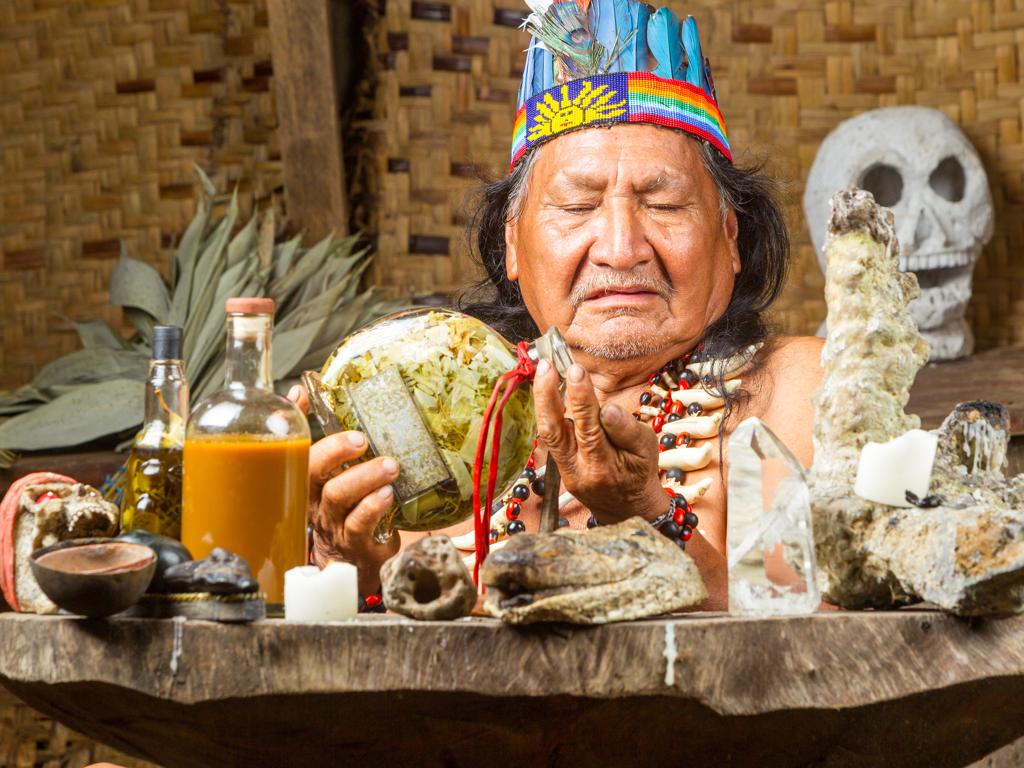
Ketamine for Depression: What the Latest Trial Results Mean
Ketamine, a medication primarily used as an anesthetic, has been explored as a potential treatment for severe forms of depression. Its fast-acting nature makes it an attractive option for patients experiencing sudden bouts of suicidality. However, the latest trial results from Atai Life Sciences, a leading company in the field of psychedelics, have raised questions about its efficacy. The trial, conducted by Perception Neuroscience, a subsidiary of Atai, involved 102 patients with treatment-resistant depression. These patients were administered either a 60mg dose of PCN-101, a 30mg dose, or a placebo. The results showed that patients who received the 60mg dose did not experience significant improvement in their depression symptoms compared to those who received the placebo. This outcome is particularly noteworthy given the current landscape of depression treatment. With many patients not responding to traditional therapies, the search for alternative treatments is urgent. Ketamine, with its unique mechanism of action, had been seen as a promising candidate. The failure of this trial, however, underscores the complexity of treating depression and the need for continued research. The trial's methodology involved administering the drug intravenously and then assessing the patients' depression symptoms 24 hours later using the Montgomery-Åsberg Depression Rating Scale. The lack of significant improvement in the treatment group compared to the placebo group is a critical finding. It suggests that, at least in the context of this study, ketamine may not offer the therapeutic benefits that were hoped for. The implications of this trial are multifaceted. For patients and their families, the news may be disappointing, especially for those who have been waiting for new treatment options. For the field of psychedelic research, this trial serves as a reminder of the challenges involved in developing effective treatments. It highlights the need for rigorous scientific testing and the importance of not overstepping the bounds of current evidence. Atai Life Sciences has announced plans to continue reviewing the data from the trial to determine the next steps. This approach is prudent, given the potential that subgroup analyses or further research could uncover beneficial effects that were not immediately apparent. Ketamine is not the only psychedelic compound being explored for its therapeutic potential. Psilocybin, the active ingredient in magic mushrooms, and MDMA, commonly known as ecstasy, are also under investigation for their possible roles in treating mental health disorders. The journey of these substances from recreational drugs to potential therapeutic agents is a complex one, marked by both promise and challenge. The approval of Spravato, a drug based on ketamine, by the FDA in 2019 for the treatment of severe depression, marked a significant milestone in this journey. It demonstrated that, with rigorous testing and regulatory approval, psychedelic-derived medicines could enter the mainstream of psychiatric treatment. However, the path forward is not without its obstacles. Regulatory hurdles, public perception, and the need for high-quality clinical trials are just a few of the challenges that must be overcome. The recent trial results, while disappointing, are a part of this process. They contribute to the growing body of evidence that will eventually guide the development and use of psychedelic medicines. The latest trial results on ketamine's effectiveness in treating depression are a sobering reminder of the complexities and challenges inherent in psychiatric research. While they may dampen some of the enthusiasm surrounding psychedelic medicine, they do not diminish the potential that these substances hold. Instead, they underscore the importance of a cautious, evidence-based approach to developing new treatments. As the field of psychedelic medicine continues to evolve, it is crucial that researchers, clinicians, and patients remain committed to the principles of rigorous scientific inquiry and patient safety. The future of psychedelic medicine is promising, but it must be built on a foundation of solid evidence and careful consideration of both the benefits and the risks of these powerful substances.
What Ibogaine Actually Teaches You: Lessons From the Other Side of Treatment
People come to ibogaine for one reason, usually. They want the addiction to stop. Whether it's heroin, fentanyl, methadone, alcohol, or some tangled combination, the pitch is almost too clean: one long session with a powerful African root, and the withdrawal vanishes. The cravings quiet down. The story ends. Except it doesn't end. That's the part nobody puts on the retreat brochure. Ibogaine isn't a finish line — it's a strange, exhausting, sometimes unbearable doorway. And what people actually learn on the other side of it is often very different from what they expected to learn. This piece is for anyone weighing ibogaine treatment for addiction, or trying to understand what a friend or family member just went through. Plant medicine doesn't hand you a new life. It hands you information. What you do with it is the rest of the work. Ibogaine is a psychoactive alkaloid found in the root bark of Tabernanthe iboga, a shrub native to West Central Africa. The Bwiti tradition in Gabon has used iboga ceremonially for generations — initiation, ancestor work, deep personal reckoning. Outside that context, ibogaine became known in the West for something more specific: it appears to dramatically interrupt opioid withdrawal and reset the brain's response to certain addictive substances. The mechanism is still being studied, but the lived experience is striking. People who've been physically dependent for years describe walking out of a session without the bone-deep sickness they expected. Cravings, in many cases, drop to a whisper. That's the part that gets attention — and rightly so. For someone who's been trapped in a cycle, the idea that one treatment could break the physical hold is staggering. But here's where the misunderstanding starts. Interrupting withdrawal is not the same as curing addiction. The substance does something profound to your nervous system. It does not, on its own, repair the reasons you started using in the first place. Most psychedelic experiences clock in at four to eight hours. Ibogaine runs longer — often 24 to 36 hours from first dose to the point you can walk steadily again. The first phase is sometimes called the visionary state, and it's where the famous “life review” happens. Memories surface, sometimes in vivid sequence, sometimes scattered. People describe watching their lives from the outside, observing choices they'd buried for decades. The second phase is more cognitive — quieter, more reflective. You're processing what came up. The body is doing heavy lifting too: ibogaine slows the heart rate significantly, which is why reputable clinics require an EKG, blood work, and continuous cardiac monitoring. This is not a substance to take in a friend's living room. The cardiac risks are real, and most ibogaine-related fatalities trace back to inadequate medical screening. By the third phase, you're tired in a way you've probably never been tired. People talk about a kind of grey clarity that lasts for days. The body is exhausted; the mind is unusually quiet. And then — this is the part nobody warns you about enough — you have to go home. If you read enough first-person accounts, certain themes show up over and over. Not in the marketing copy. In the honest reports — the ones written months or years later, when the dust has settled. That last point is the one most people underestimate. The session is dramatic. The integration is mundane. And mundane is what changes a life. This question comes up constantly from people researching plant medicine for addiction, so it's worth addressing directly. Both ayahuasca and ibogaine have been studied as tools for addiction recovery, and both have produced remarkable case reports. They are not interchangeable. Ibogaine is, by most accounts, the more medically demanding of the two. The cardiac risk is higher. The session is longer. It's particularly effective at interrupting opioid dependence — something ayahuasca generally is not designed to do. If your primary issue is physical dependence on opioids, ibogaine is the more direct intervention. Ayahuasca tends to work differently. It's better suited to longer-arc work — depression, trauma, behavioural addictions, alcohol patterns, the existential layer of why-am-I-like-this. Many people who first encounter plant medicine through ibogaine eventually find their way to ayahuasca ceremonies for ongoing integration work. The two can complement each other across years, not weeks. Master plants — the broader category these medicines fall into — share something important: they show you things. They don't decide for you. Whichever path fits your situation, the work after the ceremony is what determines the outcome. This is where I get blunt. The ibogaine world has reputable clinics doing careful, life-saving work. It also has cowboys. The difference between the two can be the difference between recovery and a coroner's report. If you're seriously considering treatment, look for these markers: Mexico and Costa Rica host most of the legal, medically-supervised clinics serving North Americans, since ibogaine is unscheduled in those countries. The legal status in the United States is more restrictive — ibogaine is a Schedule I substance there — which is why most treatment-seekers travel. If you're reading this because you or someone you love is stuck in addiction, here's the honest path forward. Do your research slowly. Talk to people who've been through it — not just the ones the clinics put forward, but the harder-to-find ones who'll tell you what didn't work. Get a real medical workup before you commit. Build your aftercare plan before you book the session, not after. And don't expect ibogaine to do the work that therapy, community, and time are supposed to do. The people who do well with ibogaine treatment tend to share a particular quality: they treat it as the beginning of something, not the end. They line up integration support, change their environment, take the post-session window seriously, and accept that the medicine has shown them what to do — but it's still on them to do it. If something here resonates and you want to explore further, a curated selection of ibogaine and plant-medicine retreats can be browsed on our marketplace here. Take your time with the decision. The right retreat, at the right moment, with the right aftercare around it — that's what changes things. Not the medicine alone.
Ibogaine for Addiction Recovery: What 36 Days Clean Actually Looks Like
There's a particular kind of quiet that settles in around the fifth week after an ibogaine treatment. The acute work is done. The visions have faded into something you half-remember, half-feel. The cravings — if they're going to creep back — usually start testing the locks somewhere around here. This is the stretch nobody warns you about, and it's also the stretch that decides whether the whole thing took. People come to ibogaine for one reason more than any other: they want out of an addiction they've tried to escape a dozen times before. Opioids, mostly. But also alcohol, stimulants, benzodiazepines, and the harder-to-name patterns that don't show up on a tox screen. The plant medicine community has long whispered about ibogaine as the closest thing we have to a reset button. The science is starting to catch up. And the lived experiences shared by people in early recovery — the raw, unpolished ones — are often more useful than any clinical write-up. Ibogaine is an alkaloid found in the root bark of the Tabernanthe iboga shrub, native to Central Africa. In the Bwiti tradition of Gabon, it's used in initiation ceremonies that have nothing to do with addiction. Western medicine stumbled onto its anti-addictive properties almost by accident in the 1960s, when a heroin user named Howard Lotsof noticed his cravings simply weren't there after taking it. What happens neurologically is still being mapped, but the broad strokes are these: ibogaine appears to reset opioid receptors, interrupt the conditioned cravings that keep relapse cycles spinning, and — most strikingly — produce a long, dreamlike review of your own life. Many people describe it less as a trip and more as an interrogation. Memories surface unbidden. Decisions get re-examined. The reasons you started using in the first place tend to show up in the room with you. It's not gentle. A full flood dose lasts somewhere between 24 and 36 hours, with the most intense phase usually in the first 8 to 12. People describe nausea, ataxia (you can't really walk), and a relentless interior monologue. The phrase you hear over and over from people who've done it: I wouldn't do it again, and I wouldn't undo it. Here's roughly what the recovery arc looks like for someone using ibogaine to come off opioids or another long-running dependency. Individual experiences vary enormously, but patterns repeat: That milestone — the one-month-plus mark — is when people on recovery forums tend to post for the first time. They want to mark the moment. They also want to know if what they're feeling is normal. The answer is almost always yes. Here's the part the more honest practitioners will tell you and the marketing brochures usually won't: ibogaine is a powerful interrupt, not a cure. The treatment can pull you out of physical dependence and give you a remarkably clear view of the patterns that drove your use. But it doesn't rebuild your social life. It doesn't fix the relationship that's been collateral damage. It doesn't pay your rent or restructure your evenings. The people who stay clean — and there are many — almost universally do three things after treatment: A treatment without integration is, as one facilitator I spoke with put it, like getting a heart transplant and skipping physical therapy. The surgery worked. That doesn't mean you can run yet. This is where the stakes get serious. Ibogaine has real cardiac risks — it can prolong the QT interval, and people with undiagnosed heart conditions have died during treatment. It's a Schedule I substance in the United States, which means legitimate treatment happens primarily in Mexico, Costa Rica, the Netherlands, South Africa, and a handful of other jurisdictions where it's legal or unscheduled. A few things to look for, and a few red flags that should make you walk away: Ask to speak with past clients. A confident provider will connect you. Ask what their protocol is if something goes wrong medically. Ask how many treatments they've done and what their experience is with your specific substance of dependence — ibogaine for opioid recovery is well-mapped; ibogaine for stimulant or alcohol recovery is a different conversation. Most people arrive thinking the substance is the problem. By day three of an ibogaine experience, most have revised that opinion. The substance is what they were using to manage something — grief, an old wound, a chronic anxiety, a sense of not belonging in their own life. Ibogaine has a particular knack for showing you the thing underneath the thing. That can be the most valuable part of the whole experience. It can also be the hardest. Reading other people's accounts of post-treatment life, you notice a pattern: the addiction was loud, but underneath it was often a depression, a trauma, a relational pattern they hadn't known how to look at. Sobriety made all of that visible. The work of recovery, properly understood, is the work of attending to what was hiding behind the using. This is why integration matters so much, and why a one-week clinic stay is the beginning of a longer process — not its conclusion. Some people pair ibogaine with subsequent work using other plant medicines, ayahuasca being the most common, often months later, to keep deepening the inner work. Others go in the opposite direction and lean entirely on therapy, community, and stillness. Both paths can work. Neither works automatically. Talk to people who've done it. Read the long, honest accounts — the ones that include the hard parts, not just the breakthroughs. Speak with at least two providers before you choose. Get cleared by a cardiologist who knows what you're planning. Don't go alone if you can help it; having someone meet you on the other side, even just for the first week, matters more than most people realize. And give yourself a real plan for the months after. Where will you live? Who will you call when it's hard? What will you do with the time you used to spend using? These questions are not optional. They're the actual treatment, in a way the substance itself can never be. For anyone weighing this seriously, a curated selection of ibogaine and plant-medicine retreats with vetted medical protocols can be browsed on our marketplace here. Thirty-six days is a real milestone — but it's a beginning, not a finish line, and the people who treat it that way are the ones who tend to still be free at day three hundred and sixty.
Dreaming of a Psychedelic Retreat?
We have the best deals and offers from thousands of organizers all over the world! Get them into your mailbox every week!
We value your privacy. Your email address will never be shared or published.
