 English
 Deutsch
 Français
 Nederlands
 Español


Reset. Heal. Grow.
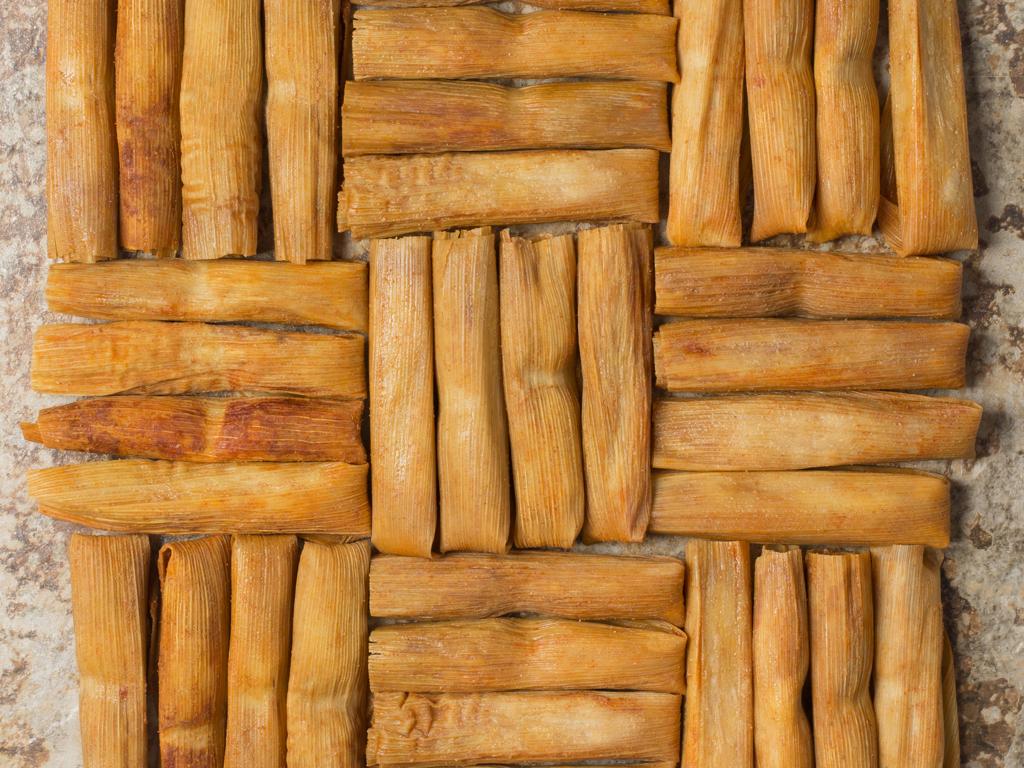
How Often Should You Microdose Psychedelics? A Practical Guide
Microdosing has gone from fringe curiosity to dinner-table conversation in about a decade. Software engineers in San Francisco do it. So do schoolteachers in Berlin, retired nurses in Lisbon, and people quietly trying to climb out of a depressive patch without quitting their day job. The premise is simple enough: take a sliver of a psychedelic — small enough that you won't trip, often enough that the effects supposedly stack — and see if life gets a little easier to move through. But the practical questions are the ones nobody answers well. How often? For how long? Which substance? And how do you know if it's actually doing anything, or if you've just talked yourself into feeling better? If you're weighing microdosing as a tool — maybe alongside therapy, maybe as a curious experiment, maybe as a softer entry point before considering a full plant-medicine retreat — here's an honest look at what people actually do. A microdose is a sub-perceptual dose of a psychedelic — usually between one-tenth and one-twentieth of what you'd take to have a full experience. The whole point is that you shouldn't really feel it. No visuals. No ego dissolution. No staring at the ceiling wondering why your couch is breathing. If you're noticing strong effects, you've taken too much. What people report instead is something quieter. A slight lift in mood. Easier focus. A little more patience with their kids or their inbox. A creative problem they'd been stuck on for weeks suddenly cracking open on a Tuesday afternoon. The published research is still catching up — and some of the larger studies have suggested placebo accounts for a fair chunk of the reported benefit — but the anecdotal pile is enormous, and the practice clearly isn't going away. People microdose for a long list of reasons. The most common ones cluster around mood, focus, creativity, and reducing cravings — the latter being one of the more interesting threads, since classical psychedelics have shown real promise in clinical trials for addiction recovery. Some users report fewer migraines, others say it helps with the dull edge of menstrual pain. Your mileage will vary. Honestly. The two heavy hitters are psilocybin (magic mushrooms) and LSD. Both have been studied more than the alternatives, both are relatively well-understood at low doses, and both have clear-enough protocols to follow without flying blind. Each substance has its own character. Psilocybin tends to feel warmer and more emotional. LSD feels more clear and stimulant-adjacent. Iboga is in a different league entirely — closer to a master plant than a recreational compound, and worth treating with the respect that implies. Don't assume your experience with one transfers to another. The standard answer — one-tenth to one-twentieth of a full dose — is useful as a starting point but lies to you about the precision involved. Mushrooms vary wildly batch to batch. Two grams of one flush might hit harder than three grams of another. LSD blotters are notoriously inconsistent unless you trust the source completely. The most useful exercise before you settle into a schedule is finding your threshold dose — the smallest amount at which you can clearly feel something. Take it on a quiet day with nothing on your calendar. Then keep stepping down on subsequent occasions until you find the dose where the effects fade into background hum. Your microdose lives just below that line. This sounds tedious, and it is. But the alternative is dosing in the dark and either feeling nothing for weeks (too low) or finding yourself slightly altered during a work meeting (too high — and yes, this happens to people more often than they admit). There are essentially two protocols that everyone in this space references. Knowing both gives you a sensible starting framework. Dr James Fadiman, who's been researching psychedelics since the 1960s, is the closest thing microdosing has to a patriarch. His protocol is the original and still the most widely followed: The logic behind the spacing is twofold. Psychedelics build tolerance fast, and the dead days let your receptors reset. The two-day gap also lets you notice carryover effects — many people report a subtle lift the day after a dose, sometimes even two days after. If you microdosed daily, you'd never see the contrast. Mycologist Paul Stamets developed an alternative protocol specifically for psilocybin: four days on, three days off. He pairs the psilocybin with lion's mane mushroom and a flush dose of niacin (vitamin B3), with the theory that the three compounds together support neurogenesis. The science here is preliminary at best, and plenty of people drop the niacin and lion's mane and just use the four-on-three-off rhythm. The Stamets approach is more intensive than Fadiman's. Some people find it works beautifully; others say they hit tolerance quickly and lose the effect. Worth experimenting with if Fadiman feels too sparse. Some folks just microdose Monday through Friday and rest on weekends. Others do every other day. The non-negotiable rule across every credible protocol: don't microdose every single day. You'll either build tolerance and stop noticing anything, or you'll start to feel the substance creep into your baseline in ways that aren't useful. Give it at least a month. Microdosing isn't a same-day painkiller — it's more like a slow rearrangement of mood and patterns that you only notice in hindsight. If you're three weeks in and convinced nothing's happening, read back through your journal. Often something has shifted; you just couldn't see it from inside the week. Fadiman recommends a ten-week cycle, then a meaningful break — at least a few weeks, ideally longer — before deciding whether to start another round. The break matters. It lets you see what's actually you versus what's the substance, and it prevents the practice from quietly becoming a daily prop you can't function without. A few honest notes from people who've been at this a while: For some people, microdosing is the gentle on-ramp that eventually leads them toward a fuller psychedelic experience — a guided psilocybin session, an ayahuasca retreat, an ibogaine programme for addiction. For others, it stays a low-key background practice that helps them function a little better through ordinary life. Neither path is wrong. The honest truth is that microdosing alone rarely produces the kind of dramatic shift people sometimes claim — but as part of a broader effort to take your inner life seriously, it can be a useful piece. If your curiosity is leaning toward something deeper than self-experimentation — a held container, experienced facilitators, the kind of work that asks more of you than a Tuesday morning dose — a range of psilocybin and plant-medicine retreats can be browsed on our marketplace here. Start small either way. Pay attention. The substances aren't magic, but used thoughtfully they can help you notice things about yourself that were already there, waiting for the volume to come down enough to hear them.
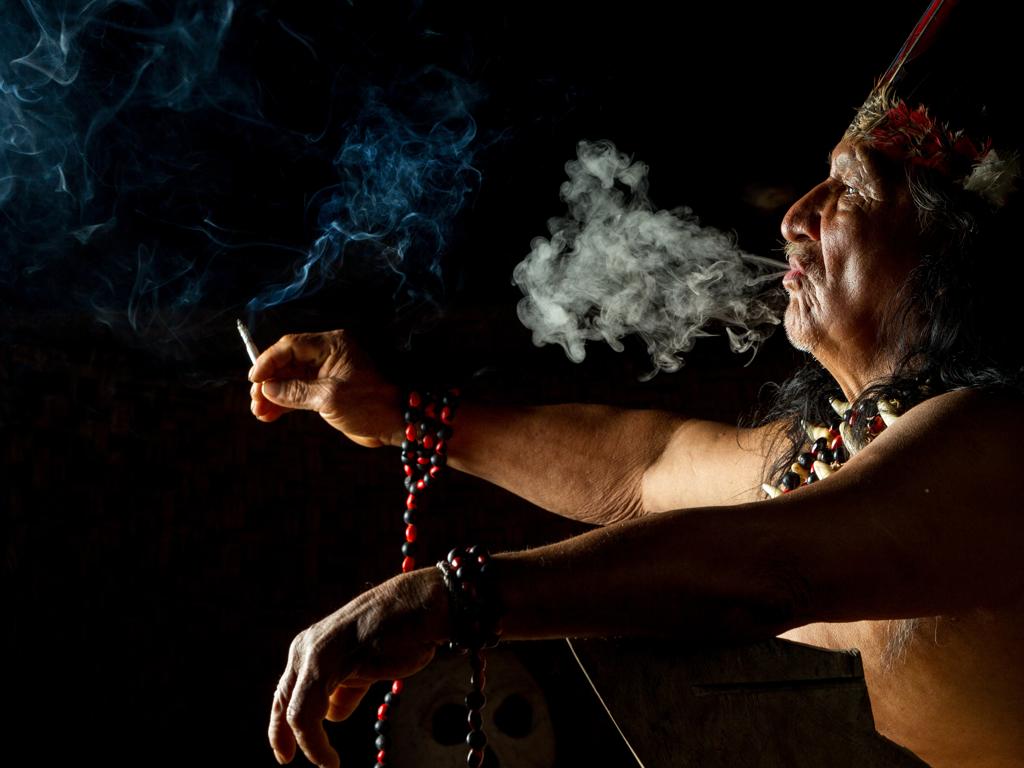
Can Ayahuasca Help You Quit Smoking? What the Research Actually Shows
Three hours into a ceremony in the Brazilian rainforest, a woman feels her chest grow heavy. She tastes ash. Not metaphorical ash — the specific, gritty bitterness of a cold ashtray. She purges. A week later, she stops smoking. For good. That account, drawn from a Brazilian survey on ayahuasca and tobacco use, sounds almost too neat. But it's not an isolated story. Among the people researchers spoke to in that study, hundreds described some version of the same thing — a ceremony, a body-level rejection of cigarettes, and a habit that loosened its grip in ways nicotine patches never managed. The question worth asking is whether there's something real underneath the anecdotes, and if so, what it actually means for someone considering an ayahuasca retreat as part of their own attempt to quit. Tobacco is the second-leading risk factor for premature death on the planet, just behind high blood pressure. Roughly 1.5 billion people still smoke, and the World Health Organization estimates that about half of them want to stop. The trouble is that wanting to stop and actually stopping are two different sports. Standard treatments — nicotine replacement, varenicline, behavioral counseling — hover around a 30% success rate at one year. That's not nothing. But it leaves a lot of people cycling through relapses, wondering what's wrong with them. Nicotine isn't just chemically sticky. The habit weaves itself into mornings, drives, breakups, deadlines, drinks with friends. You're not quitting a molecule. You're quitting a thousand tiny rituals stitched into your nervous system. Which is partly why researchers have started looking, seriously, at substances that can disrupt the whole pattern at once. The renewed interest in psychedelic-assisted addiction work didn't come out of nowhere. There's a pilot study out of Johns Hopkins from 2014, small but striking, where psilocybin was used as part of a structured smoking-cessation program. Six months out, between 70 and 80 percent of participants were still abstinent. Compared with conventional approaches, that's a wild number. Caveat: the study was small, there was no placebo group, and the participants were highly motivated. Still, it cracked open a serious conversation. Ayahuasca sits in a slightly different lane. It's been used ceremonially in the Amazon for centuries, and in Brazil it has a legal religious framework through churches like Santo Daime and the UDV. Plenty of people in those communities — and in the broader plant medicine world — have noticed, over the years, that long-term participants tend to use fewer drugs across the board. Cigarettes included. That's anecdotal, but it's the kind of anecdote that piles up until somebody decides to count it. The study in question, run out of the University of Campinas (UNICAMP), surveyed 441 people who had either quit or significantly cut down on smoking after one or more ayahuasca experiences. The researchers split them into two groups — full quitters and reducers — and looked for the variables that distinguished them. A few findings stand out. First, the people who quit outright tended to have had heavier smoking histories. Started younger. Smoked more per day. Higher dependence scores. So this wasn't a case of light social smokers casually dropping the habit. Second, two variables tracked strongly with full cessation: That second finding is interesting because it suggests something beyond a single, life-rearranging insight. Repeated exposure seems to matter. The brew, it appears, isn't only working through the dramatic peak experience — though that helps — but also through some kind of accumulating effect over time. The qualitative side of the research is where things get vivid. Participants were asked to describe, in their own words, the experience that contributed most to their quitting. Four themes kept showing up. None of these are guarantees. Plenty of people drink ayahuasca and don't quit smoking. But the pattern across hundreds of accounts is hard to dismiss as coincidence. Researchers tend to group the possible mechanisms into three buckets, and ayahuasca probably operates across all of them. Physiological. The brew contains DMT and beta-carbolines that act on serotonin receptors and seem to promote neural plasticity — the brain's capacity to form new connections. There's also evidence of anti-inflammatory effects. Translated into plain English: for a window of time after a ceremony, your brain may be unusually open to laying down new patterns and dropping old ones. That's a useful window for an addiction. Psychological. The mystical experience itself — that sense of unity, sacredness, transcendence of ordinary time — has been linked in multiple studies to lasting behavior change. Something about the magnitude of the experience seems to reset what feels important. A habit that mattered enormously on Tuesday afternoon can feel small and absurd by Sunday morning. Contextual. Ceremony matters. The setting — the maloca, the icaros, the facilitators, the other participants going through it alongside you — provides a container that's almost impossible to replicate with a pill in a clinic. Repeated participation in that container, over months or years, reinforces a different way of relating to substances generally. Here's where I want to be honest with you. The Brazilian study didn't ask, what percentage of people who try ayahuasca quit smoking? It started with people who had already quit or cut back and worked backward. So the data tells us something real about the mechanism, but it doesn't tell us your odds. If you're thinking about an ayahuasca retreat partly because of a smoking habit — or drinking, or any compulsive pattern — a few things are worth holding in mind: It's also worth saying: ayahuasca is not a casual undertaking. The dieta beforehand, the physical purging, the emotional intensity — these are real demands. If you're medically fragile or on certain prescriptions, this path may not be safe for you, and a conversation with a knowledgeable doctor needs to happen before anything else. Plant medicine research is at an interesting moment. The evidence for ayahuasca as a tool in addiction work — including smoking cessation — is suggestive, sometimes striking, but still early. The Brazilian data adds weight to what Indigenous communities and Brazilian churches have been observing for a long time: something about this brew, in the right container, can disrupt patterns that nothing else seems to touch. That's not a sales pitch for ceremony. It's a reason to take the option seriously if you've exhausted the usual routes and you're weighing whether to step into something older and less predictable. If something in this piece resonates and you want to explore further, curated ayahuasca retreats from vetted facilitators can be browsed on our marketplace here. Whatever you decide, decide it slowly, ask hard questions of any place you're considering, and give yourself permission to let the answer be no if the timing isn't right.

What Is Psilocybin? A Practical Guide to Magic Mushrooms and Retreats
If you've ended up reading about psilocybin, odds are you're not just curious about the chemistry. You're weighing something bigger — whether to actually sit with mushrooms, probably at a retreat, probably soon. Maybe for depression that hasn't budged. Maybe for a stuck pattern you can't think your way out of. Maybe because a friend came back from Jamaica looking like a different person. So let's skip the breathless intro. Here's what psilocybin actually is, what it does to a brain and a life, where it's legal in 2026, and what to look for in a retreat if you decide to go. I've sat in ceremony, interviewed facilitators on three continents, and watched people have both the most healing nights of their lives and some genuinely rough ones. Both happen. Both matter. Psilocybin is the psychoactive compound produced by more than 180 species of mushroom — most famously Psilocybe cubensis, the chunky, gold-capped variety you'll hear called cubes, golden teachers, or just shrooms. Once you swallow it, your body converts psilocybin into psilocin, which then goes to work on serotonin receptors in the brain, particularly the 5-HT2A receptor. That's the switch that flips perception, mood, and the sense of self into something temporarily unfamiliar. The effects usually start within 30 to 60 minutes, peak around hour two, and taper off across four to six hours total. Sometimes longer if the dose is high or you've eaten chocolate alongside it. You'll likely notice visual shifts first — patterns crawling across textures, colors deepening, the wall apparently breathing — followed by emotional waves that can swing from giggle-fit joy to genuine grief inside the same ten minutes. None of this is new. Indigenous peoples in what's now Mexico and Central America have been working with these mushrooms for at least three thousand years. The Mazatec curandera María Sabina famously guided ceremonies for generations before the Western world stuck a tape recorder in front of her in the 1950s and started a chain reaction that arguably never stopped. The modern psilocybin story really begins in 1957, when banker-turned-mycologist R. Gordon Wasson published a now-infamous article in Life about his experiences in Oaxaca. Within a year, Swiss chemist Albert Hofmann — yes, the LSD guy — had isolated psilocybin and psilocin in the lab. Then the 1960s happened, the counterculture grabbed the substance with both hands, and by 1970 the U.S. had buried it under Schedule I, where it still technically sits. For about three decades, serious research went dark. It quietly came back in the late 1990s and has since exploded. Johns Hopkins, NYU, Imperial College London, and a string of others have run trials on psilocybin for treatment-resistant depression, end-of-life anxiety in cancer patients, alcohol use disorder, and tobacco addiction. The numbers, frankly, are striking — particularly for smoking cessation and depression, where psilocybin-assisted therapy has shown effect sizes that conventional antidepressants don't come close to in the same timeframes. That's why you're seeing mainstream medicine and venture capital both edging in. Psilocybin isn't fringe anymore. It's a serious clinical tool that happens to also have a 3,000-year ceremonial lineage attached. The legal map shifts every year, sometimes every month. Here's roughly where things stand in 2026: If you're traveling for a retreat, the country's legal status matters less than the specific center's standing within it. Reputable retreats in Jamaica, the Netherlands, and licensed Oregon facilitators operate above board. Sketchier underground operations exist everywhere, including in places where the law is friendly. Two words you'll hear endlessly in this world: set and setting. Set is your inner state — your mindset, your intentions, what you've been carrying around all week. Setting is everything outside you: the room, the people, the music, the temperature, whether there's a bucket nearby in case you need it. These two factors will shape your experience more than the dose itself. A moderate ceremonial dose (somewhere between 3 and 5 grams of dried Psilocybe cubensis, give or take) tends to produce a few common features: vivid eyes-closed visuals, an unraveling sense of self that can be either liberating or unnerving, surges of emotion that may surface old material you'd long since filed away, and a wobbly relationship to time. Forty-five minutes can feel like a long afternoon. The body sometimes wants to shake, cry, laugh, or stay completely still — let it do what it wants. Then there are the harder moments. A “bad trip” isn't really a different experience — it's the same medicine showing you something you didn't want to look at. Skilled facilitators will tell you the difficult part is often the most therapeutically important. Surrender beats resistance. That's easier to say than to do at 2 a.m. with your ego coming apart, which is exactly why having an experienced sitter matters. Physically, psilocybin is one of the safer psychoactive substances we know of. It's non-addictive, the lethal dose is essentially unreachable, and the main acute risks are psychological. People with a personal or family history of schizophrenia, bipolar I, or active psychosis should not take it. Period. Certain SSRIs and lithium also complicate things and require a careful taper with a clinician. Here's where I get a lot of quiet emails from readers. The data on psilocybin-assisted therapy for depression is, by clinical-trial standards, remarkable. A single high-dose session combined with preparation and integration has produced sustained remission in a meaningful percentage of treatment-resistant patients across multiple controlled studies. For end-of-life anxiety, results have been even stronger. Addiction is the other big story. Johns Hopkins' tobacco cessation work showed roughly 60–80% of participants quit smoking long-term after two or three psilocybin sessions paired with cognitive-behavioral therapy. Alcohol use disorder trials have shown similar promise. The mechanism isn't fully understood, but the working theory is something like: psilocybin temporarily loosens the grip of entrenched thought patterns and lets the brain build new ones, which is exactly what addiction recovery requires. None of this means a retreat will fix you. Mushrooms aren't a magic eraser for trauma or depression — they're more like a powerful catalyst that requires real integration work to stick. The people I've watched genuinely transform after a retreat all did one thing in common: they showed up for the unglamorous weeks afterward. Therapy. Journaling. Hard conversations. Lifestyle changes. The ceremony was the beginning, not the conclusion. The retreat market has gotten crowded, and quality varies wildly. Some red flags I'd run from: Things to actively look for: a thorough intake call, a clear arc of preparation-ceremony-integration, small group sizes with a healthy facilitator-to-participant ratio, on-site or on-call medical support, and at least one or two integration sessions included after you go home. Cost-wise, expect to pay between roughly $2,000 and $8,000 USD for a 4-to-7 day retreat depending on country, facilitator caliber, and accommodation. Anything dramatically cheaper deserves scrutiny. Preparation isn't mystical. It's practical. In the two weeks before a retreat, most facilitators will ask you to ease off alcohol, recreational drugs, caffeine where possible, and ideally heavy meat and processed foods. Sleep more. Journal about what you're actually hoping to look at. If you're on SSRIs or other psychiatric medication, work with a prescriber on tapering well in advance — never just stop. The integration period is where the lasting change either happens or evaporates. Block out the week after the retreat. Don't book a meeting-heavy work week the day you fly home. Find a therapist who's psychedelic-literate (more of them every year). Talk to other people who've been through it. Move your body. Sit with the discomfort that comes up instead of distracting yourself out of it. The window after a journey, when the brain is unusually plastic, is the real opportunity — and most people waste it. If, after all this, exploring a psilocybin retreat still feels like the right move, a curated selection of mushroom retreats around the world can be browsed on our marketplace here. Take your time choosing. The right place is the one that matches both your nervous system and the work you actually want to do.
The Strongest Psychedelics Explained: What Each One Actually Does
Ask ten people which psychedelic is the strongest and you'll get ten different answers, usually delivered with a kind of evangelical certainty. The truth? Potency is slippery. A drug that knocks you sideways at 25 micrograms isn't necessarily more profound than one that takes a whole cactus button to register. And profundity isn't strength — not really. Still, some compounds belong in a category of their own. They alter perception so completely that the word “hallucinogen” feels like a polite understatement. If you're researching plant medicine, weighing a psychedelic retreat, or just trying to understand what people mean when they talk about ayahuasca, master plants, or ego death, it helps to know the territory. Here's an honest rundown of five of the most potent psychedelics on the planet — what they are, where they come from, and what they actually do to a human being. Before the list, a quick reality check. Strength can mean dose required (LSD wins by a landslide — micrograms vs. grams). It can mean intensity per minute (DMT). It can mean depth of psychological territory covered (ayahuasca, ibogaine). It can mean how unrecognisable reality becomes (salvia, 5-MeO-DMT). None of these scales line up neatly. That's why “strongest psychedelic” lists are always a bit silly. But they're also genuinely useful, because the differences between these compounds matter — especially if you're thinking about working with one in a ceremonial setting. The wrong medicine in the wrong context is, at best, a wasted weekend. At worst, it's a psychiatric emergency. DMT is the active ingredient that makes ayahuasca, well, ayahuasca. But it exists in two forms that behave quite differently. N,N-DMT is the more common molecule, present in trace amounts across countless plants and animals — possibly even in human brain tissue, though that science is still messy. It's what Amazonian shamans have brewed into ayahuasca for centuries, combining it with the Banisteriopsis caapi vine to make it orally active. 5-MeO-DMT is the cousin. Structurally similar, experientially very different. It's found in the venom of the Sonoran Desert toad and in certain South American snuffs like yopo. Recent clinical interest has paired it with ibogaine in addiction-recovery protocols, with some striking early results for people coming off opioids. Smoked or vaporised, N,N-DMT lasts maybe ten or fifteen minutes and produces what users describe as visits to entirely other realms — geometric patterns, machine elves, encounters with what feel like sentient beings. Ayahuasca, by contrast, stretches that experience over four to six hours and tends to be more emotionally and somatically loaded. There's purging. There's reckoning. People often describe it as the medicine showing them something they've spent years avoiding. 5-MeO-DMT is a different animal entirely. Less visual, more annihilating. Users frequently describe it as a kind of ego death by demolition — the self simply isn't there for a while. Some find it transformative. Others find it terrifying. It is not a recreational substance, and frankly, even the word “experience” feels too small for what it does. Mescaline is the active alkaloid in peyote, San Pedro (huachuma), and a handful of related cacti. Indigenous communities across Mexico, Peru, and the southwestern United States have worked with these plants for thousands of years — long before any anthropologist showed up to write about it. The Native American Church still uses peyote sacramentally in the U.S., and San Pedro ceremonies remain a living tradition throughout the Andes. The mescaline experience is often compared to psilocybin, but that comparison undersells it. Where mushrooms can feel emotional and weather-like, mescaline tends to feel lucid. Clear. Almost philosophical in its rhythm. Visuals are vivid, particularly in open landscapes — desert, mountains, big sky country. Indoors, the medicine can feel slightly cramped, as if it wants horizon. One thing seasoned San Pedro drinkers mention: thoughts come and go without the heaviness you might get on LSD. Big questions surface and then dissolve, leaving something gentler behind. Ego dissolution is absolutely possible, but it tends to arrive softly, more like a tide than a wave. That said, “gentle” here is relative. A full dose of mescaline is still a full-day commitment to a profoundly altered state. Acid is in a class of its own when it comes to per-milligram potency. Twenty-five micrograms — a millionth of a gram, twenty-five times over — is enough to feel something. A standard recreational dose is around 100 micrograms. The amount of LSD that would fit on the tip of a pin could send a grown adult on a twelve-hour ride. Albert Hofmann synthesised it in 1938 at Sandoz Laboratories. It went on to become the central sacrament of the 1960s counterculture, the subject of CIA mind-control experiments, and eventually the most demonised psychedelic in the Western imagination. The “bad trip” mythology that surrounds acid is largely a product of context — people taking unknown doses, in unsafe settings, often with no preparation whatsoever. What LSD actually does, in a held space with intention behind it, is open up an enormous internal landscape. Visuals are present but not dominant. The real work happens in thought. Patterns become visible — the ones you run in your relationships, your career, your grief. People often emerge from a well-handled acid journey describing it as the most useful day of their adult life. Others get stuck in a thought loop for ten hours and emerge rattled. Set and setting genuinely are everything here. Salvia divinorum, the Mazatec seer's sage, is the wild card. It's legal in many places where every other psychedelic is illegal, which has led to the persistent and dangerous assumption that it must therefore be mild. It is not. Extract preparations sold online can be a hundred times stronger than the natural leaf. Smoked, salvia produces a five-to-fifteen-minute experience that is genuinely unlike anything else on this list. Users frequently report a sensation of being pulled sideways at speed, of fusing with objects in the room, of becoming a wall or a piece of furniture. The Mazatec tradition uses the chewed leaf in a quiet, dark, ceremonial context with a trained curandera present. The teenage version — smoking a 20x extract on a friend's couch — has almost nothing to do with that. If you take salvia at all, take it seriously. Start absurdly low. Have a sober person with you. And understand that this plant has a teaching reputation in Mexican shamanic medicine for a reason — it's a master plant in its own right, and it doesn't suffer casual use lightly. MDMA is the outlier here. Strictly speaking, it's an entactogen and a stimulant, not a classical psychedelic. But its therapeutic relevance — particularly in trauma work — is too significant to leave off any list of powerful mind-altering substances. Synthesised by Merck in 1912, MDMA spent decades quietly in the background before therapists discovered in the 1970s that it could open emotional doors with remarkable speed. Couples therapy, PTSD work, deep grief — for a few years, before prohibition closed the window, clinicians reported astonishing results. That clinical research has now resumed, with Phase 3 trials for PTSD treatment producing some of the most promising outcomes psychiatry has seen in a generation. The recreational version is a different conversation. The empathic warmth that makes MDMA therapeutically valuable also makes it appealing on a dance floor, and the comedown — depleted serotonin, low mood, sometimes lasting days — is the price. At higher doses or with frequent use, the after-effects can be genuinely rough. It also has real physical risks: elevated heart rate, blood pressure, body temperature, and dangerous interactions with other medications. This isn't a substance to improvise with. Here's the part nobody tells you: the strongest psychedelic isn't the best one. It's just the strongest. The medicine that will help you depends entirely on what you're trying to address, what your nervous system can handle, and the context you'll be in. None of these are casual choices. Reputable retreats screen participants medically and psychologically for good reason — these substances interact dangerously with SSRIs, lithium, stimulants, and a long list of cardiovascular and psychiatric conditions. A facilitator who doesn't ask hard questions about your medication list and mental health history before booking you is a facilitator to walk away from. The point of working with plant medicine isn't to find the biggest hammer. It's to find the right key. Some of the most transformative ceremonies happen on what would be considered modest doses, in well-held containers, with skilled facilitators who know when to intervene and when to simply hold space. The medicine does its work whether or not you're hanging off the edge of the universe. If you're seriously considering this path — for addiction, for trauma, for the stuck feeling that's been following you around for too many years — the question to sit with isn't “which is the strongest?” It's “which tradition, which setting, and which group of people will actually hold me well?” For readers who want to take that further, a curated range of ayahuasca and psychedelic retreats can be browsed on our marketplace here. Take your time with the choice. The right medicine, met properly, has a way of finding you when you're ready.
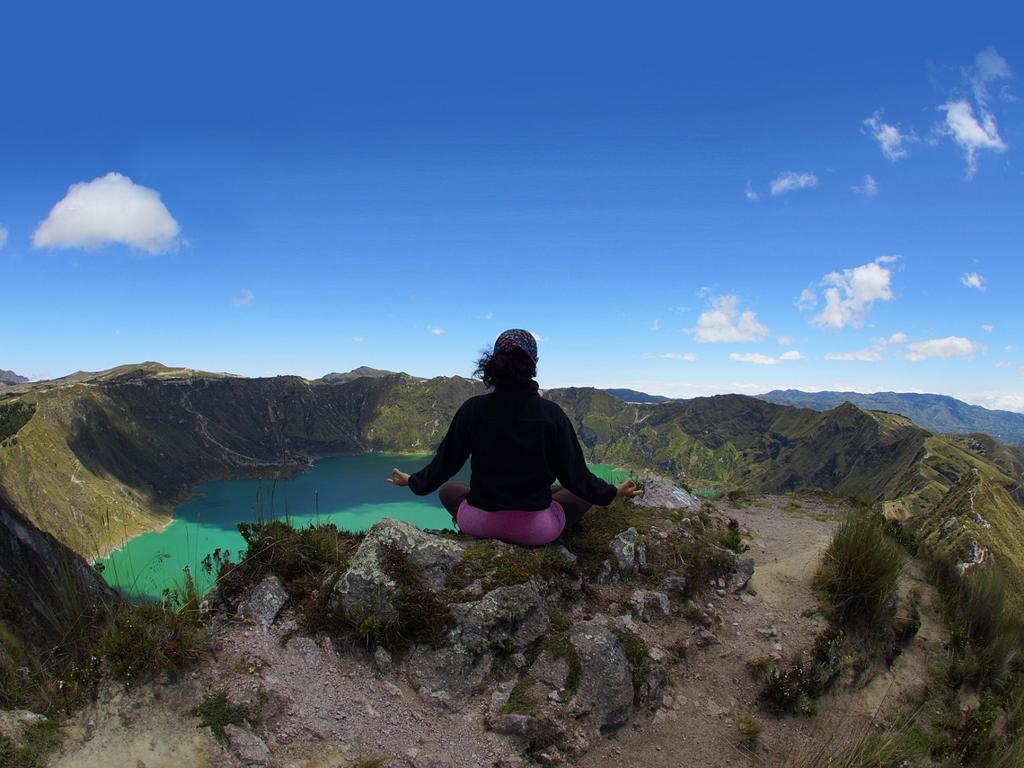
What an Ibogaine Experience Actually Feels Like: An Honest Walkthrough
Most people who end up researching ibogaine aren't doing it for fun. They've tried the obvious things. Therapy, maybe rehab, maybe ten different SSRIs, maybe a few rounds of ayahuasca that helped but didn't quite finish the job. And then someone — a friend, a podcast, a stranger on a forum at 2 a.m. — mentions ibogaine, and the word lodges itself in their head and won't leave. I want to walk you through what an ibogaine experience actually is, because the gap between the marketing language and the reality is wider than with almost any other plant medicine. This is one of the heaviest psychedelics on Earth. It's also one of the most promising tools we have for interrupting opioid addiction. Both of those things are true at once, and any honest conversation has to hold them together. Ibogaine is the primary psychoactive alkaloid in the root bark of Tabernanthe iboga, a shrub native to Central Africa. The Bwiti tradition in Gabon has used iboga ceremonially for generations — as a rite of passage, as a way to meet the ancestors, as a tool for resolving things you'd rather not look at. In the West, it landed on people's radar in the late 1960s when Howard Lotsof, a young man dependent on heroin, took a dose and noticed his withdrawal symptoms had simply… stopped. That observation kicked off decades of underground use, scattered research, and a slow accumulation of evidence that ibogaine does something genuinely strange to the addicted brain. It seems to reset opioid receptors. It seems to short-circuit cravings, at least temporarily. And it does this while subjecting you to roughly twenty-four to thirty-six hours of one of the most demanding experiences a human nervous system can have. Forget what you might imagine from ayahuasca ceremonies or psilocybin retreats. There's no group circle, no shaman singing icaros, no candles flickering on an altar while you process feelings. An ibogaine session is closer to a medical procedure with mystical side effects. You're typically alone in a bed, hooked up to a heart monitor, with a nurse or facilitator checking your vitals at regular intervals. The first couple of hours are usually the roughest physically. Nausea is standard. Ataxia — that's the loss of motor coordination — kicks in fast, which is why you don't get up, not even to use the bathroom. Most providers will have a bedpan ready and tell you upfront not to be a hero about it. There's also a distinctive ringing or buzzing in the ears that many people describe as the world being tuned to a different frequency. Then the visions arrive. People describe them differently — some see vivid film-reel sequences of their own life, others get more abstract geometry, others encounter what feel like deceased relatives or ancestral figures asking pointed questions. Unlike a mushroom journey, ibogaine tends to feel less like a trip and more like a download. You're not having an experience so much as being shown things. The plant has a reputation for being stern. It doesn't really do bliss. It does inventory. By hour eight to twelve, the intense visionary phase usually softens into what's called the introspective or cognitive phase. This is where the real work happens for many people — long, lucid hours of thinking about your life in ways you don't normally let yourself. The buzzing is still there. Sleep is impossible. You're just lying there, fully awake, in conversation with your own history. Here's where I have to be direct, because this isn't a substance to romance. Ibogaine carries real cardiac risk. It can prolong the QT interval — a measure of how long it takes your heart to recharge between beats — and in rare cases this has led to fatal arrhythmias. The deaths associated with ibogaine, while statistically uncommon, are not myths. They are why any legitimate provider screens you with an EKG, a comprehensive blood panel, and a thorough medical history before they'll let you anywhere near a dose. The people who get into trouble tend to share certain risk factors: pre-existing heart conditions, electrolyte imbalances, concurrent stimulant or methadone use, or sourcing the substance themselves and dosing it in a hotel room with no medical backup. The clinics that do this work properly — and there are good ones in Mexico, Costa Rica, and parts of Europe — treat ibogaine like the serious cardiac medication it is. The ones that don't, you should walk away from. A short list of red flags when you're vetting a provider: The most compelling case for ibogaine is in opioid use disorder. Observational studies and case series from clinics treating heroin and fentanyl dependence consistently report something striking: after a single session, a large percentage of participants report dramatically reduced cravings and minimal withdrawal symptoms. Some stay clean for months. Some longer. Some relapse within weeks. It's not a magic bullet, and anyone selling it as one is either naive or dishonest. What ibogaine seems to do is open a window — a period of clarity, reduced craving, and emotional accessibility — during which the actual work of changing your life becomes possible. If you walk through that window with no plan, no support, no new community, no new way of spending your Tuesday nights, the window closes and the old patterns wait patiently on the other side. This is why the clinics getting the best long-term outcomes pair the session with weeks or months of integration: therapy, sober living, community, sometimes follow-up microdoses or booster sessions. The medicine is the catalyst. Your life is the experiment. I'd rather be unpopular and honest here than the reverse. Ibogaine is probably not for you right now if any of the following apply: None of this is meant to scare you off. It's meant to filter you toward the version of this decision where you actually get what you came for. Assuming you've been medically cleared and chosen a reputable provider, the preparation matters more than people expect. Most facilitators recommend at least two to four weeks of clean eating — cutting alcohol, caffeine, processed sugar, anything that taxes the cardiovascular system. Hydration matters. Sleep matters. Getting your electrolytes in a sensible range matters. Emotionally, the preparation looks like this: stop trying to control the outcome. People who go in with a specific agenda — "I want the plant to show me X" — almost always come out reporting that the plant showed them Y instead. Ibogaine has its own ideas about what you need to look at. Your job is to make space for that, not to direct the meeting. It also helps to write down, before you go, the questions you actually want answered. Not because you'll necessarily ask them during the session, but because the act of articulating them tends to focus what comes up. Bring a journal for the days after. The integration phase — the week or two following — is when the insights either get woven into your life or evaporate. Ibogaine sits at a strange intersection of indigenous tradition, underground harm reduction, and emerging psychedelic medicine. It's not legal in most of the United States, though it's unscheduled in Mexico and a handful of other countries where the better-known clinics operate. Research is finally catching up — Stanford published a notable study on ibogaine for traumatic brain injury in veterans, and several biotech firms are developing modified analogs that aim to keep the therapeutic effects while reducing the cardiac risk. For now, though, if you want the real thing, you travel. You go through screening. You commit to integration. You take the medicine seriously, and it tends to return the favor. If something in this resonates and you want to explore further, curated ibogaine and plant-medicine retreats can be browsed on our marketplace here. Whatever you decide, decide it slowly. This is one of those choices that rewards patience and punishes hurry.
Craving More Stories?
Join our ShopAyahuascaRetreats newsletter for the latest updates on thrilling
destinations and inspirational tales, delivered straight to your inbox!
We value your privacy. Your email address will never be shared or published.
Ibogaine Experiences: What Actually Happens During a Ceremony
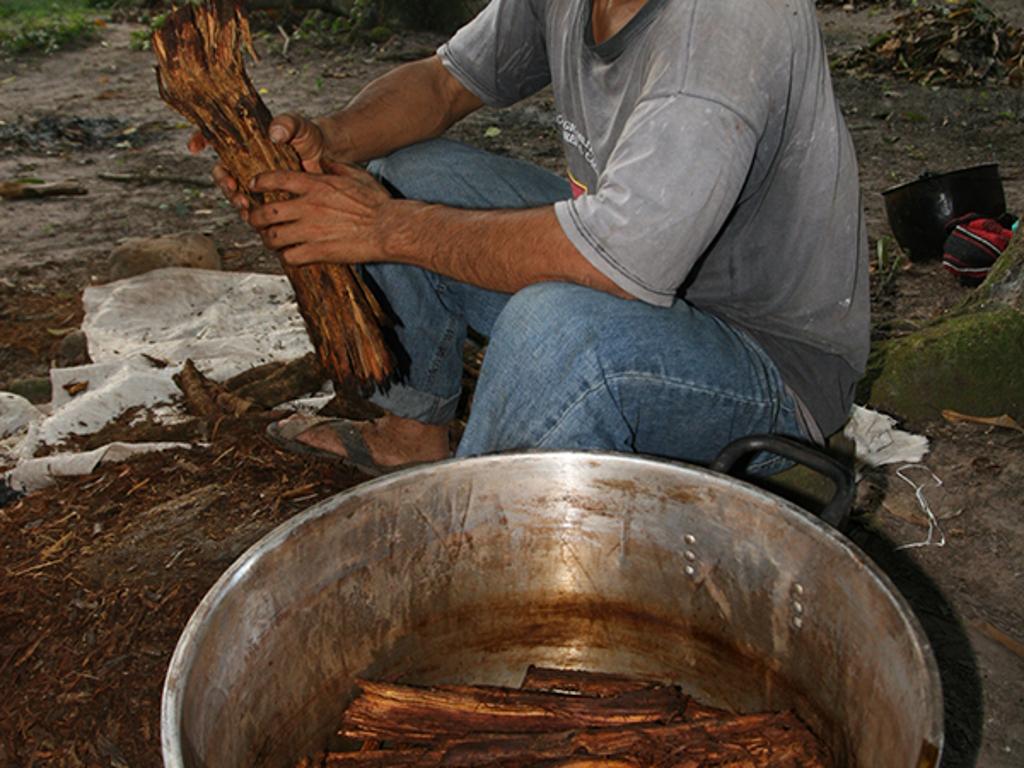
The first thing people want to know about ibogaine isn't the dose or the duration. It's whether the stories are true — that one long night with this West African root can interrupt a heroin habit, surface decades of buried memory, and leave someone genuinely different on the other side. The short answer is: sometimes, yes. The longer answer is what this piece is about. Ibogaine sits in an odd corner of the psychedelic world. It's not as familiar as ayahuasca or psilocybin, it's federally illegal in the United States, and the experience itself is famously long, physically demanding, and not particularly fun. Yet people keep traveling to Mexico, Costa Rica, Portugal, and the Netherlands to take it — often as a last resort after years of struggle with opioids, alcohol, or trauma that wouldn't budge. If you're researching ibogaine because you're considering it for yourself or someone you love, you deserve a clear-eyed account, not marketing. Ibogaine is the primary psychoactive alkaloid in the root bark of Tabernanthe iboga, a shrub that grows in the rainforests of Gabon and neighboring countries. For centuries it's been used in Bwiti ceremonies — initiations that can last days and are considered some of the most physically intense rites in the traditional plant medicine world. Westerners stumbled onto its anti-addictive properties almost by accident in the 1960s, when a heroin user named Howard Lotsof noticed his withdrawal symptoms had vanished after a single dose. That observation has been replicated, informally and in small clinical studies, ever since. Ibogaine appears to reset opioid receptors in a way that genuinely interrupts physical dependence. People walk into a clinic in active withdrawal and walk out, 24 to 48 hours later, without the dope-sickness they expected. It is not a magic cure — relapse is common without serious aftercare — but the interruption is real, and for many users it's the first opening they've had in years. Forget what you've read about gentle, heart-opening psychedelic journeys. Ibogaine is closer to surgery than to a ceremony. You take the capsules in the late morning or early afternoon, and within an hour or two you're on your back, eyes closed, in a darkened room. Most people stay that way for the better part of 24 hours. The classical description splits the experience into phases. First comes the visionary phase — three to eight hours of vivid, often autobiographical imagery. People describe scrolling through episodes from their own lives at high speed, watching old decisions replay, seeing relationships and patterns from angles they'd never considered. Some report meeting ancestors. Some report nothing visual at all and instead get a kind of relentless cognitive review. Either way, you are not in control of what comes up. Then comes the introspective phase, which can last another twelve to twenty-four hours. The visions fade but the body stays leaden, the room won't quite stop moving, and the mind keeps working on whatever the first phase surfaced. Sleep is elusive. Many people describe this as the harder half — the visions are over, but you're stuck with what they showed you. Be honest with yourself about this part. Ibogaine is hard on the body. Ataxia — loss of coordination — is universal; you won't be walking unaided for hours. Nausea is common, and most clinics keep buckets within reach. The medicine slows heart rate and can prolong the QT interval, which is why reputable retreats require an EKG, bloodwork, and a careful medical screening before they'll dose you. People with heart conditions, certain medications, or compromised liver function are turned away — and they should be. Ibogaine deaths almost always trace back to skipped screening or pre-existing cardiac issues. Most people who end up on an ibogaine table didn't start there. They tried other things first — therapy, twelve-step, methadone, suboxone, sometimes ayahuasca or psilocybin retreats — and either didn't get traction or couldn't get past the withdrawal piece. Here's what makes ibogaine distinct in the broader psychedelic and plant-medicine landscape: None of this makes ibogaine better or worse than other master plants. It makes it different — and appropriate for a particular kind of stuck. This is where people get hurt. The ibogaine field is unregulated almost everywhere it's legal, which means the gap between the best providers and the worst is enormous. If you're seriously considering booking, here's what separates a responsible operation from a dangerous one. Expect to pay somewhere between $5,000 and $15,000 for a medically supervised ibogaine treatment, depending on country and clinic. Mexico has the largest concentration of clinics, many of them within driving distance of the US border and catering primarily to Americans. Costa Rica, Portugal, and the Netherlands also have established programs. Underground sessions in the US exist but carry obvious legal and safety risks — and without medical screening, the risks aren't theoretical. Ibogaine isn't for everyone, and the people it works best for tend to be the people who treat it with real respect. A few things worth sitting with before you commit: The experience is not enjoyable. People who chase psychedelic novelty often come away from ibogaine saying they'd never do it again — and that's fine, because it isn't meant to be done recreationally. If you're looking for a transformative high, this isn't the medicine. Relapse is common without integration. The window ibogaine opens closes faster than people expect. Studies on long-term outcomes consistently show that participants who engage with therapy, peer support, or structured aftercare in the months following dosing fare dramatically better than those who go home and resume their old environment. If you can't commit to that work, the medicine on its own probably won't carry you. It can surface difficult material with no warning. Trauma you'd buried, decisions you'd rationalized, people you'd written off — ibogaine doesn't ask permission before showing them to you. Having a therapist or experienced integration coach lined up before you travel is one of the smartest things you can do. And finally: there are alternatives. For some forms of addiction and depression, psilocybin, ayahuasca, or even traditional psychotherapy may be a better fit. If your situation isn't specifically about interrupting opioid dependence or shaking loose a deeply entrenched pattern, it's worth thinking carefully about whether ibogaine is the right tool, or just the dramatic one. If after all this you're still drawn to the medicine — and many people are, for good reasons — take your time with the research. Talk to people who've done it. Read trip reports. Have honest conversations with potential providers about screening and aftercare. For readers who want to take this further, a range of vetted ibogaine and broader plant-medicine retreats can be browsed on our marketplace here. Whatever you decide, decide it slowly. Ibogaine rewards people who arrive prepared.
Mescaline Cacti Explained: Peyote, San Pedro, and the Plants Behind the Medicine
Mescaline doesn't get the attention that ayahuasca and psilocybin get these days, and that's a strange thing when you think about it. We're talking about one of the oldest psychedelic medicines on the planet — used continuously for somewhere around six thousand years across the Americas — and yet most people researching plant medicine retreats today barely know how to pronounce huachuma, let alone tell a San Pedro from a Peruvian torch. So let's fix that. If you're weighing a mescaline ceremony, looking at master plants more broadly, or just trying to understand what's actually in those tall green columns people keep posting from the Andes, this is the orientation I wish someone had given me before my first cup. A mescaline cactus is any of several cactus species that produce mescaline, a naturally occurring psychedelic alkaloid. Pharmacologically, mescaline sits in the same broad family as psilocybin and LSD — it binds to serotonin receptors and rearranges perception for several hours. But the experience people describe is its own thing entirely. Warmer. More embodied. Less of the chaotic visual fireworks of a strong mushroom trip, more of a long, lucid conversation with the world around you. The plants themselves vary enormously. Peyote is a small, button-shaped, spineless cactus that hugs the desert floor in northern Mexico and parts of Texas. San Pedro and its relatives are tall, ribbed columns that can grow taller than a person in a few good seasons. They look almost nothing alike, but the chemistry overlaps, and the ceremonies that use them share a family resemblance. One thing to understand up front: mescaline is one of those substances where the plant matters as much as the molecule. Indigenous traditions don't talk about it as a drug. They talk about it as a teacher, a grandfather, a being with its own intelligence. You can take that literally or metaphorically, but the framing shapes how the ceremonies are run — and how the experiences tend to unfold. Archaeological evidence puts ceremonial peyote use in northern Mexico at roughly 5,700 years ago. San Pedro use in the Andes goes back at least 3,000 years, with stone carvings at Chavín de Huántar in Peru depicting figures holding what's clearly a tall, ribbed cactus. These aren't fringe traditions. They're foundational ones, woven into the spiritual and medical practices of entire civilizations. When the Spanish arrived, they tried hard to stamp it out. Missionaries called peyote diabolical, persecuted its users, and drove the ceremonies underground. They mostly failed. The Wixárika (Huichol) people of Mexico still walk hundreds of kilometres each year to harvest peyote in their ancestral pilgrimage. The Native American Church, formed in the early twentieth century, won legal protection in the United States to continue peyote ceremonies. In Peru, Bolivia, and Ecuador, the San Pedro tradition — often called huachuma — never really stopped. The substance entered Western consciousness through a strange door. Aldous Huxley took mescaline in 1953 and wrote The Doors of Perception, a slim, beautiful book that influenced everyone from Jim Morrison to a generation of seekers. Then Carlos Castaneda's books on a possibly-fictional Yaqui sorcerer named Don Juan added more mythology and confusion. By the late sixties, mescaline had a reputation in counterculture circles — though most of the people who claimed to be taking it were actually taking LSD sold as mescaline, which has been a problem ever since. There are dozens of mescaline-containing cacti, but four really matter for anyone considering working with this medicine. Potency varies wildly between individual plants, even from the same parent cutting. Soil, sun, altitude, water stress, and age all matter. There's a longstanding folk belief that stressing the plant — drought, mild damage, harsh sun — pushes it to produce more alkaloids as a defence. The science here is thin, but experienced growers swear by it. I'll be honest: describing a psychedelic experience is like describing a piece of music to someone who's never heard one. You end up gesturing at it. But there are some reliable patterns worth knowing if you're considering sitting with this medicine. The come-up is slow. Where psilocybin can hit you in forty minutes and ayahuasca within an hour, mescaline takes its time — often an hour and a half to two hours before things really shift. The early part is often physical. Nausea is common (the brew tastes legitimately terrible, and the alkaloids are hard on the stomach). Some people purge. Some don't. After that initial body load passes, what tends to come is a long, sustained openness that can last eight to twelve hours. The visuals are subtler than mushrooms — more geometric, more woven into what you're already seeing rather than overlaid on it. Colours saturate. Edges soften. The world becomes textured in a way that's hard to describe but easy to recognise once you've felt it. Emotionally, people often report a deep warmth and connection to nature, sometimes a kind of philosophical lucidity that feels less like tripping and more like finally thinking clearly. Many describe an unusual sense of being held. That said: mescaline is not gentle. Twelve hours is a long time to be in an altered state. Difficult emotional material surfaces. Old grief, old patterns, things you've been avoiding — they tend to walk into the room and sit down across from you. Which is exactly the point, but it's worth knowing before you sign up. The research is decades behind where it should be. Mescaline got swept up in the 1970 Controlled Substances Act in the US and similar laws elsewhere, and serious study mostly stopped for fifty years. We're only now seeing it pick up again. That said, the available signals are interesting. A 2021 survey study published in the Journal of Psychopharmacology looked at people who'd used mescaline and found that a substantial portion reported lasting improvements in depression, anxiety, PTSD, and substance-use disorders following their experiences. Long-running observational data from the Native American Church suggests members have lower rates of alcoholism than comparable populations, though confounding factors make that hard to interpret cleanly. What's emerging — and this matches what experienced facilitators have been saying for years — is that mescaline seems particularly suited to integrative, life-pattern work. It's less about a single explosive insight and more about a slow rearrangement of how you see your relationships, your habits, your direction. For someone stuck in addiction, depression, or a calcified life pattern, that long, lucid window can be genuinely useful. It is not a cure. Anyone telling you otherwise is selling something. If you're considering a huachuma or San Pedro retreat — most mescaline retreats use San Pedro for practical reasons — the same principles apply that apply to any plant medicine retreat. But there are a few specifics worth flagging. Mescaline itself is a Schedule I controlled substance in the United States and is illegal in most of Europe, the UK, and Australia. The plants that contain it occupy a stranger legal grey zone. In many countries — including the US, the UK, and most of the EU — you can legally buy, sell, and grow San Pedro, Peruvian torch, and Bolivian torch as ornamental plants. Preparing them for consumption is the line you cross. Peyote is more tightly restricted almost everywhere. In Peru, San Pedro use in traditional ceremony is legal and culturally protected. This is the main reason most serious huachuma retreats operate there or in Ecuador. If you're considering a ceremony, doing it in a country where the practice is legal and culturally embedded is by far the cleaner path — legally, ethically, and experientially. Mescaline isn't for everyone, and the romance around plant medicine sometimes glosses over the difficult parts. The body load is real. The duration is long enough that if you're having a hard time at hour four, you've still got hours to go. People with personal or family histories of psychosis should not take this medicine. People on certain antidepressants need to taper carefully under medical supervision before they can sit safely. And — this one's important — mescaline doesn't fix anything by itself. It opens a door. What you do after walking through it is what matters. The people I've seen genuinely transform their lives after a San Pedro retreat are the ones who came home and changed how they lived. Therapy, community, daily practice, hard conversations. The medicine pointed; they walked. If any of this resonates and you want to look at what's actually available, a range of huachuma and San Pedro retreats can be browsed on our marketplace here. Take your time choosing. The plant has been waiting six thousand years — another month of careful research won't hurt.
What an Ibogaine Trip Actually Feels Like: An Honest Walkthrough
People rarely ask about ibogaine casually. By the time someone is googling “what does an ibogaine trip feel like,” they're usually weighing something serious — an opioid habit that won't quit, a depression that's outlasted three medications, a trauma loop they can't think their way out of. So let's skip the mystical preamble and talk plainly about what actually happens when you take a flood dose of this West African root. Ibogaine is the principal alkaloid in iboga, a shrub used ceremonially by the Bwiti of Gabon for centuries. In the West, it's been studied mostly for one thing: interrupting addiction, particularly to opioids. But the experience itself — long, strange, physically demanding, often profoundly confrontational — is its own animal. It is not a pleasant psychedelic. It is not recreational. And it deserves a clear-eyed description before anyone signs up. Before we get into the trip, a quick reality check. Ibogaine is cardiotoxic at the doses used for addiction interruption. It can slow your heart rate dramatically and lengthen the QT interval, which is a fancy way of saying it can trigger fatal arrhythmias in people who weren't screened properly. Every reputable clinic runs an EKG, checks liver enzymes, and reviews your medications for at least a week before you swallow anything. If a provider skips that, walk away. Most people who do ibogaine therapeutically take what's called a flood dose — somewhere between 15 and 20 mg per kilogram of body weight. That's the territory we'll describe here. Microdoses and ceremonial Bwiti doses produce very different experiences, more like a long, mildly stimulating contemplation than the deep journey a flood produces. You'll typically be lying down in a darkened room, fitted with a heart monitor, with a facilitator or nurse checking your vitals every twenty minutes or so. Phones away. Eyeshades optional. The session unfolds in distinct phases, and knowing them in advance is genuinely useful — it's a map for territory that can otherwise feel disorienting. About 30 to 60 minutes after dosing, the first sign tends to be auditory. A low buzzing or humming, like a fluorescent light somewhere in the room you can't quite locate. People describe it as cicadas, a tuning fork, a far-off engine. It's not unpleasant — more like the room itself has acquired a faint frequency. Then comes ataxia. Your coordination goes. If you try to stand and walk to the bathroom (which you'll probably need to do — more on that), you'll feel like you've had several drinks too many. This is why facilitators insist on a bedpan or a chaperoned trip to the toilet. People have fallen and broken bones during ibogaine sessions. It's not a heroic challenge. Just accept the help. Nausea typically arrives in this window too. Many people vomit at least once. Some vomit several times. Traditional Bwiti practitioners regard the purge as part of the medicine's work, which is a generous interpretation when you're hugging a bucket at 2 a.m. Anti-nausea medication tends to interact poorly with ibogaine, so most clinics ride it out with hydration and patience. This is the part people are usually asking about. Roughly an hour or two in, with eyes closed, the visual material begins. And here's the first surprise: it doesn't look much like other psychedelics. Ayahuasca and psilocybin tend to produce vivid, often geometric, often nature-saturated imagery while you're clearly still you, watching it. Ibogaine works more like a film projector aimed at the back of your skull. People consistently describe it as cinematic. Scenes from your own life play out — sometimes literally, frame by frame — but also scenes you've never lived: ancestors you never met, places you've never been, narratives that feel pulled from a library you didn't know you had access to. The visions are usually crisp, often in muted earth tones, and they have a curious quality of feeling neither fully real nor fully imagined. More like memory than hallucination. What surprises most first-timers is the emotional register. Ibogaine visions tend to be observational rather than overwhelming. You watch your own teenage decisions like footage in an editing bay. You see the moment a relationship started breaking, and the small choice you made that contributed. There's grief, sure. But the dominant feeling people report is something closer to understanding — a long, patient look at how you got here. This phase lasts roughly four to eight hours. It is long. People often describe time slowing down or losing meaning entirely. You may be physically exhausted but mentally hyper-aware. Sleep is mostly impossible — ibogaine is paradoxically a stimulant despite the heavy body, and you'll likely stay in a wakeful, dreamy state through the whole night. By the next morning, the active visions fade, but you are far from done. Ibogaine has a long half-life — its main metabolite, noribogaine, sticks around in the body for days, sometimes weeks. The 24 to 72 hours after the trip are often described as the “gray day” or the integration window. Movement is slow. You're tired in a way coffee can't touch. Light might feel too bright. Sound too loud. What's happening here is significant, especially for people who came to interrupt an opioid dependence. The classic finding — the one that put ibogaine on the map in addiction research — is that the usual withdrawal symptoms are dramatically reduced or absent. People who would normally be in acute opioid withdrawal find themselves uncomfortable but functional, often without the bone-deep restlessness and craving that defines the experience. That window of cleared craving is not a cure. It's an opportunity. The neurochemical reset that ibogaine appears to produce — affecting opioid receptors, serotonin, dopamine, and the glial cell-derived neurotrophic factor pathway — gives someone a relatively quiet mind in which to start building a different life. Without follow-up work, the window closes. Readers often arrive here after researching ayahuasca and wondering whether ibogaine is the more direct route, especially for addiction. They're different medicines for different jobs. Ayahuasca tends to work emotionally and somatically — purging, weeping, encountering the felt sense of grief and love. Psilocybin opens a more spacious, often awe-tinged state that's useful for depression and end-of-life anxiety. Ibogaine is the most physically demanding of the three and the most narratively structured. It shows you the film of your life and, for some people, edits the cravings out. It's also the riskiest of the common plant medicines. Ayahuasca has its contraindications (mostly SSRIs and certain medications), but ibogaine's cardiac risk profile is in another category. There is no responsible at-home version of a flood dose. There is no clever workaround for the screening. If a facilitator or retreat is willing to skip the EKG and the medical intake, that is the entire reason to choose someone else. If you're researching ibogaine because something in your life isn't working — a substance you can't put down, a depression that's outlasted your therapist's ideas, a pattern you can see clearly but can't break — it's worth taking seriously, and worth taking slowly. Talk to your doctor about your heart. Get the EKG even before you contact a clinic. Read participant accounts written more than a year after the fact, not just the glowing first-week testimonials. Ask any clinic you consider: who runs the medical screening, what's the staff-to-participant ratio, what happens if someone's vitals destabilize, and what aftercare looks like for the first 90 days. A reputable provider will answer all of this without flinching. They'll also tell you honestly whether you're a good candidate. Some people aren't, and that's a feature of good screening, not a problem. If, after all that, an ibogaine session still feels like the right next step, a range of vetted ibogaine and plant-medicine programs can be browsed on our marketplace here. Whatever you decide, decide it with your eyes open — that, more than anything, is the spirit the medicine seems to reward.
How to Choose a Reputable Ibogaine Clinic: A Practical Guide
Ibogaine doesn't forgive sloppy operators. Of all the plant medicines people consider for addiction — ayahuasca, psilocybin, San Pedro, kambo — ibogaine is the one where picking the wrong retreat can actually kill you. That's not hyperbole. The molecule prolongs the QT interval on your heart's electrical cycle, and a center that doesn't take cardiac screening seriously is a center you should walk away from. I've spent years around the plant-medicine space, talked with people who've done ibogaine for opioid dependence, alcohol, methamphetamine, and stubborn depression. The ones who came out the other side intact — physically and psychologically — almost always chose carefully. The ones who didn't tend to share a story: cheap price tag, vague website, no medical staff on site, and a flood of regret. So let's talk honestly about how to vet a clinic before you wire anyone a deposit. Most plant medicines used in healing contexts — ayahuasca foremost — have a relatively forgiving safety profile when held in good ceremony. Ibogaine doesn't. It's a long, intense experience (often 24 to 36 hours of altered state plus a multi-day recovery), and it puts real strain on the cardiovascular system. People with undiagnosed heart conditions, electrolyte imbalances, or certain medications in their system are at genuine risk. That's the reason a real ibogaine provider behaves more like a small clinic than a retreat. There should be an EKG before treatment, blood work, a medical questionnaire that someone actually reads, and on-site medical personnel during the dose. If any of that is missing, you're not at an ibogaine clinic — you're at a gamble. None of this is meant to scare you off plant medicine for addiction recovery. Used carefully, ibogaine has helped people interrupt opioid dependence in ways nothing else has. The point is that the difference between transformation and tragedy here often comes down to who's running the room. Before you even compare prices or look at photos of the property, find out what their intake process looks like. A serious provider will ask for: If the clinic shrugs at any of this — "just send us a recent physical" or "we'll handle screening when you arrive" — that's your signal to keep looking. Serious operators will sometimes turn people away. That's a good sign, not a red flag. During treatment itself, you want a medical doctor or experienced nurse physically on site, continuous cardiac monitoring, and a clear protocol for what happens if something goes wrong. Ask plainly: who's in the room with me during the dose? What's their training? What's the nearest hospital, and how long does it take to get there? A reputable clinic will answer all of this without flinching. Ibogaine sits in a legal grey zone — illegal in the U.S., legal or unregulated in Mexico, Costa Rica, Portugal, the Netherlands, and a handful of other countries. That patchwork has produced a wide spread of operators, from genuinely careful clinics with years of clinical experience to slick websites run by people who took a weekend training and bought a beach house. Some honest filters: Get a phone or video call with someone from the clinic — not a sales rep, ideally the medical director or lead facilitator. Bring a list. If they dodge or rush you, that tells you what you need to know. A few I'd put at the top: Listen for specificity. Vague reassurance ("we take safety very seriously") is meaningless. Detailed answers about EKG thresholds, specific contraindicated medications, and named staff are what you want. Ibogaine treatment is not cheap, and the spread is wide — anywhere from around $5,000 at lower-end providers to $15,000 or more at established clinics with full medical staffing. The cheap end of the market is where most of the horror stories come from, for reasons that should be obvious. Cardiac monitors, qualified physicians, and proper aftercare cost money. Someone running a sub-$5,000 operation is cutting somewhere, and where they're usually cutting is the part that keeps you alive. That said, the most expensive clinic isn't automatically the best. I've seen pricey operations with beautiful infrastructure and surprisingly thin medical protocols. Cost is one signal among many — match it against the screening rigor, the named staff, and the aftercare program. If money is tight, the honest answer might be: wait. Save up. Do the preparation work — therapy, sober time, dietary changes — that makes ibogaine more likely to actually stick. Going into treatment underprepared at a cut-rate clinic is the worst version of this decision. Even the best ibogaine clinic in the world can't do the work for you. The people who get the most out of this medicine tend to arrive having already started: tapered off whatever they're tapering off (with medical guidance), eating reasonably, sleeping more, and doing some honest reflection about what they actually want to change. Integration is the other half of the equation. The clarity ibogaine offers can fade if you walk out of the clinic and back into the same environment, same relationships, same coping patterns. Building in therapy, peer support, and ideally an integration coach for the months after — that's where the lasting change happens. It also helps to be realistic about what plant medicine can and can't do. Ibogaine, ayahuasca, psilocybin — these tools can dissolve patterns that decades of willpower couldn't budge. They can also leave you raw, disoriented, and forced to face material you'd been avoiding. Going in with humility, and with people around you who'll catch you on the other side, matters more than which exotic location you choose. You will read clinic websites that sound polished and feel wrong. Trust that. The plant-medicine space attracts both genuine healers and skilled marketers, and the latter often have better copy. If a place won't answer specific medical questions, won't put you in touch with their medical director, or pressures you to book quickly — those are signals worth honoring. And if you feel pulled toward ibogaine specifically because nothing else has worked, that's a legitimate reason to keep researching, not to rush. The right clinic will still be there in three months. The wrong one might not be — and that's usually a gift. For readers wanting to compare options without sorting through dozens of unvetted sites, a curated selection of ibogaine and plant-medicine retreats can be browsed on our marketplace here. Take your time with the decision. This is one of those choices where careful research is itself part of the healing.
The Ayahuasca Diet Explained: What to Eat and Avoid Before Ceremony
If you've started reading about ayahuasca retreats, you've probably bumped into the word dieta — and the slightly intimidating list of foods you're supposed to drop in the weeks before ceremony. No aged cheese. No fermented things. No pork. No chocolate. (Yes, really, no chocolate.) For a lot of people, that's the first moment the whole thing stops feeling abstract and starts feeling real. You're actually doing this. So let's talk about what the ayahuasca diet actually is, why it exists, and how to follow it without turning your kitchen into a misery zone for a month. This is the same territory anyone serious about plant medicine and master plants ends up walking — whether the goal is addiction recovery, working through depression, or just finally looking honestly at the patterns that have been running the show for too long. The dieta is two things at once, and people often confuse them. The first is a hard-edged medical safety protocol — there are foods and substances that can react badly with the brew, and you genuinely need to avoid them. The second is a softer, older idea from Amazonian tradition: that preparing your body, quieting your habits, and stepping back from stimulation makes you more available to whatever the medicine has to show you. Both layers matter. The medical one keeps you safe. The traditional one shapes the quality of the experience. Skip the first and you risk an unpleasant or dangerous reaction. Skip the second and you're more likely to spend the ceremony processing last week's burrito instead of the things you actually came to look at. Most reputable retreats will hand you a written list of restrictions and a timeline — usually somewhere between two and four weeks before your first ceremony, and continuing for a stretch afterward. The exact length varies. Some traditions are stricter than others. If your retreat hasn't given you a clear list, that's worth a polite question before you arrive. Here's the part that actually matters for safety. Ayahuasca contains MAO inhibitors — specifically, the harmala alkaloids from the Banisteriopsis caapi vine. MAO inhibitors block an enzyme in your body called monoamine oxidase, which normally breaks down certain compounds, including tyramine. Tyramine is a naturally occurring amino acid that shows up in aged, fermented, smoked, and cured foods. Under normal circumstances your body handles it fine. But when MAO is inhibited and you load up on tyramine-rich foods, blood pressure can spike sharply. The medical term is a hypertensive crisis. The practical translation: pounding headache, nausea, and in rare serious cases, something that needs a hospital. This isn't shamanic superstition — it's the same reason people on prescription MAOI antidepressants are handed a similar food list. The other layer is serotonergic. Ayahuasca is powerfully serotonergic, and combining it with other serotonergic drugs (SSRIs, SNRIs, MDMA, certain migraine meds, St John's Wort, tramadol, and more) can trigger serotonin syndrome. That's not a food issue, it's a medication issue — and it's the single most important conversation to have with the retreat's medical screener before you book anything. Don't lie on that form. Don't quietly stop your antidepressants a week before. Talk to a doctor who knows what tapering safely actually looks like. Different lineages and different retreats vary in how strict they are, but the core list is fairly consistent. Here's what almost everyone agrees on: Salt and spice get reduced, not necessarily eliminated. The goal isn't a punishment fast; it's a clean, simple intake that doesn't demand much from your digestion. This part gets lost in the lists of forbidden things. The dieta isn't about deprivation. It's about eating cleanly and simply for a few weeks. Most people land somewhere close to a plant-forward, mildly seasoned, home-cooked rhythm. Good things to lean into: fresh fruit (eaten ripe but not overripe), most vegetables, rice, quinoa, oats, lentils, beans, plain potatoes and sweet potatoes, fresh fish in moderation if your retreat allows it, nuts and seeds in small amounts, herbal teas (chamomile, peppermint, ginger), and plenty of water. Olive oil is fine. Fresh herbs are fine. A little garlic and onion, fine. People often report feeling unexpectedly good a week or two into the diet — clearer mornings, steadier moods, better sleep. That's not the medicine yet. That's just what happens when you stop pouring sugar, caffeine, and alcohol on a nervous system. Take notes. That baseline is useful information. The honest truth: the first week is the hardest. Caffeine withdrawal is real. Social situations get awkward. You'll get invited to a friend's birthday and have to explain why you're drinking soda water. A few things that help: If you slip — a coffee, a glass of wine ten days out — don't spiral. Tell your facilitator honestly when you arrive. They've heard it all. What matters is the last week, and especially the final 72 hours, when the rules tighten and the safety stakes go up. Here's something the food lists don't capture. The diet isn't really about food. It's about practice — about training the part of you that can say no to an impulse for a few weeks, that can simplify, that can pay attention. People who treat the dieta as a chore tend to have a harder ceremony. People who treat it as the first stage of the work tend to walk in already partway home. That's true whether your reason for sitting is addiction recovery, trauma, depression, grief, or just the sense that something in your life has gone quietly stuck. The reduction in stimulation makes room. The simplicity of the meals tunes you down to a frequency the medicine can meet. By the time you're sitting in the maloca on night one, you've already been preparing for weeks, and your body knows it. This is also why the diet continues afterward — usually for at least a few days, sometimes longer. Integration is fragile. Your nervous system is open. A heavy meal, a few drinks, a big argument in the first 48 hours can scramble what's still settling. Treat the post-ceremony window with the same care as the lead-up. If reading this list of restrictions makes you feel something like dread or resentment, that's worth sitting with. The dieta is a small ask compared to what the ceremony itself will ask of you. If a month without coffee and chocolate already feels impossible, it's worth asking yourself what that signal is telling you — and whether now is actually the right time, or whether some groundwork (therapy, a clearer reason for going, a conversation with someone who's done it) might come first. And if it doesn't feel like dread — if it feels more like quiet relief that someone is finally telling you to slow down and eat simply for a few weeks — that's a good sign too. For readers who want to take this further, a range of vetted ayahuasca retreats and ceremonies can be browsed on our marketplace here. Whatever you choose, do the diet honestly. The medicine notices.
Dreaming of a Psychedelic Retreat?
We have the best deals and offers from thousands of organizers all over the world! Get them into your mailbox every week!
We value your privacy. Your email address will never be shared or published.
