 English
 Deutsch
 Français
 Nederlands
 Español
SHOP AYAHUASCA RETREATS BLOG
What an Ibogaine Trip Actually Feels Like: An Honest Walkthrough

Liam Beckett
June 11, 2026
Your ultimate guide to discover transforming ayahuasca and psychedelic experiences. Dive into serene destinations and elevate your consciousness to unparalled heights.
Discover Ayahuasca & Psychedelic Retreats NowSearch for ayahuasca & psychedelic retreats
Discover retreats, trainings, and holidays from all over the world
People rarely ask about ibogaine casually. By the time someone is googling “what does an ibogaine trip feel like,” they're usually weighing something serious — an opioid habit that won't quit, a depression that's outlasted three medications, a trauma loop they can't think their way out of. So let's skip the mystical preamble and talk plainly about what actually happens when you take a flood dose of this West African root.
Ibogaine is the principal alkaloid in iboga, a shrub used ceremonially by the Bwiti of Gabon for centuries. In the West, it's been studied mostly for one thing: interrupting addiction, particularly to opioids. But the experience itself — long, strange, physically demanding, often profoundly confrontational — is its own animal. It is not a pleasant psychedelic. It is not recreational. And it deserves a clear-eyed description before anyone signs up.
The Setup: Why Context Matters Before the First Capsule
Before we get into the trip, a quick reality check. Ibogaine is cardiotoxic at the doses used for addiction interruption. It can slow your heart rate dramatically and lengthen the QT interval, which is a fancy way of saying it can trigger fatal arrhythmias in people who weren't screened properly. Every reputable clinic runs an EKG, checks liver enzymes, and reviews your medications for at least a week before you swallow anything. If a provider skips that, walk away.
Most people who do ibogaine therapeutically take what's called a flood dose — somewhere between 15 and 20 mg per kilogram of body weight. That's the territory we'll describe here. Microdoses and ceremonial Bwiti doses produce very different experiences, more like a long, mildly stimulating contemplation than the deep journey a flood produces.
You'll typically be lying down in a darkened room, fitted with a heart monitor, with a facilitator or nurse checking your vitals every twenty minutes or so. Phones away. Eyeshades optional. The session unfolds in distinct phases, and knowing them in advance is genuinely useful — it's a map for territory that can otherwise feel disorienting.
Phase One: The Onset and the Hum
About 30 to 60 minutes after dosing, the first sign tends to be auditory. A low buzzing or humming, like a fluorescent light somewhere in the room you can't quite locate. People describe it as cicadas, a tuning fork, a far-off engine. It's not unpleasant — more like the room itself has acquired a faint frequency.
Then comes ataxia. Your coordination goes. If you try to stand and walk to the bathroom (which you'll probably need to do — more on that), you'll feel like you've had several drinks too many. This is why facilitators insist on a bedpan or a chaperoned trip to the toilet. People have fallen and broken bones during ibogaine sessions. It's not a heroic challenge. Just accept the help.
Nausea typically arrives in this window too. Many people vomit at least once. Some vomit several times. Traditional Bwiti practitioners regard the purge as part of the medicine's work, which is a generous interpretation when you're hugging a bucket at 2 a.m. Anti-nausea medication tends to interact poorly with ibogaine, so most clinics ride it out with hydration and patience.

Phase Two: The Visionary State — Closer to a Waking Dream
This is the part people are usually asking about. Roughly an hour or two in, with eyes closed, the visual material begins. And here's the first surprise: it doesn't look much like other psychedelics. Ayahuasca and psilocybin tend to produce vivid, often geometric, often nature-saturated imagery while you're clearly still you, watching it. Ibogaine works more like a film projector aimed at the back of your skull.
People consistently describe it as cinematic. Scenes from your own life play out — sometimes literally, frame by frame — but also scenes you've never lived: ancestors you never met, places you've never been, narratives that feel pulled from a library you didn't know you had access to. The visions are usually crisp, often in muted earth tones, and they have a curious quality of feeling neither fully real nor fully imagined. More like memory than hallucination.
What surprises most first-timers is the emotional register. Ibogaine visions tend to be observational rather than overwhelming. You watch your own teenage decisions like footage in an editing bay. You see the moment a relationship started breaking, and the small choice you made that contributed. There's grief, sure. But the dominant feeling people report is something closer to understanding — a long, patient look at how you got here.
What the Visions Often Cover
- Specific incidents from childhood, replayed with adult perspective
- The roots of an addiction — the original wound, not just the substance
- Conversations with people who have died, often with a sense of completion rather than fantasy
- Symbolic imagery: doors, rooms, animals, landscapes that seem to mean something specific
- Long stretches of seemingly mundane content that turn out, later, to have been pointing at something
This phase lasts roughly four to eight hours. It is long. People often describe time slowing down or losing meaning entirely. You may be physically exhausted but mentally hyper-aware. Sleep is mostly impossible — ibogaine is paradoxically a stimulant despite the heavy body, and you'll likely stay in a wakeful, dreamy state through the whole night.
Phase Three: The Gray Day After
By the next morning, the active visions fade, but you are far from done. Ibogaine has a long half-life — its main metabolite, noribogaine, sticks around in the body for days, sometimes weeks. The 24 to 72 hours after the trip are often described as the “gray day” or the integration window. Movement is slow. You're tired in a way coffee can't touch. Light might feel too bright. Sound too loud.
What's happening here is significant, especially for people who came to interrupt an opioid dependence. The classic finding — the one that put ibogaine on the map in addiction research — is that the usual withdrawal symptoms are dramatically reduced or absent. People who would normally be in acute opioid withdrawal find themselves uncomfortable but functional, often without the bone-deep restlessness and craving that defines the experience.
That window of cleared craving is not a cure. It's an opportunity. The neurochemical reset that ibogaine appears to produce — affecting opioid receptors, serotonin, dopamine, and the glial cell-derived neurotrophic factor pathway — gives someone a relatively quiet mind in which to start building a different life. Without follow-up work, the window closes.
How Ibogaine Compares to Ayahuasca and Other Plant Medicines
Readers often arrive here after researching ayahuasca and wondering whether ibogaine is the more direct route, especially for addiction. They're different medicines for different jobs. Ayahuasca tends to work emotionally and somatically — purging, weeping, encountering the felt sense of grief and love. Psilocybin opens a more spacious, often awe-tinged state that's useful for depression and end-of-life anxiety. Ibogaine is the most physically demanding of the three and the most narratively structured. It shows you the film of your life and, for some people, edits the cravings out.
It's also the riskiest of the common plant medicines. Ayahuasca has its contraindications (mostly SSRIs and certain medications), but ibogaine's cardiac risk profile is in another category. There is no responsible at-home version of a flood dose. There is no clever workaround for the screening. If a facilitator or retreat is willing to skip the EKG and the medical intake, that is the entire reason to choose someone else.
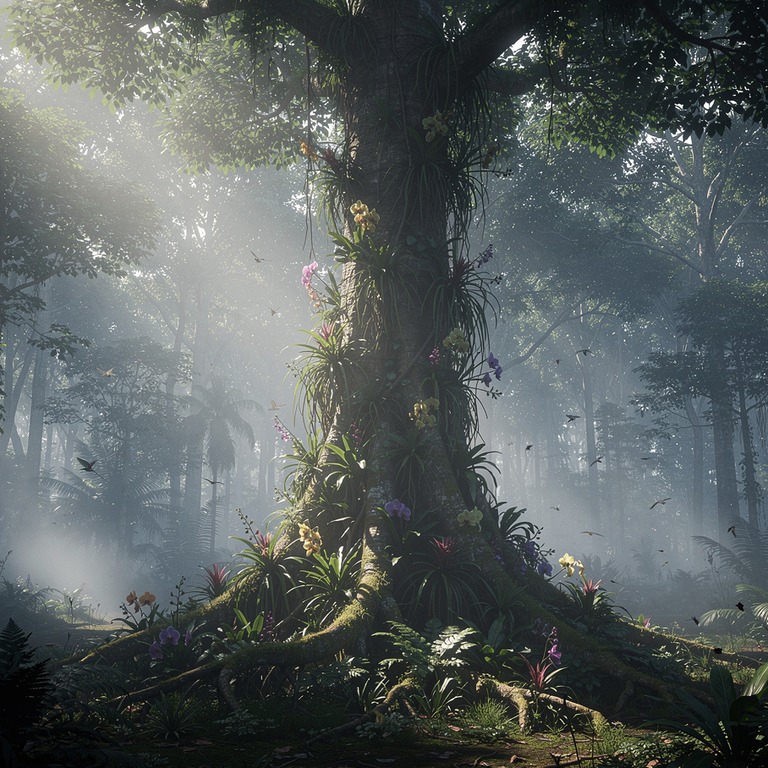
Should You Consider an Ibogaine Retreat?
If you're researching ibogaine because something in your life isn't working — a substance you can't put down, a depression that's outlasted your therapist's ideas, a pattern you can see clearly but can't break — it's worth taking seriously, and worth taking slowly. Talk to your doctor about your heart. Get the EKG even before you contact a clinic. Read participant accounts written more than a year after the fact, not just the glowing first-week testimonials.
Ask any clinic you consider: who runs the medical screening, what's the staff-to-participant ratio, what happens if someone's vitals destabilize, and what aftercare looks like for the first 90 days. A reputable provider will answer all of this without flinching. They'll also tell you honestly whether you're a good candidate. Some people aren't, and that's a feature of good screening, not a problem.
If, after all that, an ibogaine session still feels like the right next step, a range of vetted ibogaine and plant-medicine programs can be browsed on our marketplace here. Whatever you decide, decide it with your eyes open — that, more than anything, is the spirit the medicine seems to reward.

Craving More Stories?
Join our ShopAyahuascaRetreats newsletter for the latest updates on thrilling
destinations and inspirational tales, delivered straight to your inbox!
We value your privacy. Your email address will never be shared or published.