 English
 Deutsch
 Français
 Nederlands
 Español
SHOP AYAHUASCA RETREATS BLOG
Mescaline Cacti Explained: Peyote, San Pedro, and the Plants Behind the Medicine
Cleo Adler
June 11, 2026
Your ultimate guide to discover transforming ayahuasca and psychedelic experiences. Dive into serene destinations and elevate your consciousness to unparalled heights.
Discover Ayahuasca & Psychedelic Retreats NowSearch for ayahuasca & psychedelic retreats
Discover retreats, trainings, and holidays from all over the world
Mescaline doesn't get the attention that ayahuasca and psilocybin get these days, and that's a strange thing when you think about it. We're talking about one of the oldest psychedelic medicines on the planet — used continuously for somewhere around six thousand years across the Americas — and yet most people researching plant medicine retreats today barely know how to pronounce huachuma, let alone tell a San Pedro from a Peruvian torch.
So let's fix that. If you're weighing a mescaline ceremony, looking at master plants more broadly, or just trying to understand what's actually in those tall green columns people keep posting from the Andes, this is the orientation I wish someone had given me before my first cup.
What Is a Mescaline Cactus, Really?
A mescaline cactus is any of several cactus species that produce mescaline, a naturally occurring psychedelic alkaloid. Pharmacologically, mescaline sits in the same broad family as psilocybin and LSD — it binds to serotonin receptors and rearranges perception for several hours. But the experience people describe is its own thing entirely. Warmer. More embodied. Less of the chaotic visual fireworks of a strong mushroom trip, more of a long, lucid conversation with the world around you.
The plants themselves vary enormously. Peyote is a small, button-shaped, spineless cactus that hugs the desert floor in northern Mexico and parts of Texas. San Pedro and its relatives are tall, ribbed columns that can grow taller than a person in a few good seasons. They look almost nothing alike, but the chemistry overlaps, and the ceremonies that use them share a family resemblance.
One thing to understand up front: mescaline is one of those substances where the plant matters as much as the molecule. Indigenous traditions don't talk about it as a drug. They talk about it as a teacher, a grandfather, a being with its own intelligence. You can take that literally or metaphorically, but the framing shapes how the ceremonies are run — and how the experiences tend to unfold.
A Quick History You Should Probably Know
Archaeological evidence puts ceremonial peyote use in northern Mexico at roughly 5,700 years ago. San Pedro use in the Andes goes back at least 3,000 years, with stone carvings at Chavín de Huántar in Peru depicting figures holding what's clearly a tall, ribbed cactus. These aren't fringe traditions. They're foundational ones, woven into the spiritual and medical practices of entire civilizations.
When the Spanish arrived, they tried hard to stamp it out. Missionaries called peyote diabolical, persecuted its users, and drove the ceremonies underground. They mostly failed. The Wixárika (Huichol) people of Mexico still walk hundreds of kilometres each year to harvest peyote in their ancestral pilgrimage. The Native American Church, formed in the early twentieth century, won legal protection in the United States to continue peyote ceremonies. In Peru, Bolivia, and Ecuador, the San Pedro tradition — often called huachuma — never really stopped.
The substance entered Western consciousness through a strange door. Aldous Huxley took mescaline in 1953 and wrote The Doors of Perception, a slim, beautiful book that influenced everyone from Jim Morrison to a generation of seekers. Then Carlos Castaneda's books on a possibly-fictional Yaqui sorcerer named Don Juan added more mythology and confusion. By the late sixties, mescaline had a reputation in counterculture circles — though most of the people who claimed to be taking it were actually taking LSD sold as mescaline, which has been a problem ever since.
The Main Mescaline Cacti, Compared
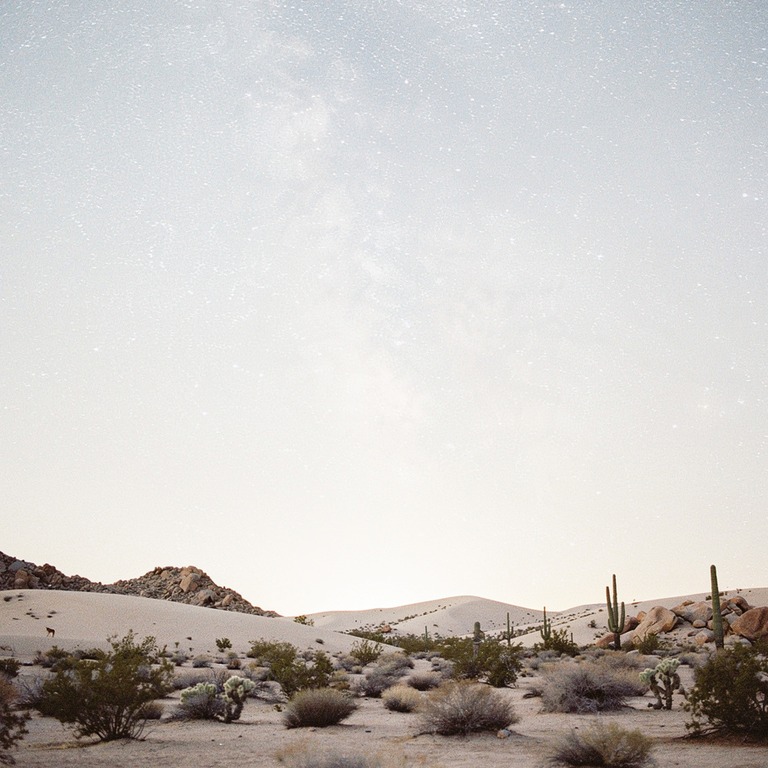
There are dozens of mescaline-containing cacti, but four really matter for anyone considering working with this medicine.
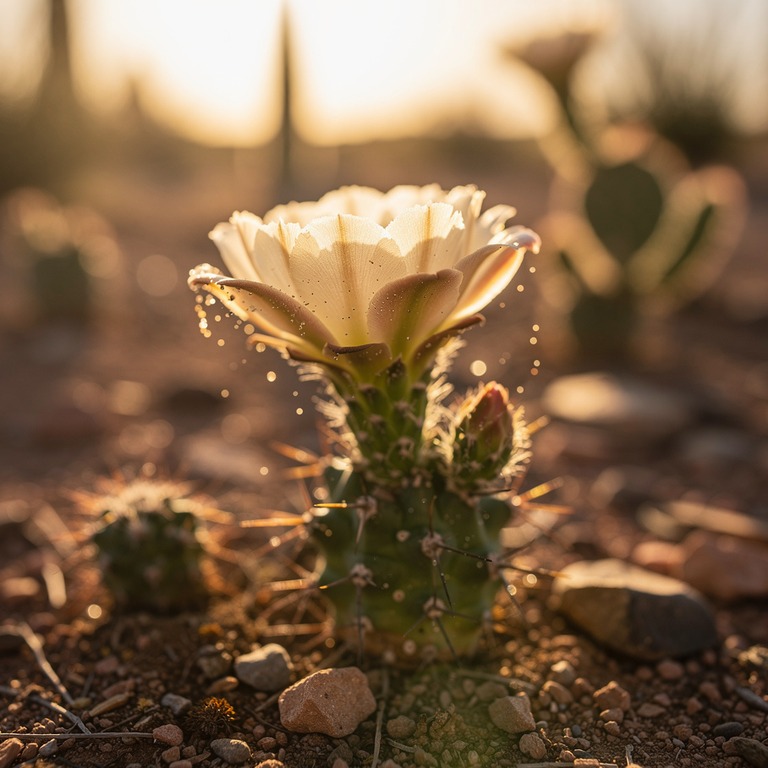
- Peyote (Lophophora williamsii) — the most potent of the lot, with mescaline content sometimes reaching 6% of dry weight. Small, slow, sacred. A single button can take ten to fifteen years to mature. Wild populations are under serious pressure, which is why ethical sourcing matters so much here.
- San Pedro (Echinopsis pachanoi) — the workhorse of Andean huachuma ceremonies. Tall, fast-growing, lower mescaline by weight than peyote but available in much larger quantities. Most retreat ceremonies in Peru and Ecuador use this one.
- Peruvian torch (Echinopsis peruviana) — similar look to San Pedro, often slightly more potent, found higher in the Andes. Some shamans prefer it; some don't notice a real difference.
- Bolivian torch (Echinopsis lageniformis) — another columnar species, slightly milder than its Peruvian cousins, popular with home growers because it's hardy and reliable.
Potency varies wildly between individual plants, even from the same parent cutting. Soil, sun, altitude, water stress, and age all matter. There's a longstanding folk belief that stressing the plant — drought, mild damage, harsh sun — pushes it to produce more alkaloids as a defence. The science here is thin, but experienced growers swear by it.
What a Mescaline Ceremony Actually Feels Like
I'll be honest: describing a psychedelic experience is like describing a piece of music to someone who's never heard one. You end up gesturing at it. But there are some reliable patterns worth knowing if you're considering sitting with this medicine.
The come-up is slow. Where psilocybin can hit you in forty minutes and ayahuasca within an hour, mescaline takes its time — often an hour and a half to two hours before things really shift. The early part is often physical. Nausea is common (the brew tastes legitimately terrible, and the alkaloids are hard on the stomach). Some people purge. Some don't. After that initial body load passes, what tends to come is a long, sustained openness that can last eight to twelve hours.
The visuals are subtler than mushrooms — more geometric, more woven into what you're already seeing rather than overlaid on it. Colours saturate. Edges soften. The world becomes textured in a way that's hard to describe but easy to recognise once you've felt it. Emotionally, people often report a deep warmth and connection to nature, sometimes a kind of philosophical lucidity that feels less like tripping and more like finally thinking clearly. Many describe an unusual sense of being held.
That said: mescaline is not gentle. Twelve hours is a long time to be in an altered state. Difficult emotional material surfaces. Old grief, old patterns, things you've been avoiding — they tend to walk into the room and sit down across from you. Which is exactly the point, but it's worth knowing before you sign up.
Can Mescaline Help With Addiction or Depression?
The research is decades behind where it should be. Mescaline got swept up in the 1970 Controlled Substances Act in the US and similar laws elsewhere, and serious study mostly stopped for fifty years. We're only now seeing it pick up again.
That said, the available signals are interesting. A 2021 survey study published in the Journal of Psychopharmacology looked at people who'd used mescaline and found that a substantial portion reported lasting improvements in depression, anxiety, PTSD, and substance-use disorders following their experiences. Long-running observational data from the Native American Church suggests members have lower rates of alcoholism than comparable populations, though confounding factors make that hard to interpret cleanly.
What's emerging — and this matches what experienced facilitators have been saying for years — is that mescaline seems particularly suited to integrative, life-pattern work. It's less about a single explosive insight and more about a slow rearrangement of how you see your relationships, your habits, your direction. For someone stuck in addiction, depression, or a calcified life pattern, that long, lucid window can be genuinely useful. It is not a cure. Anyone telling you otherwise is selling something.
Choosing a Retreat: What to Look For
If you're considering a huachuma or San Pedro retreat — most mescaline retreats use San Pedro for practical reasons — the same principles apply that apply to any plant medicine retreat. But there are a few specifics worth flagging.
- Lineage matters here. San Pedro has a continuous Andean tradition, and facilitators who've apprenticed within that lineage tend to run safer, more grounded ceremonies than those who picked it up from a weekend workshop.
- Daytime ceremonies are normal. Unlike ayahuasca, mescaline is often held outdoors in daylight, sometimes starting at sunrise and going until evening. If a retreat is trying to recreate an ayahuasca-style night ceremony with San Pedro, ask why.
- Medical screening is non-negotiable. Mescaline raises blood pressure and heart rate. Anyone with cardiac issues, uncontrolled hypertension, or who's on SSRIs needs a serious conversation with a doctor before considering this.
- Ask about the brew. Is it fresh-cut and cooked on site? How long? With what additives? A good facilitator will answer specifically and proudly.
- Integration support afterwards. The weeks after a mescaline ceremony are when the real work happens. Retreats that hand you off at the airport and forget you exist are missing the most important part.
Legality, Briefly
Mescaline itself is a Schedule I controlled substance in the United States and is illegal in most of Europe, the UK, and Australia. The plants that contain it occupy a stranger legal grey zone. In many countries — including the US, the UK, and most of the EU — you can legally buy, sell, and grow San Pedro, Peruvian torch, and Bolivian torch as ornamental plants. Preparing them for consumption is the line you cross. Peyote is more tightly restricted almost everywhere.
In Peru, San Pedro use in traditional ceremony is legal and culturally protected. This is the main reason most serious huachuma retreats operate there or in Ecuador. If you're considering a ceremony, doing it in a country where the practice is legal and culturally embedded is by far the cleaner path — legally, ethically, and experientially.
A Few Honest Caveats
Mescaline isn't for everyone, and the romance around plant medicine sometimes glosses over the difficult parts. The body load is real. The duration is long enough that if you're having a hard time at hour four, you've still got hours to go. People with personal or family histories of psychosis should not take this medicine. People on certain antidepressants need to taper carefully under medical supervision before they can sit safely.
And — this one's important — mescaline doesn't fix anything by itself. It opens a door. What you do after walking through it is what matters. The people I've seen genuinely transform their lives after a San Pedro retreat are the ones who came home and changed how they lived. Therapy, community, daily practice, hard conversations. The medicine pointed; they walked.
If any of this resonates and you want to look at what's actually available, a range of huachuma and San Pedro retreats can be browsed on our marketplace here. Take your time choosing. The plant has been waiting six thousand years — another month of careful research won't hurt.
Craving More Stories?
Join our ShopAyahuascaRetreats newsletter for the latest updates on thrilling
destinations and inspirational tales, delivered straight to your inbox!
We value your privacy. Your email address will never be shared or published.