 English
 Deutsch
 Français
 Nederlands
 Español

Reset. Heal. Grow.
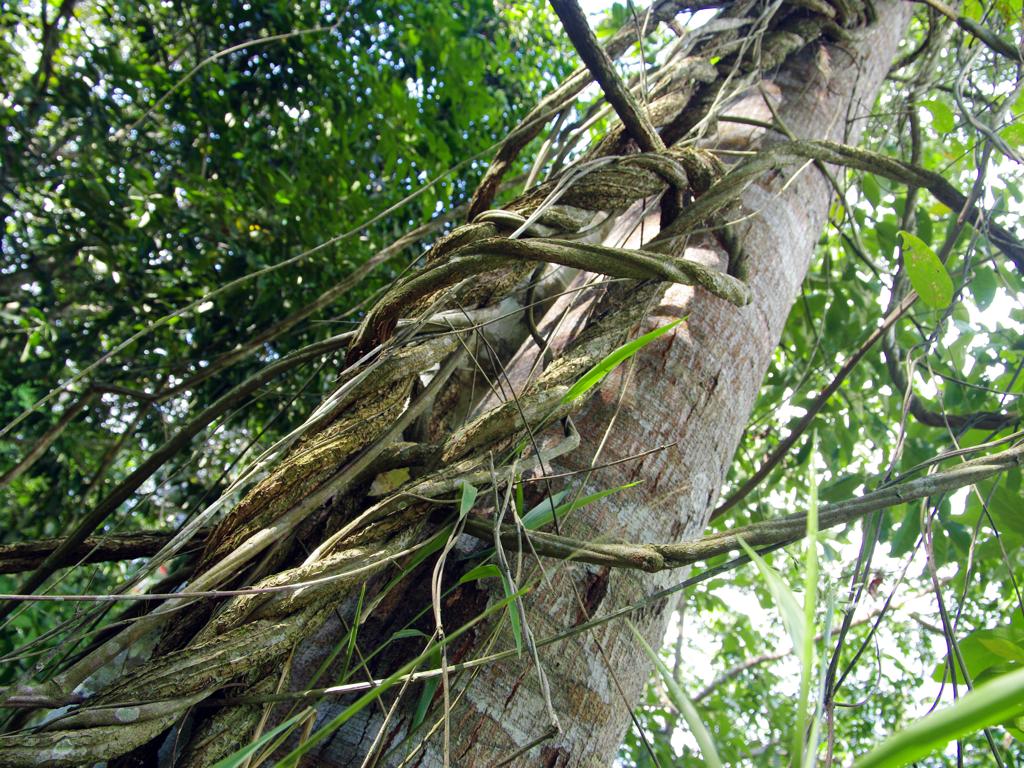
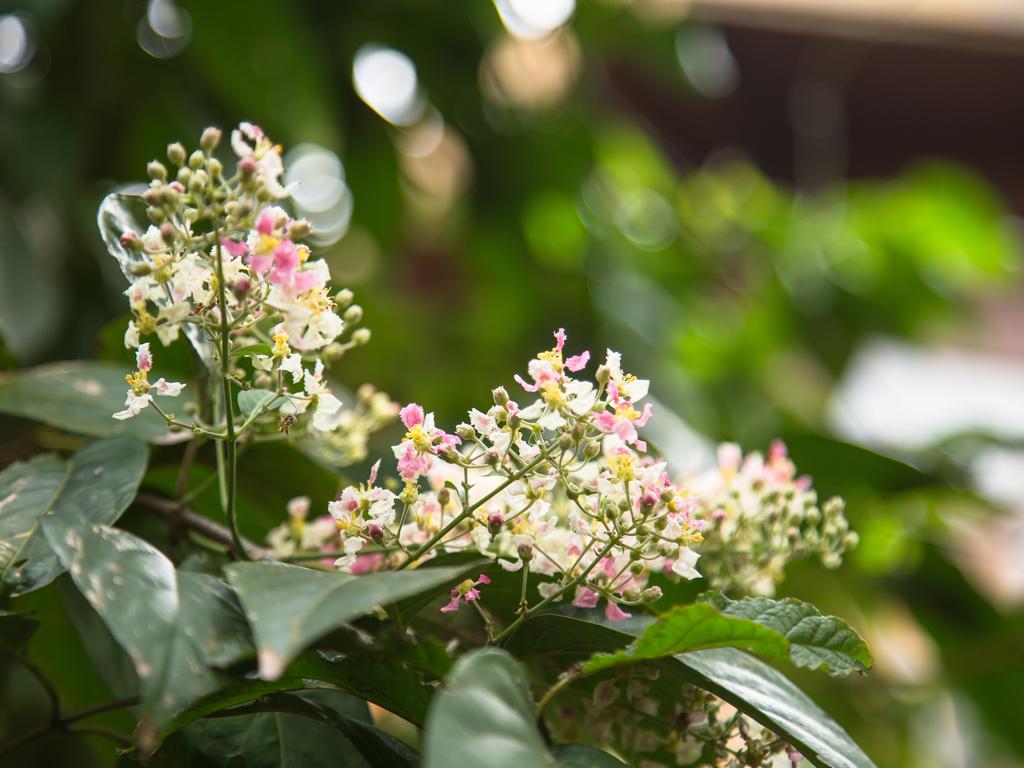
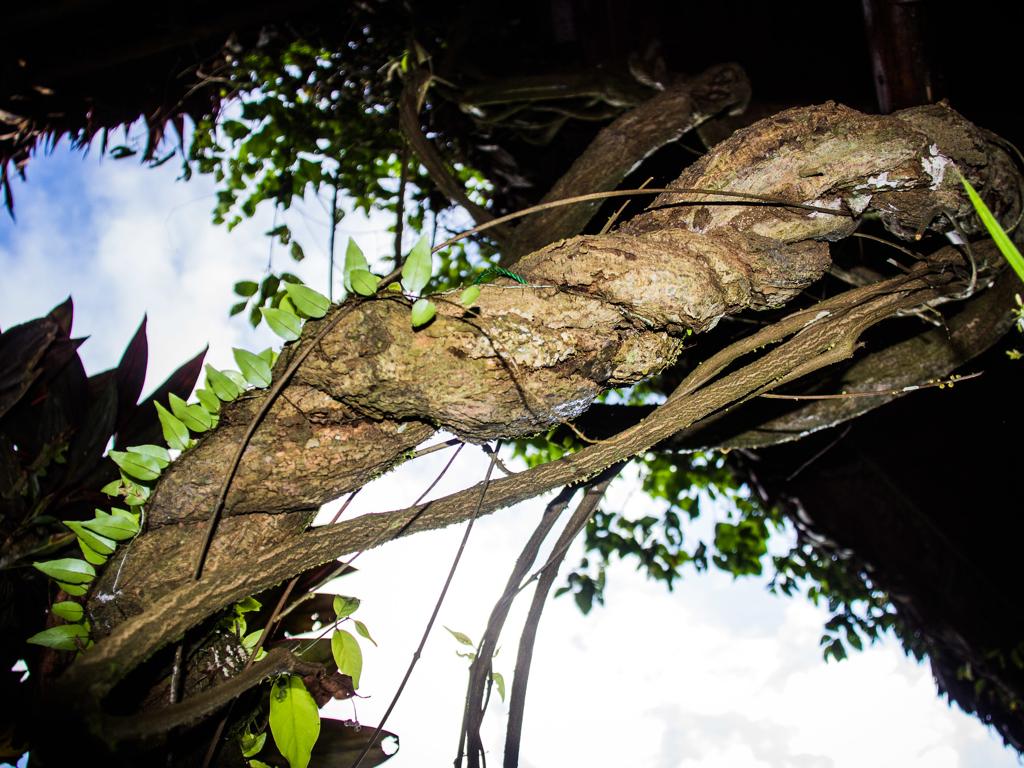
Inside the Ayahuasca Vine: What New Genetics Reveal About Mariri
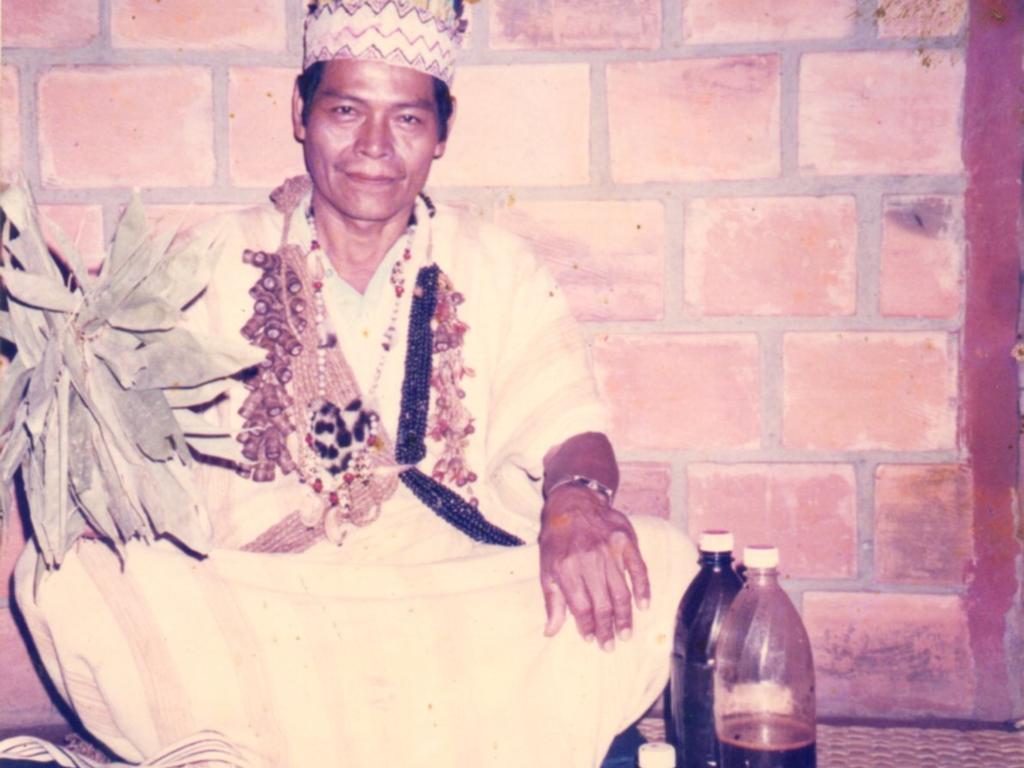
Walk into a well-tended ayahuasca garden in the Brazilian Amazon and ask the caretaker what's growing on those big wooden trellises. You probably won't hear a single Latin name. You'll hear three or four — tucunacá, caupuri, pajezinho — each with its own personality, its own preferred soil, its own reputation in ceremony. For decades, scientists nodded politely at this folk taxonomy and filed everything under one species: Banisteriopsis caapi. The plant medicine community kept insisting the vines were not all the same. Now a small group of geneticists in the Amazon has started checking, and the early results are interesting enough to reshape how we think about ayahuasca itself. If you're researching an ayahuasca retreat — or just trying to understand what's actually in the cup — this is the kind of background that helps. The vine isn't a single ingredient. It's a family of master plants, and the differences between them may be larger than anyone outside the tradition realized. Ayahuasca, at its simplest, is a brew of two plants cooked together for hours. The chacruna shrub (Psychotria viridis) contributes DMT — the molecule responsible for the visions. The mariri vine contributes beta-carbolines, which switch off an enzyme in your gut called monoamine oxidase. Without that off-switch, DMT taken orally is destroyed before it ever reaches your brain. You'd drink the tea and feel essentially nothing. So the vine isn't a supporting actor. It's the reason the medicine works at all. And here's where it gets interesting: the beta-carbolines themselves are mildly psychoactive. They influence mood, dreaming, and the texture of the experience long after the DMT has burned off. Curanderos have always said the vine carries the wisdom of the brew, that chacruna provides the light but mariri provides the teaching. From a pharmacology standpoint, that framing is more accurate than most outsiders give it credit for. Which raises an obvious question. If there are multiple genetic varieties of mariri, and each produces a slightly different chemical profile, then strictly speaking, no two ayahuasca brews are pharmacologically identical. The ceremony you sit in next month and the one your friend sat in last year may be cousins, not twins. The work came out of the National Institute of Amazon Research, where a graduate student named Thalita Zanquetta Luz set out to test whether short stretches of DNA — what biologists call barcodes — could reliably tell different vine lineages apart. Her advisor was a geneticist who happens to be a member of União do Vegetal, one of Brazil's main ayahuasca churches. The church supplied 120 vine samples from four states across the Amazon basin. The findings, published in Genetic Resources and Crop Evolution, were striking on two fronts. First, the genetic markers cleanly separated the three named ethnovarieties the church had been growing for years. The folk taxonomy held up under DNA. Second — and this is the part that should make any plant nerd lean forward — the researchers identified twelve distinct lineages clustered inside those three big groups. There's more diversity inside the vine than the single-species label has ever suggested. One number stands out. The team reported genetic distances of up to 28% between certain varieties. That's not a small difference. That's a number large enough to raise the question of whether some of these vines should be classified as separate species entirely. The researchers are careful — they say more work is needed before redrawing the family tree — but the door is open. Here's the part that always gets me. None of this is news to traditional users. UDV members have been propagating tucunacá, caupuri, and pajezinho as distinct plants for generations. They cut stakes from the parent vine and root them out — vegetative propagation — which means each daughter vine is a clone of the mother. The lineages stay clean. The names stay meaningful. The knowledge passes down through the people who actually work the gardens. Indigenous and mestizo curanderos across the upper Amazon describe even more varieties — vines that produce gentler journeys, vines that bring stronger purging, vines that feel suited to specific kinds of healing work. A maestro in Peru might name half a dozen tipos of yagé, each with its own character and its own ceremonial role. Outsiders tend to hear this and assume it's poetic. The genetics are starting to suggest it's botany. One of the researchers on the new paper put it well: traditional knowledge and scientific knowledge are independent. Neither needs to certify the other. What's happening here is that two ways of knowing the same plant are confirming each other in real time, and that's a quietly significant moment for how Western science engages with plant medicine. If you're weighing a psychedelic retreat — for depression, for addiction recovery, for working through trauma, or because life has gotten stuck in ways you can't quite name — the news about vine diversity isn't urgent. You don't need to memorize ethnovarieties before you book. But there are a few practical things worth filing away. None of this is meant to scare you off. Plant medicine has helped a remarkable number of people break patterns they couldn't break any other way, and the early clinical research on ayahuasca for treatment-resistant depression is genuinely promising. The point is just that the medicine deserves to be treated as a living biological reality, not a uniform product. Mariri has been used ceremonially for at least a few hundred years and possibly much longer. It has its own genus, its own pharmacology, its own ceremonial vocabulary in dozens of indigenous languages. And yet, until very recently, nobody in a lab had checked whether the varieties traditional users describe were genetically distinct. That's a strange gap. It says something about which knowledge counts as knowledge, and which gets left out of the journals. The same INPA team and collaborators at Brazilian universities are now working on full genome sequences for both mariri and chacruna. The hope is to map the vine's biogeography — to figure out where it originated, how it spread, and where the highest genetic diversity sits today. That kind of work could eventually help locate a center of origin for the master plant, the way researchers have done for cacao and cassava. It might also help protect wild populations as ayahuasca tourism continues to grow and demand for vines keeps climbing. For now, the takeaway is more modest. The plant on the trellis is not what the textbooks said it was. It's more varied, more complicated, and more worthy of attention than the single-species shorthand suggested. The curanderos were right. The geneticists are catching up. If you've read this far, you're probably not casually curious — you're considering something. Maybe a retreat in Peru, maybe somewhere in Brazil, maybe somewhere closer to home where psilocybin or another plant medicine is the focus. The vine research is one small piece of a much larger landscape you'll have to navigate. Preparation matters. Choosing facilitators you trust matters even more. And what you do in the weeks and months after a ceremony — the integration work, the conversations, the slow rewiring — often matters most of all. If something in this has nudged you closer to taking the next step, a range of ayahuasca and plant-medicine retreats can be browsed on our marketplace here. Take your time with the choice. The vine has been around for a very long time, and it'll still be there when you're ready.
Ibogaine Treatment One Year Later: What Long-Term Recovery Actually Looks Like
Most of what gets written about ibogaine focuses on the 36 hours of the experience itself. The flood dose. The visions. The interruption of withdrawal that addiction researchers keep calling, with cautious astonishment, unlike anything else they've measured. But here's the thing nobody really prepares you for: the actual work of ibogaine recovery happens in the year after you leave the clinic, not the night you take it. I've sat with people who flew home from Mexico convinced they were cured, and watched a few of them quietly relapse within ninety days. I've also met people who described their session as underwhelming — even disappointing — and then noticed, six months later, that they hadn't picked up in over half a year. The shape of ibogaine recovery is strange. It's not a straight line. This piece is for anyone weighing whether a psychedelic plant-medicine retreat involving iboga is the right move, and especially for anyone wondering what the long tail of that decision actually looks like. Ibogaine is the principal alkaloid in the root bark of Tabernanthe iboga, a shrub native to West Central Africa where it's been used ceremonially by the Bwiti tradition for generations. In the clinical context that's emerged in Mexico, Costa Rica, Portugal, and a handful of other places where it sits in legal gray zones, it's used primarily for opioid dependence. The reason is mechanistic: a single flood dose appears to reset opioid receptors in a way that eliminates acute withdrawal symptoms for most people within hours. That part is real. The science has caught up enough that even cautious addiction researchers acknowledge ibogaine does something genuinely unusual. But here's where misunderstandings start. Ibogaine doesn't cure addiction. It removes the physical scaffolding — the dope sickness, the bone-deep craving spike — that makes early sobriety physically unbearable. What it gives you is a window. What you do with that window is everything. People often describe the experience itself as more like watching a documentary about your own life than tripping. There's a long review phase where memories surface unbidden, often the ones you've spent years anesthetizing. It can be brutal. It can also be the first time in a decade you've sat with certain feelings sober. Master plants tend to work this way — they don't hand you answers, they hand you the material you've been avoiding. The first weeks after a flood dose can feel uncanny. Cravings that ruled your life are just… absent. People describe waking up and noticing the silence where the obsession used to be. Energy returns. Sleep gets weird for a while, then normalizes. Many people report a lingering afterglow — a softness, an emotional openness — that can last anywhere from a few weeks to a few months. This is the honeymoon, and it's the most dangerous period of ibogaine recovery. Not because of the medicine itself, but because the absence of craving creates a false sense of permanence. You start thinking I'm done. That was the thing. I beat it. And then somewhere around week eight or twelve, real life sneaks back in — a fight with a parent, a layoff, a Tuesday night with nothing to do — and the brain remembers its old shortcut. What separates people who hold onto sobriety from people who don't, in my observation, comes down to a few specific things: This is the stretch nobody talks about because it's not photogenic. The afterglow fades. You start having normal human bad days again. Some people experience a kind of grief around month five — a mourning for the substance, or for the version of themselves who used it, or for the years they lost. This is normal. It's also where a lot of people quietly fall off, because they assumed the medicine was supposed to make them feel good forever. What's actually happening here is more interesting. The neurological reset gave you a clean baseline. Now your brain is doing the slow work of building new pathways — what a real life feels like, what reward looks like without the substance, what intimacy is when you're not numbed. That kind of rewiring takes months. There's emerging evidence that ibogaine promotes neuroplasticity for a sustained window after the experience, which is part of why integration during this stretch matters so much. The window is open. What you put in it shapes what closes around. People who do well during this phase tend to be doing some combination of trauma-focused therapy (somatic work, EMDR, internal family systems), regular movement, structured sleep, and some form of contemplative practice. They've often connected with others who've done iboga and can compare notes without judgment. They're not white-knuckling — they're rebuilding. A year out, the people I've stayed in touch with describe something I find hard to summarize cleanly. It's not that they're cured of wanting. It's that wanting has lost its authority. Cravings, when they come, feel more like weather than command — something that passes through rather than something that runs the show. The other shift is harder to name. Most describe a kind of self-knowledge that they didn't have before, a feeling of having genuinely met themselves during the experience and having to keep living with what they saw. Some find this clarifying. Some find it uncomfortable. Almost no one describes it as nothing. A few patterns from the one-year check-ins I've collected: If you're researching ibogaine seriously, the choice of provider is the single most important decision you'll make — more important than location, price, or amenities. Ibogaine carries genuine cardiac risk, and reputable providers screen rigorously: ECG, liver panel, full medication and substance history, sometimes a stress test. If a retreat doesn't ask you for medical records before accepting you, that's not a retreat — it's a liability. Things to ask before you book: Cost varies wildly — anywhere from around $5,000 to over $15,000 for a week-long program — and the price doesn't reliably track quality. Some of the best clinics aren't the most expensive. Some of the most expensive are essentially wellness theatre with a flood dose tacked on. Ibogaine isn't right for everyone. People with cardiac conditions, certain liver issues, or specific medication combinations face real risk. People without solid support to return to often struggle more than they would have with a different approach. And there are people for whom traditional recovery pathways — twelve-step, medication-assisted treatment, long-term residential — are genuinely better fits. Plant medicine isn't morally superior to other forms of addiction recovery. It's a tool, and the right tool depends on the job. I'd also gently push back on the idea that ibogaine is a single-session miracle. Some people benefit from a booster session at six or twelve months. Some need ongoing work with other modalities. The narrative of one ceremony fixing everything makes good copy and poor reality. Master plants tend to ask more of you than they give, at least at first. If you've read this far, you're probably someone who's already done a lot of the harder work — the noticing, the questioning, the quiet decision that something has to change. That counts for more than most retreats will tell you. If iboga or another plant-medicine approach feels like it might be part of the answer, a range of vetted ibogaine and broader psychedelic retreats can be browsed on our marketplace here. Whatever you decide, decide it slowly, with good information and people around you who'll still be there in a year — because a year is when the real story of any of this gets written.

Vancouver's Magic Mushroom Dispensaries: Civil Disobedience or Legalization Strategy?
Walk down certain blocks of East Vancouver and you'll spot something that probably shouldn't exist under federal law: storefronts openly selling psilocybin. Chocolates, capsules, dried caps in glass jars. No back rooms, no whispered passwords. Just a counter, a price list, and a clerk who'll happily explain the difference between a microdose and what they call a “heroic” one. It's strange. It's a little brazen. And if you've been following the slow, uneven march of psychedelics from underground curiosity to clinical research darling, it's also very, very familiar. Because this exact playbook — open a shop, dare the authorities to shut you down, force the conversation — is how Canada ended up legalizing cannabis. Now a handful of activists are running the same experiment with magic mushrooms, and the rest of us get to watch in real time. Psilocybin is a controlled substance under Canadian federal law. Selling it is illegal. And yet, in Vancouver, a small but growing cluster of dispensaries does exactly that — out in the open, with signage, social media accounts, and customer reviews. The most visible operator is Dana Larsen, a longtime drug-policy activist who runs the Medicinal Mushroom Dispensary out of the same space as his Coca Leaf Café. He started selling psilocybin chocolates and capsules to walk-in customers a few years back, and he's been pretty transparent about his strategy: keep selling, get noticed, force the government to either crack down hard or move toward regulation. So far the government has done neither, which is its own kind of answer. Other shops have followed. Some opened during the pandemic to make up for lost revenue from cannabis or other businesses. A few are run by people who genuinely believe psilocybin should be available for therapeutic use and are tired of waiting for Ottawa to catch up. The Vancouver Police have said mushroom prosecutions aren't a top priority. City Hall has sent some sternly worded letters. The shops are still open. Here's the thing about Vancouver: this city has been a testing ground for drug-policy civil disobedience for decades. Illegal cannabis dispensaries operated openly there from at least 2015, with the city eventually creating a municipal licensing system — even though selling weed was still federally illegal at the time. Three years later, Canada legalized recreational cannabis nationwide. Was that legalization the direct result of grey-market shops? Probably not entirely. But the shops normalized the conversation. They made it impossible for politicians to pretend the demand wasn't there. They gave the public a chance to see, for years, that the sky didn't fall. By the time Parliament got around to writing legislation, the cultural battle was largely over. The mushroom dispensary owners are betting the same dynamic will play out again. The bet isn't crazy. Psilocybin research is moving fast — clinical trials at major universities, Health Canada granting individual exemptions for people with terminal illness or treatment-resistant depression, and a steady drip of mainstream media coverage that treats the molecule as medicine rather than menace. The legal frame is wobbling. Someone was always going to push. Let's pause on the medical claim, because it matters. There's now a real body of clinical evidence suggesting that psilocybin — typically administered in larger, supervised doses alongside psychotherapy — can produce meaningful and sometimes lasting reductions in depression and anxiety, including for people who haven't responded to standard treatments. It's also being studied for addiction, end-of-life distress, and a handful of other conditions where the conventional pharmaceutical toolkit has been underwhelming. This isn't fringe stuff anymore. It's published in peer-reviewed journals. It's drawing real money into psychedelic biotech. A psychedelic-focused exchange-traded fund launched on a Canadian exchange a few years ago, which is roughly the most boring possible signal that a thing has gone mainstream. Microdosing — taking sub-perceptual amounts on a regular schedule — is a different story. The popular case for it has run well ahead of the data. Some researchers find modest mood and creativity effects; others find that most of what people report is placebo. If you're considering microdosing for a specific mental health issue, the honest answer is: the jury's still out, and a properly supervised larger-dose session may have far stronger evidence behind it. Even with the shops operating openly, psilocybin remains illegal to sell or possess in Canada outside narrow exemptions. Health Canada does grant individual access through its Special Access Program, and there's a Section 56 exemption pathway, but both processes are slow, paperwork-heavy, and require specific medical circumstances. A not-for-profit called TheraPsil has spent years helping patients — especially those facing terminal diagnoses — navigate the bureaucracy. Many people give up and turn to grey-market shops or underground guides instead. In the United States, the picture is more fragmented. Federally, psilocybin is Schedule I. But Oregon has rolled out a regulated psilocybin services program, Colorado has decriminalized personal possession and is building out its own framework, and a growing list of cities — Denver, Oakland, Seattle, Detroit, several others — have effectively deprioritized enforcement. None of this makes it legal to buy mushrooms at a shop the way Vancouverites can. But the legal terrain is shifting fast enough that anything written about it has a short shelf life. If you've read this far, there's a decent chance you're not just curious about Canadian drug policy. You're weighing whether a psychedelic experience — mushrooms, ayahuasca, something else — might actually help with something specific. Depression that won't budge. A drinking problem. Grief. A sense that you've been on autopilot for years and can't find the off switch. A few honest things to consider before you walk into any dispensary or book any retreat: Vancouver's mushroom shops won't be the last act in this story. Whether they get raided, regulated, or quietly absorbed into a future legal framework, they've already done some of the work activists wanted them to do — they've made psilocybin visible, debatable, and increasingly unavoidable as a policy question. Other cities will follow. Some governments will move quickly; others will dig in. For individuals trying to figure out whether plant medicine has a real role in their own life, the better path is usually slower than walking into a shop. It involves reading widely, talking to people who've done the work, screening yourself for real medical risks, and choosing a setting with trained facilitators and a clear integration plan. Retreats — especially ones in jurisdictions where the practice is legal or traditionally protected — remain the most evidence-supported way most people access these experiences. If you're starting that research, a range of curated psilocybin and plant-medicine retreats can be explored on our marketplace here. The Vancouver dispensaries are an interesting symptom of where the culture is going. They're probably not where your own story should start.

How to Vet an Ibogaine Provider: Accountability, Red Flags, and Real Questions to Ask
Somewhere right now, a person who's been chasing sobriety for fifteen years is typing “ibogaine retreat Mexico” into Google at three in the morning. They're exhausted. They've tried everything. And the first five results are slick websites with stock photos of sunsets and promises of a “reset.” None of those websites mention the cardiac screening protocol. None of them list the medical staff by name. None of them explain what happens if something goes wrong at hour fourteen of a flood dose. This is the uncomfortable middle of the ibogaine and psychedelics world in 2026 — a medicine with genuinely remarkable results for opioid addiction recovery, sitting in a legal gray zone, offered by a patchwork of providers ranging from world-class clinics to people who watched a documentary and bought a domain name. Addiction is desperate work. Desperate people don't always ask hard questions. So let's ask them now, before the deposit goes through. Ibogaine is a Schedule I substance in the United States, which means clinical research has been crawling for decades while the actual treatment infrastructure migrated to Mexico, Costa Rica, Portugal, the Netherlands, and parts of the Caribbean. There's no FDA. No DEA. No state medical board with jurisdiction over a provider operating out of a rented villa in Rosarito. When something goes wrong — and people have died, this isn't hypothetical — the family is usually left navigating a foreign legal system with no real recourse. The plant medicine world likes to talk about ibogaine as one of the master plants, sacred and ancient, used by the Bwiti of Gabon for centuries. That's true and that's beautiful. It's also true that an iboga root bark ceremony in a traditional Bwiti context is a wildly different event from a Western detox protocol using purified hydrochloride salt, and the safety considerations are not the same. Conflating the two is one of the first things shady operators do. So accountability becomes the buyer's problem. You — the person considering this — have to do the work that regulators in most countries simply aren't doing yet. Annoying, yes. Also non-negotiable. Here's the thing about ibogaine that gets glossed over in the inspirational testimonial videos: it prolongs the QT interval on your heart's electrical rhythm. In plain English, it can trigger fatal arrhythmias. The deaths associated with ibogaine — and there have been documented cases, more than the industry is comfortable admitting — almost all involve undetected cardiac issues, electrolyte imbalances, or interactions with other substances still in the patient's system. A serious provider treats this like the medical event it is. A sketchy one treats it like a vibe. The difference is measurable in concrete protocols you can ask about directly: That last question is the one most providers hate. A good one will answer honestly. A bad one will pivot to talking about the shaman's lineage. Most people researching an ibogaine retreat scroll for testimonials and pretty photos. Reverse that instinct. Look for what's missing. Are the medical staff named, with their actual credentials, ideally license numbers you can verify in the country where they practice? Or is it all first names and vague titles like “healing facilitator”? Is there a stated maximum number of clients treated simultaneously, or does the schedule suggest a conveyor belt? Do they publish their screening criteria — the conditions that disqualify someone from treatment — or do they imply that ibogaine is right for everyone? (It isn't. People with certain heart conditions, recent stimulant use, untreated mental illness, or specific medication regimens should not take it. A provider that doesn't turn people away is one to walk away from.) Pricing is another tell. Genuinely safe ibogaine treatment is expensive — typically somewhere between six and fifteen thousand US dollars for a week-long program with proper medical support. Anything dramatically cheaper is cutting corners somewhere, and the corners being cut are usually the ones keeping you alive. Anything dramatically more expensive without a clear explanation (a specialized neurological track, integration that lasts months, a residential aftercare component) is probably markup on luxury, not safety. Treat the discovery call the way you'd treat an interview with a surgeon. Because functionally, that's closer to what's happening than a yoga retreat booking. Here's the list I'd send to someone in my own family if they were considering ibogaine for addiction recovery: Watch the response time and tone on questions four and seven especially. A defensive answer is data. A clean, calm, specific answer is also data. You're learning whether this is a professional operation or a charismatic individual performing one. Ibogaine has an unusual property among psychedelic plant medicines: the acute experience interrupts physical opioid withdrawal in a way nothing else does. People emerge from a treatment with their physical dependence broken. That's genuinely miraculous. It is also not the same thing as being healed. The window after ibogaine is fragile. The medicine seems to soften the underlying patterns that led to addiction in the first place, but those patterns rebuild themselves quickly without active integration work. Sober living, therapy, community, a sponsor, somatic work, a complete restructuring of the social environment that supported the addiction — none of this is optional. The retreat that hands you a goodbye smoothie and an Uber to the airport on day seven is setting you up to relapse, and many people do. The serious providers know this and build the aftercare in. Some have residential step-down programs. Some have monthly integration calls with a therapist for six months. Some coordinate with a clinician in your home city before you ever arrive. Ask what happens on day thirty. Day ninety. Month six. If the answer is essentially “you're on your own,” that's the program telling you who they actually are. One of the more hopeful developments in the broader psychedelic and plant medicine space over the last few years has been the slow growth of practitioner registries, peer review networks, and harm-reduction organizations willing to name names. The Global Ibogaine Therapy Alliance has published safety guidelines that any legitimate provider should already be following. Reddit communities, especially r/Ibogaine, are an imperfect but useful place to read unfiltered accounts of specific clinics — both the glowing and the harrowing. Cross-reference everything. Be suspicious of a provider with only five-star reviews, all posted within the same month. The deepest accountability, though, is still informal. It's the former client who'll get on a phone call and tell you what really happened on night two. It's the harm-reduction worker who knows which clinic had a death last year and quietly steers people away. It's worth asking around in psychedelic integration circles, recovery communities, and even certain therapist networks — people who've sat with this medicine and watched others sit with it tend to know who's doing the work properly. None of this guarantees safety. Ibogaine carries real risk no matter how well it's administered. But the difference between a 0.1% complication rate and something far worse is almost entirely about the rigor of the provider. That part you can actually evaluate, if you slow down long enough to do it. For anyone weighing this seriously, vetted ibogaine and plant medicine retreats can be explored on our marketplace here, which is a reasonable starting point if you'd rather not begin with a Google search at three in the morning. Whatever path you take, ask the hard questions first. The good practitioners welcome them. The rest tell you everything you need to know by how they react.
The Psychedelic Industry Boom: What It Means for Retreat-Seekers in 2026
Five years ago, if you mentioned psychedelics at a dinner party, the room split in two — half the table assumed you were a stoner, the other half pictured you barefoot in the Amazon. Today that same conversation might involve a venture capitalist, a clinical psychologist, and your cousin who just got back from a psilocybin retreat in Jamaica. The world has changed fast. For anyone weighing whether to book an ayahuasca retreat, try ibogaine for addiction, or sit with master plants for the first time, that shift matters. The landscape around plant medicine has matured — and so have the questions you should be asking before you hand over a deposit. This piece is for people doing that research right now: what the psychedelic boom actually means on the ground, what's hype, and what's worth paying attention to. A handful of years ago, you could count the publicly traded psychedelic companies on one hand. Now there are dozens, with billions in combined market capitalization and serious clinical trial pipelines for psilocybin, MDMA, DMT, ibogaine, mescaline, and LSD. Universities that wouldn't touch this research in the 1990s are running double-blind studies and publishing in mainstream journals. Compass Pathways, MAPS, atai Life Sciences, Usona — these names mean something now, even to people who don't follow biotech. What changed? Partly, the data caught up. Studies on psilocybin for treatment-resistant depression, MDMA for PTSD, and ibogaine for opioid addiction kept producing results that were hard to ignore. Partly, public attitudes softened. And partly — let's be honest — investors smelled money. The combination created a wave that's still building. For the retreat-seeker, this matters in two ways. First, more research means better safety knowledge and better integration protocols filtering down into the retreat world. Second, the surge of attention has attracted a lot of newcomers offering ceremonies they're not qualified to lead. The boom cuts both ways. People use these words like they're synonyms. They aren't. Decriminalization means you won't be arrested for personal use or possession — the substance is still technically illegal, but enforcement is deprioritized. Legalization means a regulated market exists: licensed producers, licensed providers, taxes, the works. Oregon broke ground by decriminalizing all drugs and creating a regulated psilocybin services program. Colorado followed with its own framework for psilocybin and other natural medicines. Several cities — Denver, Oakland, Detroit, Washington D.C. among them — have decriminalized plant medicines locally. Australia became the first country to formally allow psychiatrists to prescribe psilocybin and MDMA for certain conditions. The picture keeps shifting. Here's why this affects your decision: a legal psilocybin retreat in Oregon operates under very different conditions than an underground ceremony in California or a traditional ayahuasca retreat in Peru. Each has tradeoffs. Legal frameworks bring oversight and accountability but often strip out the ceremonial and traditional elements many seekers are specifically looking for. Underground and international retreats may offer deeper traditional practice but come with their own risks — legal, medical, and ethical. None of these is automatically better. They serve different needs. A combat veteran working through PTSD might benefit from a clinical setting. Someone wrestling with a long stuck pattern around grief or identity might find more in a traditional Amazonian dieta. Knowing the difference is half the work. Talk to enough facilitators and you'll notice the same themes coming up in intake calls. The people booking psychedelic retreats today aren't mostly seekers chasing a transcendent experience. They're mostly tired. They're tired of antidepressants that flattened them without fixing anything. Tired of years of talk therapy that helped but didn't move the deep stuff. Tired of drinking too much, scrolling too much, sleeping badly, snapping at their kids. Some are in real crisis — active addiction, suicidal ideation, treatment-resistant depression. Others are doing fine on paper but feel like they've been sleepwalking through their own life. Plant medicines and psychedelics have earned attention because, in many cases, they actually help with this stuff. Ayahuasca and ibogaine have a particularly strong track record around addiction recovery — not because the medicine "cures" anything in one sitting, but because it tends to interrupt the patterns that addiction lives inside. People describe seeing themselves clearly, sometimes for the first time in years. What they do with that clarity afterward is the whole game. The retreat industry has grown faster than its safety standards. That's the uncomfortable truth. A few things every serious researcher should know: If you've narrowed your interest to a specific medicine — ayahuasca, psilocybin, ibogaine, San Pedro, kambo — the next layer is choosing the right container. A short checklist that's served me well across years of writing about this space: If those questions get vague or defensive answers, that tells you something. If they get specific, thoughtful answers — even when the answers are honest about limitations — that tells you something different. FDA approval for MDMA-assisted therapy for PTSD has stalled and restarted more than once, and psilocybin therapy isn't far behind in the clinical pipeline. Within the next few years, it's plausible that one or two psychedelic-based medications will be available by prescription in the U.S. — under tight clinical conditions, at significant cost. That will reshape the conversation again. But the retreat world won't disappear. For many people, the medicalized version of psychedelic therapy — a clinic, a therapist, a controlled dose — won't deliver what they're actually looking for. There's a reason people fly to the Amazon to drink a bitter brew in a wooden maloca instead of taking a capsule in a beige office. The container matters. The tradition matters. The community around it matters. If you're at the point of seriously considering a retreat, the most useful thing you can do is slow down. Read more than the homepage. Talk to people who've sat with the medicine you're curious about. Get honest with yourself about what you're hoping for and what you're scared of. If something here speaks to you, the available ayahuasca and plant-medicine retreats can be browsed and booked on our marketplace here. This is a real decision with real stakes — both the upside and the downside. Treat it that way, and you'll be ahead of most people walking into ceremony.
Craving More Stories?
Join our ShopAyahuascaRetreats newsletter for the latest updates on thrilling
destinations and inspirational tales, delivered straight to your inbox!
We value your privacy. Your email address will never be shared or published.

Oregon's Psilocybin Law: What Legal Mushroom Therapy Actually Looks Like
When Oregon voters approved Measure 109, something genuinely strange happened in American drug policy. A state had, for the first time, said yes to supervised, legal use of a classic psychedelic — psilocybin, the active compound in magic mushrooms — outside any research or religious-exemption framework. Not decriminalization. Not a clinical trial. An actual licensed-services model. If you're someone weighing a psychedelic retreat for depression, addiction, trauma, or just a stuck life pattern you can't seem to shake, this matters. It changes the map. I want to walk through what Measure 109 actually does, what it doesn't do, and how it fits into the bigger conversation around psychedelics, plant medicine, and addiction recovery. Because a lot of what gets repeated online is half right at best. The short version: roughly 56% of Oregon voters approved the measure. It directed the Oregon Health Authority to build a regulated program — the Oregon Psilocybin Services Program — where licensed facilitators can administer psilocybin to adult clients inside licensed service centers. Manufacture, processing, delivery, and possession of psilocybin became legal under state law, but only inside that licensed framework. Step outside it and the old criminal penalties still apply. The measure also baked in a two-year development period before the program actually opened its doors. That wasn't bureaucratic foot-dragging. Oregon was building something nobody else had built — licensing categories, training requirements, dosing rules, packaging standards, an advisory board, a tax structure. The state essentially had to invent the rulebook from scratch. A few specifics worth knowing if you're trying to understand what's actually on offer: The timing wasn't random. For most of the last decade, research out of Johns Hopkins, NYU, and Imperial College London has been publishing results on psilocybin-assisted therapy for treatment-resistant depression, end-of-life anxiety, and substance use disorders that ranged from interesting to genuinely startling. A single high-dose session, in the right setting, with proper preparation and integration, was producing sustained improvements that conventional pharmaceuticals struggle to match. That's the research backdrop. The cultural backdrop is messier and more interesting. A generation that grew up being told mushrooms would melt their brains started reading clinical papers and noticing the science said something rather different. Veterans were talking openly about psychedelic healing. People in addiction recovery were saying ibogaine and psilocybin had done what twelve-step rooms and SSRIs couldn't. The conversation around master plants — the term Amazonian traditions use for teacher-plants like ayahuasca, San Pedro, and tobacco — was bleeding into the mainstream wellness world. Oregon's vote was, in a sense, the political system catching up with what a lot of people had already quietly concluded: that these substances, used carefully, are not the menace the 1970s told us they were. Here's where I'll be honest with you. Oregon's program is real, and it's legal, and it's a meaningful option. But it's not the same animal as a traditional plant-medicine retreat in Peru or Costa Rica, and it's not trying to be. If you've been reading about ayahuasca ceremonies in the Sacred Valley or ibogaine clinics in Mexico, the Oregon model will feel different — more clinical, less ceremonial, English-speaking, regulated. Which one is right for you depends on what you're actually after. A few honest distinctions: Whether you end up in Oregon, in the Peruvian jungle, or at a psilocybin retreat somewhere in between, the same red flags apply. The legalization wave has brought in serious practitioners and also, frankly, a fair number of opportunists. A few things to look for, and a few to run from. Good signs: a thorough medical and psychological intake before you ever pay a deposit. Clear questions about your medications (especially SSRIs, MAOIs, and lithium — these interact badly with several plant medicines). A facilitator who's been doing this for years, not months. Real integration support, not a goodbye hug and a flight home. Honest conversations about who shouldn't take part — people with personal or family histories of psychosis, certain heart conditions, or untreated bipolar disorder are usually screened out for good reason. Warning signs: vague pricing, no medical questionnaire, promises of guaranteed healing, facilitators who claim to be the reincarnation of someone, group sizes that feel more like festivals than ceremonies, no aftercare plan, no way to talk to past participants. Trust your gut on this. The people doing serious work tend to feel grounded and a little boring in their professionalism. The flashy ones are often the ones to skip. One thing I'd offer to anyone reading this because they're hurting — because the depression hasn't lifted, because the drinking is back, because something inside is asking for help — is that psychedelics are a tool, not a magic eraser. The research is real. The experiences can be genuinely transformative. People do come out of a single session with shifts that years of talk therapy didn't produce. And. The work afterward is its own thing. The session opens a door. Walking through it — changing habits, repairing relationships, building the life the medicine showed you was possible — that part still belongs to you. The best retreats know this and structure their programs around it. The worst ones sell you the door and forget the rest of the house. If you're sitting with this decision, take your time. Read the research. Talk to people who've done it. Get medical clearance if there's any question. And if something here has nudged you toward exploring further, a curated selection of psilocybin and broader plant-medicine retreats can be browsed on our marketplace here. The right retreat at the right time can be a hinge in a life — but only if you walk in with eyes open.
Psilocybin and Cancer Anxiety: What Happens Five Years After a Single Dose
One dose. That's what the cancer patients in this trial received. A single, carefully supervised session with psilocybin — the compound in psychedelic mushrooms — and then they went home to live the rest of their lives. Five years later, most of them still describe it as one of the most meaningful experiences they've ever had. That's a striking claim, and it deserves to be examined carefully rather than just admired. The relationship between psilocybin, addiction, depression, and the kind of existential dread that comes with a cancer diagnosis is one of the more compelling threads in current psychedelic research. It also sits at the heart of why so many people are quietly looking into psychedelic retreats — not for recreation, but because they're trying to find a way out of something that talk therapy and medication haven't touched. So let's walk through what the New York University team actually found, what it means, and what it doesn't. The original trial enrolled 29 cancer patients dealing with anxiety and depression linked to their diagnosis. Roughly 40% of people with cancer experience this kind of psychological distress — the constant low hum of fear about recurrence, about pain, about death, about the people they'll leave behind. Standard antidepressants help some patients. Many others find them flat, dulling, or simply ineffective for this particular flavor of suffering. Each participant received a single dose of psilocybin in a supervised therapeutic setting, paired with psychotherapy before and after. The setting matters. This wasn't a pill handed over with a glass of water. It was hours spent lying on a couch, eye shades on, music playing, with two trained guides nearby. The session itself typically runs around six hours. The short-term results — reported in 2016 — were already remarkable. Patients showed dramatic drops in measures of anxiety and depression within weeks. What nobody knew was whether those effects would hold. In the long-term follow-up, researchers tracked down the surviving participants and asked them, in detail, how they were doing. Around 80% still reported clinically significant reductions in anxiety and depression. Most rated the psilocybin session as among the top five most meaningful experiences of their entire lives — comparable, for many, to the birth of a child or the death of a parent. Roughly 96% called it one of the most spiritually significant experiences they'd ever had. Prior to this work, the longest follow-up in any modern psychedelic trial had been twelve months. Five years is a different order of evidence. It suggests something more than a temporary mood lift. It suggests that whatever shifted in these patients had become part of how they live. One participant put it plainly: even after being diagnosed with a second, unrelated cancer years later, the dread that used to swallow her whole simply wasn't there anymore. She got the tests. She had the operations. She kept moving. The qualitative reports are where the study gets genuinely interesting. The numbers tell you something measurable shifted; the words tell you what the shift felt like from the inside. That last one is the kind of insight people spend decades in therapy trying to reach. None of this is mystical accounting. These are normal people describing what it's like to be less afraid. Researchers genuinely don't know yet, and the honest ones say so. But a few hypotheses keep showing up in the literature. One is that psilocybin temporarily quiets the default mode network — the part of the brain associated with the running narrative of self, the inner monologue, the rumination loop. When that network goes offline, the rigid sense of "I am this person with this disease and this future" loosens. Patients describe stepping outside themselves and seeing their lives from a different angle. Sometimes what they see changes them. Another idea is that psychedelics increase neural flexibility — they make the brain more receptive to new ideas, new emotional patterns, new ways of organizing memory. Robin Carhart-Harris, one of the more prominent researchers in the field, has described it as a kind of lubrication: cogs that had been stuck for years suddenly turning freely. Whether that lubrication lasts depends on what you do with it afterward, which is why integration — the unsexy work of making sense of the experience in the weeks and months that follow — gets so much attention in serious psychedelic therapy. The NYU work doesn't sit alone. Johns Hopkins has run parallel studies with similar results. Trials on psilocybin for treatment-resistant depression, on MDMA for PTSD, on ibogaine for opioid dependence, on ayahuasca for addiction and trauma — they keep producing the same shape of result. Durable effects from a small number of sessions, in carefully supported settings, when standard treatments haven't worked. This is also why master plants and synthesized psychedelics keep showing up in the same conversation. The traditions around ayahuasca, San Pedro, and psilocybin mushrooms have understood for centuries that these substances can crack open something fixed — a fear, a grief, a way of seeing yourself — and that the cracking only heals well if there's care around it. Modern clinical trials are, in a sense, rediscovering what curanderos already knew, just with statistical significance attached. The legal landscape is shifting too. Oregon and Colorado now have regulated psilocybin therapy programs. Several U.S. cities have decriminalized personal use. Australia legalized psilocybin for treatment-resistant depression under specialist prescription. None of this makes the substances casual — they remain serious — but it does mean access is broadening for the first time in half a century. If you've been reading research like the NYU study and quietly wondering whether a psilocybin retreat — or an ayahuasca ceremony, or another plant-medicine experience — might help you with something stuck in your own life, a few honest notes. The research is genuinely promising. It's also early, and the most interesting findings come from settings where care, screening, and integration were taken seriously. If reading about studies like this has stirred something in you, the next step is probably less about booking the first retreat you find and more about understanding what a well-run one actually looks like. For readers who want to take that next step thoughtfully, a curated range of psilocybin and plant-medicine retreats can be browsed on our marketplace here. Whatever you choose, choose slowly. The medicine isn't going anywhere, and the right setting is worth waiting for.
The Wall Street Bet on Short-Acting Psychedelics: What It Means for Patients
Picture a depression treatment that works in twenty minutes. Not weeks. Not a six-hour ceremony with a trained sitter and a playlist of Brian Eno. Twenty minutes, sublingual tablet under the tongue, back to your life by lunch. That's the bet a growing crowd of biotech venture capitalists is now placing on the next wave of psychedelics — and it's quietly reshaping what plant-medicine healing might look like for millions of people who never plan to set foot in a jungle. For the better part of a decade, most established healthcare investors stayed at arm's length from psychedelic startups. The science looked promising. The optics? Less so. But a handful of firms have stopped hedging, and the deals they're cutting tell you a lot about where mainstream medicine thinks this whole field is heading — and where it isn't. The first wave of publicly-traded psychedelic companies — think the ones developing synthetic psilocybin or pharma-grade ibogaine — chased the experience itself. Their drugs produced long, immersive sessions that required a trained therapist sitting bedside for four, six, sometimes eight hours. Beautiful in theory. A nightmare to scale. The new wave is different. Investors are now writing checks for compounds engineered around one ruthless question: how do you get the antidepressant effect without tying up a clinic room and a licensed practitioner for an entire afternoon? The answer, increasingly, is short-acting molecules — synthetic versions of 5-MeO-DMT (the famously intense compound found in certain toad secretions and Amazonian plants), or so-called non-hallucinogenic psychedelics that may rewire the brain without ever sending the patient on a trip at all. One Boston-based firm has been the loudest voice in this shift, putting money into a Dublin company working on a 30-minute-to-two-hour 5-MeO-DMT treatment for treatment-resistant depression, and another startup pursuing psychedelic-inspired drugs stripped of their hallucinogenic effects. More recently, the same investor incubated a new venture developing a sublingual 5-MeO-DMT tablet with effects expected to last just 15 to 20 minutes. That company launched with a $60 million Series A from a roster of mainstream healthcare funds — money that wouldn't have touched this space five years ago. Here's the uncomfortable math. A psychiatrist at a major academic center has estimated the U.S. might need tens of thousands of newly trained psychedelic-assisted therapists once these treatments hit the market. We don't have them. Training pipelines are years behind demand. And if every dose of psilocybin requires a six-hour appointment with two trained facilitators, the cost per patient quickly drifts into territory most insurance plans won't touch. So the investor logic goes like this: a 20-minute treatment fits inside an existing clinic visit. It can be administered by staff already on payroll. It doesn't require a special preparation week or a three-session integration arc. From a pure access standpoint — getting an effective treatment to the largest number of people — it's the difference between a boutique luxury and actual medicine. I'll be honest. Reading that, part of me cheers. Another part of me winces. Because the long sessions aren't just a logistical inconvenience — for a lot of people, the slow descent and the human presence are the medicine. Compressing the whole thing into a sublingual tablet may scale, but scaling and healing aren't always the same thing. If you're researching ayahuasca, ibogaine, or a psilocybin retreat right now — maybe because therapy hasn't worked, or because addiction has worn down everyone in your life including you — none of this biotech news is going to be available to you anytime soon. The clinical trials are early. FDA approval, if it comes, is years out. Insurance coverage is further still. In the meantime, retreats remain the only legal pathway in much of the world to access these compounds, and they offer something the pharmaceutical model probably never will: ritual, community, and time. That said, the pharma push matters even if you never take a clinical drug. Here's why: What it won't do is replace the retreat experience. A short-acting tablet in a beige clinic chair is not the same animal as three nights of icaros in a maloca, and anyone selling you on that equivalence is selling you something. This is the question I get asked the most, and the honest answer is: nobody fully knows yet. The master plants — ayahuasca, San Pedro, peyote, iboga — have been used in ceremonial contexts for centuries, sometimes millennia. The traditions around them include diet, song, prayer, and a relationship with a specific lineage. Strip out the alkaloid, synthesize it in a lab, deliver it in 20 minutes, and you have something pharmacologically similar but contextually unrecognizable. Some researchers argue the molecule does the heavy lifting and the ritual is decoration. Others — including a lot of facilitators who've sat with thousands of participants — would tell you the ritual is the medicine, and the compound is just the doorway. My read, after years around this work, is that both are partly right. The molecule opens something. What you do with what gets opened depends entirely on the container. A clinical setting offers safety, screening, and standardization. A traditional retreat offers depth, integration, and a framework of meaning that's hard to manufacture in a hospital. Different tools, different jobs. The mistake is pretending one makes the other obsolete. Of all the conditions being studied, addiction is where the case for psychedelic healing looks strongest — and where the gap between clinical trials and real-world need is widest. Ibogaine retreats in Mexico and Costa Rica have been quietly interrupting opioid addiction for years. Ayahuasca has a substantial body of evidence supporting its use for alcohol and stimulant dependence. Psilocybin trials at major universities have shown remarkable results for tobacco and alcohol use disorders. The biotech world is paying attention. But the drugs furthest along in trials are mostly aimed at depression and PTSD, because those markets are larger and the regulatory path is clearer. Addiction recovery — especially the kind that involves a long, difficult experience confronting your own patterns — may end up being one of the things the retreat world keeps doing better than the clinic, simply because the work doesn't compress neatly into 20 minutes. If you're reading this because addiction is the reason you're considering a retreat, a few honest things to keep in mind: The short version: the science is real, the money is finally flowing, and within the decade we'll probably have at least a few legal, clinically-approved psychedelic medicines. That's good news for access and good news for stigma. But it doesn't make the retreat tradition obsolete. If anything, the contrast between a 20-minute tablet and a multi-day ceremony will make people more aware of what each offers, and more able to choose the path that fits their situation. For some people, that path is a clinical trial. For others, it's months of preparation followed by a week in the Amazon. For a lot of folks, it's somewhere in between — microdosing, breathwork, integration circles, slow work over years. There's no single right answer, and anyone telling you otherwise hasn't sat with enough people on the other side of these experiences. If you're closer to the retreat end of the spectrum and want to see what's actually out there, a curated selection of ayahuasca, psilocybin, and plant medicine retreats can be browsed on our marketplace here. Take your time with the decision. The medicine isn't going anywhere, and the version of you that's ready will know when it shows up.
Silent Meditation Retreats: An Honest Guide for Curious Beginners
Sitting in silence for seven days sounds peaceful until you actually try it. Then the mind shows up — loud, opinionated, weirdly obsessed with a conversation you had in 2014 — and you remember why most of us fill every quiet moment with podcasts. A silent meditation retreat is a deliberate confrontation with that noise. Done well, it can quiet years of mental static. Done badly, or done too soon, it can rattle you in ways you didn't sign up for. This is the honest version of what a silent retreat is, what to expect, and how to figure out if you're ready for one — or whether you'd be better served by something else first. I write mostly about plant medicine and psychedelic retreats, and I bring that lens here on purpose: many people who land in ayahuasca or psilocybin ceremonies eventually find themselves curious about silent practice, and vice versa. The two paths talk to each other more than most people realise. A guided ten-minute sit on your phone is a snack. A silent retreat is a fast. The format itself is the medicine — no music, no soothing voice in your ear, no notifications, often no eye contact, no reading, no journaling for some traditions, no phone. Just you, a cushion, a schedule, and whatever your nervous system has been postponing. Most retreats sit somewhere on a spectrum. On one end, vipassana courses in the S.N. Goenka tradition run a strict ten days with two hours of sitting before breakfast and roughly eleven hours of practice total. On the other end, weekend retreats at insight meditation centres or Hridaya-style settings include some teachings, gentle movement, and a softer ramp into silence. Zen sesshins, Tibetan retreats, and Christian contemplative weeks each have their own flavour. Pick the wrong one for your temperament and you'll spend three days wondering if you've made a terrible mistake. The shared thread is that no one talks. Not at meals. Not in the hallways. Not even, ideally, with your eyes. The first time you eat a slow, silent dinner with thirty strangers, it feels comically awkward. By day three, it feels like the most natural way humans have ever shared a meal. Schedules vary, but the rhythm is recognisable across traditions. Here's a fairly typical retreat day, give or take an hour: Walking meditation matters more than people expect. After your third hour on the cushion, the slow, deliberate pace of a walking session feels like a gift from the gods. Meals, also — eating a single raisin for ten minutes sounds absurd until you do it and notice your jaw has been clenched for two decades. One thing newcomers underestimate: the boredom. Real, gnawing, almost physical boredom on day two or three. That's not a sign you picked the wrong retreat. It's usually the doorway. The mind exhausts its familiar entertainment loops and starts to settle into something quieter underneath. Silent retreats aren't for everyone, and certainly not for everyone right now. I'd push back gently on the idea that you should just leap into a ten-day vipassana because someone in your podcast feed said it changed their life. Some people genuinely aren't in a stable enough place for that much unstructured contact with their own psyche. A few honest questions worth sitting with before you book: None of these are dealbreakers in isolation. They're just signals worth taking seriously. A good teacher would rather you wait six months and come prepared than show up unready and get rattled. Here's where the worlds I usually write about start to overlap. A growing number of people come to silent meditation after a profound ayahuasca, psilocybin, or San Pedro experience, looking for a way to keep deepening the work without another ceremony. Others move in the opposite direction — they've sat through years of vipassana courses and find themselves curious about whether plant medicine might unlock something that pure silence hasn't. Both paths are valid, and they genuinely complement each other. Silent practice builds the capacity to be with what arises without flinching, which is exactly the skill that makes a difficult ceremony tolerable. A well-integrated psychedelic experience, in turn, can melt some of the defences that years of sitting have only nudged. Many seasoned meditators I've spoken with describe their first ayahuasca night as “twenty years of practice compressed into eight hours” — which is partly true and partly the kind of thing people say in afterglow. The honest version: psychedelics show you the territory; silence teaches you to live there. If you're using silent retreat as integration after a psychedelic experience, give yourself a buffer. Three to six weeks is a reasonable minimum. Walking straight from a Peruvian maloca into a ten-day vipassana is more than most nervous systems can metabolise gracefully. The silent meditation world is mostly trustworthy — many centres run on donations, the teachers tend to be career practitioners, and the lineages are well established. But it's not immune to bad actors or simply bad fits. A few practical filters: Cost varies wildly. Goenka vipassana courses are donation-based and astonishingly affordable. Insight Meditation Society and Spirit Rock in the US charge moderate fees with sliding scales. Boutique retreats in Bali, Costa Rica, or Tuscany can run well into four figures for a week. None of these tiers is automatically better than another — what matters is fit. Most retreats send a packing list. Read it. Then pack lighter than you think. A few things people consistently wish they'd brought: And leave the journal at home for your first one, unless the retreat explicitly invites journaling. The urge to write is often the mind's way of converting raw experience back into a story it can manage. Letting that urge pass unmet is part of the practice. The re-entry is strange. Speech feels loud and slightly fake for the first day. Driving feels insane. The supermarket — all that colour, all those choices — can knock you sideways. Some people cry in the car park. Some feel a quiet, settled clarity that lasts weeks. Some feel nothing for three days and then notice, gradually, that they're less reactive than they used to be. Whatever shows up, protect the transition. Don't book a red-eye flight the night your retreat ends. Don't schedule a tough conversation for the next morning. Give the new baseline a few days to settle into your normal life before you ask it to perform. If silence is what you're craving — or if you're looking for the contemplative ground to support deeper plant-medicine work down the line — a retreat is one of the most reliable investments you can make in your own inner life. For readers who want to take this further, a range of curated meditation and plant-medicine retreats can be browsed on our marketplace here. Either way, go in with realistic expectations, the right teacher, and a willingness to be bored. The rest takes care of itself.
Kambo Ceremony Deaths: What the Tragic Inquest Reveals About Frog-Medicine Safety
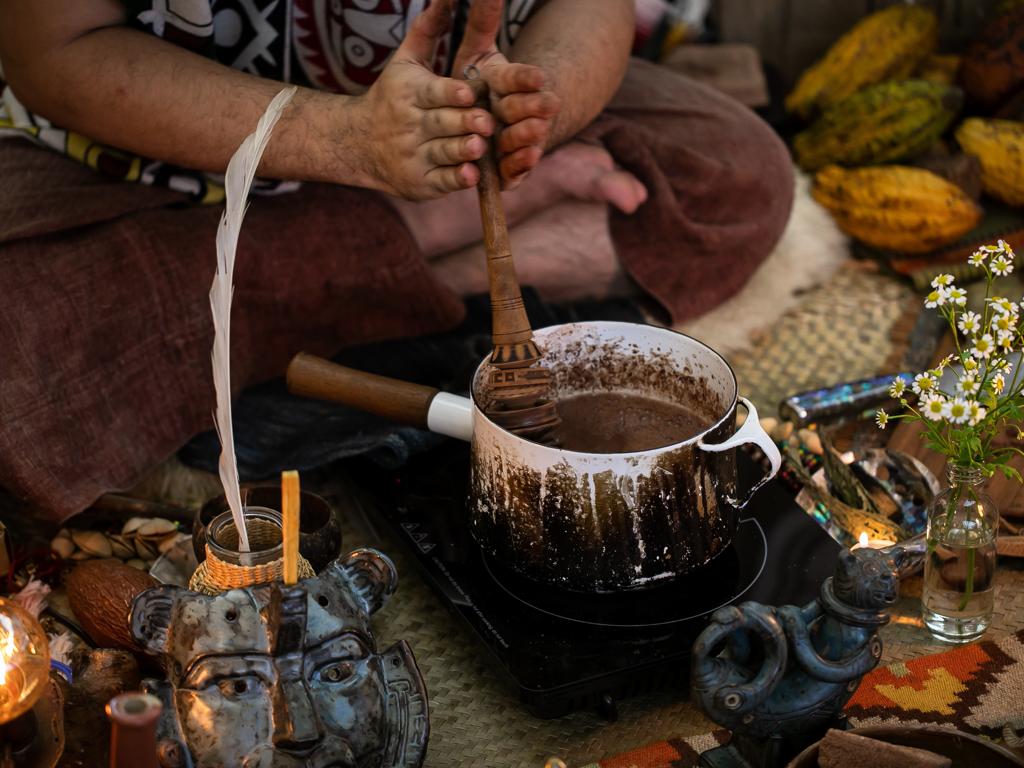
Here's something the Kambo brochures don't tell you. In March 2019, a 39-year-old woman named Natasha Lechner collapsed during a Kambo ceremony in a quiet home in Mullumbimby, on Australia's northern rivers. Within minutes she was frothing at the mouth, her lips going blue, her pulse fading. By the time anyone called an ambulance, it was too late. The coronial inquest that followed pulled back the curtain on what's quietly become one of the more popular — and least regulated — plant medicine practices riding the broader psychedelic and master plants wave: Kambo, the secretion of a giant Amazonian tree frog, applied through small burns to the skin. People take it for addiction, depression, chronic pain, and what they describe as a kind of spiritual reset. Most ceremonies pass without incident. Some don't. And the difference between those two outcomes is exactly what every reader weighing a retreat needs to understand before they sign anything. Kambo is the dried secretion of Phyllomedusa bicolor, the giant monkey frog of the upper Amazon. Traditionally used by tribes including the Matsés, Katukina, and Yawanawá, it's applied to small burns on the upper arm or leg — gates, practitioners call them — and absorbed directly through the lymph. Within seconds the body responds intensely: pounding heart, facial swelling, vomiting, sometimes diarrhea. The whole ordeal is over in twenty to forty minutes. It's not a psychedelic in the classic sense. You don't hallucinate. You don't dissolve into oneness with the cosmos. What you do get is a brutal physical purge that practitioners frame as detoxification on multiple levels — physical, emotional, energetic. People who swear by it describe a kind of clarity afterwards, a lifting of something heavy. Researchers studying the secretion have found a cocktail of bioactive peptides that affect blood pressure, immune response, and the gut. Whether any of that adds up to the healing claims is genuinely an open question. Read the inquest carefully and a pattern emerges that goes well beyond one tragic ceremony. Lechner had recently completed a Kambo practitioner course herself, through an outfit called the International Association of Kambo Practitioners. The woman who applied the Kambo on the day she died was a separate practitioner who didn't have a phone in the room, didn't know to call emergency services, and — in testimony that's hard to read with a straight face — described responding to her dying friend with “psychic SOS” and “downloading from ancestors.” Lechner had the Kambo applied to her chest. That's not where Amazonian tribes put it. The IAKP founder herself, who trained the original lineage in this case, confirmed that traditional placement is the arm or leg. Chest placement was introduced in the West by an acupuncturist who claimed to blend Kambo with Traditional Chinese Medicine meridian points — an innovation that has no traditional grounding and no safety data behind it. A cardiologist testified that Lechner likely died of a sudden cardiac event. So you have an unregulated medicine, a Western-invented application protocol, a practitioner without basic emergency preparedness, and a young healthy woman dead in a living room. None of those failures are inherent to Kambo. All of them are failures of the people and structures around it. That distinction is the whole game when you're choosing any plant medicine experience. People searching for ayahuasca retreats, ibogaine for addiction, or psilocybin therapy often encounter Kambo as part of the same general menu. Some Amazonian retreats offer Kambo as a preparation before ayahuasca ceremonies — the idea being that it clears the body and sharpens receptivity. Master plants, in the traditional Amazonian framework, are teachers; ayahuasca and tobacco are the famous ones, but the broader tradition includes a whole pharmacopeia, and frog medicine sits adjacent to it rather than within it. The crossover audience is significant. People drawn to psychedelic healing for addiction, depression, or trauma often want to try everything. They read about ayahuasca, ibogaine, San Pedro, psilocybin, and Kambo in the same forums, and they assume the safety profiles are roughly comparable. They aren't. Each has its own cardiovascular risks, drug interactions, and contraindications. Kambo specifically has been linked to fatal cardiac events in people with undiagnosed heart conditions, and the volume of water participants are encouraged to drink beforehand has caused fatal hyponatremia in at least one documented case. If you're researching plant medicine seriously, treat each substance as its own decision. The fact that ayahuasca worked beautifully for someone's depression tells you almost nothing about whether Kambo is safe for you. The Lechner inquest is a checklist of what not to accept. If you're considering a ceremony — Kambo or otherwise — these are the questions that actually matter: None of these are unreasonable questions. A good facilitator will welcome them. The ones who get defensive are telling you something. There's a tendency in the broader psychedelic and master plants space to close ranks when something goes wrong. The reasoning runs: regulators are circling, the medicine works, don't give them ammunition. I understand the instinct and I think it's the wrong instinct. The cases that go badly — Lechner's, the deaths during ibogaine treatments, the ayahuasca tragedies that occasionally make headlines — almost always involve preventable failures. Insufficient screening. Untrained facilitators. Mixing substances. Missing emergency protocols. Lone-wolf practitioners operating without peer accountability. If the community wants plant medicine to be taken seriously as a healing modality, including for addiction recovery and trauma, the work is to raise standards from inside, not to circle the wagons every time something goes wrong. For seekers, the takeaway is more personal. The fact that something is plant-based, traditional, or spiritually framed doesn't make it safe. Aspirin is plant-based. Hemlock is traditional. The same medicines that change lives can kill people when they're handled carelessly. Doing your own due diligence isn't an insult to the medicine. It's how you actually honor it. Start by getting clear on what you're actually hoping to address. Is it addiction? Depression? Unresolved trauma? A sense that something in your life has stopped moving? Different substances and different settings suit different problems. Ayahuasca tends to be the choice for deep emotional and psychological work over multiple ceremonies. Ibogaine has the strongest case for opioid addiction interruption. Psilocybin has the most established research base for depression and end-of-life anxiety. Kambo sits in a more peripheral place — useful, some say, as a complement, but rarely the centerpiece. Then get a full medical workup. Heart, liver, kidneys, blood pressure, current medications. Bring those results into your conversations with any potential retreat or practitioner. Ask about their screening process, their on-site or on-call medical support, their integration aftercare, and what they do when something goes wrong. The best operators have thought about this in detail and will tell you exactly. For readers who want to take this further, a range of vetted plant medicine and psychedelic retreats can be browsed on our marketplace here — useful as a starting point for comparing what reputable programs actually look like, what they screen for, and how they handle aftercare. Natasha Lechner was, by her friend's account, the kind of person everyone leaned on. The “Mamma Bear” of her circle. She loved music, books, and learning new things. She wasn't reckless. She was a person doing what a lot of curious, well-intentioned people are doing right now: looking for something that traditional Western medicine wasn't giving her. The tragedy isn't that she explored. It's that the people around her hadn't done the work to keep her safe. Don't let that be the story of your ceremony.
Dreaming of a Psychedelic Retreat?
We have the best deals and offers from thousands of organizers all over the world! Get them into your mailbox every week!
We value your privacy. Your email address will never be shared or published.
