 English
 Deutsch
 Français
 Nederlands
 Español
SHOP AYAHUASCA RETREATS BLOG
The Ayahuasca Vine Explained: Banisteriopsis Caapi, Effects, and What Science Knows

Finn Ashton
June 7, 2026
Your ultimate guide to discover transforming ayahuasca and psychedelic experiences. Dive into serene destinations and elevate your consciousness to unparalled heights.
Discover Ayahuasca & Psychedelic Retreats NowSearch for ayahuasca & psychedelic retreats
Discover retreats, trainings, and holidays from all over the world
Most people who book an ayahuasca retreat have only a fuzzy idea of what's actually in the cup. They know the word. They've heard the stories — the visions, the purge, the long night in the maloca. What they often don't know is that the brew is a partnership between two plants, and one of them — the vine itself — is doing quiet, essential work that makes the whole experience possible. That vine is Banisteriopsis caapi, and it deserves a proper introduction.
If you're considering an ayahuasca ceremony, understanding the caapi vine isn't optional trivia. It tells you why the brew exists at all, why facilitators handle it with such care, and why the legal status of plant medicine is so tangled depending on where you stand. Let's actually look at the plant.
What Is the Ayahuasca Plant, Really?
The scientific name is Banisteriopsis caapi. Across the Amazon, it goes by other names too — yagé, caapi, the vine of the soul, sometimes just “the vine.” It belongs to the Malpighiaceae family, a botanical group that emerged in the Amazon basin somewhere around 1.25 million years ago, when plant diversity in the rainforest exploded. So the lineage is old. Genuinely old. Older than our species by an embarrassing margin.
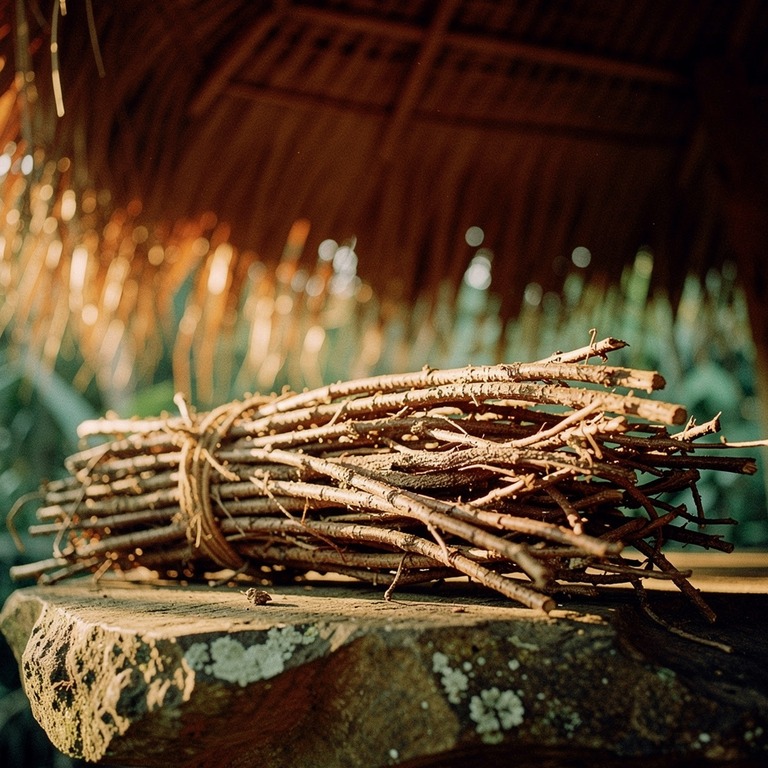
Visually, it's a beast. The vine can stretch up to thirty meters through the canopy, twisting around host trees like cabling. It puts out small white or pale-pink flowers, usually in January, and from a distance it's hard to distinguish from a few of its botanical cousins. The part that matters for ceremony is the woody stem — pounded, simmered for hours, sometimes for a full day, often combined with another plant to make the brew people travel thousands of miles to drink.
The Vine Alone Won't Get You There
Here's where most introductions skip the interesting bit. The caapi vine, on its own, is not the psychedelic. Drink a strong caapi-only tea and you'll feel something — a heaviness, a kind of dreamy intoxication, some nausea, maybe shadowy monochrome visuals that look like smoke or silhouettes. But you won't have the kaleidoscopic, full-architecture visions that ayahuasca is famous for. Not even close.
The active compounds in caapi are a group of harmala alkaloids — primarily harmine, harmaline, and tetrahydroharmine. Concentrations vary wildly between vines, anywhere from a fraction of a percent up to eight or nine percent depending on the strain and growing conditions. What these alkaloids do in the body is the clever part: they're monoamine oxidase inhibitors, or MAOIs. They temporarily switch off an enzyme called monoamine oxidase that your gut and liver use to break down certain compounds.
One of the compounds your body usually destroys on contact? DMT. Swallow pure DMT and nothing happens — your gut chews it up before it reaches the brain. But take caapi first, and the doorway stays open. Add a DMT-containing plant like Psychotria viridis (chacruna) to the brew, and suddenly DMT becomes orally active. That's the chemistry behind the visions. The vine isn't the psychedelic. The vine is what makes the psychedelic possible.
Early researchers were so taken with harmine they once called it “telepathine,” genuinely believing it was responsible for the shared visions ceremony participants sometimes report. We've since walked that back, but the name tells you something about how strange the first scientific encounters with this plant were.
Where the Vine Grows — and Where It Doesn't
The caapi vine is geographically picky. It grows naturally only in the Amazon basin, mainly across:
- Peru
- Brazil
- Ecuador
- Colombia
- Bolivia
That's it. No native population in Africa, in Asia, in North America. This is partly why most traditional ayahuasca retreat centers cluster in countries like Peru and Brazil — proximity to the source, proximity to the lineages that have worked with the plant the longest. You can grow caapi in greenhouses elsewhere, and people do, but the cultural and ecological context stays anchored in the rainforest.
Interestingly, archaeological evidence suggests the vine was being traded long distances even a thousand years ago. A shamanic pouch found in Bolivia, dated to around 1,000 years old, contained traces of both harmine and DMT. Hair samples from mummies in northern Chile's Atacama Desert — a place caapi cannot grow — also tested positive for harmine. Trade networks were moving this plant across the continent well before anyone in Europe had heard of it.
Is the Ayahuasca Plant Legal? A Country-by-Country Reality Check
This is where things get genuinely murky, and where I'd urge anyone thinking about plant medicine to slow down and pay attention. The legality of caapi versus the legality of the finished brew are two very different questions.
In the United States, the caapi vine itself is legal to possess. Harmine and harmaline aren't scheduled. But the moment you combine caapi with a DMT-containing plant to make ayahuasca, you're in possession of a Schedule I substance under federal law. The notable exception came in 2006, when the Supreme Court ruled that members of the União do Vegetal (UDV) — a Brazilian-rooted religion that uses the brew as a sacrament — were exempt under the Religious Freedom Restoration Act. A similar exemption later extended to certain Santo Daime congregations. For most people, though, the brew remains illegal stateside.
In Australia and Canada, harmala alkaloids are controlled substances, but the vine itself sits in an ambiguous legal zone — not explicitly banned, not explicitly permitted, and frequently decided case-by-case in court. In much of the Amazon — Peru, Brazil, Bolivia, Ecuador — the brew is recognized as a legitimate cultural and religious practice and is legal. That's the practical reason retreat tourism flows south.
If you're researching where to do this work, legality should be one of your first questions, not your last. A retreat operating in a country where the brew is openly sanctioned is a different proposition from one operating in a legal grey zone where everyone — facilitators included — could face problems if something goes wrong.
The Cultural History You Don't Hear in the Marketing
Nobody knows exactly how long indigenous Amazonian communities have been working with ayahuasca. Estimates range from several hundred to several thousand years. Some researchers trace its emergence to the Tukano region in the Colombian Amazon. Others argue for older origins further south. The truth is the lineage predates written records, and most of what we know comes from oral tradition combined with the occasional archaeological clue.
The first written accounts came from Jesuit missionaries who started pushing into the Amazon in the 17th century. Predictably, they described the brew in horrified terms — diabolical, infernal, the work of the devil. Their reports tell us more about the missionaries than about the medicine. Westerners didn't actually start drinking it themselves until the 1800s, when explorers and naturalists in the Amazon began documenting the experience firsthand.
What's often glossed over in retreat marketing is the diversity of traditional uses. The Piaroa people of Venezuela, for example, use caapi as a hunger suppressant, a stimulant, and a hunting aid — they say it sharpens vision. Other communities use it primarily for healing, for divination, for communicating with what they describe as the spirits of the forest. The vine is considered a teacher in its own right — a “master plant” with its own intelligence and its own lessons. That framing matters. It's not a recreational substance in those traditions. It's a relationship.
Ayahuasca tourism, in the form most Westerners encounter it, is a late-20th-century phenomenon. It's grown rapidly since the 1990s, with ceremonies now happening in Costa Rica, Portugal, Spain, the Netherlands, and increasingly in private, underground settings worldwide. People come for different reasons — depression, trauma, addiction recovery, grief, spiritual curiosity, midlife disorientation. The brew doesn't care about your reasons. It tends to show you what's there.
What the Brew Actually Does to You
If you've only read marketing copy, you'd be forgiven for thinking ayahuasca is a kind of cosmic vision quest with optional vomiting. The real picture is messier and, frankly, more interesting.
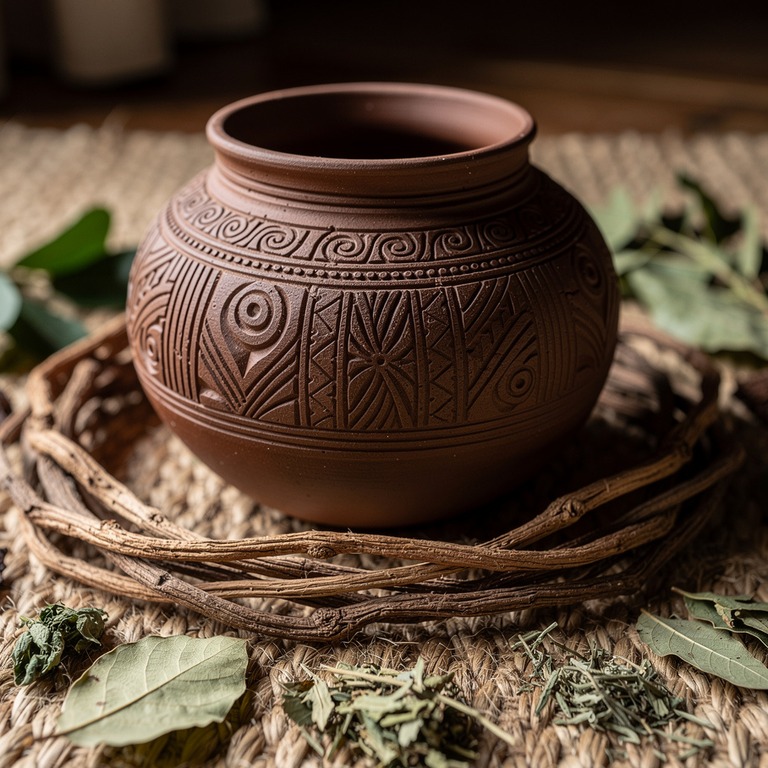
The full ceremony experience typically lasts six to eight hours — far longer than smoked DMT, which is closer to fifteen or twenty minutes. The harmala alkaloids from the caapi vine give the journey its dreamlike quality, slowing it down, deepening it, sometimes producing what people describe as the sense of being “held” by something older than themselves. The DMT contributes the visual architecture, the geometric complexity, the sense of meeting presences or entities.
Then there's the physical side: nausea, sweating, the famous purge (which is sometimes vomiting, sometimes crying, sometimes both at once, sometimes neither). Body load can be intense. Some people lie down for most of the night. Others sit up wrapped in a blanket, watching the inside of their own mind unfold. Each ceremony is different, even within the same retreat, even within the same person across two nights.
For people specifically considering plant medicine for addiction or depression, the emerging research is cautiously promising — studies have observed reductions in substance use and depressive symptoms after ceremony, particularly when combined with serious integration work afterward. But it's not a magic bullet. The people I've spoken with who got the most from their experiences treated the ceremony as the beginning of work, not the end of it.
If You're Considering a Retreat
Knowing the plant doesn't tell you whether a retreat is right for you. It does, though, give you a foundation for asking better questions. Where is the caapi sourced? Who prepares the brew, and how? Does the facilitator have a real lineage, or did they take a weekend course? What's the screening process — do they check your medications, your medical history, your mental health background? Anyone who skips that screening is cutting a corner you don't want cut.
The vine is ancient and the medicine is powerful. Both deserve respect, and so do you. If after all this you find yourself genuinely curious about where the work might lead, a thoughtfully curated selection of ayahuasca retreats can be browsed on our marketplace here — not as a sales pitch, just as a starting point for the kind of careful comparison this decision actually deserves.

Craving More Stories?
Join our ShopAyahuascaRetreats newsletter for the latest updates on thrilling
destinations and inspirational tales, delivered straight to your inbox!
We value your privacy. Your email address will never be shared or published.