 English
 Deutsch
 Français
 Nederlands
 Español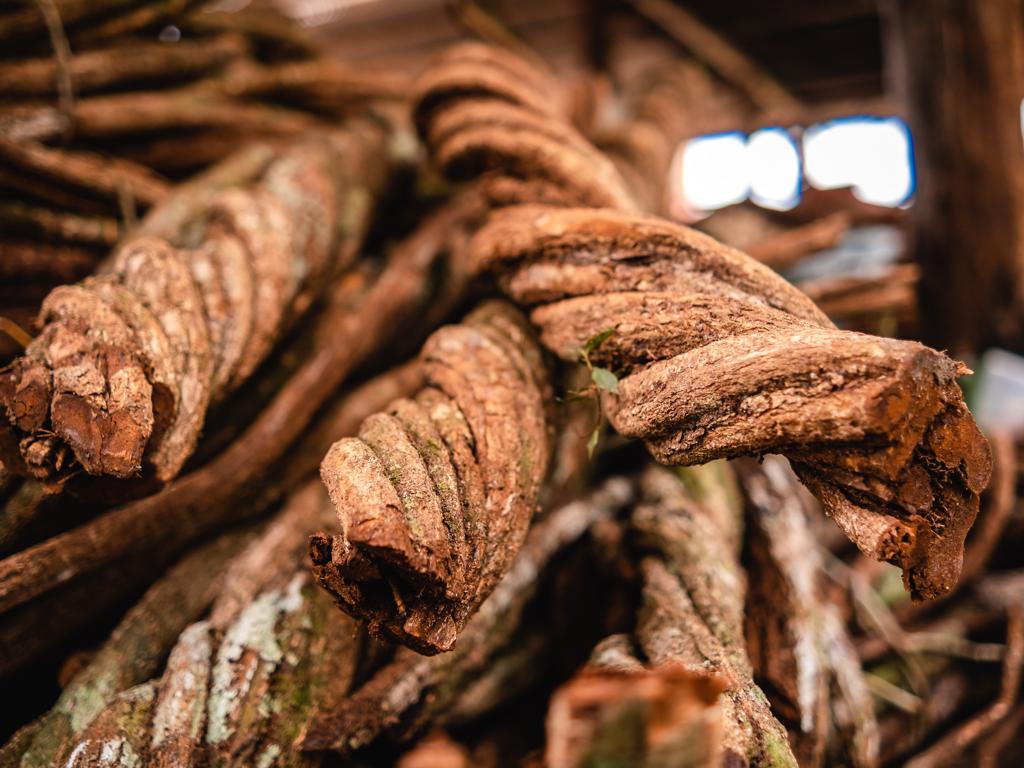


Reset. Heal. Grow.
Mindfulness Meditation: A Practical Guide for the Constantly Distracted
When was the last time you were actually here? Not half-here while scrolling. Not pretending to listen while drafting an email in your head. Fully, boringly, completely present. If you had to think about it, welcome to the club. Most of us live a few inches ahead of ourselves, leaning into the next thing before the current thing has even finished happening. Mindfulness meditation is a quiet, stubborn practice for un-doing that habit. It isn't mystical. It isn't a religion. And it doesn't require you to become someone you're not. This is a guide for people who are curious about mindfulness but skeptical of the wellness-influencer version of it — the one that comes with a candle subscription. We'll cover what mindfulness meditation really is, where it came from, why it works on the brain, how to actually do it without overthinking it, and what to expect if you decide to go deeper at a dedicated retreat. Mindfulness meditation is the practice of paying attention to what's happening right now — your breath, your body, the sounds in the room, the thoughts wandering through your head — without trying to fix, judge, or escape any of it. That's the whole game. Sounds simple. Isn't. People sometimes confuse mindfulness with hyper-awareness, as if you're supposed to monitor every sensation like a security guard. That's not it. The posture is gentler than that. You notice a thought arrive, you let it pass, you come back to the breath. You notice an itch, a worry, a memory of something embarrassing you said in 2014 — you let it pass. The point isn't to empty the mind. The point is to stop being yanked around by it. And here's the quiet trick: when you stop fighting your thoughts, they tend to settle on their own. You can't bully a stressed mind into calmness. You can, however, sit with it long enough that it remembers how to rest. Meditation as a practice goes back at least to around 1500 BCE, with some historians pushing the timeline closer to 3000 BCE. The specific flavor we now call mindfulness draws heavily from the Pali word sati — a kind of steady, alert attention — and from vipassana, meaning insight gained through sustained looking. The roots run through Theravāda Buddhism, Tibetan contemplative traditions, and Japanese Zen (especially the seated practice of zazen). You can find parallel attentional practices in the Christian, Jewish, and Islamic mystical traditions too. The Western version most people encounter today — secular mindfulness, often packaged as MBSR or workplace-wellness programs — was deliberately stripped of religious framing in the late twentieth century to make it accessible in hospitals, schools, and clinics. That stripping-down is useful, but it's worth knowing what was left behind. The original practices weren't designed to make you a more productive employee. They were designed to end suffering. That's a much bigger claim, and a much bigger promise, than “feel less stressed at work.” Keep that in mind as you start. The research on mindfulness has grown enormously over the past two decades, and while some early claims were oversold, the durable findings are still impressive. Regular practice has been linked to lower levels of inflammatory cytokines (which are implicated in depression), reduced perception of chronic pain, and measurable changes in attention and emotional regulation. A few benefits that show up consistently in people who practice for at least eight weeks: That last one matters. Mindfulness isn't a substitute for serious treatment of substance dependency or trauma, but it's a useful adjunct. Learning to notice an urge without immediately acting on it is a skill — and it transfers. The same muscle that lets you sit with a craving lets you sit with grief, anger, or the impulse to send a text you'd regret. The barrier to entry is almost nothing. You need a place to sit, a few minutes, and willingness to feel a little awkward. Here's a stripped-down version of how to begin. Ten minutes, same time every day, beats forty-five minutes whenever you feel like it. Morning works for most people because the mind is quieter and the day hasn't yet hijacked you. Right before bed is fine too, though some people fall asleep — which isn't failure, just a sign you needed the rest. Use a gentle alarm, not the air-raid siren that wakes you for work. Knowing the timer is running frees you from clock-watching. Start with five or ten minutes. Building up to twenty over a few weeks is plenty for a strong daily practice. Cushion on the floor, chair, bench — it doesn't matter. What matters is that your spine is upright, your shoulders are relaxed, and your body could plausibly stay there for the duration without going numb. If you're on a chair, feet flat on the ground. If you're on a cushion, knees ideally at or below hip level. Close your eyes, or rest your gaze softly on the floor a few feet ahead of you. Don't change it. Don't make it deeper or slower or more spiritual-sounding. Just notice it. The air coming in. The pause. The air going out. The slight rise and fall of the belly. That's the whole anchor. This is the actual practice. Your mind will wander — into tomorrow's meeting, into an old argument, into wondering what you're going to eat later. The instant you notice you've wandered, that's mindfulness. Not the staying-on-the-breath part. The noticing part. Gently bring attention back to the breath. Do this two hundred times in one sitting if you need to. It's not failure. It's the repetition that builds the skill. Most people quit mindfulness in the first month for the same handful of reasons. Worth naming them up front. “I can't stop thinking.” Good. Nobody can. The goal was never an empty mind — it's a calmer relationship with a busy one. If you're noticing the thoughts, you're already meditating. “I'm bored.” Also good. Boredom is information. It's what restlessness feels like when there's nothing to scroll. Sit with it. The boredom usually breaks into something more interesting if you don't bail. “I feel worse after I sit.” This happens, especially in the early weeks, and especially for people carrying unprocessed grief or trauma. Sometimes mindfulness pulls things to the surface. If sitting consistently leaves you destabilized, that's a signal to either shorten the sessions, work with a teacher, or pair the practice with therapy. Mindfulness is not always the right tool by itself. You can absolutely build a strong home practice on your own. But there's a reason people who've been meditating for years still sign up for week-long silent retreats: the conditions are different. No phone. No commute. No decisions about lunch. Just hour after hour of sitting, walking, and noticing — with teachers nearby when you get stuck. A typical mindfulness retreat will include several seated sessions a day, walking meditation, instruction on working with difficult emotions, guidance on bringing mindfulness into ordinary activities like eating and washing dishes, and usually one or more individual check-ins with a teacher. Many include periods of noble silence — no talking, no eye contact, no small talk. That sounds intense. After about thirty-six hours, most people find it deeply restful. Retreats range from gentle long-weekends for beginners to ten-day silent vipassana intensives that ask a lot of you. If you've never meditated before, start with something in the three-to-five-day range with explicit instruction throughout. A ten-day silent course as your first exposure is doable, but it's a lot. For readers who want to take this further, a curated range of mindfulness and meditation retreats can be browsed on our marketplace here. Pick something that matches where you actually are, not where you think you should be. Mindfulness won't fix your life. It won't pay your rent, repair your relationships, or make difficult feelings stop showing up. What it will do, slowly, is change your relationship to all of it. You start noticing the gap between what happens and how you react. That gap is where freedom lives. Ten minutes a day. That's the ask. Start there and see what shifts in a month. The flowers, as it turns out, were there the whole time.
Zen Meditation at Home: A Practical Guide for Beginners
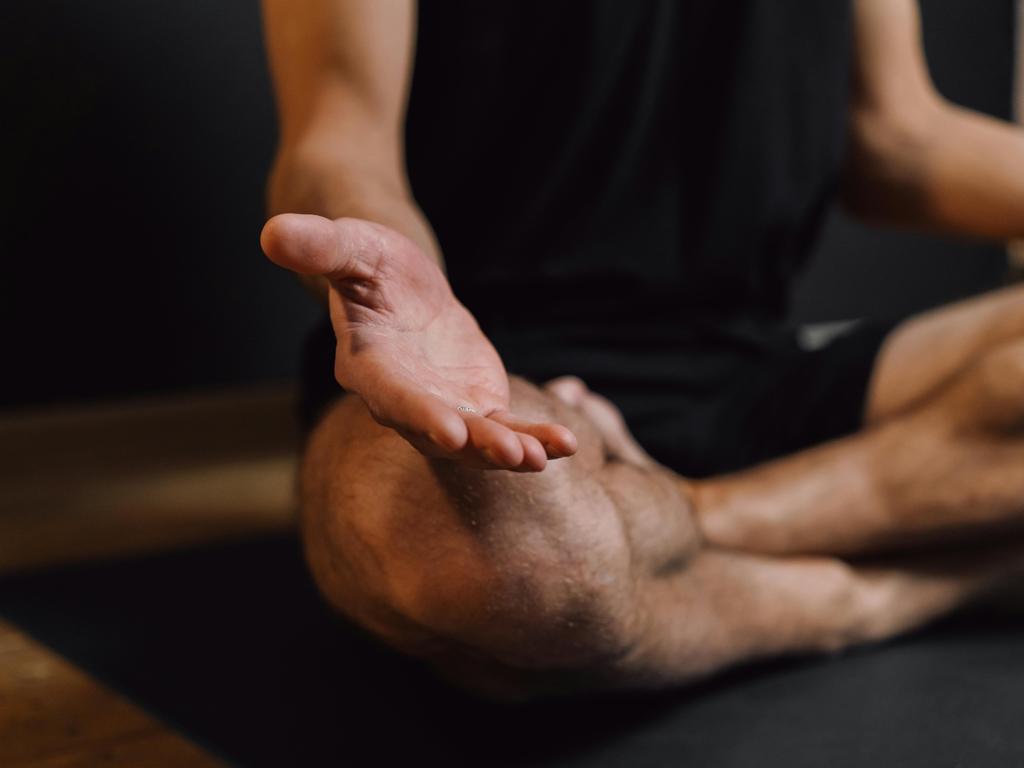
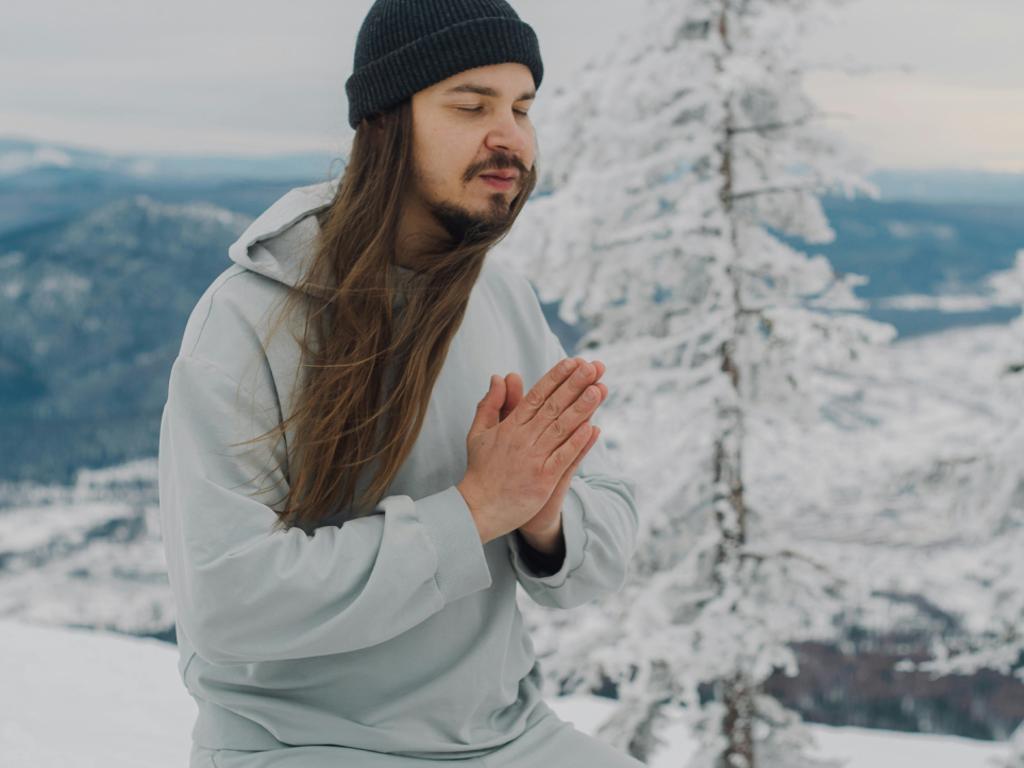
Most of us don’t need another productivity hack. We need permission to stop. Zen meditation — or zazen, as practitioners call the sitting form — is one of the oldest, plainest answers to that craving. No app. No special clothes. Just you, a cushion, and the quiet stubbornness to sit down again tomorrow. If you’ve been circling this practice for a while, wondering whether it’s worth the trouble, this guide is for you. I’ll walk through what Zen actually is, where it came from, what science has bothered to measure, and how to set up a sustainable home practice without turning your spare room into a Kyoto temple. Zen is a form of Buddhist meditation that emphasises direct experience over doctrine. The word itself comes from the Chinese Chan, which traces back to the Sanskrit dhyana — roughly, “meditative absorption.” The practice predates almost every wellness trend you’ve heard of by about fifteen centuries, having taken shape in China around the 6th century CE before spreading through Korea, Japan, and eventually the West. Unlike guided visualisations or mantra-based techniques, Zen asks you to do something deceptively simple: sit, breathe, and notice. You don’t chase thoughts. You don’t banish them either. You let them drift across the mind the way clouds drift across a window. The aim isn’t a blissed-out trance — it’s a clear, awake presence with whatever is actually happening. Practitioners often describe it as the opposite of escapism. You’re not leaving the world; you’re finally arriving in it. Zen isn’t monolithic. Teachers across history have grouped the practice into rough categories, and knowing them helps you understand what kind of sitting you might actually be doing. For most beginners, Bompu Zen is the honest starting point. You can graduate to bigger questions later — or never. Both are fine. Meditation research has exploded in the past two decades, and Zen has had its share of attention. Studies on regular practitioners suggest measurable effects on attention, stress reactivity, and the recovery of focus after distraction. One often-cited experiment found that experienced Zen meditators returned to baseline breathing patterns faster after disruption than non-meditators — a small but interesting marker of mental regulation. Other research has looked at how Zen practice influences problem-solving and access to less filtered thinking. Practitioners who sat before a creative-association task tended to outperform those who didn’t. Read that result with a grain of salt — sample sizes are small, and meditation studies are notoriously hard to control. Still, the direction of the findings lines up with what experienced sitters describe: a quieter mind tends to make better decisions. The broader literature on meditation in general points to benefits across sleep, anxiety, mild depression, and emotional regulation. Zen isn’t a magic pill for any of these. It’s more like flossing — quietly cumulative, easy to skip, and unmistakably effective over years. The traditional story credits an Indian monk named Bodhidharma with bringing Chan to China in the 6th century. Whether the legends are accurate matters less than what came afterward: Chan absorbed strands of Taoism, became Seon in Korea by the 7th century, and crossed to Japan around the 12th, where the monk Dogen established the Soto school after returning from his own studies in China. Zen reached Europe and North America in fragmentary waves through the late 19th and early 20th centuries, with the scholar D.T. Suzuki doing much of the heavy lifting in translation. By the 1960s it had become part of the Western contemplative landscape, and by now it has been so thoroughly assimilated that most “mindfulness” apps owe Zen a quiet thank-you they’ll never send. Here’s the honest version. You don’t need a teacher to start, though you’ll probably want one eventually if the practice sticks. What you need first is a stable setup and a willingness to do the unglamorous thing — sit, again, tomorrow. Quiet corner. Same time every day if you can manage it. Mornings work for most people because the mind hasn’t fully loaded its to-do list yet. Ten minutes is plenty when you’re starting. Build up to twenty or thirty over weeks, not days. Forget the Instagram lotus. The best posture is the one you can sit in without grimacing. The classic Zen hand position is the cosmic mudra: right palm cradling the left, thumbs lightly touching to form a soft oval at the navel. If the thumbs collapse, you’re drifting. If they press hard, you’re tense. The mudra is a quiet feedback loop. Crown of the head lifts. Chin tucks slightly. Shoulders drop. The spine does the structural work so the rest of the body can let go. A collapsed posture invites a collapsed mind. This is the part beginners often skip. In traditional Zen, eyes stay half-open with an unfocused gaze on the floor about two or three feet ahead. It keeps you from drifting into daydreams or falling asleep. Closed eyes are fine if you’re struggling, but try the half-open gaze for a week and notice the difference. Don’t control the breath. Just feel it. When the mind wanders — and it will, constantly, often hilariously — return to the breath without scolding yourself. The returning is the practice. If you return a hundred times in ten minutes, you meditated a hundred times. That’s not failure. That’s the gym. Some honesty: the first weeks are usually uncomfortable. Your knee will hurt. Your back will protest. Your mind will produce shopping lists, old arguments, and elaborate fantasies about lunch. You’ll wonder if you’re doing it wrong. You’re not. This is the practice introducing itself. By week three or four, something subtle usually shifts. Not enlightenment — more like a small space opening between you and your own reactivity. You notice irritation before it becomes a snapped reply. You sleep slightly better. You stop checking your phone in the elevator. Small things, accumulating. If you’re drawn to Zen because you’re struggling with something heavier — addiction, depression, long-standing trauma — meditation can be a real ally, but it’s not a substitute for proper care. Sit, yes. Also talk to someone qualified. Home practice will carry you a long way. A residential retreat will carry you somewhere else entirely. Even a weekend of structured sitting — proper silence, multiple sessions a day, a teacher to ask the awkward questions — tends to compress months of insight into a few days. The catch is that retreats are uncomfortable on purpose. The structure exists precisely to confront the patterns you usually distract yourself away from. If you’re curious about going deeper, a range of curated meditation and contemplative retreats can be browsed on our marketplace here. Start tomorrow morning. Ten minutes. A cushion or a chair. The breath, the spine, the returning. That’s the whole thing. The rest is just practice.
What DMT Actually Does: Inside the Science, the Trips, and the Healing Potential
Ask ten people who've smoked DMT to describe what happened and you'll get ten answers that all begin the same way: words don't really work for this. Then they'll try anyway. Spirals inside spirals. Beings that seemed to be waiting. A feeling of being yanked clean out of the body and dropped somewhere that felt — and this is the phrase that keeps coming up — more real than real. That phrase is doing a lot of heavy lifting, and it's worth taking seriously. DMT is the psychedelic compound at the heart of ayahuasca, the Amazonian brew that has pulled tens of thousands of seekers to jungle retreats over the past two decades. Understanding the molecule itself — what it does, where the research stands, and why people keep saying it changed their lives — is a useful piece of homework if you're weighing whether plant medicine is for you. N,N-Dimethyltryptamine is a short-acting psychedelic found across an absurd range of life. It's in hundreds of plants. It's in the venom of certain toads. It's been detected in every mammal researchers have bothered to test, including humans. We appear to make it ourselves, in small quantities, possibly in the lungs and the pineal gland. Nobody is entirely sure why. Smoked or vaporized, it produces a hallucinogenic experience that arrives within seconds and is largely over inside half an hour. Injected, similar story. Swallowed on its own, it does basically nothing — your gut breaks it down before it can reach the brain. That last fact is the whole reason ayahuasca exists. The traditional Amazonian brew combines a DMT-containing plant with a second plant that blocks the enzyme that would otherwise neutralize it, allowing the molecule to stay active for hours rather than minutes. So when people talk about ayahuasca, they're really talking about a way of taking DMT slowly, in a body that's been prepared by diet and ceremony, surrounded by people who know what to do when things get strange. DMT was first identified as psychoactive by Hungarian chemist Stephen Szára in the 1950s. A short, productive decade of research followed — including some investigations into whether endogenous DMT might explain schizophrenia (it doesn't). Then the 1970s arrived, drug laws tightened, and serious human research in the United States essentially stopped for twenty years. The thaw came in the early 1990s when psychiatrist Rick Strassman ran the first new DMT trials on humans in a generation at the University of New Mexico. His setup was deliberately bare: no incense, no statues, no guided meditation. He'd dose experienced volunteers in a hospital room and ask them to report back. The point was to see what the molecule did, stripped of expectation. What they reported was strange enough that Strassman went on to write a book about it. Volunteers described being pulled out of their bodies. Encountering entities that seemed intelligent and aware of being observed. Visiting places that didn't behave like physical space. One woman came back from her session convinced — calmly, matter-of-factly — that consciousness continues after death. If everyone knew what was waiting, everyone would commit suicide, she told him. He suggested she keep that to herself. Here's the thing that makes DMT genuinely different from other psychedelics. Mushrooms and LSD tend to modify your relationship with the world you're already in — colors smear, walls breathe, your sense of self softens. A DMT experience, by contrast, tends to feel like leaving entirely. Users describe a sensation of being launched. The geometry of ordinary space falls away and is replaced by something that operates on different rules — recursive fractals, impossible architectures, what one person I spoke with called "the back end of the simulation." Time becomes meaningless. Language follows. People often report telepathic exchanges with whatever they encounter in there, and a peculiar sense that the encounter is the point. A few recurring figures appear often enough across reports that there are entire online forums devoted to them — the jester, the mantis, the machine elves popularized by Terence McKenna. Whether these are projections of the human mind under extreme neurochemical pressure or something stranger is a question the science cannot currently answer. Probably won't anytime soon. The connection between DMT and death — or near-death — has been around long before the chemistry was understood. In Quechua, ayahuasca roughly translates to vine of the dead or vine of the souls. The traditional belief is that drinking the brew opens a doorway to the realm of disembodied spirits. The Shipibo, Shuar, and other Amazonian peoples have organized substantial portions of their cosmology and medicine around this idea for centuries. Modern interest in this overlap took off when researchers noticed that the standard near-death experience — the tunnel of light, the loving presence, the life review, the reluctance to come back — sounds an awful lot like a strong DMT trip. There's a hypothesis, still unproven, that the dying brain releases a flood of endogenous DMT as a kind of farewell. Some unpublished animal data suggests DMT levels do rise in the brain at death. It's not nothing, but it's not yet a settled case either. What we can say honestly: Whether any of that means DMT is a cosmic doorway or just an unusually interesting neurochemical, I'll let you decide. This is where things get practical for anyone reading because they're thinking about a retreat. The therapeutic conversation around DMT — and, by extension, around ayahuasca — has shifted dramatically in the last decade. Researchers have looked at ayahuasca for treatment-resistant depression, PTSD, grief, and addiction recovery. The early results are genuinely promising, particularly for people who've tried conventional treatments and come up empty. One reason DMT is hard to study clinically is that the experience is so short. Strassman and his colleague Andrew Gallimore published a paper proposing a way to deliver DMT via continuous infusion — essentially a steady IV drip that could hold someone in the state for hours rather than minutes. The reasoning is medical, not recreational: a sustained experience allows for actual therapeutic work, which is impossible to do during a fifteen-minute blast. This is also, in a sense, what ayahuasca already does. The brew stretches a DMT experience across four to six hours, long enough for emotional material to surface, be witnessed, and begin to integrate. Talk to people who've done plant medicine for trauma or addiction and you'll hear versions of the same arc: the substance shows them something they'd been avoiding, and the actual healing happens in the weeks and months afterward, in therapy, in journaling, in the slow business of changing how they live. One of Strassman's volunteers described looking back on her childhood with a clarity she'd never had sober. Another came back with strong feelings about needing to spend more time with family. A man I corresponded with — call him Sam — told me he'd been planning suicide before he tried DMT. He described the experience as the universe holding him in something that felt like oceanic love. Afterward, the cynicism that had been suffocating him simply lifted. He started living again. I include that not as a sales pitch. Plenty of people have difficult, frightening, or genuinely traumatic experiences with DMT and ayahuasca, especially when set and setting are wrong. But the testimony of people who feel they were pulled back from something terminal is consistent enough across decades and continents that it deserves to be taken seriously. Something is happening in there. A few practical points for the reader who's been Googling at midnight, weighing whether to actually do this: DMT — and ayahuasca specifically — is not for everyone, and the people running ethical retreats will tell you so. It's a powerful tool that happens to suit certain people at certain points in their lives, and it sits alongside therapy, breathwork, meditation, and a hundred other options that may serve you better depending on where you are. If after reading this you find yourself genuinely curious rather than just intellectually interested, that's worth listening to. For readers who want to take this further, a range of ayahuasca and plant medicine retreats can be browsed on our marketplace here. Take your time with the decision — the medicine, whatever you believe about it, has been around for centuries and isn't going anywhere.

Ibogaine for Addiction: A Powerful Tool for Recovery
Ibogaine, a naturally occurring psychoactive compound found in the roots of the Tabernanthe iboga plant, has been used for centuries in traditional African medicine to treat various ailments, including addiction. In recent years, its potential as a treatment for addiction has gained significant attention, with many individuals claiming that it has helped them overcome their struggles with substance abuse. The story of how ibogaine can save lives is one that is both fascinating and complex. From its traditional use in African rituals to its modern-day application in addiction treatment, ibogaine has proven to be a powerful tool in the fight against addiction. In this article, we will delve into the world of ibogaine, exploring its history, mechanisms of action, and the experiences of those who have used it to overcome addiction. The use of ibogaine dates back to the 19th century, when it was first discovered by European colonizers in Africa. Initially, it was used in traditional medicine to treat a range of ailments, including fever, rheumatism, and even mental health disorders. However, it wasn't until the 1960s that ibogaine's potential as a treatment for addiction was first recognized. In the 1960s, a man named Howard Lotsof, who was struggling with heroin addiction, stumbled upon ibogaine while searching for a cure for his addiction. After using ibogaine, Lotsof reported that he had experienced a complete cessation of his withdrawal symptoms and craving for heroin. This experience sparked a renewed interest in ibogaine as a potential treatment for addiction, and since then, numerous studies have been conducted to investigate its efficacy. So, how does ibogaine work? The exact mechanisms of action are still not fully understood, but research suggests that ibogaine interacts with the brain's opioid receptors, reducing cravings and withdrawal symptoms. Ibogaine also appears to have a neuroprotective effect, helping to repair damage to the brain caused by long-term substance abuse. In addition to its effects on the brain, ibogaine has also been shown to have a profound impact on the user's psyche. Many individuals who have used ibogaine report experiencing intense visualizations, introspection, and a sense of spiritual awakening. These experiences are often described as life-changing, and are thought to play a key role in the long-term success of ibogaine treatment. While the science behind ibogaine is fascinating, it is the personal stories of those who have used it that truly bring its potential to life. From individuals who have struggled with addiction for years to those who have used ibogaine as a tool for personal growth and self-discovery, the experiences of ibogaine users are as diverse as they are compelling. One common theme that emerges from these stories is the sense of transformation that ibogaine can bring. Many users report feeling a deep sense of connection to themselves and the world around them, and a renewed sense of purpose and direction. Others describe experiencing a sense of freedom from the cycle of addiction, and a newfound ability to live life on their own terms. In conclusion, ibogaine is a powerful tool in the fight against addiction. With its rich history, complex mechanisms of action, and the compelling stories of those who have used it, ibogaine has proven itself to be a valuable resource for individuals seeking to overcome their struggles with substance abuse. While more research is needed to fully understand its potential, the evidence is clear: ibogaine has the power to transform lives, and deserves to be taken seriously as a treatment for addiction.
Ibogaine Retreats Explained: What a Psychospiritual Journey Actually Involves
The first time someone tells you about ibogaine, they usually say something like, “It showed me my entire life in one night.” That's the line. It gets repeated in recovery rooms, on forums, in late-night phone calls between people who've been chewing on the idea of a retreat for months. And it's not exactly wrong — but it's also not the whole story. Ibogaine is one of the heaviest plant medicines on the planet. Heavier than ayahuasca in some ways. Longer than psilocybin. More physically demanding than almost anything else in the psychedelic landscape. It's also the substance with the most credible track record for interrupting opioid addiction, which is why people in genuine crisis end up googling it at three in the morning. If that's where you are, or if you're somewhere further back in the research process, here's an honest look at what ibogaine retreats actually involve. Ibogaine is an alkaloid extracted from the root bark of the iboga shrub, which grows in the rainforests of central west Africa — Gabon, Cameroon, parts of Congo. In its traditional context, iboga is used by the Bwiti, an initiatory spiritual tradition where the plant is taken in large quantities during multi-day rites of passage. It's a master plant in the truest sense: revered, feared, treated with enormous care. In the modern psychedelic and addiction-recovery world, ibogaine usually shows up in one of two forms. There's purified ibogaine HCl, which is what most medical-model clinics use because the dose is precise. And there's total alkaloid extract or whole root bark, which keeps the full spectrum of compounds intact and is more common in psychospiritual or Bwiti-influenced retreats. Different teachers prefer different forms for different reasons, and neither is automatically better. The experience itself lasts a long time. Plan on twelve to twenty-four hours of active effects, followed by another day or two of what people call the “gray day” — exhausted, raw, processing. Most retreats keep you on-site for at least a week. The biggest single reason is addiction. Specifically opioids — heroin, fentanyl, oxycodone, methadone — because ibogaine has a documented ability to dramatically reduce or eliminate physical withdrawal in a single session. That's not marketing. It's been observed clinically since the 1960s, and there's enough peer-reviewed research now that several countries treat ibogaine as a legitimate (if still experimental) addiction intervention. People walk into a clinic strung out and walk out, days later, without the gnawing physical craving. That alone is reason enough that ibogaine retreats exist. But opioid recovery isn't the only doorway. Plenty of people arrive looking for something else entirely: Ibogaine has a reputation, deserved, for being unusually direct about showing you your own life. Where ayahuasca tends to move in waves of imagery and emotion, ibogaine often feels more like watching a documentary about yourself. The memories that surface are specific. The lessons feel almost lectured. People describe meeting parts of themselves they'd written off, or seeing a relationship in completely new terms, or understanding — finally — why they keep doing the thing they keep doing. You'll usually start in the evening, after a medical screening earlier in the day. The room is dark or low-lit. You're lying down — and you'll stay lying down, because ibogaine produces ataxia, which means your coordination is gone. Standing up is a bad idea for many hours. The first phase, often called the visionary phase, comes on within an hour or two. Eyes closed, you start seeing — and the word “seeing” is doing a lot of work here. Some people describe it as a flood of autobiographical memory played at high speed. Others get more symbolic, archetypal material. Many hear a buzzing or whirring sound, almost mechanical. There's frequently a sense of being shown something by an intelligence that isn't you. Whether you call that the plant, the unconscious, or something else is up to you. The second phase is more reflective. The flood slows. You're still inside the experience but able to think about it, examine specific scenes, ask questions and get answers. This can go on for hours. Time becomes essentially meaningless. The third phase is the long tail. Physical exhaustion, sensitivity to light and sound, sometimes nausea, and a strange kind of mental clarity that sits underneath the tiredness. Sleep often doesn't come for another day. When it finally does, it's usually deep. Ibogaine is the psychedelic with the most serious safety profile concerns, and any retreat worth its fee will tell you this upfront. The risk isn't really psychological — it's cardiac. Ibogaine prolongs the QT interval, which in plain language means it can disrupt the electrical rhythm of the heart. In a healthy screened person, in a properly run setting, this risk is manageable. In an unscreened person with an undiagnosed condition, it can be fatal. Non-negotiables when evaluating a retreat: If a retreat is cagey about any of these, walk away. There's no version of ibogaine where the spiritual depth justifies skipping the medical infrastructure. The retreats with the best long-term outcomes are also, without exception, the ones with the strictest screening. The ibogaine world is smaller than the ayahuasca world, but it's grown fast in the last few years, and not every operation is equal. A handful of things to look at: Lineage and training. Is the lead facilitator trained in a recognized tradition or by a recognized medical body? Bwiti-trained practitioners, ibogaine providers who came up through GITA-aligned programs, clinicians with addiction-medicine backgrounds — these are signals. Vague spiritual credentials are not. Integration support. The ceremony is maybe a third of the work. What happens in the weeks and months afterward decides whether the insight lands or evaporates. Reputable retreats offer post-retreat integration calls, group sessions, or referrals to integration coaches. If the relationship ends when you leave the property, that's a red flag. Honesty about what ibogaine can't do. If a retreat promises a cure, run. Ibogaine interrupts patterns. It opens a window. What you do with that window is on you — and on whatever support structure you build around it. A facilitator who says this plainly is more trustworthy than one who promises transformation. Reasonable group size. Ibogaine isn't a group ceremony in the ayahuasca sense. Each person needs close attention. Be skeptical of large cohorts. The preparation window matters more than people realize. A few practical things: Get your medications sorted with your prescribing doctor well in advance. SSRIs and SNRIs typically need to be tapered weeks before, not days. Methadone has its own long timeline. Buprenorphine has its own. Stimulants, including ADHD medications, need to be cleared. Do not improvise this part. Eat clean for at least a couple of weeks before — less sugar, less alcohol, more whole foods. Your body is about to do something difficult; show up rested. Sleep matters more than any superfood. Spend some honest time with the question of what you actually want from the experience. Not the spiritual version of the answer — the real version. “I want to stop using” is real. “I want to know why I've sabotaged every relationship I've had” is real. “I want to feel something other than numb” is real. Write it down. Bring it with you. And tell someone you trust what you're doing. Not for permission — you're an adult — but because integration is easier when you have at least one person who knows where you went and is curious to hear what came back with you. The week after is strange. You'll feel physically tender for a few days. Emotionally, many people report a kind of quiet — the constant background noise of craving or self-criticism turned way down. This is sometimes called the “afterglow,” and it can last weeks. It's a window. Use it. Build something during this period. Therapy appointments scheduled. New routines actually started. Honest conversations actually had. The ibogaine showed you the map; the walking is yours to do. People who treat the retreat as the end of the work tend to drift back toward where they started within months. People who treat it as the beginning tend to be having different conversations a year later. For readers who want to take this further, a range of vetted ibogaine and plant-medicine retreats can be browsed on our marketplace here. Take your time with the decision — the right retreat is worth waiting a few months for, and the wrong one isn't worth any price.
Craving More Stories?
Join our ShopAyahuascaRetreats newsletter for the latest updates on thrilling
destinations and inspirational tales, delivered straight to your inbox!
We value your privacy. Your email address will never be shared or published.
Bufo Alvarius: What a 5-MeO-DMT Ceremony Actually Feels Like
Someone asked me once, very casually, over tea: “You've sat with ayahuasca, you've done kambo — but have you ever smoked the toad?” The way they said it made the question land differently. Like they were quietly checking whether I knew what I was getting into. Bufo, they kept telling me, is something else entirely. Why, I wondered, would anyone willingly sign up to feel like they're dying? And yet here I am, writing about the night I did exactly that. This is a long piece about Bufo alvarius — what the medicine is, where it comes from, what the ceremony looked like from the inside, and what stuck around afterward. If you're researching whether to sit with 5-MeO-DMT yourself, I'd rather you read an honest account than a glossy one. Bufo refers to the dried venom of the Sonoran Desert toad — Bufo alvarius, also called Incilius alvarius by the people who care about taxonomy. The toad lives in a narrow band of desert across northern Mexico and the American Southwest. Its parotid glands secrete a milky substance loaded with tryptamines, the most notable being 5-MeO-DMT, which is widely considered the most potent naturally occurring psychedelic on the planet. The secretions are harvested without killing the animal, then dried into small crystalline flakes. Those flakes get loaded into a glass pipe, gently heated, and inhaled in a single slow breath. The effects arrive almost immediately. Total duration is usually fifteen to twenty minutes by the clock. Inside the experience, time is meaningless. People come back saying it felt like forever, or like no time at all, or both. This is worth pausing on: 5-MeO-DMT is not the same as the N,N-DMT found in ayahuasca. The visual character is different. The emotional terrain is different. Ayahuasca tends to give you a narrative — scenes, memories, conversations with something that feels like an intelligence. Bufo tends to dissolve the narrator entirely. There's no story. There's just whatever is left when the story-maker stops. For a long time my answer was a polite no. The reports I heard sounded too intense, too close to actual ego death, too much like the dying I wasn't ready for. I had two kids at home. I had work I cared about. I wasn't running away from anything obvious, and I couldn't find a clean reason to invite something that felt this big. Then a stranger messaged me about a ceremony happening the following week, on the one open evening between Christmas and New Year — the only unscheduled day in a packed month. I'm not a sucker for coincidence, but my body said yes before my mind could argue. So I went. If you're considering Bufo, I'd offer this: pay attention to how the invitation arrives. Are you chasing it because you've seen testimonials on Instagram and you want what those people seemed to get? Or has it shown up in your life with a strange quiet insistence that you can't quite explain away? Those are different motivations, and they tend to produce different ceremonies. The ceremony was on the top floor of an old building near a canal in Amsterdam. Steep stairs, creaking floors, about ten of us sitting on cushions in a circle. Sage smoke. A small altar with feathers and a few stones. None of it was theatrical. It looked, honestly, like somebody's living room arranged with care. The facilitator — I'll call him Raul — opened by saying he wasn't a shaman. “We're each our own shaman,” he said. “I'm just here to sit with you while it happens.” Every actual shaman I've met says some version of this. The ones claiming the title outright are almost always the ones to avoid. His partner translated from Spanish into English. They explained what the medicine does and doesn't do, what to expect physically, what might come up emotionally, and what they would do if someone struggled. They told us bluntly: the body can feel heavy. The body can feel orgasmic. The ego dissolves. You may not remember who you are. They asked each of us to set an intention. People went one at a time. Raul would load the pipe, heat it, and guide the person to breathe out, then inhale slowly and hold. Within seconds, most of them either lay back voluntarily or were gently lowered to the floor. Then came the next fifteen or twenty minutes — completely different for everyone. Some people went silent and motionless. One person sobbed. One laughed for nearly the entire time. One thrashed for two minutes and then went still and beatific. Raul's response shifted with each — sometimes singing, sometimes waving a feather, sometimes just sitting nearby looking unbothered. There was no formula. He read each person and responded. What surprised me, watching, was how unlike kambo this looked. Kambo is loud — the racing heart, the purging, the heat. Bufo was quieter on the outside. The whole drama was happening internally. That calmed me down a little before my turn. When they called me up, my main fear wasn't death itself. It was leaving my kids without a mother. But everyone in the circle had returned from their own dying, so I figured I could too. I'd later come to think of that moment — the willingness to let go even briefly — as the actual work. The smoke is just the vehicle. The pipe touched my lips. It tasted like singed hair and something organic I'd rather not name. I relaxed my throat and kept drawing it in until Raul said stop. Hold. The drop was immediate. I felt myself fall backward into the floor — into the earth beneath the floor — while a warm, overwhelming light filled my visual field. Behind my eyelids, fractals rushed toward my forehead at speeds I had no reference for. Most were drenched in color. Some were stark black and white. Waves of sensation moved through me that I genuinely have no language for. So this, I thought from somewhere, is what dying feels like. What I learned in those minutes — and this is the only practical thing I can really offer you — is that resistance and surrender produce wildly different experiences inside the same medicine. When my thinking mind tried to assert itself (should I make sounds? should I move?) the colors dimmed and a harsher, more judgmental texture crept in. When I let go and dropped attention back into the fractals, the beauty returned. The choice point was right there, over and over. That's the practice. I sat up, eventually. Raul was in front of me. We held eye contact for what felt like a long, wordless conversation. My mind was already running its usual program — did I do that right? what now? — but underneath it was a quieter knowing that didn't need anything from me. We bowed. He leaned in and said one word in my ear that happened to be the exact word I'd been working with all year. I won't share it. It would mean nothing to you and everything to me. For about a week, I felt soft and porous in the best way. More love in my chest. Easier tears at small things — strangers laughing on a tram, my kid drawing something terrible and showing me proudly. Also, oddly, the world felt slightly flat. The colors of ordinary life were duller, as if I now knew about a dimension that wasn't currently accessible. This is normal. Integration after 5-MeO-DMT can include a kind of homesickness for the state the medicine showed you. Some people report a low or grey period in the second or third week. Some get the opposite — sustained joy, clarity, a quieter inner critic. Most get some of both. If you're thinking about sitting with Bufo, plan your calendar accordingly. Don't book a ceremony the night before a job interview or a wedding you have to host. I can't answer that for anyone else. What I can say is that Bufo is not a beginner medicine, and it's not a substitute for therapy, recovery work, or the long slow building of a life you actually want to be in. It's a brief, extraordinary look at something — call it consciousness, call it presence, call it whatever you want — and what you do with that look is the rest of the work. If you're drawn to it because ayahuasca felt too long, kambo too physical, or psilocybin too narrative — fair enough. If you're drawn because you want a shortcut past your trauma, please reconsider. There are no shortcuts. The medicine can crack open a door; walking through it is still on you. For readers who feel quietly called to take this further, a curated selection of 5-MeO-DMT and broader plant-medicine retreats can be browsed on our marketplace here. Take your time choosing. The right ceremony will still be there when you're ready.
When Clergy Take Psilocybin: Inside the Mystical Experience Study
A rabbi, a Greek Orthodox priest, and a Zen roshi walk into a research lab. No punchline. They drink a measured dose of psilocybin, lie back on a couch with eyeshades on, and spend the next six hours somewhere most of us will never go without a guide. This actually happened. It's still happening, in fact, as researchers at Johns Hopkins and NYU continue to study what happens when people who have spent their entire adult lives cultivating spiritual experience meet the compound in magic mushrooms head-on. The study is one of the strangest, most fascinating threads in the current wave of psychedelic research — and for anyone weighing whether plant medicine or psychedelics might be worth exploring personally, it's worth understanding why scientists felt the need to recruit clergy in the first place. Here's the puzzle that's been bugging psychedelic researchers for a decade. Psilocybin reliably does something to depression, end-of-life anxiety, and addiction that conventional medicine struggles to replicate. People who undergo a single, well-supported session often describe lasting shifts — less fear, more connection, a softened grip on whatever was strangling them before. The clinical results are real. The mechanism is murky. What participants keep saying, over and over, is that the session contained a “mystical” or “deeply meaningful” experience. Not a hallucination. Not a fun trip. Something closer to what contemplatives across traditions have described for thousands of years — ego dissolution, a felt sense of unity, encounters with what people variously call God, source, presence, or simply love. Roland Griffiths, the Johns Hopkins psychiatrist who pioneered much of this research, has noted that healthy volunteers with no prior psychedelic experience routinely rank their psilocybin session among the most spiritually significant events of their lives. Up there with the birth of a child. That's a wild claim coming out of a pharmacology lab. And it raised an obvious question: if these experiences resemble what mystics have been reporting since before recorded history, why not ask actual mystics to weigh in? The trial enrolled religious leaders from across traditions — an Orthodox rabbi, an Episcopalian, a Greek Orthodox priest, a Zen Buddhist roshi, a Reform Christian minister, among others. Researchers were also seeking Catholic priests, imams, and Hindu priests. Each participant receives psilocybin in a carefully controlled setting: comfortable room, trained monitors, music, eyeshades, the works. The protocol is the same one that's been used with cancer patients and people struggling with treatment-resistant depression. The difference is what comes after. These participants don't just fill out a questionnaire. They use the vocabulary and frameworks of their own traditions to describe what they encountered. A Zen practitioner can speak the language of emptiness and form. A Christian minister can speak about grace, presence, the felt nearness of the divine. Researchers compare notes across traditions and against the clinical data, looking for patterns. The hope is that people who have spent decades parsing subtle spiritual states can help science build a better map of what psilocybin actually does to consciousness — and why that mapping seems to translate into durable mental-health benefits. The full study results are still being analyzed, but early signals are striking. Anthony Bossis, who runs the NYU arm of the trial, has said that several of the clergy entered the study in a state of professional burnout — that particular hollowed-out feeling that comes from years of holding space for other people's suffering. After their sessions, many described something like renewal. Increased passion for their work. A re-quickened relationship with scripture. More energy for the people in their care. If those changes hold up over time, they echo what's been seen in other psilocybin trials: a small number of sessions seem to produce shifts that persist for months or years. Not a quick fix. More like a re-orientation. One thing worth noting honestly: not every participant has a peak experience, and not every peak experience is pleasant. Some sessions involve fear, confrontation with difficult material, what researchers diplomatically call “challenging experiences.” The trained monitors are there for exactly this reason. Anyone telling you psychedelics are uniformly blissful is selling something. You might be reading this because you're researching a psilocybin or ayahuasca retreat for reasons that have nothing to do with academic curiosity. Depression that won't budge. A drinking problem you've tried to white-knuckle. Grief. A sense that your life has gotten stuck in a groove you can't climb out of. Many people who end up in ceremony arrive carrying exactly that kind of weight. The clergy study is relevant to your decision in a few practical ways: There's something almost funny about watching elite American universities rediscover what shamanic traditions have known forever — that psilocybin mushrooms, ayahuasca, peyote, and other plant medicines occupy a category that's irreducibly spiritual. Strip out the spiritual frame and you get a pharmacological curiosity. Keep it in, and you have a tool that's been used for healing, vision, and community repair across cultures for as long as humans have been paying attention. The Mazatec curanderos of Oaxaca knew this about mushrooms. Shipibo healers in the Peruvian Amazon know it about ayahuasca. Bwiti practitioners in Gabon know it about iboga. The compounds are chemistry, but the work is something else — call it mystical, call it psychospiritual, call it what your tradition calls it. The clergy study is one of the first serious attempts in modern Western science to take that work on its own terms. For someone considering a retreat, that's worth absorbing. You're not signing up for a recreational experience or a wellness perk. You're stepping, however briefly, into a lineage that the world's contemplatives have been walking for a very long time. Treat it accordingly. Choose facilitators who do the same. Plant medicine and psychedelics are not for everyone. People with personal or family histories of schizophrenia, bipolar I, or certain other psychiatric conditions face real risks. Some SSRIs and other medications interact dangerously with ayahuasca in particular. The legal landscape varies wildly — psilocybin is decriminalized or therapeutically available in a handful of jurisdictions, illegal in most. Ayahuasca occupies a gray zone almost everywhere outside its traditional South American home. And honestly, even when everything goes well, plant medicine tends to ask more of you than it gives upfront. The reorganization people describe afterward is real, but it asks for follow-through. New habits. Hard conversations. Sometimes leaving jobs or relationships that no longer fit. The clergy in the study had spiritual scaffolding to lean on. If you don't, build some before you go. If any of this has stirred something — curiosity, recognition, the quiet sense that it might be time — a curated selection of psilocybin and plant-medicine retreats can be explored on our marketplace here. Take your time choosing. The good ones are worth the search.
The Psychedelic Renaissance: Why Science Is Revisiting Plant Medicines for Addiction and Depression
Something strange has happened over the past decade. Substances that were treated as cultural radioactive waste for half a century — LSD, psilocybin, mescaline, MDMA, ayahuasca — are now being studied at Johns Hopkins, Imperial College London, NYU, and a growing list of universities that wouldn't have touched this work in 1995. Psychedelics and the broader family of master plants are no longer fringe. They're showing up in peer-reviewed journals, in regulatory filings, and in conversations between therapists and clients who have run out of other options. If you're researching a retreat — quietly, maybe a little nervously — you've probably noticed the shift too. The tone has changed. The people writing about plant medicine for addiction recovery aren't all wearing tie-dye. Some of them are clinicians. Some are veterans. Some are recovering executives who tried everything else first. So what actually happened? Why did the science come back, and what does the current evidence really say? Most people forget — or were never taught — that there was a first wave. Between roughly 1950 and the late 1960s, more than a thousand scientific papers were published on psychedelics. Humphry Osmond, the British-Canadian psychiatrist who actually coined the word psychedelic in 1957, was treating alcoholics with LSD and getting results that would make a modern addiction researcher sit up straight. Mescaline, freshly synthesized from the peyote cactus, was being studied alongside Albert Hofmann's LSD, which Sandoz had been distributing to researchers since 1938. Then the door slammed shut. A combination of factors — the CIA's grotesque MK-Ultra mind-control program, Timothy Leary turning Harvard into a self-promotion machine, alarmist government films, and a recreational scene that genuinely did produce casualties — collapsed the entire research field. By 1970, the Controlled Substances Act in the U.S. had placed these molecules in Schedule I, the most restrictive category. Studying them legally became almost impossible. Careers built on that work evaporated. Here's the part that gets glossed over: the science didn't die because the science was bad. It died because the political climate made the science unfundable and the researchers unemployable. Promising data on alcoholism, end-of-life anxiety, and depression simply sat on shelves for decades, waiting. The thaw started slowly. In 2009, Britain's chief drug adviser David Nutt publicly argued that alcohol and tobacco were measurably more harmful than LSD, MDMA, and psilocybin. He was fired. But his data — and the controversy — cracked something open. Other established researchers began publishing again. MAPS (the Multidisciplinary Association for Psychedelic Studies) and the Beckley Foundation kept funding work that universities were too nervous to underwrite directly. The findings that emerged over the next decade and a half are the reason you're reading this article today: None of this means psychedelics are a miracle. It means the evidence base has grown thick enough that ignoring it is no longer intellectually defensible. If there's one thread that keeps surfacing in this work, it's addiction. The early Saskatchewan LSD trials in the 1950s were aimed at alcoholism. Modern psilocybin work has revisited that exact question and found echoes of the same results. Ayahuasca retreats in Peru and Costa Rica are quietly full of people working on alcohol, cocaine, and opioid dependence. Ibogaine, derived from the iboga root in West Africa, has built its underground reputation almost entirely on opioid interruption. Why? The honest answer is that nobody fully knows. The leading theories involve a combination of neuroplasticity — these substances appear to make the brain temporarily more flexible — and the psychological experience itself, which often delivers something that feels like a confrontation with whatever the person has been avoiding. Patients describe seeing the shape of their own behavior from outside it, sometimes for the first time. That's not a mechanism a pharmaceutical company can patent, which may be part of why the research took so long to come back. The takeaway for someone considering plant medicine for addiction: this is a serious avenue worth taking seriously, but it isn't a one-shot cure. The people who get lasting benefit tend to do real preparation, real integration, and real life-restructuring afterward. The ceremony is the doorway, not the destination. Here's where the current renaissance differs from the 1960s in a way that actually matters. The first generation of researchers tried hard to isolate the molecule from its context. That was the dominant scientific instinct of the era — strip away the ritual, the music, the setting, the shaman, and measure the chemical. The randomized controlled trial, which became the gold standard of pharmacology, is built on exactly that logic. It turns out that with psychedelics, you can't really do that. Set and setting — the mindset you bring and the environment you're in — shape the experience more than the dose does, past a certain point. The Indigenous traditions that had been working with ayahuasca, peyote, and psilocybin mushrooms for centuries already knew this. They built elaborate frameworks around the medicine: dietary preparation, songs, intentions, community, aftercare. Modern researchers are, somewhat sheepishly, beginning to admit that those frameworks aren't decoration. They're part of what makes the medicine work. This is why the better retreats today combine clinical seriousness with traditional practice. The facilitators have read the papers and spent years apprenticing with elders. Neither half alone is enough. If you're sitting at your laptop wondering whether to actually do this — book a flight, take time off work, drink something that will reorganize your inner life for a few hours — the science gives you reasons to take the option seriously. It doesn't give you reasons to be reckless. A few things worth thinking through honestly: The psychedelic renaissance is real, the evidence is meaningful, and the door that closed in 1970 is genuinely open again — but as a participant, not just an observer, you're walking into something that asks for respect. For readers who want to explore this further, a thoughtfully curated range of ayahuasca and plant-medicine retreats can be browsed on our marketplace here. Take your time. The medicine isn't going anywhere, and neither is the question you're trying to answer.
Aaron Rodgers, Ayahuasca, and What Athletes Are Finding in the Brew
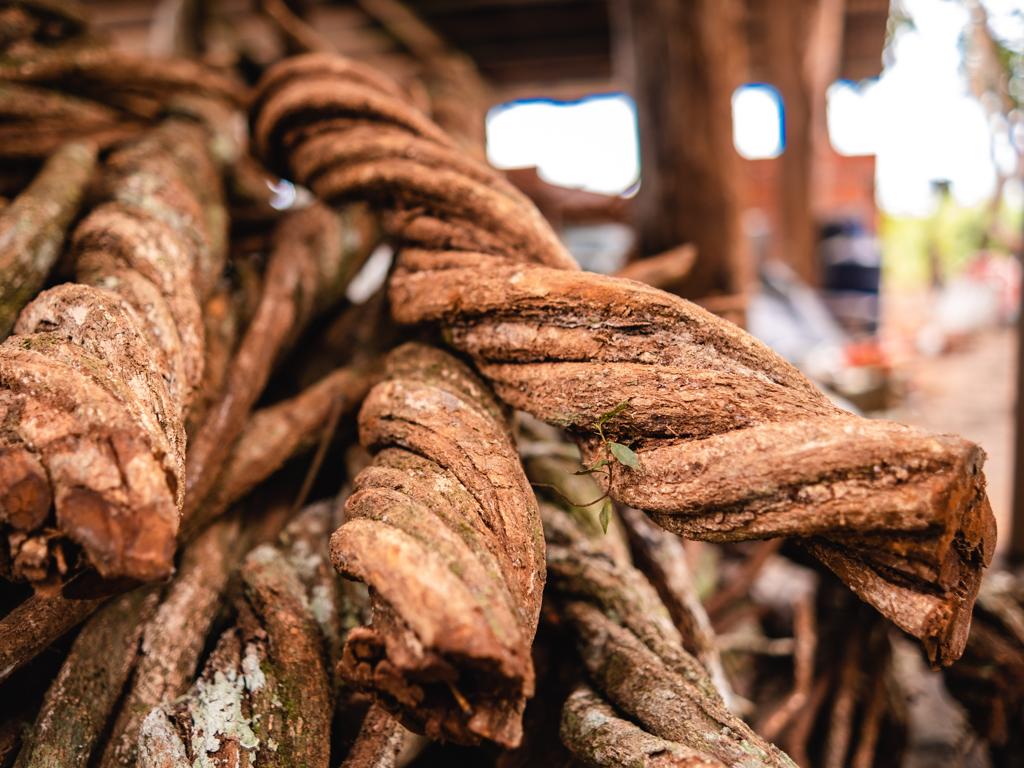
When a four-time NFL MVP says a jungle brew helped him play the best football of his life, people listen. Or at least they click. Aaron Rodgers spent part of his off-season talking openly about drinking ayahuasca in South America, and the quote that made the rounds — that the experience taught him to unconditionally love himself — has been replayed everywhere from sports radio to wellness podcasts. It's a strange sentence to hear from a quarterback. It's also, if you've spent any time around ayahuasca ceremonies, a pretty common one. I've sat in maloca after maloca over the years, interviewed facilitators on three continents, and watched a lot of people walk out of ceremony saying things that would have sounded ridiculous to them a week earlier. So when Rodgers credits ayahuasca with sharpening his game, I don't roll my eyes. But I also don't think his story is the green light some headlines made it out to be. Plant medicine is more interesting, more demanding, and more uneven than a single celebrity testimonial can suggest. On a long-form interview with Aubrey Marcus, Rodgers described the experience as the gateway to a season he called the best of his career. He didn't talk about visions or geometric patterns or the usual psychedelic furniture. He talked about being able to love himself without conditions — and how that, in turn, changed how he showed up for teammates. The football, in his telling, followed the inner work, not the other way around. That framing matters. It's easy to read his comments as “ayahuasca made me a better quarterback,” but he was careful to put the relational piece first. He talked about leadership, about caring before performing, about modeling something for the locker room. Whether or not you buy any of it, it's a more honest description of what people typically report after ceremony than the clickbait version suggests. It's also worth saying: Rodgers has a track record of trying unconventional things. He's done long ayurvedic cleanses involving ghee and a level of dietary discipline most of us couldn't manage for a weekend. The ayahuasca trip wasn't a one-off spiritual tourism stunt. It was one chapter in a longer experiment with how he tends to his nervous system, his attention, and his stress load. Context like that matters when you're trying to figure out whether his experience has anything to teach yours. The brew is made by boiling the Banisteriopsis caapi vine with the leaves of chacruna, which contain DMT. The vine is what makes the DMT orally active — without it, you'd just digest the compound and feel nothing. Indigenous Amazonian peoples have been preparing this combination for a very long time, in ceremonial contexts that involve song, diet, and a trained person holding the space. The drink itself tastes like swamp water that has a personal grudge against you. Most people purge — vomiting, sometimes more — and that's considered part of the work, not a side effect to manage away. The journey itself usually lasts four to six hours. People describe visual landscapes, encounters with what feel like beings or intelligences, and waves of memory and emotion that arrive uninvited. Sometimes the night is gentle. Sometimes it is one of the hardest things you've ever done. The cliché that ayahuasca gives you what you need rather than what you want exists because people keep repeating it after their ceremonies. It's annoyingly accurate. The reason this matters for someone considering a retreat: ayahuasca isn't a recreational drug, and the people who treat it like one tend to have rough nights. It's a long, demanding, often confronting experience. The container around it — the facilitators, the group, the location, the integration support afterward — does a lot of the heavy lifting in determining whether the experience helps you or destabilizes you. This is where the research catches up to the anecdotes, slowly. Clinical trials over the past several years have looked at psilocybin for treatment-resistant depression, MDMA for PTSD, and ibogaine for opioid dependence, with results that have made even cautious researchers raise their eyebrows. Ayahuasca specifically has a smaller but interesting body of research suggesting effects on depression, addiction patterns, and what people loosely call “stuck” thinking. Here's what the honest version of that story sounds like: For people specifically considering plant medicine for addiction, the picture is genuinely promising and genuinely complicated. Ibogaine has the most dramatic short-term results for opioid dependence, but it carries cardiac risks and needs medical screening. Ayahuasca and psilocybin show up in studies on alcohol use disorder and various behavioral addictions, often with strong outcomes when paired with therapy. None of it replaces the long, unglamorous work of actually changing your life. It can, sometimes, give you the leverage to start. The boom in psychedelic retreats has been a mixed blessing. There are facilitators doing extraordinary work — people who trained for years, who run small groups, who follow up with participants months later. There are also operations that charge five figures for a long weekend and have no business serving medicine to anyone. The gap between those two ends of the spectrum is enormous, and the marketing often looks identical. If you're researching a retreat, a few things separate the serious from the sketchy: Celebrity endorsements of psychedelics make me slightly nervous, even when I think the celebrity is being sincere. The reason is simple: when someone famous credits a substance for a transformation, a lot of people hear “I should try that” without hearing the rest of the sentence. Rodgers wasn't recommending ayahuasca to his fans. He was describing his own experience. Those are different things. If his story has piqued your curiosity, the useful question isn't “should I drink ayahuasca?” It's “what am I actually hoping a psychedelic experience will do for me, and is there a path to that which makes sense given my life right now?” For some people, the answer is a well-chosen retreat with a long preparation runway. For others, it's therapy, or a meditation practice, or treating a sleep disorder, or a year of quiet work before any plant medicine enters the picture. The interesting thing about ayahuasca is that it tends to amplify whatever you bring to it. Bring confusion and it can amplify confusion. Bring intention and it can amplify that too. The honest pitch for plant medicine isn't that it's transformative — it's that it can give you a rare, vivid look at yourself, and what you do with that look is the actual work. Rodgers seems to have done something with his. Most people who walk out of ceremony do too, eventually, if they have the support around them to keep going. For readers who want to take this further, a range of vetted ayahuasca and plant medicine retreats can be browsed on our marketplace here. Whether you end up booking one or not, the better outcome is that you make whatever decision you make with your eyes open — about the medicine, the container, and what you're actually walking toward.
Microdosing Psychedelics for Focus and Creativity: What's Really Going On
Somewhere between the third coffee and the Sunday-night dread, a quiet question has started showing up in group chats and on private Substacks: is microdosing actually doing something, or are these people just unusually disciplined about their sleep? The trend has crept out of the Bay Area and into ordinary lives — teachers, lawyers, recovering workaholics, people in their fifties who haven't touched anything stronger than wine since college. Psychedelics, in tiny sub-perceptual doses, have become an open secret. This isn't a sales pitch for it. It's a walk through what the practice actually is, what the (still limited) research says, who tends to benefit, who probably shouldn't bother, and how the whole conversation connects to the broader world of plant medicine and psychedelic healing. If you're researching this because you're stuck — in a job, a mood, an addiction, a relationship pattern — you deserve specifics, not vibes. A microdose is a fraction of a recreational dose — usually somewhere between a tenth and a twentieth. The point is to feel almost nothing. No visuals, no ego dissolution, no giggling at the carpet. The two most common substances are psilocybin (dried mushrooms, typically around 0.1–0.3 grams) and LSD (around 5–15 micrograms). DMT and mescaline get mentioned occasionally but are less practical for daily use. People follow protocols. The best known is the Fadiman protocol — one day on, two days off, repeated for a month or two, then a break. Others go every other day, or Monday/Wednesday/Friday. The schedule matters because tolerance builds quickly with classic psychedelics, and the days off are when most users report the lingering benefits. One thing worth saying clearly: these substances remain illegal in most countries, including most of the United States. A handful of jurisdictions — Oregon, Colorado, certain cities — have begun decriminalizing or regulating psilocybin in specific contexts. The legal picture is shifting, but it hasn't shifted as much as the headlines suggest. The reasons I hear most often, in roughly descending order: Founders and engineers tend to get the press, but the population of people microdosing now is far broader than that. Parents in their forties working through burnout. Veterans cautiously experimenting with their PTSD. Recovering drinkers using it (sometimes alongside therapy) to soften the edge of early sobriety. Here's the honest part: a lot of what's reported is also placebo, and the placebo isn't necessarily a bad thing — it's just not magic. A 2021 study from Imperial College London compared people microdosing psilocybin with people who only thought they were. Both groups felt better. The differences were small. That doesn't mean microdosing does nothing; it means we don't yet have the clean data to say what it does beyond expectation effects. If you've found your way to this article, you're probably also reading about ayahuasca, ibogaine, psilocybin retreats, and the broader category of master plants. It's worth understanding how microdosing relates to those — because they're often discussed together but they do quite different things. A full ayahuasca ceremony, or a high-dose psilocybin session in a clinical or retreat setting, is a discrete event. You sit with it for hours. You may meet something inside yourself that you've been avoiding for twenty years. The work is intense, often uncomfortable, and the integration afterward can take months. People who go deep with master plants typically describe one or two ceremonies as more impactful than years of therapy. Microdosing is the opposite shape. It's a daily-life intervention. You take a tiny amount, you go to work, you make dinner, you talk to your kid about their math homework. The changes — if they come — accumulate slowly and feel like small adjustments in temperament. Some people find this more useful than the big ceremonial work. Others find it doesn't touch the root of what they're carrying, and they end up booking a retreat anyway. Many do both: microdose between ceremonies as a way of staying in dialogue with what came up. The intersection of psychedelics and addiction recovery is where the most genuinely exciting research is happening. Johns Hopkins, NYU, and several European universities have run trials using psilocybin for tobacco cessation and alcohol use disorder, with results that — while early — outperform most existing treatments. Ibogaine, a far more intense plant medicine, has a long underground track record with opioid dependence; people fly to Mexico or Costa Rica for ibogaine treatment when nothing else has worked. Microdosing is a softer tool, and I want to be careful here. If you're in active addiction, microdosing on your own is not a treatment plan. It's a supplement at best and a distraction at worst. The people who've used small doses successfully in recovery almost always have something else in place — a therapist, a support group, a clear protocol, sometimes a residential program that included a higher-dose psychedelic experience as the actual turning point. The pattern I see again and again: a single significant ceremony (ayahuasca, psilocybin, ibogaine, sometimes San Pedro) creates a window of clarity. Microdosing helps keep that window open while the person rebuilds the rest of their life. The ceremony alone fades. The microdose alone may not be enough to break through. Together, with real human support, the combination has changed lives. This part doesn't get said enough. For many people researching microdosing, the underlying question isn't really about microdosing at all. It's: am I willing to do something bigger? A retreat — psilocybin in Jamaica, ayahuasca in Peru or Costa Rica, ibogaine in Mexico — is a substantial commitment of money, time, and emotional bandwidth. It also tends to produce results that microdosing alone won't. If you're at that crossroads, a few honest things to weigh: what you're hoping to address, whether you have integration support available afterward (this matters more than the ceremony itself), the reputation and lineage of the facilitators, and whether the center is upfront about screening for medical and psychiatric contraindications. Any retreat that doesn't ask thorough medical questions before accepting you should be a hard pass. For readers who want to take this further, a curated selection of psychedelic and plant-medicine retreats can be browsed on our marketplace here. Whether you end up booking one or not, reading through what's actually offered — the durations, the protocols, the aftercare — is one of the better ways to understand what serious psychedelic healing looks like in practice. The decision to work with psychedelics, in any dose, is personal and worth taking slowly. Curiosity is healthy. Hype is not. Trust the version of yourself that's still asking questions.
Dreaming of a Psychedelic Retreat?
We have the best deals and offers from thousands of organizers all over the world! Get them into your mailbox every week!
We value your privacy. Your email address will never be shared or published.
