 English
 Deutsch
 Français
 Nederlands
 Español
SHOP AYAHUASCA RETREATS BLOG
Ibogaine for Addiction: A Powerful Tool for Recovery

Finn Ashton
June 4, 2026
Your ultimate guide to discover transforming ayahuasca and psychedelic experiences. Dive into serene destinations and elevate your consciousness to unparalled heights.
Discover Ayahuasca & Psychedelic Retreats NowSearch for ayahuasca & psychedelic retreats
Discover retreats, trainings, and holidays from all over the world
Introduction to Ibogaine
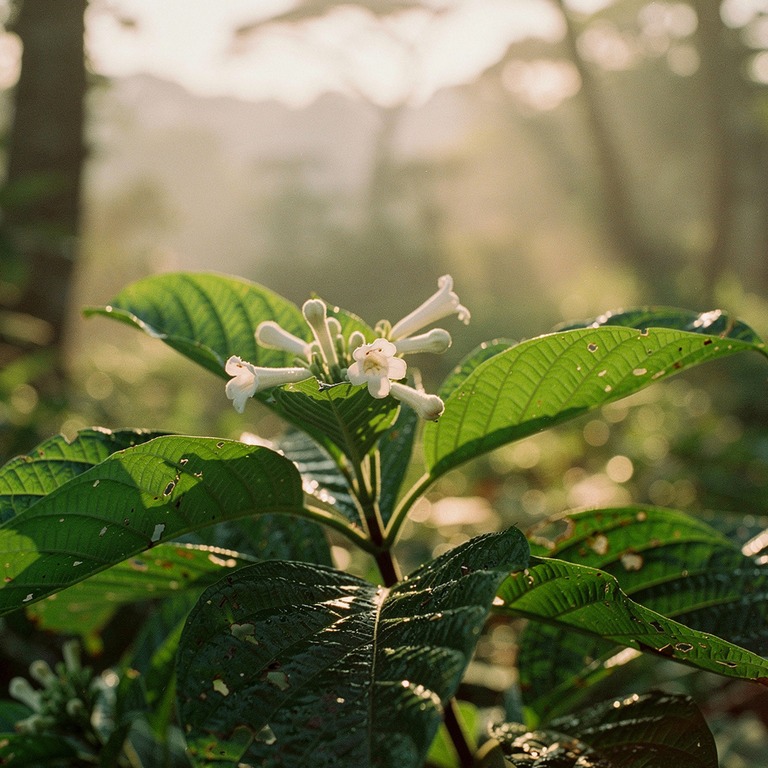
Ibogaine, a naturally occurring psychoactive compound found in the roots of the Tabernanthe iboga plant, has been used for centuries in traditional African medicine to treat various ailments, including addiction. In recent years, its potential as a treatment for addiction has gained significant attention, with many individuals claiming that it has helped them overcome their struggles with substance abuse.
The story of how ibogaine can save lives is one that is both fascinating and complex. From its traditional use in African rituals to its modern-day application in addiction treatment, ibogaine has proven to be a powerful tool in the fight against addiction. In this article, we will delve into the world of ibogaine, exploring its history, mechanisms of action, and the experiences of those who have used it to overcome addiction.
The History of Ibogaine
The use of ibogaine dates back to the 19th century, when it was first discovered by European colonizers in Africa. Initially, it was used in traditional medicine to treat a range of ailments, including fever, rheumatism, and even mental health disorders. However, it wasn't until the 1960s that ibogaine's potential as a treatment for addiction was first recognized.
In the 1960s, a man named Howard Lotsof, who was struggling with heroin addiction, stumbled upon ibogaine while searching for a cure for his addiction. After using ibogaine, Lotsof reported that he had experienced a complete cessation of his withdrawal symptoms and craving for heroin. This experience sparked a renewed interest in ibogaine as a potential treatment for addiction, and since then, numerous studies have been conducted to investigate its efficacy.
Mechanisms of Action
So, how does ibogaine work? The exact mechanisms of action are still not fully understood, but research suggests that ibogaine interacts with the brain's opioid receptors, reducing cravings and withdrawal symptoms. Ibogaine also appears to have a neuroprotective effect, helping to repair damage to the brain caused by long-term substance abuse.
In addition to its effects on the brain, ibogaine has also been shown to have a profound impact on the user's psyche. Many individuals who have used ibogaine report experiencing intense visualizations, introspection, and a sense of spiritual awakening. These experiences are often described as life-changing, and are thought to play a key role in the long-term success of ibogaine treatment.

Experiences with Ibogaine
While the science behind ibogaine is fascinating, it is the personal stories of those who have used it that truly bring its potential to life. From individuals who have struggled with addiction for years to those who have used ibogaine as a tool for personal growth and self-discovery, the experiences of ibogaine users are as diverse as they are compelling.
One common theme that emerges from these stories is the sense of transformation that ibogaine can bring. Many users report feeling a deep sense of connection to themselves and the world around them, and a renewed sense of purpose and direction. Others describe experiencing a sense of freedom from the cycle of addiction, and a newfound ability to live life on their own terms.
Conclusion
In conclusion, ibogaine is a powerful tool in the fight against addiction. With its rich history, complex mechanisms of action, and the compelling stories of those who have used it, ibogaine has proven itself to be a valuable resource for individuals seeking to overcome their struggles with substance abuse. While more research is needed to fully understand its potential, the evidence is clear: ibogaine has the power to transform lives, and deserves to be taken seriously as a treatment for addiction.



Craving More Stories?
Join our ShopAyahuascaRetreats newsletter for the latest updates on thrilling
destinations and inspirational tales, delivered straight to your inbox!
We value your privacy. Your email address will never be shared or published.