 English
 Deutsch
 Français
 Nederlands
 Español
SHOP AYAHUASCA RETREATS BLOG
Psychedelics and Grief: How Plant Medicine Helped Me Process My Father's Sudden Death

Ezra Caldwell
June 14, 2026
Your ultimate guide to discover transforming ayahuasca and psychedelic experiences. Dive into serene destinations and elevate your consciousness to unparalled heights.
Discover Ayahuasca & Psychedelic Retreats NowSearch for ayahuasca & psychedelic retreats
Discover retreats, trainings, and holidays from all over the world
My father died in his sleep on a quiet morning in December. He was sixty. The cause, in the end, was the bottle — a long, slow story with a short, brutal final chapter. Grief like that doesn't arrive in a single wave. It seeps in. It sits in your chest for weeks before you notice it's been there the whole time, breathing in and out with you.
What I want to write about isn't really about the death. It's about what came after — specifically, the role that psychedelics played in helping my brother and me actually feel the loss instead of armouring against it. Plant medicine and grief is a quiet conversation happening in living rooms and rented cabins all over the world right now, and I think it deserves to be talked about honestly, without either the breathless evangelism or the reflexive sneer.
What follows is one story. Mine. It's not a clinical recommendation. But if you're researching whether psychedelic healing might have a place in your own life — for grief, for addiction recovery, for the patterns you can't quite shake — maybe some of it will be useful.
The Cabin, the Seeds, and an Unexpected Idea
A few days after the funeral, my brother Rory and I rented a small cabin in the southern English countryside. Neither of us could stand being in the house where it had happened. We needed walls that didn't remember anything.
Rory had brought a small bag of Hawaiian baby woodrose seeds — the source of LSA, a naturally occurring psychedelic that's a chemical cousin of LSD. He'd picked them up legally in Amsterdam months earlier, with no particular plan. When he suggested we take them together, I thought about it for maybe ten seconds. It seemed, frankly, a healthier option than what we were both quietly drifting toward, which was drinking ourselves into the same grave our dad had dug.
An hour in, the room softened. Two hours in, we were hugging — really hugging, not the British half-pat that passes for affection in our family. We told each other things we'd never said. We cried. We laughed at how absurd it was that two grown men needed a handful of seeds to finally say the obvious. By morning the first snow of the winter was falling outside the cabin window, and something between us had shifted in a way that has held ever since.
Why Psychedelics Seem to Help With Grief
I'm not going to pretend my anecdote is evidence. It isn't. But there's a reason the conversation around psychedelics, addiction, and trauma has gone from fringe to front-page in the last few years — and grief sits squarely inside that conversation.
Researchers studying psilocybin and 5-MeO-DMT think these compounds temporarily loosen the brain's habitual patterns. Grief, like depression and like addiction, tends to lock the mind into well-worn grooves: the same thoughts, the same avoidances, the same numbing strategies. A psychedelic experience can briefly disrupt those grooves — long enough for something new to land.
A study launched at the University of Texas' Dell Medical School in late 2022 set out to test exactly this in widows of veterans, comparing psilocybin and 5-MeO-DMT against no treatment. The researchers there have spoken openly about the theory: that these molecules can interrupt depressive patterns and let the brain run differently for a while. Whether that translates into durable relief from prolonged grief is still being worked out. The early signals are interesting. They are not yet proof.
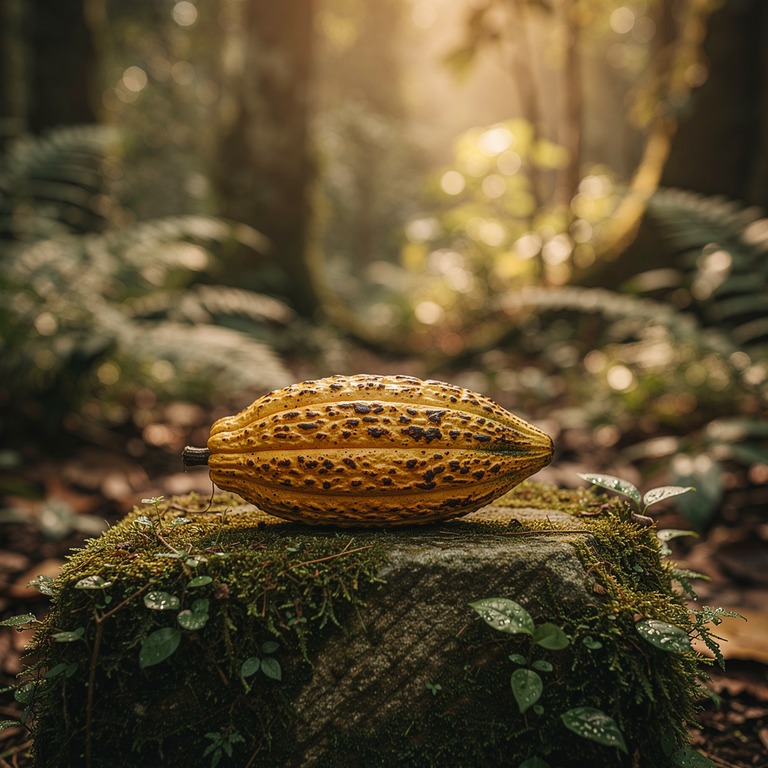
What the Toad Showed Me
Six months after Dad died, I travelled to a retreat in Mexico to observe — and to work with — 5-MeO-DMT. People call it the God Molecule. They also call it the toad, because the version most commonly used is derived from the venom of the Sonoran Desert toad. It's the fastest-acting and arguably the most overwhelming of the classic psychedelics. A full dose lasts maybe twenty minutes. It feels like a lifetime.
By the time I sat down on the mat, Dad wasn't at the front of my mind. Life had moved on, the way life does. But when the medicine hit, every unresolved scrap I was still carrying — his drinking, his absence, the moments I was angry with him, the moments I missed him — surfaced at once. I wept in a way I hadn't allowed myself to weep at any point during the months prior. And then, somehow, on the other side of the weeping, there was something I can only describe as a wave of release. A surrender. A blissful, full-body letting go.
I've thought about that twenty minutes many times since. What it gave me wasn't a memory or an insight. It was a kind of permission. Permission to stop bracing.
Master Plants, the Ego, and Why Connection Matters
The plant-medicine traditions of the Amazon talk about ayahuasca, San Pedro, tobacco, and others as master plants — teachers, not just substances. Whether or not you buy the spiritual framing, there's something useful in it: these medicines tend to work by softening the ego's defences and letting feeling move through you that was previously stuck.
That softening is, I think, what made the night in the cabin with my brother so important. We didn't have a shaman. We didn't have a ceremony. We had each other and a willingness to drop our guard. The medicine did the rest. And the bond it formed has outlasted the trip by years.
Some of the most credible work emerging right now on psychedelics for addiction recovery points at exactly this mechanism. Whether the substance is ayahuasca, psilocybin, ibogaine, or 5-MeO-DMT, the consistent thread in the participant reports isn't a chemical fix. It's a re-opening — to oneself, to other people, to grief that had been buried, to love that had been blocked off.
If You're Considering a Retreat
I'm wary of telling anyone what to do here. Psychedelics aren't a universal answer and they aren't risk-free. People with certain heart conditions, certain medications, and certain mental-health histories should not take them. A reputable retreat will screen for all of that before they take your booking. If a retreat doesn't ask hard medical and psychological questions before accepting you, that itself is a red flag.
A few things worth thinking about if you're researching:
- Who runs the retreat, and what is their training? Lineage, years of facilitation, medical support on site. Ask directly. A serious operation will answer plainly.
- What does integration look like afterwards? The trip itself is the smallest part of the work. If a retreat ends when you check out, keep looking.
- What is your actual reason for going? Grief, addiction, depression, stuck patterns — being honest with yourself about the why matters more than choosing the perfect medicine.
- Are you going alone, or with someone? Both are valid. Going with a trusted person changes the experience in ways worth considering.
- What's the legal status where you're heading? Ayahuasca, ibogaine, 5-MeO-DMT and psilocybin all sit in different legal categories in different countries. Know before you fly.
Cost varies wildly. A short psilocybin retreat in the Netherlands might run a thousand euros; a two-week ibogaine programme for addiction recovery in Mexico can stretch past ten thousand dollars. Ayahuasca retreats in Peru sit somewhere in between, depending on length and lineage. Cheap usually means corners cut. Expensive doesn't automatically mean good.
What Grief Actually Needs
If there's one thing my brother and I figured out, it's that grief doesn't want to be solved. It wants to be felt. The reason psychedelics seem to help — for some people, sometimes — isn't that they erase the pain. They make the pain accessible. They lower the walls long enough for you to walk in and meet what's there.
That's why the integration piece matters so much. The medicine opens the door. You still have to walk through it, day after day, in the months that follow. Therapy helps. Honest friendships help. Time helps. Writing it down helps. The trip is a beginning, never an end.
I miss my dad. I always will. But the grief that used to sit on my chest like a stone now sits more like a friend who visits sometimes — sad, familiar, no longer crushing. I credit a lot of things for that shift. The medicines are among them. So is my brother. So is time.
If something in this piece has landed, and you want to look more closely at what's out there, a range of curated ayahuasca, psilocybin, and 5-MeO-DMT retreats can be browsed on our marketplace here. Take your time with the decision. The right retreat will still be there next month.

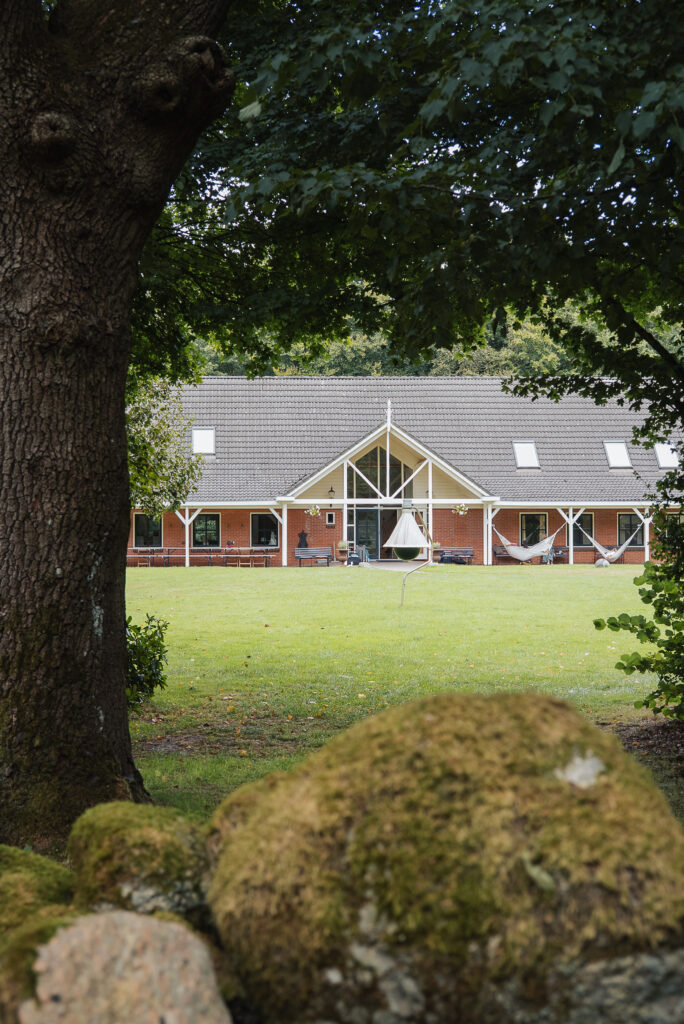

Craving More Stories?
Join our ShopAyahuascaRetreats newsletter for the latest updates on thrilling
destinations and inspirational tales, delivered straight to your inbox!
We value your privacy. Your email address will never be shared or published.