 English
 Deutsch
 Français
 Nederlands
 Español
SHOP AYAHUASCA RETREATS BLOG
Choosing a Plant Medicine Retreat in Peru: An Honest Guide for First-Timers
Axel Hartley
June 15, 2026
Your ultimate guide to discover transforming ayahuasca and psychedelic experiences. Dive into serene destinations and elevate your consciousness to unparalled heights.
Discover Ayahuasca & Psychedelic Retreats NowSearch for ayahuasca & psychedelic retreats
Discover retreats, trainings, and holidays from all over the world
Peru keeps pulling people in. Not the tourists snapping photos at Machu Picchu — I mean the other kind. The ones who fly into Lima with a half-formed question they can't quite articulate, a stuck feeling they've been carrying for years, maybe an addiction or a depression that talk therapy hasn't touched. They come for ayahuasca. They come for huachuma. They come for the master plants. And most of them have no idea what they're signing up for.
If that's you — or somewhere near you — this is the kind of guide I wish I'd had before my first trip into the Amazon. Peru is genuinely one of the world's most important destinations for plant medicine work, but it's also a country where the word shaman gets stamped on a lot of business cards. Knowing the difference between a real lineage holder and a guy with a feathered hat matters. So does knowing what kind of retreat actually fits what you're carrying.
Why Peru, Specifically?
The short answer: lineage. Ayahuasca has been brewed and consumed in the western Amazon for at least several centuries, and the Shipibo-Conibo, Shuar, and other Amazonian peoples have refined ceremonial frameworks around it that simply don't exist elsewhere. When you sit in a maloca outside Iquitos or in the high jungle near Tarapoto, you're not at a wellness pop-up — you're inside a tradition with its own grammar.
The geography matters too. Coastal desert, Andean highlands above 11,000 feet, and dense lowland jungle all sit within a single country. Different plants thrive in different zones. Ayahuasca and the master plant dietas belong to the jungle. San Pedro (huachuma) belongs to the Andes. Knowing where you're going changes everything about what the experience will feel like — humidity, altitude, mosquitoes, the sound of the night.
There's also a legal reality worth naming. Ayahuasca is recognized as cultural heritage in Peru and can be served openly in ceremonial contexts, which means reputable centers operate above-board rather than in the shadows. That alone changes the safety calculus compared to a basement ceremony in a country where everything's illegal.
What Does an Ayahuasca Retreat in Peru Actually Look Like?
Forget the Instagram version. A genuine ayahuasca retreat is mostly quiet. You arrive, you settle in, you eat bland food (no salt, no sugar, no pork, no spice — the dieta is real and it starts before the first ceremony). You meet the facilitators. You fill out a medical form that asks about SSRIs, heart conditions, and psychiatric history, and if the center doesn't ask, leave.
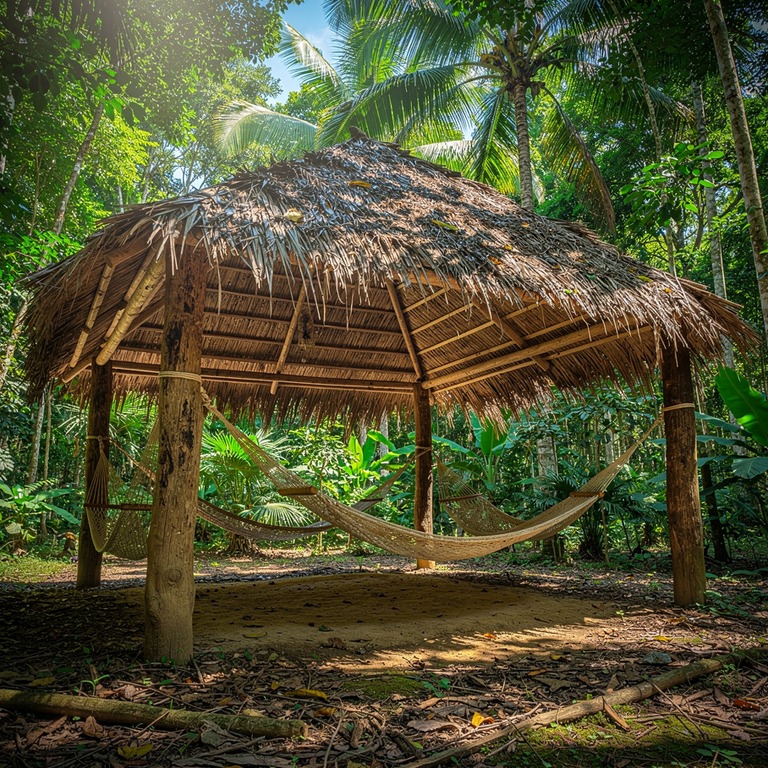
Ceremonies usually run from after sunset until somewhere around three or four in the morning. You sit or lie on a mat in a circular wooden structure called a maloca. The curandero or curandera sings icaros — medicine songs that shape the visions and hold the space. You drink a small cup of something that tastes like burnt earth and bitter regret. Then you wait. Within forty minutes or so, the medicine starts to move.
What happens next is impossible to summarize honestly. People purge. People weep. People meet versions of themselves they've been avoiding for decades. Some nights are profound. Some nights are confusing and uncomfortable and seem to do nothing — until three weeks later when you realize you stopped doing the thing you've been doing for fifteen years. That's how plant medicine often works. Sideways.
Beyond Ayahuasca: Huachuma, Master Plants, and Kambo
Ayahuasca gets the headlines, but it's not the only medicine working in Peru. A few worth knowing about:
- Huachuma (San Pedro) — A mescaline-containing cactus from the Andes. Where ayahuasca tends to be inward, nocturnal, and at times confronting, huachuma is usually held during the day, often outdoors, and described as warmer and more open-hearted. Many people who find ayahuasca too intense have a meaningful first experience with huachuma instead.
- Master plant dietas — A longer, quieter commitment where you isolate with a specific plant teacher (bobinsana, ajo sacro, noya rao, others) for days or weeks under a shaman's guidance, eating the restricted diet and consuming small preparations of that plant. It's less about visions and more about cultivating a relationship with a single intelligence. Most centers offer dietas in 10-day, 21-day, or month-long formats.
- Kambo — The secretion of a giant Amazonian tree frog, applied to small burns on the skin. Not psychedelic. Intensely physical, often unpleasant in the moment, and used for what practitioners describe as energetic and physical cleansing.
- Cacao ceremonies — Gentler heart-opening work, often paired with other practices. Useful as a preparatory or integration tool rather than a main event.
If you're researching plant medicine for addiction recovery specifically, ayahuasca and huachuma both have decades of anecdotal reports and a growing handful of preliminary studies behind them. They aren't magic bullets. People I've spoken with who got real traction with their drinking, their opiates, or their compulsive patterns almost always combined ceremony with serious aftercare — therapy, sober community, lifestyle overhaul. The retreat is the catalyst, not the cure.
How Much Does a Peru Retreat Really Cost?
Pricing varies wildly, and the cheapest option is almost never the right one. A reasonable range for a reputable 7-to-10-day ayahuasca retreat in Peru runs roughly $1,200 to $3,500, including lodging, meals, ceremonies, and integration sessions. Master plant dietas often cost a bit more per day because of the extended supervision. Flights to Lima and onward to Iquitos, Tarapoto, or Cusco add several hundred dollars on top.
What you're paying for, at a good center: licensed facilities, trained facilitators, medical screening, a curandero with actual lineage, vetted brew (sourced and prepared correctly, not cut with toxic additives), and proper integration support afterward. What you save by going cheap: usually exactly those things. I've heard enough stories of people drinking sketchy brew in roadside operations to feel comfortable telling you flatly — don't.
Red Flags When Choosing a Center
This is the part of the conversation that doesn't happen often enough. The plant medicine space attracts good people, and it attracts predators. Knowing the difference protects you.
- No medical intake. If the center doesn't ask about your medications, heart health, and psychiatric history before accepting your booking, walk away. Ayahuasca interacts dangerously with SSRIs and some other drugs.
- No female facilitator present. Mixed-gender ceremonies should have at least one woman in a position of authority. Sexual misconduct by lone male facilitators is a documented problem in this world.
- Vague answers about lineage. A real curandero can tell you who they trained with, for how long, and in what tradition. Hand-wavy spiritual biographies are a tell.
- Aggressive marketing. Promises of healing, breakthrough, or transformation are sales language. Honest centers will tell you the medicine might not give you what you want, and that's part of the work.
- No integration support. The ceremony is maybe twenty percent of the value. What happens in the two months after you fly home is the other eighty. Centers that don't offer integration calls or guidance are leaving you to figure out the hardest part alone.
- Mega-groups. Twenty or thirty people in a single ceremony means the facilitators cannot actually hold space for individuals. Smaller is almost always better.
Preparing for the Trip — Body, Mind, and Logistics
Most centers send you a preparation document with the dieta guidelines. Follow them. The standard is two to four weeks beforehand: no alcohol, no recreational drugs, no pork, no aged cheese, no fermented food, no spicy food, minimal salt and sugar, no sex in the final week. It sounds extreme. It's there for pharmacological reasons (MAOI interactions are real) and for ceremonial ones.
The psychological prep matters just as much. Spend time with the question of why you're going. Write it down. Not as a wish list — the medicine is not a vending machine — but as honest reflection on what's pulling you toward this. People who arrive with a clear, sincere intention generally have more coherent experiences than people who show up just curious.
Practical stuff: bring a headlamp with a red-light setting, loose clothing in layers, a journal, bug spray that doesn't contain DEET (the jungle centers usually advise natural repellents), and earplugs. Leave the laptop. Tell someone at home where you'll be and roughly when you'll be reachable again.
The Part Nobody Talks About: Coming Home
Here's the thing about plant medicine. The ceremony is loud and the integration is quiet, and the integration is where the actual change either happens or doesn't.
People come back from Peru radiant for about ten days. Then real life shows up — the same job, the same partner, the same patterns waiting patiently at the door. Without a practice to bring the insights into ordinary time, the experience tends to fade into a beautiful memory that doesn't actually move the needle. That's the sad version. The other version, the one I've seen work, involves continued therapy, a regular meditation or somatic practice, community with other people who've done this work, and a willingness to be patient with yourself for months, not days.
If something in this piece is calling to you, sit with it for a while before booking anything. Read more. Talk to people who've been. When you're ready to compare specific options, a curated selection of ayahuasca, huachuma, and master plant retreats in Peru can be browsed on our marketplace here.
Peru will still be there when you're ready. The plants aren't going anywhere.
Craving More Stories?
Join our ShopAyahuascaRetreats newsletter for the latest updates on thrilling
destinations and inspirational tales, delivered straight to your inbox!
We value your privacy. Your email address will never be shared or published.