 English
 Deutsch
 Français
 Nederlands
 Español
SHOP AYAHUASCA RETREATS BLOG
Where to Find the Best Ayahuasca Retreats in 2026: A Region-by-Region Guide
Ivy Chan
June 9, 2026
Your ultimate guide to discover transforming ayahuasca and psychedelic experiences. Dive into serene destinations and elevate your consciousness to unparalled heights.
Discover Ayahuasca & Psychedelic Retreats NowSearch for ayahuasca & psychedelic retreats
Discover retreats, trainings, and holidays from all over the world
Ask ten people who've sat with ayahuasca to describe it, and you'll get ten different answers. Profound. Brutal. Hilarious. Like a decade of therapy compressed into eight hours. Like meeting yourself for the first time. The vocabulary tends to escape people, which is part of why anyone considering an ayahuasca retreat does so much research before booking — there's no clean way to know what you're signing up for until you're in it.
What you can research is where to go. The geography of ayahuasca has shifted dramatically over the last decade. What used to be a journey reserved for the Peruvian Amazon is now a global network of ceremony spaces — some traditional, some hybrid, some questionable. This guide walks through the regions worth knowing about in 2026, what makes each one different, and the kinds of questions you should be asking before you hand over a deposit.
First, a quick reality check on what an ayahuasca retreat actually is
It's not a vacation. I want to be blunt about that because the word "retreat" carries spa-day baggage that doesn't fit. Yes, many centers have beautiful grounds, good food, and hammocks under palm trees. But the core experience — the ceremony itself — is closer to surgery than to a weekend getaway. The brew tastes terrible. You will probably purge. You may meet the parts of yourself you've spent years avoiding. That's the point.
People come to ayahuasca for different reasons. Some are wrestling with addiction, depression, PTSD, or grief that won't shift. Others are not in crisis at all — they're curious about consciousness, or feel stuck, or want to understand a tradition they've read about for years. Both are legitimate. The plant doesn't really care about your reason. It tends to show you whatever you most need to see, which is rarely what you came expecting.
A good retreat acknowledges all of this upfront. A great one screens you for medical and psychiatric contraindications before you even pay, prepares you with a proper dieta, and — crucially — gives you tools to integrate afterward. Skip the integration piece and you risk turning a powerful experience into an expensive blur.
South America: where the tradition lives
If authenticity matters to you, this is the region to look at first. The Amazon basin is where ayahuasca originated, where the lineages are still intact, and where the maestros and curanderas you've read about actually live and work. The trade-off is logistical: longer flights, more remote locations, and a level of rusticity that some people love and others find rough.
Peru
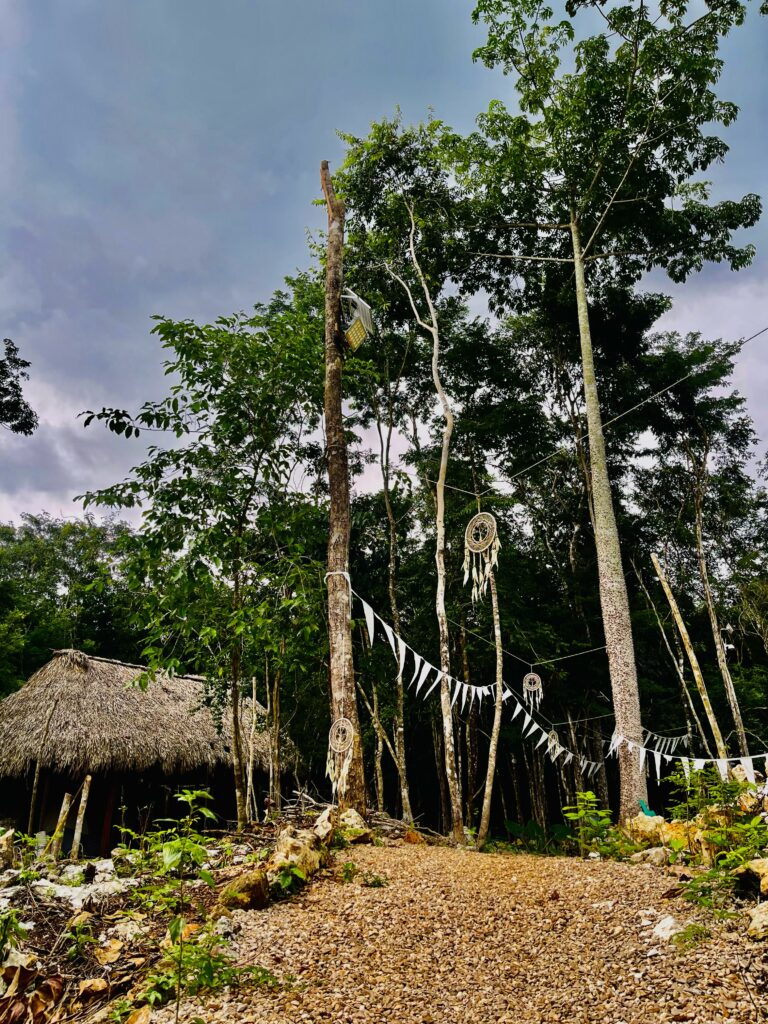
Peru is the spiritual home of ayahuasca. Iquitos, Tarapoto, Pucallpa, and the Sacred Valley near Cusco all host serious centers. The Shipibo lineage — known for their icaros, the medicine songs sung during ceremony — is particularly well represented around the Ucayali river region. Centers run by or in genuine partnership with Shipibo curanderas tend to be the gold standard for traditional practice.
What to expect: deeper jungle immersion, longer programs (seven to twelve days is common), and a stricter dieta both before and during the retreat. The food is simple — often plantain, fish, and rice with no salt, sugar, oil, or spice. The accommodations range from rustic tambo huts to comfortable lodges. Costs typically run anywhere from $1,500 to $4,000 for a week-plus stay, which is a fraction of what you'd pay closer to home.
Costa Rica
Costa Rica has become the entry point for a lot of first-timers who want a credible ceremony space without going deep into the Amazon. The country has stable infrastructure, easier flights from North America, and several well-regarded centers that import Shipibo healers from Peru rather than working with local facilitators. The result is a kind of hybrid: traditional ceremony, more comfortable surroundings, and stronger emphasis on Western-style preparation and integration support.
Expect to pay more here — often $3,000 to $5,000 for a week — but the gap is partly justified by the level of psychological screening and aftercare that the better centers provide. If this is your first time and the idea of the deep jungle feels like too much, Costa Rica is a reasonable middle path.
Mexico and Colombia
Mexico, especially the Yucatán and Riviera Maya, has a growing ceremony scene that blends ayahuasca with other plant medicines like temazcal sweat lodges and bufo. Colombia, particularly around the Sierra Nevada and the Putumayo region, hosts ceremonies led by taita healers from the Cofán and Inga traditions, which use a yagé preparation slightly different from the Peruvian style.
Europe: the surprising new hub
Twenty years ago, almost nobody was sitting with ayahuasca in Europe. Today it's one of the fastest-growing regions for ceremony work, driven partly by the cost and hassle of flying to South America and partly by a quietly evolving legal landscape. The plant exists in a gray zone in much of Europe — DMT is controlled, but the brew itself isn't always explicitly named in legislation, and several centers operate under religious-use frameworks.
The Netherlands
The Dutch psychedelic scene is the most developed in Europe. Amsterdam is famous for legal psilocybin truffle retreats, and ayahuasca ceremonies operate in a tolerated gray area near major cities. Several long-running centers offer ceremonies with facilitators who've apprenticed in Peru, plus structured preparation calls and group integration afterward. If you want a credible ceremony space within a short flight of most European cities, the Netherlands is probably the easiest option.
Spain and Portugal
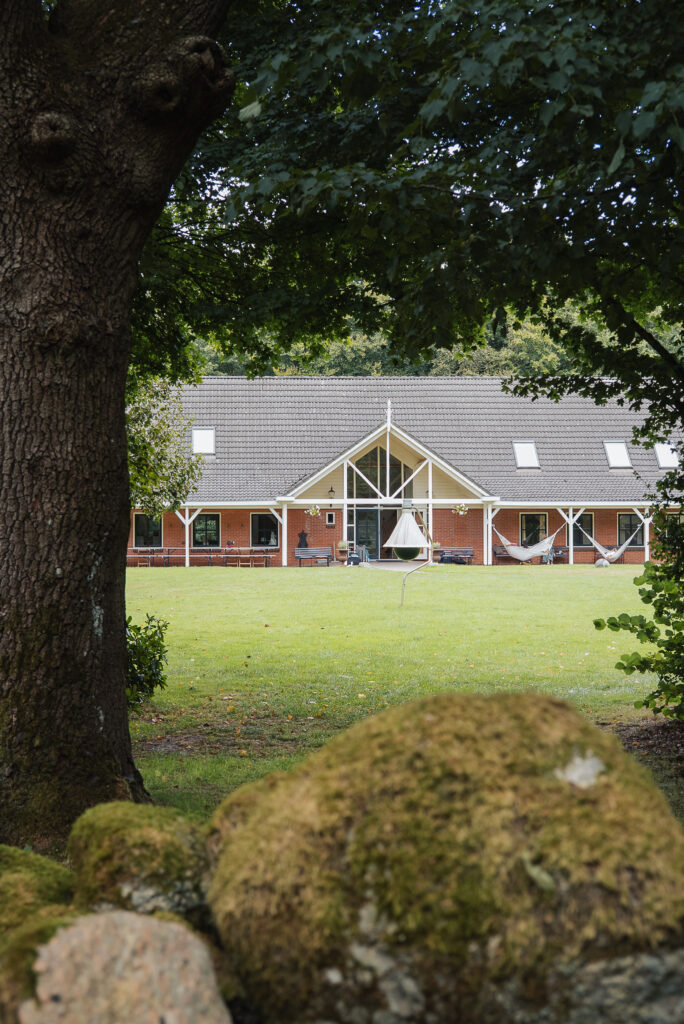
Both countries have decriminalized personal drug use, which has created space for ceremony work to develop more openly than elsewhere in Europe. The Iberian peninsula tends to attract a slower, more contemplative style of retreat — often combined with yoga, vegetarian cooking, and longer integration windows. Centers in Andalucía, the Algarve, and rural Portugal frequently work with visiting Peruvian maestros, blending traditional ceremony with the comforts of a European country estate.
How to actually choose a retreat
Region matters less than the people running the place. I've sat in mediocre ceremonies in legendary jungle lodges and extraordinary ones in unassuming farmhouses. Here's what I'd look at before booking anywhere:
- Screening process. A reputable center will ask about your medications, mental health history, and physical conditions before they take your money. If they don't, that's a serious red flag. SSRIs and many other psychiatric medications interact dangerously with ayahuasca.
- Lineage and training of the facilitators. Who taught them? How long have they been working with the medicine? Real maestros don't usually advertise themselves in flashy language — their reputation travels by word of mouth.
- Group size. Ten to fifteen participants per ceremony is reasonable. Thirty-plus is a warehouse, and you won't get the attention you may need if the night gets difficult.
- Preparation guidance. A proper dieta — no alcohol, recreational drugs, pork, fermented foods, or sexual activity for at least a week prior — should be communicated clearly. If they're casual about prep, they'll be casual about safety too.
- Integration support. What happens after you leave? The best centers offer follow-up calls, integration circles, or referrals to therapists trained in psychedelic work.
- Honesty about risk. If the website promises miracles, run. If they talk openly about the challenges and the rare-but-real risks, you've probably found grown-ups.
What about cost, and is it worth it?
A serious retreat will cost you between $1,500 and $6,000 depending on region, length, and amenities. Add flights, travel days, and time off work, and the real number climbs. People sometimes balk at this, then spend the same amount on a beach holiday they'll forget within a year.
Whether it's worth it depends entirely on what you're bringing and what you do afterward. I've watched people get a year of insight from one ceremony and waste it within a month by going straight back to old patterns. I've watched others have a relatively mild experience that quietly rewired how they relate to a parent, a partner, or themselves. The plant is one part of the equation. You are the rest of it.
If you've read this far, you're already taking the decision seriously, which is the right starting place. Talk to people who've sat with the medicine. Ask hard questions of any center you're considering. Don't book the cheapest option, and don't book the most expensive one just because it looks beautiful on Instagram. For readers who want to start comparing specific ayahuasca retreats across these regions, a curated selection can be browsed on our marketplace here. Whatever you decide, give yourself enough time on the other side to actually absorb what happened. That part matters more than where you went.
Craving More Stories?
Join our ShopAyahuascaRetreats newsletter for the latest updates on thrilling
destinations and inspirational tales, delivered straight to your inbox!
We value your privacy. Your email address will never be shared or published.