 English
 Deutsch
 Français
 Nederlands
 Español
SHOP AYAHUASCA RETREATS BLOG
Cacao Ceremony: What It Really Is, How It Feels, and Why It Matters

Finn Ashton
June 8, 2026
Your ultimate guide to discover transforming ayahuasca and psychedelic experiences. Dive into serene destinations and elevate your consciousness to unparalled heights.
Discover Ayahuasca & Psychedelic Retreats NowSearch for ayahuasca & psychedelic retreats
Discover retreats, trainings, and holidays from all over the world
The first time I drank ceremonial cacao, I was sitting on a damp log in a pine forest in Maine, full moon overhead, expecting something resembling hot chocolate. What landed in my wooden cup was darker, grittier, and considerably more bitter than anything I'd associated with the word “chocolate.” I sipped it anyway. An hour later, I understood I'd been drinking the wrong cacao my entire life.
This isn't a story about a psychedelic blowout. Cacao isn't ayahuasca. It won't dissolve your ego or send you spiraling through fractal jungles. But for a lot of people moving through the broader world of plant medicine and psychedelic healing, cacao has become a kind of gentle on-ramp — a way to learn what it feels like to sit in ceremony, drop into the body, and meet a plant with respect before encountering something stronger. If you're researching retreats and you keep seeing cacao mentioned alongside ayahuasca, San Pedro, and psilocybin, here's what's actually going on.
So What Is a Cacao Ceremony, Really?
A cacao ceremony is a ritual gathering — usually in a circle, often around a fire or altar — where participants drink a strong dose of ceremonial-grade cacao prepared with intention. There's typically a facilitator or shaman holding the space. There may be songs, prayers, silence, breathwork, journaling, or movement. The specifics vary wildly depending on the lineage and the facilitator's training.
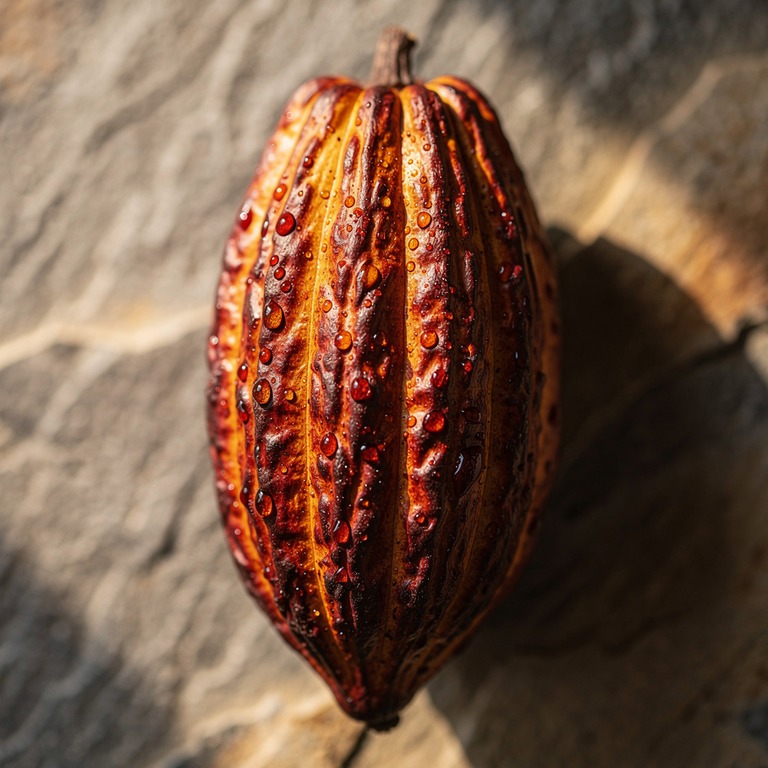
The cacao itself is the centerpiece, and this is where most newcomers get tripped up. Ceremonial cacao is not the cocoa powder in your pantry. The cacao fruit is harvested in Central or South America, fermented to strip away the pulp, and the beans are ground whole into a thick paste. Nothing is removed. No fats stripped out, no alkaloids isolated, no sugar dumped in. It's the full, unaltered plant.
The comparison I keep coming back to: store-bought cocoa is to ceremonial cacao what a fast-food orange juice pouch is to a freshly squeezed orange. Same family. Different universe.
Where Did This Tradition Come From?
Cacao has been used ceremonially for thousands of years across what we now call Mexico, Guatemala, Belize, and Honduras. The Maya and Aztec civilizations treated it as sacred — a food for royalty and a medicine for ritual. It appeared in marriage ceremonies, in offerings to deities, in funerary rites. The word "cacao" itself traces back to Mesoamerican languages, and archaeological residue testing has found cacao traces in ceremonial vessels dating back over three millennia.
The modern revival, mostly Western-led and concentrated around facilitators in Guatemala, Bali, Costa Rica, and the U.S. wellness scene, is a more recent phenomenon. Some of it honors the original traditions carefully. Some of it doesn't. As with any plant medicine making the leap from indigenous context to global retreat circuit, there's a wide spectrum of integrity out there. Worth knowing before you book.
Is Cacao Psychedelic? The Honest Answer
No. Not in the way ayahuasca, psilocybin, or ibogaine are psychedelic. You won't hallucinate. You won't lose your sense of self. You won't see geometric patterns or commune with entities from other dimensions. If that's what you're after, cacao isn't your medicine.
What cacao does is more subtle, and that subtlety is exactly why some people dismiss it and others swear by it. The active compounds — theobromine, anandamide, phenylethylamine, magnesium, a small amount of caffeine — work together to gently elevate mood, increase blood flow, soften the nervous system, and open up emotional access. Theobromine is a vasodilator; you'll often feel warmth spreading through your chest within twenty or thirty minutes. Anandamide is sometimes called the “bliss molecule.” Phenylethylamine is associated with feelings of attraction and connection.
Put that together in a ceremonial dose (usually 30 to 45 grams of pure cacao paste, far more than a chocolate bar) and you get a state that's hard to describe but easy to recognize once you've felt it: alert but not wired, soft but not sleepy, emotionally accessible without being overwhelmed. People cry. People laugh. People sit silently for two hours and report feeling fundamentally rearranged afterward.
Why Cacao Shows Up in Psychedelic and Plant Medicine Spaces
A lot of facilitators in the broader plant medicine world use cacao as a complementary practice. There are practical reasons for this:
- It teaches ceremonial form. If you've never sat in circle before, never been to a ceremony, never held a cup of medicine with intention, cacao gives you a low-risk way to learn the choreography.
- It's heart-centered. Many people approaching ayahuasca or psilocybin come in with so much mental armor that the medicine has to spend hours just cracking it open. Cacao softens the heart in advance.
- It's safe alongside most other practices. Cacao plays well with yoga, breathwork, ecstatic dance, and meditation. It's not a substitute for proper psychedelic preparation, but it's a reasonable warm-up.
- It supports integration. After a heavier psychedelic experience, a quiet cacao sit can help re-ground and process what came up.
This is part of why cacao retreats and cacao ceremonies are increasingly stitched into broader plant medicine programming, especially in places like Guatemala's Lake Atitlán region, Costa Rica's Nicoya Peninsula, and parts of Bali.
What Actually Happens in a Cacao Ceremony
Every facilitator does this differently, but the rough arc tends to look something like this. You arrive, leave your shoes at the door, and find a cushion in the circle. There's usually an altar in the center — flowers, candles, sometimes crystals or feathers, sometimes nothing more than a single carved wooden bowl. The facilitator opens the space, sets intentions, may invoke directions or sing an opening song.
Then the cacao is served, cup by cup, often with eye contact and a quiet exchange. You sit with your cup. You set your own intention — what you're sitting with, what you're asking for, what you want to release. You drink.
The next two to four hours are loosely held. There might be guided meditation, ecstatic dance, sharing circles, breathwork, or extended silence. The facilitator's job is to hold the container, not to direct your experience. You go where the medicine takes you, which for cacao usually means somewhere quieter and more emotionally honest than your day-to-day mind.
Who Should Skip It
Cacao is broadly safe, but it isn't for everyone. A few honest caveats:
- SSRIs and MAOIs. Cacao contains MAOI-like compounds at low levels. If you're on antidepressants, talk to a doctor before sitting with a full ceremonial dose.
- Heart conditions. Theobromine elevates heart rate. If you have a serious cardiovascular condition, this isn't trivial.
- Pregnancy. Most facilitators won't serve pregnant participants a full dose. Reduced doses sometimes, but it's a conversation to have with the facilitator and your doctor.
- Caffeine sensitivity. There's a modest stimulant load. People who can't handle coffee sometimes can't handle ceremonial cacao either.
How to Choose a Cacao Ceremony or Retreat
The cacao world ranges from deeply traditional Maya-rooted ceremonies led by indigenous abuelas in Guatemala to weekend wellness pop-ups in converted yoga studios run by someone who took a five-day training. Both can be meaningful. Neither is automatically legitimate just because it's labeled “ceremony.” A few things to look for:
- Sourcing. Ask where the cacao comes from. A real ceremonial facilitator knows the farm, the cooperative, sometimes the family. Vague answers are a red flag.
- Training and lineage. Who taught the facilitator? How long have they been serving? What's their relationship with the traditions they're drawing from?
- Container. Is there a clear arc to the ceremony, or is it just “drink chocolate and vibe”? The container matters.
- Integration. Especially in retreat settings — is there support afterward, or are you left to figure it out alone?
For readers who want to take this further, a range of curated cacao and plant medicine retreats can be browsed on our marketplace here. Whether cacao becomes a standalone practice or a doorway into deeper psychedelic and plant medicine work, the value is the same: you learn what it feels like to actually sit with a plant, ask it something, and listen to what comes back.


Craving More Stories?
Join our ShopAyahuascaRetreats newsletter for the latest updates on thrilling
destinations and inspirational tales, delivered straight to your inbox!
We value your privacy. Your email address will never be shared or published.