 English
 Deutsch
 Français
 Nederlands
 Español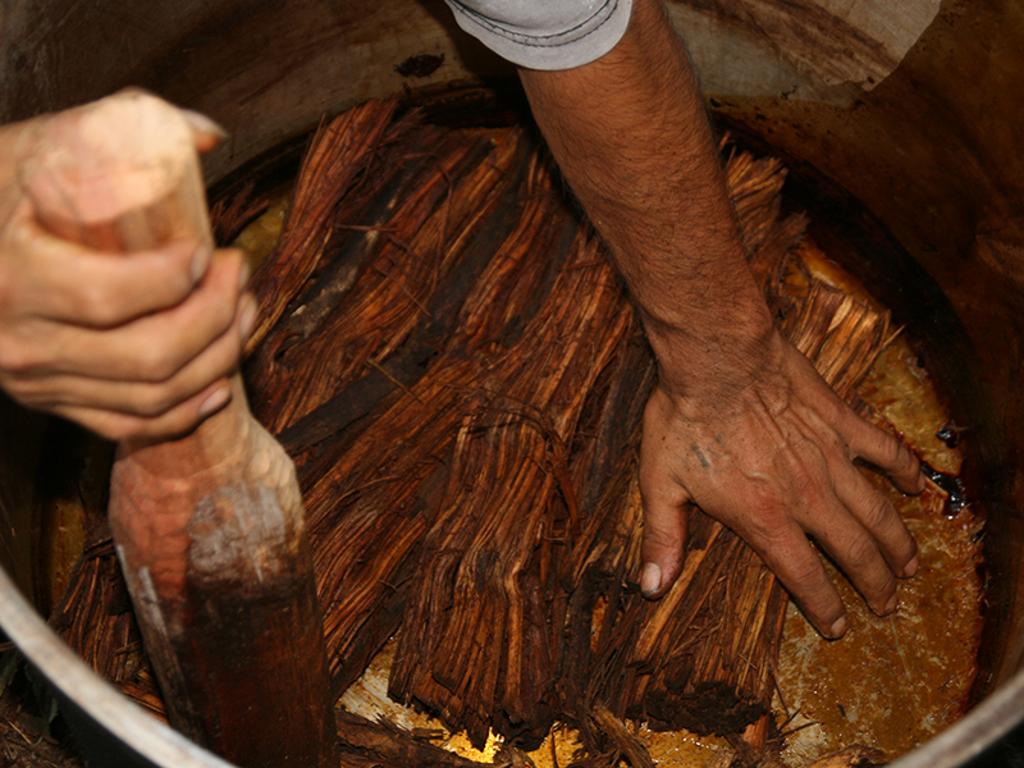


Reset. Heal. Grow.
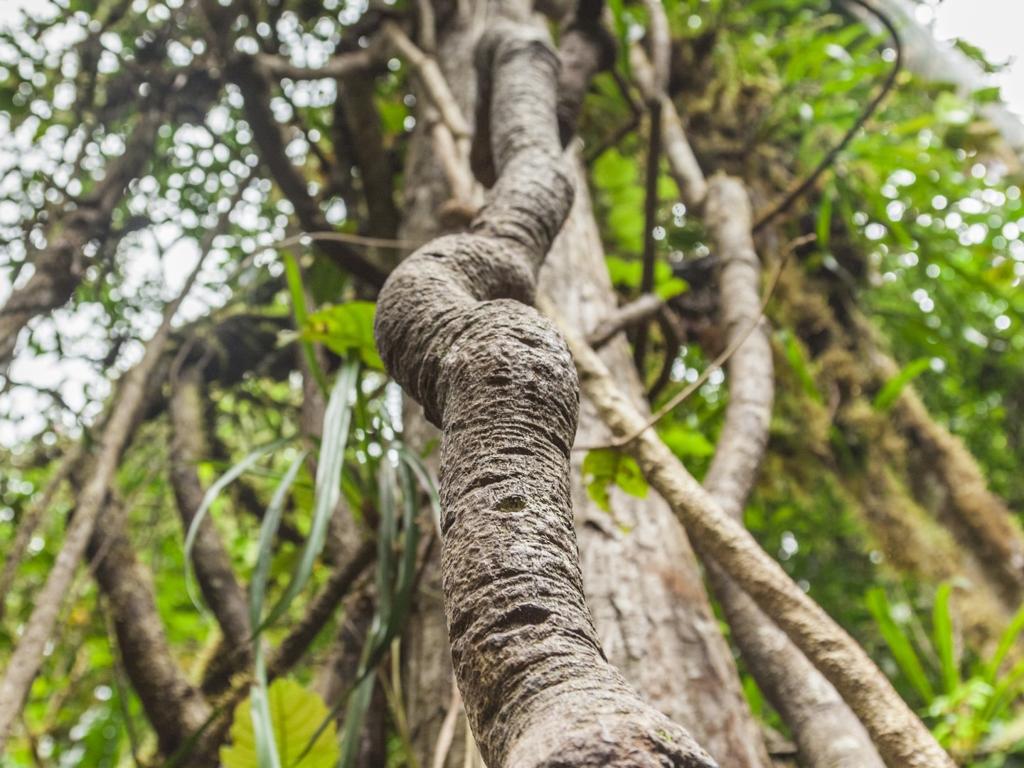
Kambo Safety: The Real Risks Behind the Frog Medicine Trend
A woman in her late thirties walks into a sharehouse on the north coast of New South Wales. She's there to sit for kambo — the secretion of an Amazonian tree frog, dabbed into small burns on her skin. She's done it before. She trusts the woman administering it. A few hours later she's dead on the floor, and her housemate is on the phone to triple-zero because the person running the ceremony doesn't know the number and doesn't own a phone. That's not a hypothetical. That's the case the NSW state coroner ruled on, and the findings should be required reading for anyone thinking about kambo, ayahuasca, or any plant medicine ceremony run outside the bounds of medical oversight. The coroner's language was unusually direct: vulnerable people are putting their trust in self-styled healers who don't have basic first aid training, and the risks of kambo are being underestimated by the people promoting it. If you're reading this because you're weighing a retreat, or because a friend has been raving about how kambo changed their life, slow down. This one's worth thinking through. Kambo is the waxy secretion of Phyllomedusa bicolor, the giant monkey frog of the Amazon basin. Indigenous groups in the region — the Matsés, Katukina, Yawanawá and others — have used it for generations, traditionally before hunting, to sharpen the senses and clear what they describe as panema, a kind of bad luck or heaviness. The frogs are tied to sticks, their backs scraped, and the dried secretion is later applied to small burns on the skin of the recipient. What happens next is intense and fast. Within seconds of application, the peptides in the secretion hit the bloodstream. Blood pressure crashes or spikes. The face swells. People vomit, sometimes violently. There can be diarrhea, sweating, racing heart, panic, a sense of overwhelming heat. The acute phase is usually short — twenty to forty minutes — but those minutes are not gentle. In the West, kambo has been folded into the broader neo-shamanic scene and marketed as a deep physical and spiritual cleanse. You'll see claims about boosting the immune system, clearing addiction, treating depression, even helping with cancer. Here's the part the coroner was explicit about: there is no credible research supporting those medicinal claims. There is, however, documented evidence of harm. Kambo contains a cocktail of bioactive peptides — dermorphin, deltorphin, phyllomedusin, phyllokinin, sauvagine and others. Some are being studied for legitimate pharmaceutical reasons. But the dose in a ceremony isn't measured. The peptide concentration varies frog to frog, batch to batch, practitioner to practitioner. You don't know what you're getting. The physiological strain is real. Kambo can trigger severe hyponatremia (low sodium) if practitioners encourage the loading of water beforehand — a practice that has killed people. It puts stress on the cardiovascular system. It can interact dangerously with prescription medications, particularly antidepressants and blood pressure drugs. People with cardiac conditions, epilepsy, recent surgeries, or who are pregnant should not go near it. And here's the thing — most ceremony providers don't do a serious medical screen. They ask a few questions. They take your word for it. Adverse events documented in the medical literature include seizures, psychosis, kidney injury, esophageal tears from violent vomiting, syndrome of inappropriate antidiuretic hormone secretion, and sudden cardiac death. The Australian Therapeutic Goods Administration eventually classified kambo as a Schedule 10 poison — the most restrictive category, meaning substances of such danger to health that their sale, supply and use should be prohibited. That's not a regulator being squeamish. That's a regulator looking at a death toll. The deeper problem the coroner pointed at isn't kambo itself — it's the parallel economy of self-credentialed healers, priestesses, maestras and shamans that has grown up around plant medicines in the last two decades. Someone takes a two-week course online, designs a website, picks a Spanish or Quechua honorific, and starts charging for ceremonies. This isn't gatekeeping for its own sake. Indigenous traditions that work with kambo, ayahuasca, or peyote involve years of apprenticeship, often a lifetime, with extensive teaching about dosage, contraindications, energetic management, and crucially what to do when something goes wrong. A two-week certificate doesn't replicate that. Neither does charisma. Neither does a beautiful altar. The case in NSW is bleak on this point. The person administering kambo at the fatal ceremony admitted she didn't know the emergency number. She didn't have a phone. The recipient herself had just completed a short practitioner course and was, on the day, leading the session. Two people, neither equipped for what was about to happen, in a sharehouse, with no medical backup. The result is exactly what you'd expect when you remove every safeguard. None of this means every retreat is a death trap. Reputable plant medicine retreats — including ayahuasca centers in Peru, ibogaine clinics in Mexico, and psilocybin retreats in the Netherlands and Jamaica — operate with screening protocols, medical staff on site, and clear emergency procedures. They're not hard to identify if you know what you're looking for. Some questions worth asking any retreat or practitioner before you hand over money: If the answers are vague, defensive, or wrapped in spiritual language designed to make you feel like asking is beneath the work — walk away. A serious practitioner welcomes those questions. They've thought about them more than you have. It would be easy to read a story like this and decide all plant medicine is reckless. That's not quite right either. Ayahuasca, psilocybin, ibogaine, and other psychedelic substances are being studied with increasing seriousness for addiction, treatment-resistant depression, PTSD, and end-of-life anxiety. Some of the early clinical data is genuinely promising. People do find their lives reorganized by these experiences in ways they couldn't access through talk therapy alone. But the gap between a well-run clinical or ceremonial container and a sharehouse ritual run by an under-qualified practitioner is enormous. The medicine isn't the only variable. Set, setting, screening, dosage, facilitation, and aftercare matter as much as the substance itself — often more. The deaths and serious injuries that make headlines almost always involve a breakdown somewhere along that chain, not the molecule acting alone. Kambo is a particular case because the claimed benefits are largely unsupported by research while the physiological risks are well documented. That's a worse risk-benefit profile than most of the classical psychedelics. If you're drawn to the idea of a deep cleanse or a hard reset, there are safer roads to walk down — including ones that involve less dramatic medicines or none at all. The woman at the center of the coroner's findings was, by every account, kind, smart, in pain, and looking for a way through. That's most of the people I meet at retreats. The pull toward plant medicine isn't usually about thrill-seeking — it's about real suffering and the sense that conventional options have run out. That's a sympathetic, human place to be. It's also a place where you're easy to take advantage of. Pain makes us bad consumers. We grasp at the first practitioner who speaks the right language, lights the right candles, says the right things about our wounded inner child. The work of choosing well — slowly, with skepticism intact — is part of the medicine itself. Maybe the first part of it. If you're researching plant medicine because something in your life is genuinely stuck, take the time to do it properly. Read inquest findings. Read peer-reviewed studies. Talk to people who've sat with the practitioner you're considering, ideally years after their ceremony, not weeks. And if you do want to explore vetted ayahuasca, psilocybin, or other plant medicine retreats with proper screening and integration support, you can browse our marketplace here and compare options without the pressure. The medicine isn't going anywhere. Take your time.
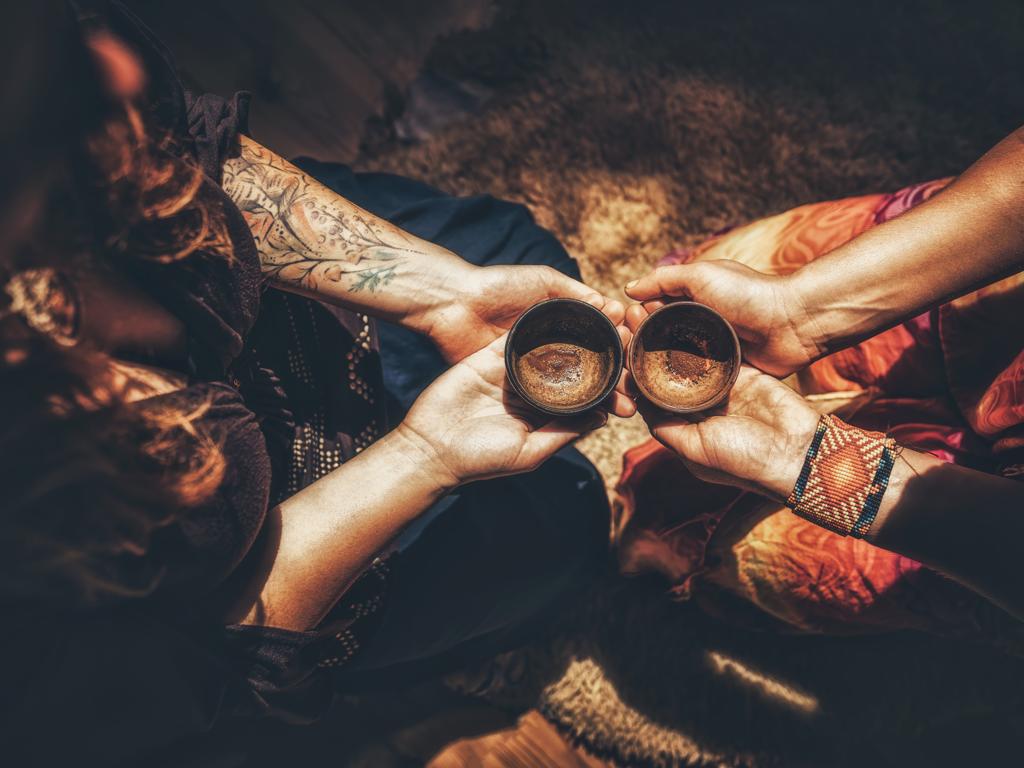
Microdosing Psychedelics: What the Science Actually Says So Far
Walk into any co-working space in Berlin, Austin, or Lisbon and you’ll probably bump into someone quietly convinced that a sliver of psilocybin every third morning is the reason they finally stopped doomscrolling and started writing again. Microdosing has crossed from Silicon Valley curiosity into something your accountant might mention over brunch. But underneath the chatter — the books, the podcasts, the carefully labeled tincture bottles — sits a stubborn question: does it actually work, or are people just feeling good about feeling like they’re doing something? The honest answer, after a decade of renewed psychedelic research, is somewhere between “maybe” and “we genuinely don’t know yet.” If you’re researching microdosing as a possible path through depression, addiction, creative stagnation, or the general flatness of modern life, you deserve a real look at the evidence — not the breathless version, and not the dismissive one. A microdose is a fraction of a recreational dose — roughly one-tenth to one-twentieth of what someone would take to have a full psychedelic experience. With psilocybin mushrooms, that usually lands around 0.1 to 0.3 grams of dried fruiting body, compared with the 2 to 3 grams that produce a proper journey. With LSD, the territory is somewhere between 8 and 15 micrograms versus a recreational 100 micrograms or more. The point is that you don’t feel the substance in any classic psychedelic sense. No visuals. No ego dissolution. No couch-melting. That subperceptual quality is the whole pitch. Practitioners report a subtle lift in mood, sharper focus, more empathy with the people around them, occasionally a kind of background creative hum. The protocols vary — James Fadiman’s famous one-day-on, two-days-off schedule is probably the most cited — and most people cycle for four to eight weeks, then pause. Here’s the problem with all of that, scientifically speaking: there is no single agreed definition of a microdose, mushroom potency varies wildly from flush to flush, and LSD is a tasteless, invisible compound whose dose you can only trust if your source is impeccable. Researchers studying this stuff are essentially trying to measure something that hasn’t been standardized yet. The studies pull in two directions, and that’s worth sitting with rather than glossing over. On the optimistic side, a number of large observational studies — including one that tracked roughly 950 psilocybin microdosers against a non-dosing control group over thirty days — have found small-to-medium improvements in mood, anxiety, and general mental health, fairly consistent across age, gender, and whether or not someone walked in with a mental-health diagnosis. That sounds promising, and it lines up with the thousands of anecdotal reports floating around the internet from people who swear it pulled them out of a funk. On the skeptical side, the moment you tighten the methodology, the effect tends to shrink or vanish. In one randomized controlled trial, researchers gave half the participants real psilocybin and half a placebo. Subjectively, the dosing group reported feeling happier and more creative. Some even showed measurable changes on EEG. But on objective measures of creativity, cognition, and well-being? No meaningful difference from placebo. That gap — between how people feel and what tests can actually detect — is the central puzzle. There are two reasonable interpretations: Both can be partly true. Placebo is not nothing — it’s one of the most powerful forces in medicine. But “you’re just imagining it” is a thinner explanation than it sounds when thousands of people are reporting similar shifts. Short-term, low-dose psilocybin appears to be physiologically gentle. Indigenous communities have worked with these mushrooms for centuries. There’s no evidence of organ toxicity at these doses, no addictive pull in the way alcohol or opioids grab people, and the acute risks of a microdose are minimal because you’re not actually having a psychedelic experience. That said, the safety picture isn’t clean, for a few specific reasons: And then there’s the legal layer. In most of the United States and Europe, psilocybin and LSD remain controlled substances. Oregon and a handful of cities have shifted ground, and Colorado is moving in a similar direction, but possession charges are still very real. That alone is a reason a lot of people who would otherwise experiment instead choose to travel — to a legal jurisdiction, to a supervised setting, to a place where the substance is the medicine, not the legal liability. Here’s the part that doesn’t get said enough: most of the impressive clinical results we’ve seen for psychedelics in the last decade — for treatment-resistant depression, PTSD, end-of-life anxiety, alcohol use disorder, tobacco cessation — came from full doses, not microdoses. Big, immersive, sometimes difficult sessions, usually with trained facilitators present. That’s where the headline numbers live. Microdosing is, in a sense, a much more modest proposition. It’s the daily multivitamin to ceremony’s open-heart surgery. If you’re looking for genuine, structural shifts in addiction patterns or deeply rooted depression, the evidence so far points toward higher-dose, supported experiences rather than a sprinkle every Monday and Thursday. That doesn’t mean microdosing is worthless. It may genuinely help some people maintain or extend the benefits of a full experience. It may be useful for milder mood concerns. It may simply be a low-stakes way for someone to introduce psychedelics into their life. But conflating the two — assuming microdosing offers what a ceremonial dose offers, just slower — is a misread of the science. A few practical points, said plainly: On that last point — if what you’re really chasing is meaningful change rather than a productivity tweak, a properly held ceremony with experienced facilitators tends to be where the real work happens. For readers who want to take that further, a range of curated psilocybin and plant-medicine retreats can be browsed on our marketplace here. The science of microdosing will sharpen over the next few years, and the legal landscape is shifting faster than most people realize. For now, somewhere between the evangelists and the debunkers sits the most useful posture: curious, careful, and genuinely willing to admit that we don’t yet know what we think we know.
What a Clinical Psilocybin Session Actually Feels Like, Start to Finish
If you've been reading about psilocybin therapy and wondering what actually happens during one of those clinical sessions — the ones the headlines describe in vague, reverent terms — you're not alone. The reporting tends to focus on outcomes: depression lifting, terminal patients making peace with their illness, lifelong drinkers walking away from the bottle. What rarely gets explained is the granular, hour-by-hour reality. The room. The pill. The playlist. The two people sitting quietly nearby while your interior world rearranges itself. I've spent enough time around psychedelic researchers and retreat facilitators to know that the experience is engineered far more carefully than most people assume. Psilocybin, the active compound in magic mushrooms, behaves very differently in a controlled therapeutic container than it does at a music festival. And for anyone weighing whether a retreat or trial might fit their own situation, knowing what those eight or nine hours actually look like matters more than another abstract piece about neuroplasticity. Researchers running modern psilocybin studies — and the reputable plant-medicine retreats that follow their lead — obsess over two words: set and setting. Set is your mindset walking in. Setting is the physical and human environment around you. Get either one wrong and the same dose that produces a breakthrough for one person can produce a long, frightening afternoon for another. This is a big part of why clinical sessions and well-run retreats look nothing like the chaotic mushroom experiences people sometimes describe from college. There's no crowd. No flashing lights. No phone buzzing on the nightstand. The room is usually softly lit, often with a couch, a blanket, eyeshades, and headphones. Two trained sitters — typically with therapy backgrounds — stay with you the entire time, mostly silent, available if you need them. It's worth pausing on that last part. The sitters aren't there to guide you in any active sense. They're there so that if something difficult comes up — a panic spike, a wave of grief, a memory you didn't expect — there's a calm human nearby to remind you that you're safe and that whatever you're feeling will pass. That presence alone changes the chemistry of the experience. Before anyone hands you a capsule, you'll spend hours in conversation. In the Johns Hopkins protocol that's become the template for much of this work, participants typically meet with their two monitors for around eight hours across several sessions before the first dose. You talk about your life. Your reasons for being there. What scares you. What you hope to find. You get walked through what the experience may feel like — the visual shifts, the time distortion, the emotional weather. The instructions participants are given tend to boil down to three words: trust, let go, be open. Simple to say, harder to actually do when you're three hours into a session and your sense of self is dissolving. But repeating those words to yourself in the difficult moments turns out to be surprisingly effective. If you're considering a retreat rather than a clinical trial, the preparation phase is one of the clearest tests of whether the operation is legitimate. Reputable retreats schedule real conversations with you in advance, ask about your medications and mental-health history, screen for contraindications like a personal or family history of psychosis, and don't simply hand you a brew because you paid the deposit. If a place skips that step, walk away. On dosing day, you arrive having eaten lightly. You settle onto the couch. You're given a capsule. In the Hopkins studies, the therapeutic dose was calibrated around 20 milligrams of psilocybin for a 70-kilogram person — roughly 154 pounds. That's enough to reliably produce what researchers carefully call a mystical-type experience, but notably less than the doses associated with difficult trips, which tend to cluster around 30 milligrams or higher. For the first twenty to forty minutes, nothing happens. This is the strangest part for first-timers — the waiting. Then it begins. Most people describe an initial body sensation, a kind of warm pressure, followed by visual softening at the edges of the room. By the one-hour mark you're well inside it. You put on the eyeshades. You put on the headphones. The playlist used in the Hopkins and NYU trials runs about eight hours and weaves together classical pieces by composers like Górecki, Bach, and Beethoven, Indian devotional chants, new-age compositions, and music from around the world. It isn't background. The music becomes structure — something to ride when the experience gets big. One of the practical reasons researchers favor psilocybin over LSD is right there in that timeline. A psilocybin session fits inside a single day. LSD can stretch to twelve hours, which is a long time to hold a therapeutic container — and a long time for a participant to stay in deep process. The patients I've read transcripts of, and the retreat participants I've interviewed over the years, describe remarkably consistent themes. A felt sense that everything is connected. An encounter with grief or fear that somehow doesn't crush them. A perspective shift on a relationship, a regret, a long-held story about themselves. Many describe meeting their illness face-to-face and coming to a kind of truce with it. One woman in the Hopkins cancer-anxiety study, Sherry Marcy, had been living under what she called a cloud of doom after an endometrial cancer diagnosis. After her psilocybin session she described the cloud lifting — reconnecting with her family, her children, her ordinary wonder at being alive. She wasn't cured of cancer. She was returned to her own life while she still had it. That distinction matters. Patrick Mettes, who took part in the parallel NYU trial before dying in 2012, compared the launch of his experience to a space shuttle leaving the clunky trappings of earth behind for the weightlessness above. His widow has said that perspective shift helped them both live fully right up to the end. These aren't promises of healing — they're testimony that the experience can change a person's relationship to suffering, which is often the more honest goal. If you're choosing between a research trial (very hard to get into) and a retreat (much more accessible), it helps to understand how they differ. Clinical sessions are usually one-on-one or two-on-one, indoors, on a couch, with eyeshades and a fixed playlist. Retreats — particularly psilocybin retreats in the Netherlands, Jamaica, or Mexico — tend to run small groups of six to twelve, often combine psilocybin with breathwork, integration circles, and somatic practices, and span several days rather than a single afternoon. Neither format is universally better. The clinical model offers tight safety and screening but limited continuity afterward. The retreat model offers community, often multiple sessions across a week, and dedicated integration time — but quality varies wildly between operators. A few questions worth asking before you book anywhere: The session is the easy part. Integration is where the work actually lives. A profound afternoon under psilocybin can deliver insights at a velocity your normal life isn't built to absorb, and without deliberate follow-through those insights tend to fade into the same drawer where last year's New Year's resolutions went. Good integration usually involves some combination of journaling, conversations with a therapist or coach familiar with psychedelics, body-based practices like yoga or somatic experiencing, and time in nature. It's slow. It's often unglamorous. It's where the cloud-lifting feeling becomes durable change, or doesn't. Anyone selling you a one-and-done miracle is selling you something else. If a supervised psilocybin journey is something you're seriously weighing — for depression, for end-of-life distress, for the kind of stuck pattern that hasn't budged for years — the most useful thing you can do next is read widely, talk to people who've actually been through it, and choose a setting that matches your temperament and your medical reality. For readers who want to take this further, a range of carefully vetted psilocybin retreats can be browsed on our marketplace here. The research is genuinely promising. The experience is genuinely powerful. And the difference between a session that changes your life and one that doesn't usually comes down to the unglamorous details — preparation, container, dose, sitters, integration — long before anyone swallows anything.
How to Dry Magic Truffles Properly: A Practical Storage Guide
If you've ever ordered fresh magic truffles and watched them slowly turn into a sad, slimy lump at the back of the fridge, you already know the problem. Fresh truffles are alive. They breathe, they sweat, and they have a shelf life roughly equivalent to a punnet of strawberries. Drying them isn't just a storage hack — it's the difference between a clean, potent psilocybin experience six months from now and tossing fifteen euros of wasted mycelium into the bin. This guide walks through how to dry magic truffles properly at home, why the method matters for potency, and a few honest caveats most articles skip. I'll also touch on where dried truffles fit into the broader plant medicine conversation — because if you're reading this, there's a decent chance you're already curious about what these little sclerotia can do. Fresh magic truffles — the underground sclerotia of certain Psilocybe species, most commonly Psilocybe tampanensis or Psilocybe hollandica — contain a surprising amount of water. We're talking roughly 70% moisture by weight. That water is great for the truffle while it's growing, but once it's harvested and sealed in a vacuum pack, it becomes a problem. Mould loves moisture. Bacteria love moisture. Your truffles, unfortunately, do not love mould or bacteria. Vacuum-sealed fresh truffles, kept in a cold fridge, will give you maybe four to eight weeks of decent shelf life. After that, even unopened, you'll start to notice spots, slime, or a smell that tells you something has gone very wrong. Once you open the pack, you're looking at a week, tops. Drying solves all of this. Properly dried truffles drop to around 5–10% moisture, which is far too dry for microbial life. Stored well, they'll keep their psilocybin content for a year or more. Some people report decent potency after two years in airtight, light-free storage. The catch — and it's an important one — is that doing it wrong can destroy the active compounds you're trying to preserve. Psilocybin and psilocin are the two main psychoactive compounds in magic truffles. Both are sensitive to heat. Push the temperature too high — above roughly 50°C / 122°F — and you start degrading the very chemistry that makes the truffle worth keeping. People have tried microwaving truffles, baking them in the oven at 100°C, even using hair dryers. The results range from disappointing to genuinely useless. The principle to internalise is simple: dry slowly, at low temperatures, with good airflow. Anything that sounds like a shortcut probably isn't. Drying truffles well takes between 12 hours and several days depending on your method and the local humidity. Plan for that, and you'll be fine. This is the gentlest method, the one that preserves the most potency, and the one most experienced users recommend. It's also the slowest. Break your truffles into pieces no thicker than a peanut. Bigger lumps hold moisture in the centre and risk mould before they dry through. Lay the pieces out on a wire rack or a sheet of kitchen paper, well spaced — they shouldn't touch each other. Put the rack somewhere warm, dry, and dark. A linen cupboard is perfect. Above a radiator (not on it) in winter works well too. Leave them alone for 24 to 48 hours, turning the pieces once or twice. You're looking for what's called "cracker dry" — the truffles should snap cleanly when bent, not bend. If they bend at all, they're not done. This stage is where people get impatient and ruin their batch. Resist that urge. If you live somewhere humid — coastal climates, the UK in autumn, basically anywhere damp — pure air drying can stall. The truffles get to a leathery state and just sit there, slightly tacky, refusing to crisp up. A small desk fan solves this beautifully. Same setup as before — broken truffles on a wire rack — but with a fan blowing across them on the lowest setting. Don't aim hot air at them. Just moving room-temperature air is enough. This usually cuts drying time to 12–18 hours. Once they're cracker dry, you move to the most important step: the final cure. Here's where most home dryers stop, and it's why their truffles lose potency faster than they should. Cracker-dry truffles still contain a small percentage of residual moisture — enough to slowly degrade psilocybin over months in storage. The cure removes that last bit. Put your dried truffles in an airtight jar with a desiccant — food-grade silica gel sachets work, or you can buy small calcium chloride canisters from any homebrewing or food-storage supplier. The desiccant should be in its own little container or wrapped in a bit of paper towel so it doesn't touch the truffles directly. Seal the jar. Leave it for another 24 to 48 hours. What you'll get at the end is what people sometimes call "bone dry" — truffles so dehydrated they're brittle and almost weightless. This is the state you want for long-term storage. Stored in a cool, dark place in a sealed container with a fresh desiccant, they'll hold their potency for a year easily, often longer. One thing worth mentioning, because it trips up a lot of people: a dried truffle is much lighter than a fresh one. If a recipe or experience report references "15 grams of fresh truffles", that's roughly equivalent to 4–5 grams dried, since you've removed about 70% of the original weight as water. The psilocybin content per truffle hasn't changed — you've just concentrated it into less mass. So if you're used to dosing by fresh weight and you switch to dried, scale down accordingly. People have surprised themselves badly by treating dried weights like fresh ones. A scale that reads to 0.1g is essential here, not optional. Magic truffles occupy an interesting legal grey area — in the Netherlands they're sold openly because they were never specifically banned the way the mushroom fruiting bodies were. For people curious about psilocybin but unable or unwilling to travel for a formal psychedelic retreat, truffles have become a kind of accessible entry point. They're milder gram-for-gram than dried mushrooms, more predictable in dose, and legal to purchase in a handful of European countries. That said, doing this work alone in your living room is a different proposition from doing it with experienced facilitators in a held container. Psilocybin can surface difficult material, and integration matters. If you're drawn to plant medicine for something deeper than curiosity — addiction patterns you can't shake, depression that hasn't responded to anything else, trauma you can't outrun — a structured retreat is usually a better starting point than a solo session with dried truffles from your cupboard. For readers who want to take this further with proper support, a range of curated psilocybin and plant medicine retreats can be browsed on our marketplace here. Either way: dry your truffles properly, store them better than you think you need to, and treat what's in the jar with the respect it deserves.
Exploring the Psychedelic Water Trend: Can a Drink Really Boost Your Mood?
Psychedelic Water is a new, lightly carbonated drink that's been making waves on social media for its purported mood-boosting effects. The beverage contains kava root, damiana leaf, and green tea extracts, which are all natural ingredients that have been used for centuries in various cultures for their relaxing and euphoric properties. The founder of Psychedelic Water, Keith Stein, describes the drink as a way to induce a mild euphoria without the need for hallucinogenic substances. He claims that the drink can help people achieve a state of mind that's often associated with psychedelic experiences, but without the intense visuals or altered perceptions. I was skeptical at first, but I decided to try Psychedelic Water for myself to see if it really lived up to its claims. I purchased a six-pack of the drink online and tried it out on a day when I was feeling particularly stressed and anxious. I cracked open a can of Psychedelic Water and was immediately struck by its sweet and slightly herbal flavor. The drink was easy to drink, and I found myself smiling after just a few sips. I decided to take a shower while drinking the rest of the can, and I carefully curated a playlist of mood-boosting music to enhance the experience. As I showered and listened to music, I started to feel a sense of relaxation wash over me. My anxious thoughts began to melt away, and I felt a sense of euphoria that was both pleasant and unexpected. I didn't experience any intense visuals or altered perceptions, but I did feel a sense of calm and well-being that lasted for several hours after I finished the drink. I was surprised by how much I enjoyed the experience, and I found myself feeling more relaxed and centered than I had in weeks. I didn't feel any negative side effects, such as nausea or dizziness, and I was able to go about my day with a sense of clarity and focus. So, how does Psychedelic Water actually work? The drink contains several ingredients that are known for their relaxing and euphoric properties. Kava root, for example, has been used for centuries in Pacific Island cultures to promote relaxation and reduce anxiety. Damiana leaf, on the other hand, has been used to enhance mood and reduce stress. Green tea extract is also a key ingredient in Psychedelic Water, and it's known for its high levels of antioxidants and other beneficial compounds. The combination of these ingredients may help to induce a sense of relaxation and euphoria, although more research is needed to fully understand the effects of the drink. It's also worth noting that Psychedelic Water is not a substitute for medical treatment. If you're experiencing anxiety, depression, or other mental health issues, it's essential to consult with a healthcare professional for proper diagnosis and treatment. Psychedelic Water may be a useful adjunct to traditional therapies, but it should not be relied upon as the sole treatment for mental health issues. In conclusion, my experience with Psychedelic Water was surprisingly positive. The drink was easy to consume, and it induced a sense of relaxation and euphoria that lasted for several hours. While more research is needed to fully understand the effects of the drink, I believe that it may be a useful tool for people who are looking for a natural way to manage stress and anxiety. However, it's essential to approach Psychedelic Water with a critical and nuanced perspective. The drink is not a magic bullet, and it's not a substitute for medical treatment. It's also important to be aware of the potential risks and side effects of the drink, particularly for people who are sensitive to its ingredients or who have underlying medical conditions. Ultimately, Psychedelic Water is a unique and intriguing product that may be worth trying for people who are looking for a natural way to manage stress and anxiety. However, it's essential to approach the drink with caution and to consult with a healthcare professional before consuming it, particularly if you have any underlying medical conditions or concerns.
Craving More Stories?
Join our ShopAyahuascaRetreats newsletter for the latest updates on thrilling
destinations and inspirational tales, delivered straight to your inbox!
We value your privacy. Your email address will never be shared or published.
Kambo Ceremony, Round Two: Sitting With Fear and the Frog
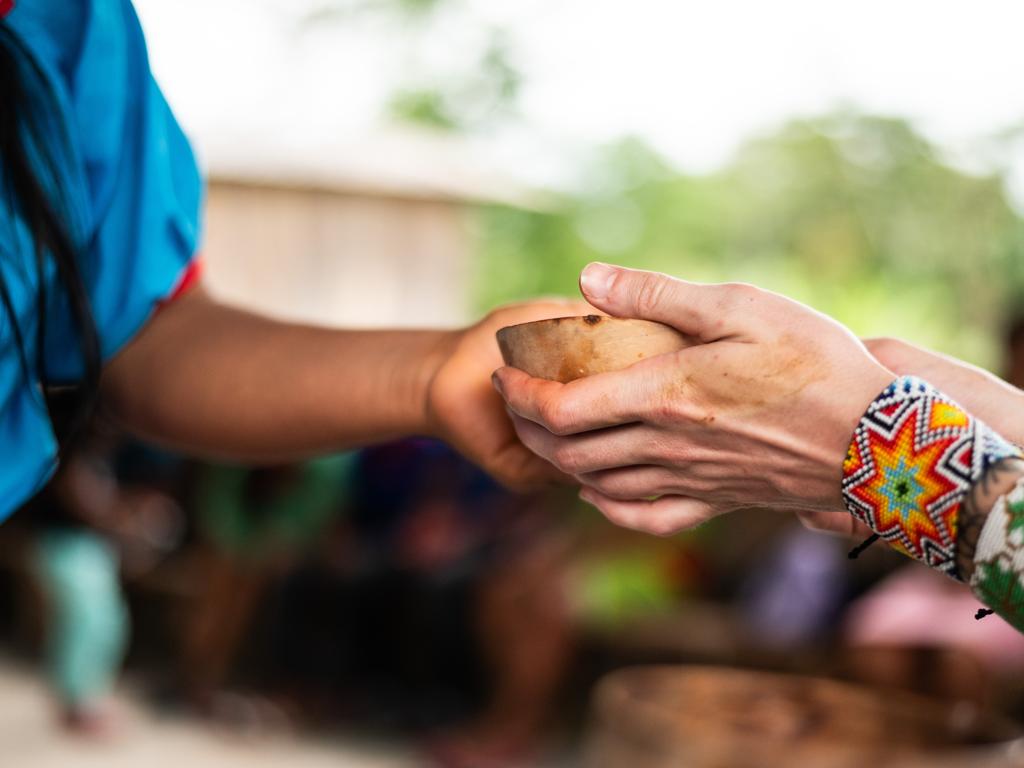
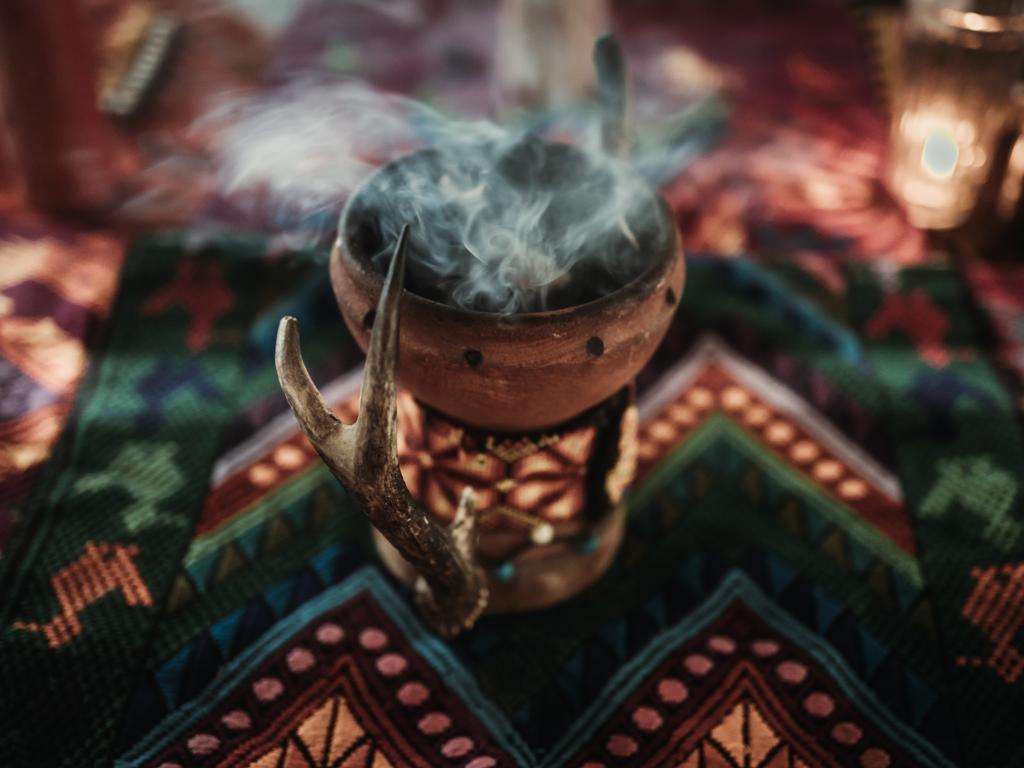
The second time around, I thought I knew what I was walking into. I didn't. That's the thing about kambo — and most plant medicine, really. You show up with one set of expectations and the medicine quietly hands you a different agenda. My first kambo journey had been intense but luminous. I left it feeling scrubbed clean from the inside, hyper-aware of what my body wanted to eat, drowning in something close to self-love. So when two old friends — both deep in shamanic ceremony for years — invited me over for an afternoon sit, I said yes almost reflexively. Sunday afternoon. Bike ride away. Empty calendar. Why not? Be careful what you wish for. My friend opened the door and I felt the fear arrive before I'd even taken off my shoes. Bodies remember. Mine remembered the bottles of water lined up like soldiers, the bucket waiting nearby, the heat that climbs up the arm and settles inside the skull. For a second I genuinely thought about turning around. Going home. Saying I forgot something. But I was there. The soup was on the stove. My friends were smiling. And honestly — last time had been beautiful. Hard, yes. But beautiful. How much worse could a second round be? The four of us sat in a circle inside what used to be a classroom, now part of an artist commune. Feathers on the walls, dream catchers, the smell of old wood. A friend handed me a small carved frog made of green stone — jade or something similar. Whoever held the frog got to speak. The others listened. It's a simple device but it does something to a room. “What's your intention?” he asked. Usually I arrive with a clear one. I'd journaled, I'd thought it through, I knew exactly what I wanted to look at. This time I had nothing. I closed my eyes and waited. The answer surfaced almost on its own: I want to learn how to sit with fear. Not push it away, not perform around it, not make anyone else responsible for it. Just sit with it. I passed the frog along and we smiled at each other across the circle. There's a particular kind of intimacy in admitting your fear out loud to people who aren't going to flinch. Before we got to the kambo, my friend offered rapé. I'd only heard about it a few weeks earlier, which felt like one of those convenient synchronicities the universe occasionally throws your way. For anyone who hasn't come across it: rapé (pronounced ha-PAY) is a finely ground powder made from tobacco mixed with the ashes of certain sacred trees. It's blown into your nostrils through a V-shaped wooden pipe by another person — you can't really self-administer it properly. The active compounds absorb through the nasal tissue and reach the brain almost immediately. She knelt in front of me, knees touching mine, and tipped a small mound of green powder into the pipe. Deep breath in. The pipe against my left nostril. A short, sharp exhale from her end — and the powder hit. The sting climbed straight into my skull. My left eye watered immediately. We did the right nostril next. Then I sat there, mouth open, drooling into the bucket like a baby, while a hot wave rolled up through my torso and into my head. What I didn't expect was the sense of power. Not arrogance — more like a clean, undeniable awareness that there was a serious reservoir of strength inside me. I wanted to bottle it for the days I feel small. The rush peaked, then softened, then left me with this quiet, slightly nauseous clarity. The colors in the room had brightened. The inner critic that usually narrates everything had simply gone quiet. Beautiful, actually. Worth mentioning if you've never tried it: the experience varies wildly depending on the blend, the moment, and who's blowing it. Some people get a clean grounding; others end up vomiting. It's not a party drug. “How many dots, and where?” my friend asked. Traditionally men get them on the upper left arm, women on the lower left leg. He left it open. I noticed my left hand was already gripping my right shoulder, almost without my deciding. So — four dots, right shoulder. He nodded; he'd been thinking the same number. The kambo process itself is straightforward and strange. You drink a lot of water — at least a liter, ideally more — to give the body something to purge. The points are made by lightly burning the top layer of skin with the tip of a smoldering stick. Then a small amount of the frog secretion is placed on each burn. The medicine enters through the lymphatic system, not the bloodstream, which is part of what makes it so fast. I started purging before he'd even finished the burns. The fear I'd named as my intention was already climbing my throat. I made the bucket just in time. My friend laughed gently and told me to keep drinking. So I did. Another liter or so, until any more would have come straight back up. The first dot of medicine touched my skin and the heat went everywhere at once. Down my arm. Up my neck. My face felt like it was inflating. The inside of my mouth swelled — I was briefly relieved I could still breathe through it. My head dropped onto my knee and the fear flooded back in full strength. And here's the part I want to be honest about, because it's the part nobody really markets: I noticed, in that moment, how badly I wanted someone to rescue me. To hold my hand. To say something soothing. To take the feeling away. My friends had offered all of it — they were sitting right there. But I had a choice. Reach for relief, or stay. I stayed. Not heroically. Just stubbornly. I knew the wave would pass. I knew there was no story that needed solving, no version of me that needed saving. I just had to hold my own knees and breathe. After what was probably twenty minutes but felt longer, I crawled to a couch a few meters away. Could not find a comfortable position to save my life. Tried every side, gave up, ended up cross-legged with sun on my closed eyelids. The intensity slowly drained out. My head still felt enormous, but the fear had loosened its grip. When I finally touched my lips, they were not my lips. Kambo sometimes leaves you with what facilitators call frog face — puffy lips, swollen eyelids, the works. It fades within a day or so. I looked in the mirror and laughed. I was grateful I didn't have plans. The whole afternoon had compressed into maybe ninety minutes of actual ceremony, and now we were drifting back into the sharing circle, this time with a huge stuffed frog as the talking object. I looked at the three people in the room and felt like I could actually see them — past the small talk, past the personality, into whatever quiet thing was underneath. That part doesn't translate to writing very well. You either know the feeling or you don't yet. Here's what I wasn't expecting. After my first kambo round, the afterglow had been delicious — clean senses, intuitive eating, a steady hum of self-love. This time, the medicine handed me my intention with both hands. Every fear I had agreed to look at came marching through, one after another, for an entire week. I'm used to emotional weather. This was a storm. But each time a fear surfaced, I remembered the imprint from the ceremony — that I didn't need to leak it onto anyone. I didn't need to find someone to blame, or someone to soothe it for me. I could ask: is this thought actually true? Am I currently making someone else responsible for my own discomfort? It's a useful little knife to carry around. None of which means I sat there silently swallowing everything. Boundaries matter. Desires matter. Expressing them matters. But what happens after you express them isn't yours to control. When you make yourself vulnerable, you're also making yourself reachable — and reachable means occasionally hurt. The medicine didn't make that easier. It just made it more obviously worth it. A few honest notes, because I get asked. Kambo isn't psychedelic — there's no visionary component, no altered headspace in the way ayahuasca or psilocybin produces. It's somatic. Physical. Brutally physical for about thirty minutes. The work happens in the body and in whatever you're forced to confront while your body is busy. It also isn't risk-free. There are real contraindications — heart conditions, low blood pressure, pregnancy, certain medications, recent surgery — and a responsible facilitator will ask about all of them before you sit. If they don't ask, don't sit with them. Hydration matters. Fasting beforehand matters. Sitting with experienced people matters. This is one of those medicines where the difference between a good practitioner and a careless one is significant. And the afterglow, as I learned, isn't guaranteed to be pleasant. Sometimes the medicine clears space; sometimes it surfaces everything that was sitting in that space. Both are useful. Neither is comfortable. If something in this resonates and you want to take a closer look, a range of curated kambo and plant-medicine ceremonies can be explored on our marketplace here. Whatever you choose, choose slowly. The frog will wait.
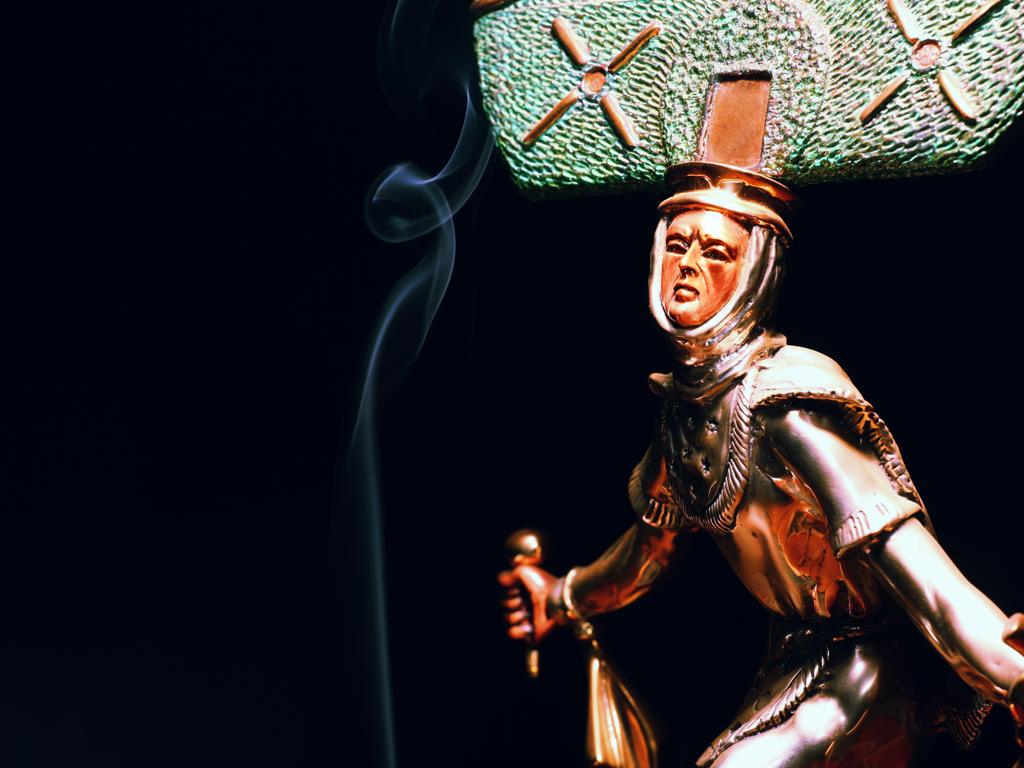
Psychedelics as Medicine: Where Psilocybin, MDMA and Ayahuasca Stand Now
A few years ago, suggesting that magic mushrooms might be on a regulatory glide path toward becoming an approved medicine would have gotten you a polite eye-roll at most dinner parties. Today, that same conversation is happening at Davos, in peer-reviewed journals, and in the offices of biotech investors who quietly want a piece of the action. Psychedelics — once shorthand for sixties counterculture — have re-entered medicine through a side door, and they brought ayahuasca, psilocybin, MDMA and a few other plant-based and synthetic compounds with them. If you're somewhere on the spectrum between curious and quietly desperate — maybe weighing a retreat for depression, addiction, or trauma that hasn't budged with conventional care — it's worth understanding what's actually going on. Not the hype version. The real one. The shift didn't happen overnight. It started with small, almost stubborn pilot studies. Cancer patients facing terminal diagnoses were given a single supervised dose of psilocybin and many of them described, weeks later, that their fear of dying had loosened its grip. Combat veterans with treatment-resistant PTSD sat through MDMA-assisted therapy sessions and reported that the intrusive flashbacks finally let them sleep. And people with depression that hadn't responded to multiple antidepressants tried ayahuasca in clinical settings — the same brew Amazonian healers have used for generations — and some of them came out the other side genuinely different. That's the pattern researchers keep pointing at. These compounds appear to do something for the people who haven't been helped by anything else. And the dose required to see results is, in most cases, startlingly small. One or two supervised sessions. Not a daily pill for life. The phrase that keeps coming up among scientists in the field is cautious optimism. As one prominent neuroscientist at Imperial College London put it during a session on the new science of psychedelics: the climate's looking good. Which, coming from a researcher who has spent his career on this, is roughly the equivalent of a normal person yelling from a rooftop. Two compounds are leading the regulatory pack, and they treat very different things. Psilocybin — the active molecule in magic mushrooms — has shown its sharpest results in severe depression, particularly the treatment-resistant kind where someone has tried four, five, six different antidepressants without meaningful change. In supervised sessions, a single dose alongside therapy seems to crack something open. Not a cure, exactly. More like a window that lets the patient see their own situation from outside it, long enough to make the changes that the depression had been blocking. MDMA — yes, the same molecule that's been dancing through clubs for forty years — is being studied as an adjunct to talk therapy for post-traumatic stress disorder. The drug doesn't do the work alone. It quiets the fear response just enough that the patient can actually talk about what happened without dissociating or shutting down. The therapist does the rest. Other compounds are on the docket too. Ketamine, a partial psychedelic, is already being prescribed off-label for depression in many countries. Ibogaine — derived from an African shrub — is being explored for opioid addiction, often in retreat settings outside the US because of its legal status. And ayahuasca itself, the South American brew of Banisteriopsis caapi vine and DMT-containing leaves, has its own growing research footprint, especially around depression and addiction. This is the question I get asked most, usually in a quieter voice than the others. The honest answer: the evidence is genuinely promising, but it's also still early, and the gap between a clinical trial and a jungle retreat is wider than people want to admit. What we know: The mechanism, as best researchers can tell, isn't that the substance scrubs the addiction away. It's that a well-prepared psychedelic experience seems to give people a kind of bird's-eye view of their own life — their relationships, their pain, the patterns they've been re-enacting. From up there, the addiction often looks less like an identity and more like a strategy that stopped working. That insight is what people then carry into the difficult work of staying changed. None of this means a single ceremony will fix anything. People who do well with plant medicine for addiction almost always combine it with therapy, community, and a meaningful change in daily life. The retreat is a pivot point, not a finish line. I'd be doing you a disservice if I painted this as risk-free. It isn't, and reputable facilitators will say so before they say anything else. A few things worth knowing if you're considering a psychedelic retreat: Assume you've decided this is worth exploring. Here's the rough shape of due diligence I'd want you to do before handing over any money. Medical screening. A serious retreat will ask about your medications, mental-health history, cardiovascular health, and family psychiatric history before they'll take your deposit. If the intake process is just a credit card form, that's a red flag. Move on. Facilitator lineage and training. Whether the leaders trained in a traditional Amazonian context, a Western therapeutic model, or both, they should be able to explain it clearly. Vague answers — "I've been called to this work" without specifics — are worth pausing on. Group size and ratio. Twelve participants with two facilitators is reasonable. Thirty participants with two facilitators is a crowd, not a ceremony. Ask before you book. What happens after. Is there integration support included? A group call two weeks out? Recommended therapists in your home country? The aftermath is where many people quietly struggle, and the best retreats build for it. Honest pricing. A well-run plant-medicine retreat generally runs somewhere between $1,500 and $5,000 for a week, depending on country, accommodation, and reputation. Substantially cheaper often means corners cut. Substantially more expensive often means you're paying for thread count, not better outcomes. The current expectation among researchers is that the first formally approved psychedelic medicine — most likely psilocybin for severe depression, or MDMA for PTSD — will be available through regulated clinical channels within the next few years in several countries. The investment money has arrived. The clinical evidence keeps strengthening. The cultural conversation has shifted from are these drugs? to how do we deliver them responsibly? That doesn't mean retreats become obsolete. For many people — especially those drawn to traditional Amazonian ceremonies, or those whose conditions don't map neatly onto a clinical diagnosis — the retreat path will remain meaningful long after psilocybin shows up at the local clinic. The two worlds are different doors into related rooms. What's changed is that the conversation is finally serious. You're no longer choosing between fringe ceremony and skeptical doctor. You're choosing among several legitimate paths, each with its own trade-offs, and you get to pick the one that fits your situation. If something here speaks to you, the ayahuasca and psychedelic retreats discussed across the wider plant-medicine community can be browsed and booked on our marketplace here. Take your time with the decision. The medicine isn't going anywhere, and the right retreat for you is the one you booked after asking every question, not the one you booked because the calendar pressured you into it.
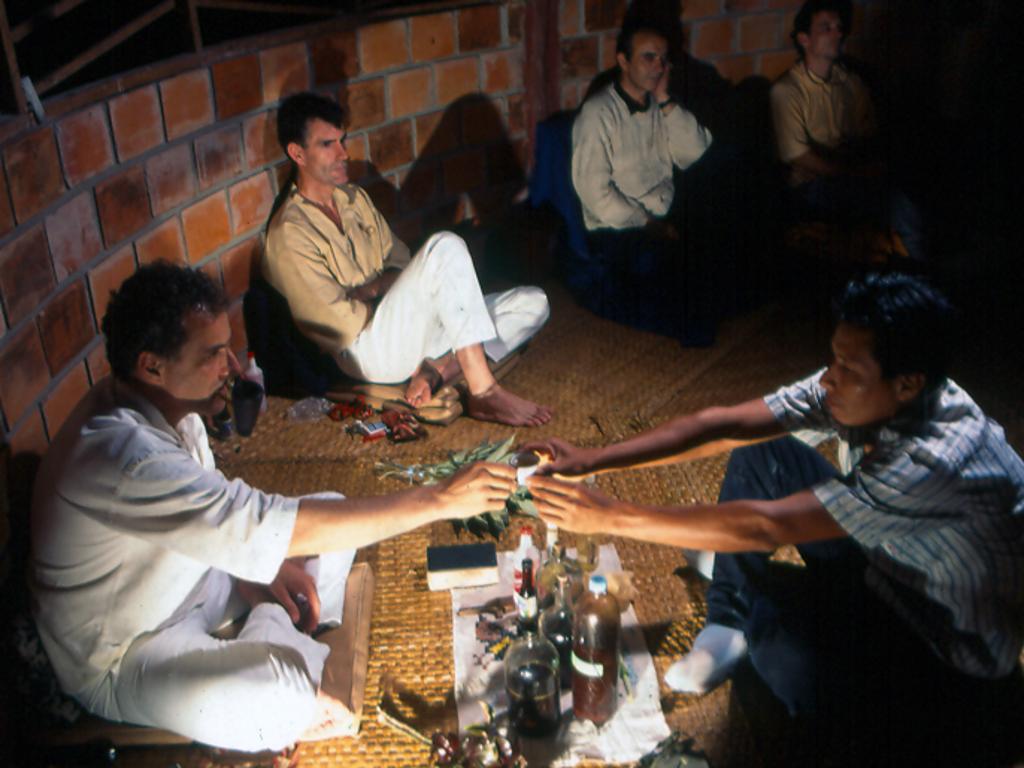
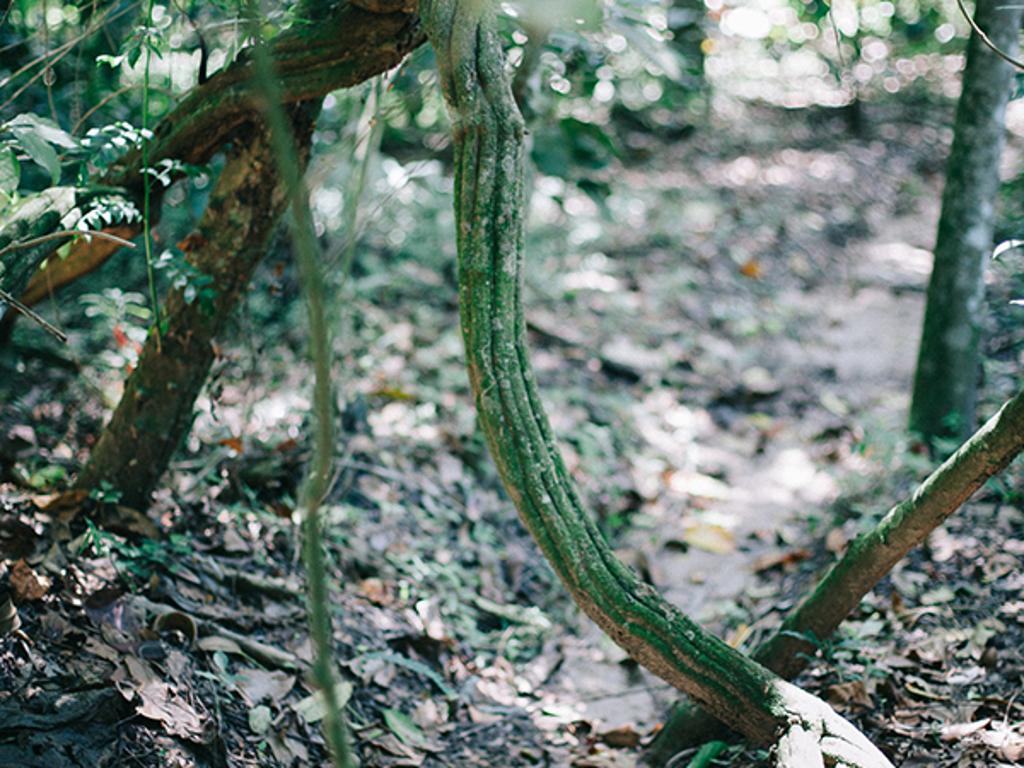
Florida's Legal Mushroom Dispensary: What Amanita Muscaria Actually Is
Walk into a small storefront in Tampa and you can buy psychedelic mushrooms over the counter. Legally. No prescription, no clandestine handoff, no Telegram chat with a stranger named Mushroom_Mike. Just gummies, capsules, and powders sitting on a shelf next to the hemp flower. Sounds like the headline every psychedelics watcher has been waiting for, right? Not quite. The mushrooms in question aren't the psilocybin variety that's been making waves in clinical trials and ayahuasca-adjacent retreat conversations. They're Amanita muscaria — the red-capped, white-spotted toadstool you've seen in Mario games and fairy-tale illustrations your whole life. And the legal loophole keeping this shop open says a lot about where psychedelic culture in the U.S. actually stands right now. The dispensary, run by a longtime cannabis activist who cut his teeth fighting for medical marijuana in Florida, started life as a hemp shop in 2018. Mushrooms got added to the product mix more recently. The owner is careful with his language — he doesn't call them “magic” mushrooms in the store, because that word is shorthand for psilocybin, and psilocybin is firmly Schedule I under federal law. Same legal tier as heroin. Possession alone can wreck your life. What he sells instead is Amanita muscaria, a mushroom that's psychoactive but contains no psilocybin. Its active compounds are muscimol and ibotenic acid — different chemistry, different experience, and crucially, not scheduled by the DEA. Federally, it's legal. State-by-state it's legal almost everywhere, with Louisiana being the lone exception. That's the loophole the whole shop hinges on. The product range includes capsules, gummies, powdered extracts, and even mycology kits — the kind you could, in theory, use to cultivate something more potent. Buyers sign a form swearing they won't. Whether anyone actually believes the form does much is another question. This is the part most casual readers miss, and it's the part that matters most if you're researching plant medicine seriously. Amanita muscaria and psilocybin mushrooms are not interchangeable. They're not even close. Psilocybin works on serotonin receptors — the same neighborhood ayahuasca's DMT visits, the same neighborhood LSD and mescaline operate in. The classic psychedelic family. Amanita muscaria, on the other hand, works on GABA receptors via muscimol. The experience people describe is more dissociative, dreamlike, often sedating — sometimes nauseating, sometimes confusing, occasionally just unpleasant. It's been used ritually for centuries in Siberia and parts of Northern Europe, but it never built the kind of therapeutic case study record that psilocybin has. Here's the other thing nobody puts on the gummy label clearly enough: raw Amanita muscaria is toxic. Eat one off the forest floor and you can end up vomiting, hallucinating in distressing ways, or — in rare but documented cases — comatose. The Tampa shop's owner says he sources from Lithuania and processes the mushrooms to reduce ibotenic acid before they reach the shelf. That's standard practice for traditional preparation. It's also entirely dependent on the seller doing it right. The shop owner isn't naive about what he's doing. He hired a lawyer before stocking the product. He notified local law enforcement. His read is straightforward — drugs get banned when they become a public problem, and Amanita muscaria has flown under the radar for decades because almost nobody was using it. The moment it becomes popular, he expects pushback. He's probably right. There's already a quiet pattern of regulators reacting to legal-gray-area substances once they hit critical mass. Kratom, Delta-8 THC, kava bars — every one of them went through a window of accessibility followed by a patchwork of state-level restrictions. Amanita products are next in line if sales scale up. Meanwhile, the broader landscape for psychedelics is shifting in ways that make this Florida experiment look almost quaint: What's happening in Tampa isn't the leading edge of psychedelic policy reform. It's a side door — one entrepreneur testing how much legal weight a technically-legal mushroom can hold. Let's say you read about this and thought, “Huh, maybe I should try an Amanita gummy.” Pause for a second. People researching plant medicine seriously — for depression, addiction, trauma, the stuck-life-pattern stuff most readers are quietly carrying — generally aren't looking for a novelty trip. They're looking for something with a track record. And Amanita muscaria's track record in modern healing contexts is thin. There's traditional Siberian shamanic use, sure. There's anecdotal hobbyist reporting online. There's not much in the way of contemporary therapeutic research, integration frameworks, or experienced facilitators working with it in retreat settings. Compare that to ayahuasca, which has decades of formalized ceremonial structure in the Amazon, a growing body of neuroscience research, and an established retreat infrastructure with facilitators who've sat with hundreds or thousands of participants. Compare it to psilocybin, which is moving through clinical trials and into legal regulated programs. Compare it to ibogaine, which has a niche but well-documented role in interrupting opioid addiction. Amanita doesn't sit in that conversation yet. It might one day. Right now it doesn't. That doesn't mean it's worthless — it means if you're spending money and intentional time on a psychedelic experience aimed at real change, an Amanita gummy from a Florida shop is probably not the tool. A properly run retreat with a tradition behind it almost certainly is. The Tampa dispensary matters less for what it sells and more for what it represents — the cultural appetite for legal access to psychedelics is way ahead of the legal framework. People are walking into a storefront in a state where recreational cannabis is still illegal and buying mushroom gummies. The demand is here. The infrastructure is improvising around the law. That improvisation comes with real risk. Unregulated processing means quality varies wildly. Lack of guidance means people take these substances alone, with no preparation, no integration, no one watching out for them if the experience gets difficult. The retreat model — for all its costs and complications — exists precisely because psychoactive experiences benefit enormously from container, intention, and skilled support. A gummy in your apartment doesn't offer any of that. If you've been reading about psychedelics and feeling the pull toward something deeper than a curious experiment, the better question isn't where can I buy this legally. It's what am I actually hoping to address, and what tradition or modality has the strongest track record for it. For some people that's psilocybin in Jamaica or the Netherlands. For others it's ayahuasca in Peru or Costa Rica. For people working with opioid addiction it might be ibogaine in Mexico. The match matters more than the convenience. For readers who want to take this further, a range of curated ayahuasca and plant-medicine retreats can be browsed on our marketplace here. Whatever you decide, decide it slowly — these aren't gummies you grab on a whim.
Psychedelic Therapy Explained: How Plant Medicines Are Treating Depression, Addiction, and PTSD
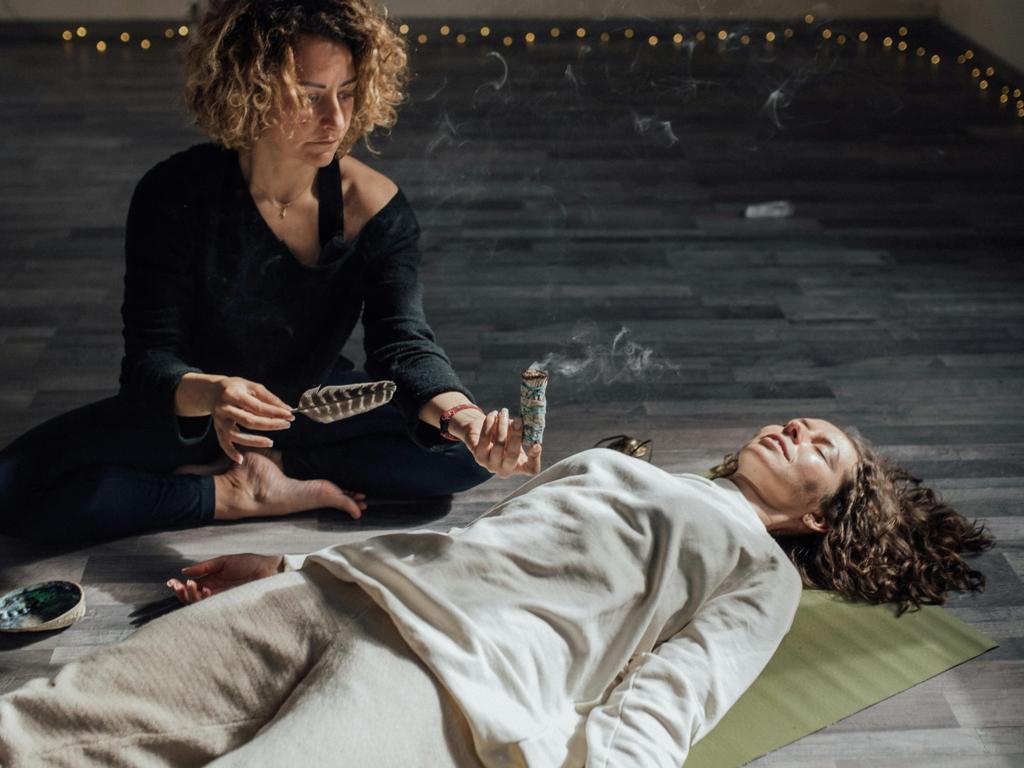
Something strange has happened in the last decade. Compounds that were exiled from medicine in the 1970s — psilocybin, LSD, MDMA, ayahuasca, ibogaine — are now sitting inside peer-reviewed trials at places like Johns Hopkins, Imperial College London, and NYU. Researchers are publishing results that, frankly, would have been laughed out of a journal twenty years ago. Psychedelic therapy is no longer fringe. It's the most interesting frontier in mental health right now, and for readers weighing whether to attend a retreat, understanding what this kind of work actually involves matters more than the headlines suggest. So let's get into it. Not the hype, not the doom — the practical picture. What psychedelic therapy is, what it's used for, and which master plants and compounds are showing up in the research and on the ground at retreat centers around the world. Forget the cliché of someone in a tie-dye shirt waving sage around. Modern psychedelic therapy is structured, usually clinical or ceremonial in feel, and almost always involves more preparation and integration than the dosing itself. The substance is the catalyst. The therapy is the container. In a typical model, a participant meets with their facilitator or therapist over one or several preparation sessions. They discuss intention, history, fears, what they're hoping to look at. Then comes the dosing session — anywhere from four to twelve hours depending on the medicine — followed by integration sessions in the days and weeks after. That last part is where most of the actual change tends to happen, which is something a lot of first-timers underestimate. Two broad styles dominate the field: Neither approach is objectively better. They serve different people and different problems. A trauma survivor who can't yet tolerate intense altered states may do far better with the psycholytic route. Someone confronting end-of-life dread or treatment-resistant depression often benefits more from the deep, single-encounter model. Here's where the research has gotten genuinely interesting. We're not talking about vague wellness claims — we're talking about randomized trials with measurable outcomes. The reader considering a retreat should know what the evidence actually supports. Over 280 million people globally live with depression, and a meaningful slice of those cases don't respond to SSRIs or talk therapy. Trials with psilocybin-assisted therapy have shown rapid reductions in depressive symptoms — sometimes after just one or two dosing sessions — with benefits lasting six months or longer. Researchers at Imperial College described it as the brain getting a kind of reset. Similar effects have appeared with ayahuasca and, in earlier studies, with LSD. The interesting part isn't just that symptoms drop. It's how fast and how durably they drop compared to conventional medication. Especially in patients facing terminal illness, psilocybin has produced striking reductions in existential anxiety. People stop white-knuckling their diagnosis and find a strange kind of equanimity. For more everyday anxiety — generalized, social — the data is thinner but emerging. Some practitioners report that low-dose psycholytic work helps clients move past the looped thinking that anxiety produces. This is where MDMA-assisted therapy has taken the lead. Trials in veterans, first responders, and survivors of severe trauma have shown sustained remission rates that conventional treatments rarely approach. MDMA seems to dampen the fear response just enough that someone can actually look at their trauma without re-traumatizing themselves in the process. The therapy still does the heavy lifting. The compound just opens the door. This is the area I find most personally moving, partly because conventional addiction treatment has such a brutal failure rate. The numbers here are worth sitting with: The pattern across all of these isn't that the medicine cures addiction. It's that the medicine, combined with serious therapeutic work, gives people a window to see themselves differently — and that window is sometimes enough to break a cycle that nothing else could touch. Different medicines have different personalities. Anyone who's spent time in this world will tell you that. Here's a rough map of which substance tends to be used for which condition, based on current research and field practice. The most widely studied psychedelic for depression and addiction. Sessions typically run four to six hours. The experience is often described as emotionally vivid, occasionally challenging, but more navigable than longer-acting medicines. Many of the well-known retreat centers in the Netherlands and Jamaica work with psilocybin, since it's legally accessible in both contexts. The Amazonian brew combining the Banisteriopsis caapi vine with a DMT-containing companion plant. Strongly associated with deep emotional processing, trauma work, and addiction recovery. Ceremonies usually last four to six hours and are held in traditional or neo-shamanic settings. Ayahuasca demands respect — the dieta, the integration, the lineage of the facilitator all matter. Not a classical psychedelic, but a key player in PTSD treatment. Currently the closest to formal regulatory approval in several countries. Generally used in controlled clinical or clinical-style retreat environments rather than ceremonial ones. A longer, more intense experience — sometimes 24 hours or more — used primarily for opioid dependence. Specialized clinics in Mexico, Costa Rica, and Portugal offer ibogaine programs with proper medical screening. This is not a substance to approach casually. Mescaline-containing cacti used in long-form ceremonies, often outdoors. The experience tends to be gentler emotionally than ayahuasca, more grounded, more heart-centered. Used in various contexts for depression, grief, and general life-direction work. The research is encouraging. It is not a guarantee. A retreat is not a clinical trial. The quality of facilitation, the screening process, the integration support, and your own preparation will shape your experience far more than the substance itself does. A few honest things to weigh before booking anything: People sometimes ask me whether psychedelic therapy is the future of mental health. I think the honest answer is: it's part of the future. It's not going to replace conventional psychiatry, and it shouldn't try to. What it can do — and what the early evidence keeps suggesting — is reach people who haven't been reached by anything else. People with treatment-resistant depression. Veterans whose PTSD won't budge. Addicts who've tried every program available. For those readers especially, it's worth knowing this option exists, and worth doing the homework before stepping into it. If something here resonates and you want to look closer at what's actually available, a curated selection of psychedelic and plant-medicine retreats can be browsed on our marketplace here. The decision deserves time — sit with it, talk to people who've done the work, and trust your own pacing.
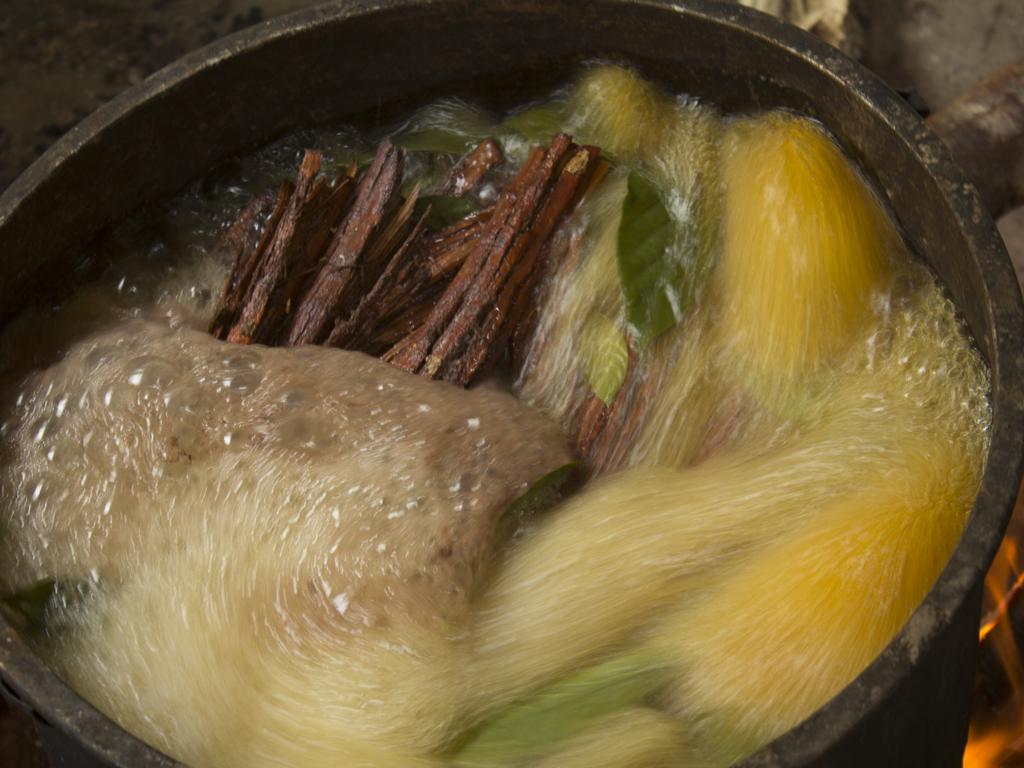
Psychedelics and Depression: Why Plant Medicine Reaches What Antidepressants Miss
Picture this: a man lying on a couch in a quiet room at a university research center, two clinicians sitting nearby, the lights low. He's just swallowed a capsule of psilocybin — the active compound in magic mushrooms. Within an hour, the walls of his sense of self begin to dissolve. He later describes it as falling off a sailboat into open water, then watching the boat vanish, then the water, then himself. Terrifying for a moment. Then strangely, profoundly peaceful. That story isn't from a novel. It's the kind of account that's been quietly piling up in clinical trials over the past decade, and it's part of why psychedelics are now being taken seriously as a treatment for depression, anxiety, addiction, and trauma. For readers weighing whether a psychedelic retreat or plant-medicine ceremony might help them, the science is finally catching up to what indigenous traditions and underground therapists have been saying for a long time. SSRIs help a lot of people. That's worth saying clearly before anything else. But for a meaningful slice of the depressed population — somewhere around a third, depending on which study you read — the standard medications either stop working, never worked, or come with side effects that erode the quality of life they were supposed to restore. Sexual numbness, emotional flatness, weight gain, and that peculiar feeling of being wrapped in cotton wool: these are the trade-offs many long-term users describe. The deeper critique isn't that antidepressants are bad. It's that they work on a symptomatic level. You take the pill every day. The pill turns the volume down on the worst of the despair. Stop the pill, and for many people, the despair returns at full volume. As one psychiatrist put it at a recent conference in London, conventional antidepressants tend to sweep symptoms under the rug. Useful, maybe, but the dust is still there. What psychedelic-assisted therapy proposes is something different. Not a daily medication. A handful of intensive sessions — sometimes just one — paired with skilled therapeutic support, aimed at addressing what's actually under the rug. Researchers at Imperial College London and Johns Hopkins have been mapping what psychedelics do to the brain in real time. The picture that's emerged is fascinating. In depressed, anxious, and addicted brains, certain circuits — particularly those tied to the sense of self and habitual thought — get locked into rigid, looping patterns. The mind keeps grooving the same painful track. You ruminate. You catastrophize. You can't stop thinking about the drink, the ex, the failure, the dread. Psilocybin, LSD, ayahuasca and similar compounds appear to temporarily loosen those circuits. The default mode network — the brain's storyteller, the part that maintains the narrative of "me" — quiets down. Connections that don't normally talk to each other start communicating. For a few hours, the mind becomes more flexible, more open, less locked into the story it's been telling itself. And here's the part that genuinely separates psychedelics from daily medication: the changes can outlast the experience itself. People in clinical trials have reported relief from depression that persisted for weeks, months, sometimes years after a single dosing session. Not everyone. Not forever. But often enough that the field has stopped treating it as a fluke. Most of the published clinical research uses synthetic psilocybin, MDMA, or LSD because those are easier to standardize. But anyone who's spent time in retreat circles knows the conversation extends well beyond the laboratory. Ayahuasca, the brewed Amazonian decoction containing DMT, has been used ceremonially for centuries — and increasingly, Westerners struggling with depression and addiction are traveling to Peru, Costa Rica, Brazil and beyond to drink it under the guidance of trained facilitators. Ayahuasca, psilocybin mushrooms, San Pedro, iboga — these are sometimes called master plants, a term from Amazonian and Andean traditions that treats the plant itself as a teacher. You don't simply consume it. You enter a relationship with it. The framing matters because it shapes how the experience is held: not as a chemical event you survive, but as a conversation you participate in. From a strictly pharmacological view, master plants act on serotonin receptors much like the synthetic compounds in clinical trials. From the perspective of someone who's actually sat in ceremony, the experiences feel meaningfully different — partly because of the substance, partly because of the setting, the music, the maestro, the community of fellow drinkers, the days of preparation, and the careful integration that follows. Depression and addiction often travel together, and the research on psychedelics for addiction is some of the most striking work in the field. Trials of psilocybin for alcohol use disorder and smoking cessation have shown abstinence rates that conventional treatment can't touch. Ibogaine, derived from the iboga shrub of West Africa, has gained underground reputation for interrupting opioid dependence — sometimes dramatically, in a single long session. The mechanism appears to be similar to what happens in depression treatment. The looping circuit that keeps demanding the drink, the cigarette, the pill — that loop gets temporarily interrupted. People describe seeing their addiction from the outside, recognizing it as a pattern they'd been trapped inside, and then having a window of weeks or months where the compulsion simply doesn't grip the way it used to. That window is when therapy and lifestyle changes can actually take hold. None of this means plant medicine is a magic bullet. The retreats that work best tend to be the ones that take preparation and integration as seriously as the ceremony itself. A single weekend in the jungle without follow-up support is, for many people, not enough — and occasionally counterproductive. If you're researching retreats because you're tired of your antidepressant making you feel like a ghost in your own life, or because you've tried everything for your drinking and nothing's stuck, here's what to look for: And ask yourself the harder questions too. Are you prepared to confront what comes up? Plant medicine can be genuinely hard. Not always pleasant. The people who get the most out of it are usually the ones who treat it as work rather than tourism. Psychedelics aren't for everyone. People with a personal or family history of schizophrenia or bipolar disorder are typically advised to stay away — the risk of triggering a psychotic episode is real. Certain heart medications and antidepressants make ayahuasca dangerous. Trauma survivors can sometimes find that an unprepared psychedelic experience reopens wounds without providing the support to close them. The legal landscape is also patchy. Ayahuasca is legal in Peru, Brazil and a handful of religious contexts in the U.S.; psilocybin is decriminalized in Oregon and Colorado and several cities, but not federally legal; ibogaine is unscheduled in Mexico and a few other countries but illegal in much of the world. This is why most serious retreat-seekers end up traveling. If any of this resonates and you're starting to wonder whether a structured, well-supported plant-medicine retreat might be a meaningful step, a curated selection of ayahuasca, psilocybin and ibogaine retreats can be browsed on our marketplace here. Take your time choosing. The right retreat, at the right moment in your life, with the right people holding the space — that combination is what turns an interesting experience into a genuinely useful one.
Dreaming of a Psychedelic Retreat?
We have the best deals and offers from thousands of organizers all over the world! Get them into your mailbox every week!
We value your privacy. Your email address will never be shared or published.
