 English
 Deutsch
 Français
 Nederlands
 Español
SHOP AYAHUASCA RETREATS BLOG
What Kava Really Does to You: A Plant Medicine Worth Knowing

Lila Novak
May 24, 2026
Your ultimate guide to discover transforming ayahuasca and psychedelic experiences. Dive into serene destinations and elevate your consciousness to unparalled heights.
Discover Ayahuasca & Psychedelic Retreats NowSearch for ayahuasca & psychedelic retreats
Discover retreats, trainings, and holidays from all over the world
The first sip tastes like dirt steeped in cold coffee. That's the honest truth nobody at the kava bar will tell you upfront. You hold the coconut shell, you tip it back, and within a minute your tongue goes slightly numb — which, depending on your temperament, is either fascinating or mildly alarming. Then you sit. And wait. And about ten minutes in, the shoulders drop.
Kava sits in a strange corner of the plant medicine world. It isn't psychedelic. It won't deliver visions or rearrange your worldview the way ayahuasca might. But it's a genuine traditional plant medicine with a long ceremonial lineage across Fiji, Vanuatu, Tonga, and Hawaii — and it's worth understanding, especially if you're someone exploring the broader landscape of master plants, addiction recovery, or alternatives to alcohol.
What kava actually feels like
Picture this: you walk into a low-lit bar in Kona, or these days in Brooklyn or Asheville or Portland, and order a bowl. The server hands you something that looks like muddy dishwater. You drink it in one go because sipping it slowly is genuinely unpleasant. Your mouth tingles, then numbs. You chase it with pineapple.
About fifteen minutes later, something shifts. Your body feels heavier in a pleasant way — like you just finished a long massage. Your head, though, stays clear. That's the part that surprises people. There's no fog, no slurring, no spinning. You could hold a real conversation. You just don't feel any particular urgency to start one. Two bowls in, the mood lifts. Not euphoria exactly — more like the version of yourself who slept ten hours and got good news that morning.
Most people don't go past three shells. The effects plateau, you feel a bit full, and there's no chase to keep going. Which, frankly, is one of the most interesting things about it.
The chemistry, in plain language
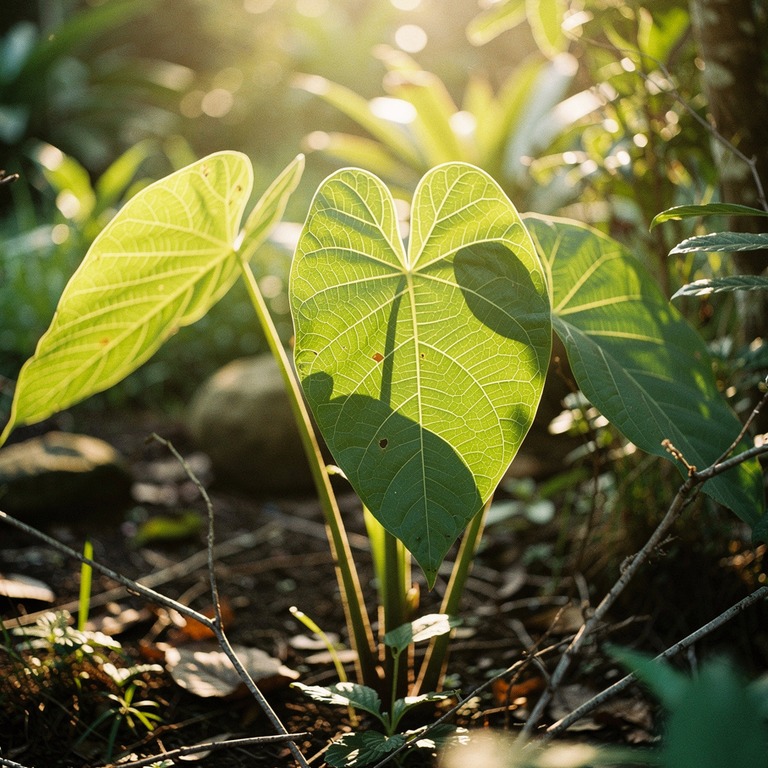
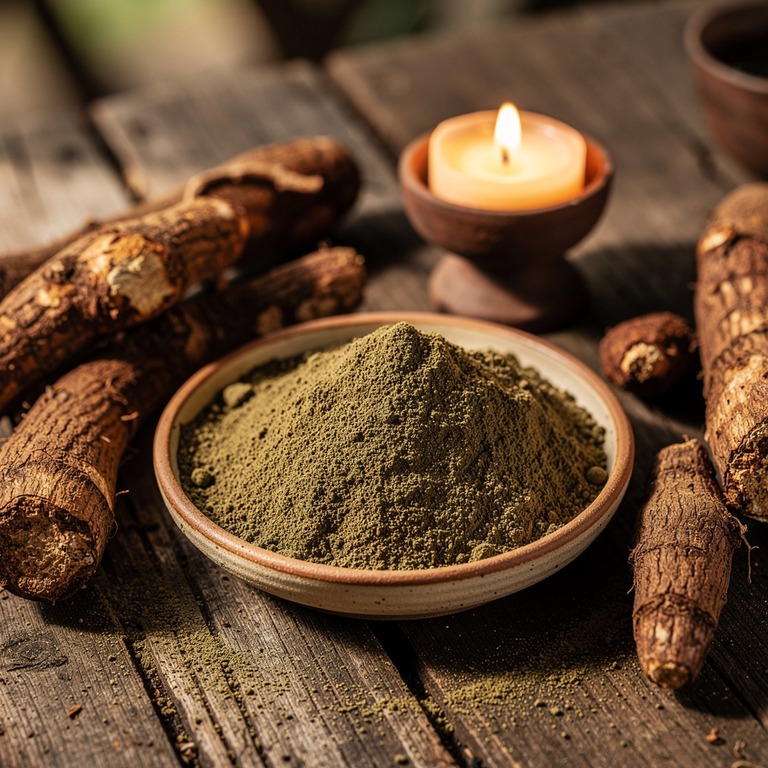
Kava's effects come from a family of compounds called kavalactones, found in the root of Piper methysticum. Six of them do most of the work, and each one tugs on a slightly different lever in your nervous system.
- Kavain is the muscle-relaxer. It calms the body without sedating the mind, which is why kava is so different from alcohol or benzodiazepines. You stay sharp; your body just stops bracing.
- Yangonin interacts with the same cannabinoid receptors that THC hits. This is probably why some drinkers describe a faint, weed-adjacent quality — though it's nothing like actually being stoned.
- Desmethoxyyangonin nudges dopamine upward. That's the mood lift. Subtle, but real.
- Dihydrokavain and dihydromethysticin contribute to the anti-anxiety effect and the bodily heaviness.
What kava doesn't do is hit GABA receptors the way alcohol does, which is part of why it doesn't produce dependency in the same way. People who use it nightly for years tend to find they can put it down without the withdrawal pattern alcohol creates. That's not nothing.
Is kava actually good for anxiety, or is that wishful thinking?
Here the research is more solid than you might expect. A Cochrane review — and Cochrane reviews are about as conservative as medical literature gets — found that kava extract outperformed placebo for short-term anxiety symptoms. Several randomized trials have shown it works comparably to some prescription anxiolytics for generalized anxiety, with fewer side effects in the short term.
So no, you're not imagining it. The plant has real psychoactive properties that genuinely reduce anxiety, particularly the social variety. People who get clammy and tongue-tied at parties often discover that a single shell of kava lets them be themselves without the cortisol spike.
That said — and this matters — kava is not a long-term treatment plan. It's a tool. The people who use it best treat it like a thoughtful cup of evening tea, not a daily medication. A few times a week, in social or contemplative settings, seems to be the sweet spot most regular drinkers settle into.
The liver question
You can't write honestly about kava without addressing this. In the early 2000s, several European countries banned kava after a cluster of liver-injury cases. Germany lifted its ban eventually; the science turned out to be more complicated than the headlines.
Here's what we know now. The liver issues appear to be linked to specific factors: extracts made from the wrong parts of the plant (stems and leaves contain alkaloids that the roots don't), solvent-extracted concentrates rather than traditional water preparations, and interactions with alcohol or pharmaceutical drugs. Traditional Pacific Island populations who've drunk water-prepared root kava for centuries don't show the same liver damage patterns.
Practical takeaway: drink noble cultivars (the traditional varieties grown for ceremonial use, not the cheaper tudei strains), prepared from roots, in water. Avoid alcohol the same day. Don't combine with acetaminophen or other liver-stressing medications. If you're on any prescription, talk to a doctor first. And if you have existing liver issues, skip it entirely.
Where kava fits in the plant medicine conversation
This is what I find interesting. Most people researching kava are also researching other things — ayahuasca, psilocybin, microdosing, ibogaine for addiction. They're looking for tools that actually work, beyond the standard pharmacy options. Kava lives in a quieter corner of that same world.
It won't show you the inside of your psyche the way ayahuasca will. There's no journey, no visions, no shaman singing icaros into the dark. But for people stepping away from alcohol, kava has become an unexpectedly important substitute. It scratches the same social itch — something to hold, something that shifts the evening — without the next-morning wreckage, the slow inflammation, the slide back toward the very patterns someone might be trying to escape.
I've met people fresh out of psychedelic retreats who use kava as part of their integration. Not as a replacement for the work, but as a way to mark a transition in their relationship with substances. The drink that used to be a beer is now a shell of kava. Same ritual, different chemistry, different trajectory.
How to try it without messing it up
If you're curious, here's the short version of doing it well:
- Find a kava bar, not a supplement. Capsules and tinctures vary wildly in quality. Traditional preparation at a real kava bar gives you the most predictable experience.
- Eat lightly beforehand. A full stomach blunts the effects significantly. Most regulars drink on a near-empty stomach and eat after.
- Start with one shell. Wait twenty minutes. Some people are non-responders the first time — there's a phenomenon called reverse tolerance where new drinkers feel nothing until their third or fourth session.
- Don't drive. Even though your head feels clear, your reaction time isn't. Treat it like alcohol for purposes of operating anything.
- Skip alcohol that night. The combination is hard on the liver and also just unpleasant.
The taste improves slightly with familiarity. By your fifth or sixth visit, you stop noticing. Sort of.
A small place in a bigger picture
Kava isn't going to crack open your soul. It's not a master plant in the Amazonian sense, and anyone who tells you otherwise is reaching. What it is, though, is a legitimate traditional plant medicine that's been used for thousands of years to calm bodies, ease social gatherings, and mark important community moments. In a culture drowning in anxiety meds and cheap wine, that's actually meaningful.
If kava intrigues you as an entry point into thinking about plant medicines more broadly — or if you're already deep into the conversation around ayahuasca, psilocybin, and addiction recovery and want to round out your picture — the broader spectrum of plant medicine retreats and ceremonies can be browsed on our marketplace here. Sometimes the smallest plants point you toward the bigger ones.

Craving More Stories?
Join our ShopAyahuascaRetreats newsletter for the latest updates on thrilling
destinations and inspirational tales, delivered straight to your inbox!
We value your privacy. Your email address will never be shared or published.