 English
 Deutsch
 Français
 Nederlands
 Español
SHOP AYAHUASCA RETREATS BLOG
Big Money Meets Psychedelics: What Pharma Investment Means for Plant Medicine Seekers

Finn Ashton
May 24, 2026
Your ultimate guide to discover transforming ayahuasca and psychedelic experiences. Dive into serene destinations and elevate your consciousness to unparalled heights.
Discover Ayahuasca & Psychedelic Retreats NowSearch for ayahuasca & psychedelic retreats
Discover retreats, trainings, and holidays from all over the world
A few years back, the idea that a serious pharmaceutical company would raise hundreds of millions of dollars to turn psilocybin and ibogaine into prescription medicines would have sounded faintly ridiculous. Now it's just a Wednesday. Biotech platforms backed by Peter Thiel and old-money family offices are writing nine-figure checks toward psychedelic-assisted therapy. And if you're someone quietly researching ayahuasca, psilocybin, or ibogaine as a way out of depression, addiction, or trauma, this matters more than it might seem.
Because the world of psychedelics is splitting into two tracks. One is the clinical-pharma path — synthesized compounds, white-coat protocols, FDA trials. The other is the older path most retreat-seekers are actually looking at — ceremonies, master plants, facilitators with twenty years in the jungle. Knowing the difference helps you make a smarter decision about where to put your money and your nervous system.
What Actually Happened With All That Capital
A biotech outfit called atai Life Sciences closed a Series D financing round of roughly $157 million a few years back, on top of a $125 million round only months earlier. That put their total raise north of $350 million — the kind of money that, until recently, never went near anything involving DMT or iboga bark. The investors weren't fringe believers either. Thiel Capital, large healthcare-focused equity funds, the usual constellation of family offices and venture firms.
atai's model is essentially a holding company for psychedelic drug development. They take stakes in subsidiaries working on synthetic psilocybin, arketamine, ibogaine, and a handful of non-psychedelic compounds. The flagship bet is their stake in Compass Pathways, which has been running phase II trials of a synthesized psilocybin formulation for treatment-resistant depression. That's the company that went public on the NASDAQ and basically opened the floodgates for institutional money to take this stuff seriously.
The CEO at the time, Florian Brand, said something honest about why they're spreading bets across multiple compounds: no single molecule is a cure-all, and mental health is wildly heterogeneous. Depression in one person doesn't look like depression in another. PTSD has fingerprints. Addiction has its own neurochemistry. So instead of betting the farm on psilocybin alone, they're building what he called a toolbox.
Why a Retreat-Seeker Should Care About Biotech Funding Rounds
Fair question. You're not buying stock. You're trying to figure out whether to fly to Peru, or Costa Rica, or rural Oregon, and drink something that might dismantle your worldview for six hours. What does atai's balance sheet have to do with any of that?
Three things, actually.
- Legitimacy spills sideways. When real money and real clinical research validate psychedelic healing, the cultural temperature shifts. Therapists you'd never have considered are now reading the literature. Family members who would've staged an intervention five years ago are now sending you articles. The stigma around plant medicine and psychedelics keeps loosening, and that matters when you're deciding whether to tell your sister where you're going next month.
- The science backs up what indigenous traditions have said for centuries. Trials on psilocybin for treatment-resistant depression, ibogaine for opioid use disorder, MDMA for PTSD — these aren't fringe anymore. They're producing the kind of effect sizes that pharmaceutical companies usually only dream about. If you've been wondering whether psychedelics for addiction is genuinely a thing or just internet hype, the answer is increasingly: it's a thing.
- The pharma path and the retreat path are going to diverge, hard. One will eventually be a doctor's office with a prescription pad and a chaperone. The other will continue to be a hut in the Amazon with a shaman and a bucket. They're not the same product. They're not the same experience. And they're not the same price point.

Pharma Psilocybin vs. a Plant-Medicine Retreat — What's the Real Difference?
Here's the thing nobody really tells you. The synthesized psilocybin being trialed in clinics is, chemically, the same active molecule found in magic mushrooms. But the context surrounding the molecule changes the experience profoundly.
In a clinical setting you get a measured dose in a quiet room, often with eyeshades and curated music, a licensed therapist present, and structured integration sessions. It's controlled, predictable as these things can be, and increasingly evidence-based. The downside? It's expensive, gated by diagnosis, and stripped of the cultural and spiritual scaffolding that humans have used around these substances for thousands of years.
A traditional ayahuasca ceremony or San Pedro ceremony is the opposite of clean. You'll sit through hours of icaros, songs sung by curanderos who've been training since adolescence. The brew tastes like swamp water that's been crying. You may purge. You may cry. You'll likely meet things — your own grief, your dead grandmother, the architecture of your shame — that no clinical protocol is built to hold. The container is older and stranger, and for many people, it's exactly what the work demands.
Neither path is universally better. But they answer different questions. If you want symptom relief inside a medical framework, the pharma route, once approved, will be your option. If you're after what people in this world call soul exploration — the messy, meaning-laden, sometimes terrifying confrontation with your own depths — that's still mostly what retreats are for.
What Master Plants Actually Are
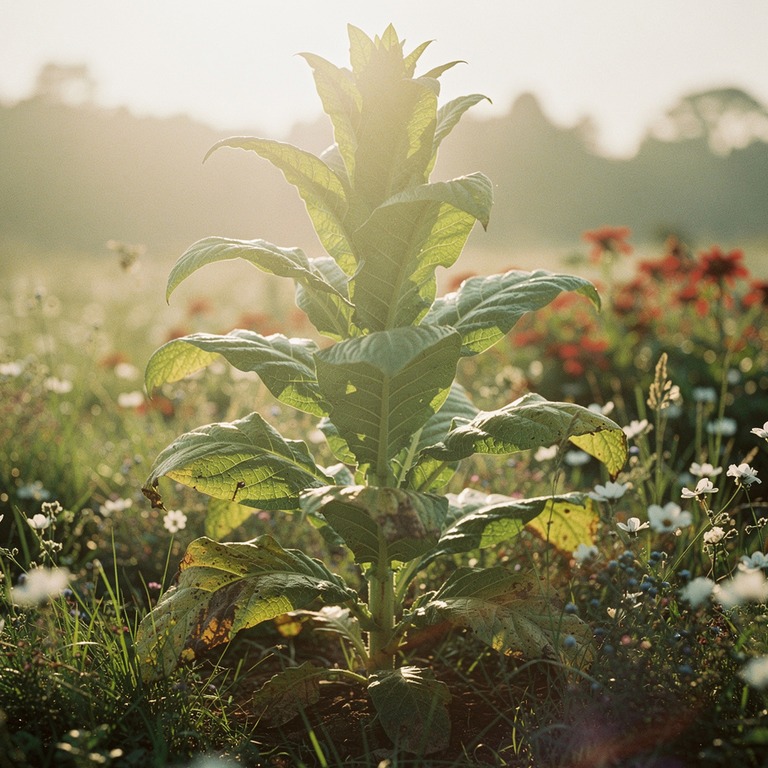
You'll see the phrase "master plants" a lot in retreat literature, and it's worth understanding what's meant. In Amazonian traditions, a master plant — or planta maestra — is a plant considered to have a spirit, a teacher-quality, an intelligence that can transmit knowledge to someone who diets with it properly. Ayahuasca is the most famous, but the category includes tobacco (in its ceremonial form, mapacho), chacruna, bobinsana, ajo sacha, chiric sanango, and many others.
A traditional dieta involves isolating with one of these plants for days or weeks, eating bland food, abstaining from sex, salt, sugar, and most stimulation, and drinking preparations of the plant under a curandero's guidance. The point isn't recreational. It's to learn from the plant. Whether you take that framework literally as spirit-communication or metaphorically as deep neurochemical attunement, the practice produces effects that participants describe in remarkably consistent ways across generations.
This is what biotech can't really package. The molecule isolated from the vine is one thing. The relationship cultivated through dieta is another. Both can be useful. They are not interchangeable.
Choosing a Retreat When Real Money Is Now in the Field
Money in the space is mostly good news. It also means more marketing, more slick websites, more retreats opening because someone smelled an opportunity rather than because someone trained for twenty years. So a few honest things to think about before you wire a deposit anywhere.
- Who is actually running the ceremonies? A real curandero or shaman has a lineage and a teacher. Ask. If the answer is vague or pivots to talking about the founder's MBA, that tells you something.
- What is the medical screening like? Ayahuasca interacts with SSRIs and certain other medications in dangerous ways. Ibogaine carries real cardiac risk. A reputable retreat will ask you for medical history, current medications, and history of psychotic disorders in the family — and turn you away if something looks contraindicated.
- What does integration look like? A weekend of ceremony followed by an airport shuttle is not a healing program. The work happens in the weeks after. Ask what support is offered, and whether they have integration coaches or therapists you can continue with.
- What is the group size? Twelve people in a maloca with two facilitators is workable. Forty people with two facilitators is a factory.
- Are they making claims they can't back up? Anyone promising you'll heal your addiction, your trauma, your depression in one weekend is selling a story. The plants don't work on a schedule, and good facilitators know this.
The Honest Picture on Addiction and Plant Medicine
Since this is where a lot of readers are quietly coming from — yes, the research on psychedelics for addiction is genuinely promising. Ibogaine has shown striking results in interrupting opioid dependence, with people reporting that withdrawal collapses in hours and cravings stay diminished for weeks or months. Psilocybin has produced encouraging numbers in smoking cessation and alcohol use disorder trials. Ayahuasca has a long indigenous history of being used to address what we'd now call substance dependence, and the modern data is beginning to catch up.
But — and it's an important but — none of these are a one-and-done miracle. The people who get durable benefit almost universally do the integration work, change their environment, build new habits, often combine the experience with ongoing therapy. The medicine cracks something open. What you do with the opening is the actual treatment. If you're considering ibogaine specifically, please understand it carries real risk and should only be undertaken at a facility with proper cardiac monitoring and medical staff. This is not a substance to take in a yurt.
The other quiet truth: not everyone is ready. If your life is in acute crisis, if you're actively psychotic, if you're freshly off a benzo taper, the medicine isn't going to fix what stability needs to fix first. Sometimes the most healing thing a good retreat will do is tell you to come back next year.

So Where Does This Leave You?
The era when psychedelic healing was something you whispered about is ending. Capital is flowing in. Trials are publishing. The cultural permission slip is being written in real time. That's mostly good for you as someone considering a retreat — better information, more honest conversation, fewer raised eyebrows when you book the flight.
Just don't confuse the pharma story with the retreat story. The fact that a biotech firm raised $157 million doesn't tell you anything about whether a particular ayahuasca center in Iquitos is reputable, or whether a psilocybin retreat in the Netherlands is well-run. Those are different questions, answered by different homework. Read facilitator bios. Talk to past participants. Ask about lineage. Ask about screening. Ask about integration.
If you're feeling pulled toward this work and want to start comparing actual programs — ayahuasca, psilocybin, ibogaine, San Pedro and others — a curated set of psychedelic and plant-medicine retreats can be browsed on our marketplace here. Take your time with the decision. The plants will still be there when you're ready.
Craving More Stories?
Join our ShopAyahuascaRetreats newsletter for the latest updates on thrilling
destinations and inspirational tales, delivered straight to your inbox!
We value your privacy. Your email address will never be shared or published.