 English
 Deutsch
 Français
 Nederlands
 Español


Reset. Heal. Grow.
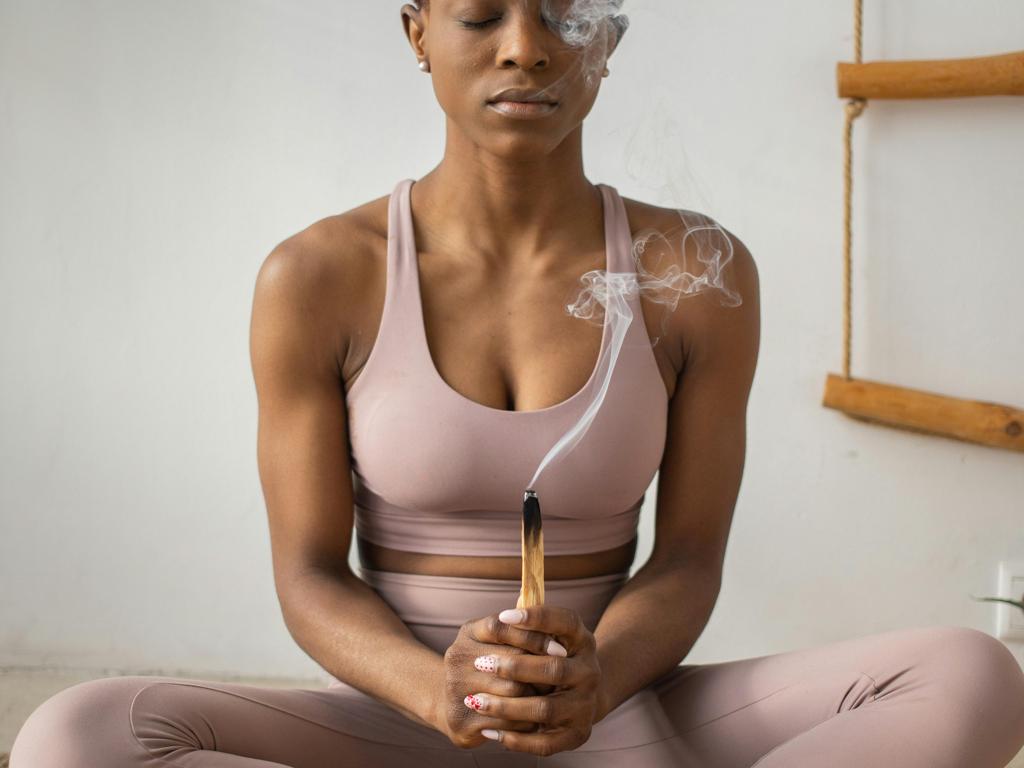
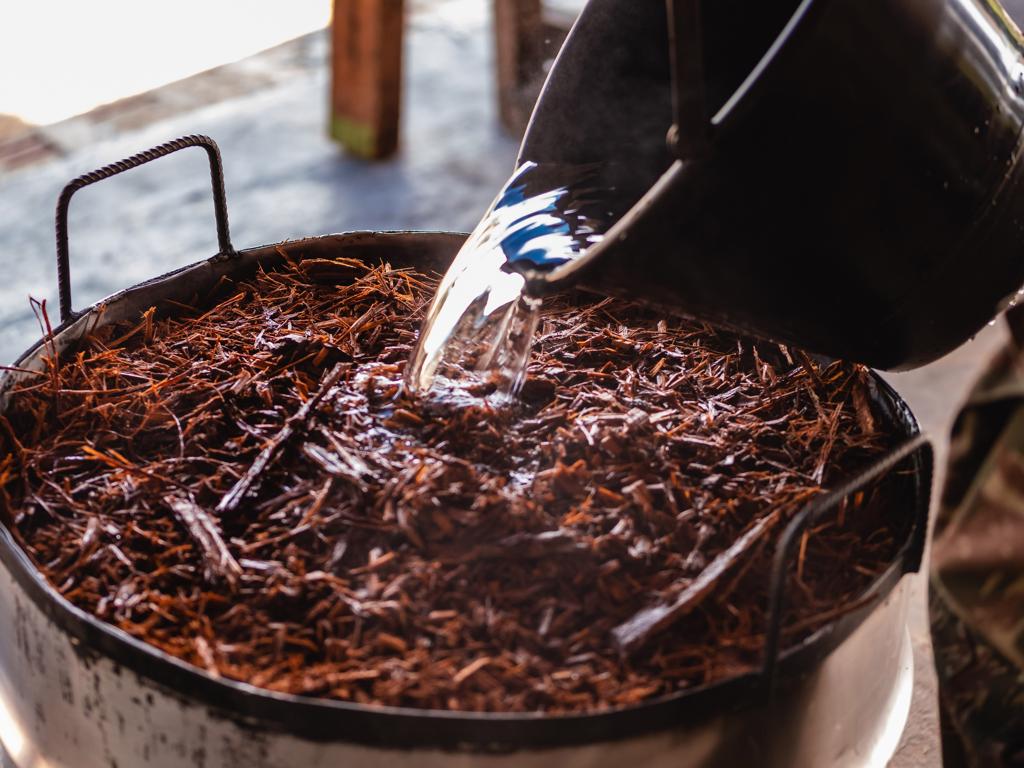
How to Take Magic Mushrooms: 5 Methods Compared for First-Time Trippers
Here's something most first-timers don't realise until they're already an hour deep: how you take psilocybin mushrooms changes the trip almost as much as the dose. Same gram of cubensis, two different methods, two completely different afternoons. One person is quietly weeping at a houseplant. The other is throwing up behind a tree, wondering what went wrong. The difference usually comes down to preparation. Magic mushrooms — and the broader family of plant medicines and psychedelics that people turn to for healing, addiction recovery, or deep soul exploration — are not one-size-fits-all. The method of consumption shapes how fast the come-up hits, how intense the peak gets, how long you're out there, and (crucially) whether your stomach behaves itself. So before you crunch down on a dried cap, it's worth knowing your options. Short answer: yes. Longer answer: the chemistry is genuinely different depending on how the psilocybin gets into your bloodstream. Psilocybin itself isn't psychoactive — your body has to convert it into psilocin first, usually through stomach acid and a stop at the liver. Anything that speeds up, slows down, or sidesteps that process changes the character of the trip. Eat on an empty stomach and the come-up is fast, sometimes uncomfortably so. Eat after a big meal and the whole thing arrives gently, peaks lower, and fades sooner. Add lemon juice and you've effectively done the conversion outside your body, which means the trip hits like a freight train. None of these are right or wrong — they're tools. The question is what kind of experience you actually want. A quick word on dosing before we get into methods. Mushrooms are not something you can redose halfway through. Your serotonin receptors downregulate fast once psilocin shows up, so a second helping forty minutes in mostly just gives you a stomach ache. You get one shot to land the dose right. As a rough guide for dried cubensis: These numbers shift wildly depending on the strain, how fresh they are, your body weight, and what you ate for breakfast. When in doubt, go lower. You can always do it again next month. The most basic method and, for a lot of people, still the best. You take the mushrooms, you chew them slowly and thoroughly, you swallow. That's the whole technique. The taste is — let's be honest — not great. Earthy, slightly metallic, with a texture somewhere between cardboard and old sponge. But chewing matters. The more you break the cell walls down before swallowing, the faster your gut can extract the goods. People who bolt them down whole often wonder why the come-up took two hours. People who actually chew can feel something within twenty to thirty minutes on an empty stomach. The trip from this method tends to be the most balanced — slower to build, longer to taper, slightly more body-load than the cleaner approaches. If you're going to a forest, a beach, or anywhere you'd rather not be carrying drug paraphernalia, this is your friend. Tea is what a lot of experienced trippers default to, and it's the method most ceremonial settings prefer too. There are two big advantages. First, the taste is far more manageable — throw in some ginger, lemon, honey, whatever — and you can actually finish your dose without gagging. Second, you're not eating the chitin. Chitin is the fibrous stuff that gives mushroom cell walls their structure. It's also a major cause of the famous shroom nausea. By steeping rather than eating, you extract the psilocybin into the water and leave most of the chitin behind in the grounds. People with sensitive stomachs swear by this method. The basic process: heat water to around 70°C — no hotter, because high heat degrades psilocybin — grind your mushrooms fine, steep for about twenty minutes, strain, drink. A squeeze of lemon juice into the tea kicks off some of the psilocybin-to-psilocin conversion before you drink it, giving you a slightly faster and sharper come-up without the full intensity of a lemon tek. Onset is usually faster than chewing, peak comes on cleaner, and the overall arc tends to feel less heavy on the body. Capsules are the method of choice for two very different groups: people who genuinely cannot stand the taste, and people who microdose seriously and need to know exactly what they're taking every time. To make them, you need a coffee grinder, milligram-accurate scales (not the kitchen scale you weigh flour on — get a proper jeweller's scale), and empty gelatin or veggie capsules. Grind your dried mushrooms to a fine powder, weigh out each dose, fill the capsules. Most size 0 capsules hold roughly half a gram of mushroom powder, so a full ceremonial dose means swallowing several at once. The trade-off is onset speed. Capsules have to dissolve before anything happens, which adds maybe twenty extra minutes to the come-up. For a microdosing regimen — where you're taking 0.1 to 0.3 grams a couple of times a week and trying to function normally — that's a feature, not a bug. The trip is gentle, the body load is light, and you can carry a dose discreetly in a vitamin bottle. Mushroom chocolate is the most popular edible by a wide margin, and the pairing isn't new — the Aztecs were combining psilocybe with cacao long before anyone wrote about psychedelics. There's a folk belief that the MAO-inhibiting compounds in raw cacao potentiate the trip, though the evidence for this in normal doses is thin. What chocolate definitely does is mask the taste and make dosing more pleasant. Other edibles are possible — honey, energy balls, smoothies — but two warnings. First, heat above roughly 70°C will degrade the psilocybin. So baking your mushrooms into a brownie is mostly just wasting them. Second, any meaningful amount of food in your stomach during the trip will mute the experience. Mushroom pizza is mostly a joke; if you want a real psychedelic journey, don't eat a meal alongside it. The right way to make chocolate is to melt good-quality dark chocolate low and slow (a double boiler, off the heat once it's liquid), stir in your ground mushroom powder once the chocolate has cooled to lukewarm, then pour into moulds. Dose each piece deliberately so you know what you're eating. If you want the most intense version of the trip in the shortest amount of time, lemon tek is the way. You grind the mushrooms fine, cover them in fresh lemon juice (the citric acid does the work that your stomach would normally do), let it sit for fifteen to twenty minutes, and then take the whole shot — pulp, juice, and all. What you're doing is converting the psilocybin to psilocin before it enters your body. That means when you swallow it, the active compound is already there, ready to cross into your bloodstream. Onset is fast — sometimes fifteen minutes — and the peak hits hard and clean. Many people describe lemon-tek trips as more visual, less nauseating, and shorter overall, with the whole thing wrapped up in three to four hours instead of six. The catch: it is intense. People who handle two grams chewed will often find one and a half grams lemon-tekked is more than enough. If you're new to this method, drop your usual dose by a third and see how it goes. You can't pull back once you've drunk it. Method doesn't matter if the timing is wrong. There are situations where the kindest thing you can do for yourself is put the bag back in the drawer. Whatever method you choose, the same basics apply. Eat lightly four to six hours beforehand. Have water, fruit, and a blanket within reach. Pick music you trust — a curated playlist beats whatever shuffle throws at you. Have a sober sitter if it's your first time, or at least someone who knows what you've taken and can be reached. And give yourself the whole next day to come down properly; this isn't something to do on a Sunday evening before a Monday meeting. For people exploring psilocybin as part of something bigger — addiction recovery, depression that hasn't responded to other approaches, the kind of stuck patterns that come up when you read about master plants and wonder if they might help — a structured retreat is worth considering. The difference between tripping alone in your bedroom and sitting with experienced facilitators in a prepared container is enormous, and not just in terms of safety. Integration support afterwards is where most of the real change happens. If any of this has caught your attention and you'd like to take the exploration further, a curated selection of psilocybin and plant-medicine retreats can be browsed on our marketplace here. Whatever route you take — solo and slow, or in ceremony with others — go gently, dose conservatively, and respect what these mushrooms are actually capable of doing.
Kambo Therapy: What to Really Expect From the Frog Medicine Ceremony
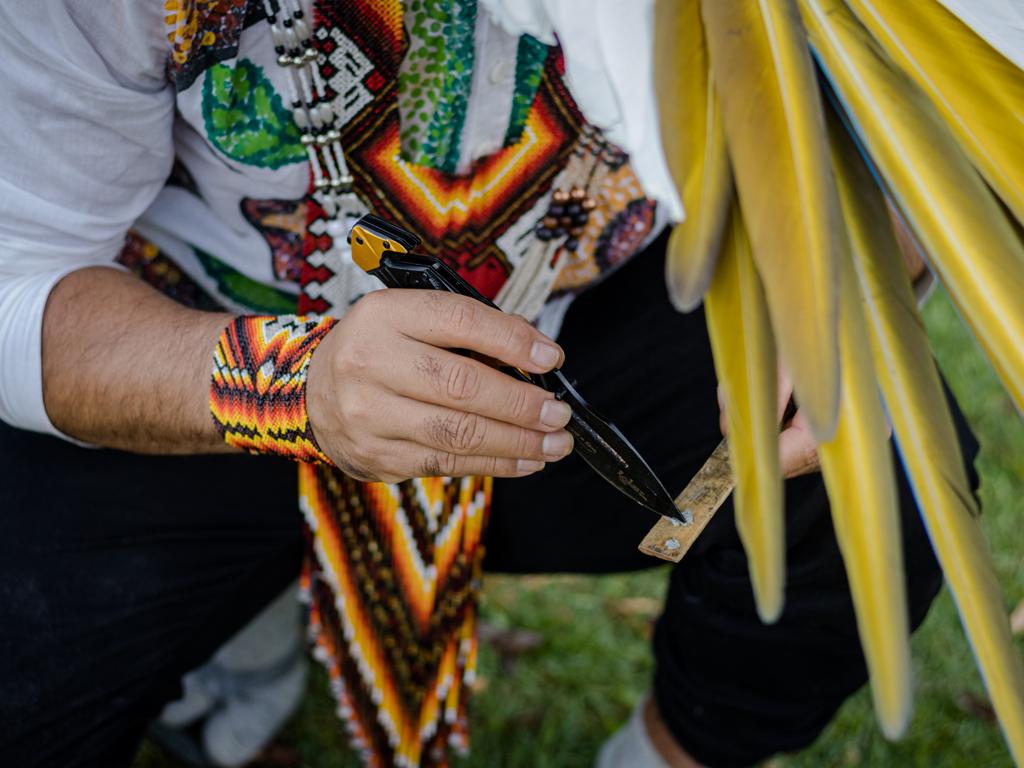
The first thing people tell you about kambo is the purge. The second thing they tell you, usually about ten minutes later, is that it was somehow worth it. Sit with anyone who's done a serious round of plant medicine work and kambo comes up — sometimes whispered, sometimes laughed about, almost always with a strange affection for an experience that, on paper, sounds horrible. So what is it actually? Kambo is the secretion of the giant monkey frog, Phyllomedusa bicolor, native to the Amazon basin. For centuries the Matsés, Katukina, Yawanawá and other indigenous peoples have used it as a hunting medicine and a cleanse — a way to clear what they call panema, a kind of heavy energetic fog that settles on a person and dulls their luck, focus, and vitality. In the last decade or so it's leaked out of the rainforest and into wellness centers, ayahuasca retreats, and urban living rooms from Berlin to Bali. Whether that's a good thing depends a lot on who's holding the stick. The mechanics are simple and a little startling. A practitioner uses a smoldering vine to burn small superficial dots — usually three to seven of them — into the top layer of skin, most often on the shoulder for men or the lower leg for women. These are called gates. The dried frog secretion is mixed with water into little dots of paste, and those dots are pressed onto the open points. The medicine enters directly through the lymphatic system rather than the stomach. Within thirty seconds, things start. A flush of heat moves up the chest and face. The heart rate climbs. Some people describe a tight band around the head, others a swelling sensation in the throat or tongue. Then comes the part everyone warns you about: the purge. You drink a couple of liters of water beforehand, and your body finds a fairly emphatic way to get rid of it. Most of the intense phase is over in fifteen to thirty minutes. The medicine is then wiped off the gates, and you rest. It's short. That's the thing nobody quite prepares you for. Compared to an ayahuasca ceremony — six, seven, sometimes nine hours of inner weather — kambo is a sprint. You're back on your feet and quietly eating soup within an hour or two. The science here is more interesting than the marketing usually lets on. Kambo secretion contains a cocktail of bioactive peptides — dermorphins, deltorphins, phyllomedusin, phyllocaerulein, sauvagine, and others. Some of these are powerful opioid agonists (dermorphin is roughly forty times stronger than morphine in lab assays). Others act on smooth muscle, blood pressure, and the gut. A few have shown interesting activity in early-stage research on infections and inflammation. What does that mean for you, on the mat? A few things seem reasonably well-established from observation: Beyond that, claims get fuzzier. You'll hear that kambo resets the immune system, kills cancer cells, treats Lyme disease, and rewrites your karma. Some of these are plausible avenues for future research. None of them are proven. A serious practitioner will tell you that honestly. A salesperson won't. This is where I want to slow down, because the casual framing kambo sometimes gets in wellness spaces underplays the real stuff. Kambo is not a gentle herbal infusion. It's a potent peptide cocktail that puts measurable strain on the cardiovascular system. There have been deaths. Not many, but enough. The biggest danger is hyponatremia — water intoxication. Because the ritual involves drinking a large volume of water and then purging, the sodium balance in the blood can crash, particularly if a participant keeps drinking more water than the practitioner advises. This can trigger seizures and, in rare cases, be fatal. A good facilitator measures water carefully and stops you from over-drinking. A careless one hands you a bucket and walks away. People who should not do kambo at all (or should only do so under medical supervision): If your practitioner doesn't take a thorough health intake before agreeing to work with you — blood pressure, medications, mental health history, the lot — walk away. That alone is the single biggest filter between a safe session and a dangerous one. Now, the part that's harder to put on a lab report. People come out of kambo describing things that sound a lot like what you hear after a psychedelic session, even though kambo isn't classically psychedelic. There's clarity. A sense of weight lifting. Sometimes a quiet emotional release — tears that arrive without a clear story attached, or a sudden recognition of something you've been carrying. Why? Honest answer: nobody fully knows. Part of it is probably the intensity of the experience itself — pushing your body through something that hard tends to shake loose whatever's sitting on the surface. Part of it may be the opioid peptides briefly flooding the system. Part of it is almost certainly the ceremonial frame — the intention, the silence, the witnessing of your own purge as something more than just being sick. People who use kambo regularly often pair it with other plant medicine work. It's common to see it offered at the start of an ayahuasca retreat as a kind of clearing, or in between ceremonies to break a stuck pattern. Some folks use it on its own as a once-or-twice-a-year reset. I've talked with a handful of people in addiction recovery who swear by it — not as a cure, but as something that gives them a clearer line of sight on the cravings and stories underneath. The evidence there is anecdotal but consistent enough to be worth noticing. This is where most of the difference between a transformative session and a regrettable one lives. The kambo space is largely unregulated, which means the floor is very low. A weekend course exists. Anyone can call themselves a practitioner. So you have to do the filtering yourself. Questions worth asking before you book: A practitioner who answers these clearly and unhurriedly is probably someone you can trust. One who deflects, gets defensive, or leans on mystical language to dodge the practical questions is not. Kambo is having a moment, and the reasons are worth naming honestly. There's a real hunger right now for embodied, non-pharmaceutical approaches to mental and physical health — partly because conventional options have failed a lot of people, partly because the broader psychedelic renaissance has made plant medicine feel legitimate again. Kambo slots into that opening. It's short, it's intense, it produces visible effects, and it has the kind of indigenous lineage that lends it weight. It also fits the rhythm of modern life in a way ayahuasca doesn't quite. You can do kambo on a Saturday morning and be functional by evening. You can fold it into a longer retreat without it eating the whole week. For people curious about plant medicine but not ready for a multi-day journey, it can feel like a manageable doorway. None of that makes it a casual thing. The ceremonies that work best are the ones held with care — small groups, an experienced practitioner, a clear container, and time afterward to rest and integrate. The ones that go badly tend to be rushed, oversold, or run by someone who learned the ritual from a YouTube video. Read more than one source. Talk to people who've done it. Get honest with yourself about your health history and whether this is the right tool for what you're actually looking for. Kambo isn't a magic bullet for depression, addiction, or trauma — and any practitioner who tells you it is should make you nervous. What it can be, in the right hands, is one useful instrument in a longer process of paying attention to your body and your patterns. If something here resonates and you'd like to explore it further, a selection of vetted kambo and plant-medicine retreats can be browsed on our marketplace here. Take your time choosing. The right ceremony, with the right people, is worth waiting for.
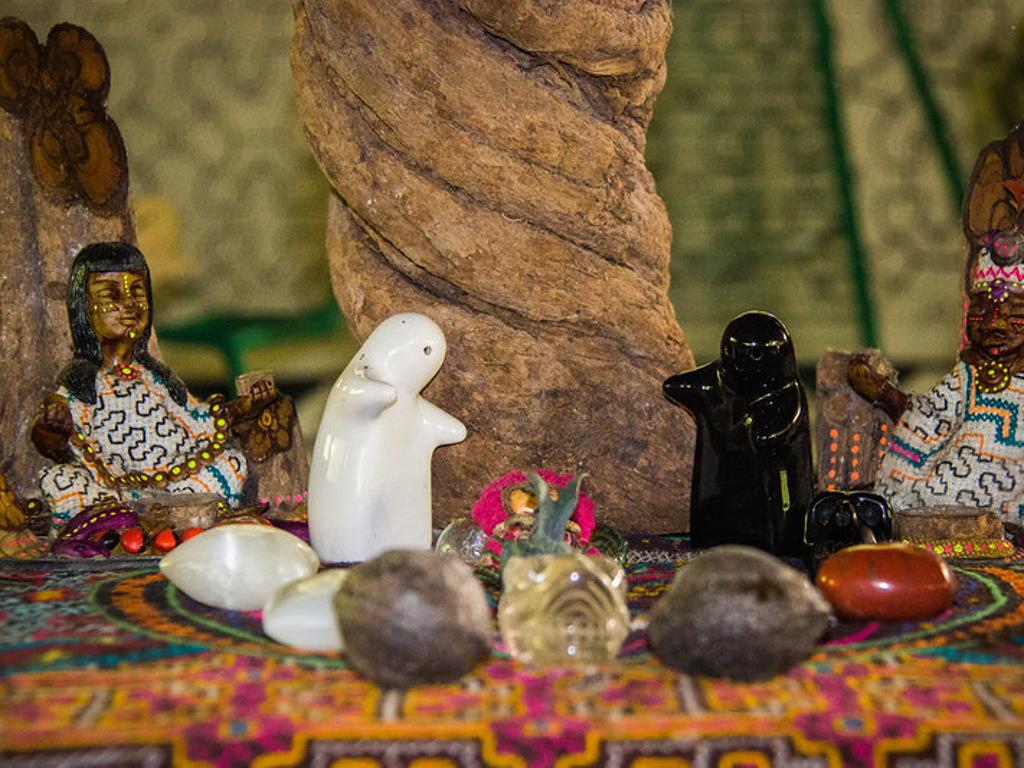
Iboga Flood Dose: What an Ibogaine Ceremony Actually Feels Like
The first time someone described an iboga flood dose to me, they used the word “surgery.” Not metaphorically — they meant it the way you’d talk about a procedure you booked, prepped for, and recovered from. That framing stuck with me. Among the plant medicines drawing serious attention right now, iboga sits in a category of its own: slower, heavier, and more clinical than most of its psychedelic cousins. It’s also the one most often discussed in the same breath as addiction, which is why people end up researching it at 2 a.m. after years of trying everything else. If you’re reading this, you’re probably weighing whether to book a ceremony, or trying to understand what a friend went through, or quietly wondering whether iboga could break a pattern that won’t budge. Fair. Let’s talk honestly about what a flood dose actually involves — the hours, the sensations, the risks, and what people tend to carry home with them. Iboga refers to the root bark of Tabernanthe iboga, a shrub native to Central Africa, used ceremonially by the Bwiti for generations. Ibogaine is the principal alkaloid extracted from that bark — the molecule most often used in clinical and underground addiction-interruption settings. A “flood dose” means a single, large oral dose, calibrated to body weight, intended to produce a full immersive experience lasting roughly 24 to 36 hours. This isn't microdosing. This isn't a weekend of mushrooms. It's a long, demanding inner sit. Doses are typically measured in milligrams per kilogram of body weight, and reputable providers will run cardiac screening, liver panels, and a medical intake before they hand you anything. Iboga and ibogaine carry real cardiac risks — they can affect heart rhythm in ways that have killed people who weren't screened. Anyone offering a flood dose without an EKG and a medic present is not running a safe operation. That's not me being cautious. That's the floor. Most folks who pursue a flood dose fall into one of two camps. The first is people trying to interrupt opioid, alcohol, or stimulant addiction — iboga's reputation as an addiction-interruption tool is what built its modern legend, and clinical observation backs up at least part of the story. The second is people drawn to deep psychological work: trauma, grief, identity questions, a sense of being stuck in a story they can no longer narrate their way out of. Iboga is sometimes called a “master teacher” among master plants, and the experience does have a teacherly quality — direct, unsentimental, sometimes uncomfortably specific. You'll usually take the dose in stages — a test dose first, then the main amount once the team confirms you're tolerating it. The onset is gradual. Within the first hour, most people describe a buzzing or vibrating sensation, sometimes auditory — a high-pitched hum that locks in and stays for hours. Movement becomes difficult. Coordination drops. You'll likely be asked to lie down and stay there, because trying to walk to the bathroom feels like piloting a rowboat in heavy weather. Nausea is part of the package. Some people purge, some don't. The body load is real and not particularly poetic — your limbs feel heavy, your stomach unsettled, your sense of physical orientation scrambled. This is not the giggly, melty quality of psilocybin. It's closer to a fever dream you stay conscious through. Knowing this in advance helps. People who expect bliss are surprised. People who expect work are not. Once the body settles into its strange new gravity, the visual material starts. Eyes closed, most people report long internal films — autobiographical reels, ancestral imagery, encounters with figures that feel distinct from the self. The classic iboga description is of being shown your life from the outside, often in chronological order, with attention paid to moments you'd forgotten or filed away. Some people describe being “interviewed” by a presence. Others describe a kind of library, or a forest, or a long road. The content is intensely personal. Two people in the same room will have completely unrelated journeys. What they tend to share is the texture: clear-eyed, unhurried, and oddly factual. Iboga rarely flatters. It tends to show you things you already half-knew but had been working hard to ignore. This is the stretch most retreat preparations underplay. Around the 8-to-12 hour mark, the visions soften, but the experience isn't over — not even close. What follows is sometimes called the “gray zone” or the cognitive phase: hours of lying awake with your thoughts moving slowly, the body still heavy, sleep impossible. You'll review the visions. You'll reconsider relationships. You'll plan things you've been avoiding planning. Time stretches in a way that's hard to describe to someone who hasn't been there. Some people find this phase harder than the peak. There's no dramatic content to hold onto, just an extended encounter with your own mind in an altered, lucid state. Facilitators usually check in quietly, offer water, adjust the room, and otherwise leave you to it. The work is internal. Trying to socialize through it tends to feel wrong. By hour 30 or so, most people can sit up, sip broth, and start the slow return. The first night of real sleep usually comes about 36 to 48 hours after the dose, and it tends to be unusually deep. From there, the integration window opens — the period that actually determines whether the ceremony changes anything in your life. For people working on addiction, the first week is often striking. Cravings that have been constant for years can drop to near-zero. This window is real, but it's a window, not a cure. People who treat the post-ceremony weeks as a victory lap tend to relapse. People who treat them as a rare opening — a chance to build new structures, get into therapy, repair relationships, change their environment — tend to do dramatically better. I've come to think of the flood dose itself as maybe 20% of the work. The rest is what happens in the months afterward. Iboga shows you things; it doesn't install them. Without follow-up — talk therapy, somatic work, community, sometimes medication — the insights blur and fade like dreams you didn't write down. Reputable retreats build this in: post-ceremony integration calls, referrals to integration specialists, sometimes a structured aftercare program. If a provider doesn't mention integration in their materials, that's a yellow flag. The medicine works in conjunction with what you do with it. Nobody who's spent serious time around iboga will tell you otherwise. The iboga and ibogaine world is unevenly regulated. Some centers are excellent — medically supervised, ethically run, transparent about outcomes and risks. Others are not. A few questions to ask before you wire any money: If the answers feel vague, evasive, or annoyed, that's information. A serious operation will welcome these questions because they ask them of themselves. Cost varies widely — anywhere from a few thousand to well into five figures depending on country, length, and medical infrastructure. Cheaper isn't always worse, and pricier isn't always safer, but extremely low prices usually mean something has been cut, and what gets cut is almost always medical oversight. Iboga isn't for everyone, and it isn't a first-line option for most situations. If you've never worked with plant medicine before, ayahuasca or psilocybin are gentler doorways. If you're on SSRIs, certain heart medications, or have a cardiac condition, iboga may be contraindicated entirely — non-negotiable, no workaround. If you're in active crisis without support around you, this is not the moment. If you're curious but uncertain, talk to people who've done it. Read the harder accounts, not just the triumphant ones. That said, for the right person at the right time, a flood dose can be one of the most clarifying experiences available. It tends to attract people who have already tried the conventional routes and want something that meets them at the depth their situation actually requires. If that's you, take your time. Choose carefully. For readers wanting to explore options further, a range of vetted ibogaine and iboga retreats can be browsed on our marketplace here. The medicine will still be there next month. Better to arrive prepared than to arrive fast.
Lemon Tek Explained: Faster, Sharper Magic Mushroom Trips
Ask anyone who’s spent time around psilocybin and they’ll eventually mention the lemon. It’s one of those folk techniques that sounds suspiciously like kitchen magic — a citrus fruit, some dried mushrooms, a small glass — and yet people swear by it. The lemon tek isn’t a substance. It’s a preparation method. And depending on who you ask, it’s either a clever hack for a smoother psychedelic experience or a way to get yourself flung into the deep end before you’ve finished tasting the tea. Either way, if you’re researching psilocybin — for curiosity, for healing work, for a retreat you’re considering — you should understand what lemon tekking actually does. Because the method changes how the trip arrives, how long it lasts, and how it lands in your body. That matters. Lemon tek is the practice of soaking ground magic mushrooms or magic truffles in fresh lemon (or lime) juice for ten to twenty minutes before drinking the whole mixture down. That’s the entire technique. No special tools, no exotic ingredients, no shamanic incantation required — though some people do mutter at the cup, which is fair. The point is to start converting psilocybin into psilocin before the mixture enters your stomach. Psilocybin is the compound your body normally has to break down first; psilocin is the active form your brain actually responds to. Citrus juice is acidic enough to begin that conversion outside the body, essentially doing a little of the digestive work in advance. The result, for most people, is a faster, sharper onset and a slightly shorter overall trip. Some practitioners have used lemon or lime with mushrooms for decades — it’s common in parts of Mexico where psilocybin mushrooms grow wild. The internet gave it a name and a method, but the underlying intuition isn’t new. Here’s the chemistry without the chemistry lecture. Inside fresh mushrooms or truffles, psilocybin sits there as a relatively inert molecule. Once you eat them whole, your stomach acid and enzymes slowly convert that psilocybin into psilocin over the course of thirty to sixty minutes. That gradual conversion is why a normal mushroom trip ramps up slowly — sometimes painfully slowly, if you’re anxious and watching the clock. Lemon juice has a pH of around 2 to 3, which is actually similar to stomach acid. When you grind your mushrooms finely and submerge them in citrus, the acid starts that conversion process right there in the glass. By the time you drink it, a meaningful chunk of the psilocybin is already psilocin, which absorbs faster across your stomach lining and gut. The practical effects most people report: That last one is worth a footnote. Mushroom nausea usually comes from chitin, the tough fibre in fungal cell walls. Lemon tekking breaks the mushrooms down enough that some of that fibre is left behind in the strainer (if you choose to strain), which can be gentler on the stomach. Or it can be worse — sour acidic citrus on an empty stomach isn’t universally pleasant. Your mileage will vary. If you’re going to do this, do it properly. The method is forgiving but a few details matter. Then sit down somewhere comfortable, because the onset is quick. Have water nearby. Don’t plan to be anywhere in the next hour. Neither method is objectively better. They’re different tools for different situations. Eat them raw or in tea if: you’re new to psilocybin, you want a gentler ramp-up, you’re working with a sitter who needs time to gauge how you’re doing, or you have a long evening with nothing to do. The slow onset gives you time to settle into your set and setting. Lemon tek if: you’re experienced enough to handle a fast-arriving peak, you’ve had bad nausea before, you want a more compressed window, or you’re working with truffles that have lost some potency in storage (the acid extraction recovers more of the available compound). One honest caveat — lemon tek doesn’t conjure new psilocybin out of nothing. If your mushrooms are weak, the tek won’t fix that. It just makes the available compound hit faster and harder. Some people interpret “hits harder” as “stronger” when really the same total content is just delivered in a shorter window. A 2-gram lemon tek and a 2-gram raw dose contain the same psilocybin. The curve is different. The total area under the curve is similar. Faster onset is not a feature for everyone. A psilocybin trip that arrives in fifteen minutes leaves less time to back out, breathe through doubt, or move to a different room if you decide you’d rather be on the couch than in the kitchen. For first-timers, that compressed window can feel ambushing. The peak comes before you’ve mentally arrived. If you’re considering psilocybin for genuine therapeutic work — addiction, depression, trauma, the kind of stuck patterns that brought you to plant medicine in the first place — the preparation method matters less than the context. A retreat with experienced facilitators, proper screening, and integration support will use whatever delivery method suits the protocol. Many psilocybin retreats in the Netherlands serve fresh truffles ground into a smoothie or honey, which is closer to a mild lemon tek than to raw eating. Others use traditional dried mushroom preparations. Both work. What you cannot lemon-tek your way around: medication interactions (SSRIs, MAOIs, lithium especially), pre-existing psychotic conditions in yourself or close family, cardiovascular issues, or the fact that an unprepared mind in a chaotic setting will have a hard time no matter how the medicine is prepared. If you’re reading about lemon tek because you’re curious about psilocybin generally, that curiosity is worth honouring — but the method is the last 5% of the equation. Intention, setting, and aftercare are the first 95%. People sometimes ask whether a lemon-tek trip “feels different” — not just faster, but qualitatively different. The honest answer is yes and no. The compounds are the same. Your brain is the same. But the speed of onset changes the emotional shape of the experience. A slow climb gives your psyche time to negotiate. A fast climb skips the negotiation entirely. Whether that’s a gift or a problem depends on what you’re bringing in with you. If you’ve only ever eaten dried caps and you try a properly prepared lemon tek at the same dose, expect something that feels more like a small leap than a long walk. Not necessarily harder. Just more sudden. For readers who want to explore this work in a supported, ceremonial setting rather than on a kitchen floor, a range of psilocybin and plant-medicine retreats can be browsed on our marketplace here. Whatever path you take, take it with people who know what they’re doing and give yourself time on the other side to make sense of what came up.
How Psychedelics Change the Brain: What Psilocybin, LSD, and Ketamine Actually Do to Consciousness
Something strange happens when researchers watch a brain on psychedelics. The patterns of activity get noisier, less predictable, harder to pin down — and yet the person inside that brain often reports an experience that feels more vivid, more meaningful, and more real than anything they encounter in ordinary waking life. That paradox sits at the centre of one of the more interesting findings in recent psychedelic neuroscience, and it has real implications for anyone considering ayahuasca, psilocybin, or another plant medicine retreat to work through addiction, depression, or trauma. The short version: when scientists at the University of Sussex re-analysed brain scans of healthy volunteers who had taken psilocybin, LSD, or ketamine, they found something they hadn't quite seen before. Brain activity during the psychedelic state was measurably more diverse, more chaotic, less integrated than during regular wakefulness. By a specific mathematical measure called global signal diversity, the dosed brains were operating at a level above normal conscious awareness — not below it. That finding lands differently depending on where you're standing. For neuroscientists, it's a clue about what consciousness actually is. For someone weighing a plant medicine retreat for the first time, it's something else — a small piece of evidence that the experience people describe isn't just imagination running loose. The brain really is doing something different. The work was led by Anil Seth at the Sackler Centre for Consciousness Science, with Robin Carhart-Harris from Imperial College London — one of the more recognisable names in modern psychedelic research — listed as a co-author. The team used magneto-encephalography, or MEG, which reads the faint magnetic fields produced by electrical activity at the brain's surface. It's a tool built for catching how brain activity shifts from one moment to the next, even if it's less precise about exactly where in the brain things are happening. What they were looking for was a specific signature: how varied, how unpredictable, how rich the moment-to-moment electrical signals were. In a sleeping brain, that signal is relatively orderly and easy to predict. In a normally awake brain, it's more diverse. In a brain on psychedelics, it was more diverse still — by a clear margin, across all three substances tested. The researchers also noticed something worth pausing on. The intensity of the unusual experiences volunteers reported — feelings of floating, time bending, the self loosening at the edges, sounds bleeding into colours — tracked with the degree of neural diversity. The stranger the brain signal looked, the stranger the experience felt. That correlation matters, because it suggests these subjective reports aren't disconnected from anything physical. They map onto measurable changes. Here's where things get philosophically interesting. The logic the Sussex team used goes like this: if neural diversity is higher in waking people than in sleeping people, and if we accept that waking people are more conscious than sleeping ones, then a brain showing even greater diversity might reasonably be described as occupying an even higher level of consciousness. Hence the language of "heightened" awareness. It's a tidy argument, but worth holding with a light grip. Diversity of brain signal is one measure of conscious activity, not a complete definition of it. Carhart-Harris's earlier work framed the same kind of data in slightly different language — as evidence of greater entropy, or disorder, in brain patterns. Whether you call it heightened, expanded, or simply altered, what the science is converging on is the idea that psychedelics push the brain into a state it doesn't normally occupy. That state has features ordinary waking consciousness lacks. For anyone who has sat in ceremony, none of this will feel surprising. The experience of an ayahuasca night, a strong psilocybin journey, or a serious ibogaine session is precisely the experience of the mind moving through territory it doesn't usually visit. The neuroscience is, in a sense, late to the party. But it matters, because it gives clinicians and researchers a vocabulary to describe what's happening — and that vocabulary is what's slowly opening doors to legal therapeutic use. Plant medicine and psychedelics are increasingly being studied for depression, PTSD, end-of-life anxiety, and various forms of addiction. The mechanism by which they help — when they help — is still being argued over. One leading theory holds that the increased neural diversity during a session lets the brain temporarily escape rigid, well-worn patterns. Depression, addiction, and trauma all involve a brain stuck in a groove. A session loosens that groove. Integration afterwards is what determines whether the groove re-forms or whether something genuinely shifts. This is roughly what experienced facilitators have been describing for years in non-scientific language. The medicine cracks the shell. The work afterwards is what decides whether anything actually changes. If you're considering a retreat for addiction recovery or a stuck depression, this framing is worth carrying with you: It's tempting to take a finding like this and run with it. Brain scans look authoritative. Words like "heightened consciousness" feel like vindication. But the honest position is more cautious. The study involved healthy volunteers in a lab setting, not people working through trauma or addiction in ceremony. The MEG data shows that something measurable is happening; it doesn't yet tell us which specific brain changes produce which specific therapeutic effects. The researchers themselves flagged that as the next question to investigate. So if you're reading this while weighing whether to book a retreat, here's what the science currently supports and what it doesn't. It supports the claim that psychedelics put the brain into a genuinely different state, not just an exaggerated version of normal. It supports the idea that this state correlates with the unusual experiences people report. It does not yet support specific promises about healing outcomes for specific conditions, though the broader clinical research on psilocybin for depression and ibogaine for opioid dependence is more developed and worth reading on its own terms. Knowing that a session involves real, measurable changes in brain activity is useful when you're evaluating where to go. It raises the stakes on a few things: None of this is meant to either sell you on a retreat or talk you out of one. It's just the honest version of what the research and the lived experience are pointing toward. What's happening in psychedelic science right now is a slow, careful re-evaluation of substances that were dismissed for decades. The findings on neural diversity are one small piece of a much larger conversation that includes clinical trials, indigenous traditions that have known these plants for centuries, and the personal accounts of thousands of people who have used them to address something painful in their lives. The picture is getting clearer, but it's still being painted. If you're at the early-research stage of considering plant medicine, give yourself time. Read widely. Talk to people who have actually sat with the medicine, not just those who write about it. Pay attention to the cautious voices as much as the enthusiastic ones — both have something useful to say. For readers who want to take this further, a range of vetted ayahuasca and psychedelic retreats can be browsed on our marketplace here. Whatever you decide, the most important thing is that the decision is yours, made with clear eyes and a real sense of what you're walking into. The brain on psychedelics may be doing something extraordinary. The person inside that brain still has to do the work.
Craving More Stories?
Join our ShopAyahuascaRetreats newsletter for the latest updates on thrilling
destinations and inspirational tales, delivered straight to your inbox!
We value your privacy. Your email address will never be shared or published.
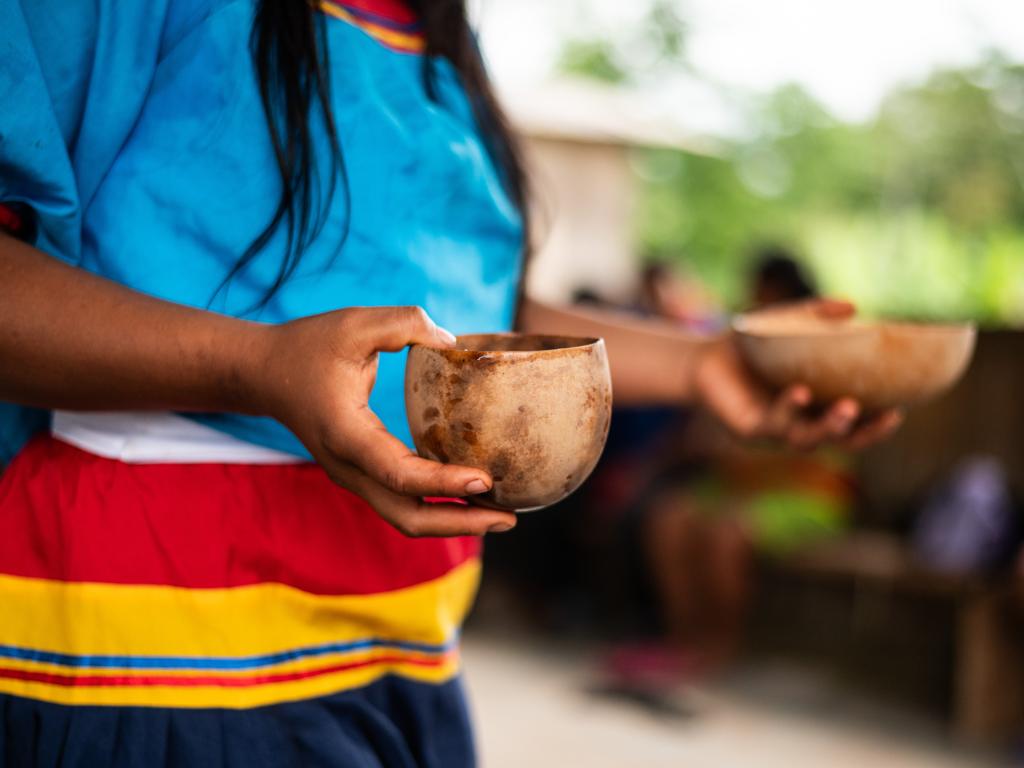
Psilocybin Therapy: How Magic Mushrooms Are Reshaping Mental Health Treatment
Something strange is happening in psychiatry. After half a century of drug-war silence, a compound from a humble brown mushroom is being studied at Johns Hopkins, NYU, Imperial College London, and a growing list of medical schools — and the results keep landing harder than anyone expected. Psilocybin therapy is no longer fringe. It is, increasingly, the most talked-about development in mental health treatment in a generation. If you are reading this because depression, addiction, or a long shadow of trauma has worn you down, you probably want straight answers. Not lifestyle copy. Not promises. Just: what is this, does it work, how is it actually done, and how do you decide if it's worth pursuing? Let's go through it honestly. Psilocybin is the main psychoactive compound in what most people call magic mushrooms — over 200 species in the Psilocybe family contain it. The compound itself isn't what gets you high. Your body converts psilocybin into psilocin, which then latches onto serotonin receptors in the brain and produces the experience people describe as a trip. Here's where things get interesting, though. In a clinical setting, you don't eat a handful of dried mushrooms. Researchers use synthetic, pharmaceutical-grade psilocybin — precisely dosed, lab-produced, free of the other minor alkaloids found in the whole mushroom. The reason is simple: reproducibility. If a 25mg dose worked for one participant, the next participant needs to get exactly the same thing. The therapy part matters as much as the molecule. Psilocybin therapy isn't a pill you swallow and walk out the door with. It's a structured arc — usually preparation, the dosing session itself, and integration afterward. Skip any of those three and you're not really doing psilocybin therapy. You're just taking mushrooms. Most clinical trials use either one or two dosing sessions, with a low dose (around 10mg) and a higher dose (around 25mg) that's strong enough to occasion a full mystical experience. That higher dose is where most of the therapeutic action lives. The evidence base is no longer a couple of promising case studies. There are now multiple Phase 2 trials, growing Phase 3 data, and a handful of FDA breakthrough therapy designations to back this up. Here's what the research is showing. This is the biggest one. Roughly a third of people with major depression don't respond meaningfully to SSRIs or talk therapy. For that group, psilocybin has produced response rates that frankly surprised the researchers running the studies. The FDA granted psilocybin therapy Breakthrough Therapy status for treatment-resistant depression, which is regulatory shorthand for: this looks substantially better than what's currently available, fast-track it. Imperial College London's psilocybin-for-depression trials have shown sustained reductions in depressive symptoms weeks and even months after just two dosing sessions. That's a wildly different pharmacological profile from antidepressants, which you have to take daily and which often stop working over time. A 2016 study at NYU and Johns Hopkins gave a single high-dose psilocybin session to patients with life-threatening cancer who were dealing with what's clinically called existential distress. The results held up at six-month follow-ups. Roughly 80% of participants showed clinically significant reductions in depression and death anxiety. Many described the experience as among the most meaningful of their lives — ranked alongside the birth of a child or the death of a parent. Smoking, alcohol use disorder, and to a lesser extent stimulant addiction are all being studied. A small Johns Hopkins pilot found that 80% of long-term smokers were tobacco-free six months after psilocybin-assisted therapy — a number that dwarfs the success rates of patches, gum, or varenicline. Alcohol dependence trials have shown similar promise. The mechanism seems less about the drug itself and more about people's relationship to their compulsions shifting after a single profound experience. Early data, smaller samples, but the trend lines look consistent. Researchers are mapping psilocybin's effects across a range of conditions where rigid mental patterns are the problem — and rigid patterns are exactly what psilocybin appears to loosen. Honest answer: nobody knows for certain. But there are four mechanisms that show up again and again in the literature, and they probably work together. In depressed brains, the tiny branches of neurons called dendrites tend to shrivel in regions like the hippocampus and prefrontal cortex — areas that govern memory, mood, and emotional regulation. Animal studies suggest psilocybin promotes the regrowth of these connections. Some researchers describe psychedelics as fertilizer for the brain. The window of heightened plasticity may last weeks after a single dose, which is one reason integration matters so much. You're rewiring during that window whether you mean to or not. The researcher Robin Carhart-Harris proposed that depression is, in part, a state of low brain entropy — meaning brain activity gets stuck in predictable, narrow grooves. Rumination. Self-criticism. The same loop, over and over. Psilocybin appears to dramatically increase entropy, causing regions that don't normally communicate to start talking to each other. The brain becomes briefly, gloriously chaotic. When it settles, it often settles into a less rigid configuration. Here's the part that makes some psychiatrists uncomfortable. Across study after study, the depth of the mystical experience — feelings of unity, ego dissolution, profound meaning, encounter with something larger — predicts the therapeutic outcome better than the dose itself. People who have a full-blown mystical experience get better. People who take the same dose and don't, often don't. That's a strange thing for medicine to grapple with, but the data keeps saying it. Antidepressants often blunt emotion — patients describe feeling flat, neither sad nor happy. Psilocybin appears to do the opposite. Participants report being able to feel grief, joy, love, and fear again with full intensity. For people who've spent years emotionally numb, that aliveness itself is part of the healing. It's worth saying clearly: SSRIs help a lot of people, and they should not be dismissed. But the differences are real. It depends entirely on where you are. In the United States, psilocybin remains federally Schedule I, but Oregon and Colorado have legalized supervised adult use through state programs, and several cities have decriminalized possession. Canada permits access through its Special Access Program for certain patients. The Netherlands has a workaround through psilocybin truffles, which weren't included in their mushroom ban. Jamaica never criminalized psilocybin in the first place. Australia approved authorized psychiatrist-led treatment in 2023. For people who can't wait for their home country's regulatory wheels to turn, legal psilocybin retreats in the Netherlands, Jamaica, Mexico, and a few other jurisdictions have become the practical path. The quality varies enormously, which brings us to the harder question. This is where the romance has to meet reality. A good retreat is run by people who treat psilocybin with the seriousness clinical researchers do. A bad one treats it like a weekend amenity. The difference matters more than the price tag suggests. Things worth asking before you book: Cost ranges wildly. Expect anywhere from $1,500 for a basic three-day retreat to $6,000+ for week-long programs with extensive integration. Cheaper isn't always worse and expensive isn't always better, but rock-bottom prices usually mean corners are being cut where it matters most. It won't fix your life in a weekend. It won't replace the slow work of changing habits, leaving the wrong relationship, or building a healthier daily structure. Plenty of people have profound experiences and then drift back into the same patterns within months because they skipped the integration work. The medicine cracks the door open. Walking through it is still your job. And it isn't right for everyone. If you have a personal or family history of schizophrenia or bipolar disorder, most clinicians will tell you to avoid it. If you're on certain medications — particularly lithium or some antidepressants — the combination can be dangerous or simply blunt the experience entirely. A good facilitator will turn you away when appropriate. That's a feature, not a bug. For readers ready to explore this further, a range of vetted psilocybin retreats can be browsed on our marketplace here. Take your time with the decision — the right setting matters more than getting there fast.
Microdosing Psilocybin and Self-Discovery: A Personal Look at Plant Medicine and Identity
There's a particular kind of stuck that doesn't announce itself. You wake up, do the work, answer the emails, fall asleep — and somewhere along the way you stop singing in the kitchen. You stop dressing up on a Saturday. You stop noticing the light. That's the kind of stuck a lot of people describe before they start looking into psychedelics, and it's the kind of stuck that microdosing psilocybin is increasingly being explored to address. I want to walk through what microdosing actually looks like in real life, what it tends to shift, and what it doesn't. Plant medicine isn't a magic switch. But for the right person, in the right context, microdosing can quietly crack open parts of the self that had been boarded up — creativity, intimacy, gender expression, the willingness to be playful. This is a piece for the curious, the skeptical, and the people who suspect there might be more to themselves than the version currently going through the motions. A microdose is roughly a tenth to a third of a gram of dried psilocybin mushrooms — sub-perceptual, meaning you're not supposed to feel high. No fractals on the ceiling. No melting walls. The whole point is that you can get on with your Tuesday. Most protocols suggest dosing every third day, or following one of the schedules popularized by researchers like James Fadiman, to avoid building tolerance. Here's the thing nobody tells you in the breathless online articles: even at sub-perceptual doses, something is happening. Subtle, but real. Colors look a half-shade more vivid. Music sits differently. Conversations have more elasticity. You notice your own patterns — the catastrophizing, the looping anxiety, the way you flinch from your own creative work — and the noticing itself starts to loosen them. This is why microdosing has slipped into the broader conversation about plant medicine for addiction, depression, and what some people call soul exploration. It's the gentlest end of the psychedelic spectrum, and for many people it's the doorway. Nobody starts microdosing because everything's great. People come to psychedelics because the regular toolkit stopped working. Therapy helped to a point. Meditation helped to a point. SSRIs helped, or didn't, or helped in a way that flattened everything including the good. And underneath it all there's a sense of being disconnected — from the work, from the partner, from the version of yourself who used to be more curious and less guarded. That's the doorway most people walk through. Not the desire to get high. The desire to feel something again. It's worth being honest about the fears too. The first time you seriously consider psilocybin, your brain throws up the cartoon images: you'll cook your synapses, you'll become unrecognizable, you'll quit your job and move into a yurt. None of that is what microdosing looks like. But the fears are normal, and they're worth sitting with rather than dismissing. Most people who microdose responsibly report a similar arc. The first dose? Often almost nothing. A faint warmth, maybe a slightly better mood. You wonder if you got ripped off. Then around the end of week one, something quiet happens. You catch yourself noticing the rain on the window. You write a sentence that surprises you. You laugh at something your partner said that, last month, you'd have grunted at. By week two, the journal is filling up. Ideas you'd shelved come back. Conversations have more space in them. The shifts people most commonly describe with consistent, careful microdosing include: That last one is where the story tends to get interesting. Long-term relationships develop choreography. You know how the other person kisses, what they like, where the evening is headed. That's lovely until it isn't — until the choreography starts to feel like a routine and the routine starts to feel like distance. People who microdose with their partner often describe a recalibration here. Not a fireworks-and-strangers experience, but a kind of fresh attention. You slow down. You actually look at each other. You kiss for an hour because there's nowhere else you'd rather be. Sex becomes less goal-oriented and more like a conversation that happens to involve bodies. There's nothing magical about the chemistry — psilocybin isn't an aphrodisiac in any clinical sense. What seems to happen is that the usual mental clutter (work emails, the running to-do list, the quiet self-judgment) gets turned down enough that presence has room to show up. And presence, it turns out, is the actual ingredient most couples are missing. Here's where microdosing gets philosophically interesting, and where the personal essays on this topic almost all land in similar territory: a softening of identity. Psychedelics, even at small doses, tend to make rigid categories feel less rigid. The way you've always dressed. The way you've always carried yourself. The script you inherited about who you are and what version of you is allowed in public. None of it disappears, but it stops feeling load-bearing. You realize you've been performing some of it without ever having chosen it. For some people this shows up as creative reinvention — a new project, a new aesthetic, a willingness to make work that's weirder than they used to allow. For others it surfaces in gender expression: trying on clothes, makeup, ways of moving that the old self-concept would have ruled out. For others still it's about reconnecting with playfulness — the part of you that used to dress up for no reason, dance in the kitchen, send absurd voice notes. None of this requires changing pronouns or coming out or making any pronouncement. It's quieter than that. It's the discovery that the self you've been defending is more porous than you thought, and that letting it be porous is a relief. I'd be doing you a disservice to write all this without the caveats. Microdosing isn't safe for everyone. Specifically: And one more honest note: the research on microdosing is still young. Some studies suggest the effects are largely placebo. Others find genuine, measurable shifts in mood and cognition. The truth is probably that it works better for some people than others, and that set, setting, and intention matter enormously — even at sub-perceptual doses. Microdosing tends to be a beginning, not an ending. People who find it useful often go on to explore other parts of the psychedelic landscape — full psilocybin ceremonies, ayahuasca retreats in the Amazon, San Pedro in the Andes, ibogaine for those wrestling with addiction. The master plants, as traditional practitioners call them, work on a different scale than a third of a gram at breakfast. But the openness microdosing cultivates is often what makes the bigger work accessible. If you're already thinking about a retreat — a real one, with facilitators and ceremony and integration support — microdosing can be a way to gently test your own relationship with these substances first. To see how your mind responds. To notice what comes up when the usual armor thins out. It's a low-stakes way to ask yourself whether deeper plant medicine work might be worth investigating. For readers who'd like to look further, a curated range of psilocybin and plant-medicine retreats can be browsed on our marketplace here. Whatever you decide, take the decision seriously, go slowly, and trust the parts of yourself that are quietly asking to be heard.
Psilocybin vs Psilocin: What's Actually Happening Inside a Magic Mushroom
If you've spent any time researching psilocybin mushrooms — maybe because you're weighing up a retreat, maybe because a friend won't shut up about microdosing — you've probably bumped into two words that get used almost interchangeably: psilocybin and psilocin. They sound like the same thing. They're not. And the difference, while small on paper, matters a lot once those molecules are inside your body doing their work. Here's the short version. Psilocybin is what's in the mushroom. Psilocin is what actually gets you high. One is a prodrug — basically a delivery package — and the other is the active ingredient your brain responds to. Everything else in this article is just unpacking that single distinction and why it shapes the experience of a psychedelic retreat or ceremony. Psilocybin is the naturally occurring compound found in more than 200 species of mushrooms — most famously the various Psilocybe species, including P. cubensis, P. semilanceata (liberty caps), and P. azurescens. Chemically, it's classed as a tryptamine, which means it shares a structural backbone with serotonin, the neurotransmitter that regulates mood, sleep, and a long list of other things you generally want regulated. The molecule itself is technically called 4-phosphoryloxy-N,N-dimethyltryptamine. That phosphoryl group hanging off the front is the important bit — it's why psilocybin, on its own, doesn't actually do much. Swallow it in its pure form and it just sits there politely, waiting to be transformed. Your stomach acid and an enzyme called alkaline phosphatase do the work of stripping that phosphate off, and what's left behind is psilocin. The real deal. This is why psilocybin is described as a prodrug — a compound that has to be converted in the body before it becomes pharmacologically active. Most of the psilocybin you ingest is metabolised within roughly 20 to 40 minutes, which lines up neatly with how long it usually takes for the first effects of a mushroom dose to creep in. Psilocin is psilocybin minus that phosphate group — known to chemists as 4-hydroxy-N,N-dimethyltryptamine, or 4-HO-DMT if you like things spicy. It's the molecule that actually binds to your serotonin receptors and produces the experience people travel halfway around the world to have. The receptor that matters most here is the 5-HT2A receptor, found throughout the cortex. When psilocin docks onto it, the brain's normal hierarchy of activity gets reshuffled. Regions that don't usually talk to each other start chatting. The default mode network — the network associated with self-referential thinking, ego, the running monologue of "I, me, mine" — quiets down. That quieting is what researchers increasingly believe gives psychedelics their therapeutic punch. Psilocin is also present in fresh mushrooms in smaller amounts than psilocybin, but it degrades quickly. This is part of why dried mushrooms are more predictable to dose than fresh ones, and why a mushroom that's been sitting in a damp bag for two weeks may have lost some of its kick. For someone considering a psilocybin retreat or ceremony, the practical answer is: it doesn't change what you eat, but it changes how you understand what's happening to you. Mushrooms contain psilocybin. Your body converts it to psilocin. Psilocin is what produces the trip. That's the chain. But there are a few real-world implications worth knowing: People come to psilocybin for all kinds of reasons. Depression that hasn't budged after three antidepressants. Grief that's calcified into something that no longer feels like grief. Addiction patterns. End-of-life anxiety. The general sense that something in their life has gone quietly wrong and conventional tools haven't fixed it. Plant medicine and psychedelic healing have moved from fringe to almost-mainstream over the last decade for a reason — clinical trials at Johns Hopkins, Imperial College London, and NYU have produced results that are genuinely hard to ignore. But the molecule is only part of the picture. What actually does the therapeutic work is the combination of psilocin in your bloodstream, a safe and intentional setting, skilled facilitation, and — critically — what you do in the weeks and months after the experience. Integration is where the real change happens or doesn't. A weekend of profound visions followed by going back to the same routines tends to produce a great story and not much else. When you're evaluating a retreat, the chemistry is a given. What's not a given is the quality of preparation, the facilitator-to-participant ratio, the medical screening (psilocybin is contraindicated with SSRIs, lithium, and certain heart conditions, among other things), and the integration support afterwards. Ask about all of it. A reputable place will answer plainly. A sketchy one will dodge. Psilocybin mushrooms sit within a much wider family of what indigenous traditions call master plants — plant teachers used for centuries in healing and ceremonial contexts. Ayahuasca, San Pedro, peyote, iboga, and psilocybin mushrooms all belong, loosely, to this lineage, though each has its own culture, chemistry, and risks. Mushrooms don't have the same multi-thousand-year Amazonian ceremonial tradition that ayahuasca does, but indigenous use of psilocybin in Mesoamerica — particularly by the Mazatec people in Oaxaca — goes back centuries and shaped how the modern psychedelic revival understands these compounds at all. The reason this context matters: a retreat is not just about ingesting a chemical. The container around it — the music, the silence, the facilitator's experience, the people sitting next to you — is at least half of what determines whether the experience lands as healing or as a long, confusing night. Psilocybin is generally considered one of the physically safer psychedelics — non-addictive, low toxicity, no recorded overdose deaths from the substance itself. That doesn't mean it's safe for everyone. People with a personal or family history of schizophrenia or bipolar disorder are usually screened out of clinical trials and reputable retreats for good reason. Bad trips happen. They're not always catastrophic, but they're not always quickly metabolised either — psychological aftershocks can linger for weeks. Also worth saying plainly: psychedelics are not a shortcut. They can crack something open, but you still have to do the work of building something different in the space that opens up. The mushrooms don't do that part. You do. If any of this lands for you, and you're at the stage of looking into where and how to do this properly, a curated selection of psilocybin retreats can be browsed on our marketplace here. Take your time with the decision — the right retreat is worth waiting for.
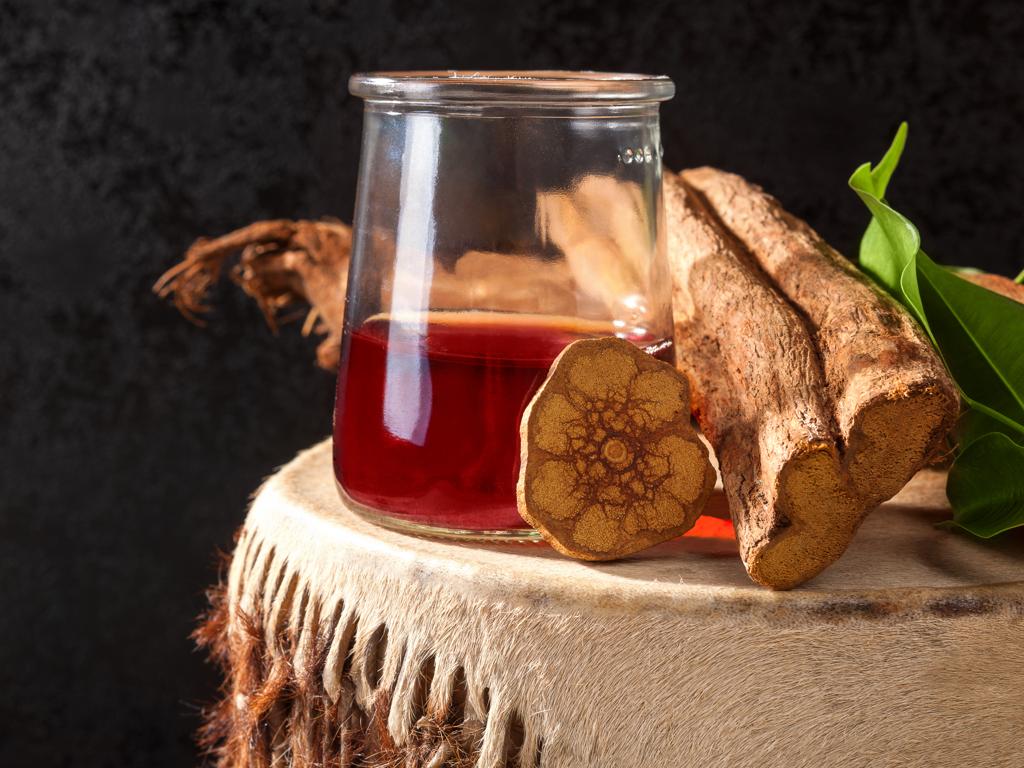
The Rise of Psychedelic Biotech: What It Means for Plant Medicine Seekers
Something strange is happening in the world of psychedelics. While shamans in the Amazon still brew ayahuasca over wood fires the same way they have for centuries, men in suits in London and Boston are quietly raising tens of millions of dollars to turn psilocybin, 5-MeO-DMT, and LSD into prescription medications. Both worlds are circling the same molecules. Both claim to be doing it for the same reason — to help people who haven’t been helped by anything else. If you’re sitting at your laptop right now wondering whether to book a psychedelic retreat, this matters more than it might look. The biotech boom is reshaping which substances get studied, which get legalized, and ultimately which ones you’ll be able to access — whether through a clinic, a retreat center in Peru, or eventually a doctor’s office. So let’s look at what’s actually going on, and what it means for someone weighing plant medicine as a path through depression, trauma, or addiction. For most of the last fifty years, psychedelics were a research dead zone. Schedule I status in the U.S., similar restrictions in Europe, and a generation of scientists who learned to keep quiet if they wanted tenure. Then around 2010, things started shifting. Imperial College London began running careful psilocybin studies. Johns Hopkins published results that were genuinely hard to dismiss. MAPS pushed MDMA through Phase 3 trials for PTSD. Investors noticed. By 2020, a handful of UK and North American companies had raised serious money to develop psychedelic-based pharmaceuticals. One of them — Beckley Psytech, an offshoot of the long-running Beckley Foundation that has partnered on psychedelic research for over two decades — closed an $18.6 million funding round to begin clinical trials of 5-MeO-DMT, the powerful psychedelic found in the secretions of the Sonoran Desert toad (and also synthesized in labs, which is what they actually use). Their pitch is straightforward. There’s a clear unmet need in mental health. Antidepressants help some people, sort of, some of the time. Around a third of people with major depression don’t respond to standard treatments at all. Psychedelics, in early trials, are showing response rates that make pharmaceutical executives sit up and call their accountants. Companies in this space tend to think about psychedelics in three tiers, and it’s a useful frame even if you’re not an investor. For retreat seekers, the interesting tension is in tiers one and two. The same molecules being patented and clinicalized in Oxford and Cambridge are the ones already being served in maloca ceremonies in the Sacred Valley. The setting is wildly different. The molecule is the same. Honest answer: both, depending on the day you ask me. On one hand, large-scale clinical trials are giving cultural legitimacy to substances that healers in the Amazon, Mexico, and Gabon have been working with for generations. When Johns Hopkins publishes a study showing psilocybin produces lasting improvements in treatment-resistant depression, it makes it easier for a 45-year-old accountant in Ohio to consider that maybe a mushroom ceremony isn’t a fringe idea. It softens the stigma. It opens doors. On the other hand, the pharmaceutical model and the ceremonial model want very different things. A drug company needs a standardized molecule, a fixed dose, a measurable outcome, and a process that can be repeated identically in clinics around the world. A traditional ayahuasca ceremony is the opposite — a brew whose strength varies between batches, a curandero singing icaros that respond to the room, a healing process that depends on context, lineage, and relationship. Both can work. They’re not the same thing. And anyone telling you the clinical version makes the ceremonial version obsolete is selling something — usually shares in a biotech startup. Here’s the practical part. If you’re researching ayahuasca, psilocybin, ibogaine, or any other plant medicine because something in your life isn’t working — depression that won’t lift, addiction that won’t loosen, a trauma that keeps replaying — the biotech news is mostly background noise for your decision today. Approved psychedelic medications aren’t broadly available yet. Companies talk about 2026 or 2027 timelines, which usually means 2028 or later. Spravato (esketamine, a ketamine derivative) is the closest thing already on shelves, and it has its own limitations. If you need something now, your realistic options are: The retreat path isn’t for everyone, and I want to be straight about that. It’s not cheap (expect $1,500 to $5,000 for a quality week-long program, sometimes much more). It requires real preparation — diet changes, medication reviews, emotional readiness. And it has real risks, especially for anyone with a personal or family history of psychosis or certain cardiac conditions. The flood of money into psychedelics has also flooded the retreat space with new operators, some excellent, some not. A few things worth checking before you wire a deposit: The fact that respected scientists, multibillion-dollar funds, and pharmaceutical executives are now taking psychedelics seriously is, on balance, a good development for anyone who cares about mental health. It means more research, safer access, eventual insurance coverage, and a slow loosening of laws that have kept these tools locked away from the people who needed them most. But it doesn’t replace what happens in a ceremony at midnight in the jungle, when an icaro slips under your skin and something old in you finally cracks open. The clinical version and the traditional version are likely to coexist for a long time. They serve overlapping but distinct purposes. Some people will find what they need in a sterile office with a therapist and a fixed dose. Others will find it on a mat in a maloca with a curandero who has been doing this since before they were born. If any of this resonates and you want to look at real options rather than abstract possibilities, a curated selection of ayahuasca and plant medicine retreats can be browsed on our marketplace here. Take your time with the decision. The medicine isn’t going anywhere, and neither is the part of you that’s ready to do this work.
Why Set and Setting Break the Standard Psychedelic Drug Trial
There's a strange thing that happens when scientists try to study psychedelics the way they study aspirin. The experiment looks clean on paper — give one group the molecule, give another group a sugar pill, measure the difference. But anyone who's actually sat through a ceremony, or even read a few honest trip reports, knows the molecule is maybe half the story. The room matters. The music matters. Who's sitting next to you matters. Whether you spent the morning meditating or arguing with your landlord matters. This is the quiet problem at the heart of modern psychedelic research, and it's one that anyone considering a retreat should understand. Because if the science can't fully capture what these substances do, then the way you set up your own experience — the people, the place, the intention — is doing a lot more of the work than the white-coat literature lets on. From the late 1940s through the 1960s, there was a genuine boom in psychedelic research. Thousands of papers. LSD studied for alcoholism, anxiety in terminal cancer patients, obsessive thinking, even creativity in engineers. Some of it was rigorous, some of it was loose, and a lot of it was lost when the Controlled Substances Act of 1970 effectively shut the field down. For roughly two decades, serious clinical work on psychedelics and master plants more or less stopped. Things began to thaw in the 1990s. Today there are clinical trials at major universities studying psilocybin for depression, MDMA for PTSD, and ibogaine for opioid addiction. Plant medicine has gone from fringe to the cover of mainstream magazines. Yet the methodology hasn't changed much. The placebo-controlled trial — randomize, blind, compare — is still the regulatory gold standard. And that's where the cracks start to show. The logic is straightforward and, for most drugs, sound. You isolate the variable. Everyone gets the same pill-shaped object, nobody knows who got the real thing, and any difference in outcome between the two groups is attributable to the molecule itself. It works beautifully for statins. It works for antibiotics. It works for almost anything where the drug's job is to do a discrete biochemical thing in the body and the patient's mental state is largely irrelevant. Psychedelics don't behave like that. The molecule kicks open a door, but what walks through depends enormously on the room you're standing in. Timothy Leary gets credit for popularizing the phrase “set and setting,” though the underlying idea was floating around in psychiatry well before him. Set is what you bring in — your mood, your history, your expectations, your unresolved stuff. Setting is everything around you — the physical space, the people present, the sounds, the smells, the cultural framing. A few studies have probed this in concrete ways. Researchers interviewing nearly a hundred MDMA users found that the bad experiences clustered around specific predictors: a sour mood going in, anxiety about the source, watching a friend have a rough time. Another small study from the mid-1970s tracked cannabis smokers in friendly versus neutral environments and found that the same dose produced noticeably different subjective reports depending on the vibe of the room. And work on the UK rave scene of the late 1980s suggested that the music itself — particularly the repetitive drumming — was doing real work in shaping the altered state. None of this is mystical. It's just an honest accounting of how these molecules interact with a human nervous system, which is never operating in a vacuum. Take a beta-blocker in a sterile lab, take it on a beach, take it in your grandmother's kitchen — your heart rate is going to do the same thing. Take psilocybin in those three places and you may have three radically different afternoons. The drug doesn't just produce an effect; it amplifies and refracts whatever is already in the room, including what's in your head. This is exactly why traditional Amazonian ayahuasca practice spends so much energy on what Westerners would call “setting.” The icaros, the diet, the seclusion, the order of the night — these aren't decorative. They're the technology that shapes the experience. Strip them away and you have the same brew, but a very different ceremony. Some researchers have suggested moving toward what they call “culture-controlled” trials. Instead of trying to neutralize setting, you systematically vary it and study what happens. Imagine the same dose of MDMA given to one group in a clinical office and another at a carefully held therapeutic retreat, with all the difference that implies — couches, blankets, eye masks, curated music, a therapist who knows what they're doing. You'd learn something the placebo design literally cannot show you. This isn't anti-science. It's a more honest science, one that matches the methodology to the actual phenomenon. Drugs that work primarily through consciousness need to be studied with consciousness in the frame. Here's the practical translation, because this is where the abstract debate lands in your real life. If setting is doing a huge share of the work, then the retreat you pick isn't a minor detail — it's arguably the most important variable you control. A few things worth weighing: None of this guarantees a transformative experience. Plant medicine is not a vending machine. But the literature on set and setting, taken seriously, tells you that putting effort into these choices isn't optional fussing — it's most of the work. The placebo-controlled trial gave us modern medicine, and it's not going anywhere. But psychedelics are revealing the edges of that model, and the field is slowly, sometimes grudgingly, figuring out how to study substances whose effects are inseparable from context. For now, the official science will keep producing useful but partial answers, and the deeper truths about psychedelic healing will continue to live in the spaces between the data — in maloca floors, retreat kitchens, the hour after a ceremony ends, the months of integration that follow. For readers who want to take this further, a range of carefully curated ayahuasca and plant medicine retreats can be browsed on our marketplace here. Pick your setting with the same care the medicine deserves.
Dreaming of a Psychedelic Retreat?
We have the best deals and offers from thousands of organizers all over the world! Get them into your mailbox every week!
We value your privacy. Your email address will never be shared or published.
