 English
 Deutsch
 Français
 Nederlands
 Español
SHOP AYAHUASCA RETREATS BLOG
How Psychedelics Change the Brain: What Psilocybin, LSD, and Ketamine Actually Do to Consciousness
Liam Beckett
May 25, 2026
Your ultimate guide to discover transforming ayahuasca and psychedelic experiences. Dive into serene destinations and elevate your consciousness to unparalled heights.
Discover Ayahuasca & Psychedelic Retreats NowSearch for ayahuasca & psychedelic retreats
Discover retreats, trainings, and holidays from all over the world
Something strange happens when researchers watch a brain on psychedelics. The patterns of activity get noisier, less predictable, harder to pin down — and yet the person inside that brain often reports an experience that feels more vivid, more meaningful, and more real than anything they encounter in ordinary waking life. That paradox sits at the centre of one of the more interesting findings in recent psychedelic neuroscience, and it has real implications for anyone considering ayahuasca, psilocybin, or another plant medicine retreat to work through addiction, depression, or trauma.
The short version: when scientists at the University of Sussex re-analysed brain scans of healthy volunteers who had taken psilocybin, LSD, or ketamine, they found something they hadn't quite seen before. Brain activity during the psychedelic state was measurably more diverse, more chaotic, less integrated than during regular wakefulness. By a specific mathematical measure called global signal diversity, the dosed brains were operating at a level above normal conscious awareness — not below it.
That finding lands differently depending on where you're standing. For neuroscientists, it's a clue about what consciousness actually is. For someone weighing a plant medicine retreat for the first time, it's something else — a small piece of evidence that the experience people describe isn't just imagination running loose. The brain really is doing something different.
What the Research Actually Measured
The work was led by Anil Seth at the Sackler Centre for Consciousness Science, with Robin Carhart-Harris from Imperial College London — one of the more recognisable names in modern psychedelic research — listed as a co-author. The team used magneto-encephalography, or MEG, which reads the faint magnetic fields produced by electrical activity at the brain's surface. It's a tool built for catching how brain activity shifts from one moment to the next, even if it's less precise about exactly where in the brain things are happening.
What they were looking for was a specific signature: how varied, how unpredictable, how rich the moment-to-moment electrical signals were. In a sleeping brain, that signal is relatively orderly and easy to predict. In a normally awake brain, it's more diverse. In a brain on psychedelics, it was more diverse still — by a clear margin, across all three substances tested.
The researchers also noticed something worth pausing on. The intensity of the unusual experiences volunteers reported — feelings of floating, time bending, the self loosening at the edges, sounds bleeding into colours — tracked with the degree of neural diversity. The stranger the brain signal looked, the stranger the experience felt. That correlation matters, because it suggests these subjective reports aren't disconnected from anything physical. They map onto measurable changes.
Heightened Consciousness or Just a Different One?
Here's where things get philosophically interesting. The logic the Sussex team used goes like this: if neural diversity is higher in waking people than in sleeping people, and if we accept that waking people are more conscious than sleeping ones, then a brain showing even greater diversity might reasonably be described as occupying an even higher level of consciousness. Hence the language of "heightened" awareness.
It's a tidy argument, but worth holding with a light grip. Diversity of brain signal is one measure of conscious activity, not a complete definition of it. Carhart-Harris's earlier work framed the same kind of data in slightly different language — as evidence of greater entropy, or disorder, in brain patterns. Whether you call it heightened, expanded, or simply altered, what the science is converging on is the idea that psychedelics push the brain into a state it doesn't normally occupy. That state has features ordinary waking consciousness lacks.
For anyone who has sat in ceremony, none of this will feel surprising. The experience of an ayahuasca night, a strong psilocybin journey, or a serious ibogaine session is precisely the experience of the mind moving through territory it doesn't usually visit. The neuroscience is, in a sense, late to the party. But it matters, because it gives clinicians and researchers a vocabulary to describe what's happening — and that vocabulary is what's slowly opening doors to legal therapeutic use.

Why This Matters for Healing
Plant medicine and psychedelics are increasingly being studied for depression, PTSD, end-of-life anxiety, and various forms of addiction. The mechanism by which they help — when they help — is still being argued over. One leading theory holds that the increased neural diversity during a session lets the brain temporarily escape rigid, well-worn patterns. Depression, addiction, and trauma all involve a brain stuck in a groove. A session loosens that groove. Integration afterwards is what determines whether the groove re-forms or whether something genuinely shifts.
This is roughly what experienced facilitators have been describing for years in non-scientific language. The medicine cracks the shell. The work afterwards is what decides whether anything actually changes. If you're considering a retreat for addiction recovery or a stuck depression, this framing is worth carrying with you:
- A ceremony is not the treatment by itself. It's the opening.
- What you do in the weeks and months after — therapy, journaling, lifestyle changes, community, honest conversations — is where most of the lasting change happens.
- Master plants like ayahuasca, San Pedro, and iboga have traditional frameworks built around exactly this kind of long-term work. Modern retreats vary enormously in how seriously they take that part.
What This Doesn't Tell You
It's tempting to take a finding like this and run with it. Brain scans look authoritative. Words like "heightened consciousness" feel like vindication. But the honest position is more cautious. The study involved healthy volunteers in a lab setting, not people working through trauma or addiction in ceremony. The MEG data shows that something measurable is happening; it doesn't yet tell us which specific brain changes produce which specific therapeutic effects. The researchers themselves flagged that as the next question to investigate.
So if you're reading this while weighing whether to book a retreat, here's what the science currently supports and what it doesn't. It supports the claim that psychedelics put the brain into a genuinely different state, not just an exaggerated version of normal. It supports the idea that this state correlates with the unusual experiences people report. It does not yet support specific promises about healing outcomes for specific conditions, though the broader clinical research on psilocybin for depression and ibogaine for opioid dependence is more developed and worth reading on its own terms.
Choosing a Retreat With This in Mind
Knowing that a session involves real, measurable changes in brain activity is useful when you're evaluating where to go. It raises the stakes on a few things:
- Screening matters. A reputable retreat asks about your medical history, your medications, and your mental health history before accepting you. Ones that don't are taking a risk with your nervous system.
- Facilitator experience matters. Someone needs to know what to do if a session goes sideways. Ask how long the facilitators have been working with the medicine and what their training looks like.
- Integration matters more than the brochure suggests. If the retreat ends when you check out, you're getting half the offering. Look for places that include integration calls, group sessions, or referrals to integration therapists.
- Set and setting are not marketing language. The environment, the people around you, and your own state of mind shape the experience as much as the dose.
None of this is meant to either sell you on a retreat or talk you out of one. It's just the honest version of what the research and the lived experience are pointing toward.
The Bigger Picture
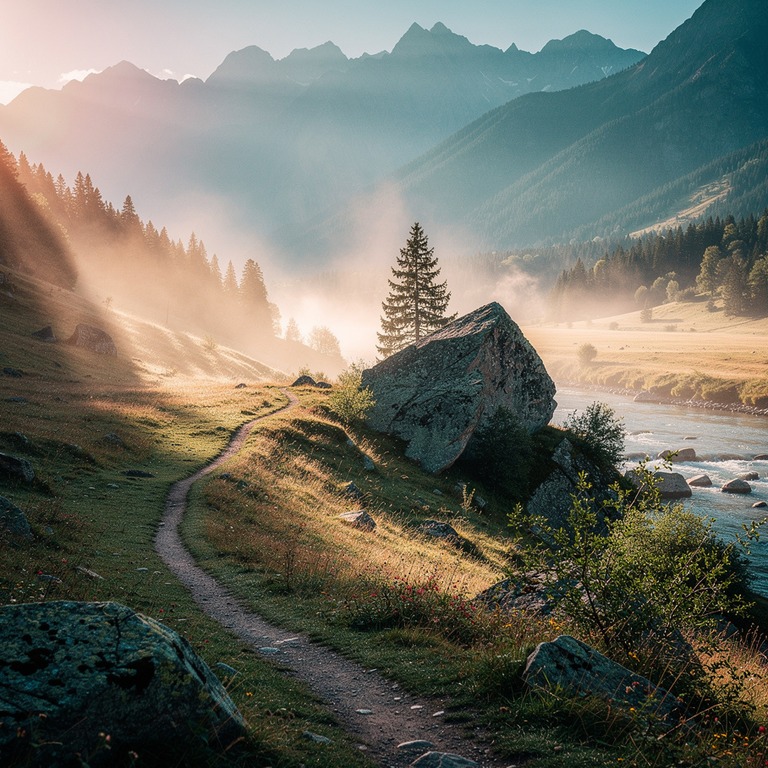
What's happening in psychedelic science right now is a slow, careful re-evaluation of substances that were dismissed for decades. The findings on neural diversity are one small piece of a much larger conversation that includes clinical trials, indigenous traditions that have known these plants for centuries, and the personal accounts of thousands of people who have used them to address something painful in their lives. The picture is getting clearer, but it's still being painted.
If you're at the early-research stage of considering plant medicine, give yourself time. Read widely. Talk to people who have actually sat with the medicine, not just those who write about it. Pay attention to the cautious voices as much as the enthusiastic ones — both have something useful to say. For readers who want to take this further, a range of vetted ayahuasca and psychedelic retreats can be browsed on our marketplace here.
Whatever you decide, the most important thing is that the decision is yours, made with clear eyes and a real sense of what you're walking into. The brain on psychedelics may be doing something extraordinary. The person inside that brain still has to do the work.

Craving More Stories?
Join our ShopAyahuascaRetreats newsletter for the latest updates on thrilling
destinations and inspirational tales, delivered straight to your inbox!
We value your privacy. Your email address will never be shared or published.