 English
 Deutsch
 Français
 Nederlands
 Español



Reset. Heal. Grow.
Oregon's Psilocybin Market Explained: What the First Legal Psychedelic Program Means for Seekers
Picture this: a state inside the United States where you can, legally and openly, sit with a trained facilitator and take a measured dose of psilocybin mushrooms. Not in a back room. Not in a borrowed cabin in the woods. In a licensed service center, with paperwork, with insurance, with a guide who answered to a regulator. That state is Oregon, and the program it built has quietly reshaped what the conversation around psychedelics and psychedelic-assisted addiction recovery looks like in this country. If you've been reading about ayahuasca retreats in Peru, ibogaine clinics in Mexico, or master plants more broadly, Oregon is a different animal — and worth understanding before you book anything. It's the closest thing North America has to a regulated psilocybin experience, and the way companies have scrambled to enter that market tells you a lot about where psychedelic healing is actually going. Back in 2020, Oregon voters passed Measure 109. The measure didn't legalize mushrooms the way Colorado later legalized weed. It created something narrower and stranger: a supervised psilocybin services program, where licensed facilitators administer the substance to adults in licensed service centers. No take-home prescriptions. No dispensary model. You show up, you have your session, you integrate, you go home. The program took years to design. Rules around dosing, facilitator training, equity access, and product testing all had to be hammered out by a state advisory board. By the time the first service centers opened their doors, the country had its first legal, above-ground psilocybin offering. For people who'd been chasing this experience through underground circles or international retreats, it was a quiet earthquake. And here's where it gets interesting for anyone tracking the business side. Most U.S. psychedelics companies — the ones developing psilocybin and related compounds as FDA-approved medicines — explicitly refused to touch the Oregon program. Why? Because psilocybin is still a Schedule I substance federally. Participating in a state-legal but federally illegal market is a regulatory minefield, especially if you're trying to also run clinical trials with the FDA. One of the more telling moves in the early days came from a company called Field Trip Health. Field Trip ran two very different operations under one roof: a drug development arm working on novel psychedelic molecules, and a network of clinics offering ketamine-assisted therapy in the U.S. and Canada, plus a single psilocybin-focused clinic in Amsterdam where the legal landscape is friendlier. In 2022, the company announced it was splitting itself in two. The drug development side was rebranded Reunion Neuroscience and kept its Nasdaq listing. The clinic side stayed under the Field Trip Health & Wellness banner and moved to a Canadian exchange — the same kind of exchange that has allowed U.S. cannabis companies to trade publicly despite operating in federally illegal territory. The corporate logic was elegant. By cleaving the company in two, the clinic business could enter Oregon's psilocybin market without dragging the drug-development side into federal-law headaches. The Canadian exchange was the workaround. It's the same playbook cannabis used a decade earlier, and watching psychedelics companies adopt it tells you the industry has officially grown up — or grown cynical, depending on your view. Corporate news is fine for industry watchers, but you're probably here for a different reason. You're trying to figure out whether psilocybin, ayahuasca, or some other master plant could help you with depression, trauma, addiction, or a stuck life pattern that hasn't budged after years of conventional treatment. The Oregon model matters because it changes your options. Before Oregon, your legal-ish choices were narrow: Oregon added a fifth path: a domestic, regulated psilocybin session. That's huge for people who can't travel, can't afford a week-long international retreat, or want the legal protection of operating inside a sanctioned program. It's also limited. Oregon's service centers can't treat you as a patient in the medical sense — they're not allowed to diagnose, to bill insurance, or to claim psilocybin treats anything specifically. You're a client receiving a supervised experience, not a patient receiving a prescription. People often ask whether they should book Oregon or fly to the Amazon. The honest answer is that these are different experiences pointing at different things, and the right one depends on what you're after. None of this is medical advice. If you're on SSRIs, lithium, or have a personal or family history of psychosis or bipolar I, all of these need a serious medical conversation before you even start researching seriously. A lot of readers landing on articles like this aren't curious tourists. They're people who've tried everything for alcohol, opioids, stimulants, or behavioral addictions and watched it fail. The reason psychedelics keep entering this conversation is that the early clinical data, while still preliminary, is genuinely interesting. Psilocybin trials at Johns Hopkins showed striking abstinence rates in heavy smokers. Ayahuasca has a decades-long track record in Brazilian recovery communities. Ibogaine, despite serious cardiac risks that require medical screening, has produced what users describe as a single-shot interruption of opioid withdrawal that no other substance approaches. None of this is a guaranteed cure. People relapse. People have hard experiences. But the pattern of "one or two well-prepared sessions producing change that years of talk therapy didn't" shows up too often to dismiss. What the Oregon model proves is that the regulatory walls are crackable. Once a state shows you can run a legal psilocybin program without the sky falling, other states pay attention. Colorado followed with its own framework. More are circling. The shape of psychedelic-assisted recovery in 2026 looks meaningfully different from how it looked five years ago. If you're seriously considering plant medicine — Oregon psilocybin, an ayahuasca retreat, an ibogaine clinic, or something else — slow down. The single best predictor of a good outcome isn't the substance. It's the preparation, the facilitator, and the integration work afterward. Read everything. Talk to people who've done it. Get honest with yourself about why you're going and what you'd do if the experience surfaces things you weren't expecting. And vet the place. Ask about medical screening, facilitator training, what happens if you have a difficult moment at 3 a.m., what integration support looks like in the weeks after you go home. A good retreat or service center will answer these questions plainly. A sketchy one will dodge. If you want to compare options across countries, modalities, and price points, a range of curated ayahuasca and psilocybin retreats can be browsed on our marketplace here. Take your time with the decision — the right container matters more than the calendar.
Oregon's Psilocybin Market: What the New Legal Landscape Means for Retreat-Seekers
Oregon did something nobody expected a state to do this decade: it built the first legal, regulated framework for psilocybin services in the United States. Not decriminalization. Not a research carve-out. An actual licensed system where adults can sit with a trained facilitator and take mushrooms. For anyone weighing a psychedelic retreat — whether to wrestle with addiction, depression, or the kind of long-running unease that nothing else has touched — this matters more than the headlines suggested. So what does it actually look like on the ground? And how does it stack up against flying to Peru for ayahuasca or to Costa Rica for a plant-medicine retreat? Let's get into it, because the differences are bigger than they appear. Measure 109 passed in November 2020. The regulatory rollout took two more years, and the first licensed service centers opened their doors in mid-2023. Since then, the program has matured into something that genuinely functions — facilitators get trained and licensed, service centers get inspected, mushrooms get tested in labs, and clients book sessions much the way you'd book any other appointment. Here's the part most people miss: this isn't a medical model. You don't need a diagnosis. You don't need a doctor's referral. You don't even need to be an Oregon resident. What you do need is an intake appointment with a licensed facilitator, a session at a licensed service center, and an integration conversation afterward. The whole thing is structured, but it sits outside the traditional healthcare system. A typical session lasts about six hours. You arrive, you take a measured dose of psilocybin produced by a licensed Oregon grower, and a facilitator sits with you for the duration. No therapy in the clinical sense — Oregon's law specifically avoids that framing — but support, presence, and a safe container. This is where the conversation gets honest. The sticker shock is real. A single session at most Oregon service centers runs between $1,500 and $3,500, sometimes higher. That covers the preparation meeting, the session itself, the psilocybin, and at least one integration conversation. Group sessions tend to be cheaper per person. Solo sessions with experienced facilitators sit at the top of the range. Why so much? A few reasons worth understanding before you judge it too harshly: By contrast, an all-inclusive week-long ayahuasca retreat in Peru typically runs $1,500 to $3,000 — and that includes lodging, food, multiple ceremonies, and integration support. The math gets interesting fast. One Oregon session can cost roughly what a full retreat costs elsewhere. I've spent time in both worlds, and they're not interchangeable. People sometimes treat psychedelics as a single category — they aren't. The substance, the setting, and the tradition all shape what happens. Ayahuasca is a brew with deep Amazonian roots, used ceremonially by Indigenous peoples for centuries. You drink it in the evening, usually in darkness, often with icaros (medicine songs) sung over you. The experience is long — four to six hours of intense visionary states, often physically demanding, sometimes including purging. A traditional retreat puts you in community for days or weeks, with a shaman or curandero holding the space. Psilocybin in Oregon's model strips all of that away. The setting is clinical-ish — comfortable, but recognizably Western. The facilitator may have spiritual training or may not; the law doesn't require it. There's no ceremonial framework unless the facilitator brings one. The experience is shorter, generally gentler on the body, and — crucially — fully legal. No border crossings, no questions about jurisdiction, no gray areas. Which is better? Wrong question. Better for what? The licensing system filters out the most obvious bad actors, but it doesn't guarantee a good experience. Facilitators vary wildly in background — some are former therapists, some come from underground guide work, some were yoga teachers six months ago. The license tells you they completed a state-approved training program. It doesn't tell you whether they're someone you want sitting with you while you cry, or laugh, or fall apart for an afternoon. Things worth asking before you book: A good facilitator will answer these clearly and without defensiveness. If you get vague mystical hand-waving, keep looking. For years, the practical advice to anyone seriously interested in psychedelic healing was: travel. Go where it's legal, sit with reputable people, come home and integrate quietly. That advice still holds for ayahuasca, ibogaine, and most other plant medicines. But Oregon — and now Colorado, which passed a similar measure and is rolling out its own framework — has changed the equation for psilocybin specifically. Legal access removes a layer of stress that underground sessions can't escape. You're not worrying about a knock at the door. You're not asking a friend of a friend for a connection. You're not improvising aftercare alone in your apartment. That matters more than it sounds, especially for people whose stuck patterns include anxiety, hypervigilance, or histories of running from authority. It also professionalizes the field, for better and worse. Better: standards, accountability, basic safety screening. Worse: rising prices, a slow drift toward sanitized experiences, and the risk that the deep, weird, transformative quality of the medicine gets smoothed into something more palatable to wellness consumers. That depends on what you're after. If you're curious, financially comfortable, and want a legal, well-held introduction to psilocybin, Oregon is a reasonable starting point. If you're working with serious mental health concerns, the cost-per-session math may push you toward a traditional retreat where you get multiple ceremonies, community, and a longer container for less money. If you're drawn to the ceremonial dimension — the songs, the lineage, the sense of something older than yourself in the room — Oregon's clinical-leaning model may leave you feeling something is missing. None of these is the wrong choice. They're different doors into a similar room. The work that happens after — the integration, the slow re-patterning of how you live — is where the real outcomes get decided, regardless of which door you walked through. For readers who want to explore the broader options, a range of curated psilocybin and plant-medicine retreats can be browsed on our marketplace here. Whichever path you choose, take it seriously, take it slowly, and bring the same honesty to the preparation that you'd want from the people sitting with you.

Psychedelic Startups Worth Knowing About: A Plain-English Guide for Retreat-Seekers
Here's a question I get a lot from people sniffing around the edges of an ayahuasca or psilocybin retreat: Why is every other headline now about a psychedelic startup raising millions of dollars? Good question. Because if you're the kind of person seriously weighing whether plant medicine could help with depression, addiction, or that low hum of stuckness that no amount of journaling seems to fix, the answer matters. The money flowing into psychedelics is reshaping what's available, what's legal, and what kind of healing you can realistically access in the next few years. I'm going to walk you through what's actually happening in the startup world — without the jargon — and then bring it back to the only thing you probably care about: what this means for someone considering a retreat. Because here's the truth nobody in a pitch deck will tell you: the renaissance happening in labs and clinics is running parallel to, not replacing, the older tradition of ceremony, master plants, and the people who've been holding this work for generations. A few years ago, almost every psychedelic startup was a biotech company. They were trying to take psilocybin, MDMA, ibogaine, and various analogs through clinical trials, hoping to get them approved by regulators as medicines. That's still happening — and the trials are producing some genuinely jaw-dropping results, particularly for treatment-resistant depression and PTSD. But the landscape has gotten wider. Now there are companies building software to guide people through trip-like states without any substance at all. There are clinics offering legal, supervised ketamine therapy in dozens of US cities. There are AI platforms designing new psychedelic molecules from scratch. There are firms working on non-hallucinogenic versions of these compounds — yes, really — that aim to deliver the antidepressant punch without the eight-hour journey. And there are a handful of well-funded outfits trying to make synthetic mescaline, 5-MeO-DMT, and novel tryptamines into shelf-stable, prescribable medicine. Investors are betting this becomes a multi-hundred-billion-dollar industry within a decade. Whether you find that thrilling or a little nauseating probably depends on your relationship with the plants. Both reactions are reasonable. Roughly speaking, what's getting funded falls into four buckets. Knowing the difference helps you read the news without your eyes glazing over. Each of these affects you, the retreat-curious reader, in different ways. The drug developers will eventually make MDMA-assisted therapy and psilocybin therapy legal options in the US and Europe. The clinic networks already give you a legal entry point through ketamine. The tech companies are mostly noise, with the occasional gem. The discovery startups won't touch your life for years. Here's where I want to be honest with you. The biotech wave is exciting, but it isn't going to replace the experience of sitting in a maloca in the Peruvian Amazon, drinking ayahuasca brewed by someone whose grandmother brewed it, and confronting whatever it is you've been running from for twenty years. Those are different events. Both can heal. They're not the same thing. A clinical psilocybin trial gives you a precisely measured dose, a therapist in a clean room, eyeshades, and a curated playlist. A ceremony gives you icaros sung in Shipibo, a bucket, the sound of the jungle at three in the morning, and a worldview that treats the medicine as a teacher rather than a treatment. The clinical setting is safer in some ways and thinner in others. The ceremonial setting is richer in some ways and riskier in others. Anyone telling you one is strictly better than the other is selling something. What the startup boom does change for you: Because the industry is exploding, a lot of retreat centers have popped up that frankly shouldn't exist. Here's what I look for when someone asks me to vet a place — whether it's ayahuasca in the Amazon, psilocybin in Jamaica, or ibogaine for addiction in Mexico. The same skepticism applies to clinics, by the way. A ketamine clinic that doesn't include therapy alongside the infusion is mostly just selling you a dissociative experience. That can take the edge off depression for a few weeks. It probably won't change your life. I'll close with the thing I think gets lost in the investor-deck version of this story. The traditions around ayahuasca, peyote, San Pedro, iboga, and psilocybin mushrooms didn't show up because someone spotted a market. They've been refined over centuries, sometimes millennia, by people who understood these plants as relatives, not assets. The science is finally catching up to what those traditions already knew about consciousness, trauma, and addiction — which is a beautiful thing. But the catching-up is the point. The plants were here first. If you're researching a retreat right now, hold both truths at once. The clinical research is real and worth following. So is the older knowledge that says these are teachers, not treatments — and that what they teach you has to be lived out in your daily life or it slowly fades. The startups can build the delivery infrastructure. They can't build the courage it takes to actually sit down and drink the brew. For readers who want to take the next step, a range of vetted ayahuasca, psilocybin, and ibogaine retreats can be browsed on our marketplace here. Take your time with the decision. The medicine, in whatever form you eventually meet it, will wait.

The Psychedelic Boom: What Could Actually Go Wrong With Plant Medicine
The psychedelics conversation has shifted fast. Five years ago, telling a coworker you were considering an ayahuasca retreat got you a raised eyebrow. Now it gets you a podcast recommendation and a friend-of-a-friend's WhatsApp contact in Costa Rica. Money is pouring in. Clinical trials keep making headlines. And somewhere between the Netflix documentaries and the LinkedIn evangelists, a quieter group of voices has been waving a flag — including many of the women who built the modern psychedelics field from the inside. Their message, more or less: slow down. Plant medicine and psychedelics can do remarkable things for addiction, depression, and trauma. They can also cause real harm when the setting is sloppy, the operators are dodgy, or the participant isn't ready. If you're researching a retreat right now, you deserve to hear both halves of that sentence — not just the inspirational one. Researchers and clinicians who've spent careers studying psilocybin, MDMA, and ayahuasca tend to talk about these compounds with a particular tone — respectful, a little wary, often awed. What they don't do is promise miracles. That's a tell worth paying attention to when you're scrolling through retreat websites that absolutely do promise miracles. The phrase “breathless enthusiasm” keeps coming up in conversations with senior figures in the space. The concern isn't that psychedelics don't work. It's that the cultural pendulum has swung so far toward hype that disappointment, harm, and political backlash are now baked into the trajectory. Anyone old enough to remember the 1960s knows how this story can end if the field overpromises. What does that mean for you, the person deciding whether to fly to Peru next spring? It means treating any retreat that sounds like a TED Talk with extra skepticism. A grounded facilitator will tell you what the medicine probably won't do, who shouldn't drink it, and what aftercare looks like. A hype merchant will tell you it changed their life and yours will too. One of those people is more likely to keep you safe. A lot of the public conversation about plant medicine runs on personal stories. Stories are powerful and they matter — but they aren't clinical evidence, and they're not a reliable guide to whether ayahuasca will help your particular brain. Researchers studying psychedelic-assisted therapy have been careful to distinguish what trials actually show from what enthusiasts claim on Twitter. Here's the honest landscape as of 2026. Psilocybin and MDMA have produced genuinely impressive results in trials for treatment-resistant depression and PTSD. Ibogaine has long-standing observational evidence for interrupting opioid addiction, though it carries serious cardiac risk. Ayahuasca has a smaller but growing research base around depression and trauma. None of it adds up to a guarantee. None of it replaces a competent psychiatrist or a real therapist. When you read a retreat's claims, look for hedged language and citations to actual studies. When you read absolutes — “cures addiction,” “heals all trauma,” “awakens your true self” — read them as marketing, because that's what they are. Master plants like ayahuasca, San Pedro, and iboga deserve more honesty than that, and so do you. One uncomfortable subplot of the psychedelic renaissance: the people most likely to benefit are often the least likely to afford the treatment. Approved psychedelic-assisted therapy in clinical settings can run thousands of dollars per session. Retreats abroad range from a few thousand to well over ten thousand for a week. Insurance coverage remains spotty at best. Some of the most pointed concerns from clinicians have focused on this gap. If psilocybin therapy becomes a $5,000 perk for the well-insured while people with the worst trauma, the worst addiction, and the fewest resources can't get near it, the field will have failed its own stated mission. There are organizations trying to close that gap. Progress is slow. For prospective retreat-goers, the access question shows up in a different form: budget honestly. Add up the retreat fee, flights, travel insurance, pre-retreat dieta groceries if you're prepping at home, and — critically — money for integration therapy afterward. That last line item is the one people forget. Integration is where the actual change happens, and a good therapist who understands psychedelics is not cheap. Let's name the harder stuff. Psychedelics can destabilize people. That's part of how they work — they loosen the grip of habitual thought patterns — but loosened thought patterns are not always pretty. People can surface trauma they didn't consciously remember. People can have psychotic episodes if there's an underlying vulnerability. People can leave a retreat more fragile than they arrived, especially if the facilitators aren't trained to catch them. There's also the deeply human problem of bad actors. The psychedelic space has had its own reckoning with abuse — facilitators crossing sexual and ethical boundaries with vulnerable participants in altered states. It happens more than the marketing suggests. The intimacy of the work, combined with the power asymmetry between guide and participant, creates exactly the conditions where predatory behavior can hide. Asking about a retreat's ethics policy, complaint procedure, and gender balance among facilitators is not paranoid. It's basic. And then there's the medication issue. Some psychedelic protocols require participants to taper off SSRIs, MAOIs, or other psychiatric medications beforehand. Doing this without proper medical supervision is dangerous on its own — and combining a taper with an intense ceremony, far from your normal support network, can leave people in genuinely difficult shape. Any retreat that tells you to stop your meds without involving a doctor is a retreat to walk away from. Okay, the warnings are on the table. Plenty of people still go, and plenty come back saying it was one of the most meaningful weeks of their lives. The difference between those people and the ones who come back worse is usually preparation and discernment. A short checklist of questions worth asking before you book: If a retreat answers those questions cleanly, you're probably looking at a serious operation. If they get defensive or evasive, you have your answer. Psychedelics aren't snake oil and they aren't sacrament-as-medicine that solves everything. They're powerful tools that, in the right hands and the right context, can crack open patterns — around addiction, depression, trauma, grief, stuck creative work — that years of conventional approaches couldn't budge. They can also waste your money or, worse, hurt you. Both things are true at once, and the people who refuse to hold both truths are the ones most likely to mislead you. If you're considering a retreat, take your time. Read first-person accounts from people who didn't have transformative experiences as well as the ones who did. Talk to a therapist before you book, not after. Be honest with yourself about why you're going — running toward something is different from running away from something, though both can be valid. For readers ready to look at specific options, a curated selection of ayahuasca and psychedelic plant-medicine retreats can be browsed on our marketplace here. The renaissance is real. So are the risks. Walking in with both eyes open is the whole game.

From LSD in a Lab to Ayahuasca in Peru: A Look at Psychedelic Awakenings
Picture an 18-year-old medical student in mid-1960s India, sitting cross-legged on the floor of a lab, staring at a black-and-white poster of Mother Teresa, with a tab of acid dissolving on his tongue. Harvard researchers had rolled into town looking for volunteers. He raised his hand. Hours later, he said he felt flooded by something that never really left him — a kind of bone-deep compassion, a pull toward easing other people’s suffering. That student grew up to become one of the most recognizable names in mind-body medicine. And the story matters now because we’re living through a moment when psychedelics, ayahuasca, and the broader world of master plants are moving out of the counterculture and into clinics, research labs, and retreat centers in the Amazon. People in their twenties and people in their late fifties are asking the same quiet question: could this actually help me? Let’s talk about what that first-trip-in-a-lab story really tells us, what’s changed in six decades, and what you should actually know if you’re considering a retreat of your own. The pop-culture version of an acid trip is melting walls and giggling at houseplants. The clinical version, when it’s done with intention, is something else entirely. People sit. They lie down. They put on eyeshades and listen to music. They cry. They remember things they hadn’t thought about in thirty years. Sometimes they have a sense that everything is, in some impossible-to-explain way, fine. The Mother Teresa anecdote is interesting because it captures something researchers have started measuring: what psychologists call the mystical-type experience. A feeling of unity. A loss of the usual edges between self and world. A wash of meaning. These aren’t hippie buzzwords — they’re scored on validated questionnaires in clinical trials at places like Johns Hopkins and Imperial College London, and the strength of that experience seems to predict how much benefit people get weeks and months later. That doesn’t mean every trip is bliss. Plenty of people meet their dead. People meet their addictions. People meet versions of themselves they’ve been avoiding for a decade. The healing, when it comes, often comes through the difficulty, not around it. If you’re researching a retreat, the first useful thing to understand is that these aren’t interchangeable. Each one does something different, lasts a different amount of time, and tends to attract a different kind of seeker. The point isn’t that one is better. The point is that the medicine should match the question you’re bringing. Someone trying to break a heroin habit and someone working on grief after losing a parent are looking at very different doors. This is the part of the conversation that has shifted most in the last few years. Recent clinical trials have shown psilocybin producing significant drops in treatment-resistant depression. MDMA-assisted therapy is being studied for PTSD with results that have made the FDA take it seriously. And ibogaine has been used quietly for decades in Mexican and Costa Rican clinics to help people walk away from opioid dependency in a single session. What seems to be happening — and researchers are still arguing about the mechanism — is that these substances temporarily loosen the brain’s habitual patterns. The grooves we’ve worn into our own thinking soften for a few hours. In that window, people sometimes manage to see their addiction or their depression as something they’re carrying rather than something they are. That distance is the doorway. None of this makes plant medicine a magic bullet. The people who get the most out of a psychedelic retreat are almost always the ones who do the unglamorous work afterward: therapy, journaling, lifestyle changes, community. The trip is a catalyst, not a cure. Anyone selling it as a cure should make you nervous. A reputable ayahuasca or psychedelic retreat usually involves a medical screening before you arrive, a dieta or preparation period (cutting certain foods, medications, alcohol, and sometimes sex for days or weeks beforehand), several ceremonies over a week or two, and integration sessions either onsite or in the weeks after you fly home. Costs vary widely. A well-run ayahuasca retreat in Peru tends to land somewhere between $1,500 and $5,000 for a week, depending on accommodation, group size, and the experience of the facilitators. Psilocybin retreats in the Netherlands or Jamaica often run $2,000 to $4,000. Ibogaine treatment in licensed Mexican clinics generally costs $6,000 to $10,000 because of the medical infrastructure involved. If something looks dramatically cheaper, ask why. Red flags worth taking seriously: Talk to a doctor who actually knows your medical history. Be honest about any medications you’re on, any cardiac history, any episodes of psychosis or mania in your family. These aren’t bureaucratic checkboxes — they’re the difference between a difficult night and a medical emergency. Then talk to people who’ve been to the retreat you’re considering. Not just the testimonials on the website. Real humans, ideally a year or two out, who can tell you what the integration was like once the afterglow faded. Ask them what they wish they’d known. Ask them what they’d do differently. The good answers are usually specific and a little uncomfortable. And sit with your own motivation. People who arrive looking for a tourist experience, or running from something specific, often have harder times than those who come with a genuine question and the patience to listen for an answer. Plant medicine has a way of showing you what you didn’t come for. That’s often the gift, but it’s rarely the gift you ordered. Six decades after that lab session with the Mother Teresa poster, the conversation around psychedelics looks remarkably different — and remarkably the same. Different because there’s now serious science, real clinical infrastructure, and a growing willingness to acknowledge what Indigenous practitioners have known for centuries. The same because the core experience is still what it was: a temporary widening of perception that leaves you with something you have to decide what to do with. If you’re genuinely weighing whether a plant-medicine retreat belongs in your next chapter, take your time. Read widely. Talk to facilitators on video calls before you wire any money. For readers who want to explore further, a curated range of ayahuasca and psychedelic retreats can be browsed on our marketplace here. Whatever you choose, the medicine is only ever half the work — the rest is what you do with it on a Tuesday morning, six months later, when no one is watching.
Craving More Stories?
Join our ShopAyahuascaRetreats newsletter for the latest updates on thrilling
destinations and inspirational tales, delivered straight to your inbox!
We value your privacy. Your email address will never be shared or published.
Psilocybin for Depression: How Psychedelics Rewire the Stuck Brain
Ask someone who's tripped on psilocybin what it felt like, and you'll often get answers that sound like bad poetry. They heard the color blue. A dropped fork made a shape. The afternoon light had a flavor. It's easy to write this off as drug-addled nonsense — until you sit with the neuroscience for a minute and realize the brain on a psychedelic is doing something genuinely strange, and possibly genuinely useful. This cross-wiring of senses — synaesthesia, if you want the clinical term — is one visible sign of something deeper happening underneath. The brain is, briefly, abandoning its usual rules about which regions talk to which. And that loosening is exactly what's drawing serious researchers to psychedelics as a treatment for depression, addiction, and the kind of mental ruts that years of standard care can't seem to budge. One of the more striking predictions in the field came years ago from David Nutt, who runs the neuropsychopharmacology unit in the division of brain sciences at Imperial College London. He stated flatly that he was certain psilocybin would become an accepted depression treatment within a decade. That timeline has been slipping forward and backward depending on which regulator you ask, but the direction of travel is unmistakable — clinical trials keep going, breakthrough-therapy designations keep landing, and the cultural conversation has shifted from fringe to front page of the science section. To understand why a researcher of his standing would stake a claim like that, it helps to look at what a healthy brain does on a normal Tuesday, and then at what a depressed brain does, and finally at what happens when psilocybin enters the picture. The story is more elegant than you'd think, and once you see it, the clinical interest stops looking like wishful thinking. Think of your brain as a city. Information moves between regions along circuits — call them highways. Some of those highways are jammed bumper-to-bumper around the clock. Others are barely used: weed-cracked back roads with maybe a car an hour. Most of your waking experience runs along the well-trafficked routes, because that's how the brain has learned to be efficient. Neuroimaging studies have mapped what changes when someone takes psilocybin. The pattern that emerges is roughly this: traffic gets redirected. Regions that don't usually communicate start swapping signals. Underused back roads light up. The dominant, heavily-used highways quiet down. The brain temporarily looks less like a commuter grid and more like a wide-open delta of new connections firing in unexpected directions. One researcher described it as a sense of lubrication — the cogs of the brain loosening and turning in ways they normally wouldn't. That's a strange image for a treatment, but it turns out to be a useful one. Because the problem with a depressed brain, increasingly, looks like the opposite of lubrication. It looks like cement. A defining feature of clinical depression — and of addiction, and of obsessive thinking — is overly strengthened connections in specific brain circuits. The regions involved in self-referential thought, mood, concentration, and the sense of who you are start firing on hair-triggers, again and again, in the same well-worn loops. The mental equivalent of West Los Angeles at rush hour, every day, with no detour available. This is partly why electroconvulsive therapy can still pull some people out of the deepest depressions — it physically disrupts that overcooked traffic pattern. It's a blunt instrument, but it works for some patients when nothing else has. The mechanism researchers care about isn't the electricity itself; it's the disruption. Nutt has put it bluntly: the depressed brain, the addicted brain, the obsessed brain — they all get locked into a pattern of processing driven by the frontal control center, and the person inside cannot un-depress themselves no matter how hard they try. Willpower doesn't fix a circuit. Therapy can help, medication can help, but for treatment-resistant cases, the rut just doesn't budge. Here's the part that matters. Psychedelics appear to do the same disruption ECT does, but with finesse — and with the patient awake, conscious, and able to remember what happened. The trip itself temporarily releases the brain from its usual circuits. The ruminations stop. The self-critical loop cuts out. People describe feeling, for the first time in years, like they can see around the wall they've been pressed against. And — this is the strange part — they often don't snap back. The trip ends after a few hours. But the relief, in a meaningful number of cases, persists. A small Imperial College trial gave psilocybin to patients with chronic, treatment-resistant depression — people who had tried medication after medication for years, sometimes decades. The study was designed mainly to confirm safety. But every participant reported significant symptom reduction at the one-week follow-up, and the majority were still doing better three months later. One dose. People who had been suffering for thirty years. That's not a marketing line; that's what the data showed. Nutt, who co-authored the paper, said it tells us the drug is doing something profound. The honest scientific answer to what, exactly, is still being worked out. Time for some appropriate hedging. The research base, while growing fast, is still small. A review of clinical trials on psychedelics from a stretch of twenty-five years found only six studies rigorous enough to draw conclusions from — the rest were too small, poorly controlled, or otherwise compromised. That number has grown since, but the field is still building its evidence base in real time. What the existing studies suggest is that ayahuasca, psilocybin, and LSD may be genuinely useful for treating drug dependence, anxiety, and mood disorders — particularly in patients who haven't responded to standard treatment. They may also be useful as research tools for understanding how psychiatric disorders work in the first place. That's a more modest claim than the headlines sometimes suggest, but it's also a more durable one. Researchers also can't yet say exactly what's happening inside a tripping brain at the molecular level. The best current theory is that the drug triggers a kind of snowball effect in how the brain processes information — similar, in a long-term sense, to how learning a musical instrument or a new language gradually rewires neural pathways. The trip itself is brief. The downstream changes seem to keep unfolding for weeks or months. If you're reading this because you're sitting with a depression that hasn't budged, or an addiction that keeps winning, or just a stuck pattern you can't think your way out of — the research is interesting, but it isn't a green light to book the first retreat that pops up on Instagram. A few honest considerations: None of this is meant to scare anyone off. It's meant to set expectations honestly, which is what I'd want from a friend in this space. The science genuinely is pointing toward something significant — possibly one of the most important shifts in mental health treatment in half a century. But the gap between “promising research” and “safe, well-run retreat” is real, and worth closing carefully. For readers who want to take the next step thoughtfully, a range of vetted psilocybin and plant-medicine retreats can be browsed on our marketplace here. Whatever you decide, give the decision the weight it deserves — the brain that's reading this sentence is the same one you'd be handing to a facilitator for the afternoon, and choosing well is most of the work.
The Psychedelics Boom: Where the Real Opportunities Are for Curious Newcomers
Something strange has happened over the last few years. Substances that were, until recently, the exclusive territory of underground chemists, jungle shamans, and a handful of stubborn researchers are now being discussed in business magazines, courtrooms, and Senate hearings. Psychedelics — psilocybin, LSD, MDMA, ayahuasca, ibogaine — have moved from the cultural fringe to something resembling a legitimate industry. And along with that shift comes a question more people are quietly asking: is there a way to be part of this without it feeling gross? If you're reading this, you're probably not a venture capitalist scanning for the next 10x return. You might be a therapist, a designer, a writer, a recovery coach, or just a curious person who's had a meaningful experience with plant medicine and wants to know whether there's a real path forward. The good news is that the psychedelic landscape — much like the early cannabis years — has room for people who actually care. The less good news is that it's also full of hype, half-baked ventures, and people who couldn't tell you the difference between a curandero and a chiropractor. Let's walk through what's actually happening, where the genuine openings are, and how someone with integrity can get involved without contributing to the noise. It didn't happen overnight, even if it feels that way. Research at Johns Hopkins, NYU, Imperial College London, and a growing list of academic institutions has been quietly producing data on psilocybin for depression, MDMA for PTSD, and LSD for end-of-life anxiety for over a decade. Michael Pollan's book on the subject became a bestseller and gave a lot of skeptical readers permission to take the topic seriously. Around the same time, cities started decriminalizing — Denver first, then Oakland, then nearly a hundred more municipalities — and Oregon eventually became the first state to legalize supervised psilocybin services. The pandemic accelerated everything. Anxiety, depression, addiction, and burnout climbed sharply, and conventional treatments visibly failed a lot of people. Plant medicine retreats that had been operating quietly in Peru, Costa Rica, and Mexico saw waiting lists. Ibogaine clinics in Tijuana started seeing professionals fly down for week-long treatments instead of just the desperate cases. And clinical psychedelic-assisted therapy, once a fringe idea, is now being studied at major hospitals. The result is a market that exists in several layers at once: above-ground pharmaceutical research, semi-regulated services in places like Oregon and Jamaica, traditional ceremonial work in the Amazon, and the gray market that quietly serves everyone in between. Each layer has its own opportunities, its own risks, and its own ethical landmines. People love to talk about psychedelics as if the gold rush is here. It mostly isn't — not in the way cannabis was. Most psychedelic biotech companies are still pre-revenue, still navigating FDA trials, and still years away from anything that resembles a sustainable customer base. If you're looking for instant returns, this is the wrong forest to forage in. That said, there are a few areas where thoughtful people are finding real footing: One veteran in the space put it bluntly: the opportunity isn't in selling psychedelics, it's in serving the people who are taking them seriously. This is where things get genuinely complicated. Ayahuasca, peyote, San Pedro, iboga — these aren't lab compounds. They're plants with centuries of ceremonial use behind them, held by indigenous communities who have their own relationship with these medicines and, frankly, a long history of being exploited by outsiders. If you're drawn to the traditional side of plant medicine, your first job isn't to start a business. It's to learn. Sit in ceremonies. Spend time in the regions where these plants come from. Listen to indigenous voices — not the ones selling courses on Instagram, but the elders and organizations who've been doing this work for generations. Groups like Chacruna, the Chaikuni Institute, and ICEERS have spent years thinking about reciprocity, sustainability, and the ethics of cross-cultural plant medicine work. Their writing is worth more than any business school course on the topic. The opportunities in this corner of the world exist, but they reward humility and long timelines. A retreat that lasts ten years is built differently than one that opens with a glossy website and a Stripe account. I want to be direct with you, because most of the writing on this topic isn't. The psychedelic industry has a hype problem. You'll read articles claiming psilocybin cures depression, MDMA fixes trauma, and ayahuasca rewires the brain. Some of that is grounded in promising research. A lot of it is marketing. Here's what's actually true based on what I've seen sitting in ceremonies, talking with facilitators, and watching participants go through the process: If you're considering getting involved in this industry — as a participant, a practitioner, or a business owner — sit with the medicine first. Not because it's some mystical prerequisite, but because the only way to understand what you're working with is to know it from the inside. People who try to build businesses around psychedelics without that grounding tend to produce the kind of work that's clearly missing something, even if they can't articulate what. If you're somewhere on the spectrum between curious onlooker and aspiring practitioner, here's a rough sequence that's served a lot of people well: The industry needs more people who came in slowly and stayed for the right reasons. It already has plenty of the other kind. What's happening with psychedelics right now isn't really about a market. It's about a culture starting to acknowledge that the existing tools for treating addiction, depression, trauma, and existential dread aren't enough — and that some of the oldest tools humans have used for these problems might still have something to offer. The business opportunity is real, but it's downstream of a much deeper shift. If you're reading this because you've been considering a retreat for yourself — for addiction, depression, a creative block, a marriage that's gone numb, or just the feeling that you've been sleepwalking through your own life — the industry stuff is a sidebar. The main question is whether plant medicine, in a safe and reputable container, might help you. That's a decision worth taking seriously. Read carefully. Ask hard questions. Don't book the first retreat that comes up on a search engine. For readers who want to explore further, a curated selection of vetted ayahuasca, psilocybin, and ibogaine retreats can be browsed on our marketplace here — useful whether you're researching for yourself or trying to understand what reputable operators in this space actually look like. The psychedelic moment is still early. The people who'll matter most a decade from now are the ones approaching it with patience, real skill, and a sense of responsibility that goes beyond the hype.
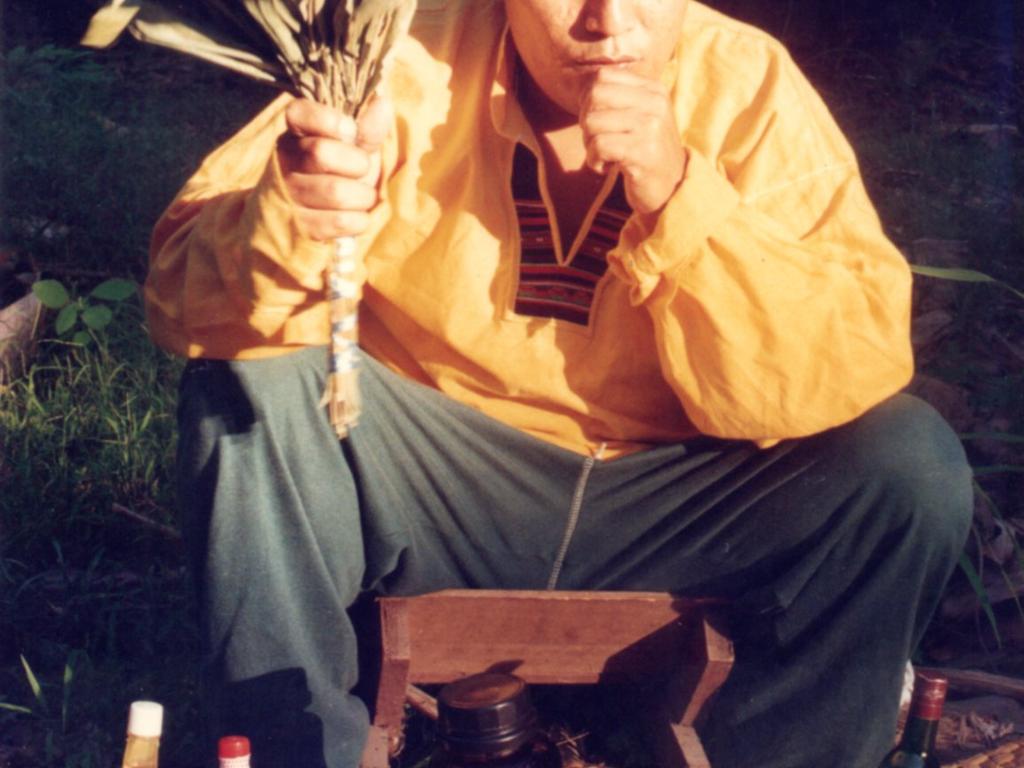

Psychedelic Water Review: Does Kava Really Replace Your Evening Drink?
A friend of mine cracked open one of these cans at a backyard dinner last summer and someone immediately asked if she was tripping. She wasn’t. She was drinking what looked like a hard seltzer, was called Psychedelic Water, and contained roughly zero psychedelics. The name does a lot of heavy lifting — some of it useful, some of it misleading. I spent about a month using it the way the marketing suggests: as the thing in my hand at gatherings where everyone else was reaching for a margarita. I’m not strictly sober, I just have terrible hangovers and a low tolerance for the slow social erosion that comes with regular drinking. So this counted as a real experiment, not a stunt. Here’s what I learned about the drink, the ingredients, and the broader trend it rides on — including how it overlaps (and doesn’t) with the actual world of psychedelics and plant medicine. The headline ingredient is kava — a root from the South Pacific that islanders have used in social and ceremonial settings for centuries. Traditional kava is prepared by pounding or grinding the root and mixing it with water until you have something resembling muddy dishwater that tastes, frankly, the way it looks. The canned version is a much gentler product: kava extract, damiana leaf (a mild relaxant with a long history in Central America), green-tea extract for a small caffeine lift, and flavoring. Four flavors are in rotation — hibiscus lime, blackberry yuzu, oolong orange blossom, and prickly pear. Prickly pear is the one to start with. What kava does in the body is sedative-adjacent. It binds to GABA receptors, which is the same general pathway alcohol and benzodiazepines use, although kava is far gentler. You feel a softening of the edges. A loosening in the shoulders. Conversation feels easier without the sloppy disinhibition booze gives you. The National Institutes of Health notes that kava supplements have shown a small effect on reducing anxiety in clinical studies — modest, but real. One thing worth flagging up front: kava has been linked in rare cases to liver injury, especially when used heavily or combined with alcohol or certain medications. If you’re on prescription meds, drink regularly, or have any liver concerns, talk to a doctor before making this a habit. The occasional can at a dinner party is a different beast than daily use. Let’s clear up the obvious confusion first. Psychedelic Water is not psychedelic. There is no LSD, no psilocybin, no DMT, no mescaline. You will not see geometric patterns. You will not have an ego-dissolution experience in your kitchen. The name is a marketing choice — provocative, memorable, and arguably useful in the way it nudges the word “psychedelic” into ordinary supermarket vocabulary, but the can itself is closer to a fancy herbal tea than to anything you’d find at an ayahuasca retreat. What it actually feels like, for me, was a soft 20-minute onset of mild calm. A faint tingle on the tongue (kava does that — it’s a quirk of the active compounds called kavalactones). A small lift in mood that didn’t spike or crash. After two cans across an evening I felt loose-jawed and content. After three I felt slightly queasy and had a dull stomach ache, so I’d say two is the practical ceiling. The most useful comparison I can give: it sits somewhere between chamomile tea and a single glass of wine on the relaxation spectrum, minus the next-day fog. I slept well. I woke up sharp. I did not text anyone something I regretted. By the modest standards of a Tuesday night, that’s a win. Nonalcoholic-beverage sales jumped roughly a third year-over-year a couple of years back, and the curve has kept climbing since. The category that used to mean O’Doul’s and grape juice now includes adaptogenic sodas, hemp-derived seltzers, functional mushroom blends, and a whole subgenre of kava drinks. Psychedelic Water is one of the louder voices in that crowd, partly because of TikTok and partly because of the name. The motivations behind sober-curious living are more varied than the wellness narrative suggests. Yes, some people are quitting for health. But just as many cite productivity, mental clarity, sleep quality, and the simple math of not wanting to feel rotten on Saturday morning. Younger drinkers are also doing it for cost — alcohol is expensive — and for the fact that they’ve grown up watching the long-term damage it does to the people around them. That last one matters more than people admit. Alcohol is a pretty effective short-term anesthetic. Take it away and a lot of stuff surfaces — restlessness, sadness, the patterns you’ve been numbing for years. Some people find that uncomfortable and circle back. Others find it’s the doorway they didn’t know they were looking for. Here’s where it gets interesting for anyone who lands on a drink like this and starts wondering what else is out there. Kava is, in the broadest sense, a plant medicine. It’s a botanical with psychoactive properties used ceremonially by an indigenous culture for generations. That puts it in the same loose family as ayahuasca, San Pedro, peyote, and the other master plants — but the family is very, very loose. Kava sedates. Ayahuasca rearranges your sense of reality for six hours and shows you the contents of your own mind. They are not the same tool. I’ve sat in a number of ayahuasca ceremonies and interviewed facilitators across Peru, Costa Rica, and the Netherlands. The thing readers most often miss is that the “psychedelic” part of psychedelics isn’t about visuals or recreation — it’s about a temporary suspension of the usual mental machinery that lets you see your patterns, your trauma, your addiction, your grief, with unusual clarity. That’s why these medicines have become a serious conversation in addiction recovery, depression treatment, and PTSD therapy. Compounds like psilocybin and ibogaine are now in late-stage clinical trials for exactly those uses. A canned kava drink will not do any of that. What it might do, honestly and usefully, is start a conversation. If you’re someone who picks up a can called Psychedelic Water at a dinner party and finds yourself curious — really curious — about what the word actually means, that curiosity is worth following. Read about the Indigenous traditions. Read the Johns Hopkins research. Talk to people who’ve done the work. Don’t confuse a beverage with a ceremony. If you’re looking for a smarter thing to hold at a party, or a wind-down drink that won’t cost you Sunday morning, this category is worth exploring and Psychedelic Water is a reasonable entry point. Go in with realistic expectations. You’re buying a mild herbal relaxant in a stylish can, not a portal to anywhere. Pay attention to how your body responds, don’t mix it with alcohol or sedatives, and skip it entirely if you’re pregnant, on liver-sensitive meds, or drinking heavily already. And if the experiment leaves you genuinely interested in what plant medicines can do at the deeper end — addiction work, trauma work, the kind of inner inventory that actually changes a life — there’s a much larger world waiting. A growing range of ayahuasca, psilocybin, and other plant-medicine retreats can be browsed on our marketplace here, with facilitators and traditions worth taking seriously. Start with the can if you want. Just know that the can is the beginning of the question, not the answer.
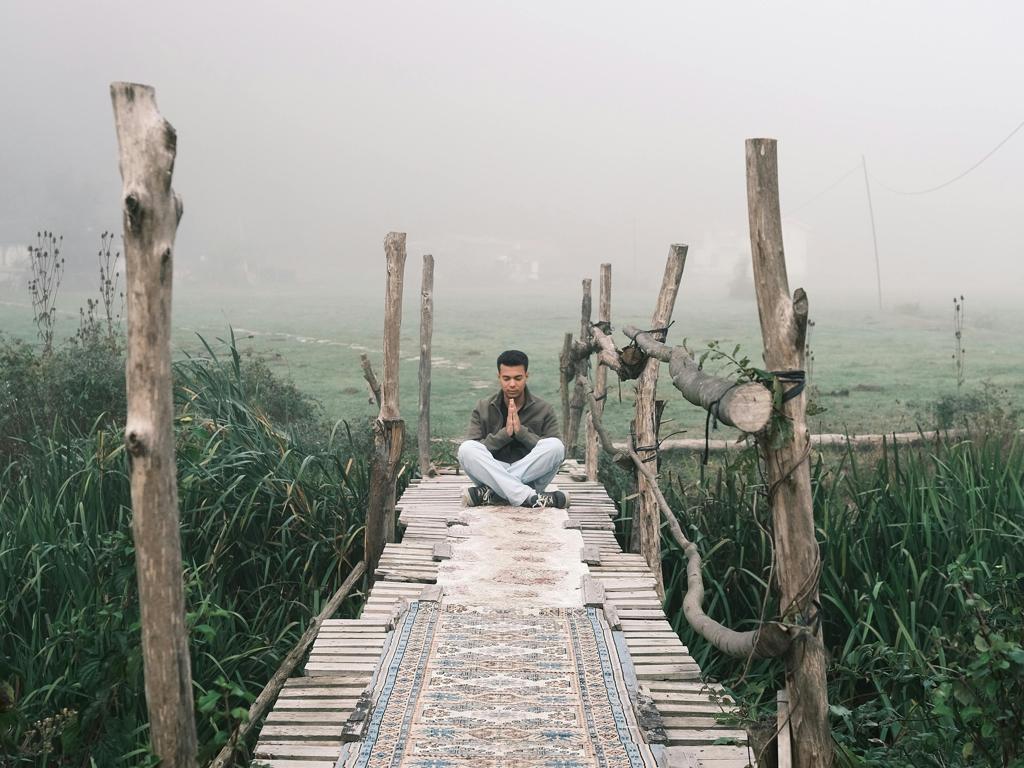
Ibogaine Aftermath: Double Vision, Insomnia, and Body Temperature Swings Explained
Three days after a flood dose, you finally try to read something on your phone and the letters won't sit still. Sleep comes in 40-minute scraps. Your hands feel hot, your feet feel like ice, and your heart seems to be reporting from another time zone. Sound familiar? If you've recently sat with ibogaine — or you're researching what the recovery actually looks like before booking a retreat — this is the conversation nobody puts on the glossy brochure. Ibogaine is one of the most powerful tools in the plant medicine and psychedelic world for breaking addiction, particularly opioid dependence. It's also one of the most physiologically demanding. The aftermath can stretch out for weeks. Knowing what's normal, what's annoying, and what's a red flag matters. Most psychedelics clear your system in hours. Ibogaine doesn't play by those rules. The active alkaloid metabolizes into noribogaine, which binds to fat tissue and slowly releases back into circulation for days — sometimes weeks. That's part of what makes ibogaine so unusual for addiction work: the afterglow has a pharmacological tail. It's also why people report odd, lingering effects long after they assumed they'd be back to baseline. Noribogaine continues to nudge serotonin, dopamine, and opioid receptors. Your nervous system, meanwhile, has just been through something closer to a controlled crisis than a typical ceremony. The autonomic system — the one that runs your heartbeat, body temperature, digestion, and sleep — takes time to recalibrate. So when people show up in forums asking about double vision, insomnia, and thermoregulation chaos, they're not imagining things. These are documented post-ibogaine experiences. Across facilitator notes, harm-reduction guides, and the people I've talked with after their retreats, three after-effects come up over and over in the first one-to-four weeks: None of these are particularly fun. Most of them resolve on their own. But they're worth understanding so you can tell ordinary recovery from something that needs attention. During the ibogaine experience itself, eyes-closed visuals are part of the territory — the rapid film-reel of memories that the medicine is famous for. Afterwards, some people notice their eyes feel uncoordinated for days. Reading is hard. Phone screens blur. Driving feels unsafe. The mechanism is ataxia — a temporary disruption in the cerebellum's coordination of fine motor movement, including the muscles that aim your eyeballs. Ibogaine is famously ataxic during the acute phase (you'll have been walked to the bathroom by a facilitator for a reason), and residual cerebellar effects can hang around. Most people see this clear up within a week or two. If it's still happening at the four-to-six-week mark, that's the point to see a neurologist rather than another forum. This one surprises people. You'd think a medicine that knocks you flat for 24 hours would leave you ready to sleep for a month. Instead, the opposite often happens. Many people report two, three, even five days of almost no sleep after a flood dose, followed by weeks of choppy, fragmented rest. Part of this is noribogaine's stimulant-like profile slowly tapering off. Part of it is that opioid withdrawal — if that's why you came to ibogaine in the first place — has its own insomnia signature that doesn't fully resolve when the acute withdrawal does. And part of it is simply that your nervous system has been turned inside out and is still finding its footing. Practical things that help: keep caffeine to a minimum, get morning sunlight on your eyes, eat real meals at regular times, avoid heavy screens before bed, and accept that sleep will be weird for a while. Magnesium glycinate at night helps some people. Melatonin is hit-or-miss after ibogaine — some find it useful, others say it makes the dreams more intense than they want. Thermoregulation is run by your hypothalamus, which sits at the intersection of the endocrine and autonomic nervous systems. Both of those systems got rattled. So it's not strange that for a few weeks, your internal thermostat seems broken. People describe sweating through sheets, then shivering in a warm room twenty minutes later. Hands and feet that won't warm up. A face that flushes for no reason. Layered clothing is your friend. So is staying well hydrated with electrolytes — sodium, potassium, magnesium — because ibogaine is hard on minerals and the residual effects can show up as temperature swings. Most after-effects fade. Some don't, and a few are genuinely dangerous. The two that demand immediate medical attention are anything cardiac and anything that looks like a prolonged QT-interval issue. Ibogaine prolongs the QT interval, which means it can predispose the heart to a specific kind of arrhythmia called torsades de pointes. This is why reputable retreats screen for cardiac risk with an EKG, magnesium and potassium bloodwork, and a careful medication review before they'll give you a dose. The risk window for QT prolongation extends well past the ceremony itself — some studies suggest two weeks or more. Get medical care immediately if, in the weeks after ibogaine, you experience: The vast majority of people who do ibogaine in a properly screened, properly supervised setting come through without any of these. The minority who run into trouble usually skipped the screening — either because they treated at home with no medical backup, or because the operation they went to wasn't actually running the tests they claimed to. This is where the booking decision really lives, in my view. Anyone can hand you a capsule. What separates a credible ibogaine provider from a sketchy one is what happens before and what happens after. Things to ask before you put a deposit down: A serious operation will have answers ready. A sketchy one will get vague, defensive, or pivot to talking about how powerful the medicine is. The medicine is powerful. That's the point. It's also why the wrapper around the medicine — the screening, the supervision, the integration — matters more than the medicine itself. Here's the thing about ibogaine specifically, as compared with ayahuasca or psilocybin: the post-acute window stretches longer because of that fat-stored noribogaine slowly trickling back into your bloodstream. Many people describe two to six weeks of feeling unusually open, emotionally permeable, sometimes raw. The cravings for the substance you came to address may be remarkably quiet. Old emotional material may keep surfacing. This is the integration window. It's a gift if you use it. Therapy appointments scheduled in advance, a support group, a sober community, daily walks, journaling — the unglamorous infrastructure of recovery — work better in this window than at any other time. People who waste it tend to find the cravings creeping back. People who use it tend to describe ibogaine as the most useful single event in their recovery, even years later. If you're still researching whether this path is right for you, take your time. Read survivor accounts, read the harm-reduction literature, talk to people who've done it. For readers who want to take this further, a range of vetted ibogaine and plant-medicine retreats can be browsed on our marketplace here. The strange weeks after a flood dose aren't a sign that something went wrong. Usually they're a sign that something significant happened, and your body is still catching up. Treat that body kindly. Sleep when you can. Eat real food. Keep someone you trust in the loop. And if anything feels truly off — especially anything cardiac — don't tough it out. Get checked.
Psilocybin Mushroom Dosage Explained: From Microdose to Heroic Dose
Before you weigh out a single gram of psilocybin mushrooms, there's a question worth sitting with: what are you actually after? A subtle nudge in mood while you go about your week? A long Saturday spent untangling something in your head? Or the full cosmic dismantling that some people spend years quietly preparing for? Because dosage isn't just a number on a scale. It's the difference between a pleasant afternoon and a life-rearranging encounter. And in the world of psychedelics and plant medicine, the gap between those two outcomes can be measured in fractions of a gram. So let's talk about what each range really looks like, where it tends to be useful, and the conditions that make each one safer. People who've worked with psilocybin for years tend to repeat the same line: set and setting are everything. They're not wrong. But dose is the third leg of that stool, and it's the one beginners get wrong most often — usually by aiming too high, occasionally by aiming too low and then doubling down halfway through. Mushrooms aren't standardized. Two grams of one strain can hit harder than three grams of another. Body weight matters. Empty stomach versus a recent meal matters. Tolerance from recent use matters. Even your mental state on the day will shift how a given amount lands. The numbers below are reasonable ballparks, not prescriptions — treat them as such. A microdose sits somewhere between a tenth and a twentieth of what would produce a recognizable psychedelic effect. In practical terms, that usually works out to around 0.1 to 0.25 grams of dried mushrooms. You shouldn't see walls melting. You shouldn't see anything, really. What microdosers do report tends to be subtler — a small lift in mood, easier focus on tedious tasks, a softer edge to anxiety, occasionally a bit more energy or creative flow. Some people swear by it for managing low-grade depression or stuck thinking patterns; others try it for a month and notice nothing at all. The research is still messy on this one, and placebo plays a bigger role than enthusiasts like to admit. The appeal is functional. You can microdose and still drive, work, parent, attend a meeting, go to the gym. It's the only mushroom dose that fits into a regular life without rearranging the day around it. Somewhere around 0.25 to 1 gram, you cross from sub-perceptual into actual psychedelic territory. The line isn't sharp. You'll know you've crossed it when colors start looking a little more saturated than usual, your body feels lightly buzzy, and you might find yourself giggling at things that aren't particularly funny. Low doses can swing either way emotionally. A bit euphoric for most. A bit anxious for some, especially if the setting feels wrong. This is the dose people bring to a quiet beach, a hike with one trusted friend, a small concert, or a long evening at home with good music. It's not the dose you want for a family dinner or anything requiring sharp executive function. Around 1 to 3 grams, things stop being subtle. Visual distortions get distinct — patterns crawling across textured surfaces, objects appearing to breathe, the famous geometric overlays when you close your eyes. Music can become physical. Time stretches; ten minutes might pass like an hour, or vice versa. Emotionally, this dose tends to crack things open. Gratitude shows up uninvited. So can sadness, paranoia, or anxiety if there's unresolved material floating around. Conversations with the right person can go astonishingly deep. Conversations with the wrong person, or in the wrong room, can spiral. This is also the range where people first start running into what the field calls a challenging experience. Not necessarily a bad trip — just one where something difficult surfaces and demands attention. A good sitter or a quiet space lets that process unfold instead of escalating. Three to four grams is generally classed as a high dose, and the character of the experience shifts. Hallucinations become more developed — closed-eye visions, scenes that play out like waking dreams, a sense of meeting something rather than just seeing patterns. Insights can arrive that feel non-negotiable, the kind of clarity that rearranges how you think about a relationship or a career or a long-held belief. Ego dissolution becomes possible at this range — the temporary loosening of the boundary between you and everything else. For some people that's the most healing thing they've ever encountered. For others it's terrifying. Often it's both, in the same hour. This is the dose most associated with the clinical psilocybin research on depression, end-of-life anxiety, and addiction recovery. It's also the dose where a trained sitter or facilitator stops being a nice-to-have and starts being genuinely important. Walking around a city center on three and a half grams of mushrooms is a recipe for disorientation at best and real danger at worst. The phrase comes from Terence McKenna, who suggested five grams of dried mushrooms in silent darkness as the threshold for a full mystical experience. Whether or not you find his cosmology persuasive, the dosage observation has held up: at roughly four grams and above, the experiences people report shift in character. Less about visuals. More about something that can only be described in the inadequate language of mysticism — oneness, dissolution, contact with something that feels intelligent, time folding in on itself. Heroic doses are not casual. They are not party doses. They are not something to try because a podcast made it sound interesting. The intensity is genuinely overwhelming, and even seasoned psychonauts describe being humbled by them. People emerge from heroic doses changed — sometimes in ways that take months to integrate. If you're considering one, the only responsible setting is a properly held container: a retreat, a ceremony, or a session with an experienced facilitator who knows how to support someone through the hardest stretches of a deep journey. Solo heroic dosing is how people end up in emergency rooms with stories that could have been avoided. A useful rule of thumb: as the dose climbs, the world around you needs to get smaller and more controlled. A microdose can survive almost any environment. A low dose wants company that's safe and an environment without sharp demands. A moderate dose wants a familiar room, a curated soundtrack, and someone you trust within reach. A high or heroic dose wants something closer to a sanctuary — dim light, a comfortable place to lie down, eye shades, music chosen in advance, and ideally a sober presence who's done this before. That's a lot of infrastructure for one person to assemble alone. It's part of why so many people end up choosing a retreat for their first deep psilocybin journey rather than trying to recreate ceremonial conditions in their living room. People sometimes pick a dose to prove something — to themselves, to a friend, to some imagined version of who they want to be. That's a bad reason. The mushrooms don't care about your bravado, and they will absolutely call your bluff. A well-chosen moderate dose in the right setting will do more for most people than a heroic dose taken because it sounded impressive on a forum. The other direction matters too. If you're working on something genuinely heavy — entrenched depression, addiction, post-traumatic patterns that haven't responded to years of other approaches — a series of cautious microdoses probably isn't going to touch it. There's a reason psychedelic-assisted therapy research uses the doses it does. For readers who want to explore this in a properly held setting rather than alone, a selection of curated psilocybin retreats can be browsed on our marketplace here. Whichever direction you choose, take the dose seriously — and take yourself seriously enough to choose the conditions that match it.
Dreaming of a Psychedelic Retreat?
We have the best deals and offers from thousands of organizers all over the world! Get them into your mailbox every week!
We value your privacy. Your email address will never be shared or published.
