 English
 Deutsch
 Français
 Nederlands
 Español
SHOP AYAHUASCA RETREATS BLOG
Psilocybin Mushroom Dosage Explained: From Microdose to Heroic Dose
Luca Reeves
May 28, 2026
Your ultimate guide to discover transforming ayahuasca and psychedelic experiences. Dive into serene destinations and elevate your consciousness to unparalled heights.
Discover Ayahuasca & Psychedelic Retreats NowSearch for ayahuasca & psychedelic retreats
Discover retreats, trainings, and holidays from all over the world
Before you weigh out a single gram of psilocybin mushrooms, there's a question worth sitting with: what are you actually after? A subtle nudge in mood while you go about your week? A long Saturday spent untangling something in your head? Or the full cosmic dismantling that some people spend years quietly preparing for?
Because dosage isn't just a number on a scale. It's the difference between a pleasant afternoon and a life-rearranging encounter. And in the world of psychedelics and plant medicine, the gap between those two outcomes can be measured in fractions of a gram. So let's talk about what each range really looks like, where it tends to be useful, and the conditions that make each one safer.
Why Dose Matters More Than Almost Anything Else
People who've worked with psilocybin for years tend to repeat the same line: set and setting are everything. They're not wrong. But dose is the third leg of that stool, and it's the one beginners get wrong most often — usually by aiming too high, occasionally by aiming too low and then doubling down halfway through.
Mushrooms aren't standardized. Two grams of one strain can hit harder than three grams of another. Body weight matters. Empty stomach versus a recent meal matters. Tolerance from recent use matters. Even your mental state on the day will shift how a given amount lands. The numbers below are reasonable ballparks, not prescriptions — treat them as such.
Microdosing: The Sub-Perceptual Range
A microdose sits somewhere between a tenth and a twentieth of what would produce a recognizable psychedelic effect. In practical terms, that usually works out to around 0.1 to 0.25 grams of dried mushrooms. You shouldn't see walls melting. You shouldn't see anything, really.
What microdosers do report tends to be subtler — a small lift in mood, easier focus on tedious tasks, a softer edge to anxiety, occasionally a bit more energy or creative flow. Some people swear by it for managing low-grade depression or stuck thinking patterns; others try it for a month and notice nothing at all. The research is still messy on this one, and placebo plays a bigger role than enthusiasts like to admit.
The appeal is functional. You can microdose and still drive, work, parent, attend a meeting, go to the gym. It's the only mushroom dose that fits into a regular life without rearranging the day around it.
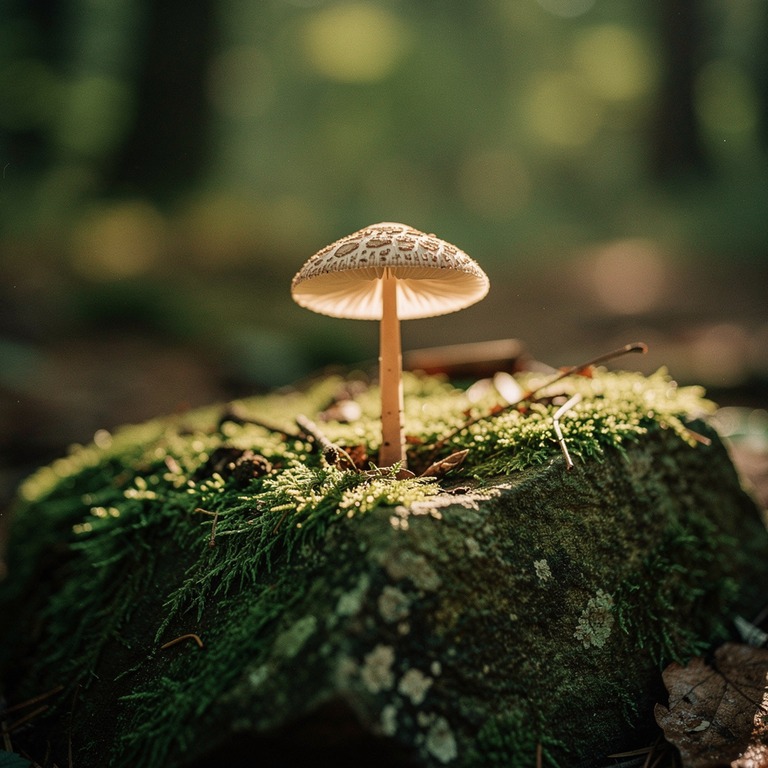
The Low Dose: First Whispers of the Trip
Somewhere around 0.25 to 1 gram, you cross from sub-perceptual into actual psychedelic territory. The line isn't sharp. You'll know you've crossed it when colors start looking a little more saturated than usual, your body feels lightly buzzy, and you might find yourself giggling at things that aren't particularly funny.
Low doses can swing either way emotionally. A bit euphoric for most. A bit anxious for some, especially if the setting feels wrong. This is the dose people bring to a quiet beach, a hike with one trusted friend, a small concert, or a long evening at home with good music. It's not the dose you want for a family dinner or anything requiring sharp executive function.
The Moderate Dose: Proper Tripping Territory
Around 1 to 3 grams, things stop being subtle. Visual distortions get distinct — patterns crawling across textured surfaces, objects appearing to breathe, the famous geometric overlays when you close your eyes. Music can become physical. Time stretches; ten minutes might pass like an hour, or vice versa.
Emotionally, this dose tends to crack things open. Gratitude shows up uninvited. So can sadness, paranoia, or anxiety if there's unresolved material floating around. Conversations with the right person can go astonishingly deep. Conversations with the wrong person, or in the wrong room, can spiral.
- Plan to be somewhere you trust for at least six hours.
- Have water and simple food within reach before you start.
- Curate music in advance — your judgment about playlists mid-trip is questionable.
- Phone on do-not-disturb. No exceptions.
This is also the range where people first start running into what the field calls a challenging experience. Not necessarily a bad trip — just one where something difficult surfaces and demands attention. A good sitter or a quiet space lets that process unfold instead of escalating.
The High Dose: Where the Real Work Tends to Happen
Three to four grams is generally classed as a high dose, and the character of the experience shifts. Hallucinations become more developed — closed-eye visions, scenes that play out like waking dreams, a sense of meeting something rather than just seeing patterns. Insights can arrive that feel non-negotiable, the kind of clarity that rearranges how you think about a relationship or a career or a long-held belief.
Ego dissolution becomes possible at this range — the temporary loosening of the boundary between you and everything else. For some people that's the most healing thing they've ever encountered. For others it's terrifying. Often it's both, in the same hour.
This is the dose most associated with the clinical psilocybin research on depression, end-of-life anxiety, and addiction recovery. It's also the dose where a trained sitter or facilitator stops being a nice-to-have and starts being genuinely important. Walking around a city center on three and a half grams of mushrooms is a recipe for disorientation at best and real danger at worst.
The Heroic Dose: Five Grams and the Mystical Edge
The phrase comes from Terence McKenna, who suggested five grams of dried mushrooms in silent darkness as the threshold for a full mystical experience. Whether or not you find his cosmology persuasive, the dosage observation has held up: at roughly four grams and above, the experiences people report shift in character. Less about visuals. More about something that can only be described in the inadequate language of mysticism — oneness, dissolution, contact with something that feels intelligent, time folding in on itself.
Heroic doses are not casual. They are not party doses. They are not something to try because a podcast made it sound interesting. The intensity is genuinely overwhelming, and even seasoned psychonauts describe being humbled by them. People emerge from heroic doses changed — sometimes in ways that take months to integrate.
If you're considering one, the only responsible setting is a properly held container: a retreat, a ceremony, or a session with an experienced facilitator who knows how to support someone through the hardest stretches of a deep journey. Solo heroic dosing is how people end up in emergency rooms with stories that could have been avoided.
Matching Setting to Dose
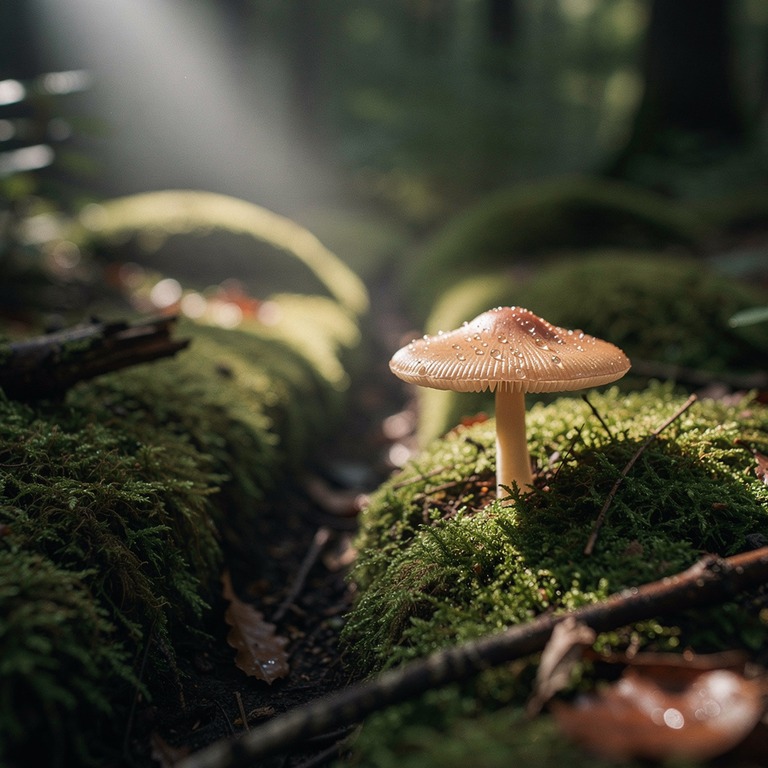
A useful rule of thumb: as the dose climbs, the world around you needs to get smaller and more controlled. A microdose can survive almost any environment. A low dose wants company that's safe and an environment without sharp demands. A moderate dose wants a familiar room, a curated soundtrack, and someone you trust within reach.
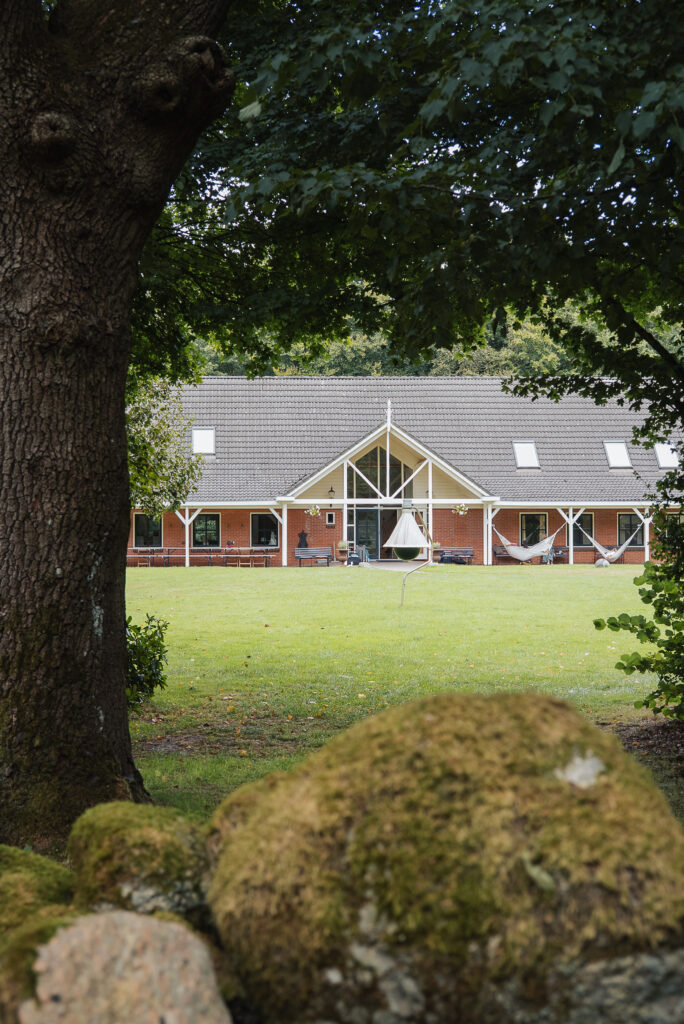
A high or heroic dose wants something closer to a sanctuary — dim light, a comfortable place to lie down, eye shades, music chosen in advance, and ideally a sober presence who's done this before. That's a lot of infrastructure for one person to assemble alone. It's part of why so many people end up choosing a retreat for their first deep psilocybin journey rather than trying to recreate ceremonial conditions in their living room.
Common Reasons People Choose Each Dose
- Microdose: ongoing mood support, creative work, gentle exploration of whether psychedelics are something you respond to at all.
- Low dose: recreational social experiences, nature walks, a first taste of psychedelic perception without major commitment.
- Moderate dose: meaningful introspection, emotional release, deeper conversations with a close person, music as a near-spiritual experience.
- High dose: serious inner work — trauma, depression, addiction patterns, grief, existential questions. The dose used in most of the modern clinical psilocybin trials.
- Heroic dose: mystical and transpersonal experiences, profound ego work, what people sometimes call soul-level reorientation. Almost always best held inside a retreat or guided container.
A Word on Honesty With Yourself
People sometimes pick a dose to prove something — to themselves, to a friend, to some imagined version of who they want to be. That's a bad reason. The mushrooms don't care about your bravado, and they will absolutely call your bluff. A well-chosen moderate dose in the right setting will do more for most people than a heroic dose taken because it sounded impressive on a forum.
The other direction matters too. If you're working on something genuinely heavy — entrenched depression, addiction, post-traumatic patterns that haven't responded to years of other approaches — a series of cautious microdoses probably isn't going to touch it. There's a reason psychedelic-assisted therapy research uses the doses it does.
For readers who want to explore this in a properly held setting rather than alone, a selection of curated psilocybin retreats can be browsed on our marketplace here. Whichever direction you choose, take the dose seriously — and take yourself seriously enough to choose the conditions that match it.
Craving More Stories?
Join our ShopAyahuascaRetreats newsletter for the latest updates on thrilling
destinations and inspirational tales, delivered straight to your inbox!
We value your privacy. Your email address will never be shared or published.