 English
 Deutsch
 Français
 Nederlands
 Español
SHOP AYAHUASCA RETREATS BLOG
Cacao Ceremony Guide: What Happens When Chocolate Becomes Plant Medicine

Lila Novak
June 1, 2026
Your ultimate guide to discover transforming ayahuasca and psychedelic experiences. Dive into serene destinations and elevate your consciousness to unparalled heights.
Discover Ayahuasca & Psychedelic Retreats NowSearch for ayahuasca & psychedelic retreats
Discover retreats, trainings, and holidays from all over the world
The first time someone described a cacao ceremony to me, I rolled my eyes a little. Chocolate as medicine? It sounded like the kind of thing you’d find sandwiched between a sound bath and a crystal-charging workshop at a wellness festival. Then I sat in one. And while ritual cacao isn’t in the same weight class as ayahuasca or psilocybin — let’s be honest about that up front — it’s a real practice with a real lineage, and it’s become one of the most common entry points for people quietly curious about plant medicine but not ready to drink the brew.
If you’re researching ayahuasca, ibogaine, or psychedelic retreats and you keep seeing cacao circles pop up on the same retreat schedules, here’s what’s actually going on, and whether it’s worth your time.
What Ritual Cacao Actually Is
Ritual cacao isn’t the cocoa powder in your pantry, and it isn’t a chocolate bar with extra cacao percentage on the label. It’s pure, minimally processed cacao paste — usually from Guatemala, Peru, or Ecuador — prepared in a ceremonial dose of roughly 30 to 45 grams. That’s several times what you’d get in a strong hot chocolate. The active compound everyone talks about is theobromine, a mild stimulant in the same family as caffeine but slower and gentler in the body.
It also contains a small cocktail of mood-active compounds: phenylethylamine (the so-called “love molecule”), small amounts of anandamide, magnesium in serious quantities, and a handful of MAO-adjacent compounds that may extend the effects of those neurotransmitters. None of this gets you high in any classical sense. You don’t see visuals. You don’t lose your grip on reality. What you do get, in most people’s reports, is a soft warmth in the chest, a quieting of mental chatter, and a noticeable opening to your own emotions and to the people around you.
Indigenous Mesoamerican cultures — Mayan, Aztec, Olmec — used cacao ceremonially for thousands of years before it became a commodity. The modern cacao ceremony, the one you’ll find in Berlin lofts and Tulum jungles, is a contemporary fusion: it borrows from those traditions, layers in breathwork, sound, dance, and intention-setting, and serves it to a Western audience hungry for connection.
What a Cacao Ceremony Actually Feels Like
You arrive, you sit in a circle, someone brews a thick, slightly bitter dark drink and serves it in a small cup. There’s usually an invocation — some facilitators are deeply respectful of the Mayan roots, others go full new-age, your mileage will vary. You set an intention. You drink slowly.
For the first twenty minutes, you might wonder if anything is happening. Then, gradually, you notice your breath has deepened. Your shoulders have dropped a few centimetres. There’s a warmth somewhere behind the sternum. The facilitator usually moves the group into movement, breathwork, or guided meditation — sometimes ecstatic dance, sometimes stillness. The cacao doesn’t do anything dramatic to you. It just makes it slightly easier to feel what was already there.
People often describe a quieting of the inner critic. The voice that narrates every social interaction, that keeps a running tab on how you’re being perceived — it gets quieter. Not silenced, just turned down. In that gap, you tend to notice things: tension you’ve been carrying, emotions you’ve been postponing, a sense of connection to the others in the room that doesn’t require small talk.
The comedown is gentle. There’s no crash, no integration crisis. You sleep well. You might wake up the next morning feeling unusually soft toward your partner, your colleagues, strangers on the train. That after-glow tends to last a day or two before normal life reasserts itself.
Where Cacao Fits in the Plant Medicine Landscape
Here’s where I want to be careful. Cacao gets called a “plant medicine” in retreat marketing, and that’s technically true — it’s a plant, it has medicinal effects. But it sits at a very different point on the spectrum than the substances most people mean when they use that phrase. Ayahuasca will rearrange the furniture in your psyche. Ibogaine will run you through a thirty-six-hour confrontation with your past. Psilocybin can fundamentally shift how you relate to depression or addiction. Cacao won’t do any of that.
What cacao can do is something more modest but genuinely useful:
- Open the heart in a literal, somatic sense — many people report it’s the first time they’ve felt their chest soften in years
- Quiet rumination enough that emotions become accessible
- Build trust in your own capacity to feel things in a group setting
- Serve as a gentle preparation, weeks or months before a stronger ceremony, for people who’ve never sat in circle before
- Support integration after a more intense psychedelic experience, when the nervous system needs softness rather than another peak
I’ve met people who showed up to a cacao circle out of curiosity and, six months later, found themselves on a plane to Peru. I’ve also met people for whom cacao was enough — they didn’t need anything stronger, and the practice gave them what they were looking for. Both outcomes are legitimate.
Is Cacao Safe? The Honest Answer
Mostly, yes. But there are real contraindications and the facilitators of the better ceremonies will ask about them. The big ones:
- SSRIs and other antidepressants. Theobromine and the MAO-inhibiting compounds in cacao can interact with serotonergic medications. The interaction is usually mild but it’s not nothing. If you’re on an SSRI, ask, and consider a smaller dose.
- Heart conditions. Ceremonial doses raise heart rate. If you have arrhythmia, uncontrolled high blood pressure, or are on heart medication, talk to a doctor before sitting.
- Pregnancy. Most facilitators won’t serve a ceremonial dose to someone pregnant or breastfeeding. Smaller doses are usually fine, but check.
- Caffeine sensitivity. If half a cup of coffee makes you anxious, a full ceremonial dose of cacao will probably be uncomfortable.
The other thing worth saying: cacao is non-addictive, non-toxic at ceremonial doses, and legal everywhere. You can’t overdose in any meaningful clinical sense. The risks are real but they’re manageable, and the people running ceremonies with any real training will screen for them.
How to Choose a Cacao Ceremony Worth Sitting
The cacao world has the same problem as the broader retreat world: a wide range of skill, depth, and integrity. Some facilitators have trained for years with Mayan elders. Others watched a YouTube video and bought a wholesale block of ceremonial cacao on the internet. Here’s what to look for:
- Sourcing. They should be able to tell you exactly where their cacao comes from, who grew it, and how it was processed. Vague answers are a red flag.
- Acknowledgment of lineage. Good facilitators name the indigenous roots of the practice and treat them with respect, rather than rebranding the whole thing as their own invention.
- Dosing transparency. They should tell you in advance how much cacao you’ll be served and let you choose a lower dose if you want.
- Screening. If they don’t ask about medications and health conditions, they’re not being careful enough.
- Container. The space should feel held — not chaotic, not performative. Quiet professionalism beats theatrical mysticism every time.
Avoid anyone selling cacao ceremonies as a cure for serious mental health conditions. Cacao is supportive, not curative. If a facilitator promises healing from depression, addiction, or trauma in a single sitting, walk away.
Bringing It Home: Cacao as a Personal Practice
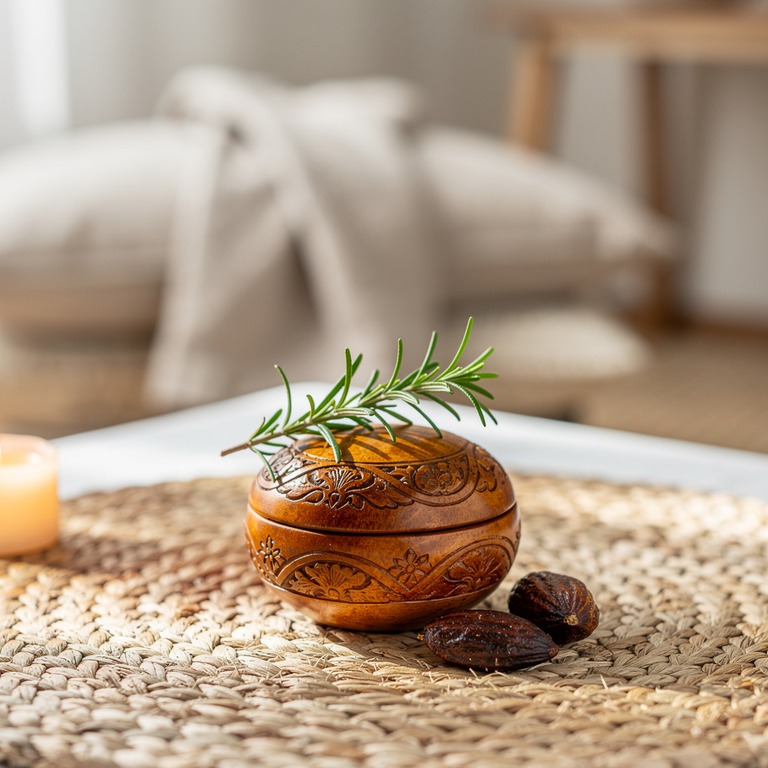
One of the nice things about cacao is that it’s legal, available, and — once you know what you’re doing — possible to work with at home. A solo cacao practice can be simple. You brew a ceremonial dose, sit somewhere quiet, set an intention, and let yourself feel whatever shows up. Some people pair it with journaling, others with movement or breathwork. There’s no right way.
What I’ve noticed in my own practice and in talking with people who’ve worked with cacao for years: it rewards consistency more than intensity. A weekly cup in a quiet hour does more than a dramatic ceremony twice a year. It becomes a check-in with yourself, a way to ask how you’re actually doing under the surface noise.
For readers using cacao as a stepping stone toward deeper plant-medicine work — or as integration support afterward — a range of curated plant medicine and ceremony retreats can be browsed on our marketplace here.
Cacao isn’t the medicine that’s going to rearrange your life. But it might be the one that quietly opens the door to whatever comes next. And sometimes, frankly, a quieter door is exactly what you need.
Craving More Stories?
Join our ShopAyahuascaRetreats newsletter for the latest updates on thrilling
destinations and inspirational tales, delivered straight to your inbox!
We value your privacy. Your email address will never be shared or published.