 English
 Deutsch
 Français
 Nederlands
 Español
SHOP AYAHUASCA RETREATS BLOG
Peyote Demystified: Effects, History, and What a Ceremony Actually Looks Like

Ezra Caldwell
May 26, 2026
Your ultimate guide to discover transforming ayahuasca and psychedelic experiences. Dive into serene destinations and elevate your consciousness to unparalled heights.
Discover Ayahuasca & Psychedelic Retreats NowSearch for ayahuasca & psychedelic retreats
Discover retreats, trainings, and holidays from all over the world
Peyote is one of those plant medicines people whisper about but rarely understand. It’s older than most religions, smaller than your palm, and contains a compound — mescaline — that has shaped indigenous spiritual life across the deserts of North America for thousands of years. If you’ve been circling the broader world of psychedelics and master plants, peyote keeps surfacing as a name that carries weight. Let’s actually unpack what it is, where it comes from, and what you should know before considering a ceremony.
This isn’t a sales pitch and it isn’t a romantic travelogue. It’s the kind of overview I wish someone had handed me years ago, when I first started asking real questions about plant medicine for addiction, depression, and the stuck patterns that bring most people to these traditions in the first place.
So, What Exactly Is Peyote?
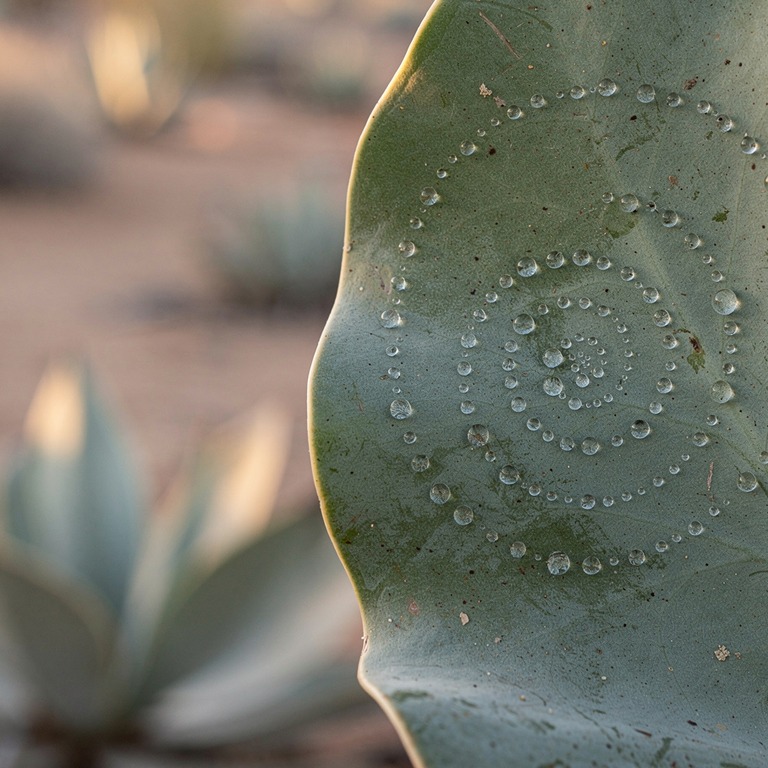
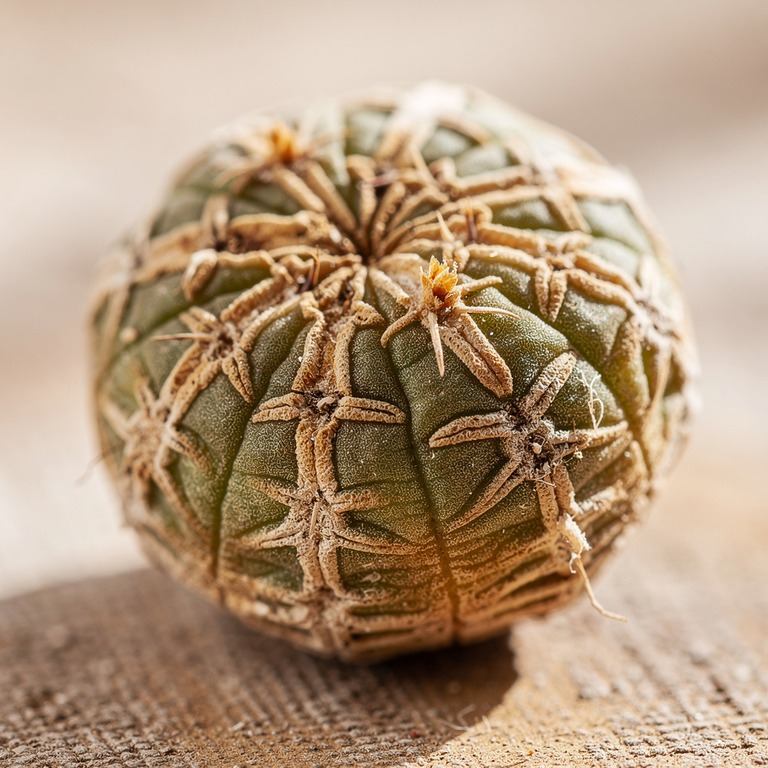
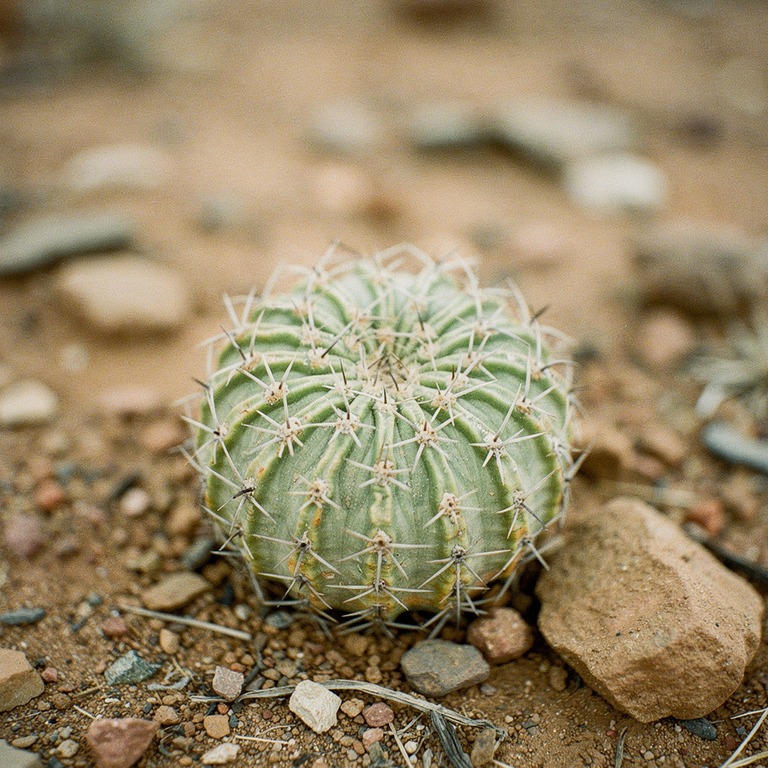
Peyote (Lophophora williamsii) is a small, spineless, button-shaped cactus that grows in the limestone soils of northern Mexico and a thin slice of southwestern Texas. It looks unremarkable — squat, blue-green, sometimes crowned with a pale pink flower. You could walk past one in the Chihuahuan Desert and not notice it. That modesty is part of why traditional cultures regard it as something hidden, something you have to be ready to see.
Its active compound is mescaline, a phenethylamine psychedelic that also occurs in the San Pedro and Peruvian Torch cacti. Fresh peyote contains roughly 0.4% mescaline; dried buttons concentrate that figure to between 3 and 6 percent. The cactus also contains a soup of other alkaloids, which is why people who’ve taken both peyote and pure mescaline often report the two experiences feel meaningfully different — peyote tends to be earthier, heavier, more body-based.
One thing worth sitting with: peyote grows astonishingly slowly. A wild plant can take over a decade to reach maturity. This single fact reshapes everything else about how it should be approached — ethically, ecologically, and ceremonially.
A Plant With a Long Memory: The History of Peyote
Archaeological finds along the Rio Grande place peyote use as far back as 3,700 BC. That is not a typo. Humans have been in relationship with this cactus for nearly six thousand years. The Aztecs called it peyōtl — roughly, “the thing that glimmers” — and treated it as a divine messenger, a way to speak with the gods. Spanish missionaries arriving in the 1500s documented its use with a mixture of fascination and alarm, and predictably tried to suppress it.
Western science came to peyote late and clumsily. A Dallas physician published an account of his own self-experimentation in 1887. A few years later, the Comanche chief Quanah Parker sent a large supply of dried buttons to an ethnologist at the Smithsonian, who passed samples to William James and other early American psychologists. The cactus was formally classified in 1894, and its first scientific trial appeared in a medical journal the following year.
None of that, of course, is where the real story lives. The real story lives with the Huichol (Wixáritari) of the Sierra Madre Occidental, who still make an annual pilgrimage of roughly 300 miles to Wirikuta, the sacred desert where the peyote grows. And with the members of the Native American Church, who carry an unbroken ceremonial relationship with this plant into the present day.
How Peyote Is Traditionally Used
The crown of the cactus — the “button” — is sliced off and dried. From there it’s either chewed (intensely bitter, often followed by nausea) or simmered into a tea. The nausea is not a bug; in many traditions it’s considered part of the purification. The plant is asking something of you before it shows you anything.
Among the Huichol, peyote ceremonies involve singing, weeping, prayer, and communication with ancestors and deities. The plant isn’t recreational and isn’t framed as therapy in the clinical sense — it’s a sacrament, woven into a worldview where the visible and invisible worlds are constantly in conversation.
The Native American Church (NAC), which formed in the late 19th century, blends indigenous spirituality with Christian elements in varying proportions depending on the branch. Their all-night ceremonies take place in a tipi, led by a peyote “chief,” and include prayer, song, contemplation, and the sacramental eating of the buttons. For many members, peyote is the medium through which the Creator becomes audible.
What the Peyote Experience Actually Feels Like
Peyote is a long one. Effects typically last between 8 and 16 hours, putting it in the same endurance category as LSD or ibogaine. That length is part of why ceremonies run all night — the medicine sets its own clock. Onset is gradual: an hour or so of building physical heaviness, often with that famous wave of nausea, then the perceptual shifts begin.
Common physical effects include:
- Nausea and sometimes vomiting (the “purge”)
- Sweating, chills, or alternating temperature sensations
- Elevated heart rate and blood pressure
- Pupil dilation and heightened sensitivity to light
- Loss of appetite and a kind of full-body stimulation
- Uncoordinated movement — most people sit or lie down
Cognitive and emotional effects can be substantial: enhanced creativity, deep introspection, an altered sense of self, vivid memory work, music that suddenly feels structural rather than decorative, and — for some — moments described as self-realization. The perceptual layer brings visual patterning, depth and color shifts, and at higher doses, full visionary content. As with every psychedelic, dose, set, and setting shape almost everything. A button taken in someone’s apartment is not the same medicine as a button taken in a tipi with a fire and a song carrier and people who’ve been holding ceremony for thirty years.
Is Peyote Legal? And What About Ethics?
Legal status is layered. In the United States, peyote is a Schedule I substance — except for documented members of the Native American Church, who are protected under the American Indian Religious Freedom Act amendments. In Mexico, peyote is protected as part of indigenous cultural heritage, and harvesting outside traditional contexts is restricted. In Canada, peyote occupies a strange middle ground: mescaline is controlled, but the cactus itself is exempt.
The ethical question is louder than the legal one. Wild peyote populations are in trouble. Overharvesting, illegal poaching, and habitat loss in the Texas-Mexico borderlands have pushed the plant into ecological stress. Many indigenous leaders have publicly asked non-Native seekers to choose other mescaline-containing cacti — San Pedro and Peruvian Torch, both of which grow much faster and are cultivated sustainably in South America — rather than putting more pressure on a sacred plant that takes ten years to grow back.
That’s a request worth honoring. If your curiosity is about mescaline as a master plant, San Pedro ceremonies in the Andes offer that doorway without participating in the decline of a sacred ecosystem.
Should You Sit With Peyote (Or Its Cousins)?
Here’s the honest version. People come to plant medicine for real reasons — addiction, depression, grief, trauma, a feeling of being unmoored from their own life. Mescaline-containing cacti have a long track record of helping with exactly those struggles, but they aren’t a vending machine. The experience is long, physically demanding, and emotionally unpredictable. Preparation matters. Integration matters more.
A few things to weigh if you’re seriously considering it:
- The container. Who is holding the ceremony? What’s their lineage or training? How long have they worked with this medicine? Vague answers are a red flag.
- Your medical reality. Mescaline raises heart rate and blood pressure. SSRIs, MAOIs, lithium, and a handful of cardiac conditions are genuinely dangerous combinations. A reputable retreat will ask. If they don’t ask, walk away.
- Your mental health history. A personal or family history of psychosis or bipolar disorder is a serious consideration with any psychedelic, peyote included.
- Aftercare. The ceremony is maybe twenty percent of the work. The weeks and months after — the integration, the changes you make, the support you build — are the rest of it.
Peyote isn’t a shortcut, and it isn’t a souvenir. It’s a plant a lot of people have given their lives to protect. Approached with that kind of seriousness, mescaline medicines can be genuinely transformative for the patterns that brought you to this article in the first place.
If you want to explore this path further, a range of San Pedro and mescaline-tradition retreats — most of them sustainable, ethically run, and welcoming to non-Native seekers — can be browsed on our marketplace here. Take your time choosing. The plant has been waiting six thousand years; another week of careful research won’t hurt.
Craving More Stories?
Join our ShopAyahuascaRetreats newsletter for the latest updates on thrilling
destinations and inspirational tales, delivered straight to your inbox!
We value your privacy. Your email address will never be shared or published.