 English
 Deutsch
 Français
 Nederlands
 Español
SHOP AYAHUASCA RETREATS BLOG
Florida's Legal Mushroom Dispensary: What Amanita Muscaria Actually Is

Stella Vance
May 20, 2026
Your ultimate guide to discover transforming ayahuasca and psychedelic experiences. Dive into serene destinations and elevate your consciousness to unparalled heights.
Discover Ayahuasca & Psychedelic Retreats NowSearch for ayahuasca & psychedelic retreats
Discover retreats, trainings, and holidays from all over the world
Walk into a small storefront in Tampa and you can buy psychedelic mushrooms over the counter. Legally. No prescription, no clandestine handoff, no Telegram chat with a stranger named Mushroom_Mike. Just gummies, capsules, and powders sitting on a shelf next to the hemp flower.
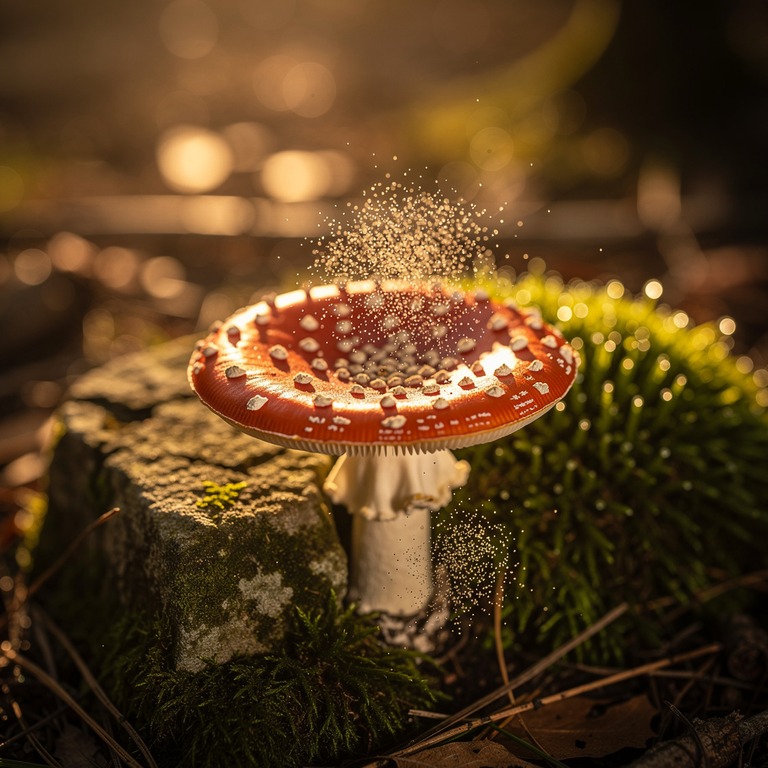
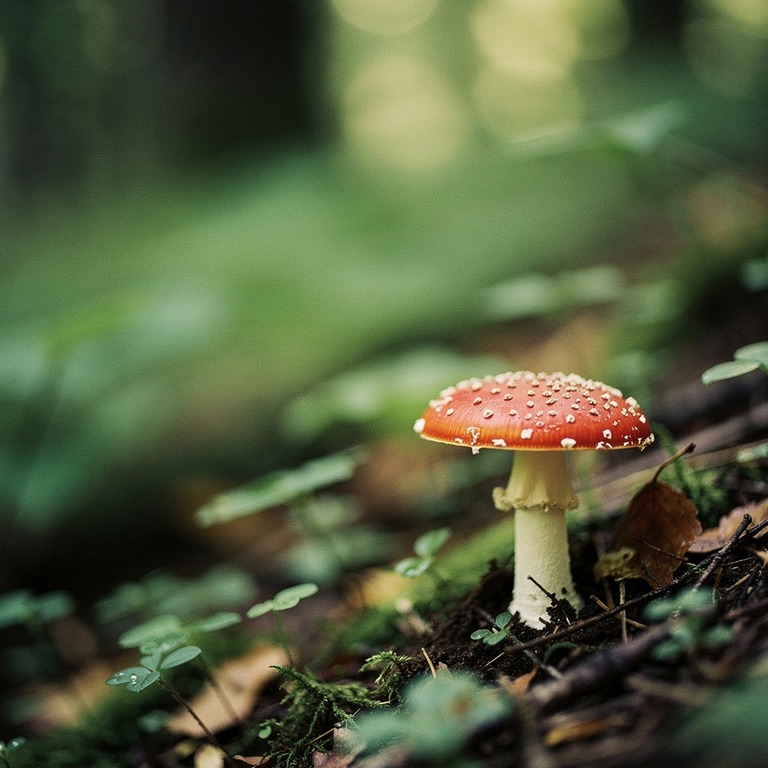
Sounds like the headline every psychedelics watcher has been waiting for, right? Not quite. The mushrooms in question aren't the psilocybin variety that's been making waves in clinical trials and ayahuasca-adjacent retreat conversations. They're Amanita muscaria — the red-capped, white-spotted toadstool you've seen in Mario games and fairy-tale illustrations your whole life. And the legal loophole keeping this shop open says a lot about where psychedelic culture in the U.S. actually stands right now.
So What Exactly Is Being Sold?
The dispensary, run by a longtime cannabis activist who cut his teeth fighting for medical marijuana in Florida, started life as a hemp shop in 2018. Mushrooms got added to the product mix more recently. The owner is careful with his language — he doesn't call them “magic” mushrooms in the store, because that word is shorthand for psilocybin, and psilocybin is firmly Schedule I under federal law. Same legal tier as heroin. Possession alone can wreck your life.
What he sells instead is Amanita muscaria, a mushroom that's psychoactive but contains no psilocybin. Its active compounds are muscimol and ibotenic acid — different chemistry, different experience, and crucially, not scheduled by the DEA. Federally, it's legal. State-by-state it's legal almost everywhere, with Louisiana being the lone exception. That's the loophole the whole shop hinges on.
The product range includes capsules, gummies, powdered extracts, and even mycology kits — the kind you could, in theory, use to cultivate something more potent. Buyers sign a form swearing they won't. Whether anyone actually believes the form does much is another question.
Amanita Muscaria Isn't Psilocybin — and the Difference Matters
This is the part most casual readers miss, and it's the part that matters most if you're researching plant medicine seriously. Amanita muscaria and psilocybin mushrooms are not interchangeable. They're not even close.
Psilocybin works on serotonin receptors — the same neighborhood ayahuasca's DMT visits, the same neighborhood LSD and mescaline operate in. The classic psychedelic family. Amanita muscaria, on the other hand, works on GABA receptors via muscimol. The experience people describe is more dissociative, dreamlike, often sedating — sometimes nauseating, sometimes confusing, occasionally just unpleasant. It's been used ritually for centuries in Siberia and parts of Northern Europe, but it never built the kind of therapeutic case study record that psilocybin has.
Here's the other thing nobody puts on the gummy label clearly enough: raw Amanita muscaria is toxic. Eat one off the forest floor and you can end up vomiting, hallucinating in distressing ways, or — in rare but documented cases — comatose. The Tampa shop's owner says he sources from Lithuania and processes the mushrooms to reduce ibotenic acid before they reach the shelf. That's standard practice for traditional preparation. It's also entirely dependent on the seller doing it right.
Why a Florida Dispensary Owner Thinks the Law Will Catch Up
The shop owner isn't naive about what he's doing. He hired a lawyer before stocking the product. He notified local law enforcement. His read is straightforward — drugs get banned when they become a public problem, and Amanita muscaria has flown under the radar for decades because almost nobody was using it. The moment it becomes popular, he expects pushback.
He's probably right. There's already a quiet pattern of regulators reacting to legal-gray-area substances once they hit critical mass. Kratom, Delta-8 THC, kava bars — every one of them went through a window of accessibility followed by a patchwork of state-level restrictions. Amanita products are next in line if sales scale up.
Meanwhile, the broader landscape for psychedelics is shifting in ways that make this Florida experiment look almost quaint:
- Oregon legalized supervised psilocybin services and is now several years into running them.
- Colorado decriminalized psilocybin and several other natural psychedelics through ballot measure.
- FDA-approved trials for psilocybin-assisted therapy for treatment-resistant depression are ongoing and producing strong results.
- Ibogaine and ayahuasca, though still federally illegal in the U.S., are at the center of a growing retreat economy in Mexico, Costa Rica, Peru, and beyond.
What's happening in Tampa isn't the leading edge of psychedelic policy reform. It's a side door — one entrepreneur testing how much legal weight a technically-legal mushroom can hold.
If You're Curious, Here's the Honest Take
Let's say you read about this and thought, “Huh, maybe I should try an Amanita gummy.” Pause for a second.
People researching plant medicine seriously — for depression, addiction, trauma, the stuck-life-pattern stuff most readers are quietly carrying — generally aren't looking for a novelty trip. They're looking for something with a track record. And Amanita muscaria's track record in modern healing contexts is thin. There's traditional Siberian shamanic use, sure. There's anecdotal hobbyist reporting online. There's not much in the way of contemporary therapeutic research, integration frameworks, or experienced facilitators working with it in retreat settings.
Compare that to ayahuasca, which has decades of formalized ceremonial structure in the Amazon, a growing body of neuroscience research, and an established retreat infrastructure with facilitators who've sat with hundreds or thousands of participants. Compare it to psilocybin, which is moving through clinical trials and into legal regulated programs. Compare it to ibogaine, which has a niche but well-documented role in interrupting opioid addiction. Amanita doesn't sit in that conversation yet. It might one day. Right now it doesn't.
That doesn't mean it's worthless — it means if you're spending money and intentional time on a psychedelic experience aimed at real change, an Amanita gummy from a Florida shop is probably not the tool. A properly run retreat with a tradition behind it almost certainly is.
What This Story Actually Tells Us About the Bigger Picture
The Tampa dispensary matters less for what it sells and more for what it represents — the cultural appetite for legal access to psychedelics is way ahead of the legal framework. People are walking into a storefront in a state where recreational cannabis is still illegal and buying mushroom gummies. The demand is here. The infrastructure is improvising around the law.
That improvisation comes with real risk. Unregulated processing means quality varies wildly. Lack of guidance means people take these substances alone, with no preparation, no integration, no one watching out for them if the experience gets difficult. The retreat model — for all its costs and complications — exists precisely because psychoactive experiences benefit enormously from container, intention, and skilled support. A gummy in your apartment doesn't offer any of that.
If you've been reading about psychedelics and feeling the pull toward something deeper than a curious experiment, the better question isn't where can I buy this legally. It's what am I actually hoping to address, and what tradition or modality has the strongest track record for it. For some people that's psilocybin in Jamaica or the Netherlands. For others it's ayahuasca in Peru or Costa Rica. For people working with opioid addiction it might be ibogaine in Mexico. The match matters more than the convenience.
For readers who want to take this further, a range of curated ayahuasca and plant-medicine retreats can be browsed on our marketplace here. Whatever you decide, decide it slowly — these aren't gummies you grab on a whim.
Ayahuasca & Psychedelic retreats
Craving More Stories?
Join our ShopAyahuascaRetreats newsletter for the latest updates on thrilling
destinations and inspirational tales, delivered straight to your inbox!
We value your privacy. Your email address will never be shared or published.