 English
 Deutsch
 Français
 Nederlands
 Español


Reset. Heal. Grow.
Why Silicon Valley Founders Are Flying to Peru for Ayahuasca Ceremonies
Somewhere in the Sacred Valley of Peru, between Cusco and Machu Picchu, an adobe temple sits on a ridge overlooking the Andean highlands. Inside, a group of founders — people who normally spend Tuesday mornings arguing about runway and burn rate — are lying on thin mats, waiting for a brew of bitter brown liquid to start dismantling everything they think they know about themselves. This is what an ayahuasca retreat for tech entrepreneurs actually looks like. And it costs roughly the price of a decent used car. The trend isn't new anymore — it's been simmering for over a decade — but the questions around it have only sharpened. Why are so many high-functioning, ambitious people turning to plant medicine? What does it actually do? And is it a legitimate tool for working through stuck patterns, including addiction and burnout, or just the latest expensive thing successful people do to feel something? I've sat in enough ceremonies and interviewed enough facilitators to have opinions on all of that. Let's get into it. The pattern goes back further than most people realize. Steve Jobs talked about LSD as one of the most important experiences of his life. Bill Gates dabbled. Tim Ferriss has been openly discussing psychedelics for years, once comparing ayahuasca in tech circles to grabbing coffee. That's an overstatement — you're not going to find anyone microdosing DMT between standups — but the cultural underground is real. What changed around the mid-2010s was the appearance of structured programs aimed specifically at founders and executives. One of the better-known ones runs small cohorts to Peru each year — usually around 20 people split across two trips, drawn from hardware, software, and fintech startups. The price tag tends to land between $10,000 and $12,000 once you factor in coaching, lodging, ceremony, and the long-haul flights. The founder of one such program once put it bluntly to a reporter: you can spend six years in therapy, or you can spend ten days in the Andes. Red pill or sugar pill? It's a great soundbite. It's also, in my honest opinion, only half true. More on that later. The brew itself is made from the Banisteriopsis caapi vine, often combined with chacruna leaves that contain DMT. Indigenous peoples across the Amazon have been working with this combination for centuries — some traditions say thousands of years — as part of healing and spiritual practice. It's legal in Peru and in a handful of other South American countries. In the United States it sits in a strange grey zone: DMT is Schedule I, but two religious organizations have won the right to use the brew sacramentally. A typical 10-day retreat tends to follow a rhythm something like this: Inside the ceremony itself, the experience varies wildly. Some people describe lucid-dream-like visions — wandering through landscapes, encountering animals, replaying childhood scenes. One past participant of a tech-focused retreat described witnessing himself as a boy in a humiliating moment from grade school and finally, at age forty-something, deciding to put the shame down. Another described leaving her body entirely and watching herself from across the room. A friend of mine swears he spent two hours moving through what he insists was the inside of his own digestive tract, like a deranged children's TV episode. And then there's the vomiting. Almost everyone purges. Practitioners call it cleansing; your body calls it Tuesday. A well-run ayahuasca ceremony has buckets, towels, and absolutely no judgment about any of it. This is the question that brings most thoughtful people to plant medicine in the first place — and it deserves a careful answer. There's a growing body of clinical and observational research suggesting that ayahuasca, psilocybin, and ibogaine can produce meaningful, sometimes durable shifts in people struggling with depression, PTSD, alcohol use disorder, and opioid dependence. Ibogaine in particular has a long track record with opioid addiction — it appears to reset some of the neurochemistry involved in withdrawal and craving. Ayahuasca's effects on addiction seem to work through a different door: not by interrupting the chemistry directly, but by surfacing the emotional material that drives the behavior in the first place. That said — and this matters — psychedelics are not magic. They don't do the work for you. What they do is create an unusual window in which patterns become visible, often painfully so. What you do with that visibility afterward is the actual healing. Facilitators have a word for this: integration. It's the part where you come home, talk through what surfaced with a therapist or coach or trusted friend, and start translating insight into different daily behavior. Skipping integration is the most common mistake I see. People take the trip, have a profound night, fly home, and then six months later wonder why nothing actually changed. The ceremony was the easy part. Let's talk honestly about money, safety, and quality — because this is where retreat-seekers most often get burned. Costs for a reputable ayahuasca retreat in Peru typically range from about $1,500 for a basic week with a local center to $11,000 or more for a high-touch program with executive coaching wrapped around it. Neither extreme is automatically better. I've sat in ceremonies at modest centers run by lineage shamans that were more rigorous and more healing than fancy operations with infinity pools. Price signals nothing in this world. What you actually want to evaluate: The unflattering nickname for sloppy, poorly run ceremonies is “yogahuasca” — a Bay Area knockoff aesthetic stapled onto a sacred practice. The problem isn't confined to California either. As demand has exploded, some operations in Peru have followed the money rather than the lineage. Caveat emptor applies, hard. Plant medicine isn't for everyone, and I'd argue strongly against the “hack your consciousness” framing that tech culture sometimes wraps around it. This isn't a shortcut. It's a serious encounter with your own mind, and the people who get the most from it tend to share a few traits. They've usually tried other things first — therapy, meditation, hard conversations, time off. They have a baseline of psychological stability and aren't in active crisis. They have someone to talk to when they get home. They approach the experience with respect rather than treating it as a novelty item to collect alongside Burning Man and a Wim Hof workshop. And critically, they're willing to sit with discomfort. Ayahuasca isn't fun. It's revelatory, sometimes beautiful, occasionally terrifying, and almost always physically rough. People who want pleasant trips should look elsewhere. The founders I've spoken to who report the most lasting benefit describe specific behavioral changes afterward — quitting jobs that were wrong for them, restructuring how they interact with employees, finally addressing a drinking habit, ending relationships that had been quietly dying for years. The shift isn't mystical. It's that the ceremony made a long-avoided truth impossible to ignore for one night, and they found the nerve to act on it. If you've read this far and you're still curious, a few practical suggestions before you book anything. Read at least three first-person accounts of difficult ceremonies, not just the glowing ones. Talk to someone who's been. If you're on prescription medication, especially antidepressants, consult with a doctor who actually understands plant medicine — not all of them do. Sit with the question of why you want to do this. “To see what it's like” is a fine answer for a wine tasting; it's a thin reason to invite an Amazonian vine into your nervous system for six hours. Give yourself a clear week on the back end with no major commitments. The landing is real, and trying to jump straight into a board meeting after a retreat is how people lose the insights they came for. Find a therapist or integration coach you trust, ideally before you go. For readers who want to take this further, a range of vetted ayahuasca and plant-medicine retreats can be browsed on our marketplace here. Whatever you decide, decide it carefully — this is one of those choices that tends to matter more in the months after than in the moment you book it.
Aaron Rodgers, Ayahuasca, and What Athletes Are Finding in the Brew
When a four-time NFL MVP says a jungle brew helped him play the best football of his life, people listen. Or at least they click. Aaron Rodgers spent part of his off-season talking openly about drinking ayahuasca in South America, and the quote that made the rounds — that the experience taught him to unconditionally love himself — has been replayed everywhere from sports radio to wellness podcasts. It's a strange sentence to hear from a quarterback. It's also, if you've spent any time around ayahuasca ceremonies, a pretty common one. I've sat in maloca after maloca over the years, interviewed facilitators on three continents, and watched a lot of people walk out of ceremony saying things that would have sounded ridiculous to them a week earlier. So when Rodgers credits ayahuasca with sharpening his game, I don't roll my eyes. But I also don't think his story is the green light some headlines made it out to be. Plant medicine is more interesting, more demanding, and more uneven than a single celebrity testimonial can suggest. On a long-form interview with Aubrey Marcus, Rodgers described the experience as the gateway to a season he called the best of his career. He didn't talk about visions or geometric patterns or the usual psychedelic furniture. He talked about being able to love himself without conditions — and how that, in turn, changed how he showed up for teammates. The football, in his telling, followed the inner work, not the other way around. That framing matters. It's easy to read his comments as “ayahuasca made me a better quarterback,” but he was careful to put the relational piece first. He talked about leadership, about caring before performing, about modeling something for the locker room. Whether or not you buy any of it, it's a more honest description of what people typically report after ceremony than the clickbait version suggests. It's also worth saying: Rodgers has a track record of trying unconventional things. He's done long ayurvedic cleanses involving ghee and a level of dietary discipline most of us couldn't manage for a weekend. The ayahuasca trip wasn't a one-off spiritual tourism stunt. It was one chapter in a longer experiment with how he tends to his nervous system, his attention, and his stress load. Context like that matters when you're trying to figure out whether his experience has anything to teach yours. The brew is made by boiling the Banisteriopsis caapi vine with the leaves of chacruna, which contain DMT. The vine is what makes the DMT orally active — without it, you'd just digest the compound and feel nothing. Indigenous Amazonian peoples have been preparing this combination for a very long time, in ceremonial contexts that involve song, diet, and a trained person holding the space. The drink itself tastes like swamp water that has a personal grudge against you. Most people purge — vomiting, sometimes more — and that's considered part of the work, not a side effect to manage away. The journey itself usually lasts four to six hours. People describe visual landscapes, encounters with what feel like beings or intelligences, and waves of memory and emotion that arrive uninvited. Sometimes the night is gentle. Sometimes it is one of the hardest things you've ever done. The cliché that ayahuasca gives you what you need rather than what you want exists because people keep repeating it after their ceremonies. It's annoyingly accurate. The reason this matters for someone considering a retreat: ayahuasca isn't a recreational drug, and the people who treat it like one tend to have rough nights. It's a long, demanding, often confronting experience. The container around it — the facilitators, the group, the location, the integration support afterward — does a lot of the heavy lifting in determining whether the experience helps you or destabilizes you. This is where the research catches up to the anecdotes, slowly. Clinical trials over the past several years have looked at psilocybin for treatment-resistant depression, MDMA for PTSD, and ibogaine for opioid dependence, with results that have made even cautious researchers raise their eyebrows. Ayahuasca specifically has a smaller but interesting body of research suggesting effects on depression, addiction patterns, and what people loosely call “stuck” thinking. Here's what the honest version of that story sounds like: For people specifically considering plant medicine for addiction, the picture is genuinely promising and genuinely complicated. Ibogaine has the most dramatic short-term results for opioid dependence, but it carries cardiac risks and needs medical screening. Ayahuasca and psilocybin show up in studies on alcohol use disorder and various behavioral addictions, often with strong outcomes when paired with therapy. None of it replaces the long, unglamorous work of actually changing your life. It can, sometimes, give you the leverage to start. The boom in psychedelic retreats has been a mixed blessing. There are facilitators doing extraordinary work — people who trained for years, who run small groups, who follow up with participants months later. There are also operations that charge five figures for a long weekend and have no business serving medicine to anyone. The gap between those two ends of the spectrum is enormous, and the marketing often looks identical. If you're researching a retreat, a few things separate the serious from the sketchy: Celebrity endorsements of psychedelics make me slightly nervous, even when I think the celebrity is being sincere. The reason is simple: when someone famous credits a substance for a transformation, a lot of people hear “I should try that” without hearing the rest of the sentence. Rodgers wasn't recommending ayahuasca to his fans. He was describing his own experience. Those are different things. If his story has piqued your curiosity, the useful question isn't “should I drink ayahuasca?” It's “what am I actually hoping a psychedelic experience will do for me, and is there a path to that which makes sense given my life right now?” For some people, the answer is a well-chosen retreat with a long preparation runway. For others, it's therapy, or a meditation practice, or treating a sleep disorder, or a year of quiet work before any plant medicine enters the picture. The interesting thing about ayahuasca is that it tends to amplify whatever you bring to it. Bring confusion and it can amplify confusion. Bring intention and it can amplify that too. The honest pitch for plant medicine isn't that it's transformative — it's that it can give you a rare, vivid look at yourself, and what you do with that look is the actual work. Rodgers seems to have done something with his. Most people who walk out of ceremony do too, eventually, if they have the support around them to keep going. For readers who want to take this further, a range of vetted ayahuasca and plant medicine retreats can be browsed on our marketplace here. Whether you end up booking one or not, the better outcome is that you make whatever decision you make with your eyes open — about the medicine, the container, and what you're actually walking toward.
What Celebrity Ayahuasca Stories Actually Tell Us About Real Ceremonies
Every couple of months, a celebrity comes back from Costa Rica or Peru and tells a late-night host they drank ayahuasca and went to hell. The clip goes viral. The comments split between “sounds horrifying” and “where do I sign up.” And somewhere in the middle, a real person — maybe you — is sitting with a browser tab open, wondering whether any of this applies to their actual life. It's a fair question. Ayahuasca is having a long, loud cultural moment, and the loudest voices in it are not always the most useful ones. So let's take a famous account — the one where Megan Fox described her ceremony in Costa Rica as both “hell” and a “good bonding experience” — and use it as a way into the stuff that actually matters when you're considering a psychedelic retreat for yourself. Fox said she went in thinking the retreat would be “five-star” — some kind of upscale jungle experience with nice sheets and a wellness menu. What she got was the middle of the jungle, no food after 1 p.m., and a maloca full of strangers preparing to drink a bitter brown brew. This is one of the most common mismatches between expectation and reality, and it trips up a lot of first-timers. The retreats getting the most legitimate work done are usually not the ones with infinity pools and turndown service. Traditional plant medicine work tends to be physically simple on purpose. You sleep in a basic cabin. You eat plain food — no salt, no sugar, no oil, no meat, depending on the lineage. You sweat. You sit in silence. The point isn't deprivation as virtue; it's that ayahuasca works on a body and mind that haven't been buffered by comfort all week. If you find yourself comparing retreats and one of them mentions spa treatments and gourmet menus alongside the ceremony schedule, that's worth a second look. Not automatically a red flag — some hybrid places do solid work — but ask the obvious question: what's the dieta, and who's leading the ceremonies? Ayahuasca is a brew, not a single drug. The two essential ingredients are the Banisteriopsis caapi vine and a DMT-containing leaf, usually chacruna (Psychotria viridis). The vine contains MAO inhibitors that allow the DMT in the leaf to become orally active — without that combination, you'd just digest the DMT and feel nothing. This is genuinely one of the more remarkable pieces of ethnobotanical knowledge on the planet, given that the people who figured it out did so without a chemistry lab. The reason this matters for you, the prospective drinker, is that the MAOI component is what creates the dieta requirements you'll read about — no tyramine-rich foods, no SSRIs, no certain medications, no recreational drugs in the lead-up. These aren't optional preferences. Mixing ayahuasca with the wrong substance can be dangerous in ways that have nothing to do with the psychedelic experience. Any retreat worth its salt will send you a detailed medical and dietary screening before they take your deposit. If they don't, walk. Fox described the ceremony beginning with everyone drinking lemongrass tea to induce vomiting together — what she called a “good bonding experience.” For anyone reading this and recoiling: yes, that's a real thing, and yes, it's part of the territory. The traditional word for it is la purga. The purge. Ayahuasca itself frequently induces vomiting, and most lineages frame this not as an unpleasant side effect but as a central feature — the body releasing what the mind has been holding. Some ceremonies open with a separate emetic to clear the system first; others let the brew do that work on its own. Either way, by night two or three, you've stopped being precious about it. Things that are normal during an ayahuasca ceremony and that no one warns you about clearly enough: None of this is failure. All of it is the medicine doing exactly what people have used it to do for centuries. If you go in expecting a clean, dignified, Instagram-friendly experience, you're going to fight the process. Surrendering to the mess is, in a real sense, the work. The most quoted part of Fox's account is the bit about feeling like she was in hell for eternity, with no beginning, middle, or end — and then her ego dying. That phrasing tends to either fascinate people or freak them out. Here's what it actually points to. Ego death, in the psychedelic sense, isn't a metaphor for feeling humble. It's a specific experience where the usual sense of being a continuous self — the narrator in your head — temporarily dissolves. People describe it as terrifying, liberating, or both. The “eternity” language comes from the fact that during these experiences, time doesn't work the way it normally does. Five minutes can feel like a lifetime. There's no clock, no anchor, no exit door you can locate. This is also where the therapeutic potential lives, and why ayahuasca and other plant medicines are being seriously studied for addiction, depression, and trauma. When the usual self goes offline, the rigid stories you tell about who you are and what's wrong with you — the “psychological prison,” to borrow the phrase — can loosen enough that something else becomes possible. People who have been stuck in patterns for decades sometimes report a single ceremony shifting something that years of talk therapy couldn't reach. Sometimes. Not always. Anyone who promises you healing as an outcome is selling, not telling. This is the question worth sitting with. A celebrity describing a difficult-but-meaningful ceremony on a talk show is entertainment. Your decision to spend two thousand dollars and a week of your life on a plant medicine retreat is not. Honest reasons to consider an ayahuasca retreat: Reasons to wait, or to choose something gentler: The plant medicine space has grown faster than its quality controls. There are extraordinary, lineage-rooted centers run by people who have been doing this for decades. There are also opportunists who watched the trend and opened a center last year. Telling them apart requires asking better questions than most websites will answer on their landing page. Some things to ask before you book: If something here speaks to you, the available ayahuasca and plant-medicine retreats can be browsed and booked on our marketplace here. Read carefully, ask the awkward questions, and trust your gut on the answers — the right ceremony at the right time can be quietly life-changing, and the wrong one is mostly just expensive.
What Makes an Ayahuasca Retreat Actually Good? Lessons from a Top-Rated European Center
There's a particular silence at three in the morning inside a ceremony space — the kind you only notice once the icaros have stopped and the kettle in the back is being set for the next round. That silence tells you almost everything you need to know about a retreat. Is it held? Is someone awake? Is the person two mats over being looked after? If you're researching where to drink ayahuasca for the first time, that's the question underneath every other question you're asking. I want to talk about what actually makes an ayahuasca retreat worth your money and your nervous system — using a European center that's been picking up serious recognition lately as a useful reference point. Not to sell you on them. To give you a framework for sizing up any retreat you're considering, whether it's in Peru, the Netherlands, Costa Rica, or a converted farmhouse in Spain. For a long time, the assumption was that if you wanted real ayahuasca you had to fly to the Amazon. That's still a beautiful path, and for some people it's the right one. But over the last decade a handful of European centers — most notably in the Netherlands, where a legal grey area around the brew has been navigated through religious-use frameworks — have built infrastructure that, frankly, some jungle camps can't match. Trained medical support on standby. Multi-day preparation calls. Integration coaches you can actually reach a month later. One of those centers, OMMIJ, was named best ayahuasca retreat in the LUX Resorts and Retreats Awards a couple of years ago, and they've been quietly expanding since — with a second location in Spain joining their original Dutch healing house. The name itself is a play on the Dutch words for to me or about me, which gives you a sense of how they frame the work: not as a spiritual fireworks show, but as a slow return to your own body. Whether or not you ever set foot in one of their ceremonies, the model is worth studying. Because the things they do well are exactly the things you should be looking for everywhere. This is the question I get asked more than any other, and the honest answer is: anywhere from around 400 euros for a weekend in a European setting to 3,000+ dollars for a ten-day immersion in the Sacred Valley. The price spread is enormous, and price alone tells you very little about quality. What you should actually be paying for, regardless of location: A cheap retreat that nails those five things is a better buy than an expensive one that doesn't. A lot of people researching plant medicine right now aren't doing it for curiosity. They're doing it because something in their life has refused to budge — a drinking habit, a depression that hasn't moved despite years of SSRIs, a trauma loop that keeps surfacing in their relationships. Ayahuasca has earned its reputation here partly through clinical research and partly through twenty-plus years of consistent participant reports. The research is genuinely promising. A small but growing body of work — including studies on ayahuasca's effects on treatment-resistant depression — has shown rapid and sometimes lasting reductions in depressive symptoms after a single ceremony. Work on addiction, particularly with stimulant and alcohol dependence, suggests the brew can interrupt craving patterns in ways traditional pharmacology hasn't matched. These aren't fringe findings anymore. They're being taken seriously by researchers at major universities. That said — and this matters — ayahuasca is not a cure. It's a catalyst. People who go in expecting a magical fix tend to come out disappointed or, worse, retraumatized. People who go in willing to do the slow work afterward — therapy, lifestyle changes, integration circles, sometimes more sittings spaced months apart — tend to be the ones telling life-changing stories two years later. The plant shows you the door. You still have to walk through it, hungover and confused, every single day. Skip the YouTube testimonials for a minute. Here's what a typical first night looks like at a well-run retreat. You arrive in the afternoon. There's an intake circle where everyone says, often awkwardly, why they're there. You're given a mat, a bucket (you'll use it; making peace with this is part of the work), water, tissues, a blanket. Lights go down around 8 or 9 pm. The facilitator pours small cups. You drink. It tastes like the inside of an old tree mixed with regret. You sit. Forty minutes pass and you start to wonder if it's working. Then it works. What happens next is wildly individual — some people see geometry, some see nothing visual at all and instead feel decades of held grief move through their chest, some have conversations with parts of themselves they'd forgotten existed. Some throw up and feel reborn. Some don't throw up and feel cheated. The icaros — the medicine songs sung by the facilitator — guide the rhythm of the night. By 2 or 3 am, things soften. People sleep, or sit quietly, or step outside to look at the stars and cry. The next morning there's tea and slow conversation and the strange clarity of having been somewhere you can't quite describe. That's it. That's the whole technology. Everything around it — the diet, the songs, the integration — is what makes the technology work. If you take nothing else from this post, take this list. These are the things that should make you close the browser tab: The good retreats — the ones doing this work seriously, whether they're in Iquitos, Catalonia, or a converted Dutch farmhouse — won't tick any of those boxes. They'll be honest about who shouldn't drink, transparent about their team's background, and almost suspiciously calm about the whole thing. Real medicine work doesn't need to oversell itself. Nobody wants to talk about this part because it isn't glamorous, but it's where retreats either pay off or don't. You'll come home and your partner will ask how it was and you won't have words. You'll be raw for about two weeks. Music will hit different. Old grudges will feel smaller, or much larger, or just suddenly negotiable. Then real life — the inbox, the commute, the in-laws — will reassert itself, and you'll feel the door starting to close. This is the integration window. The retreats that take this seriously will have built you a structure for it: weekly group calls, a private community, a coach you can voice-message. Without that scaffolding, even a profound ceremony tends to fade into a beautiful memory that didn't quite change anything. With it, the small daily shifts compound into something that, a year later, looks like a different life. If you've read this far, you're probably closer to booking than you realized — and the next step is finding a place whose values and practices match what you actually need. A range of vetted ayahuasca retreats across Europe, Peru, Costa Rica, and beyond can be browsed on our marketplace here. Take your time choosing. The right retreat is worth waiting six months for; the wrong one isn't worth a weekend.
Ayahuasca Integration: Should You Really Go Back to Work the Next Day?
Here's a question that comes up in almost every pre-retreat conversation I have: Can I go straight back to work the morning after an ayahuasca ceremony? The honest answer is yes, technically — and also, please don't. Those two things are not in conflict. Let me explain. Plant medicine experiences sit at a strange intersection. Physically, ayahuasca doesn't leave you with the throbbing headache of a tequila night. There's no chemical hangover in the conventional sense. But the ceremony works on layers most jobs aren't built to accommodate — the emotional, the psychological, sometimes the spiritual. Pretending those layers don't exist on Monday morning is one of the fastest ways to undercut everything you just paid good money and emotional courage to do. By sunrise, most of the active alkaloids have moved through your system. You might even feel oddly clear — that quiet, washed-clean sensation people sometimes describe as the “afterglow.” Some folks bounce out of the maloca convinced they've never felt better. Don't trust that feeling entirely. It's real, but it's also fragile. Underneath the clarity, your nervous system has just been through something. The brew tends to pull buried material to the surface: grief you'd shelved, anger you'd rationalized, memories you didn't know you still carried. Even if the night felt mostly gentle, your psyche is now doing the slow work of filing all of it. That filing doesn't pause because your calendar says 9 a.m. standup. I've watched people return to their desks twelve hours after a ceremony and burst into tears over a routine email. I've watched others snap at colleagues, lose words mid-sentence, or feel suddenly claustrophobic in a meeting room. None of them were “high.” They were integrating, in the worst possible setting for it. Ceremony space is held intentionally. Soft lighting, music, someone trained to sit with whatever comes up. The office is the opposite — fluorescent lights, performance metrics, small talk by the coffee machine, the expectation that you'll be cheerful and competent and unbothered. The contrast can be jarring in ways you won't predict until you're standing in it. There's also the question of who you're around. Plant medicine tends to make people emotionally porous for a few days. Energies, moods, tensions — you pick them up more easily. A passive-aggressive Slack message that you'd normally roll past can land in your chest like a small punch. A colleague's bad day becomes your bad day. Most workplaces are not designed for porous people. And then there's the simpler, more practical issue: your judgment isn't quite normal yet. Decisions made in the 48 hours after a ceremony often feel obvious and right in the moment, then look strange a week later. Don't quit your job, don't end a relationship, don't fire anyone, don't send the long email you've been drafting in your head for months. Wait. If you can swing it, give yourself at least two clear days after the final ceremony before you re-enter normal life. A long weekend is the minimum I'd recommend to anyone. A full week is better, especially after a multi-night retreat or your first time with the medicine. Use the time deliberately. This isn't holiday — it's the second half of the work. And keep your social calendar light. This is not the week to host dinner parties or catch up with the friend who drains you. Choose your company carefully — the people who can hear “the ceremony brought up some heavy stuff about my dad” without flinching or trying to fix it. I know not everyone has a flexible employer or a savings cushion. Sometimes the choice is between doing the retreat at a less-than-ideal time or not doing it at all. If you're in that situation, you can still stack the deck in your favor. Schedule the ceremony for a Friday or Saturday night if your retreat allows it, so you have at least the weekend to land. Tell one or two trusted people what you're doing — not the whole office, but someone who'll cover for you if you need to slip out of a meeting and breathe for ten minutes. Block off the easiest, lowest-stakes tasks for your first day back and protect that calendar fiercely. No big presentations. No conflict conversations. No new projects. You're a maintenance shift, not a creative engine, for at least a week. And if you can take a single mental-health day instead of nothing, take it. One day of intentional rest beats five days of grinding through with raw nerves. Integration is one of those words that gets thrown around in psychedelic circles until it stops meaning much. In practice, it's just this: the slow, often unglamorous process of taking what you saw during the ceremony and translating it into how you actually live. The insights matter, but the behavior change is where the medicine earns its reputation. Some of this is internal — journaling, meditation, sitting quietly with what came up. Some of it is external. People come home from ayahuasca and start having harder, more honest conversations. They renegotiate friendships. They look at their drinking differently. They notice that a job they tolerated for years is quietly killing something in them. None of that happens at the speed of a workweek. If you've been considering plant medicine to address something specific — addiction patterns, depression that won't lift, trauma that keeps re-running — the integration period is arguably more important than the ceremony itself. The medicine shows you the door. Integration is whether you actually walk through it. Plan for it the way you'd plan for surgery recovery, because in a real sense that's what it is: recovery, not a vacation. Everyone reacts differently. Some people genuinely do feel ready to work the next day and have no issue. Others fall apart for a week. Most land somewhere in the middle. You won't know your pattern until you've sat with the medicine at least once, so build your first retreat with maximum margin and adjust from there. Watch for the false bounce-back. Many people feel great for 24 hours, then crash on day three or four when the emotional material starts surfacing in earnest. The crash is normal and it passes, but it's miserable to navigate in the middle of a board meeting. Plan your buffer with day four in mind, not day one. If you're on prescription medication — particularly SSRIs, MAOIs, or anything affecting serotonin — talk to the retreat facilitators well in advance, and ideally to a doctor who understands plant medicine. This isn't optional. The interactions can be serious. For readers thinking seriously about taking the step, a range of ayahuasca retreats with proper preparation and aftercare support can be browsed on our marketplace here. Choose one that talks as much about integration as it does about the ceremony itself — that's usually the tell that the facilitators actually know what they're doing. Whatever you decide about the Monday-morning question, give the experience the respect it deserves. You wouldn't run a marathon and clock straight into work afterward. This is the same principle, just applied to a part of yourself you can't see in the mirror.
Craving More Stories?
Join our ShopAyahuascaRetreats newsletter for the latest updates on thrilling
destinations and inspirational tales, delivered straight to your inbox!
We value your privacy. Your email address will never be shared or published.
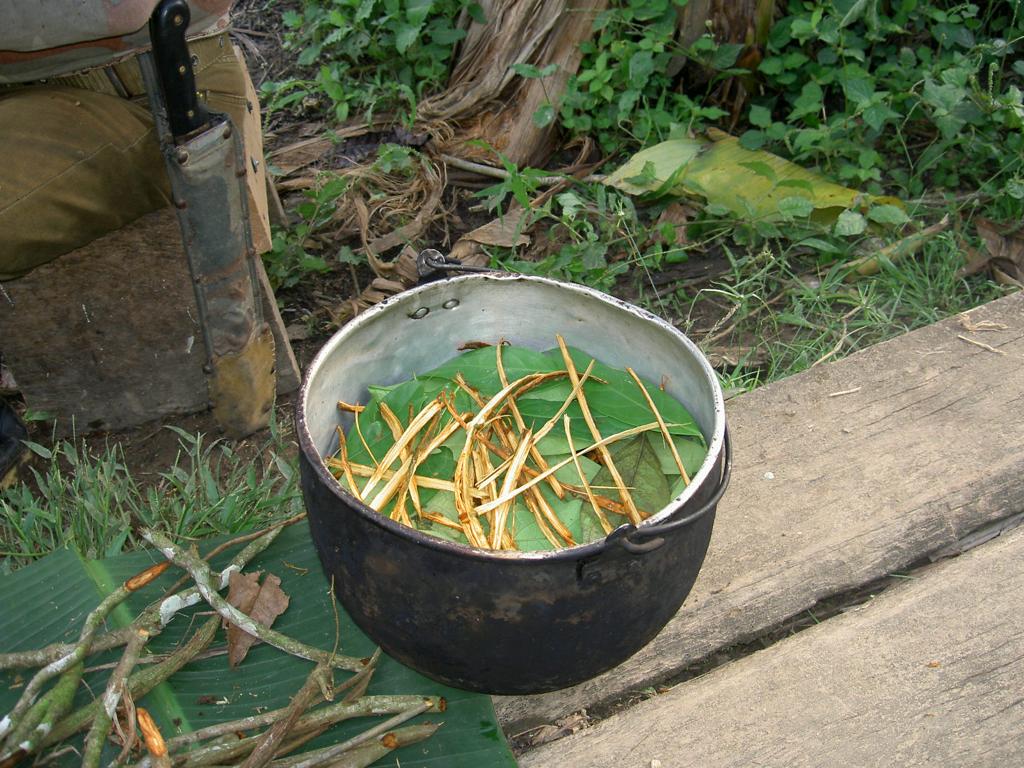
Ayahuasca, Trauma, and the Brain: What a Six-Month Amazon Study Actually Found
Most people who travel to the Amazon for an ayahuasca retreat aren't doing it because of a research paper. They're going because something in their life isn't working — a depression that won't lift, a trauma they can't seem to metabolize, an addiction that keeps winning. The science usually shows up later, after the fact, as a kind of validation for what they already felt happen. But the science is finally catching up. A naturalistic study tracking 63 people who attended ayahuasca ceremonies at a retreat center deep in the Peruvian Amazon offers one of the more interesting data points we have on what this brew may actually do to mental health — and, more surprisingly, to the way certain genes express themselves. The findings are worth understanding if you're seriously weighing whether plant medicine might help you. Here's what the researchers found, what it means in plain language, and what it doesn't mean. Because in the world of ayahuasca and psychedelics, the gap between hype and evidence is wide enough to fall into. What makes this study unusual is where it took place. Most psychedelic research happens in sterile clinical settings — fluorescent lights, eye masks, a therapist in a chair, synthetic compounds dosed by milligram. This one happened at an actual retreat in the rainforest, with traditionally prepared brew, Shipibo-style ceremonies, and the kind of conditions people actually book when they travel to Peru. Participants filled out standardized psychological questionnaires three times: before their first ceremony, the morning after their last one, and again six months later. The instruments were the ones clinicians use — the Beck Depression Inventory, the State-Trait Anxiety Inventory, the Self-Compassion Scale, a global distress measure called CORE-OM, and a childhood trauma questionnaire. Saliva samples were also collected before and after the retreat to look at something most psychedelic studies have never examined: epigenetic change. That last piece matters. Epigenetics is the layer of biology that sits on top of your DNA and tells genes when to switch on or off. Trauma — especially childhood trauma — is known to leave epigenetic marks. The question the researchers wanted to ask was whether ayahuasca might somehow reach down to that level. The psychological results were, frankly, striking. Depression scores dropped substantially between pre-retreat and the morning after the final ceremony. Anxiety scores dropped. Global distress dropped. Self-compassion — which is a slower-moving trait that's notoriously hard to shift — went up significantly. And here's the part that matters most: when participants were re-tested six months later, those improvements held. In some cases they had deepened slightly. The effect sizes were large by clinical research standards. We're talking Cohen's d values north of 0.8 across multiple measures, which is the kind of number that would make a pharmaceutical company very excited if it came from a pill they were trying to sell. A few things worth flagging honestly: That said, the pattern is consistent with what other research on ayahuasca and psilocybin has shown: meaningful, sustained reductions in depression and anxiety after a small number of carefully-held experiences. The brew isn't doing nothing. One of the more interesting threads in the study had to do with childhood trauma. Participants who scored higher on the childhood trauma questionnaire showed greater improvement in depression after the retreat. Read that twice. The people walking in with the heaviest histories tended to come out with the biggest shifts. That tracks with a theory that's been circulating in the plant-medicine world for a long time — that ayahuasca seems to do something specific around stored trauma, memory, and the emotional weight attached to old experiences. Practitioners talk about it in mystical terms. Researchers are starting to talk about it in terms of memory reconsolidation, fear extinction, and the brain's ability under psychedelics to re-file traumatic material with less of a charge attached. There's a caveat the study authors are careful about, and you should be too. The same mechanism that lets someone reprocess trauma can re-traumatize them if the setting is wrong — bad facilitator, no preparation, no aftercare, no container to actually integrate what comes up. This is one of the reasons the question of where you do this work matters as much as whether you do it at all. Here's the part that made this paper genuinely novel. The team looked at DNA methylation on two genes — SIGMAR1 and FKBP5 — both of which have been implicated in stress, mood regulation, and psychiatric vulnerability. SIGMAR1 in particular is interesting because the alkaloids in ayahuasca are thought to bind to and modulate that receptor. After the retreat, methylation on SIGMAR1 had shifted significantly. Even more intriguingly, the people with higher childhood trauma scores showed larger methylation changes. This is the first time any psychedelic has been shown to produce a measurable epigenetic shift in a human study. Now — and this is important — nobody knows yet what that shift actually means at the level of biology. A 2% change in methylation might translate into meaningful changes in how the gene gets expressed, or it might be biological noise. Hypermethylation typically silences genes, but it can also do other things depending on where on the gene it lands. The researchers are appropriately cautious. What they've found is a signal worth chasing, not a conclusion. Still: the idea that a few nights of ceremony might reach down into the epigenetic layer — the same layer that trauma writes onto in the first place — is genuinely new territory. If it holds up in larger studies, it reframes what we think these master plants are actually doing. Reading a study like this can do one of two things. It can push you toward booking the first retreat that comes up in a Google search. Or it can make you a smarter, more careful consumer of an experience that deserves real care. The second is better. A few honest thoughts on translating research into a decision: The honest state of psychedelic research on ayahuasca is that we have a handful of small studies, a lot of anecdote, and the beginning of a serious attempt to understand mechanism. The epigenetic angle in particular opens a door. If trauma can be passed down through generations via epigenetic marks — and there's real evidence suggesting it can — then the question of whether a psychedelic might help unwrite some of those marks becomes one of the most important questions in mental health. We're not there yet. The samples are too small, the controls too loose, the mechanisms too poorly understood. But the trajectory is clear, and the people working on it are serious. For anyone watching this space because they're hoping it might help with their own depression, addiction, or trauma, that should be cautious good news. If something in this study resonates with where you are right now and you want to look further, a range of carefully vetted ayahuasca retreats can be browsed on our marketplace here. Whatever you decide, decide slowly — the brew has been around for centuries, and it will still be there next month while you do your homework.
Ayahuasca Retreats in Spain: An Honest Guide for First-Timers
Spain has quietly become one of the more interesting places in Europe to sit with ayahuasca. Not as flashy as Peru, not as legally murky as some other corners of the continent, and — for a lot of people in the UK, Germany, or the Netherlands — a much shorter, cheaper flight than the Amazon. If you're considering an ayahuasca retreat without crossing an ocean, Spain probably keeps showing up in your search results. Here's what's actually worth knowing before you book. I'll be straight with you: ayahuasca isn't a wellness weekend. It's a serious plant medicine with a long indigenous lineage, real psychological risks, and a learning curve that doesn't end when the ceremony does. The point of this guide is to help you decide whether it's right for you — and if it is, how to pick a retreat that won't waste your time, money, or trust. Ayahuasca is a brew. Two plants, usually: the Banisteriopsis caapi vine and the leaves of Psychotria viridis. The vine contains MAO inhibitors; the leaves contain DMT. Drink them together and the DMT becomes orally active, which it otherwise wouldn't be. That's the chemistry. The rest — the visions, the encounters, the emotional reckonings — is what people have been talking about for centuries, and what science is only beginning to study seriously. Indigenous communities across the Amazon basin have used ayahuasca for generations, primarily for healing, divination, and what we'd loosely translate as spiritual work. Calling it the “vine of the soul” is poetic, sure, but it's also a useful reminder: this is not a party drug. People who treat it like one tend to have a rough night and learn very little. In Spain specifically, ayahuasca exists in a legal grey zone. Possession for personal use within a religious or ceremonial context has generally been tolerated, especially when run through small, discreet centers rather than commercial operations. That ambiguity is worth understanding before you book — it doesn't mean you'll have trouble, but it does mean reputable centers are usually quiet about their marketing. Most people I've talked to who chose Spain over South America gave one of three reasons: travel logistics, climate, or the feeling that they wanted to do their first ceremony closer to home, in case integration got hard. None of those are wrong. The Spanish countryside — particularly inland Andalusia, the foothills around Granada, parts of Catalonia and the Valencia hinterland — offers something the Amazon doesn't: stillness without the sweat. Dry air, olive groves, stone farmhouses converted into ceremony spaces. The settings are calmer, and that calmness can matter more than you'd think when you're three hours into a journey and your nervous system is looking for somewhere safe to land. That said, Spain doesn't give you the cultural context that a Shipibo maestro or a Santo Daime church provides. Most Spanish-based retreats are run by Western facilitators, sometimes with visiting indigenous practitioners, sometimes not. Whether that matters to you depends on what you're looking for. If you want the lineage, you may prefer Peru. If you want a serious psychological container with European infrastructure and a flight that doesn't require malaria pills, Spain delivers. Pricing in Spain typically runs €600 to €1,800 for a long weekend with two or three ceremonies, full board, and integration support. Longer retreats — five to ten days, four to six ceremonies — can run €1,500 to €3,500. The cheaper end isn't always worse, and the expensive end isn't always better. What you're paying for, ideally, is the quality of the facilitation team, the safety protocols, the medical screening, the food (which matters more than you'd think on a dieta), and the post-retreat integration. A few cost honesties most retreat pages won't tell you: Hard to describe, easy to mythologize. I'll try to keep it honest. You'll usually gather in a maloca, yurt, or large room set up with mats around the perimeter. The facilitator opens with some kind of ritual — could be icaros (traditional Shipibo songs), could be silence, could be a mapacho blessing. You're called up one at a time to drink. The brew tastes like sweet engine oil mixed with bog water. People who tell you it's not that bad have either lost their sense of taste or are lying. For the first thirty to sixty minutes, nothing much happens. Then, if you've taken a working dose, the geometry starts. Closed-eye visuals, which can range from abstract patterns to specific scenes that feel narrated. Emotions you didn't know you were carrying come up — sometimes one at a time, sometimes all at once. Many people purge: vomiting, occasionally diarrhoea. The Shipibo word for this is la purga, and it's treated as part of the medicine, not a side effect. You're given a bucket. You use it. Nobody judges. The journey lasts four to six hours. Toward the end, things soften. The facilitators play music, sing, or hold silence. By the time the sun comes up, most people are exhausted, raw, and quieter than they were the night before. Some are euphoric. Some are confused. Some are processing something they didn't expect. All of those are normal. This part matters. A reputable retreat will screen you carefully; an irresponsible one will take your money and hope for the best. Conditions that are genuine contraindications include: Depression, PTSD, anxiety, and addiction are not contraindications in themselves — and in fact are why a lot of people come — but they require honest disclosure and a facilitator who knows how to hold them. If a retreat doesn't ask you about your mental health history, walk away. That's not discretion; that's negligence. A good ayahuasca retreat in Spain will share most of these traits. A bad one will be missing several. Red flags: outlandish healing promises, facilitators who claim to be the reincarnation of someone famous, pressure to book quickly, no mention of risks, group sizes that feel more like festivals than ceremonies. Plant medicine for addiction recovery and treatment-resistant depression is one of the more promising areas in psychedelic research right now. Small clinical studies on ayahuasca have shown rapid antidepressant effects, sometimes within hours, lasting weeks. For people who've tried multiple SSRIs without relief, that's significant. For trauma and PTSD, the evidence is more anecdotal but increasingly compelling. For addiction, ayahuasca is one of several master plants — alongside ibogaine and psilocybin — being looked at seriously. None of that means ayahuasca is a cure. It means it can be a catalyst. The healing happens in the months after, in the slow rewiring of habits, relationships, and self-image that integration demands. People who treat the ceremony as the destination tend to be disappointed within a year. People who treat it as the starting point — that's where the real shift seems to happen. Integration is unglamorous. It looks like therapy appointments, journaling at 7am, walking instead of scrolling, telling your partner something you'd been avoiding for a decade. It looks like noticing that the foods you crave have changed, or that a friendship you've outgrown suddenly feels obvious. It can also look like the opposite of inspiration. Some people return from a retreat and feel flat for a few weeks. The contrast between the ceremony and ordinary life is jarring. Give yourself a soft landing — fewer commitments the week after, more sleep, time outside. If you can afford to work with an integration coach or a psychedelic-informed therapist, it's usually worth it. The insights are slippery. They want to be written down. If you've read this far, you're probably more serious than the average curious browser, which is a good sign — ayahuasca rewards seriousness and tends to punish casualness. For readers ready to take this further, a curated selection of ayahuasca retreats in Spain and beyond can be browsed on our marketplace here. Take your time choosing. The right ceremony is worth waiting for.
What Ayahuasca Actually Does to Your Brain and Body: An Honest Look
If you've spent any time researching ayahuasca retreats, you've already met the two extremes. On one side: glowing testimonials about decades of trauma dissolving in a single night. On the other: warnings about violent purges, panic spirals, and people coming home stranger than they left. Both are true. Neither is the whole story. What's missing from most write-ups is the middle layer — what ayahuasca actually does inside the human body, what the research has found so far, and what an honest practitioner will tell you when the marketing copy ends. That's what this piece is about. If you're weighing a retreat, you deserve more than vibes. Ayahuasca is a brew. Two plants, simmered together for hours, sometimes a full day, in a pot over a fire somewhere in the Amazon basin. The Banisteriopsis caapi vine — the so-called vine of the soul — supplies one half. Leaves from Psychotria viridis (or a regional cousin) supply the other. On their own, neither does much of anything dramatic if you drink them. Together, they make one of the most potent psychedelics on earth. The chemistry is elegant, if a bit brutal. The leaves contain DMT, a short-acting psychedelic that your gut would normally destroy in minutes. The vine contains MAO inhibitors that switch off the enzyme responsible for that destruction. Result: the DMT survives digestion, crosses into your bloodstream, and reaches the brain. A trip that would last twenty minutes if you smoked the molecule stretches out into four, sometimes six hours of sustained altered consciousness. Indigenous communities in Peru, Brazil, Colombia, and Ecuador have used this brew for an unknown but very long time — hundreds of years at minimum, probably much longer. The Quechua name translates roughly as vine of the dead. That's not marketing. People who drink it often describe a kind of ego death, a loosening of the self that can feel, in the moment, indistinguishable from actual dying. Here's the part the Instagram captions usually skip: ayahuasca is physically miserable for most people, at least for a while. The purge is real. You'll likely vomit. You may have diarrhea. Your heart rate will probably climb. Your blood pressure may spike. The brew tastes — and there's no polite way to say this — like fermented mud that's been left in a shoe. Veteran ceremony-goers don't get used to the taste; they just stop fighting it. Some traditions consider the purge itself the medicine, a literal expelling of stuck energy or grief. Whether you buy the metaphysics or not, the physical part is unavoidable for most participants and shouldn't surprise you. None of this is permanent. The cardiovascular spike fades. The nausea passes. But if you have an underlying heart condition, uncontrolled blood pressure, a history of seizures, or you're on certain medications — particularly SSRIs and other antidepressants that interact with the MAOI component — the risk profile changes sharply. People have died from drug interactions at retreats. Not many, but enough that any responsible facilitator screens you carefully before you ever sit down with a cup. The scientific revival around psychedelics over the last decade has produced some interesting clues about why ayahuasca seems to do what it does. Brain imaging studies show that during the experience, activity drops in something called the default mode network — the cluster of regions associated with self-referential thinking, rumination, and the ongoing narrative of being you. That same network tends to be overactive in people struggling with depression and anxiety. When it quiets down, something interesting happens. Connections between brain regions that don't usually talk much suddenly open up. Old patterns loosen. Researchers comparing brain scans of long-term meditators with brain scans of people on ayahuasca have noticed structural similarities — a kind of stepping outside the usual self that contemplatives spend decades training for and that the brew seems to trigger in a few hours. This is part of why people describe ayahuasca experiences as feeling more real than ordinary reality. The brain is doing something it doesn't normally do. Whether you call that mystical or neurochemical is somewhat a matter of taste. This is the question driving most of the current retreat boom, and it deserves a careful answer. The evidence so far is genuinely promising but still thin. Several small clinical studies have shown rapid and sometimes durable reductions in depression scores after a single ayahuasca session, including in people who hadn't responded to conventional antidepressants. Observational research on long-term members of ayahuasca-using churches in Brazil has shown lower rates of substance abuse compared to matched controls. Anecdotally, the stories of people walking away from years of alcohol dependence, opioid addiction, or treatment-resistant PTSD are everywhere. But — and this is important — most of those studies are small. The control conditions are tricky to design (it's hard to blind anyone to whether they just drank ayahuasca). And the retreat industry is largely unregulated. A ceremony that produces a profound healing experience for one person can leave the next destabilized and worse off, especially without proper integration support afterward. If you're considering plant medicine specifically because you're trying to address addiction, depression, or trauma, a few honest points: The market has exploded, which means quality varies enormously. A few things to look for: Cost varies wildly. A week-long retreat in Peru can run anywhere from around $1,500 at smaller community-rooted centers to well over $5,000 at high-amenity options. Price doesn't always correlate with quality — sometimes the most expensive places are the most polished and the least traditional. Ask what you're actually paying for. Ayahuasca is neither the miracle some boosters claim nor the reckless party drug others fear. It's a powerful psychoactive substance with a long indigenous lineage, real therapeutic potential, real physiological risks, and a growing — if still preliminary — body of scientific research behind it. People do have life-changing experiences. People also have terrifying ones. Sometimes the same person, in the same ceremony. If you're drawn to the work, the worst thing you can do is rush. The best thing you can do is research carefully, screen yourself honestly, and choose a setting that takes the medicine — and you — seriously. For readers who want to explore this further, a range of vetted ayahuasca retreats can be browsed on our marketplace here. Take your time with the decision. The medicine, if it's right for you, will still be there when you're ready.

What an Ayahuasca Ceremony Actually Feels Like: One Honest Account
The first time someone told me about ayahuasca, I thought they were describing a particularly intense stomach flu with a soundtrack. You drink something disgusting, you throw up for hours, and then you understand your childhood? Sure. Sign me up. Except — and this is the thing nobody quite prepares you for — that's almost exactly what happens. And almost nothing like what happens. Both at once. If you're researching whether to sit in your first ayahuasca ceremony, you've probably read a dozen sanitized retreat descriptions full of words like transformation and sacred. What follows is the version your friend would tell you over the second beer, after the polite version wore off. Most first-timers don't arrive at an ayahuasca retreat because they're curious about Amazonian botany. They arrive because something in their life has gotten loud enough that they're willing to fly to a jungle and drink a bitter tea that makes them vomit. Depression that won't lift. A grief that keeps circling back. A pattern in relationships they can see clearly and still can't stop repeating. Sometimes addiction. Sometimes a low, persistent sense that the life they're living isn't the one they meant to be living. For me, it was the quieter version of all that — a stuck feeling of being alone in a way that long predated being physically alone. The kind of thing that talk therapy could circle for years without quite landing on. When the word ayahuasca started appearing in three separate conversations in the same week, including one with someone who'd assisted at ceremonies, I took the hint. Call it synchronicity, call it the algorithm of paying attention. Either way, I booked a weekend. Different facilitators recommend different things, and the range is wide. Some ask only that you skip alcohol for a day or two. Others want a strict dieta for a full week: no sugar, no dairy, no wheat, no caffeine, no pork, no fermented foods, no sex, no recreational drugs. The pharmacological reason matters — ayahuasca contains MAO inhibitors, and certain foods and medications can interact dangerously with them. Specifically, anything containing tyramine (aged cheeses, cured meats, fermented soy) and most antidepressants, especially SSRIs and SNRIs, can become genuinely risky. This is the part where I'll say something nobody loves hearing: if you're on antidepressants, you must talk to a doctor and the retreat facilitators before you go. Don't quit your meds on a whim and don't show up without disclosing them. Reputable retreats screen for this. The ones that don't are the ones to walk away from. Beyond the physical preparation, I quit social media for the week, ate plainly, and spent the long drive to the retreat in silence. No podcast, no playlist. I set an intention — something about wanting to meet the part of myself I'd been avoiding — and then, on the advice of someone who'd done this before, I deliberately tried to let the intention go. The brew doesn't tend to deliver what you order. It delivers what's underneath the order. Thirteen of us, mostly women, on mattresses arranged in a circle around an altar of flowers and candles. White clothing. A pair of facilitators with guitars. A bucket beside each mattress — yours, personally, for the inevitable. The atmosphere was less Burning Man and more church potluck where everyone happens to know they're about to be turned inside out. The first cup is offered with a small bow. The liquid is the color of strong tea steeped in coffee grounds, and it tastes like both, if both had spoiled. People who say it's not that bad are lying or have damaged taste buds. A slice of citrus afterward helps for maybe four seconds. Then you walk back to your mattress and you wait. For roughly fifteen minutes, nothing happens except a slow rearrangement of your stomach's opinion about being a stomach. Then the facilitators start singing — icaros, the traditional songs that guide a ceremony — and somewhere around the second or third song, the room begins to tilt in a way that isn't really tilting. The visuals come first for some people. For me it was sound: a kind of busy static in my head, like every unfinished thought I'd had for a year showed up to a meeting at the same time. Ayahuasca is sometimes called la purga, and the name is accurate but incomplete. Yes, most people throw up. Some cry hard for hours. Some shake. Some have to run to the bathroom in the other direction. The purge isn't a side effect — facilitators and traditional drinkers consider it part of the medicine, the body's way of releasing something that's been stored where talking can't reach. What surprised me is how un-horrible it was in the moment. The energy that builds before a purge feels less like nausea and more like a wave with somewhere it needs to go. I didn't end up vomiting that first night — a small voice somewhere in the noise told me there was nothing for me to release that way, which I couldn't have argued with even if I'd wanted to. Other people in the circle purged for what felt like hours. By morning, several of them looked lighter in a way I can only describe as physical. A short, honest list of things that may happen during a ceremony: Two hours in, when the first wave is fading, the facilitators offered a second cup. This is standard at most ceremonies and the dose is usually smaller. The second drink tends to deepen what's already happening rather than start something new. For me, the second cup was where the noise quieted and something else moved in. I lay on my back and watched the room from upside down. I sat up and watched it right-side up. I noticed I'd been crying for what must have been a long time without registering it, and even that — even the wet cheeks — felt like something I was witnessing rather than doing. The phrase that kept arriving was simple and almost embarrassing in its plainness: without the stories you attach to things, things are just things. Not a revelation that would survive being printed on a coffee mug. But in the moment, it landed in my body in a way that no amount of reading had ever managed. I'll be honest about the part the brochures skip. Ayahuasca is not a one-night cure. People who go in expecting their depression, addiction, or trauma to be lifted out of them by morning often leave disappointed, or worse, convinced they did something wrong. The actual work is integration — the weeks and months after, when you have to take whatever you saw and translate it into how you live. Some of what shifted for me stuck. Some of it faded back into the noise of regular life within a month. The shifts that lasted were the ones I made decisions around: changing what I ate, who I spent time with, how I responded when the old stuck feelings came back. The shifts that faded were the ones I expected to maintain themselves. If you're considering a retreat, a few honest things to weigh: I can't answer that for you and I'd be suspicious of anyone who claimed to. What I can say is that the people I've watched genuinely benefit from ayahuasca tended to share a few things in common: they came to it after exhausting more conventional avenues, not before; they chose their retreat carefully and unhurriedly; they took integration as seriously as the ceremony itself; and they arrived with humility rather than a shopping list of outcomes. Ayahuasca is one of several master plants people are turning to as part of a broader rethink of how we heal — alongside psilocybin, ibogaine for addiction recovery, San Pedro, and others. It isn't a shortcut, and it isn't for everyone. But for some people, in the right setting, with the right preparation, it does something that nothing else has managed to do. If that possibility is what brought you here, and you'd like to take a closer look at what's actually available, a curated range of ayahuasca retreats and ceremonies can be browsed on our marketplace here. Whatever you decide, decide it slowly. The vine has been around for thousands of years. It will still be there next month.

Shamanism, Plant Medicine, and the Ancient Science of Altered States
Long before anyone called it neuroscience or wrote a peer-reviewed paper about psilocybin, people in nearly every corner of the planet were already doing the work. Sitting in caves. Drumming for hours. Drinking bitter brews made from vines and bark. Coming back changed. This is the strange, persistent fact at the heart of shamanism — that humans, separated by oceans and millennia, kept arriving at the same techniques for entering altered states. Rhythm. Fasting. Sacred plants. Movement. And then they kept using those states for the same purposes: healing the sick, settling communal disputes, finding game, mapping the unseen, and locating the human inside a larger living web. For anyone considering an ayahuasca retreat or any kind of psychedelic ceremony today, this older lineage matters. It's the soil the modern conversation grew out of. Anthropologists have been arguing for a century about whether ‘shamanism' is one thing or many. The honest answer is: both. Siberian healers, Amazonian curanderos, southern African sangomas, and Mongolian buryat shamans don't share a religion. They share a toolkit. Trance. Spirit communication. Healing through ritual. A sense that the natural world is alive and conversational. What's striking is how often the toolkit overlaps in oddly specific ways. Hand drums and rattles. Animal mimicry in dance. Plant preparations passed down through apprenticeships that can last a decade. The shaman as a kind of community generalist — part doctor, part priest, part field botanist, part therapist, part diplomat with the more-than-human. Researchers like Michael Winkelman have argued that shamanism is essentially a neurotheology — a set of practices our species figured out, by trial and error, for working with the human nervous system. Different cultures, similar machinery, similar results. The drum is the most underrated technology in human history. Rock art from over ten thousand years ago shows figures holding frame drums and rattling staffs. Modern EEG studies have found that steady percussion in roughly the 4–7 Hz range nudges the brain toward theta-wave activity — the same territory where vivid imagery, dream-logic, and creative insight tend to live. That's not mystical. That's measurable. Rhythmic auditory driving, as researchers call it, entrains neural oscillations. Combine it with controlled hyperventilation, fasting, sleep restriction, and hours of repetitive movement, and you have a reliable recipe for getting the ordinary mind to step aside. Add a sacred plant on top of that, and you're working with something even more potent. Some of the oldest decorated caves in Europe — Lascaux, La Garma — turn out to have peak acoustic resonance right around 110–120 Hz, frequencies linked to altered consciousness in laboratory studies. The painters seem to have chosen these chambers deliberately. Firelight on painted animals, voices and drums bouncing off curved stone, hours of preparation. A multimedia immersion designed thousands of years before anyone had the word. Ayahuasca didn't appear in a clinical trial in 2015. It's been brewed in the western Amazon for at least four thousand years, possibly longer. Peyote use in what's now northern Mexico shows up in archaeological sites dating back roughly six thousand years. San Pedro cactus residues in Peru go back further still. The idea that psychedelics are a counterculture invention is, frankly, a little embarrassing once you look at the timeline. Traditional healers refer to these botanicals as master plants — teachers, not products. The framing matters. A master plant isn't a substance you consume to feel something; it's a being you enter into relationship with, usually after extensive preparation, dietary restriction, and apprenticeship. Curanderos in the Amazon will tell you the plant chooses you as much as you choose it. You can take or leave that metaphysically. Pragmatically, the framing tends to produce more careful, more integrated experiences. The ayahuasca brew itself is a piece of pharmacological brilliance. The vine Banisteriopsis caapi contains MAO-inhibitors. The leaves of Psychotria viridis contain DMT, which would otherwise be broken down in the gut before reaching the brain. Combine them, and the DMT becomes orally active. How an illiterate forest culture worked this out, from roughly 40,000 plant species in the Amazon basin, is one of those questions ethnobotanists shrug at and call ‘plant intelligence' or ‘the dreams told us,' depending on who you ask. The renewed scientific interest in psychedelics over the past two decades has, in many ways, confirmed what shamans have been saying for generations. Studies at Johns Hopkins, NYU, and Imperial College London have found that psilocybin and ayahuasca, used in supportive ceremonial-style settings, can produce lasting reductions in depression, treatment-resistant anxiety, and substance use disorders. Ibogaine has shown remarkable results for opioid addiction in clinical contexts — sometimes interrupting decades-long patterns in a single session. What's interesting is that the size of the therapeutic effect seems to correlate with the depth of what participants describe as the mystical experience itself. The science is essentially measuring the same thing the curanderos were pointing at: a profound shift in self-perception and meaning, followed — if integrated well — by changes in behavior. That last clause is the one most often glossed over in the breathless coverage. Plant medicine for addiction recovery, plant medicine for depression, plant medicine for trauma — these are real possibilities, but they live or die on what happens after the ceremony. Integration is the unglamorous part. The journaling, the therapy sessions, the changed routines, the awkward conversations. Without it, even the most cinematic vision tends to fade like a dream you can't quite hold onto by lunchtime. One of the things that gets lost when shamanism is reduced to ‘ancient psychedelic therapy' is the worldview it sits inside. Animism — the perception that rivers, mountains, plants, and animals possess their own inner life — isn't a quaint primitive belief. It's a functioning ecological operating system. When the forest is full of persons rather than resources, you treat it differently. You take only what's needed. You ask permission. You give back. Traditional ecological knowledge, accumulated over generations of this kind of attentive reciprocity, has repeatedly turned out to be more accurate than outside experts assumed. Fire management in Australia. Forest gardening in the Amazon. Fisheries practices in the Pacific Northwest. The shamanic worldview produced not just visionary experiences but functional environmental science — encoded in story, song, and ritual rather than journals and graphs. This is part of why people walking out of an honest ayahuasca ceremony often describe feeling, for the first time, that the natural world isn't a backdrop. It's a participant. That shift, more than any single insight, is what tends to outlast the experience itself. If you're researching plant medicine because something in your life has hit a wall — addiction, depression, a grief you can't move through, a sense of being stuck inside your own head — knowing this longer history is useful for a few practical reasons. First, it should calibrate expectations. Shamanic cultures don't treat ceremony as a one-shot fix. They treat it as part of a longer arc that includes preparation, multiple sessions, dietary restriction, and a community to come home to. Retreats that promise transformation in a single weekend with no follow-up are missing most of the architecture that made these practices work for thousands of years. Second, it should sharpen your discernment when choosing a retreat. Reputable centers will talk openly about lineage — who their facilitators trained with, how long, in what tradition. They'll screen you medically and psychologically. They'll provide structured integration support afterward, not just a goodbye hug at the airport. They'll be honest about risks: difficult experiences, medication interactions, the real possibility that you come back rattled before you come back better. Third, it should remind you that the substance is a small part of the medicine. The container — the people, the place, the songs, the intention, the integration — does most of the actual work. A skilled facilitator working with mushrooms in a quiet farmhouse can produce more healing than a chaotic retreat charging four times the price. For readers who want to take this further, a curated range of ayahuasca and plant-medicine retreats can be browsed on our marketplace here. Whatever path you choose, take it slowly. The plants have been here for thousands of years. They'll still be here when you're ready.
Dreaming of a Psychedelic Retreat?
We have the best deals and offers from thousands of organizers all over the world! Get them into your mailbox every week!
We value your privacy. Your email address will never be shared or published.
