 English
 Deutsch
 Français
 Nederlands
 Español
SHOP AYAHUASCA RETREATS BLOG
Ayahuasca Retreats in Spain: An Honest Guide for First-Timers
Liam Beckett
May 30, 2026
Your ultimate guide to discover transforming ayahuasca and psychedelic experiences. Dive into serene destinations and elevate your consciousness to unparalled heights.
Discover Ayahuasca & Psychedelic Retreats NowSearch for ayahuasca & psychedelic retreats
Discover retreats, trainings, and holidays from all over the world
Spain has quietly become one of the more interesting places in Europe to sit with ayahuasca. Not as flashy as Peru, not as legally murky as some other corners of the continent, and — for a lot of people in the UK, Germany, or the Netherlands — a much shorter, cheaper flight than the Amazon. If you're considering an ayahuasca retreat without crossing an ocean, Spain probably keeps showing up in your search results. Here's what's actually worth knowing before you book.
I'll be straight with you: ayahuasca isn't a wellness weekend. It's a serious plant medicine with a long indigenous lineage, real psychological risks, and a learning curve that doesn't end when the ceremony does. The point of this guide is to help you decide whether it's right for you — and if it is, how to pick a retreat that won't waste your time, money, or trust.
What Ayahuasca Actually Is (Without the Mystical Fluff)
Ayahuasca is a brew. Two plants, usually: the Banisteriopsis caapi vine and the leaves of Psychotria viridis. The vine contains MAO inhibitors; the leaves contain DMT. Drink them together and the DMT becomes orally active, which it otherwise wouldn't be. That's the chemistry. The rest — the visions, the encounters, the emotional reckonings — is what people have been talking about for centuries, and what science is only beginning to study seriously.
Indigenous communities across the Amazon basin have used ayahuasca for generations, primarily for healing, divination, and what we'd loosely translate as spiritual work. Calling it the “vine of the soul” is poetic, sure, but it's also a useful reminder: this is not a party drug. People who treat it like one tend to have a rough night and learn very little.
In Spain specifically, ayahuasca exists in a legal grey zone. Possession for personal use within a religious or ceremonial context has generally been tolerated, especially when run through small, discreet centers rather than commercial operations. That ambiguity is worth understanding before you book — it doesn't mean you'll have trouble, but it does mean reputable centers are usually quiet about their marketing.
Why Spain Instead of Peru?
Most people I've talked to who chose Spain over South America gave one of three reasons: travel logistics, climate, or the feeling that they wanted to do their first ceremony closer to home, in case integration got hard. None of those are wrong.
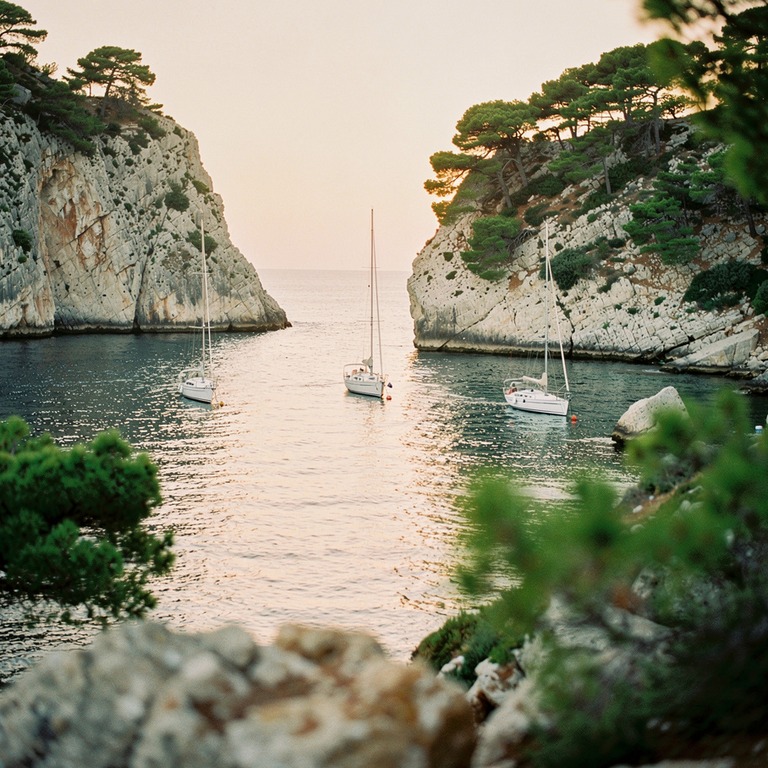
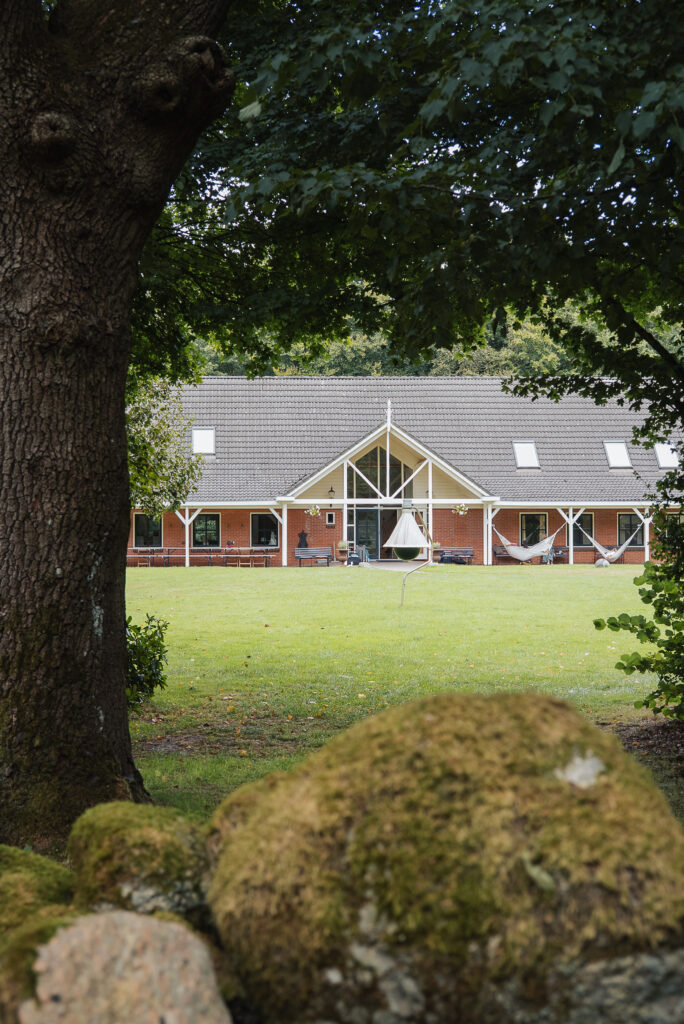
The Spanish countryside — particularly inland Andalusia, the foothills around Granada, parts of Catalonia and the Valencia hinterland — offers something the Amazon doesn't: stillness without the sweat. Dry air, olive groves, stone farmhouses converted into ceremony spaces. The settings are calmer, and that calmness can matter more than you'd think when you're three hours into a journey and your nervous system is looking for somewhere safe to land.
That said, Spain doesn't give you the cultural context that a Shipibo maestro or a Santo Daime church provides. Most Spanish-based retreats are run by Western facilitators, sometimes with visiting indigenous practitioners, sometimes not. Whether that matters to you depends on what you're looking for. If you want the lineage, you may prefer Peru. If you want a serious psychological container with European infrastructure and a flight that doesn't require malaria pills, Spain delivers.
How Much Does an Ayahuasca Retreat Cost?
Pricing in Spain typically runs €600 to €1,800 for a long weekend with two or three ceremonies, full board, and integration support. Longer retreats — five to ten days, four to six ceremonies — can run €1,500 to €3,500. The cheaper end isn't always worse, and the expensive end isn't always better. What you're paying for, ideally, is the quality of the facilitation team, the safety protocols, the medical screening, the food (which matters more than you'd think on a dieta), and the post-retreat integration.
A few cost honesties most retreat pages won't tell you:
- If the price seems suspiciously low, ask how many participants are in each ceremony. Twenty-five people and two facilitators is not a held container; it's a crowd.
- Integration calls after the retreat are often where the real work happens. Centers that include them are signalling something good.
- Travel to and from the center is rarely included. Some are an hour from Málaga or Madrid; some are three.
What a Ceremony Actually Feels Like
Hard to describe, easy to mythologize. I'll try to keep it honest.
You'll usually gather in a maloca, yurt, or large room set up with mats around the perimeter. The facilitator opens with some kind of ritual — could be icaros (traditional Shipibo songs), could be silence, could be a mapacho blessing. You're called up one at a time to drink. The brew tastes like sweet engine oil mixed with bog water. People who tell you it's not that bad have either lost their sense of taste or are lying.
For the first thirty to sixty minutes, nothing much happens. Then, if you've taken a working dose, the geometry starts. Closed-eye visuals, which can range from abstract patterns to specific scenes that feel narrated. Emotions you didn't know you were carrying come up — sometimes one at a time, sometimes all at once. Many people purge: vomiting, occasionally diarrhoea. The Shipibo word for this is la purga, and it's treated as part of the medicine, not a side effect. You're given a bucket. You use it. Nobody judges.
The journey lasts four to six hours. Toward the end, things soften. The facilitators play music, sing, or hold silence. By the time the sun comes up, most people are exhausted, raw, and quieter than they were the night before. Some are euphoric. Some are confused. Some are processing something they didn't expect. All of those are normal.
Who Shouldn't Drink Ayahuasca
This part matters. A reputable retreat will screen you carefully; an irresponsible one will take your money and hope for the best. Conditions that are genuine contraindications include:
- Personal or family history of schizophrenia, psychosis, or bipolar I disorder.
- Serious cardiovascular conditions — ayahuasca temporarily raises blood pressure and heart rate.
- Current use of SSRIs, SNRIs, MAOIs, lithium, tramadol, or several other psychiatric medications. The interaction can be dangerous. Tapering off requires medical supervision and time — weeks, not days.
- Pregnancy.
Depression, PTSD, anxiety, and addiction are not contraindications in themselves — and in fact are why a lot of people come — but they require honest disclosure and a facilitator who knows how to hold them. If a retreat doesn't ask you about your mental health history, walk away. That's not discretion; that's negligence.
Choosing a Retreat: What to Actually Look For
A good ayahuasca retreat in Spain will share most of these traits. A bad one will be missing several.
- A real intake process. Forms, a phone call, possibly a medical questionnaire. They want to know you before you arrive.
- A clear facilitator lineage. Who trained them? How long have they worked with the medicine? Vague answers are a red flag.
- A reasonable participant-to-facilitator ratio. Aim for no more than six or seven participants per experienced facilitator in ceremony.
- Pre-ceremony dieta guidance. Usually two weeks of avoiding alcohol, recreational drugs, pork, aged cheeses, fermented foods, and anything tyramine-heavy. If they don't mention the dieta, they're not serious.
- Integration support. A call or session in the weeks after. Group chats. Someone you can email when something surfaces three weeks later, because it will.
- Honest pricing and refund policies. The kind of clarity you'd expect from any responsible business.
Red flags: outlandish healing promises, facilitators who claim to be the reincarnation of someone famous, pressure to book quickly, no mention of risks, group sizes that feel more like festivals than ceremonies.
Ayahuasca for Depression, Addiction, and Trauma — What's Real?
Plant medicine for addiction recovery and treatment-resistant depression is one of the more promising areas in psychedelic research right now. Small clinical studies on ayahuasca have shown rapid antidepressant effects, sometimes within hours, lasting weeks. For people who've tried multiple SSRIs without relief, that's significant. For trauma and PTSD, the evidence is more anecdotal but increasingly compelling. For addiction, ayahuasca is one of several master plants — alongside ibogaine and psilocybin — being looked at seriously.
None of that means ayahuasca is a cure. It means it can be a catalyst. The healing happens in the months after, in the slow rewiring of habits, relationships, and self-image that integration demands. People who treat the ceremony as the destination tend to be disappointed within a year. People who treat it as the starting point — that's where the real shift seems to happen.
After the Retreat: The Part Nobody Prepares You For
Integration is unglamorous. It looks like therapy appointments, journaling at 7am, walking instead of scrolling, telling your partner something you'd been avoiding for a decade. It looks like noticing that the foods you crave have changed, or that a friendship you've outgrown suddenly feels obvious.
It can also look like the opposite of inspiration. Some people return from a retreat and feel flat for a few weeks. The contrast between the ceremony and ordinary life is jarring. Give yourself a soft landing — fewer commitments the week after, more sleep, time outside. If you can afford to work with an integration coach or a psychedelic-informed therapist, it's usually worth it. The insights are slippery. They want to be written down.
If you've read this far, you're probably more serious than the average curious browser, which is a good sign — ayahuasca rewards seriousness and tends to punish casualness. For readers ready to take this further, a curated selection of ayahuasca retreats in Spain and beyond can be browsed on our marketplace here. Take your time choosing. The right ceremony is worth waiting for.
Craving More Stories?
Join our ShopAyahuascaRetreats newsletter for the latest updates on thrilling
destinations and inspirational tales, delivered straight to your inbox!
We value your privacy. Your email address will never be shared or published.