 English
 Deutsch
 Français
 Nederlands
 Español



Reset. Heal. Grow.
Can Ayahuasca Really Help Me? An Honest Answer for the Skeptical Seeker
You've probably typed some version of the question into a search bar late at night. Can ayahuasca actually help me? Not the marketing version. Not the influencer version. The real answer, from someone who's sat in enough ceremonies to know that the plant is neither a miracle nor a myth. Here's what I've learned watching hundreds of people move through this work — friends, journalists, retreat guests, the occasional lawyer having a midlife reckoning. Ayahuasca can help. It can also do absolutely nothing. And in some cases it can make things messier before it makes them better. The difference usually comes down to who's asking, what they're bringing, and what they do with the experience once the brew wears off. The reasons people book an ayahuasca retreat are more repetitive than you'd think. Depression that hasn't budged after years of SSRIs. Addiction — alcohol, cocaine, porn, work, the whole menu. Trauma from childhood that keeps leaking into adult relationships. Grief that won't finish grieving. A sense of being stuck in a life that looks fine from the outside and feels dead from the inside. Occasionally someone shows up out of pure curiosity, wanting a big psychedelic experience. Those people usually get something they didn't order. The plant tends to skip over the tourist itinerary and go straight for whatever you've been avoiding. If you're in the first camp — someone genuinely suffering and looking for a way through — the honest answer is that ayahuasca has helped a meaningful number of people in situations like yours. It has also failed to help others. Both things are true, and anyone telling you otherwise is selling something. The scientific literature on ayahuasca is still young but no longer thin. Observational studies out of Brazil, Spain, and Canada have documented reductions in depression scores, reductions in problematic substance use, and improvements in measures of well-being that persist months after a single ceremony. Brain imaging work suggests the DMT-and-MAOI combination in the brew increases neural connectivity in ways that resemble — but aren't identical to — what happens with psilocybin. None of this proves ayahuasca is a treatment. Clinical trials with proper controls are still catching up. What the research does suggest is that the anecdotes aren't all lies. Something is happening. For a subset of people, that something appears to be genuinely therapeutic. The clearest signal is in addiction recovery. Multiple studies of ayahuasca in the context of alcohol and stimulant dependence have shown reductions in use — sometimes dramatic ones — following ceremonial work combined with integration. Ibogaine has a similar reputation for opioid dependence, and psilocybin-assisted therapy has strong data for tobacco cessation. Psychedelics and addiction are quietly becoming one of the most interesting stories in mental health research. Ask ten facilitators how ayahuasca heals and you'll get ten answers. Here are the ones that hold up under scrutiny. None of these mechanisms require you to buy any particular spiritual framework. You can be a hardened atheist and still get something out of the work. Many people do. This is the part most retreat websites won't tell you. There are situations where drinking ayahuasca is a bad idea, and pretending otherwise does real damage. If you have a personal or family history of psychosis, schizophrenia, or bipolar I, sit this one out. The risk of triggering a serious episode is not theoretical. Reputable retreats screen for this. Sketchy ones don't. If you're on SSRIs, MAOIs, lithium, or certain other medications, the interaction can be dangerous. Serotonin syndrome is a real thing and it can kill you. Any legitimate facilitator will ask about your medications and require a taper before ceremony, supervised by a doctor if needed. If you're in acute crisis — actively suicidal, in withdrawal, in the middle of a psychiatric emergency — a jungle retreat is not the answer. Stabilize first. Ayahuasca is more useful for people who are functional-but-stuck than for people whose lives are actively on fire. And if you're expecting the ceremony to do the work for you? You'll probably be disappointed. The plant shows you things. What you do with what you see is entirely on you. The plant medicine world has grown fast and unevenly. Some centers are staffed by lineage-trained curanderos with decades of experience and doctors on call. Others are essentially unlicensed wellness startups run by someone who did an apprenticeship on Instagram. The gap matters more than any brochure will admit. Things to look for when you're evaluating a retreat: You'll hear the phrase master plants a lot in this world, and it's worth understanding what people mean. In the Amazonian tradition, master plants are teacher plants — species considered to have their own intelligence and lessons, worked with through dieta (isolated periods of specific eating, drinking, and behavior) to build a relationship. Ayahuasca is the most famous of them, but there are dozens: chacruna, chiric sanango, bobinsana, ajo sacha, tobacco (mapacho), and others depending on the tradition. You don't have to adopt the metaphysics wholesale to take the framework seriously. What the tradition seems to know — and what a lot of Western participants eventually accept — is that these plants do something specific to consciousness, and that relating to them with respect and preparation tends to produce better outcomes than treating them like a substance to consume. Probably, if a few things are true. If you're motivated by genuine desire to change rather than curiosity or desperation. If you're medically and psychiatrically appropriate. If you choose a retreat that takes safety and integration seriously. If you're willing to do the unglamorous work in the months after the ceremony — the journaling, the therapy, the awkward conversations, the new habits — that turn insight into an actual different life. Ayahuasca is not a shortcut. It's more like an intense one-on-one with a version of yourself you've been avoiding. Whether that meeting changes anything depends on what you do next. If you're seriously considering this path, take your time choosing where to sit. A range of vetted ayahuasca ceremonies and plant-medicine retreats can be explored on our marketplace here, and the difference between the right container and the wrong one is often the difference between a hard week you remember fondly and a hard week you spend years untangling.
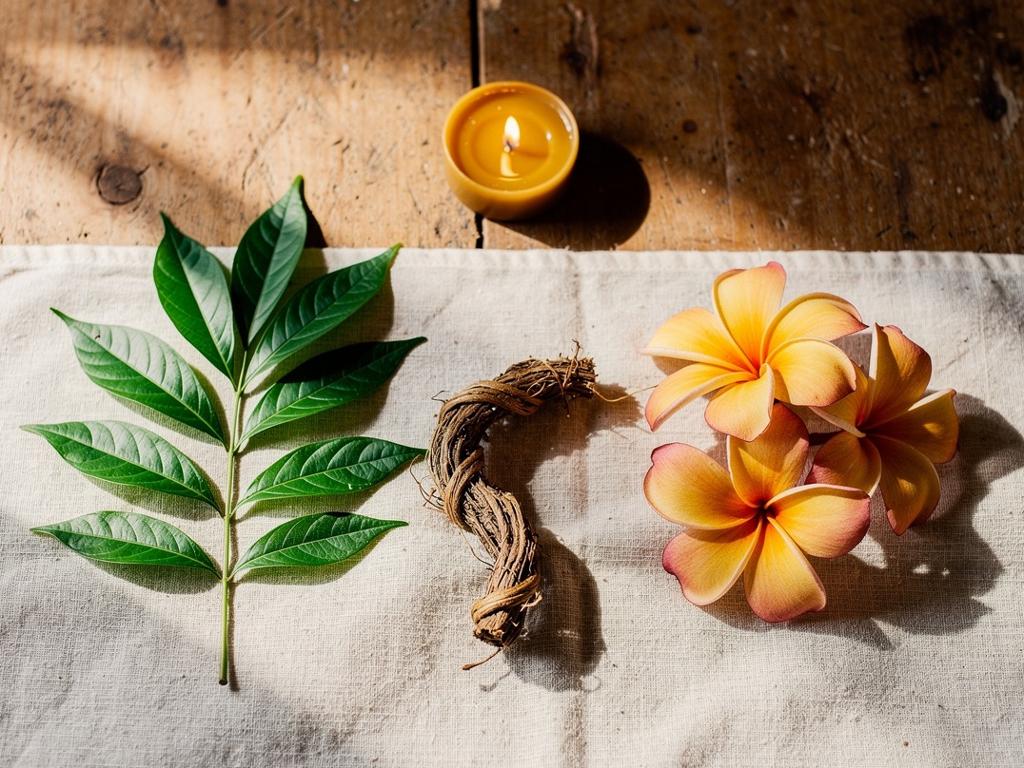
Blocked by the Algorithm, Not the Medicine: Notes on Finding Real Ayahuasca Info Online
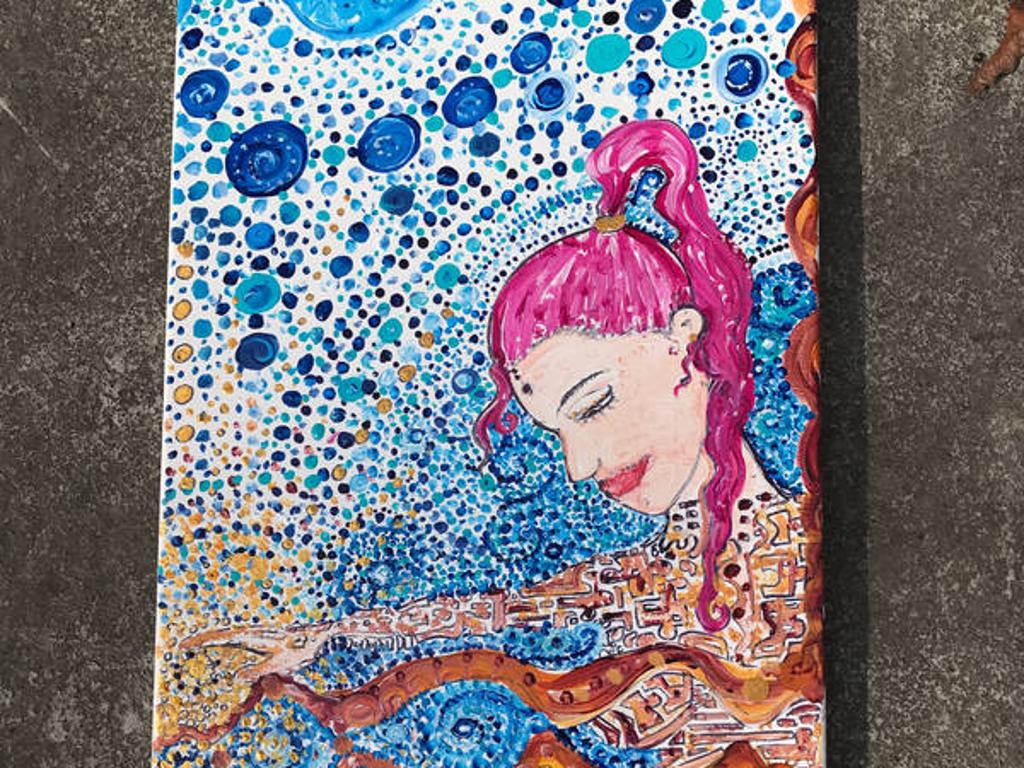
You go looking for a straight answer about ayahuasca, and instead you hit a wall. A login prompt. A paywall. A subreddit that wants you to prove you're a real person before it shows you a piece of art someone made about their ceremony. Anyone who has spent a few weeks researching plant medicine online knows the feeling — half the good stuff is behind a gate, and the other half is either sales copy or someone's third-hand horror story. So let's skip the gatekeeping and talk about what a person actually needs when they're deciding whether to sit with ayahuasca. Not the mystical version. Not the fear-mongering version. The version a friend would give you if they'd been through it and had no reason to lie. Part of the problem is legal. Ayahuasca sits in a strange grey area in most of the world — protected for religious use in a handful of countries, tolerated in others, and outright illegal in a lot of them. Publications get skittish. Platforms shadow-ban. Forums lock down to keep out the curious tourists and the DEA bots. The result is a fractured landscape where the most useful voices — experienced facilitators, honest retreat alumni, harm-reduction workers — are the hardest to hear. The other part is commercial. There's real money in psychedelic retreats now, and where there's money, there's marketing. Beautifully shot websites promise transformation, healing, and awakening. Some of those retreats are excellent. Some are run by people who read a book last year and bought a maloca. Telling them apart from a Google search is genuinely difficult, which is why so many first-timers end up asking the same questions in the same locked forums, over and over. What follows is the stuff I wish I'd had in a single place before my first ceremony. No login required. The honest answer is: it depends. On the brew, the facilitator, your body chemistry, what you ate that week, what you didn't process at your last therapy session, and things that no one can predict. But there are patterns. Most ceremonies happen after sundown in a ceremonial space — often a circular thatched building called a maloca. You drink a small cup of a bitter, tar-like tea. Then you wait. Somewhere between 20 minutes and an hour later, the medicine arrives. For some people that means visions — geometric patterns, animals, memories they'd forgotten they had. For others it's more somatic: waves of emotion, physical sensations, purging (which is the polite word for vomiting, and which is considered part of the healing, not a side effect to be embarrassed about). The whole thing lasts four to six hours. There's usually singing — icaros, the traditional songs of the Amazonian curanderos — which serve as a kind of navigational aid through the experience. When it's over, you sleep. You wake up different. Sometimes only slightly. Sometimes profoundly. This is where most of your research energy should go. A good retreat can be life-changing. A bad one can be dangerous. The stakes are real, and the vetting process is not glamorous — it's mostly reading, emailing, and asking uncomfortable questions. Here's what to actually look for: Reviews help, but read them carefully. Someone who had a peak experience will rave. Someone who had a hard time may blame the retreat when the difficulty was actually the medicine doing its job. Look for detail. Vague ecstatic reviews and vague furious reviews are both worth less than a careful, specific account. A lot of the people who write to me quietly, off the record, are asking the same underlying question. They're not sure they can say it out loud. They want to know whether ayahuasca — or ibogaine, or psilocybin, or any of the master plants — can help them stop drinking, stop using, stop the pattern they can't stop themselves. The honest answer: sometimes, yes. There's a real and growing body of research on psychedelic-assisted recovery, and the anecdotal reports from people who've broken decades-long addictions after plant medicine work are not nothing. Ibogaine in particular has an unusual track record with opioid dependence. Ayahuasca has helped people with alcohol use disorder, cocaine dependence, and the tangled web of trauma that so often sits underneath addiction. But it's not a magic wand. The medicine shows you things. What you do with those things — the therapy, the sober community, the practices you build around your recovery — is what makes the change stick. People who go into a retreat expecting a one-shot cure often relapse. People who go in treating the retreat as one significant step in a longer, harder process tend to do better. If you're considering plant medicine specifically for addiction, be extra rigorous about the retreat you choose. Some centers specialize in recovery work and have staff trained in it. Others don't, and pretending otherwise is dangerous. A week-long ayahuasca retreat in Peru or Costa Rica typically runs anywhere from $1,200 on the low end to $4,000 or more for the well-established centers. Add flights, time off work, and the two-week dieta most retreats ask you to follow beforehand (no alcohol, no red meat, no recreational drugs, sometimes no sex or caffeine). It's not a casual purchase. The non-financial costs are real too. You will spend hours confronting things you've spent years avoiding. You may cry for a whole afternoon. You may feel physically wrecked for a day or two. You may come home and realize the job or the relationship you were in doesn't fit anymore, and you'll have to decide what to do about that. Nobody warns you about that part often enough. That's not a reason not to go. It's a reason to go with your eyes open. If you've been researching this for weeks or months, you already know something in you is asking for it. That doesn't mean you should book the first retreat you find. It means the question is worth taking seriously — slowly, with real information, and ideally in conversation with people who've done the work and can speak plainly about it. Talk to alumni. Talk to your therapist if you have one. Read what you can find that isn't hidden behind a login screen. And when you're ready to compare specific options, a curated selection of ayahuasca ceremonies and plant-medicine retreats can be browsed on our marketplace here. Take your time with it. The medicine, as the curanderos say, has been waiting a long time. It can wait a little longer while you choose well.
Psychedelic Retreats: An Honest Guide for the Quietly Curious
Most people who eventually sit in an ayahuasca ceremony spend months circling the decision first. They read one blog. Then five more. They talk to a friend of a friend who came back from Peru either radiant or rattled — sometimes both. And somewhere in that research spiral, the question stops being what is ayahuasca and starts being should I actually do this. If that's where you are right now, this piece is for you. Not a hype reel. Not a warning label either. Just the stuff I wish someone had told me before I first sat down on a mat in the Amazon, wondering what I'd signed up for. Ayahuasca and other master plants have been part of practical human experience for a very long time — thousands of years, in some traditions — and the current wave of psychedelic retreats sits on top of that lineage in ways that are sometimes beautiful and sometimes messy. A retreat, in the sense we're talking about, is a structured multi-day container in which you take a plant medicine — usually ayahuasca, sometimes psilocybin, San Pedro, ibogaine, or kambo — under the guidance of facilitators. The good ones include preparation calls beforehand, a specific diet, ceremony nights with music and support, and integration work in the days after. The bad ones hand you a cup and hope for the best. It's not a spa. It's not a vacation. You will probably be uncomfortable at some point — physically, emotionally, or both. The purge (yes, the vomiting; yes, sometimes the other end) is not a bug in the software. In the Shipibo tradition it's considered part of how the medicine works, moving stuck material out of the body. Most people who come back saying it changed their life also came back saying it was the hardest week of their life. Both things are true. What a retreat also isn't: a treatment. No reputable facilitator will tell you ayahuasca will cure your depression, fix your marriage, or end your addiction. What they'll say — if they're honest — is that plant medicine can crack something open. What you do with the crack is on you. Ballpark numbers, because vague answers help no one. In Peru, a well-run 7-day ayahuasca retreat runs roughly $1,500 to $3,500 all-in for accommodation, ceremonies, food, and facilitation. In Costa Rica or Mexico, expect $2,000 to $5,000 for a similar length. In the Netherlands or Portugal, where psilocybin truffle retreats operate legally, you're looking at €800 to €2,500 for a shorter format. Ibogaine treatment, which is medicalised and requires cardiac screening, runs $6,000 to $15,000 and up. Then there are the hidden costs no one lists on the website: Cheap retreats exist. Some of them are genuinely run by traditional healers on modest budgets, and those can be extraordinary. Others are cheap because they cut safety corners. If a place doesn't screen your medical history or ask about your medications, that price tag isn't a bargain — it's a red flag. This is where I want to be careful, because the field is full of overclaims. Here's what the research and the honest practitioner reports suggest, as of the last few years. Ibogaine, derived from the West African iboga root, has the strongest anecdotal and clinical track record for interrupting opioid dependence. It appears to reset something in the brain's reward circuitry, and many people describe leaving treatment without the physical cravings that dominated their lives. It's also cardiotoxic and has killed people. It should only ever be taken in a facility with cardiac monitoring and trained medical staff. Full stop. Ayahuasca has a longer, quieter history with alcohol dependence, tobacco addiction, and compulsive patterns broadly — the kind of stuck loops that sit downstream of trauma. The mechanism isn't a chemical reset so much as a confrontation. People often report seeing their addiction from the outside, understanding what it's been protecting them from, and leaving with a different relationship to the substance. Psilocybin trials at Johns Hopkins and NYU have shown similar effects for smoking cessation and alcohol use disorder, with retention rates that put most conventional treatments to shame. None of this makes plant medicine a magic bullet. Relapse rates without integration and ongoing support are high. What psychedelics seem to do, at their best, is create a window — a few weeks where old patterns feel optional instead of mandatory. Whether you walk through that window depends on the boring, unglamorous work you do afterward. This is where most first-timers go wrong. They pick based on Instagram aesthetics or a friend's enthusiastic recommendation, without asking the questions that actually matter. Here's what to screen for: One more thing: trust your gut on the intake call. If the person on the other end feels evasive, salesy, or dismissive of your concerns, that's data. The medicine is powerful. The container has to match it. In the Amazonian traditions, ayahuasca isn't the only teacher. There's a whole category of what's called plantas maestras — master plants — each with its own character and lessons. Tobacco (real mapacho, not commercial cigarettes) is considered the grandfather of them all. Bobinsana opens the heart. Chiric sanango teaches courage. Working with these plants often involves a dieta, a period of isolation and specific food restrictions during which the plant is said to reveal itself to you in dreams and visions. You don't need to buy the metaphysics to take this seriously. Whether you frame it as spirit-of-the-plant or as your own psyche using plant chemistry as a mirror, the experience tends to demand honesty. People describe seeing patterns in their lives they'd been avoiding for decades. Old grief comes up. Old anger. Sometimes joy so uncomplicated it feels unfamiliar. What master plants seem to ask, in return, is that you take the insights home and actually change something. Not everything. Just one thing. The people I've watched flourish after retreats are almost always the ones who came back and did small, boring, consistent work — therapy, sobriety, harder conversations with people they loved, quieter mornings. The people who chased the next ceremony six weeks later tended to end up where they started. Sit with the decision for at least a month. Read three books — Michael Pollan's on psychedelics broadly, Rachel Harris on ayahuasca specifically, and one first-person account from someone whose life doesn't look like yours. Talk to a therapist about why you're considering this now. If they're psychedelic-informed, even better; if not, their questions will still be useful. Then, if it still feels right, look carefully. A range of vetted ayahuasca and plant-medicine retreats — with lineage details, medical protocols, and honest participant reviews — can be browsed on our marketplace here. Whatever you choose, choose slowly. The medicine has been here for millennia. It'll still be here next season.
Dreaming of Ayahuasca: What It Means When Ceremonies Visit You at Night
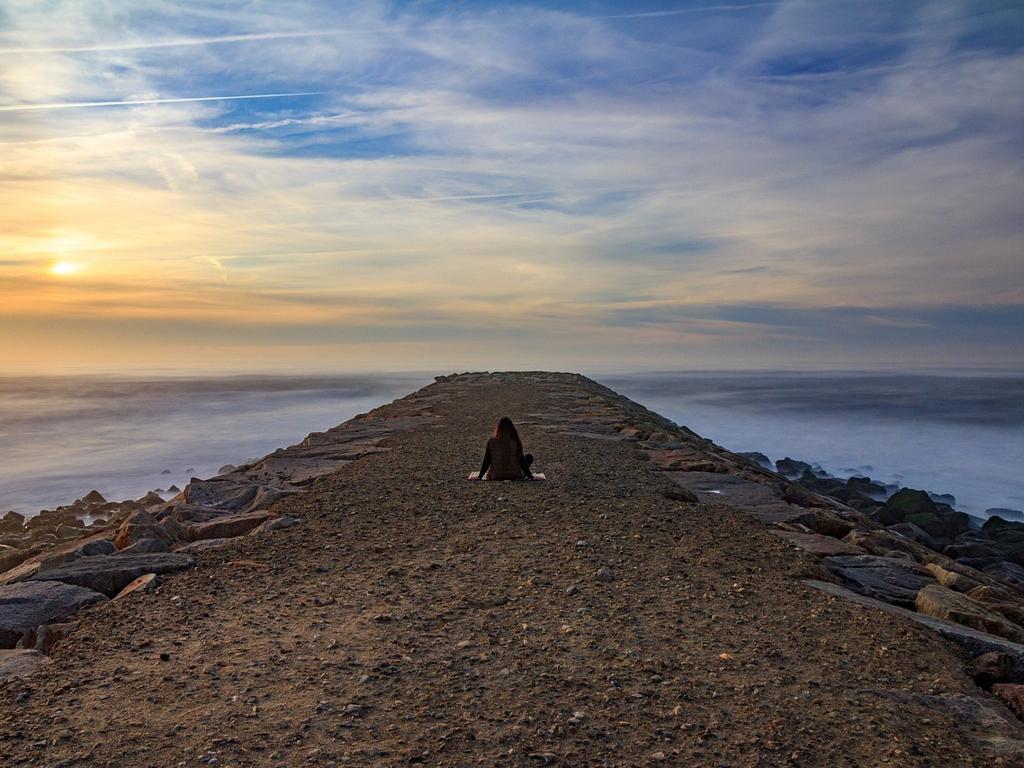
Some people finish an ayahuasca retreat and, three weeks later, wake up sweating from a dream where they were back in the maloca. The icaros. The candlelight. The rope of the visions unspooling behind their eyes. And then — nothing. Just their bedroom ceiling and a strange sense that something continued without them. If this has happened to you, you're not losing your mind. Dreams about ayahuasca — before, between, or years after ceremony — are one of the more common threads that come up when people talk honestly about their relationship with plant medicine. They rarely get discussed in the glossy retreat brochures. But they show up in the private messages, the integration circles, and the quiet conversations at breakfast the morning after. Let's actually talk about what's going on. Ayahuasca is a strong pharmacological event and a strong psychological event at the same time. The brew contains DMT and MAO inhibitors that produce vivid visual and emotional experiences, and the ceremony itself is a container packed with meaning — music, darkness, other people processing their own material, sometimes the smell of mapacho or agua de florida. Your nervous system files all of that away. It doesn't just evaporate when you fly home. Dreams are, among other things, how the brain sorts through unfinished business. If ceremony surfaced material you didn't fully process — grief you touched but didn't finish crying out, a memory that flickered past too fast, an emotion you clamped down on because you were embarrassed to make noise — that material tends to come back looking for another crack at consciousness. Sometimes it comes back wearing the exact costume of the original event. There's also the simpler explanation: you spent hours or days in an altered state. Your brain now has a template for that state. Under the right conditions — REM sleep, stress, hormonal shifts, even just thinking about the retreat before bed — it can reproduce fragments of the template on its own. No brew required. People report a few distinct types, and it helps to know which one you're having. None of these are pathological. They're the mind doing what minds do when they've been given a lot to metabolize. Short answer: probably yes, in the sense that integration is a longer arc than most first-timers expect. Traditional Amazonian frameworks talk about master plants as teachers whose lessons unfold over months or years, not hours. From that perspective, a dream visit isn't a bug in the system — it's part of the curriculum. The plant, in this view, is continuing a conversation that started in the ceremony. Whether or not you buy the animist framing, the phenomenological experience matches: something that got opened during ceremony hasn't fully closed, and it uses your dream-state as a workshop. The more clinical framing arrives at a similar place through a different door. Psychedelic-assisted therapy research has shown that the weeks and months following a session are when much of the psychological rearrangement actually happens. Neuroplasticity stays elevated. Default patterns loosen. Dreams during this window are often more vivid across the board, not just ayahuasca-themed ones. Your inner housekeeping is running on higher settings. Which brings up a useful point for anyone still deciding whether to attend a retreat: the ceremony is the smaller part. The bigger part is what you do with the six weeks that follow. If dreams are one channel through which the work continues, they deserve attention, not dismissal. You have options. Here's what tends to actually help. Most ayahuasca dreams are neutral or useful. But it's worth naming the ones that aren't. If you're having recurring distressing dreams, nightmares that disrupt sleep for weeks, or dream content that's leaving you dissociated during the day — that's a signal to reach out to a professional who understands psychedelic aftercare. Not every therapist gets it, but a growing number do. This kind of aftershock is more common in people who went into ceremony carrying unprocessed trauma, and it's not something to white-knuckle through alone. It doesn't mean you're broken or that the medicine was wrong for you. It means the container needs to be bigger than the retreat itself provided. Reputable retreats build aftercare into their model precisely because this happens. If you're still in the research phase and comparing options, that's one of the sharpest questions to ask: what does their integration support actually look like, six weeks out? Six months out? A place that shrugs at the question is telling you something. People who've been around plant medicine for a while tend to talk about it less as a set of discrete events and more as a relationship that keeps unfolding. Dreams are part of that relationship. So are the songs that get stuck in your head months later. So are the moments when you catch yourself acting differently in an old situation and can't quite explain why. If you're still weighing whether to sit with ayahuasca at all — reading articles like this one at midnight, going back and forth — the dream question might actually be useful data. The medicine doesn't just visit for one weekend. It tends to move in for a while. That's the honest version of what you're signing up for, and it's worth knowing before you book anything. For readers who want to take this further, a curated selection of ayahuasca retreats with real integration support can be browsed on our marketplace here. Whatever you decide, treat the dreams that come — before or after — as part of the work, not a strange side effect of it.
Ayahuasca and the Shift in Consciousness That Actually Heals
There's a thing that happens on the second or third night of an ayahuasca retreat that nobody quite prepares you for. You've purged, you've cried, you've watched geometric patterns unravel behind your eyelids. And then — usually somewhere between the songs — a quiet realization lands. The thing you came to fix isn't the thing you thought it was. That moment is the whole point. Not the visions, not the purge, not the icaros. The shift underneath all of it. Ayahuasca and the wider family of master plants don't heal the way antibiotics heal. They work on consciousness first, and the body follows. Miss that, and you miss what plant medicine is actually offering. Consciousness is a slippery word. Ask ten facilitators and you'll get ten answers, most of them annoying. But for practical purposes — the purposes of someone weighing whether to book a retreat — think of it like this: consciousness is the lens through which you experience your own life. The story you tell yourself about who you are, what happened to you, and what's possible from here. That lens gets scratched. Trauma scratches it. Addiction scratches it. Twenty years of a job you hate scratches it. And once the lens is scratched deeply enough, you can't think your way out. You can read every self-help book on the shelf and still wake up at 3 a.m. with the same tight chest. The lens itself needs work. Psychedelics — ayahuasca in particular — seem to loosen the lens. Temporarily. Just enough for you to see around it. Neuroscientists talk about it in terms of default mode network suppression and increased neural connectivity. Shamans talk about it as the plant showing you what you couldn't see before. Both descriptions point at the same phenomenon. Talk therapy is brilliant for a lot of things. It's slow, safe, sustainable, and it builds insight brick by brick. But it also runs on the same machinery that got you stuck — your rational mind, your habitual defenses, your carefully rehearsed narrative. That machinery has been protecting you for a reason, and it's not going to volunteer information that threatens the story. Master plants — ayahuasca, San Pedro, iboga, psilocybin — pull the rug out from under that machinery. Not permanently, not violently, but enough. In ceremony, people describe seeing memories they'd buried for decades. Feeling the exact age they were when a wound formed. Watching, from a distance that feels almost cinematic, the moment they decided they were unloveable, or unsafe, or not enough. Here's the important part: seeing isn't the whole of it. Seeing without integration is just a trip. What actually shifts a life is the days and months after — the boring work of taking what the plant showed you and letting it change how you live. Facilitators who know their craft spend at least as much time on that as they do on the ceremonies themselves. Addiction is one of the clearest examples of a scratched lens. Most people who struggle with substances know, intellectually, that the substance is destroying them. Knowing doesn't help. The compulsion runs on a track underneath thought, wired into memory and reward and the body's fastest survival circuits. Ayahuasca and ibogaine both have a strong track record — anecdotal, and increasingly clinical — with addiction. Ibogaine is especially notable for opioid dependency; a single session can interrupt withdrawal in ways that no other intervention matches. Ayahuasca works less as a chemical circuit-breaker and more as a mirror. Participants often describe seeing the exact origin of their using — the loneliness underneath, the grief they never processed, the parent they couldn't reach. Once you've seen the driver, the passenger seat feels different. None of this is a guarantee. Plenty of people go to a retreat, have a powerful experience, and relapse within months. The variable is almost always integration — whether they came home to a life that could hold the change, and whether they did the follow-up work. If you're considering plant medicine for addiction recovery, treat the ceremony as the beginning of the work, not the end of it. The people who stay clean are the ones who build scaffolding around the insight. The retreat industry has grown fast, and quality varies wildly. Some centers are lineage-rooted operations run by shamans with decades of training. Others are more or less rebranded resorts with someone who did a workshop pouring the tea. You want to know which is which before you send the deposit. Signals of a serious operation: Red flags to walk away from: promises of specific outcomes, pressure to book quickly, facilitators who seem more interested in charisma than craft, wildly cheap pricing that suggests corners are being cut, and any suggestion that more medicine equals more healing. It doesn't. People want to know this and rarely get a straight answer, so here's one. The tea tastes vile — imagine bark, coffee grounds, and something faintly rotten. You'll probably drink it in a dimly lit maloca or ceremonial space, seated on a mat with a bucket by your side. For the first thirty to sixty minutes, nothing much happens. You'll wonder if it's working. Then the room starts to feel subtly different — colors deepen, sounds get more textured. Somewhere between forty-five minutes and two hours in, the visions start, if they're going to. Some people see elaborate geometric patterns and beings. Others don't get visuals at all and instead experience emotional waves, body memories, or long conversations with parts of themselves. The purge — vomiting, sometimes crying, sometimes other exits — often coincides with the release of something psychological. It's not just physical. And it isn't universal; some people don't purge at all. The ceremony lasts four to six hours. By the end, you're usually exhausted, tender, and quiet. The real work starts the next day. The traditional preparation for working with master plants is called dieta, and it's not just diet — it's a period of physical, dietary, and sometimes sexual restraint that primes the body and mind. At minimum, most centers ask for two weeks free of alcohol, recreational drugs, red meat, pork, spicy food, fermented food, and sex. Some ask for longer. This is not superstition. Ayahuasca contains MAO inhibitors, which interact dangerously with certain foods and many medications, including most antidepressants. The dieta protects you. It also — and this is the less-discussed part — begins the shift in consciousness before you ever touch the medicine. Two weeks of clean living, journaling, and quiet time is itself preparation for what comes. Come in strung out, hungover, or fresh off an SSRI taper you didn't tell anyone about, and you're gambling with your health. Come in prepared, and the medicine has room to do its work. The most common mistake retreat-goers make is thinking the retreat is the healing. It isn't. The retreat is the opening. What you do in the six months afterward determines whether the opening closes back over or becomes a new way of living. Concrete integration practices that seem to help: For readers who want to take this further, a curated range of ayahuasca and plant medicine retreats can be browsed on our marketplace here. The right container matters more than the specific plant, and a serious retreat is often the difference between a wild story you tell at parties and a genuine shift you carry for the rest of your life.
Craving More Stories?
Join our ShopAyahuascaRetreats newsletter for the latest updates on thrilling
destinations and inspirational tales, delivered straight to your inbox!
We value your privacy. Your email address will never be shared or published.
Angelic and Demonic Encounters on Psychedelics: What They Really Mean
Ask anyone who's sat through a full ayahuasca night what surprised them most, and there's a fair chance they won't mention the visuals or the purging. They'll mention who was there with them. A grandmother figure made of light. A serpent that spoke without words. Something dark in the corner of the maloca that seemed to know their name. These encounters — angelic, demonic, or somewhere in the strange territory between — are one of the least discussed and most disorienting parts of psychedelic and plant medicine work. And they happen a lot. Across ayahuasca, psilocybin, DMT, and iboga journeys, people consistently report meeting someone. Not a hallucination in the loose sense. A presence with intention, personality, and often a message. Whether you interpret these beings as literal spirits, projections of the unconscious, or something science hasn't got a name for yet, they matter — because how you meet them can shape the rest of your healing. Ayahuasca, in particular, has a reputation for populating the inner world. Shipibo and other Amazonian traditions don't treat this as a metaphor. The plants themselves are considered teachers — master plants — and the beings encountered during ceremony are seen as real inhabitants of a real (if non-ordinary) landscape. That framing sounds foreign to most Western first-timers, right up until they meet something in the visions that convinces them otherwise. Psilocybin journeys tend to produce warmer, more archetypal encounters: the wise old woman, the child version of yourself, a deceased grandparent. DMT, famously, drops people into what feels like a fully populated room of intelligent beings within seconds. Iboga is different again — it often presents ancestors, deceased relatives, and life-review figures who calmly walk you through your own history like an interrogation you asked for. Different medicines, different populations. But the pattern of encounter is remarkably consistent. Neuroscience has theories. Reduced activity in the default mode network, dissolution of ego boundaries, hyper-associative processing that stitches memory and imagination into something that feels external. All plausible. None of it, if you talk to people who've been through it, quite captures what actually happens when the being looks at you and something inside you knows it's being seen back. The benevolent encounters are the ones people talk about at dinner parties later. A luminous presence that radiates unconditional welcome. A voice that answers a question you've been carrying for a decade in a single sentence. The sensation of being held — sometimes so tenderly that grown adults describe weeping for an hour without noticing. These moments are often described as the most meaningful of a person's life. They can also be the most misleading. It's tempting to walk out of an experience like that convinced you've been chosen, awakened, or given a mission. The integration work in the weeks that follow is precisely about not doing that. The message may have been real. The instruction to quit your job and move to Costa Rica by Tuesday probably wasn't. What genuinely helpful angelic encounters tend to have in common: Now the harder half. Not everyone gets grandmothers of light. Some people meet something that seems to want to hurt them. Faces that leer. Insectoid shapes. A voice that mocks. A presence that feels older than the room and openly hostile. This is the part of psychedelic experience that retreat brochures don't feature and that facilitators, if they're any good, will tell you about honestly before you drink. Here's the thing worth knowing before you panic: in nearly every tradition that works with these plants, terrifying entities are not treated as random attacks. They're treated as something that arose because there's material to work with. Shadow, in the Jungian sense. Trauma. Denied grief. Rage you buried at fifteen because it wasn't safe to feel it. The demonic figure is often the messenger, not the disease. That doesn't mean you should charge at it. Experienced facilitators generally recommend a mix of the following when things get dark in ceremony: Many people describe these terrifying encounters transforming mid-experience once approached with curiosity rather than resistance. The demon becomes a child. The child becomes them at seven. And the healing that follows is often the deepest of the entire journey. Nobody knows. That's the honest answer, and anyone who tells you otherwise — in either direction — is overselling their certainty. The materialist view says these are neurologically generated experiences that feel independent because of how the brain processes them under altered conditions. The traditional view says the plants open a door to realms that were always there, and the beings live on the other side of it. A third view, held by more researchers than you'd expect, is that the distinction between those two options may not be as clean as either camp assumes. For practical purposes, most experienced facilitators recommend a middle stance: treat the encounters as real to the experience. Whether or not there's a metaphysical entity behind the vision, the emotional content, the messages, and the physiological responses are real. Dismissing them as "just a hallucination" tends to short-circuit the integration. So does over-literalizing them into a cosmology that turns you into a self-appointed prophet. Sit in the middle. Take the experience seriously without demanding it be one thing or the other. If you're heading to a retreat and this is on your mind, a few things help. First: work with facilitators who talk openly about entity encounters, both light and dark. If they only talk about bliss and healing, they're either inexperienced or selling something. Real practitioners have seen the whole spectrum and won't be surprised by what shows up for you. Second: do the preparation. The dieta before an ayahuasca retreat isn't just a food restriction — it's a period of quieting the system so that whatever surfaces in ceremony has room to be seen clearly. Cut alcohol, reduce sugar, sleep more, journal, be honest with yourself about what you're carrying in. People who arrive at a retreat already overwhelmed by their lives tend to have harder ceremonies than those who arrive settled. Third: have a plan for after. This is the single most underestimated piece of psychedelic healing, especially when it comes to addiction, depression, and trauma work. The encounter in ceremony is the crack of light. Integration is the actual house you build. Therapy, integration circles, embodiment practices, time in nature, a quiet month before making big decisions — these are what turn a memorable night into a changed life. People coming to plant medicine for addiction recovery or chronic depression often report particularly vivid encounters — the addiction itself sometimes appearing as a distinct figure. A parasite. A shadow. A hungry thing that speaks in the voice of their own cravings. This can be confronting, but it can also be one of the more useful frames the medicine offers. Once you've met the thing face-to-face, it becomes harder to identify with it. It's no longer you — it's something you've been carrying. That shift, small as it sounds, is what a lot of long-term recovery actually turns on. None of this replaces medical care, and no responsible retreat would suggest it does. Plant medicine sits alongside therapy, community, and often ongoing treatment — not in place of them. But for people who've tried everything else and are still stuck, the encounter with the master plants (and whatever comes with them) has been, for many, the piece that finally moved. Meeting entities in ceremony is one of the strangest, most humbling parts of this work, and it deserves to be talked about honestly rather than either sensationalized or dismissed. If any of this resonates and you're weighing where to sit for your own ceremony, a curated selection of ayahuasca and plant-medicine retreats can be browsed on our marketplace here. Whatever shows up for you when you drink — angelic, demonic, or the awkward in-between — go in prepared, go in with people who know what they're doing, and give yourself the time afterward to actually listen to what you were shown.
What Gets Lost When Ayahuasca Goes Global: A Shipibo Perspective
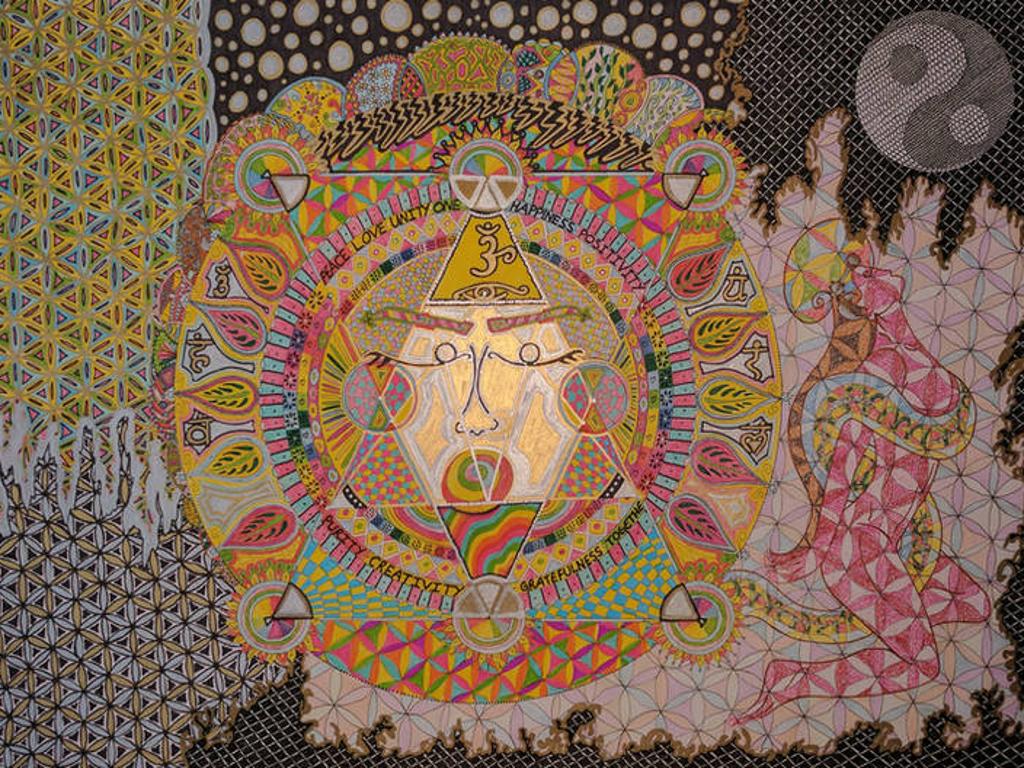
Sit with a Shipibo onanya long enough and you start to understand something uncomfortable about the ayahuasca boom. The medicine is spreading. The tradition it came from is not. Those two things are not the same, and the gap between them is where a lot of harm quietly happens. I've spent years around plant medicine retreats — as a participant, as a writer, as someone who's watched friends come home changed and others come home worse. And the conversation I keep circling back to isn't about dosage or set and setting. It's about what happens to a 500-year-old healing lineage when it becomes a product for foreigners with credit cards. Ayahuasca is having its moment. The people who kept it alive for centuries mostly aren't. The Shipibo-Konibo of the Peruvian Amazon are one of the primary lineages behind what most Westerners now call an ayahuasca ceremony. Their onanyabo — the trained healers, sometimes translated as “ones who know” — don't just serve brew. They sing icaros learned from years of dieta with specific master plants, each one a relationship built through isolation, fasting, and disciplined study that can span a decade or more. That word, dieta, gets thrown around casually now. On a Shipibo onanya's tongue it means something closer to apprenticeship-through-suffering. You don't just take ayahuasca. You live alone in the forest with a plant teacher, eat almost nothing, avoid salt and sugar and sex and even certain smells, and let that plant's spirit teach you how to sing, how to see, how to heal. Master plants like bobinsana, noya rao, chiric sanango, and ajo sacho aren't garnish — they're the actual curriculum. Most Western retreat participants don't know any of this. They come for the brew. They leave with a story. The transmission that took the healer thirty years to build gets compressed, translated, and served in five nights. Iquitos was a quiet river city not that long ago. Now it's a departure hub. Chartered vans leave daily for retreat centers dotted through the surrounding jungle, most of them owned by foreigners, some staffed by Shipibo healers on rotating contracts, some staffed by facilitators with a weekend certificate and an Instagram following. Here's what onanyabo I've spoken with — and what elders quoted in interviews across the region keep saying — describe as the real costs: None of this means Westerners shouldn't drink ayahuasca. It means the question of how and with whom and what you owe afterward matters more than the marketing suggests. You might be thinking: fine, cultural preservation is important, but I'm dealing with real pain. Addiction. Depression. A trauma I can't outrun. Does the politics of the plant really apply to me? Yes, and here's the practical reason. The lineage isn't decoration. It's the safety infrastructure. A trained onanya knows which songs to sing when a participant enters a difficult passage. They know how to read the energy in a maloca full of twenty purging strangers. They know what to do when someone dissociates, when someone's blood pressure spikes, when the brew hits harder than expected. That knowledge was built over generations for a reason — the medicine is powerful and it does not care about your intentions. When you sit with a facilitator whose training is thin, you're not just participating in cultural erosion. You're the person in the circle when something goes sideways and no one in the room actually knows what to do. The stories exist. Read enough integration forums and you'll find them. If you're weighing a booking — and this is where most readers of this post actually are — here's what I'd look at, having seen the range of what's out there. None of these questions guarantee a good experience. They just tilt the odds toward one and, more importantly, away from the extractive model that's hollowing out the tradition. Here's the part that tends to make Western seekers squirm. If ayahuasca genuinely helps you — if you come home lighter, clearer, freer from an addiction or a pattern that had you locked up for years — you owe something. Not to me, not to the retreat, but to the tradition that made your healing possible. That can look like a lot of things. Donating to Shipibo-led cultural preservation projects. Supporting indigenous land defense in the Ucayali region. Being honest with friends about where the medicine actually comes from instead of posting selfies with an ambiguous “plant medicine” caption. Coming back to a center that pays its healers well rather than the cheapest retreat you can find on comparison sites. Learning the name of at least one master plant beyond ayahuasca itself. The onanyabo I've spent time with aren't asking anyone to stop drinking. They're asking people to understand what they're drinking. There's a difference between being a guest and being a consumer, and the tradition can survive the first much better than the second. A handful of Shipibo-led initiatives are trying to hold the line — training the next generation of onanyabo in traditional dieta rather than tourism logistics, documenting icaros before elders pass, building retreat models where indigenous healers own the operation instead of working as staff. These efforts are quieter than the marketing of the big centers but they're where the future of the medicine actually lives. As a seeker, the most useful thing you can do is align your booking with those efforts. Every retreat you choose is a small vote for what this world becomes over the next decade. If enough people choose lineage-honoring centers, the extractive ones lose their economic footing. If they don't, the tradition thins out until what's left is a brand. Ayahuasca will keep going global. That's not reversible. But the version that reaches your children — whether it's still a living tradition or just a wellness product with feathers on the label — is being decided right now, one booking at a time. For readers who want to take this further, a range of curated ayahuasca retreats with genuine ties to indigenous lineage can be browsed on our marketplace here. Choose carefully. Ask hard questions. The people who kept this medicine alive for you are asking you to.
How to Work With Fear During an Ayahuasca Ceremony
Fear shows up. That's the part nobody puts on the retreat brochure. You can read every trip report on the internet, do every breathwork class, eat clean for a month, and the moment the icaros start and the medicine takes hold, something inside you may still seize up and want to bolt for the door. This is normal. It's also one of the most useful things ayahuasca will ever hand you — if you know what to do with it. I've sat in enough ceremonies, and spoken to enough facilitators and first-timers, to know that how you orient to fear is often the single biggest variable in how a night unfolds. Two people drink the same cup. One has a night they describe as harrowing and pointless. The other has a night they describe as harrowing and life-changing. The medicine didn't change. The relationship to fear did. Ayahuasca is not a recreational psychedelic, and it doesn't pretend to be. The brew has a way of turning the volume up on whatever your nervous system has been quietly suppressing — grief, shame, old trauma, the addiction patterns you've been outrunning, the relationship you keep avoiding. Fear is often the doorman standing in front of all of it. From a purely physiological angle, DMT and the harmala alkaloids in the vine produce intense sensory and emotional amplification. Your heart rate climbs. Your body temperature shifts. Visions sharpen. If you didn't know better, your body would tell you something is seriously wrong. So your fight-or-flight system fires up, right on cue. Add to that the cultural baggage most Westerners carry — that loss of control equals danger — and fear becomes almost guaranteed. The shamans I've spoken with in the Peruvian Amazon talk about fear as a teacher, not an obstacle. Master plants, in their cosmology, don't punish. They show you what's already inside you so you can finally see it. The fear isn't the medicine attacking you. It's you, meeting yourself. It rarely arrives as a clean thought like “I am afraid.” More often it's a wave of physical sensation that hits before language catches up. A tightening across the chest. Cold hands. The conviction that you've made a terrible mistake by drinking. The sudden urge to call the whole thing off — except there's no off switch. Some people describe it as childhood terror returning. Others describe it as the certainty that they're dying, or going insane, or being shown something they cannot handle. A handful of people I've spoken with experienced what they later understood as the resurfacing of specific traumatic memories — the body remembering what the mind had filed away. Here's the part that catches first-timers off guard: the fear is usually not about the ceremony. It's about what the ceremony is pointing toward. The medicine has cracked open a door, and the fear is what's standing on the other side, asking whether you really want to walk through. This is the single piece of advice I'd give anyone preparing for their first ayahuasca ceremony, and it sounds almost cruel when you're not on the medicine: when fear shows up, lean in. Don't fight it. Don't try to think your way out of it. Don't bargain with the visions. Turn toward the thing that's scaring you and ask it what it's here to show you. I know how that reads on a screen. It reads like wellness-influencer nonsense. But there's a mechanism underneath it. The body interprets resistance as threat, which feeds more adrenaline into the system, which amplifies the fear, which generates more resistance. You can spend six hours locked in that loop. Many people have. The exit is counterintuitive — soften, breathe lower, drop the jaw, and let the wave move through. Some practical anchors I've seen work, both for myself and for people I've sat near: You cannot eliminate fear, but you can stack the deck. Most of the bad nights I've heard about trace back to one of three things: unrealistic expectations, a sketchy retreat center, or zero preparation. Expectations matter more than people admit. If you walk in expecting a “divine download” or a tidy healing of your depression in one cup, the moment the medicine instead hands you the hardest memory of your childhood, you'll experience that as betrayal. Fear compounds. Walk in expecting to meet yourself — honestly, including the ugly parts — and the same memory becomes material to work with. Setting matters in obvious and non-obvious ways. The maloca, the facilitators, the lineage of the shaman, the participant-to-facilitator ratio, the medical screening, the integration support afterward — these aren't luxury upgrades. They're the difference between a container that can hold a frightening experience and one that can't. If a center isn't asking you detailed questions about your mental health history and medications before they accept your booking, that's a red flag. And preparation — the dieta, the journaling, the conversations with people you trust about why you're doing this — isn't just ritual. It's how you arrive in ceremony already in relationship with the medicine, instead of meeting it as a stranger in the dark. Sometimes fear in ceremony is the surface tremor of something much larger underneath. People sitting with ayahuasca for addiction, PTSD, or long-running depression often describe a fear that feels older than they are — a fear that's been driving them their whole life from beneath conscious awareness. This is where the medicine earns its reputation. The recent clinical work on psychedelic-assisted recovery, including ongoing research into ayahuasca for trauma and substance use disorders, points at the same mechanism that traditional shamans have described for centuries: the patterns we live by are held in place by what we refuse to feel. When the medicine helps us feel what we've been avoiding, the patterns lose their grip. That doesn't mean every difficult ceremony is therapeutic by default. Without integration — the slow work of translating what surfaced into how you actually live — a hard night can stay just a hard night. Good retreats build integration into the program, not as an afterthought, but as the actual point. The hours and days after a fearful ceremony are when the real work begins. You'll want to talk about it, journal about it, sit with it, walk in the forest with it. Don't immediately jump back onto your phone, your job, your Slack channel. The insights are still settling. If something genuinely difficult came up — buried trauma, suicidal thoughts, a memory you didn't know you had — line up support before you go. A trauma-informed therapist who understands psychedelics is worth their weight in gold. Many retreats now maintain referral networks for exactly this reason. Use them. For readers who want to take this further, a range of curated ayahuasca retreats with strong integration support can be browsed on our marketplace here. Choosing the right container matters more than any single piece of advice about how to handle a hard moment in the dark. Fear in ceremony isn't a sign that something went wrong. Often it's a sign that something went exactly right — that the medicine found the thing you most needed to meet, and brought you to its doorstep. The rest is up to you.
Different Mindsets Toward Ayahuasca: What Your Approach Says About Your Ceremony
Walk into any ayahuasca retreat and you'll meet at least five wildly different versions of the same person: the seeker, the skeptic, the wounded one, the spiritual tourist, the quiet veteran. They all drink from the same pot. They all sit on the same mats. And yet, by the third night, their experiences barely overlap. That's not random. The mindset you bring to ayahuasca — the assumptions, the expectations, the unspoken hope — does an enormous amount of the steering. Plant medicine doesn't care about your intellectual framing, but your nervous system absolutely does. And the nervous system is the instrument the brew plays on. So before you book a ceremony, before you stop eating pork and start journaling intentions, it's worth getting honest about which mindset you're carrying in. Because some of them open the door wide. And some of them slam it shut while you're still knocking. In the clinical-research world there's a term — set and setting — that gets repeated so often it's basically wallpaper. Set is your internal state. Setting is the room, the music, the people. Both matter. But of the two, set is the one you actually have leverage over, and it's the one most first-timers underestimate. Here's the thing about ayahuasca: it amplifies. Whatever you walk in with — grief, defensiveness, curiosity, control — gets handed back to you at three times the volume. People who arrive expecting cosmic fireworks sometimes get a quiet, granular review of their childhood instead. People who arrive cynical sometimes get blasted out of their bodies. The medicine isn't reading your mind. It's reading your readiness. This is why two friends can attend the same retreat, drink the same dose, and come home with completely different stories. One says it changed her life. The other says nothing happened. Often, the difference isn't the brew. It's what they brought. Over years of conversations with facilitators, retreat owners, and first-timers, the same handful of mental postures keep showing up. None of them is fatal. But knowing which one is yours — and being honest about it — is half the preparation. This one's huge, especially among people coming in for depression, addiction, or trauma. The reasoning goes: I'm broken, ayahuasca fixes broken people, therefore ayahuasca will fix me. It's understandable. It's also one of the heaviest expectations you can carry. The medicine isn't a pill. It doesn't subtract a diagnosis. What it tends to do is show you, with uncomfortable clarity, the patterns underneath the symptom. That's enormously useful — but only if you're willing to do the work afterward. People who arrive expecting a one-shot cure often leave disappointed, not because nothing happened, but because what happened wasn't the fantasy. You know this person. They've already done a vipassana, a kambo cleanse, a breathwork weekend, a sound bath in Tulum. Ayahuasca is the next stamp. There's nothing wrong with curiosity — most of us got here through some version of it — but treating the brew like an experience to collect tends to keep the experience shallow. The vine has a way of noticing when you're not really there to listen. Probably the most common archetype, honestly. They'll tell you they don't believe in any of this woo-woo stuff, they're just here because their cousin wouldn't shut up about it. But somewhere under the arms-crossed posture is a real ache — a marriage that ended, a parent who died, a creative block that's lasted a decade. These people often have the most disorienting ceremonies, because the medicine bypasses the defenses they've spent years building. If you recognize yourself here, good. The honest skeptic usually does better than the eager believer. This one's trickier and worth naming. The bypasser uses spiritual language to avoid the actual work — they want the love-and-light download, the merging-with-the-universe vision, the experience they can post about. What they don't want is to feel the rage they've buried since they were nine. Ayahuasca tends to flip that script ungently. The bypasser usually has the hardest first night. Returning drinkers come in calmer, but they bring their own trap: assuming they know what's coming. The medicine doesn't repeat itself. Every ceremony is its own thing, and treating night seven like a continuation of night six is a great way to miss what's actually being offered. Sit with these questions a few days before the retreat. Write the answers down if you can — not because the journal is sacred, but because writing forces you to be specific in a way that thinking doesn't. None of these have right answers. They're diagnostic. If the honest reply to question four is no, you're probably leaning on expectation harder than you realize. That's worth knowing now, not at 2 a.m. in a maloca. The people who seem to get the most from ayahuasca — and I mean lasting change, not just a great story — tend to share a few traits. They arrive curious rather than desperate. They have an intention, but they hold it loosely. They trust the facilitators enough to surrender, but not so much they abandon their own judgment. They're willing to be wrong about themselves. That last one matters most. Ayahuasca is, more than anything, a humility machine. It tends to dismantle the story you've been telling about who you are and why you do what you do. People who can't tolerate that — who need their self-concept intact — tend to fight the medicine and have a rough time. People who can soften, who can say maybe I've had this wrong, often describe the night as the most useful eight hours of their life. You also need a baseline of psychological stability. Ayahuasca isn't for active psychosis, untreated bipolar, or someone in acute crisis. A good retreat will screen for this. If yours doesn't, that's a red flag worth taking seriously. Here's what almost nobody tells you before their first retreat: the ceremony is maybe twenty percent of the work. The rest is integration — the slow, unglamorous process of taking whatever the medicine showed you and actually changing how you live. New habits. Hard conversations. Therapy, often. Boundaries you've avoided setting for fifteen years. The mindset that serves you in the maloca — open, humble, willing to be wrong — is the same one that serves you afterward. Plenty of people come home from a powerful ceremony, ride the afterglow for two weeks, and then quietly slide back into the same life. The medicine offered them a doorway. They admired it and walked away. If you're researching retreats right now, that's the question to sit with longest. Not which retreat or how much or which country. Those matter, but they're solvable. The deeper question is whether you're ready to be changed by what you find — and whether you'll do the work to keep that change alive once you're back in your kitchen on a Tuesday morning. For readers who want to take this further, a range of vetted ayahuasca retreats and plant-medicine ceremonies can be browsed on our marketplace here. Walk in honest. Walk in curious. Walk in willing to be surprised by yourself. That's the mindset the medicine seems to meet halfway.
Why That One Reddit Thread Can't Tell You What Ayahuasca Is Really For
Somebody on Reddit asks, “what are the uses of this plant?” The thread gets locked, or scraped, or buried under a hundred half-answers from people who read one book and watched a documentary. And the person asking — usually a 30-something quietly Googling at 1 a.m. — closes the tab no closer to an answer than when they opened it. I've sat in enough ceremonies, and interviewed enough facilitators, to know that question deserves a real reply. Not a sales pitch. Not a mystical word-salad. Just a straight look at what ayahuasca and the broader world of master plants are actually being used for, what the evidence says, and where the honest caveats live. If you're researching a psychedelic retreat right now — maybe for addiction, maybe for a depression that won't lift, maybe because you're just stuck — this one's for you. Ayahuasca is a brew. Two plants, usually: the Banisteriopsis caapi vine (which the Shipibo and other Amazonian peoples call the “vine of the soul”) and a leaf containing DMT, most often Psychotria viridis. Boil them together for hours, strain, drink. The vine contains MAO inhibitors that make the DMT in the leaf orally active — which is why nobody stumbles onto this combination by accident. Indigenous knowledge worked out the chemistry centuries before chemistry had a name for it. The taste is famously rough. Imagine bitter coffee that's been left in a damp basement for a week. People purge — vomiting, sometimes diarrhea, sometimes weeping, sometimes shaking. In ceremony this is treated as part of the medicine, not a side effect to apologize for. The visions, when they come, can be geometric, narrative, ancestral, or absent altogether. There's no single ayahuasca experience. What there is — across thousands of accounts and a growing body of clinical research — is a pattern of people reporting that something shifted. A pattern is not a promise, but it's worth taking seriously. When I ask facilitators what brings people to their retreats, the answers are remarkably consistent. The Reddit version of this question gets answered in vague spiritual terms. The on-the-ground version is much more specific. Notice what's missing from that list: recreation. People who go to ayahuasca looking for a fun weekend usually don't go back. The brew has a way of declining to be a party drug. “Master plants” is the term Amazonian traditions use for the teaching plants — ayahuasca, of course, but also tobacco (the real stuff, mapacho, used ceremonially), San Pedro and peyote among the cactus medicines, and a long list of trees and shrubs taken on dieta. The framing is that these plants have intelligence and that the work isn't something you do to them but with them. You don't have to buy the metaphysics to take the framing seriously. People who treat the brew as a tool that owes them an outcome tend to have a harder time than people who approach it as a relationship. That's not woo — it's just how the psychology of the experience seems to land. Other psychedelics in the broader plant-medicine conversation each have their own character. Psilocybin tends to be gentler and more inward. Ibogaine is the heavyweight for opioid dependence, with a serious cardiac risk profile that demands medical screening. 5-MeO-DMT (often from the Sonoran Desert toad, increasingly synthetic now) is brief and obliterating. None of these are interchangeable. Choosing among them is a real decision, and it deserves more research than picking a vacation rental. Forget the Instagram version. A real ceremony — at least in the Shipibo, Santo Daime, or vegetalista lineages — usually happens at night, in a maloca (a round ceremonial space), with participants on mats or in rocking chairs arranged around the room. There's a bucket next to you. There's a facilitator and at least one curandero or curandera leading the ceremony. Often, there are icaros — sung medicine songs that direct the energy of the night. You drink. You wait. Sometimes for 20 minutes, sometimes for 90. Then something starts to happen. For some people it's visual. For others it's emotional — wave after wave of feeling they've been holding down for decades. For others it's almost nothing the first night and a tsunami the second. Most retreats include three to six ceremonies over a week or two, with rest days between, because integration matters as much as the experience itself. The dieta — the diet — usually starts before you arrive. No pork, no salt, no sugar, no alcohol, no recreational drugs, no sexual activity, and crucially, no SSRIs or other serotonergic medications. The SSRI piece isn't optional. Mixing them with ayahuasca can trigger serotonin syndrome, which is a medical emergency. Reputable retreats screen for this and will turn you away if you haven't tapered properly under medical supervision. I want this part to land, because the boosters tend to skip it. A few things I look for, having been around this for years: Price is not a reliable proxy for quality, in either direction. Expensive retreats can be hollow; affordable indigenous-led centers can be extraordinary. What matters is the people running it and the care they take with the people in their care. That's not a question I or anyone else can answer for you from the outside. What I can say is that the people who tend to do well are the ones who arrive with a clear, honest reason — a specific addiction they want to face, a depression they've fought for years, a grief they need to move, a question they actually want answered. The people who tend to do less well are the ones looking for novelty, or for someone else to do the hard work of their lives for them. If you've read this far, you're probably somewhere in the middle, which is the normal place to be. Take your time. Talk to people who've gone. Talk to a therapist if you have one. Read the research — the studies on depression, on addiction, on PTSD are findable and not impossibly technical. And when you start looking at specific centers, a good cross-section of vetted ayahuasca and broader plant-medicine retreats can be browsed on our marketplace here, which is at least a saner starting point than a locked Reddit thread. The plant has been used for a very long time, by people who took it seriously. Take it seriously and it tends to return the favor.
Dreaming of a Psychedelic Retreat?
We have the best deals and offers from thousands of organizers all over the world! Get them into your mailbox every week!
We value your privacy. Your email address will never be shared or published.
