 English
 Deutsch
 Français
 Nederlands
 Español


Reset. Heal. Grow.
Ayahuasca as the Medicine of Duality: What the Journey Actually Reveals
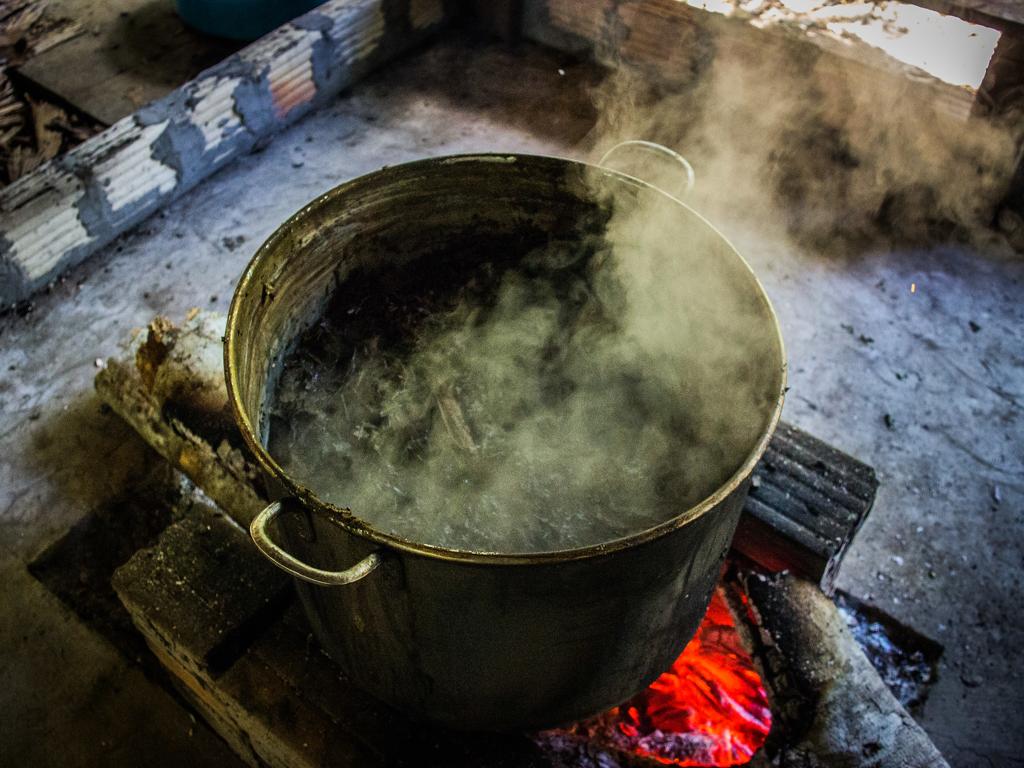
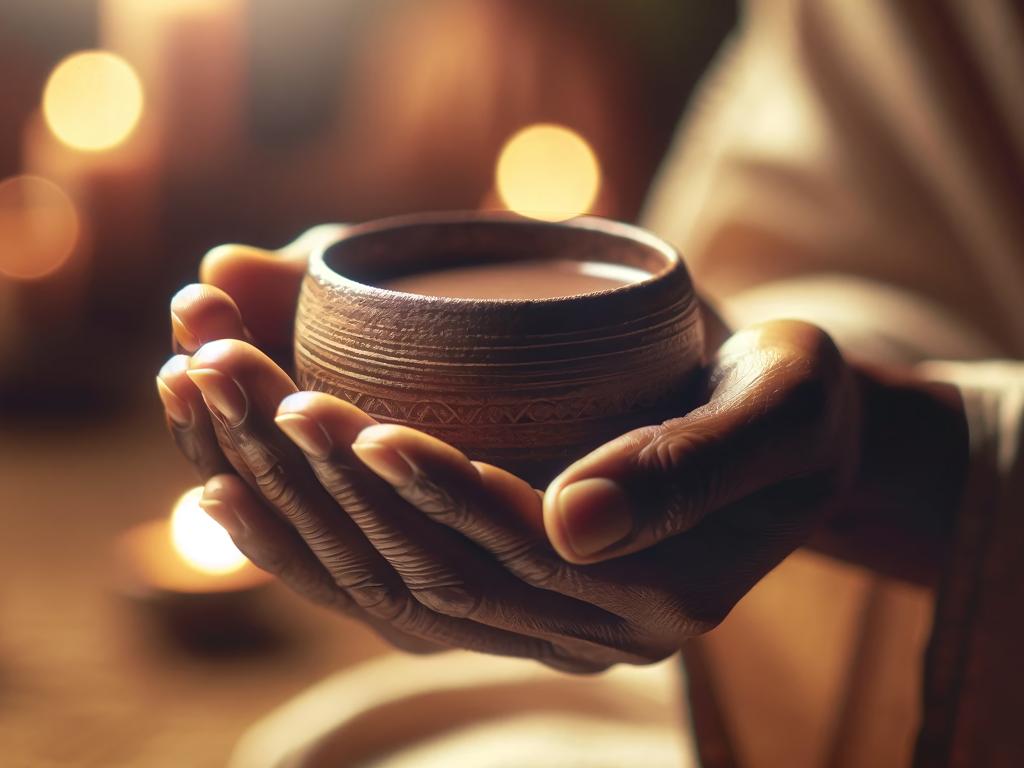
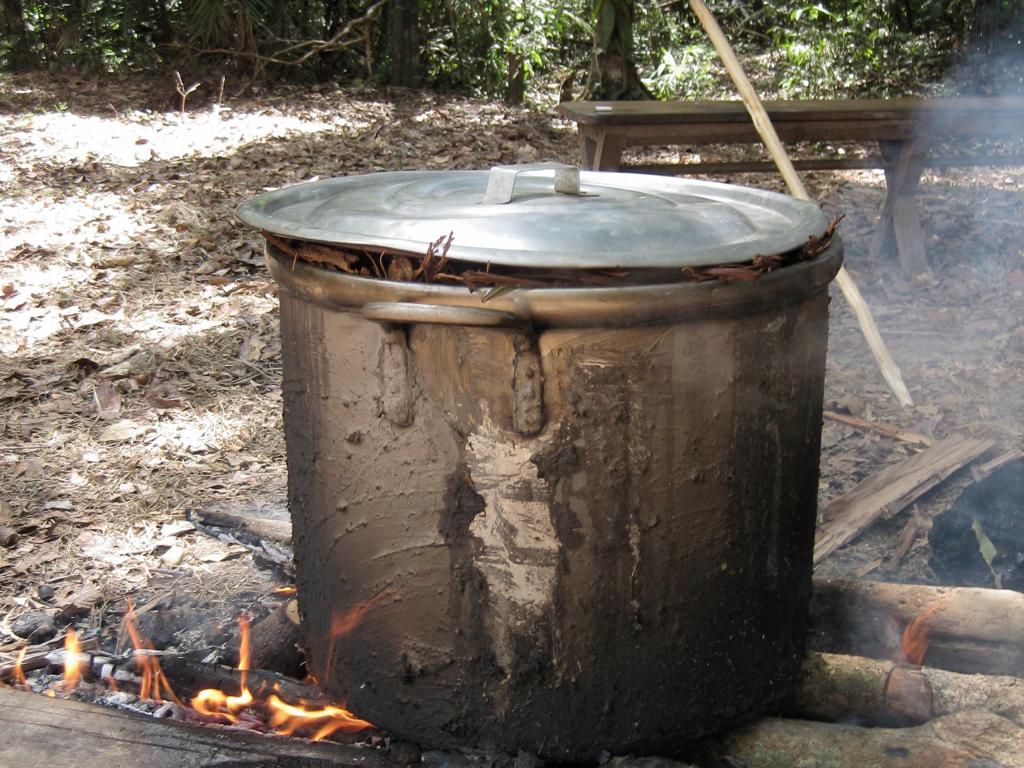
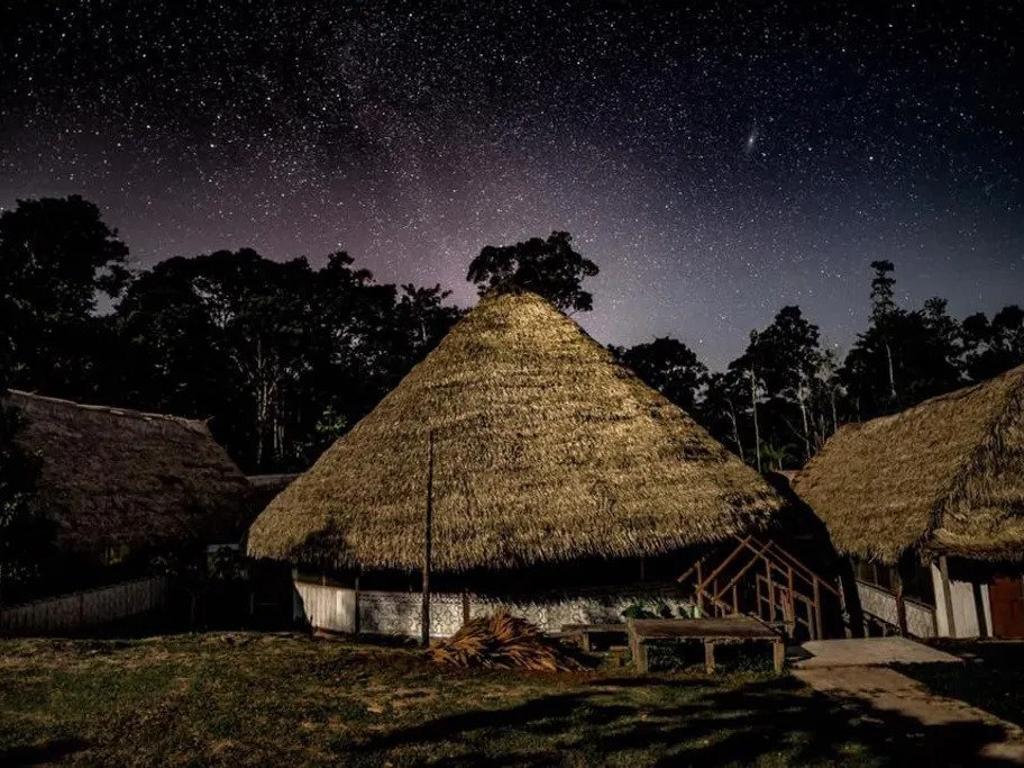
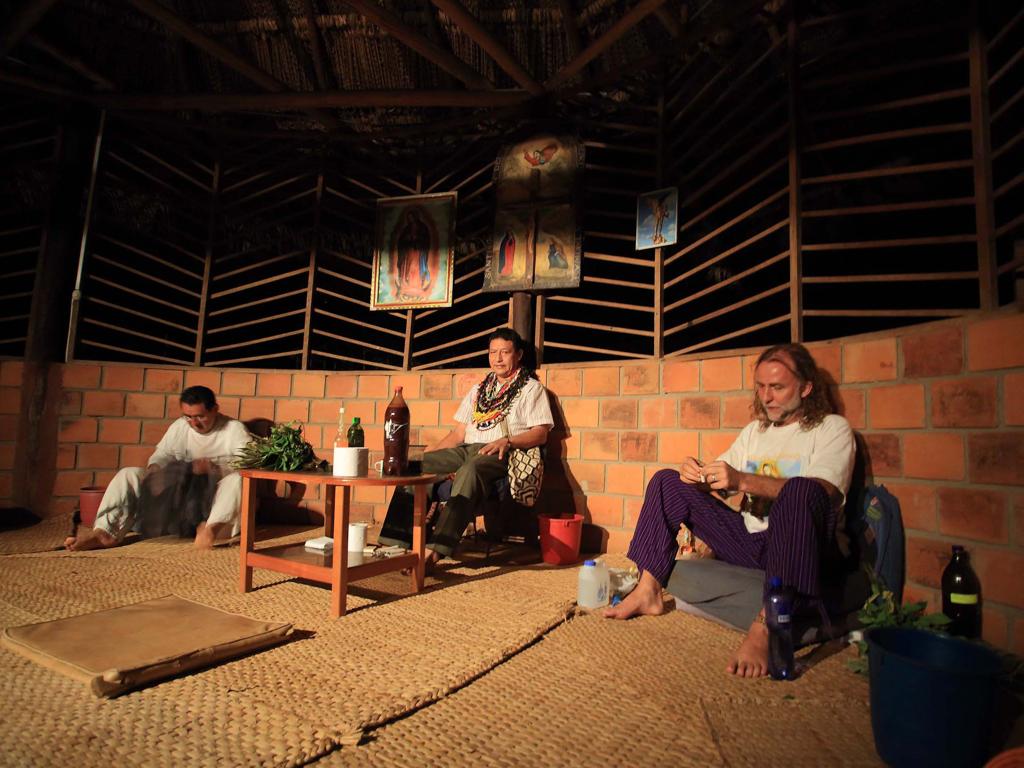
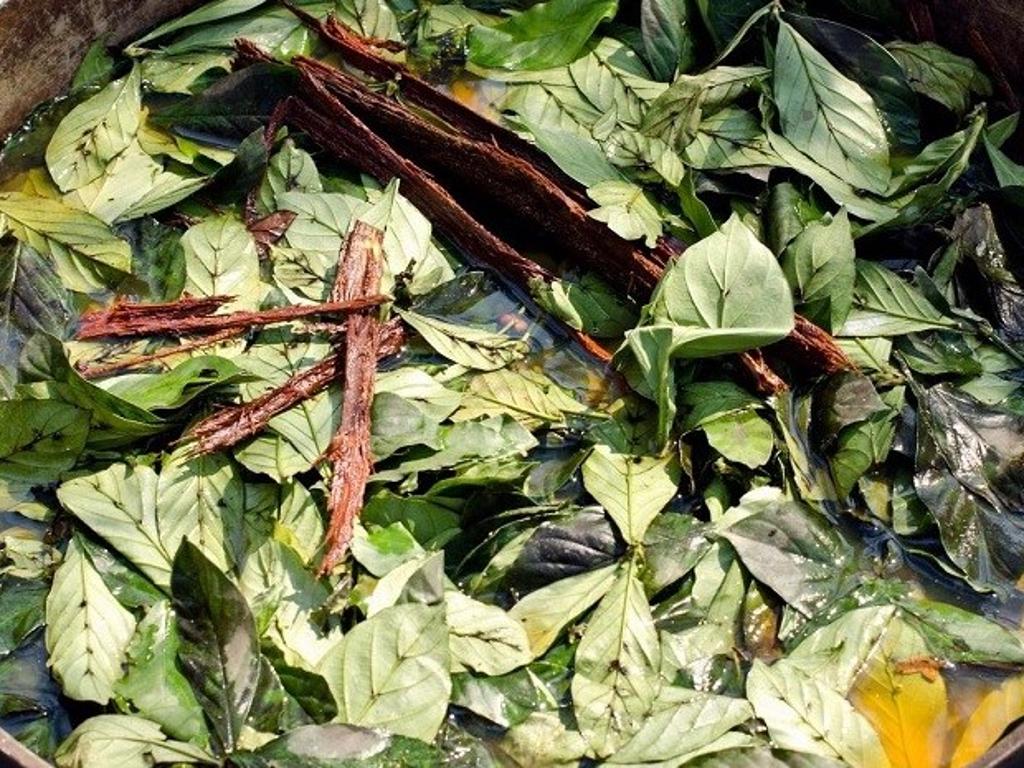
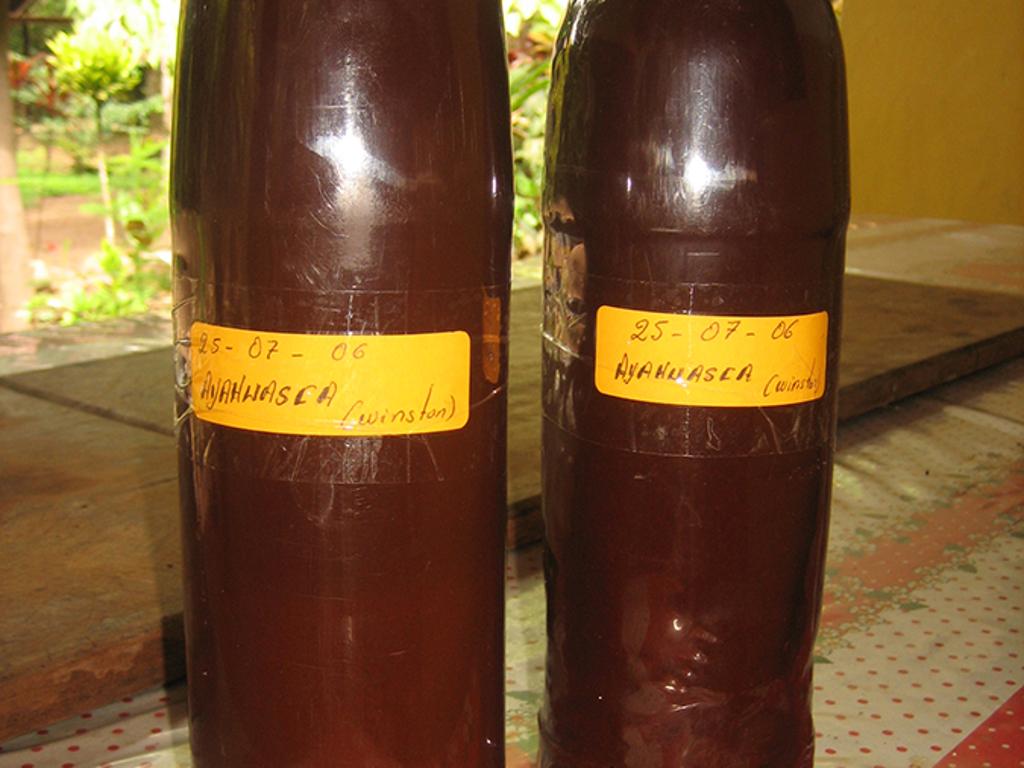
Ask ten people who've sat with ayahuasca what it was like, and you'll get ten genuinely different answers. One will describe weeping for an hour about a grandmother she barely remembered. Another will tell you about geometric light tunnels and a strange sense of being narrated to. A third will shrug and say nothing much happened — and then call you six weeks later because something definitely did. That spread is the whole point. Ayahuasca, the Amazonian brew that's been brewing quietly in Western consciousness for the past two decades, doesn't deliver a single tidy experience. It tends to show people the parts of themselves they've been carrying around without looking at. Some of those parts are luminous. Some are heavy. Most are both at once — which is why traditional facilitators often call it the medicine of duality. If you're reading this because you're weighing whether to book a retreat, here's the honest version of what's actually involved, why people keep going back, and what to think about before you commit. Ayahuasca is a tea brewed from two plants found in the Amazon basin: the Banisteriopsis caapi vine and, usually, the leaves of Psychotria viridis. The vine contains MAO inhibitors. The leaves contain DMT. Neither does much on its own — drink the leaves alone and your stomach destroys the DMT before it can reach your brain. The vine shuts down that enzymatic gatekeeper, which is why the combination, prepared and cooked for hours over a fire, produces one of the most profound psychedelic states humans know about. Indigenous peoples across the Amazon — the Shipibo, the Asháninka, the Shuar, and dozens of others — have been working with this brew for centuries, possibly much longer. It isn't a recreational substance in those traditions. It's a tool for diagnosing illness, resolving conflict, communicating with the spirits of plants, and teaching apprentice healers what they need to know. The fact that it's now consumed in repurposed yoga studios in Amsterdam and farmhouses in the Spanish countryside is a relatively new development, and one worth thinking about honestly. Most people start to feel something around thirty minutes after drinking. The taste is famously rough — a thick, bitter, earthy liquid that some people compare to fermented coffee grounds, others to something darker and harder to describe. The first sign is usually subtle: a tightening in the body, a quiet shift in the visual field, sometimes a wave of warmth or cold. Then the medicine takes hold properly, and the journey, which can last four to six hours, begins. People who haven't tried psychedelics tend to assume the main event is the visuals. Closed-eye geometry, color, strange landscapes — that stuff does happen, and for some it dominates the night. But the deeper effect ayahuasca tends to produce isn't visual at all. It's perspectival. You step outside the small, hurried self that's been making your decisions for years and you see it from a few paces back. You notice the loops it runs. The fears it pretends aren't fears. The story it tells about your relationships, your work, your worth. From this distance, certain things become embarrassingly obvious — the kind of obvious that's been hiding in plain sight for a decade. Participants often describe leaving a ceremony with a single quiet sentence in their head that reorganizes a whole area of their life. This is why ayahuasca has drawn so much attention from people dealing with addiction, depression, and trauma. The brew doesn't fix anything by itself. What it appears to do — and what limited research from groups in Brazil, Spain, and North America has begun to document — is open a window where the person can see their own patterns without the usual defenses. What they do with that window afterward is the actual work. Alongside the perspective shift, the senses tend to go strange. Sound becomes textured. The icaros — the medicine songs sung by the facilitator throughout the night — feel like they're moving through your body rather than reaching your ears. The candle in the corner of the room looks like it's breathing. The blanket on your lap feels heavier and more specific than it did an hour ago. None of this is hallucination in the everyday sense. It's more like the volume knob on perception gets turned up, and the filters that usually compress experience into background noise temporarily release their grip. For people who spend most of their lives running on autopilot, this alone can be a kind of revelation. Here's where a lot of glowing retreat marketing falls short. Ayahuasca is not always pleasant. In fact, it's frequently the opposite. The brew is famously called la purga — the purge — for a reason. Most people vomit at some point during the ceremony. Some have diarrhea. Many cry, sometimes for what feels like hours. A fair number meet versions of themselves or memories they've spent years actively avoiding. The traditional view holds that this is the medicine doing its work — clearing out emotional, energetic, and physical material that's been stuck. The modern psychological view holds something similar in different language. Either way, it's intense. A few things worth knowing before you commit: The term gets used a lot in the ayahuasca world, and it's worth unpacking. The night rarely gives you only joy or only suffering. More commonly, it hands you both, side by side, often in the same hour. You might weep over a relationship and then laugh at how seriously you've been taking yourself. You might confront a shame you've buried for twenty years and then feel a tenderness toward your younger self that you didn't know was available to you. This pairing of opposites isn't a glitch — it appears to be how the medicine teaches. You don't get the resolution without the discomfort. You don't get the clarity without first sitting with the confusion. People who arrive expecting a spa weekend tend to leave disappointed, or rattled, or both. People who arrive ready to do honest work tend to leave with something they can actually use. A few questions worth sitting with before you book anything: None of this is meant to talk you out of it. Plenty of people who sit with ayahuasca describe the experience as one of the most important things they've ever done. But the decision deserves the kind of attention you'd give to a serious therapy commitment or a major surgery — because in some ways, it sits in that category. If after sitting with all of this you find yourself still curious, a range of vetted ayahuasca retreats from facilitators across Europe, South America, and beyond can be browsed on our marketplace here. Take your time. The right ceremony, with the right people, at the right moment in your life is worth waiting for.
Ayahuasca in a Pill: What the Push to Standardize the Brew Really Means
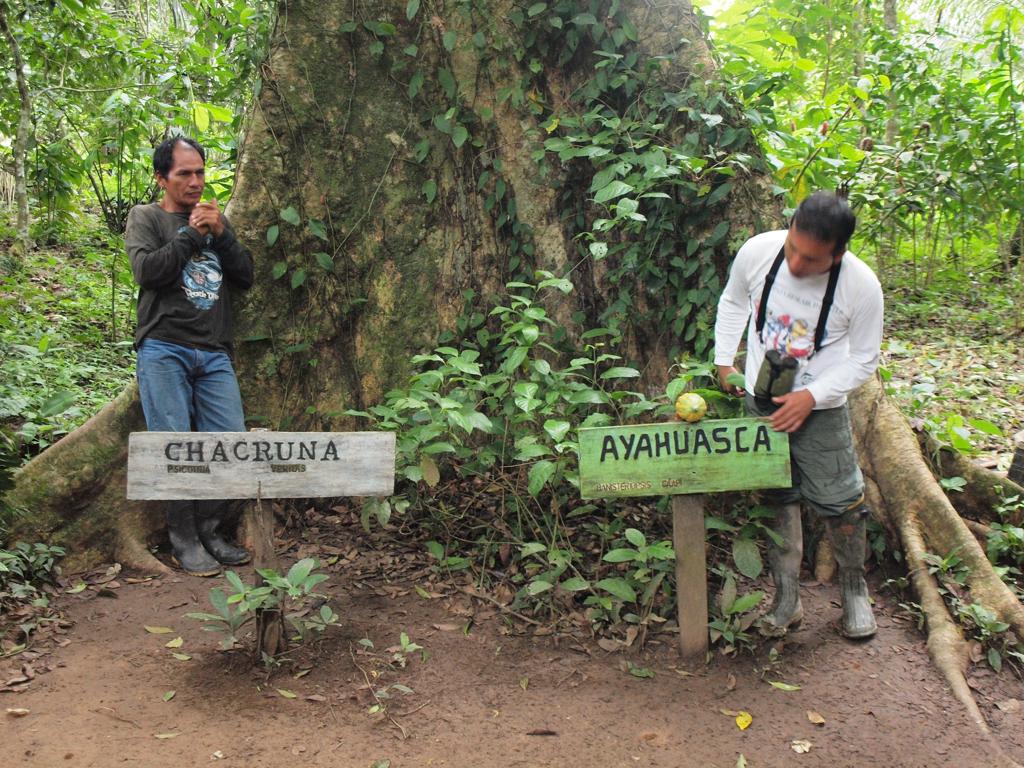
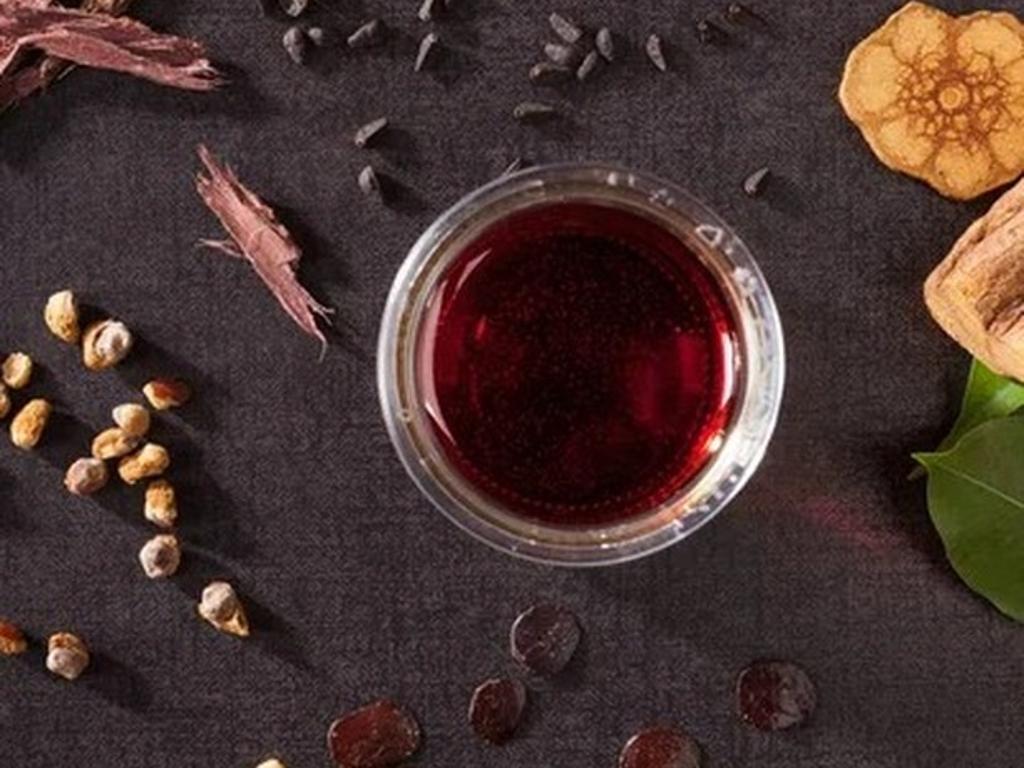
A pill version of ayahuasca. Read that again. The brew that Amazonian peoples have prepared in clay pots for centuries — the one that takes hours to cook, smells like wet earth and burnt molasses, and tastes like something your worst enemy might serve you — is now being engineered into a standardized capsule by a Canadian biotech firm. If you've been following the psychedelics space, you saw this coming. The race to medicalize plant medicine has been gathering speed for a few years now, and ayahuasca was always going to land in someone's lab. The question isn't really whether it would happen. It's what happens next — to the science, to the ceremony, and to the Indigenous communities whose knowledge made the medicine possible in the first place. Filament Health, a Canadian company working in the natural-products end of the psychedelic industry, announced it's developing a standardized extract drawn from the two plants traditionally used to brew ayahuasca: the chacruna shrub (Psychotria viridis) and the vine known across the Amazon as cipó-mariri or yagé (Banisteriopsis caapi). The chacruna leaf provides DMT, the molecule largely responsible for ayahuasca's famous visions. The vine contains MAO inhibitors — the chemical key that allows DMT, normally broken down in the gut, to reach the brain when taken orally. Without one, the other doesn't work. That pharmacological partnership is part of why ayahuasca has fascinated researchers and Indigenous peoples alike: it's a piece of biochemical sophistication that was figured out in the rainforest long before anyone could spell tryptamine. Filament's pitch is that their extract preserves the full chemical fingerprint of both plants — the alkaloids, the beta-carbolines, the supporting compounds — rather than just synthesizing DMT and harmine separately. They're banking on something the cannabis world calls the entourage effect: the idea that the whole plant matrix does something more nuanced than its isolated parts. And unlike a traditional brew, where potency swings wildly from one batch and one curandero to the next, a pill can be dosed to the milligram. For clinical research, this is a real argument. A 2018 trial at Brazil's Federal University of Rio Grande do Norte showed ayahuasca producing rapid and lasting improvements in patients with treatment-resistant depression — the kind of result that turns heads at psychiatric conferences. But that study used brew sourced from a Barquinha church, and the next study elsewhere would use a different brew with a different chemical profile. Reproducing results across labs becomes a guessing game. A standardized capsule sidesteps that. Phase I and Phase II trials need known doses. The FDA needs known doses. Insurance companies, eventually, will need known doses. If ayahuasca is going to enter mainstream addiction recovery and mental-health care — and there are credible reasons to think it could help with depression, PTSD, and substance dependence — somebody, at some point, has to put it in a form regulators can stamp. Filament has partnered with the University of California San Francisco's translational psychedelic research group on this work. Their psilocybin extract program is further along (Phase II); the ayahuasca side is still early. Here's where it gets uncomfortable. Ayahuasca is not an invention. It is, by every honest account, a gift of Indigenous Amazonian knowledge — refined across hundreds of generations by Shipibo, Asháninka, Shuar, Cofán, and dozens of other peoples who don't get cited in patent filings. The Nagoya Protocol, an international biodiversity treaty most countries have signed, requires that any commercial use of traditional biological knowledge involve prior informed consent from the source communities and a real benefit-sharing arrangement. Not a press release. Not a vague promise. An actual agreement. When asked which Indigenous groups had consented to Filament's project, the company's CEO said they'd consulted with communities in Peru but declined to name them or share details, citing the early stage of research. That answer hasn't satisfied anyone who's been watching this space. The 4th Indigenous Ayahuasca Conference — which gathered representatives from 35 traditional groups — issued a clear public statement against the patenting and commercialization of ayahuasca. They didn't leave room for interpretation. Beatriz Labate, the anthropologist who runs the Chacruna Institute and has spent her career inside this conversation, asked the questions a lot of us are asking: These aren't rhetorical jabs. They're the actual ethical hinges this whole industry will swing on. Short answer: not really. Ayahuasca itself isn't patentable in any honest legal sense — there's no novel invention in something humans have been brewing since before writing existed. A U.S. patent issued in 1986 on a strain of Banisteriopsis caapi was eventually overturned after years of Indigenous-led legal pressure, and that case set an important precedent. What companies can patent are extraction methods, stabilization processes, specific formulations. Filament could plausibly hold IP on how it pulls the alkaloids out, how it preserves them, how it dose-standardizes the capsule. That's where the legal architecture sits — and where the ethical fight will keep happening. Some companies are trying to get ahead of this. Journey Colab, which is developing a synthetic mescaline therapy for alcohol use disorder, published what they call a patent pledge: a public commitment not to enforce their patents against traditional and ceremonial uses of peyote and San Pedro. They've also set aside 10% of founding equity in a Reciprocity Trust benefiting Indigenous communities and equitable-access programs. Filament has said it's looking at something similar, and notes that 10% of its own founding shares went to a separate Filament Foundation focused on the broader natural-psychedelic space. Whether these pledges become real, enforceable structures or marketing language is something we'll only know in five or ten years. The track record of pharma making good on benefit-sharing promises is, let's say, mixed. If you're reading this because you're weighing a ceremony, the pill conversation might feel abstract. It's not. Here's how it touches the decision you're actually making: Plant medicines are walking a path that cannabis, kratom, and dozens of other botanicals walked before them: from sacred or folk use, through research, into pharmaceuticals, and eventually onto a shelf. Each transition extracts something — usually the molecules — and leaves something behind. The leaving-behind is what Indigenous leaders keep trying to name. None of this means clinical ayahuasca research is wrong. Treatment-resistant depression is brutal, and so is the addiction epidemic that's killing people in numbers we've stopped being able to process. If a standardized extract can reach patients who'd never make it to Peru, that's not nothing. But the path matters. How it gets to those patients — whose knowledge it was built on, who shares in the benefit, whether the forest and the people who tend it are protected — those questions don't disappear because the science is promising. If you're curious about experiencing the traditional form before the conversation tips further toward pharmaceuticals, a range of vetted ayahuasca and plant-medicine retreats can be browsed on our marketplace here. Whatever you decide, ask the hard questions — of the company selling the pill, of the retreat selling the ceremony, and honestly, of yourself about why you're drawn to either one.
Ayahuasca and Meditation: Why Both Rewire the Brain in Similar Ways
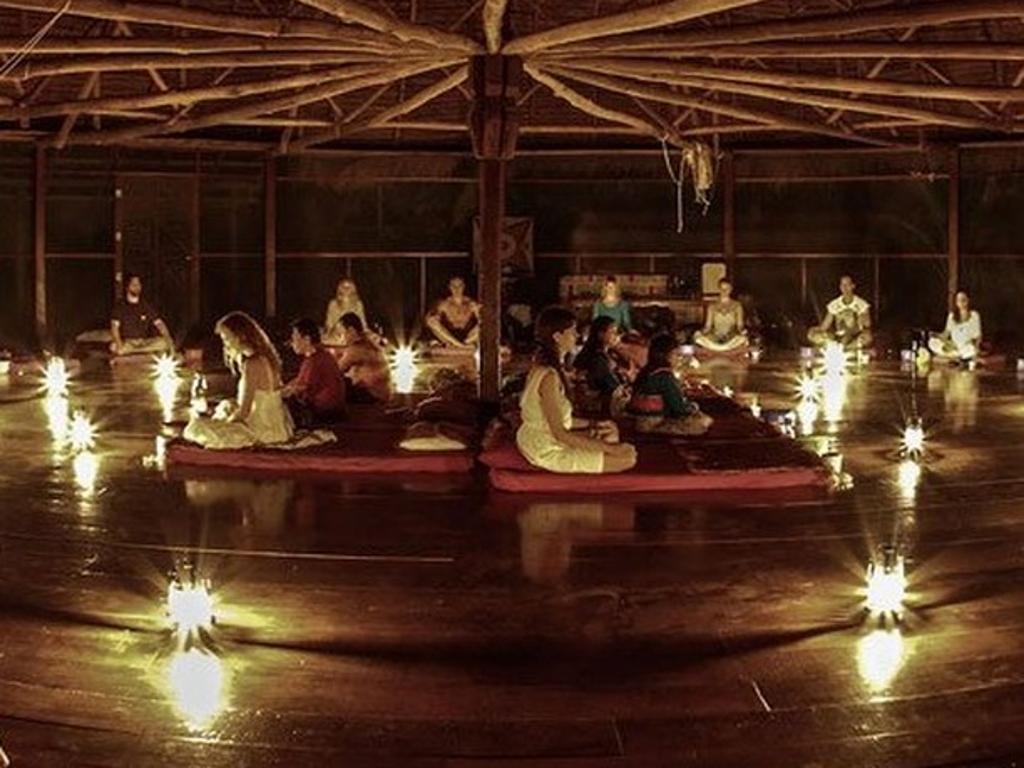
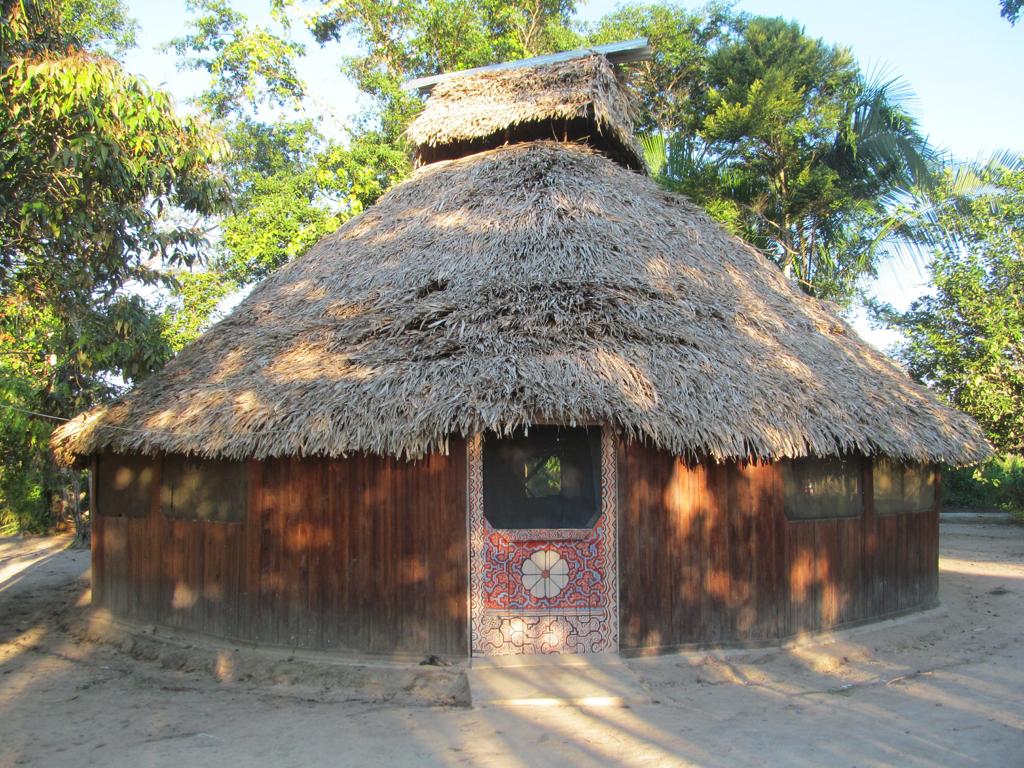
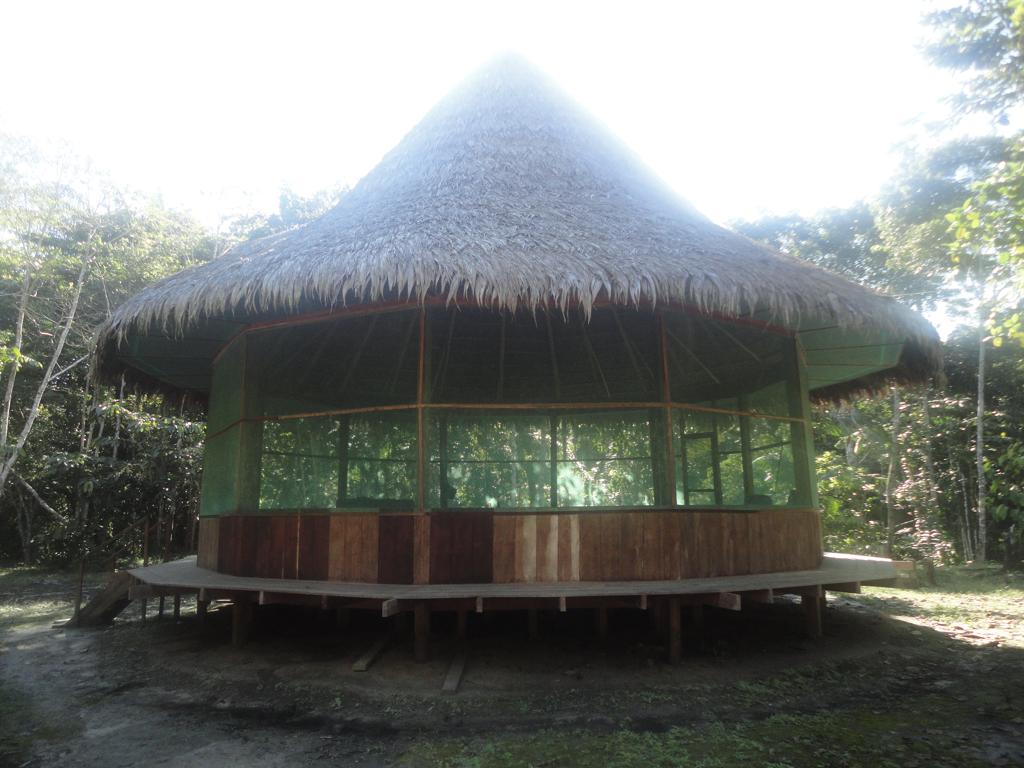
Picture two scenes. In one, somewhere off a muddy trail in the Peruvian Amazon, a thatched ceremonial house glows with candlelight while an Onanya healer pours a thick, bitter brew into a wooden cup. In the other, a neuroscientist in a Barcelona hospital watches brain scans flicker across a monitor as a volunteer comes down from that very same medicine. Different rooms. Different languages. Oddly similar findings. That's the part that keeps catching researchers off guard. The traits that show up in long-term meditators — the people who've logged thousands of hours on the cushion — are showing up in people who've sat with ayahuasca a handful of times. Openness. Optimism. A particular kind of mental distance from one's own thoughts. For anyone weighing whether a psychedelic retreat could help with depression, addiction, or the kind of stuck thinking that grinds you down for years, this overlap matters. The trait researchers keep pointing to is called decentering. It's a clunky word for something most of us have glimpsed once or twice. Decentering is the ability to watch a thought arise — say, I'm worthless or I'll never get past this — and recognise it as a thought, not as a fact about who you are. You see it. You don't become it. This is one of the explicit aims of mindfulness practice. It's also a documented target of certain evidence-based depression treatments, particularly mindfulness-based cognitive therapy. People who score higher on decentering tend to score lower on measures of anxiety, depression, and unresolved grief. That's not a fringe claim. It's been replicated across plenty of studies of long-term meditators. What's newer is the finding that ayahuasca seems to nudge people toward the same psychological territory — and faster. Volunteers in studies run by groups like the Beckley Foundation report higher decentering scores after ceremony, and those scores track with reductions in depressive symptoms and improvements in overall well-being. The brew, in other words, appears to be giving people a glimpse of a mental skill that monks spend decades cultivating. Surveys can only take you so far. People sometimes report feeling better because they expect to feel better, or because they paid a lot of money to go sit in the jungle and would prefer not to feel like idiots. That's why the neuroimaging work matters. In Barcelona, neurologist Jordi Riba has been scanning the brains of depressed volunteers who've taken ayahuasca. In one small study of seventeen people with depression, scans showed a noticeable drop in activity in brain regions that tend to be overactive in depressed and anxious people — particularly the parts associated with rumination and the constant self-referential chatter that keeps depressive loops spinning. Follow-up work with long-term ayahuasca users has suggested those same regions may actually be physically smaller. The pattern lines up with what David Nutt at Imperial College London has been describing for years. People with depression or addiction, he argues, get locked into patterns of thought driven by the brain's control center — what neuroscientists call the default mode network. Psychedelics seem to temporarily knock that network offline. The mind goes loose. New connections form. And for some people, the rigid loop they've been stuck in for a decade simply opens. Long-term meditators, it turns out, also show quieter default mode networks. Same brain region. Same dampening effect. Two completely different routes to the same neurological neighbourhood. If you've landed on this article, there's a decent chance you're not reading it for the science alone. You're trying to figure out whether a ceremony, or a week-long retreat, or a longer stretch with master plants might actually do something for you. Fair question. Here's what the research above suggests — and what it doesn't. What it suggests: What it doesn't suggest: Ayahuasca isn't alone here. Research out of NYU and Johns Hopkins on psilocybin — the active compound in magic mushrooms — has produced strikingly similar results in people with treatment-resistant depression, end-of-life anxiety, and alcohol use disorder. Ibogaine, used for opioid addiction, appears to interrupt withdrawal and compulsion in ways no pharmaceutical has matched. San Pedro and peyote, both mescaline-bearing cacti, have their own long traditions of use for psychological and spiritual healing. In Amazonian traditions, ayahuasca sits within a broader category called master plants — teacher plants taken under dieta, sometimes for weeks at a time, to address specific physical, emotional, or spiritual issues. It's a framework worth understanding before booking anything. The medicine isn't the whole picture; the relationship between participant, facilitator, plant, and integration is. One useful comparison to chew on: meditation is free, available anywhere, and works — slowly, reliably, for those who commit. Plant medicine is expensive, geographically inconvenient, legally complicated in most countries, and works — sometimes dramatically, for those who commit to the much harder integration work afterward. Neither one is a shortcut. They're different on-ramps to the same territory. If the research above has you genuinely curious rather than just intrigued, a few things worth knowing before you put down a deposit: The reason any of this matters is that the brain changes the research is documenting don't happen in a vacuum. They happen inside a container — the setting, the people, the songs, the silence afterward. Get the container right and the medicine has somewhere to land. Get it wrong and you've spent a lot of money to feel sick in a hut. The most honest thing I can tell you, after years around this work, is that the people who get the most from plant medicine tend to be the ones who didn't arrive expecting it to fix them. They arrived curious. They did the prep. They sat with what came up — pleasant or otherwise — and then they kept doing the work once they got home. Meditation, therapy, journaling, time with people who knew them before. The retreat was the doorway, not the destination. The science is catching up to what Amazonian traditions and contemplatives have been saying for a long time: there's more than one way to quiet the noisy part of the mind that's been making you miserable. Some people find it on a cushion. Some find it in a maloca at three in the morning. For readers who want to take this further, a range of curated ayahuasca and plant-medicine retreats can be browsed on our marketplace here. Whatever you choose, choose it with your eyes open.
Aaron Rodgers and Ayahuasca: What His Plant Medicine Journey Tells Us
A few years back, when Aaron Rodgers casually mentioned on a podcast that he'd done ayahuasca twice in Peru and considered it one of the most meaningful experiences of his life, the sports internet did what the sports internet does. It made memes. It clutched pearls. It treated the whole thing as another item in the quarterback's growing catalogue of weird wellness choices, somewhere between the hyperbaric chamber and the dolphin-sex-sounds rumour. But if you're someone actually considering a plant medicine retreat — and if you've landed here, there's a decent chance you are — Rodgers' very public arc through ayahuasca, psychedelics, and master plants is worth a closer look. Not because a Super Bowl ring makes him an authority on consciousness. It doesn't. But because his story illustrates something the broader conversation around psychedelic healing keeps bumping into: high-profile people are using these medicines, they're talking about the results, and a lot of regular folks are quietly wondering whether they should too. So let's sort the signal from the noise. What did Rodgers actually do? What does the research say about ayahuasca and psychedelics for the kinds of issues he described — anxiety, identity questions, addiction-adjacent patterns? And if any of this resonates with where you are right now, what would a thoughtful path forward actually look like? In interviews with Aubrey Marcus and others, Rodgers described two ayahuasca ceremonies in Peru that he framed as the source of his back-to-back MVP seasons — though he was careful to say the medicine wasn't a performance enhancer in any direct sense. What it did, in his telling, was help him love himself more fully, soften the inner critic, and reconnect with what he called "unconditional love." That language gets eye-rolls from people who haven't sat with the medicine. Which is fair. It sounds like the kind of soft-focus retreat brochure copy that any reasonable adult would mock. But here's the thing: it's also a pretty accurate, if compressed, description of what a lot of people report after a well-held ayahuasca ceremony. The vocabulary is limited. The experience isn't. Rodgers also talked about the difficulty of the ceremonies themselves — purging, confronting fear, sitting with old material from childhood and earlier relationships. He didn't paint it as a vacation. He painted it as work. And that, more than anything, is the part of his account worth trusting. Ayahuasca is a brew traditionally prepared in the western Amazon — Peru, Ecuador, Colombia, Brazil — by combining the Banisteriopsis caapi vine with the leaves of Psychotria viridis (or a similar DMT-containing plant). The vine contains MAO inhibitors that allow the DMT in the leaves to become orally active. Drink it on its own and your body breaks the DMT down before it does anything. Drink them together and you get a four-to-six-hour experience that participants often describe as the most psychologically intense thing they've ever done. Indigenous groups have used the brew for centuries — possibly much longer — for healing, divination, and what's often translated as "soul retrieval." In the lineages that take it seriously, ayahuasca is considered a master plant: a teacher, not a drug. That framing matters. It's not a recreational substance and it's not designed to feel good. It's designed to show you what you've been avoiding. Modern research is still early but increasingly serious. Studies out of Brazil, Spain, and the U.S. have looked at ayahuasca's effects on depression, PTSD, and substance use disorders. The results aren't a cure-all, but they're consistent enough that organizations from Johns Hopkins to Imperial College London are watching the space closely. This is where Rodgers' story gets more interesting, and where the science is moving fastest. The quarterback hasn't publicly described an addiction in the clinical sense, but he's been open about cycles of self-criticism, family estrangement, and the kind of psychological loops that anyone in recovery would recognise. The research on psychedelics for addiction is some of the most promising work in mental health right now. A few highlights worth knowing about: The mechanism isn't fully understood, but the working theory goes something like this: addictions are often rigid patterns of avoidance — ways of not feeling something. A high-dose psychedelic experience temporarily dissolves the defensive structures that keep those patterns in place, and a few hours of honest contact with what's underneath can reset something that years of talk therapy couldn't budge. That's the optimistic version. The honest caveat: psychedelics don't do the work for you. They open a door. You still have to walk through it, and you still have to live differently when the ceremony ends. The people who get lasting benefit are almost always the ones who took integration seriously — meaning therapy, community, lifestyle changes, sometimes for years after. If Rodgers' account has made you curious enough to look into a retreat yourself, a few practical things to know before you start clicking through websites. A reputable ayahuasca retreat is not a wellness vacation. It's typically four to ten days, often in a remote part of Peru, Costa Rica, or Brazil, with two to five ceremonies held overnight. The days between ceremonies involve a strict diet (no salt, sugar, pork, alcohol, sex — the famous dieta), conversations with facilitators, and a lot of unstructured time for reflection. You will probably be uncomfortable. You will almost certainly purge. You may not enjoy yourself in the conventional sense. Things to look for when evaluating a retreat: Ayahuasca gets the headlines, but it's one tradition among several. Rodgers has hinted at curiosity about other plant medicines, and the broader field is rich: San Pedro (huachuma) is a cactus from the Andes containing mescaline. The experience is longer than ayahuasca — often twelve hours — and many people describe it as gentler, more heart-centred, less confrontational. It's often used for grief, relationship work, and reconnecting to the natural world. Psilocybin mushrooms are increasingly available in legal retreat settings in Jamaica, the Netherlands, and Oregon. They tend to be more visually rich and somewhat more predictable in dose than ayahuasca, which makes them appealing for first-time journeyers. Ibogaine is the heavyweight for opioid addiction specifically. It's also the most medically risky of the major plant medicines — it can affect heart rhythm — and should only be approached in clinics with cardiac monitoring. None of these are interchangeable. Choosing one over another isn't a matter of preference so much as fit — what you're working with, what your medical history allows, and what tradition speaks to you. Aaron Rodgers will believe what he believes about wellness, and a chunk of his catalogue — the dolphin sounds, the ivermectin, the diluted virus story — falls somewhere between unproven and actively concerning. But ayahuasca isn't in that pile. The plant has a centuries-deep lineage, a growing body of clinical research, and a generation of regular people quietly reporting that it helped them with things nothing else touched. If you're sitting with depression, addiction, trauma, or the specific kind of stuck-ness that no amount of journaling seems to crack — psychedelic healing is worth knowing about. Not as a silver bullet. As one tool, used carefully, in the right setting, with the right people, followed by months of real integration work. For readers who want to take this further without wading through a hundred sketchy websites, a curated range of ayahuasca and plant medicine retreats can be browsed on our marketplace here. Whatever you choose, choose slowly. The medicine isn't going anywhere, and the decision deserves the same seriousness as the experience itself.
Ayahuasca and Nature: What an Amazonian Retreat Actually Does to Your Mind
There's a moment, somewhere around the third or fourth ayahuasca ceremony, when people start saying odd things. Not visionary things — those come earlier. I mean the quiet remarks at breakfast about a particular tree, or the way someone keeps drifting back to the same stretch of riverbank between ceremonies. Something has shifted in how they're seeing the place. For years, this kind of report sat in the anecdotal pile. Trip stories. Integration journals. The sort of thing you hear at a retreat but rarely see written up in a journal with proper statistics attached. That's begun to change. A pilot study published in Drug Science, Policy and Law looked at exactly this question — does sitting with ayahuasca in the Amazon actually change a person's felt connection to nature? — and the answer, with the usual caveats, appears to be yes. The team followed 43 participants through an Indigenous-led ayahuasca retreat at the Ayahuasca Foundation, a center deep in the Peruvian Amazon. The ceremonies were conducted in an adapted Shipibo format, led by Indigenous shamans, with participants attending anywhere from four to eleven ceremonies over stays that ranged from ten days to a full month. The average person sat in roughly six ceremonies. Before their first ceremony and the morning after their last, participants filled out a set of standardized inventories. Two measured what psychologists call “nature relatedness” — essentially, how deeply you feel woven into the natural world rather than separate from it. The other measured depression, anxiety, and stress. Nothing exotic about the instruments. These are the same scales used in plenty of mainstream psychology research. What makes this study slightly unusual isn't the methodology. It's the setting. Most psychedelic research happens under fluorescent lights in clinical rooms. This one happened in a maloca surrounded by jungle, with no cell service, limited electricity, and the constant hum of insects and frogs as the soundtrack to every ceremony. Three things moved significantly between pre- and post-retreat measurements: One thing didn't move: anxiety. Scores on the anxiety subscale were essentially flat. The researchers offer a reasonable explanation — being at a remote jungle retreat, away from everything familiar, drinking a brew that has a reputation for being intense, is itself an anxiety-provoking situation. The questionnaire was asking about the past week, and the past week included some genuinely nerve-rattling experiences. So a null result there isn't really a failure; it's an honest read of the environment. The more interesting finding is the correlation between the changes. People whose nature relatedness rose the most also tended to be the ones whose stress dropped the most. That link held up statistically. Whatever was shifting in their relationship to the natural world seemed tied to what was shifting in how their nervous system felt. This is the question that always hangs over plant medicine research, and it's the right one to ask. Sit in a maloca for two weeks with no phone, no email, eat plain food, follow a strict dieta, fall asleep listening to monkeys — of course you're going to feel more connected to nature. You'd probably feel that way without drinking anything. The researchers are careful about this. They don't claim ayahuasca alone is doing the work. They lay out the obvious confounders: So yes, context matters. A lot. But there's also evidence from controlled laboratory studies, where people drink psilocybin or LSD under sterile clinical conditions with no jungle in sight, showing similar shifts toward nature relatedness afterward. That suggests the molecule itself is doing something, even when stripped of every romantic setting. The honest answer is probably that both the plant and the place are pulling in the same direction, and at a real retreat they amplify each other. If you're reading this because you're considering a retreat for depression, addiction, or just being stuck — the nature-relatedness angle might sound like a sideshow. It isn't, and here's why. Decades of environmental psychology research has tied higher nature relatedness to better emotional regulation, more psychological resilience, more reported vitality during stressful periods, and greater overall well-being. People who feel embedded in the natural world appear to have a sturdier nervous system on average. They cope better. They report more meaning. They're less likely to spiral. So when an ayahuasca retreat produces a measurable jump in this trait — and that jump correlates with a drop in stress — it's pointing at something potentially important. It suggests the mental-health benefits people report after plant medicine aren't only about resolving specific traumas or breaking specific patterns. Part of the benefit may come through this slower, more ambient shift in how a person locates themselves in the world. Less alone. More part of something. Less convinced that the planet is wallpaper for human drama. One researcher cited in the paper argues that maximizing nature relatedness during psychedelic administration may be an underrated path to better outcomes. If that's true, the implications for retreat design are interesting. The jungle setting isn't decorative — it might be load-bearing. A pilot study with 43 participants and no control group can't prove much on its own. The researchers are upfront about this. But if you're weighing whether to spend the money and the time on an Amazonian retreat versus, say, a weekend ceremony closer to home, the findings are worth chewing on. A few honest takeaways: What I find interesting about studies like this isn't the headline finding — most people who've sat with ayahuasca already suspected something like this was happening. It's that the research community is finally taking the phenomenology seriously enough to measure it. For a long time, the visionary content of these experiences was treated as noise. Side effects. Pretty wallpaper around the “real” pharmacological action. Slowly, that view is shifting. The content of the experience — the trees, the river, the songs, the feeling of being held by a living world — might be part of the active mechanism, not a distraction from it. That has implications well beyond retreats. It hints at why nature-based mental health interventions, forest bathing protocols, and even time spent gardening keep showing measurable benefits in trials. Plant medicines may be working on the same neural and psychological circuitry, just turned up to eleven. None of this is a green light to book the first retreat that pops up in your search results. Quality of facilitation, screening for contraindications, integration support, and the ethics of how Indigenous knowledge is being used all still matter enormously. Ayahuasca isn't a vacation, and the centers running responsible operations look meaningfully different from the ones running tourist mills. If something here speaks to you, the ayahuasca retreats discussed across this broader Amazonian tradition can be browsed and booked on our marketplace here. Take your time with the decision. The jungle isn't going anywhere, and the question of whether to drink the vine deserves a slower yes than most things in your life right now.
Craving More Stories?
Join our ShopAyahuascaRetreats newsletter for the latest updates on thrilling
destinations and inspirational tales, delivered straight to your inbox!
We value your privacy. Your email address will never be shared or published.
How Ayahuasca's Chemistry Actually Works: DMT, Harmine, and the Synergy Question
Here's a question I get from almost every first-timer I talk to: what exactly is in ayahuasca, and why does it work the way it does? Most people show up to a ceremony knowing the brew contains DMT and some kind of MAO inhibitor. That's about where the knowledge stops. And honestly, for a long time, that's about where the published science stopped too. But a growing body of pharmacology research has been quietly chipping away at the question. A systematic review published in the Brazilian Journal of Psychiatry pulled together sixteen studies on the chemistry of ayahuasca and tried to answer something deceptively simple: do these compounds just add to each other, or do they do something more interesting when they're combined? The answer matters — not just for chemists, but for anyone weighing whether to sit in ceremony with traditional brew versus the synthetic, isolated, or capsule-form alternatives now floating around the psychedelic landscape. Traditional ayahuasca is brewed from two plants: the vine Banisteriopsis caapi and the leaves of Psychotria viridis. The leaves carry N,N-dimethyltryptamine — DMT, the famously short-acting psychedelic that, taken on its own by mouth, does absolutely nothing. Your gut enzymes destroy it before it can reach your brain. That's where the vine comes in. B. caapi contains a family of compounds called beta-carbolines — primarily harmine, harmaline, and tetrahydroharmine (THH). These are reversible monoamine oxidase inhibitors, or MAOIs. They block the enzyme that would otherwise dismantle the DMT, allowing it to survive the trip through your digestive system and reach the receptors that produce the experience. Without the vine, the leaves are inert. Without the leaves, the vine is something else entirely — a purgative, a dream-inducer, a teacher plant in its own right according to the curanderos, but not the full ayahuasca experience. That much has been understood for decades. The harder question is what the harmala alkaloids are doing beyond protecting the DMT. And that's where things get interesting. Early work by McKenna and colleagues in the 1980s proposed that mixing the beta-carbolines together produced effects that were merely additive — basically, the sum of their individual MAO-inhibiting strengths. Neat, tidy, and a little boring. Later studies started complicating the picture. Researchers found that regular ayahuasca drinkers showed increased serotonin transporter binding sites on their platelets — a change that didn't appear in studies of DMT alone. Glennon's work in 2000 showed that harmala alkaloids themselves bind to 5-HT2 receptors, the same family of serotonin receptors DMT activates. So the vine isn't just a chaperone; it's nudging the same neurochemical machinery from a different angle. Then there's harmine on its own. A 2010 rat study found that chronic harmine administration produced antidepressant-like effects and raised levels of BDNF — brain-derived neurotrophic factor — in the hippocampus. BDNF is roughly the brain's fertilizer for growing new connections. A 2017 study went further and showed that harmine stimulated adult neurogenesis in cultured hippocampal cells. Meaning: harmine, alone, may help the brain grow new neurons. That's not what you'd expect from a molecule whose job description was supposed to be "keep DMT alive long enough to work." Human pharmacology studies have filled in more of the picture. Riba and colleagues found that ayahuasca produced significant activation in the frontal and paralimbic regions of the brain — the areas tied to emotional processing, self-reflection, and what neuroscientists call interoception, the felt sense of your own body. Brain imaging showed increased blood flow in the anterior insula, anterior cingulate, and the amygdala/parahippocampal complex. These are exactly the regions you'd want to engage if your goal is to confront stored trauma, examine ingrained patterns, or experience something like ego dissolution. Sampedro's 2017 work on the so-called psychedelic "afterglow" is one of the more striking findings in this whole literature. Participants showed measurable changes in brain chemistry and connectivity that persisted well after the acute experience ended. Reduced glutamate signaling in the posterior cingulate cortex. Increased connectivity between regions involved in self-awareness and emotional regulation. And — this is the part that matters for anyone considering a retreat — those neural changes correlated with increases in mindfulness traits like nonjudgmental awareness and self-compassion, and those traits were still elevated two months later. So when retreat-goers say something shifted in them and stayed shifted, they're not making it up. Something measurable is going on under the hood. You might be wondering why any of this pharmacology trivia should affect a decision about whether to drink the brew in a maloca in Peru. Fair. Here's why it matters in practical terms. The psychedelic industry is in the middle of a quiet identity crisis. Several biotech companies are working on synthetic alternatives — isolated DMT, harmine pills, time-released formulations, pharmahuasca capsules. The pitch is consistency, safety, and avoiding the rougher edges of the traditional brew (the nausea, the long duration, the variable potency). And there's a real case for that approach, especially in clinical contexts. But if the harmala alkaloids are doing more than just protecting DMT — if harmine alone is stimulating neurogenesis, if THH has its own SSRI-like activity, if the beta-carbolines are nudging serotonin receptors independently — then stripping the brew down to "just DMT plus an MAOI" might miss something important. The whole may genuinely be more than the sum of its parts. This is the part the curanderos have been saying all along, in their own language. The vine is a teacher. The leaf is a teacher. Together they teach something neither could teach alone. The pharmacology is starting to catch up to what indigenous practitioners have known for centuries. I don't think you need to memorize receptor names before you sit in ceremony. But a few practical takeaways are worth holding onto: Science on ayahuasca is still young. Most of these studies have small sample sizes. Some are in rats, not humans. The freeze-dried brew used in clinical trials isn't quite the same as what gets served on the second night of a Shipibo ceremony. And the synergy question — additive vs. truly synergistic — isn't fully resolved. The systematic review's authors are clear about this: there appear to be more synergistic mechanisms at work than current research can explain. Which is roughly where the curanderos have been pointing for centuries, if you ask them. The plants know things the pharmacology papers haven't gotten to yet. That doesn't make the science wrong — it just makes it incomplete, the way all science is incomplete on the way to better understanding. If reading this has made you more curious rather than less, that's probably the right response. A range of vetted ayahuasca ceremonies and plant-medicine retreats can be browsed on our marketplace here, and looking through them is a useful way to start translating the chemistry on the page into a concrete sense of where and with whom you might eventually sit. Take your time with the decision. The brew, after all, has been around for a very long time and will still be there when you're ready.
One-Day Ceremony or Multi-Day Ayahuasca Retreat: Which Is Right for You?
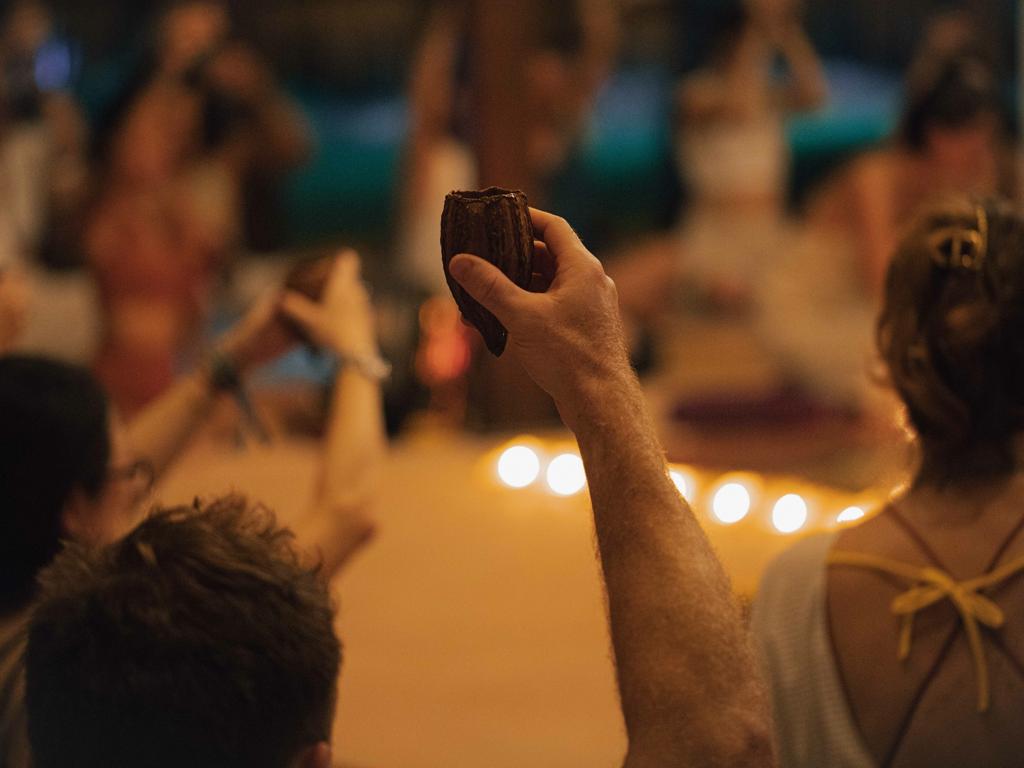
Here's a question that comes up in almost every conversation I have with someone considering ayahuasca for the first time: should I start with a single ceremony, or commit to a full retreat? It sounds like a logistics question. It isn't. The format you choose shapes almost everything else — how deep the work goes, how safe you feel, how well you integrate what surfaces, and whether the whole thing leaves you better off or just shaken up. I've sat in one-night ceremonies in a city apartment and seven-night retreats deep in the Peruvian Amazon. Both have their place. Neither is automatically better. What matters is matching the format to where you actually are — emotionally, physically, and in terms of what you're hoping plant medicine might help with. Let's walk through the real differences, because the marketing copy out there tends to skip the parts that matter most. A one-night ceremony usually runs from late afternoon into the small hours of the morning. You arrive, share a meal (or fast, depending on the tradition), receive the brew, and sit with the experience for four to six hours under the guidance of a facilitator or curandero. By sunrise you're usually home, or close to it. Simple in theory. In practice, it's a lot to fit into one night. For someone who's curious about plant medicine but not ready to spend a week away from work, kids, or daily life, this format has obvious appeal. It's also dramatically cheaper — a single ceremony in Europe or North America typically runs somewhere between 200 and 500 euros, while a week-long retreat in Peru can run anywhere from 1,500 to 4,000 dollars before flights. For people who've already done meaningful inner work elsewhere — therapy, meditation, breathwork — a single ceremony can serve as a check-in with the medicine rather than a full plunge. The catch? You get one shot. If the brew is mild that night, or if your body spends most of the ceremony purging rather than journeying, that's the experience you got. There's no second night to go deeper. And the morning after, you go back to your regular life with no buffer — no integration circle, no quiet day to process, no facilitator on hand if something difficult surfaces three days later. A proper retreat — let's say four to ten days — is a different animal entirely. You're typically looking at three to five ceremonies spaced over the course of the stay, with rest days, sharing circles, dietary support, and (in the better-run places) one-on-one time with the facilitators. The container itself becomes part of the medicine. Why does that matter? Because ayahuasca tends to reveal in layers. The first ceremony often shows you what needs attention. The second one starts working on it. The third or fourth is where things genuinely shift. Sitting with the same group of people through that arc, eating simple food together, going to bed at nine o'clock, walking in silence in the morning — all of it primes the nervous system in a way that a single Saturday night cannot. There's also the matter of integration support. Anyone who has worked with plant medicine seriously will tell you that the ceremony is maybe thirty percent of the work. The rest is what you do with what you saw. Good retreats build integration in: morning sharing circles, journaling time, gentle bodywork, conversations with the team about what surfaced and what to do with it. You leave with a thread you can keep pulling on. I'll be blunt here, because the gentle "it depends on your journey" framing isn't useful when you're actually trying to make a decision. That last point matters. Ayahuasca isn't a shortcut around the work — it's a magnifying glass held over it. People who try to skip preparation often end up with experiences that are confusing or destabilizing rather than helpful. People focus on the sticker price, but the real cost of plant medicine is wider than that. Here's what to actually budget for: When you add it all up honestly, a single ceremony might still come in cheaper, but the gap is smaller than it looks on paper. And the cost-per-insight, if you'll forgive that phrase, often favors the longer container. The format matters, but the people running it matter more. Whether you're considering a one-night sit or a ten-day retreat, ask these questions before you commit: If a place dodges any of these, walk away. There are plenty of careful, well-run options out there, and the wait for a good one is worth more than the convenience of a sketchy one. When someone asks me whether they should do a ceremony or a retreat, what they're often really asking is: am I ready, and is this going to help? Those are bigger questions, and only you can answer them. But I'd offer this: if you're drawn strongly enough to plant medicine that you've read this far, something in you already knows there's work to do. The format question is really about how much support you want around that work. My honest take, after sitting in plenty of both? If it's your first time and you're working with anything heavy — addiction, trauma, depression that hasn't shifted with conventional treatment — give yourself the longer container. The extra days are not a luxury; they're where the medicine actually has room to do what it does. If you're an experienced traveler in these waters and you just need a tune-up, a well-run single ceremony can be exactly right. For readers who want to explore further, a range of carefully vetted ayahuasca ceremonies and multi-day retreats can be browsed on our marketplace here. Take your time choosing — the right container is worth waiting for.
Sexual Abuse in Ayahuasca Ceremonies: What a Major Survey Revealed
Nobody wants to start a conversation about ayahuasca with the word abuse. The brew is sacred to the people who carry the tradition, and life-changing for many who sit with it. But if you're weighing whether to fly to Peru or Costa Rica and hand your nervous system over to a stranger in the dark, the most useful thing a writer can do is tell you the truth — including the parts the glossy retreat brochures skip. A few years back, a community-led survey took on exactly this taboo. The findings are sobering, occasionally hopeful, and genuinely useful for anyone considering an ayahuasca retreat. I want to walk you through what came back, what it means for your decision, and how to use the information without either dismissing plant medicine or romanticising it. For years, whispers circulated through the plant-medicine world about facilitators crossing lines — touching participants inappropriately during ceremony, soliciting sexual contact under the guise of healing, taking advantage of people in deeply altered states. Some stories made it to journalism. Most didn't. The combination of remote jungle settings, language barriers, power asymmetry, and the assumption that a shaman is somehow above reproach made it remarkably easy for misconduct to go unreported. In response, a working group within the broader ayahuasca community drafted a free, downloadable safety guide — translated into fourteen languages and distributed across retreat centres, tour agencies, and tourism offices in Peru. The companion legal resource breaks down, country by country, what your rights are if something happens in Peru, Brazil, Costa Rica, Bolivia, or Mexico. By early 2023 the guide had been downloaded nearly 29,000 times. That's not a niche document. That's a quiet movement. The survey came next. Launched in 2020 in English and Spanish, it asked a simple question: are people in the community aware that this happens, and is the safety guide actually changing how they behave? Out of 2,071 people who started the survey, 745 completed it in a way that allowed their answers to be analysed. The drop-off is normal for online surveys, especially on sensitive subjects — some people don't have skin in the game, some find the questions uncomfortable and bail. Of those who finished, roughly 60% identified as female, 38% as male, and the rest as something else. Here's the figure that stopped me when I first read it: 83.1% of respondents already knew that sexual abuse can and does occur in ayahuasca settings. Only 16.9% had no idea. That's a community that has, at least at the level of awareness, accepted there's a problem. More uncomfortable: 52.1% had direct or indirect experience with sexual misconduct in these settings. Either it had happened to them, to someone they knew, or they'd heard credible accounts of it happening to others. About half. Let that sit for a second. The pattern of what people reported is worth understanding. The more covert behaviours — verbal sexual advances, hands lingering where they shouldn't, the ambiguous touch a facilitator might brush off as healing work — turned up far more often than overt sexual assault or rape. That's consistent with what we know about predatory behaviour generally. It rarely starts with the worst-case act. It starts with small boundary tests, in a setting where the person being tested is too altered, too disoriented, or too culturally deferential to push back. Around 94% of respondents said the guide gave them clear, helpful examples of what abuse in these settings can look like. That's a strong response to an educational document. More interesting is the behaviour question: 32.8% said reading the guidelines actually changed how they approach ayahuasca ceremonies. If a third sounds modest, consider what's being measured. A consultant in the sexual-violence field noted that in forensic psychology, even a 5% behavioural shift from an intervention is considered significant. Getting a third of respondents to admit — in writing, on a survey about a taboo subject — that they're doing things differently is, by the standards of the field, a serious result. The 169 people who wrote in their own words about what changed gave us the most useful map. Here's roughly how the themes shook out, in order of how often they came up: A small but striking group — about 4 out of 130 — said the guidelines made them question whether they wanted to do ayahuasca at all. That's a legitimate response to honest information. Not every reader of this article should book a retreat. Some shouldn't. You're probably here because something in your life feels stuck — addiction, depression, trauma, a pattern you can't seem to break — and ayahuasca keeps coming up in your reading. That's a real and valid reason to be looking. Plant medicine has helped a lot of people. It has also been the setting for harm. Both things are true. The job is to filter for centres that take the second part seriously. From the survey and from my own time reporting on this, here's what to actually look for when you're vetting a place: One of the more thoughtful responses in the survey came from people who'd started seeing shamans as humans rather than gods. That reframe matters. The plant itself doesn't care about your money or your status. The human pouring it for you might. Cultural reverence is a beautiful thing, and it's also exactly the dynamic predators exploit. You can hold deep respect for a tradition while still treating any individual practitioner as a person who needs to earn your trust. Bringing a friend is underrated. So is staying somewhere with other participants you can talk to between ceremonies. Isolation is the abuser's friend. A buddy who'll notice if something seems off — and who'll back you up if you need to raise a concern — is one of the most effective safety measures available, and it costs nothing. And one more thing the survey hinted at but didn't quite name: integration matters here too. If something happens that doesn't sit right, you need somewhere to bring it. A therapist who knows about psychedelic experiences, a trusted integration circle, a friend who'll listen without trying to fix it. Don't sit alone with a confusing memory for months. That's how harm calcifies. The point of all this isn't to scare you away from ayahuasca. Plenty of people have profound, safe, transformative experiences every week. The point is to make you a harder target — informed, skeptical of the right things, and clear about what a reputable container looks like. The community is, slowly, getting better at this. The survey itself is evidence of that. Awareness is up. Conversation is up. Some behaviour is genuinely changing. If you've read this far and you're still drawn to the work, take that seriously — both the pull and the responsibility to choose well. For readers who want to take this further, a range of vetted ayahuasca retreats can be browsed on our marketplace here. Read carefully, ask the hard questions, and trust your gut when something feels wrong. The medicine will still be there once you've found the right place to meet it.
Ayahuasca as Medicine: Could Plant Medicine Be the Next Frontier in Healing?
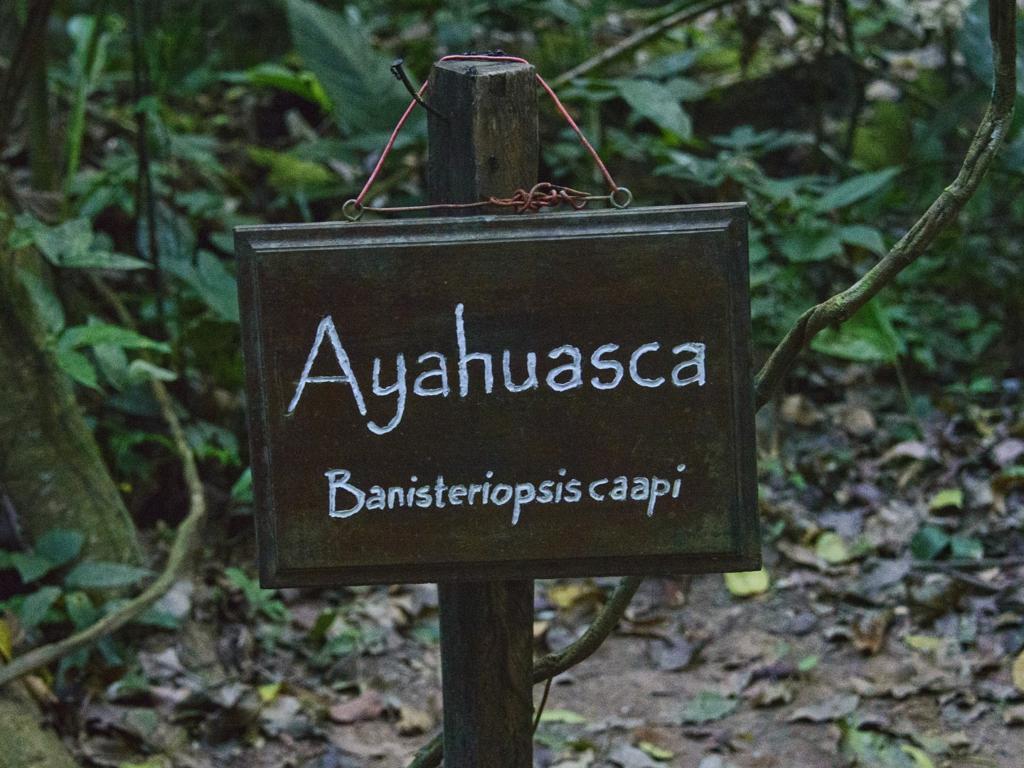
A decade ago, almost nobody outside a small ring of anthropologists, ethnobotanists, and curious travelers had heard the word ayahuasca. Now it shows up on podcasts, in memoirs, in clinical trial registries, and at dinner parties where someone’s cousin just got back from Iquitos. The conversation around ayahuasca and other psychedelics has shifted — not just culturally, but medically. People are starting to ask whether plant medicine could become the next big chapter in mainstream healing, the way medicinal cannabis quietly did. The comparison isn’t perfect. Cannabis is a relatively gentle, daily-use plant; ayahuasca is a several-hours-long psychedelic experience that can shake you to your foundations. But the cultural arc looks similar — taboo to curiosity to research to, possibly, regulated access. So what does the science actually say? What does a ceremony involve? And if you’re reading this because you’re quietly wondering whether ayahuasca might help with addiction, depression, or something stuck inside you that hasn’t budged in years — what should you actually know before booking a retreat? Ayahuasca is a brew. Traditionally it’s made from two plants found in the Amazon basin: the Banisteriopsis caapi vine and the leaves of Psychotria viridis (chacruna). The vine contains MAO inhibitors. The leaves contain DMT — dimethyltryptamine, one of the most powerful psychedelic compounds known. On their own, DMT taken orally would be broken down by your stomach before it ever reached your brain. The vine prevents that breakdown. The result is a several-hour visionary state, usually accompanied by deep introspection and, often, vomiting. Shamans call the purge la purga, and they consider it part of the medicine, not a side effect. In the indigenous traditions of Peru, Brazil, Colombia, and Ecuador, ayahuasca has been used for centuries — possibly far longer — as a tool for diagnosis, healing, and spiritual guidance. It’s one of what curanderos call the master plants: plant teachers that, properly approached, are said to communicate, instruct, and reveal what’s hidden inside the person who drinks them. You don’t take ayahuasca for fun. You take it because something needs to shift. Here’s where the comparison gets interesting. Medicinal cannabis spent decades stuck behind cultural fear before researchers, patients, and eventually lawmakers caught up to what people on the ground already knew — it helped with certain conditions. Ayahuasca and other psychedelics are sitting in a similar phase right now, except the research is accelerating faster than cannabis ever did. Psilocybin has FDA breakthrough therapy designation for treatment-resistant depression. MDMA-assisted therapy has gone through multiple Phase 3 trials. Ibogaine clinics are operating legally in Mexico and Costa Rica, treating opioid dependence with results that, anecdotally, make conventional rehab look modest. Ayahuasca itself is harder to study because it’s not a single compound — it’s a brew with variable composition. But small studies out of Brazil and Spain have looked at its effects on depression, addiction, and PTSD, and the early findings are striking. A single ceremony, in some cases, produced sustained reductions in depressive symptoms lasting weeks. That’s not a claim you can make about most antidepressants. Is it going to be sold at your local pharmacy? Almost certainly not in that form. But access through legal retreats, religious-exemption churches (the União do Vegetal and Santo Daime have legal status for sacramental ayahuasca use in several countries, including a 2006 U.S. Supreme Court ruling), and a growing therapeutic underground — that’s already here. This is the part that draws the most serious researchers, and the most desperate seekers. Addiction is brutal. Conventional treatment — twelve-step programs, medication-assisted therapy, residential rehab — works for some people, fails plenty of others. The relapse rates are sobering. So when reports started circulating in the 1990s that people were using ayahuasca to break long-running addictions to alcohol, cocaine, and opioids, addiction specialists started paying attention. Canadian psychiatrist Gabor Maté, who worked for years in Vancouver’s Downtown Eastside with people in severe addiction, has spoken extensively about what ayahuasca seemed to do for some of his patients. The mechanism isn’t mysterious in a hand-wavy way. Addiction is, at its core, often a relationship with unprocessed pain. Ayahuasca tends to bring that pain up — vividly, undeniably, in a state where you can’t look away from it. Combined with skilled integration afterward, the experience can sometimes loosen patterns that years of talk therapy didn’t touch. A few honest caveats. Ayahuasca isn’t a cure. It’s a catalyst. The people who use it successfully for addiction recovery tend to be the ones who do the work afterward — therapy, community, lifestyle changes. And ibogaine, another plant-derived psychedelic, has a more direct track record specifically for interrupting opioid withdrawal. If addiction is the central issue, doing your homework on which medicine fits your situation matters more than picking the one that’s most fashionable. Forget the Instagram version. A real ayahuasca ceremony usually looks like this: a group of people sitting or lying on mats in a wooden ceremonial space (often called a maloca), a shaman or facilitator at the front, the lights dimmed or off, a single candle. You drink a small cup of a dark, bitter liquid that tastes — there’s no nice way to put this — like something that should not exist. Then you wait. Forty minutes later, give or take, the world starts to change. What happens next is intensely personal. Some people see geometric visions. Some feel they’re reviewing their lives in reverse. Some confront a parent, a memory, a version of themselves they’ve been avoiding. Many vomit. Some cry for hours. A few sleep through it. The shaman sings icaros — medicine songs — that experienced drinkers say genuinely shape the direction of the experience. The whole thing lasts four to six hours. This is the part nobody selling a retreat wants to dwell on, so let’s dwell on it. Ayahuasca interacts dangerously with several classes of medication, most notably SSRIs and other antidepressants. The MAO inhibitors in the vine can also produce serious reactions with certain foods (aged cheese, fermented products, some meats). People with cardiovascular issues, schizophrenia, bipolar disorder, or a personal or family history of psychosis should approach with extreme caution or not at all. A responsible retreat screens for these things before they take your deposit. If a retreat doesn’t ask about your medications and mental health history, that tells you everything you need to know about how seriously they take safety. Other red flags worth watching: shamans or facilitators who promise specific outcomes, retreats with no integration support afterward, anyone presenting themselves as a guru, sexual contact of any kind between facilitators and participants, and centers that pack twenty-five people into a ceremony with one shaman who can’t possibly hold that much energy safely. Reputable retreats tend to have small groups, lineage-based facilitators, medical screening, and structured integration support. Cost is real too. A legitimate week-long retreat in Peru typically runs anywhere from $1,500 to $4,500 depending on the level of care and accommodation. Be skeptical of anything dramatically cheaper — corners are getting cut somewhere — and skeptical of anything dramatically more expensive unless the program justifies it with serious therapeutic infrastructure. Ayahuasca isn’t for everyone, and pretending otherwise does a disservice to the people who genuinely shouldn’t drink it. A few honest questions to sit with: The honest truth is that ayahuasca, like cannabis before it, is moving from the cultural margins toward something resembling legitimacy. Whether that ends in regulated clinical access, broader retreat tourism, or something we can’t yet imagine — nobody really knows. What we do know is that thousands of people each year are finding something in plant medicine that conventional care didn’t give them. For some, it’s addiction recovery. For others, depression that finally lifts. For others still, just a clearer relationship with what they want from their life. If after reading all of this you find yourself still curious — not chasing a thrill, but genuinely wondering whether this might help — that curiosity is worth taking seriously. A range of vetted ayahuasca retreats can be browsed on our marketplace here, and the time you spend choosing carefully is rarely wasted. Whatever you decide, decide it slowly. The medicine has been around for centuries. It can wait a few more months while you do your homework.
Dreaming of a Psychedelic Retreat?
We have the best deals and offers from thousands of organizers all over the world! Get them into your mailbox every week!
We value your privacy. Your email address will never be shared or published.
