 English
 Deutsch
 Français
 Nederlands
 Español
SHOP AYAHUASCA RETREATS BLOG
Ayahuasca, Yagé, and Daime: What's Actually Different About These Plant Medicines
Axel Hartley
May 21, 2026
Your ultimate guide to discover transforming ayahuasca and psychedelic experiences. Dive into serene destinations and elevate your consciousness to unparalled heights.
Discover Ayahuasca & Psychedelic Retreats NowSearch for ayahuasca & psychedelic retreats
Discover retreats, trainings, and holidays from all over the world
Ask ten people who've sat in ceremony what the difference is between ayahuasca, yagé, and Daime, and you'll get something close to ten different answers. Some will swear they're identical and the names just track which border the brew crossed. Others will tell you the plants are the same but the prayers, the songs, even the hands that tended the vine make each one a distinct spirit. A third group will say it's all about the admixtures — what got tossed in the pot besides the vine.
The honest answer sits somewhere in the middle of all three, and if you're researching a psychedelic retreat right now, the differences matter more than you'd think. They shape how strong the brew is, how long you'll be in the visionary space, what kind of community holds the ceremony, and even how legal the whole thing is depending on where you go.
The Same Vine, Many Names, Many Traditions
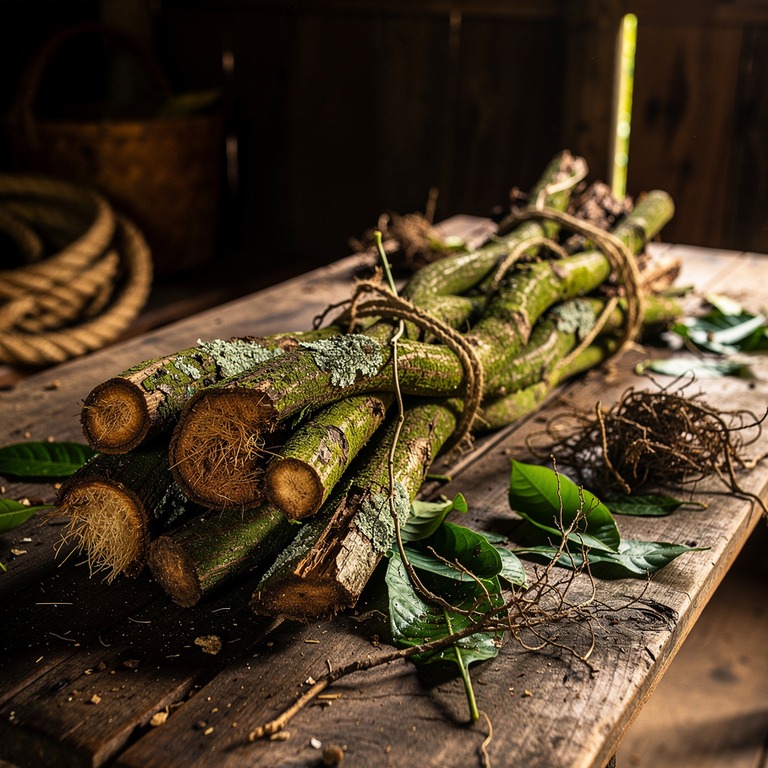
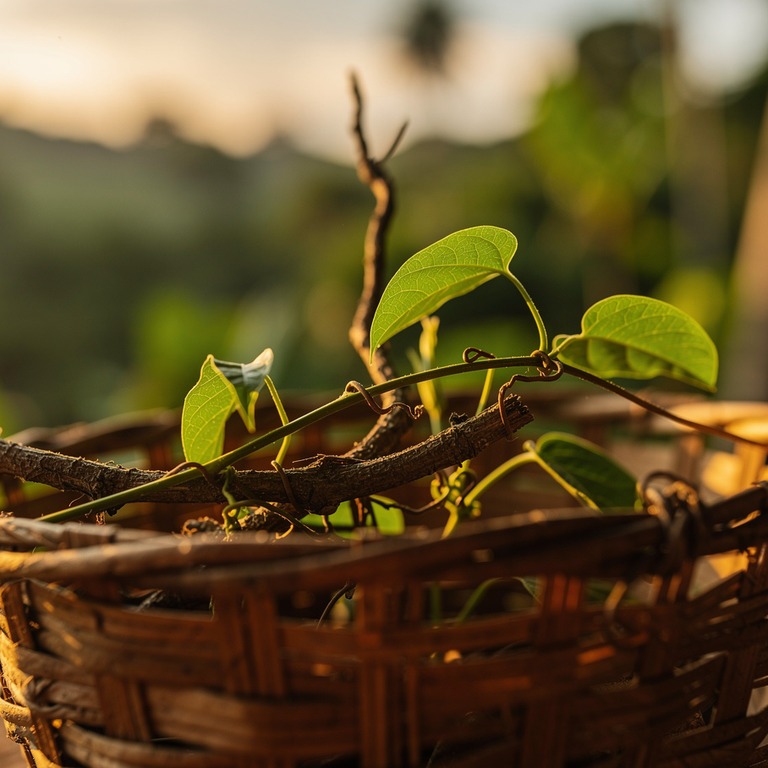
Start with the vine itself. Banisteriopsis caapi is the woody liana that gives ayahuasca its name and its backbone — it contains the MAO inhibitors that allow the DMT in the other plants to actually become orally active. Without it, you've just got bitter leaf tea. With it, you've got one of the most studied and storied plant medicines on earth.
Roughly a hundred indigenous groups across Colombia, Ecuador, Peru, Bolivia, Brazil, and Venezuela use a brew built around this vine. Each has its own name, its own songs, its own cosmology around the work. The Shipibo call it differently than the Cofán, who call it differently than the Huni Kuin. The catch-all word "ayahuasca" — Quechua for something like "vine of the soul" — is mostly a Peruvian term that got globalized because Peru became the destination for psychedelic tourism in the 2000s.
Archaeological evidence suggests ritual use going back at least 5,000 years, which means by the time anyone in the West heard the word "ayahuasca," the medicine had already been refined across dozens of distinct cultures for longer than written history. So when somebody at a retreat tells you the brew is just one thing — be a little skeptical.
What Makes Santo Daime Different
Daime is the easiest to pin down because it has a recipe. The Santo Daime church, born in Brazil in the early 20th century and a syncretic blend of Amazonian medicine, Catholicism, and Afro-Brazilian spirituality, brews its tea with just two ingredients: Banisteriopsis caapi (the vine) and Psychotria viridis (chacruna leaves). No exotic admixtures. No tobacco. No toé. Just vine and leaf.
What's striking is how the brew gets made. A Daime feitio — the ritual preparation — can last anywhere from five days to two months depending on how much plant material is being processed. Men typically pound the cipó (vine). Women handle the rainha (the chacruna leaves, the "queen"). Hymns are sung throughout, in shifts, because nobody can sing for sixty hours straight. The work itself is considered a spiritual act, not just cooking.
Daime also uses a grading system, and this is where the practical info gets useful if you ever sit with it. Grades are denoted by reduction ratios — 1, 2, 2:1, 3:1, and "mel" (honey). A 3:1 means three liters were boiled down to one. Mel is reduced so far it's almost a syrup — a teaspoon can carry you for hours. The grading lets ceremony leaders titrate dose depending on whether the work is a normal hinário (with dancing, singing, coordinated movement) or a cura, a healing work that runs stronger and more purgative.
- Grade 1: the lightest, used for newer participants or contemplative works.
- Grade 2 and 2:1: standard ceremony strength.
- Grade 3:1: noticeably strong, used in deeper or healing-focused work.
- Mel: concentrated to syrup, dosed in tiny amounts.
The catch — and any experienced Daimista will tell you this — is that a 3:1 from a feitio in Mapiá, Brazil, won't taste, feel, or hit quite the same as a 3:1 from a feitio in São Paulo or Oregon. The ratios are guides, not absolutes. Knowing the specific batch matters.
How Is Yagé Different From Peruvian Ayahuasca?
Cross from Brazil into Colombia and the brew gets another name and often a slightly different recipe. Yagé — pronounced roughly "yah-HEY" — is typically made by the taitas of the Putumayo and the Cofán, Inga, Siona, and Kamëntsá peoples. The base is still B. caapi, but the DMT-containing admixture is often chaliponga (Diplopterys cabrerana) rather than chacruna.
Chaliponga is also a vine, not a shrub, and it's significantly more DMT-rich by weight. Roughly speaking, about 10 grams of chaliponga can yield around 100mg of DMT, whereas you might need 50–100 grams of chacruna leaf to get the same amount. That has real consequences for the brew's character — chaliponga ceremonies are often described as more visually intense, sharper, and sometimes longer in the peak.
There's also a gendered framing worth knowing. Peruvian ayahuasca is usually spoken of as feminine — la madre, the grandmother. Yagé in the Colombian tradition is often considered masculine, a grandfather lineage. This isn't just poetic. It shapes the cosmology of the ceremony, the songs used, the way the medicine is petitioned. If you've only sat with mestizo Peruvian curanderos and you go sit with a Colombian taita, the felt-sense of the work can be noticeably different even before you account for the chemistry.
About That 5-MeO-DMT Rumor
You'll occasionally hear that chaliponga contains 5-MeO-DMT or bufotenine, which is supposedly why yagé hits harder. The scientific literature doesn't really support this. Multiple analyses going back to the 1980s have found N,N-DMT and trace amounts of related alkaloids in D. cabrerana, but 5-MeO-DMT either doesn't show up or appears in such trace quantities it can't account for the perceived intensity. A more honest explanation: chaliponga simply contains a lot more DMT per gram than chacruna, and the alkaloid profile around the DMT is slightly different. Same molecule, different chemical neighborhood.
Choosing Between Them — A Retreat-Seeker's Honest Guide
If you're trying to figure out which tradition to sit with, here's what actually tends to matter in practice. None of this is meant to rank them — they're different doorways, not competing brands.
- Container style. Peruvian ayahuasca ceremonies are usually held in a maloca, with a curandero (or curanderos) singing icaros into the dark. Santo Daime works happen in churches or sacred spaces with dozens to hundreds of people, hymns sung in Portuguese, often dancing in formation. Colombian yagé ceremonies sit somewhere in between, often more intimate, with a taita and traditional songs. Some people thrive in collective ritual. Others need the quieter, dyadic space of a curandero-led night.
- Brew predictability. Daime's recipe is the most standardized of the three, which is a real plus for first-timers who want to know roughly what they're walking into. Ayahuasca in the broader Peruvian sense can include admixtures like toé (Brugmansia) that radically change the experience — and not always in welcome ways.
- Legal and logistical reality. Santo Daime has legal religious protection in several countries that no other ayahuasca tradition currently enjoys. Peru is the most established destination for retreats marketed to foreigners. Colombia is increasingly opening to outside seekers but the infrastructure is still less developed.
- What you're working on. For people exploring plant medicine for addiction recovery or long-standing depression, the structure and aftercare of a tradition matters enormously. The work continues for weeks and months after the ceremony. A tradition with strong integration support is often more useful than the "strongest" brew.
What to Carry Into the Decision
The longer you research this world, the more you realize that picking between ayahuasca, yagé, and Daime is less about the chemistry and more about lineage, container, and fit. A 3:1 Daime mel and a strong Shipibo brew and a Cofán yagé will all show you something — but the way they show you, who's holding the room, what songs are sung, and what you do with it in the months after differs enormously.
If you're seriously weighing a booking, slow down. Read about the specific lineage. Talk to people who've sat with the facilitator you're considering — not just read testimonials. Ask about the recipe, the dieta, the aftercare, what happens if you have a hard night. The reputable places welcome these questions; the ones that get defensive are telling you something.
For readers who want to take this further, a range of curated ayahuasca and yagé retreats across the major lineages can be browsed on our marketplace here. Whichever doorway you walk through, the medicine is older than any of the names we've given it — and it tends to meet people exactly where they are.

Craving More Stories?
Join our ShopAyahuascaRetreats newsletter for the latest updates on thrilling
destinations and inspirational tales, delivered straight to your inbox!
We value your privacy. Your email address will never be shared or published.