 English
 Deutsch
 Français
 Nederlands
 Español
SHOP AYAHUASCA RETREATS BLOG
How to Prepare for an Ayahuasca Ceremony: A Practical Guide
Fiona Holloway
May 21, 2026
Your ultimate guide to discover transforming ayahuasca and psychedelic experiences. Dive into serene destinations and elevate your consciousness to unparalled heights.
Discover Ayahuasca & Psychedelic Retreats NowSearch for ayahuasca & psychedelic retreats
Discover retreats, trainings, and holidays from all over the world
The week before my first ayahuasca ceremony, I made the mistake of thinking preparation meant packing. New journal, comfortable clothes, a playlist I never ended up using. What I didn't realize — and what nobody had spelled out clearly — was that the real work starts long before you ever taste the brew. By the time you're sitting in the maloca with a cup in front of you, you've either prepared or you haven't. And the medicine, in my experience, can tell the difference.
If you're researching an ayahuasca retreat right now, you've probably already read the lyrical descriptions of jungle nights and visionary breakthroughs. This isn't that. This is the practical stuff — the diet, the headspace, the small daily habits — that tends to separate a smooth, deep ceremony from one where you spend half the night battling your own nervous system. Think of it as the homework that makes the exam easier.
Why Preparation Actually Matters
Ayahuasca is not a casual substance. It's a brew of two plants — most commonly the Banisteriopsis caapi vine and the chacruna leaf — that, when combined, produce a powerful and prolonged psychedelic experience. The MAO inhibitors in the vine interact with a long list of foods and medications, which is the boring-but-essential reason behind the famous ayahuasca diet. The deeper reason is energetic: the cleaner your system, the less your body has to fight through during ceremony.
People often ask whether all this preparation is strictly necessary or just shamanic tradition layered on top. The honest answer is both. Some of it is hard pharmacology — mixing tyramine-rich foods with MAOIs can spike your blood pressure dangerously. Some of it is the slower, harder-to-measure work of arriving at a ceremony with a settled mind instead of a frantic one. Both matter. Skip either and you're rolling the dice.
Here's the thing nobody tells you about plant medicine and addiction or trauma work: the ceremony itself is maybe twenty percent of the healing. The rest is what you do in the weeks before and the months after. Master plants like ayahuasca seem to amplify whatever direction you're already pointing in. Prepare well, and you point in a useful direction.
Physical Preparation: The Diet, the Detox, the Boring Stuff That Works
Start cleaning up your diet at least a week before ceremony. Two weeks is better. The standard ayahuasca diet — sometimes called la dieta in its more traditional form — strips out anything that interacts with MAOIs, plus a lot of food that's just generally heavy on the body.
What to drop, ideally seven days before and seven days after:
- Aged cheeses, cured meats, fermented foods (anything high in tyramine)
- Alcohol, in any quantity
- Caffeine — yes, including your morning coffee. Taper if you must.
- Recreational drugs of any kind
- Processed sugar and heavily processed food
- Pork and red meat (most facilitators ask you to drop these specifically)
- Spicy foods, excessive salt, and anything fried
- SSRIs and certain other prescription medications — this is non-negotiable and must be discussed with both your doctor and your retreat facilitator well in advance
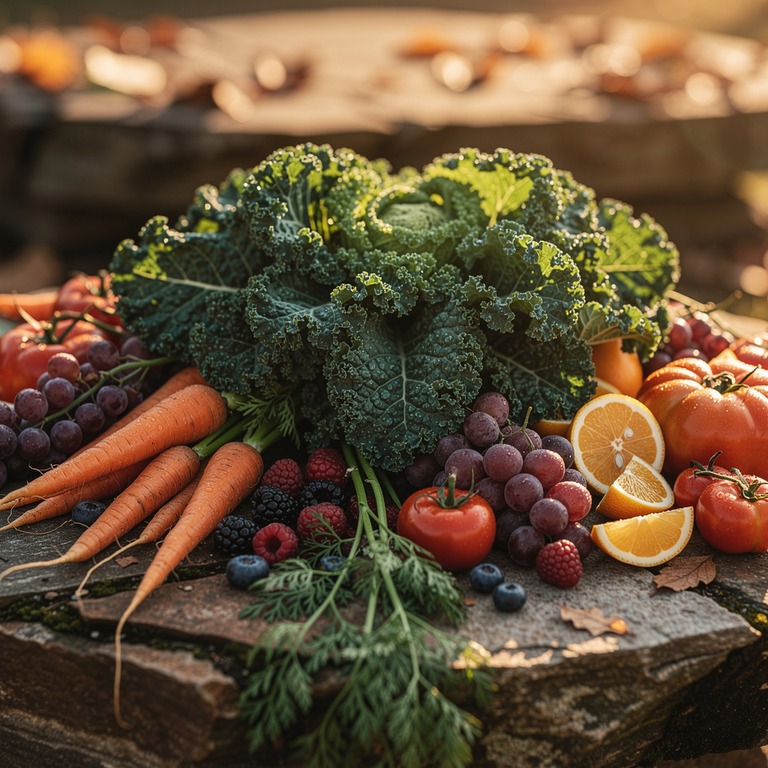
What to lean into instead: simple, plant-forward meals. Steamed vegetables, rice, lentils, fresh fish if you eat it, fruits that aren't on the avoid list (skip overripe bananas and citrus close to ceremony). Drink water. A lot of water. Your body is going to be moving things through it.
If a full week feels impossible because of work or family logistics, three days minimum is the floor most reputable facilitators will accept. Less than that and you're asking the medicine to clean up while it's also trying to do its actual work. Not impossible, just harder on you.
Emotional and Mental Preparation: Lowering the Noise
This part gets less attention than the diet, which is a shame, because it's arguably more important. Ayahuasca tends to surface whatever you've been pushing down. If the week before ceremony you're doomscrolling, fighting with your partner, and binge-watching a true-crime series at midnight, guess what's coming up when you drink?
In the two weeks before ceremony, try to:
- Cut way back on news and social media. Not forever — just for now.
- Avoid violent or emotionally intense films and shows
- Steer clear of arguments, gossip, and people who drain you
- Pause sexual activity for at least a few days before ceremony (most traditions ask for a week)
- Spend more time outside, away from screens
- Journal — even badly. Especially badly.
You're not trying to become a monk. You're trying to lower the static so you can actually hear yourself think when the medicine starts asking questions. A lot of people show up to ceremony with no idea what's actually bothering them because they've never given themselves twenty quiet minutes to find out.
One small practice I recommend: every evening for a week before ceremony, sit somewhere quiet for ten minutes and ask yourself what you're afraid will come up. Write it down. Don't try to fix it. Just notice it. By the time you arrive at the retreat, you'll have a much clearer sense of the territory.
Spiritual Preparation: Intention Without the Woo
The word "intention" gets thrown around so much in psychedelic circles it's almost lost meaning. Strip it back: an intention is just an honest answer to the question, why am I doing this? Not the impressive answer. The real one.
"I want to heal my trauma" is a fine starting point but it's vague. "I want to understand why I keep ending up in the same relationship over and over" is sharper. "I want to know if I should leave my job" is sharper still. The more specific your intention, the more useful the experience tends to be — though the medicine is famously stubborn about giving you what you need rather than what you asked for.
Some quiet practices help in the run-up:
- A daily sitting meditation, even ten minutes
- Walks in nature without your phone
- Breathwork — slow, deep, nothing fancy
- Reading something that puts you in the right headspace (memoirs of people who've done this work, not Reddit threads about bad trips)
And then, when ceremony night actually arrives, you have to let the intention go. Hold it loosely. Surrender is the word most facilitators use, and as cliché as it sounds, it's the single biggest predictor of whether someone has a productive night or a wrestling match.
What About After? Integration Is Where the Real Work Lives
Here's the part most retreats undersell: the ceremony ends, and then real life starts again on Monday morning. The insights you had at three a.m. in the maloca have to survive contact with your inbox, your family, and your old habits. That's integration, and it's where most of the actual transformation either takes root or quietly dies.
Plan for at least a month of conscious aftercare. Keep the dietary discipline going for a week post-ceremony — your system is still processing. Journal what you remember while it's fresh; visions fade faster than dreams. Find a therapist familiar with psychedelic integration if you can, or at minimum a community of others who've sat with the medicine. Talking to friends who haven't been there often feels like trying to describe a color they've never seen.
Move slowly with big life decisions in the first two weeks. The medicine can show you things with such clarity that you want to quit your job, end your relationship, and move to Peru by Thursday. Sometimes those impulses are right. Often they need a few weeks to settle into something you can actually act on wisely.
Choosing a Retreat That Takes Preparation Seriously
Not every retreat treats preparation as central to the work. Some hand you a one-page PDF and call it good. The ones worth your money tend to send detailed preparation materials weeks ahead, screen carefully for medications and medical conditions, and offer integration calls or resources after the ceremonies end.
Red flags to watch for: anyone who tells you the diet doesn't really matter, anyone who won't ask about your current medications, anyone whose website is more about the visionary art than the practical logistics. A good facilitator will spend as much time talking about your therapist and your aftercare plan as about the ceremony itself.
If you're at the stage of weighing options seriously, a range of vetted ayahuasca retreats with clear preparation protocols can be browsed on our marketplace here. Take your time with it — the right retreat tends to feel like a quiet yes, not a hard sell. And whatever you decide, the preparation you do in the weeks ahead will matter more than which beautiful jungle compound you end up at.

Craving More Stories?
Join our ShopAyahuascaRetreats newsletter for the latest updates on thrilling
destinations and inspirational tales, delivered straight to your inbox!
We value your privacy. Your email address will never be shared or published.