 English
 Deutsch
 Français
 Nederlands
 Español




Reset. Heal. Grow.

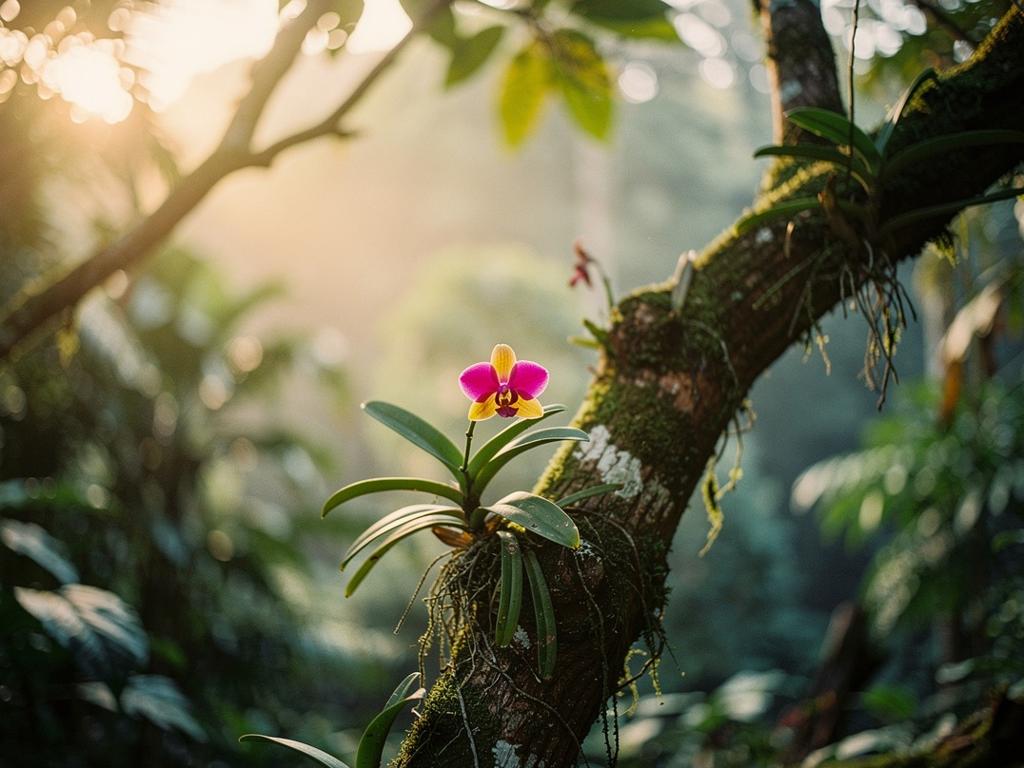
Ayahuasca and Music: Why the Icaros Stay With You Long After Ceremony
Ask anyone who has sat through a full ayahuasca ceremony what they remember most, and you'll get a strange answer. Not the visions. Not the purge. Not even the insights that arrived like uninvited relatives with too much to say. They'll tell you about a song. Maybe it was an icaro whistled softly by a curandero at three in the morning. Maybe it was a single note on a harmonium that seemed to reach into their chest and pull something out. Maybe it was a track from a facilitator's playlist — an Alice Coltrane piece, a Krishna Das mantra, a slow drone that arrived exactly when the medicine peaked. Whatever it was, it stuck. Years later, they'll still hear those first few bars and something in them will loosen. Music inside a psychedelic ceremony isn't background. It's structural. And once you understand why, a lot of what happens on ayahuasca and other plant medicines starts to make more sense. Under normal waking consciousness, we filter sound. We hear a song, we tap our foot, we get on with our day. On ayahuasca — or psilocybin, or San Pedro — that filter thins out dramatically. Music stops being something you listen to and becomes something you're inside of. Notes have colors. Melodies have shapes. A shift in rhythm can feel like the whole room tilting. There's a reasonable neurological explanation for this. Psychedelics quiet down the brain's default mode network — the busy little manager that decides what matters and what doesn't. When that manager takes a nap, the sensory channels open wider than they usually get to. Sound floods in unfiltered, and the emotional centers of the brain that would normally get a censored version get the raw feed. That's why a song you'd shrug at on a Tuesday afternoon can reduce you to tears at 2 a.m. in a maloca. The traditions that use ayahuasca have known this for centuries, of course. They didn't need fMRI scans to figure out that sound is the steering wheel of the experience. In the Shipibo tradition — probably the best-known lineage for ayahuasca ceremony in the Peruvian Amazon — the curandero doesn't just chant to fill the silence. The icaros are learned during years of dieta, isolation with specific master plants that teach their songs directly to the shaman. Each icaro has a job. Some open the ceremony. Some call in specific plant spirits. Some are used to clean a particular participant's field. Some close things down and send everyone home safely. If you've never heard an icaro, it's hard to describe. Melodic but strange. Sometimes whistled, sometimes sung in Shipibo or Quechua or Spanish, sometimes a rapid stream of syllables that sounds more like an incantation than a song. During ceremony, a good curandero will move around the room and sing directly at each participant — and something happens in your body when that song is aimed at you. It's not suggestion. It's not placebo. Ask anyone who's felt it. This is one of the honest reasons to choose a retreat with a genuine lineage-trained curandero over a weekend workshop with recorded playlists. The music is the medicine, arguably as much as the brew itself. Not every psychedelic retreat is a traditional Amazonian ceremony. Psilocybin retreats in the Netherlands, ibogaine clinics in Mexico, ketamine-assisted therapy in the US — most of these use curated playlists rather than live singing. That's not automatically worse. It's just different. The best playlist-based work is built around what practitioners call a musical arc: a slow opening, a rising middle, a peak that matches the medicine's peak, and a long gentle descent. Johns Hopkins has been quietly refining a psilocybin playlist for years, and it's become something of a template for the field. Classical pieces, world music, ambient composers like Stars of the Lid or Brian Eno — the goal is emotional evocation without lyrical distraction. Here's the thing to ask any facilitator before you book a psychedelic retreat: who chose the music, and why? If they can answer that thoughtfully — talk about the arc, name specific pieces, explain what they're trying to hold space for — you're probably in decent hands. If they shrug and say "oh, we just put on some spa music," keep looking. One of the odder aftereffects of a serious plant medicine experience is what people sometimes call the "song imprint." A track that played during a pivotal moment in ceremony gets welded to that moment in your memory. Play it a month later in your kitchen and the emotional charge comes rushing back — sometimes gently, sometimes like a wave. Integration therapists have started paying attention to this. Some suggest keeping a short list of the songs that carried you through your journey, and returning to them intentionally during integration work. Not to chase the experience, but to reconnect with what you learned. The song becomes a doorway back to the lesson. People in recovery — those using plant medicines to address addiction, trauma, or long depressions — often report this most strongly. The song that played when they finally forgave a parent. The icaro that was sung when they saw their addiction for what it was. Years into sobriety, those songs remain as touchstones. Not sentimental. Functional. If you're weighing whether a particular retreat is right for you, the music question is a useful lens. A few practical things to consider: I want to be careful here. It's easy for the music, the aesthetic, the incense and the woven cloths to become a distraction from the actual work of a plant medicine retreat. Some people go home from an ayahuasca ceremony with a Spotify playlist and no real change in how they treat their spouse or manage their drinking. Beautiful icaros didn't save them from themselves. Nothing does that but the slow, unromantic work of integration. And yet. The songs are not decoration. They are, in the traditions that developed this work, the instrument through which the medicine speaks. The right song at the right moment can name a thing you've been unable to name for twenty years. It can dissolve a defense you didn't know you had. It can hold you steady when the visions get loud. That's worth taking seriously when you're choosing where to sit. For readers who want to explore this further, a range of curated ayahuasca and plant medicine retreats can be browsed on our marketplace here. Wherever you end up sitting, listen carefully — the songs will be doing more than you think.
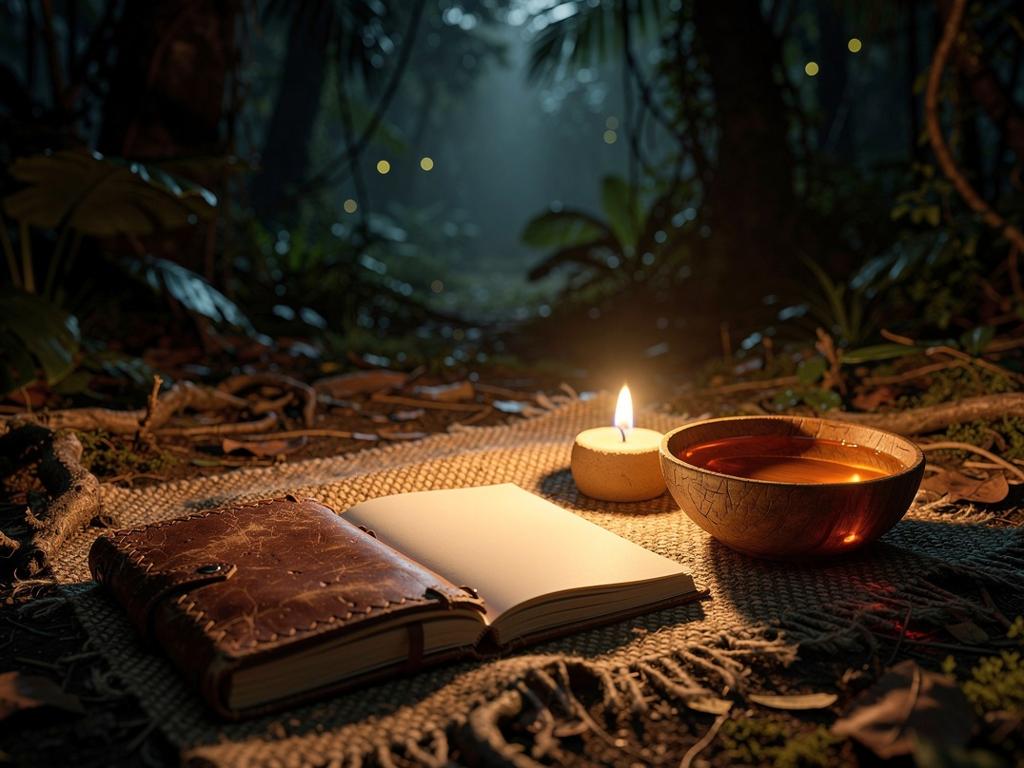
When Plant Medicine Meets Heartbreak: Working with Ayahuasca Through Loss
Three in the morning. The icaros have shifted key, the fire in the middle of the maloca has burned down to embers, and somewhere in the dark a woman is sobbing — not the polite kind of crying you do at a funeral, but the raw, animal kind that comes out when something you've been carrying for a decade finally gives way. She's not in pain. She's in love. Or rather, she's remembering what love actually is, underneath all the scar tissue. This is the part of ayahuasca work that nobody puts on the retreat website. The plant medicine brochures talk about healing, breakthroughs, insights. What they rarely mention is that a huge percentage of people who show up for ceremony are there because of love — love lost, love betrayed, love they couldn't hold onto, love they can't seem to give themselves. And ayahuasca has a particular way of walking straight into that room and sitting down. If you're researching a psychedelic retreat right now, and part of what's pulling you there is a broken heart or a stuck grief, this is worth understanding before you book anything. Master plants don't fix relationships. But they do have a strange, ancient talent for showing you where love got tangled up with fear, and what it might look like to untangle it. Talk to any facilitator who's been running ceremonies for a decade or more, and they'll tell you the same thing: the intentions written on the little slips of paper at the start of a retreat cluster around a few themes. Addiction. Depression. Trauma. And loss. So much loss. Partners who died. Marriages that collapsed. Children who stopped calling. Parents who were never really there. The love that didn't happen. There's a reason plant medicine attracts these particular wounds. Conventional therapy is excellent at helping you understand your grief cognitively — you can name your attachment style, identify your patterns, describe the way your mother's absence shaped your adult relationships. What it often can't do is actually move the grief out of your body. And grief, if you've ever really felt it, lives in the body. In the chest, the throat, the belly. It's not an idea. Ayahuasca has this way of bypassing the analytical mind and going straight to whatever is stored underneath. People who have talked about their divorce in therapy for three years sometimes find themselves, on night two of a ceremony, weeping over it as if it happened yesterday — but with a completely different quality. Less bitter. More tender. As though the medicine handed them back the love that was buried under all the resentment. Here's what nobody tells you: ayahuasca doesn't necessarily show you what you want to see. If you go in hoping to be told your ex was a monster and you're better off, the brew is entirely capable of showing you, instead, the moments you were unkind, the softness you refused to receive, the ways you shut down love long before the relationship ended. This can be brutal. It can also be the most freeing thing that's ever happened to you. Participants often describe a kind of aerial view of their romantic life — being able to see, for the first time, the pattern underneath all the specific stories. The same wound repeating itself with different faces. And once you can see it, something loosens. Practical things you might experience during a ceremony centered on grief or heartbreak: None of this is guaranteed. Ayahuasca is famously non-negotiable about giving you what you need rather than what you asked for. Someone who arrives obsessed with a lost partner might find the medicine ignore the relationship entirely and instead spend three nights working on their relationship with their father. The plant seems to know. Honest answer: sometimes yes, sometimes no. And it depends less on how much you're hurting than on where you are in the process. If you're in the first six months after a serious loss — a death, a divorce, a sudden abandonment — most experienced facilitators will gently suggest waiting. Acute grief has its own natural rhythm, and adding a powerful psychedelic experience on top of raw shock can be destabilizing rather than healing. You may be better served by giving yourself time, working with a therapist, and letting the initial waves pass. Where ayahuasca (and other master plants) tends to shine is with grief that's gotten stuck. The kind you know intellectually you should be over by now, but that keeps hijacking your life anyway. The relationship that ended five years ago that you're still processing. The parent who died when you were twelve. The version of yourself you lost somewhere along the way. These stuck places are what plant medicine seems built for. Questions worth asking yourself honestly before booking a retreat: The plant medicine world has grown enormously in the past few years, and the quality range is enormous. There are lineage-holding shamans in the Peruvian Amazon who have been running ceremonies for forty years. There are also, frankly, weekend warriors who took a facilitator training last spring and are now serving brew in a rented Airbnb. When the reason you're going is heartbreak — when you're emotionally vulnerable — the quality of the container matters more than usual. Look for retreats that require a real medical and psychological intake before accepting you. Look for facilitators who can actually name what they'd do if you had a difficult experience. Look for programs that offer integration support after you leave, not just a farewell breakfast and a shuttle to the airport. Red flags that should give you pause: promises of specific outcomes ("you'll finally get over your ex"), pressure to commit large sums quickly, dismissiveness about medication interactions, no clear protocol for medical emergencies, group sizes over about fifteen, or a general vibe that feels more like a music festival than a healing container. Green flags: multiple ceremonies over at least four or five days, small groups, an on-site medical support person, sober facilitators who don't drink the brew with participants, clear pre-retreat dieta guidance, and a real integration program afterward with follow-up calls or group sessions. Here's the part almost no first-time participant is prepared for: the ceremony isn't the healing. The ceremony is the download. The healing is what you do with it over the next six to twelve months. People who go home from an ayahuasca retreat and try to slide back into their normal life without changing anything often report the insights fading within weeks. People who treat integration seriously — who journal, who work with an integration therapist, who change their relationships and their routines and their inner conversations based on what they saw — those are the ones whose lives actually shift. For heartbreak specifically, this often looks like: writing the letter you never sent (and not sending it), noticing when you're about to repeat an old pattern with a new person and choosing differently, letting yourself grieve in small daily doses instead of trying to be over it, and — this is the surprising one — learning to be kind to the version of you that made the choices you now regret. Love's real fight, if there is one, isn't between you and the person who hurt you. It's between the part of you that wants to stay closed and the part that remembers how to open. Plant medicine doesn't win that fight for you. But it can show you, unmistakably, which side you actually want to be on. If any of this resonates and you're starting to look seriously at your options, a range of vetted ayahuasca and plant-medicine retreats can be browsed on our marketplace here. Take your time with the choice. The right container matters more than the right calendar date, and the work — the real work — will still be waiting whenever you're ready.
Ayahuasca Lessons That Actually Stick: What the Vine Teaches You
Ask anyone who's sat with ayahuasca more than once what they actually learned, and you'll get a pause. A long one. Not because they don't remember — the memories are usually stitched into them like weather into stone — but because the real lessons are hard to say out loud without sounding either grandiose or embarrassingly simple. The vine doesn't hand you a TED talk. It hands you a few unshakeable truths, often the same ones your grandmother tried to tell you, but this time you can't argue. This piece is for the person quietly considering an ayahuasca retreat, wondering whether the effort and money and vulnerability of it all actually yields anything durable. So instead of describing the visuals or the purge (both real, both overhyped in different directions), let's talk about what tends to stay with people. The lessons that survive the flight home. The ones that keep working on you for months, sometimes years. This one gets thrown around in meditation circles until it sounds like a fridge magnet. Ayahuasca has a way of making it visceral. Somewhere in the middle of a ceremony — usually when you're convinced you've made a terrible mistake and will never feel normal again — the mind stops being the thing you look through and becomes the thing you look at. The internal monologue that has been narrating your life since childhood suddenly appears as a separate object. Loud. Repetitive. Often kind of a jerk. The interesting part isn't the observation itself. Plenty of contemplative traditions offer the same insight without the plant. The interesting part is that ayahuasca doesn't let you look away. You sit with that noisy internal roommate for hours. You notice how much of what it says isn't even yours — it's a parent's voice, an ex's voice, a childhood teacher's voice, an advertising jingle from 1997. And then, sometimes, underneath all of it, something quieter. Something that was there before the voices moved in. People come home from a psychedelic retreat and try to describe this and end up sounding like a spiritual bumper sticker. That's fine. The lesson isn't the sentence — it's the felt sense that when your brain starts spiraling at 2 a.m., there's now a small, stubborn part of you that knows the spiral isn't the whole story. Most first-timers arrive at an ayahuasca ceremony thinking they're going to have a big cinematic vision. Many do. But a surprising number of people report that the real work happened in their bodies — an old shoulder ache that suddenly had a story attached to it, a knot in the gut that turned out to be tied to a specific memory, a chest tightness that finally let go after a decade of quiet occupancy. Plant medicine tends to make the body-mind boundary look silly. You feel where you've been holding things. Grief in the hips. Rage in the jaw. Whatever the map is for you, the vine seems to know it. Some of what gets called "purging" isn't really about the ayahuasca brew itself — it's about the body finally being given permission to move something it has been carrying for years. The practical takeaway that survives the retreat: the body keeps score, and it's not subtle about it. People who come home from ceremony often start paying attention to somatic signals they used to ignore — hunger, fatigue, the tight-chested feeling before a meeting they don't want to take. This alone, without any other insight, tends to change how people live. Here's where it gets uncomfortable to write about without cringing. Nearly everyone who sits with ayahuasca more than a few times ends up with some version of the same message: love is the point. Not romantic love. Not the greeting-card kind. Something more like a fundamental orientation — toward yourself, toward other people, toward whatever mess you're in. What's strange is that this doesn't arrive as an idea. It arrives as an experience of already being inside it. And when it fades — because it does fade, the glow doesn't last forever — what remains is a kind of instruction. A direction to walk in when you have no other information. Be kinder here. Forgive that. Stop performing. Call your mother. You don't have to buy any metaphysics to make use of this. The message works fine as a purely practical compass. When in doubt, choose the more loving option. It's shocking how often that clarifies things. People ask this all the time when they're researching whether to book a retreat. They want to know: does anything actually change, or do you just have a wild week in the jungle and go back to your life? The honest answer is that both happen, and which one you get is mostly up to what you do in the weeks and months after. Here's what tends to stick, based on hundreds of conversations with people who've done the work: It's worth saying this plainly, because retreat marketing tends to skip it. Ayahuasca does not fix you. It does not erase trauma. It does not make you a better partner overnight or cure your addiction while you sleep. What it seems to do — for people who take it seriously and integrate carefully — is show you the material you've been avoiding, with unusual clarity, and give you a felt sense that change is possible. The rest is up to you. That's the part nobody wants to hear when they're scrolling retreat websites at midnight, hoping for rescue. Plant medicine for addiction, for depression, for the low-grade sense that your life isn't the one you were supposed to be living — it can absolutely help. There's real research now on ayahuasca and depression, on ibogaine and opioid dependence, on psilocybin and end-of-life anxiety. The healing is real. It's just not automatic. If you're weighing an ayahuasca retreat right now, the most useful thing you can do isn't read another article about what it feels like. It's ask yourself whether you have the support around you — a good therapist, a few honest friends, some space in your calendar — to actually receive whatever comes up. If the answer is no, work on that first. The medicine will still be there. The single biggest variable in whether a psychedelic retreat helps you or harms you is who's holding the space. Not the location. Not the amenities. Not the Instagram aesthetic. The facilitators. Their training, their lineage, their ethics, how they handle a hard night, whether they're around for you afterward. Ask them how many ceremonies they've served. Ask what they do when someone has a psychological crisis mid-ceremony. Ask about medical screening — good centers screen carefully for SSRIs, cardiac conditions, and psychiatric history. Ask about integration support after you leave. If any of these questions get a vague or defensive answer, keep looking. There are more retreats than there used to be, and the quality range is enormous. For readers who want to take this further, a range of vetted ayahuasca and plant-medicine retreats can be browsed on our marketplace here. Whatever you decide, decide slowly. The vine has been around for a very long time, and it isn't in a hurry.
How to Write About a Spiritual Journey Without Sounding Like a Brochure
The first time I tried to keep a real journal was on a long trip through a country where the sound of temple bells and diesel horns competed for the same airspace. I was chasing something — I just didn’t have a name for it yet. That gap, between the experience and the language for it, is where most spiritual travel writing lives or dies. If you’re heading off to a retreat, a ceremony, a monastery, or just a solo trip that you suspect will crack something open, learning to write about it honestly is one of the more useful skills you can pack. This piece is for people who intend to travel toward something meaningful — a plant medicine retreat, a silent sit, a pilgrimage, an ayahuasca ceremony deep in the Amazon — and who want to bring back words that actually hold the weight of what happened. Not Instagram captions. Not sales copy for the version of yourself you’re hoping to become. Something closer to the truth. Because memory is a liar, especially memory that’s been through something big. Within a week of a powerful ceremony, the sharp edges start softening. Within a month, you’re left with the story you’ve told other people, not the thing itself. Writing during and immediately after the experience is the only reliable way to keep the raw material intact. There’s a second reason, more practical. Integration — the slow work of folding a psychedelic or contemplative experience back into your regular life — depends on being able to look at what happened with some distance. A journal gives you that. Six months after an ayahuasca retreat, when you’re wondering whether anything actually changed, your own notes become the evidence. Sometimes reassuring. Sometimes uncomfortable. Always useful. And a third, if you’re inclined to share: good writing about the inner life is genuinely rare. Most of what gets published in this space is either clinical or gushing. There’s a lot of room in the middle for someone who can describe the smell of the mapacho smoke and the specific texture of a difficult thought without collapsing into either extreme. Old journalists have a saying: journalism is the first draft of history. Your travel journal is the rough draft of the first draft. Don’t try to write beautifully in the moment. That comes later, at a desk, with tea, after the dust has settled. What you want in the moment is specificity. The name of the plant. The exact time the ceremony began. What the shaman was wearing. The temperature. Who sat to your left. The song that repeated three times. The sentence a facilitator said that you kept returning to. These fragments feel unimportant while you’re writing them. Two years later they’re gold. Here’s a rough menu of what’s worth capturing while you’re still on the ground: Notice what’s missing from that list: your interpretations. Save those for later. In the moment, be a reporter. Get the facts. The meaning-making is a job you do at home, months out, when you have some perspective and the experience has stopped shouting at you. The biggest trap in writing about a spiritual journey is preaching. You had a huge experience. You want other people to have one too. You start using capital letters. You start saying things like the medicine in a tone that assumes the reader shares your reverence. Suddenly your piece reads less like a journal and more like a pamphlet handed to you at an airport. The fix is old and reliable: show, don’t tell. Instead of writing that a ceremony was profound, describe the moment a woman across the room started laughing quietly and couldn’t stop for twenty minutes. Instead of saying the icaros were beautiful, describe how the melody seemed to move around the maloca like a bird you couldn’t quite see. The reader will decide for themselves whether what you’re describing is profound or beautiful. That’s the whole point. This also cuts down on the tired vocabulary that plagues spiritual writing. Words like amazing, incredible, transformative, and life-changing do almost no work. They tell the reader you were moved without giving them anything to be moved by. A single concrete image will outlast a paragraph of adjectives. Spiritual travel writing lives or dies on point of view. You can’t write about an ayahuasca ceremony from the outside — the whole subject is what happened inside a specific person. So yes, you use “I.” You have to. But there’s a version of “I” that becomes suffocating. The narrator who’s always the hero of their own healing, who never doubts, who reports every insight as capital-T Truth. That narrator is exhausting to read. The better move is to let yourself be a character in your own piece — someone with blind spots, someone who was scared, someone who got the wrong idea and had to correct course. The most useful writers on the inner life tend to hedge in the right places. They’ll say “it seemed to me” or “I think what was happening was” or, most valuably, “I still don’t know what to make of this.” Uncertainty on the page is not weakness. It’s the sound of someone actually trying to tell the truth. Here’s one that works, especially if your writing tends to drift into abstraction. Set a timer for ten minutes. Write as many sentences as you can, each one starting with the words “Here and now I am…” and finishing however you want. The rules are simple. Sensory only — sights, sounds, smells, physical sensations, small emotions. No grand statements. No conclusions. Just a rolling inventory of the present moment. What comes out is usually the opposite of what you’d write if you were trying to be deep. And that’s exactly why it’s useful. It grounds prose that would otherwise float off into vague talk about energy and light and oneness. It gives the reader something to stand on. Try it on a retreat, before or after a ceremony, and see what you notice. Try it on a Tuesday morning at your kitchen table too — the exercise is not location-dependent. Every spiritual travel piece has two stories running in parallel. The outer story: you flew to Iquitos, you took a boat up the river, you stayed in a hut, you met a facilitator named Julia, you drank a bitter brown liquid at 8:37 p.m. The inner story: something in your chest cracked, an old resentment surfaced, you saw your father as a small boy, you cried for an hour, you slept. Beginners tend to write only the inner story, which becomes formless and hard to follow. Journalists tend to write only the outer story, which feels weirdly hollow given the subject matter. The interesting writing braids them together. The reader needs the outer scaffolding to make the inner experience feel real. And the outer scaffolding is only worth building if it holds up something interior. Practically, this means alternating. A paragraph on the room and the smoke and the sound of frogs. Then a paragraph on what moved through you. Then back to the room. This rhythm keeps the reader oriented — grounded in a place they can see, while also being invited into a state they might otherwise never access. The journal you keep on retreat is a raw material warehouse. Most of it will be useless. Some of it will be embarrassing. A small fraction will be extraordinary, and you won’t know which is which until months have passed and the emotional charge has faded. Give it time. Come back to your notes six months out, then a year out. The passages that still hit you are the ones worth building on. The ones that make you cringe are teaching you something about the version of yourself who wrote them — worth noticing, not worth publishing. If you decide to shape the material into something readable — an essay, a blog post, a chapter — expect to write around five drafts before it stops sounding either flat or precious. The first draft is confession. The second is context. The third is cutting. The fourth is finding the actual story you didn’t know you were telling. The fifth is honesty. One of the more grounding pieces of advice I’ve heard about spiritual experiences applies just as well to writing about them: even when you’re basking in bliss, seeing divine light, having conversations with entities you can’t explain to your accountant — don’t forget your social security number. Stay tethered. The best writing about these journeys keeps one foot in the ordinary world while the other roams. That contrast is the whole engine. If you’re gathering the nerve to book something and want to see what’s out there, curated ayahuasca and plant-medicine retreats can be browsed on our marketplace here. Whatever you end up choosing, bring a notebook. Cheap composition book, no pressure. Fill it badly. That’s where the real writing starts.
Grounding Tricks That Actually Work Before a Plant Medicine Ceremony
The hour before an ayahuasca ceremony is a strange kind of quiet. You've done the dieta, you've written your intention, you've maybe hugged a stranger who's about to become your ceremony neighbor for the night — and then your nervous system decides it would like to leave the building. Heart racing. Jaw locked. That specific brand of anxious anticipation that no amount of deep breathing seems to touch. This is where the small tricks earn their keep. Not the big spiritual frameworks. Not the philosophy. The little mental and physical hacks that pull you back into your body when your mind starts drafting escape routes. Everyone who spends time around ayahuasca, psilocybin, or other master plants eventually collects a personal toolkit of these — and the honest truth is that most of them are unglamorous. They work anyway. What follows is a rundown of the ones facilitators, integration coaches, and long-time ceremony sitters actually use. Some are for the moments before medicine is served. Some are for the peak of a hard passage. Some are for the raw days afterward, when integration is doing its slow work and daily life feels louder than it used to. Before we get to the toolkit — a quick word on why you need one. When you're preparing for a psychedelic experience, your body reads the situation the way it would read any other high-stakes event. Cortisol climbs. Breathing shortens. The prefrontal cortex, which normally keeps everything neatly organized, starts second-guessing every decision you've ever made about anything. None of this means something is wrong with you. It means your system is doing its job. The tricky part is that going into a ceremony already flooded with anxiety usually means a rougher first hour with the medicine. Ayahuasca in particular has a way of amplifying whatever state you bring to the mat. Come in tight, and the vine will spend a while loosening you. Come in grounded, and you tend to get to the useful material faster. So the goal of these hacks isn't to eliminate nerves — nerves before a psychedelic ceremony are entirely appropriate. The goal is to keep you from spiraling into a state that costs you the first three hours of your journey. Most anxiety is a runaway thought loop that started somewhere in the head and moved into the chest. Physical interventions short-circuit that loop faster than talking yourself down ever will. A few that actually work: The theme across all of these: give the body a bigger, more immediate signal than the anxiety is giving you. Your nervous system can only really pay attention to one thing at a time. Some of the most useful pre-ceremony work happens between the ears. Not through willpower — through small, specific redirections. One that I've watched work for people who otherwise cannot meditate: name five things you can see, four you can hear, three you can touch, two you can smell, one you can taste. The classic 5-4-3-2-1 grounding sequence. It's boring, which is exactly why it works — it occupies just enough of the thinking mind to stop the anxiety spiral without demanding any kind of spiritual composure you don't have. Another: write the worst-case scenario down. Sounds counterintuitive. Isn't. When you actually put on paper the thing you're afraid of — I'll purge and be embarrassed, I'll cry in front of strangers, I'll see something terrible — it stops rattling around your head. Ceremony participants who do this before they arrive tend to walk in noticeably calmer. And a third, which is the one I use myself: set a very small intention. Not a life-changing one. Not “reveal my purpose” or “heal my mother wound.” Something like “notice what my body is doing” or “stay curious.” Master plants respond well to small doorways. Ambitious intentions can turn into performance anxiety fast. Here's where it gets interesting. Most of the hacks that work outside ceremony don't work inside it — the medicine is stronger than your grounding technique, and trying to think your way out of a difficult passage generally makes it worse. But a few small things do help: A specific note for people considering ayahuasca for addiction, depression, or trauma work: the hardest passages are often the most important ones. This doesn't mean you should white-knuckle through terror — it means that a wave of grief, nausea, or memory that feels intolerable in the moment is often exactly the material you came for. The hacks above are for staying present with it, not for escaping it. The days after a psychedelic ceremony are their own animal. You feel raw. Small things — a rude cashier, a text from your ex, the wrong podcast — can knock you sideways in ways that would have barely registered a week earlier. This is normal. It also means integration deserves its own toolkit. A few that consistently help: The people who get the most out of plant medicine, in my experience, aren't the ones who have the most dramatic ceremonies. They're the ones who take integration seriously — who use the small hacks to protect the opening, rather than trying to sprint back into their old life on day three. None of these tricks replace the bigger work. Choosing a reputable retreat, being honest about your medications and mental health history, doing the dieta properly, having an integration plan before you leave — those matter more than any breathing technique. The hacks are the trim, not the frame. But the trim matters. A ceremony where you spent the first three hours grounded because you knew how to work with your own nervous system is a different ceremony than one where you spent those hours in a panic loop. Small tools, real difference. If you're weighing a retreat and starting to build your own toolkit, a curated selection of ayahuasca and plant medicine retreats can be explored on our marketplace here — worth a slow look rather than a quick booking. The right container is what makes the hacks work in the first place.
Craving More Stories?
Join our ShopAyahuascaRetreats newsletter for the latest updates on thrilling
destinations and inspirational tales, delivered straight to your inbox!
We value your privacy. Your email address will never be shared or published.
After the Ceremony: A Real Guide to Ayahuasca Integration
Ask anyone who has sat with ayahuasca more than once and they'll tell you the same thing: the ceremony is not the point. The ceremony is the door. What you do in the weeks and months after — how you sleep, who you talk to, what you cut out, what you finally sit down and look at — that's where the medicine actually earns its reputation. Integration is the unglamorous half of the story, and it's the half most retreat brochures skip. If you're reading this, there's a good chance you've either just come back from a retreat or you're weighing one. Maybe it's your first. Maybe it's your fifth, and the last one cracked open something you weren't expecting. Either way, the questions are the same. What now? Why does everything feel strange? Why did the insights feel so obvious in the maloca and so slippery two weeks later? Let's talk about it honestly. Integration is the process of translating whatever happened during a psychedelic experience into the way you live. That's it. It's not a certification, a workbook, or a Sunday call with a coach — though it can include those things. It's the daily, sometimes tedious work of noticing what the medicine showed you and letting that noticing change your behavior. People often confuse integration with interpretation. Interpretation is trying to figure out what the visions meant. Integration is what you do about the meaning. You can have a ceremony full of gorgeous symbolism and integrate none of it. You can have a ceremony that felt like nothing much and integrate a small, quiet realization into a completely different life. The showy nights aren't always the important ones. The hard truth: most of the people who don't get much lasting benefit from ayahuasca aren't the ones who had a bad experience. They're the ones who came home, put the experience in a mental scrapbook labeled “that time in Peru,” and returned to the same routines, the same relationships, the same coping habits. The medicine can point. It can't walk for you. The window right after a ceremony is when your nervous system is most porous. Old defenses are down. New patterns haven't hardened yet. What you feed yourself — food, media, conversation, sleep — lands harder than usual. Treat this stretch with more care than you think it deserves. A few things that consistently help: People vary wildly here. Some feel euphoric and expansive for a week. Others feel raw, tearful, or oddly flat. Both are normal. The plants often stir the sediment before the water settles — a stretch of low mood after a big ceremony doesn't mean it didn't work. Frequently it means the opposite. First-timers get the fireworks. The novelty alone is overwhelming — the taste, the icaros, the sheer strangeness of consciousness doing what it does under DMT. There's often a honeymoon quality. Big insights, big emotions, big sense of arrival. By the fourth or fifth ceremony, something shifts. The medicine tends to get quieter and more surgical. Less “cosmic download,” more “here is the specific thing you've been avoiding, and here it is again, and here it is again.” Repeat sitters often describe experienced ceremonies as boring, tedious, or frustratingly ordinary — right up until the moment they realize the ordinariness was the teaching. This is where integration gets harder, not easier. When ayahuasca stops giving you spectacle and starts giving you instructions, you have to actually follow them. The pattern you've been shown three ceremonies in a row — the way you shut down when your partner criticizes you, the drinking you're not really honest with yourself about, the career you keep half-choosing — becomes the whole assignment. Master plants have a way of repeating themselves until you listen. There's a whole cottage industry now around psychedelic integration and most of it is fine. Some of it is snake oil. Rather than endorse specific programs, here's what tends to help across the board, based on what long-term sitters actually do: Notice what's not on that list: booking another ceremony. Serial retreat-going is one of the more common integration failures. If the plants told you something in November and you haven't done anything about it by March, another ceremony in April isn't going to help. You'll usually get shown the same thing, louder. Sometimes it doesn't go smoothly. Sometimes people come back from a retreat and feel worse for weeks — anxious, unmoored, unable to sleep, flooded with old memories they weren't ready for. This is more common than the retreat industry likes to admit, and it's worth naming. Signs you need more support than a journal and a walk: persistent insomnia past two weeks, intrusive thoughts you can't shake, panic that shows up out of nowhere, dissociation, or a sense that reality feels thin or unreal. These are not necessarily signs the medicine harmed you — often they're signs that something was surfaced that needs a trained hand to help you work with. Reach out to a therapist who has experience with psychedelic aftercare. If your retreat center offered integration calls and you didn't take them, take them now. Plant medicine can be genuinely useful for addiction, depression, and trauma — and it can also destabilize people who weren't in the right place to sit. Neither of those things cancels the other out. Honest facilitators know this. If yours brushed off your post-ceremony struggles, take note for next time. The best measure of whether a ceremony worked isn't how you felt the next morning. It's how your life looks a year later. Did you actually leave the relationship? Did you actually stop the thing that was killing you slowly? Did you become someone your ten-year-old self would recognize as more themselves, not less? People who get real, durable benefit from ayahuasca tend to share a few habits. They treat ceremonies as rare rather than recreational. They spend as much time on the after as the during. They stay in some kind of community with others doing the same work. And they let the medicine change them in ways they didn't order in advance — including inconvenient ways. If you're at the stage of choosing where to sit, or where to sit next, pay attention to whether a retreat talks about integration at all before you arrive and after you leave. A curated selection of ayahuasca retreats — including centers that build integration support into the program — can be browsed on our marketplace here. The best ones treat the ceremony as the beginning of the work, not the end of it. That's the frame that tends to pay off.
When You Can't Get to an Ayahuasca Retreat: Honest Alternatives for Deep Inner Work
Most articles about ayahuasca assume you're already halfway packed for Iquitos. This one doesn't. A lot of people who write to me about plant medicine aren't in a position to book a retreat — not this year, maybe not for a while. Money is tight. A partner isn't on board. There's a medication interaction that rules it out. Or the nearest legal ceremony is a nine-hour flight away and the visa alone eats a month's rent. So here's the question I want to sit with: what do you actually do when ayahuasca calls but the door isn't open yet? Because the honest answer isn't nothing. And it isn't find a sketchy underground ceremony in someone's basement either. There's a middle path, and it's worth talking about plainly. Before we talk about alternatives, it's worth being clear about what you're actually looking for. In my years covering psychedelic retreats and sitting with facilitators across the Amazon and beyond, the people drawn to ayahuasca tend to want one of a few things. Relief from depression that hasn't budged. A way out of addiction that willpower alone couldn't crack. Trauma that keeps looping. Grief that won't move. Or that harder-to-name feeling of being stuck in a life that no longer fits. The reason ayahuasca and other master plants have become such a fixture in the modern healing conversation is that, for some people, they do something ordinary therapy struggles to do — they crack the shell. Whether that's DMT rewiring the default mode network or something more mysterious depends on who you ask. What matters is that the appeal is real, and if you're reading this, you probably already feel it. Here's the thing though. That cracking-open can happen through other doors too. Slower doors, usually. But real ones. Let's get specific. These aren't consolation prizes — some of the most integrated people I know built their healing on tools from this list, with plant medicine as a punctuation mark rather than the whole sentence. None of these are ayahuasca. That's the point. They're their own things, and treating them as second-best often means missing what they actually offer. I'll be honest — a lot of the DIY plant-medicine content online worries me. Not because I'm precious about tradition, but because context matters more than the substance. A brewed cup of ayahuasca in your apartment with a YouTube playlist is not the same experience as sitting in a ceremony with a trained facilitator who's watched hundreds of people move through what you're about to move through. The molecule is identical. The container is not. Microdosing psilocybin is a different conversation. Plenty of people report meaningful shifts in mood and creativity from sub-perceptual doses taken over weeks or months. The research is still catching up to the anecdotal enthusiasm, and legality varies wildly by jurisdiction. If you go this route, read James Fadiman, keep a journal, and don't expect it to do the work of a full-dose experience or a trained therapist. Growing your own San Pedro cactus, on the other hand, is legal in most places as an ornamental plant. What you do with it after that is your business and your legal risk. I mention it only because it comes up in every reader email eventually, and pretending otherwise is silly. Here's something almost nobody tells you: the people who get the most out of a psychedelic retreat are usually the ones who did months of unglamorous work beforehand. Not because they earned it. Because they built the container that could hold what came up. If you know you want to sit with ayahuasca eventually — this year, next year, whenever the pieces land — start now with things that cost nothing: By the time you actually walk into a maloca, you want to be someone who has already been doing the work. The ceremony then becomes an accelerant, not a hail Mary. A large share of the people considering plant medicine are doing so because something has them by the throat — alcohol, opioids, a behavior pattern that keeps hijacking their life. I want to speak to that reader directly, because the stakes are different. Ibogaine has genuinely remarkable data for opioid interruption. Ayahuasca has helped people with alcohol and other substance dependencies in ways that conventional treatment sometimes couldn't. These are real, and worth taking seriously. But they are also not magic bullets, and the aftercare — the six months following the experience — is where the actual recovery lives or dies. Anyone selling you a single ceremony as a cure is either naive or dishonest. If you're in active addiction and considering a retreat, please find a program that includes medical screening, has staff experienced with your specific substance history, and offers or requires an integration plan. This is not the moment to save money by booking the cheapest option you find on a forum. It's also worth exploring whether a licensed ketamine or psilocybin program closer to home might be a more appropriate first step. One of the odd things about plant medicine is how often the timing sorts itself out when you stop forcing it. People who couldn't afford a retreat one year end up in ceremony the next through a route they didn't see coming. People who thought they needed ayahuasca discover that eight months of somatic therapy and a serious breathwork practice moved the thing they were trying to move. The urgency you feel is real. It's also not always a reliable guide to what needs to happen next. Sometimes the answer is book the retreat. Sometimes the answer is do the groundwork for another year and then book the retreat. Sometimes the answer turns out to be something else entirely. If you're at the point where you want to actually look at what's out there — compare facilitators, locations, styles, prices — a curated selection of ayahuasca and other plant-medicine retreats can be browsed on our marketplace here. Take your time with it. The right one tends to feel obvious once you find it.
Sacred Surgery: What Ayahuasca Actually Does Inside You
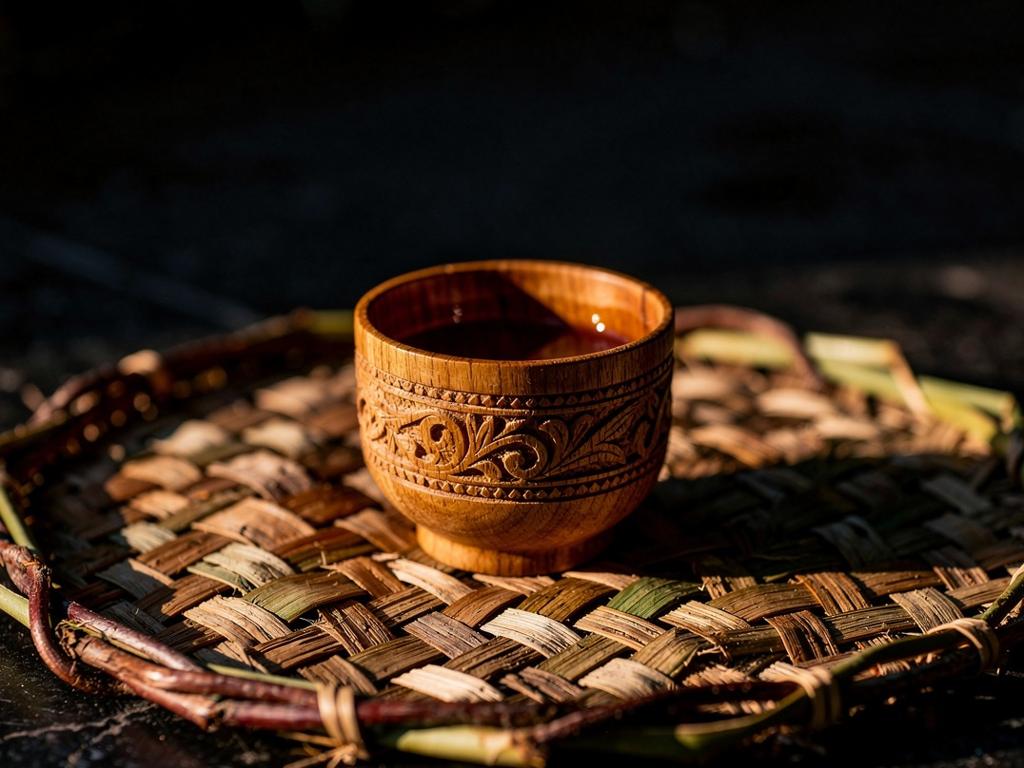
The first time I heard a curandero describe ayahuasca as a sacred surgery, I laughed a little. Not out loud — you don't laugh at a shaman who's been drinking this brew for forty years — but internally. It sounded like the kind of phrase a marketing intern would slap on a retreat brochure. Then I sat in my first ceremony. And I understood. The word wasn't metaphor. It was the closest thing in Spanish to what he actually meant. Ayahuasca, in the traditional Amazonian view, isn't a psychedelic experience you observe from the safety of your own mind. It's something that goes into you and rearranges things. The vine doesn't ask permission. It works. If you're researching your first ayahuasca retreat, or you're on the fence about whether plant medicine is the right path for you, this idea of sacred surgery is worth sitting with. Because it reframes the whole question. You stop asking, "what will I feel?" and start asking, "am I ready to be operated on?" In the mestizo and indigenous traditions across Peru, Colombia, and Brazil, ayahuasca is one of the master plants — plants understood not as chemicals but as teachers with their own intelligence. A curandero doesn't use ayahuasca. They work with her. She's often referred to as an abuela, a grandmother. When shamans call ceremony a surgery, they mean something specific. The plant enters your system and, guided by the icaros — the medicine songs sung by the facilitator — locates what needs to come out. Trauma stored somewhere in the body. An addiction pattern that's calcified into a personality. Grief you swallowed twenty years ago and never processed. The plant finds it, brings it to the surface, and gives you a chance to release it. That release is often violent — physically, emotionally, or both. The purge (vomiting, crying, shaking, occasional trips to the bathroom) isn't a side effect. It's the surgery itself. Western language struggles with this. We want to call it a healing modality, a therapeutic tool, a psychedelic intervention. All of that flattens what's happening. The old framing — that something is being removed from you by an intelligence outside yourself — is worth taking seriously, even if you don't personally believe in plant spirits. Because it will change how you prepare. Nobody schedules real surgery casually. You don't book a knee replacement between a work trip and a wedding. You clear the calendar. You prep. You arrange aftercare. You take it seriously because your body is going to be opened up. Most people booking an ayahuasca ceremony don't approach it this way. They treat it like an adventure activity — something intense but bounded, something you fly in for and fly out of. That mismatch is where a lot of the hardest retreat stories come from. People arrive under-prepared, get their doors blown off in ceremony, and then fly home two days later into the same job, the same relationship, the same patterns that were making them miserable — except now they're raw. Here's what taking the sacred-surgery framing seriously actually looks like in practice: The area where the sacred-surgery language rings truest is addiction recovery. This is also where the strongest research signal exists. Observational studies out of Brazil and Peru, and more recent work in Canada and Spain, have documented meaningful reductions in problem drinking, cocaine use, and tobacco dependence following ayahuasca ceremonies — often after just a handful of sessions. Why? Because addiction, in the plant-medicine frame, isn't really about the substance. It's about what the substance is medicating. Something underneath — grief, shame, a childhood wound, a self-story you can't stop rehearsing. Standard treatment often works on the behavior. Ayahuasca cuts under the behavior and shows you the wound. You can't unsee it. And once you've seen it, the compulsion around the substance often loses its grip — not because you're stronger, but because the thing it was numbing has been named. This is why ibogaine is used specifically for opioid dependence, why psilocybin trials are producing striking results with alcohol use disorder, and why ayahuasca keeps showing up in the psychedelic-assisted recovery conversation. Different plants, different operations, same underlying logic: something has to come out. None of this means plant medicine replaces conventional treatment. If you're in active withdrawal from alcohol or benzodiazepines, you need a medical detox, not a jungle ceremony. If you're on psychiatric medication, you need a doctor to help you taper safely if a facilitator requires it. The sacred surgery works best on top of, not instead of, the boring foundational work of therapy, community, and time. The ayahuasca world has exploded. Retreats have proliferated across Peru, Costa Rica, Portugal, the Netherlands, and increasingly in legally gray corners of North America. Some of these places are extraordinary. Some are dangerous. A few are both. When you're evaluating a retreat, look for the boring stuff more than the beautiful photography: People often ask me whether they should do ayahuasca. It's the wrong question. The real one is: what am I hoping this will fix, and have I tried the ordinary approaches first? Because here's the thing. Ayahuasca isn't gentle. It's not a wellness weekend. The nights are long, the visions can be terrifying, and the days after can be some of the hardest of your life. People who go in casually often leave shaken in ways they didn't sign up for. People who go in with a genuine question, real preparation, and honest support tend to come out changed in ways they couldn't have predicted. If the sacred surgery language repels you — if it sounds too woo, too dramatic, too foreign — that's useful information. Maybe this isn't your path, or maybe it isn't your path yet. There's no shame in that. There are other ways up the mountain, and some of the most resilient people I know have never touched a plant medicine. But if something in you keeps circling back to it, keeps searching, keeps reading articles like this one at eleven at night, that's worth listening to. For readers who want to take this further, a curated range of ayahuasca ceremonies and plant-medicine retreats can be browsed on our marketplace here. Take your time with the choice. Sacred surgery deserves that much.
Why You Feel Exhausted After an Ayahuasca Ceremony — and What Helps
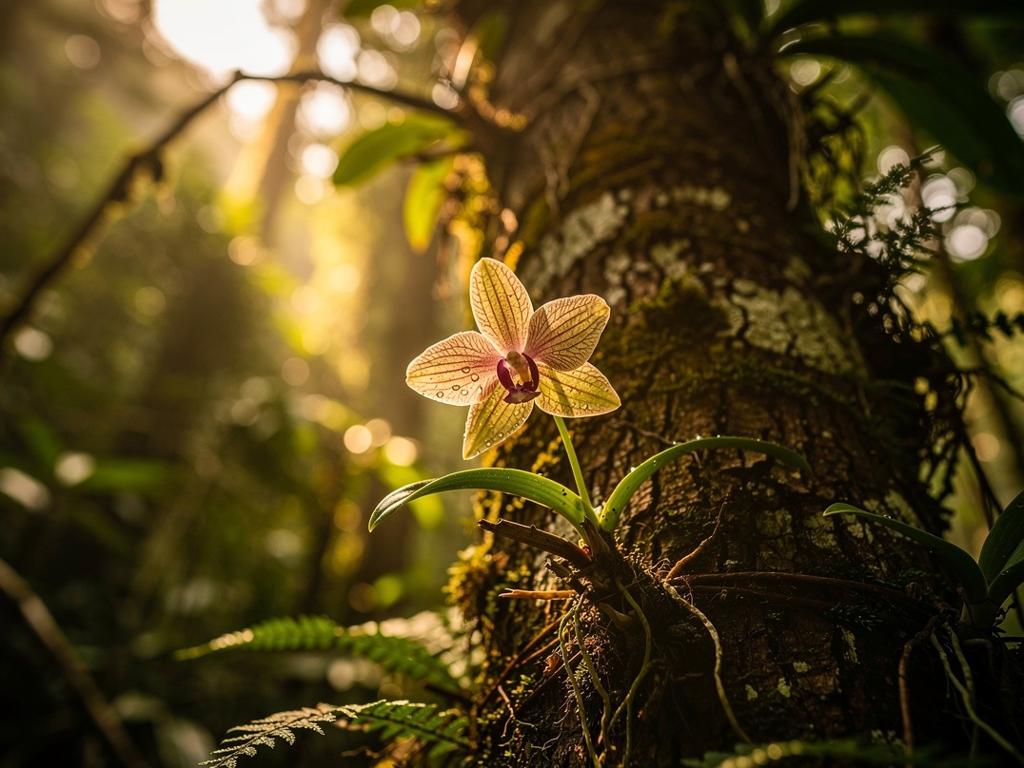
Nobody warns you properly. You spend months preparing for the ceremony itself — the diet, the flights, the nervous rehearsal of what you might ask the medicine — and then you finish your last night in the maloca, and instead of floating home glowing with insight, you can barely lift your suitcase. Your bones feel wrong. Your eyes sting. You cry at a coffee menu. This is one of the most common experiences after an ayahuasca retreat, and one of the least discussed in the glossy write-ups. If you're researching plant medicine and want to know what actually happens to your body and mind in the days after, this is the honest version. The fatigue isn't a bug. It's part of the process — but it can also mask something worth paying attention to. People describe it in different ways. A leaden heaviness in the limbs. A brain that runs at half speed for a week. Emotional flatness that feels nothing like the luminous night you just had. Some sleep fourteen hours a day for three days straight. Others can't sleep at all, wired and hollowed out at the same time. The fatigue tends to show up in layers. There's the immediate physical crash the morning after a ceremony — you've been up half the night, purging, sweating, occasionally shivering. That part is straightforward. Then there's a deeper tiredness that can settle in around days three to seven, once you're home. This one feels less like normal sleep debt and more like your nervous system has downshifted into a lower gear and forgotten how to get back up. And then, for some people, there's a third wave — a kind of emotional exhaustion that arrives a couple of weeks in, when the initial glow fades and the actual work of integrating what came up begins. That one catches people off guard. Ayahuasca is not gentle on the body. A ceremony is closer to running a marathon while simultaneously undergoing a therapy session while simultaneously fasting. Your heart rate spikes. Your blood pressure moves around. You're likely dehydrated from purging. Your adrenal system has been running hot for six to eight hours. On top of that, the brew contains MAO inhibitors — the compounds in the caapi vine that let the DMT in chacruna become orally active. MAOIs affect neurotransmitter regulation for hours after the ceremony ends, which can leave your serotonin, dopamine, and norepinephrine systems in a temporary reshuffle. That's part of why the following days can feel emotionally strange in ways that don't map cleanly onto normal tiredness. There's also the psychological side. Whatever came up in ceremony — old grief, buried memory, a raw look at a relationship — doesn't neatly file itself away when the visions stop. Your brain is doing background processing on all of it. That processing costs energy. A lot of energy. For most people, the exhaustion peaks within the first week and gradually lifts over two to four weeks. It's uncomfortable but self-limiting. Here's what generally falls within the normal range: What's worth watching more closely: fatigue that gets worse rather than better after three weeks, persistent insomnia, panic that doesn't settle, intrusive imagery from ceremony that won't quiet down, or a depressive dip that starts to feel like more than a comedown. Those aren't necessarily emergencies, but they are signals to reach out — to your facilitator, to an integration therapist familiar with psychedelics, and if needed, to a medical professional. Master plants can churn up material that benefits from real support, and the ayahuasca-for-addiction and trauma literature is clear that aftercare matters as much as the ceremony itself. The temptation is to power through — get back to the inbox, hit the gym, prove you're fine. Resist. The body is telling you something specific, and the fastest way through is to listen. A few things that consistently help people: One thing worth adding: the impulse to make big life decisions in the first few weeks is strong and almost always premature. The clarity you feel is real, but the timing of your response to it doesn't have to be immediate. Give it thirty days before you quit the job or send the difficult email. Here's the reframe that most people find useful eventually. The exhaustion after ayahuasca often isn't a side effect of the ceremony. It is the ceremony, still working. Something has been rearranged. Old patterns you've been holding up with willpower for years are, briefly, no longer being held up. Of course you're tired. You've been carrying furniture around your whole life, and someone finally opened the door and let you set it down. The people who get the most from a psychedelic retreat tend to be the ones who take the aftermath as seriously as the ceremony. They clear the calendar for the week after. They line up integration support in advance. They understand that ayahuasca is not a transaction — you don't go, receive healing, and leave with it packaged up. The medicine keeps unfolding for months. Sometimes years. If you're still in the research phase and weighing whether to book at all, this is one of the things I'd factor into your planning: don't just budget for the retreat itself. Budget for the two to four weeks after. Fewer commitments. Real time to rest. Someone to talk to. That's often the difference between a life-changing experience and a beautiful memory that fades. Plant medicine work for addiction recovery — whether ayahuasca, ibogaine, or psilocybin — tends to involve an especially heavy post-ceremony window. The nervous system is doing enormous work, and the emotional material coming up is rarely tidy. If this is your reason for looking into a retreat, please prioritize centers that offer structured integration support, not just a ceremony schedule. Ask specifically what aftercare looks like. Ask what happens in week two, week six, month three. If any of this is resonating and you want to look at options with proper preparation and integration built in, a range of vetted ayahuasca and plant-medicine retreats can be explored on our marketplace here. Take your time with the decision — the medicine will still be there when you're ready.
Where Stress Actually Lives: Plant Medicine and the Trap of Time
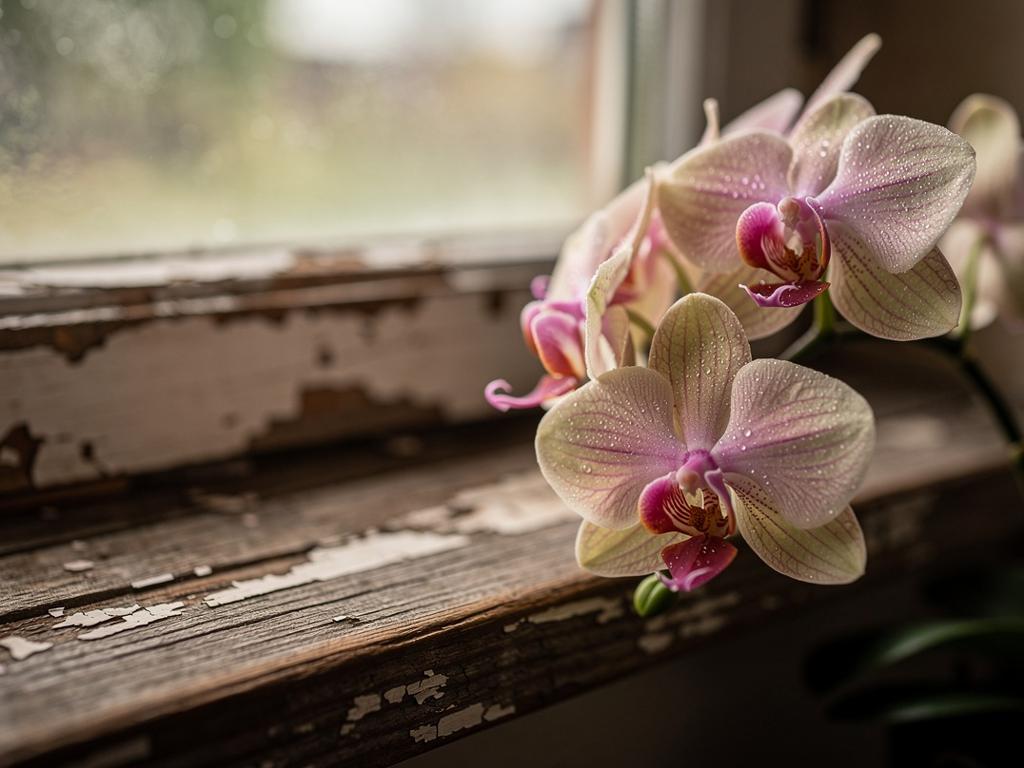
Somewhere around the third night of my first ayahuasca ceremony, I noticed something strange. The knot in my chest — the one I'd been carrying for what felt like a decade — wasn't actually there. Not in that moment. Not in the maloca, not in the dark, not while the icaros were curling through the room. It was somewhere else entirely. It was in the future I kept mentally rehearsing, and the past I kept mentally re-litigating. The present, weirdly, was fine. I've thought about that a lot since. If you're reading this because you're considering a plant medicine retreat — for depression, for addiction, for the low hum of dread that's followed you into your thirties or forties — there's a good chance your stress lives in the same place mine did. Not in your body. Not in your circumstances. In time. And that's worth understanding before you sit down with ayahuasca, psilocybin, or any of the other master plants. Try this right now. Look around the room. Are you, in this actual second, in danger? Is anything on fire? Probably not. And yet the nervous system is running a low-grade alarm anyway — grinding through what happened last Tuesday, what might happen next month, whether you sent that email, whether your mother is disappointed, whether the retreat you're researching is legit or a red flag. Almost none of that suffering is happening in the present. It's time-travel suffering. The body sits in a chair; the mind sprints between yesterday and tomorrow, and the stress hormones follow the mind, not the chair. This is one of the oldest observations in contemplative traditions, and it lines up neatly with what modern trauma research has been saying for the last twenty years — the brain doesn't reliably distinguish between a threat happening now and a threat being vividly imagined. Which is why the most confusing thing about a well-run ceremony isn't the visions. It's the silence after them, when you notice your baseline anxiety just… isn't there. Because for a few hours, you stopped time-traveling. Ayahuasca doesn't teach you anything you don't already know. That's the honest version. Any facilitator who's sat with the medicine long enough will tell you the same. What ayahuasca — and San Pedro, and psilocybin, and to some extent ibogaine — actually seems to do is drop you into a kind of enforced present tense. You can't rehearse next month's meeting when the room is breathing. You can't ruminate about your ex when the geometry behind your eyes is doing whatever it's doing. For people stuck in chronic anxiety, chronic depression, or the loops of addiction, this is not a small thing. Addiction in particular is almost pure time-travel: craving is a future projection, shame is a past one, and the substance is the shortcut that briefly collapses both. Which is one reason plant medicine for addiction recovery has become such a serious area of research — not because ayahuasca or ibogaine are magic, but because they interrupt the temporal loop long enough for the person inside it to see there's an outside. The Amazonian traditions that work with these plants have known this for centuries, obviously. They just don't describe it in the language of neuroscience. They describe it as the plants teaching you to sit still — with yourself, in this moment, without running. People ask what a psychedelic ceremony feels like, and time is usually the hardest part to describe. A four-hour ceremony can feel like eight minutes or eight lifetimes. Sometimes both, in sequence. Regular clock-time stops being the operating system. And within that, something else happens: the mental habits that depend on time — worrying, planning, replaying — lose their grip. Not because you're distracted from them. Because the machinery that runs them is temporarily offline. Here's what participants often describe: None of this is guaranteed. Ceremonies are unpredictable. Sometimes the medicine hands you what you asked for; sometimes it hands you something you'd rather not look at; sometimes it hands you nothing you can articulate and you spend three days figuring out what just happened. This is normal. Anyone who promises you a specific outcome is selling something. Here's the part that doesn't get talked about enough in the glossy retreat marketing. That present-moment peace you felt in the maloca? It doesn't automatically follow you home. The medicine cracks something open. What you do in the weeks and months afterward decides whether it stays open or scars back over. The trap is thinking the ceremony is the healing. It isn't. The ceremony is more like an X-ray — it shows you what's actually going on. Integration is the work of responding to what you saw. And integration is almost entirely a discipline of the present tense: therapy, meditation, movement, honest conversations, changing the small daily habits that keep pulling you back into time-travel suffering. Some things that actually help, in the months after a retreat: If you've read this far, you're probably not looking for a jungle vacation. You're looking for something specific — relief, a way out of a loop, a real answer to a question you've been carrying. So a few honest markers to look for, and a few to avoid: Good signs: a small group size (under fifteen, ideally under ten), facilitators trained in mental health as well as in tradition, a real intake process that asks about your medications and your psychiatric history, clear integration support after you leave, and prices that reflect real infrastructure rather than luxury markup. Reputable places will tell you when ayahuasca isn't right for you. That's not a rejection — that's care. Warning signs: promises of specific outcomes, dismissiveness about SSRIs or existing medications, no medical screening, a single charismatic leader with no oversight, pressure to book quickly, or a marketing tone that emphasizes transformation over safety. Master plants deserve serious containers. If the container feels flimsy, trust that. And take your time. The urge to book the next available date is often the same anxiety you're trying to heal — the mind trying to time-travel its way out of the present discomfort. If a retreat is right for you, it'll still be right in three months, after you've done your homework. The thing I keep coming back to, years after that first ceremony: the peace wasn't in the ayahuasca. The ayahuasca just showed me where it had been all along — in the completely ordinary moment I was actually sitting in. That's the real teaching of the master plants, as far as I can tell. Not a mystical elsewhere. A relentless, patient pointing back to here. If any of this resonates and you're weighing whether a retreat might be the next honest step, a curated selection of ayahuasca and plant medicine retreats can be browsed on our marketplace here. Read carefully, ask the boring questions, and give yourself permission to take the decision slowly. The present moment, thankfully, isn't going anywhere.
Dreaming of a Psychedelic Retreat?
We have the best deals and offers from thousands of organizers all over the world! Get them into your mailbox every week!
We value your privacy. Your email address will never be shared or published.
