 English
 Deutsch
 Français
 Nederlands
 Español


Reset. Heal. Grow.
How to Choose a Reputable Ibogaine Clinic: A Practical Guide
Ibogaine doesn't forgive sloppy operators. Of all the plant medicines people consider for addiction — ayahuasca, psilocybin, San Pedro, kambo — ibogaine is the one where picking the wrong retreat can actually kill you. That's not hyperbole. The molecule prolongs the QT interval on your heart's electrical cycle, and a center that doesn't take cardiac screening seriously is a center you should walk away from. I've spent years around the plant-medicine space, talked with people who've done ibogaine for opioid dependence, alcohol, methamphetamine, and stubborn depression. The ones who came out the other side intact — physically and psychologically — almost always chose carefully. The ones who didn't tend to share a story: cheap price tag, vague website, no medical staff on site, and a flood of regret. So let's talk honestly about how to vet a clinic before you wire anyone a deposit. Most plant medicines used in healing contexts — ayahuasca foremost — have a relatively forgiving safety profile when held in good ceremony. Ibogaine doesn't. It's a long, intense experience (often 24 to 36 hours of altered state plus a multi-day recovery), and it puts real strain on the cardiovascular system. People with undiagnosed heart conditions, electrolyte imbalances, or certain medications in their system are at genuine risk. That's the reason a real ibogaine provider behaves more like a small clinic than a retreat. There should be an EKG before treatment, blood work, a medical questionnaire that someone actually reads, and on-site medical personnel during the dose. If any of that is missing, you're not at an ibogaine clinic — you're at a gamble. None of this is meant to scare you off plant medicine for addiction recovery. Used carefully, ibogaine has helped people interrupt opioid dependence in ways nothing else has. The point is that the difference between transformation and tragedy here often comes down to who's running the room. Before you even compare prices or look at photos of the property, find out what their intake process looks like. A serious provider will ask for: If the clinic shrugs at any of this — "just send us a recent physical" or "we'll handle screening when you arrive" — that's your signal to keep looking. Serious operators will sometimes turn people away. That's a good sign, not a red flag. During treatment itself, you want a medical doctor or experienced nurse physically on site, continuous cardiac monitoring, and a clear protocol for what happens if something goes wrong. Ask plainly: who's in the room with me during the dose? What's their training? What's the nearest hospital, and how long does it take to get there? A reputable clinic will answer all of this without flinching. Ibogaine sits in a legal grey zone — illegal in the U.S., legal or unregulated in Mexico, Costa Rica, Portugal, the Netherlands, and a handful of other countries. That patchwork has produced a wide spread of operators, from genuinely careful clinics with years of clinical experience to slick websites run by people who took a weekend training and bought a beach house. Some honest filters: Get a phone or video call with someone from the clinic — not a sales rep, ideally the medical director or lead facilitator. Bring a list. If they dodge or rush you, that tells you what you need to know. A few I'd put at the top: Listen for specificity. Vague reassurance ("we take safety very seriously") is meaningless. Detailed answers about EKG thresholds, specific contraindicated medications, and named staff are what you want. Ibogaine treatment is not cheap, and the spread is wide — anywhere from around $5,000 at lower-end providers to $15,000 or more at established clinics with full medical staffing. The cheap end of the market is where most of the horror stories come from, for reasons that should be obvious. Cardiac monitors, qualified physicians, and proper aftercare cost money. Someone running a sub-$5,000 operation is cutting somewhere, and where they're usually cutting is the part that keeps you alive. That said, the most expensive clinic isn't automatically the best. I've seen pricey operations with beautiful infrastructure and surprisingly thin medical protocols. Cost is one signal among many — match it against the screening rigor, the named staff, and the aftercare program. If money is tight, the honest answer might be: wait. Save up. Do the preparation work — therapy, sober time, dietary changes — that makes ibogaine more likely to actually stick. Going into treatment underprepared at a cut-rate clinic is the worst version of this decision. Even the best ibogaine clinic in the world can't do the work for you. The people who get the most out of this medicine tend to arrive having already started: tapered off whatever they're tapering off (with medical guidance), eating reasonably, sleeping more, and doing some honest reflection about what they actually want to change. Integration is the other half of the equation. The clarity ibogaine offers can fade if you walk out of the clinic and back into the same environment, same relationships, same coping patterns. Building in therapy, peer support, and ideally an integration coach for the months after — that's where the lasting change happens. It also helps to be realistic about what plant medicine can and can't do. Ibogaine, ayahuasca, psilocybin — these tools can dissolve patterns that decades of willpower couldn't budge. They can also leave you raw, disoriented, and forced to face material you'd been avoiding. Going in with humility, and with people around you who'll catch you on the other side, matters more than which exotic location you choose. You will read clinic websites that sound polished and feel wrong. Trust that. The plant-medicine space attracts both genuine healers and skilled marketers, and the latter often have better copy. If a place won't answer specific medical questions, won't put you in touch with their medical director, or pressures you to book quickly — those are signals worth honoring. And if you feel pulled toward ibogaine specifically because nothing else has worked, that's a legitimate reason to keep researching, not to rush. The right clinic will still be there in three months. The wrong one might not be — and that's usually a gift. For readers wanting to compare options without sorting through dozens of unvetted sites, a curated selection of ibogaine and plant-medicine retreats can be browsed on our marketplace here. Take your time with the decision. This is one of those choices where careful research is itself part of the healing.
Ibogaine for Addiction Recovery: What the Experience Actually Looks Like
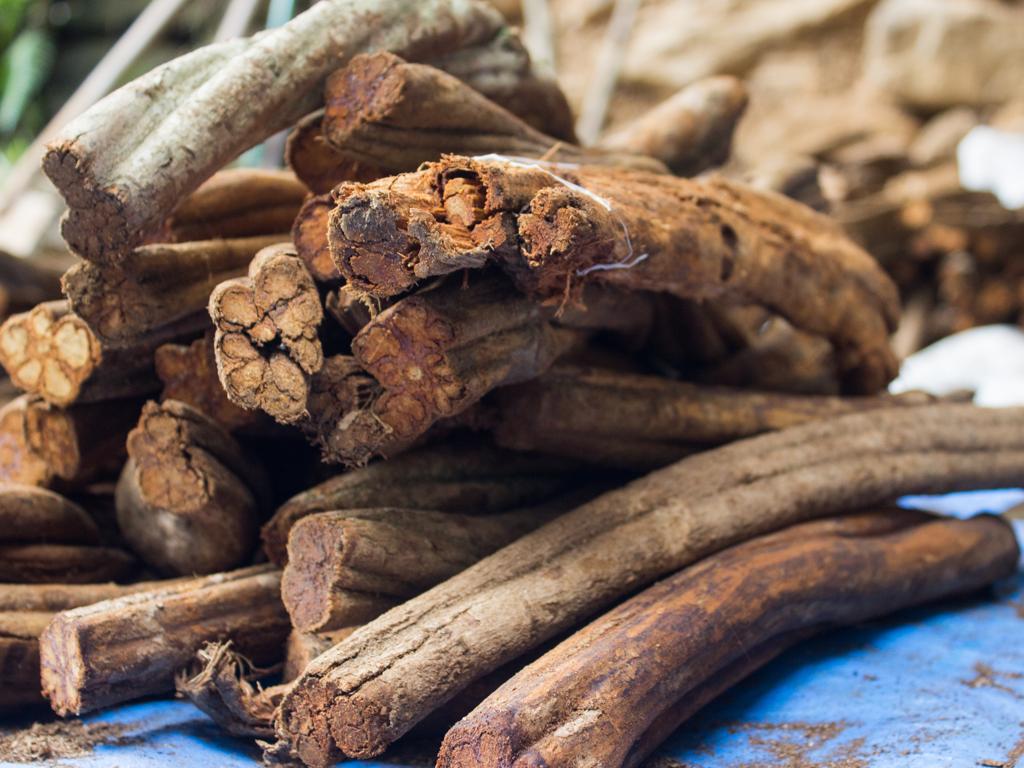
There's a particular kind of phone call that happens in addiction circles. Someone you knew years ago, someone you'd half written off, calls out of the blue. Their voice sounds different. Cleaner. They mention they went to Mexico, or Costa Rica, or some clinic with a name you can't quite catch, and they took something called ibogaine. And now, six months later, they haven't touched the thing that was killing them. If you've been researching plant medicines for addiction recovery, you've probably encountered these stories. They're scattered across Reddit threads, recovery forums, late-night YouTube rabbit holes. People describing how a single session of ibogaine — extracted from the root bark of an African shrub called Tabernanthe iboga — apparently switched something off in their brain. The craving, the obsession, the daily war. Just… quieter. So what's actually going on here? And should you be considering it? Ibogaine sits in a strange category. It's a psychoactive alkaloid, technically a psychedelic, but it doesn't really behave like ayahuasca or psilocybin or LSD. There's no euphoria, no giggles, no expansive sense of cosmic love. People who've sat through an ibogaine flood dose tend to describe it as a long, intense, often physically uncomfortable inventory of their own life — and a kind of biochemical reset that follows. The reset part is what makes it interesting for addiction. Ibogaine appears to interact with opioid receptors in a way that dramatically reduces withdrawal symptoms and post-acute cravings, particularly for opiate addiction. Heroin users have walked into clinics expecting hell and walked out, often within 48 hours, without the dopesickness they'd been bracing for. That's not folklore — clinicians who've worked with the substance for decades have documented it repeatedly. But here's the part the enthusiastic Reddit posts often skip: ibogaine carries real cardiac risk. It can prolong the QT interval, the electrical rhythm of the heart, and people have died from cardiac events during sessions. Reputable clinics screen with EKGs, blood work, and sometimes overnight cardiac monitoring. The ones that don't are gambling with your life. Genuinely. A flood-dose ibogaine session is not a weekend activity. The acute phase typically runs 24 to 36 hours, and the recovery tail can stretch a week or more. People describe three rough stages. Physically, it's a slog. Ataxia (loss of coordination) means you can't really walk for the first day. Nausea and vomiting are common. Most people don't sleep for a couple of nights. Anyone telling you it's a blissful spa retreat is selling something. Short answer: for some people, dramatically. For others, it's a powerful experience that didn't fix the underlying problem. The strongest results show up with opioid dependence. Observational studies and clinic outcomes consistently report that a substantial percentage of people who undergo ibogaine treatment for heroin or prescription opioid addiction remain abstinent at 30, 60, and 90 days — far higher than typical detox-and-go statistics. Methamphetamine, alcohol, and cocaine results are more mixed, though many people still report a significant reduction in cravings. What ibogaine seems to do is interrupt the addiction. It buys you a window — maybe three to six months — where the compulsive pull is genuinely weaker. What you do with that window determines whether the change sticks. The people I've spoken with who are still clean years later all did the same thing: they used the post-ibogaine clarity to rebuild. Therapy, support groups, new relationships, a different city in some cases. The medicine doesn't do recovery for you. It clears the table so recovery becomes possible. The people who relapsed almost universally did the opposite: they flew home, went back to the same apartment with the same dealer's number in their phone, and assumed the magic would hold. It doesn't work like that. Ibogaine is unregulated in most countries, illegal in the United States (Schedule I), and legal or unscheduled in places like Mexico, Costa Rica, Portugal, the Netherlands, and parts of the Caribbean. The clinic landscape is genuinely uneven. Some operations are medical facilities run by physicians with cardiac monitoring, addiction specialists, and integration support. Others are guys with a guest house and a bottle. Things to ask before you book anything: Cost ranges widely. A bare-bones provider might charge $3,000 to $5,000. A medically robust clinic with proper screening, monitoring, and aftercare usually runs $7,000 to $15,000 or more. The cheap end is where most of the horror stories originate. Ibogaine isn't for everyone, and the recovery community can sometimes oversell it. A few things worth sitting with: It's not a guarantee. Even with the best clinic, the best preparation, and the best aftercare, some people relapse. The medicine is a tool, not a cure. If you go in expecting to be fixed, you've already misunderstood what's on offer. It can surface trauma you weren't ready to look at. The visionary phase doesn't discriminate. Childhood abuse, deaths you didn't grieve properly, harm you caused other people — it all comes up, and there's no off switch. Having a therapist lined up for the integration period isn't optional. It's part of the protocol. And the cardiac risk is real. People with underlying heart conditions, certain medications, or active stimulant use can die. This is the part of the conversation that gets glossed over in feel-good testimonials, and it shouldn't be. The screening exists for a reason. Most people I've talked to who've done ibogaine and stayed clean describe the months before their session as a kind of cornered desperation. They'd tried meetings, rehab, medication-assisted treatment, willpower. Nothing held. Ibogaine wasn't a curiosity for them. It was the thing they tried when they'd run out of other things to try. If that's roughly where you are, the research is worth doing carefully. Talk to people who've been through it — not just the evangelists, but the ones whose stories were complicated. Read the clinical literature on cardiac safety. Get the EKG before you contact anyone. And take seriously the question of what your life will look like the week after you fly home, because that week matters more than the session itself. For readers who want to explore this further, a range of vetted ibogaine and plant-medicine retreats can be browsed on our marketplace here. Whatever you decide, decide it with your eyes open — the people who do well with this medicine tend to be the ones who took it seriously enough to be a little scared of it.

How to Vet an Ibogaine Provider: Accountability, Red Flags, and Real Questions to Ask
Somewhere right now, a person who's been chasing sobriety for fifteen years is typing “ibogaine retreat Mexico” into Google at three in the morning. They're exhausted. They've tried everything. And the first five results are slick websites with stock photos of sunsets and promises of a “reset.” None of those websites mention the cardiac screening protocol. None of them list the medical staff by name. None of them explain what happens if something goes wrong at hour fourteen of a flood dose. This is the uncomfortable middle of the ibogaine and psychedelics world in 2026 — a medicine with genuinely remarkable results for opioid addiction recovery, sitting in a legal gray zone, offered by a patchwork of providers ranging from world-class clinics to people who watched a documentary and bought a domain name. Addiction is desperate work. Desperate people don't always ask hard questions. So let's ask them now, before the deposit goes through. Ibogaine is a Schedule I substance in the United States, which means clinical research has been crawling for decades while the actual treatment infrastructure migrated to Mexico, Costa Rica, Portugal, the Netherlands, and parts of the Caribbean. There's no FDA. No DEA. No state medical board with jurisdiction over a provider operating out of a rented villa in Rosarito. When something goes wrong — and people have died, this isn't hypothetical — the family is usually left navigating a foreign legal system with no real recourse. The plant medicine world likes to talk about ibogaine as one of the master plants, sacred and ancient, used by the Bwiti of Gabon for centuries. That's true and that's beautiful. It's also true that an iboga root bark ceremony in a traditional Bwiti context is a wildly different event from a Western detox protocol using purified hydrochloride salt, and the safety considerations are not the same. Conflating the two is one of the first things shady operators do. So accountability becomes the buyer's problem. You — the person considering this — have to do the work that regulators in most countries simply aren't doing yet. Annoying, yes. Also non-negotiable. Here's the thing about ibogaine that gets glossed over in the inspirational testimonial videos: it prolongs the QT interval on your heart's electrical rhythm. In plain English, it can trigger fatal arrhythmias. The deaths associated with ibogaine — and there have been documented cases, more than the industry is comfortable admitting — almost all involve undetected cardiac issues, electrolyte imbalances, or interactions with other substances still in the patient's system. A serious provider treats this like the medical event it is. A sketchy one treats it like a vibe. The difference is measurable in concrete protocols you can ask about directly: That last question is the one most providers hate. A good one will answer honestly. A bad one will pivot to talking about the shaman's lineage. Most people researching an ibogaine retreat scroll for testimonials and pretty photos. Reverse that instinct. Look for what's missing. Are the medical staff named, with their actual credentials, ideally license numbers you can verify in the country where they practice? Or is it all first names and vague titles like “healing facilitator”? Is there a stated maximum number of clients treated simultaneously, or does the schedule suggest a conveyor belt? Do they publish their screening criteria — the conditions that disqualify someone from treatment — or do they imply that ibogaine is right for everyone? (It isn't. People with certain heart conditions, recent stimulant use, untreated mental illness, or specific medication regimens should not take it. A provider that doesn't turn people away is one to walk away from.) Pricing is another tell. Genuinely safe ibogaine treatment is expensive — typically somewhere between six and fifteen thousand US dollars for a week-long program with proper medical support. Anything dramatically cheaper is cutting corners somewhere, and the corners being cut are usually the ones keeping you alive. Anything dramatically more expensive without a clear explanation (a specialized neurological track, integration that lasts months, a residential aftercare component) is probably markup on luxury, not safety. Treat the discovery call the way you'd treat an interview with a surgeon. Because functionally, that's closer to what's happening than a yoga retreat booking. Here's the list I'd send to someone in my own family if they were considering ibogaine for addiction recovery: Watch the response time and tone on questions four and seven especially. A defensive answer is data. A clean, calm, specific answer is also data. You're learning whether this is a professional operation or a charismatic individual performing one. Ibogaine has an unusual property among psychedelic plant medicines: the acute experience interrupts physical opioid withdrawal in a way nothing else does. People emerge from a treatment with their physical dependence broken. That's genuinely miraculous. It is also not the same thing as being healed. The window after ibogaine is fragile. The medicine seems to soften the underlying patterns that led to addiction in the first place, but those patterns rebuild themselves quickly without active integration work. Sober living, therapy, community, a sponsor, somatic work, a complete restructuring of the social environment that supported the addiction — none of this is optional. The retreat that hands you a goodbye smoothie and an Uber to the airport on day seven is setting you up to relapse, and many people do. The serious providers know this and build the aftercare in. Some have residential step-down programs. Some have monthly integration calls with a therapist for six months. Some coordinate with a clinician in your home city before you ever arrive. Ask what happens on day thirty. Day ninety. Month six. If the answer is essentially “you're on your own,” that's the program telling you who they actually are. One of the more hopeful developments in the broader psychedelic and plant medicine space over the last few years has been the slow growth of practitioner registries, peer review networks, and harm-reduction organizations willing to name names. The Global Ibogaine Therapy Alliance has published safety guidelines that any legitimate provider should already be following. Reddit communities, especially r/Ibogaine, are an imperfect but useful place to read unfiltered accounts of specific clinics — both the glowing and the harrowing. Cross-reference everything. Be suspicious of a provider with only five-star reviews, all posted within the same month. The deepest accountability, though, is still informal. It's the former client who'll get on a phone call and tell you what really happened on night two. It's the harm-reduction worker who knows which clinic had a death last year and quietly steers people away. It's worth asking around in psychedelic integration circles, recovery communities, and even certain therapist networks — people who've sat with this medicine and watched others sit with it tend to know who's doing the work properly. None of this guarantees safety. Ibogaine carries real risk no matter how well it's administered. But the difference between a 0.1% complication rate and something far worse is almost entirely about the rigor of the provider. That part you can actually evaluate, if you slow down long enough to do it. For anyone weighing this seriously, vetted ibogaine and plant medicine retreats can be explored on our marketplace here, which is a reasonable starting point if you'd rather not begin with a Google search at three in the morning. Whatever path you take, ask the hard questions first. The good practitioners welcome them. The rest tell you everything you need to know by how they react.
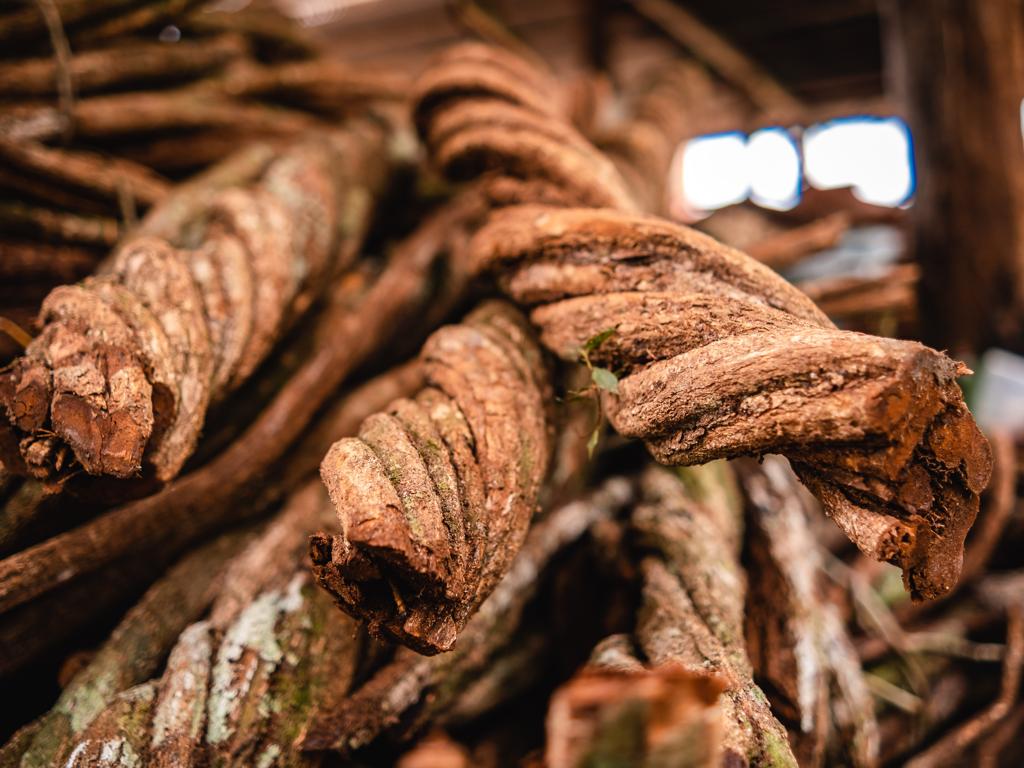
Integrating an Iboga Experience: What Actually Happens After the Ceremony
Most people walk into an iboga ceremony bracing for the experience itself — the long hours, the visions, the physical weight of the medicine pressing them into the mat. What almost no one prepares for is what comes after. The ceremony ends. You go home. And then? Then the actual work starts. Iboga, the root bark from a small West African shrub used for centuries in Bwiti tradition, is one of the most demanding plant medicines on the planet. It's also one of the most studied for addiction recovery — particularly opioid dependency. But here's the thing nobody at the retreat will quite tell you straight: the medicine doesn't fix you. It shows you. What you do with what it shows you is the entire ballgame. There's a tempting story floating around the psychedelic healing space — that one heroic dose will rewire your brain, dissolve your addiction, and hand you back a new life. People do report dramatic shifts after iboga, especially around opioid cravings. That part is real. What gets glossed over is the window. After a flood dose of ibogaine or traditional iboga root bark, many people describe a period — sometimes called the gray day, sometimes stretching into weeks — where old cravings are quiet, old patterns feel optional, and the mind is unusually pliable. This isn't a permanent state. It's an opening. Treat it like a runway, not a destination. Without integration, that window closes and the old grooves reassert themselves. With integration, you can build new grooves while the soil is soft. The difference between people who hold their gains and people who relapse within six months is almost always what they did between week one and month six. Right after an iboga experience, you may feel clear in a way you haven't felt in years. Clean. Lucid. Convinced that everything has changed. That feeling is partly real and partly a chemical afterglow, and it's a terrible time to make big decisions. People in this phase quit jobs, end relationships, move countries, announce sweeping life pivots — and a fair number regret it three months later when the high tide of insight has receded and they're left looking at the wreckage. The medicine showed you something true, probably. But truth and timing are different animals. Move slowly. Eat real food. Walk outside. Write things down before you forget them, because you will forget them. Integration isn't a mystical process. It's mostly mundane, daily, and a bit boring — which is exactly why people skip it. Here's what tends to work, drawn from what facilitators and people who've sustained their changes actually do. For the first week, sit down every morning and write whatever you remember. Visions, conversations with whatever you encountered, body sensations, names of people who appeared, regrets that surfaced. Don't edit. Iboga insights have a strange half-life — vivid for ten days, then they start dissolving. The journal is your archive. Talking to people who haven't done plant medicine about a plant medicine experience is mostly frustrating. They'll either be politely baffled or quietly worried about you. Find one person — a facilitator who offers integration calls, a therapist trained in psychedelic integration, a peer from your retreat — who can hear what you're saying without translating it into something smaller. One real conversation beats ten polite ones. Iboga tends to show people a long list of things that aren't working. Trying to fix all of them at once is how people burn out and end up back where they started. Choose one. Maybe it's the relationship you keep avoiding. Maybe it's the substance you keep returning to. Maybe it's the work schedule that's been quietly killing you. One thing, attacked seriously, will do more for you than ten things attacked half-heartedly. Iboga is a deeply somatic medicine — it lives in the body for a long time, and the insights it surfaces are often stored in the body too. Some kind of regular physical practice helps the integration land: walking, swimming, yoga, breathwork, simple stretching. Nothing extreme. The goal is to stay in contact with yourself, not to optimize a fitness routine. Ibogaine has a serious track record in interrupting opioid dependency. Clinics in Mexico, Costa Rica, and a handful of other jurisdictions have been treating heroin and prescription opioid addiction with it for decades, and the published outcomes are interesting enough that mainstream addiction medicine is finally paying attention. But interrupting is not the same as curing. What ibogaine seems to do reliably is take away the acute withdrawal and reset cravings for a window of time. What it cannot do is rebuild the life you'll re-enter once that window opens. If you go back to the same apartment, the same friends, the same patterns, the same unaddressed trauma — the addiction will find its way home. The people who stay clean after iboga are almost always the ones who treated the medicine as the start of a long process, not the end of a short one. This is why reputable iboga providers increasingly insist on aftercare programs, sober living arrangements, and structured follow-up. If you're considering iboga for addiction and the retreat you're looking at doesn't ask hard questions about your plan for the weeks after — that's a red flag worth paying attention to. A few patterns show up over and over with people who lose ground after an iboga journey: Iboga can surface old material — trauma, grief, suppressed memories — that doesn't always tuck itself back in neatly. Most people handle the unpacking with journaling, peer support, and time. Some people need more, and there's no shame in that. If you're experiencing prolonged sleep disruption past a few weeks, intrusive memories that won't settle, depressive episodes deeper than your baseline, or thoughts of self-harm, that's the moment to find a therapist — ideally one familiar with psychedelic integration, though a competent trauma therapist of any stripe is better than going it alone. Iboga can crack things open that need a professional hand to help close. Plant medicine doesn't replace mental health care. At its best, it accelerates and deepens the work. At its worst, it surfaces things you weren't ready to face. Knowing the difference, and being willing to ask for help, is part of being a serious participant in your own healing. People who've held their iboga insights five and ten years later describe something interesting: the experience itself becomes less central over time, but the small daily decisions they made in the months after — the boundary they finally drew, the job they finally left, the practice they finally committed to — those compound. The ceremony was a doorway. The life on the other side was built one ordinary week at a time. That's the part the brochures don't sell well, because it isn't dramatic. But it's the part that matters. If you're seriously considering iboga for addiction, depression, or a stuck pattern you can't seem to shake, the question to sit with isn't whether the medicine will work. It's whether you're prepared to do the slow, unglamorous work that makes the medicine stick. For readers who want to take this further, a range of carefully vetted iboga and ibogaine retreats can be browsed on our marketplace here. The plant will do its part. The rest is yours.
Ibogaine for Meth and Sex Addiction: An Honest Look at What Recovery Really Involves
There's a particular kind of silence around addictions people don't put on greeting cards. Meth. Compulsive sex. The behaviors that get whispered about in twelve-step rooms but rarely make it into wellness magazines. And yet these are some of the patterns that drive people, eventually, toward ibogaine — a psychedelic plant medicine with a reputation for doing what willpower and conventional rehab often can't. This piece is about what actually happens when someone uses ibogaine to interrupt those patterns, what the first three months afterward tend to look like, and the honest, unglamorous work that determines whether the reset holds. If you're researching plant medicine for addiction — your own or someone you love's — you deserve specifics, not slogans. Ibogaine is an alkaloid extracted from the root bark of Tabernanthe iboga, a shrub native to West and Central Africa. In the Bwiti tradition of Gabon it's been used ceremonially for centuries. In the West, it found a second life in the 1960s when a heroin-addicted chemist named Howard Lotsof took it recreationally and noticed his withdrawal had vanished. That accidental discovery is more or less the origin story of modern ibogaine treatment for addiction. The pull, for most people who consider it, is straightforward: ibogaine appears to interrupt the neurochemistry of compulsion in a single, very long session. It isn't subtle. A full flood dose lasts somewhere between 24 and 36 hours, much of it spent in a dreamlike review of one's own life — sometimes painful, sometimes revelatory, almost always exhausting. People walk out the other side describing not just reduced cravings but a strange sense of distance from the behavior that had been running them. That distance is real. It's also fragile. Which is the part nobody who sells ibogaine retreats likes to talk about. Stimulant addiction and compulsive sexual behavior often travel together, and they reinforce each other in ways most outsiders don't understand. The dopamine architecture is similar. The shame is similar. The way each one hijacks decision-making is similar. And the bottom — when it comes — usually arrives quietly, after years of the person telling themselves they had it under control. A lot of people who end up booking an ibogaine retreat have already tried the usual menu: outpatient therapy, twelve-step programs, SSRIs, inpatient rehab, sometimes more than once. They aren't naive. They've read the studies. They know ibogaine isn't a magic bullet. They're considering it because the math of their lives has stopped working and they need something that can actually break the loop. If that's you, a few honest things to sit with: The arc most participants describe goes something like this. Weeks one to four. A window of unusual calm. Cravings are dramatically reduced — for meth, often nearly absent. Sleep is strange and sometimes fragmented; ibogaine has a long tail and people report vivid dreams and a kind of low-grade emotional rawness for weeks. The compulsive sexual urges that previously felt automatic feel, instead, observable. You can see them coming. That alone is new. Weeks four to eight. The novelty wears off. Real life returns. Bills, exes, work stress, the friend who only ever calls when they're using. This is where the work starts. The neurological reset is fading, but the behavioral patterns underneath it are still there, waiting to see if anything's actually changed. People who have built structure — therapy, daily practice, accountability, a different social environment — tend to keep moving forward. People who flew home and tried to white-knuckle it tend to start wobbling. Weeks eight to twelve. The real test. By month three, the medicine itself is long gone from the body. What remains is whatever you've built. The participants who report the most durable results almost always describe some combination of ongoing therapy (often somatic or trauma-focused), a sober community, removal of obvious triggers, and a sustained practice — meditation, exercise, journaling, something — that keeps them in contact with the version of themselves they met during the ceremony. Ibogaine is a serious medicine, and not in the way wellness marketing uses that word. It has real cardiac risks. It can prolong the QT interval and has been associated with fatalities, almost always in contexts where pre-screening was inadequate or where participants used other substances around the treatment. A legitimate ibogaine provider will require, at minimum: If any retreat skips these steps, walk away. The places doing this work responsibly are not cheap and not casual, and that's appropriate. The ibogaine retreat landscape ranges from world-class medical clinics with cardiologists on staff to underground operations run out of someone's rented house. The price tag isn't always a reliable signal. Some questions worth asking before you book anything: A good provider will welcome these questions. A bad one will get defensive or vague. Trust that signal. The thing nobody tells you when you're researching ibogaine for addiction is that the ceremony is maybe twenty percent of the work. The other eighty percent is what comes after — and it's mostly unsexy. Therapy appointments. Conversations with a sponsor. Deleting apps. Telling friends the truth. Building a daily rhythm that doesn't depend on the old patterns to feel okay. The people who get long-term results from ibogaine tend to treat the treatment as a single, intense beginning — not an ending. They plan for integration before they ever sit with the medicine. They line up a therapist who knows about psychedelic work. They identify, in advance, the situations and people most likely to pull them back. They commit to at least three months of unusually deliberate living. The ones who relapse, in my experience, almost always treated the ceremony as the finish line. Take your time. Ibogaine is not going anywhere, and a decision this serious shouldn't be made from the bottom of a particularly bad week. Talk to people who've been through it — preferably more than six months out, so they can speak honestly about what stuck and what didn't. Get a real cardiac workup before you even start shopping for retreats. Find a therapist now, not after. And be skeptical of any story — including the ones told by very sincere people on the internet — that frames ibogaine as a cure. It's a powerful, sometimes life-changing tool. It's also a medicine that demands more of you afterward than before. That's not a warning to scare you off. It's the actual deal. For readers who want to research this further, a range of vetted ibogaine and plant-medicine retreats can be browsed on our marketplace here — useful at least as a baseline for what credible programs look like, what they include, and what they cost.
Craving More Stories?
Get your free guide on how to choose a psychedelic retreat, plus upcoming retreats and new reading every two weeks.
We value your privacy. Your email address will never be shared or published.

Psychedelics for PTSD: Real Stories of Healing With MDMA and Ayahuasca
The first time Nathan closed his eyes during the trial, he described it like a kid pulling back heavy curtains in a room he’d been afraid of for years. He wasn’t scared anymore. He was curious. That single shift — from dread to curiosity — is something I hear over and over from people who turn to psychedelics for PTSD, and it’s usually where the real work begins. Stories like Nathan’s are part of why interest in psychedelic-assisted therapy has gone from fringe to front-page. MDMA, psilocybin, ayahuasca, ibogaine — none of them are silver bullets, and anyone honest in this field will tell you that. But a growing body of research, plus thousands of personal accounts, suggests these compounds can do something traditional treatment often can’t: help a traumatized nervous system feel safe enough to actually process what happened. Below are several real accounts, drawn from veterans, survivors, and clinical-trial participants, of what it actually feels like to face PTSD with the help of plant medicine and psychedelics. Facilitators who sit with people during and after experiences like these often report that the patterns repeat. The details never do. PTSD is stubborn. SSRIs help some people a little. Talk therapy helps more people, but slowly, and not everyone. For combat veterans, sexual assault survivors, and people carrying the weight of childhood trauma, the standard menu can feel exhausted before they’ve really started. That’s where psychedelics — and the broader category of master plants — keep entering the conversation. The research is genuinely promising. MDMA-assisted therapy is in late-stage clinical trials with MAPS, and early data has been strong enough that the FDA granted it Breakthrough Therapy designation. Psilocybin is being studied for treatment-resistant depression, end-of-life anxiety, and trauma. Ayahuasca, traditionally brewed in the Amazon for centuries, has drawn veterans’ groups who travel to legal jurisdictions because they’ve simply run out of options at home. None of this means you should go book a flight tomorrow. It does mean the desperation a lot of trauma survivors feel — that nothing is working — is finally being met with serious science and serious facilitators. The question is whether a retreat or trial is the right fit for you, right now. One former special-operations sergeant I’ll call C., 37, spent sixteen years in the military. By the time she got her PTSD diagnosis, she was preparing for another deployment and quietly aware she was no longer fit to lead her team. Antidepressants didn’t move the needle. Rehab helped with the drinking. The trauma itself — childhood and what came later in uniform — sat untouched. She heard about ayahuasca on a podcast, fell down the research rabbit hole, and eventually ended up at a retreat in Mexico that combined psilocybin and MDMA in a ceremonial setting. Lying among other participants, eye mask on, music playing, her body started shaking — not from fear, she said, but from something almost warm. Her chest felt like it was being held open. What she keeps coming back to isn’t the visions. It’s the absence of shame. For a few hours she existed without the constant low hum of guilt that had followed her for decades. That’s not a cure. But for someone who’d forgotten what neutral even felt like, it was the first crack of daylight. Another veteran, a former paralegal and combat driver, joined a retreat in 2021 after a year of talk therapy and several months of one-on-one prep with a coach. The retreat itself required strict dieta beforehand — no caffeine, no sugar, no alcohol, no salt, no stimulants. Participants journaled. They talked in circles. They got clear on what they were actually there for. She described the ceremony as drifting in and out of consciousness. When she came to, she felt the brew moving inside her — up to her throat, down through her stomach, swirling in her pelvis. She kept repeating, quietly, thank you for healing me, thank you for showing me, for what she remembers as about four hours. She’s firm about one thing: psychedelics are not a one-and-done fix. “Healing should be multidisciplinary,” she told me. “It’s a buffet. You don’t eat one thing and hope it lasts forever.” That line should be tattooed on the inside of every retreat brochure. Rudy, an 18-year special forces operator, had never touched an illicit drug before his first ayahuasca ceremony. His marriage had collapsed. He’d had an emotional breakdown. The VA had offered him what he called a cornucopia of pharmaceuticals, and he’d watched what those same prescriptions had done to friends. He said no. The symptoms were textbook combat PTSD — waking up convinced he was still deployed, snapping at things that didn’t matter, suffocating in crowds. One night he came back to consciousness standing naked at his own front door with a pistol, certain his teammates were about to be overrun. It was his wife’s voice that pulled him back. He flew out for ayahuasca through a veterans-focused organization. Months later, he didn’t describe himself as fixed. He described himself as having a new template for processing experience. The combat memories are still there. They just don’t run the show anymore. He also, in his words, left several buckets of vomit at the retreat — and joked that the shaman called him a strong purger. That kind of humor, in my experience, is a good sign someone is genuinely on the other side of something. Not every story takes place in a jungle. Lori, 42, was one of the early participants in MAPS’s FDA-cleared MDMA trials. Her trauma history is the kind that breaks sentences in half: her brother’s overdose, a rape by someone she knew, and walking in on the aftermath of a murder-suicide committed by her own mother. She received MDMA in three guided sessions, sandwiched between talk-therapy preparation and structured integration afterward. What she stresses — and what facilitators stress — is that the integration phase is where a lot of the actual healing settles in. The drug isn’t the therapy. The drug opens a window. What you do with what you saw, over the following weeks and months, is the therapy. This is where I see retreats and trials fail people most often. The ceremony is dramatic. The aftermath is quiet. Without integration — journaling, therapy, somatic work, community, time — it’s easy to slide back into old grooves and wonder why the magic didn’t stick. If you’re reading this because you’re weighing a booking, here are the questions I’d want you sitting with before you wire any deposits: I’ll be honest — the psychedelic space attracts both genuine healers and a fair number of opportunists with good lighting. Vet your facilitators the way you’d vet a surgeon. Read participant accounts that aren’t on the retreat’s own website. Talk to people who attended a year ago, not last week — because the year-later picture is what actually matters. A lot of people, understandably, can’t afford a structured retreat or wait years for a trial. Microdosing and underground experiences are everywhere. Researchers in this field — including the ones running the trials — consistently warn that self-medicating powerful compounds without screening, set, setting, or support can surface material people aren’t prepared to hold. That’s not a moral judgment. It’s a practical one. Trauma stored in the body has its own logic. When it comes up uninvited, in a context with no facilitator and no integration, it can entrench rather than release. If you’re going to do this work, give yourself the conditions to do it well. What strikes me about the people in these stories isn’t the drama of the ceremonies. It’s the ordinariness of what they wanted afterward — to sleep through the night, to be present with their kids, to stop bracing against everything. Psychedelics didn’t hand that to them. The medicine cracked something open, and they did the unglamorous work of rebuilding from there. If any of this resonates and you want to take a careful next step, a curated selection of ayahuasca and psychedelic retreats — including options that work specifically with veterans and trauma — can be browsed on our marketplace here. Take your time. The right retreat will still be there next month.
Ibogaine Afterglow or Manic Episode? Understanding the Line
A few weeks after an ibogaine session, people often describe feeling lit up from the inside. Sleep needs drop. Ideas come faster. The cravings that ran their life for years have gone quiet, and suddenly everything feels possible. For many, this is the famous ibogaine afterglow — a window of clarity that gets talked about in hushed, almost reverent tones in recovery circles. But here's the thing nobody at the retreat tends to mention upfront: that afterglow can shade into something else. Racing thoughts. Grandiosity. Impulsive decisions. Three hours of sleep feeling like enough. At a certain point, what looked like healing starts to resemble hypomania — and occasionally something more serious. This is one of the more honest conversations happening right now in the psychedelic healing space, and it deserves a clear-eyed look. If you're considering ibogaine for addiction or thinking about plant medicines as part of your recovery, you should understand both the gift and the risk of what comes after the ceremony ends. Ibogaine, derived from the root bark of the West African iboga shrub, is unusual among psychedelics. The experience itself is long — often 24 to 36 hours — and deeply introspective rather than visually overwhelming in the ayahuasca sense. People describe reviewing their lives like a film reel, encountering memories they'd buried, and feeling the physical hooks of opioid or stimulant withdrawal simply… release. What follows can be remarkable. In the days after, many participants report a kind of psychological reset. Old triggers feel distant. The internal monologue softens. There's a sense of having more room inside one's own head. Mood lifts. Energy returns. For someone coming out of years of addiction, depression, or trauma loops, this can feel like the first real exhale in a long time. That window — sometimes called the afterglow — is one of the reasons ibogaine has gained such a strong reputation in addiction recovery, particularly for opioid dependence. It buys time. It gives the nervous system a chance to settle. And for people committed to integration work, it can become the foundation of something genuinely durable. Now the other side. The same elevated mood and energy that makes the afterglow so promising can, in some people, escalate. The clinical word is hypomania, and at its more intense end, mania. The signs are recognizable if you know what to look for: None of these on their own is a diagnosis. Everyone gets excited after a transformative experience. But when several of them cluster, and when they last more than a few days, what's happening isn't pure healing anymore. It's a mood state that needs attention. People with a personal or family history of bipolar disorder are at higher risk. So are those who go into ibogaine while already in a mixed or elevated mood. Many reputable facilitators screen carefully for this — and the ones who don't are a red flag in themselves. The neuroscience is still being mapped, but a few things are clear. Ibogaine and its metabolite noribogaine affect serotonin, dopamine, and the opioid system in ways that linger for weeks. The half-life of noribogaine is long — far longer than most psychedelics. So the brain isn't just processing a single peak experience; it's slowly working through a cascade of neurochemical shifts. Add to that the psychological weight of what often surfaces during the journey itself. Some people come out of an ibogaine session having confronted childhood material, identity questions, or relational ruptures that had been sitting under the surface for decades. The mind, freshly unburdened, can race to make sense of it all — and sometimes races too fast. There's also the social piece. The afterglow tends to land in an environment of validation. Other participants are euphoric. Facilitators are encouraging. Recovery from addiction feels real for the first time. It's a setting that doesn't easily produce the friendly skepticism a friend back home might offer if you announced you were going to liquidate your savings to start a sanctuary in Costa Rica. This is the hard part, because mania has a particular quality: from the inside, it feels right. Telling yourself in advance to be wary of grandiose plans is a bit like telling yourself in advance not to fall in love. So the work has to be structural, not just willpower. A few things that genuinely help: The better ibogaine providers — and there are good ones, particularly in jurisdictions where the work is legal and medically supervised — have gotten more sophisticated about this in recent years. You'll see careful psychiatric screening before acceptance, cardiac monitoring during the session (ibogaine has real heart-related risks that deserve their own conversation), and structured aftercare that runs for weeks or months rather than hours. Questions worth asking any provider you're considering: If a retreat gets uncomfortable with these questions, that tells you something. The serious operators welcome them, because they've thought through the answers and know that informed participants do better. None of this is meant to scare anyone off ibogaine. The medicine has helped a lot of people interrupt addiction patterns that nothing else could touch, and the afterglow at its best is a real, useful, biologically meaningful window for change. The point is just that a window is a window — meant to be used carefully, not jumped through. The people who seem to get the most lasting value from ibogaine aren't the ones who felt the highest highs in the weeks after. They're the ones who used that clarity to do steady, slightly boring work: showing up to therapy, repairing relationships, rebuilding routines, eating real food, going to bed at a reasonable hour. The medicine cracks something open. What you put in afterwards is what stays. For readers who want to take this further, a range of vetted ibogaine and plant-medicine retreats can be browsed on our marketplace here. Whatever path you choose, go in with eyes open — to the gift and to the edges of it. That's what makes the difference between a peak experience and a real change.

Ayahuasca and the Twelve Steps: An Unlikely Partnership for Addiction Recovery
Ten years sober this month. I say that not as a flex but because the person typing this sentence shouldn't, by any reasonable accounting, still be alive. Heroin track marks on my neck. Benzos washed down with whatever was open at breakfast. Crack binges that ate weekends, then weeks, then years. For more than two decades I was in the bottom of the ninth, down by a lot, and the umpire was checking his watch. Two things kept me here. One was a small room with bad coffee and a circle of folding chairs. The other was a bitter, oily tea brewed in the Amazon. Most people in recovery treat these as enemies. Most people in the plant-medicine world treat them as incompatible. I'm going to make the case that they're actually the same thing wearing different clothes — and that for an addict who's serious about getting free, they belong together. Ayahuasca is a remarkable psycho-spiritual tool. It can pull up buried memories you'd sworn were gone. It can crack open something that feels like genuine contact with the sacred. For some people, a single ceremony is the most significant night of their lives. I'm not going to undersell that — I've sat in maloca after maloca and watched people meet themselves for the first time. But here's the part nobody tells you on the retreat website: the experience is an engine without a transmission. The vine shows you the thing. It does not, by itself, do the thing. You can have the most shattering vision of your life on a Saturday and be back to lying to your spouse by Wednesday if there's no structure to catch what you saw. This is what people mean when they talk about integration, and for an addict the question becomes very specific: integration into what, exactly? That's where the Twelve Steps come in — and where a lot of psychedelic seekers immediately roll their eyes. Stay with me. The preamble to the Steps, as it appears in the original Big Book, opens with this line: "Rarely have we seen a person fail who has thoroughly followed our path." The load-bearing word is thoroughly. Most people who claim the Steps don't work for them never actually did them. The Steps are simple. They are not easy. Finding enough honesty, open-mindedness, and willingness to take them all the way through is brutally hard, even when your life depends on it. Strip out the cultural noise and what you have is a structured, spiritually-informed system designed to produce what Bill Wilson called "a personality change sufficient to bring about recovery." Twelve practical instructions. A method for facing the wreckage. A way to find what the program politely calls "a god of your own understanding" — which, for the record, can be the ocean, the forest, the part of you that's bigger than the part that wants to use, or the great mystery itself. Dogma is not the point. Dogma was never the point. The Twelve Steps end where they begin: in service. You wake up, you grow up, you reconnect to the human community, and then you turn around and offer your hand to the next person crawling toward the door. That's it. That's the whole thing. Walk into most abstinence-based meetings and announce you just got back from an ayahuasca retreat in Peru and watch the temperature in the room drop ten degrees. The objection is obvious: all intoxicants are off the table, and a brew that produces hours of visions clearly counts as one. Plenty of people in recovery have a long history of using psychedelics recreationally — and they didn't get sober from it, so why would now be different? Meanwhile, in the plant-medicine world, the Steps get treated like a wheezy old relic of failed mainstream rehab. The language alone — "powerless," "defects of character," "made amends," and the dreaded G-word — provokes a visceral flinch. Many people in ceremony got court-ordered to meetings at some low point in their lives and still carry that resentment. The pushback I hear most often: "I'm done feeling like a broken person who needs to confess. Plant medicine treats me as whole." Both sides have a point. Both sides are also missing something. The Steps without genuine spiritual contact become hollow performance — what Wilson himself warned about as "the world of spiritual make-believe." Plant medicine without structure becomes another form of seeking the next big experience while your actual life quietly falls apart. Either one alone is a bicycle with one pedal. This is the honest question, and it deserves an honest answer. Most addicts I know who've worked with ayahuasca did not find it euphoric in any addictive sense. The brew can produce moments of joy, even bliss, but it is not a reliable pleasure-delivery system the way heroin or cocaine or alcohol are. Neurochemically, the alkaloids involved don't appear to hammer the dopamine pathways in the nucleus accumbens the way classic drugs of abuse do. The research that exists suggests classical psychedelics don't accumulate the protein markers in the brain's reward circuitry that researchers increasingly tie to compulsive use across substances. Tolerance doesn't build the way it does with opioids. Physical dependence isn't observed in long-term ritual users. So on paper, the abuse potential is low. In practice, here's the caveat I'd hand any addict considering a retreat: the danger isn't the brew, it's what your addict brain does with the brew. People with addictive patterns can absolutely turn ayahuasca into a fantasy escape — chasing visions, hopping retreats, building an identity around being a "plant medicine person" while their actual life never changes. That's not the medicine misbehaving. That's the disease finding a new outfit. The protection against this is exactly what the Steps offer: rigorous honesty with another human being, accountability, a community that knows you well enough to call you on your stuff, and a daily practice that doesn't require an exotic substance to function. Here's what the marriage looks like when it works. Ayahuasca opens the door. It lowers defenses, surfaces memories, makes denial feel embarrassing in real time. The honesty, open-mindedness, and willingness that the Steps demand — and that most of us cannot manufacture on a normal Tuesday — become unusually available in the days and weeks after a serious ceremony. That window is precious, and it closes. Without action, the insights blur. Without structure, the breakthroughs become party stories. But if you walk out of a retreat and straight into a Fourth Step inventory, or a serious round of amends, or genuine service work, the medicine gets metabolized into actual life change. Research on ayahuasca's effects on neuroplasticity suggests there's a real biological window where new patterns form more easily. The Steps give you something specific to build during that window. What this might look like in practice: Huston Smith said it cleanly: "The goal of the spiritual life is not altered states but altered traits." A great ceremony is an altered state. A different way of treating your kids, your partner, your money, and the stranger ahead of you in line — that's an altered trait. The Steps were built specifically to produce the second one. If you're in recovery and seriously considering a plant-medicine retreat for the addiction piece, a few things matter more than the brochure photos. For readers ready to take this further, a curated range of ayahuasca and plant-medicine retreats — including programs that explicitly welcome people in recovery — can be browsed on our marketplace here. Both roads are real. I've walked both. The resentments each side carries toward the other tend to evaporate the longer you stay free, because what you notice eventually is that they're pointed at the same thing — a life where you're awake, useful, honest, and no longer at war with yourself. Sober life is good. It turns out it's even better with a vine and a circle of folding chairs.
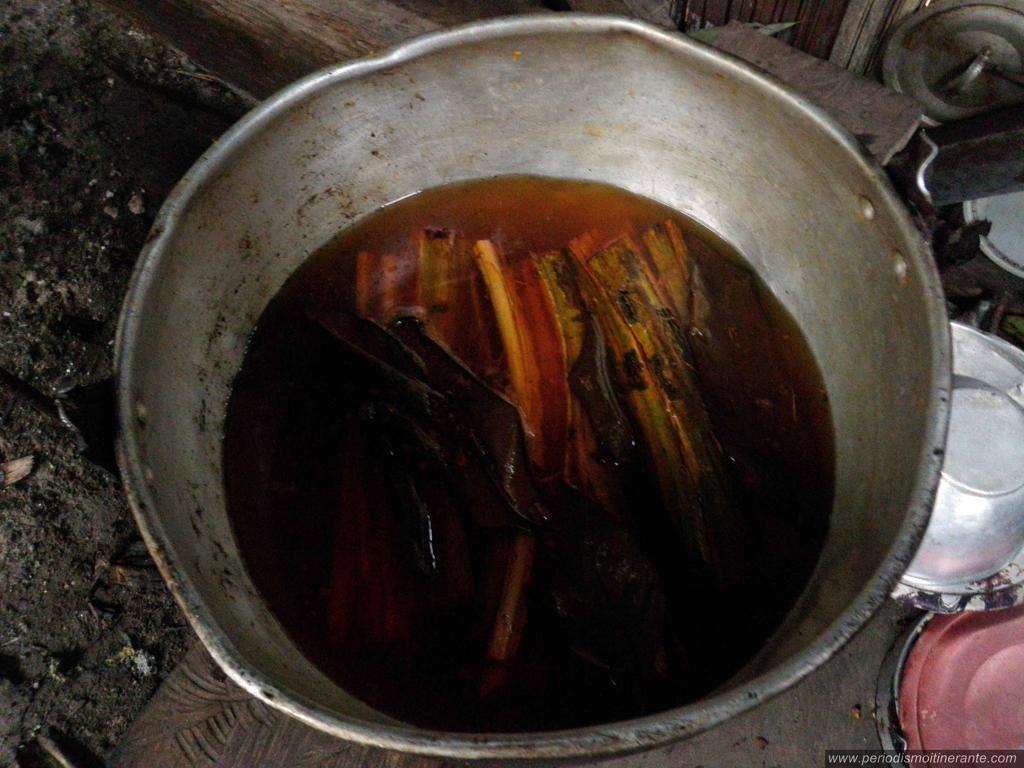
Ibogaine and Magnesium: What the Safety Conversation Is Really About
Anyone who has spent time researching ibogaine has run into the same uncomfortable fact early on. This isn't a gentle plant medicine. It's a powerful psychedelic with a real cardiac risk profile, and that risk is the single biggest reason serious treatment centers screen so carefully before accepting clients. Lately, one piece of that safety conversation has been getting more attention in retreat circles: magnesium. The short version is that ibogaine can mess with the heart's electrical timing — specifically something called the QT interval — and low magnesium makes that worse. Several facilitators now load clients with magnesium before dosing, and many in the ibogaine recovery world consider it close to standard practice. Whether you're weighing ibogaine for opioid dependence, a stuck depression, or any of the other reasons people travel for this medicine, it's worth understanding what's actually going on here. Most plant medicines people compare ibogaine to — ayahuasca, psilocybin, San Pedro — are not particularly dangerous to the cardiovascular system in healthy adults. They have their own intensities, their own contraindications, but a screening process for them looks fairly different. Ibogaine is its own animal. A single flood dose can keep a person in an altered, dreamlike state for 24 to 36 hours, and during that window the heart is being asked to do something unusual. The specific concern is QT prolongation. Without getting too deep into the cardiology, the QT interval is the time it takes the heart's ventricles to reset between beats. Ibogaine stretches that interval. When the QT gets long enough, the heart becomes vulnerable to a chaotic rhythm called torsades de pointes, which can be fatal. The handful of ibogaine-related deaths documented in the literature almost all involve some combination of pre-existing cardiac issues, undisclosed medications, ongoing opioid use, or electrolyte imbalances — and magnesium is the electrolyte that keeps coming up. Magnesium is the unsung mineral. It plays a quiet role in something like three hundred enzymatic reactions in the body, and one of those jobs is stabilizing the electrical activity of the heart. When magnesium runs low, the heart's repolarization gets sloppy, the QT interval tends to drift longer, and the risk of arrhythmia climbs. Pair that with a drug that already prolongs the QT — like ibogaine — and you've stacked two risk factors on top of each other. The flip side is that magnesium repletion, done before and during the session, appears to shorten the QT back toward normal and give the heart a more stable platform to ride out the experience. In emergency medicine, IV magnesium is actually one of the first-line treatments for torsades. So the logic is straightforward: top up the mineral that protects against the exact bad outcome you're trying to prevent. This isn't a fringe protocol. Reputable ibogaine clinics in Mexico, Costa Rica, and elsewhere have been pre-loading clients with magnesium for years. What's changed recently is that the practice is being discussed more openly in online communities, and prospective clients are starting to ask about it directly. There's no single accepted recipe, and the specifics depend on the facility, the client's baseline labs, and the form of ibogaine being used (HCl flood dose looks different from a low-dose protocol or a TA extract). But the general shape is recognizable across reputable providers: If a center isn't doing some version of this, that's a meaningful red flag. The same goes for anyone offering ibogaine in a casual setting — a hotel room, an Airbnb, a weekend gathering with no medical staff. Magnesium loading is one piece of the puzzle. It does not replace ECG monitoring, IV access, a doctor on site, and emergency equipment within arm's reach. Safer is not the same as safe, and it's worth being honest about that distinction. Magnesium pre-treatment reduces one specific risk. It doesn't address structural heart problems, undiagnosed long QT syndrome, dangerous drug interactions with SSRIs or methadone, or the very real psychological intensity of the experience itself. People sometimes assume that if they hear a clinic uses a particular protocol, the procedure must be routine and low-risk. It isn't. Ibogaine remains one of the most demanding interventions in the plant-medicine space, both physically and psychologically. That's not a reason to dismiss it. For people stuck in opioid dependency, ibogaine has done things no other treatment has managed to do — interrupting withdrawal, resetting craving, opening a window where the underlying pain that drove the addiction becomes addressable. The case studies are striking. The community of people who credit ibogaine with saving their lives is large and growing. But the risk-reward math only works when the safety side is taken seriously, and magnesium is part of taking it seriously. If you're at the stage of evaluating specific ibogaine providers, here's what's worth probing during your consultation calls. Reputable facilitators will answer these without hesitation: A center that gets defensive about safety questions, or that brushes off concerns about heart screening, is telling you something important. Walk away. The good providers know this conversation is happening and they welcome it — partly because it filters out clients who aren't taking the work seriously, and partly because they've seen what happens when corners get cut. Ibogaine sits in an interesting place within the broader world of plant medicines for addiction recovery. Ayahuasca has its own quiet history of helping people address compulsive patterns, particularly around alcohol and cocaine. Psilocybin is the subject of growing clinical trials for tobacco and alcohol dependence. Each of these master plants approaches the underlying terrain differently. Ibogaine's specialty is the brutal mechanical work of interrupting opioid dependence — and it pays for that capability with the steepest safety requirements in the field. Magnesium is a small part of a much larger conversation about doing this work responsibly. The fact that retreat communities are talking openly about cardiac protocols, electrolyte management, and screening criteria is genuinely encouraging. A decade ago, that conversation barely existed in public. Now it's happening in forums, in private discussions between facilitators, and in the questions prospective clients show up with. If you're weighing this path, take your time. Read widely. Talk to people who've been through it on both ends of the experience — the ones who'd do it again and the ones who wouldn't. For readers who want to take the research further, a range of vetted ibogaine and plant-medicine retreats can be browsed on our marketplace here. Whatever you decide, decide it with full information, including the unglamorous parts — like the mineral content of your blood — that ultimately determine whether the journey goes the way it should.
Psychedelics and Parenting: How Plant Medicine Helps Break Generational Trauma
There's a question that quietly sits underneath a lot of the conversations I have with parents considering plant medicine. They don't usually lead with it. It comes out later, around hour two of an interview, after the small talk and the careful framing. I don't want to do to my kid what was done to me. That sentence — in some shape or other — is showing up everywhere right now. In retreat intake forms. In therapist offices. At small psychedelic society gatherings in Brooklyn lofts where parents drink kombucha and ask whether psilocybin can help them stop yelling at their five-year-old over spilled juice. The intersection of psychedelics, addiction recovery, and parenting has become one of the most interesting — and least talked about — corners of the plant medicine world. So let's actually talk about it. What's the evidence? What are people experiencing? And if you're a parent quietly googling this at 1am, what should you actually know before going further? The pattern I keep hearing goes like this. A parent — usually somewhere between their late twenties and mid-forties — has a kid. Things they thought they'd processed start surfacing. The childhood they swore they'd never repeat starts leaking out in small, embarrassing ways. They snap. They withdraw. They overcompensate. They lie awake wondering whether the irritability they feel toward their toddler is normal exhaustion or something older, deeper, and more inherited. Conventional talk therapy helps some people with this. It plateaus for others. And that plateau is often where psychedelics enter the conversation — not as a party drug, not as a spiritual badge, but as a tool people are using to dig into stuck places they can't seem to reach any other way. One mother I spoke with described it bluntly: she realized she was reliving her own childhood every time she held her daughter. The dark memories weren't past tense. They were running on a loop, and they were shaping the way she mothered. Microdosing LSD, paired with therapy, was what finally interrupted the loop. Her words, not mine: she wanted the cycle to end with her. Here's where I want to be careful, because there's a lot of breathless reporting in this space and it does nobody any favors. The honest version: The mechanism researchers keep pointing to involves something called the default mode network. Think of it as the brain's autopilot — the part that hums in the background, running your habits of thought, your sense of self, your endlessly looping internal monologue. In people with depression, trauma, and addiction, that network tends to get rigid. Stuck. Rutted in. Psychedelics appear to temporarily quiet that network. The ego loosens its grip. The repetitive thought patterns lose some of their grooves. And in that opening, people often report being able to see their own lives — including their parenting — with a clarity they didn't have before. Whether that opening turns into lasting change depends almost entirely on what happens after the experience ends. More on that in a minute. In the Amazonian traditions ayahuasca comes from, plants like the vine, chacruna, tobacco, and others are called master plants — teachers, essentially. The framing is different from how Western medicine thinks about a drug. You're not taking a substance to fix a symptom. You're entering into a relationship with a plant that, in the tradition's view, has something to show you. I bring this up because the parents I've met who get the most out of plant medicine tend to approach it more like the second framing than the first. They're not chasing a fix. They're going in with a question — often a question about their own childhood, their own parents, the lineage they're now extending into another generation. And they're prepared for the plant to answer in ways they didn't expect. This is also why retreat context matters so much. A weekend in a maloca in the Sacred Valley with experienced facilitators is a fundamentally different experience from drinking brew in a friend's apartment. Same molecule. Wildly different container. I'm going to put on my journalist hat for this section because the cheerleading in plant medicine media is genuinely irresponsible sometimes. Psychedelics are physiologically safe for most healthy people. They're not addictive in the conventional sense. Overdose is essentially impossible with classical psychedelics like psilocybin and LSD. Those things are true and worth saying. And — here come the caveats: One of the most common reasons parents I interview are looking at this path is addiction. Alcohol, often. Pills sometimes. Stimulants occasionally. The pattern of using a substance to manage feelings they don't have language for — and watching themselves do it in front of their kids. Ibogaine has the most dramatic clinical track record for interrupting opioid dependence, though it carries cardiac risks that require medical supervision and proper screening. Ayahuasca has been studied in addiction contexts in Brazil and Canada with promising results. Psilocybin trials at Johns Hopkins have shown meaningful effects on smoking cessation and alcohol use disorder. The thing these substances seem to share is the capacity to give people a clear, embodied glimpse of why they've been using — what wound the substance was covering, what feeling it was numbing. That glimpse, on its own, doesn't fix anything. But for some people it provides enough leverage to start doing the work that does. If you've read this far, you're probably weighing whether to actually do this. Here's the practical guidance I'd give a friend in your position. First, get your house in order before you book anything. That means childcare for the duration of the retreat plus at least a week after — integration is not optional, and it takes time. It means telling your partner what you're doing and why. It means lining up a therapist for the weeks after, ideally one with experience supporting psychedelic integration. Second, vet the retreat hard. Ask about facilitator training and lineage. Ask about medical screening. Ask what happens if something goes sideways at 3am. Ask about the ratio of facilitators to participants. Ask how they handle medication interactions. A serious operation will answer all of this clearly. A sketchy one will deflect. Third, get specific about your intention. "I want to heal" is too vague to be useful. "I want to understand why I shut down when my daughter cries" is the kind of intention that actually gives the experience something to work on. Fourth — and this is the part most retreats undersell — plan your integration. The ceremony is maybe 15% of the work. The other 85% is what you do in the months that follow, when the insights have to translate into how you actually behave at the dinner table. For readers who want to explore this further, a range of carefully selected ayahuasca and plant medicine retreats can be browsed on our marketplace here. The parents I've met who've benefited most from this work didn't come back transformed in a flash. They came back with a thread to pull on. They pulled on it, in therapy, in relationships, in the quiet daily decisions of how to be present with a child. That's where the cycle actually breaks. Not in the ceremony. In the Tuesday morning after, and the one after that, and the one after that.
Dreaming of a Psychedelic Retreat?
Get your free guide on how to choose a psychedelic retreat, plus upcoming retreats and new reading every two weeks.
We value your privacy. Your email address will never be shared or published.
