 English
 Deutsch
 Français
 Nederlands
 Español




Reset. Heal. Grow.
Why Sobriety Alone Isn't Enough: Ibogaine and the Long Road After Addiction
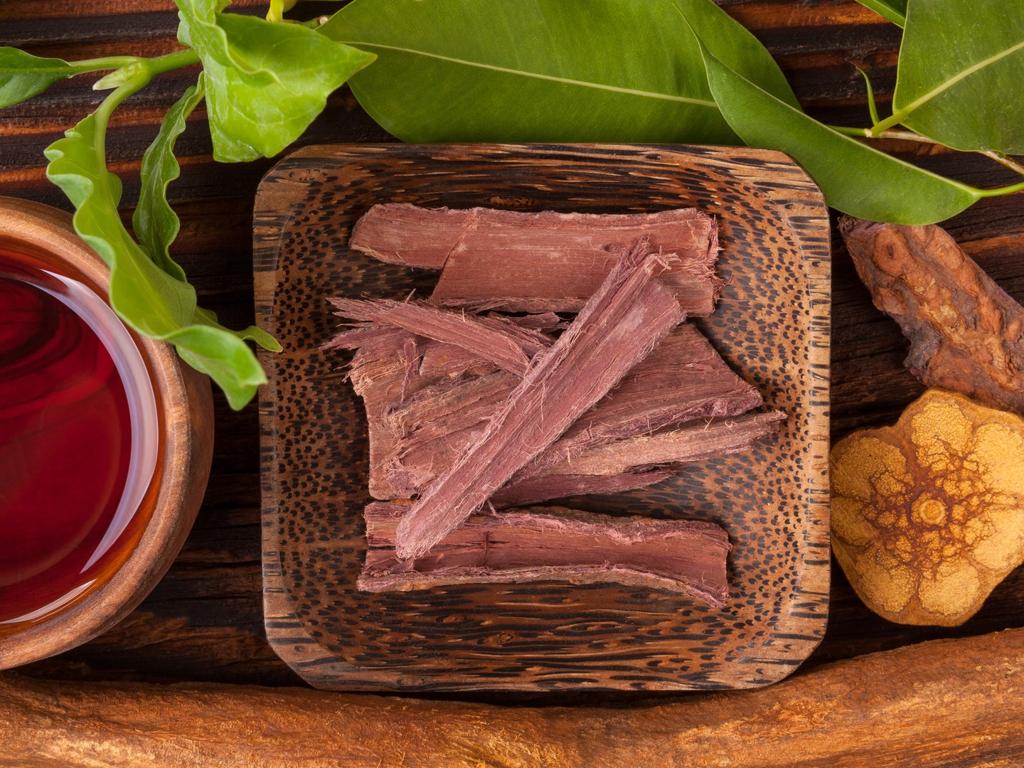
There's a moment, somewhere around day ninety of being clean, when most people in recovery quietly realize something nobody warned them about. The drug is gone. The drink is gone. And yet — the life underneath it is still there, exactly as miserable as the day they started using. Sobriety, it turns out, isn't the destination. It's the front door. This is the part of the conversation that ayahuasca, ibogaine, and psilocybin retreats sometimes gloss over. Plant medicine for addiction is genuinely powerful — there's a reason ibogaine, in particular, has built such a fierce reputation among people who've tried everything else. But anyone who's sat across from a former heroin user a year after their flood dose, or talked to a drinker six months out from their first ayahuasca ceremony, will tell you the same thing: the medicine starts the work. It doesn't finish it. Ibogaine, extracted from the root bark of the Tabernanthe iboga plant, has one of the strangest pharmacological profiles in the psychedelic world. People who take a full flood dose for opioid dependence routinely report that physical withdrawal — the kicking, the sweating, the bone-deep agony — simply doesn't arrive. Cravings drop off a cliff. The window of clarity that opens can last weeks or months. That's not nothing. For someone who's been chained to fentanyl or alcohol for a decade, having the chemical hooks pulled out in 24 hours feels like a miracle. And it kind of is. But here's where the trouble starts: the medicine doesn't teach you how to handle a Tuesday afternoon when you're bored, lonely, and twenty minutes from your old dealer's neighborhood. It doesn't show you how to sit with your mother at Thanksgiving without wanting to disappear. It doesn't rebuild the friendships, the routines, the sense of meaning that addiction systematically demolished. The reset is real. The rebuild is on you. One of the more honest things I've heard from a longtime ibogaine provider in Mexico: "Most of the people who relapse come back six months later thinking the medicine failed them. It didn't. They went home and did nothing different." This is the trap. The post-ceremony glow is enormous. You feel rewired. You feel like a new person. And for a few weeks, you basically are — your nervous system is recalibrated, your mood is brighter, the constant low hum of craving is quiet for the first time in years. It's easy to mistake this for being healed. Then life resumes. The bills come. The old social circle calls. The brain, which never actually forgets the reward pathway it spent years carving, starts whispering again. And if nothing in your daily life has structurally changed — no new community, no therapist, no work on the underlying pain — that whisper gets louder, fast. Talk to people who've stayed clean five or ten years after a psychedelic-assisted reset, and you start to hear the same things over and over. None of them are glamorous. Notice what's not on this list: another retreat. Another ceremony. Another peak experience. The temptation to chase the medicine — to go back to Costa Rica every six months hoping for another reset — is one of the more interesting forms of avoidance the recovery world has invented. It looks spiritual. It often isn't. The traditions these medicines come from have been clear about this for centuries, even if the modern retreat circuit isn't. In the Shipibo lineage, ayahuasca is one of dozens of master plants, and dieta — the months of isolation, restricted food, and apprenticeship with a single plant — is the actual healing work. The brew is the door. The dieta is what happens inside. The Bwiti tradition that gave the world ibogaine treats the medicine as part of an initiation that reshapes a person's place in their community. It's not a weekend. It's a turning point inside a longer arc, surrounded by elders, songs, and obligations that continue after the ceremony ends. The Western framing — fly in, drink the medicine, fly out, post about it on Instagram — strips the medicine of the scaffolding that made it work in the first place. That doesn't mean the retreats are useless. Plenty of them do good, careful work and send people home with real preparation and integration support. But the burden is shifted: you, the participant, have to build the rest of the scaffolding yourself, in a culture that mostly doesn't believe it exists. If you're researching ayahuasca or ibogaine retreats specifically for addiction recovery, the questions to ask are not about the jungle, the food, or the facilitator's lineage. Ask these instead: The places worth your money will have thought about all of this. The ones that haven't will change the subject back to the ceremony itself, because that's what they're selling. Recovery, with or without plant medicine, is a years-long project that mostly happens in unsexy ways. A morning walk. A phone call to someone who's been through it. A boring Wednesday where nothing collapses. A slow rebuilding of the muscle that lets you tolerate being a person without numbing it. Ibogaine can hand you the keys. Ayahuasca can show you the map. Psilocybin can soften the wall you've been hitting your head against for fifteen years. None of them can drive the car for you. If you're considering a retreat as part of your own recovery — and many people genuinely benefit from one — go in with both eyes open. Plan the year that comes after before you plan the trip. Build the support before you build the suitcase. Treat the ceremony as the beginning of the work, not the end of it. For readers exploring this path more seriously, a range of vetted ibogaine and ayahuasca retreats focused on addiction recovery can be browsed on our marketplace here. Whatever you choose, choose with the long view in mind — the medicine is the easy part.
Ibogaine for Opiate Addiction: What Recovery Actually Looks Like Six Months Later
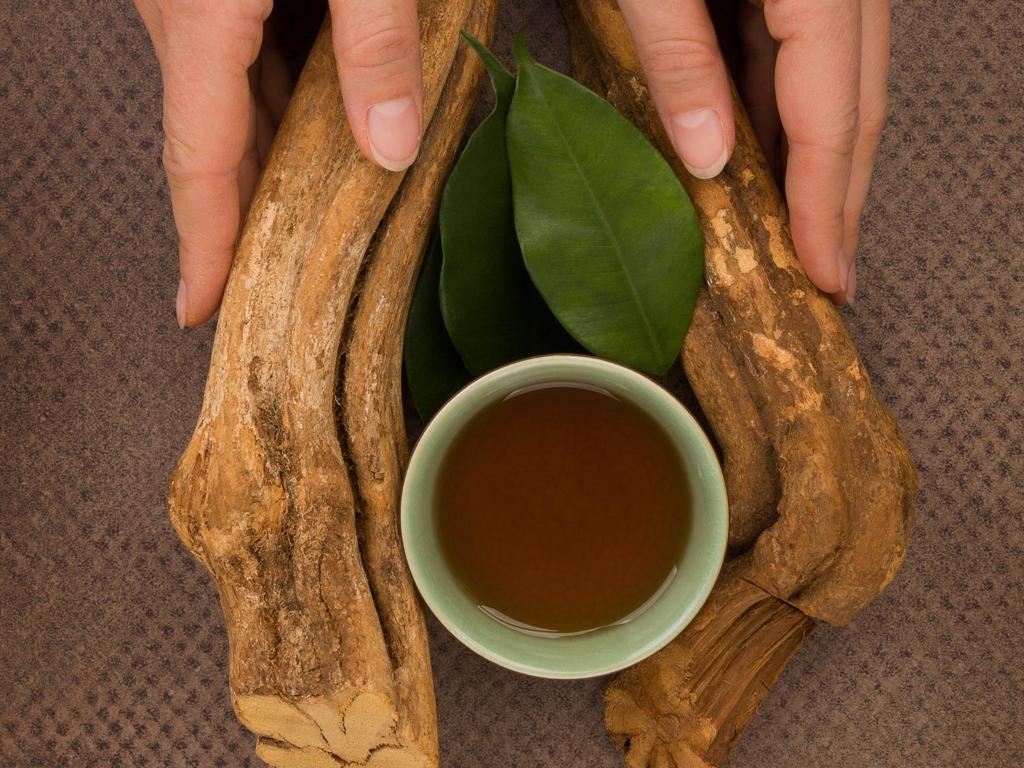
Six months. That's roughly how long it takes for the dust to settle after an ibogaine treatment for opiate addiction — long enough to know whether the rewiring held, and long enough to be honest about what didn't. If you're researching ibogaine because seven years of opiates (or three, or fifteen) have stopped feeling like a choice, this is the article I wish someone had handed me before I booked anything. I've sat with people in the days after their flood dose. I've talked to facilitators who've run hundreds of sessions, and to clients who came back six months, two years, five years out. What follows isn't a hype piece. It's what actually tends to happen — the good, the weird, and the parts that get glossed over on retreat websites. Ibogaine is an alkaloid from the root bark of the Tabernanthe iboga shrub, used ceremonially in Gabon for centuries by Bwiti practitioners. Somewhere in the 1960s a heroin-using teenager in New York noticed that a single dose interrupted his withdrawal almost entirely. That accidental discovery is, more or less, why ibogaine is now a fixture in serious conversations about plant medicine and addiction recovery. Here's the part that grabs people's attention: a properly administered flood dose can shut down acute opiate withdrawal in a matter of hours. Not soften it. Shut it down. People who've been dope sick dozens of times describe waking up the next day without the usual bone-deep cravings — sometimes for weeks, sometimes for months. That's not a marketing claim; it's consistent enough across reports and the limited clinical literature that researchers in Mexico, New Zealand, and Brazil have built treatment programs around it. But ibogaine is not a magic eraser, and anyone selling it that way is either naive or lying. It's a tool — a powerful, demanding, occasionally dangerous tool — that opens a window. What you do inside that window is the actual work. Flood-dose ibogaine isn't a recreational psychedelic experience. Don't go in expecting beauty. The first few hours after dosing are usually spent flat on your back, eyes closed, in what's often called the “waking dream” state — a long, slow review of your life delivered in fragments. People report watching themselves at age six. At nineteen. At the worst moment they’ve ever caused. It's exhausting and frequently uncomfortable. Then comes the long, gray middle. Hours twelve through thirty-six are typically the hardest physically — ataxia (you genuinely cannot walk), nausea, sensitivity to light and sound, and a strange tinnitus-like buzz that fades over days. A medical team should be on you the whole time, monitoring heart rhythm via EKG, because ibogaine prolongs the QT interval and that's where the real risk lives. Cardiac screening before treatment isn't optional. It's the line between a credible clinic and one to walk away from. By day three most people can stand, eat a little, and have a real conversation. The cravings are usually gone or dramatically reduced. And then — and this is the part nobody prepares you for — you go home. The first month is strange in a quiet way. The compulsion to use is missing. The morning routines tied to using fall apart because there's nothing to chase. Sleep is patchy. Many people describe a low-level afterglow — a sense that something in the wiring genuinely shifted — alongside an unfamiliar emotional rawness. Old grief shows up. Stuff you stuffed down with opiates for seven years doesn't stay stuffed when the opiates are gone. This is where the work begins. Most facilitators will tell you ibogaine gives you roughly a three-to-six-month window where the neural conditions for change are unusually favorable — dopamine receptors are resensitizing, the default mental ruts feel less grooved, decisions you couldn't make for years suddenly feel obvious. If you waste that window, the window closes. What actually fills the window for people who stay clean tends to look like: People who skip all of this and assume the medicine did the job tend to relapse around month two or three. Not because ibogaine failed. Because they treated a window like a finish line. You've probably also read about ayahuasca for addiction, psilocybin trials for alcohol use disorder, and kambo as a complementary practice. They are not interchangeable. Ibogaine is unique in its specific action against opiate withdrawal — no other plant medicine reliably does that. Ayahuasca, by contrast, tends to work on the emotional and spiritual layer underneath the addiction: the trauma, the shame, the patterns. Many people in long-term recovery from opiates do ibogaine first to break the physical dependence, then incorporate ayahuasca ceremonies later for the deeper trauma work. Psilocybin is showing real promise for alcohol and tobacco addiction in clinical trials, but the data on opiates is thinner. San Pedro and other master plants tend to support the slower, longer integration work rather than the acute reset. None of these are weekend hobbies. All of them deserve preparation, screening, and aftercare. Ibogaine is legal in some countries (Mexico, Costa Rica, New Zealand, the Netherlands, Brazil, South Africa), unscheduled in others, and a Schedule I substance in the United States. That patchwork means quality varies wildly. There are excellent medically supervised clinics. There are also outfits running flood doses out of rental houses with no EKG, no nurse, and no plan if something goes wrong. The latter kill people every year. A short checklist before you wire any deposit: Also: be suspicious of anyone who guarantees you won't relapse. Nobody can promise that. Anyone who does is selling something other than honesty. Among the people I've followed past the half-year mark, the pattern is roughly this. Around a third are completely opiate-free and describe their life as functionally unrecognizable from before. Another third are mostly clean but have had one or two slips, usually around month two, and either course-corrected or did a follow-up treatment. The last third relapsed meaningfully — often the people who did no integration work, or who returned to the exact environment that produced the addiction. That's not a brochure-friendly statistic. It is, however, dramatically better than the outcomes from standard medication-assisted treatment alone, and the people who do recover tend to describe a quality of recovery that feels qualitatively different — not white-knuckled abstinence, but a genuine loss of interest in the drug. That's the part that's hard to capture in any clinical trial. If you're standing where I was standing two years ago — exhausted by your own life, tired of every previous attempt, quietly Googling at 3 a.m. — ibogaine is worth taking seriously. So is the work that has to follow it. For readers who want to take this further, a range of vetted ibogaine and plant-medicine retreats can be browsed on our marketplace here. Read carefully, ask hard questions, and trust the providers who answer them without flinching.
Ibogaine for Addiction Recovery: What 36 Days Clean Actually Looks Like
There's a particular kind of quiet that settles in around the fifth week after an ibogaine treatment. The acute work is done. The visions have faded into something you half-remember, half-feel. The cravings — if they're going to creep back — usually start testing the locks somewhere around here. This is the stretch nobody warns you about, and it's also the stretch that decides whether the whole thing took. People come to ibogaine for one reason more than any other: they want out of an addiction they've tried to escape a dozen times before. Opioids, mostly. But also alcohol, stimulants, benzodiazepines, and the harder-to-name patterns that don't show up on a tox screen. The plant medicine community has long whispered about ibogaine as the closest thing we have to a reset button. The science is starting to catch up. And the lived experiences shared by people in early recovery — the raw, unpolished ones — are often more useful than any clinical write-up. Ibogaine is an alkaloid found in the root bark of the Tabernanthe iboga shrub, native to Central Africa. In the Bwiti tradition of Gabon, it's used in initiation ceremonies that have nothing to do with addiction. Western medicine stumbled onto its anti-addictive properties almost by accident in the 1960s, when a heroin user named Howard Lotsof noticed his cravings simply weren't there after taking it. What happens neurologically is still being mapped, but the broad strokes are these: ibogaine appears to reset opioid receptors, interrupt the conditioned cravings that keep relapse cycles spinning, and — most strikingly — produce a long, dreamlike review of your own life. Many people describe it less as a trip and more as an interrogation. Memories surface unbidden. Decisions get re-examined. The reasons you started using in the first place tend to show up in the room with you. It's not gentle. A full flood dose lasts somewhere between 24 and 36 hours, with the most intense phase usually in the first 8 to 12. People describe nausea, ataxia (you can't really walk), and a relentless interior monologue. The phrase you hear over and over from people who've done it: I wouldn't do it again, and I wouldn't undo it. Here's roughly what the recovery arc looks like for someone using ibogaine to come off opioids or another long-running dependency. Individual experiences vary enormously, but patterns repeat: That milestone — the one-month-plus mark — is when people on recovery forums tend to post for the first time. They want to mark the moment. They also want to know if what they're feeling is normal. The answer is almost always yes. Here's the part the more honest practitioners will tell you and the marketing brochures usually won't: ibogaine is a powerful interrupt, not a cure. The treatment can pull you out of physical dependence and give you a remarkably clear view of the patterns that drove your use. But it doesn't rebuild your social life. It doesn't fix the relationship that's been collateral damage. It doesn't pay your rent or restructure your evenings. The people who stay clean — and there are many — almost universally do three things after treatment: A treatment without integration is, as one facilitator I spoke with put it, like getting a heart transplant and skipping physical therapy. The surgery worked. That doesn't mean you can run yet. This is where the stakes get serious. Ibogaine has real cardiac risks — it can prolong the QT interval, and people with undiagnosed heart conditions have died during treatment. It's a Schedule I substance in the United States, which means legitimate treatment happens primarily in Mexico, Costa Rica, the Netherlands, South Africa, and a handful of other jurisdictions where it's legal or unscheduled. A few things to look for, and a few red flags that should make you walk away: Ask to speak with past clients. A confident provider will connect you. Ask what their protocol is if something goes wrong medically. Ask how many treatments they've done and what their experience is with your specific substance of dependence — ibogaine for opioid recovery is well-mapped; ibogaine for stimulant or alcohol recovery is a different conversation. Most people arrive thinking the substance is the problem. By day three of an ibogaine experience, most have revised that opinion. The substance is what they were using to manage something — grief, an old wound, a chronic anxiety, a sense of not belonging in their own life. Ibogaine has a particular knack for showing you the thing underneath the thing. That can be the most valuable part of the whole experience. It can also be the hardest. Reading other people's accounts of post-treatment life, you notice a pattern: the addiction was loud, but underneath it was often a depression, a trauma, a relational pattern they hadn't known how to look at. Sobriety made all of that visible. The work of recovery, properly understood, is the work of attending to what was hiding behind the using. This is why integration matters so much, and why a one-week clinic stay is the beginning of a longer process — not its conclusion. Some people pair ibogaine with subsequent work using other plant medicines, ayahuasca being the most common, often months later, to keep deepening the inner work. Others go in the opposite direction and lean entirely on therapy, community, and stillness. Both paths can work. Neither works automatically. Talk to people who've done it. Read the long, honest accounts — the ones that include the hard parts, not just the breakthroughs. Speak with at least two providers before you choose. Get cleared by a cardiologist who knows what you're planning. Don't go alone if you can help it; having someone meet you on the other side, even just for the first week, matters more than most people realize. And give yourself a real plan for the months after. Where will you live? Who will you call when it's hard? What will you do with the time you used to spend using? These questions are not optional. They're the actual treatment, in a way the substance itself can never be. For anyone weighing this seriously, a curated selection of ibogaine and plant-medicine retreats with vetted medical protocols can be browsed on our marketplace here. Thirty-six days is a real milestone — but it's a beginning, not a finish line, and the people who treat it that way are the ones who tend to still be free at day three hundred and sixty.
Dreaming of a Psychedelic Retreat?
We have the best deals and offers from thousands of organizers all over the world! Get them into your mailbox every week!
We value your privacy. Your email address will never be shared or published.
