 English
 Deutsch
 Français
 Nederlands
 Español




Reset. Heal. Grow.
Ibogaine for Addiction Recovery: An Honest Guide for People Considering It
If you're reading this, you've probably already tried the usual stuff. Twelve-step meetings. Suboxone. Rehab. Maybe a few. Maybe more than a few. And somewhere along the way you stumbled across the word ibogaine — usually in a recovery forum at 2 a.m. — and now you're wondering whether this strange West African plant medicine could be the thing that finally works. Here's the thing. Ibogaine is real. The interruption of opioid withdrawal it produces is genuinely unlike anything else in modern medicine. People do walk out of clinics free of the physical grip of heroin, fentanyl, oxycodone, methadone — sometimes after a single dose. That part isn't hype. But ibogaine is also one of the most demanding psychedelics on the planet, and the way it's marketed online glosses over the parts that matter most for someone weighing whether to actually book a treatment. So let's talk about it like adults. Ibogaine is the principal alkaloid in the root bark of Tabernanthe iboga, a shrub native to Gabon and parts of Central Africa. For centuries it's been used by the Bwiti, an initiatory tradition where massive doses of the bark are taken to encounter ancestors, face the self, and mark a passage into adulthood. The Western version of this — the clinical ibogaine treatment — strips out most of the ritual and uses purified ibogaine HCl or a total alkaloid extract in a medical setting. What makes it interesting for addiction is a quirk of pharmacology. Ibogaine appears to reset opioid receptor sensitivity and dampen the cravings that drive relapse. It's also a long, intense psychedelic experience — usually 18 to 36 hours of visions, life review, and what people describe as watching their own story play back in unflinching detail. Most participants don't call it pleasant. They call it useful. This is the part people want a yes-or-no on, and the honest answer is: yes, often, but with conditions. Observational studies and clinical reports out of Mexico, New Zealand, and Brazil consistently find that a single ibogaine session can eliminate or dramatically reduce opioid withdrawal symptoms within hours. Follow-up data on long-term abstinence is messier — some people stay clean for years, some relapse within months, and the difference usually has very little to do with ibogaine itself and almost everything to do with what happens afterward. People who treat ibogaine as a magic bullet tend to relapse. People who treat it as a doorway — and then walk through it with serious aftercare, therapy, community, and lifestyle change — tend to do remarkably well. The medicine clears the runway. You still have to fly the plane. It's been studied or used for: Methadone is the trickiest of these. Long-acting opioids hold on to receptors stubbornly, and most reputable clinics will require you to switch to a short-acting opioid for several weeks before treatment. If a clinic tells you they can treat you straight off methadone with no taper — find a different clinic. Ibogaine has killed people. Not many, in the grand scheme, but enough that you need to take this seriously before booking anything. The main issue is cardiac. Ibogaine prolongs the QT interval on an EKG, which in the wrong heart can trigger a fatal arrhythmia. Almost every recorded death has involved one or more of the following: pre-existing heart conditions, electrolyte imbalances, recent opioid or stimulant use masking heart issues, or — most commonly — treatment in unsupervised settings without proper screening. A responsible ibogaine provider will require, at minimum: If any of those are missing, walk away. I'm not exaggerating. The difference between a safe ibogaine treatment and a dangerous one is almost entirely a matter of medical screening and monitoring. Beyond cardiac risk, expect ataxia (you won't be able to walk for most of a day), severe nausea, and a psychological experience that can dredge up trauma you've spent years avoiding. This is not a recreational substance and it is not for the curious. It's for people with a specific problem they've been unable to solve another way. This question comes up constantly, and the answer depends on what you're actually fighting. Ibogaine is the heavier hammer for physical opioid dependence. If you're currently using daily and the withdrawal itself is what's keeping you trapped, ibogaine's ability to interrupt that cycle is unmatched. Ayahuasca won't do that — it won't pull you through withdrawal, and most ayahuasca retreats will require you to be clean of opioids for weeks before arrival. Ayahuasca tends to shine for the layer underneath the addiction — the trauma, the unresolved grief, the patterns of self-punishment. People often come to ayahuasca after they've achieved abstinence and want to work on why they were using in the first place. Some recovery paths use both: ibogaine to break the physical hold, ayahuasca and other master plants over the following year to do the slower psychological work. Neither is better than the other. They do different jobs. A thoughtful integration therapist or a clinic that's honest about its limits will tell you which makes sense for your situation, and won't try to sell you the one they happen to offer. The legal landscape matters here. Ibogaine is a Schedule I substance in the United States, which is why almost all reputable treatment happens in Mexico, Costa Rica, the Netherlands, Portugal, Brazil, New Zealand, or South Africa — countries where it's either legal, unscheduled, or specifically permitted for medical use. When you're vetting a provider, the questions to actually ask are: A good clinic will answer all of these without flinching. A sketchy one will get defensive or vague. Trust your gut on the phone call. Expect to pay somewhere between $6,000 and $15,000 for a legitimate clinical program of five to ten days. Anything dramatically cheaper is cutting corners somewhere — usually on medical staff. Anything dramatically more expensive is selling you luxury that has nothing to do with treatment outcomes. I'll say it again because it's the single most important thing in this whole article. The ibogaine session itself is the easy part. Staying changed afterward is the hard part. What you do in the 6 to 12 months after treatment matters more than the treatment itself. That means a real therapist who understands psychedelic integration. A community of people who get it — recovery groups, integration circles, peer support. A plan for the cravings that may still show up around month three. A complete rebuild of the environment, relationships, and routines that fed the addiction in the first place. People who skip this part and go back to the same apartment, same friends, same triggers tend to relapse, even after the most profound ibogaine experience. The medicine opens a window. You have to actually climb through it. If you've read this far and ibogaine still feels like something you want to seriously explore, the next step isn't booking — it's a conversation. With your doctor about cardiac screening. With a therapist about whether your psychological foundation can hold the experience. With clinics about their protocols. For readers who want to keep researching, a curated selection of ibogaine and other plant-medicine retreats can be browsed on our marketplace here. Take your time with this one. The right decision, made carefully, can change everything. The wrong one, made in desperation, can cost a lot more than money.
Why Juneteenth Matters Beyond the Black Community: A Reflection
On June 19, 1865, Union troops rode into Galveston, Texas and announced that the people enslaved there were free. The Emancipation Proclamation had been signed two and a half years earlier. Word, somehow, hadn't traveled. That gap between a legal truth and a lived one is the heart of Juneteenth — and it's the reason the day still matters, far beyond the community that birthed the celebration. For more than a century and a half, Black families gathered every June 19 to mark the moment freedom finally arrived. In 2021, after decades of grassroots advocacy, Congress made it a federal holiday. The vote moved through both chambers faster than almost anyone expected — a striking contrast to the thirty-plus years it took to establish the Martin Luther King Jr. holiday. Things have shifted. Other things haven't. If you've spent any real time with contemplative practice — Buddhist, yogic, plant-medicine, anything serious — you've bumped into the same idea over and over. The whole project is liberation. Freedom from craving, freedom from fear, freedom from the patterns that keep us locked inside ourselves. The Buddha's teaching is, at its root, a teaching about how to stop suffering and help others do the same. So here's a fair question: why would anyone walking a path of liberation ignore a national holiday literally about people being freed from bondage? The honest answer is that we shouldn't. Juneteenth isn't a holiday that belongs only to Black Americans, any more than the Fourth of July belongs only to the founding generation. It's a marker of a particular kind of human liberation — concrete, hard-won, late in coming — and contemplatives of every background have a stake in it. There's a concept in Buddhist practice called mudita — sympathetic joy. It's the practice of taking genuine pleasure in someone else's freedom, someone else's good fortune, someone else's relief from pain. Juneteenth is a mudita holiday if there ever was one. You don't have to share an ancestry to share the joy. A quick refresher, because the history gets fuzzy fast. Chattel slavery in the United States was a system of legal ownership of human beings, passed down generationally, enforced by violence, and stitched into the economy of an entire region. The Emancipation Proclamation, signed in 1863, declared enslaved people in Confederate states free — but the proclamation only had teeth where Union forces could enforce it. Texas was the last holdout. June 19, 1865 is the day enforcement finally arrived in Galveston. Annual celebrations started that very next year. Cookouts, red drinks, music, prayer, stories passed down. The holiday has had different names — Jubilee Day, Emancipation Day, Freedom Day — and it survived through Jim Crow, through the civil rights era, through long stretches when mainstream America paid no attention at all. That endurance is part of what's worth honoring. If you're not Black and you're wondering whether Juneteenth is yours to observe, the answer from most Black communities I've spent time around is: yes, but with care. Show up. Listen more than you talk. Bring food if you're invited to a gathering. Read something you haven't read before. Sit with the discomfort of history without rushing to resolve it. A few small, sincere ways to mark the day: None of these are performative gestures if you mean them. The line between honoring and appropriating is usually drawn by intent, attention, and humility. Here's the part that gets glossed over in feel-good Juneteenth posts: legal freedom and lived freedom are not the same thing. They never have been. The Thirteenth Amendment outlawed slavery — except as punishment for a crime, a loophole that helped build the modern carceral state. Voter suppression is alive. Mass incarceration is alive. The fights over how American history gets taught in public schools are, in part, fights over whether the next generation will inherit the truth or a sanitized version of it. For anyone serious about the inner work — meditation, plant medicine, depth psychology, whatever your modality — there's a parallel here worth noticing. Personal liberation and collective liberation aren't separate projects. You can sit in ceremony all weekend and have profound experiences of unity, then walk out into a world where freedom is still unevenly distributed. The integration question isn't only “what did I learn about myself?” It's also “what am I now responsible for?” Plant-medicine traditions across the Americas have always understood this. The Indigenous and mestizo lineages that gave us ayahuasca, peyote, and psilocybin mushrooms practiced healing as a community act, not a private therapy session. The healer's job was to restore right relationship — with the body, with the land, with the people. Freedom for one was bound up with freedom for all. That's not a metaphor. It's the working theory. If you want a practice for the day itself, try this. Find ten or fifteen minutes of quiet. Sit comfortably. Bring to mind, as best you can, the specific historical fact of June 19, 1865 — soldiers reading the order aloud, people hearing for the first time that they were free. Let yourself feel whatever rises. Grief, gratitude, awkwardness, anger, relief, confusion. None of it is wrong. Then widen the circle. Bring to mind people still living under conditions that look a lot like un-freedom — incarcerated people, trafficked people, people trapped in addiction, people held inside their own trauma loops. Wish them, sincerely, the experience of release. Then bring to mind yourself, and the places you still feel bound. Wish yourself the same. That's it. No special equipment, no ceremony fee. Just a few minutes of honest attention to what liberation actually is, and who still needs it. A lot of people come to ayahuasca, psilocybin, and other plant medicines carrying personal pain — addiction, depression, the long shadows of childhood. The work is real. But the deeper the work goes, the harder it becomes to pretend that personal suffering is unrelated to the suffering around us. The medicines tend to dissolve that wall whether we want them to or not. Juneteenth is a useful reminder, on the calendar, that liberation has a history. People fought for it, died for it, waited two and a half years past the official decree for word to reach them. The freedoms we get to play with in a ceremonial space — the freedom to look inside, to sit with hard things, to imagine ourselves differently — exist on top of that history, not separate from it. If exploring that kind of inner liberation through plant medicine is something you've been quietly considering, a range of curated retreats across the Americas can be browsed on our marketplace here. Whatever you choose, mark the day. Eat something good. Call someone you love. Sit with the long, uneven, still-unfinished work of being free.

Mary Oliver, Attention, and Why Poetry Still Matters in the Quiet Hours Before Ceremony
There's a poem that keeps turning up in retreat centers. You'll find it scrawled in the back of someone's journal at breakfast on day three. Taped to the wall of a maloca in the Sacred Valley. Read aloud, sometimes shakily, during an integration circle when nobody knows quite how to begin. It's Mary Oliver's The Summer Day, and the final line — what is it you plan to do with your one wild and precious life? — has a way of cutting through the noise that ceremony tends to leave behind. I want to talk about why this poem keeps showing up in the world of ayahuasca, psilocybin, and other plant medicines. Not because Oliver herself wrote about psychedelics — she didn't. But because what she's pointing at is the exact same territory the medicines crack open: the quality of attention you bring to being alive, and what you intend to do with the days you still have. If you haven't read it, the structure is simple. Oliver opens with a child's question — who made the world, who made the swan and the bear and this particular grasshopper eating sugar from her palm. She describes the insect in close, almost tender detail. Its complicated eyes. Its pale forearms. The way it washes its face before flying off. Then she shifts. She admits she doesn't know what a prayer is. But she does know how to pay attention, how to fall down in the grass, how to be idle and blessed. And then comes the closer: Doesn't everything die at last, and too soon? Tell me, what is it you plan to do with your one wild and precious life? That's the whole thing. Maybe twenty lines. Nothing fancy. And yet people carry it around with them for decades. Anyone who's sat in a serious ceremony — ayahuasca, San Pedro, psilocybin, ibogaine — knows the feeling of returning. You come back into your body and your kitchen and your job and your relationships, and something has shifted. Sometimes it's enormous. Sometimes it's small. But the shift almost always involves a sharper relationship to time. You suddenly notice you've been sleepwalking through your own life. The medicine pulled back a curtain, and now you can't quite un-see what was behind it. Oliver's poem does something similar, only without the brew. She's not asking a metaphysical question. She's asking a practical one. You're going to die. So am I. So is everyone. Given that — what do you actually plan to do? This is the same question the master plants ask. People who come to plant medicine for addiction recovery, depression, trauma, or just a sense of being stuck — they often describe the experience as a confrontation with this exact problem. Not the cosmic stuff. The specific, granular stuff. Are you going to keep drinking? Are you going to keep avoiding that conversation with your father? Are you going to keep waiting for permission to live the life you actually want? There's a line in the middle of the poem that I think gets undervalued. Oliver writes that she doesn't know what a prayer is, but she knows how to pay attention. She offers attention as the substitute for prayer — or maybe as prayer itself. This is worth sitting with if you're considering a retreat. Most facilitators I've spoken to, across traditions, will tell you that the medicine isn't really the medicine. The medicine is the attention you learn to bring. Ayahuasca, San Pedro, psilocybin — these are amplifiers. They turn the volume way up on whatever you're already paying attention to, whether that's an old grief, a buried memory, the texture of the wind moving through the leaves, or the quality of the silence between the icaros. The work, before and after, is learning how to keep that dial turned up when you're back in ordinary life. That's where the poem becomes practical. How to fall down in the grass, how to kneel down in the grass, how to be idle and blessed. These are training instructions, not just pretty phrases. If you're in the research phase — weighing whether to book, comparing centers, reading reviews and trying to figure out if any of this is actually for you — I'd suggest something modest. Print the poem. Carry it with you for a week. Read it once in the morning and once before bed. Don't analyze it. Just let the final question sit there. Here are a few things people often notice when they do this: None of this replaces the actual preparation work — the dietary restrictions, the medical screening, the conversations with facilitators about your history and intentions. But it gets you closer to the doorway. It softens you. I'll offer one caution. Oliver's poem is so quotable that it sometimes gets used as decoration — printed on tote bags, screen-printed onto candles, dropped into Instagram captions next to photos of someone doing yoga at sunset. There's nothing wrong with that, exactly. But it can hollow the words out. The same hollowing-out can happen with plant medicine. People come back from a ceremony with profound material, and within a month it's been reduced to a handful of catchphrases. I learned to surrender. I met my inner child. I am pure love. Fine. Maybe. But what did you actually do on Tuesday? Did you call the person you needed to call? Did you stop the thing that's been killing you? Did you start the thing you've been afraid to start? The poem and the medicine both lose their power when they get turned into slogans. The question Oliver poses isn't supposed to feel inspirational. It's supposed to feel slightly threatening. Like a friend who loves you enough to ask the question you've been avoiding. If you're reading this, there's a reasonable chance you're somewhere in the long, quiet process of considering a plant medicine retreat. You've watched the documentaries. You've read the trip reports. Maybe you've talked to one or two people who've done it. You're trying to figure out whether this is the right thing for you, or whether it's just another shiny object you're hoping will fix what's been broken for a long time. The poem can't answer that for you. Neither can I. But the question at the end of it — the one Oliver leaves hanging — is, I think, the right question to bring with you into any decision about psychedelic healing. Not will this fix me. Not will this make me happy. But: given that the time is finite, given that everything dies at last and too soon, what do you actually plan to do? If the answer involves stepping toward a retreat, do it with care. Choose facilitators who screen you properly, who don't promise outcomes, who take integration seriously. For readers who want to take this further, a range of vetted ayahuasca and plant-medicine retreats can be browsed on our marketplace here. And whatever you decide — go or don't go — keep the poem somewhere you'll see it. The grasshopper, the grass, the impossible last line. They have a way of staying useful.
How to Find a Safe and Reputable Ibogaine Clinic: A Practical Guide
Ibogaine is not a weekend wellness experience. It's a powerful psychoactive derived from the iboga root, used for decades in West African Bwiti ceremonies and, more recently, in clinics that specialize in interrupting opioid and stimulant addiction. People fly across the world for it. Some come home transformed. A few, tragically, don't come home at all — and that's the part most marketing pages won't tell you. If you're reading this, you're probably weighing a real decision. Maybe you're trying to break free of heroin, methadone, or alcohol. Maybe you're chasing relief from trauma that ayahuasca or psilocybin didn't fully reach. Either way, you deserve straight talk about how to pick a clinic that won't get you killed, ripped off, or re-traumatized. Here's what I've learned from years of covering plant medicine, sitting in ceremony, and talking to facilitators on both ends of the quality spectrum. Most plant medicines have a wide safety margin. Ibogaine doesn't. It affects the heart's electrical rhythm — specifically, it can prolong the QT interval, which in plain English means cardiac arrhythmia is a real risk. People have died during sessions, almost always because of pre-existing heart issues, undisclosed drug use, or sloppy medical oversight. This isn't fearmongering. It's the reason any legitimate clinic insists on bloodwork, an ECG, and a thorough medical history before they'll touch you. That's also why ibogaine sits in a different category from ayahuasca or San Pedro retreats. You're not just looking for a wise shaman and a beautiful jungle. You're looking for something closer to a medical facility with psychedelic competence — a place that takes the spiritual dimension seriously but treats the pharmacology with the respect a cardiac drug deserves. Add to that the legal patchwork. Ibogaine is a Schedule I substance in the United States. It's unregulated or decriminalized in Mexico, Costa Rica, Portugal, the Netherlands, parts of the Caribbean, and a few other jurisdictions, which is why most reputable clinics operate offshore. The legal gray zone attracts both serious practitioners and outright charlatans. Knowing how to tell them apart is the whole game. Before you wire a single dollar, the clinic should be asking you for documentation. If they're not, run. A trustworthy program will require — at minimum — the following before they accept you as a client: Clinics that skip these steps aren't being chill or accommodating. They're being negligent. A facilitator who tells you that bloodwork is optional, or that they can “feel” whether your heart is okay, is telling you everything you need to know about whether to book. On-site, the medical setup matters just as much. Ask, explicitly: Is there a doctor or nurse present during the entire flood dose? Do they have continuous cardiac monitoring? Is there an emergency crash cart with the specific medications and defibrillator equipment needed to handle a cardiac event? How far is the nearest hospital, and what's the protocol if something goes wrong at 3 a.m.? The answers should be specific, rehearsed, and confident. Vague answers are red flags. Here's an uncomfortable truth: anyone with an internet connection and a beach house can put up a website and call themselves an ibogaine retreat. Some are run by recovered addicts who genuinely want to help. Some are run by people who watched a documentary and decided they had a calling. A few are run by people who simply saw a market. The legitimate ones tend to share certain features. Look for: If a place ticks most of these boxes, you're probably in the realm of the responsible operators. If they tick fewer than half, keep looking. There's no medal for taking the first option. Some warning signs are obvious once you know what to look for. Others are subtle — and the subtle ones cause more harm because they slip past tired, hopeful people. A short list of things that should make you close the browser tab: That last one is worth underlining. Ibogaine has killed people who looked perfectly healthy on the outside but had undiagnosed long QT syndrome. Any clinic that doesn't take this seriously is not one you want sitting beside you when the visions start. Ibogaine has a tradition behind it. The Bwiti people of Gabon and Cameroon have used iboga for initiation ceremonies for centuries — long before Western addiction researchers got curious in the 1960s. That ancestral context matters, and a lot of seekers want a retreat that honors it. The catch: most authentic Bwiti ceremonies aren't run as medical detoxes. They're spiritual initiations, often without the cardiac monitoring that a heavy opioid user absolutely needs. If your primary goal is addiction interruption, prioritize medical safety and look for clinics that incorporate spiritual or traditional elements thoughtfully — not the other way around. Some Western clinics have built genuine relationships with Bwiti elders and integrate traditional practice with medical care. Others slap the word “shamanic” on a brochure and call it a day. Ask specifically how the spiritual framework is held. Who leads it? What's their lineage? Is it presented as one option or forced on every participant regardless of background? The honest answers will tell you whether the integration is real or marketing. This isn't a euphoric trip. Most people describe ibogaine as long, intense, and physically demanding — a 24 to 36 hour journey where you can barely move, the room spins, and your psyche is force-marched through a slideshow of every choice that brought you here. People often call it the “waking dream” phase, followed by a quieter introspective stretch that can last several more days. What it tends to do well is interrupt physical withdrawal from opioids almost completely, which is why it's gained so much attention in addiction recovery. What it doesn't do is fix your life. The window it opens — that strange, soft, post-ibogaine clarity that can last weeks — is an invitation, not a cure. If you don't have a plan for what to do with that window (therapy, community, a different city, a different job, anything other than your old routine), the gains tend to evaporate. This is why the most successful ibogaine outcomes I've seen involved months of preparation and a clear aftercare scaffolding — sober living, talk therapy, a sponsor, sometimes microdoses of other plant medicines to extend the integration. The treatment is the easy part. The life you build afterward is everything. When you finally get on a call with a clinic — and you should always get on a call before booking — have a list ready. Some questions worth asking, even if they feel awkward: A clinic that welcomes these questions is one you can probably trust. A clinic that gets defensive, vague, or condescending is showing you who they'll be when something goes wrong. Believe them. Choosing an ibogaine clinic isn't like booking a yoga retreat. The stakes are higher, the variability is wider, and the marketing is often slicker than the actual operation. Take your time. Talk to multiple programs. Talk to alumni. Trust the part of you that notices when something feels off. For readers who want to take this further, a range of vetted ibogaine and plant-medicine retreats can be browsed on our marketplace here — a useful starting point for comparing programs once you know what to ask. Whatever you decide, decide slowly. The right place is worth waiting for.
Ibogaine Treatment: Is $7,900 a Fair Price for Addiction Recovery?
Ibogaine is a naturally occurring psychoactive compound found in the roots of the Tabernanthe iboga plant, native to central Africa. It has been used for centuries in traditional rituals and, more recently, as a potential treatment for addiction. The idea behind ibogaine treatment is that it can help interrupt addiction patterns by inducing a deep, introspective state that allows individuals to confront and resolve underlying issues. The experience of ibogaine is often described as intense and transformative, with users reporting vivid visuals, profound insights, and a sense of emotional release. However, ibogaine is not without risks, and its use should be approached with caution and under the guidance of a qualified medical professional. Despite its potential benefits, ibogaine remains a relatively unknown and unregulated treatment option in many parts of the world. This lack of oversight has led to a wide range of prices and treatment approaches, making it difficult for those seeking help to know what to expect or how to choose a reputable provider. The question of whether $7,900 is a fair price for an ibogaine retreat is complex and depends on various factors, including the location, duration, and level of care provided. Some retreats may offer a more comprehensive program that includes pre- and post-treatment support, while others may provide a more basic experience with less guidance and supervision. It's also important to consider the cost of travel, accommodations, and any additional services that may be required, such as medical screening or aftercare support. In some cases, the total cost of an ibogaine retreat can be substantially higher than the initial quote, so it's essential to ask plenty of questions and get a clear understanding of what's included in the price. Ultimately, the decision to pursue ibogaine treatment should be based on a careful consideration of the potential benefits and risks, as well as a thorough evaluation of the treatment provider and their approach. While cost is an important factor, it should not be the only consideration. When searching for an ibogaine retreat, there are several red flags to watch out for, including: It's also important to research the retreat's reputation online, read reviews from past participants, and ask plenty of questions before making a decision. Remember, your health and well-being are worth taking the time to get it right. While ibogaine may be a promising treatment option for some, it's not the only approach to addiction recovery. Other alternatives, such as counseling, support groups, or medication-assisted treatment, may be more suitable or effective for certain individuals. It's essential to consult with a medical professional or addiction specialist to determine the best course of treatment for your specific needs and circumstances. They can help you weigh the pros and cons of different approaches and develop a personalized plan for recovery. In the end, the most important thing is to find a treatment approach that works for you and supports your long-term recovery goals. Whether that involves ibogaine or another method, the key is to be patient, persistent, and open to different possibilities. The decision to pursue ibogaine treatment or any other approach to addiction recovery should be made with careful consideration and a clear understanding of the potential benefits and risks. By doing your research, asking plenty of questions, and seeking guidance from qualified professionals, you can make an informed decision that's right for you. Remember, recovery is a journey, and there's no one-size-fits-all solution. Stay open-minded, stay curious, and keep moving forward – you got this.
Craving More Stories?
Join our ShopAyahuascaRetreats newsletter for the latest updates on thrilling
destinations and inspirational tales, delivered straight to your inbox!
We value your privacy. Your email address will never be shared or published.


Ibogaine for Addiction Recovery: What the First Month After Treatment Really Feels Like
People keep asking me what the first month after ibogaine is actually like. Not the ceremony. Not the visions. The part nobody films — the slow weeks afterward when you're back in your apartment with the same fridge and the same phone and the same brain trying to figure out who you are now. That's the part that decides whether the medicine worked. Ibogaine has a strange reputation in the plant medicine and psychedelics world. It doesn't promise bliss. It doesn't sell you a sunset on Instagram. What it does — and what a growing pile of clinical research keeps confirming — is interrupt opioid dependence with a force that nothing else in the pharmacy can match. For people stuck in addiction, that interruption can feel like the first quiet room they've stood in for years. But quiet rooms are not the same as healing, and the month after is where that distinction gets brutal. The short version: the physical withdrawal piece is mostly gone. The cravings, for many people, drop to a whisper. The honeymoon window — what underground providers sometimes call the “grey period” — usually lasts somewhere between three and six weeks. During that stretch, the dopamine system is essentially reset, and the obsessive pull of the substance feels muted in a way that's almost disorienting. The longer version is messier. You sleep badly for the first ten days or so. Your appetite swings. You feel emotionally raw in a way that has nothing to do with the drug you stopped using and everything to do with the feelings you used the drug to avoid. Old memories surface uninvited. Conversations with people you haven't thought about in a decade replay themselves at 3 a.m. The medicine doesn't hand you a clean slate — it hands you the unedited footage and says good luck. What surprises most people is how physically tired they remain. Ibogaine is hard on the body. Heart rhythm, electrolytes, liver — these are not small things, which is why any reputable clinic screens you with an EKG and bloodwork before they'll touch you. Recovery from the session itself can take two to three weeks. You're not bouncing back into the gym on day five. Yes, cravings come back. Not always, not for everyone, but if you're going into this thinking ibogaine is a one-and-done cure, please recalibrate before you spend the money. What it gives you is a window. A real one. Inside that window, the compulsion that ran your life is dialed down enough that you can finally do the work — the therapy, the lifestyle rebuild, the friend group surgery, the boring daily structure — that long-term recovery actually requires. People who use the window well tend to stay clean. People who treat the trip as the finish line tend to relapse, sometimes within two months, sometimes within two weeks. This is one of the most consistent patterns in the underground and clinical data both. That's also why the better clinics insist on aftercare. Some build in booster sessions of iboga (the milder, plant-form cousin) at the 30- or 60-day mark. Some pair you with an integration coach. Some send you home with a structured plan covering sleep, nutrition, movement, meetings, and therapy. If a provider is happy to dose you and wave goodbye, that's a red flag the size of a billboard. I get asked constantly how ibogaine compares to ayahuasca or psilocybin for addiction recovery. Honest answer: they do different jobs. If you're physically dependent on opioids right now, ibogaine is probably the conversation to be having. If you've been clean for a year and you're trying to understand why you got there in the first place, ayahuasca or psilocybin may be the better match. People sometimes do both, in sequence, with months of integration between them. There's no universal map. Integration is the unsexy word for the work that turns a psychedelic experience into a changed life. After ibogaine, it tends to look something like this: Most relapses I've seen happen because someone skipped step three. The medicine bought them a clean runway and they used it to coast instead of to build. Ibogaine has killed people. Not many, but enough that you need to take the screening seriously. The deaths almost always involve undetected heart conditions, dangerous drug interactions (methadone is a particular issue — most clinics require a switch to short-acting opioids weeks in advance), or facilities that lack proper medical monitoring. A legitimate provider will require: a recent EKG, a full blood panel, a detailed medical history, a psychiatric screening, and ideally an in-person medical team during the session itself. They will not take cash from someone who walked in off the street that morning. If anything in that list is missing from the clinic you're considering, walk away. The savings are not worth your life, and the cheap options in this space are cheap for grim reasons. It's also worth saying out loud that ibogaine is not legal in the United States. The retreats people travel to are typically in Mexico, Costa Rica, the Netherlands, or other jurisdictions where the legal status is permissive or grey. Plan accordingly — passport, insurance, someone at home who knows where you are and when to expect contact. For the right person, in the right circumstances, with the right preparation and aftercare — yes, often dramatically so. I've talked to people whose lives genuinely turned a corner after ibogaine. I've also talked to people who spent twelve thousand dollars and were using again by spring. The difference between those two outcomes is rarely about the medicine. It's about everything that surrounded it. If you're considering this seriously, give yourself at least three months of research and preparation before booking anything. Talk to people who've done it. Read the underground forums with a critical eye — the loudest voices are usually either evangelists or skeptics, and the truth tends to live in the quieter middle. For readers who want to compare reputable options side by side, a curated selection of ibogaine and broader plant-medicine retreats can be explored on our marketplace here. Whatever you decide, decide it with your eyes open — the window ibogaine offers is real, and it's also temporary, and what you do with it is the whole game.
Psychedelics and Grief: How Plant Medicine Helped Me Process My Father's Sudden Death
My father died in his sleep on a quiet morning in December. He was sixty. The cause, in the end, was the bottle — a long, slow story with a short, brutal final chapter. Grief like that doesn't arrive in a single wave. It seeps in. It sits in your chest for weeks before you notice it's been there the whole time, breathing in and out with you. What I want to write about isn't really about the death. It's about what came after — specifically, the role that psychedelics played in helping my brother and me actually feel the loss instead of armouring against it. Plant medicine and grief is a quiet conversation happening in living rooms and rented cabins all over the world right now, and I think it deserves to be talked about honestly, without either the breathless evangelism or the reflexive sneer. What follows is one story. Mine. It's not a clinical recommendation. But if you're researching whether psychedelic healing might have a place in your own life — for grief, for addiction recovery, for the patterns you can't quite shake — maybe some of it will be useful. A few days after the funeral, my brother Rory and I rented a small cabin in the southern English countryside. Neither of us could stand being in the house where it had happened. We needed walls that didn't remember anything. Rory had brought a small bag of Hawaiian baby woodrose seeds — the source of LSA, a naturally occurring psychedelic that's a chemical cousin of LSD. He'd picked them up legally in Amsterdam months earlier, with no particular plan. When he suggested we take them together, I thought about it for maybe ten seconds. It seemed, frankly, a healthier option than what we were both quietly drifting toward, which was drinking ourselves into the same grave our dad had dug. An hour in, the room softened. Two hours in, we were hugging — really hugging, not the British half-pat that passes for affection in our family. We told each other things we'd never said. We cried. We laughed at how absurd it was that two grown men needed a handful of seeds to finally say the obvious. By morning the first snow of the winter was falling outside the cabin window, and something between us had shifted in a way that has held ever since. I'm not going to pretend my anecdote is evidence. It isn't. But there's a reason the conversation around psychedelics, addiction, and trauma has gone from fringe to front-page in the last few years — and grief sits squarely inside that conversation. Researchers studying psilocybin and 5-MeO-DMT think these compounds temporarily loosen the brain's habitual patterns. Grief, like depression and like addiction, tends to lock the mind into well-worn grooves: the same thoughts, the same avoidances, the same numbing strategies. A psychedelic experience can briefly disrupt those grooves — long enough for something new to land. A study launched at the University of Texas' Dell Medical School in late 2022 set out to test exactly this in widows of veterans, comparing psilocybin and 5-MeO-DMT against no treatment. The researchers there have spoken openly about the theory: that these molecules can interrupt depressive patterns and let the brain run differently for a while. Whether that translates into durable relief from prolonged grief is still being worked out. The early signals are interesting. They are not yet proof. Six months after Dad died, I travelled to a retreat in Mexico to observe — and to work with — 5-MeO-DMT. People call it the God Molecule. They also call it the toad, because the version most commonly used is derived from the venom of the Sonoran Desert toad. It's the fastest-acting and arguably the most overwhelming of the classic psychedelics. A full dose lasts maybe twenty minutes. It feels like a lifetime. By the time I sat down on the mat, Dad wasn't at the front of my mind. Life had moved on, the way life does. But when the medicine hit, every unresolved scrap I was still carrying — his drinking, his absence, the moments I was angry with him, the moments I missed him — surfaced at once. I wept in a way I hadn't allowed myself to weep at any point during the months prior. And then, somehow, on the other side of the weeping, there was something I can only describe as a wave of release. A surrender. A blissful, full-body letting go. I've thought about that twenty minutes many times since. What it gave me wasn't a memory or an insight. It was a kind of permission. Permission to stop bracing. The plant-medicine traditions of the Amazon talk about ayahuasca, San Pedro, tobacco, and others as master plants — teachers, not just substances. Whether or not you buy the spiritual framing, there's something useful in it: these medicines tend to work by softening the ego's defences and letting feeling move through you that was previously stuck. That softening is, I think, what made the night in the cabin with my brother so important. We didn't have a shaman. We didn't have a ceremony. We had each other and a willingness to drop our guard. The medicine did the rest. And the bond it formed has outlasted the trip by years. Some of the most credible work emerging right now on psychedelics for addiction recovery points at exactly this mechanism. Whether the substance is ayahuasca, psilocybin, ibogaine, or 5-MeO-DMT, the consistent thread in the participant reports isn't a chemical fix. It's a re-opening — to oneself, to other people, to grief that had been buried, to love that had been blocked off. I'm wary of telling anyone what to do here. Psychedelics aren't a universal answer and they aren't risk-free. People with certain heart conditions, certain medications, and certain mental-health histories should not take them. A reputable retreat will screen for all of that before they take your booking. If a retreat doesn't ask hard medical and psychological questions before accepting you, that itself is a red flag. A few things worth thinking about if you're researching: Cost varies wildly. A short psilocybin retreat in the Netherlands might run a thousand euros; a two-week ibogaine programme for addiction recovery in Mexico can stretch past ten thousand dollars. Ayahuasca retreats in Peru sit somewhere in between, depending on length and lineage. Cheap usually means corners cut. Expensive doesn't automatically mean good. If there's one thing my brother and I figured out, it's that grief doesn't want to be solved. It wants to be felt. The reason psychedelics seem to help — for some people, sometimes — isn't that they erase the pain. They make the pain accessible. They lower the walls long enough for you to walk in and meet what's there. That's why the integration piece matters so much. The medicine opens the door. You still have to walk through it, day after day, in the months that follow. Therapy helps. Honest friendships help. Time helps. Writing it down helps. The trip is a beginning, never an end. I miss my dad. I always will. But the grief that used to sit on my chest like a stone now sits more like a friend who visits sometimes — sad, familiar, no longer crushing. I credit a lot of things for that shift. The medicines are among them. So is my brother. So is time. If something in this piece has landed, and you want to look more closely at what's out there, a range of curated ayahuasca, psilocybin, and 5-MeO-DMT retreats can be browsed on our marketplace here. Take your time with the decision. The right retreat will still be there next month.
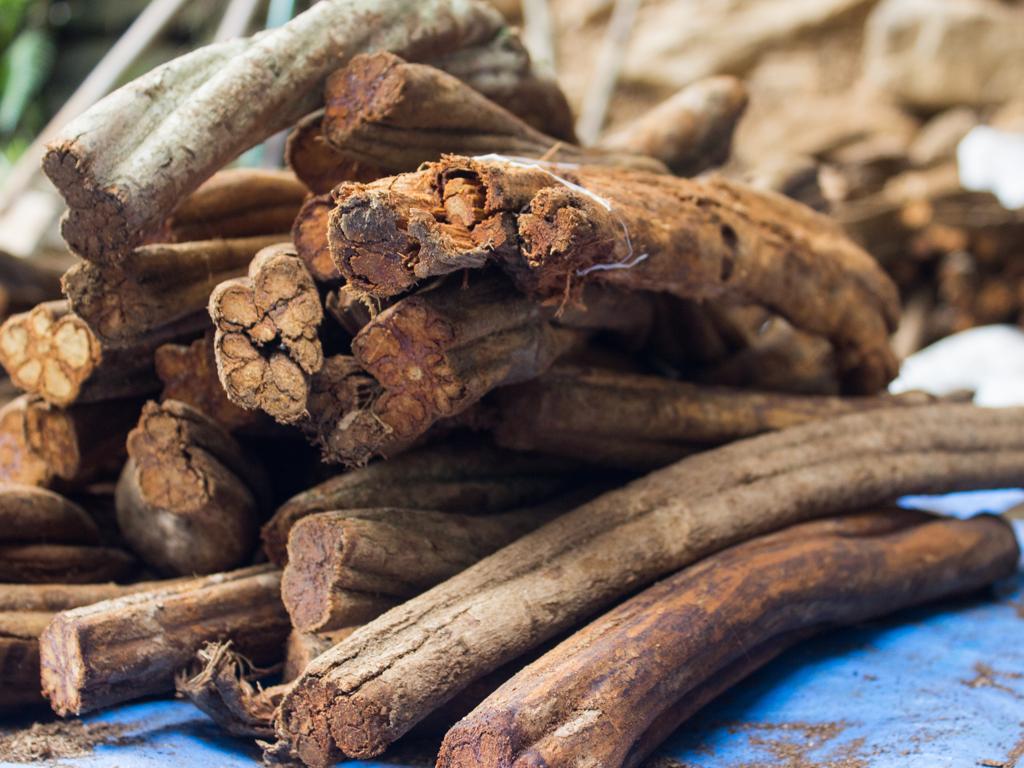
Ibogaine in Mexico: What an Addiction-Recovery Treatment Actually Looks Like
Somewhere outside Tijuana, a man in his thirties is lying on a single bed in a clinic room, an EKG patch on his chest, a bucket beside him, and a heroin habit he hasn't been able to shake for eleven years. In about forty minutes he'll swallow a capsule of ibogaine. By tomorrow morning, if the clinicians have done their job and his heart cooperates, he'll be on the other side of what he describes — in the matter-of-fact way only an exhausted person can — as his last shot. This is the part of the psychedelics conversation that doesn't trend on social media. No ayahuasca-by-candlelight aesthetic, no influencer microdosing reels. Just people with serious addictions, often opioid addictions, traveling to Mexico because the medicine they want is a Schedule I substance in the United States. If you've landed on this article, there's a decent chance you're researching it for yourself or someone you love. So let's talk about what ibogaine actually is, what a treatment looks like, what the risks are, and how it fits into the wider world of plant medicine and psychedelic-assisted addiction recovery. Ibogaine is the primary psychoactive alkaloid in the root bark of Tabernanthe iboga, a shrub native to West and Central Africa. The Bwiti tradition in Gabon has used iboga for centuries in initiation rites — long, intense ceremonies that can last more than a day. Iboga is one of the original master plants, in the same way ayahuasca, peyote, and psilocybin mushrooms are: a non-recreational teacher used in a structured ritual context, not a party drug. What put ibogaine on the Western map was the observation, made by a heroin-addicted chemistry student named Howard Lotsof in the 1960s, that a single dose seemed to switch off his withdrawal symptoms and his craving at the same time. People in recovery have been chasing that effect ever since. The pharmacology is genuinely unusual: ibogaine and its metabolite noribogaine interact with multiple receptor systems — opioid, serotonin, NMDA, sigma — in a way that appears to reset some of the neural patterns underlying dependence. That's why people travel for it. It's not because they want a psychedelic experience for its own sake. It's because nothing else worked. Short answer: no. Ibogaine is Schedule I in the United States, alongside heroin and LSD — meaning the federal position is that it has no accepted medical use and a high potential for abuse. Whether that classification reflects reality is a separate debate, but it's the law. As a result, there are no licensed ibogaine clinics operating openly in the U.S. Mexico is the most common destination because ibogaine is unscheduled there. A loose network of clinics — some genuinely medical, some closer to retreat centers, a few that probably shouldn't be operating at all — has clustered in places like Tijuana, Rosarito, Playa del Carmen, and Cancún. New Zealand, Costa Rica, the Netherlands, and parts of South Africa also have legal-grey or legal-permitted ibogaine treatment. For Americans, Mexico is closest and cheapest. A reputable clinic will look more like a small medical facility than a yoga retreat. You should expect cardiac screening before you ever get on a plane, an on-site doctor during the dose, continuous EKG monitoring, and IV access. If a place is offering ibogaine without those things, walk away. I mean that literally. People who've done both ayahuasca and ibogaine will tell you they are not in the same emotional neighborhood. Ayahuasca tends to be relational, mythic, sometimes terrifying, sometimes blissful — and it's over in five or six hours. Ibogaine is longer, heavier, and more clinical-feeling. Total duration from dose to functional baseline is often 24 to 36 hours, sometimes more. The arc most people describe goes something like this: That last point is what makes ibogaine remarkable as an addiction-recovery tool. People who would normally be in screaming opioid withdrawal walk out the door without it. The technical term clinicians use is interruption — the medicine appears to interrupt the dependence cycle. It does not, by itself, fix the life that produced the addiction. Ibogaine can kill you. That sentence belongs near the top of any honest article on this topic. The mechanism is usually cardiac: ibogaine prolongs the QT interval on an EKG, which in vulnerable people can trigger a fatal arrhythmia. Deaths in ibogaine treatment have happened, and the great majority involved pre-existing heart conditions, undisclosed drug use during treatment, or clinics without adequate medical screening. This is why the choice of clinic matters more than almost any other decision you'll make. A serious provider will: Other risks worth naming: ataxia (you genuinely cannot walk safely for many hours, so you need supervision to get to the bathroom), severe nausea, and a small but real chance of psychological destabilization in people with underlying psychotic-spectrum conditions. Ibogaine is not appropriate for everyone, and any clinic that tells you otherwise is selling something. People often ask how ibogaine stacks up against ayahuasca, psilocybin, or kambo for breaking addiction. Honest answer: they're different tools for overlapping problems, and the right choice depends on what you're actually dealing with. Ayahuasca retreats have a longer track record with alcohol dependence, depression, and the kind of trauma that drives self-medication. The traditional Amazonian setting, the dieta beforehand, the multi-night ceremony arc — these can do deep work, but they don't reliably interrupt acute physical withdrawal the way ibogaine does for opioids. Psilocybin shows promise for alcohol use disorder and tobacco cessation in clinical trials, but again, it's working on the psychology more than the pharmacology of dependence. Kambo, the Amazonian frog secretion, is sometimes used as a complement before or after other plant medicines, not as a primary intervention for addiction. If the problem is a serious opioid habit and the body is physically hooked, ibogaine is the medicine that most consistently does the unique thing — wiping the withdrawal and resetting cravings in a single session. If the problem is years of drinking to cope with unprocessed trauma, an ayahuasca retreat or a guided psilocybin experience may be a better fit. Some people end up doing more than one, in sequence, with significant integration time between. Here's the thing nobody wants to hear after spending six to ten thousand dollars on a clinic stay: the dose is not the treatment. The treatment is what you do in the year after. Ibogaine appears to give people a window — somewhere between two weeks and several months — where cravings are quieter and old patterns feel less compulsory. If you walk back into the same apartment, the same friend group, the same job that made you miserable, that window closes and the addiction comes back. People who get durable results almost always make structural changes during the window: a new living situation, sober community, ongoing therapy, sometimes a second psychedelic experience like an ayahuasca ceremony or psilocybin session months down the line to consolidate the shift. Practical preparation before treatment matters too. That means tapering off long-acting opioids like methadone or buprenorphine well in advance under medical supervision (these block ibogaine's action and complicate the cardiac picture), eating cleanly for a couple of weeks, lining up your aftercare before you leave home, and being honest — really honest — on the medical intake form. The clinic can't protect you from a heart condition you don't disclose. Ibogaine is a serious medicine for a serious problem. It is not a curiosity tour. If you are reading this because you are tired in a way that nothing else has touched, and the conventional addiction-recovery system has not worked for you, it deserves a closer look — alongside ayahuasca, psilocybin, and the broader world of plant medicine for addiction recovery. If you're reading it because you're curious about psychedelics in general, start somewhere else. There are gentler doorways into this work. Whatever you decide, do the research with the same seriousness you'd bring to choosing a surgeon. Ask clinics for their medical protocols in writing. Ask how many cases they've had, what their adverse-event record looks like, how they handle aftercare. Talk to former patients, not just the testimonials on the website. For readers who want to take this further, a range of vetted ibogaine and plant-medicine retreats can be browsed on our marketplace here — a starting point for the longer conversation you'll want to have with providers, doctors, and the people in your life who'll be there when you get home.
Considering Ibogaine but Terrified of the Trip? An Honest Read
So you’re considering ibogaine. You’ve read the survival stories, watched a documentary or two, maybe lurked on a forum at 3 a.m. while the rest of the house slept. And somewhere between “this might finally work” and “book the flight,” a different thought arrived: I’m terrified of tripping. That fear is more common than the retreat brochures let on. People who walk into an ibogaine clinic to interrupt an opioid dependence, a stimulant cycle, or a decade-long alcohol pattern aren’t usually psychonauts. They’re tired. They want out. The idea of a 24-to-36-hour visionary state — eyes closed, body heavy, mind unspooling — sounds less like medicine and more like being trapped inside a very long, very honest film about yourself. Let’s talk about it plainly. Psilocybin lasts four to six hours. Ayahuasca, four or five. LSD will run you eight to twelve. Ibogaine is in a category of its own — a single therapeutic flood dose can keep you in active experience for a day, sometimes longer, with an afterglow and gray zone that stretches several days more. That length alone is enough to give a reasonable person pause. The character of the experience is also different. Most people don’t describe ibogaine as “tripping” in the cheerful, geometric, mushrooms-in-the-park sense. They describe it as a life review. Memories surface in vivid, almost documentary detail — childhood scenes, the look on someone’s face the day you let them down, the exact apartment where things came apart. It’s less kaleidoscope, more archive. That’s why so many people who’ve never wanted anything to do with psychedelics still consider this molecule: the visionary part isn’t recreation. It’s the mechanism. And here’s the part the recovery-curious reader needs to hear early: many people who undergo ibogaine treatment for addiction report that the physical interruption of withdrawal — the way it seems to reset opioid receptors — is more striking to them than the visions. The visions are vivid, yes. But they’re not what most people remember as the hardest part. The hardest part, often, is the day or two afterward when you’re awake, sober, and have to start a new life with the volume turned back up. I’ll keep this honest because vague descriptions don’t help anyone make a real decision. A flood dose at a reputable clinic typically rolls out in phases. Notice what’s missing from that description: terror, screaming, monsters under the bed. That’s not because difficult content doesn’t come up — it absolutely does — but because the dominant emotional tone people describe is more like grief, recognition, or a strange tenderness toward their younger self. Difficult, yes. Frightening in the haunted-house sense, usually not. Here’s where I want to be unambiguous. Ibogaine is one of the more medically serious substances in the plant-medicine world. It affects the cardiac QT interval, which means it can disrupt heart rhythm in people who have certain underlying conditions or who are taking medications that compound the risk. Deaths have happened — almost always in settings without proper screening, without an EKG, without a doctor present, or with the person concealing their drug use from staff. If a clinic does not require, at minimum, the following before treatment, walk away: This is not the corner of the psychedelic world where you cut corners on price. A weekend with an underground provider in someone’s apartment is not the same product as a medically supervised week at a clinic with a cardiologist on call. They share a name and almost nothing else. The fear of tripping is, in my read, almost never really about the trip. It’s about losing control. People who’ve spent years managing an addiction have usually built a very specific relationship with control — gripping it, losing it, white-knuckling it back. The idea of voluntarily handing it over for 30 hours feels like the opposite of recovery. I get it. A few things help. First, talk to the clinic — not the sales contact, the medical or facilitation lead — about exactly what happens minute by minute. Ask what the room looks like. Ask whether you can have a sitter. Ask what music plays, or whether it’s silent. Concrete answers shrink imaginary fears. Second, consider whether a smaller-dose protocol fits you better. Not every center pushes a single massive flood. Some use staggered or test doses, particularly for people who aren’t treating an acute opioid dependence. If your interest is in the introspective and trauma work side of ibogaine rather than withdrawal interruption, a gentler approach may exist and may be more appropriate. Third — and this matters more than people expect — line up your aftercare before you book the trip. An ibogaine experience without integration is a bell rung in an empty room. Therapists who understand psychedelic integration, a sober community, a plan for the first 30 days at home: these are what make the experience stick. Without them, the window of neuroplasticity closes and life quietly reassembles itself. Many readers researching ibogaine also look at ayahuasca, and the two get conflated. They shouldn’t be. Ayahuasca is a brewed tea from the Amazon, taken in ceremony, usually across several nights. It’s gentler on the cardiovascular system but harder on the stomach (the purge is real), and the experience tends to be more relational, more “taught” by what practitioners call the medicine. It’s well-suited to people working with depression, trauma, grief, and stuck life patterns. Its track record with opioid withdrawal specifically is thinner than ibogaine’s. Ibogaine is a single isolated alkaloid (or a total alkaloid extract) from the iboga root, taken in a clinical or quasi-clinical setting, usually as a one-time event. It has a documented ability to interrupt opioid withdrawal — this is the reason it exists in addiction medicine at all — and it carries more medical risk. The work is internal, archival, and long. If you’re primarily interested in interrupting a physical dependence, ibogaine is the more direct tool. If you’re working on the emotional and spiritual scaffolding around long-term sobriety, both can play a role, often in sequence. Plenty of people do ibogaine first and ayahuasca a year later, once they’ve rebuilt some ground to stand on. I can’t answer that for you, and anyone who answers it for you on the internet should be regarded with suspicion. What I can tell you is that the fear of the trip is not, by itself, a reason to rule ibogaine out. It’s a reason to ask better questions of the place you’re considering, to be fully honest in your medical screening, and to build the aftercare before you build the travel itinerary. The people who seem to do best aren’t the ones who arrived without fear. They’re the ones who arrived with their fear named, their medical workup clean, and a clear picture of what they were trying to put down. Some of them describe the day of treatment as one of the hardest of their lives. Most of them also describe it as the day a door finally opened. If something in this has sharpened your thinking rather than scared you off, curated ibogaine and broader plant-medicine retreats can be browsed on our marketplace here. Take your time with the decision. The medicine isn’t going anywhere, and the version of you that chooses it well will get more out of it than the version that chooses it in a panic.
Can Ayahuasca Help You Quit Smoking? What the Research Actually Shows
Three hours into a ceremony in the Brazilian rainforest, a woman feels her chest grow heavy. She tastes ash. Not metaphorical ash — the specific, gritty bitterness of a cold ashtray. She purges. A week later, she stops smoking. For good. That account, drawn from a Brazilian survey on ayahuasca and tobacco use, sounds almost too neat. But it's not an isolated story. Among the people researchers spoke to in that study, hundreds described some version of the same thing — a ceremony, a body-level rejection of cigarettes, and a habit that loosened its grip in ways nicotine patches never managed. The question worth asking is whether there's something real underneath the anecdotes, and if so, what it actually means for someone considering an ayahuasca retreat as part of their own attempt to quit. Tobacco is the second-leading risk factor for premature death on the planet, just behind high blood pressure. Roughly 1.5 billion people still smoke, and the World Health Organization estimates that about half of them want to stop. The trouble is that wanting to stop and actually stopping are two different sports. Standard treatments — nicotine replacement, varenicline, behavioral counseling — hover around a 30% success rate at one year. That's not nothing. But it leaves a lot of people cycling through relapses, wondering what's wrong with them. Nicotine isn't just chemically sticky. The habit weaves itself into mornings, drives, breakups, deadlines, drinks with friends. You're not quitting a molecule. You're quitting a thousand tiny rituals stitched into your nervous system. Which is partly why researchers have started looking, seriously, at substances that can disrupt the whole pattern at once. The renewed interest in psychedelic-assisted addiction work didn't come out of nowhere. There's a pilot study out of Johns Hopkins from 2014, small but striking, where psilocybin was used as part of a structured smoking-cessation program. Six months out, between 70 and 80 percent of participants were still abstinent. Compared with conventional approaches, that's a wild number. Caveat: the study was small, there was no placebo group, and the participants were highly motivated. Still, it cracked open a serious conversation. Ayahuasca sits in a slightly different lane. It's been used ceremonially in the Amazon for centuries, and in Brazil it has a legal religious framework through churches like Santo Daime and the UDV. Plenty of people in those communities — and in the broader plant medicine world — have noticed, over the years, that long-term participants tend to use fewer drugs across the board. Cigarettes included. That's anecdotal, but it's the kind of anecdote that piles up until somebody decides to count it. The study in question, run out of the University of Campinas (UNICAMP), surveyed 441 people who had either quit or significantly cut down on smoking after one or more ayahuasca experiences. The researchers split them into two groups — full quitters and reducers — and looked for the variables that distinguished them. A few findings stand out. First, the people who quit outright tended to have had heavier smoking histories. Started younger. Smoked more per day. Higher dependence scores. So this wasn't a case of light social smokers casually dropping the habit. Second, two variables tracked strongly with full cessation: That second finding is interesting because it suggests something beyond a single, life-rearranging insight. Repeated exposure seems to matter. The brew, it appears, isn't only working through the dramatic peak experience — though that helps — but also through some kind of accumulating effect over time. The qualitative side of the research is where things get vivid. Participants were asked to describe, in their own words, the experience that contributed most to their quitting. Four themes kept showing up. None of these are guarantees. Plenty of people drink ayahuasca and don't quit smoking. But the pattern across hundreds of accounts is hard to dismiss as coincidence. Researchers tend to group the possible mechanisms into three buckets, and ayahuasca probably operates across all of them. Physiological. The brew contains DMT and beta-carbolines that act on serotonin receptors and seem to promote neural plasticity — the brain's capacity to form new connections. There's also evidence of anti-inflammatory effects. Translated into plain English: for a window of time after a ceremony, your brain may be unusually open to laying down new patterns and dropping old ones. That's a useful window for an addiction. Psychological. The mystical experience itself — that sense of unity, sacredness, transcendence of ordinary time — has been linked in multiple studies to lasting behavior change. Something about the magnitude of the experience seems to reset what feels important. A habit that mattered enormously on Tuesday afternoon can feel small and absurd by Sunday morning. Contextual. Ceremony matters. The setting — the maloca, the icaros, the facilitators, the other participants going through it alongside you — provides a container that's almost impossible to replicate with a pill in a clinic. Repeated participation in that container, over months or years, reinforces a different way of relating to substances generally. Here's where I want to be honest with you. The Brazilian study didn't ask, what percentage of people who try ayahuasca quit smoking? It started with people who had already quit or cut back and worked backward. So the data tells us something real about the mechanism, but it doesn't tell us your odds. If you're thinking about an ayahuasca retreat partly because of a smoking habit — or drinking, or any compulsive pattern — a few things are worth holding in mind: It's also worth saying: ayahuasca is not a casual undertaking. The dieta beforehand, the physical purging, the emotional intensity — these are real demands. If you're medically fragile or on certain prescriptions, this path may not be safe for you, and a conversation with a knowledgeable doctor needs to happen before anything else. Plant medicine research is at an interesting moment. The evidence for ayahuasca as a tool in addiction work — including smoking cessation — is suggestive, sometimes striking, but still early. The Brazilian data adds weight to what Indigenous communities and Brazilian churches have been observing for a long time: something about this brew, in the right container, can disrupt patterns that nothing else seems to touch. That's not a sales pitch for ceremony. It's a reason to take the option seriously if you've exhausted the usual routes and you're weighing whether to step into something older and less predictable. If something in this piece resonates and you want to explore further, curated ayahuasca retreats from vetted facilitators can be browsed on our marketplace here. Whatever you decide, decide it slowly, ask hard questions of any place you're considering, and give yourself permission to let the answer be no if the timing isn't right.
Dreaming of a Psychedelic Retreat?
We have the best deals and offers from thousands of organizers all over the world! Get them into your mailbox every week!
We value your privacy. Your email address will never be shared or published.
