 English
 Deutsch
 Français
 Nederlands
 Español
SHOP AYAHUASCA RETREATS BLOG
Mary Oliver, Attention, and Why Poetry Still Matters in the Quiet Hours Before Ceremony
Luca Reeves
June 24, 2026
Your ultimate guide to discover transforming ayahuasca and psychedelic experiences. Dive into serene destinations and elevate your consciousness to unparalled heights.
Discover Ayahuasca & Psychedelic Retreats NowSearch for ayahuasca & psychedelic retreats
Discover retreats, trainings, and holidays from all over the world
There's a poem that keeps turning up in retreat centers. You'll find it scrawled in the back of someone's journal at breakfast on day three. Taped to the wall of a maloca in the Sacred Valley. Read aloud, sometimes shakily, during an integration circle when nobody knows quite how to begin. It's Mary Oliver's The Summer Day, and the final line — what is it you plan to do with your one wild and precious life? — has a way of cutting through the noise that ceremony tends to leave behind.
I want to talk about why this poem keeps showing up in the world of ayahuasca, psilocybin, and other plant medicines. Not because Oliver herself wrote about psychedelics — she didn't. But because what she's pointing at is the exact same territory the medicines crack open: the quality of attention you bring to being alive, and what you intend to do with the days you still have.
What the Poem Actually Says
If you haven't read it, the structure is simple. Oliver opens with a child's question — who made the world, who made the swan and the bear and this particular grasshopper eating sugar from her palm. She describes the insect in close, almost tender detail. Its complicated eyes. Its pale forearms. The way it washes its face before flying off.
Then she shifts. She admits she doesn't know what a prayer is. But she does know how to pay attention, how to fall down in the grass, how to be idle and blessed. And then comes the closer: Doesn't everything die at last, and too soon? Tell me, what is it you plan to do with your one wild and precious life?
That's the whole thing. Maybe twenty lines. Nothing fancy. And yet people carry it around with them for decades.
Why It Lands So Hard After Plant Medicine
Anyone who's sat in a serious ceremony — ayahuasca, San Pedro, psilocybin, ibogaine — knows the feeling of returning. You come back into your body and your kitchen and your job and your relationships, and something has shifted. Sometimes it's enormous. Sometimes it's small. But the shift almost always involves a sharper relationship to time. You suddenly notice you've been sleepwalking through your own life. The medicine pulled back a curtain, and now you can't quite un-see what was behind it.
Oliver's poem does something similar, only without the brew. She's not asking a metaphysical question. She's asking a practical one. You're going to die. So am I. So is everyone. Given that — what do you actually plan to do?
This is the same question the master plants ask. People who come to plant medicine for addiction recovery, depression, trauma, or just a sense of being stuck — they often describe the experience as a confrontation with this exact problem. Not the cosmic stuff. The specific, granular stuff. Are you going to keep drinking? Are you going to keep avoiding that conversation with your father? Are you going to keep waiting for permission to live the life you actually want?
Attention as the First Medicine
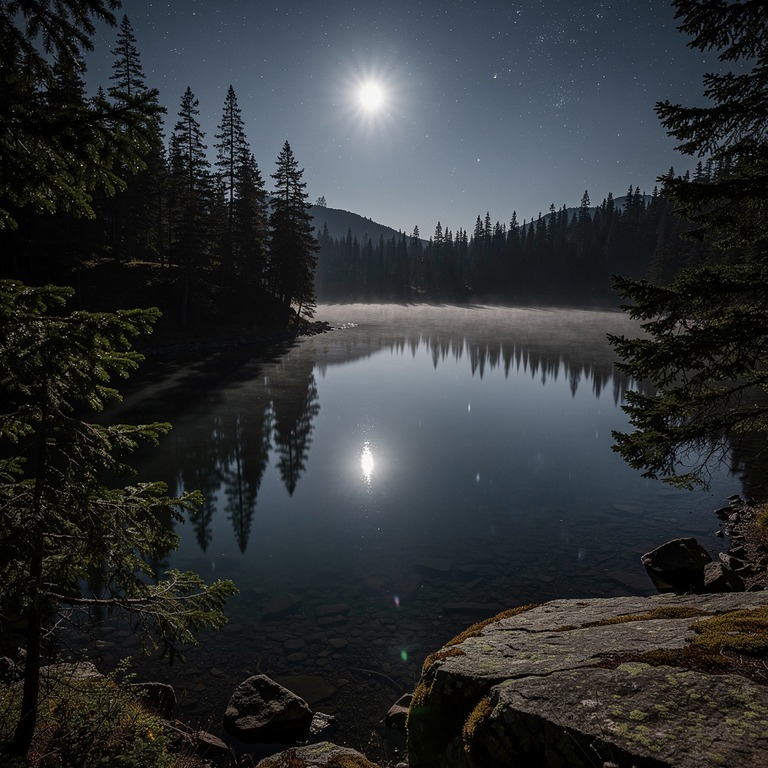
There's a line in the middle of the poem that I think gets undervalued. Oliver writes that she doesn't know what a prayer is, but she knows how to pay attention. She offers attention as the substitute for prayer — or maybe as prayer itself.
This is worth sitting with if you're considering a retreat. Most facilitators I've spoken to, across traditions, will tell you that the medicine isn't really the medicine. The medicine is the attention you learn to bring. Ayahuasca, San Pedro, psilocybin — these are amplifiers. They turn the volume way up on whatever you're already paying attention to, whether that's an old grief, a buried memory, the texture of the wind moving through the leaves, or the quality of the silence between the icaros.
The work, before and after, is learning how to keep that dial turned up when you're back in ordinary life. That's where the poem becomes practical. How to fall down in the grass, how to kneel down in the grass, how to be idle and blessed. These are training instructions, not just pretty phrases.
How to Use a Poem Like This Before a Retreat
If you're in the research phase — weighing whether to book, comparing centers, reading reviews and trying to figure out if any of this is actually for you — I'd suggest something modest. Print the poem. Carry it with you for a week. Read it once in the morning and once before bed. Don't analyze it. Just let the final question sit there.
Here are a few things people often notice when they do this:
- The question stops feeling abstract and starts feeling specific. You begin answering it in concrete terms — names, places, things you've been postponing.
- Old fears surface. Not necessarily fears about the medicine. Fears about what would happen if you actually did the thing you keep saying you want to do.
- The decision about the retreat itself starts to clarify. Either it becomes obvious you're going, or it becomes obvious you're not — and either answer is useful information.
- You start paying more attention to small things. The way the light hits the kitchen counter. The sound of your own breathing when you wake up.
None of this replaces the actual preparation work — the dietary restrictions, the medical screening, the conversations with facilitators about your history and intentions. But it gets you closer to the doorway. It softens you.
The Trap of Pretty Words
I'll offer one caution. Oliver's poem is so quotable that it sometimes gets used as decoration — printed on tote bags, screen-printed onto candles, dropped into Instagram captions next to photos of someone doing yoga at sunset. There's nothing wrong with that, exactly. But it can hollow the words out.
The same hollowing-out can happen with plant medicine. People come back from a ceremony with profound material, and within a month it's been reduced to a handful of catchphrases. I learned to surrender. I met my inner child. I am pure love. Fine. Maybe. But what did you actually do on Tuesday? Did you call the person you needed to call? Did you stop the thing that's been killing you? Did you start the thing you've been afraid to start?
The poem and the medicine both lose their power when they get turned into slogans. The question Oliver poses isn't supposed to feel inspirational. It's supposed to feel slightly threatening. Like a friend who loves you enough to ask the question you've been avoiding.
Bringing It Back to the Decision in Front of You
If you're reading this, there's a reasonable chance you're somewhere in the long, quiet process of considering a plant medicine retreat. You've watched the documentaries. You've read the trip reports. Maybe you've talked to one or two people who've done it. You're trying to figure out whether this is the right thing for you, or whether it's just another shiny object you're hoping will fix what's been broken for a long time.
The poem can't answer that for you. Neither can I. But the question at the end of it — the one Oliver leaves hanging — is, I think, the right question to bring with you into any decision about psychedelic healing. Not will this fix me. Not will this make me happy. But: given that the time is finite, given that everything dies at last and too soon, what do you actually plan to do?
If the answer involves stepping toward a retreat, do it with care. Choose facilitators who screen you properly, who don't promise outcomes, who take integration seriously. For readers who want to take this further, a range of vetted ayahuasca and plant-medicine retreats can be browsed on our marketplace here. And whatever you decide — go or don't go — keep the poem somewhere you'll see it. The grasshopper, the grass, the impossible last line. They have a way of staying useful.

Craving More Stories?
Join our ShopAyahuascaRetreats newsletter for the latest updates on thrilling
destinations and inspirational tales, delivered straight to your inbox!
We value your privacy. Your email address will never be shared or published.