 English
 Deutsch
 Français
 Nederlands
 Español
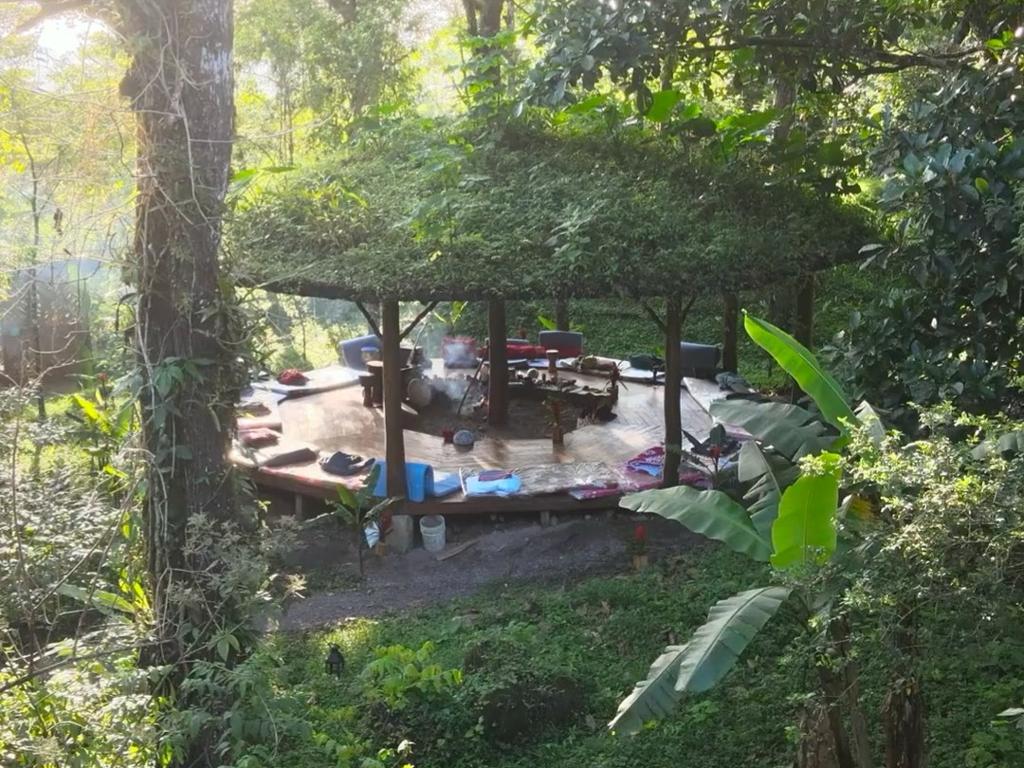


Reset. Heal. Grow.

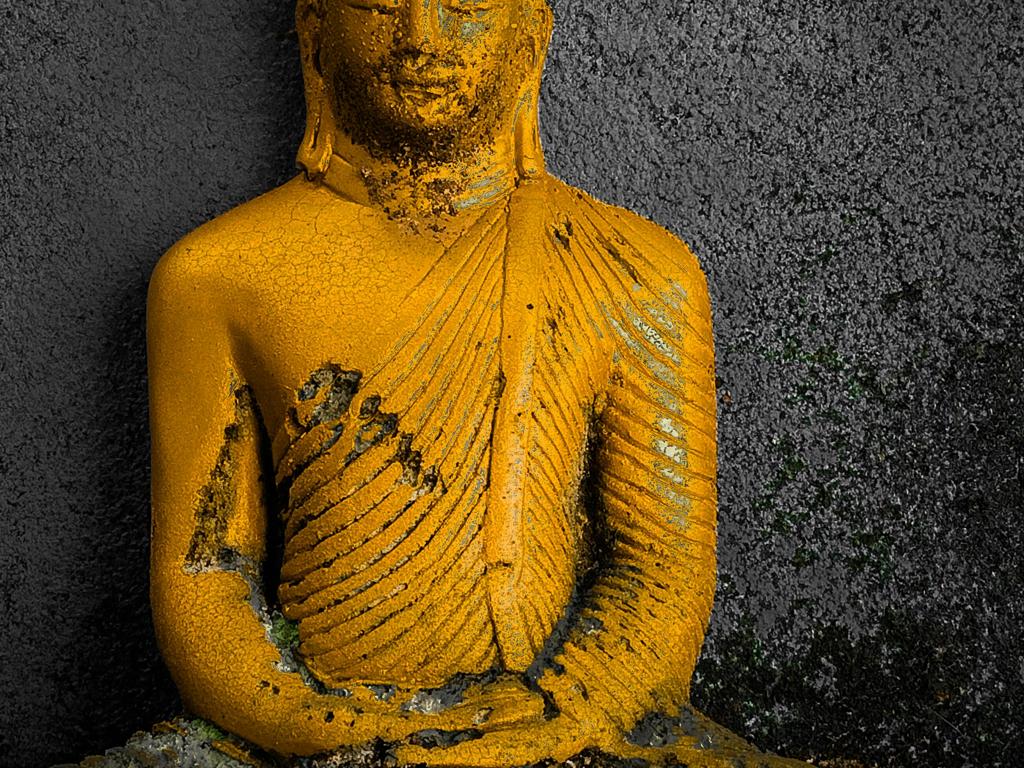
When Anxiety Stops a Career: How Psychedelic Therapy Is Helping People Rebuild
Picture a 22-year-old with everything the outside world calls success — a Stanford acceptance, an NBA contract, a guaranteed paycheck, the framed jersey waiting to be hung — and a chest so tight he can't take a full breath in the morning. That's roughly where Tyrell Terry found himself before walking away from professional basketball. His story made the rounds in the sports press, but the part that matters most for readers of this site is what came after the retirement post: he turned to psychedelic therapy to deal with anxiety that conventional medication wasn't touching. His situation isn't rare. It's just rarely told this honestly. Anxiety that shows up as nausea, intrusive thoughts, and a weight on the chest doesn't always respond to the first prescription a psychiatrist hands over. And for a growing number of people — athletes, veterans, executives, parents, students — psychedelics have started to look less like a fringe experiment and more like a serious option worth understanding. Terry was drafted 31st overall by the Dallas Mavericks in 2020 after a single standout season at Stanford. By his own account he was physically ready for the league and emotionally nowhere near it. Alone in a new city at twenty, the anxiety he'd been managing turned into something that, in his words, began to destroy him. He stepped away. He came back. He tried it with the Memphis Grizzlies, then with a club in Germany. The love for the game didn't return. A team psychiatrist put him on two anti-anxiety medications. They helped sometimes. They also made him nauseous. At his agent's suggestion he tried psychedelic therapy — and according to the reporting that followed, he found enough relief in it that he kept going. He's still engaging in that work today, while finishing the undergraduate degree he'd left on the table at Stanford. That's the human shape of the story. Now the bigger question: why are so many people in his position looking in this direction at all? For most of the past fifty years, anxiety treatment in the West has meant two things: SSRIs and benzodiazepines, plus talk therapy if you're lucky enough to access it. These tools work for plenty of people. They also miss plenty of people — and they come with their own catalog of side effects, dependencies, and limits. In the last decade, clinical research into psychedelics has quietly built a serious body of evidence. Psilocybin trials at Johns Hopkins and Imperial College London have shown durable reductions in depression and anxiety after just one or two guided sessions. MDMA-assisted therapy has cleared late-stage trials for PTSD. Ayahuasca research out of Brazil and Spain has tracked meaningful drops in depressive symptoms among people who'd exhausted other options. Ketamine clinics are now on most American main streets. The mechanism, simplified: psychedelics seem to interrupt the looping, self-referential thought patterns that drive anxiety and depression. David Nutt, who runs the neuropsychopharmacology unit at Imperial College London, has described it as a disruption — for the duration of the experience, the rumination quiets down, and people can sometimes find a different relationship to it afterward. Not always. But often enough that the research keeps moving. For someone in Terry's position — high-functioning, well-resourced, stuck in a thought loop their medication wasn't dissolving — the appeal is obvious. Psychedelics offer a different door. Here's where retreat-seekers need to slow down. Psychedelic therapy is a wide umbrella, and what's behind the umbrella varies enormously. For anxiety specifically, the most-studied paths are psilocybin and MDMA. Ayahuasca has a longer cultural lineage and, for some people, a deeper experience — but it's also more physically demanding, more disorienting, and asks more of you in terms of preparation. Master plants don't hand out gentle introductions. The price tag is the easy part to research. A reputable ayahuasca retreat in Peru tends to run between $1,500 and $4,000 for a week, depending on the lodge. Psilocybin retreats in the Netherlands or Jamaica often land in a similar range. Oregon's licensed psilocybin services tend to cost more per session because of the regulatory overhead. The harder costs are the ones nobody puts on the booking page: The psychedelic space has grown faster than its quality control. For every careful, ethical retreat there's at least one that's run by someone who took an ayahuasca ceremony in 2019 and decided that qualified them to lead one. So how do you tell? A few things to ask, in no particular order: Reviews help, but they're easy to game. Talk to former participants if you can. Ask uncomfortable questions before you book. Reputable places respect the questions. Psychedelic therapy isn't a cure-all, and the Terry story is a useful reminder of that. He found some relief — and his struggles still persisted when he tried to return to professional basketball. The experience helped him find a more stable headspace, but it didn't manufacture a love for the game that had quietly dissolved. Sometimes what a psychedelic experience offers is clarity, not happiness. Sometimes the clarity is that you need to leave the thing you built your life around. That's an honest outcome, and it's not a small one. If you're considering a retreat for anxiety specifically, a few honest filters: Are you currently in acute crisis? (If yes, stabilize first — a retreat isn't a 911 call.) Have you tried therapy and found it lacking, or have you not tried it at all? (If the latter, start there — it's cheaper and lower-risk.) Are you willing to do the unsexy integration work afterward? (If not, save your money.) Do you have a support system to come home to? (If not, build one first.) None of this is meant to scare anyone off. Psychedelics have helped a lot of people whose anxiety wasn't responding to anything else. The point is just that the people who benefit most tend to be the ones who go in clear-eyed about what they're actually signing up for. If a guided psychedelic experience feels like the next honest step for you, a curated selection of ayahuasca and psilocybin retreats can be browsed on our marketplace here — a useful starting point for the kind of careful research this decision deserves.
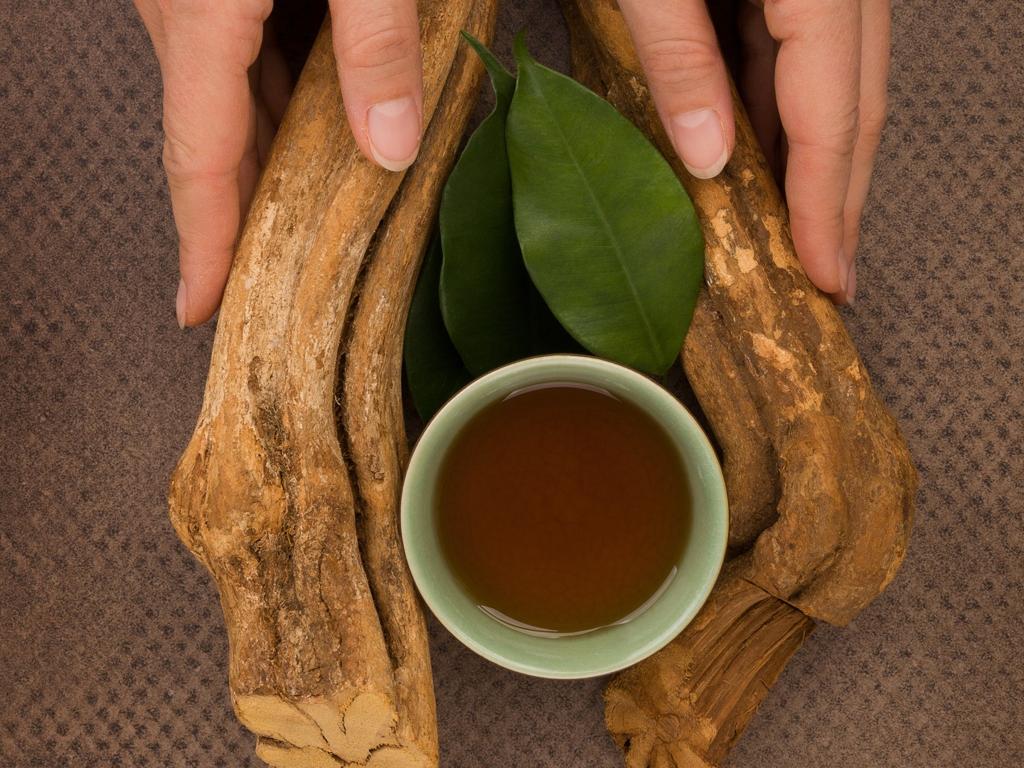
Ibogaine Aftermath: What to Do When Side Effects Linger Past Two Weeks
Two weeks after an ibogaine session and you still feel… off. Heart fluttering when you climb stairs. Sleep that comes in shards. A weird metallic fatigue that no green juice is touching. If that's where you are right now, take a breath. You're not alone, you're not broken, and you're also not necessarily fine — so let's talk about what's actually happening. Ibogaine is one of the heaviest hitters in the plant medicine and psychedelics world, with a deserved reputation for interrupting opioid addiction in a single session. But it's also the one most people underestimate on the back end. The trip ends. The recovery doesn't. And nobody at the retreat tends to send you home with a clear map for week two, week three, or month three — which is exactly when a lot of folks start quietly panicking. Most psychedelics clear your system in hours. Ibogaine does not play by those rules. The active compound metabolizes into noribogaine, which hangs around in fatty tissue and can keep influencing your nervous system for days, sometimes weeks. People report mood shifts, ataxia (that drunk-walking feeling), tinnitus, and cardiac irregularities well past the point they expected to feel normal. This isn't a bug — it's part of why ibogaine works for addiction recovery in the first place. The slow taper of noribogaine seems to ease the withdrawal cliff that breaks most people trying to come off opioids. The trade-off is that you're essentially convalescing from something the body genuinely had to work to process. Treat it like minor surgery, not like a hangover. Half-life estimates vary wildly between individuals. Body composition, liver enzymes (specifically CYP2D6), dose, and what you came in with all matter. Someone with a slow CYP2D6 phenotype can metabolize ibogaine dramatically slower than the person who sat next to them in ceremony. Two people, same dose, very different week-three experiences. Here's the rough territory most people land in. Not medical advice — just patterns I've heard from facilitators, integration coaches, and dozens of people who've come through the other side. Most of this is your nervous system recalibrating. The neural pathways that ibogaine seems to soften and rewire don't reset on a tidy schedule. If a friend who's never done plant medicine asks how you are and you say “still catching up to myself,” that's roughly the right answer for several weeks. Now the part nobody loves talking about. Some symptoms warrant a doctor — not a shaman, not a Reddit thread, an actual cardiologist or GP. Ibogaine has well-documented effects on the QT interval (a measurement of heart rhythm), and on rare occasions those effects don't snap back to baseline as fast as they should. Get medical attention if you're experiencing any of the following past the two-week mark: Ask for an ECG. Mention ibogaine specifically — most cardiologists won't have heard of it, but they'll know what to do once you describe what was taken and when. Bring documentation from your retreat if you have it. If you don't, write down what you remember: dose (in mg or flood/booster terminology), date, body weight at the time, any pre-screening labs they ran. This information will save you and the doctor a lot of fumbling. The instinct after a heavy psychedelic experience is to throw everything at the wall — supplements, gym sessions, cold plunges, three different therapists. Resist. Your system is already doing a lot. The kindest thing you can do is reduce inputs, not pile them on. What actually helps in the first month post-ibogaine: What to avoid: alcohol (full stop, for at least a month), other psychedelics (no “topping up” the experience, this is how people get hurt), SSRIs unless your prescriber has cleared the timing, and any stimulant — including pre-workout powders — until you've had a clean cardiac check. Here's the thing nobody tells you when you're booking an ibogaine retreat: the ceremony is the easiest part. The hard, slow, unsexy work is what happens in the weeks and months after, when you're back in your kitchen wondering if anything actually changed. People who do well long-term tend to share a few habits. They don't try to interpret the experience too quickly. They write things down without forcing meaning onto them. They stay connected to a small handful of people who get it. And they treat the post-ceremony months as protected time — they don't book a vision quest in Peru three weeks after their ibogaine session because they read about it on a forum at 3 a.m. If you came to ibogaine for opioid addiction, the integration window is also when relapse risk quietly creeps back. The window of reduced craving is real, but it's not infinite. Use the time. Build the structure — meetings, sponsor, therapist, exercise, accountability — that the medicine cleared space for. The medicine opened the door. You still have to walk through it, every day. An honest word: ibogaine isn't magic. It's an extraordinary tool with real risks, and it's the start of a process, not the conclusion of one. People who treat it as a single transaction — pay the money, take the medicine, problem solved — tend to be the same people who end up disappointed three months later, or worse, back in the patterns they came to interrupt. Some of the master plants and psychedelic medicines in this space work better as a sequence rather than a one-off. Ayahuasca after ibogaine. Psilocybin for ongoing depression work. San Pedro for grounding and integration. None of this is prescription — it's the lived pattern from people who've made meaningful changes stick. The medicine that finally moved something in you may not be the same medicine that helps you keep that ground. For readers wanting to take their healing further, a curated range of ibogaine, ayahuasca, and other plant medicine retreats can be browsed on our marketplace here. Take your time choosing — a good retreat will welcome your questions about screening, aftercare, and what happens at week three.
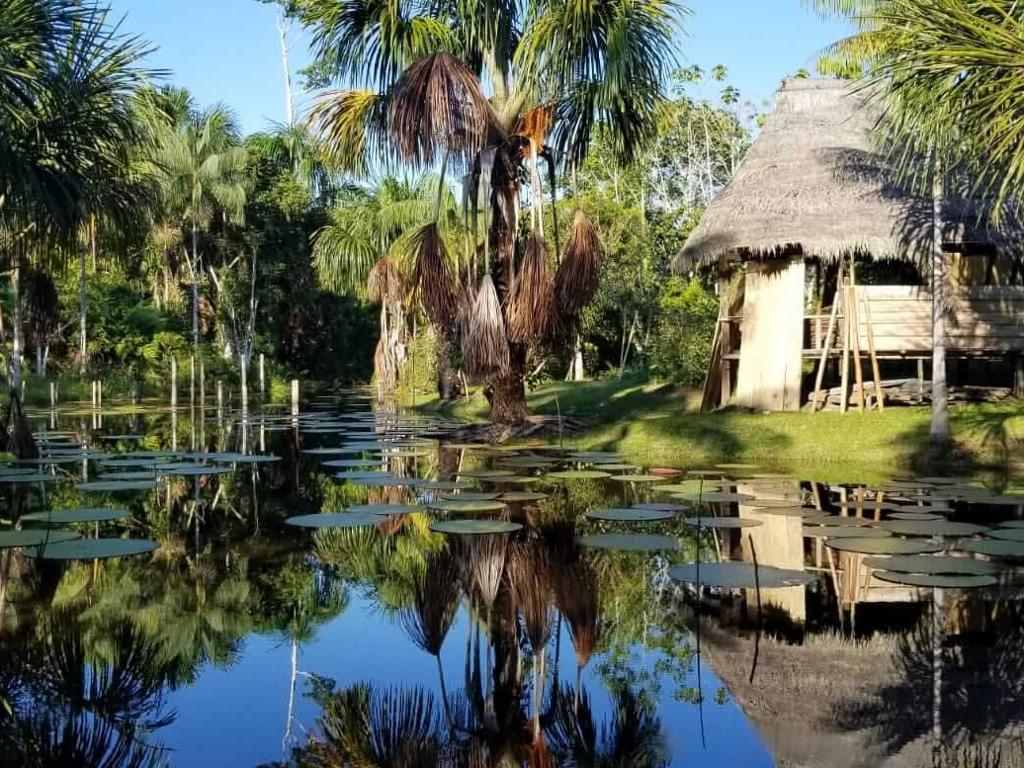
Psilocybin for Alcohol Addiction: One Woman's Story and What the Research Shows
Kimberly had her first drink at fourteen, at a slumber party somewhere in the late Sixties. The other girls sipped and giggled. She drank until the housekeeper had to chase her around the yard to herd her back inside. She knew something was different about her relationship with alcohol from that very first night — and forty years later, after a breast cancer diagnosis and a quiet kind of desperation, she finally found something that worked. It wasn't a twelve-step program. It wasn't rehab. It was a single guided session with psilocybin, the psychoactive compound in magic mushrooms, taken inside a clinical trial at NYU Langone. Her story is one of the more striking anecdotes to emerge from the growing body of research into psychedelics and addiction recovery. And while one woman's experience is not a treatment plan, it points at something researchers have been quietly building evidence for: that plant medicine, used carefully and with proper support, can interrupt the deeply grooved patterns that keep people drinking. Kimberly's drinking didn't start the night of the slumber party. After that, she stayed away from alcohol — her parents were both addicted, and even at fourteen she suspected she'd inherited the same wiring. The break held until college, and really took hold when she landed her first job as a TV producer in New York at twenty-one. The industry ran on after-work drinks. Three glasses of Chardonnay at happy hour. Then three glasses at home. Then a bottle alone until she, in her words, dozed off. (A polite way of saying blacked out.) She left the industry at thirty-six. The drinking didn't leave with her. By forty-four it was every day, and there was, she said, no such thing as moderation. The strange thing — and anyone who's lived near addiction will recognize this — is that her work never visibly suffered. The damage was internal: poor sleep, low-grade exhaustion, the slow erosion of joy in things she used to love. The kind of drinking nobody at the dinner party notices, but the drinker can't ignore. Then came the cancer diagnosis. Even one drink a day raises the risk of breast cancer, and Kimberly had been drinking far more than that for decades. She described it as the ultimate wake-up call — proof, she felt, that her body had been keeping score. Something had to change, and the old methods hadn't moved the needle. The NYU trial enrolled ninety-three people with alcohol use disorder. The protocol pairs psilocybin sessions with twelve weeks of talk therapy — the substance is not the whole treatment, just one piece of a larger structure. Participants received two dosing sessions of either psilocybin or an antihistamine placebo designed to mimic some surface sensations of a trip, then a third session in which everyone was offered psilocybin if it was medically safe. This is worth pausing on, because it's a feature of every legitimate psychedelic-assisted program: the medicine is not a pill you swallow and walk away from. There is preparation. There is a long session held in a quiet room with trained guides. There is integration afterward — weeks of therapy where the experience gets unpacked, examined, applied to daily life. Strip any one of those layers away and you've got something much closer to recreational drug use than treatment. The published results in JAMA Psychiatry showed that participants who received psilocybin had significantly fewer heavy-drinking days over the thirty-two-week trial than those who got the placebo. Not a cure for everyone, not a magic bullet, but a meaningful effect from two guided experiences plus therapy — which, compared to standard addiction treatments, is a remarkably short intervention. Before swallowing the pill, Kimberly held hands in a circle with two researchers and named her intention out loud. Address the drinking issue. Setting intention before a ceremony or session is standard practice across both clinical psychedelic work and traditional plant medicine traditions — and it matters more than people realize. The medicine seems to follow the question. She lay down with an eye mask and a curated playlist. At some point her vision started wobbling. Then a TV cue card appeared in her mind's eye — the kind she'd worked with for years in the studio — with one word on it: Drinking. She sat up and said, to no one in particular, All the portals are open. What is it you want me to know? What followed she described in spatial terms — a staircase, a door at the top, oppressive clouds overhead that her mind labeled as the alcohol itself. She walked up, opened the door, stepped into the light. And then she had what she called a conversation with herself, in which she decided, simply and finally, that she would never drink again. That was April 2018. She hasn't had a drink or a craving since. Her family used the word miraculous. She uses the word reset. The interesting question is why a single experience can do what years of willpower couldn't. Researchers studying psychedelics for addiction recovery have a few overlapping theories: None of this means the psychedelic is doing the work alone. It seems to crack something open. Therapy and intention do the rest. Psilocybin isn't the only psychedelic showing promise for addiction. Ibogaine — derived from the iboga shrub in West Africa — has a longer underground history with opioid and alcohol dependence, and clinics in Mexico and Costa Rica have been running structured programs for years. Ayahuasca, the Amazonian brew, has been used ceremonially for centuries and is now drawing people who specifically want to work on addictive patterns, often alongside what traditional practitioners call master plants — tobacco, bobinsana, ajo sacha and others used in dieta to support deep psychological work. These are different medicines with different risk profiles and different cultural contexts. Ibogaine carries real cardiac risk and requires medical screening. Ayahuasca involves multi-night ceremonies and a strict diet. Psilocybin sessions, currently legal only in narrow contexts like the Oregon program or clinical trials, are shorter and chemically simpler. Choosing between them — if you're choosing at all — is a serious decision that depends on your history, your goals, and the quality of the team holding the container. A few honest things worth knowing before you book anything: Kimberly's case is unusually clean — a single session, total cessation, no relapse. That's not the average outcome. The trial showed strong effects across the group, but plenty of participants still drank, just less. Some needed booster sessions. Real recovery, for most people, is a long arc with a few catalysts inside it. A psychedelic session can be one of those catalysts. It is rarely the whole story. If you've read this far, you're probably weighing something concrete in your own life. Take the time to research properly, talk to a doctor, and choose facilitators who screen carefully and offer real integration support. For readers who want to look at structured options, a range of vetted psilocybin and plant-medicine retreats focused on addiction recovery can be browsed on our marketplace here. Whatever path you choose, choose it with eyes open — that, more than the medicine itself, is what tends to make the difference.
Ibogaine for Kratom Addiction: What Partners and Patients Should Know
Kratom started as the “safe” alternative. That's how a lot of people end up dependent on it — they were tapering off opioids, or self-treating chronic pain, or just trying to function through anxiety, and the leaf seemed gentler than whatever came before. Then six months pass. Then two years. And one morning the partner of the person taking it is sitting at a kitchen table googling ibogaine clinics, because nothing else has worked and the household has run out of softer options. If that's roughly where you are — either as the person taking kratom or the person watching someone you love take it — this is for you. Ibogaine is one of the most powerful tools in the plant medicine world for interrupting opioid-style dependency, and kratom binds to those same receptors. But it's not a casual decision, and the clinics that do this work are not all the same. Let's walk through what's actually involved. Kratom (Mitragyna speciosa) is a tree from Southeast Asia whose leaves contain alkaloids — mitragynine and 7-hydroxymitragynine — that act on the brain's mu-opioid receptors. Not as hard as heroin or oxycodone, but on the same wiring. That's why it can help with opioid withdrawal in the short term, and it's also why long-term daily use creates a real physical dependency that looks a lot like an opioid habit, just with a different label on the package. People who use kratom heavily often describe a creeping escalation. A few grams in the morning becomes a few grams every three hours. Tolerance builds quickly. Stopping cold brings the familiar opioid withdrawal package — restless legs, sweats, anxiety that feels like the walls are closing in, insomnia that runs on for a week. Anyone telling you kratom withdrawal is “just like quitting coffee” has either never been through it or never paid attention to someone who has. This matters because it explains why ibogaine works on kratom dependency at all. Ibogaine's neurological effect on opioid receptors is the same mechanism that makes it effective for heroin, fentanyl, and methadone. From the medicine's perspective, kratom is just another opioid agonist to reset. Ibogaine is the principal alkaloid of the iboga shrub, a plant native to Gabon and used ceremonially by the Bwiti tradition for generations. In a clinical addiction context, what makes it remarkable is a phenomenon researchers and clinicians have observed repeatedly: a single high-dose session can dramatically reduce — sometimes erase — the acute withdrawal symptoms that would normally take a week or more to ride out, while also producing a long introspective experience that lets people see their patterns with unusual clarity. The session itself is not recreational. It's not fun. People describe lying still for eight to twelve hours under heavy effects, often with eyes closed, processing memories and life material in vivid sequence. There's nausea. There's ataxia (you genuinely cannot walk safely during the peak). There's a heart-rate slowdown that requires medical monitoring. Then a long, tired afterglow where withdrawal cravings are conspicuously absent and people can actually sleep, eat, and think. Two honest caveats: ibogaine does not work for everyone. And it carries real cardiac risk — it can prolong the QT interval on an ECG, which in rare cases has been fatal. This is why the difference between a legitimate clinic and a sketchy one is not aesthetic. It's medical. If your husband, wife, or you yourself is shopping for a facility, here are the things that separate the serious operations from the dangerous ones. Treat this list as non-negotiable. Mexico, Costa Rica, the Netherlands, Portugal, and several Caribbean jurisdictions have legal or tolerated ibogaine clinics. In the United States ibogaine is Schedule I, so domestic options are effectively underground — and an underground operation, however well-meaning, cannot legally run the medical infrastructure required to do this safely. Watching someone you love prepare for this is its own kind of difficult. A few honest observations from people who've sat on that side of it. First — your read on the clinic matters. Get on a video call with whoever will be running the session. Ask about their cardiac protocol. Ask how many patients with opioid-style dependency they've treated and what their reported outcomes look like. A real provider will answer plainly and won't be offended by the questions. A bad one will get defensive or vague. Second — the days immediately after the session are tender. The person coming home will be physically exhausted for a week or two, emotionally raw, and often quieter than usual. The cravings tend to be gone, which is the part that feels miraculous, but the underlying reasons someone reached for kratom in the first place are now sitting in plain view. Boredom, grief, untreated anxiety, a job they hate, a relationship pattern. That's the real work, and it starts after the medicine. Third — relapse is not a verdict. Plenty of people who eventually got free of opioid-style dependency through ibogaine had a wobble at month two or month four. The medicine bought them a clear window. What they did with the window is what determined the outcome. Ibogaine is not the only path off kratom. Some people taper successfully over six to twelve weeks using a structured reduction schedule and a supportive doctor. Some respond well to buprenorphine for a few months and then come off that. Some find that the issue underneath the kratom — chronic pain, untreated PTSD, ADHD — needs its own targeted treatment, and once that's handled the kratom dependency loses its grip. What ibogaine offers that those routes don't is speed and a particular kind of psychological reset. For someone who's tried tapering three times and failed, or whose dose has climbed past the point where a slow reduction feels possible, that reset can be the thing that finally works. For someone who hasn't seriously attempted gentler options yet, it might be worth trying those first — not because ibogaine is wrong, but because the right tool depends on what you've already swung at the problem. If you're researching this seriously, talk to people who've been through it. The ibogaine community is small and unusually willing to share real experiences — the bad sessions as well as the transformative ones. For readers who want to take this further, a range of vetted ibogaine and plant-medicine programs can be browsed on our marketplace here. And whatever you decide — the fact that you're reading carefully instead of just booking the first clinic that returned your email already puts you ahead of most people who walk into this. Slow down. Ask the awkward questions. The right program will welcome them.
Why Sobriety Alone Isn't Enough: Ibogaine and the Long Road After Addiction
There's a moment, somewhere around day ninety of being clean, when most people in recovery quietly realize something nobody warned them about. The drug is gone. The drink is gone. And yet — the life underneath it is still there, exactly as miserable as the day they started using. Sobriety, it turns out, isn't the destination. It's the front door. This is the part of the conversation that ayahuasca, ibogaine, and psilocybin retreats sometimes gloss over. Plant medicine for addiction is genuinely powerful — there's a reason ibogaine, in particular, has built such a fierce reputation among people who've tried everything else. But anyone who's sat across from a former heroin user a year after their flood dose, or talked to a drinker six months out from their first ayahuasca ceremony, will tell you the same thing: the medicine starts the work. It doesn't finish it. Ibogaine, extracted from the root bark of the Tabernanthe iboga plant, has one of the strangest pharmacological profiles in the psychedelic world. People who take a full flood dose for opioid dependence routinely report that physical withdrawal — the kicking, the sweating, the bone-deep agony — simply doesn't arrive. Cravings drop off a cliff. The window of clarity that opens can last weeks or months. That's not nothing. For someone who's been chained to fentanyl or alcohol for a decade, having the chemical hooks pulled out in 24 hours feels like a miracle. And it kind of is. But here's where the trouble starts: the medicine doesn't teach you how to handle a Tuesday afternoon when you're bored, lonely, and twenty minutes from your old dealer's neighborhood. It doesn't show you how to sit with your mother at Thanksgiving without wanting to disappear. It doesn't rebuild the friendships, the routines, the sense of meaning that addiction systematically demolished. The reset is real. The rebuild is on you. One of the more honest things I've heard from a longtime ibogaine provider in Mexico: "Most of the people who relapse come back six months later thinking the medicine failed them. It didn't. They went home and did nothing different." This is the trap. The post-ceremony glow is enormous. You feel rewired. You feel like a new person. And for a few weeks, you basically are — your nervous system is recalibrated, your mood is brighter, the constant low hum of craving is quiet for the first time in years. It's easy to mistake this for being healed. Then life resumes. The bills come. The old social circle calls. The brain, which never actually forgets the reward pathway it spent years carving, starts whispering again. And if nothing in your daily life has structurally changed — no new community, no therapist, no work on the underlying pain — that whisper gets louder, fast. Talk to people who've stayed clean five or ten years after a psychedelic-assisted reset, and you start to hear the same things over and over. None of them are glamorous. Notice what's not on this list: another retreat. Another ceremony. Another peak experience. The temptation to chase the medicine — to go back to Costa Rica every six months hoping for another reset — is one of the more interesting forms of avoidance the recovery world has invented. It looks spiritual. It often isn't. The traditions these medicines come from have been clear about this for centuries, even if the modern retreat circuit isn't. In the Shipibo lineage, ayahuasca is one of dozens of master plants, and dieta — the months of isolation, restricted food, and apprenticeship with a single plant — is the actual healing work. The brew is the door. The dieta is what happens inside. The Bwiti tradition that gave the world ibogaine treats the medicine as part of an initiation that reshapes a person's place in their community. It's not a weekend. It's a turning point inside a longer arc, surrounded by elders, songs, and obligations that continue after the ceremony ends. The Western framing — fly in, drink the medicine, fly out, post about it on Instagram — strips the medicine of the scaffolding that made it work in the first place. That doesn't mean the retreats are useless. Plenty of them do good, careful work and send people home with real preparation and integration support. But the burden is shifted: you, the participant, have to build the rest of the scaffolding yourself, in a culture that mostly doesn't believe it exists. If you're researching ayahuasca or ibogaine retreats specifically for addiction recovery, the questions to ask are not about the jungle, the food, or the facilitator's lineage. Ask these instead: The places worth your money will have thought about all of this. The ones that haven't will change the subject back to the ceremony itself, because that's what they're selling. Recovery, with or without plant medicine, is a years-long project that mostly happens in unsexy ways. A morning walk. A phone call to someone who's been through it. A boring Wednesday where nothing collapses. A slow rebuilding of the muscle that lets you tolerate being a person without numbing it. Ibogaine can hand you the keys. Ayahuasca can show you the map. Psilocybin can soften the wall you've been hitting your head against for fifteen years. None of them can drive the car for you. If you're considering a retreat as part of your own recovery — and many people genuinely benefit from one — go in with both eyes open. Plan the year that comes after before you plan the trip. Build the support before you build the suitcase. Treat the ceremony as the beginning of the work, not the end of it. For readers exploring this path more seriously, a range of vetted ibogaine and ayahuasca retreats focused on addiction recovery can be browsed on our marketplace here. Whatever you choose, choose with the long view in mind — the medicine is the easy part.
Craving More Stories?
Get your free guide on how to choose a psychedelic retreat, plus upcoming retreats and new reading every two weeks.
We value your privacy. Your email address will never be shared or published.
What Ibogaine Actually Teaches You: Lessons From the Other Side of Treatment
People come to ibogaine for one reason, usually. They want the addiction to stop. Whether it's heroin, fentanyl, methadone, alcohol, or some tangled combination, the pitch is almost too clean: one long session with a powerful African root, and the withdrawal vanishes. The cravings quiet down. The story ends. Except it doesn't end. That's the part nobody puts on the retreat brochure. Ibogaine isn't a finish line — it's a strange, exhausting, sometimes unbearable doorway. And what people actually learn on the other side of it is often very different from what they expected to learn. This piece is for anyone weighing ibogaine treatment for addiction, or trying to understand what a friend or family member just went through. Plant medicine doesn't hand you a new life. It hands you information. What you do with it is the rest of the work. Ibogaine is a psychoactive alkaloid found in the root bark of Tabernanthe iboga, a shrub native to West Central Africa. The Bwiti tradition in Gabon has used iboga ceremonially for generations — initiation, ancestor work, deep personal reckoning. Outside that context, ibogaine became known in the West for something more specific: it appears to dramatically interrupt opioid withdrawal and reset the brain's response to certain addictive substances. The mechanism is still being studied, but the lived experience is striking. People who've been physically dependent for years describe walking out of a session without the bone-deep sickness they expected. Cravings, in many cases, drop to a whisper. That's the part that gets attention — and rightly so. For someone who's been trapped in a cycle, the idea that one treatment could break the physical hold is staggering. But here's where the misunderstanding starts. Interrupting withdrawal is not the same as curing addiction. The substance does something profound to your nervous system. It does not, on its own, repair the reasons you started using in the first place. Most psychedelic experiences clock in at four to eight hours. Ibogaine runs longer — often 24 to 36 hours from first dose to the point you can walk steadily again. The first phase is sometimes called the visionary state, and it's where the famous “life review” happens. Memories surface, sometimes in vivid sequence, sometimes scattered. People describe watching their lives from the outside, observing choices they'd buried for decades. The second phase is more cognitive — quieter, more reflective. You're processing what came up. The body is doing heavy lifting too: ibogaine slows the heart rate significantly, which is why reputable clinics require an EKG, blood work, and continuous cardiac monitoring. This is not a substance to take in a friend's living room. The cardiac risks are real, and most ibogaine-related fatalities trace back to inadequate medical screening. By the third phase, you're tired in a way you've probably never been tired. People talk about a kind of grey clarity that lasts for days. The body is exhausted; the mind is unusually quiet. And then — this is the part nobody warns you about enough — you have to go home. If you read enough first-person accounts, certain themes show up over and over. Not in the marketing copy. In the honest reports — the ones written months or years later, when the dust has settled. That last point is the one most people underestimate. The session is dramatic. The integration is mundane. And mundane is what changes a life. This question comes up constantly from people researching plant medicine for addiction, so it's worth addressing directly. Both ayahuasca and ibogaine have been studied as tools for addiction recovery, and both have produced remarkable case reports. They are not interchangeable. Ibogaine is, by most accounts, the more medically demanding of the two. The cardiac risk is higher. The session is longer. It's particularly effective at interrupting opioid dependence — something ayahuasca generally is not designed to do. If your primary issue is physical dependence on opioids, ibogaine is the more direct intervention. Ayahuasca tends to work differently. It's better suited to longer-arc work — depression, trauma, behavioural addictions, alcohol patterns, the existential layer of why-am-I-like-this. Many people who first encounter plant medicine through ibogaine eventually find their way to ayahuasca ceremonies for ongoing integration work. The two can complement each other across years, not weeks. Master plants — the broader category these medicines fall into — share something important: they show you things. They don't decide for you. Whichever path fits your situation, the work after the ceremony is what determines the outcome. This is where I get blunt. The ibogaine world has reputable clinics doing careful, life-saving work. It also has cowboys. The difference between the two can be the difference between recovery and a coroner's report. If you're seriously considering treatment, look for these markers: Mexico and Costa Rica host most of the legal, medically-supervised clinics serving North Americans, since ibogaine is unscheduled in those countries. The legal status in the United States is more restrictive — ibogaine is a Schedule I substance there — which is why most treatment-seekers travel. If you're reading this because you or someone you love is stuck in addiction, here's the honest path forward. Do your research slowly. Talk to people who've been through it — not just the ones the clinics put forward, but the harder-to-find ones who'll tell you what didn't work. Get a real medical workup before you commit. Build your aftercare plan before you book the session, not after. And don't expect ibogaine to do the work that therapy, community, and time are supposed to do. The people who do well with ibogaine treatment tend to share a particular quality: they treat it as the beginning of something, not the end. They line up integration support, change their environment, take the post-session window seriously, and accept that the medicine has shown them what to do — but it's still on them to do it. If something here resonates and you want to explore further, a curated selection of ibogaine and plant-medicine retreats can be browsed on our marketplace here. Take your time with the decision. The right retreat, at the right moment, with the right aftercare around it — that's what changes things. Not the medicine alone.
Ibogaine for Addiction Recovery: What 36 Days Clean Actually Looks Like
There's a particular kind of quiet that settles in around the fifth week after an ibogaine treatment. The acute work is done. The visions have faded into something you half-remember, half-feel. The cravings — if they're going to creep back — usually start testing the locks somewhere around here. This is the stretch nobody warns you about, and it's also the stretch that decides whether the whole thing took. People come to ibogaine for one reason more than any other: they want out of an addiction they've tried to escape a dozen times before. Opioids, mostly. But also alcohol, stimulants, benzodiazepines, and the harder-to-name patterns that don't show up on a tox screen. The plant medicine community has long whispered about ibogaine as the closest thing we have to a reset button. The science is starting to catch up. And the lived experiences shared by people in early recovery — the raw, unpolished ones — are often more useful than any clinical write-up. Ibogaine is an alkaloid found in the root bark of the Tabernanthe iboga shrub, native to Central Africa. In the Bwiti tradition of Gabon, it's used in initiation ceremonies that have nothing to do with addiction. Western medicine stumbled onto its anti-addictive properties almost by accident in the 1960s, when a heroin user named Howard Lotsof noticed his cravings simply weren't there after taking it. What happens neurologically is still being mapped, but the broad strokes are these: ibogaine appears to reset opioid receptors, interrupt the conditioned cravings that keep relapse cycles spinning, and — most strikingly — produce a long, dreamlike review of your own life. Many people describe it less as a trip and more as an interrogation. Memories surface unbidden. Decisions get re-examined. The reasons you started using in the first place tend to show up in the room with you. It's not gentle. A full flood dose lasts somewhere between 24 and 36 hours, with the most intense phase usually in the first 8 to 12. People describe nausea, ataxia (you can't really walk), and a relentless interior monologue. The phrase you hear over and over from people who've done it: I wouldn't do it again, and I wouldn't undo it. Here's roughly what the recovery arc looks like for someone using ibogaine to come off opioids or another long-running dependency. Individual experiences vary enormously, but patterns repeat: That milestone — the one-month-plus mark — is when people on recovery forums tend to post for the first time. They want to mark the moment. They also want to know if what they're feeling is normal. The answer is almost always yes. Here's the part the more honest practitioners will tell you and the marketing brochures usually won't: ibogaine is a powerful interrupt, not a cure. The treatment can pull you out of physical dependence and give you a remarkably clear view of the patterns that drove your use. But it doesn't rebuild your social life. It doesn't fix the relationship that's been collateral damage. It doesn't pay your rent or restructure your evenings. The people who stay clean — and there are many — almost universally do three things after treatment: A treatment without integration is, as one facilitator I spoke with put it, like getting a heart transplant and skipping physical therapy. The surgery worked. That doesn't mean you can run yet. This is where the stakes get serious. Ibogaine has real cardiac risks — it can prolong the QT interval, and people with undiagnosed heart conditions have died during treatment. It's a Schedule I substance in the United States, which means legitimate treatment happens primarily in Mexico, Costa Rica, the Netherlands, South Africa, and a handful of other jurisdictions where it's legal or unscheduled. A few things to look for, and a few red flags that should make you walk away: Ask to speak with past clients. A confident provider will connect you. Ask what their protocol is if something goes wrong medically. Ask how many treatments they've done and what their experience is with your specific substance of dependence — ibogaine for opioid recovery is well-mapped; ibogaine for stimulant or alcohol recovery is a different conversation. Most people arrive thinking the substance is the problem. By day three of an ibogaine experience, most have revised that opinion. The substance is what they were using to manage something — grief, an old wound, a chronic anxiety, a sense of not belonging in their own life. Ibogaine has a particular knack for showing you the thing underneath the thing. That can be the most valuable part of the whole experience. It can also be the hardest. Reading other people's accounts of post-treatment life, you notice a pattern: the addiction was loud, but underneath it was often a depression, a trauma, a relational pattern they hadn't known how to look at. Sobriety made all of that visible. The work of recovery, properly understood, is the work of attending to what was hiding behind the using. This is why integration matters so much, and why a one-week clinic stay is the beginning of a longer process — not its conclusion. Some people pair ibogaine with subsequent work using other plant medicines, ayahuasca being the most common, often months later, to keep deepening the inner work. Others go in the opposite direction and lean entirely on therapy, community, and stillness. Both paths can work. Neither works automatically. Talk to people who've done it. Read the long, honest accounts — the ones that include the hard parts, not just the breakthroughs. Speak with at least two providers before you choose. Get cleared by a cardiologist who knows what you're planning. Don't go alone if you can help it; having someone meet you on the other side, even just for the first week, matters more than most people realize. And give yourself a real plan for the months after. Where will you live? Who will you call when it's hard? What will you do with the time you used to spend using? These questions are not optional. They're the actual treatment, in a way the substance itself can never be. For anyone weighing this seriously, a curated selection of ibogaine and plant-medicine retreats with vetted medical protocols can be browsed on our marketplace here. Thirty-six days is a real milestone — but it's a beginning, not a finish line, and the people who treat it that way are the ones who tend to still be free at day three hundred and sixty.
Dreaming of a Psychedelic Retreat?
Get your free guide on how to choose a psychedelic retreat, plus upcoming retreats and new reading every two weeks.
We value your privacy. Your email address will never be shared or published.
