 English
 Deutsch
 Français
 Nederlands
 Español




Reset. Heal. Grow.
Processing Your Whole Life in One Ayahuasca Ceremony: What's Really Happening
Somewhere around the second hour of an ayahuasca ceremony, people tend to notice something strange. Their childhood shows up. Then the argument they had with their mother in 2011. Then the job they should have quit. Then a memory of their grandfather they haven't thought about in twenty years. It arrives fast, in layers, sometimes all at once. And the question that surfaces the next morning — usually while sitting on a bench staring at the jungle, feeling wrung out — is always some version of: did I really just process my entire life in one night? Short answer: kind of, yes. Longer answer is what this post is about. Because the experience of the mind running its full archive during a psychedelic ceremony is one of the most common — and least talked about — reasons people end up booking an ayahuasca retreat in the first place. It's also one of the trickiest things to prepare for, sit through, and integrate afterward. Talk to enough people who have sat with plant medicine and you'll hear the same phrasing over and over. It played my life back like a film. It showed me every moment I'd buried. It connected the dots I couldn't connect in ten years of therapy. This isn't marketing. It's just how the brew tends to work on a subjective level, and it's why ayahuasca has developed such a reputation among people dealing with trauma, addiction, and the kind of stuck patterns that talk therapy circles around without quite reaching. What's actually happening is not mystical, or at least not only mystical. Ayahuasca contains DMT alongside MAO inhibitors from the Banisteriopsis caapi vine — the master plant that gives the medicine its name. Together they produce a state where the brain's default mode network quiets down and associations that normally stay siloed start firing across each other. Memory, emotion, and meaning-making merge. You don't just remember your seventh birthday. You feel it, understand it, and see how it links to the way you avoid conflict at work. All in about ninety seconds. That compression is the reason people describe ayahuasca ceremonies as feeling like years of processing. Whether it's actually equivalent to years of therapy is a question researchers are still working through. But the felt experience is real, and it's disorienting if nobody warned you it was coming. You don't need a neuroscience degree to work with plant medicine, but a rough map of what's going on helps. Under ordinary conditions, your brain is efficient. It filters. It suppresses. It keeps the memory of your first heartbreak safely tucked away while you're trying to file a tax return. This filtering is useful — most of the time. Psychedelics loosen that filter. Under ayahuasca, psilocybin, or ibogaine, the barriers between different memory systems, emotional states, and modes of self-perception become porous. Things talk to each other that normally don't. That's why a memory of being seven can suddenly land with the full emotional weight of being seven, while your adult mind watches and understands what that child needed and didn't get. A few things that tend to happen when this filter drops: None of that is unique to ayahuasca. Psilocybin retreats produce similar reports. So does ibogaine, particularly in the context of addiction recovery, where the life review can be so thorough it lasts a full day. San Pedro tends to be gentler and more heart-centered but works the same territory. The plant medicine differs; the underlying mechanism of dissolved filtering is roughly the same. Fair question, and one every honest facilitator will tell you to keep asking. Not every intense experience is healing. Some people leave a ceremony having felt a great deal without much changing afterward. Others have a comparatively quiet night and find their lives reorganized six months later. The variable isn't the drama of the experience — it's what happens next. The clinical research over the past decade points in a consistent direction: psychedelic experiences that produce durable change in depression, PTSD, and addiction tend to share a few features. The person felt safe enough to let go. They encountered difficult material without being overwhelmed. And — this is the part most people underestimate — they did serious integration work in the weeks and months afterward. Without that last piece, the insights fade into a great story you tell at dinner parties. So yes, processing your life in one night can be genuinely healing. It can also be genuinely destabilizing, especially if you weren't prepared for the scale of it. Both things are true. Which one you end up with depends on preparation, the setting, and what you do with the material once you're back home. People book retreats for all kinds of reasons — curiosity, desperation, a friend's recommendation, a decade of failed antidepressants. Whatever the reason, the preparation matters more than the brochure suggests. A few practical things that make a real difference: That last one is where most first-timers underestimate the medicine. Your nervous system will be recalibrating. Being asked to be witty at a work dinner three days after a life review is not fair to yourself. You wake up in the retreat bed. The jungle is loud. You feel like a piece of thin paper that's been ironed flat. And you have, apparently, understood something enormous about your father, your career, your addiction, or your marriage. Now what? The first mistake is trying to make immediate decisions. The clarity that arrives in ceremony feels like it demands action now — quit the job, leave the relationship, call the estranged sibling. Sometimes those calls are right. But they're almost always more right when made from a settled place three months later, not from the emotional altitude of the day after. Facilitators call this the honeymoon effect, and it burns a lot of people. The second mistake is trying to translate everything into words too quickly. Some of what the medicine gives you is pre-verbal. Sit with it. Draw it. Walk with it. Let it settle before you narrativize it — because once you tell the story ten times, the story becomes the memory, and the actual thing gets flattened. What tends to work is slower and less dramatic than people expect: keeping a written record, meeting with an integration therapist or group weekly for at least a couple of months, tending to sleep and food and movement, and letting the changes reveal themselves through what you actually do rather than what you decide. The people who report the most lasting shifts from ayahuasca aren't the ones with the wildest ceremony stories. They're the ones who took the six months afterward seriously. Plant medicine isn't for everyone, and any facilitator worth their salt will tell you so. People with a personal or family history of psychosis, schizophrenia, or bipolar I generally shouldn't touch classical psychedelics. People currently in acute crisis often benefit more from stabilization first, medicine later. People taking certain medications need careful screening. And people looking for a quick fix without willingness to do the follow-up work tend to be disappointed — or worse. The people who tend to get the most from an ayahuasca or broader psychedelic retreat are the ones who have already been doing the work — therapy, meditation, honest self-examination — and have hit a wall. The medicine can move something that's been stuck. It's less good at doing the initial excavation from scratch. If you've been sitting with the question of whether to go for a while, that's worth listening to. Curiosity that persists across months tends to be different from a passing impulse. Take your time choosing where and with whom. For readers who want to explore the options, a range of vetted ayahuasca and plant-medicine retreats can be browsed on our marketplace here, and comparing several before committing is almost always wiser than booking the first one that comes up. The mind that processes your whole life in one night is the same mind you'll wake up with the next morning. What changes is what you're willing to do with what you saw.
The RAIN Method: A 4-Step Meditation for Working With Anxiety
Anxiety has a way of taking over the room. One minute you're fine, the next you're staring at the ceiling at 3 a.m. running through a mental spreadsheet of everything that could go wrong tomorrow. Most of us try to muscle through it, distract our way out of it, or wait for it to pass. There's another option — a small, portable meditation practice called RAIN that gives you something to actually do when the wave hits. RAIN was developed by meditation teacher Michele McDonald and later refined and popularized by Tara Brach. It's an acronym: Recognize, Allow, Investigate, Nurture (some teachers use Nonidentification for the N — more on that in a bit). It's not a magic trick. It won't erase your anxiety. But it will change your relationship to it, which, over time, is arguably more valuable. Here's the thing about anxiety: the more we push it away, the louder it tends to get. Anyone who's ever tried to force themselves to stop worrying at 2 a.m. knows this. The mind is a stubborn animal. Suppression backfires. Distraction works for about twenty minutes. What RAIN offers is a middle path — a structured way to turn toward what you're feeling without drowning in it. Each step is deliberately simple, which matters, because when your nervous system is in overdrive, you can't remember complicated instructions. Four short words. That's the whole toolkit. You can run through the process in five minutes on a park bench, or spend forty minutes with it on a cushion. Either way works. The mechanics stay the same. The first move is deceptively simple: notice that something is going on. Sounds obvious, but anxiety is sneaky — it often shows up as a foul mood, snapping at a partner, mindlessly refreshing your phone, or that vague unease you can't quite name. Recognition is the moment you pause and say, plainly, oh, this is anxiety. Think of it like this. You're deep in a movie, completely absorbed, feeling every twist. Then the doorbell rings. The movie is still playing, but the spell is broken. You've stepped outside the story. That small step outside is what recognition does with an anxious mood. You go from being inside the experience to being aware that it's happening. Nothing needs to be fixed at this stage. You're not trying to change the feeling or explain it or figure out where it came from. You're just naming it. Without this pause, we tend to slide into whatever coping habit is closest — scrolling, snacking, drinking, working ourselves into the ground. Those things paper over the discomfort. They don't touch it. Allowing is the step people find hardest. It means letting the feeling exist without immediately trying to shove it away. That doesn't mean you like it. It doesn't mean you approve of it. It means you've decided, just for this moment, to stop fighting it. Resisting anxiety is like bracing against a wave. The wave doesn't care. It just keeps coming, and the tension in your body builds. When you soften and let the wave move through, something shifts. The intensity often drops on its own — not because you willed it away, but because you stopped feeding it energy. Tara Brach often uses the phrase let it be. Some people find it useful to whisper that to themselves. Others use a small physical gesture — unclenching the jaw, dropping the shoulders. The point is to signal to your body: I'm not at war with this right now. Once you've stopped bracing, you can look closer. Investigation isn't about interrogating yourself or figuring out why you feel this way — that kind of rumination usually makes anxiety worse. It's more like a naturalist observing an unfamiliar bird. Curious, patient, not in a rush. A useful framework here is what some teachers call the triangle of awareness: thoughts, emotions, and body sensations. Anxiety shows up in all three, and looking at each one separately makes the whole experience more workable. Staying with the body sensations is usually the most powerful part. Anxiety, when you actually sit with the raw feeling of it, is just a set of sensations — energy moving through tissue. Unpleasant, sure. But not solid. Not permanent. If you can rest there for even a minute, you start to notice the sensations shifting on their own. The original teaching had N stand for nonidentification: the recognition that anxiety is something you're experiencing, not something you are. It's a subtle but significant reframe. Instead of I'm anxious, you might notice anxiety is present. The awareness that's watching the anxiety isn't itself anxious. That awareness is steady, and you can rest in it. Tara Brach later suggested N could also stand for nurture, and honestly, both work. Nurturing is where self-compassion enters the practice. After recognizing, allowing, and investigating, you offer yourself something kind. A hand on the chest. A quiet phrase — this is hard, and it's okay to feel this way. It's not saccharine. It's the same thing you'd offer a friend in distress. Most of us are ruthless with ourselves when we're struggling. We add a layer of criticism on top of the original pain. Nurturing interrupts that pattern. It says: you're a person having a difficult moment, and you deserve some warmth. RAIN is a mindfulness practice, and it works well on its own. It also complements deeper contemplative and healing work, which is why many people find themselves gravitating toward retreats — silent meditation, plant-medicine ceremonies, trauma-informed integration circles — as their practice matures. Anxiety often has roots that go deeper than any four-step process can reach, and at some point most serious practitioners want to sit with those roots in a supported container. Whether that means a weekend of vipassana, a longer contemplative retreat, or a ceremonial setting with experienced facilitators, the underlying skill is the same one RAIN trains: the willingness to turn toward what's difficult with curiosity instead of running. For readers who want to keep exploring, a range of meditation and plant-medicine retreats can be browsed on our marketplace here. Start small. Try RAIN the next time you notice your chest tighten or your thoughts start to spiral. Four words. A few breaths. Over time, it stops being a technique you have to remember and starts being something closer to instinct — a way of meeting your own experience with a little more room, and a little more kindness.
Ibogaine's Safety Gap: The Cardiac Risk Nobody at the Clinic Mentions
Ibogaine has been having a moment. A long one, actually. Over the past couple of years, the conversation around this West African root bark has moved from harm-reduction forums into state legislatures, veteran advocacy campaigns, and mainstream press. Texas has committed serious public money to clinical research. Combat vets are showing up at capitol hearings describing how a single dose interrupted years of opioid dependency and PTSD symptoms. For anyone paying attention to psychedelic-assisted addiction recovery, the momentum feels genuine. And it is. But there's a second storyline running underneath the good news, and if you're the kind of reader who's quietly considering an ibogaine retreat for yourself or someone you love, you need to hear it as clearly as you've heard the success stories. The safety gap around ibogaine isn't a rumor. It's not a matter of a few bad clinics. It's a pharmacological feature of the molecule that even the best-run facility on earth can only manage — not eliminate. The therapeutic case for ibogaine is unusual in the plant-medicine space because it isn't primarily about mystical experience or personal insight — though many people report those too. It's about a very specific, very unusual pharmacological effect: ibogaine appears to reset opioid receptors and dramatically reduce craving and withdrawal, sometimes after one administration. That's the claim that's pulling veterans, opioid survivors, and their families toward clinics in Mexico, Costa Rica, and Portugal. The clinical signal supporting that claim keeps getting stronger. Small studies, observational data, and a growing pile of first-person accounts point in the same direction. If you've spent time reading addiction literature, you know how rare it is for anything to move the needle on severe opioid use disorder. Ibogaine seems to. That's why the money and political attention are showing up now. None of what follows contradicts that signal. Ibogaine's therapeutic potential is real. The problem is that its risk profile is also real, and the two facts have to sit next to each other in your head at the same time when you're making a decision. Because ibogaine remains Schedule I in the United States, every legal treatment happens abroad. There's no central registry tracking outcomes. No unified reporting requirement for adverse events. No FDA-style database where a family can look up a clinic's history before wiring the deposit. Recent investigative reporting has documented a pattern that anyone considering a retreat should understand: cardiac deaths, treatment-related fatalities, and patients who were never adequately screened for the exact health conditions that make ibogaine dangerous. What surfaces in the press is almost certainly a fraction of what's actually happening. Inconsistent medical screening. Staff distributing dosing without careful attention to cardiac history or drug interactions. Facilities with slick websites and testimonial-heavy Instagram accounts operating with essentially zero external oversight. Some clinics are excellent. Some are running a coin flip on people's lives. From the outside, they can look nearly identical. Here's the uncomfortable part: even the excellent clinics can't fully engineer their way out of the underlying risk. Ibogaine's most serious liability is called QT prolongation — a specific disturbance in the heart's electrical rhythm that can trigger fatal arrhythmias. That's not a side effect of sloppy practice. It's a property of the molecule. You can screen better, monitor better, keep a crash cart in the room, and still be administering a drug with a documented capacity to stop a human heart. The response inside the field has quietly split into two camps, and it's worth understanding both because they shape what your options will look like over the next five to ten years. The first bet is on making ibogaine itself safer to administer. Better cardiac screening. On-site telemetry. Magnesium loading protocols. Shortened or split-dose regimens. And eventually, a properly regulated clinical pathway inside the U.S. so that people aren't gambling on foreign clinics. Texas's state-funded research consortium is the most visible expression of this approach, and it's a genuinely serious effort with real scientists attached. Call it the “better container” strategy — keep the molecule, engineer safety around it. The second bet is quieter and further from the headlines. It says: what if we could capture ibogaine's therapeutic mechanism in a different molecule altogether? One engineered from scratch to avoid the cardiac liability rather than manage around it, and to skip or shorten the 10-to-14-hour psychedelic experience that currently requires round-the-clock supervision. Companies working on next-generation, ibogaine-inspired compounds are chasing exactly this — a treatment that would look less like a supervised psychedelic procedure at an offshore clinic and more like a prescription medicine your doctor could actually monitor. Neither bet is obviously right. Both could pay off. In some ways they need each other — every new data point suggesting ibogaine reduces craving is also a data point suggesting the underlying pharmacology is worth chasing in a safer form. You don't have five to ten years. If you or someone you love is considering ibogaine for addiction recovery in the near term, offshore clinics are the only legal option, and the decision has to be made with clear eyes. A few practical filters worth applying: None of this is meant to talk you out of anything. For some people — particularly those who have cycled through conventional treatment repeatedly without lasting change — a well-run ibogaine program may be the most promising option available. The point is that “well-run” has a specific meaning here, and it involves screening, monitoring, and honesty about a risk that no amount of ceremony can wish away. Ibogaine's situation is instructive for anyone looking at the broader psychedelic and plant-medicine space. When a treatment with real therapeutic potential outruns the regulatory infrastructure meant to support it, patients end up shouldering risk that a mature medical system would have absorbed. That's true for ayahuasca retreats operating in legal gray zones. It's true for underground psilocybin work. It's especially true for ibogaine, where the risk isn't just psychological or spiritual — it's cardiac, and it's measurable in the raw data of who does and doesn't wake up the next morning. The honest framing is this: ibogaine works, sometimes remarkably well, and ibogaine can also kill people who weren't properly screened. Both statements are true simultaneously. A responsible field acknowledges that instead of choosing whichever half is more convenient for the pitch. If you've read this far and you're still weighing whether an ibogaine program — or any plant-medicine retreat — is right for you, the best next move is usually to spend more time reading, talking to people who've been through it, and asking clinics uncomfortable questions before you commit. For readers who want to compare options across ibogaine, ayahuasca, and other plant-medicine programs, a curated selection of retreats can be browsed on our marketplace here. Take the extra week. Ask the hard questions. Your future self will be grateful you did.

Sleep, Hormones, and the Cycle: What Active Women Miss
Ever had one of those weeks where training feels like wading through wet sand? You slept enough, you ate well, you did the recovery things — and yet your legs feel borrowed and your mood is a coin flip. If you menstruate, there's a decent chance your sleep is part of the story, and an even better chance you didn't notice it happening. A recent study followed twelve elite female Gaelic football players across roughly three full menstrual cycles, pairing wearable data with daily sleep diaries. What they found is quietly unsettling: the athletes weren't sleeping nearly as well as they thought they were, and the worst nights weren't random. They clustered around the two phases of the cycle when the body is already carrying the heaviest symptom load. This isn't just a curiosity for pro athletes. If you're an active woman tracking training, recovery, or general wellbeing — and especially if you're preparing for anything demanding, whether that's a race, a retreat, or a plant-medicine ceremony that asks a lot of your nervous system — the numbers here are worth knowing. Twelve senior intercounty Ladies Gaelic Football players, average age around 24, wore an Oura ring continuously for about three months. Alongside the ring, they kept daily sleep diaries, logged menstrual symptoms in an app, and used urinary test kits to estimate ovulation. Importantly, the athletes were blinded to their Oura data throughout the study. Their diary entries reflected genuine perception, not numbers they'd already peeked at. The cycle was split into four phases: menstruation (Phase 1), mid-to-late follicular (Phase 2), the bulk of the luteal phase (Phase 3), and the five days before the next period (Phase 4, the pre-menstrual window). Splitting it this way let the researchers ask a specific question — where in the cycle do sleep disruptions actually happen? — rather than treating the month as one uniform experience. Elite sport already has a sleep problem. Athletes routinely get less sleep than the general population, and demanding schedules take most of the blame. But the menstrual cycle sits underneath all of that, adding a layer that most training programs still don't account for. Here's the headline number. Objective sleep, as measured by the ring, was 55 minutes less than what the athletes recorded in their diaries. Nearly an hour of sleep they thought they were getting and simply weren't. The pattern extended past total duration. Participants underestimated how many times they woke up during the night. They underestimated the time they lay awake after first falling asleep — a metric called WASO, or wake after sleep onset, which is basically a measure of how fragmented your night is once it begins. Their bodies were having a rougher night than their brains were willing to report the next morning. Why does this matter? Because perception shapes behavior. If you think you slept fine, you don't scale back your training, you don't lean into recovery, you don't flag it to a coach or a therapist or yourself. You just push on, wondering why your legs feel like they belong to someone else. The study's uncomfortable implication: for many women, self-reported sleep is not a reliable guide to what actually happened between the sheets. Objective sleep quality shifted across the cycle, but it didn't shift evenly. The disruptions concentrated in two specific windows: Phase 1 (menstruation) and Phase 4 (the pre-menstrual days). During Phase 1, sleep efficiency dropped. WASO went up. Sleep onset latency — the time it takes to actually fall asleep — went up too. In plain language: it took longer to fall asleep, sleep was more fragmented once it started, and less of the time in bed was actually spent asleep. Falling-asleep difficulty carried into Phase 2 as well; sleep onset latency was roughly 25% longer in the mid-late follicular phase than in Phase 3. Phase 4 showed a different pattern. Sleep efficiency didn't collapse, but wake events climbed significantly compared to Phases 2 and 3. Nighttime waking spiked in the five days before menstruation — a distinct fingerprint from Phase 1. And here's the twist. The athletes' own diaries showed no significant differences across the four phases. The disruptions were real. They just weren't being felt. The researchers noticed something worth pausing on. The prevalence and perceived impact of cycle-related symptoms — cramps, bloating, mood shifts, general physical discomfort — peaked in exactly the same two phases where sleep fell apart. Which suggests the sleep disruption isn't purely a hormonal signal doing its thing in the background. It's tangled up with symptom burden. The nights are rougher partly because the days are. The pre-menstrual finding deserves more attention than it gets. Menstruation itself hogs the conversation around cycle and performance, but the five-day runway leading into it appears to carry a distinct sleep cost — one that, like Phase 1, tends to slip under the athlete's own radar. None of this, incidentally, is unique to women or to athletes. Humans are generally poor judges of their own sleep, especially when the disruptions are fragmented rather than dramatic. Six brief wake events across a night rarely feel like a bad night by morning. But the cumulative tax on recovery and cognition is real, whether you noticed it or not. If you're reading this while weighing a psychedelic retreat, an ayahuasca ceremony, a demanding meditation intensive, or just a serious training cycle — sleep is one of the levers that will quietly decide how the experience lands. Nervous-system regulation, emotional resilience, physical stamina in long ceremonies, integration afterward: all of it runs on sleep debt or sleep surplus. Knowing that Phases 1 and 4 are your higher-risk windows means you can plan around them instead of blaming yourself for feeling flat. A few practical moves worth considering: The study looked at elite athletes, but the physiology isn't elite-only. The hormonal shifts across the cycle, their effects on sleep architecture, and the gap between how sleep feels and how it actually goes — those apply to any woman who menstruates. If you're tracking your training, your nutrition, or your recovery, the cycle deserves a seat at the same table. The takeaway isn't that you need to become a data obsessive. It's that your subjective read on sleep is unreliable in ways you probably didn't suspect, and that unreliability isn't evenly spread across the month. Two windows carry most of the risk. Watching those windows a little more carefully is where the gap starts to close. Sleep, cycle awareness, and nervous-system readiness matter enormously for anyone preparing for deep inner work — plant-medicine ceremonies, meditation retreats, or any experience that asks you to meet yourself honestly. For readers curious about that kind of preparation, a range of curated plant-medicine and psychedelic retreats can be browsed on our marketplace here. Go in rested. It changes what's possible.

When “Doing Fine” Is the Trap: Why Comfort Blocks Real Healing
Most stories about waking up start at the bottom. A bender. A blackout. A collapse loud enough that everyone around you agrees, yes, something has to change. Those stories are real, and they matter. But there’s another kind — the one nobody warns you about because it doesn’t look like a problem from the outside. It’s the story of a life that’s working. Career going. Family intact. Bloodwork acceptable. Weekends full. And underneath all of it, a small, persistent hum that says: you’re getting away with less than you’re capable of, and you know it. I bring this up because a surprising number of people who show up at plant-medicine retreats aren’t at rock bottom. They’re at rock middle. And that’s a harder place to leave, because nothing is technically wrong. The lie isn’t “I can’t.” Anyone who’s built a career or raised a kid has already disproved that one. The lie is subtler. It sounds like: this is fine. Fine because you’re still going to the gym twice a week. Fine because you don’t drink on weekdays. Fine because the marriage isn’t on fire. Fine because you meditated three times last month and remembered to call your mother. Each of those things is true in some narrow way, which is exactly what makes the whole story so easy to sign. When your life looks genuinely good, calling it good enough is almost effortless. The world rewards “good.” It rarely asks you for more. And gratitude, which is supposed to open you up, can quietly turn into a place to hide. There’s a real difference between being grateful for what you have and using gratitude as an alibi for not going any further. I’ve met people in ceremony who spent years doing the second one while calling it the first. Here’s something facilitators talk about privately but rarely put in brochures. A large percentage of people booking an ayahuasca retreat, an ibogaine week, or a psilocybin container aren’t running from catastrophe. They’re running toward something they can’t quite name — the version of themselves they keep almost becoming and never quite reaching. These are the people who’ve read the books. Tried therapy — maybe helpful, maybe not. Done the retreats without medicine. Taken the breathwork classes. And still that hum. Master plants tend to speak loudly enough to cut through the polite negotiation most of us run with ourselves all day. That’s why they draw people who are, on paper, doing perfectly fine. Ayahuasca in particular has a way of dismantling the story of “fine.” Not with drama, and not always in the ceremony itself. Sometimes the honest reckoning shows up three weeks later, on a Tuesday, when you catch yourself pouring a second glass of wine you don’t actually want and finally hear what the vine was trying to tell you. You don’t have to fly to Peru to start this work. In fact, the most useful thing I’ve seen people do before booking a psychedelic retreat is something almost embarrassingly small: pick one hard thing you don’t need to do, and do it on purpose. A dry month. A daily cold shower. Thirty days without your usual dopamine drip — the news apps, the pornography, the sugar, the late-night scroll. Not because you’re broken. Because your comfort is intact enough that the challenge means something. What usually happens in the first week: That last one is the door. It’s a small taste of what plant medicine offers on a much bigger scale — the feeling of being present in your own life without the usual filters. If you can’t sit with mild discomfort for a month at home, sitting with the far bigger discomfort of a five-night ayahuasca dieta is going to hurt in ways nobody prepared you for. People think they’re deciding whether to attend a retreat. They’re usually deciding something bigger and older than that: whether to keep waiting. Waiting to get serious about the drinking. Waiting to actually deal with what happened when you were fourteen. Waiting to become the parent, the partner, the friend you already know you’re capable of being. Waiting for a moment of readiness that, honestly, doesn’t come. Readiness is a feeling that shows up after the decision, not before it. The people I’ve interviewed who took the leap — booked the retreat, did the work, changed the pattern — almost universally describe the same thing afterward. Not euphoria. Not a personality transplant. Something quieter. A sense that they stopped negotiating with themselves every morning about whether today counts. The decision was already made. The only question left was how, which is a much smaller question than whether. One more thing worth naming, since a lot of readers here are quietly wondering whether plant medicine could help them with a pattern they can’t break. Addiction, in the clinical sense, is a specific thing and deserves specific care — ibogaine treatment centers, medically supervised detox, long-term integration support. If you’re physically dependent on alcohol or opioids, please don’t try to sort that out alone at a jungle retreat. That’s not what those containers are for, and reputable facilitators will screen you out for your own safety. But there’s a broader category of stuck-ness that psychedelics and master plants seem to genuinely help with. The compulsive scrolling. The workaholism dressed up as ambition. The subtle numbing that a lot of high-functioning people use to make their lives tolerable without ever admitting anything is being avoided. Ayahuasca, psilocybin, and San Pedro all have a knack for showing you the mechanism you’ve been running — the trade you’ve been making — in a way that words in a therapist’s office sometimes can’t reach. Whether that experience leads to lasting change depends almost entirely on what you do in the six months after. This is the part retreat brochures underplay. The ceremony is the doorway. Integration is the walk through it, and it’s where most of the actual healing happens. If you’ve read this far, some part of you is already leaning in. A few honest things to weigh before you book anything: Most importantly: notice why you’re going. “I want to feel better” is honest. “I want to prove I did something interesting” is a setup for disappointment. The medicines respond to actual questions, not to tourism. If any of this is landing, and you’re starting to sense that “fine” has been carrying more weight than it should, a range of vetted ayahuasca and plant-medicine retreats can be explored on our marketplace here. Take your time with the choice. The version of you that’s ready to stop settling has been waiting long enough already — a few more weeks of careful research won’t hurt, but the endless waiting will.
Craving More Stories?
Join our ShopAyahuascaRetreats newsletter for the latest updates on thrilling
destinations and inspirational tales, delivered straight to your inbox!
We value your privacy. Your email address will never be shared or published.

Type 2 Diabetes in Women vs Men: What the Latest Research Reveals
A type 2 diabetes diagnosis rearranges your week. Suddenly there are glucose readings to log, prescriptions to fill, food labels to squint at, and a rotating cast of doctors' offices to visit. It's a lot. But those appointments carry more weight than most people realize — they're a chance to catch problems that have nothing to do with blood sugar and everything to do with what type 2 diabetes quietly sets in motion elsewhere in the body. A recent UK study followed more than 28,700 adults who had just been diagnosed with type 2 diabetes, tracking their health for close to seven years. The researchers weren't just watching glucose numbers. They wanted to know what other conditions showed up next, in what order, and — crucially — whether women and men were walking down noticeably different roads. The answer, it turns out, is yes. The team pulled anonymized records from UK family doctors and hospitals covering new type 2 diabetes diagnoses between 2010 and 2020. Men made up roughly 62% of the group and were typically diagnosed around age 54. Women tended to receive the diagnosis a couple of years later. Over the follow-up window, researchers watched for four specific conditions: anxiety, depression, heart disease, and kidney failure. They also paid attention to sequencing — which condition appeared first, which followed, and how those chains of events lined up against age and sex. That kind of pattern-hunting matters because diabetes rarely stays a solo act. It tends to bring company. And the order in which the guests arrive can tell doctors something useful about what to screen for next. This is an observational study. It shows patterns, not causes. Nobody is claiming that being a woman makes depression inevitable after a diabetes diagnosis, or that being a man guarantees a kidney problem. What the data does is reveal tendencies worth taking seriously — the kind of information a good clinician should factor into your care plan. Here's where things get interesting. Among women in the study, 8.1% developed a mental health condition after their diagnosis. Among men, that figure was 5.3%. Flip the coin for heart disease and kidney failure and the numbers reverse: 8.4% of men, 5.3% of women. High blood pressure was the great equalizer, showing up in roughly one in five people regardless of sex. Those aren't dramatic percentages on their own. But layered across millions of people living with type 2 diabetes worldwide, the pattern points to a real divergence in how the disease unfolds in different bodies. Women appear more vulnerable to the emotional weight of the diagnosis and its aftermath. Men appear more vulnerable to the vascular fallout. The starkest finding involved people who developed a mental health condition after their diabetes diagnosis. This group died younger than those on other health paths. Among them, men died on average nine years earlier than women. Nine years. That's not a rounding error — that's a serious signal that something is going wrong for men who are struggling emotionally with their diagnosis. The study surfaced one detail that helps explain the disparity: men on this higher-risk path used health care services less often. They showed up for fewer routine appointments. They were less consistently engaged with the system that was supposed to catch problems early. The researchers can't prove that skipping appointments caused the worse outcomes. Cause-and-effect isn't what observational data delivers. But the correlation is uncomfortable enough to raise the obvious question: if a man is quietly depressed after being told he has a chronic illness, and he stops going to his check-ups, who's catching the fact that his cholesterol has crept up or his kidneys are stressed? Often, nobody — until it's late. There's a broader cultural piece here too. Men are famously reluctant to raise mental health concerns with their doctors, and clinicians don't always ask. A diagnosis of type 2 diabetes is precisely the kind of moment when someone might be quietly rattled and unwilling to say so. The takeaway isn't that women and men need separate diabetes protocols. It's that the current one-size-fits-all approach — check glucose, tweak medication, repeat — misses a lot of what's actually happening in people's bodies and minds after diagnosis. The study's authors suggest that routine mental health screening should be built into diabetes care, especially for younger women. For men, they recommend closer attention to cardiovascular and kidney health, plus steadier engagement with routine appointments. Neither recommendation is exotic. They're just examples of care that treats the patient as a whole person, not a glucose number. The earliest deaths in the study followed a mental health diagnosis, which is why the researchers treat emotional health as central to diabetes care — not a side issue to address if there's time at the end of the appointment. If you or someone close to you is living with type 2 diabetes, this study gives you concrete things to bring up. Not to alarm anyone — just to make sure the appointments you're already attending are doing the work they should. What this study reinforces is something good clinicians have always known — the disease radiates outward. It touches your heart, your kidneys, your head, your relationships, your energy for the things you used to love. Managing it well means treating all of that, not just the numbers on a meter. For readers exploring holistic approaches to chronic illness and stress management alongside conventional care, contemplative and wellness-focused retreats — the kind that emphasize breath, movement, sleep, and mental steadiness — can be browsed on our marketplace here. They aren't a substitute for medical care, but they can be a useful complement for people trying to build a fuller picture of health around a chronic diagnosis. The questions worth raising at your next appointment are broader than the ones printed on your glucose log. Mood. Heart. Kidneys. The frequency you're actually showing up. That's the full conversation — and this research is a solid reminder to have it.
Mindfulness Meditation: A Practical Guide for Stressed Modern Minds
Ask ten people what mindfulness meditation is, and you’ll get ten different answers. Some picture a monk on a mountain. Others think of a breathing app that pings them twice a day. A few will tell you it’s the reason their coworker won’t stop talking about their morning routine. All of them are sort of right, and none of them are quite there. Mindfulness meditation is one of the most studied contemplative practices on the planet, and — spoiler — it works. Not in the miracle sense. In the boring, measurable, cortisol-drops-and-attention-sharpens sense. If you’re here because you’re curious whether sitting still and watching your breath can actually change something in your life, the honest answer is yes, probably, if you do it consistently and don’t expect fireworks. Let’s talk about what it really is, why it matters, and how to actually do it — including for people considering it as part of a broader healing arc that might also involve plant medicine, therapy, or a retreat. Here’s the confusion most beginners run into: mindfulness and meditation aren’t the same thing. Meditation is the sitting down and doing it part — the practice. Mindfulness is the quality of attention you’re trying to cultivate. Present-moment awareness. Noticing what’s happening without immediately grading it, escaping it, or spinning a story about it. Jon Kabat-Zinn — the researcher who dragged mindfulness out of monasteries and into hospitals in the 1970s — described mindfulness as awareness that arises when you pay attention on purpose, in the present moment, without judgment. Read that again slowly. Every word is doing work. On purpose. Present moment. Without judgment. Miss any of those three and you’re doing something else. Think of it like the gym. Meditation is the workout — the repetitions, the discipline, the twenty minutes when you’d rather be scrolling your phone. Mindfulness is the muscle you build. You don’t take the dumbbells to work with you. You take the strength. Same idea here. The point isn’t to become a great meditator. The point is to become a slightly less reactive, slightly more awake human when you’re stuck in traffic or your mother calls or the diagnosis lands. The evidence base is unusually good for a practice this old. Not everything holds up under scrutiny — some early studies were small, badly controlled, and run by people who really wanted the results to be positive. But the picture that’s emerged over the past two decades is solid. Here’s a rough summary of what mindfulness-based interventions have been shown to do: The last point is worth sitting with. Regular meditators aren’t people who never get stressed. They’re people who bounce back faster. That’s a huge distinction, and it’s where a lot of the real-life benefit lives. Neuroimaging research also suggests something interesting: parts of the brain involved in attention, emotion regulation, and self-awareness actually change shape and connectivity with sustained practice. This is neuroplasticity in action. Your brain, at any age, remains a wet, adaptable organ. Meditation is one of the cleanest ways we know of to nudge it in a useful direction. A lot of readers finding their way to a mindfulness practice are also, quietly, considering something bigger. Maybe you’re thinking about an ayahuasca retreat. Maybe ibogaine for an addiction that won’t let go. Maybe psilocybin for depression that hasn’t budged in years. Mindfulness meditation isn’t a substitute for any of that, but it’s not competing either. It’s foundational. Anyone who’s spent time around psychedelic integration work will tell you the same thing: the medicine opens a door. What you do afterward — the daily practices, the way you sit with what came up, the ability to notice a craving or a trauma response without immediately acting on it — is what determines whether the experience actually rewrites your life or fades into a nice story you tell at dinner parties. Mindfulness gives you the equipment to do that work. Retreat facilitators increasingly build daily sitting practice into their programs for exactly this reason. If you’re preparing for a ceremony, or coming home from one, a steady meditation practice is one of the highest-leverage things you can do. It’s free, it takes ten to twenty minutes a day, and it compounds. The single biggest mistake beginners make is treating meditation like a performance. You sit down, you close your eyes, your mind wanders after four seconds, and you decide you’re bad at this. Everybody’s mind wanders. That’s not the failure. Noticing the wandering and gently coming back — that is the practice. The bicep curl isn’t the moment your arm is at the top. It’s the whole motion. Here’s a stripped-down starting protocol: That’s it. Nothing more sophisticated is required for the first few months. If you want structure, guided audio recordings from teachers like Kabat-Zinn, Tara Brach, or Sharon Salzberg are widely available and worth their weight in gold for beginners. Body scan meditations — where you move attention slowly through the body from feet to head — are a particularly good on-ramp for anyone who finds pure breath focus too abstract. Honest preview: the first two weeks will probably feel like nothing. Or worse — like you’re actively bad at it. This is normal. You are noticing, for the first time in your adult life, how loud and unruly your own mind actually is. That’s not failure. That’s the first real result. Around week three or four, small things start shifting. You notice you didn’t snap at your partner over the dishwasher. You catch yourself mid-scroll and put the phone down without a fight. You realize you slept better last night than you have in months. The changes are small at first and easy to miss. Which is why most people quit. Don’t quit. The research consistently shows that dose matters. Ten minutes a day, most days, for eight weeks — the standard length of an MBSR program — is roughly the threshold where measurable changes start showing up in mood, attention, and stress markers. Twenty minutes twice a day is better. But consistency beats duration every time. Ten minutes daily crushes an hour once a week. A few things to watch for: One more caveat, especially for people with significant trauma histories: sustained silent meditation can occasionally surface material that’s hard to sit with alone. If that happens, it’s not a sign you shouldn’t be meditating. It’s a sign to bring a therapist, a trauma-informed teacher, or an integration counselor into the picture. Trauma-sensitive mindfulness is a real subfield now, and the resources are out there. People often come to mindfulness hoping it will make life easier. That’s not quite what it does. What it does is make you more available to your own life — the good parts and the hard parts. You still get the crashing waves. You just learn to surf them, as Kabat-Zinn put it. That’s a better deal than it sounds. And if this practice is part of a larger arc for you — a way of preparing for or integrating deeper healing work with plant medicines — a range of ceremony and retreat options that pair well with a mindfulness foundation can be browsed on our marketplace here. Ten minutes on the cushion tomorrow morning is a good place to begin, whatever comes after.

Ayahuasca Dieta Explained: Why the Plants You Don't Take Matter Most
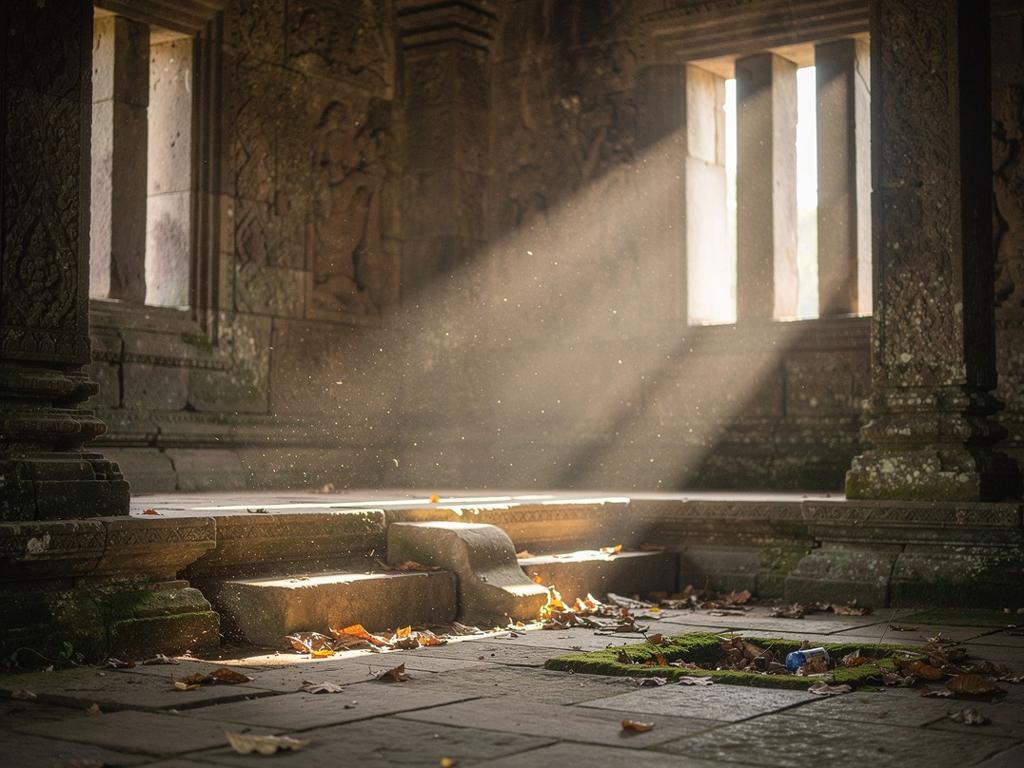
Ask anyone who's sat through a proper ayahuasca ceremony what surprised them most, and a strange number will say the same thing: it wasn't the brew. It was the two weeks before. The stripped-down eating. The silence. The way certain plants started to feel less like ingredients and more like presences. This is dieta. And if you're researching an ayahuasca retreat right now — comparing places in Peru, reading through Iquitos versus Pucallpa, wondering whether the food restrictions are really necessary or just showmanship — you've landed on the part of plant medicine that almost nobody explains well. So let's actually talk about it. Dieta, in the Shipibo and broader Amazonian traditions, is not a detox in the Instagram-wellness sense. It's a protocol of sensory and dietary restriction that prepares the body, nervous system, and — the curanderos would say — the spirit, for contact with master plants. The word covers a spectrum. On the light end, a pre-retreat dieta might mean two weeks off pork, red meat, alcohol, caffeine, refined sugar, fermented foods, and sex. On the deep end, a traditional plant dieta means weeks or months in isolation, eating almost nothing but plantain, rice, and boiled fish, in relationship with one specific master plant. Most people booking a first ayahuasca retreat encounter the light version. Even that catches them off guard. You realize how much of your day is scaffolded around a coffee, a beer with dinner, a dopamine hit from your phone. Strip those out and something starts to surface — which is precisely the point. What dieta isn't: a punishment, a purity test, or a piece of theater to justify the retreat's price tag. Done properly, it's functional. Certain foods — aged cheese, cured meats, fermented soy — contain tyramine, which reacts badly with the MAO inhibitors in the ayahuasca vine. This isn't folklore. It's basic pharmacology. Skip the dieta and you're rolling the dice on a hypertensive reaction on top of an already intense experience. Here's the piece most Western write-ups miss entirely. In the Amazonian view, ayahuasca isn't a solo act. It's one plant in a large ensemble of what practitioners call plantas maestras — master plants. Bobinsana, chiric sanango, ajo sacha, chuchuhuasi, noya rao, piñon blanco. Each is understood to teach something specific. Bobinsana, for the heart. Chiric sanango, for boundaries and courage. Ajo sacha, for cleansing what the curanderos call cruzadera — a kind of energetic crossed-wires state. Sitting in dieta with one of these plants — drinking a preparation of it daily, in silence, away from strong flavors and stimulation — is how traditional healers apprentice. It takes years. A retreat guest obviously isn't going to complete a traditional dieta in ten days. But even a short exposure, held properly, can genuinely shift something. People who've done it describe a sense of the plant having a personality, a way of relating to them, that they didn't expect and couldn't explain to their friends back home. You don't have to believe any of the metaphysics for this to work on you. Something about the combination of quiet, restricted diet, and consistent intake of a bitter, unfamiliar plant infusion produces an internal shift. Call it neurochemistry, call it spirit — the effect is the effect. If you're weighing a booking, here's a realistic picture of what a reputable retreat will ask of you in the two to four weeks before arrival. Not every place is this rigorous, and honestly, the ones that aren't should raise your eyebrows. Most people find the food part easier than expected once they commit. The real work is the psychological piece — realizing how much you were using coffee to override tiredness, wine to soften evenings, sugar to reward yourself for surviving Tuesday. When those props go, you meet yourself a little more directly. That's not incidental to the retreat. That is the retreat, starting early. This is the part people don't ask about until they're already home, and by then it's often too late. The post-retreat dieta is at least as important as the preparation. Traditional teaching says the plants continue their work in your system for weeks or months after the last ceremony. Break the dieta too aggressively — a pork feast and three margaritas the night you land back home — and you can, according to practitioners, undo or scramble what was set in motion. A typical guideline is to maintain the food and behavioral restrictions for the same length of time you observed them beforehand, or longer. Two weeks in, two weeks out is a common minimum. A month is better. Some serious practitioners hold a light version of the dieta for a full year after a deep plant dieta. Whether or not you buy the metaphysical framing, there's a pragmatic argument: your nervous system has just been through something significant. Slamming it with the standard Western diet and drinking culture within days is a good way to lose whatever clarity you gained. Integration lives in the mundane choices — what you eat for breakfast, whether you check your phone at 6am, whether you sit for ten minutes of quiet before responding to email. You really can't, and it's worth doing well. Caffeine is stimulating in exactly the wrong direction for this work. Taper off gradually a week or two before you start the pre-retreat dieta proper, or you'll show up with a migraine. It happens. You eat at a friend's house and there's soy sauce in something. Tell your facilitator when you arrive. They've heard it all. A single small slip a week out isn't the end of the world. A steak dinner the night before your flight is a different conversation. Traditionally, yes. Practically, most people who ignore this one report their ceremonies feeling scattered or less deep, though it's the hardest thing to test scientifically. Try it. See what you notice. Here's where it gets interesting. For anyone considering ayahuasca or ibogaine for addiction — alcohol, opioids, stimulants, food, screens — the dieta itself is often the first real look at what the addiction has been doing. You experience life without the substance before the medicine even enters the picture. That's diagnostic. Many people report that the discipline of dieta was as important as the ceremony itself in shifting long-standing patterns. Plant medicine for addiction recovery is not a single-night miracle — it's a longer relationship with restriction, presence, and honest self-observation, of which the ceremony is one intense chapter. When you're comparing options — and you should be comparing at least three or four before you book anything — the dieta protocol is one of the clearest signals of how serious a center is. Look for: A retreat that hands you a two-line PDF the week before and serves you whatever the kitchen felt like cooking is not one to trust with your nervous system. This isn't snobbery. It's basic due diligence for a practice that alters brain chemistry and, if done badly, can genuinely hurt people. The dieta is the quiet architecture that makes ayahuasca work — the discipline before, during, and after that turns a strong experience into a durable one. If you're at the stage of researching seriously and want to look at centers that structure this properly, curated ayahuasca retreats can be browsed on our marketplace here. Whatever you choose, take the diet seriously. The plants will meet you at the level of preparation you show up with.
Bobinsana and the Icaro of Love: A Shipibo Master Plant Explained
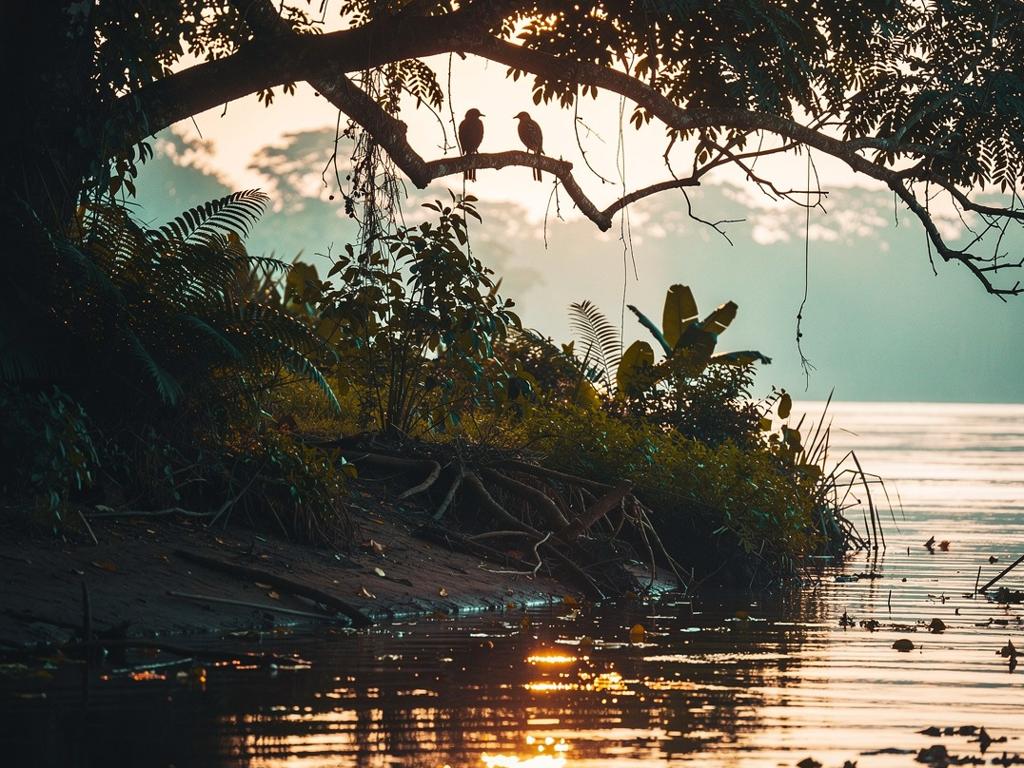
The first time I heard a facilitator sing a bobinsana icaro, I didn't know what I was listening to. I only knew my chest cracked open. Someone next to me started weeping quietly. Someone else laughed. The maestro kept singing, low and unhurried, and the whole maloca felt like it was tilting toward something softer than we'd walked in with. Later, when I asked what that song was, the answer was almost too on-the-nose: the icaro of love. That's the reputation bobinsana has among Shipibo curanderos. It's the plant of the heart. And if you're researching ayahuasca, plant medicine, or master plants generally — trying to figure out what any of this actually means before you spend money on a retreat — bobinsana is worth understanding. Not because you'll drink it (you probably won't, directly), but because it tells you something important about how the Shipibo actually work with plants, and why that matters for anyone considering a ceremony. Bobinsana (Calliandra angustifolia) is a shrub that grows along riverbanks in the Peruvian, Colombian, and Brazilian Amazon. If you've seen a photo, you remember the flowers — pink, feathery pom-poms that look like something a child would draw if you asked them to invent a jungle plant. It thrives in wet, unstable ground where the river keeps rearranging the soil, which the Shipibo consider part of its teaching: it's a plant that stays rooted while everything around it moves. Traditionally, the bark, roots, and leaves are used in a few different ways. Curanderos prepare tinctures, macerations in aguardiente, and decoctions taken as part of a dieta — the strict, isolated plant apprenticeship where a person lives on bland food, no salt, no sugar, no sex, no contact, and drinks a single plant for weeks so it can, in the Shipibo view, teach them directly. Bobinsana is one of the classic dieta plants. It's also sometimes added in small amounts to ayahuasca brews, though this varies enormously by lineage and maestro. Outside the Amazon, it's showing up in Western wellness contexts as a tincture people take for grief, heartbreak, and what one friend of mine called “the kind of sadness that doesn't have a story attached.” Whether it does anything measurable in that form is genuinely unclear. The plant contains alkaloids and flavonoids, and there's some very preliminary research on antioxidant activity, but no serious clinical work. What we have is centuries of indigenous use and a lot of anecdote. In Shipibo cosmology, plants aren't ingredients. They're teachers with distinct personalities, and each one has an icaro — a song the plant sings to the curandero during dieta, which the curandero then learns and sings back during ceremonies. The icaro isn't decoration. It's how the plant's medicine is delivered. When a maestro sings bobinsana's icaro over you during an ayahuasca ceremony, the idea is that bobinsana itself is present, doing its work through the song. Bobinsana's specialty, in this tradition, is the emotional body. Grief. Attachment. The armor people build after being hurt. The Shipibo describe it as a plant that opens the heart without breaking it — that softens without leaving you defenseless. Curanderos often work with bobinsana for participants who are stuck in old relational patterns, who can't seem to feel their own feelings, or who have loved someone they can't stop mourning. You'll hear it called the “icaro of love,” but that translation is a little too Hallmark. The love in question isn't romantic. It's closer to the capacity to be connected — to yourself, to other people, to the world you actually live in. A lot of people arrive at ayahuasca retreats specifically because that capacity has gone offline, whether through trauma, addiction, depression, or just decades of grinding through life with the volume turned down. Bobinsana, in the Shipibo framing, is the plant that helps turn it back up. If you attend an ayahuasca retreat with Shipibo-lineage facilitators, you may or may not ever hear bobinsana named out loud. The icaros are usually sung in Shipibo or a mix of Shipibo and Spanish, and unless you ask afterward, you probably won't know which plant a particular song called on. What you'll notice is the shift in the room. Certain songs bring visions. Certain songs bring nausea and purging. Certain songs bring what people describe as a wave of tenderness, sometimes accompanied by crying they weren't expecting. That last category is often bobinsana. Participants describe: None of this is guaranteed. Ceremony is not a slot machine. But if you go into a retreat curious about the emotional side of the work — not the fireworks-and-geometric-visions side, but the quieter cardiac side — knowing bobinsana exists helps you understand what's happening when the room shifts and you feel something you can't name. Bobinsana belongs to a broader category the Shipibo call plantas maestras, or master plants. This is one of those terms that gets thrown around loosely in Western psychedelic circles, so it's worth being precise. A master plant, in the Amazonian sense, isn't just any medicinal plant. It's a plant that has a spirit strong enough to teach — meaning that if you diet it properly, under a curandero's guidance, it will show up and instruct you. The classic master plants include ayahuasca itself, chacruna, tobacco (mapacho), chiric sanango, ajo sacha, noya rao, and yes, bobinsana. Each has a personality. Chiric sanango is famously ruthless and cold, good for shaking loose fear. Ajo sacha clears heavy energies. Noya rao is considered one of the most sacred and difficult. Bobinsana, by comparison, is gentle. That gentleness is why it's often recommended for people newer to plant medicine, or for those working specifically with heartbreak, addiction relapse patterns, or the kind of self-hatred that no amount of talk therapy has budged. Here's the thing worth knowing before you book anything: the quality of a psychedelic retreat depends heavily on whether the facilitators actually understand this system, or whether they're doing a stripped-down version dressed in indigenous aesthetics. A real Shipibo maestro has typically spent years in dieta with dozens of plants. That's the source of their icaros. When you're comparing retreats, the question isn't just “is it ayahuasca” — it's “who's holding the space, what's their training, and whose tradition are they actually rooted in.” If you're reading this because you're weighing whether to book an ayahuasca or psychedelic retreat — maybe for addiction, maybe for depression, maybe because you're just tired of being who you've been — bobinsana is a small window into the bigger question you're actually asking. Which is: does any of this stuff work, and if so, how? The honest answer is that plant medicine can help people in ways conventional treatment hasn't. Studies on psilocybin for depression and ibogaine for opioid dependence are increasingly hard to dismiss. Ayahuasca research is messier but promising, especially for treatment-resistant depression and PTSD. But the healing isn't in the chemistry alone. It's in the whole container — the songs, the diet, the setting, the people holding the space, the days of preparation, and the weeks of integration afterward when you have to actually live differently. Bobinsana is a good example of that. It's not a molecule doing a thing. It's a relationship being formed, over ceremonies, between a person and a plant and the humans translating between them. A few practical things worth doing before you commit to any retreat: None of this guarantees a good experience. Ceremony work is genuinely unpredictable, and anyone who tells you otherwise is selling something. But it does dramatically raise the odds that whatever happens to you, happens inside a container that can actually hold it. If any of this resonated and you want to see what's actually out there, a curated selection of ayahuasca and plant-medicine retreats can be browsed on our marketplace here. Bobinsana may or may not ever be named in the ceremonies you attend — but if you feel your chest go warm one night and don't know why, you'll have a guess.
Finding Wild Mushrooms at Home: What to Know Before You Forage
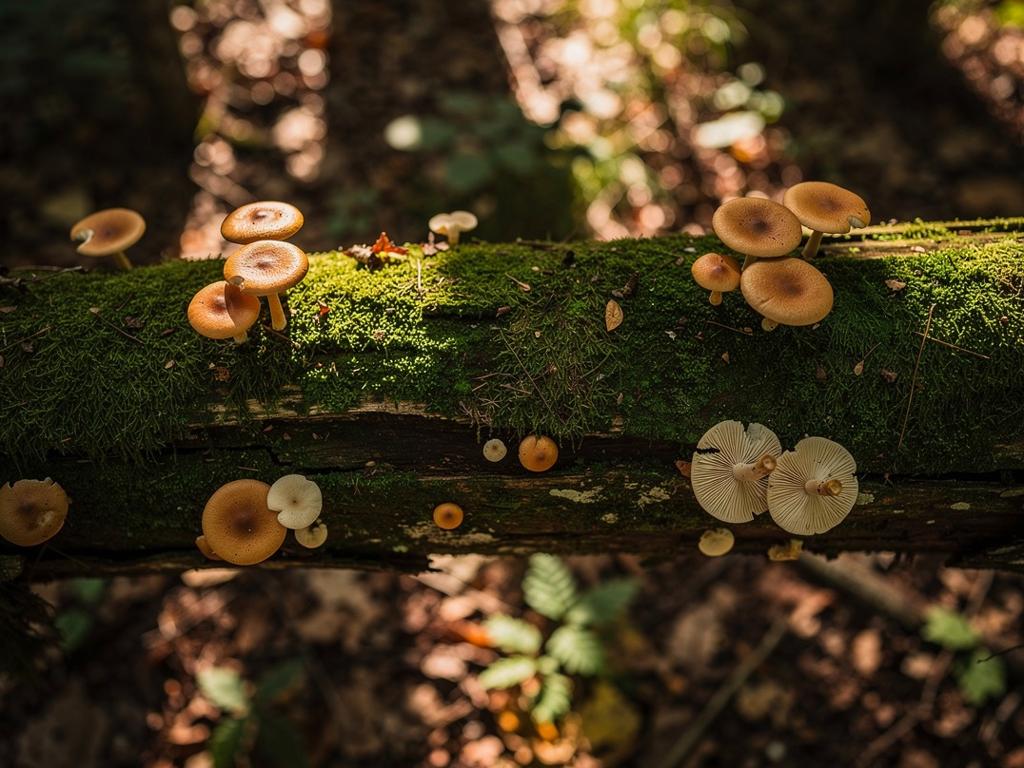
Someone posts a photo to a psychedelics forum every autumn. Blurry mushroom cap, wet grass, caption reads something like — found these in me own backyard, are they shrooms? The replies pile up fast. Half the internet plays mycologist. The other half warns them not to eat anything without a spore print. And somewhere in the middle sits a real question worth taking seriously: what does it actually mean when psilocybin mushrooms start growing where you live, and should that change how you think about using them? I've spent enough time around plant medicine and psychedelic circles to have opinions about this. Not the finger-wagging kind. Just the kind you form after watching people take shortcuts and pay for them later. So let's walk through it honestly — the identification piece, the legal piece, the set-and-setting piece, and the bigger question of whether a backyard flush is really the container you want for whatever you're carrying. The short answer: they've always been there. Psilocybin-producing species like Psilocybe cubensis, Psilocybe semilanceata (liberty caps), and dozens of regional cousins fruit in specific conditions — cool nights, wet mornings, cow or horse pasture in the case of cubensis, and mossy grasslands for liberty caps. If your climate hits those notes in autumn or spring, they're probably closer than you think. The reason more people are noticing them now is partly cultural. Interest in psychedelics has gone mainstream over the last few years — clinical trials at Johns Hopkins, decriminalization moves in Oregon and Colorado, a steady drip of press coverage. When curiosity rises, eyes get sharper. A mushroom that would have been ignored five years ago now gets photographed and posted. It's not that the woods changed. We did. There's also a genuine geographic spread happening. Cubensis, originally tropical, has established populations across the American South, parts of Australia, and Southeast Asia wherever cattle graze. Semilanceata thrives across the UK, Ireland, the Pacific Northwest, and much of northern Europe. If you live in any of those places and haven't been looking, that's the only reason you haven't seen them. Here's the part where I get boring on purpose. Mushroom identification is not a hobby you learn from a Reddit thread. There are lookalikes that will send you to the hospital or kill you outright — Galerina marginata, for instance, contains the same amatoxins as the death cap and grows in similar habitats to some psilocybes. It doesn't care that you were hoping for a good trip. If you're serious about identifying wild mushrooms, at minimum you need to learn: Even seasoned foragers use multiple confirmation methods and cross-check with a local mycological society before consuming anything they picked. If you take one thing from this section: never eat a wild mushroom based on visual identification alone, and never eat one because a stranger online said it looked right. The person confirming your ID has no skin in the game if they're wrong. Legality varies wildly by jurisdiction, and “they grew on my property” is not the get-out-of-jail card people assume. In most of the United States, psilocybin mushrooms remain Schedule I under federal law, and possession is a felony in many states regardless of how you obtained them. Oregon has a regulated therapeutic program. Colorado passed decriminalization. A handful of cities — Denver, Oakland, Detroit, Seattle among them — have deprioritized enforcement. That's not the same as legal. The UK criminalized fresh liberty caps in 2005 after a brief loophole. Most of Europe treats psilocybin as a controlled substance with varying tolerance. The Netherlands allows sclerotia (“truffles”) sold at licensed smart shops. Brazil, Jamaica, and a few other countries have no scheduling of psilocybin at all, which is part of why retreat destinations have clustered there. Growing on your property doesn't grant immunity anywhere I know of. Neither does not knowing they were psilocybes. If law enforcement gets involved, “they just came up in the yard” is unlikely to be the argument that saves you. I'm not offering legal advice — talk to a lawyer in your jurisdiction if this matters to you — but please don't assume a backyard flush is a legal free pass. Okay. Let's say you've correctly identified them, you're in a jurisdiction where the risk feels acceptable to you, and you're thinking about actually using them. Here's where I get uncomfortable, because I've watched too many people rush this part. The reason indigenous traditions, therapeutic clinicians, and reputable retreat centers all obsess over set and setting isn't superstition. Psilocybin lowers the brain's default filters. Whatever you bring into the experience — grief, unprocessed trauma, that fight with your partner from last Tuesday, unresolved questions about your father — gets amplified and put in front of you. That's the mechanism that makes it therapeutic. It's also the mechanism that makes an unprepared trip in your backyard on a Saturday afternoon a genuinely bad idea for a lot of people. A short list of what a solid container usually includes: Backyard shrooms rarely come with any of that. The convenience of finding them tempts people to treat the experience as recreational, and for some folks it stays recreational and fine. For others — particularly people quietly hoping the mushrooms will fix depression, addiction, or something older and heavier — the lack of container turns what could have been a healing experience into a difficult night that produces more confusion than clarity. I'm not going to tell anyone not to work with what grows near them. Traditional cultures did exactly that for thousands of years, and the current retreat industry didn't invent psilocybin healing. But those traditional cultures had elders, ritual scaffolding, and a whole community that knew what to do if things got hard. Most of us don't have that at home. A retreat, at its best, provides the scaffolding you can't easily build in your own life. Trained facilitators. Medical screening for contraindications like SSRIs, lithium, or heart conditions. Dosing that's measured rather than eyeballed from a bag of unknown potency. Integration sessions afterward. Other people going through the same thing, which turns out to matter more than most first-timers expect. It's also expensive, and that's a legitimate barrier. A week-long psilocybin retreat in Jamaica or the Netherlands typically runs somewhere between three and eight thousand dollars once you factor in travel. Not everyone can access that. If you can't, and you're determined to work with mushrooms anyway, then please at least assemble the closest equivalent you can: a sober trusted sitter, real preparation, a proper dose, and a plan for after. For readers who want to take this further with proper support, a range of curated psilocybin and plant-medicine retreats can be browsed on our marketplace here. Whatever direction you go, take the decision seriously — mushrooms in your backyard are a curiosity, but what you do with them is the part that actually matters.
Dreaming of a Psychedelic Retreat?
We have the best deals and offers from thousands of organizers all over the world! Get them into your mailbox every week!
We value your privacy. Your email address will never be shared or published.
