 English
 Deutsch
 Français
 Nederlands
 Español
SHOP AYAHUASCA RETREATS BLOG
When Did Ayahuasca Become a Luxury Only the Rich Can Afford?

Cleo Adler
June 24, 2026
Your ultimate guide to discover transforming ayahuasca and psychedelic experiences. Dive into serene destinations and elevate your consciousness to unparalled heights.
Discover Ayahuasca & Psychedelic Retreats NowSearch for ayahuasca & psychedelic retreats
Discover retreats, trainings, and holidays from all over the world
Somewhere between the first time a Western seeker stumbled into a Shipibo maloca in the early 2000s and right now, ayahuasca got expensive. Not slightly expensive. Five-figure-package, white-glove-airport-pickup, organic-chef-prepared, infinity-pool-overlooking-the-Sacred-Valley expensive. And if you've spent any time researching retreats lately, you've probably noticed the same thing I have: the people who arguably need this medicine the most — folks crawling out of addiction, grinding through depression, sitting on years of unprocessed trauma — often can't afford it.
So what happened? When did the vine that grew wild behind a curandero's house become a luxury product with a waiting list and a wellness concierge? Let's get into it honestly, because the people quietly considering whether to book an ayahuasca retreat deserve a clear-eyed answer, not a brochure.
A Quick History of How the Price Tag Got So Big
For most of its known history, ayahuasca wasn't a product at all. It was a practice. Curanderos and ayahuasqueros across the Amazon basin — Shipibo, Shuar, Asháninka, mestizo lineages — worked with the brew as part of a broader healing tradition. People paid what they could. Sometimes that was a chicken, a sack of rice, a few soles, or nothing at all if they were sick and broke.
The Western pilgrimage started small. In the 1990s and early 2000s a trickle of seekers, anthropologists, and recovering addicts found their way to Iquitos or Pucallpa, often by word of mouth, and sat in ceremonies that cost maybe twenty or thirty dollars a night, sometimes less. Plenty of those early arrangements were informal, occasionally chaotic, and not always safe — but they were accessible.
Then came the documentaries. Then the celebrity ayahuasca confessions. Then the wave of articles about psychedelic healing for addiction and PTSD. Then the investors. Somewhere in that decade-long arc, the market figured out that wealthy, miserable Westerners would pay a lot to feel whole again. And like every wellness category before it — yoga, meditation, breathwork, ice baths — the prices climbed to meet what the top of the market would bear.
What You're Actually Paying For at a $4,000 Retreat
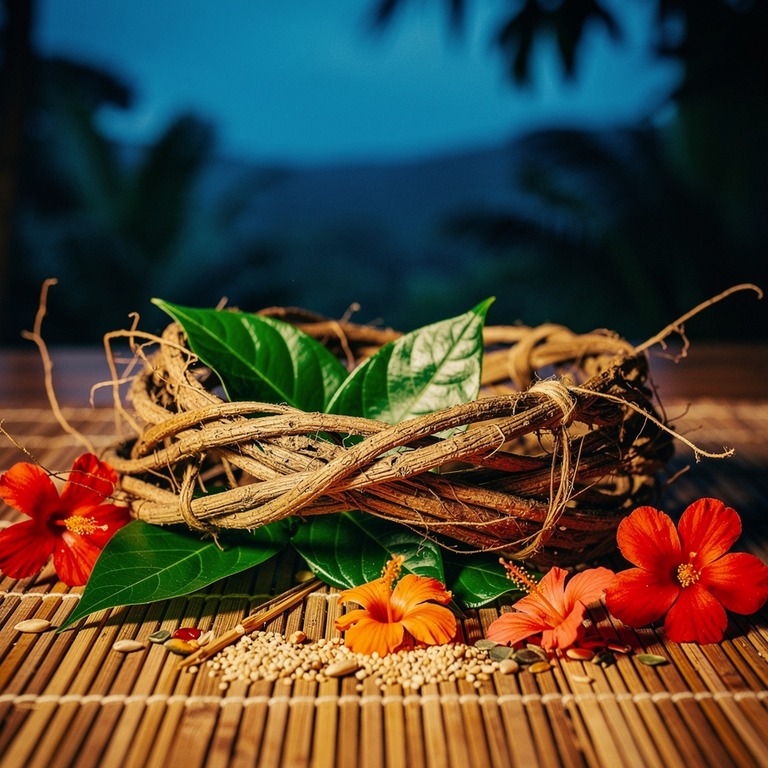
Here's the uncomfortable breakdown. A week-long ayahuasca retreat in Peru or Costa Rica now commonly runs between three and seven thousand dollars, and the boutique end goes well past ten. That money is not, mostly, going to the medicine itself. The brew is cheap to make. The vine and chacruna leaf grow in the jungle. What you're paying for is roughly this:
- Real estate — increasingly upscale centers with private cabins, hot showers, and views
- Marketing — Instagram, Google Ads, podcasts, retreat aggregators, affiliate fees
- Western facilitators and integration coaches, often more than the indigenous shamans on staff
- Insurance, legal structure, and the cost of doing business in a gray legal area
- Food, transport, airport pickups, and the general overhead of hosting foreigners
- Profit margin, sometimes modest, sometimes obscene
None of that is automatically bad. A safe, comfortable, well-run retreat with proper screening, a medical professional on call, and integration support genuinely costs more to operate than a hut in the jungle with one shaman and a kettle. The question is whether what you're paying maps to what you're getting — and whether the curanderos pouring the medicine are seeing a fair cut. Often they aren't.
Is Ayahuasca Still Accessible If You're Not Wealthy?
Short answer: yes, but you have to work harder for it, and you have to accept more risk.
There's a whole tier of the ayahuasca world that doesn't show up in the top Google results because it doesn't run paid ads. Smaller centers near Iquitos, Tarapoto, and Pucallpa still offer week-long stays in the $500–$1,500 range. Some are excellent. Some are sketchy. The reputable ones tend to be Shipibo- or mestizo-run, with modest accommodations, simple food, and a focus on the work rather than the wallpaper. You find them through forums, word of mouth, and patient digging — not glossy landing pages.
The trade-off is real. Cheaper retreats often have less rigorous medical screening, fewer English-speaking staff, no formal integration program, and less institutional accountability if something goes wrong. That doesn't make them dangerous by default — many have run safely for decades — but it does mean you carry more of the responsibility for vetting them yourself.
A few practical avenues if cost is the wall standing between you and this work:
- Scholarship and sliding-scale programs. A handful of centers and nonprofits run reduced-cost or free spots, often prioritizing veterans, first responders, people in recovery, and folks from underrepresented communities. They're competitive and usually require an application, but they exist.
- Religious frameworks. Santo Daime and União do Vegetal churches offer ayahuasca within a structured ceremonial container, and donations are typically modest. The vibe is very different from a retreat — it's a religious service, not a healing intensive — but for some people it's the right door.
- Local ceremonies. In many cities, underground circles run for a fraction of retreat prices. Legality varies wildly by country. Quality varies even more. This is the highest-risk path and demands real discernment about who is running the space.
- Longer stays at smaller centers. Some traditional centers in Peru offer extended dietas at lower per-day costs than the boutique week-long packages. If you have the time, this is often the deeper experience anyway.
What This All Means If You're Trying to Decide
If you're sitting at your laptop with a tab open to a $5,800 retreat in the Sacred Valley and another tab open to your bank account, here's what I'd actually say.
Price is not a proxy for quality. I've sat in cheap ceremonies that were profoundly skillful and expensive ones that felt like spiritual Disneyland. What matters is the lineage and experience of whoever is pouring the medicine, the integrity of the screening process (a place that doesn't ask about your SSRIs or heart conditions is a red flag, regardless of cost), the ratio of facilitators to participants, and whether there's any real plan for what happens after you fly home. Integration is where the work actually lands, and it's often the first thing cut from budget retreats and the most overpriced thing at luxury ones.
If you're considering plant medicine for addiction, severe depression, or trauma, the stakes of choosing well go up sharply. This isn't a wellness weekend — it's a serious intervention, and serious interventions deserve serious vetting. Talk to former participants. Ask uncomfortable questions. Read the bad reviews, not just the testimonials. If a retreat won't connect you with a recent attendee, that tells you something.
And don't let the marketing convince you that the only legitimate way to meet this medicine is through a curated package with a sound-healing add-on. Some of the most transformative ceremonies in history happened in a dirt-floor hut with one shaman, one icaro, and one very scared seeker. The medicine doesn't care about your thread count.
The Bigger Question Nobody Wants to Ask
What does it mean that a healing tradition born among people with very little has become, in its most visible form, something mostly available to people with a lot? The honest answer is that it's a familiar story — yoga, mindfulness, indigenous foods, ceremonial cacao — and it doesn't have a clean ending. Some of the money flowing into the Amazon is genuinely helping communities. Some of it is just extraction in nicer clothes. The retreats that take this seriously are usually the ones willing to talk about it openly, fund reciprocity programs, pay their indigenous staff equitably, and not pretend the whole thing is just commerce.
As a prospective participant, you have more leverage than you think. Ask retreats how much of their fee goes to the curanderos. Ask what they give back to the communities the medicine comes from. The answers will tell you a lot about who you're really handing your money — and your psyche — over to.
If something in this piece is nudging you toward taking the next step, a range of carefully vetted ayahuasca retreats across price points can be browsed on our marketplace here. Take your time. The medicine isn't going anywhere, and the right container is worth waiting for.
Craving More Stories?
Join our ShopAyahuascaRetreats newsletter for the latest updates on thrilling
destinations and inspirational tales, delivered straight to your inbox!
We value your privacy. Your email address will never be shared or published.