 English
 Deutsch
 Français
 Nederlands
 Español



Reset. Heal. Grow.

Aspiring Holistic Healer? Why Plant Medicine Belongs in the Conversation
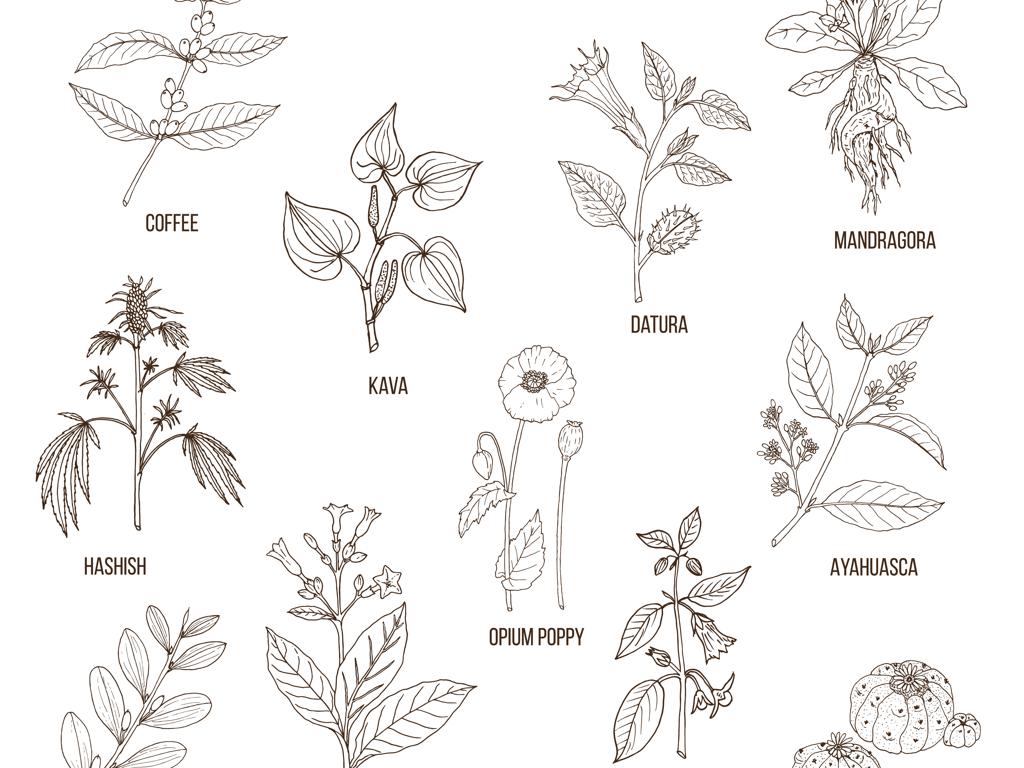
Somewhere between the third cup of waking-up tea and the fourth article on root-cause medicine, a question tends to surface for people drawn to holistic healing: where does plant medicine actually fit? Ayahuasca, psilocybin, ibogaine, San Pedro — they keep showing up in the same conversations as breathwork, fasting, Ayurveda, and trauma-informed therapy. And yet most introductions to holistic health barely mention them. That gap matters. Because if you're considering a career, a practice, or even just a personal path in holistic healing, the master plants and psychedelics deserve a real seat at the table — not as a fringe curiosity, but as some of the oldest and most studied tools humans have for working with the mind, body, and spirit at the same time. Holistic healing isn't a single modality. It's a stance — the idea that a person is more than a collection of symptoms, and that body, mind, emotions, relationships, and spirit are all part of the same operating system. Treat the depression without touching the trauma underneath, and the depression comes back. Treat the gut without looking at the chronic stress, same story. This is exactly the terrain where master plants have been working for thousands of years. Ayahuasca in the Amazon, peyote in the Sonoran desert, iboga in Gabon, psilocybin mushrooms in Mesoamerica — these aren't recreational substances in their traditional contexts. They're considered teachers. The Shipibo word for ayahuasca, oni, doesn't translate as “drug.” It translates closer to “wisdom” or “knowing.” That distinction matters. When practitioners talk about plant medicine in a holistic frame, they're describing something closer to an intensive, embodied therapy session than a pharmaceutical intervention. The substance opens a door. What happens in the room — set, setting, facilitator, intention, music, aftercare — is the actual medicine. If you've been reading clinical literature over the past five years, you've noticed the pattern. Psilocybin trials at Johns Hopkins and Imperial College show meaningful reductions in treatment-resistant depression. Ibogaine has produced striking results for opioid dependence in observational studies from Mexico and New Zealand. MDMA-assisted therapy has moved through late-stage PTSD trials. Ayahuasca research, though smaller, points in similar directions for depression and substance use. The common thread isn't the molecule. It's what the molecule allows. People in these states report being able to look directly at memories, patterns, and feelings they've spent decades avoiding. They report a softening of the ego-grip that keeps shame and self-loathing locked in place. They report — and this is the part that fascinates holistic practitioners — feeling reconnected to something larger than their own suffering. For someone struggling with addiction, that reconnection often does more than any willpower-based program. Addiction, viewed holistically, is rarely just a chemical problem. It's a disconnection problem — from self, from body, from meaning, from community. Plant medicine, in the right container, can address all of those at once. Not as a cure. As a catalyst. You'll hear the term master plants in any serious conversation about Amazonian healing traditions. It refers to a category of plants — ayahuasca and chacruna among them, but also tobacco (mapacho), bobinsana, ajo sacha, chiric sanango, and others — that traditional healers say have their own intelligence and teach the person who drinks them. In a classic Amazonian dieta, a student or patient isolates with a single master plant for weeks or months. They eat a restricted diet, avoid salt and sugar, abstain from sex, and spend long hours in silence and dreaming. The plant, in this view, becomes a kind of teacher that imprints itself on the person — gifting songs, insights, healing capacities, sometimes things harder to name. You don't have to buy the cosmology to take this seriously. What you do have to take seriously is the depth of the framework. These traditions have spent centuries developing protocols for working with non-ordinary states of consciousness safely. Modern psychedelic therapy is, in many ways, slowly catching up. For readers who are weighing whether to actually sit in ceremony — whether for personal healing or as part of training to work in this field — a few honest considerations are worth more than any glossy retreat brochure. A facilitator who claims to cure cancer. A center that pressures you to drink more than you're comfortable with. Group sizes above twenty per ceremony with one or two facilitators. No medical intake. No integration support. Charismatic leader vibes — that gut feeling where everything is a little too curated. Trust the gut. The whole point of this work is learning to listen to it. If you're training toward holistic work — naturopathy, somatic therapy, coaching, herbalism, integrative psychiatry — plant medicine is increasingly something clients will ask you about. They're reading the same headlines. They want someone who can hold the conversation without dismissing it and without pushing them into it. That means doing your own homework. Read the clinical literature, yes, but also read anthropologists like Jeremy Narby and Stephan Beyer. Read practitioners who've trained inside traditional lineages and can describe what they actually learned. Sit with the discomfort of a worldview that doesn't map neatly onto the biomedical one. The best holistic practitioners I know are the ones who can hold multiple frameworks at once without forcing a synthesis. And — this part is harder to write but truer for it — many of the strongest practitioners have done their own work with these medicines. Not because it's required, but because something about the experience changes how you hold suffering, both your own and someone else's. You become less afraid of the dark rooms inside other people, because you've been in your own. Plant medicine isn't for everyone, and it isn't a shortcut. It's an intensive, sometimes brutal, often beautiful tool that asks a lot of the person sitting with it. Done well, in the right container, with the right preparation and aftercare, it can do work that years of conventional approaches couldn't touch. Done poorly, it can deepen wounds it should have helped close. So take your time. Read widely. Talk to people who've sat in ceremony and ask the awkward questions — what was hard, what didn't work, what they'd do differently. If something here speaks to you, a curated selection of ayahuasca and plant-medicine retreats can be browsed on our marketplace here, with notes on lineage, facilitator background, and integration support so you can compare honestly rather than guess. The path into holistic healing is long, and the plants are only one tributary feeding into it. But for anyone serious about working with the whole human being — body, mind, story, and spirit at once — they're a tributary worth knowing.
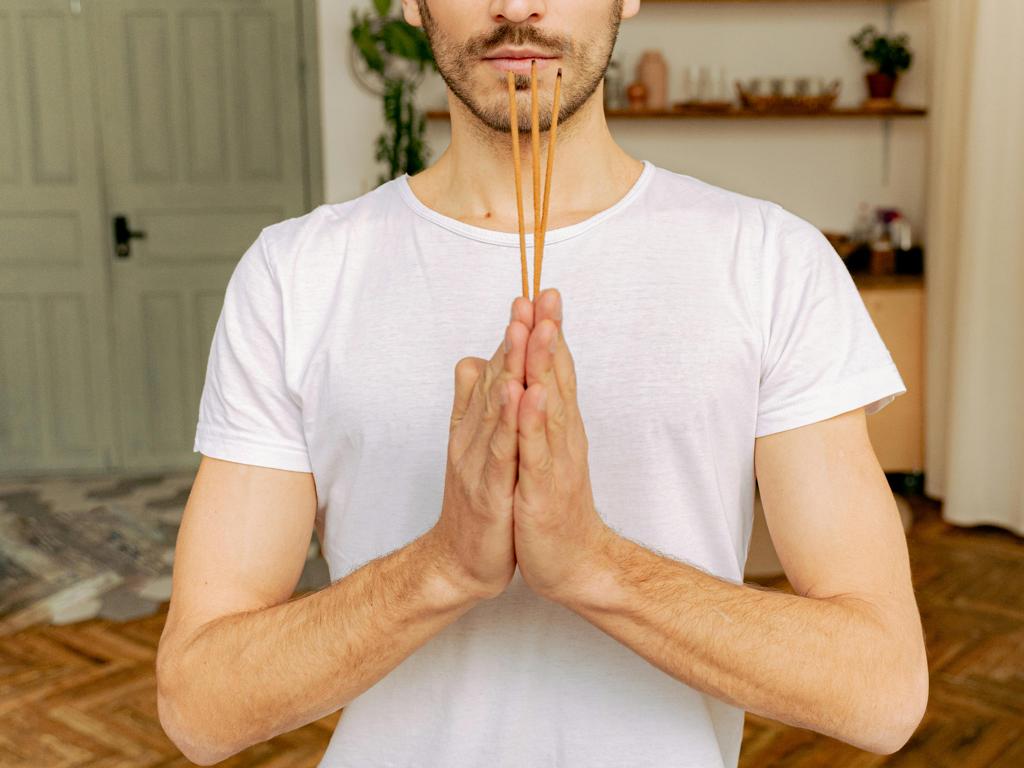
Ethical Palo Santo: How to Source Sacred Wood Without Harming the Forest
Walk into almost any wellness shop in Berlin, Brooklyn, or Bali these days and you'll smell it before you see it — that warm, milky-sweet smoke curling from a bundle of pale wood. Palo santo. The “holy wood” of South America. It's everywhere now, sold in tidy four-stick packets at yoga studios and tucked into $90 ceremony kits on Instagram. And somewhere along the way, a lot of people started asking a reasonable question: is the stuff I'm burning actually ethical? It's a fair thing to wonder. The plant-medicine and psychedelic world has had to reckon with the same question about ayahuasca, peyote, and even certain master plants — when a sacred Indigenous practice becomes a global wellness product, things get complicated fast. Palo santo sits squarely in that conversation. Here's what I've learned from years of writing about plant medicine, talking to importers, and yes, getting some answers very wrong before I got them right. Palo santo (Bursera graveolens) is a tree native to the dry tropical forests of Ecuador, Peru, and parts of Central America. It's a relative of frankincense and myrrh, which is part of why the smoke smells the way it does — resinous, citrusy, almost vanilla at the edges. Indigenous peoples of the region, particularly along Ecuador's coast, have used it for centuries in healing work, spiritual cleansing, and protection. In ayahuasca ceremonies across the Amazon, you'll often see facilitators wave a smoking stick around the maloca before the brew is served. It's part of the ritual furniture of South American plant medicine. Here's the part that often gets missed: traditionally, palo santo is only harvested after the tree has died naturally and aged on the forest floor for several years. The wood needs that long, slow decomposition for its aromatic resins to fully develop. A freshly-cut palo santo branch doesn't really smell of much. The magic happens in the years after the tree's life ends. Which means — and this matters — sustainable palo santo, in principle, should never require cutting down a living tree. Because demand exploded, and supply chains got murky. When something becomes trendy in the global wellness market, the pressure on the source ecosystem multiplies fast. A few specific issues come up again and again: None of this means you have to stop burning palo santo. It means you have to actually pay attention to who you're buying it from. This is the part most blog posts skip, so let's get specific. When I'm vetting a seller — whether for myself or for a retreat recommendation — I look for several concrete things. Generic Amazon listings with no origin information. Bulk lots on AliExpress. Tourist-trap shops in Cusco or Pisac that sell palo santo bundles for a dollar — much of that is dubious. Anything sold by a wellness influencer who can't tell you who harvested it. And — sorry — most of the “smudge kits” marketed at yoga studios, which tend to combine palo santo with white sage (another plant with its own serious sourcing problems involving Native American communities in California). I'm not going to drop a list of specific brand names here, because the landscape changes and a shop that was solid two years ago might have sold to investors and gone sideways since. But here are the categories worth searching: One more practical note: a single palo santo stick, used properly, lasts a long time. You light it, let it smolder for ten seconds, blow it out, and the same stick can serve you for weeks of brief cleansings. If you find yourself burning through bundles, you're probably using too much. Less is more, and that helps the forest too. Palo santo is part of a wider question that anyone drawn to plant medicine eventually has to sit with: what does it mean to use something sacred from a culture not your own, and how do you do it without contributing to harm? The honest answer involves slowing down, paying more, asking uncomfortable questions, and accepting that convenience and reverence rarely live in the same place. If you're already on the path of psychedelic healing — looking into ayahuasca, considering an ibogaine program, exploring master plants — these same instincts will serve you well. The retreats and traditions worth your time are the ones that can clearly articulate their relationships with the land and the people who tend it. The ones that can't, won't, or get cagey when you ask — keep walking. For readers thinking about taking the broader plant-medicine path further, a range of ceremonies and plant-medicine retreats that hold these questions seriously can be browsed on our marketplace here. Burn the wood gently. Ask where it came from. The forest is paying attention even when we aren't.
Stop Trying to Change Yourself: A Plant Medicine Perspective
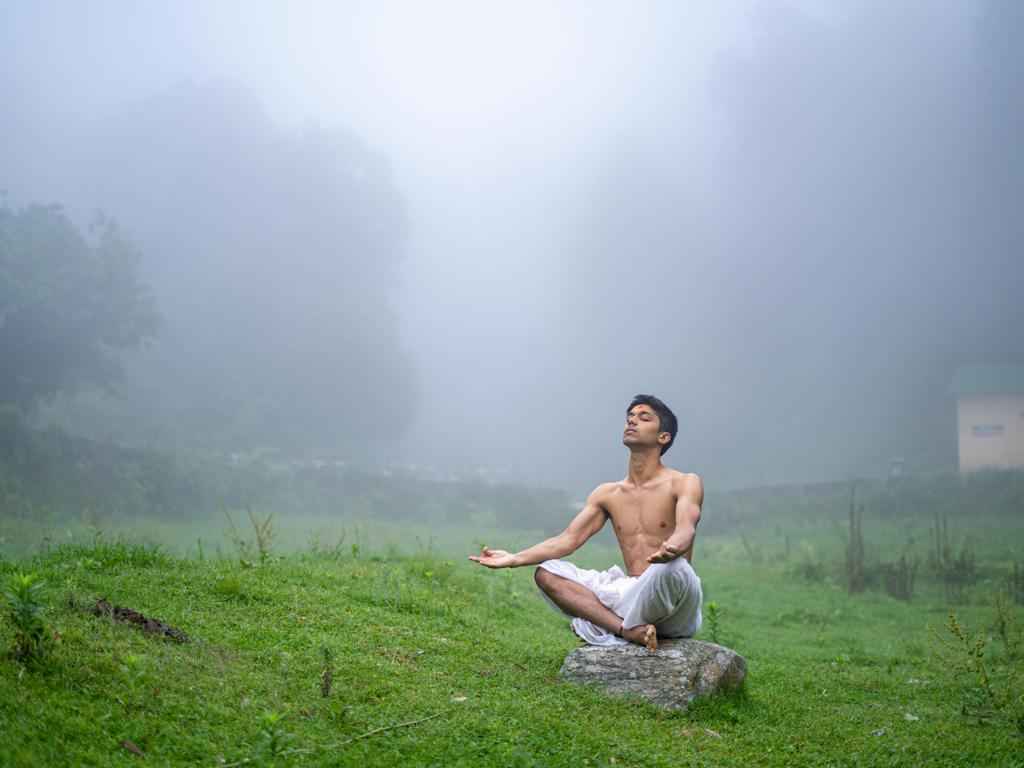
Here's something nobody at a retreat will tell you on day one: the urge to fix yourself is usually the very thing keeping you stuck. People arrive at ayahuasca ceremonies, ibogaine clinics, and psilocybin sits carrying a long mental list of what's wrong with them. The drinking. The anxiety. The trauma. The patterns they swore they'd outgrow by thirty and somehow dragged into their forties. They want the medicine to scrub them clean. It rarely works that way. And the people I've watched come out of ceremony genuinely changed? They almost never showed up with that mindset. Modern wellness culture has a problem. It sells transformation like a subscription service — buy this course, do this protocol, take this plant medicine, and emerge as Version 2.0 of yourself. Sleeker. Calmer. Productive. Healed. But sit in enough ceremonies, talk to enough facilitators, and you start noticing a pattern. The people who arrive demanding change tend to thrash the hardest. They fight the visions. They negotiate with the medicine. They try to control an experience that's specifically designed to dissolve the part of them doing the controlling. Master plants like ayahuasca have a wicked sense of humor about this — the more you push to become someone else, the more clearly they show you the someone you already are. One curandero I sat with in the Sacred Valley put it bluntly: the medicine doesn't make you a new person. It introduces you to the one underneath. That distinction matters. Because if you walk in with a renovation plan, you're going to spend the night arguing with a force that has no interest in your blueprints. Let's get specific. Psychedelics — ayahuasca, psilocybin, ibogaine, San Pedro, 5-MeO-DMT — don't install new operating systems. They temporarily quiet the parts of the brain that maintain your usual self-story. Researchers call it default mode network suppression. Shamans have other names for it. The effect is similar: for a few hours, the iron grip of your habitual identity loosens. And in that opening, something interesting happens. People don't usually meet a better version of themselves. They meet the parts they'd been actively ignoring. The grief they shelved at nineteen. The anger they swallowed for a decade. The tenderness they decided wasn't safe to feel. Plant medicine doesn't manufacture healing — it removes the muffling so you can finally hear what's already there. That's why retreats marketed as transformation factories often disappoint. Healing isn't a product. It's what happens when you stop fighting the material. This shift in framing matters enormously for anyone considering plant medicine for addiction. The standard recovery script — admit you're broken, white-knuckle through change, rebuild yourself piece by piece — has helped a lot of people. It's also failed a lot of people, particularly those who can't access the part of themselves underneath the addiction in the first place. Ibogaine, in particular, has gained traction in opioid recovery for reasons that aren't only neurochemical. Yes, it interrupts withdrawal in ways that look almost miraculous on paper. But the people who stay clean afterward consistently describe something else: a meeting with themselves. Not a forced renovation. A confrontation, sometimes brutal, with the version of them that was using — and an unexpected recognition that this version wasn't a monster to be exorcised. Just a person who'd been trying to survive something. Ayahuasca works similarly for many in addiction recovery. The medicine doesn't extract the addict from the person. It shows them why they became one. That's a different healing entirely, and it tends to stick better than self-loathing-fueled willpower. Here's where it gets counterintuitive. The actual mechanism of change in psychedelic healing seems to require giving up on changing. This sounds like spiritual wordplay until you watch it happen. A person spends the first ceremony fighting — refusing to let go, gripping the mat, mentally narrating what's happening. Nothing much shifts. Second ceremony, exhausted, they finally surrender. Fine. Whatever you want to show me, show me. And that's when the work begins. The same logic applies outside ceremony. The people I've watched genuinely heal from depression, trauma, or addiction through plant medicine share a common move: at some point, they stopped trying to be someone else and got curious about who they actually were. Including the parts they didn't like. None of this is permission to stay stuck. It's the opposite. Curiosity unlocks change in a way that self-rejection never does. If you're considering a ceremony — and the fact that you've read this far suggests you might be — the framing you arrive with matters more than which retreat you pick. A few things worth sitting with before booking: Indigenous traditions that have worked with these plants for centuries didn't frame them as self-improvement tools. The master plants — ayahuasca, tobacco, San Pedro, chacruna — were teachers. You went to them the way you'd go to an elder: with humility, with offerings, with questions. You didn't show up with a renovation contract. That older framing is worth recovering. Not because indigenous wisdom is automatically right about everything, but because it accidentally encodes something the wellness industrial complex has lost: change doesn't come from declaring war on yourself. It comes from finally being willing to listen. The cruel joke of trying to change yourself is that the self doing the trying is part of what needs to change. You can't lift yourself by your own collar. What you can do is sit down, get quiet, take a substance that's been used as a teacher for a long time, and let something else do the lifting. Healing, in this frame, isn't becoming a better person. It's becoming a more honest one. Less defended. More porous to your actual life. Capable of feeling what you'd been numbing and choosing what you'd been compelled into. That's a less marketable promise than transformation, which is probably why you don't see it on retreat brochures. But it's closer to what actually happens when plant medicine works. People don't usually come home as new humans. They come home as themselves, finally, after years of being someone else. If any of this resonates and you'd like to look at what's actually out there, a range of ayahuasca, ibogaine, and psilocybin retreats can be browsed on our marketplace here. Take your time with the choice — the right container matters, and there's no rush to becoming who you already are.
Morning Glory Seeds and LSA: A Forgotten Psychedelic Worth Knowing About
Long before psilocybin made it onto magazine covers and ayahuasca became a wellness buzzword, a humble vine was wrapping itself around fence posts in suburban gardens — quietly carrying one of the oldest psychedelic compounds humans have ever used. Morning glory seeds. The same plant your grandmother might have trained up a trellis contains LSA, a tryptamine cousin of LSD, and there's a long, strange history behind it that almost nobody talks about anymore. This isn't a how-to. It's a look at what morning glory and its LSA-containing cousins actually are, what the experience tends to be like, and where they fit into the broader conversation about psychedelics, master plants, and addiction recovery. If you're researching plant medicine seriously, this corner of the world deserves at least an honest paragraph or two. LSA — lysergic acid amide, sometimes called ergine — is a naturally occurring tryptamine found in the seeds of several climbing plants. The two most famous are Ipomoea tricolor (the common morning glory) and Turbina corymbosa, also known as ololiuqui. Hawaiian baby woodrose seeds (Argyreia nervosa) carry it too, often at higher concentrations. Chemically, LSA is a close relative of LSD. Albert Hofmann, the Swiss chemist who synthesized LSD, was the one who identified LSA in ololiuqui seeds in the 1960s — and he was surprised. At the time, scientists assumed lysergic compounds only came out of ergot fungus. Finding them in a flowering vine reshuffled the whole picture. The subjective experience is where things diverge. LSD is bright, electric, often euphoric, with a long arc — twelve hours of upholstered geometry. LSA is heavier. Slower. Dreamier. People describe a strong body load in the first hour or two — sometimes nausea, sometimes a lead-blanket sedation — followed by a softer, more introspective headspace that's closer to the threshold between waking and dreaming. It's not a party drug. It's barely even a recreational drug. It tends to put people on the couch, eyes closed, watching their own interior weather. Here's the part that gets glossed over in most psychedelic primers: ololiuqui was a sacrament in pre-Columbian Mesoamerica for centuries, possibly millennia, before Europeans arrived. The Aztecs used it. The Zapotec and Mazatec peoples used it. Spanish chroniclers in the 1500s wrote about indigenous healers — the same lineage that worked with psilocybin mushrooms and Salvia divinorum — using ololiuqui seeds in divination, healing, and ceremony. The Spanish, predictably, tried to stamp it out. They labeled it diabolical and drove the practice underground. But it survived. Twentieth-century ethnobotanists like Richard Evans Schultes and Gordon Wasson documented ololiuqui ceremonies still being performed in remote Oaxacan villages well into the modern era. The seeds were ground on a stone, mixed with cold water, strained, and drunk — usually at night, usually with a curandero present. So when people ask whether morning glory could have been a traditional shamanic medicine alongside ayahuasca, peyote, and psilocybin mushrooms, the answer is yes — it absolutely was. It's just that the lineage was disrupted hard, and unlike ayahuasca, it never got the modern renaissance. A few reasons. The first is practical: the experience is rougher around the edges than psilocybin or LSD. The body load is real. Many people who try morning glory seeds describe the first ninety minutes as genuinely unpleasant — a queasy, leaden feeling that has to be ridden out before the more visionary state opens up. That's not a great pitch for the wellness market. The second reason is that commercial seeds are often coated with fungicides and other agricultural chemicals specifically intended to discourage ingestion. This makes recreational use risky in ways that have nothing to do with the LSA itself. There are documented cases of poisoning that come down to the coatings, not the active compound. The third reason is legal ambiguity and lack of infrastructure. There's no ololiuqui retreat circuit. No facilitators have built lineages around it the way they have around ayahuasca or San Pedro. The plant exists in a strange limbo — too obscure for the underground, too dirty for the clean-psychedelic-medicine crowd, too historically important to ignore entirely. If you spend any time in ayahuasca circles, you hear about plantas maestras — master plants. The term refers to plants that, in the Amazonian view, have a teaching consciousness. They aren't just chemical delivery systems. They're entities with something to communicate to the person who sits with them properly. Whether you take that framing literally or metaphorically, it changes how you think about a plant like morning glory. Mesoamerican curanderos didn't relate to ololiuqui the way a college student relates to a baggie of seeds from a garden center. They prepared themselves. They held the ceremony at night, in silence, often alone in a dark room. They asked the plant questions and waited for answers. This is the same relational model you see in serious ayahuasca and psilocybin work today. The compound isn't the point. The context — set, setting, intention, integration — is most of the medicine. People drawn to plant medicine for addiction, depression, or stuck life patterns often discover this the hard way: the substance alone doesn't fix anything. The container around the substance is what does the work. For most people researching their first serious psychedelic experience — especially anyone considering plant medicine for addiction recovery, trauma, or depression — morning glory seeds are not the place to start. Here's why: None of that means LSA is worthless. For experienced psychonauts with good harm-reduction practices, it can be a genuinely interesting, introspective journey with a distinctive character — closer to a long lucid dream than to a classical psychedelic trip. Some practitioners working in the ethnobotanical lineage do still incorporate it. But it's a specialized tool, not a general entry point. If what's drawing you to LSA is actually the broader pull of plant medicine — the sense that something out there might help you address what years of talk therapy, prescriptions, or willpower haven't — there are better-supported paths. Ayahuasca retreats in Peru, Costa Rica, and increasingly in Europe and North America offer multi-night ceremonies with experienced facilitators, screening protocols, and integration support. Psilocybin retreats in jurisdictions where the medicine is legal or decriminalized are growing fast. Ibogaine clinics, specifically for opioid addiction, have been quietly doing serious work for decades. Each of these has its own culture, risks, and learning curve. None is a magic bullet. The reader who shows up expecting a single weekend to undo twenty years of patterns is almost always disappointed; the reader who shows up willing to do months of preparation and integration around a ceremony tends to come away changed. That's not mysticism — that's just how the work seems to function across thousands of accounts. Morning glory and its LSA-containing relatives belong to a much older story than the current psychedelic renaissance suggests, and they're worth knowing about for that reason alone. If, after reading around, you're drawn toward a more structured plant-medicine experience, a curated selection of ayahuasca and psychedelic retreats can be browsed on our marketplace here. Whatever direction you go, do the reading, talk to people who've been, and take your time. The plants, as the curanderos say, have been around a lot longer than we have. They'll still be there when you're ready.
First Psychedelic Trip: An Honest Guide to Your First Ceremony
So you’re thinking about your first trip. Maybe it’s ayahuasca at a retreat in the Sacred Valley, maybe psilocybin in a legal container in the Netherlands, maybe San Pedro on a mountainside in Ecuador. Whatever the medicine, the questions tend to be the same, and most of them don’t get answered honestly online. People either oversell the bliss or overplay the terror. The truth sits somewhere in between, and it’s a lot more interesting than either extreme. I’ve spent years around plant medicine — sitting in ceremony, interviewing facilitators, talking to people the morning after their first night with the brew. What follows is what I wish someone had handed me before my first time. It’s not a substitute for talking to a trained facilitator, and it definitely isn’t a recommendation that you go drink something tonight. It’s the conversation you’d have with a friend who’s been around the block, over coffee, the week before you fly out. The cliché is that everyone goes to ayahuasca for trauma. That’s not wrong, but it’s thin. The reality is messier. Some people come because antidepressants stopped working. Some are in recovery from alcohol or opioids and have tried every twelve-step room within driving distance. Some are quietly stuck — a job they hate, a marriage running on fumes, a creative block they can’t name. A few are simply curious, and curiosity is a perfectly legitimate reason if you’re honest about it. What master plants — ayahuasca, San Pedro, iboga, psilocybin mushrooms — seem to do, in the right container, is make the things you’ve been avoiding impossible to keep avoiding. That’s the mechanism, more or less. The medicine doesn’t hand you wisdom on a plate. It removes the soundproofing between you and your own life. Whether that turns into healing or just a rough night depends on a lot of factors, most of which you can influence before you ever sit down. If you’re researching psychedelics for addiction specifically, know that the evidence base has grown considerably in the last few years. Trials at Johns Hopkins, NYU, and Imperial College London have shown meaningful results for alcohol use disorder, tobacco dependence, and treatment-resistant depression. Ibogaine — a powerful, longer alkaloid from the iboga root — has a particular reputation among opioid users for interrupting withdrawal. None of this is magic. All of it requires real preparation and real aftercare. Readiness isn’t a feeling. It’s a checklist. And it’s worth running through honestly because the consequences of skipping it are paid in the ceremony itself, not in some abstract future. If you can’t check most of those boxes, the right move is usually to wait. The retreats will still be there in six months. So will you, ideally in better shape to receive what the work is offering. People want the trip report. Fair enough. Here’s an honest sketch, with the caveat that no two ceremonies are alike and yours will be its own thing. With ayahuasca, the first hour is mostly waiting. You drink something that tastes like tar mixed with regret, you sit on your mat, you wonder if you got a weak cup. Then a shift — colors behind the eyelids, a body buzz, the icaros (the shaman’s songs) suddenly feeling like they’re happening inside your chest rather than across the room. Somewhere between forty minutes and two hours in, the medicine takes the wheel. What follows varies wildly. Some people see geometric visions and rivers of light. Others get plain, brutal clarity about their own behavior with no visuals at all. Many purge — vomiting, crying, sometimes both — and in the tradition, the purge is the point, not a side effect. You might love your facilitator, hate them, forget they exist. Time gets weird. Three hours feels like three minutes or three lifetimes. Then, slowly, you come back, the music sounds normal again, and you sleep harder than you have in years. Psilocybin is gentler in profile, usually shorter (four to six hours), and tends to feel more like a deep emotional reorientation than a metaphysical encounter. San Pedro is long and warm — eight to twelve hours, often outdoors, more grounded than transcendent. Ibogaine is its own beast: a long, often physically uncomfortable internal review that can last a day and a half. Pick the medicine that matches what you’re actually trying to do, not the one with the best Instagram aesthetic. The plant-medicine space has exploded in the last few years, and not everyone running a retreat should be. Here’s what to look for, and what to walk away from. Price isn’t a perfect signal, but it tells you something. A week-long ayahuasca retreat in Peru typically runs between $1,500 and $3,500 once you include accommodation and ceremonies. Significantly cheaper often means corners cut on safety; significantly pricier sometimes just means nicer linens. Look at what’s included, not the sticker. If I could change one thing about how first-timers approach plant medicine, it would be this: stop treating the ceremony as the destination. The ceremony is the starting gun. The race is everything that happens in the six to twelve months afterward. Integration is the unglamorous work of taking what the medicine showed you and actually changing how you live. That might mean leaving a relationship, getting sober, starting therapy, switching careers, repairing something with a parent you haven’t spoken to in eight years. None of that happens because you drank a brew. It happens because, after the brew, you finally have the clarity and the nerve to start — and you put structure around that clarity before it fades. Practical integration looks like: a weekly therapist familiar with psychedelic work, an integration circle (many run free or low-cost online), a journaling practice, time in nature, no new big decisions in the first two weeks, and a deliberate slowdown on the substances and stimuli that you’d normally use to numb out. The first month is fragile. Protect it. Plant medicine isn’t for everyone, and the people in this space who pretend otherwise are either selling something or haven’t sat with enough first-timers. Some people have life-changing experiences. Some have hard, useful experiences that take years to fully metabolize. A small number have experiences that genuinely destabilize them, which is why screening and aftercare matter as much as they do. Going in with realistic expectations — neither dread nor breathless hope — is the single best predictor I’ve seen of a good outcome. If you’ve read this far and the pull is still there, take it seriously. Talk to people who’ve done it. Read the contraindications twice. Save a little longer if you have to, so you can go somewhere properly run rather than wherever’s cheapest. For readers who want to take this further, a range of vetted ayahuasca and plant-medicine retreats can be browsed on our marketplace here. Whatever you decide, decide it slowly. The medicine, if it’s for you, will still be waiting.
Craving More Stories?
Join our ShopAyahuascaRetreats newsletter for the latest updates on thrilling
destinations and inspirational tales, delivered straight to your inbox!
We value your privacy. Your email address will never be shared or published.

Psilocybin and Alzheimer's: What That Viral Case Report Actually Says
Late last month, a single case report set the internet on fire. An 80-something woman with a decade of Alzheimer's — largely non-verbal, incontinent, dependent for nearly everything — was given five grams of dried psilocybin mushrooms. Within days, she was speaking spontaneously. Walking better. Dressing herself. Cracking jokes, even. Cue the headlines. Groundbreaking drug trial. Reverses dementia. Memory restored. Splashy stuff. The kind of story that ricochets across social feeds before anyone reads past the lede. Here's the thing, though. It wasn't a trial. There was no control group, no blinded raters, no standardised cognitive scales. It was one patient, in one private psychiatric office in São Paulo, observed by people who already knew her. That doesn't make it worthless — case reports have started plenty of legitimate research programs — but it's a long, long way from a treatment. And the psychiatrist who ran the sessions is the first to say so. The patient had been deteriorating for ten years, with the last five marked by what clinicians call hypofunction — flat affect, monosyllabic speech, chronic incontinence, difficulty swallowing, almost no spontaneous communication. Her son approached her psychiatrist, Marcos Lago, with the idea of trying psilocybin. After conversations with the legal guardian and caregivers about risks and the complete absence of evidence in advanced Alzheimer's, they went ahead. The first session used five grams of dried mushrooms of the so-called Enigma strain. According to the report, she had acute autonomic activation, profuse sweating, suspected hyperthermia, and fell into a prolonged sleep-like state. The next morning, something shifted. She began producing what the authors describe as spontaneous autobiographical speech — she was telling stories from her own life, unprompted. Over the following weeks, the changes kept stacking up. Bladder control returned. She walked with more confidence. She dressed herself. She made eye contact. A second session, this time at three grams, reportedly brought more expressivity, facial mimicry, even humour. Caregivers — people who'd watched her decline for years — said she was someone they recognised again. You can see why the press jumped on it. The story is irresistible. A cheap, ancient natural compound bringing a grandmother back from the long fog of Alzheimer's — it writes itself. The problem is that almost every word in those headlines was doing work the underlying paper couldn't support. It wasn't a clinical trial. It was private psychiatric care, written up afterward. There were no blinded independent assessors. No standardised dementia scales administered at fixed intervals. No control. The dose itself wasn't a dose in the pharmaceutical sense — dried mushrooms vary wildly in potency, and you can't convert mushroom weight into milligrams of psilocybin with any confidence. The patient's improvement, however striking, was reported through clinical observation and caregiver accounts. Those are valuable, but they're not the same thing as evidence in the regulatory sense. Lago himself is unusually clear about this. He calls the case a research hypothesis, not a treatment recommendation. He resists the framing that any of this proves efficacy. What it does, he argues, is raise a legitimate question worth investigating properly — and that's a much more modest, much more honest claim than what most of the coverage made of it. This is where things get interesting, and a bit complicated. Lago is a São Paulo psychiatrist in private practice. He says he has supervised roughly 400 psilocybin sessions involving around 200 adults — a number that would raise eyebrows almost anywhere in the world, and definitely in Brazil, where psilocybin is a proscribed substance under the country's health authority. Most of those sessions, he says, weren't conventional medical treatment. They happened within what he describes as a philosophical and contemplative framework — meditation, self-knowledge, the study of consciousness. He's also associated with a religious organisation, Associação Cruz de Ankh, which he argues operates within the constitutional protections for freedom of belief and religious practice that Brazil affords. Is that a clean legal shield? Lago doesn't claim it is. He's careful to draw lines between approved medical treatment, formal research, private psychiatric care, and ceremonial religious practice — categories that, in his words, aren't interchangeable. The Brazilian situation echoes what's happened with ayahuasca, where decades of court rulings carved out space for religious use of the brew. Whether psilocybin will follow a similar path is unsettled. If you're someone watching a parent slip into dementia, or you're considering plant medicine for your own reasons, it's worth being blunt about what this case does and doesn't establish. What it does do is suggest that psilocybin's effects on neuroplasticity, neuroinflammation, and default-mode network activity — the stuff researchers actually study — might be worth examining in dementia populations. That's a real scientific question. It deserves real trials with proper design, not viral tweets. Step back from Alzheimer's for a moment. The reason a case like this captures imagination is that it touches a broader hope: that psychedelics and master plants might unstick things that conventional medicine can't. Addiction. Depression that won't lift. Trauma stored in the body for decades. The default-mode network humming on the same anxious loop year after year. The evidence for some of these uses is genuinely promising. Psilocybin for treatment-resistant depression has produced striking results in Phase 2 trials. Ibogaine for opioid addiction has decades of underground data and now mounting clinical interest. Ayahuasca's effects on depression and substance use have been studied in religious-use cohorts for years. None of this is magic — the responsible researchers are quick to point out non-responders, adverse events, and the need for psychological support before and after. But there's a real signal in the noise. People do, sometimes, change in ways they couldn't access through talk therapy or SSRIs alone. The mechanism isn't fully understood. The set, setting, and integration matter enormously. And the people who do best are usually the ones who treated the experience as the start of work, not the end of it. For readers thinking about this for their own reasons — not Alzheimer's, but the everyday stuck places that bring most people to plant medicine — a few unglamorous suggestions. None of this is meant to talk you out of anything. Plant medicine has helped a lot of people address things that nothing else touched. It's just that the help tends to come to people who showed up prepared, not to people who showed up looking for a shortcut. The honest read on the São Paulo case is somewhere between the breathless headlines and the dismissive scoff. It's one observation. It's interesting. It probably justifies a properly designed trial in carefully screened patients with mild-to-moderate cognitive impairment, with continuous medical monitoring and standardised outcome measures. It does not justify a wave of families giving five-gram doses of unregulated mushrooms to elderly relatives at home. Please don't. What Lago seems to want — and what the field actually needs — is the boring, slow, methodical version of this story. Trials. Data. Replications. Honest reporting of the cases that didn't work alongside the ones that did. The interesting thing about psilocybin research right now is that, after decades of prohibition, that boring slow version is finally starting to happen. If reading all this has left you curious about the broader landscape of plant-medicine work — psilocybin retreats, ayahuasca ceremonies, ibogaine programs — a range of vetted psychedelic and plant-medicine retreats can be browsed on our marketplace here. Whatever you decide, decide it with eyes open.
Congratulations, You Realized Life Is Meaningless — Now What?
So you sat in ceremony. Maybe it was ayahuasca in a thatched maloca outside Iquitos. Maybe psilocybin in a quiet room with an eye mask and a playlist. Maybe a bigger-than-expected dose of something you thought you understood. And somewhere in the middle of it, the floor dropped out. Not in a scary way necessarily. In a clarifying way. You saw — really saw — that the stories you'd been carrying around about your job, your relationships, your identity, your future, were just stories. Constructions. Scaffolding. And underneath them? Nothing in particular. Just experience, happening. Welcome to one of the most common and least talked-about aftermaths of a serious psychedelic experience. The realization that meaning isn't built into the universe like a steel beam. It's something we make. And once you've seen that clearly, you can't really un-see it. This article is for the person who came home from a retreat, or surfaced from a deep journey, and is now wandering around their kitchen wondering why they should bother making the coffee. You're not broken. You're not the first. And there's actually a path through this — but it's not the one the inspirational quotes on Instagram are selling. Here's the part nobody warns you about during the pre-retreat questionnaire. A lot of people walk into a plant-medicine ceremony hoping to find meaning — a sense of purpose, a clear next step, a reason. And a meaningful chunk of those people walk out having found the opposite. They saw, with the bone-deep certainty that psychedelics can deliver, that there is no cosmic plan, no script, no objective point to any of it. This is not a malfunction of the medicine. It's actually a fairly classical mystical insight, the same one Buddhist monks spend decades chasing on the cushion. The Pali word for it is anatta — non-self. The Stoics circled it. Existentialists wrote whole bookshelves about it. What's different is that you arrived there in six hours, without the philosophical training to land softly. So the insight is real. The free-fall feeling is also real. But the despair that often follows? That part is optional. The despair comes from grafting an old assumption — meaning must come from outside me — onto a new reality where it clearly doesn't. As long as you keep waiting for the universe to hand you a reason, you'll keep finding the same empty mailbox. The current research community has a working theory for what's happening in your brain when this kind of insight hits. Psychedelics like psilocybin, DMT (the active visionary compound in ayahuasca), and mescaline (in San Pedro and peyote) appear to quiet the default mode network — the brain system most closely associated with your ongoing narrative of self. When that network goes offline, the running story about who you are and what your life means goes quiet too. And in that silence, you can briefly perceive experience without the story wrapped around it. That's the neuroscience version. The shamanic version, told around fires in the Amazon for centuries, is that the master plants show you what's actually there once you stop dressing it up. Either framing arrives at the same destination: a temporary stripping-away of the meaning-making apparatus, leaving you face to face with raw being. For some people, this is the most liberating thing that ever happened to them. For others — especially people who came to plant medicine hoping it would solve their depression, their addiction, their stuck-life feeling — the no-meaning insight can feel like a worse version of what they came in with. That's a real risk, and it's one reason competent retreat centers screen carefully and build serious integration support into their programs. In the weeks after a retreat, there's a predictable pattern. Week one: euphoria, openness, a sense of having been scrubbed clean. Week two: the glow fades and ordinary life starts pressing in again. Week three: you're back at your desk, your partner is annoying you for the same reasons they always did, and somewhere underneath, a quiet voice is asking so what was all that for? This is where the trap opens up. People try to solve the meaning problem by going back for another ceremony. Then another. Some end up rotating through retreats every few months chasing the next big insight, and each one delivers less than the last. Because the insight was never the destination. It was the door. What actually helps in this window: None of this is glamorous. None of it makes a good Instagram story. It's the slow part of the work, and it's where the actual change either happens or doesn't. Here's the move that gets you out of the trap. You stop waiting for meaning to be delivered. You start making it on purpose, with your eyes open, knowing full well that you're the one making it. This sounds like a downgrade. It's not. The person who knows their meaning is constructed and chooses it anyway is in a far stronger position than the person who believed their meaning was handed to them by a god or a job or a relationship — because the second person can have it taken away. The first person can't. What this looks like in practice is unglamorous and specific. You decide that being a good parent matters to you, not because the universe says so but because you say so. You decide your work matters because you've chosen to put care into it. You decide your friendships are worth showing up for. None of these things are objectively meaningful. All of them become meaningful the moment you treat them that way and keep treating them that way. Viktor Frankl, who survived the camps and then wrote a whole book about meaning, said it cleanly: meaning is not something we find, it's something we respond with. The psychedelic experience just removed the false bottom you were standing on. Now you get to build a real floor. Worth saying plainly. Sometimes what feels like a profound existential realization is actually a depressive episode that the medicine kicked into a higher gear. The two can be hard to tell apart from the inside. Signs it's the insight, not depression: you can still feel curiosity, you can still enjoy small things (food, music, a walk), you have energy for relationships, you sleep more or less normally, and the no-meaning realization comes with a strange undertow of freedom even when it's unsettling. Signs it might be depression: persistent low mood for more than a few weeks, loss of pleasure in everything including things you used to love, sleep that's significantly disrupted in either direction, isolating from people you care about, thoughts of self-harm. If any of those are present, talk to someone — a therapist, a doctor, your retreat's integration team. Psychedelics can absolutely surface latent depression, and the responsible move is to treat it, not to spiritualize it. If you're reading this because you've already been through a ceremony and you're trying to make sense of the aftermath, the most useful thing I can tell you is this: the disorientation you're feeling is a stage, not a verdict. People come out the other side. Most of them report, a year or two later, that the no-meaning insight became the most stable ground they've ever stood on — once they stopped fighting it and started building on it. And if you're reading this because you're considering a retreat and this whole conversation is making you nervous, good. Nerves are appropriate. Pick a place with serious screening, real integration support, and facilitators who've done their own work. Ask hard questions before you book. The retreats that take this stuff seriously will welcome the questions. The ones that don't will make you feel silly for asking, which is its own answer. For anyone wanting to look at carefully vetted ayahuasca and plant-medicine options with integration support included, a curated selection can be browsed on our marketplace here. The realization that life is meaningless isn't the end of the road. It's the part where you finally get to choose where you're walking.
LSD for Depression: What the First Positive Phase 3 Trial Actually Means
Something quietly historic happened in psychedelic medicine this week. A company called Definium Therapeutics announced positive topline results from a Phase 3 trial of an orally disintegrating LSD tablet for major depressive disorder. If you skimmed the headline and moved on, I don't blame you — drug-development news tends to read like tax law. But this one matters, and not just for biotech investors. It matters for anyone who has been quietly wondering whether psychedelics might one day be a legitimate option for the depression they've been carrying around for years. So let's slow down and unpack what actually happened, what it doesn't mean, and how it fits into the bigger conversation about psychedelics, plant medicine, and the long, weird road from underground ceremony to prescription pad. The short version: Definium ran a large, placebo-controlled trial of a synthetic LSD product — they're calling it DT120 — given as a dissolvable tablet to adults with major depressive disorder. The trial hit its primary endpoint, meaning the LSD group showed a statistically meaningful drop in depression scores compared to placebo. This is the first time a Phase 3 LSD trial has produced positive topline data. Ever. For context, Phase 3 is the big one. It's the trial regulators look at when deciding whether to approve a drug. Companies have spent decades and hundreds of millions of dollars getting psychedelic compounds — psilocybin, MDMA, ibogaine, and now LSD — through earlier-stage research. Many have stumbled at this exact gate. So when a Phase 3 reads out positive, the whole field pays attention. The trial reportedly showed strong antidepressant effects with what the company described as a manageable safety profile. We don't yet have the full peer-reviewed dataset — topline announcements are the corporate teaser, not the academic paper — but the headline number is enough to shift the conversation. LSD has a reputation problem. For most people over forty, the word still conjures Timothy Leary, bad trips at music festivals, and decades-old D.A.R.E. warnings. It's the psychedelic that got the most demonised in the 1960s and the one that has, until recently, been the slowest to claw its way back into respectable research. But pharmacologically, LSD is remarkable. It's potent in microgram doses, lasts a long time (eight to twelve hours in a clinical setting), and binds tightly to serotonin receptors in ways that researchers think may help the brain form new connections — the same mechanism increasingly studied as the basis for psychedelic-assisted treatment of depression, addiction, and trauma. The duration, oddly, is part of the appeal for some developers: a single dosing session, well-supported, may produce effects that linger for weeks or months. That's the bet Definium and others have been making. Rather than asking depressed patients to take a pill every day for the rest of their lives, the model is fewer sessions, deeper experiences, longer-lasting relief. Whether that bet pays off at scale is what the next few years will decide. One positive Phase 3 doesn't approve a drug. The FDA still has to review the full submission, the manufacturing has to pass muster, and the agency will want to see how this product would actually be administered in real-world clinics. Given the duration of an LSD experience, that's a non-trivial question — you can't exactly send someone home with a tab and a brochure. Still, the symbolic weight is enormous. Consider where the field has been: Against that backdrop, a clean Phase 3 readout for LSD is a real data point. It suggests that the broader scientific case for psychedelics as serious antidepressants — not lifestyle drugs, not party substances — is holding up under the most rigorous kind of scrutiny we have. Now the necessary cold water. A positive Phase 3 does not mean LSD will be at your local pharmacy next year. Even on an optimistic timeline, you're looking at a regulatory review process measured in years, not months. And approval, when and if it comes, would likely come with significant guardrails: dosing in a clinic, supervision by trained staff, screening for contraindications, integration sessions afterward. It also doesn't mean LSD is the right tool for everyone with depression. Psychedelics aren't a universal solvent. People with personal or family histories of psychotic disorders are generally excluded from these trials for good reason. Certain medications — particularly SSRIs and lithium — interact in complicated ways. Cardiovascular conditions matter. And the experience itself, however well-supported, is not gentle. Eight hours inside your own psyche is not a Tylenol. Most importantly, a successful pharmaceutical doesn't invalidate the older, ceremonial forms of psychedelic healing. Ayahuasca, San Pedro, psilocybin mushrooms in supported retreat settings, ibogaine in licensed clinics abroad — these traditions and practices have helped people for decades, sometimes centuries, without a pharmaceutical wrapper. They serve different needs, in different contexts, with different risk profiles. If you're reading this because you're depressed, or stuck in addiction, or working through trauma, and you've been wondering whether psychedelics might help — the honest answer is: probably not by waiting for an FDA-approved LSD tablet. That option, if it materialises, is years away and will likely be expensive and gated by insurance. So what's actually available right now? A few realistic paths: If you're considering the retreat route, the homework matters more than the destination. Ask about medical screening. Ask who the facilitators are and how long they've been doing this. Ask about integration support afterward (this is the part most amateur operations skip, and it's arguably the most important). Ask what happens if something goes sideways at three in the morning. A reputable retreat will answer all of that without flinching. What this week's news really signals is that the era of treating psychedelics as fringe is ending. Slowly, messily, with plenty of setbacks — but ending. Whether your interest is pharmaceutical (a clinic in Boston in 2029) or ceremonial (a maloca in the Peruvian Amazon next spring), the cultural and scientific space for these medicines is expanding. That's good news for people who've tried everything else and are still suffering. It's also a reason to be patient and discerning. The hype cycle around psychedelics is real, and where there's hype, there are bad actors. A genuine path through plant medicine or psychedelic-assisted treatment is rarely the loudest or flashiest one. For readers who want to take this further by exploring supported, in-person work with these medicines, a curated range of ayahuasca and psychedelic retreats can be browsed on our marketplace here. Whatever path you choose, take it seriously. The medicine will.
Psychedelic Policy in 2026: MDMA Trials, Australia's Access Rules, and What It Means for Retreat-Seekers
If you've been quietly researching a psychedelic retreat over the past year — maybe an ayahuasca journey for old trauma, or a psilocybin program to interrupt a depressive spiral — you've probably noticed the landscape moving fast. Laws are shifting. New trials are launching. Countries you wouldn't have guessed are quietly building legal access pathways. And it's getting hard to tell what actually matters for someone weighing a real decision. So here's a grounded look at where psychedelics, plant medicine, and addiction research stand right now in 2026 — and what the recent wave of policy and clinical news actually means if you're thinking about sitting in ceremony or booking a retreat. No hype. No prophecy. Just the stuff worth knowing. The story of the last twelve months isn't a single breakthrough. It's a slow drip of small, real-world shifts: a federal lobbying disclosure here, a new MDMA study there, a regulator quietly loosening eligibility somewhere else. Taken together, these moves are pulling psychedelic-assisted care a little further out of the underground and a little closer to mainstream mental health treatment. For someone considering a retreat, this matters in two ways. First, the legal and clinical conversation around psychedelics affects how seriously friends, family, and your own doctor will take your decision. Second, the research now coming out gives you better questions to ask any retreat or therapist — about screening, integration, dose, and what reasonable outcomes actually look like. None of this means a clinical psilocybin trial in Stockholm is the same thing as a five-night ayahuasca dieta in the Sacred Valley. They're not. But the science and the ceremonial worlds are no longer running on completely separate tracks, and the cross-pollination is informing both. Federal lobbying records from the first quarter of 2026 show what's been true for a couple of years now: psychedelic policy in the U.S. is being pushed forward, more than anything else, by advocates focused on veterans and treatment-resistant PTSD. That's not a coincidence. It's the cleanest political story available — people who served, came home wounded in ways the VA's standard toolkit hasn't fixed, and found something that helped. This pressure has translated into real movement. The Department of Veterans Affairs has continued rolling out MDMA-assisted therapy trials inside its own system — including a trial first announced at the tail end of 2024 that has now actually launched. The framing matters: when the VA studies a substance, even cautiously, it slowly normalizes the idea that psychedelics belong in a clinical conversation rather than a moral one. For retreat-seekers, the practical upshot is small but real. If you're a veteran, or work with veterans, the path to legal psychedelic-assisted care inside a clinical setting is genuinely getting wider. For everyone else, it remains mostly a matter of waiting for state programs, traveling to a legal jurisdiction, or pursuing ceremony through traditional or quasi-legal frameworks abroad. One of the more interesting research stories of the year is a study, funded in part by the State of Maryland and the nonprofit Reason for Hope, comparing group MDMA-assisted therapy against the more familiar one-on-one model for PTSD. The Sunstone Therapies team is running it. The question they're asking — does group work as well as individual? — has enormous implications for cost, access, and the shape of future legal programs. If you've ever sat in a circle at a retreat, none of this will feel novel. Group ceremony is the historical norm for ayahuasca, San Pedro, and most traditional plant-medicine practice. The clinical world is, in a sense, catching up to something the indigenous world figured out a long time ago: that healing in the company of others has its own particular power. Witness matters. So does the held container. Why does this study matter for you? Because if group-format psychedelic therapy proves comparably effective, the economics of legal access shift dramatically. A six-person psilocybin group is far more affordable than a six-hour solo session with two therapists. That changes what kinds of programs become possible. And it lends quiet validation to the group format many existing retreats already use. Australia became the first country to formally reclassify psilocybin and MDMA for prescribed therapeutic use back in 2023, but the rollout has been famously cautious — high cost, narrow eligibility, paperwork that scared off most candidates. This year, regulators have loosened several elements of that pathway, making it modestly easier for authorised psychiatrists to treat patients with treatment-resistant depression or PTSD using psilocybin or MDMA. Don't read this as Australia becoming a psychedelic free-for-all. It hasn't. The framework is still tightly medical, still expensive, and still requires you to fit a specific clinical profile. But it's becoming a useful reference point for how a regulated psychedelic-therapy system can evolve when policymakers actually try to build one rather than wait for the federal level to move. If you're an Australian reader specifically weighing your options, this is the moment to talk to a psychiatrist who works in the space — the bar to entry has come down, even if it's nowhere near low. If you're elsewhere, the Australian experiment is the closest thing we have to a real-world test of medicalized psychedelic care, and it's worth watching. Two studies are worth pulling out of the recent wave. A Swedish trial reported an antidepressant effect of psilocybin in patients with major depressive disorder — adding to a now-substantial body of evidence that a single high-dose session, paired with appropriate psychological support, can produce meaningful reductions in depression scores. Separately, follow-up data from the German EPIsoDE trial suggest the antidepressant response to psilocybin can be sustained over time, not just measured in the first few weeks. I want to be careful here. "Sustained" in a clinical context usually means months, not forever. Some participants relapse. Some don't respond at all. The research consistently shows that integration — the unglamorous work of making sense of what happened and changing what you do afterward — is what separates lasting benefit from a fascinating Tuesday afternoon. What this means practically for anyone considering a retreat: A new UK poll found broad public support for regulated psilocybin access for people with serious mental health conditions. This tracks with similar surveys across North America and parts of Europe — people are increasingly comfortable with the idea that psychedelics belong in the toolkit, even when their own governments aren't yet. This gap between public opinion and policy is, I'd argue, the most interesting feature of the current moment. It's why so many retreats exist in jurisdictional grey zones, why ceremonies continue to grow despite no federal legal framework in the U.S., and why so many people you'd never expect — schoolteachers, executives, retired nurses — are quietly researching plant medicine for addiction, depression, or simply for the feeling of being stuck. Here's the thing: news cycles about MDMA trials and Australian regulations can feel a long way from your actual question, which is probably some version of "should I do this, and where, and is it safe?" Let me try to bridge that. First, the policy momentum is real but slow. If you're suffering now and waiting for legal access in your home country, that wait might be years. Many people who choose ayahuasca, psilocybin, or ibogaine retreats abroad are making a clear-eyed calculation: the option exists, the research is increasingly supportive, and they're tired of waiting. Second, the clinical research is giving you a vocabulary for evaluating a retreat. Ask about screening. Ask about medical history intake. Ask about facilitator training and supervision ratios. Ask what happens if you have a difficult night — because difficult nights happen, and the quality of the response is what separates a sound retreat from a risky one. Third, the master plants — ayahuasca, San Pedro, iboga, tobacco in its ceremonial form — operate within traditions that long predate any clinical trial. The science is catching up to something old. If you go that route, take both seriously: the research-backed protocols for safety and the lineage that gives the ceremony its form. For readers ready to take the question from "should I?" to "where might I?", a curated range of ayahuasca and plant-medicine retreats can be browsed on our marketplace here. The most useful next step isn't necessarily booking — it's seeing what's actually out there and what specific programs offer, so the abstract decision becomes concrete. The psychedelic moment we're living through isn't going to peak and pass. It's restructuring how mental health, addiction recovery, and self-exploration are talked about. Whether you eventually sit in ceremony or simply keep reading and thinking, you're paying attention at the right time.
Where U.S. Psychedelic Laws Actually Stand in 2026: A State-by-State Read
If you're sitting on the fence about a psychedelic retreat — maybe an ayahuasca week in Peru, maybe an ibogaine program in Mexico, maybe something closer to home — the legal weather report matters more than most retreat-seekers realize. Where a substance sits on the law books shapes who gets to offer it, how much it costs, and whether the person pouring your cup has a real license or a flimsy disclaimer. So here's a plain-English read on where U.S. psychedelics policy stood as legislatures wound down their 2026 sessions. Out of 115 psychedelics-related bills tracked this year — 108 at the state level, 7 federal — seventeen distinct measures have been signed into law. Two were vetoed. Forty-four died quietly with their sessions. About fifty are still technically alive in legislatures that haven't gaveled out. More than a quarter of this year's signings happened in a single month: May. That's the headline. The story underneath it is more interesting. Psilocybin still leads the raw count of enacted bills, but most of those wins are trigger laws — technical rescheduling measures that flip a switch the moment the FDA approves a psilocybin-based medicine. They matter, but they're plumbing. They don't change much for someone considering a retreat next month. Ibogaine is the genuinely surprising story. Twenty-five ibogaine-focused bills were introduced across fourteen states this year. Six are now law. A seventh — New Hampshire's HB1772 — sits one vote from passage. If that lands, the success rate for ibogaine bills clears 25%, which is well above the rate for psychedelic bills as a whole. Why ibogaine, why now? Three reasons keep coming up in legislative testimony: For readers weighing ibogaine specifically — usually because nothing else has touched their addiction or depression — the practical takeaway is that the U.S. landscape is moving, but slowly. Most legitimate ibogaine treatment still happens in Mexico, Costa Rica, or Portugal. Domestic clinical access is years away from anything resembling routine. Rather than march through every bill number, here's the shape of the month in plain language. California saw movement on regulated-access frameworks that have been circulating for years now. The state keeps inching toward something — a therapist-supervised model, probably psilocybin-first — without quite getting there. If you're a Californian who's been waiting to do this work locally, the honest read is: keep waiting, or travel. Colorado, already the regulated-access pioneer with its Natural Medicine program, continued to refine the operational rules. The first licensed healing centers have been seating clients, prices are landing in the $1,500 to $3,000 range per session depending on the provider, and the early reports from facilitators are roughly what you'd expect: lots of demand, complicated insurance picture, real clinical results mixed in with the predictable growing pains. Connecticut, Hawaii, Illinois, and Massachusetts each moved bills in committee that focus on research and limited therapeutic access — slow, deliberate, no fireworks. Georgia and Louisiana saw ibogaine-specific measures advance, mostly framed around veteran access and opioid use disorder research. Michigan and Missouri had bills die in chamber, which is a polite way of saying the votes weren't there yet. Oklahoma and Tennessee both moved on the research-funding angle. North Carolina had a measure progress further than most observers expected. New Hampshire — small state, outsized influence on this issue — kept HB1772 alive heading into June. At the federal level, the seven bills tracked include the usual mix of veteran-access carve-outs, research authorizations, and rescheduling proposals. Nothing has passed. Nothing is close to passing. Federal reform in this space remains a turtle race. Three practical implications if you're researching plant medicine right now. First, legality is not the same as safety. A retreat operating in a country where ayahuasca is legal isn't automatically run by competent people. Conversely, an underground psilocybin sitter in a state where it's still Schedule I might be the most skilled facilitator in your region. Use the legal picture as one data point, not a verdict. Second, the U.S. patchwork is going to confuse you, and that's reasonable. Oregon and Colorado have regulated psilocybin access. Several cities (Denver, Oakland, Detroit, Seattle, Cambridge, Somerville, Washington D.C. by ballot) have decriminalized at the local level. Most other states treat psilocybin as a Schedule I controlled substance. Ayahuasca occupies a strange middle ground — the brew itself is Schedule I federally, but the UDV and Santo Daime churches won religious-use exemptions in the 2000s. Ibogaine remains Schedule I with no domestic legal pathway outside of narrow research contexts. Third, the offshore retreat economy isn't going anywhere. Peru, Costa Rica, Brazil, the Netherlands (for psilocybin truffles), Jamaica, and Mexico still host the vast majority of ceremonies that Americans attend. Policy reform at home will, over the next five to ten years, build a domestic alternative. It will not replace the traditional Amazonian retreat model, and it shouldn't — those are different rooms with different medicine. A few honest questions to put to any operation you're considering, with the policy backdrop in mind: None of this is meant to scare you off. People genuinely benefit from these experiences — that's why the policy reform is happening at all. It's meant to push you toward the questions that matter while the legal scaffolding around this work is still being built. Several legislatures haven't adjourned yet, which means the year-end tally will shift. Watch New Hampshire on ibogaine. Watch a handful of states with carryover sessions where psilocybin therapy bills are still technically alive. At the federal level, the most realistic near-term reform isn't broad rescheduling — it's targeted veteran-access language quietly attached to a defense authorization bill. That's how policy actually moves in Washington: through side doors. Internationally, Australia's prescribed-MDMA-and-psilocybin pathway continues to produce real-world data. Germany has begun psilocybin compassionate use for treatment-resistant depression. Canada's Special Access Program keeps approving individual cases. The global picture is moving faster than the U.S. picture, which is part of why the offshore retreat model remains the default for most Americans seeking this work. If you've been quietly researching plant medicine because something in your life isn't moving — a depression that hasn't lifted, an addiction the patches haven't touched, a layer of grief that's outlasted talk therapy — the legal news is mostly good. The doors are opening, even if slowly, and the underground is becoming less underground every year. For readers who want to take the next step, a range of curated ayahuasca, psilocybin, and ibogaine retreats can be browsed on our marketplace here. Take your time with the decision. The medicine will still be here when you're ready, and so will the law — probably a little friendlier than it was when you started reading.
Dreaming of a Psychedelic Retreat?
We have the best deals and offers from thousands of organizers all over the world! Get them into your mailbox every week!
We value your privacy. Your email address will never be shared or published.
