 English
 Deutsch
 Français
 Nederlands
 Español


Reset. Heal. Grow.
Microdosing Ibogaine: What Really Happens Between the Big Ceremonies
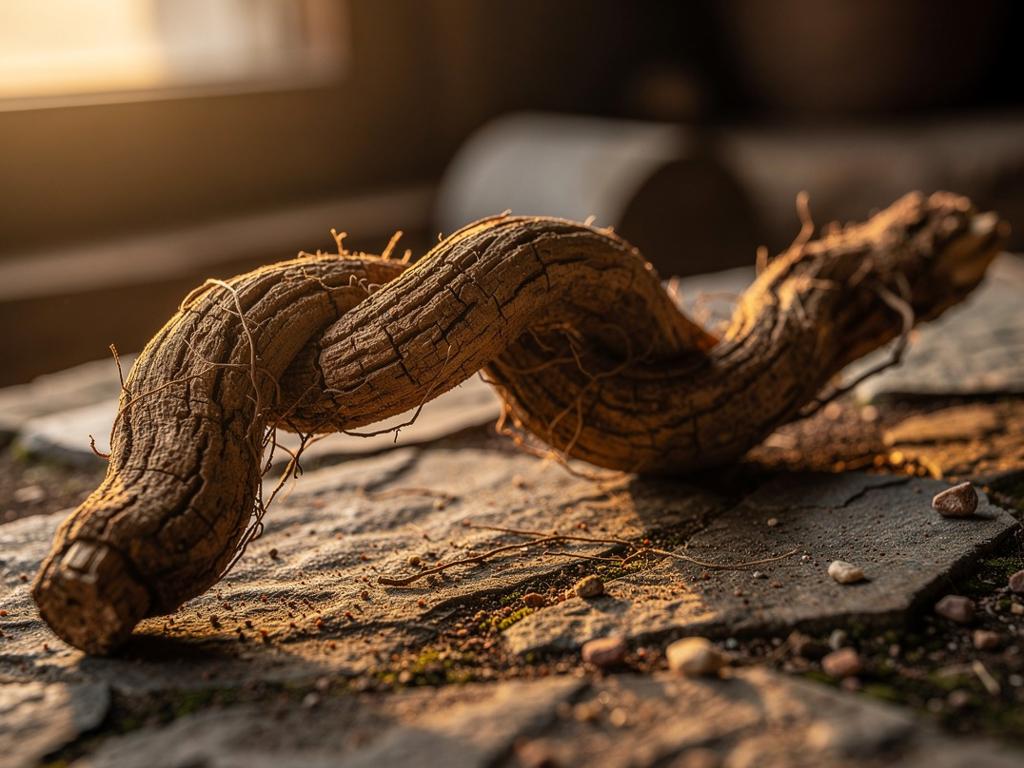
Somewhere between the flood-dose ibogaine ceremony most people picture — the 24-hour visionary marathon in a Mexican clinic with an EKG monitor beeping in the corner — and the daily grind of ordinary life, there's a quieter conversation happening. It's about microdosing iboga. Not the big reset. The slow drip. I've spent enough time around plant medicine circles to know that when a topic starts popping up on obscure forums and in DMs from people I've interviewed, it's worth taking seriously. Microdosing ibogaine and its root-bark cousin, iboga, has gone from fringe curiosity to something people quietly experiment with for addiction recovery, depression, and the kind of low-grade psychological stuckness that doesn't quite qualify as a diagnosis but still ruins your Tuesdays. So let's talk about it honestly — what it is, what it isn't, and what you should actually know before you go anywhere near it. First, the vocabulary. Ibogaine is the isolated alkaloid — the one most people associate with addiction interruption, the one that gets administered in medical settings for opioid dependence. Iboga is the root bark of Tabernanthe iboga, a shrub sacred to the Bwiti tradition of Gabon and Cameroon. The root contains ibogaine plus a whole orchestra of other alkaloids that shift the experience in ways researchers are still trying to characterize. A microdose, in this context, usually means something between 50 and 300 milligrams of root bark, or a much smaller amount of purified ibogaine HCl. That's a fraction of a ceremonial dose. You're not going to lie down for eighteen hours and watch your life play out on the ceiling. You're supposed to remain functional — able to work, drive, talk to your mother without alarming her. The rhythms people report vary wildly. Some take a small amount every third day for a few weeks. Some do a weekly ritual dose slightly above true microdose territory. Others front-load with a moderate dose over a weekend and then taper. There's no established protocol the way there is with psilocybin microdosing, which itself isn't exactly settled science. The big reason iboga entered the Western psychedelic conversation at all was addiction. Specifically, opioid addiction. There's a striking body of anecdotal and preliminary clinical evidence suggesting that a single high dose of ibogaine can dramatically reduce withdrawal symptoms and interrupt craving cycles. That's the headline, and it's the reason people fly to Mexico or Costa Rica for treatment they can't legally get in the U.S. But the flood-dose model isn't for everyone. It's medically demanding. Ibogaine affects the heart's electrical rhythm — specifically the QT interval — and people have died from it, mostly when proper cardiac screening was skipped. That risk drops dramatically at microdose levels, though it doesn't disappear. This is why some people in early recovery, or people managing depression that hasn't responded to conventional treatment, are drawn to the smaller-dose approach. Less risk, less time off work, less intensity to prepare for. What do they report? A common thread is a kind of muted craving. Alcohol, nicotine, and stimulant users describe the pull losing its urgency — not vanishing, but quieting. Others describe an odd emotional clarity, like a fog lifting from decisions they'd been avoiding. Some people notice better sleep. Some notice worse sleep. Some notice nothing at all and stop after two weeks, wondering what the fuss was about. Here's where I have to slow down and be honest, because a lot of the online chatter about iboga microdosing has the same tone as early-2010s bulletproof-coffee enthusiasm, and iboga is not bulletproof coffee. The cardiac issue matters even at low doses if you're taking other medications. Ibogaine and its metabolite noribogaine hang around in the body for a long time — weeks, in some measurements. Stacking small doses can create a cumulative load. If you're on SSRIs, methadone, buprenorphine, tramadol, certain antihistamines, or basically anything that also affects heart rhythm or serotonin, mixing them with iboga is genuinely dangerous. Not "consult your doctor" dangerous in a soft, liability-covering way. Dangerous. A few concrete things worth knowing: None of this means microdosing is automatically off the table. It means the casual, self-directed approach that works reasonably well for psilocybin is a lot riskier here. If you're going to explore this, do it with medical oversight and preferably alongside a facilitator who actually understands iboga rather than someone who's added it to their menu because it's the current thing. Here's something I've noticed in the years I've been reporting on plant medicine: people who treat microdosing as a standalone fix tend to be disappointed. People who treat it as one instrument in a broader practice — therapy, movement, better sleep, hard conversations they've been avoiding — tend to get more from it. Iboga in particular seems to work best when it's paired with genuine behavioral change. It's often described as a teacher plant, one that shows you patterns and then expects you to do something about them. Microdosing might soften the grip of a substance or a mood, but the daily choices still have to happen. Nobody's iboga journey ends with the pill bottle. Many people who explore microdosing eventually find themselves considering a full ceremony — either an ibogaine flood dose in a clinical setting or a traditional Bwiti initiation. Others go the opposite direction: they try a ceremony first, then microdose afterward as part of integration. Both paths make sense depending on what you're working with. Let me be blunt. Iboga microdosing is probably a bad idea if: That last one is the softest but maybe the most important. If the honest answer to "why do I want to do this" is "because I don't want to sit with anything hard," iboga will not cooperate. It has a reputation for showing people exactly what they're trying to avoid. If you've weighed the risks and you're still curious, a few questions worth answering honestly before you take a single milligram: These aren't rhetorical. Write the answers down. Read them back to yourself in a week. If they still hold up, you're in better shape than most people who try this. For a lot of people, the safest and most useful entry point isn't a bottle of powder ordered from a website of unclear provenance. It's a supervised retreat with medical screening, an experienced facilitator, and structured integration afterward. Even if you're primarily interested in microdosing, spending time in a properly run iboga or ibogaine setting gives you a baseline to work from — you understand what the medicine feels like in your body before you start experimenting on your own kitchen counter. Cost, location, and philosophy vary enormously. Clinical ibogaine centers in Mexico focused on addiction interruption operate very differently from traditional Bwiti retreats in Gabon, which operate differently again from hybrid centers in Costa Rica or Portugal that blend clinical safety with ceremonial context. If you'd like to see what's actually out there and compare programs that take screening and aftercare seriously, a curated selection of iboga and ibogaine retreats can be browsed on our marketplace here. Whatever direction you go, take your time. Iboga has been around for a very long time, and it will still be there next month if you decide you need another month to think.
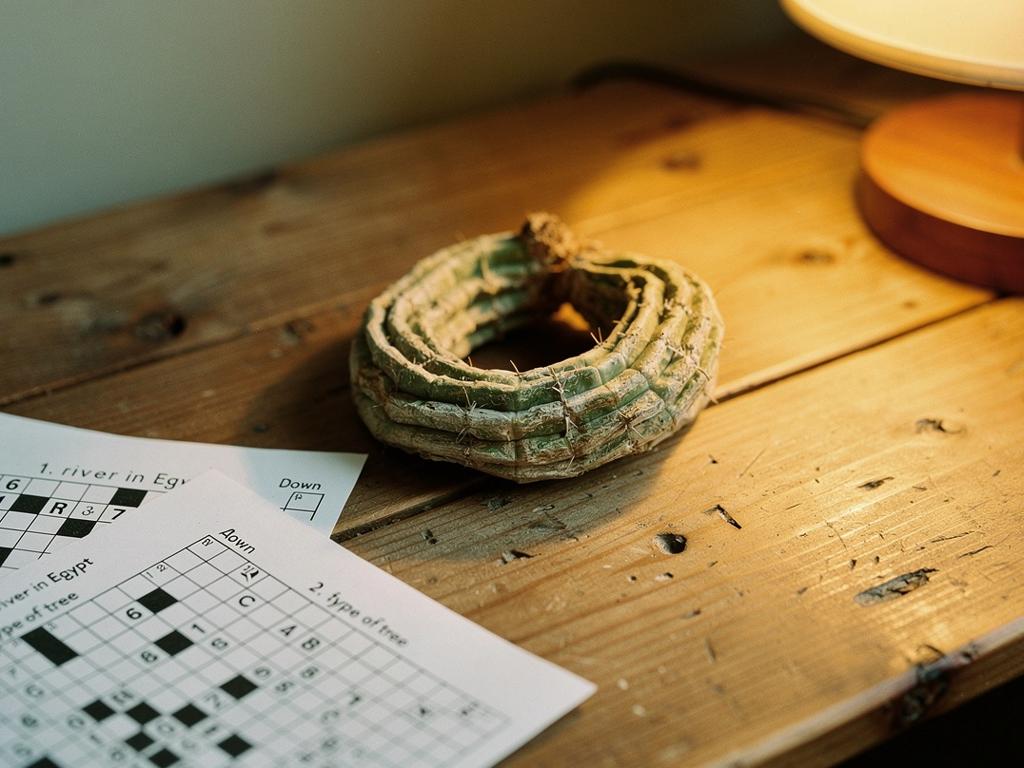
Psychedelic Trivia Night: A Crossword for the Plant-Medicine Curious
Every once in a while, the psychedelic world takes itself a little too seriously. Between clinical trial readouts, regulatory hearings, and long integration circles where someone always cries about their father, it's easy to forget the whole thing started with people getting curious about consciousness and having fun with it. So here's a small offering in that spirit: a crossword-style romp through the language of psychedelics and plant medicine, aimed at anyone who's been quietly reading about ayahuasca retreats at midnight and wondering what half the words mean. Whether you're deep in research mode or just psychedelic-curious, working through terminology is genuinely useful. The vocabulary of this world overlaps traditional Amazonian shamanism, modern neuroscience, harm reduction culture, and clinical psychiatry — four fields that don't otherwise share a dinner table. Knowing what people mean when they say dieta, set and setting, or flood dose makes the difference between an informed choice and a wildly expensive surprise. Retreats have their own dialect. Facilitators toss around words like purge, icaro, mareación, maloca, and master plants as if everyone grew up with them. Most of us didn't. And when you're about to spend two thousand dollars and a week of your life on a jungle floor, you want to know what people are actually saying. I've watched more than one first-timer arrive at a Peruvian center and realize on day two they had no idea what a dieta involved. No salt. No sugar. No sex. No pork. No onions. Some places extend the list for months on either side of the ceremony. If nobody explained this on the intake call — and nobody asked — you've got a problem you can't easily solve. So think of the puzzle below as a semi-serious way to test what you already know and fill in the blanks. Read the clues, guess the answers, and if a word makes you pause, look it up before you book. Grab a coffee. If you get more than half of these without cheating, you've been reading up. No shame either way. Even people who've done a dozen ceremonies routinely mispronounce icaro or forget which alkaloid does what. The point isn't trivia mastery. It's noticing where the gaps are. If you struggled with the medicine-specific words — dieta, purge, icaros, kambo — that's a signal to slow down before booking. A good retreat will walk you through all of it in your intake process. A less careful one will assume you've done the reading. And there is a real difference between “I read a Reddit thread” and “I understand what I'm consenting to.” If you struggled with the pharmacology terms — MAO inhibitors, tryptamines, psilocybin species — that matters too, especially if you're on any prescription medication. SSRIs and ayahuasca is the classic combination people don't take seriously enough. Neither does mixing MAOIs with certain foods. Your retreat's medical intake should catch this. Ask what their process is. Rather than leave you hanging, here are the ideas behind the trickier clues — expanded a little, because a one-line crossword answer doesn't do them justice. Dieta. More than a food restriction. In the Shipibo tradition especially, dieta is a period of quiet, isolation, and dietary discipline meant to build a relationship with a specific plant. Retreat centers vary wildly in how strict they are. Some ask for a week of light preparation. Others expect months. Ask specifically what your retreat requires — and whether they'll enforce it or leave it to you. Purge. The vomiting, crying, shaking, sweating, or occasional other-end release that often accompanies ayahuasca and, less dramatically, other plant medicines. Traditional practitioners consider it part of the healing, not a side effect. Bring your own tolerance for the fact that this is coming. Icaros. The songs. Ceremonies are largely navigated through them — the curandero's voice is essentially the steering wheel. If you sit with a facilitator who doesn't sing (many neo-shamanic and some Western-led ceremonies don't), you're getting a different experience. Not necessarily worse. Just different. Integration. The unglamorous part. What you do with the experience over the following weeks and months. Most of the real change happens here, not during the ceremony. Retreats that don't offer integration support — or at least a plan for it — are only doing half the job. Set and setting. The phrase that keeps getting rediscovered. Your mindset going in, and the environment you're in, shape the experience more than the dose. A jungle lodge with a trained curandero and a first-week dieta will produce something different than the same brew in a friend's apartment. This is not a subtle difference. In a proper crossword there's a hidden word running through the highlighted squares. In this one, the hidden word is respect. Not because it makes a good puzzle answer, but because it's the single quality that separates a healing experience from a chaotic one — respect for the medicine, respect for the tradition it comes from, respect for your own limits, and respect for the people sitting the ceremony with you. Every horror story I've heard from someone who had a bad retreat comes back to a failure of respect somewhere in the chain. A facilitator who overserved. A participant who lied on their medical intake. A center that took bookings faster than it could train staff. The medicine itself is not the problem; it's rarely been the problem. The container around it is what makes or breaks the experience. If the crossword sparked a curiosity to actually sit with one of these medicines — ayahuasca, psilocybin, San Pedro, ibogaine, or something else — a range of vetted plant-medicine retreats can be browsed on our marketplace here. Take your time choosing. The right retreat will not feel like a bargain; it will feel like a place that takes the work seriously. And if the language in this piece still feels foreign, treat that as your first task before you book anything. The words are the map. Learn them, and the terrain gets a lot less intimidating.

Ibogaine Research in 2026: What the Science Actually Shows
Ibogaine has spent most of its life in the shadows. For decades, the only people talking about it were harm-reduction folks in Mexican clinics, a handful of West African elders in Gabon, and a scattered network of ex-heroin users who claimed a single session had done what a decade of rehab couldn't. That's changing. Slowly, and with the usual caveats, but it's changing. If you're reading this because you've been circling the idea of an ibogaine retreat — maybe for opioid dependence, maybe for stubborn depression, maybe for something you can't quite name — you deserve a clearer picture than the mythology tends to offer. So here's an honest walk through where the research sits in 2026, what the studies do and don't tell us, and how to think about all of it if you're weighing a real decision. Ibogaine is the primary psychoactive alkaloid in the root bark of Tabernanthe iboga, a shrub native to Central Africa. In Bwiti tradition, it's used ceremonially — huge doses, initiations that last days, community held tightly around the initiate. In clinical and quasi-clinical settings outside Africa, it's used almost exclusively for one thing: interrupting opioid addiction. Pharmacologically, ibogaine is strange. It hits serotonin, dopamine, opioid, sigma, and NMDA receptors all at once, and its main metabolite — noribogaine — lingers in the body for days. That's part of what makes it interesting and part of what makes it dangerous. It doesn't behave like a classical psychedelic. It doesn't behave like methadone. It behaves like itself, which is why the research has been so hard to slot into existing frameworks. For most of the past 40 years, ibogaine has been Schedule I in the United States, unscheduled in Mexico and New Zealand, and legally awkward almost everywhere else. That patchwork made proper clinical trials nearly impossible to run. What we had instead was a growing pile of observational data from providers in Mexico, Costa Rica, and Portugal — case series, retrospective chart reviews, small open-label studies. Useful, but not the kind of thing that changes prescribing guidelines. The last few years have shifted that. Kentucky briefly floated using opioid settlement money to fund ibogaine research. Ohio has held serious hearings. A handful of universities have finally got institutional review boards to greenlight trials. And in 2025, several long-running observational datasets were consolidated into public research databases, which means independent researchers can now poke at the numbers without needing to fly to a clinic and beg for records. The strongest signal continues to be for opioid use disorder. A Stanford-led study on veterans with traumatic brain injury and PTSD, published in 2024, reported dramatic reductions in depression, anxiety, and PTSD symptoms after a single ibogaine session paired with magnesium (to buffer cardiac risk). The effect sizes were unusually large — the kind of numbers that make researchers double-check their spreadsheets. Observational data out of Mexican clinics has consistently shown that a majority of opioid-dependent participants come out of a session in full withdrawal-free abstinence, at least in the short term. Longer-term outcomes are more mixed, and this is where people get misled. Six-month and twelve-month sobriety rates depend enormously on what happens after the ceremony — integration, community, whether the person actually has a life to return to. A few honest points the research keeps confirming: A lot of ibogaine coverage online is either breathless (“miracle cure”) or dismissive (“dangerous quackery”). Neither is useful when you're trying to decide something real. When you look at any study or clinic-published outcome report, ask a few questions. Here's the part nobody selling you anything will say clearly: ibogaine is probably the most physically demanding plant medicine you can voluntarily take. It's not ayahuasca. It's not psilocybin. Sessions last 24 to 36 hours. The visionary phase can be exhausting rather than blissful. Ataxia — the inability to walk steadily — is normal. People describe the experience as being put through a car wash by their own subconscious. For the right person, in the right setting, with the right medical backing, that's a price worth paying. For the wrong person — anyone with untreated heart conditions, certain medications on board, or nowhere stable to land afterward — it's genuinely dangerous. The research isn't ambiguous on this. The deaths that have occurred in ibogaine settings almost all trace back to inadequate screening or unsupervised use. If you're seriously exploring this route, the questions to ask a provider are boring and clinical, which is exactly the point: A reputable provider will answer these matter-of-factly. A sketchy one will get defensive or vague. That's most of what you need to know. The next few years are going to be interesting. Phase 2 trials for ibogaine in opioid use disorder are moving forward at several U.S. institutions. Synthetic analogs designed to keep the therapeutic effect while stripping out the cardiac risk are in early animal studies. State-level policy conversations — particularly around veterans and first responders — are getting more serious than the federal pace suggests. None of that changes what someone struggling with addiction today can access. What it does mean is that the fringe status of ibogaine is eroding. The clinics operating carefully in Mexico and Portugal are being watched more closely, held to higher standards, and — increasingly — collaborating with researchers rather than hiding from them. That's good for everyone. If you're doing your homework and want to see what actual programs look like in practice, a curated selection of ibogaine and plant-medicine retreats can be browsed on our marketplace here. Read carefully, ask the boring questions, and give yourself permission to walk away from anything that doesn't feel medically serious. The right retreat, for the right reason, at the right moment in your life is worth waiting for.
Where to Next After Your First Psychedelic Experience: A Grounded Guide
The days after a first psychedelic experience are strange. You feel cracked open, quietly rearranged, and — often within a week or two — restless. The question shows up almost on its own: where to next? Another ayahuasca ceremony? A different plant medicine? A meditation retreat? Nothing at all for a while? I've watched hundreds of people wrestle with this question, and I've wrestled with it myself. There's no single right answer, but there are much better and much worse ways to think about it. This is a guide for the person who's already had a taste — maybe a mushroom journey at home, maybe a full ayahuasca retreat in the jungle, maybe a psilocybin ceremony with a facilitator in Oregon — and is now trying to figure out the next step without either rushing back in or letting the whole thing quietly fade into memory. The choices you make in the next three to twelve months matter more than the ceremony itself. Really. Most people who ask “where to next” are actually asking a different question underneath. They want to know if they can repeat the intensity, the clarity, the sense of meaning. And here's the thing — you usually can't, not by simply stacking more ceremonies on top of each other. Plant medicines and psychedelics aren't a subscription service. The second ayahuasca ceremony is rarely the first one again. The tenth mushroom trip doesn't hit like the third. What actually builds on that first opening is what you do between journeys. Integration — the unglamorous work of making the insights land in your daily life — is where the real change happens. Facilitators I trust say something like this: the ceremony is maybe ten percent of the work. The other ninety is the months that follow. If you rush to the next retreat before the last one has settled, you're often just running away from the harder part. So the first honest answer to “where to next” is sometimes: nowhere yet. Sit with what you already have. Give it three months minimum. Notice what actually shifted and what didn't. That said, plenty of people are ready to keep going, and the pull isn't always avoidance. Some signs you might genuinely be ready for the next step: If most of that checks out, the question becomes which direction to go. And the options genuinely differ from each other more than most people realize. Grouping all of these under “psychedelics” is convenient but misleading. Each has its own personality, its own risks, and its own reasons someone might turn to it. A quick, honest sketch: Long, physically demanding, deeply Amazonian in its lineage. A typical ceremony lasts four to six hours and involves purging — vomiting, sometimes diarrhea, sometimes shaking. The teaching, as most curanderos describe it, comes not just from DMT but from the vine itself and the songs (icaros) that hold the space. Ayahuasca tends to be good for people wrestling with deep-seated trauma, ancestral patterns, and identity questions. It is not a party drug and it doesn't reward tourists. Gentler on the body, shorter (four to six hours), and increasingly available in legal and semi-legal contexts — Oregon's licensed service centers, the Netherlands' truffle retreats, Jamaica's mushroom ceremonies. Psilocybin research in recent years has focused heavily on depression, end-of-life anxiety, and addiction. If ayahuasca is a boot camp, psilocybin often feels more like a therapist who happens to be a mushroom. An Andean cactus medicine with a longer arc — ceremonies often last eight to twelve hours, sometimes outdoors in daylight. The character is heart-forward, quieter, less visionary than ayahuasca. Many people describe San Pedro as gentler and more integrative, a good choice for someone who found ayahuasca too intense or who wants something with a strong nature-connection element. A different beast entirely. Ibogaine is the go-to plant medicine for opioid and other severe addictions — it can interrupt withdrawal in a way nothing else does. It also has real cardiac risks and requires medical screening, an EKG, and a properly equipped facility. This is not something to book casually. If addiction recovery is your reason, ibogaine deserves serious research, but so does the aftercare plan. Shorter, more specialized. Kambo is a frog secretion used for physical and energetic cleansing — not psychedelic. Bufo is the shortest, most intense psychedelic experience most people will ever have — twenty minutes that feel like being dissolved. Peyote is a sacred medicine of specific indigenous traditions and, honestly, is best approached only through those communities rather than commercial retreats. Once you've picked the medicine, the retreat itself matters enormously. Two ayahuasca retreats can be as different as a hospital and a nightclub. Some things to weigh, in rough order of importance: Price matters too, but it's a poor primary filter. Cheap retreats are sometimes cheap because they cut corners on safety. Expensive ones are sometimes just marketing to wealthy Westerners. The correlation between cost and quality is weaker than you'd hope. If I could change one thing about how people approach psychedelic healing, it would be this: build the integration plan before you book the retreat. Not after. Before. That means finding an integration therapist, coach, or circle in advance and scheduling sessions for the weeks after you return. It means telling one trusted friend or partner what you're doing and asking them to check in with you. It means blocking off time on the calendar — actual protected time — for whatever practice you know feeds you: walking, journaling, meditation, cold water, being in nature, being with people you love. The insights from a ceremony are perishable. They fade fast under the fluorescent lights of ordinary life. What preserves them isn't willpower — it's structure. Small, boring, repeatable structure. A morning practice you actually do. A weekly conversation with someone who takes this seriously. A creative outlet where the felt sense of the experience can keep moving through you. Sometimes the honest next step is not another psychedelic at all. Consider a pause if: A pause doesn't mean the door is closed. It means the medicine has given you something, and now it's your turn to do something with it. Sometimes the most respectful thing you can do for a plant that opened you up is to spend a year proving you were listening. If you want a simple structure to work with after a first experience, try this: Most people who follow something like this end up making better decisions about what comes next. Fewer chase experiences. More build lives that don't need chasing. For readers who want to take this further and are weighing a specific direction, a curated range of ayahuasca, psilocybin, San Pedro, and ibogaine retreats can be browsed on our marketplace here. Whatever you decide, take your time. The medicines have been around for thousands of years. They're not going anywhere, and neither are you.
DMT Vape Pens: What Actually Happens When You Pull the Trigger
Someone at a party hands you a pen. It looks like any other vape — sleek, discreet, easy to mistake for nicotine. Except the cartridge holds crystallized DMT, and three deep pulls will send you somewhere your nervous system has no map for. This is the version of psychedelics almost no one at a proper retreat talks about, and yet it's everywhere. DMT — N,N-dimethyltryptamine, the same molecule that gives ayahuasca its punch — has become the most misunderstood member of the plant-medicine family. In vape form, it's stripped of ceremony, dieta, icaros, and the shaman holding space. What's left is chemistry, a lung, and about fifteen minutes of the most intense experience most humans will ever have. So let's talk about what actually happens when someone hits that pen, why it's not the same as sitting with the vine, and what a person considering psychedelics for real healing should understand before getting curious. A DMT vape pen is a small vaporizer loaded with a cartridge containing DMT freebase — usually suspended in a carrier like propylene glycol, vegetable glycerin, or occasionally a fatty acid ester. The device heats the liquid enough to vaporize the compound without combusting it. You inhale. Within seconds, the molecule crosses the blood-brain barrier and binds primarily to serotonin 5-HT2A receptors. Consciousness does something it does not normally do. The pen exists because smoking crystal DMT the traditional way is finicky. You need the right temperature, the right technique, and the courage to take three enormous hits in about twelve seconds without pausing. Miss a step and you get a partial trip — sometimes worse than no trip at all. The pen was designed to solve that problem. It made a difficult drug user-friendly. Whether that's a gift or a curse depends on who you ask. Ask ten people and you'll get ten wildly different reports. But the arc tends to follow a rough shape. The whole thing is over in the time it takes to boil an egg. That's part of what makes DMT so strange as a healing tool — the experience is short, but the residue can last months. Chemically, they share the star ingredient. Experientially, they might as well be different substances. Ayahuasca is a brew — the DMT-containing chacruna leaf combined with the banisteriopsis caapi vine, which contains MAO inhibitors that allow the DMT to remain active when swallowed. Drinking it stretches the experience across four to six hours. You purge. You cry. You crawl through the memory of a bad breakup from 2011 and come out understanding your own patterns. The vine — one of the great master plants of the Amazon — is what shamans say does the actual teaching. The DMT just opens the door. A pen skips all that. You get the door thrown open, dumped through it, and then the door slams shut. There's no vine holding your hand. No shaman singing you back. No community around the fire. For a person seeking psychedelic healing for addiction, trauma, or the kind of stuck depression that doesn't respond to SSRIs, this difference is enormous. Ayahuasca retreats build a container. A vape pen offers a launch pad and nothing else. This is the question that brings most thoughtful readers to psychedelics in the first place. The honest answer is: probably, sometimes, under the right conditions. The research on classic psychedelics for addiction has moved fast in the last few years. Psilocybin trials at Johns Hopkins have shown striking outcomes for tobacco and alcohol dependence. Ibogaine — a longer-acting tryptamine cousin — has decades of underground evidence for opioid detox. Ayahuasca, studied in Brazilian and Spanish clinics, shows real promise for treatment-resistant depression and substance use. DMT specifically is now being investigated in extended-infusion form for depression, but the pen-style five-minute blast has almost no clinical data behind it. Here's the uncomfortable truth: the substance matters, but the setting matters more. People who have breakthrough experiences on a vape pen at a music festival rarely translate them into lasting change. People who work with the same molecule inside a supported container — with a facilitator, an intention, a preparation period, and structured integration afterward — often do. Plant medicine for addiction isn't magic. It's the combination of the pharmacology and the human work around it. DMT is not physically dangerous for most healthy adults in the way opioids or stimulants are. It doesn't damage organs at typical doses, and it doesn't produce dependence. That's the good news. The rest of the news is more complicated. For someone drawn to DMT because they've heard it can shake loose something stuck, the pen is almost never the right entry point. It's the deep end of the pool with no lifeguard. A retreat setting — where ayahuasca, psilocybin, or another guided plant-medicine journey unfolds inside a proper container — gives you the pharmacology and the human support in one package. What to look for if you're weighing that decision: Psychedelic healing works when the substance, the setting, and the person doing the work all line up. The vape pen delivers only one of those three, and usually the least important one. DMT pens exist because they made an incredibly difficult drug easy. They didn't make the experience any less enormous — just easier to stumble into unprepared. For a casual psychonaut, that's a novelty. For someone actually trying to heal addiction, depression, or trauma, it's the wrong tool. The right tool is the same molecule inside a container that respects what it can do. If any of this resonates and you're weighing a real journey, a curated selection of ayahuasca and plant-medicine retreats can be explored on our marketplace here. Take your time with the decision. The medicine has been around for thousands of years. It'll wait for you to be ready.
Craving More Stories?
Join our ShopAyahuascaRetreats newsletter for the latest updates on thrilling
destinations and inspirational tales, delivered straight to your inbox!
We value your privacy. Your email address will never be shared or published.
Oregon Psilocybin Services in 2026: What the Latest Data Actually Tells Us
Oregon quietly did something almost no other place on earth has done: it built a legal, regulated psilocybin services program that anyone over 21 can access without a medical diagnosis. Four years in, the data is finally rich enough to say something useful about who’s actually going, what they’re paying, and how the whole experiment is aging. The first-quarter numbers for 2026 landed recently, and they’re worth pulling apart if you’re one of the many people quietly wondering whether a legal mushroom session in Oregon might be the psychedelic experience you’ve been circling for years. Let me say the obvious thing first. Oregon Psilocybin Services (OPS) is not a retreat model in the traditional Amazonian-ceremony sense. There’s no shaman singing icaros at 3 a.m., no dieta, no vine. It’s a licensed service center, a trained facilitator, a measured dose of psilocybin, and a session that follows a written protocol. Some people find that clinical. Others find it exactly right. Which camp you fall into matters — probably more than the data itself. The headline figure most people want first: sessions are still happening at a steady clip, and the program has moved past the wobbling infancy it had in 2023. Service centers are more stable now. Facilitator turnover has slowed. The bulk of clients are still Oregon residents, though out-of-state visitors continue to fly in — Portland and Bend remain the two gravitational centers, with a handful of smaller centers scattered across the coast and southern Oregon. Product sales data — the amount of psilocybin actually purchased by service centers from licensed manufacturers — tells a quieter story about supply chain maturity. Prices per gram have compressed compared with the wild variance of 2024, meaning centers can now forecast costs and pass more predictable pricing to clients. That’s a boring detail with a real consequence: sessions are becoming slightly more affordable, though “affordable” is still a stretch for most household budgets. Expect to pay somewhere in the range of $1,500 to $3,500 for a full session including preparation and integration, depending on dose, location, and how much support you want. Group sessions can bring the per-person cost down meaningfully. Safety data continues to look reassuring in the way regulators like: very few serious adverse events per session, and the ones that do occur are overwhelmingly psychological distress that resolves within the session itself. No deaths. No emergency department transfers of any significance. That’s not the same as saying it’s risk-free — more on that below — but it does suggest the guardrails are doing what they were designed to do. This is the part I find most interesting, because the client-motivation data cuts against the stereotype. The most common reasons people cite for booking a psilocybin session in Oregon aren’t what a casual observer might guess. They cluster around depression, anxiety, grief, and end-of-life distress, with a smaller but persistent cohort seeking help with trauma or PTSD. Curiosity and personal growth show up too, but they’re not the dominant driver. This is not a party crowd. It’s largely people who have tried therapy, tried medication, tried other things, and want to try something else. Demographically, clients skew older than you might expect — a lot of forties and fifties, some sixties, fewer twenty-somethings than the psychedelic-alpha stereotype suggests. Women slightly outnumber men. Most clients arrive with previous psychedelic experience, though a meaningful minority — perhaps a quarter — are first-timers. That last number matters if you’re a first-timer yourself. You wouldn’t be alone. Facilitators are increasingly used to guiding people who have never touched a psychedelic before. One recurring theme in the facilitator community: clients coming in for help with addiction — alcohol, particularly, and increasingly stimulant use — remain a smaller share of the total than many advocates expected. That’s partly because ibogaine and ayahuasca have stronger reputations for addiction work, and partly because the OPS framework doesn’t market itself as a treatment. It’s a service, not a therapy, and that legal distinction shapes who ends up walking through the door. If you’ve been researching ayahuasca retreats in Peru or psilocybin retreats in Jamaica or the Netherlands, you should understand what Oregon is and isn’t before you book. The Oregon program was designed around harm reduction and consumer access, not around ceremony. Here’s what that means in practice: The legality piece cannot be overstated. For a certain kind of person — parents with custody concerns, professionals with drug-testing employers, anyone with a passport that makes international travel complicated — Oregon is the only realistic option for a legal psychedelic experience in the United States, aside from Colorado’s slowly rolling-out program. The quality range across Oregon service centers is real. Not every facilitator is equally skilled, and not every center has thought carefully about who they serve best. If you’re seriously considering booking, here’s what actually matters: One honest note: the Oregon program is still young, and even the more established centers are figuring things out. If your ideal is deep, tradition-rooted ceremony, you may find Oregon underwhelming. If your ideal is a legal, safe, well-monitored psilocybin experience close to home, it’s hard to beat. I get asked this a lot, and the honest answer is: it depends what you’re looking for. If you’re drawn to plant medicine because you want lineage, community, ritual, and the accumulated wisdom of traditions that have worked with these substances for centuries, an Oregon service center is going to feel thin. Ayahuasca, San Pedro, or peyote in their traditional contexts offer something the OPS model simply doesn’t try to replicate. If, on the other hand, you want a first psychedelic experience under professional supervision, in a country where the whole thing is above-board, with medical backup a phone call away — Oregon is a genuinely good option. Especially for anyone dealing with depression, treatment-resistant anxiety, or the kind of stuck-in-a-loop life pattern that talk therapy hasn’t moved. The evidence base for psilocybin in these areas has been growing steadily for years, and while OPS itself isn’t clinical research, it operates in the same broad territory. Cost is the other filter. If $2,000 for a single session is out of reach, the Oregon model probably isn’t your entry point right now. International retreats — Costa Rica, Mexico, Peru — often deliver a fuller multi-day experience for comparable money, though the trade-offs in legal risk, medical support, and screening rigor are real. There’s no free lunch here. Oregon’s first-quarter 2026 data suggests a program that is doing what it was designed to do: providing safe, legal access to psilocybin for adults who want it, without producing the sky-is-falling outcomes opponents predicted. It’s not perfect. It’s expensive. It leans harder on the individual than on community, which some readers will love and others will find isolating. Integration remains its softest edge. But it’s real, and it’s working, and it’s reshaping what psychedelic access looks like in the United States. Colorado is watching. Other states are drafting bills. The template Oregon is refining will inform whatever comes next. If you’ve been circling the idea of a psilocybin experience — legal or otherwise — it’s worth spending some time understanding what each model actually offers before you book anything. For readers who want to take this further, a curated range of psilocybin and plant-medicine retreats can be browsed on our marketplace here. Whatever you choose, choose it slowly. These are experiences worth preparing for.
Maca Root and Plant Medicine: What to Know Before a Retreat
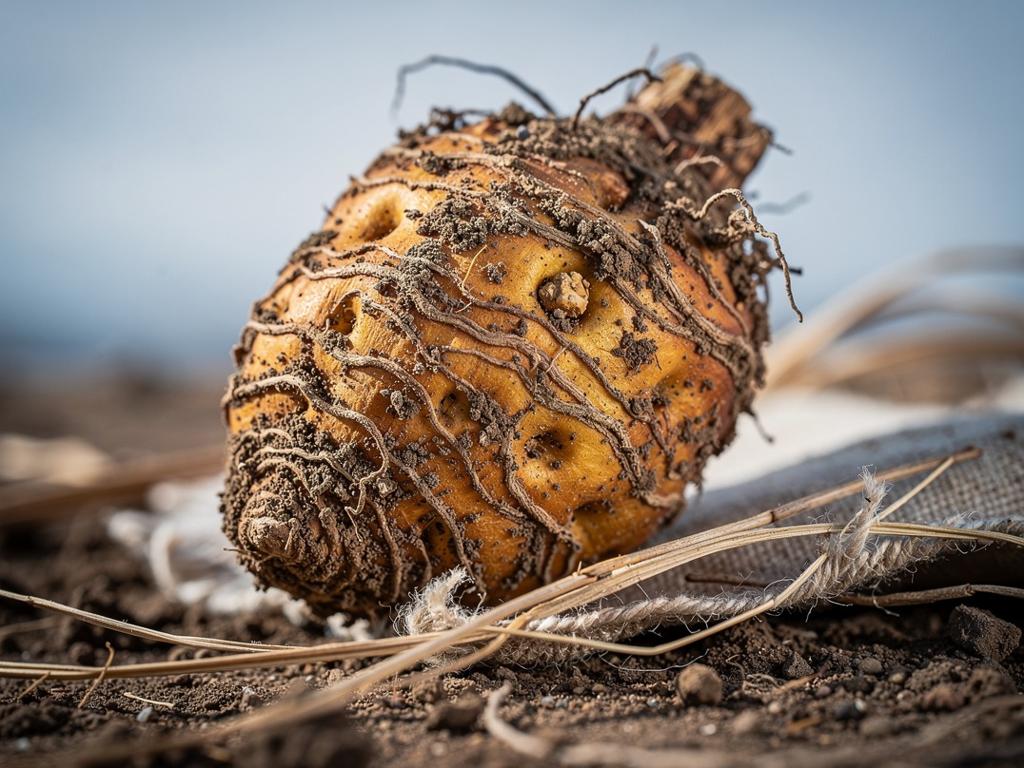
Somewhere between the first sleepless night before a ceremony and the third cup of coca tea at 12,000 feet, most retreat-goers start asking the same practical question: what should I actually be putting in my body right now? Maca root comes up a lot in those conversations. It’s not psychedelic, it’s not a master plant in the ceremonial sense, and it won’t send you anywhere you weren’t already headed. But it has a strange, quiet reputation among people preparing for ayahuasca and other plant medicine work — and that reputation deserves a closer look. This isn’t a wellness-influencer piece about superfoods. It’s a straight read on what maca is, what it isn’t, and how it fits (or doesn’t) into the bigger picture of psychedelic and plant-medicine retreats. If you’re weighing a trip to Peru, or you’re just curious why every third juice bar in Cusco stocks the powder, keep reading. Maca (Lepidium meyenii) is a hardy root vegetable that grows in the Peruvian Andes, mostly between 12,000 and 15,000 feet. It’s a cousin of broccoli and radish — cruciferous, unglamorous, and stubbornly resilient in soil where almost nothing else survives. Indigenous communities in the Junín region have been cultivating and eating it for at least two thousand years, and probably a lot longer. It was traded, taxed, and eaten as food long before anyone in the West got hold of it. The dried root gets ground into a powder that tastes faintly of malted caramel and dirt, in a way most people describe as “fine, I guess.” It comes in yellow, red, and black varieties, each with slightly different chemical profiles. Yellow is the most common. Red gets sold for hormonal balance. Black gets marketed for stamina and cognition. The research supporting those distinctions is thin but not nonexistent. Crucially: maca is a food, not a medicine in the pharmacological sense. It doesn’t contain psychoactive alkaloids. You cannot trip on it. This matters when we start talking about plant medicine. The phrase “master plants” refers, in Amazonian and Andean traditions, to plants that teach — plants a curandero works with over long dietas to learn healing, diagnose illness, or receive guidance. Ayahuasca is the famous one. San Pedro (huachuma), tobacco (mapacho), chacruna, chiric sanango, bobinsana, and many others belong to that lineage. These are plants with spirit, in the traditional framing. Maca is not a master plant. Ask any curandero in the sierra and they’ll tell you it’s food — nutritious, warming, useful, but not something you diet with in the ceremonial sense. That distinction matters because a lot of wellness content online blurs the line, selling maca capsules with the same mystical language used for ayahuasca or psilocybin. It’s misleading. If you’re researching psychedelics and plant medicine seriously, keep the categories clean: Here’s where it gets practical. Plenty of people preparing for an ayahuasca retreat or a San Pedro ceremony start adding maca to their routine in the weeks leading up. The reasons range from reasonable to wishful. The reasonable ones: maca is a genuine source of iron, calcium, and B vitamins. If you’re about to spend a week eating a strict dieta — usually plain fish, boiled plantain, some rice, no salt, no sugar, no oil — a bit of extra nutritional buffer beforehand isn’t crazy. People who arrive at retreats depleted tend to have harder physical experiences. That’s not mystical; it’s just biology. The wishful ones: the idea that maca “opens” something, primes the body for psychedelic experience, or somehow amplifies the medicine. There’s no evidence for any of this. Ayahuasca doesn’t care whether you drank maca smoothies for a month. What it responds to, in the reports of most experienced facilitators, is the state of your nervous system, your intention, and your willingness to actually let go — none of which come in powder form. If you’re heading to a traditional retreat, ask your facilitators before you take anything — including maca — in the days leading up to ceremony. Some centres run strict pre-ceremony protocols that exclude stimulants, adaptogens, and anything that could interact with the MAO inhibitors in ayahuasca. Maca is generally considered safe here, but “generally” isn’t the same as “yes, definitely, for you.” The MAOI issue is worth understanding on its own. Ayahuasca contains harmala alkaloids that inhibit monoamine oxidase, which is what allows the DMT in the brew to become orally active. That same mechanism makes ayahuasca dangerous when combined with certain antidepressants (SSRIs and SNRIs especially), some blood pressure medications, and foods high in tyramine. Maca doesn’t sit on that list of contraindications in any research I’ve seen. But a good retreat will still want to know what you’re taking, in what quantities, and for how long. General rule: whatever you’re bringing into your body in the two weeks before ceremony, tell your facilitator. Not because they’ll judge you — because they need to keep you alive and comfortable. This is the question I get asked most often by readers considering a retreat. They’re not really asking about maca. They’re asking, quietly, whether there’s a shortcut — something they can order online that will do a bit of what plant medicine does, without the discomfort of ceremony. The honest answer: no. Maca has some observed effects on mood in small studies, particularly around perimenopausal symptoms and general energy. That’s not nothing. But it is not a treatment for depression, trauma, or addiction, and anyone selling it that way is either misinformed or dishonest. The research on psychedelics for addiction recovery — psilocybin for alcohol use disorder, ibogaine for opioid dependence, ayahuasca for various forms of substance abuse — is on a different order of magnitude entirely. These are compounds that appear to interrupt patterns at the neural level in ways adaptogens simply don’t. Which isn’t to say food-medicines have no role. Nervous-system regulation, sleep, mineral repletion, cutting caffeine, gentle movement — these things matter enormously in the months around a psychedelic experience. Maca can be a small piece of that. It’s just not the main event. If you’re curious and want to add maca to your pre-retreat routine, a few honest pointers: Maca is a good root. It grows where almost nothing else does, feeds people in high mountains, and probably belongs in more diets than it currently occupies. It’s worth respecting on those grounds alone. What it isn’t is a plant medicine in the ceremonial sense, and it won’t do the work that ayahuasca, psilocybin, or ibogaine can do for people caught in the deeper grooves of addiction and trauma. If you’re researching a retreat and finding yourself pulled toward the real thing — the actual sit-in-a-maloca-and-face-what-comes-up thing — trust that instinct. Read carefully. Ask facilitators pointed questions. Talk to people who’ve been. If any of this resonates and you want a starting point, curated ayahuasca and plant-medicine retreats can be browsed on our marketplace here. The decision is a big one, and it deserves more than a supplement aisle can offer.
When a Trip Goes Sideways: What to Do When a Friend Has a Bad Psychedelic Experience
Someone you love takes a psychedelic. Maybe mushrooms at a music festival. Maybe ayahuasca at a retreat you both saved for months to attend. Maybe LSD in a friend's living room on a Saturday night. And somewhere along the way, the trip turns. Their eyes go glassy in a way that isn't wonder anymore. They start repeating a sentence. They curl up. They cry, or they get scared, or they get quiet in a way that makes the room feel colder. What now? This is the question nobody wants to think about before they head off to a ceremony or a festival — and it's the exact question everyone eventually needs to answer. The world of ayahuasca, psychedelics, and master plants isn't all sunrise meditations and breakthrough insights. Sometimes the medicine drags people through territory they weren't ready for. Sometimes a friend goes somewhere hard, and you're the one sitting next to them, watching it unfold, wondering if you're helping or making it worse. Here's what I've learned from sitting in ceremony spaces, from talking with facilitators who've seen it all, and from being the friend on both sides of that hard moment. First, let's ditch the phrase “bad trip.” It's lazy shorthand that lumps together very different experiences — a moment of anxiety, a confrontation with old trauma, a full-blown dissociative crisis. These aren't the same thing, and they don't need the same response. A difficult experience might look like intense fear or paranoia, uncontrollable crying, repetitive movements, feeling trapped in a loop, dissociation from the body, or the conviction that something terrible is happening or has already happened. Sometimes it looks calm on the outside — the person is simply gone, eyes far away, unreachable for a while. None of these are automatically emergencies. Psychedelic states are wildly nonlinear. A person can move from terror to peace to laughter in the space of twenty minutes. The trap most sitters fall into is treating every hard moment like a crisis, when what's actually happening is a healthy — if unpleasant — unfolding. Hard is: crying, shaking, expressing fear, saying things that don't make sense, wanting to be held or left alone, purging on ayahuasca (which is often part of the process), reliving something old. Dangerous is: trying to run into traffic, wanting to hurt themselves or someone else, showing signs of a serotonin or cardiac emergency, having a seizure, taking additional substances mid-experience, or losing consciousness in a way that doesn't fit the substance's normal profile. Dangerous means you call for help, no ego involved. The single most useful thing you can do is regulate your own nervous system. Psychedelic states are famously permeable — the person tripping is picking up on everything around them, including whether you're panicking. If you're calm, they have something to co-regulate with. If you're spiraling, you're pouring gasoline on their fire. Breathe slowly. Sit at their level, not looming over them. Keep your voice low and unhurried. Don't crowd them, but don't disappear either. Your job is to be a steady, unspectacular presence — a lighthouse, not a rescue helicopter. A few practical things that tend to help: The old advice from the Zendo Project — the harm-reduction group that has sat with thousands of people in altered states — boils down to four principles: create a safe space, sit, don't guide; talk through, not down; and difficult is not the same as bad. Those four have never failed me. Ayahuasca deserves its own paragraph here because the difficult moments in a ceremony can look extra alarming to anyone who hasn't seen them before. People purge — sometimes for hours. People wail. People say things in languages they don't speak. People appear to fight invisible things. To an outsider it can look like a horror film. To an experienced facilitator, most of it is just Tuesday. This is one of the strongest arguments for choosing a legitimate retreat with real Amazonian lineage rather than a rented Airbnb and a stranger with a jar of brew. In a proper ceremony, a curandero or curandera is reading the room constantly. They know the songs — the icaros — that can steady someone spinning out. They know when to sit closer, when to sing louder, when to move a person to a different spot in the maloca. That skill isn't decorative. It's the difference between a hard night that becomes medicine and a hard night that becomes trauma. If you're considering a ceremony and worried about the difficult scenarios, the honest answer is: don't go alone, and don't go cheap. Ask retreat centers directly what their protocols are for someone in acute distress. A reputable place will have a clear answer. A sketchy one will get defensive. Here's the part almost nobody prepares for. The trip ends. Your friend is exhausted, quiet, maybe embarrassed, maybe blank. The temptation is to move on — make breakfast, laugh it off, pretend the strange night didn't happen. Don't. The 72 hours after a difficult psychedelic experience are the most important stretch of the whole thing. This is when the raw material either gets metabolized into insight or gets stuffed into a box that will rattle for years. What people who've done real healing work with plant medicine and psychedelics for addiction, depression, or trauma will tell you — almost universally — is that the medicine cracks something open, and integration is what turns that opening into change. Some things that help during integration: If the experience surfaced something the person is genuinely struggling with — flashbacks, persistent anxiety, intrusive imagery lasting more than a few weeks — that's a signal to work with a professional, not to tough it out. Most cities now have therapists who specialize in psychedelic integration. They exist because this need is real and increasingly common. None of what I've written should scare you off. Difficult moments are part of the territory, and the vast majority of them are exactly where the healing lives. The people I know who credit ayahuasca or psilocybin with pulling them out of addiction, depression, or a long stuck patch almost always tell the same story: it wasn't the pretty visions that changed them. It was the night they thought they were dying, and the moment on the other side of it. What matters is the container. Who is holding the space. Whether there's someone there who's seen a hundred hard nights and knows the difference between a soul working itself out and a body in trouble. Whether integration is built into the program or you're on your own the moment you land back home. Ask hard questions before you book. Talk to past participants. Read reviews with a suspicious eye — anywhere with only glowing five-star reviews is either brand-new or curating heavily. If you can, talk to the facilitator directly before committing. Trust your gut. The right retreat feels grounded, not glamorous. For readers who want to take this further, a range of vetted ayahuasca and psychedelic retreats can be browsed on our marketplace here. Wherever you end up, may your difficult moments — the ones you have and the ones you sit with for others — turn into the kind of medicine that actually changes something.
Extreme Fear on 5-MeO-DMT: What It Means and How to Move Through It
There's a moment, roughly fifteen seconds after the vapor hits the lungs, when some people encounter something that words don't really cover. Not a bad trip in the classic sense. Not visuals melting into visuals. Something more like being shoved off the edge of everything you thought you were, with no handrail and no warning. Fear on 5-MeO-DMT — the psychedelic secretion from the Sonoran Desert toad, sometimes called bufo — can be absolute. And it's one of the least discussed corners of the whole plant medicine conversation. If you've been researching a bufo ceremony, or you've already had one and you're still shaken by what happened, this is for you. Not a sales pitch. Not mysticism dressed up in modern clothes. Just what I've seen, what facilitators have told me, and what the people who've been through it tend to wish they'd known first. People who've done ayahuasca, psilocybin, LSD, even smoked N,N-DMT often walk into a 5-MeO ceremony thinking they know the territory. They don't. The two DMTs share three letters and almost nothing else experientially. Ayahuasca unfolds over hours, gives you room to negotiate, lets you sit with imagery and memory. 5-MeO strips the negotiation table away. In the reports I trust most, there is no self left to negotiate with. That's the point. And that's also what makes it terrifying for a not-insignificant number of participants. The onset is fast — under a minute — and the peak arrives before your body has caught up with the fact that anything is happening. Some people describe it as a kind of white light or oceanic dissolution. Others describe pure, wordless panic. Both are considered normal reactions in the underground and clinical communities that work with the medicine. The problem is that most retreat marketing shows you the first version and skips over the second. The fear on 5-MeO isn't usually the same as a difficult mushroom trip, where a scary thought loops and you can talk yourself down. It's more like the fear of ceasing to exist — because in some sense, for a few minutes, you kind of are. Ego death sounds poetic in a podcast. Lived from the inside, it can feel like dying. Your body may thrash, freeze, moan, or go completely still. You may believe, in that moment, that you will never come back. You always do. But no article can convince a nervous system mid-experience of that. Here's the honest answer: a strong fear response on 5-MeO-DMT is common enough that experienced facilitators plan for it. It doesn't mean you got a bad batch, a bad ceremony, or that you're psychologically broken. It usually means one of a few things. Any one of those is enough. Two or three together and terror becomes almost predictable. The medicine itself isn't punishing you. It's showing you the location of the resistance with extraordinary precision. Studies on 5-MeO-DMT are still thin compared to psilocybin or MDMA, but survey data from Johns Hopkins and other groups suggests that a meaningful minority of participants report challenging experiences — including fear, panic, and lingering psychological difficulty in the days after. Most also report significant reductions in depression and anxiety weeks later. Both things can be true. The medicine can hand you the worst hour of your life and, months later, you may say it was one of the most important. I'm not romanticizing that. I'm telling you what the data and the interviews consistently show. People often ask what they can actually do to reduce the odds of a terrifying journey. The truthful answer is: a lot, but not everything. You don't control the medicine. You control the container you bring to it. Preparation for 5-MeO isn't the same as prepping for ayahuasca. You're not doing weeks of dieta with master plants. You're doing something more like preparing for a very intense meditation retreat compressed into fifteen minutes. That means nervous system work, not just intention-setting worksheets. The people I've interviewed who report the smoothest journeys almost always share one trait: they had done meaningful work on their nervous system before the ceremony, not just their mindset. Belief that you're ready is not the same as being ready. If you're reading this because something happened and you're still rattled — days, weeks, or months later — please know that integration matters more than the experience itself. The 5-MeO community has gotten better at this, but it's still uneven. Some retreat centers send you home the next morning with a hug and a smoothie. That's not enough. Real integration after a fear-heavy 5-MeO experience usually involves: If you're experiencing lingering symptoms — dissociation, persistent anxiety, intrusive re-experiencing — treat it seriously. It's rare, but it happens, and it's not shameful. It's a medical situation that deserves proper support. This is where the retreat you pick matters most. A skilled 5-MeO facilitator has sat with hundreds of people, many of them terrified, and knows how to stay grounded while someone else's world dissolves. You want someone who has training in psychological first aid, who works with a small group or one-on-one, who doesn't push higher doses, and who has integration support built into the offering — not tacked on as an upsell. Questions worth asking before you book anything: If the answers are vague, or you're being sold on transformation before safety, keep looking. There are careful, experienced practitioners in this space, and there are people who found out about bufo eighteen months ago and started charging for ceremonies. The gap between them is enormous. Here's the part that took me a while to accept. Fear on 5-MeO-DMT isn't a sign that psychedelic healing failed you. Fear is often the material. The medicine is showing you where you're bracing against your own life, and it's doing it at a speed the mind can't manage. Whether that becomes a breakthrough or a wound depends less on the substance and more on what surrounds it — the facilitator, the setting, the preparation, the integration. Plenty of people who had terrifying first experiences with bufo have gone on to describe it as pivotal. Others have decided, sensibly, that this particular medicine isn't for them, and moved toward slower work with ayahuasca, psilocybin, or non-psychedelic approaches. Both choices are valid. The one choice that isn't valid is going in blind because a friend said it changed their life. For readers who want to keep exploring this carefully, a range of vetted 5-MeO-DMT and broader plant medicine retreats can be browsed on our marketplace here. Take your time with the decision. The medicine will still be there when you're actually ready.
Psilocybin and Antidepressants: What You Need to Know Before a Retreat
Somewhere in the intake form for almost every psilocybin retreat you'll find a section that quietly asks about your current medications. Most people gloss over it. They shouldn't. If you're on antidepressants — SSRIs, SNRIs, tricyclics, MAOIs, lithium, bupropion, or one of the newer additions to the psychiatric shelf — the interaction between your prescription and a ceremonial dose of psilocybin is one of the most important conversations you'll have before you ever sit in circle. This isn't a moralizing piece about staying on or coming off medication. That's between you and a prescriber who actually knows you. What this is — is a plain-English walkthrough of what happens biochemically, what facilitators tend to require, what the risks actually look like, and how to think about all of it without either panicking or shrugging it off. If you're considering a psychedelic retreat and you take something daily to manage depression, anxiety, or a mood disorder, keep reading. This one matters. Psilocybin, once metabolized into psilocin, works largely by binding to serotonin 2A receptors in the brain. That's the same neurotransmitter system most antidepressants target — just from a very different angle. SSRIs (Prozac, Zoloft, Lexapro, Celexa) keep more serotonin floating in the synapse. SNRIs (Effexor, Cymbalta) do the same for serotonin and norepinephrine. MAOIs prevent the breakdown of serotonin altogether. When you introduce a serotonergic psychedelic into a system that's already been chemically retuned around serotonin, you get a collision of pharmacology that behaves differently depending on which medication is in the mix. The most-repeated concern in retreat circles is attenuation — the psychedelic experience gets muted, sometimes to the point of feeling nothing at all. Your receptors, in effect, have been sitting in a bath of serotonin for months or years and have downregulated. Psilocin arrives, knocks on the door, and the door barely opens. Participants pay thousands of dollars, fly to Peru or the Netherlands or Jamaica, drink the tea or eat the mushrooms, and report a mild body sensation and not much else. It's a real phenomenon, and it's the reason many retreats won't accept guests still actively taking SSRIs. Attenuation is the disappointing outcome. The dangerous one is serotonin syndrome — a rare but serious condition where serotonin levels spike beyond what the body can handle. Symptoms range from sweating and confusion to muscle rigidity, seizures, and, in extreme cases, death. The higher-risk combinations involve MAOIs (which is why ayahuasca is a hard no with most antidepressants — the vine itself contains MAOIs) but tricyclics and certain SNRIs also raise the risk profile. The details matter more than most blog posts admit. Here's a rough map of the terrain: None of the above is a prescription — literally. It's a summary of what the current literature and retreat community consensus suggest, and it changes as more research comes in. The specifics of your dose, your body, your other medications, and your history all shift the picture. This is the question that lands in facilitator inboxes constantly, and the honest answer is: not on your own, and not casually. Discontinuation syndrome is real. Coming off an SSRI or SNRI abruptly can produce weeks of dizziness, brain zaps, insomnia, emotional volatility, and — for some people — a full return of the depression the medication was managing, sometimes worse than before. A responsible taper is done with the prescriber who put you on the medication in the first place. Weeks, sometimes months, of stepping the dose down. Some people navigate it beautifully. Others discover their depression was more medication-dependent than they realized. Neither outcome is a failure — but discovering it two weeks before a booked ceremony in the jungle is a bad time to find out. Here's the piece I wish more people considered before booking: you may not be a good candidate for a psychedelic retreat right now, and that's not a verdict on your future. If your medication is doing meaningful work stabilizing you, ripping it away to chase a mushroom experience can undo months of hard-won ground. Retreats will still be there next year. Your nervous system's stability is not a renewable resource you should gamble. A well-run psychedelic or plant-medicine retreat will send you a medical intake form that reads like a small novel. They'll ask about every prescription, over-the-counter medication, supplement, and recreational substance. They'll want dosages, duration, and the name of your prescribing doctor. Some require a signed letter from that doctor clearing you for participation. If a retreat doesn't ask these questions, that's a red flag the size of a billboard. It means they're either negligent or willing to take on liability they shouldn't. Either way, not the container you want to be in when you're chemically vulnerable and hours from your ordinary reality. Expect a good retreat to require: The microdosing question deserves its own paragraph because it comes up constantly. Subperceptual doses of psilocybin — the 0.1 to 0.3 gram range — theoretically pose less risk of the acute problems associated with a full ceremonial dose. But the theoretical part is doing a lot of work in that sentence. The research on chronic low-dose interactions with SSRIs is thin. Anecdotal reports on Reddit and elsewhere suggest people do it, but anecdotal reports also suggest people do all kinds of things without incident until they don't. The more thoughtful position is: microdosing while on serotonergic antidepressants likely does something, we don't fully know what, and the people best positioned to answer the question — psychiatrists trained in psychedelic medicine — are still a small and geographically clustered group. If you can find one, talk to them. If you can't, err on the side of not experimenting on yourself with two active compounds whose interaction hasn't been mapped. Most people asking about medication interactions are really asking a different question: am I too damaged, too medicated, too far into pharmaceutical territory to still benefit from plant medicine? The answer is no. Some of the most profound retreat stories I've heard came from people who spent a decade on antidepressants before they were ever ready — practically or medically — to try something else. The path there just isn't the fastest one. It usually involves a slow, deliberate reworking of your medication regimen with a doctor who takes psychedelics seriously as a treatment modality (they exist, and there are more every year), a period of stabilization off medication before ceremony, and honest conversations with facilitators about your history. Rushed, this path gets people hurt. Patient, it opens doors that were previously locked. If you're at the beginning of researching this and want to see what responsible facilitation actually looks like, a curated selection of psilocybin and plant-medicine retreats — the kind that ask the hard medical questions before taking your booking — can be browsed on our marketplace here. Read the intake requirements carefully. The retreats worth attending are the ones that might tell you to wait.
Dreaming of a Psychedelic Retreat?
We have the best deals and offers from thousands of organizers all over the world! Get them into your mailbox every week!
We value your privacy. Your email address will never be shared or published.
