 English
 Deutsch
 Français
 Nederlands
 Español




Reset. Heal. Grow.

Spravato's Lessons for Psychedelic Medicine: What Ketamine's Path Teaches Us
Somewhere between the euphoric headlines and the venture-capital pitch decks, there's a quieter story about how psychedelic medicines actually reach the people who need them. It doesn't involve a viral TED talk or a celebrity endorsement. It involves years of rodent studies, a lot of skeptical regulators, and a slow, unglamorous rollout that most drug companies would have panicked about. That's the story of Spravato — the nasal-spray version of esketamine — and if you care about ayahuasca, psilocybin, or the broader landscape of psychedelic healing, it's worth paying attention to. Because here's the thing: psychedelics as medicine aren't going to arrive because someone shouted louder on Twitter. They'll arrive the way ketamine's cousin did — through a careful, sometimes frustrating collision between neuroscience, regulators, insurers, and clinicians who need to be convinced. Understanding that path helps you understand why psychedelic-assisted treatments still feel a decade behind the hype, and why that might actually be a good thing. For decades, the standard explanation for how SSRIs worked went something like this: depression is a shortage of serotonin, and antidepressants top up the tank. Neat, tidy, easy to explain to a patient in a fifteen-minute appointment. The only problem is that it never really fit the evidence. SSRIs flood the synapse with serotonin within hours of the first dose. So why do patients have to wait six weeks — sometimes longer — to feel any different? If it were just about serotonin levels, the relief should arrive with the pill. That mismatch bothered a small group of researchers for years. One of them, Husseini Manji, spent most of his career at the bench trying to figure out what was actually happening in the brain when someone recovered from depression. His hunch, backed up by a lot of rodent work, was that the real action wasn't happening at the level of neurotransmitter concentrations. It was happening in the machinery of plasticity — the brain's ability to grow new connections, prune old ones, and rewire itself around emotional pain. Specifically, the NMDA and AMPA receptor systems kept showing up as central players. These are glutamate receptors, not serotonin ones, and they're intimately involved in how neurons form and strengthen synapses. If depression involves an impairment in this plasticity machinery, then flooding someone with serotonin is a bit like adding fuel to a car with a broken engine. You need to fix the mechanism, not just refill the tank. That line of thinking eventually led researchers to an obvious, if slightly unnerving, question: what happens if you target NMDA receptors directly? Ketamine, an old anesthetic and battlefield medicine, does exactly that. Early studies at the National Institutes of Health showed something startling — people with treatment-resistant depression, who had failed multiple medications, sometimes lifted out of their depression within hours of a single ketamine infusion. Not weeks. Hours. That result was so unusual it took years for the psychiatric establishment to fully accept it. And even once accepted, ketamine posed a business problem: it was an old, off-patent drug. No pharmaceutical company was going to spend a billion dollars developing something anyone could compound in a lab. The workaround was esketamine — the S-enantiomer of the ketamine molecule, delivered as a nasal spray, patentable, and packaged as Spravato. Johnson & Johnson took it through the trials and into the market. What's interesting isn't just the science. It's the delivery model. Spravato isn't a bottle of pills you take home. Patients receive it in a clinic, under monitoring, because the dissociative effects need to be observed. Sound familiar? It should. That's precisely the model psilocybin and MDMA-assisted therapies are heading toward — interventional, in-clinic, episodic dosing paired with support. When Spravato launched, plenty of industry analysts complained that Johnson & Johnson wasn't pushing hard enough. Sales were slow. Adoption was cautious. Clinics needed certification, patients needed insurance coverage, and payors needed to be convinced this wasn't just another expensive add-on to a market already saturated with antidepressants. But that slow launch turned out to be a feature, not a bug. Because the drug entered the system carefully, clinicians learned to use it properly. Safety data accumulated. Insurance codes got built. Payors, who initially balked at the price tag and the in-clinic delivery model, gradually saw the numbers on treatment-resistant depression — a condition that costs the healthcare system enormous amounts in hospitalizations, lost productivity, and suicide risk — and started to move. Here's what the slow launch really bought: staying power. Spravato didn't crash and burn the way some blockbuster launches do when the safety signals catch up to the marketing. Instead, it built a durable footprint in psychiatric care. And that's the template psychedelic medicines are quietly studying. If you're a reader considering an ayahuasca retreat, or watching the psilocybin trials, or wondering when MDMA-assisted therapy will finally get its regulatory green light, the Spravato story matters for a few concrete reasons. None of this collapses the distinction between a licensed nasal spray and an all-night ceremony in the Amazon. Ayahuasca isn't going to become a pharmaceutical product any time soon, and honestly, most people who sit in ceremony wouldn't want it to. The traditional context — the icaros, the shaman's discernment, the dieta, the community around the maloca — isn't a delivery mechanism you can pill-ify. But the two worlds do speak to each other. Every clinical trial that shows psychedelics can reset entrenched patterns of depression, addiction, or trauma adds weight to what indigenous traditions have said for centuries: master plants can teach, and sometimes they can heal. What clinical development brings is standardization, safety monitoring, and access to people who would never travel to Peru or Costa Rica. What ceremonial practice brings is context, wisdom, and a framework for integration that no pharmacy has figured out how to prescribe. The interesting question over the next five years isn't which model wins. It's whether the two can inform each other — whether the rigor of clinical development can teach retreat centers something about screening and aftercare, and whether the depth of traditional practice can teach clinicians something about what integration really requires. If you're weighing whether to attend an ayahuasca or psilocybin retreat, the Spravato story is a useful mirror. It tells you a few things worth remembering. First, the neuroscience underlying psychedelic healing is real, and it's about plasticity — the brain's ability to reshape itself. That's a genuine mechanism, not marketing. Second, meaningful change usually requires more than a single dose; the drug is a catalyst, but the work happens in what surrounds it. Third, the retreats and clinics that will still be around in a decade are the ones building slowly, screening carefully, and not overselling what they can deliver. Look for facilitators who ask hard questions about your medical history and current medications, who don't promise outcomes, and who have a real integration structure — not just a farewell circle and a shuttle to the airport. Ask what happens if things get difficult mid-ceremony. Ask what percentage of participants they turn away, and why. The answer to that last question, more than any brochure, tells you what kind of place you're looking at. For readers who want to take this further, a range of vetted ayahuasca and psychedelic retreats can be browsed on our marketplace here. The clinical world is finally catching up to what plant-medicine traditions have quietly known for a long time — but choosing where and how to engage still deserves the same slow, careful thinking that made Spravato work in the first place.
Buddhist Practices for Dying Well: What Meditation Teaches About the Final Threshold
Nobody wants to talk about it. That's the whole problem. Death sits at the edge of every retreat conversation I've ever had — sometimes as the reason someone showed up in the first place, sometimes as the quiet subtext behind years of stuck grief or dread. And yet when I ask people what they actually think happens at the moment of dying, most of them shrug. It's the great blackout. The lights-out. The thing we'll deal with when we get there. Tibetan Buddhism looks at this same moment and sees something almost opposite: not a blackout, but a rare opening. A gap. According to the tradition, the karma that pushed you into this life has run out of fuel, and the karma that will push you into the next one hasn't taken shape yet. What sits in between is called the bardo — a strange, fluid in-between where, with the right preparation, real spiritual work becomes possible. Some teachers go further and say there are more chances for awakening in dying than in living. That's a huge claim. Whether or not you buy it wholesale, the practices these teachers developed to prepare for that moment are unusually practical. They also happen to be some of the same practices that show up in the pre- and post-work of serious plant-medicine journeys. Which is why I keep coming back to them. Most of us dread death because we don't know anything about it. That's not a moral failing — it's just cultural. In the West, dying happens behind hospital curtains, handled by professionals in scrubs, and the closest most people get to it is a funeral. So of course it feels like a void. You can't look forward to something you can't picture. The Tibetan approach flips this. Instead of treating dying as an event that happens to you, it treats dying as a passage you can move through with skill — or without it. Robert Thurman, who translated one version of The Tibetan Book of the Dead, describes the bardo as a moment when the ordinary momentum of your life goes briefly fluid. You can gain ground. You can lose ground. What you can't do is stay neutral. The tradition maps three death bardos. The painful bardo of dying starts when a terminal condition sets in (or, in sudden death, flashes by in an instant). It's called painful because letting go of a life hurts, even if you've spent years preparing to. Next comes the luminous bardo of dharmata — a moment of dazzling clarity that most people miss entirely because it's too bright to register. Then the karmic bardo of becoming, where confusion returns and momentum carries you toward whatever comes next. Here's the honest caveat, and it comes straight from the tradition itself: don't confuse the map with the trip. Tibetan literature on dying is extraordinarily detailed. There are stages, colors, deities, sounds, guidance for the caregivers, guidance for the dying, timelines measured in days. All of it is useful. None of it should be treated as a script. Real dying, like real ceremony, refuses to follow the outline. If you fixate on having a “good death” that matches the description in a book, you'll spend your last hours grading yourself against a rubric — which is basically the opposite of the point. Surrender matters more than control. The definition of a good death, in my read of the teachings, is a complete openness to whatever actually shows up. Not the death you rehearsed. The one you got. Anyone who's sat in a plant-medicine ceremony will recognize the pattern. You prepare, you set intentions, you read the trip reports — and then the medicine does whatever it does. The people who suffer most are usually the ones clutching hardest to their plan. The people who move through it well are the ones who packed the map, checked it once, and then dropped it when the trip started. The core preparation is embarrassingly simple. It's shamatha — calm-abiding meditation. Basic mindfulness. Sit down, put your attention on your breath or your body, and when it wanders, bring it back. That's it. Why does something so plain matter at the end of life? Because as mindfulness matures, it stops being an activity you do and becomes something closer to a background quality of your awareness. And that quality, unlike almost everything else about you, doesn't disintegrate when the body starts shutting down. The Tibetans call this a spiritual lifeline. It's the one thing you can still hold onto when the anchor of the body is cut away. Two central instructions run through The Tibetan Book of the Dead. The first is: don't be distracted. Blaise Pascal, from a completely different tradition, said something startlingly close — that distraction consoles us for our miseries and is itself the greatest of them. Shamatha is what strips distraction of its grip. There's also the plain matter of being present for something uncomfortable. Woody Allen joked that he wasn't afraid of death, he just didn't want to be there when it happened. Most of us aren't there — not really. Ask anyone who's been seriously ill how much they wanted to actually feel what was happening. Almost nobody does. We check out. And that reflex is exactly what makes dying harder than it needs to be. Shamatha starts with something to hold onto. The breath. A candle flame. The sensations in your feet. Any stable form will do, and while you have a body, you use the body. Teachers call this shamatha with form, or referential shamatha. It's training wheels, and there's nothing wrong with training wheels. Over time the practice matures into formless shamatha — the ability to rest your awareness on whatever's arising, without needing a specific object to steady it. This matters enormously at death because the body drops away. There's no breath to follow. No feet to feel. If you've only ever practiced with a form, and suddenly the form is gone, panic is a reasonable response. Formless shamatha is what lets you rest on the experience itself, whatever it happens to be, without thrashing around for something familiar to grab. That grasping reflex, in the Tibetan view, is what shapes the next life. You reach for the nearest handhold — often not a great one — and off you go. Formless shamatha is the antidote. It lets you float in the groundlessness without needing to fix it. Chögyam Trungpa Rinpoche used to talk about the fourth moment. Past, present, and future are the first three — the ordinary experience of time. The fourth moment is what sits outside of that framework entirely. Timeless. Neither before nor after. The kind of nowness that isn't measured against anything. You don't have to wait for dying to touch it. It flickers in the gap between two thoughts. It shows up when you're so absorbed in something — playing with a kid, deep in a piece of work, lost in music — that you look up and realize hours have vanished. Psychologists call it flow. Athletes call it the zone. Baker Roshi said mindfulness makes you accident-prone to it: the more you practice being present, the more often you fall into it by accident. What the tradition claims, and what makes this more than a nice metaphor, is that the fourth moment is the same territory as the luminous bardo of dharmata. Same country, different door. Which means every time you touch it in life, you're rehearsing something you'll encounter at the end. People who work with ayahuasca, psilocybin, or the tryptamines often describe what they went through as a small death. That language isn't accidental. The dissolution of self, the sense of falling through the floor of ordinary identity, the letting go of everything you thought you were — these are the exact rehearsals the bardo teachings talk about. Stanislav Grof spent decades documenting the overlap. What I've noticed at retreats is that the people who have some kind of contemplative foundation tend to move through the hard parts of a ceremony more skillfully. Not because they resist less — often they resist plenty — but because they have somewhere to rest their awareness when the body-based reference points start dissolving. Shamatha, or something close to it, is quietly one of the best preparations for a difficult journey. The people I've seen struggle most were often the ones with the strongest need to control the experience. A few practical suggestions if you're considering a retreat and want to start building this kind of ground: The instruction that keeps returning, whether the topic is dying or ceremony or any other threshold, is the middle way. Learn as much as you can. Prepare seriously. Study the maps. And then, when the moment arrives, drop all of it and let the thing happen. Pack the bag, check the list, and get in the car. Once the trip starts, you're just on the trip. The Indian master Naropa pointed out that consciousness in the bardo has no support — nothing to lean on, nothing to reference. Stability has to come from somewhere else. Shamatha is one answer. Another is the humility to admit you can't script the ending, whether the ending is your own life, a ceremony, or the last day of a retreat. For readers who find that plant medicine and contemplative practice are pulling them in the same direction, a range of ayahuasca and plant-medicine retreats — many of them run by facilitators who take pre-journey preparation seriously — can be browsed on our marketplace here. Wherever you go with any of this, go gently, and give yourself more time to prepare than you think you need.

When Inner Work Isn't Enough: What Heartbreak Teaches Beyond Self-Help
There's a story we tell ourselves in the healing world. It goes like this: do the work, meet the right person, watch the relationship bloom. Fix the soil, and the flower takes care of itself. It's a comforting equation. It's also, as far as I can tell, not always true. I've been thinking about this a lot lately — partly from my own life, partly from conversations with people coming out of ayahuasca retreats, therapy intensives, long stretches of somatic work. People who did the excavation. Who traced the pattern back to the wound, sat with it, integrated it, and genuinely changed. And then met someone who matched their new baseline. And then watched it not work out anyway. What do you do with that? A friend of mine — I'll call her Anna — spent most of her thirties doing what she called “tending the soil.” Therapy weekly. A yearlong somatic trauma program. Two ayahuasca ceremonies with a well-regarded Shipibo lineage in the Peruvian Amazon. She'd read enough attachment theory to teach a seminar on it. And she had a list. Not the twenty-two-year-old list — likes dogs, texts back promptly, doesn't live with his mother. This one was hard-won. It came from finally understanding the difference between what she wanted and what her nervous system had been trained to chase. There's a difference. It matters. She used to be drawn, she told me, to a very specific flavor of confidence. The unshakeable kind. The kind that reads as leadership from across a room and reveals itself, up close, as something closer to ego. Certainty about himself, not honesty about himself. Those look identical from a distance. They are very much not the same thing. This is one of the hardest lessons that comes out of deep psychological work — and it's one I hear echoed constantly by people returning from plant-medicine retreats. The nervous system doesn't chase what's good for you. It chases what's familiar. If chaos raised you, calm feels boring. If unavailability shaped your earliest attachments, availability can feel almost suspicious — like something's off. The electricity we call chemistry is often just recognition. Something in us going, oh, I know this song. Sometimes that song is love. Sometimes it's a trauma bond, and trauma bonds feel incredible right up until the moment they don't. Ayahuasca, in particular, has a way of holding this up to the light. People come back from ceremony describing a strange clarity about their past relationships — not blame, not analysis, but a kind of quiet recognition. Oh. I was chasing the ache. I thought the ache was depth. The medicine doesn't lecture you. It just shows you the pattern with the volume turned way down, so you can finally hear it. So Anna changed. Genuinely. She stopped romanticizing unavailability. She stopped calling emotional distance mystery. She noticed when her body flinched toward the familiar wound and made a different choice. Not perfectly. But consistently, over years. And then she met him. In his power, as she put it — a man who'd looked at his own life honestly and done something about it. Steady rather than chaotic. Present rather than performative. He checked almost every box on the list. Including the ones she'd quietly stopped believing were possible. She went all in. Why wouldn't she? This wasn't the old wound talking. She'd done enough work to feel the difference. And there was a difference — it was expansive, not addictive. Grounded, not electric-in-that-way. It ended anyway. Not in flames. Not because he was secretly awful. Not because she'd missed some warning sign. He was, by every honest measure, a good man who had also done his work. And he still couldn't quite meet her where she was. Sometimes that just happens. Sometimes two people who have both genuinely healed still can't build a life together, and there's no clean explanation for why. Here's the part that took her the longest to see — and it's the part I think matters most for anyone in the middle of deep inner work, whether that's therapy, plant medicine, coaching, or something else entirely. She thought she'd been tending the soil. Looking back, she realized some part of her had still been fixing the flower. All the healing, all the discernment, all the careful list-making — underneath it was a quiet belief that if she just became healed enough, whole enough, evolved enough, the right thing would finally hold. That's not environment work. That's still performance. Just a more sophisticated version. And there was another layer. She'd been trying to change his environment too — hoping the version of herself she'd built would be enough to coax something into growing in him that maybe wasn't there to grow. You rarely see this while you're doing it. That's the nature of the thing. I bring this up because a lot of people arrive at ayahuasca, ibogaine, psilocybin, or San Pedro retreats carrying a version of Anna's belief. If I just do this one big piece of work, I'll finally deserve the good thing. If I heal this last wound, love will hold. If I sit with the medicine, my life will finally arrange itself into the shape I've been trying to make it take. The medicine doesn't work that way. Neither does therapy, honestly. Neither does any of it. What the deep work actually gives you — in my experience, and in what most facilitators I trust will tell you plainly — is not control over outcomes. It's a truer relationship with yourself. A quieter nervous system. Better information about what you actually want and why. The ability to notice a pattern before it swallows you. That is enormous. That is genuinely life-changing. But it does not guarantee that the people you love will stay. It does not guarantee that the right relationship will click into place because you finally did enough journaling. It does not guarantee anything, and any facilitator who tells you otherwise is selling something you shouldn't buy. If you're weighing a plant-medicine retreat right now — for heartbreak, for a stuck pattern, for the kind of grief that has no clean cause — a few things worth holding: Anna told me the hardest part wasn't the breakup itself. It was accepting that she couldn't explain it away with a pattern, a somatic tool, or an elegant one-line quote from a book she loved. Some things don't come with a reason good enough to hold. This was one of them. She said she could keep excavating. Keep asking what she missed, what layer she hadn't reached, what she could have done differently. Part of her still wants to. But at some point, the excavation stops being wisdom and starts being another way of trying to control the uncontrollable. Another version of the flower straining to bloom on command. Sometimes the deepest work is putting the shovel down. Not because you've figured it out. Because you don't want to figure it out anymore. You just want to live. For anyone drawn to explore this kind of work more directly — through ayahuasca, psilocybin, or other plant medicines held in a supported ceremonial container — a range of thoughtfully curated retreats can be browsed on our marketplace here. Whatever you decide, choose slowly. The medicine will still be there when you're ready.
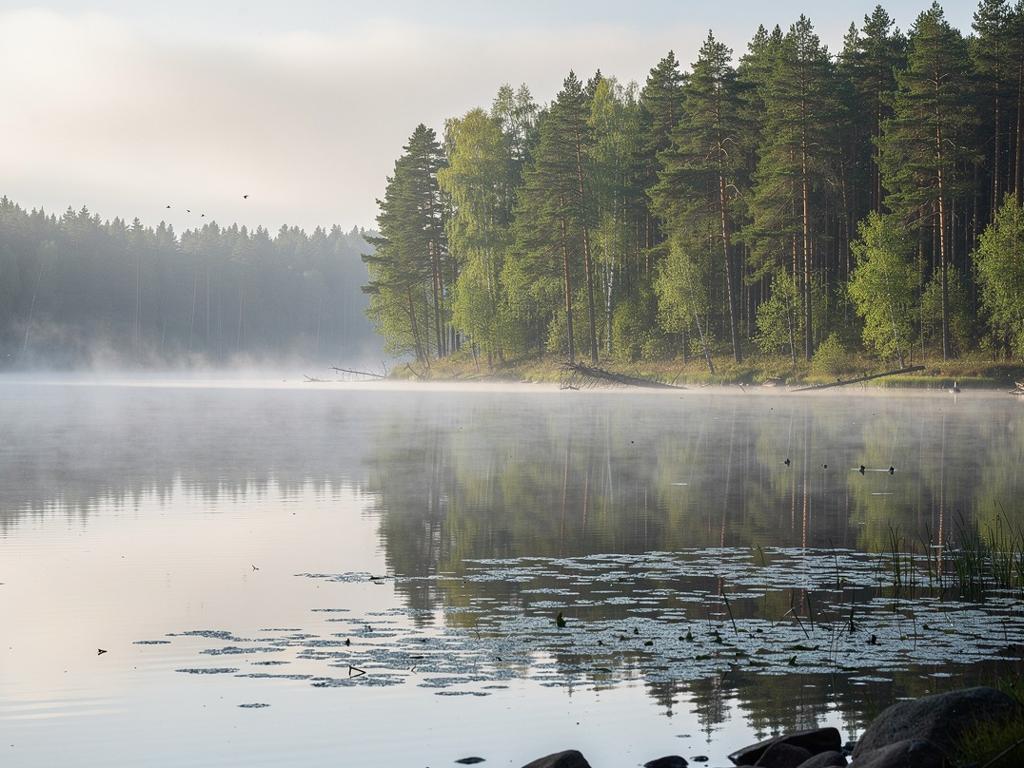
Uganda Buddhist Centre's Push to Build Africa's First Dhamma Retreat
There's a stretch of wetland on the northern shore of Lake Victoria — Lake Nalubaale, as it's known locally, the source of the Nile — that most people passing through Uganda would never notice. Reeds, papyrus, a smear of mist at dawn. Herons picking their way through the shallows. It's the kind of place developers see and think “resort.” The kind of place a military planner sees and thinks “base.” And it's the kind of place a Buddhist monk sees and thinks something else entirely. That monk is Bhante Buddharakkhita, and the wetland in question sits directly next to the Uganda Buddhist Centre, the small but stubbornly persistent community he founded twenty years ago near Entebbe. This year, as the centre marks its second decade, a group of teachers and longtime supporters is trying to raise nearly two million dollars to buy thirteen acres of that wetland — before someone else does. The plan, if the money comes through, is to build what organizers are calling the first retreat centre on the African continent constructed specifically to share the dhamma. Not a repurposed guesthouse. Not a wing tacked onto an existing temple. A purpose-built place where people can sit, walk, eat in silence, and stay long enough for something to shift. That's a big claim, and worth pausing on. Africa has Buddhists — the community in South Africa is decades old, and there are pockets of practice from Senegal to Kenya — but a dedicated retreat centre, the kind of thing Westerners take for granted when they book a week at Spirit Rock or IMS, has not existed on the continent. If UBC pulls this off, they're building a piece of infrastructure the dharma world in Africa has never had. The wetland matters for another reason too. It feeds the schools, the orphanage, and the villages that ring the centre. Fill it in, pave it over, put a resort or a barracks on top of it, and you don't just lose the birds. You lose the food security and water table that a lot of children depend on. So the fundraising pitch is really two pitches at once: preserve an ecosystem, and build a place where people can learn to sit with themselves. If you haven't come across him before, the short version is this. He was born Steven Kaboggoza, into a Ugandan Roman Catholic family, and stumbled into Buddhism in 1990 while studying business in India. Two of his hostel-mates were Thai monks. He got curious. Then he met the Dalai Lama, and by his own account was “hooked.” He was ordained in 2002 in San Jose, California, by Sayadaw U Silananda — making him one of the first African Buddhist monks anywhere. He then spent eight years training under Bhante Gunaratana, the Sri Lankan elder who wrote Mindfulness in Plain English, at the Bhavana Society in West Virginia. In 2005 he went home. Going home was not simple. He's talked openly about the hostility he faced early on — local communities sometimes misread the robes, misread the mission, and on at least one occasion someone shot at him. He calls his approach “Afro-Dhamma,” a phrase he uses to describe what happens when traditional Theravada practice meets African culture, African trauma, and African ways of healing. It's not a marketing slogan. It's what twenty years of teaching in a country still working through its own history has actually looked like. The centre started in 2005 as a small meditation hall. It's grown into something more like a campus. There's a pre-school and primary school called the Buddhist Peace School. There's an African Buddhist High School. There's water infrastructure the surrounding community uses. There's medical outreach. This matters because it complicates the story. UBC isn't a silent retreat compound sealed off from a village. It's woven into the village. The kids in the schools aren't all Buddhists — most aren't. The families using the wells aren't all Buddhists. When supporters talk about protecting the wetland, they're also talking about protecting a small ecosystem of services that a few thousand people rely on. The other thing worth saying: this is a Buddhist project built by an African monk, teaching mostly Africans, in Africa. That's still rare enough to be worth naming out loud. A lot of the dharma that has crossed the ocean in the last fifty years has flowed one direction — Asia to the West, or West to Africa via Western teachers. UBC is a different current. Here's where things stand, as of the current campaign push: Those are real deadlines, not soft targets. If the deposit doesn't land in time, the parcel goes back on the open market, and the most likely buyers are the ones organizers have been trying to head off — resort developers or a military installation. Most people reading this are probably weighing a retreat of their own — maybe an ayahuasca ceremony in the Peruvian Amazon, maybe a psilocybin container in the Netherlands, maybe a ten-day vipassana closer to home. The UBC story isn't directly about any of that. But it's connected, and here's how. The retreat centres we take for granted — the ones with clean lodging, trained facilitators, medical protocols, and enough physical space to actually drop in — didn't appear by accident. Someone bought the land. Someone raised the money. Someone convinced a village council or a zoning board that this weird thing was worth protecting. Every retreat you might book anywhere in the world exists because a small group of stubborn people made it exist, usually against long odds. UBC is that story happening in real time, on a continent that hasn't had its version of it yet. Whether or not you ever end up sitting in Uganda, the fact that the option might exist a few years from now is the kind of quiet expansion of the practice-verse that changes things over decades. The organizers have been careful to frame this as a “stretch gift” at whatever level is meaningful — a hundred dollars or a hundred thousand, both count. Because Bhante Buddharakkhita is a monk and doesn't solicit funds himself, the campaign is run by lay supporters through a GoFundMe page. Donations via donor-advised fund or ACH transfer go through the campaign organizers directly. A quick search for the Uganda Buddhist Centre expansion campaign will get you there. If you're the kind of reader who's already spent time on the cushion — or who's considering a longer contemplative retreat as part of your own path, whether alongside plant medicine work or separate from it — this is one of those rare projects where a small contribution meaningfully changes what's possible for a lot of other people. And if broader retreat exploration is on your mind, a range of contemplative and plant-medicine retreats can be browsed on our marketplace here. The wetland has been there a long time. Whether it stays a wetland — and becomes, alongside it, a place where people learn to sit still — will be decided in the next few weeks.
Vitamin D and Cancer Risk in Women: What a 1.3 Million-Person Study Actually Found
Vitamin D keeps ending up in the news, and for once it isn't about winter blues or bone density. A sprawling new analysis of more than 1.3 million women has flagged a striking association: those with low vitamin D levels were significantly more likely to be diagnosed with gynecologic cancers over the following decade. That's the kind of number that makes you want to schedule a blood test before finishing the article. But before anyone starts stockpiling capsules, it's worth slowing down. Big numbers in observational research are seductive, and they rarely tell the whole story. Here's what the study actually looked at, what it found, and — more usefully — what a thoughtful person should do with the information. Researchers pulled anonymized health records from more than 150 organizations across the globe and built two matched groups of women. On one side: roughly 675,000 women whose blood tests showed vitamin D deficiency, defined as levels below 20 ng/mL. On the other side: an equally large group whose levels sat in the normal range, at 30 ng/mL or higher. The groups were matched for age, existing health conditions, and medications, which is a reasonable attempt to compare apples with apples. The team also did something smart. They excluded any cancer diagnosed within two years of the vitamin D measurement. Why? Because early-stage cancers can quietly mess with nutrient levels before anyone knows they're there. Counting those cases would blur cause and effect even further than it's already blurred in this kind of study. Follow-up ran up to ten years. That's a solid window — long enough to catch patterns that a shorter study would miss. Women with low vitamin D were 47% more likely to develop a gynecologic cancer than women in the normal range. That sounds enormous. In absolute terms, though, it's the difference between 0.28% and 0.45% of women — small percentages, larger relative gap. Both framings are true. Both matter. Breaking it down by cancer type: The pattern held across age brackets, from women in their thirties through post-menopausal women, though the cervical cancer link was strongest in the older cohort. That age-specific twist is interesting on its own, and probably deserves its own study. Here's the part that gets glossed over in most coverage. This was an observational study. It can show that two things travel together. It cannot show that one is causing the other. And there are several honest reasons to be cautious. The researchers didn't have data on some of the biggest known risk factors for these cancers — HPV status, body weight, diet, sun exposure, physical activity levels. Women with a family history of gynecologic cancer were excluded entirely. Any of the missing variables could be doing some of the work the study is attributing to vitamin D. Someone who's chronically sedentary, indoors most of the time, and eating poorly is likely to have both low vitamin D and higher cancer risk — without the vitamin D itself being the driver. There's another telling detail. When the researchers looked at women with only mildly low vitamin D, the elevated risk barely budged — 41% instead of 47%. If vitamin D itself were the smoking gun, you'd expect a steeper dose-response: the lower the level, the higher the risk, with a clear gradient. The near-flat curve suggests something else is going on, possibly whatever underlying lifestyle or health pattern produces low vitamin D in the first place. None of this means the finding is nothing. Vitamin D's active form does influence immune function and cell cycle regulation, and there's a plausible biological reason it might matter. It just means the honest scientific answer right now is: we've spotted a signal, we don't yet know what it means. If you've never had your vitamin D measured, it's a reasonable thing to ask your doctor about — not because of this one study, but because low levels are genuinely common and worth correcting for reasons that have nothing to do with cancer. Bone health, muscle function, mood, and immune resilience all lean on adequate vitamin D. Whatever the cancer picture turns out to be, walking around chronically deficient is a bad baseline. Testing is straightforward. A single blood draw gets you a number. From there, your doctor can tell you whether supplementation, more sun exposure, or dietary changes make sense in your specific case. There's no universal dose — someone in Norway in November has a different situation than someone in Arizona in July. What this study does not support is taking vitamin D specifically as a cancer-prevention strategy. That's a leap the data can't carry. The interventions with solid evidence behind them haven't changed: None of that is glamorous. It's the same advice you've heard before, which is precisely why it works. Boring prevention beats exciting speculation. Readers of this site often come at health from a wider angle — noticing how stress, unresolved trauma, and the state of the nervous system show up in the body. Vitamin D isn't a spiritual issue, but the reasons people end up deficient often are downstream of the same things that push people toward retreats and deep inner work. Long stretches indoors, disrupted sleep, chronic stress, poor appetite, isolation — these tend to travel together. Anyone who's done meaningful integration work after a ceremony knows the drill: the retreat is the catalyst, but the daily practices — sunlight, movement, real food, real rest, real connection — are what actually keep the body and mind in working order. A blood panel is a decent way to check whether your basics are on track. If you're planning any kind of intensive plant-medicine work, most experienced facilitators will tell you to arrive in reasonable physical shape, which quietly includes not being severely nutrient-depleted. A very large study has added vitamin D deficiency to the growing list of factors that show up alongside gynecologic cancer without clearly explaining it. That's genuinely worth knowing. It's also not a reason to panic-buy supplements or to treat a vitamin as a cancer shield. Ask for the test. Correct a low level if you have one. Keep doing the things with real prevention track records — screening, vaccination, metabolic care. And if the broader interest in whole-person wellness has you curious about deeper healing modalities, a range of holistic and plant-medicine retreats can be browsed on our marketplace here.
Craving More Stories?
Join our ShopAyahuascaRetreats newsletter for the latest updates on thrilling
destinations and inspirational tales, delivered straight to your inbox!
We value your privacy. Your email address will never be shared or published.

When Sadness Colors Everything: Naming What's Actually Underneath
There's a particular kind of afternoon that shows up in almost everyone's life eventually. The heat feels personal. The walk to get lunch feels like a march. A coworker says hello and something inside you flinches, and the flinch is so out of scale with the moment that even you notice it. Then something else small goes sideways — a delayed message, a missing charger, whatever — and it lands like a verdict. Not an inconvenience. A verdict. If you've been there, you already know the trap. In the moment, you don't think, I'm sad and it's leaking into everything. You think, everything today is genuinely terrible, and here is my evidence. And you go find more evidence, because you always can. Big feelings are sneaky. Grief especially. It almost never walks in the front door and says, hi, I'm grief, I'll be with you for a while. Instead it borrows the voice of whatever's nearby. The traffic. The heat. The colleague who wanted to chat. It speaks through those things because speaking directly would mean being seen, and unnamed feelings are experts at staying hidden. I've watched this happen in myself and in nearly every person I've sat with in ceremony or during integration work. Someone will describe a week that sounds, on paper, mildly annoying — a canceled plan, a difficult email, a small setback at work — and the emotional temperature they're bringing to it is enormous. Not because they're being dramatic. Because the annoying week is standing in for something older and quieter that hasn't been named yet. A move to a new city. A quiet disappointment at work no one else noticed. A relationship ending that everyone, including you, agreed was for the best. These things carry weight even when the decision was right. Especially then, actually, because when a choice was right you feel you shouldn't be grieving it, and so you don't. Here's a distinction that changed how I think about all of this: there's a difference between feeling an emotion and living inside one. One is a visit. The other is a residence. When sadness is just visiting, it comes and goes. You notice it. You feel it in your chest for a while. It shifts. When sadness has moved in, though, it starts narrating your life. The heat isn't weather anymore — it's proof the day is against you. The unread text isn't a person being busy — it's rejection. A small disappointment stops being a single event and becomes the latest chapter in a much bleaker story about how nothing works out for you. The really tricky part is that none of this feels like a story while it's happening. It feels like an accurate report. That's the whole problem. You don't get a little pop-up warning that says, heads up, your perception is being filtered through unprocessed grief right now. You just experience the filter as reality. A lot of people arrive at plant medicine — ayahuasca, psilocybin, San Pedro, ibogaine — because some version of this has been happening for a long time. Not a bad afternoon. A bad year. Or five. The sadness stopped visiting a while ago and started paying rent, and everything has that grey filter on it now, and the person has finally reached the point of saying, enough, I need to look at whatever is actually going on underneath. That instinct is a good one. It's often the beginning of real work. But I want to say something honest here that not enough people say: the medicine doesn't do the noticing for you. It can crack open the door. It can turn the volume up on what's already there so you can finally hear it clearly. What it can't do is the ongoing, slightly boring practice of catching yourself in real life, on an ordinary Tuesday, and asking a better question. The people I've watched get the most out of a retreat are usually the ones who were already starting to notice — even a little — that some of their irritation, their exhaustion, their reactivity, wasn't really about the thing in front of them. They came in with a question. The medicine gave them an answer. Then they went home and kept practicing the noticing. Here is the question I've come back to, and that I've shared with people preparing for ceremony and processing what came up afterward: That's it. It's not fancy. But it does something important — it creates a small gap between the trigger and the reaction. Viktor Frankl called that gap the space where our freedom lives, and he was right. Most of the time when I ask it, the honest answer is one of a small handful: Naming the real thing takes away its disguise. And feelings without disguises are dramatically easier to sit with. They stop needing to leak sideways through your afternoon because they've been acknowledged in the front seat. I want to be careful here because there's a whole cottage industry telling people to feel their feelings, and it can start to sound like homework. So let me be more specific about what has actually worked, both for me and for the people I write about. First — and this sounds too simple to matter, but it does — separate two sentences that sound similar but aren't. This moment is difficult is one sentence. My whole life is difficult is a completely different sentence. The first is almost always true and almost always temporary. The second is rarely true and almost never provable, but sadness will hand it to you as if it were a fact, and in a low moment you'll accept it without asking for the receipt. Second, stop performing okayness. Telling yourself you're fine when you aren't just adds a second layer of tiredness on top of the first. You end up managing the feeling and also managing the pretense that you don't have the feeling. Exhausting. Third — and this is where practices like breathwork, sitting meditation, journaling, or working with a therapist or integration coach actually earn their keep — build a regular time to check in with what's going on underneath. Not so you can fix it. Just so it doesn't have to shout through your coffee order to get your attention. Sometimes what's coloring everything isn't a recent move or a small disappointment. Sometimes it's older — a trauma that never got processed, a depression that's been sitting on the couch for years, an addiction that started as a way to not feel what was already there. If you've read this far and something in you is nodding hard, I'd gently suggest that a self-help question probably isn't enough, and that's not a failure on your part. Some things need company. A therapist, a group, a physician, an integration circle. Sometimes a well-run retreat as part of a larger plan, not as a magic bullet. If you're weighing plant medicine as part of that larger plan, take your time. Ask the retreat about screening. Ask about aftercare. Ask what happens if you have a hard night. A good facilitator will welcome those questions; anyone who dodges them is telling you something important. For readers who want to take this further, a range of vetted ayahuasca and plant-medicine retreats can be browsed on our marketplace here. Some days I still get it wrong. I snap at something small and only figure out twenty minutes later that the small thing was never really the problem. But I catch it faster than I used to, and catching it faster has made an enormous difference — not because the sadness vanishes, but because it stops being allowed to write the whole story of the day. If you're in a season where everything feels heavier and sharper than it should, try the question. You don't have to fix anything right away. You don't even have to feel better today. You just have to notice who's actually driving. Because a new day deserves to be met with fresh eyes, not filtered through yesterday's tears.
How to Suffer Less While You Wait: A Buddhist Take on Uncertainty
Some mornings I wake up before the sky does. I lie there, still as a held breath, listening for evidence that the house is still functioning. A cough from down the hall. A cabinet closing. The kettle. Small proofs that nothing catastrophic happened while I slept. Only after I hear those sounds do I reach for my phone. I tell myself I'm checking messages — work things, the usual — but that's not really what I'm doing. What I'm actually doing is scanning for relief. A reply. An offer. A sign that the future is still opening up in front of me, not quietly closing. Almost always, there's nothing. A newsletter I forgot I signed up for. A pharmacy reminder. A 20%-off coupon for something I don't need. Silence in the shape of activity. I have never been good at waiting. And I don't mean waiting in traffic, or waiting for a table, or standing at the DMV with a number in my hand. Those I can handle. I mean the other kind — the waiting where the outcome doesn't belong to you. Waiting for lab results. Waiting to see whether an aging parent stabilizes or slips further. Waiting to hear whether the person you sent your heart to will send anything back. Waiting to find out if the work you've spent years on still matters to anyone. And underneath all of that, the waiting nobody wants to name out loud: waiting for loss. For the phone call that changes the day. For the diagnosis. For the goodbye you already sense is coming. From the outside, waiting looks like nothing is happening. Inside, it can eat an entire week. The mind is uncomfortable with blank space, so it fills the silence with stories. Maybe they've moved on. Maybe I waited too long. Maybe I'm becoming invisible. Maybe my best chapters are already behind me. At some point the waiting stops being about time and starts being about worth. There's a Pali word — dukkha — that gets translated as suffering, but that's not quite right. It's closer to unsatisfactoriness. The friction of trying to pin down a life that refuses to sit still. And under dukkha sits tanha: craving. The specific ache for certainty, resolution, permanence — for the answer to finally arrive so you can exhale. Craving isn't abstract. It's a body thing. It's the tightness across the sternum. It's the thumb that keeps swiping down to refresh an inbox that was already refreshed forty seconds ago. It's the inability to just sit inside an unfinished moment without trying to reach past it. The old teachings describe five hindrances that fog the mind, and in a bad waiting-week I meet every single one: None of it changes what's real. All of it pulls me a little further away from the day that's actually happening. One afternoon, after another loop of checking messages and imagining every possible bad ending, I finally set the phone face-down on the table. Not out of some enlightened intention. Out of exhaustion. I just sat there. Not peacefully. Just still. The first thing I noticed was the tinnitus — that thin, continuous ring in my ears I've spent years trying to ignore. But I've read about Nada Yoga lately, the yogic practice of listening to inner sound, and I've started relating to that ring a little differently. Not as noise. As a kind of current. A reminder that silence is never actually empty. So I sat and listened. The ringing. My own breath. A bird somewhere outside. The soft sounds of my mother — she's ninety-seven — moving around a few rooms away. Nothing resolved. The uncertainties were all still there. The inbox was still quiet. The body was still vulnerable. The losses were still, eventually, coming. But something in my chest loosened anyway. And I understood, maybe for the first time, that most of my suffering wasn't coming from the waiting itself. It was coming from my refusal to let the moment stay unfinished. I used to think the Eightfold Path was about transcending ordinary life — rising above it, somehow. I don't think that anymore. I think it's about learning to actually be inside ordinary life without constantly trying to sprint out of it. Right mindfulness, in a real week, means noticing the fear without becoming the fear. Right effort means gently pulling the mind back — again and again and again — when it races toward the worst version of tomorrow. Right view means understanding that impermanence isn't a glitch in the system. It is the system. The whole point. None of that makes waiting fun. But it changes what waiting is. Here's what I try to do now, on the hard mornings: I still struggle with all of this. Some mornings I wake up already grieving something that hasn't happened. Some afternoons I refresh the inbox more times than I want to admit. Sometimes silence still feels like a personal comment. But there are also more moments now where I stop fighting the fact that life is unfinished by design. Moments where I just listen. The ring in my ears. The breath. The floorboards creaking under my mother's slow footsteps in the next room — proof that today, at least, she's still here. Waiting has slowly become something else. Not punishment. Not paralysis. Practice. A practice of staying put while the mind begs to teleport into certainty. A practice of noticing that my worth doesn't actually hinge on whether someone replies, or whether the opportunity comes through, or whether the future cooperates on my preferred timeline. A practice of showing up for the fragile life already in progress. Happiness still comes and goes. That hasn't changed. But calmness has started asking less of me. It doesn't need answers. It doesn't need guarantees. It doesn't even need the waiting to end. It just needs attention. Presence. A willingness to remain inside this moment before lunging for the next one. If you're reading this while waiting for something yourself — a test result, a phone call, an answer about a life you're trying to build — I don't have anything clever to offer you. Nobody does. What I can say is that the reaching itself, the constant grasping toward resolution, is usually where the suffering sharpens. Not in the not-knowing, but in the refusal to let not-knowing be okay for a few minutes at a time. For readers drawn to explore this kind of practice more deeply — through contemplative retreats, meditation-based traditions, or the plant-medicine ceremonies that so often surface the same questions about impermanence and control — a curated range of relevant retreats can be browsed on our marketplace here. Not as a solution. Just as one honest door among several. These days, when I notice myself reaching again — for reassurance, for closure, for some proof that everything will be fine — I try to stop for a beat. I listen. The ring. The breath. The small sounds of a life still going on around me. And for a moment, the silence doesn't feel empty. It feels alive.

What Happens When a Happy Person Drinks Ayahuasca?
Most of what gets written about ayahuasca assumes you're showing up wounded. Depression, addiction, a marriage that fell apart, trauma buried so deep you had to fly to Peru to find it. That's a real story — probably the dominant one — but it's not the only one. A quieter question keeps surfacing in retreat circles: what actually happens when someone who's already content, already stable, already reasonably happy sits down with the brew? I've spent enough time around ceremonies, and interviewed enough facilitators, to say the honest answer isn't what most people expect. Happy people don't get a gold star and a shorter night. They don't get skipped over by the medicine. And they don't necessarily have the easy, blissful experience they were quietly hoping for. What they get is something else — often stranger, sometimes more useful, occasionally more confronting than what the wounded pilgrims sitting next to them go through. There's a persistent idea in the psychedelic space that plant medicine is emergency surgery. You show up bleeding, the shaman patches you up, you fly home changed. It's a compelling narrative and it's true often enough to keep getting repeated. But it's also incomplete, and it puts off a lot of curious, well-adjusted people who assume they'd be wasting a ceremony spot they don't deserve. Ask any experienced facilitator and they'll tell you the room is more mixed than the internet suggests. Yes, there are people processing grief and addiction and PTSD. There are also entrepreneurs who like their lives but feel a soft ceiling they can't name. Artists who want to see further. Parents who feel grateful but slightly numb. Meditators who've hit a plateau. Grandmothers who read a book and got curious. The medicine doesn't check your intake form before it decides what to show you. Master plants — ayahuasca chief among them — have been used ceremonially for far longer than the modern trauma-recovery frame has existed. In the Amazon, curanderos drink the brew as part of their ongoing training, not because they're broken. It's a tool for perception, for relationship, for maintenance. The idea that you need to be suffering to earn a seat is a very Western import. Here's the honest range, drawn from participants who genuinely reported arriving in a good place. Their experiences tend to fall into a few loose patterns — none guaranteed, all common enough to mention. None of these are the “bad trip for a good person” that people sometimes fear. They're just what happens when a medicine that shows you what's true meets someone whose truth happens to be mostly okay. Ayahuasca isn't a happiness detector. It doesn't scan you for suffering and then dose the experience accordingly. What it does — as best as anyone who works with it can articulate — is turn the volume up on whatever's already there, and route your attention toward whatever you've been steering around. For someone in crisis, that often means unearthing the crisis. For someone at peace, it can mean showing them the edges of that peace: where it's real, where it's constructed, and what's underneath it if you keep looking. Both are useful. Neither is easy. The old ceremony joke — that ayahuasca gives you what you need, not what you want — applies just as much to the content person as to the desperate one. There's also a subtle thing worth mentioning. People who arrive happy sometimes have the hardest time surrendering, because they don't feel the same urgency. A person walking into ceremony to save their life will accept almost anything. A person walking in curious and cheerful can find themselves quietly negotiating with the medicine, trying to steer, trying to stay comfortable. The plants tend not to reward this. Surrender turns out to be easier when you're desperate. Fair question, and the honest answer depends on why you're asking. If your life is genuinely good and you're mostly curious, sitting in ceremony is a legitimate choice — but curiosity alone is a thinner intention than most facilitators would recommend. Ceremonies are demanding. The nights are long. The purge is real. Going in without a real question tends to produce experiences that feel meaningful in the moment and evaporate a month later. The happy people who seem to get the most out of plant medicine usually come in with something more specific than “I'm curious.” A few examples I've heard hold up over time: These are intentions that tend to be met, in one form or another. “I want to have a cool experience” usually isn't, or at least not in a way that sticks. The integration piece — what happens in the weeks and months after — is where the difference between the wounded pilgrim and the contented pilgrim shows up most clearly. People in recovery tend to have obvious markers: cravings shift, sleep changes, a compulsion softens. People who arrive well often report subtler, harder-to-describe changes. Common ones: a lower tolerance for their own bullshit, especially in relationships. More willingness to have conversations they'd been postponing. A small but real shift in what they spend time on. Sometimes a career adjustment that isn't dramatic but is decisive. A softer relationship with achievement. More patience with people they love and less with people they were pretending to like. None of this looks miraculous from the outside. From the inside, it often feels like being handed a slightly cleaner set of glasses. There's also a specific thing that seems to happen to people who were doing well before ceremony: they become better at noticing when they're drifting. The plants don't fix anything permanently — that's not how any of this works — but they seem to give people a reference point. A sense of what “true” feels like, so they can tell when they've wandered off from it. If you're reading this because you're one of the contented curious — you're doing fine, life is decent, you're not running from anything, and something in you is still pulling toward the vine — a few honest points. Take the physical side seriously. Happy people sometimes assume that because they're not in crisis, they don't need to prepare as carefully. The dieta, the medication screening (especially SSRIs and MAOIs), the sleep, the logistics of getting to and from a jungle center — all of it matters just as much for you. The medicine doesn't grade on a curve. Pick a retreat where the facilitators actually screen participants and don't just process credit cards. Ask what happens on a hard night. Ask how many facilitators are in the maloca. Ask about integration support after you leave — that's where a lot of the real work happens, and it's the part cheaper retreats tend to skip. If you'd like a starting point for what a well-run program looks like, a curated selection of ayahuasca retreats can be browsed on our marketplace here. And go in with a real question, even if the question is just “show me what I'm not seeing.” The medicine tends to meet you where your attention actually is. Happy or not, that's the part you bring.
Three Ayahuasca Ceremonies In and Nothing Happened — What Now?
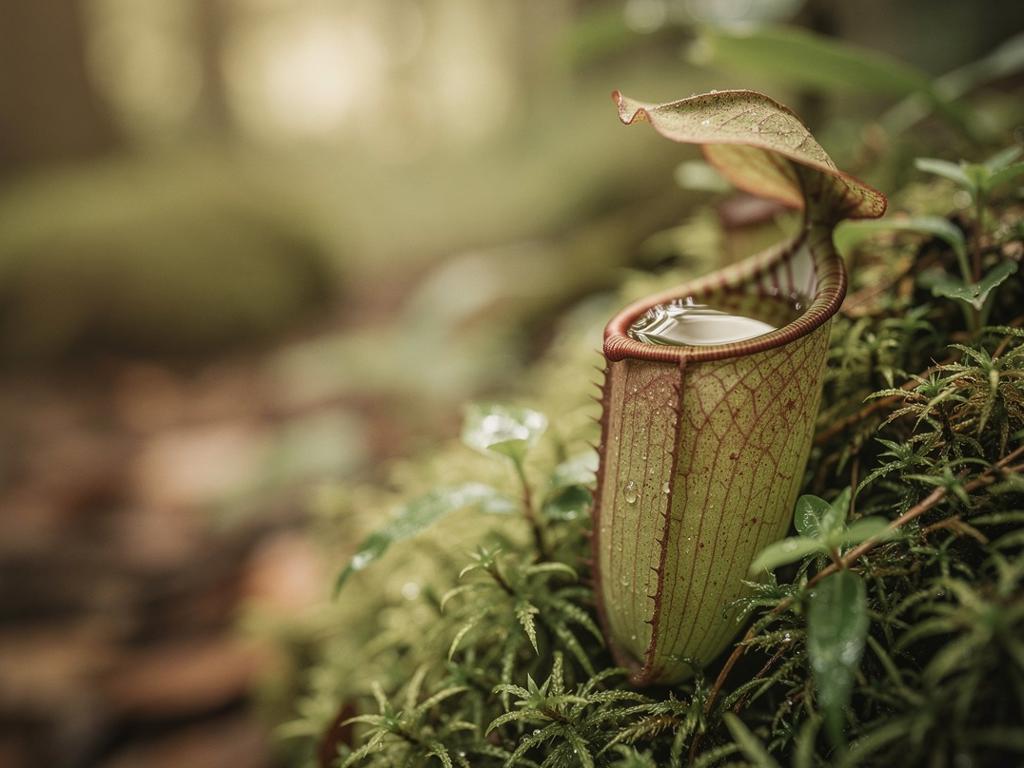
You sat through three ceremonies. You drank the cup each time. You did the dieta, you set the intention, you cried a little at the icaros because the melody was beautiful — but the actual thing everyone talks about? The visions, the ego death, the sobbing catharsis, the ancestors showing up in the corner of the maloca? Nothing. Or close enough to nothing that you're now sitting at your kitchen table wondering if you wasted your money, your vacation days, and a small chunk of your dignity. This happens more than the ayahuasca community likes to admit. Read enough retreat testimonials and you'd think the brew is a slot machine that always pays out. It isn't. And if you're someone who's been quietly hoping a plant medicine ceremony could help crack open a stuck pattern — addiction, depression, a grief you can't name — the silence after three ceremonies can feel like a very specific kind of rejection. It's not rejection. It's information. Let's talk about what it might actually mean, and what to do next. First, the mechanical stuff. The active compound in the brew — DMT — needs an MAO inhibitor (the vine itself) to become orally active. Different retreat centers cook their medicine differently. Some brews are thin. Some are thick. Some batches genuinely under-perform because the vine was young, the chacruna leaves were sparse, or the reduction wasn't long enough. It happens, and no reputable curandero pretends otherwise. Then there's you. Body weight, gut bacteria, current medications, what you ate three days ago, how much sleep you got, whether you're on an SSRI or coming off one — all of it changes how the medicine lands. Antidepressants especially can blunt or completely block the experience, and if you tapered too recently, receptor sensitivity can still be off. This is one of the reasons any facilitator worth their salt asks about your prescription history before serving you. And there's the psychological layer, which is trickier. Some people arrive so wound up, so braced for a spiritual mugging, that their nervous system just… clamps shut. The medicine can't work on a system that's white-knuckling the mat. Others arrive expecting fireworks and don't recognize the quieter shifts — the slight softening, the odd dream two nights later, the argument they didn't have with their partner the following week. Here's a thing the retreat brochures underplay: the fireworks version of an ayahuasca ceremony is one style of experience among many, and it's not necessarily the most therapeutic one. Plenty of people who report zero visuals and no dramatic purge come home and find, over the following weeks, that they've stopped drinking. Or started returning their mother's calls. Or lost interest in the person they were sleeping with who made them feel like garbage. Master plants — ayahuasca, San Pedro, iboga, tobacco in the traditional sense — often work in a longer arc than a single night. The Shipibo talk about the plants as teachers who visit you in dreams, in ordinary waking moments, in the way a song suddenly makes sense. If you're only measuring the ceremony itself, you're watching the wrong window. That said, if you truly got nothing — no shift in mood, no strange dream, no new thought pattern, no somatic sensation during the ceremony — then something is worth looking at. Which brings us to the practical question. Three ceremonies at a single retreat is a reasonable sample size, but it's not conclusive. Before you either double down or walk away, work through these honestly: If you work through that list and still feel drawn to plant medicine, a different lineage or a different medicine is often more useful than another round at the same place. San Pedro (huachuma) tends to be gentler, more heart-opening, and works well for people who found ayahuasca closed off to them. Psilocybin retreats — legal in the Netherlands, Jamaica, and increasingly elsewhere — offer a different quality of introspection that some people find more accessible. Iboga is a much bigger commitment and shouldn't be a second-attempt whim. Some traditions say the plants test you. That the first ceremonies are the medicine getting to know you before it does any real work. There's a poetic truth to this — long-term drinkers in the Santo Daime and UDV lineages describe experiences that only unfold after years of regular participation. If you're on a genuine path with a genuine community, patience is the correct posture. But — and this is the part the poetic version leaves out — patience is also what unscrupulous centers rely on when they want you to keep booking. If someone is telling you to come back for a fourth, fifth, sixth ceremony while charging premium prices and never checking in about your medications, your history, your integration, or your life outside the retreat, that's not a lineage. That's a business model. The honest middle path: give the medicine a fair shot with proper preparation, at a well-run center, with a facilitator who treats you as a whole person. If after that you still get nothing, believe the information. Not every tool fits every hand. Ayahuasca is one path among several, and it isn't a moral failing to discover it isn't yours. Whether you plan to sit again or not, the weeks after a ceremony that felt like a nothing-burger are the most underrated part of the process. Integration is where the ceremony finishes itself. A few things that reliably help: None of this requires more medicine. Some of the deepest work happens in the aftermath of a ceremony that felt uneventful, precisely because you weren't overwhelmed and had bandwidth to notice small things. If you came to ayahuasca hoping it would lift depression or crack an addiction, and it appeared to do nothing, please don't file that as “plant medicine doesn't work for me” and close the book. The literature on psychedelic-assisted recovery — particularly ibogaine for opioid dependence and psilocybin for treatment-resistant depression — is real and growing, but the mechanism isn't magic. It's a neurological window during which change becomes more possible. What you do inside that window matters more than the size of the fireworks. A quiet ceremony can still open the window. Sometimes for a week. Sometimes for months. If you use that time — therapy, community, honest conversations, the boring unglamorous work of showing up differently — the ceremony that seemed like a dud can turn out to have done its job. If you want to explore what's out there with clearer eyes — different lineages, different medicines, different formats — a range of ayahuasca and plant-medicine retreats can be browsed on our marketplace here. Choose slowly. Ask hard questions. And whatever you decide, trust that three quiet ceremonies is a beginning, not a verdict.
Choosing an Ibogaine Clinic: What to Actually Look For Before You Go
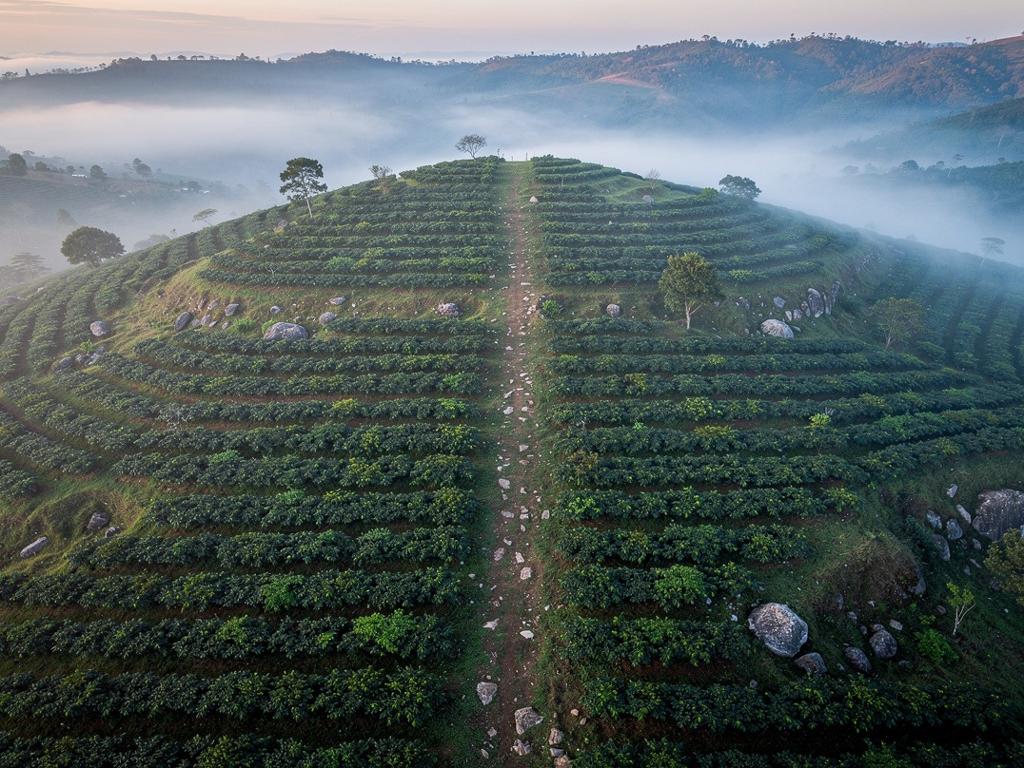
Somebody asks me about ibogaine roughly once a month. Usually it's a friend of a friend — someone in their thirties or forties who has tried everything for an opioid problem, or a stimulant problem, or a drinking pattern that won't quit, and they've read enough late-night forum posts to know that ibogaine exists. Then they hit the same wall everyone hits: where do I actually go, and how do I know the place won't kill me? It's a fair question. Ibogaine is one of the most promising tools we have for interrupting addiction — and also one of the riskiest psychedelics to take unsupervised. The difference between a good clinic and a sketchy one isn't cosmetic. It's the difference between walking out ten days later feeling like a reset human being and never walking out at all. So let's talk about how to actually choose. Most of the plant-medicine conversation these days revolves around ayahuasca, psilocybin, and San Pedro. Those are powerful teachers, but ibogaine plays a different role. It comes from the root bark of the iboga tree, native to West and Central Africa, where it's been used in Bwiti ceremony for generations. What makes it interesting to Western researchers — and to the addiction-recovery world specifically — is its effect on opioid withdrawal. People describe it as pressing a reset button. Cravings that felt inescapable for years get quiet. The physical withdrawal collapses from a week of hell into something manageable. Here's the catch. Ibogaine affects the heart. Specifically, it can prolong the QT interval, which in plain English means it can trigger dangerous arrhythmias in vulnerable people. This is not a fringe concern. Deaths at underground ibogaine sessions almost always trace back to pre-existing cardiac issues, drug interactions, or the total absence of medical monitoring. A serious clinic knows this. A serious clinic screens for it. If a place is treating ibogaine like it's essentially the same as a mushroom retreat, walk away. That's the frame for everything below. Ibogaine sits in a strange middle zone — sacred medicine on one side, cardiac drug on the other. The clinics worth your money and trust take both halves seriously. Ibogaine is legal or unregulated in a handful of countries — Mexico, Costa Rica, Portugal, New Zealand (medically supervised), South Africa, Brazil, and a few others depending on how you interpret the law. It is a Schedule I substance in the United States, which is why the clinic scene has largely grown up in Mexico and Central America. That legal gray zone means anyone can hang out a shingle and call themselves an ibogaine provider. Your job is to figure out who's actually qualified. Here's what I look for when someone asks me to vet a clinic: You'll notice I didn't lead with the pretty jungle photos or the testimonial videos. Those are cheap to produce. Medical infrastructure isn't. Over the years I've heard enough clinic stories — the good, the mediocre, the outright horrifying — to develop a nose for trouble. Some patterns show up over and over. The first is the miracle-cure pitch. If a clinic's website talks about ibogaine like it's a guaranteed one-and-done fix for addiction, they're overselling. The people I know who've had lasting results from ibogaine treated the experience as a doorway, not a destination. The medicine gave them a window of clarity and reduced cravings; they used that window to rebuild a life. Anyone promising more than that is either naive or dishonest. The second is the mystical-only framing. Some places lean so hard into shamanic aesthetics that the medical piece disappears. Chanting and candles are fine. They're actually helpful for the psychological work. But if there's no doctor, no EKG, no crash cart in the building, the aesthetics are a costume, not a container. The third is pressure. A clinic that pushes you to book quickly, wire a deposit fast, or skip the medical intake is a clinic that has learned people in acute addiction will pay almost anything for hope. Reputable places move slowly on purpose. They want you sober-ish, tapered, screened, and honest before you arrive. Say you've done the vetting and you've committed to a clinic. What now? A few things worth knowing. Tapering matters more than most people realize. If you're on long-acting opioids, most reputable clinics will require you to switch to short-acting morphine or oxycodone for a week or two before the dose. Ibogaine doesn't play well with methadone or buprenorphine still lingering in your system. This is not optional advice — it's the difference between a smooth flood dose and a medical emergency. Eat clean and get your body as stable as you can beforehand. Cut caffeine down. Sleep as much as circumstance allows. Tell the clinic every single medication and supplement you're taking, including SSRIs, blood pressure medication, and anything herbal. St. John's Wort, kratom, and some antidepressants can interact badly. Emotionally? Write down why you're going. Not to share with anyone — for yourself. The experience itself can be long and strange (many people describe a waking-dream state that lasts most of a day), and having your reasons on paper gives you something to anchor to when the trip gets abstract. The first week after ibogaine is often called the gray zone. Cravings are gone or dramatically reduced. Energy is low. Sleep is weird. Emotions run close to the surface. This is a fragile window, and it's also a gift — you get to make decisions about your life from a place where the addiction isn't shouting. The mistake I see people make: they treat that window like the finish line. It isn't. It's the starting line. The people who translate an ibogaine experience into lasting recovery are the ones who build scaffolding around themselves in the weeks that follow — therapy, community, movement, sometimes a follow-up psychedelic experience like a small dose of iboga or an integrative retreat, sometimes just a boring stretch of daily meetings and long walks. Boring is underrated. If you're on the fence about any of this, take your time. Ibogaine isn't going anywhere, and the difference between a well-prepared treatment and a rushed one is enormous. For readers who want to explore what a vetted plant-medicine option might look like, curated ibogaine and addiction-recovery retreats can be browsed on our marketplace here. Whatever you choose, choose it with your eyes open — this medicine deserves that much respect, and so do you.
Dreaming of a Psychedelic Retreat?
We have the best deals and offers from thousands of organizers all over the world! Get them into your mailbox every week!
We value your privacy. Your email address will never be shared or published.
