 English
 Deutsch
 Français
 Nederlands
 Español



Reset. Heal. Grow.
The FDA's New Psychedelic Drug Framework: What It Means for Patients
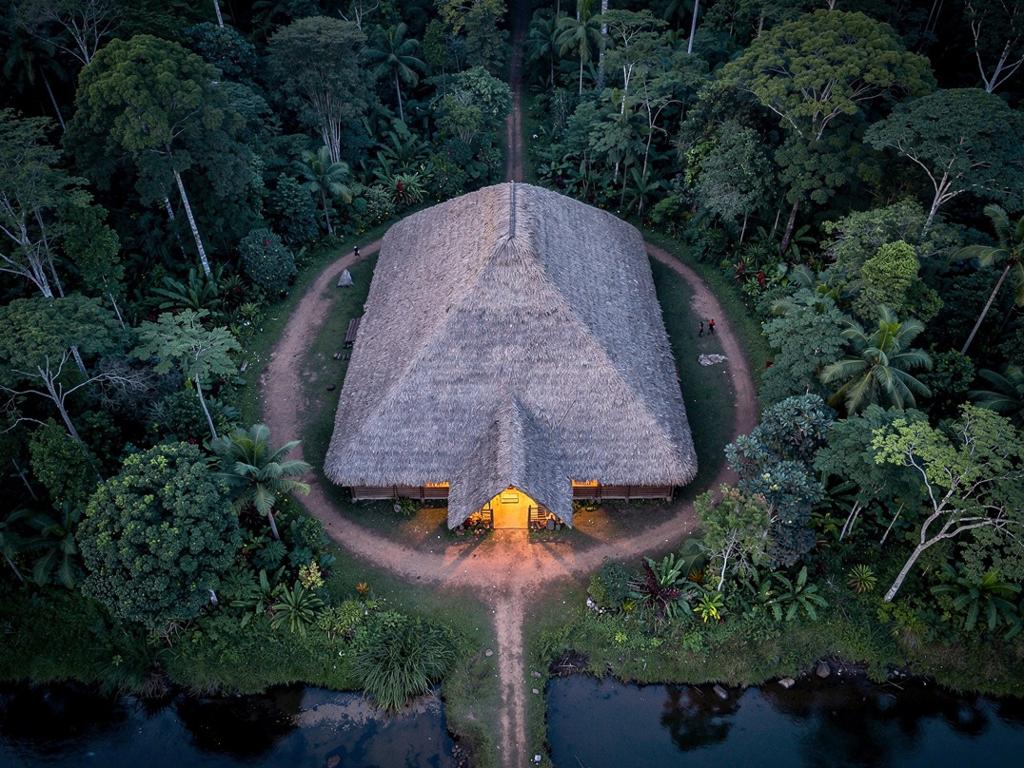
Something quietly significant happened in the psychedelic world this month. Four senior staffers at the U.S. Food and Drug Administration published a commentary in the New England Journal of Medicine laying out — for the first time in a mainstream medical venue — the agency's evolving framework for regulating psychedelic drugs. If that sounds dry, stay with me. Because for anyone considering ayahuasca, psilocybin, or MDMA as a route toward addiction recovery or trauma healing, this piece of regulatory writing is one of the clearest signals yet about where the legal, above-ground path is heading. The commentary isn't a new rulebook. It's more of a philosophical statement dressed up in regulator-speak — an acknowledgment that psychedelics don't fit neatly into the boxes the FDA built for statins and antidepressants, and that the agency is trying, in real time, to design boxes that actually fit. Here's what the piece says, what it leaves out, and what it means for the person quietly weighing whether to book a retreat or wait for a clinic. The commentary opens where most honest conversations about psychedelic medicine start: with the mental health crisis in America. Depression rates are stubborn. PTSD in veterans and trauma survivors keeps outrunning the tools clinicians have. SSRIs help some people and fail plenty of others. The agency describes itself as “committed to meeting this moment with the urgency it deserves” — bureaucratic phrasing, sure, but the underlying admission matters. Regulators are conceding that the existing toolkit isn't enough. Psychedelic compounds are named as one plausible avenue forward. Not the only one, not a miracle, but a serious candidate worth investing regulatory attention in. That framing alone is a shift from the tone of even a decade ago, when the word psychedelic in an FDA document was almost always paired with the word abuse. The authors walk briefly through the arc — the mid-century research boom, the Schedule I freeze that followed, the modern revival kicked off by trials at Johns Hopkins, NYU, MAPS, and others. They also list the concrete steps the agency has taken to move things along, including Breakthrough Therapy designations for a growing roster of candidates. The most recent went to an LSD-based candidate for major depressive disorder, joining earlier designations for psilocybin and MDMA programs. You'll see the phrase Breakthrough Therapy thrown around in nearly every psychedelic press release. It's worth understanding what it actually gets you. In practical terms, the designation gives a drug developer more frequent meetings with the FDA, the option of rolling review (submitting parts of the application as they're ready instead of waiting to send one big package), and access to priority review at the end. It speeds things up. It does not guarantee approval. Compass Pathways' psilocybin program is currently in rolling review, expected to wrap next quarter. The Usona Institute is reportedly under a similar procedure. Several MDMA programs continue to work through the resubmission process after the well-publicized setbacks of the past couple of years. What this means for you, as someone reading about retreats: the first legally prescribed psilocybin session in an American clinic is probably closer than most people realize. Probably. Regulatory timelines have a habit of slipping. Back in 2023, the FDA released a draft guidance for industry on psychedelic clinical trials. It was the first document of its kind from a major regulator anywhere in the world. Then the agency did something unusual: it opened the floor for public comment and got around two hundred responses. Sponsors, academics, patient advocates, therapists, ethicists, and community organizations all weighed in. Three years later, the framework has been refined. Some of the tensions the guidance tries to address are ones anyone who has sat in a ceremony would recognize: The FDA's answer, roughly, is that psychedelic drug development requires a hybrid framework — treating the pharmacology by the standard rulebook while acknowledging that the therapy wrapped around the dose is itself part of the intervention. That's a big conceptual concession. It's also going to make the eventual REMS (Risk Evaluation and Mitigation Strategies) programs for approved psychedelics unusually detailed. Here's the honest part. If you're 34 years old, stuck in a depression that hasn't budged in five years, and you're wondering whether to fly to Peru — the FDA's commentary doesn't help you tonight. Approval is still ahead, not behind. Even when approvals come, the first wave of legal psychedelic therapy in the U.S. will likely be expensive, geographically limited, and gated by strict diagnostic criteria. Many people who could benefit won't qualify, or won't be able to afford the clinic model, or won't want the sterile setting. That's why the retreat world exists in the shape it does. Traditional ayahuasca ceremonies in the Amazon, psilocybin retreats in Jamaica and the Netherlands, ibogaine programs in Mexico for opioid addiction — these are the routes people have used for years while the regulatory machine grinds forward. The FDA framework doesn't shut those doors. If anything, it validates the underlying premise: that these compounds have real therapeutic potential, and that the therapeutic context matters as much as the molecule. What the framework does do is raise the standard of what a good psychedelic experience should look like. Reading between the lines of the guidance, the FDA is essentially describing what a well-run ceremony has always tried to provide: If you're evaluating a retreat, use that list. Ask whether the facilitators screen people out (a retreat that says yes to everyone is a red flag). Ask what their integration process actually looks like beyond a group circle the next morning. Ask about medical protocols, medication interactions, and what happens if someone has a difficult psychological reaction at 3 a.m. The psychedelic space produces headlines at a pace that can make anyone dizzy. One week a Breakthrough Therapy is granted, the next a trial hits a snag, the next a state legislature votes on decriminalization. A few filters that help: Distinguish approval from access. A drug being approved by the FDA doesn't mean it's immediately available at your local clinic. It has to be scheduled by the DEA, priced by the sponsor, covered by insurers, and adopted by trained clinicians. That process takes years even after the approval headline hits. Watch for what's being measured. Trials measure specific outcomes — usually depression scores or PTSD symptom checklists over a defined window. That's important, but it's not the whole picture of what people report from psychedelic experiences. The regulatory framework will always be narrower than the lived reality. Take timelines with salt. Every psychedelic company has projected approval dates that shifted. This isn't dishonesty; it's the nature of drug development. If someone tells you psilocybin will be legally prescribed in the U.S. by a specific quarter, treat that as a guess, not a promise. Zoom out and something interesting comes into view. Twenty years ago, the FDA would not have written this commentary. Ten years ago, it might have written a much more skeptical version. Today, the agency's tone is that of a serious regulator working through hard problems with a class of compounds it clearly thinks matter. That's not a small thing. Whether the eventual approved psychedelic medicines look anything like the ceremonies people describe from the Amazon or the mushroom retreats in Oaxaca is another question entirely. Probably not exactly. A licensed clinic with a two-therapist model and a monitored dosing room is a different animal than a maloca with icaros drifting through the night. Both can be valuable. Both can also fail people. Neither replaces the personal work — the therapy, the lifestyle changes, the community — that turns a peak experience into a lasting change. For readers who want to explore this path in its current form rather than wait for the clinics to open, a curated selection of ayahuasca and plant-medicine retreats can be browsed on our marketplace here. Whatever route you eventually take, the FDA's new framework is a reminder that this field is being taken seriously at the highest levels — and that the questions you're asking about safety, preparation, and integration are the same questions the regulators are wrestling with.
OCD, Fear of Death, and Psychedelic Therapy: What Actually Helps
There's a particular kind of fear that doesn't get talked about much in polite company. The 3 a.m. kind. The one that wakes you up convinced you're going to die — not eventually, but soon, and in a way you can't stop. If you live with OCD, especially the flavor that fixates on mortality, you already know this territory. And if you've landed on this page, you're probably wondering whether ayahuasca, psilocybin, or another psychedelic could help quiet the noise. Short answer: maybe. Longer answer: it depends on the person, the substance, the setting, and how honest you're willing to be with a facilitator about what's actually going on in your head. Let's get into it. OCD isn't just liking things tidy. It's a neurological loop — an intrusive thought arrives, the brain tags it as threatening, and a compulsion kicks in to neutralize the anxiety. Rinse, repeat, for hours. When the intrusive theme is mortality — sudden illness, unexplained symptoms, the fear of not existing — the compulsions tend to be mental rather than visible. Constant body-scanning. Googling symptoms at 2 a.m. Silently reassuring yourself, then doubting the reassurance, then reassuring again. The exhausting part is that it feels like thinking. It masquerades as caution, as responsibility, as being on top of things. But it's a rut worn so deep the brain can't climb out on its own. Traditional treatments — SSRIs, exposure and response prevention (ERP) therapy — help a lot of people, and they should always be the starting point. But for a subset of folks, the loop just doesn't quit. That's often where the psychedelic conversation begins. Interest in psychedelics for OCD isn't new. A small but influential study at the University of Arizona back in 2006 gave psilocybin to nine people with treatment-resistant OCD, and every single participant reported reductions in obsessive symptoms during the sessions — some lasting well beyond the acute experience. More recent trials at Yale and elsewhere have been picking up that thread with better methodology. The working theory is that classic psychedelics — psilocybin, LSD, ayahuasca's DMT — temporarily loosen the brain's default mode network, which is the same circuitry hyperactive in rumination and obsessive thinking. When that network goes quiet, the mental grooves that OCD carves become, for a few hours, negotiable. People describe stepping outside the loop and looking at it from the outside for the first time in years. Ayahuasca specifically has a growing anecdotal track record with existential fear. The brew tends to hand people direct experiences of ego-dissolution — often mistaken for or overlapping with the fear of death itself. Which sounds terrifying, and sometimes is. But many people come out the other side with the fear noticeably softened, because they've already been to the edge of it and returned. Here's what a lot of retreat marketing skips: psychedelics can also make OCD worse, at least temporarily, and in some cases longer. A high-dose experience can hand someone with death-anxiety exactly the raw material their disorder feeds on. The ego-dissolution that helps one person can trigger months of derealization in another. This isn't a rare edge case — it happens often enough that any serious facilitator should be asking about your mental health history in detail before accepting you. Some specific risks worth naming: None of this is a reason to rule out plant medicine. It's a reason to plan carefully. The bar for choosing well is higher when your nervous system is already primed for spirals. A few things I'd look for, and questions I'd ask before wiring any deposit: Ibogaine and 5-MeO-DMT deserve a special note here: both are extraordinarily powerful and, in my view, not first-choice medicines for someone whose primary struggle is death-anxiety-based OCD. The intensity can be destabilizing rather than clarifying. Psilocybin or ayahuasca in a well-supported setting tend to be gentler entry points, if entry is warranted at all. The people who report the best outcomes almost always did substantial work before they showed up. That means: One thing I'd add from experience: tell your facilitator about the OCD before the first ceremony, not after something scary happens. The urge to hide it — to seem "ready," to not be the difficult participant — is strong. Resist it. A good facilitator will adjust dose, ceremony structure, and post-session support based on what they know. For people who do get relief, it rarely arrives as a dramatic before-and-after. More often it's a gradual softening. The intrusive thought still shows up, but it doesn't grip as hard. You notice it and the noticing itself creates a little space. The 3 a.m. panic happens less often. When it does, you can breathe through it instead of spending the next four hours in a symptom search. Some people describe the fear of death getting reframed rather than eliminated — moving from something that stalks them to something that feels, oddly, like a companion. Not welcome, exactly, but no longer catastrophic. That's not everyone's experience, and it's not a promise. But it's a real pattern that shows up often enough in the reports to be worth naming. Psychedelic therapy for OCD isn't a shortcut around the work. It's a possible amplifier for work you're already doing. If your ERP therapist has never heard of psilocybin, that's a sign to add support, not swap therapies. If your only exposure to plant medicine has been Instagram testimonials, slow down and read the actual research. And when you're ready to look at what's actually available, a range of screened ayahuasca and psilocybin retreats with proper integration support can be browsed on our marketplace here. Take your time with the decision — the retreat that's right for someone with OCD isn't always the one with the prettiest website.

OCD and the Inner Voice: Can Plant Medicine Quiet the Noise?
Anyone who's lived with OCD knows the inner voice isn't really a voice. It's a loop. A relentless, high-pitched negotiation with yourself about things nobody else would spend two seconds on. Did I lock the door. Am I a bad person. What if that thought means something. What if it means nothing and that's worse. Lately I've been getting more questions from readers with OCD, intrusive thoughts, and treatment-resistant anxiety who are wondering whether ayahuasca, psilocybin, or another plant medicine might help them turn the volume down. It's a fair question, and the honest answer is complicated. Psychedelics aren't a shortcut around OCD, but there's a growing conversation — and some real research — about what plant medicine can and can't do for people wired this way. OCD isn't just anxiety with extra steps. It's a specific pattern: intrusive thoughts arrive uninvited, the brain reads them as threats, and compulsive behaviors show up to neutralize the discomfort. The relief lasts about ninety seconds. Then the loop restarts. If you've been in it since childhood, as many readers have, the loop feels less like a symptom and more like the shape of your mind. Here's where things get interesting. Psychedelics — ayahuasca especially, but also psilocybin — tend to loosen the grip of rigid mental patterns. Neuroimaging studies going back over a decade suggest these substances quiet the default mode network, the part of the brain that runs the endless self-referential commentary most of us call thinking. For someone with OCD, that commentary is turned up to eleven. The theory, at least, is that plant medicine can crack the loop open long enough for the person to see it from outside. The theory is compelling. The practice is messier. A ceremony can just as easily amplify obsessive content as dissolve it. If your intrusive thoughts are about contamination, or harm, or losing control — congratulations, ayahuasca is going to hand you five hours of exactly that material and ask what you want to do with it. The clinical picture is small but real. A pilot study at the University of Arizona back in 2006 gave psilocybin to nine adults with OCD and reported significant reductions in symptom scores across all participants, sometimes lasting well beyond the session. Since then, larger trials have been slow to arrive, but a handful of ongoing studies at Yale and elsewhere are looking specifically at psilocybin for treatment-resistant OCD. Early signals are cautiously positive. Ayahuasca research is thinner and mostly focused on depression, addiction, and PTSD rather than OCD specifically. But the anecdotal reports from long-term retreat facilitators are consistent: people with obsessive patterns can experience meaningful shifts, particularly when the medicine surfaces the emotional root underneath the compulsions rather than the compulsions themselves. The vine, as Amazonian curanderos will tell you, tends to show you what you've been avoiding. For people with OCD, what's being avoided is usually not the intrusive thought itself — it's the feeling the thought is protecting them from. None of this qualifies as a treatment recommendation. It's a live area of study, and if you're on SSRIs (which many OCD patients are), the interaction risks with ayahuasca specifically are serious. More on that in a moment. In the Amazonian tradition, ayahuasca is one of many plants considered maestros — teachers. San Pedro, tobacco (used ceremonially, not smoked recreationally), bobinsana, chiric sanango, and others each have their own reputation for what they teach. Facilitators who work with people carrying anxiety and obsessive patterns often lean toward the more heart-opening, grounding plants rather than jumping straight into ayahuasca. What tends to shift after a good ceremony, based on what participants describe: What doesn't tend to shift, at least not from a single retreat: If you're taking an SSRI for OCD — sertraline, fluoxetine, escitalopram, and their cousins — ayahuasca is a hard no without a careful, medically supervised taper. The MAOI component in ayahuasca (that's what makes the DMT orally active) combined with SSRIs can trigger serotonin syndrome, which ranges from unpleasant to life-threatening. Reputable retreats will screen for this. Sketchy ones won't. That's your first filter when evaluating any center. Psilocybin has a lower interaction profile with SSRIs but the antidepressants tend to blunt the psilocybin experience, sometimes to the point of the session doing very little. Some clinicians will support a taper under supervision; others won't. There's no clean rule here, and anyone who tells you there is should not be your guide. Beyond medication, there's the deeper question of whether an intense psychedelic experience is even the right move when your baseline mental state is already characterized by hypervigilance and fear of losing control. For some people with OCD it's the exact medicine they needed. For others it's five hours of a bad time that reinforces the very patterns they came to break. The people who tend to do well have usually done substantial therapy first, have a stable life circumstance, and approach the ceremony without white-knuckling for a specific outcome. If, after all the caveats, you still feel drawn to explore plant medicine for your OCD or the addiction patterns that so often ride alongside it, the retreat you choose matters more than almost anything else. A few things worth weighing: Cost varies wildly — anywhere from around $1,500 for a modest week in Peru to $8,000 or more for boutique centers in Costa Rica or the Netherlands. Price doesn't equal quality, but suspiciously cheap is its own red flag. Plant medicine can help. It can also do nothing. It can also make things temporarily worse before it makes them better, and “better” for someone with lifelong OCD usually means a manageable relationship with the loop rather than the disappearance of it. Anyone promising more than that is selling something. The people I've watched get the most out of ayahuasca or psilocybin for obsessive thinking are the ones who treated the ceremony as one intervention among several — alongside good therapy (ERP is the gold standard for OCD), medication when needed, sleep, movement, and the boring daily work of learning to sit with discomfort instead of solving it. The medicine opens a door. Walking through it is still your job. If you've been circling this decision for a while, that's probably a good sign — OCD makes everything take longer, and taking your time here is warranted. For readers who want to keep exploring, a range of vetted ayahuasca and psilocybin retreats that screen carefully and offer integration support can be browsed on our marketplace here. Whatever you decide, decide it slowly, with people who know your history, and with your eyes open to what plant medicine actually is — a powerful tool, not a rescue.

The Art of Letting Go: What Plant Medicine Teaches About Release
Letting go sounds like the easiest thing in the world until you actually try to do it. Ask anyone who's sat through their first ayahuasca ceremony, white-knuckling the edge of a mat while the brew does its work. The vine doesn't care about your plans. It doesn't care about the script you rehearsed on the flight down. And that, strangely, is the point. Across the world of ayahuasca, psychedelics, and master plants, the phrase you'll hear most often from facilitators isn't heal or transform. It's surrender. For readers considering a plant medicine retreat — maybe for addiction, depression, or a life pattern that just won't budge — understanding what letting go actually means in this context is worth more than any glossy brochure. So let's talk about it honestly. There's a reason experienced curanderos say the same thing across cultures and decades: you can't muscle your way through a ceremony. The harder you push against what's coming up, the harder the medicine seems to push back. People who've fought their way through five hours of ayahuasca will tell you it's the most exhausting non-physical thing they've ever done. The ones who softened, who breathed, who let the wave carry them — they often come out on the other side describing something closer to relief. This isn't mystical hand-waving. There's a mechanical logic to it. Psychedelics like DMT, psilocybin, and ibogaine loosen the grip of what neuroscientists call the default mode network — the part of your brain that maintains the running story of who you are. When that story quiets down, the material underneath gets a chance to surface. Trauma. Grief. Buried resentments. The subconscious loops that have been running your life. Trying to control that process is like trying to hold a beach ball underwater. Exhausting, and eventually, it pops up anyway. So facilitators teach surrender not as a spiritual nicety but as a working tool. It's the skill the medicine actually requires you to develop. People imagine letting go as some serene, cinematic exhale. In practice, it's often messier. It might look like sobbing for twenty minutes about something you thought you'd processed a decade ago. It might be the moment you realize the reason you drink isn't the reason you told your therapist. It might be a wave of nausea that turns into a wave of memory that turns into a strange, quiet clarity. A few things retreat-goers commonly describe as part of the surrender process: None of this is guaranteed. And that's part of what surrender means too — giving up your expectation of how the healing is supposed to look. Here's where a lot of first-timers get tangled. They think surrender means passivity — going limp and hoping the medicine does the work for them. It doesn't work that way. Real letting go in a psychedelic context is active. You're still engaged. You're still curious. You're just no longer negotiating with what's happening. Think of it like floating in the ocean versus fighting a current. Both require energy. But one drowns you and the other keeps you alive. Master plants tend to reward the second posture. Ayahuasca, in particular, has a reputation for showing people exactly what they've been avoiding — and then asking whether they're willing to look at it without flinching. The people who get the most out of a retreat, in my experience, aren't the ones with the most dramatic visions. They're the ones who managed, at least once during the week, to let something go that they'd been holding onto for a long time. Sometimes it's a single sentence they finally say out loud. Sometimes it's the moment they stop identifying as the person the trauma made them. You can't fake this on the night of. If the first time you attempt genuine surrender is halfway through a ceremony, you're going to have a rough time. Preparation matters, and it's the part most retreat participants underestimate. A few things worth practicing in the weeks before you travel: None of this makes the ceremony easy. It just means you'll recognize the terrain when you arrive. If you're reading this while quietly wondering whether plant medicine could help with an addiction — to alcohol, opioids, cocaine, or the harder-to-name addictions like workaholism or codependency — the surrender piece isn't optional. It's the entire mechanism. Addiction, at its core, is a refusal to feel something. That's not a moral statement; it's a mechanical one. The substance or behavior is doing a job — numbing, soothing, distracting, punishing. Ibogaine and ayahuasca both have a striking ability to interrupt this loop, but not because they magically remove the craving. They work because they force you, often over many hours, to feel the thing the addiction has been protecting you from. Letting go, in that context, means letting the protection fall away. This is why integration matters so much afterward. The letting-go doesn't end when the ceremony does. It continues in the awkward month after you fly home, when you have to figure out how to live without the old coping mechanism and without the ceremonial container that helped you drop it. Retreats that don't build in serious integration support tend to have participants who slide back within weeks. That's not a failing of the medicine. It's a failing of the framework around it. Not every psychedelic retreat is set up to hold this kind of work. Some are essentially expensive spiritual tourism. If you're evaluating options, a few signals worth paying attention to: Cost varies wildly — a legitimate ayahuasca or psilocybin retreat generally runs somewhere between $1,500 and $5,000 for a week, and ibogaine programs (which require medical supervision) often cost considerably more. Cheaper isn't always worse, but suspiciously cheap usually is. Here's the thing about letting go: it doesn't feel like victory. It rarely feels like anything at all in the moment. Most people describe the actual release as anticlimactic — a small sigh, a strange stillness, the sense that something they were carrying just… isn't there anymore. The fireworks, if they come, come later. The weeks after a retreat are often when the real letting go happens. You'll notice you didn't reach for the thing. You'll notice you didn't have the fight with your partner you would have had six months ago. You'll notice a strange spaciousness where the compulsion used to live. It's subtle. It's also, if you protect it, the most valuable thing you'll bring home. If any of this resonates and you're seriously considering the next step, a curated selection of ayahuasca and plant medicine retreats can be browsed on our marketplace here. Whatever you decide, take the decision seriously — and take the preparation more seriously than the marketing usually suggests.
Jesus and Ayahuasca: Why So Many Drinkers Meet Christ in Ceremony
Ask around long enough at an ayahuasca retreat and you'll hear it. Someone — usually the last person you'd expect, often a lapsed Catholic or a hard-nosed atheist — will pull you aside on day three and say, quietly, that they met Jesus during the ceremony. Not metaphorically. Not as a symbol. They mean they encountered a presence, and that presence identified itself, unambiguously, as Christ. This happens more than the wellness-industry version of ayahuasca lets on. It happens to Jews, to Buddhists, to committed secularists who've spent decades rolling their eyes at their grandmother's rosary. And it's one of the most confusing, tender, and occasionally destabilizing experiences a person can bring home from the jungle. So let's talk about it honestly — what people actually report, why it might happen, how the ayahuasca churches have folded Christ into the tradition, and what to do if it happens to you. The reports are remarkably consistent, which is part of what makes them interesting. People describe a figure of overwhelming warmth. A presence that feels older than any story they were told about him. Some see the classic iconography — robed, bearded, arms open — and some just feel a field of unconditional acceptance that names itself Christ when asked. Others describe a light that speaks. A few report full-blown crucifixion imagery, sometimes in their own body, which is as intense as it sounds. Common threads across accounts: None of this is unique to Christian imagery, of course. People also meet Mary, the Buddha, Krishna, ancestors, jaguar spirits, plant intelligences, and geometric beings that defy description. But the Christ encounter has a particular flavor — intimate, personal, often deeply emotional — that shows up across cultures and belief systems with striking regularity. There are several ways to think about this, and you don't have to pick just one. The first is historical and cultural. Ayahuasca as most of us encounter it today isn't purely pre-Columbian. For centuries, mestizo shamanism in the Peruvian and Brazilian Amazon absorbed Catholic imagery. Many curanderos work with Christ, the Virgin, and various saints alongside plant spirits. The Brazilian ayahuasca churches — Santo Daime, União do Vegetal, Barquinha — are explicitly Christian in framing. The brew and the Gospel have been in conversation for a very long time, and that conversation is baked into the ceremonies most Westerners attend, even the ones that market themselves as traditional. The second is psychological. Christ, for most Westerners, is the culture's most available symbol of unconditional love and radical forgiveness — whether or not you were raised religious. Under the influence of a substance that dissolves psychological defenses and floods the system with meaning, the mind reaches for its most powerful available image of mercy. For a lot of people, that image has a beard and sandals. The third is the one no essay can settle. Some people believe they actually met him. Not a symbol, not a projection, not a Jungian archetype dressed in ceremonial paint — him. Ayahuasca has a way of making that possibility feel obvious in the moment and impossible to fully dismiss afterwards. I'm not going to argue you out of it, and I wouldn't try. What I will say is that the experience is real. What you decide it means is your work. If you want to understand why Christ and ayahuasca aren't as strange a pairing as they first appear, spend some time reading about the Brazilian ayahuasca churches. Santo Daime was founded in the 1930s by Raimundo Irineu Serra, a rubber tapper who received the doctrine of the Daime through visions after drinking the brew with indigenous teachers. The hymns — hundreds of them — are explicitly Christian, sung in Portuguese, and central to the ceremony. The União do Vegetal, founded in the 1960s, has its own theology weaving Christ, King Solomon, and the spirits of the plants into a coherent cosmology. These aren't fringe groups. The UDV won a landmark 2006 U.S. Supreme Court case protecting its religious use of ayahuasca. Santo Daime has legal recognition in Brazil and several other countries. Millions of doses have been served across decades in a Christian devotional context, with far lower rates of harm than critics predicted. Why does this matter for the individual drinker? Because it means that if Christ shows up in your ceremony, you're not having a bizarre one-off experience. You're part of a long lineage. Some of the most experienced ayahuasqueros alive today work explicitly within a Christian framework and would not find your vision surprising at all. Say you're on your second night at a retreat and something you can only describe as Christ sits down next to you in the maloca. The first practical suggestion: don't panic, and don't try to interpret it in real time. The ceremony is not the place to build theology. It's the place to receive. Whatever's happening, let it happen. Cry if you need to cry. Say thank you. Ask questions if you're moved to. Then come back. The harder work is what you do in the weeks after. A few honest suggestions: Some readers are going to find all of this deeply awkward. Maybe you left the church years ago for good reasons. Maybe you're Jewish or Muslim or Hindu and Christ is not a figure you want turning up in your vision. Maybe you're an atheist and the whole framing makes your skin crawl. A few things worth knowing. First: you can't control what shows up. The brew doesn't consult your preferences. Second: meeting Christ in ceremony is not the same as being told to become Christian. Most people who have this experience don't join a church. They report a shift in how they hold love, forgiveness, and their own worthiness — which are portable across any belief system, including no belief system. Third: if the imagery is genuinely traumatic for you (church abuse survivors, for instance, sometimes have to work through hard material), tell your facilitator before ceremony. A good one will help you hold it. Was it real? I've asked people who've had the experience, and the honest ones will tell you they don't fully know. What they know is that something shifted. The bitterness they carried for twenty years lifted. The addiction loosened its grip. The marriage they'd given up on became workable again. Whether that was Christ, the deep psyche wearing his face, the plant showing them what they most needed to see, or all three at once — the effects are the effects, and the effects tend to be good. If you're weighing a retreat and this whole territory feels charged, take that as useful information. It doesn't mean don't go. It means go carefully, with a facilitator whose lineage and framing you actually understand, and with time carved out afterwards to process whatever arrives. For readers who want to take this further, a range of curated ayahuasca retreats — including those working within Christian and syncretic traditions — can be browsed on our marketplace here. Whatever shows up for you in the maloca, may you have the good sense to receive it and the good company to help you understand it later.
Craving More Stories?
Join our ShopAyahuascaRetreats newsletter for the latest updates on thrilling
destinations and inspirational tales, delivered straight to your inbox!
We value your privacy. Your email address will never be shared or published.
Is Meditation Actually Proven to Work? What the Research Really Says
Every few months, someone asks me — usually over a coffee, sometimes at a retreat kitchen table — whether meditation is actually proven to do anything. Not the marketing version. The real version. Does sitting on a cushion with your eyes closed for twenty minutes a day change your brain, your body, your life? Or is it just expensive silence? It's a fair question. And the honest answer is more interesting than either the true believers or the skeptics want to admit. Meditation has been studied more rigorously than almost any contemplative practice in history — thousands of peer-reviewed papers, brain scans, controlled trials, meta-analyses. Some of what those studies found is remarkable. Some of it is oversold. And some of the loudest claims collapse the moment you look at the methodology. So here's what I've pieced together after years of reading the literature, talking to researchers, and sitting through more silent retreats than I care to count. Consider this the version I'd give a friend who's genuinely curious and doesn't want to be sold anything. Let's start with what's well-established. Mindfulness-based programs — particularly the eight-week MBSR (Mindfulness-Based Stress Reduction) protocol developed at UMass in the late 1970s — have been tested in hundreds of clinical trials. The strongest evidence points to modest but real reductions in anxiety, depression, and chronic pain. A large meta-analysis in JAMA Internal Medicine found effect sizes roughly comparable to antidepressants for mild-to-moderate depression. Not a miracle cure. Not nothing. Sleep improvements show up consistently too. So does reduced rumination — that hamster-wheel of self-critical thinking that keeps a lot of people awake at 3 a.m. Blood pressure drops slightly in regular meditators. Cortisol patterns shift. These aren't fringe findings; they've been replicated across labs. Where things get more speculative is the neuroscience. You've probably seen the claims: meditation thickens your prefrontal cortex, shrinks your amygdala, rewires your default mode network. Some of that has genuine support — Sara Lazar's work at Harvard on gray matter density is often cited for good reason. But a lot of the flashier brain-scan headlines come from small samples, short follow-ups, and studies that were never properly replicated. The brain does change with practice. How much, how fast, and how meaningfully — that's still being worked out. Now the honest part. A significant chunk of meditation research is, methodologically speaking, not great. Small sample sizes. No active control groups (comparing meditators to people on a wait list tells you almost nothing). Self-selected participants who were already predisposed to like the practice. Publication bias — positive results get published, null results quietly disappear. A 2014 review commissioned by the U.S. Agency for Healthcare Research and Quality looked at nearly 19,000 meditation studies and concluded that only 47 were rigorous enough to draw firm conclusions from. That's a rounding error. It doesn't mean meditation doesn't work. It means most of what you've read about it online is built on shaky foundations. There's also the awkward matter of adverse effects. For years, the field pretended meditation was universally beneficial — a bit like early SSRI marketing. It isn't. Willoughby Britton at Brown University has documented cases of practitioners experiencing anxiety spikes, depersonalization, dissociation, and re-emergence of traumatic memories, particularly during intensive silent retreats. This doesn't invalidate the practice. But if a facilitator tells you meditation has no downsides, they're either uninformed or selling something. This is where the conversation gets interesting for readers who found their way here through the psychedelic door. Meditation and psychedelics are often framed as opposites — one slow and gentle, the other fast and overwhelming. In practice, they're increasingly seen as complementary, and the research communities have started talking to each other in a serious way. Both practices, done properly, tend to reduce activity in the default mode network — the brain circuit associated with self-referential thinking and rumination. That overlap isn't coincidence. Longtime meditators frequently report that psilocybin or ayahuasca ceremonies feel like accelerated versions of states they've touched briefly in years of practice. And people coming down from intense psychedelic experiences often find that a sitting practice is the single most useful integration tool available. If you're weighing an ayahuasca retreat, ibogaine treatment, or psilocybin journey, a consistent meditation habit — even ten minutes a day — makes the experience more workable. You'll be less thrown by unusual mental states. You'll have some capacity to observe your own mind under pressure. That skill is not optional if you're planning to sit in ceremony. Here's a wrinkle most articles skip: "meditation" isn't one thing. It's a bucket term covering wildly different practices. And the research often lumps them together in ways that obscure more than they reveal. Different practices produce different results. Loving-kindness meditation won't lower your blood pressure the way TM might. Vipassana won't calm your nervous system the way a simple breath practice does in the first weeks. When someone says "studies show meditation does X," the first useful question is: which meditation, done by whom, for how long? A lot of people first encounter serious meditation on a retreat — a weekend, a ten-day Vipassana, or as the container around a plant-medicine ceremony. Retreats compress practice in a way daily sitting can't. Ten days of noble silence will change your relationship with your own mind, for better or worse, in ways twenty minutes of app-guided breathing never will. That intensity is why retreats work, and it's also why they occasionally go sideways. If you're carrying unprocessed trauma, active addiction, or serious mental-health conditions, the depth of a silent retreat can surface material you weren't prepared to meet. This applies double for retreats involving ayahuasca, psilocybin, or ibogaine — the plant amplifies whatever you bring. A good facilitator will screen for this. A great one will turn people away when the timing is wrong. Some practical questions worth asking before you book anything: Meditation is one of the better-supported psychological interventions we have for stress, anxiety, mild depression, sleep, and chronic pain. The evidence is real, though frequently overstated. The neuroscience is intriguing but still maturing. And the practice isn't risk-free — particularly at retreat intensity, and particularly when combined with plant medicines. The most honest thing I can tell you: the research points in a direction, but it can't sit on the cushion for you. Whether meditation "works" for any specific person depends on the practice they choose, the teacher they find, and — mostly — whether they actually keep doing it when it stops being novel and starts being boring. That last part is where nine out of ten people quietly quit. If you're drawn to explore this territory alongside plant medicine, a range of meditation-integrated ayahuasca and psychedelic retreats can be browsed on our marketplace here. Start with what you can actually commit to. Ten honest minutes a day beats an hour you'll abandon by February.
Silicon Valley Money Is Flooding Psychedelics: What It Means for Retreat-Goers
Something strange is happening at the intersection of tech money and psychedelics. Over the past few years, a growing slice of Silicon Valley's wealthiest — the kind of people who once poured cash into rockets and self-driving cars — have quietly redirected serious capital toward ayahuasca research, psilocybin startups, ibogaine clinics, and a whole spectrum of plant medicine ventures. If you're the kind of person who spends late nights researching whether an ayahuasca retreat might help you climb out of a depressive rut or break an addiction pattern, this shift matters more than it might seem. Because here's the thing: when billionaires start writing checks, the entire landscape changes. Prices shift. New retreat models appear. Old traditions get pressure-tested against clinical protocols. And you, the person actually considering booking a ceremony, end up navigating a market that looks different from the one that existed even two years ago. The short answer is that the returns look enormous, and the science has finally caught up to what indigenous communities have said for centuries. Clinical trials on psilocybin for treatment-resistant depression have produced results that made pharmaceutical researchers sit up straight. MDMA-assisted therapy for PTSD keeps generating headlines. Ibogaine's efficacy for opioid dependence — long documented in underground clinics — has moved into serious academic conversation. Investors smell a category that could rival SSRIs in scale. The longer answer is more interesting. Many of the people funding this wave aren't just chasing returns. A surprising number have sat in ceremony themselves, or watched a family member get pulled out of addiction by ibogaine after every conventional treatment failed. That personal experience — the kind that flips someone from skeptic to advocate in a single night — has translated into a willingness to back the space with real money, not just curiosity. The result is a strange hybrid ecosystem. On one side, you have traditional Amazonian ayahuasca lineages that have operated the same way for generations. On the other, you have Delaware-incorporated startups running clinical trials on synthesized DMT analogues. Both are calling what they do psychedelic healing, and both are competing for your attention. Let's get specific. If you're weighing an ayahuasca retreat right now, the influx of investor money is affecting things you might not immediately notice. None of this is inherently bad. Some of the most rigorous, safety-conscious retreats operating today exist precisely because investor money let them hire the right doctors and build proper infrastructure. But it means the shopping process is more complex than it used to be. It's worth stepping back. Ayahuasca, San Pedro, peyote, iboga, and tobacco — the traditional master plants — have been used for healing and initiation for centuries, and in some cases millennia. The current investor wave is a blink in that timeline. The plants don't know or care about term sheets. The traditions that grew up around them evolved through countless hard-won lessons about dosing, ceremony, integration, and what to do when someone has a difficult night. When you're evaluating a retreat, this history matters. A center that trains its facilitators inside a specific lineage — Shipibo, Cofán, Huachipaeri, or one of the mestizo vegetalismo traditions — is drawing on that accumulated knowledge. A slickly branded operation that flew in a curandero for the week and pairs him with a Stanford-trained therapist may still be worthwhile, but the roots are shallower. Ask where the wisdom is actually coming from. The best retreats I've encountered blend both worlds thoughtfully. They honor the traditional dieta, the icaros, the ceremonial structure — while quietly maintaining medical safety standards that would satisfy a Western clinician. That combination is rare and worth searching for. This is the question that drives a lot of the current investment, and probably a lot of the readers who make it this far into an article like this. The honest answer: the evidence is genuinely promising, especially for certain substances and certain kinds of addiction. Ibogaine has the strongest track record for opioid dependence. Clinics in Mexico and Costa Rica have documented cases of long-term heroin and fentanyl users interrupting withdrawal in a single session — an outcome no conventional medication produces. It's also cardiac-risky, requires proper medical screening, and is not a magic bullet. People relapse. People also stay clean for years. Both are true. Ayahuasca has a longer, more diffuse track record with alcohol dependence, cocaine, and various process addictions. The Brazilian Santo Daime and União do Vegetal churches have members who credit the medicine with sustained recovery, and Amazonian communities have used ayahuasca in addiction contexts for decades. Recent formal studies back up what participants have long described: the plant seems to disrupt the compulsive patterns that keep addictions locked in place. Psilocybin has produced striking results in smoking cessation trials — quit rates around 60–80% at six months in small studies, dramatically higher than nicotine replacement therapy. Similar work is underway for alcohol use disorder. Here's what all of this shares: the psychedelic itself is only part of the equation. The setting, the preparation, the integration afterward, and the honest work of examining what the addiction was protecting you from — all of that determines whether the opening the medicine provides actually leads somewhere durable. Retreats that skip the integration piece are selling you half a treatment. Given how quickly the space is changing, here's a practical filter for anyone actively researching: The investor money washing through the space isn't going away, and honestly, some of it is doing genuine good — funding legitimate research, building safer clinics, making ibogaine available to people who would have died without it. But the responsibility to choose wisely still sits with you. If any of this has sharpened your thinking rather than muddied it, a curated selection of ayahuasca and plant medicine retreats worth considering can be browsed on our marketplace here. Take your time. The plants have been waiting for centuries — a few more weeks of careful research won't hurt anyone.
Ayahuasca Integration: What Actually Helps After the Ceremony Ends
Here's something almost no one tells you before your first ayahuasca ceremony: the medicine is the easy part. You sit down, you drink, and something larger than you takes the wheel for a few hours. Whether that's terrifying or beautiful or both, it ends. You wake up the next morning, eat some plain rice, maybe cry a little, and by day three you're already trying to explain the unexplainable to yourself. Then you go home. And that's when the actual work of ayahuasca and psychedelic healing begins — the part called integration. Ask anyone who's been through several ceremonies which phase mattered most for lasting change, and they'll almost always say the same thing. Not the brew. Not the shaman's icaros. The months afterward, when nobody's watching. So what actually helps? I've spent years talking to people about this — first-timers who came back glowing and then crashed at week six, veterans on their eighth retreat, facilitators who watch this cycle play out with every group. Below is what tends to work, what tends to fail, and what to think about before you ever book a seat. Ayahuasca doesn't hand you a finished insight. It hands you raw material — memories you'd buried, patterns you'd normalized, feelings you'd numbed with whatever your particular flavor of numbing is. Alcohol, work, scrolling, food, the wrong relationships. The medicine surfaces this stuff. What you do with it is on you. The classical Amazonian framing calls ayahuasca a master plant, a teacher. But a teacher only helps if the student practices. Without integration, most people describe a fade — that vivid clarity from the maloca slowly dilutes back into old routines. Six months later they're wondering whether any of it was real. Usually it was real. What wasn't real was the assumption that the ceremony alone would rewire a life. Research on psychedelic-assisted therapy — the psilocybin trials at Johns Hopkins, the MDMA work through MAPS, the ibogaine studies for addiction recovery — all point the same direction. The substance opens a window. The therapeutic scaffolding around it decides whether anything permanent walks through. After hundreds of conversations, a handful of practices come up again and again. Not because they're glamorous. Because they work. The people who report the most durable change tend to do most of these, most of the time, for at least three months. Not perfectly. Just consistently. Longer than you want it to. The honeymoon window — that soft, open, everything-is-connected feeling — usually lasts two to six weeks. Then real life reasserts itself and you find out which insights were durable and which were state-dependent. Most facilitators I trust say the real integration arc runs somewhere between six months and two years per major ceremony cycle. That doesn't mean you're in crisis for two years. It means the changes keep unfolding, and old patterns keep testing you, for far longer than the tourism-brochure version of ayahuasca suggests. This is worth knowing before you book. If you're picturing a one-week retreat that solves your depression or your drinking, adjust the picture. Plant medicine can absolutely be part of addiction recovery and healing from trauma — the evidence is genuinely encouraging — but it works as a catalyst inside a longer process, not as a magic pill you swallow on a Tuesday. The failure patterns are almost as consistent as the success ones. Watch for these: If you're still in the research phase, this is one of the sharpest questions to ask a prospective center: what does your integration support look like after I leave? The answer tells you almost everything about how seriously they take their work. Red flag answers: silence, a vague mention of a WhatsApp group, or a hard upsell to their next retreat. Green flag answers: scheduled one-on-one integration calls in the weeks after, a facilitated online circle with other alumni, referrals to trained integration therapists in your region, written preparation and aftercare materials that treat you as an adult. Price is worth thinking about here too. A cheaper retreat with no aftercare can end up costing more in wasted experience than a pricier one with real follow-through. When people ask me how much an ayahuasca retreat should cost, I usually push them to look past the sticker price and ask what's actually included — ceremonies, meals, prep, integration, and how many participants per facilitator. A single shaman running fifteen people through four ceremonies with no follow-up is a very different product than six people, three ceremonies, and three months of integration calls. Not every ceremony delivers fireworks. Some of the most transformative ayahuasca experiences people describe are quiet — no visions, just a slow, weighty knowing. Some are hard in ways that only make sense in retrospect. Some feel like nothing happened until three weeks later when you notice you haven't wanted to drink, or you cried at something you'd have shrugged off before. If you're considering plant medicine for addiction, depression, or trauma that hasn't budged with conventional treatment — you're in serious company. The research on psilocybin for depression, ibogaine for opioid dependency, and ayahuasca for PTSD and treatment-resistant depression keeps getting stronger. But every serious researcher in this field will tell you: the medicine is one variable in an equation that also includes preparation, setting, facilitation, and — that word again — integration. Take the decision seriously. Talk to people who've done it. Read the honest accounts, not just the ecstatic ones. And if you decide to move forward, a range of vetted ayahuasca and plant-medicine retreats with integration support can be browsed on our marketplace here. Whatever you choose, give the after-work the same weight as the ceremony itself. That's where the life you're actually looking for gets built.
Meditation for Transitions: A Practice for Life's In-Between Moments
Change has a way of arriving whether you asked for it or not. A relationship ends. A job dissolves. You come home from a plant-medicine retreat and realize the person who boarded that flight is not quite the same one unpacking the duffel bag. The old self is still there, sort of, but it doesn't quite fit anymore — and the new one hasn't fully arrived. That in-between space is where most of us struggle. We want the change to happen cleanly, on a schedule, with a neat resolution. It rarely does. What tends to work better is a small, portable practice you can return to when the ground feels unstable — something like a meditation for transitions. Here's the thing about big shifts: the moment of decision is usually not the hard part. Deciding to leave the job, book the retreat, end the marriage, get sober — those choices carry their own momentum. What blindsides people is the long middle. The weeks and months where the old identity is loosening its grip but the new one hasn't crystallized yet. Anyone who has done serious inner work — through therapy, meditation, or plant medicine — knows this territory. Ayahuasca, in particular, has a reputation for cracking things open. What most first-timers underestimate is not the ceremony but the integration weeks that follow. You return with new clarity and no roadmap for using it. Old habits reach for you. Old relationships test the changes. This is where a lot of people quietly slide back into whatever they were trying to leave behind. A regular sitting practice — even ten minutes — gives you a place to land during that stretch. Not to fix the discomfort, but to be with it without needing to escape it. The practice below is adapted from a mindfulness teacher who works with high-school students navigating some of life's rawest transitions. Don't let that fool you into thinking it's basic. The technique — noticing the space between breaths, anchoring with a light count, returning without self-criticism when the mind wanders — is exactly what trained meditators have used for centuries. It's also, not coincidentally, the same skill set that helps people sit with the intense material that surfaces during and after psychedelic experiences. The goals are modest and honest: Give it ten minutes. If you're overwhelmed halfway through, that's not failure — that's information. Read through the whole thing first, then run it yourself. You can keep your eyes open, close them, or drift between the two. Whatever keeps you settled without dozing off. Sit however you sit. Cushion, chair, edge of the bed — none of it matters as much as the intention behind how you place your body. Notice if you're already sliding into your default slump. No judgment. Just pause and let your body tell you what small adjustment would help. A little more lift through the spine. Feet flat on the floor. Shoulders down from your ears. Take three of the deepest, longest breaths you've taken all day. Really commit to them. When those are done, let the breath find its own pace. You're not managing it now — you're just letting it be there. Bring a beginner's mind to the breath. Where does the inhale start? Where does it end? Is one nostril working harder than the other? None of this is trivia — it's the felt-sense practice of dropping into the body instead of narrating from above it. Thoughts will show up. That's fine. So will sounds outside, an itch on your calf, a jolt of anxiety about a meeting tomorrow. You don't have to shove any of it away. The breath is spacious enough to hold all of it. Now bring your attention to that quiet gap between the inhale and the exhale. It's small. It's easy to miss. For the next few breath cycles, see if you can rest your attention right there — in the transition itself. There's a lovely bit of symbolism in that, if you want it: practicing presence in the exact place where one thing becomes another. Still watching the breath, still noticing the pause, begin counting each inhale. One. Two. Three. When you get to ten, start again at one. That's it. Almost certainly, you'll drift. You'll notice you're at twenty-three and thinking about laundry. Or you've forgotten to count at all. This is the practice — not the smooth counting, but the moment you notice you've wandered and choose to come back. Neuroscientists get excited about this moment because it's where the actual rewiring happens. Meditators get excited about it because it's a small, repeatable rehearsal of agency. Rather than beating yourself up for a wandering mind, treat each return as a tiny victory. To close, place one hand over your heart and the other just below, where the ribs meet at the solar plexus. Let some weight settle there. Offer yourself something kind. It doesn't need to be poetic. Something as plain as I see you. I'm here with you through this is enough. If words don't come, just let the warmth of the contact do the work. There's no right way to do this part. Three more long, full breaths. Fill the lungs. Let the exhale be complete. When you're ready, drop the hands, open the eyes, and step back into your day. If you're reading this while considering a plant-medicine retreat, or you've just come back from one, this kind of meditation is worth building into your daily rhythm — before, during, and especially after. Retreat centers talk endlessly about intention-setting on the front end, and rightly so. Far fewer talk seriously about the return. The days when the insights start to fade. The moment an old craving whispers back. The awkward dinner with family who didn't go where you went. A ten-minute practice won't replace an integration therapist, a good friend, or a community. It's not supposed to. What it does is give you a place to sit down inside yourself when the outside world feels too loud — a doorway back to what the ceremony reminded you of. That reminder, in the Pali language, is the root meaning of mindfulness itself: remembrance. Remembering to come back. Remembering who you are underneath the noise. Transitions — the ones we choose and the ones that choose us — tend to move faster than our nervous systems. Practices like this one buy us a little more time inside each moment. Enough time to respond instead of react. Enough time to notice we have a choice. For readers walking through a bigger shift and wondering whether a supported container might help, a curated selection of plant-medicine and ceremony retreats can be browsed on our marketplace here. Whatever you decide, the small practice above is yours to keep — a portable anchor for the in-between.
Where Does the Insight in an Ayahuasca Ceremony Actually Come From?
Ask anyone who's sat through a full ayahuasca ceremony and they'll tell you the same odd thing: the information doesn't feel like it comes from you. A memory surfaces you'd forgotten for thirty years. A voice — not quite a voice — tells you exactly why you keep picking the wrong partners. A geometry unfolds behind your eyelids and somehow, inside that geometry, is the answer to a question you never consciously asked. So where is all of this coming from? It's the question that keeps people up at night after their first ceremony, and honestly, it keeps facilitators, neuroscientists, and curanderos arguing too. There's no single tidy answer. But there are several serious ways to think about it, and most people who work with ayahuasca eventually hold two or three of them at once. Let's walk through them. The most conservative explanation is also, frankly, the most testable. DMT — the active molecule in ayahuasca, kept alive in your bloodstream by the MAO inhibitors in the caapi vine — dramatically changes how your brain talks to itself. Regions that normally don't communicate start firing together. The default mode network, which handles your sense of self and your ongoing internal narrative, goes quiet. When that narrator shuts up, other things get heard. Memories stored in the body. Emotional patterns you've been managing rather than examining. Associations your everyday thinking would normally suppress because they don't fit the story you tell about yourself. In this reading, ayahuasca isn't bringing information in from the outside — it's letting you access what was already there but locked behind a wall of habit. This explains a lot. It explains why so many insights, once you sit with them, feel obvious in retrospect. Of course you've been avoiding grief since your father died. Of course the drinking started around the divorce. The medicine didn't tell you something you couldn't have known. It just cleared the noise so you could hear it. Amazonian curanderos would find the neuroscience take partial and a little sad. In the traditions where ayahuasca originates, the brew isn't a chemical key that unlocks your own material. It's a doorway to relationships with intelligences that live in the plants themselves. These are what practitioners call master plants — plantas maestras. Ayahuasca is one, but so is tobacco (mapacho), chacruna, bobinsana, ajo sacho, and dozens of others. In this worldview, when you drink the medicine you enter into a conversation with the vine, and the vine has things to teach you that are not, in any straightforward sense, coming from your own memory or unconscious. Shamans train for decades — through isolated diets called dietas, learning to hear specific plants — precisely because the plants have distinct personalities and specialties. You don't have to accept the metaphysics wholesale to notice something interesting: people who have no exposure to Amazonian cosmology consistently report imagery, songs, and teachings that map onto tradition in ways they couldn't have known about. Serpents. Geometric patterns from Shipibo textiles. Icaros they've never heard. Draw whatever conclusion you like. It's a data point. Sitting somewhere between the two above is the Jungian reading, which a lot of Western therapists working with plant medicine find useful. In this view, the medicine amplifies material from your personal unconscious — the stuff you've repressed, forgotten, or refused to look at — and, at deeper doses, from something like a collective layer of symbol and myth. This is why people encounter archetypal figures. The wise old woman. The devouring mother. The wounded child that turns out to be a younger version of yourself. Some of what surfaces is autobiographical; some of it seems to belong to a larger inherited human pattern-library. The medicine, in this framing, doesn't invent the content. It gives you a night in which the usually-locked filing cabinet is open and the drawers are pulled out. Practically, this reading is useful because it tells you what to do afterward. Integration — working with a therapist, journaling, sitting quietly with what came up — matters because the material is yours. It's not a message beamed in from elsewhere that you either accept or reject. It's a conversation with parts of yourself that don't usually get a microphone. Then there's the reading a lot of people arrive at reluctantly, after enough ceremonies to have run out of tidier explanations. Something is coming through that doesn't feel personal, doesn't feel like a repressed memory, and doesn't feel like a metaphor. It feels like contact. Call it what you want — consciousness at large, the field, spirit, the intelligence behind the ecosystem. Researchers studying mystical experiences under psychedelics find that this quality of encounter — the sense that reality itself is aware and communicating — is one of the most consistent and most life-changing features of the experience, regardless of the participant's prior beliefs. Atheists report it. Devout Christians report it. Neuroscientists report it and then have long, awkward conversations with their colleagues about it. Is it real? That's a question the tools we have aren't equipped to settle. What is clear is that the experience of contact tends to leave permanent marks: shifts in values, drops in fear of death, a durable sense that the world is more meaningful than one thought. Here's the thing most people don't tell you before their first ceremony: you probably won't come out of it with a settled answer to any of this. If anything, you'll come out with better questions. That's fine. In fact, it's healthier than the alternative, which is to lock in on one explanation and use it to file the experience away. Some practical suggestions from people who've been at this a while: If you're weighing whether to book an ayahuasca retreat, this stuff isn't abstract. How a retreat center frames the source of the experience will shape everything about your stay — the ceremonies, the integration support, the way facilitators respond when you're mid-purge asking cosmic questions at three in the morning. A center working from a purely psychological frame will treat the medicine as a tool for accessing your unconscious, and integration will look a lot like therapy. A traditional Shipibo or Shuar-lineage center will treat it as a relationship with the plants, and you'll be sung to with icaros meant to guide specific spirits and energies. A hybrid center — which is most of what's available outside the Amazon — will do some blend. None of these is automatically right or wrong, but they suit different people. Someone with heavy trauma history and a skeptical mind may do better with a therapeutically-framed container. Someone who's read Eliade for years and feels called to the tradition may find a Western psychological frame flat. Ask before you book. What does this center believe is happening in ceremony? Who trained the facilitators, and in what lineage? How do they handle it when a participant has a genuinely destabilizing experience — the kind where the answer to "where did that come from?" isn't obvious? A good center will answer these questions directly and without mystical hand-waving. A center that gets defensive or vague is telling you something. For readers who want to take this further, a range of vetted ayahuasca retreats representing different traditions and framings can be browsed on our marketplace here. The question of where the information comes from may never fully resolve — but choosing the right container to explore it in is a question you can actually answer.
Dreaming of a Psychedelic Retreat?
We have the best deals and offers from thousands of organizers all over the world! Get them into your mailbox every week!
We value your privacy. Your email address will never be shared or published.
