 English
 Deutsch
 Français
 Nederlands
 Español






Reset. Heal. Grow.


Fast Weight Loss, Hidden Costs: What Alternate-Day Fasting Actually Does to Your Body
Fast results are seductive. You cut hard, the scale drops, the jeans fit, and you feel like you cracked the code. But a recent trial of alternate-day fasting adds weight to something a lot of us in the wellness world have been muttering about for years: the quicker you shed pounds, the more likely a chunk of what's leaving your body isn't fat at all. This isn't a takedown of fasting. Intermittent approaches have genuine merit, and plenty of people feel sharper, lighter, and more in control when they use them thoughtfully. The nuance is in the pace — and in what the scale isn't telling you. Researchers tracked 35 adults with obesity through a 62-day alternate-day fasting protocol. For the first 32 days, fasting days got progressively stricter, eventually landing at roughly a quarter of each participant's normal calorie intake. On the off days, people ate freely, though they were nudged away from very high-fat meals. The final 30 days shifted to a gentler pattern — around 500 to 600 calories on fasting days, with less hand-holding from the research team. The team checked in at day zero, day 16, day 32, and day 62. They looked at the usual suspects — weight, fat mass, lean mass, blood pressure — and paid particular attention to uric acid, a marker tied to gout risk and cardiovascular health that often gets ignored in weight-loss conversations. By day 62, participants had lost about 6.8 kilograms on average — roughly 7% of starting body weight. Waist circumference shrank. Visceral fat, the stubborn stuff wrapped around the organs, decreased. On paper, a clear win. Here's the catch. During the most aggressive phase of the protocol, nearly a quarter of the weight lost came from lean mass. That includes muscle. Uric acid crept up almost 9% in the same window. When the protocol eased, some of the lean mass returned and uric acid fell back below where it started. The people who lost the most lean mass also tended to see the biggest uric acid spikes — an association, not proof of cause, but worth noticing. Translation: the fastest phase produced the fastest weight loss and the biggest collateral damage. That's not a coincidence you can hand-wave away. Muscle isn't just aesthetic. It's the tissue that keeps you upright at 70, keeps your metabolism humming, keeps you able to carry groceries and grandkids and hike the trail you promised yourself you'd hike. It's metabolically active — meaning the more of it you have, the more calories your body burns just existing. Lose it, and you can end up in a frustrating spot: lighter on the scale, weaker in the mirror, and more prone to rebounding, because your body now needs fewer calories to maintain itself. This is the classic yo-yo trap. People blame willpower. Often it's biology reacting to being starved too hard, too fast. Then there's the uric acid piece. Elevated uric acid is linked to gout — which anyone who's had a flare will tell you is not a mild inconvenience — and to broader cardiovascular concerns. No one in the trial developed gout, but the pattern is worth flagging. The stricter the phase, the higher the levels climbed. Ease off, and they normalized. Honestly, it depends. Fasting works well for some people and poorly for others. If you have a history of disordered eating, it's probably not your tool. If you're an athlete in a heavy training block, cutting calories that hard will likely tank your performance and your recovery. If you're on medications for blood sugar or blood pressure, you need medical guidance before you experiment with anything this aggressive. For the general adult trying to lose some weight and improve metabolic health, a gentler approach tends to win over the long run. That might mean: Slower isn't sexier. It's just more durable. If you're going to cut calories — whether through fasting, portion control, or any other framework — two things move the needle more than anything else for keeping muscle on your frame. Eat enough protein. Most people undershoot this dramatically, especially on fasting days. Aim for something in the range of 1.6 to 2.2 grams per kilogram of body weight, spread across your eating windows. On low-calorie days, protein should be the last thing you cut, not the first. Eggs, fish, chicken, tofu, tempeh, Greek yogurt, cottage cheese, legumes with grains — pick your sources and get them in. Lift something heavy, regularly. Resistance training is the signal your body needs to hold onto muscle when calories are scarce. Cardio alone won't do it. Two to four sessions a week of proper strength work — real load, real effort, progressive over time — makes a significant difference in what gets preserved versus what gets sacrificed. You don't need a fancy gym. Bodyweight progressions, resistance bands, or a modest set of dumbbells will take most people a very long way. Sleep and stress management matter too. Both influence how your body decides what to burn and what to hold onto. Chronically underslept, chronically stressed people tend to lose muscle faster and hang onto fat more stubbornly. That's not moral failure — it's endocrinology. Weight loss discourse is stuck in a rush. Thirty-day challenges. Before-and-afters shot six weeks apart. The subtle message that if you're not dropping pounds visibly and fast, you're doing it wrong. This trial is a small but useful reminder that the body doesn't actually reward that pace. It compensates for it. The same principle shows up in almost every area of genuine change — physical health, emotional healing, spiritual work. The people who move fastest often move furthest from what they were actually trying to build. Sustainable transformation, whether we're talking body composition or something deeper, usually looks less dramatic day to day. It also tends to last. Plenty of retreats and structured programs bake this pace into how they work — combining nutrition, movement, contemplative practice, and rest in a way that treats the body as an ally rather than a project to be forced. If exploring that kind of container appeals to you, a curated selection of health and wellness retreats can be browsed on our marketplace here. Whatever route you take, the through-line is the same: go a little slower than feels satisfying, and you'll probably end up further along than the sprinters.

Has Ayahuasca Changed Your Relationship With Your Body? An Honest Look
There's a question that keeps surfacing in ayahuasca circles, in integration calls, in the quiet WhatsApp threads between people who've sat with the medicine: has this changed how you feel in your body? Not your mind. Not your beliefs. Your actual body — the one you've been dragging around for decades, half-numb, half-tense, mostly ignored. It's a fair question. And the honest answer, from people I've spoken with over years of covering plant-medicine retreats, is: yes, usually — but not in the way you'd expect. Ayahuasca doesn't hand you a new body. It hands you the one you already have and finally lets you feel it. Sometimes that's a relief. Sometimes it's brutal. Often both, on the same night. Most people arrive at their first ayahuasca retreat thinking they're going to have a mental experience. Visions. Insights. Maybe an ego dissolution if they've read enough Michael Pollan. What actually happens, for a huge percentage of participants, is that the medicine goes straight into the tissue. The gut. The lower back. The jaw you didn't know you'd been clenching since you were nine. Ayahuasca is famously called la purga for a reason. The physical release — the vomiting, the shaking, the crying that comes from somewhere underneath language — isn't a side effect. Traditional Amazonian curanderos will tell you it's a lot of the point. Trauma, grief, and the residue of years of stress don't live in a floating cloud above your head. They live in the smooth muscle of your gut, the fascia along your spine, the shallow breath at the top of your ribs. The brew finds them there. So when people come out of a ceremony saying their body feels different, they're not being metaphorical. Something has moved. Every experience is personal, and anyone who promises specific outcomes is either selling something or hasn't sat with the medicine enough. That said, there are patterns I've heard repeated so many times across so many retreats that they're worth naming. The last one is worth sitting with. A lot of people arrive at retreats carrying decades of quiet hostility toward their own bodies — too heavy, too skinny, too old, too damaged, too female, too male, too much. Ayahuasca has a way of showing you the body as something more like an old friend who's been trying to help you the whole time. That reframing, when it lands, is one of the more durable gifts of the work. Here's what the glossy brochures skip. Coming into full contact with your body after years of dissociation can be genuinely awful before it gets better. If you've been using disconnection as a survival strategy — and many of us have, especially trauma survivors, people with eating disorders, folks who grew up in unsafe homes — the medicine dismantling that strategy can feel like being thrown into cold water. People describe waves of grief they can't source. Old injuries lighting up. Sensations they can't name that come with tears attached. The body, it turns out, has been keeping the score all along, and ayahuasca hands you the ledger. This is why integration matters more than the ceremony itself. Sitting in the medicine is maybe 20% of the actual work. The other 80% is what you do in the weeks and months afterward — how you feed yourself, how you move, whether you find a somatic therapist, whether you keep the practices the medicine seemed to be pointing you toward. Retreats that don't talk about this, or that hand you a certificate and put you on a shuttle back to Iquitos with no follow-up, are missing the point. The pre-ceremony dieta exists for physiological and spiritual reasons, and skipping it is a bad idea for both. At minimum, most reputable retreats will ask you to avoid the following in the two to four weeks before you arrive: Beyond the checklist, think of the weeks before a retreat as a time to give your body a little more respect than usual. Sleep more. Walk outside. Move slowly. The people who arrive already listening to their bodies tend to have an easier time when the medicine turns the volume up. This is the real question, isn't it. You didn't land on an article like this by accident. Something in you is weighing whether to actually book something. A few honest things to consider. If you have a personal or family history of psychosis or schizophrenia, ayahuasca is not for you — this is one of the few near-absolute contraindications. If you're on psychiatric medications, you need a real conversation with a prescriber and a retreat that takes screening seriously (many don't). If you're dealing with severe trauma, you'll want a facilitator team that includes people trained in trauma-informed care, not just traditional ceremony. Cost is real. A legitimate ayahuasca retreat in Peru or Costa Rica typically runs $1,500 to $4,000 for a week or more, plus flights. Places charging much less are often cutting corners on safety, facilitator training, or aftercare. Places charging much more aren't necessarily better — sometimes you're just paying for nicer bedsheets. Vet the center. Talk to past participants if you can. Ask specifically about medical screening, what happens if someone has a difficult experience mid-ceremony, and what integration support looks like after you leave. A good retreat will answer these questions plainly. A questionable one will pivot to marketing language. Here's the part I find most interesting, having watched people go through this cycle many times. The changes that stick aren't always the dramatic ones from the ceremony night. They're smaller. A person notices, six months later, that they no longer clench their jaw while driving. Or that they can taste food again. Or that they stopped drinking without ever making a big decision to stop — the drink just lost its meaning. The relationship with the body, when it changes, tends to change in the direction of presence. Less running commentary about how the body looks. More attention to how it feels. Less bargaining with hunger and tiredness. More responding to them like signals from someone you actually care about. None of this is guaranteed. Ayahuasca isn't a treatment. It's an encounter. What you do with the encounter — the daily, unglamorous practice of staying in contact with your own body afterward — is what determines whether anything lasts. If you're weighing this decision seriously and want to see what's actually available in terms of reputable centers, curated ayahuasca retreats can be browsed on our marketplace here. Take your time with the choice. The right retreat is worth waiting for, and the wrong one is worth skipping.


Tapering Off Lexapro Before Ibogaine: What You Need to Know
If you're considering an ibogaine treatment and you're currently on Lexapro — or any SSRI — there's a conversation you need to have with yourself, your prescriber, and your treatment provider well before you get on a plane. This isn't the kind of detail you can figure out on the drive to the clinic. Getting the taper wrong can range from uncomfortable to genuinely dangerous, and most reputable ibogaine centers will simply refuse to treat you until you're fully clear. So let's walk through what's actually going on, why the timeline matters, and how people typically approach this without losing their footing. I've spoken with facilitators, harm-reduction folks, and people who've done it themselves. Nobody I've talked to takes this lightly. Neither should you. Ibogaine is a powerful psychoactive alkaloid derived from the root bark of the iboga shrub, used ceremonially in West Africa for centuries and, more recently, as a treatment for addiction and depression in clinics scattered across Mexico, Costa Rica, Portugal, and a handful of other countries. It works, in part, by influencing serotonin — the same neurotransmitter that Lexapro (escitalopram) and other SSRIs act on. Stack them together and you're courting serotonin syndrome, a potentially life-threatening condition that involves everything from tremors and confusion to hyperthermia, seizures, and, in rare cases, death. On top of that, ibogaine has its own cardiac risks — it can prolong the QT interval — and adding an SSRI into an already stressed cardiovascular system is not a bet any experienced provider will take. This is why almost every legitimate ibogaine clinic requires a full washout period before treatment. It's not bureaucracy. It's not overcaution. It's the difference between a hard but survivable experience and an emergency you didn't sign up for. Here's where people get tripped up. The rule of thumb most clinics use for Lexapro is a minimum of four to six weeks fully off the medication before treatment. Some providers push that to eight weeks to be safe. The reason is pharmacological — escitalopram has a half-life of around 27 to 32 hours, which sounds short, but the downstream effects on your serotonin system take considerably longer to normalize. Other SSRIs vary. Fluoxetine (Prozac) has a notoriously long half-life and can require six to eight weeks or more. Paroxetine and sertraline sit somewhere in the middle. If you're on an SNRI like Effexor or Cymbalta, timelines shift again. The takeaway: don't guess, and don't rely on a Reddit thread — get specific guidance from a medical professional who understands both the medication and the treatment you're heading into. A few things worth knowing: Here's the honest part nobody loves talking about: coming off an SSRI is often harder than people expect. If you've been on Lexapro for months or years, your brain has adapted around it. Ripping it away — even gradually — can bring back the depression or anxiety you were medicating for, plus a fun grab-bag of discontinuation symptoms: brain zaps, dizziness, insomnia, emotional volatility, flu-like fatigue, and a general sense that the world is louder than it should be. The standard approach is a slow taper, usually managed by the prescriber who put you on the medication in the first place. That might mean stepping down by 5mg every two to four weeks, or using a liquid formulation to make even smaller cuts. Some people find they need to go much slower than the textbook suggests. There's no medal for speed here. A few practical suggestions from people who've been through it: This is the part most articles skip, and it deserves airtime. For some people, tapering off an SSRI is not a reasonable ask. If you've been stable on medication for years, if previous attempts to come off have landed you in crisis, or if your baseline without the drug is genuinely unmanageable, then ibogaine may not be the right tool right now — or may need to wait until you're in a stronger place. Good facilitators will tell you this. The ones who won't are the ones you should be most wary of. Ibogaine isn't magic, and it isn't a shortcut around the difficult work of stabilizing your life first. Plenty of people arrive at treatment centers hoping the medicine will fix what medication has been holding together, and some of them are ready. Others aren't, and being told to wait six months and do some groundwork isn't a rejection — it's care. There are also alternative paths worth considering. Ketamine-assisted therapy doesn't have the same SSRI conflict. Psilocybin has a more complicated relationship with SSRIs but is being studied in clinical settings that accommodate current medications. None of these are identical to what ibogaine offers, but they're worth knowing about if your situation makes ibogaine impractical. Assuming you do complete the taper and get cleared, the weeks leading up to treatment matter a lot. Ibogaine is physically demanding — most people describe it as the hardest thing they've ever done, and that's coming from folks who've endured heroin withdrawal, chemotherapy, and everything in between. You want to arrive with your body as resourced as possible. That generally means: sleeping properly, eating actual food, cutting back on stimulants and alcohol in the final stretch, getting an EKG and any bloodwork the clinic requests, and being honest with yourself about your intentions. Ibogaine is famous for showing you things about your life you've been carefully not looking at. The clearer you are going in about what you're hoping to address, the more useful the experience tends to be — though it rarely delivers exactly what you asked for. Aftercare matters even more than preparation. The window following an ibogaine experience is when the real work happens, and it's also when people are most vulnerable to slipping back into old patterns. Integration support, whether through a therapist familiar with psychedelic work or a well-run peer group, is not optional. It's the treatment. Tapering off Lexapro before ibogaine is a real project, not a checkbox. Start early, work with your prescriber, communicate openly with your treatment provider, and take the discontinuation process as seriously as you're taking the treatment itself. The people who navigate this well tend to be the ones who treat the whole arc — deciding, tapering, preparing, journeying, integrating — as a single continuous piece of work. Ibogaine and other plant medicines are increasingly being used as part of thoughtful addiction recovery and psychedelic healing pathways, and the field is getting better at supporting people through the messy pre-treatment logistics. For readers who want to look at what's out there, a range of ibogaine and plant-medicine retreats can be browsed on our marketplace here. Take your time with the decision. This isn't a weekend workshop, and the right container is worth waiting for.

Ibogaine and Psychiatric Medications: What You Need to Know Before a Retreat
Here's a conversation that gets glossed over far too often in the psychedelic recovery world: what happens when you show up to an ibogaine retreat still carrying a bloodstream full of SSRIs, benzodiazepines, or whatever else your prescriber handed you last year. The short answer? It can kill you. The longer answer is more nuanced, but every single reputable ibogaine provider will tell you the same thing — the psych meds have to go, and they have to go on a very specific timeline, supervised by people who actually understand what ibogaine does to the body. I've spent time interviewing facilitators at ibogaine clinics from Mexico to Costa Rica, and the one topic that consistently makes them tense up is medication interactions. Not the ceremony itself. Not the visions. The washout. Because this is where people get hurt, and this is where clinics that cut corners end up with tragedies on their conscience. Most people arrive at plant medicine through ayahuasca — softer entry point, gentler cardiac profile, well-established Amazonian tradition. Ibogaine is a different animal. Extracted from the root bark of the Tabernanthe iboga shrub in Central Africa, it's used ceremonially by the Bwiti tradition and, more recently, has become one of the most talked-about tools in psychedelic-assisted addiction recovery. Opioid dependency, in particular, is where it shines — many people report the physical withdrawal symptoms simply not arriving after a full flood dose. But ibogaine is also cardiotoxic in a way ayahuasca and psilocybin are not. It prolongs the QT interval — the electrical timing of your heartbeat — and combined with the wrong substance, that interval can stretch to the point where the heart loses its rhythm entirely. That's the mechanism behind most ibogaine-related deaths, and almost every single one traces back to either an undisclosed medication, a pre-existing heart condition, or both. This is why the pre-screening at any serious clinic looks less like a spa intake form and more like a hospital admission. EKGs, blood panels, liver function tests, a full medication history going back years. If a clinic doesn't ask for these things, that's not a clinic — that's a lawsuit waiting to happen. Let's get specific, because vague warnings help nobody. The classes of psych meds that carry the highest risk fall into a few buckets: The washout periods aren't arbitrary. Fluoxetine, for instance, has an active metabolite with a half-life of up to two weeks — meaning you can be off the pill for a month and still have meaningful amounts of it circulating. A good ibogaine provider will build your washout schedule based on the specific drug, its half-life, and your individual metabolism. This is the question people hate hearing the answer to. Depending on what you're currently taking, you may be looking at anywhere from two weeks to three months of medication-free time before you can even step into the treatment room. For short-acting SSRIs like sertraline or escitalopram, four to six weeks off is a common minimum. Fluoxetine, because of that stubborn metabolite, often requires eight weeks or more. Benzodiazepine tapers can take months if you've been on them long-term, and rushing the taper causes seizures. Methadone maintenance patients sometimes need three months of a slow transition to a shorter-acting opioid before ibogaine becomes an option. Here's what nobody warns you about: those washout weeks are hard. If you were on antidepressants for a reason, that reason doesn't disappear while you're tapering off. Depression can return with force. Anxiety spikes. Sleep collapses. This is why the good clinics work with your prescribing doctor to design the taper, and why they often recommend having a therapist or support system in place during the wait. Going it alone is a bad plan. If you're weighing an ibogaine retreat right now, here's the shortlist of things you should be pushing your provider on. Their answers will tell you a lot about whether they're serious. A clinic that gets defensive about these questions is not a clinic you want to trust with your heart rhythm. The best ibogaine providers I've spoken to actively welcome scrutiny — they know the stakes and they don't want anyone in the room who hasn't done their homework. Given everything above, you might reasonably ask why anyone bothers. The answer is in the outcomes. For people trapped in long-term opioid dependency, ibogaine offers something no other treatment reliably delivers: an interruption of the withdrawal cycle combined with a deeply introspective psychedelic experience that seems to reset patterns of use. Many people describe waking up from the flood dose feeling like the addiction has been surgically removed — the compulsion is simply not there anymore. That's not universally true, of course. Ibogaine isn't magic. Relapse happens, especially without proper integration and aftercare. But for people who've cycled through methadone maintenance, Suboxone, twelve-step programs, and residential rehab without lasting success, the possibility of a single ceremony genuinely shifting the ground beneath them is worth the preparation. The plant is part of a broader family that healers in the Amazon and elsewhere call master plants — teachers that meet you where you are and show you what you've been avoiding. Ibogaine, in that tradition, is one of the most demanding teachers on the roster. The psychedelic experience itself is unlike ayahuasca or psilocybin. Less visual, more autobiographical. People describe watching their life play back like film footage, with sudden clarity about decisions, relationships, and patterns they'd rationalized for years. It's not always pleasant. It can be brutal. But that clarity is often exactly what the addiction was masking. If you take one thing from this piece, take this: never — under any circumstances — lie to an ibogaine provider about your medication history. Not to speed up the timeline, not to save money on tests, not because you're embarrassed about what you've been prescribed. The pre-treatment screening exists because people have died, and every one of those deaths was preventable. Be honest, be patient with the washout, and choose a provider who treats safety as non-negotiable. If a clinic offers to work around your current SSRI regimen or skip the EKG because you're in a hurry, walk away. There are enough responsible providers out there that you don't need to accept a reckless one. For readers who want to take this further, a range of vetted ibogaine and plant-medicine retreats can be browsed on our marketplace here. Take your time with the decision — this is one of those choices where doing it right matters far more than doing it fast.

Not All Plant Foods Are Equal: What Heart Research Reveals
“Eat more plants.” It’s the advice you’ll hear from every doctor, every wellness podcast, every well-meaning cousin who just watched a documentary. And it’s not wrong. But it’s also not quite the whole story. A bag of lentils and a bag of gummy worms are, technically speaking, both plant-derived. So is a slice of sprouted rye and a slice of white sandwich bread. Grouping them under the same virtuous umbrella is how a lot of well-intentioned eaters end up wondering why their bloodwork isn't budging. New research out of China suggests the distinction matters more than we've been giving it credit for — especially for people already living with heart disease. Researchers followed 1,526 older adults for more than a decade as part of a long-running aging study. Every participant had cardiovascular disease of some kind — heart disease, cerebrovascular disease, or both. That's an important detail. This isn't a study of healthy twenty-somethings tweaking their macros. These are people whose diet choices were already carrying real cardiovascular weight. Participants filled out food questionnaires that let researchers estimate what they normally ate. Then the plant foods were sorted into two buckets. The healthier group included whole grains, fruits, vegetables, legumes, nuts, garlic, tea, and vegetable oils. The less-healthy group covered refined grains, sugary foods, and salt-preserved vegetables — all technically plant-based, all common in daily eating patterns around the world. Over the ten-plus years of follow-up, researchers tracked who died and when, then looked back at what everyone had been eating. The pattern that emerged was clearer than a lot of nutrition research manages to be. Here's the headline: yes, people who ate more plant foods overall tended to live longer. But that top-line finding hid something more interesting underneath. The type of plant food did most of the actual work. Higher intake of the healthier plant foods was linked to a lower risk of dying during the follow-up. Higher intake of the less-healthy plant foods went the other direction — it was linked to a higher risk. Same broad category. Opposite effect. This is the piece that most wellness headlines miss when they run with “plant-based diets extend life.” Whole grains, beans, nuts, fruit, and vegetables carry fiber, micronutrients, polyphenols, and a stack of compounds that support blood-vessel function and metabolic health. Refined grains and sugary snacks, on the other hand, deliver a fast glucose hit with very little of the surrounding nutritional context. Your heart notices the difference, even if the marketing on the packaging doesn't distinguish. For anyone with cardiovascular disease, diet does real, measurable work. It affects blood pressure. It affects blood sugar. It affects inflammation and the day-to-day operating conditions of the whole cardiovascular system. Piling on added sugar, sodium, and refined carbs makes every one of those markers harder to manage. Fiber-rich whole foods make it easier. That doesn't mean you have to go vegan. The researchers didn't test veganism, and plenty of long-lived populations eat fish, eggs, and dairy without issue. The point isn't to eliminate animal foods — it's to be more discerning about which plant foods you're actually reaching for. A diet built around white bread, cookies, and pickled vegetables is technically plant-heavy. It's also not doing your arteries any favors. Walk through any grocery store and you'll see the word plant-based slapped on packaging that has almost nothing in common with an actual plant. Plant-based chicken nuggets. Plant-based cookies. Plant-based cheese product. Some of these are fine occasional foods. Some are ultra-processed concoctions with ingredient lists longer than a CVS receipt. The word plant-based has become a marketing signal, not a nutritional guarantee. It tells you what a food doesn't contain — usually animal ingredients — but almost nothing about what it does contain. A boxed pastry made with palm oil and cane sugar is plant-based. So is a bowl of lentil soup. Treat the term as information about ingredients, not a verdict on health. You don't need a complete kitchen overhaul. Small, repeatable swaps do most of the work over time. Here's where to start: None of this is revolutionary. It's the same advice that keeps showing up in study after study, dressed in slightly different clothes. The reason it bears repeating is that the food environment most of us live in makes the opposite choice easier by default. No. The research here didn't compare vegans to omnivores — it compared people who ate more high-quality plant foods to people who ate more low-quality ones. Fish, eggs, and dairy can absolutely fit into a heart-healthy pattern. The lever that seems to matter most is the quality of the plant portion of the plate. Yes, and often they're just as nutritious as fresh. Frozen produce is typically picked and flash-frozen at peak ripeness, which locks in the nutrients. Canned is fine too, though it's worth glancing at the sodium level on canned vegetables and beans. Technically, but juice strips out most of the fiber that makes whole fruit so useful. You end up with a concentrated sugar hit and a fraction of the benefit. Whole fruit almost always wins. Whole potatoes with the skin are a legitimate vegetable, especially when they're baked or roasted rather than fried. What tips them into the less-healthy category is the preparation — deep-frying and drenching in butter changes the equation quickly. Every plant food is not created equal. If you already have cardiovascular concerns — or you're just trying to build eating habits that hold up over decades — the smart move is to make whole grains, beans, nuts, produce, and unrefined oils the foundation of the plate. Let the ultra-processed “plant-based” snacks be occasional, not structural. Food is one piece of a bigger picture that also includes sleep, movement, stress, and community. For readers whose interest in whole-body wellbeing extends into contemplative and plant-medicine practices, curated wellness and healing retreats can be browsed on our marketplace here. Eating well is the daily practice; the deeper work usually happens somewhere quieter.
Craving More Stories?
Join our ShopAyahuascaRetreats newsletter for the latest updates on thrilling
destinations and inspirational tales, delivered straight to your inbox!
We value your privacy. Your email address will never be shared or published.


Why Longevity Obsession Misses the Point: Habits That Actually Keep You Well
Somewhere along the way, wellness became a spreadsheet. HRV in the morning. Glucose curve after lunch. Sleep stages overnight. ApoB, VO2 max, resting heart rate, deep sleep percentage — pick your number, then chase it. The pitch is seductive: measure enough, and you'll live longer, sharper, better. I've been circling this world for a while — plant medicine, psychedelic healing, addiction recovery, the whole conversation about master plants and what they actually do for people. And the metric-obsession has bled into that space too. Retreat-goers now show up with Oura rings, tracking whether ayahuasca changed their HRV baseline. It's a strange thing to witness in a maloca at three in the morning. So when I came across an interview with Ezekiel Emanuel — the oncologist, health policy heavyweight, and author of a new book with the excellent title Eat Your Ice Cream — his answer to the tracking question stopped me. He doesn't track anything. Not a single daily metric. And his argument for why applies to anyone thinking about a retreat, a lifestyle overhaul, or any attempt at real change. Emanuel's logic is disarmingly simple. If you're actually doing the things that keep you well — eating decently, moving your body, sleeping, staying connected to other humans — you're going to be doing them for decades. Nobody wants to spend forty years logging numbers into an app. At some point the tracking becomes the thing, and the living becomes the data-entry task that supports it. For some people, data genuinely motivates. His wife, apparently, is one of those people. Fine. But for a lot of us, the readouts mostly generate low-grade worry. Did I sleep enough? Why is my HRV down? Is this glucose spike going to kill me? The tools that were supposed to give us clarity end up giving us a new kind of anxiety, dressed in graphs. His alternative is older than any wearable — he listens to his body. He eats well, moves, protects his sleep, and knows within a few hours of waking whether he's on track. When he's under-slept or eating garbage, he feels it. That signal, he argues, is more useful than any dashboard. And here's the thing: it's free, it works while you're doing other stuff, and it doesn't require charging. Emanuel isn't anti-data. He's anti-noise. He's a firm believer in the boring, unsexy screenings that actually catch things — mammograms, pap smears, HPV vaccinations, the standard preventive stuff most people skip because it's not fun to think about. On cardiovascular health, he wants you to know where your cholesterol sits, especially if it needs work. He recommends testing Lp(a) — once — because it's genetically determined and won't budge. If you're older and already have a cholesterol issue, a calcium score is worth getting. That's roughly it. A handful of tests when they're actually indicated. No wearable required. Compare that to the maximalist version circulating on health podcasts, which involves quarterly full-body MRIs, continuous glucose monitors for non-diabetics, and a subscription to something with "biohacking" in the name. The gap between what's genuinely useful and what's being sold is enormous. Here's a line that hit hard: willpower fatigues. Habits don't. Most people who fail at healthy living blame themselves for lacking discipline. Emanuel argues the frame is wrong. If you're burning willpower every single time you do the thing, you never actually enjoy it, and you never make it automatic. Eventually you quit. He points to New Year's resolutions — 80 to 90 percent abandoned by the end of February. Willpower can carry you four to six weeks. After that, if the behavior hasn't become a genuine habit, it's gone. The threshold he cites for habit formation is doing something three to four times a week until it stops feeling like a decision. This is the same principle that shows up over and over in addiction recovery work, including in psychedelic-assisted approaches. The ceremony or the retreat can create the opening — the willingness, the insight, the fresh start. But what actually determines whether the change lasts is the boring stuff you build in the weeks and months afterward. Integration. Routine. Repetition until the new pattern becomes the default. Emanuel's daily habits are almost aggressively unglamorous. There's no cold plunge, no red-light therapy, no supplement stack. Just things he's done long enough that they no longer count as effort. None of this requires discipline anymore because none of it is a decision. His schedule is arranged around these things instead of around them. That's the whole trick. The goal isn't to be someone who forces themselves to eat salad — it's to become someone for whom skipping the salad feels weird. The title of the book isn't a gimmick. Emanuel's point is that wellness built on self-denial and punishment doesn't last, and it also misses one of the actual pillars of long-term health: being around people you love, doing things you enjoy together. Ice cream is rarely a solo purchase. It's a family thing, a friend thing, a walk-to-the-shop-with-your-kid thing. If you frame it as a cheat, you're framing the social ritual around it as a cheat too. That's the wellness industry's blind spot, according to Emanuel — it treats sociability as a nice-to-have when it's actually load-bearing. He goes further than the usual "connection is important" line. Social interaction releases oxytocin and dopamine, lowers stress hormones, and blunts inflammation. Chronic loneliness upregulates genes tied to inflammatory disease and cardiovascular problems. He wants social fitness listed not just alongside diet, exercise, and sleep — but ahead of them. Even introverts, research keeps showing, feel measurably happier when they act more extroverted. A lot of people considering an ayahuasca retreat or a psilocybin ceremony are hoping for a hard reset — on addiction, on depression, on trauma, on a stuck life pattern. Plant medicine can crack something open. That's real. But the reset itself isn't the healing. The healing is what you do with the opening in the year that follows. Emanuel's framework maps onto this cleanly. If your post-retreat plan runs entirely on willpower — I will meditate every day, I will not drink again, I will journal each morning — you're on the same clock as the New Year's resolution crowd. Six weeks, maybe eight. Then the old defaults reassert themselves and you're left wondering why the ceremony didn't work. What actually works is smaller and less dramatic. Pick one or two changes you'd genuinely want to still be doing in five years. Repeat them until they're automatic. Build community around the new pattern so it stops being a solo project. Say yes to the ice cream, metaphorically and literally, because the version of wellness that excludes joy and connection is a version that won't survive contact with your actual life. The best retreats I've seen understand this — they treat the ceremony as one node in a longer arc, and they take integration as seriously as the medicine itself. For readers who want to explore this further, a range of curated plant-medicine and psychedelic retreats can be browsed on our marketplace here. The takeaway from Emanuel is one your grandmother probably already gave you. Eat real food. Move your body. Sleep. Keep people close. Don't do anything stupid. Pick habits you'd be glad to still be doing in five years, not habits that require you to become a different, more disciplined person by Monday. The version of health that lasts is the version that doesn't feel like work.

Insomnia Treatment and Biological Aging: What a New Study Suggests
You know the feeling. Bone-tired at 4pm, wired at 11pm, staring at the ceiling by midnight, negotiating with yourself about whether four hours of sleep still counts as a night. Chronic insomnia is its own particular flavor of exhaustion — the kind that seeps into your mood, your focus, and eventually your sense of what a normal week even looks like. Most of us treat sleep like a productivity issue. Get more of it, feel sharper tomorrow. But a study published this year takes the question somewhere more interesting: what if treating insomnia actually changes the pace at which your body is aging? Not how old you feel — how old you biologically are. The trial followed 92 adults aged 60 and up. Half received cognitive behavioral therapy for insomnia — CBT-I, the first-line treatment most sleep specialists recommend before reaching for medication. The other half received sleep education therapy, which covers the biology and hygiene of sleep but skips the behavioral rewiring that makes CBT-I distinctive. Then the researchers did something clever. Instead of only measuring whether people slept better, they also measured how quickly their bodies appeared to be aging. They used three separate epigenetic clocks — DunedinPACE, GrimAge, and PhenoAge — at the start and again roughly two years later. These tools read chemical patterns on your DNA to estimate biological age, which can drift ahead of or behind your chronological age depending on how kindly life is treating your cells. Why bother? Because chronic insomnia isn't just an inconvenience. Long-term poor sleep has been linked to cardiovascular disease, cognitive decline, and frailty. If treating it could shift even one biological aging marker, that's a meaningful signal about how sleep intersects with long-term health. After two years, the CBT-I group showed a significantly slower pace of biological aging on the DunedinPACE clock compared with the sleep education group. Roughly a third of the CBT-I participants also hit full remission from insomnia — meaning they no longer met the study's criteria for chronic sleeplessness. In the sleep education group, only 13% got there. Here's the honest caveat. The other two clocks, GrimAge and PhenoAge, didn't show a statistically significant difference between groups. One hinted at a trend in the same direction, but chance couldn't be ruled out. So this isn't proof that treating your insomnia will add years to your life or reverse aging in some grand sense. It's a single encouraging data point in a small, exploratory analysis. Still, one aging marker moving in the right direction — in a randomized trial, no less — is more than most sleep interventions have ever demonstrated. It's the kind of finding that deserves a bigger study, not a headline claiming you can epigenetically de-age yourself with better sleep habits. If you've never heard of CBT-I, you're not alone. Most people who struggle with sleep get pointed toward melatonin, magnesium, a fancier mattress, or a prescription. CBT-I is different. It's a structured, short-term therapy — typically six to eight sessions — that targets the thoughts, behaviors, and conditioning that keep insomnia alive long after the original trigger is gone. A few of the tools it uses: Multiple guidelines now list CBT-I as the first-line treatment for chronic insomnia, ahead of medication. It works, the effects tend to last, and it doesn't come with the grogginess or dependency risks of sleep drugs. The main obstacle is access — there aren't nearly enough trained clinicians — though telehealth and clinician-guided digital programs have widened the door considerably in the past few years. Let's be practical. You didn't come here for epigenetic clocks. You came here because you're tired and something needs to change. The biological aging angle is a bonus, not the reason to act. A few things worth doing, in rough order of usefulness: A lot of people who eventually explore plant medicine — ayahuasca, psilocybin, master plants — arrive there partly because sleep has been broken for years, often tangled up with anxiety, depression, or unresolved trauma. Sleep is downstream of the nervous system, and the nervous system is downstream of the stories the mind won't stop telling. Ceremony sometimes cracks those stories open in a way that talk therapy alone doesn't. That said, plant medicine isn't a sleep intervention. Reputable facilitators will tell you the same. If chronic insomnia is your primary complaint, start with CBT-I and a proper medical workup. If insomnia is the surface symptom of something deeper — grief you never metabolized, a trauma you've been outrunning, a spiritual dryness you can't quite name — that's a different conversation, and one where working with a well-run retreat can play a legitimate role alongside conventional care, not instead of it. One small study suggests CBT-I may slow biological aging on one of three markers. That's interesting, worth watching, and not yet the sort of finding you should be quoting at dinner parties as established fact. What is established: CBT-I remains the most effective non-drug treatment for chronic insomnia, with durable results and few downsides. You don't need an epigenetic clock to justify sleeping better. If insomnia has quietly become your baseline, treat it like the health issue it is. And if the sleeplessness is bound up with deeper patterns you've been carrying for years, a range of plant-medicine and healing retreats can be browsed on our marketplace here for readers who want to explore that path alongside the more conventional tools.


Olive Oil by the Spoonful for Digestion: Healthy Habit or Hype?
Somewhere between the wellness TikToks and the Mediterranean-diet studies, a small ritual has quietly become a thing: people pouring a tablespoon of extra virgin olive oil, tipping it back, and swallowing it straight. No bread. No salad. Just the oil. And apparently it's helping them digest their lunch. I'll admit my first reaction was a small internal wince. Drinking oil? On purpose? But then I started hearing about it from more than one corner — friends who'd sworn off supplements, a nutritionist who'd been doing it for over a year, a couple of the participants I met at a plant-medicine integration circle who'd picked up the habit as part of cleaning up their gut before ceremony. So I dug in. Here's what the practice actually looks like, what the research does and doesn't say, and whether it's worth trying yourself. Olive oil has been the darling of nutrition research for decades. The long-running Mediterranean diet studies keep pointing at it as one of the reasons populations who eat this way tend to have better cardiovascular outcomes, lower systemic inflammation, and healthier cholesterol profiles. That much isn't in dispute. Most of us get our olive oil the sensible way — drizzled on a salad, splashed into a pan, poured over roasted vegetables. The straight-from-the-spoon crowd is doing something different. Their logic goes like this: if you eat mostly whole foods and rarely cook with much fat, you might not actually be getting enough of the good stuff. Taking a measured tablespoon before a meal is a way to guarantee the daily dose without changing the way anything tastes. It sounds a bit clinical, and honestly it is. But the people who do it consistently tend to describe it the way you'd describe brushing your teeth — an unglamorous small habit that becomes automatic after a few weeks. The most common thing people report — and the reason I kept hearing about the habit at all — is that meals feel easier. Less bloat. Less of that heavy, over-full sensation an hour after eating. The kind of vague digestive complaints most of us have made peace with because we assume they're just part of being an adult. There's some real science pointing toward why this might not be pure placebo. Extra virgin olive oil is loaded with polyphenols — plant compounds that appear to feed the beneficial bacteria in the gut, particularly strains of Lactobacillus and Bifidobacterium. Human trials looking at olive-oil-enriched diets have shown modest improvements in bloating and that frustrating sense of incomplete digestion. Fat also slows gastric emptying, which can help stabilise blood sugar and reduce the sugar-crash-then-crave cycle that leads to picking at whatever's in the fridge at 4 p.m. That said — and this is the honest caveat — gut biology is deeply personal. Some people will feel a difference within a week. Others will feel nothing. A few will feel worse, especially if their gallbladder isn't happy or if they've got existing bile-flow issues. If a tablespoon of oil on an empty stomach makes you queasy, listen to that. The routine is almost boringly simple. Pour a tablespoon of cold-pressed, extra virgin olive oil. Drink it. Wait ten or fifteen minutes. Eat lunch or dinner. That's the whole ritual. A few practical notes from people who've stuck with it: Here's my honest read after asking around and reading through the research: it's a legitimate habit, but it's also not magic. Olive oil is genuinely good for you, and getting a reliable daily dose isn't a bad idea if your usual meals don't include much fat. The digestion benefits some people report are plausible. The pre-ceremony crowd who use it as part of preparing their body for a retreat aren't wrong to include healthy fats in that prep — a well-nourished gut handles most things better, including the intense purgative experience of certain plant medicines. But the spoonful method isn't the only path to those benefits. If drinking oil sounds unpleasant to you, drizzle two tablespoons over your roasted vegetables at dinner and you've hit the same target. Whisk it into a dressing. Finish a bowl of lentil soup with a generous pour. The delivery vehicle doesn't really matter — what matters is that the oil is high quality, that you're consuming it consistently, and that you're not heating it into oblivion first (extra virgin olive oil handles moderate heat fine, despite what you may have read, but blasting it in a screaming-hot pan does degrade some of the beneficial compounds). Worth saying plainly, because the wellness internet has a habit of overpromising: a daily spoonful of olive oil is not going to undo a diet built around ultra-processed food. It won't compensate for chronic poor sleep. It won't repair a gut that's been battered by years of antibiotics without any rebuilding work. And it won't replace the deeper stuff that some people are actually reaching for when they start picking up small daily rituals — the sense of doing something intentional for themselves, of taking their body seriously. That last point is worth sitting with. Sometimes the value of a small habit isn't the habit itself. It's the fact that you showed up for it. If a morning tablespoon of olive oil is the thread that pulls you toward eating better, moving more, and paying attention to what your body is actually telling you, then it's doing meaningful work regardless of what the polyphenol content is up to. Try it if you're curious. Give it three or four weeks — habits need time to reveal whether they're actually doing anything. Pay attention to how your gut feels an hour after meals, how your afternoon energy holds up, whether the low-grade bloat that most people quietly live with starts to ease. If it helps, keep going. If it doesn't, no harm done, and you can go back to drizzling it on your salad like a civilised person. And if you're the kind of reader thinking about broader body-and-mind resets — plant-medicine retreats, integration work, longer-form healing journeys — small daily practices like this often become the scaffolding that makes the bigger experiences land. Curated psychedelic and plant-medicine retreats where preparation, nutrition, and integration are taken seriously can be browsed on our marketplace here.

Cooking, Dementia Risk, and Why Your Brain Wants You in the Kitchen
When did you last stand at a stove, chopping something, tasting as you went? If it was recently, your brain may quietly be thanking you. A new study out of Japan has been making the rounds in longevity circles, and the headline finding is genuinely surprising: cooking meals from scratch — even just once a week — appears to significantly reduce the risk of dementia in older adults. For inexperienced cooks, the drop was almost too large to believe at first glance. This isn't the sexiest wellness intervention. There's no retreat, no ceremony, no supplement stack. Just you, a cutting board, and something that used to be alive or growing. But if you're someone who thinks about long-term brain health — and increasingly, most of us are — this one deserves a slow read. Researchers pulled data from the Japan Gerontological Evaluation Study, a long-running project tracking the health of adults aged 65 and older. Nearly 11,000 participants were followed for six years, with their cooking habits recorded alongside standard measures of cognitive health. The team also asked participants to rate their own culinary skill, which turned out to matter more than you'd think. They controlled for the usual suspects — education, income, whether someone was retired, whether they lived alone. About half the participants cooked five or more times a week. Just over a quarter almost never cooked. Women cooked more than men. People who considered themselves skilled cooked more than people who didn't. None of that is shocking. What was shocking: by the end of the six-year window, roughly 1,200 participants had developed dementia — and the risk was meaningfully lower among those who cooked at home more often. One home-cooked meal a week was associated with a 23% reduction in dementia risk for men and 27% for women. For people who described themselves as inexperienced cooks, that same weekly meal was linked to a 67% reduction. Read that number again. The obvious answer is nutrition. If you're cooking, you're probably not eating ultra-processed food that day. And ultra-processed foods — the shelf-stable, hyper-palatable, engineered stuff — have been repeatedly linked to worse cognitive outcomes, cardiovascular problems, and metabolic disease. Cooking at home tends to mean more vegetables, more whole ingredients, less sugar, less industrial seed oil, less mystery. But nutrition can't be the whole story, because the study controlled for a lot of that. There's something about the act of cooking itself. Think about what happens when you make a meal from scratch. You're planning ahead — deciding what to make, checking what you have. You're doing sequencing — this needs to go in first, that gets added later, don't forget to preheat the oven. You're using your hands, your eyes, your nose. You're making small aesthetic judgments. You're timing multiple things at once. That's a cognitive workout dressed up as dinner. It engages memory, planning, spatial reasoning, sensory processing, and fine motor skills, all in one loose twenty-minute stretch. Neurologists have long argued that the best protection against cognitive decline is a life full of varied, moderately challenging mental activity. Cooking checks every box, and it does so several times a week without you noticing. The 67% figure for inexperienced cooks is the one that stopped me. Why would the benefit be so much larger for people who don't really know what they're doing? Probably because for a beginner, cooking is genuinely hard. You have to think about everything. Following an unfamiliar recipe is closer to learning a language than performing a routine. The novelty demand is enormous — which is exactly the kind of cognitive stimulation researchers believe drives the protective effect. For a lifelong cook, throwing together a stir-fry is muscle memory. For someone who's never made one, it's a small mental adventure. There's a lesson here that goes beyond cooking. Doing something slightly difficult, slightly outside your normal range, is where the brain benefits live. Comfort and repetition are pleasant. They don't build resilience. None of this replaces the other pillars of brain health. Sleep, movement, social connection, blood sugar control — these are still the heavy lifters. But cooking is interesting because it's low-cost, low-friction, and produces something you were going to need anyway (food). It's not another item on the wellness to-do list. It's just dinner, done differently. Some practical takeaways worth sitting with: Zoom out for a minute. What this study is really pointing at, I think, is a truth that keeps showing up in different corners of health research: the parts of modern life we've optimized away are often the parts that were keeping us well. Walking to places. Preparing our own food. Sitting with other people for meals. Being bored occasionally. Making things with our own effort. The convenience economy sold us time. What it took in return was engagement — the small, repeated acts of paying attention that keep a mind supple. Cooking is one of the last of these that's still socially normal to do. Nobody thinks you're strange for making soup. And apparently, making soup might help keep your memory intact into your eighties. This overlaps with a lot of what people describe finding on longer wellness retreats, plant-medicine journeys, or contemplative sits — the sense that slowing down and doing something with your hands changes how the brain feels. You don't need an ayahuasca ceremony to get some version of that (though the ceremonies have their own gifts). You need a knife, a pan, and about forty minutes. If you're the kind of person who reads about brain health because you're already thinking hard about how to age well — and if you're on this site, you probably are — then the invitation here is genuinely simple. Make one meal from scratch this week. Chop something. Salt something. Taste as you go. Notice how much of your brain lights up doing it. And if you're someone whose interest in cognitive longevity has led you toward deeper work — the kind involving stillness, integration, or plant medicine — a curated selection of relevant retreats can be browsed on our marketplace here. Sometimes the smallest daily acts and the biggest immersive ones point at the same thing: pay attention, do it yourself, and stay curious for as long as you can.
Ayahuasca vs. Psilocybin Mushrooms: Which Plant Medicine Fits Your Healing?
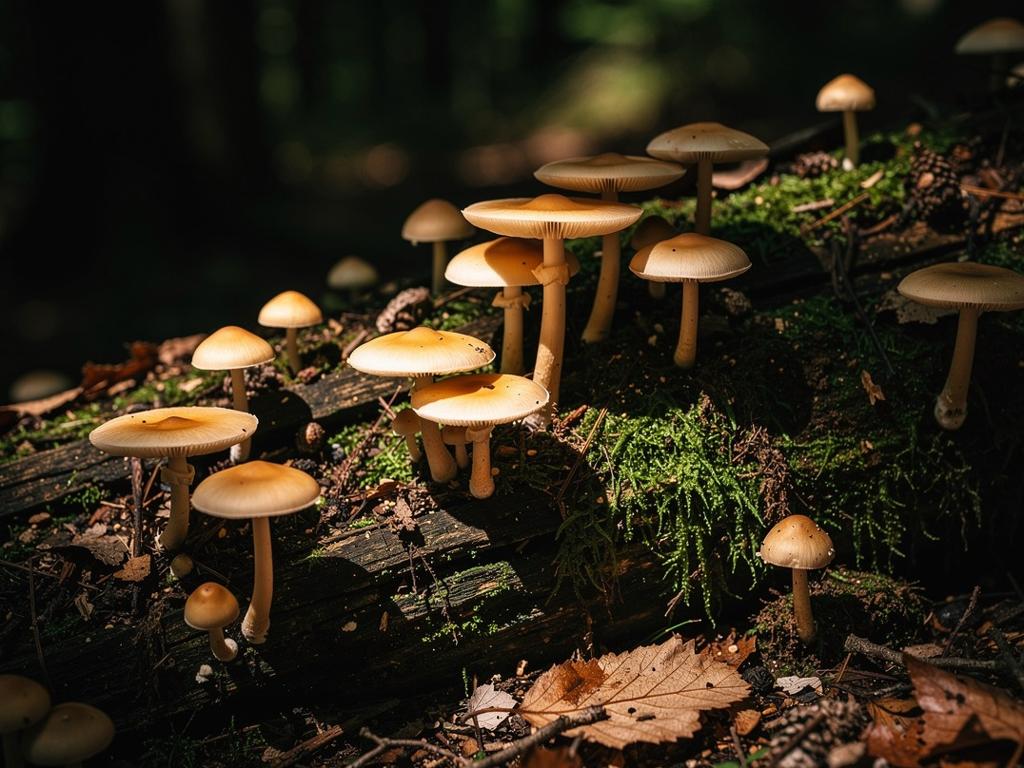
Ask anyone who’s spent time in the plant-medicine world which is “better” — ayahuasca or psilocybin mushrooms — and you’ll get a shrug, followed by a story. That’s because the honest answer is: it depends on you, what you’re carrying, and what you’re hoping to shift. Both are powerful. Both have thousands of years of ceremonial use behind them. And both have helped people crack open patterns around addiction, depression, grief, and trauma that talk therapy alone couldn’t budge. If you’re actively researching a psychedelic retreat and trying to figure out which door to walk through, this is for you. No mysticism-as-marketing. Just what these two master plants actually do, how the experiences differ in practice, and how to think about which might be the better fit for where you are right now. Ayahuasca is a brew — usually a slow simmer of the Banisteriopsis caapi vine with the DMT-containing chacruna leaf. It comes out of the Amazon, carried through centuries of practice by Shipibo, Shuar, and other indigenous lineages, plus the more recent Brazilian churches like Santo Daime and União do Vegetal. You drink it in ceremony, typically at night, guided by someone who has trained for years — sometimes decades — to hold that space. Psilocybin mushrooms grow on almost every continent. Their ceremonial use runs deep in Mazatec traditions in Oaxaca, and traces of ritual mushroom use appear across ancient Europe, North Africa, and beyond. In a modern retreat setting you’ll usually take them as dried mushrooms, a tea, or increasingly as measured truffles at legal centers in the Netherlands or Jamaica. The plants have distinct personalities, and long-time facilitators talk about them almost like people. Ayahuasca is often described as strict, feminine, exacting — a grandmother who will show you exactly what you came to see, whether you asked politely or not. Mushrooms tend to feel more playful, curious, sometimes mischievous. That doesn’t mean they’re gentler. It means they teach differently. Ayahuasca ceremonies run long. Plan for four to six hours in the dark, sometimes with icaros (medicine songs) being sung by the facilitator throughout. The visuals can be extraordinarily detailed — geometric, architectural, alive. Purging is part of the deal. Vomiting, crying, occasional diarrhea, shaking — it isn’t a side effect the tradition apologizes for. It’s considered part of the cleaning. Most people who go through it describe the experience as physically and emotionally demanding in a way that photos and YouTube videos can’t really convey. A psilocybin journey at a moderate-to-high dose typically runs four to six hours as well, but the arc feels different. There’s an onset of visual softening and emotional openness, a peak that can range from euphoric to confrontational, then a long tail where insights settle. Purging is much less common. Some people cry, some laugh, some just lie there staring at the ceiling as their inner world reorganizes itself. Nature-based settings tend to amplify the sense of connection mushrooms are famous for. Here’s a rough side-by-side of what participants commonly report: The research on both is genuinely encouraging, though early. Psilocybin has the bigger stack of clinical trials right now — treatment-resistant depression, end-of-life anxiety, tobacco and alcohol use disorder. The Johns Hopkins and Imperial College work has moved the needle on how mainstream medicine views it. Ayahuasca has fewer controlled studies but a growing body of observational research suggesting real benefit for depression, PTSD, and substance dependence, especially when used in a well-held ceremonial context. For addiction specifically, both have credible track records. Ayahuasca’s reputation in recovery circles is tied partly to the intensity of the experience — many people describe seeing, in visceral detail, exactly what their substance use is costing them and everyone they love. It doesn’t leave much room for denial. Ibogaine gets more headlines for opioid dependence, but ayahuasca has quietly helped countless people step out of alcohol and cocaine cycles. Mushrooms, in the Hopkins smoking-cessation work, showed jaw-dropping quit rates. They seem to loosen the grip of habit by dissolving the story you tell yourself about who you are and what you need. For depression, mushrooms may be the slightly easier entry point. The experience is more contained, the retreat infrastructure in legal jurisdictions is more mature, and the physical toll is lighter. For deep-seated trauma — especially the kind that lives in the body and won’t respond to insight alone — ayahuasca’s longer, more physical process often reaches places mushrooms don’t. That said, plenty of trauma survivors have done extraordinary work with psilocybin. There’s no universal rule. Ayahuasca is not legal to consume recreationally in most countries, including the United States. There are narrow religious exemptions (the UDV won a 2006 Supreme Court case), but the mainstream path for most seekers is traveling to Peru, Costa Rica, Ecuador, Colombia, or Brazil where retreats operate openly. Psilocybin sits in a shifting patchwork: legal in a therapeutic framework in Oregon, decriminalized in several U.S. cities, legal in truffle form in the Netherlands, unregulated in Jamaica, part of a licensed access model in Australia. In 2026 the map keeps redrawing itself. Both medicines carry real risks and both are safer when you do the homework. Key things to sort out before booking anything: Ayahuasca retreats in the Amazon typically run 7 to 12 days and cost anywhere from around $1,200 for a modest local center to $4,000+ for a high-end program with private accommodations, dieta plants, and integration counseling. Psilocybin retreats — most reputable ones being in Jamaica, the Netherlands, or increasingly Portugal — tend to run 4 to 7 days and sit in a similar mid-range price bracket, though the shorter length can make them cheaper overall. Time-off-work matters too. A proper ayahuasca dieta asks you to give up salt, sugar, alcohol, pork, spicy food, and sexual activity for a couple of weeks before and after. Not because the plant is punishing you, but because a quieter body and mind hear the medicine more clearly. Mushroom retreats generally ask for a lighter preparatory protocol, though a few days of clean eating and no alcohol before is standard. Setting matters more than most first-timers realize. The jungle changes you before the brew does — the sounds, the heat, the sheer aliveness of the place is part of the medicine. Mushroom retreats in a coastal villa or a European countryside center offer a different container: gentler, more familiar to Western nervous systems, easier to return to “normal” from. Neither is better. They’re answering different questions. If you’re drawn to the ceremonial depth, willing to travel, and ready for something that will meet you at full volume, ayahuasca is probably calling. If you want something more contained, easier to access legally, and slightly less physically demanding as a first psychedelic experience, mushrooms are a strong starting point. Many people end up doing both over time — they’re not competitors, they’re different teachers. Whichever direction you lean, take your time choosing where you go. Read the facilitator’s background carefully. Talk to past participants. Trust discomfort with a place more than you trust its marketing. For readers who want to compare specific options across both traditions, a curated selection of ayahuasca and psilocybin retreats can be browsed on our marketplace here. Sit with the choice for a few weeks — the right retreat usually feels obvious once you stop trying to force it.
Dreaming of a Psychedelic Retreat?
We have the best deals and offers from thousands of organizers all over the world! Get them into your mailbox every week!
We value your privacy. Your email address will never be shared or published.
