 English
 Deutsch
 Français
 Nederlands
 Español


Reset. Heal. Grow.
Why Imagination Beats Resilience When You're Healing From Grief
There's a word that gets thrown around every time life falls apart: resilience. You hear it from therapists, self-help podcasts, corporate wellness emails, and well-meaning relatives at funerals. Be resilient. Bounce back. Toughen up. The implication is that grief, trauma, and the sort of ache that follows heartbreak or addiction or loss can be met with a kind of rubbery elasticity — you stretch, you snap back, you carry on. I've come to think that's mostly wrong. Or at least, incomplete in a way that leaves people feeling worse. If you've ever sat with someone in the middle of real suffering — a person grieving a partner, a friend detoxing off years of substances, someone processing what came up in a plant medicine ceremony — you already know. They aren't rubber. They aren't tough. They're raw, and asking them to be resilient can feel like handing them a stone and telling them to swim. What might actually help instead is a much softer, more patient skill: imagination. Not the daydreaming kind. The pragmatic kind. The kind that quietly rewires how you meet the moment in front of you. The dictionary will tell you resilience is the ability to recover quickly from difficulty. The word carries an assumption baked right into it — that there's a prior shape you're supposed to return to. Your old life. Your old self. The person you were before the diagnosis, the breakup, the death, the addiction, the ceremony that cracked you open. Here's the trouble. That person is gone. Anyone who has walked through real loss can tell you this in the first ten seconds of conversation. Grief experts sometimes describe it as the shift from Life One to Life Two — you don't stretch back into your original form, you get reshaped into something else entirely. Ayahuasca drinkers describe the same thing in different language. So do people finishing an ibogaine treatment for opioid dependence. Something in you is no longer available for return. So when the culture keeps handing you the metaphor of bouncing back, it quietly reinforces the belief that the past was better and the present is a failed version of it. That's a bad foundation for healing. It keeps your gaze pointed backwards, and it makes the small strange gifts of the present — the ones you actually need to notice — invisible. Imagination sounds soft until you look at what happens neurologically when you use it. Researchers at the University of Colorado and Mount Sinai ran a study asking participants to mentally rehearse ways of adapting to various threats. The imagining alone measurably reduced their conditioned fear responses. The prefrontal cortex — the region responsible for planning, decision-making, executive function — lit up and did its job. In behavioral psychology there's a related idea called extinction learning, where reimagining a past event can neutralize some of its emotional charge. This is close cousins with what good psychedelic integration work looks like — you're not erasing what happened, you're loosening its grip by holding it in a new frame. Same principle. Different vocabulary. The point is that imagination isn't fluffy. It's cognitive flexibility, and it's trainable. You can practice it on ordinary Tuesday afternoons and then reach for it when the ground gives out. A lot of readers who end up on pages like this one are quietly circling the question of whether ayahuasca, psilocybin, ibogaine, or another plant medicine might help them move through something heavy. Depression that hasn't shifted. A pattern of addiction. Grief that hasn't loosened after years. Trauma that talk therapy has only politely acknowledged. If that's you, the resilience-versus-imagination distinction matters more than it might seem. Master plants — ayahuasca, San Pedro, iboga, psilocybin, and their traditional counterparts — do not, in my experience of sitting in ceremony and interviewing dozens of facilitators, reward the resilient hardened self. They tend to reward the opposite. Softness. Curiosity. A willingness to imagine that you might be different on the other side of the night. People who arrive at a retreat gripping tightly to who they were, wanting to be fixed and returned to service, usually have the hardest time. People who arrive with a working imagination — some capacity to picture a version of themselves they haven't met yet — tend to move through the work with more grace. This isn't a rule, and plant medicine has its own opinions about who needs what. But it's a pattern worth naming. When you're in the middle of something awful, imagination sounds like a luxury. It isn't. It just has to start absurdly small. After the sudden death of a close family member years ago, I spent weeks unable to picture anything past the next hour. What eventually got me out of bed wasn't a plan. It was imagining putting on my shoes. Then imagining walking to the corner. Then a whole block. That's the scale. Not visualize your best life. Not manifest abundance. Just: what is one small thing I could imagine doing next? A rough sequence that seems to help most people: It's worth drawing a sharp line here. Imagining choices is not the same as positive thinking. Positive thinking assumes an outcome — that things will work out, that the universe is bending toward your good. Anyone who has held the hand of a dying friend knows this isn't reliably true. Sometimes things don't work out. Sometimes the diagnosis is what it is. Imagination is humbler. It doesn't promise a happy ending. It just insists that in almost every moment, you have some choice available — to be kind, to accept help, to notice something beautiful alongside the pain, to try one more thing. Pain creates tunnel vision. Imagination widens the tunnel by a few inches. Sometimes that's the whole difference between drowning and floating. This is where mindfulness practice, plant medicine work, and ordinary human grieving all seem to converge. The goal was never to harden into someone who can't be hurt. The goal is to soften enough that the mystery of what comes next actually has room to arrive. Here's a simple exercise, distilled from years of watching people move through crisis. It takes about ten minutes. None of this is a substitute for professional support, especially if you're navigating serious depression, active addiction, or acute trauma. But it's a companion to that work — and one that costs nothing to try. For readers who are weighing whether a plant medicine retreat might be part of their path forward, a curated selection of ayahuasca and psychedelic healing retreats can be browsed on our marketplace here. Whatever you decide, keep imagining. It's quieter than resilience, and in my experience, it goes further.

DIY Psychedelic Somatic Work: What It Is and Why Solo Practice Is Risky
Somewhere between the first search for “ayahuasca retreat cost” and the moment someone actually books a flight, a certain kind of reader lands on a forum thread about doing psychedelic somatic work alone, at home, without a therapist. The reasoning is usually reasonable enough. Therapy is expensive. Retreats book out. Waitlists stretch into next year. And there's this quiet feeling — the one that says I already know what's wrong, I just need the medicine and some space to feel it. I get the appeal. I've sat with people who tried exactly this. Some of them walked away with genuine insight. Others walked away with a nervous system in worse shape than when they started. So let's talk honestly about DIY psychedelic somatic interactional practice — what it is, what people are actually attempting, and where the real risks live for anyone considering plant medicines as part of their addiction recovery, trauma work, or personal healing. Psychedelic Somatic Interactional Practice — usually abbreviated PSIP — is a therapeutic modality developed by Saj Razvi and colleagues. The idea is that psychedelics, when used in low, functional doses (rather than the ego-dissolving heroic doses of a traditional ceremony), can be paired with body-based therapy techniques to move stuck trauma out of the nervous system. The client stays talking, stays interactive, stays in relationship with a therapist. The medicine loosens the grip. The therapist helps the body finish what it started decades ago. It draws from somatic experiencing, attachment theory, and the general body-first branch of trauma work that's grown up around people like Peter Levine and Bessel van der Kolk. The psychedelic component is often cannabis or MDMA in the training protocols, though ketamine and other substances show up in practice. It's not ayahuasca in a maloca. It's not psilocybin in a clinical trial. It's something quieter and more relational. Which is exactly why the DIY version is so tempting. On paper, you don't need a shaman, a jungle, or a thirty-thousand-dollar clinic. You need a substance, a body, and — supposedly — enough self-awareness to guide yourself through. The reasons are usually practical, sometimes desperate, occasionally both: That last one is worth pausing on. A lot of the people quietly researching this stuff aren't chasing a high. They're trying to convert something that used to be a problem into something that might be useful. That's a real impulse. It deserves a real answer, not just a warning. Here's the honest version. The interactional part of PSIP isn't a garnish. It's the mechanism. When old attachment wounds surface — the kind that formed in relationship with a caregiver who couldn't meet you — they need to be met in relationship to resolve. That's the whole theoretical basis. A screen, a journal, and a Spotify playlist cannot meet you. They can hold space, sort of, but they can't co-regulate a dysregulated nervous system. What tends to happen in solo sessions with people I've spoken to: None of this means DIY work is guaranteed to harm you. Plenty of people microdose thoughtfully, journal well, and derive real benefit. But psychedelic somatic work specifically — the kind that intentionally opens trauma material for processing — is not the place to save money. Worth zooming out for a moment. The current Western fascination with somatic-plus-psychedelic modalities is, in a sense, catching up to something Indigenous Amazonian traditions have known for a long time. The concept of master plants — ayahuasca, tobacco, San Pedro, and others treated as teachers rather than drugs — assumes the plant works with a human container. A curandero. A ceremony. A dieta. The plant isn't the whole medicine. The relational field around it is. When people ask me why an ayahuasca retreat costs what it costs, this is part of the answer. You're not paying for the brew. You're paying for the container that makes the brew safe to drink. Facilitators trained to sit through your worst hour. Icaros that guide your nervous system when your thinking mind is offline. Integration circles the next morning where what happened gets metabolized into meaning. Psychedelic-assisted therapy in a clinical setting, done well, is trying to build a version of that container using modern tools. PSIP is one such attempt. The DIY version strips away the container and hopes the substance alone will do the work. It usually won't. If you're reading this and quietly recognizing yourself — someone who wants to do the work, doesn't have unlimited resources, and is weighing shortcuts — a few honest suggestions: Healing from trauma, addiction, or the slow accumulation of stuck life patterns is rarely about the peak experience. It's about who's in the room with you when the old thing finally moves. Sometimes that person is a shaman. Sometimes it's a therapist. Sometimes it's a group of strangers in a ceremony circle who become, for a week, the family your nervous system needed thirty years ago. Psychedelic somatic interactional practice, at its best, understands this. The DIY adaptation of it tends to lose the plot. That doesn't mean people who try it are foolish — most of them are just underserved by a mental health system that hasn't figured out how to price this work reasonably yet. But the answer to that gap isn't to do trauma surgery on yourself with a plant medicine and a YouTube video. It's to find a container you can actually afford. For readers weighing that decision more seriously, a range of curated psychedelic and plant-medicine retreats — from ayahuasca in Peru to psilocybin in Jamaica to ibogaine programs designed for addiction — can be browsed on our marketplace here. Not every offering will fit every budget, but the range is wider than most people assume, and the honest cost of a proper container is almost always less than the hidden cost of trying to do it alone.
Gut Jet Lag Is Real: How Travel Disrupts Your Microbiome (and What Actually Helps)
You land in Lima at dawn. Your body says it's midnight. You're bloated, weirdly constipated despite the two liters of water you drank on the plane, and the thought of breakfast makes your stomach fold in on itself. You blame the airline food. You blame the ceviche you haven't even eaten yet. But something else is going on down there — something researchers are starting to call gut jet lag. If you're heading to South America for a plant medicine retreat, or flying halfway across the world to sit in ceremony, this matters more than you'd think. A wrecked gut heading into a dieta is a rough start. And the fix, it turns out, begins days before you ever board the flight. Most of us think of jet lag as a brain problem — you're wired at 3 a.m., foggy at noon, and mildly murderous by dinnertime. That's your central circadian clock, the one governed largely by your brain and by light hitting your eyes. But it's not the only clock you have. The trillions of bacteria in your digestive tract run on their own daily schedule too, and that schedule takes cues from when you eat, when you sleep, when you move, and how much daylight you're getting. When you cross five, eight, twelve time zones in a single day, your gut microbes don't get the memo. They're still expecting the yogurt you'd normally eat at 8 a.m. back home. Instead they get airplane pretzels at what their internal clock believes is 3 a.m. Multiply that mismatch across a whole community of microorganisms and you get what a recent scientific review describes as a temporary shift in the balance and function of the microbiome itself. The consequences are the ones any long-haul traveler recognizes. Bloating that won't quit. Constipation that laughs at hydration. A general heaviness in the belly that makes the first two or three days of a trip feel like you're moving through mud. Some researchers think there's also a dip in the production of short-chain fatty acids — the compounds your gut bacteria make that help keep your intestinal lining, immune system, and metabolism humming. Here's the thing nobody warns you about when you book that ayahuasca retreat in the Sacred Valley or an ibogaine center in Mexico: you're not just arriving tired. You're arriving with a gut that's operating on a different continent from the rest of you. And you're about to ask that gut to do some serious work. Ayahuasca is a purgative. San Pedro asks a lot of the digestive system too. Most retreats begin with a light diet — no salt, no sugar, no heavy oils, minimal onions and garlic — precisely because they want your body in a calm, receptive state for the medicine. If your microbiome is already scrambling to figure out what time zone it's in, adding a strict dieta on top can amplify the discomfort. Facilitators sometimes describe first-night purges as harsher when guests arrive fried from long flights and no adjustment period. The same logic applies to any retreat where the substance touches the gut directly — psilocybin ceremonies, kambo (which is aggressive on the digestive tract by design), even the traditional preparation days before a bufo session. Showing up regulated matters. Which brings us to what you can actually do about it. The research points to a field called chrononutrition — the study of when you eat, not just what. And the practical takeaway is surprisingly simple: start shifting toward your destination's schedule before you leave home. A rough playbook that seems to work for a lot of retreat travelers: You've stepped off the plane in Iquitos or Cusco or Tepoztlán. You're tired. You're a little wired. Here's where the small choices in the first 24 hours pay outsized dividends over the coming week of ceremony. Get outside. Get sunlight on your face within an hour of local sunrise if you can possibly manage it. This is the single most powerful cue you can give your circadian clock, and by extension your gut. Light through the eyes at dawn tells every clock in your body — including the microbial ones — that a new day has begun. It's more effective than any supplement. Eat at local meal times even if you're not hungry. This feels counterintuitive when your stomach is protesting, but a small, simple meal at the right local hour is more useful than a big meal at the wrong one. Think broth, cooked grains, steamed vegetables, maybe a piece of fruit. Nothing your gut has to work overtime to break down. Move your body gently. A walk around the retreat grounds, some light stretching, a swim if there's water nearby. Movement helps motility, and motility is often the first thing to seize up after a long flight. And give yourself a buffer day. This is the piece most people skip and later regret. If your retreat begins on a Monday, don't fly in Sunday night. Fly in Friday or Saturday. Two nights of local sleep and three local meals will do more for your ceremony experience than almost any other single preparation choice. Facilitators will tell you the same thing if you ask. Plant medicine work is fundamentally about the nervous system meeting itself in an unusual state. Ayahuasca, psilocybin, iboga — these master plants aren't just chemistry hitting receptors. They ask your whole physiology to open up, soften, and let something move through. A dysregulated gut is a dysregulated vagus nerve is a dysregulated nervous system. Everything is connected in there, and the gut-brain axis isn't a metaphor — it's a highway of nerves and signaling molecules running between your belly and your brainstem. This is part of why the traditional Amazonian dieta exists in the first place. Long before anyone was studying microbiomes, curanderos understood that the medicine works better in a clean, quiet body. The dieta strips things back so the plant can speak clearly. Modern research on chrononutrition and gut circadian rhythms is, in a way, catching up to what plant medicine cultures have been practicing for centuries. You don't need to be perfect about any of this. Vacation bloat happens. Ceremony purging happens. The point isn't to arrive at your retreat in some pristine state of biochemical readiness — the point is to give your body a fighting chance to be present for the work you came to do. Prep the gut. Prep the sleep. Show up rested-ish. The rest is between you and the medicine. If you're in the research phase and weighing where to actually do this work, a curated selection of ayahuasca and plant medicine retreats can be browsed on our marketplace here. Take your time with the decision — and give your gut a head start.
Is There a Must-Try Psychedelic? An Honest Look at Plant Medicines
Every so often someone messages me with a version of the same question: if I only try one psychedelic in my life, which one should it be? It's a fair thing to ask. Plant medicines and psychedelics aren't cheap, they aren't always legal, and they demand something of you — time, courage, a certain willingness to be undone for a few hours. So the impulse to pick the “right” one makes sense. But here's the thing. There isn't a must-try substance. There's a must-try process — sitting with intention, in a safe container, with people who know what they're doing. The chemical is the vehicle, not the destination. Still, different vehicles take you to different terrain, and if you're weighing an ayahuasca retreat against a psilocybin ceremony against something more obscure, it helps to understand what each one actually offers. So let's walk through them honestly. Ayahuasca gets talked about the way people talk about serious surgery — with respect, a little fear, and the acknowledgement that it changes you. The brew combines the Banisteriopsis caapi vine with a DMT-containing plant like chacruna, cooked for hours under the guidance of a curandero. What you drink is bitter, thick, and unforgiving. What happens next is often described as the hardest and most meaningful night of a person's life. People come to ayahuasca for specific reasons: trauma that hasn't budged in years of therapy, addiction that's outlasted every rehab, depression that sits like fog. The medicine works, when it works, by showing you things — memories, patterns, ancestral echoes, sometimes visions that feel more real than the room you're sitting in. It also purges you, physically and emotionally. The bucket beside your mat is not decorative. An ayahuasca retreat isn't a weekend party. Serious centers require dietary preparation — no pork, no alcohol, no fermented foods, sometimes no sex — for a week or more before you arrive. Most retreats run five to twelve days and include multiple ceremonies, integration talks, and rest. Prices in Peru or Costa Rica typically land between $1,500 and $4,500 depending on the center. This is the medicine to consider if you're carrying something heavy and you're ready to look at it. If ayahuasca is deep surgery, psilocybin is more like a long, honest conversation with yourself. Mushrooms have a shorter arc — usually four to six hours — and the experience tends to feel more personal, less mythic. You're less likely to encounter jungle spirits and more likely to encounter your own childhood, your relationships, the parts of your life you've been avoiding. Psilocybin has become the most heavily researched psychedelic of the past decade. Trials at Johns Hopkins, Imperial College London, and NYU have shown genuine promise for treatment-resistant depression, end-of-life anxiety, tobacco addiction, and alcohol use disorder. In Oregon and Colorado it's now legally accessible in supervised settings. Retreats in Jamaica, the Netherlands, and Mexico have grown into a small industry of their own. For someone new to psychedelic healing — someone who wants the depth without the physical intensity of ayahuasca — a psilocybin retreat is often the more sensible starting point. You still need preparation and integration. You still need a good facilitator. But the medicine tends to meet you closer to where you already are. Ibogaine sits in a category of its own. Derived from the root bark of the iboga plant, used ceremonially by the Bwiti people of Gabon, it's known primarily for one thing: interrupting opioid dependence. A single high-dose session can eliminate withdrawal symptoms from heroin, fentanyl, or methadone in a way nothing else in modern medicine reliably does. That's not marketing. That's what the outcome data — and the veterans who've flown to Mexico to get it — keep showing. The catch is that ibogaine is cardiotoxic. It can slow your heart in dangerous ways, and people have died in unsupervised settings. This isn't a substance to seek out casually. Legitimate ibogaine clinics require an EKG, bloodwork, and often a cardiologist on staff. Sessions last twenty-four to thirty-six hours and are usually described as more visionary and reflective than pleasurable — long, dreamlike reviews of one's life, sometimes uncomfortable, rarely mystical in the ayahuasca sense. If you or someone you love is looking at ibogaine, look at it seriously. It's arguably the most effective single tool we have for opioid addiction. It's also the one that demands the most medical caution. The mescaline cacti — San Pedro (huachuma) in the Andes and peyote in northern Mexico — offer something different again. Where ayahuasca goes deep and mushrooms go inward, mescaline tends to open the chest. People describe San Pedro ceremonies as long, gentle, and profoundly loving. The medicine lasts eight to twelve hours, often taken in daylight, sometimes with the shaman leading walks through the mountains. San Pedro doesn't tend to purge you the way ayahuasca does, and the visuals are subtler. What it does, quietly, is dissolve the armor around your heart. People arrive at retreats numb from grief or divorce or years of overwork and leave feeling something they'd forgotten how to feel. Peyote is more sacred, more restricted, and rightly so — it's endangered and central to the Native American Church's religious practice. San Pedro is the more accessible sibling for outsiders. Kambo isn't a psychedelic. It's the secretion of a giant tree frog, applied through small burns on your skin, and it triggers about fifteen minutes of intense physical purging — vomiting, sweating, a pounding heart. Most retreats offer it as a preparation for ayahuasca, a way to clean the body before the deeper work. Whether it does what practitioners claim is up for debate, but many participants swear by it. Bufo, or 5-MeO-DMT, is another one that comes up. It's short — ten to twenty minutes — and often described as the closest thing humans have to a death and rebirth experience in a single hit. It's not a starting point. It's not something to do because you're curious. If it calls you, it calls you after other work has been done. Here's the honest answer: the right medicine is the one that matches what you're actually dealing with. And here's a caveat that matters. None of these substances is a magic reset button. People who benefit most from psychedelic healing are the ones who do the work around the medicine — the therapy before, the integration after, the willingness to actually change the things the medicine points to. Without that, you get a memorable night and not much else. Whichever medicine calls to you, the retreat matters more than the chemistry. A poorly run ayahuasca ceremony can leave you worse than you arrived. A well-run psilocybin session can be genuinely life-changing. Look for facilitators with real training and years of experience, small group sizes, clear medical screening, transparent pricing, and structured integration support. Ask questions. Read participant accounts, not just the retreat's own testimonials. Trust your gut — if the marketing feels off, it usually is. If any of this has you leaning toward exploring further, a curated selection of ayahuasca, psilocybin, ibogaine and San Pedro retreats can be browsed on our marketplace here. Take your time with the decision. The medicine will still be there when you're ready.
First-Time Psilocybin Journeys: What Actually Happens on the Mushroom
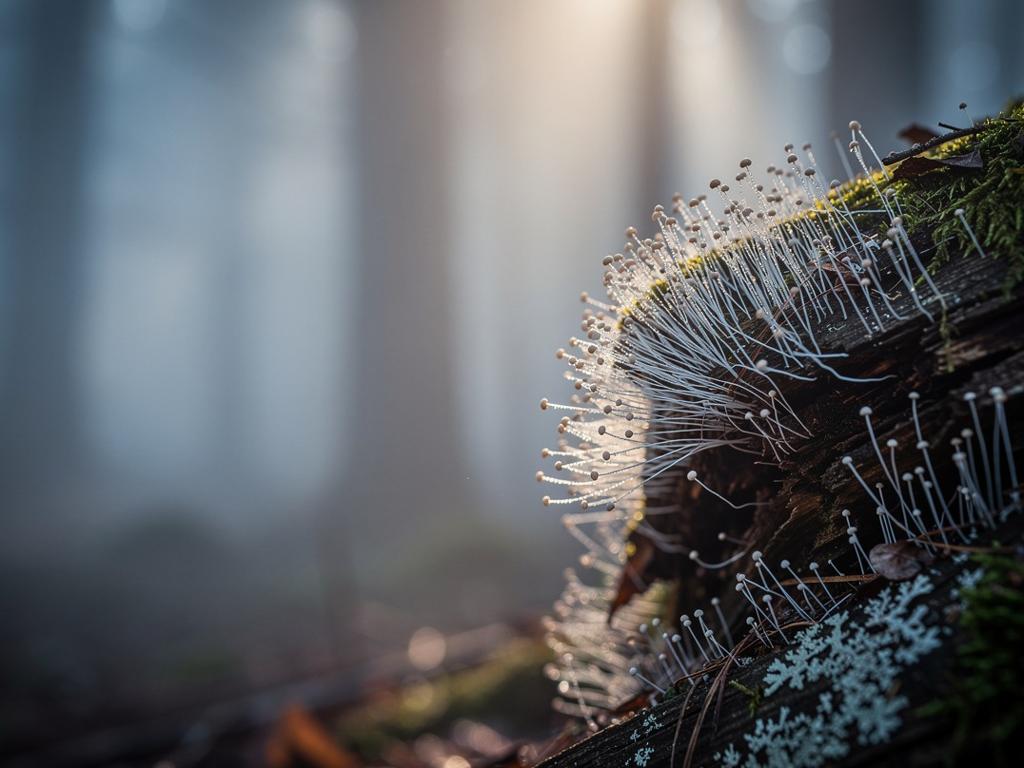
Someone recently told me they took mushrooms for the first time and, halfway through the come-up, watched their tongue turn into a serpent. They laughed about it afterwards — nervously, the way people laugh when something rearranges them a little. But the question underneath was serious: what was that? Was it real? Did it mean something? If you're researching psilocybin, or plant medicine more broadly, and quietly wondering what a first ceremony or retreat might actually feel like, you're in good company. The internet is full of trip reports that range from beatific to terrifying. Most of them are true. Most of them are also incomplete. Here's a more grounded look at what tends to happen — and what shapes whether the experience lands as insight, chaos, or something in between. Psilocybin doesn't hand you a scripted movie. It amplifies whatever is already moving through you — your mood that morning, the argument you didn't finish, the grief you've been carrying since 2019. This is why two people can eat the same dose from the same bag of mushrooms and have almost opposite nights. The pharmacology is fairly simple. Psilocybin converts to psilocin in your body, which then binds to serotonin receptors and, in effect, loosens the brain's usual filing system. Regions that normally don't chat much start talking. That's the mechanism behind synesthesia (hearing colours, seeing sounds), the ego dissolution people describe, and yes — the occasional tongue-turning-into-a-snake moment. What determines whether that experience feels sacred, silly, or scary is almost never the substance. It's the person, and it's the container. Anyone who has spent time in the psychedelic space will bring these up within about ten minutes. They matter because they're accurate. Set is your internal landscape — your mental state, your intention, what you had for breakfast, whether you slept, what you've been avoiding thinking about, whether you're grieving, curious, defensive, hopeful. Setting is everything outside you — the room, the people, the music, the safety of the space, whether there's a facilitator you trust or just a friend who might also get a bit weird on you. First-timers often underestimate how much both of these matter. Eating four grams in your college apartment while your roommate plays video games is a fundamentally different experience from taking the same dose in a ceremonial setting with a trained guide, low light, and someone whose job it is to hold the space if things get intense. Both can be valuable. One is significantly less likely to leave you unmoored. There's no universal script, but there's a rough arc most people move through. Knowing it doesn't spoil anything — if anything, it helps you not panic when you hit the strange middle. The imagery — snakes, geometric lattices, ancestral figures, jungle scenes even if you've never left Ohio — comes from your own nervous system, not from the mushroom having opinions. Cultures across the Amazon and Mesoamerica have described similar visions for centuries, which tells you something about how the human brain organises altered states, not that the mushroom is broadcasting from a specific channel. People researching mushrooms often end up looking at ayahuasca, San Pedro, ibogaine, and the broader family of master plants. It's worth understanding how they differ, because the choice matters more than most first-timers realise. Psilocybin mushrooms tend to be gentler on the body than ayahuasca. Trips run four to six hours. There's no bitter, notorious brew and usually no purging, though nausea in the first hour is common. Many people find mushrooms more approachable for a first psychedelic experience. Ayahuasca, by contrast, is a longer, more physically demanding ceremony — often four to six hours of intense inner work, held by a shaman singing icaros, frequently accompanied by purging. It's traditionally taken across multiple nights during a retreat, with strict dieta beforehand. People who've done both often describe ayahuasca as more surgical — it seems to know what you came for, whether you wanted it to or not. Ibogaine sits in a different category again, mostly used in the context of addiction recovery, particularly opioid dependence. It's medically serious, requires cardiac screening, and isn't something to experiment with casually. San Pedro (huachuma) is closer to a long, warm, heart-opening walk than the more intense psilocybin or ayahuasca experience — often 8 to 12 hours, usually done outdoors during the day. None of these are interchangeable. The right question isn't which is strongest? — it's which one meets what I'm actually here to work on? The last decade of clinical research has been genuinely striking. Studies at Johns Hopkins, NYU, and Imperial College London have looked at psilocybin-assisted therapy for treatment-resistant depression, end-of-life anxiety, tobacco addiction, and alcohol use disorder. The results — with all the usual caveats about small sample sizes and the difficulty of blinding a psychedelic trial — have been consistently promising. What's interesting is the mechanism researchers keep circling back to. It doesn't seem to be that psilocybin numbs pain the way an SSRI might. It seems to open a window in which entrenched patterns become briefly negotiable. The person who has spent twenty years being defined by their drinking sees, for a few hours, that this identity is a story they've been telling themselves. The window closes, but sometimes the person doesn't fully return to the old shape. That's the promise, and it's real. It's also why the integration afterwards matters so much — the trip cracks something open, but you still have to do something with what came out. If you're weighing a retreat rather than a solo experience, that's often the wiser path for a first-timer. A good one gives you screening, preparation, skilled facilitation, and — critically — integration support. A bad one gives you a hammock, a big dose, and a hope for the best. For readers who want to take this further, a range of curated psilocybin and plant-medicine retreats can be browsed on our marketplace here. The point isn't to book the first thing that looks pretty — it's to compare, ask questions, and choose a container that matches what you're actually bringing to the medicine. The trip is loud. Integration is quiet, and it's where most of the actual change happens or fails to happen. A profound six-hour experience that gets shrugged off within a week rarely produces lasting shift. A moderate experience that gets journaled about, discussed with a therapist familiar with psychedelics, revisited slowly over months — that one tends to move the needle. Give yourself a soft landing. No scheduled meetings the next day. No big decisions in the first week (the urge to quit your job, leave your partner, or move to Peru is often just the neurochemical afterglow talking — sit with it for a month before you act). Write things down while they're fresh. Talk to someone who won't flinch. A first psychedelic experience isn't a magic key. It's more like being handed a strange, useful map of your own interior. What you do with it afterwards is the whole point.
Craving More Stories?
Join our ShopAyahuascaRetreats newsletter for the latest updates on thrilling
destinations and inspirational tales, delivered straight to your inbox!
We value your privacy. Your email address will never be shared or published.
Choosing an Ayahuasca Retreat in Peru: An Honest Field Guide
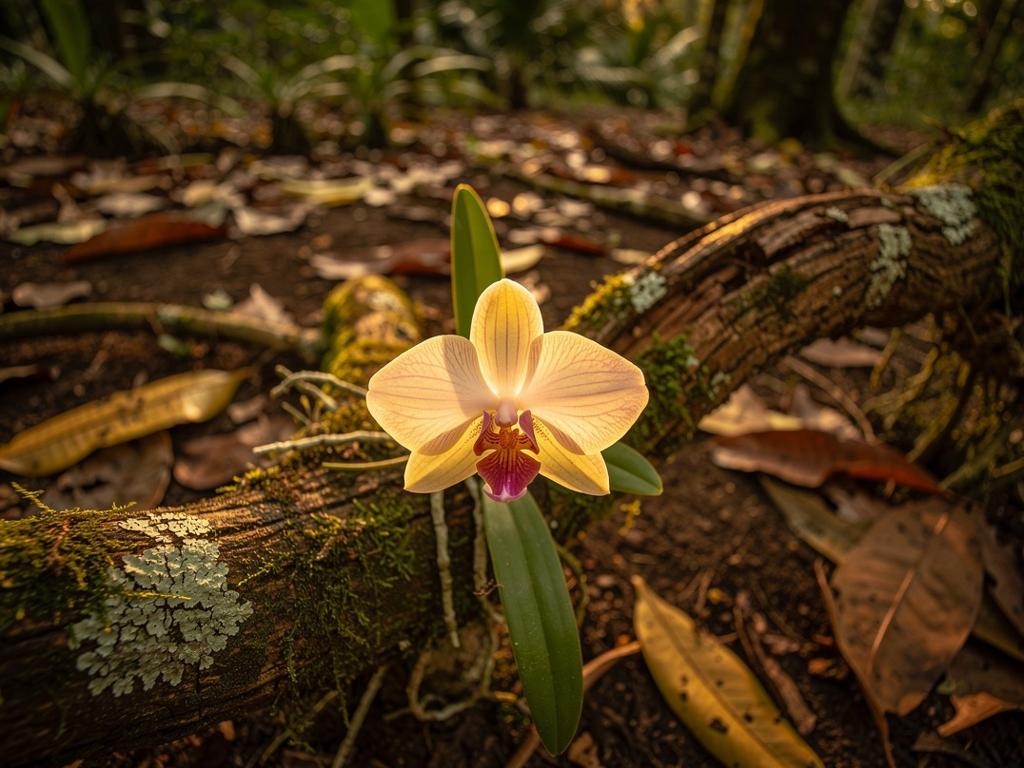
Somebody asks me at least twice a month where they should drink ayahuasca in Peru. It's usually a friend of a friend, sometimes a stranger who tracked me down after reading something I wrote, and the message almost always has the same shape — a paragraph about what they're going through, then a request for a name. Just tell me where to go. I get it. When you've decided you want to sit with the medicine, the last thing you want is another six months of scrolling. But I've stopped answering with a single recommendation, because the honest answer to where should I do ayahuasca in Peru is a set of questions you have to answer for yourself first. This piece is my attempt to give you those questions, plus the practical filters I actually use when I'm helping someone choose. Ayahuasca ceremonies happen in a lot of countries now — Costa Rica, Colombia, Portugal, Brazil, even a scattering of legally-grey circles in the U.S. But Peru still holds the gravitational center of the plant medicine world for a reason. The brew was born there, or near enough. The Shipibo, the Ashaninka, the mestizo curandero lineages of Iquitos and Pucallpa — this is where the tradition lives, has lived, and continues to be practiced by people whose grandparents did it before them. That lineage matters. When you drink ayahuasca with a curandera who learned from her grandfather, who learned from his, you're not sampling a product. You're stepping into a relationship with master plants that has been maintained across generations. The songs — the icaros — carry weight because they were sung to sick people who got better. That's not marketing copy. That's just how the tradition survived long enough for the rest of us to find it. The trade-off is that Peru's popularity has also produced a booming industry of retreats built for foreigners. Some are extraordinary. Some are competent. Some are frankly dangerous. Telling them apart is the actual work. Before you look at a single retreat website, get honest about your reason. This isn't spiritual paperwork — it changes what kind of place you should book. People show up to ayahuasca for wildly different reasons. Addiction recovery. Depression that hasn't responded to years of SSRIs. Grief. A stalled creative life. Trauma they've been circling in therapy without ever quite landing on. Curiosity — which is a fine reason as long as you're honest that it's yours. Some come chasing what they'd call soul exploration, a word that sounds soft until you're in the maloca at hour three and something old and buried comes up to meet you. The reason matters because it shapes the container you need. If you're dealing with addiction, you probably want a center with real integration support, ideally with staff who understand recovery — some people in that situation are actually better served considering ibogaine first, which works differently on the addiction pathways. If you're processing trauma, you want a small group, careful screening, and facilitators trained to hold difficult somatic material. If you're going for spiritual exploration and you're psychologically stable, you have more flexibility, but you still need a container that respects what you're doing. Here's my working checklist when someone sends me a retreat's website and asks what I think. None of these are trick questions. Any center worth your money will answer them plainly. Peru's ayahuasca scene concentrates in a few pockets, and each has a slightly different character. Iquitos is the classic hub — the jungle city you fly into that has no roads connecting it to the rest of the country. Most retreats sit an hour or two outside town, tucked into the forest. This is where the mestizo curandero tradition is strongest, and where you'll find some of the most established centers. It's also where the density of retreats means you can find both the best and the worst of what's on offer. The Sacred Valley near Cusco has a different flavor — cooler, high-altitude, more of an Andean spiritual crossover. Ceremonies here often integrate San Pedro (huachuma), which is the region's native master plant. If you're drawn to a mix of traditions and the mountain landscape speaks to you, this can be beautiful. Purists sometimes argue ayahuasca belongs in the jungle where it grows. Pucallpa and the Ucayali region is where much of the Shipibo lineage is centered. The icaros here have a particular quality, and the ceremonies tend to feel older, less staged for outsiders. Fewer retreats, less English, more raw. Good for people on a second or third trip who know what they want. Some warning signs I've seen enough times to trust: Prices vary enormously, but here's the honest range as of this year. A week-long retreat at a reputable center in Peru typically runs somewhere between fifteen hundred and four thousand U.S. dollars, all-inclusive of lodging, food, ceremonies, and basic integration. Longer retreats — ten days, two weeks, or traditional plant dietas that run a month or more — scale up accordingly. Add flights (Lima is the entry point, then a domestic connection to Iquitos or Cusco), travel insurance, and some buffer for the days before and after. Budget realistically. This is not a trip to cut corners on. A few things I'd tell anyone I care about who's about to do this: Talk to someone who's been. Not a review, not a testimonial video — an actual conversation with someone whose judgment you trust. Ceremonies vary, retreats vary, and the texture of a place doesn't come through in marketing. Give yourself real time on either side. Don't fly in Friday, drink Saturday, fly home Monday. Your nervous system needs a runway to land on. If you can, take a week after you get home before returning to your regular life. What comes up in ceremony has a way of continuing to unfold for weeks. Line up integration support before you go. A therapist who understands psychedelic-assisted work, or at minimum one who won't pathologize the experience when you describe it. Integration is where the actual change happens — the ceremony is the door, not the room. Finally, if you've read this far and you're serious about exploring plant medicine as a path — for addiction recovery, for depression, for the long slow work of soul exploration — a curated selection of vetted ayahuasca retreats in Peru and beyond can be browsed on our marketplace here. Take your time with the choice. The right container matters more than the right destination.
Why You Can't Stop Thinking About Work — And What Actually Helps
Here's a scenario that probably feels familiar. It's 9:47 on a Tuesday night. You closed your laptop hours ago. And yet, somewhere between brushing your teeth and finally lying down, your brain drags out that half-finished conversation with your manager and starts rearranging it like furniture. Again. Most of us assume working from home is the fix for this. More flexibility, no commute, softer edges around the day. But a fresh study out of Italy, tracking 747 hybrid employees, suggests the story is messier — and considerably more interesting — than the usual remote-versus-office debate lets on. The team looked at two flavors of after-hours mental churn. The first is called affective rumination — those intrusive, emotionally charged thoughts about work that hijack your evening. The second is problem-solving pondering, which is the more productive cousin: you're chewing on a work problem, but calmly, almost like solving a crossword. They wanted to know whether working remotely more often made either kind of thinking worse. And whether one particular trait — general self-efficacy, meaning your baseline confidence that you can handle whatever life throws at you — changed the equation. The headline finding surprised them. Remote work frequency, on its own, did not predict more affective rumination. People working mostly from home weren't automatically dragging work into their off-hours. What mattered was the person doing the work. Among employees with lower self-efficacy, working remotely seven or more days across a two-week stretch was linked to noticeably more affective rumination compared to those working remotely three days or fewer. In other words: if you already tend to doubt your ability to cope with challenges, piling on remote days seemed to feed the intrusive thoughts. But for employees with average or high self-efficacy, that pattern vanished. And here's the kicker — among those with the highest self-efficacy, the people working remotely most often actually reported less affective rumination than their more office-bound peers. Same schedule, wildly different inner experience. Problem-solving pondering didn't follow the same pattern, which makes sense. Chewing on a puzzle is different from being emotionally hijacked by one. Think about what an ordinary in-office day gives you, whether you asked for it or not. The mental shift of packing your bag. The elevator ride down. The sight of the security guard nodding goodnight. A commute — annoying, sure, but also a buffer zone where your brain can transition from work-you to home-you. Remote work quietly strips all that away. You close a laptop and, three feet later, you're supposed to be a different person. No wonder the boundary blurs. The environment used to do the heavy lifting; now you have to do it yourself. This is why the researchers landed on a nuanced conclusion: a balanced hybrid schedule — enough in-person time to reinforce the edges of the workday, enough remote time to preserve autonomy — may offer a recovery advantage, particularly for people who already struggle to mentally disengage. The ability to mentally leave work at work is not a nice-to-have. It's the foundation of stress recovery, and — this is the part I find most useful — recovery failure starts cognitively, long before it shows up as burnout, insomnia, or a body that feels heavy at 3pm. Those intrusive thoughts are the smoke alarm. They show up before fatigue, before the emotional flatness, before the health consequences accumulate. If your evenings are full of replays and imagined arguments, your nervous system is still on the clock, even though you're technically not. Poor mental recovery ripples into sleep, mood, digestion, patience with the people you love. Your circadian rhythm depends on real downshifting at night; late-evening affective rumination bulldozes right through it. And then tomorrow starts already depleted. The point isn't to move house or quit remote work. It's to build in the transitions the office used to hand you for free. A few things worth trying: Now, here's the piece the study doesn't say out loud, but I think is worth naming. Sometimes affective rumination isn't just about work at all. Sometimes it's the surface of something deeper — old anxiety patterns, unresolved trauma, a chronic sense of not-enough that predates your current job by decades. The workday is just where it clings. This is territory a lot of retreat-seekers know intimately. People arrive at plant medicine — ayahuasca, psilocybin, San Pedro — not because they hate their careers, but because they've noticed that the loop in their head keeps running no matter what job, city, or partner they try. Master plants have a way of interrupting that loop, sometimes gently, sometimes with all the subtlety of a freight train. Facilitators talk about them as teachers precisely because they show you what your ordinary mind keeps hiding: the belief underneath the belief, the fear that drives the overwork, the wound the productivity was papering over. That's not a substitute for good sleep hygiene and a laptop-in-a-drawer routine. But it is worth mentioning that when the intrusive evening thoughts feel less like work stress and more like a symptom of something older, that's a legitimate reason people explore psychedelic healing. Addiction to overwork, in particular — the kind that hijacks evenings and weekends and quiet moments — often has the same shape as any other compulsion. Plant medicine work, done with the right people, can loosen its grip. How often you work remotely is one variable in your recovery equation, and honestly not the most important one. Your internal resources — your confidence in handling challenges, your rituals, your willingness to defend the edges of your day — matter more than your zip code or your calendar. Build the boundaries the office used to build for you. Notice when the rumination is about work, and notice when it's about something you've been carrying much longer. For readers who suspect the deeper pattern is running the show, a curated range of plant medicine and psychedelic retreats can be explored on our marketplace here. Either way — start with the laptop in the drawer tonight. That's a decent first move.
Should You Try Psilocybin or Other Psychedelics After Ibogaine?
You made it through ibogaine. Maybe it was a clinic in Mexico, maybe a quiet retreat somewhere south of the border where the walls hummed for thirty-six hours and you swore, halfway through, you'd never do anything like it again. Then the visions ended. The withdrawal was gone. And now, a few months down the line, you're wondering whether ayahuasca, psilocybin, or another psychedelic should be part of what comes next. It's one of the most common questions I get from people in early recovery, and it deserves a real answer rather than a shrug. Because the truth is, plant medicine and psychedelics aren't a single lane — they're a whole neighborhood of very different substances, each with its own personality, risk profile, and relationship to addiction. Stacking them thoughtfully can deepen the work ibogaine started. Stacking them carelessly can undo it. Here's how I'd think about it if I were you. Ibogaine is often described as the reset button. That's a decent metaphor for what happens neurochemically — opioid receptors get scrubbed, withdrawal disappears in a way that still stuns researchers, and cravings frequently fade for weeks or months. But ibogaine is also famously punishing. Most people don't want to sit with it twice. What ibogaine doesn't always deliver is what the shamans in the Amazon would call soul work. The long slow rebuilding of a self that isn't organized around the substance. The grief that shows up when you're finally sober enough to feel it. The old trauma that no longer has a chemical lid on it. This is where people start looking around at psilocybin, ayahuasca, San Pedro, or 5-MeO-DMT — hoping a second medicine can meet them where ibogaine left off. That instinct isn't wrong. It just needs to be handled with more care than most people give it. A quick tour, because the differences matter more than most retreat websites let on: None of these is a direct substitute for the others. Choosing between them is a bit like choosing between therapists — the substance matters, but so does the practitioner, the setting, and where you are in your own arc. Short answer: yes, and the research is finally catching up to what indigenous traditions have known for a long time. Johns Hopkins has published trial data on psilocybin for alcohol and tobacco dependence with response rates that make conventional treatments look modest. Ayahuasca has been studied in the context of cocaine and crack addiction in Brazil, with promising signals. Ibogaine's track record with opioid dependence is the reason you probably tried it in the first place. But — and this matters — the trials that show the strongest results all pair the medicine with something else. Preparation. Integration. Therapy. A group. A structure. The substance is a catalyst, not the cure. People who treat psychedelics like a supplement they can just stack on their existing life tend to have flat, disappointing experiences at best, and destabilizing ones at worst. If you're considering a second medicine specifically to support recovery, the question isn't really which one. It's whether you've built the container around it — the therapist, the sober community, the integration practice — that lets the medicine actually do its job. This is where I see people make the most mistakes. Ibogaine has a long tail. Its main metabolite, noribogaine, stays in the body for weeks and continues acting on receptors long after the visions have faded. Doing another psychedelic too soon — especially anything serotonergic like psilocybin or ayahuasca — can produce unpredictable effects and put unnecessary strain on the heart. Most experienced practitioners suggest waiting at least three to six months before layering in another psychedelic. Some say a year. The window isn't just pharmacological — it's psychological. The first few months post-ibogaine are when the door is open, when new habits either take root or don't. Reaching for another big experience during that window can actually short-circuit the integration you most need. The people I've seen do best with a second medicine are the ones who spent that first stretch doing unglamorous work: therapy, exercise, sleep, boring dinners with sober friends, journaling that nobody reads. Then, when the ground felt solid, they went back in. Once you've decided a psychedelic retreat makes sense as a next step, the choice of where to go matters more than the choice of substance. A well-run psilocybin retreat will do more for you than a sloppy ayahuasca ceremony, and vice versa. A few things I'd look for: Not every recovery story needs a second medicine. Plenty of people do ibogaine, do the integration work, and never touch another psychedelic. That's a legitimate path. The romanticism around plant medicine can push people toward more experiences when what they actually need is more time. There's also the matter of trading addictions. I've watched a few people slide from opiate dependence into a kind of psychedelic tourism — always chasing the next ceremony, the next breakthrough, the next facilitator. That's a pattern worth naming honestly. Master plants, in the traditions they come from, aren't meant to be collected like passport stamps. And a small legal note: in most of the United States and Europe, ayahuasca, psilocybin, and 5-MeO-DMT remain controlled substances. There are exceptions — Oregon and Colorado have psilocybin frameworks in various stages, some religious ayahuasca use is protected, and the international retreat scene continues to grow. But this is a landscape worth researching country by country before you book a flight. If you're a few months past ibogaine, feeling steadier, and sensing that another layer of work wants to happen — that's a real signal worth honoring. Just slow down enough to build the container first. Talk to a therapist who understands psychedelics. Talk to people who've done what you're considering. Sit with the question long enough that the answer stops feeling urgent. For readers who want to explore this further, a curated selection of psilocybin, ayahuasca, and other plant-medicine retreats can be browsed on our marketplace here. Take your time with the choice — the medicine will still be there when you're ready.
Microdosing Ibogaine: What Really Happens Between the Big Ceremonies
Somewhere between the flood-dose ibogaine ceremony most people picture — the 24-hour visionary marathon in a Mexican clinic with an EKG monitor beeping in the corner — and the daily grind of ordinary life, there's a quieter conversation happening. It's about microdosing iboga. Not the big reset. The slow drip. I've spent enough time around plant medicine circles to know that when a topic starts popping up on obscure forums and in DMs from people I've interviewed, it's worth taking seriously. Microdosing ibogaine and its root-bark cousin, iboga, has gone from fringe curiosity to something people quietly experiment with for addiction recovery, depression, and the kind of low-grade psychological stuckness that doesn't quite qualify as a diagnosis but still ruins your Tuesdays. So let's talk about it honestly — what it is, what it isn't, and what you should actually know before you go anywhere near it. First, the vocabulary. Ibogaine is the isolated alkaloid — the one most people associate with addiction interruption, the one that gets administered in medical settings for opioid dependence. Iboga is the root bark of Tabernanthe iboga, a shrub sacred to the Bwiti tradition of Gabon and Cameroon. The root contains ibogaine plus a whole orchestra of other alkaloids that shift the experience in ways researchers are still trying to characterize. A microdose, in this context, usually means something between 50 and 300 milligrams of root bark, or a much smaller amount of purified ibogaine HCl. That's a fraction of a ceremonial dose. You're not going to lie down for eighteen hours and watch your life play out on the ceiling. You're supposed to remain functional — able to work, drive, talk to your mother without alarming her. The rhythms people report vary wildly. Some take a small amount every third day for a few weeks. Some do a weekly ritual dose slightly above true microdose territory. Others front-load with a moderate dose over a weekend and then taper. There's no established protocol the way there is with psilocybin microdosing, which itself isn't exactly settled science. The big reason iboga entered the Western psychedelic conversation at all was addiction. Specifically, opioid addiction. There's a striking body of anecdotal and preliminary clinical evidence suggesting that a single high dose of ibogaine can dramatically reduce withdrawal symptoms and interrupt craving cycles. That's the headline, and it's the reason people fly to Mexico or Costa Rica for treatment they can't legally get in the U.S. But the flood-dose model isn't for everyone. It's medically demanding. Ibogaine affects the heart's electrical rhythm — specifically the QT interval — and people have died from it, mostly when proper cardiac screening was skipped. That risk drops dramatically at microdose levels, though it doesn't disappear. This is why some people in early recovery, or people managing depression that hasn't responded to conventional treatment, are drawn to the smaller-dose approach. Less risk, less time off work, less intensity to prepare for. What do they report? A common thread is a kind of muted craving. Alcohol, nicotine, and stimulant users describe the pull losing its urgency — not vanishing, but quieting. Others describe an odd emotional clarity, like a fog lifting from decisions they'd been avoiding. Some people notice better sleep. Some notice worse sleep. Some notice nothing at all and stop after two weeks, wondering what the fuss was about. Here's where I have to slow down and be honest, because a lot of the online chatter about iboga microdosing has the same tone as early-2010s bulletproof-coffee enthusiasm, and iboga is not bulletproof coffee. The cardiac issue matters even at low doses if you're taking other medications. Ibogaine and its metabolite noribogaine hang around in the body for a long time — weeks, in some measurements. Stacking small doses can create a cumulative load. If you're on SSRIs, methadone, buprenorphine, tramadol, certain antihistamines, or basically anything that also affects heart rhythm or serotonin, mixing them with iboga is genuinely dangerous. Not "consult your doctor" dangerous in a soft, liability-covering way. Dangerous. A few concrete things worth knowing: None of this means microdosing is automatically off the table. It means the casual, self-directed approach that works reasonably well for psilocybin is a lot riskier here. If you're going to explore this, do it with medical oversight and preferably alongside a facilitator who actually understands iboga rather than someone who's added it to their menu because it's the current thing. Here's something I've noticed in the years I've been reporting on plant medicine: people who treat microdosing as a standalone fix tend to be disappointed. People who treat it as one instrument in a broader practice — therapy, movement, better sleep, hard conversations they've been avoiding — tend to get more from it. Iboga in particular seems to work best when it's paired with genuine behavioral change. It's often described as a teacher plant, one that shows you patterns and then expects you to do something about them. Microdosing might soften the grip of a substance or a mood, but the daily choices still have to happen. Nobody's iboga journey ends with the pill bottle. Many people who explore microdosing eventually find themselves considering a full ceremony — either an ibogaine flood dose in a clinical setting or a traditional Bwiti initiation. Others go the opposite direction: they try a ceremony first, then microdose afterward as part of integration. Both paths make sense depending on what you're working with. Let me be blunt. Iboga microdosing is probably a bad idea if: That last one is the softest but maybe the most important. If the honest answer to "why do I want to do this" is "because I don't want to sit with anything hard," iboga will not cooperate. It has a reputation for showing people exactly what they're trying to avoid. If you've weighed the risks and you're still curious, a few questions worth answering honestly before you take a single milligram: These aren't rhetorical. Write the answers down. Read them back to yourself in a week. If they still hold up, you're in better shape than most people who try this. For a lot of people, the safest and most useful entry point isn't a bottle of powder ordered from a website of unclear provenance. It's a supervised retreat with medical screening, an experienced facilitator, and structured integration afterward. Even if you're primarily interested in microdosing, spending time in a properly run iboga or ibogaine setting gives you a baseline to work from — you understand what the medicine feels like in your body before you start experimenting on your own kitchen counter. Cost, location, and philosophy vary enormously. Clinical ibogaine centers in Mexico focused on addiction interruption operate very differently from traditional Bwiti retreats in Gabon, which operate differently again from hybrid centers in Costa Rica or Portugal that blend clinical safety with ceremonial context. If you'd like to see what's actually out there and compare programs that take screening and aftercare seriously, a curated selection of iboga and ibogaine retreats can be browsed on our marketplace here. Whatever direction you go, take your time. Iboga has been around for a very long time, and it will still be there next month if you decide you need another month to think.
Blocked Pages and Better Questions: What to Actually Research Before an Ayahuasca Retreat
You clicked a link expecting answers about ayahuasca, psychedelics, or some fringe corner of consciousness research. Instead you got a login wall, a network-security block, or a 404. Welcome to about half of plant-medicine research online. The good stuff is often behind paywalls, buried in forums that require accounts, or scattered across sources that vanish when you need them most. So let's do something more useful than chase a dead link. If you're seriously considering an ayahuasca retreat — or any psychedelic journey involving master plants — here's what actually deserves your research time. This is the reading list I wish someone had handed me before my first ceremony. The plant medicine space is loud. Reddit threads, Substack essays, retreat marketing pages, YouTube integration coaches, TikTok shamans — everyone has a take. Most of it is either evangelical (ayahuasca fixed my life, will fix yours) or dismissive (it's just DMT and dehydration). Neither helps you make a real decision. The actually useful sources tend to be quieter. Peer-reviewed studies on psychedelic-assisted therapy. Long-form interviews with facilitators who've held space for twenty years. Trip reports written months after the ceremony, not the week of. Legal analyses of where ayahuasca sits in your country's law. None of these show up first when you Google “should I do ayahuasca.” Here's the thing: the questions worth asking before a retreat aren't the ones the internet answers loudest. They're the boring, specific, sometimes uncomfortable ones. What does dieta actually involve? What happens if you're on an SSRI? How do you tell a real curandero from a weekend-certified facilitator with a nice website? Ayahuasca is a brew, traditionally prepared in the Amazon basin, made from the Banisteriopsis caapi vine and usually the leaves of Psychotria viridis (chacruna). The vine contains MAO inhibitors. The leaves contain DMT. Drink them together and the DMT becomes orally active — meaning it crosses into your bloodstream instead of being broken down by your gut. That's the pharmacology in one paragraph. The experience is another matter. Most people describe four to six hours of altered perception: visions, emotional processing, physical purging (yes, vomiting and sometimes diarrhea — this is called la purga and it's considered part of the medicine, not a side effect). Some ceremonies feel like being rewired. Others feel like nothing much happened. Both are normal. What ayahuasca is NOT: a guaranteed fix for depression, addiction, or trauma. A shortcut around therapy. A safe experience for everyone. A recreational drug. If a retreat markets it as any of those, that's your first red flag. If you're in the research phase — reading, comparing, second-guessing — focus your time on the things that actually determine whether a retreat is safe and useful for you. A lot of readers land on articles like this because they're quietly struggling. Alcohol they can't shake. Cocaine or opioids. Depression that ten years of therapy hasn't budged. A trauma loop that keeps repeating. Master plants — ayahuasca, ibogaine, psilocybin, San Pedro — have gained real attention because the emerging research is genuinely interesting. Ibogaine, in particular, has shown remarkable results for opioid dependence, sometimes interrupting withdrawal in ways nothing else does. It's also cardiotoxic and has killed people who weren't medically screened. That paradox — real therapeutic potential, real physical risk — sits at the center of psychedelic-assisted recovery. You cannot separate the two. Ayahuasca for addiction has a longer, quieter history. Programs in Peru and Brazil have worked with alcohol and cocaine dependence for decades. The mechanism seems to involve both neurochemistry (BDNF, neuroplasticity) and something harder to measure — people report meeting their addiction as a presence, negotiating with it, understanding where it came from. Whether you believe that literally or metaphorically, the outcomes for some people are durable. But — and this matters — the retreat is one piece. The integration afterward is where the actual change happens. A weekend of visions without months of follow-up work is a very expensive vacation. Retreat marketing has gotten slick. Beautiful photography, testimonial videos, wellness-influencer endorsements. Here's how to read past the polish. Look for specifics. Names of facilitators, their actual background, how many ceremonies they've held. A page that describes “our team of experienced shamans” without naming anyone is hiding something. Look for what they screen out — a retreat that says “ayahuasca is for everyone” is either lying or reckless. Look for their integration protocol. Look for their emergency medical plan. Ask what happens if someone has a psychotic break at 3 a.m. If the answer is a shrug or a spiritual bypass (“the medicine handles what needs to be handled”), that's a hard no. Pricing is another signal. Very cheap retreats (under $500 for a week) often cut corners on safety, facilities, or facilitator quality. Very expensive ones ($5,000+) aren't automatically better — you may be paying for a spa, not a stronger ceremony. Somewhere in the middle, with transparent breakdowns of what your money buys, tends to be honest. Most retreats mention dieta — the food restrictions before ceremony (no pork, no alcohol, no fermented foods, minimal salt and sugar, no sexual activity, usually for a week or two before). Fewer talk about the mental preparation, which matters more. Spend the month before a retreat getting honest with yourself about why you're going. Write it down. Not “to heal” — that's too vague. What specifically do you want to look at? What have you been avoiding? What would it cost you if nothing changed? The clarity of your intention shapes the ceremony more than any external factor. Also: tell someone. A partner, a friend, a therapist. Going to an ayahuasca retreat is not a small thing, and having a person on the outside who knows where you are and what you're doing is basic safety hygiene. The ceremony is the easy part, weirdly. You show up, you drink, the medicine does its work. What's hard is the two months afterward, when you're back at your desk, back with your family, and the insights you had at 2 a.m. in the jungle start feeling distant. Integration is where retreats separate the serious operators from the tourists. Ask what integration support you get. Weekly group calls for a month? A one-on-one with an integration coach? Nothing? The last answer is disqualifying for anyone using plant medicine to address real problems. If you're thinking through all this and want to see what's actually out there, a curated selection of ayahuasca and plant-medicine retreats can be browsed on our marketplace here. Comparing a few honest options side by side beats reading another blocked Reddit thread. Take your time with the decision. The medicine will still be there next season. Better to arrive prepared than to arrive fast.
Dreaming of a Psychedelic Retreat?
We have the best deals and offers from thousands of organizers all over the world! Get them into your mailbox every week!
We value your privacy. Your email address will never be shared or published.
