 English
 Deutsch
 Français
 Nederlands
 Español


Reset. Heal. Grow.

Ayahuasca on Screen: What Films Get Right (and Wrong) About the Vine
Someone always asks me, usually two drinks into a conversation about plant medicine, whether there's a film they should watch first. A documentary. Something. Anything that might show them what an ayahuasca ceremony actually looks like before they book a flight to Iquitos or a rustic retreat in Costa Rica. It's a fair question. Ayahuasca is one of the most talked-about and least understood psychedelics on the planet, and for most people the closest they'll get before drinking the brew themselves is a screen. Here's the honest answer: film can crack the door open, but it can't walk you through it. What follows is a working guide to what the camera catches, what it misses, and how to use movies about plant medicine as one small piece of your research — not the whole thing. Ayahuasca isn't a spectator sport. The interesting parts happen inside your skull. A camera can film the maloca, the icaros, the moment someone reaches for a bucket at three in the morning — but it can't film the memory of your grandfather that came back with unbearable clarity, or the sudden certainty that you have to leave your job. The medicine works in a private theater and refuses to hand over the script. Directors know this, so they compensate. Some use trippy visual effects — swirling fractals, saturated color, glowing serpents. Others go the opposite way and shoot documentary-style, letting participants talk to camera the next morning. Both approaches have limits. The fractals look ridiculous to anyone who's actually sat in ceremony (real visions rarely look like a screensaver), and the morning-after interviews always feel like someone trying to describe a dream that's already dissolving. The best films accept this and lean into the atmosphere instead — the humidity, the smoke, the shuffling of the shaman's feet, the long silences. They tell you what the room felt like, and let your imagination do the rest. If you spend any time on forums where retreat-seekers gather, a handful of titles come up again and again. Rather than name-check every one (half of them are on shaky streaming platforms and drift in and out of availability), here's the shape of what's out there and what each type gives you. My rough advice: watch one from each of the first three categories, skip the fictional stuff until later, and take everything with a grain of salt. Every film is somebody's angle. A few patterns show up over and over, and it's worth naming them so you can spot the distortion when you see it. They over-dramatize the visions. Real ayahuasca visions are sometimes stunning and sometimes not. Plenty of ceremonies pass with almost no visual content at all — just body sensations, emotional waves, or the flat feeling of nothing much happening. If your only reference is film, you'll show up expecting a Marvel movie and feel cheated when the medicine hands you a slow, gray meditation on your childhood instead. They under-represent the purge. Yes, most films mention vomiting. Few of them sit with it long enough to show what it really is — not a bug, but often the whole point. The purge is where a lot of the healing seems to happen. Diarrhea and full-body shaking and crying jags don't make good cinema, so they get edited down. Real ceremonies do not. They romanticize the shaman. Every documentary has that shot: an elder in a feathered crown, backlit by candlelight, blowing smoke over a bowl. It's a beautiful image. It's also, on its own, meaningless. A theatrical costume tells you nothing about a curandero's training, ethics, or safety record. The industry has bad actors — literally and figuratively — and film's love of the aesthetic can obscure that. Watching movies about ayahuasca before a retreat is like watching surfing videos before you learn to surf. Helpful for orientation. Useless as a substitute for actually getting in the water. A few practical suggestions: Most ayahuasca movies focus on the ceremony itself because that's where the drama lives. What they almost always skip is the least photogenic and most important stuff — the weeks before and the months after. The dieta. The intention-setting. The relationship with a facilitator you can actually reach at 2 a.m. when something surfaces you weren't ready for. Integration circles. Therapy. The slow work of translating an insight into a changed life. This is where plant medicine either becomes genuine healing or turns into expensive tourism. And it's exactly the part film can't capture, because there's nothing to shoot. A person having a hard Tuesday six weeks after their ceremony, sitting on the edge of their bed, deciding not to call their dealer — that's the real story. It doesn't have a soundtrack. If you're doing this research because you're weighing a retreat for addiction, depression, trauma, or one of those stuck patterns that won't seem to shift no matter what you try, take the films for what they are: a tourist brochure for a country you're still deciding whether to visit. Useful. Limited. Never the whole picture. If a movie has moved you enough to keep researching, that's a signal worth taking seriously. Just don't let the signal become the whole plan. Read participant accounts. Learn the safety basics — the SSRI interaction, the cardiac contraindications, why MAOIs and certain foods don't mix. Understand the difference between traditional Amazonian lineages and modern hybrid retreats. Ask a prospective retreat exactly how they screen participants, what medical support they have on-site, and what integration looks like after you fly home. And when you're ready to move from watching to seriously exploring, a curated selection of vetted ayahuasca retreats and other plant-medicine journeys can be browsed on our marketplace here. Take your time. This is the kind of decision that rewards patience — and the vine, from everything I've seen and heard, tends to meet people who've done their homework.

Ayahuasca Retreats: An Honest Guide for People Actually Considering One
So you've been reading about ayahuasca for months. Maybe years. You've watched the documentaries, listened to the podcasts, and now you're actually thinking about booking something. Good — that's the moment worth pausing for. Most articles about ayahuasca either sell you a fantasy or scare you off with horror stories. Neither is particularly useful when you're the one about to spend three thousand dollars and a week of your life on a plant medicine ceremony in the jungle. What follows is the stuff I wish someone had told me before my first retreat, plus the questions I've heard from dozens of readers weighing the same decision. Ayahuasca is a brew traditionally prepared in the Amazon basin from two plants: the Banisteriopsis caapi vine and the leaves of chacruna (Psychotria viridis). The vine contains MAO inhibitors; the leaves contain DMT. Neither one on its own would give you much — brewed together, they produce a psychedelic experience that typically lasts four to six hours and hits harder than most people expect. Indigenous communities in Peru, Ecuador, Colombia, and Brazil have used this brew for centuries, and it's considered one of several master plants — teacher plants that shamans work with to diagnose, heal, and guide. That framing matters. The traditional worldview isn't “drug that causes hallucinations.” It's “plant that has something to teach you, if you show up prepared.” In the last decade, ayahuasca has crossed over into Western therapeutic curiosity. Researchers at Johns Hopkins, Imperial College London, and elsewhere have studied it for depression, PTSD, and addiction. The clinical data is early but genuinely interesting — enough that thousands of people fly to South America each year, and legal ceremonies now operate in Costa Rica, Spain, the Netherlands, and (via religious exemption) parts of the United States. This is the question I get most often, and the honest answer is: more than you think, but probably less than a decent used car. Ranges I've seen from reputable centers: Add flights, travel insurance, and time off work. What you're paying for varies wildly. A jungle center in Peru run by a family of curanderos will feel different from a wellness resort in Costa Rica with yoga classes and a sound bath thrown in. Neither is inherently better — but they attract different people and produce different kinds of experiences. Cheaper isn't automatically worse, and expensive isn't automatically safer. What matters is who's serving the medicine, how long they've been at it, and whether the center has any structure around integration. Hard to describe honestly without either overselling or underselling. Here's what tends to happen. You drink a small cup of thick, bitter, deeply unpleasant liquid — imagine burnt coffee mixed with tar and fermented licorice. Twenty to forty minutes later, something starts happening. For some people it's visual — geometric patterns, moving shapes, sometimes vivid scenes. For others it's more emotional and physical — waves of feeling, sensations in the body, memories surfacing that you hadn't thought about in twenty years. The purging part is real. Most people vomit, some cry, some shake, some have to run to the bathroom. Facilitators call it la purga and treat it as part of the healing rather than a side effect. It's not glamorous. Bring your sense of humor. The middle of a ceremony can feel very long. There's often a period — an hour, maybe two — where you're deeply inside something and time behaves strangely. People report meeting the plant as a presence, encountering deceased relatives, revisiting trauma from a new angle, or being shown something about their life they've been avoiding. Others just feel weird and uncomfortable and want it to end. Both are valid nights. This is where the research gets genuinely compelling. Ayahuasca and other psychedelics — particularly ibogaine and psilocybin — have shown real promise for addiction recovery in early clinical trials. A study out of Johns Hopkins on psilocybin and tobacco addiction reported striking abstinence rates months after treatment. Ibogaine has been used for opioid dependence with results that mainstream medicine has quietly started paying attention to. Ayahuasca specifically has been studied in Brazilian contexts for alcohol and cocaine dependence, with users often describing a profound shift in how they relate to the substance — not just craving reduction, but a kind of reorientation of what they were trying to numb in the first place. The plant, in traditional framing, shows you the wound underneath the habit. That said — and this matters — psychedelics are not a magic eraser for addiction. The people who do best combine the medicine with therapy, community support, and real changes to their life afterward. A single ceremony rarely fixes a decade-long problem. The ceremony opens something; you have to walk through the door. This is where most first-timers get it wrong. They pick based on Instagram aesthetics or price. Here's what actually matters: Red flags: promises of guaranteed healing, no medical intake, sexual contact between facilitators and participants (this is a known and ongoing problem in the community), groups larger than twelve, no clear plan for what happens if someone has a psychiatric crisis mid-ceremony. Most retreats will ask you to follow a preparation diet — the dieta — for one to two weeks beforehand. Standard restrictions: Absolutely non-negotiable: if you're on SSRIs, SNRIs, or MAOIs, you have to taper off under medical supervision well in advance. Mixing these with ayahuasca can trigger serotonin syndrome, which is a genuine medical emergency. This isn't the place to be casual. Mental preparation matters just as much. Journal about your intentions. Think about what you actually want to look at — grief, a stuck relationship, a habit you can't break, a question that won't leave you alone. The clearer you are going in, the more the experience tends to give you. Here's the truth most retreat brochures skip. The ceremony is maybe 20% of the work. The other 80% is what you do in the weeks and months afterward. People come home from ayahuasca lit up and convinced their life is about to change. Six months later, most of them are back to their old patterns unless they did the follow-through work. Integration means therapy, journaling, community, sometimes major life changes — leaving a job, ending a relationship, starting a practice. Without integration, the insights fade like dreams. Find an integration therapist or coach before you go, if you can. Join an integration circle. Don't make huge decisions in the first two weeks (the “afterglow” can be misleading), but don't let the insights slide either. The plant showed you something. What are you going to do with it? Ayahuasca isn't for everyone, and I'd be doing you a disservice to pretend otherwise. If you have a personal or family history of schizophrenia or bipolar disorder, the risks are real and this probably isn't your path. If you're going through an acute crisis, stabilize first. If you're looking for a quick fix or a vacation with visuals, this will disappoint you and possibly hurt you. But if you've done therapy and hit a wall, if you've been sober but still feel stuck, if there's something you can't quite reach with words alone — this is one of the more serious tools humans have for that kind of work. Approached with care, it can be genuinely useful. Approached carelessly, it can leave you worse off. If something in this piece resonated and you want to look at actual options, a curated selection of ayahuasca retreats and other plant-medicine programs can be browsed on our marketplace here. Take your time with the decision. The plants aren't going anywhere.


When "I'm Fine" Becomes a Prison: The Quiet Cost of Not Asking for Help
There's a particular loneliness that lives inside the words I'm fine. Most of us have said it a thousand times without noticing. It's the polite response, the one that keeps traffic moving. But say it long enough, in the wrong season of your life, and something starts to go quiet inside you. I've been thinking about this a lot lately — how many of the people who eventually end up in a therapist's office, a meditation hall, or a plant-medicine ceremony arrived there because they finally couldn't say I'm fine one more time. The mask got too heavy. The performance stopped working. What follows is partly reflection, partly field notes from years of talking with retreat-seekers about what actually brings them to the point of wanting help. It's for anyone who has been quietly disappearing in plain sight. Consider the person who moves to a new country on a scholarship. Everyone at home pooled money and prayers to get her there. Her parents mention her in phone calls with a particular shine in their voice. So when a classmate asks how she's settling in, she says, Really well, thank you — and that becomes the most fluent English she speaks all day. Meanwhile she's crying in the frozen-food aisle over a vegetable she can't find. She wipes her face, buys something else, and texts her mother a picture of her big grocery haul with three smiley faces. This is what a slow disappearance looks like. Not dramatic. Not visible. Just a steady widening of the gap between the reported life and the real one. The specifics change — new city, new job, new marriage, new sobriety, new grief — but the shape is the same. You struggle in private and perform in public, and you tell yourself this is maturity. It isn't. It's a survival strategy that eventually stops surviving you. Ask people why they don't say what's actually going on, and you'll hear some version of the same rules. See if any of these sound familiar: Every one of those rules is technically defensible. Taken together, they build a small prison where your feelings aren't allowed to exist, because somewhere in the world someone is always suffering more. The comparison never ends and it never helps. It just teaches you to keep folding the ache smaller. The problem is that the ache doesn't disappear when you fold it. It goes looking for exits. It comes out as headaches. As a tiredness that sleep doesn't touch. As snapping at the two or three people close enough to be snapped at. As three-a.m. scrolling through pictures of a place that seems to be doing perfectly well without you. The body always keeps score, even when the mouth is saying fine. I write about ayahuasca and psychedelic retreats, and one thing I've noticed over years of interviews is how often people arrive at a ceremony carrying a long, private history of not-fine-ness. They've functioned. They've achieved. From the outside, nothing looks broken. But underneath, there's a quiet exhaustion from years of pretending. Plant medicines have a way of finding that exhaustion. Ayahuasca, in particular, is famously uninterested in your rehearsed answers. Facilitators in the Amazon sometimes talk about the vine as a mirror — it shows you what you've been avoiding, gently or not gently, depending on the night. People who have spent decades saying I'm fine can find the medicine unwinds that reflex faster than any conversation could. This isn't an argument that everyone who feels lonely should book a retreat. Plenty of people do beautifully with a good therapist, a supportive friend, or a walk that gets long enough for the truth to catch up with them. But if you're circling the question of whether a psychedelic retreat is right for you, it's worth asking honestly: what am I actually carrying? Because you can't integrate what you haven't first admitted. Here's the strange part. What usually breaks the pattern isn't a big event. It's someone asking, How are you, really? — and then doing the thing almost no one does. Pausing. Not filling the silence. Waiting long enough that the truth has a chance to fall out. When it does fall out, it usually sounds smaller than you expected. Something like: Actually, I've been really lonely. I don't think I'm okay. You brace for the other person to look uncomfortable or hand you a bright useless You'll be fine! And sometimes they do. But sometimes their face softens and they say, Yeah. Me too. It's harder than people admit. That's it. No rescue, no plan. Just me too, and the prison wall turning out to be made of paper. The thing you were most ashamed of turns out to be the most ordinary, human thing in the world. You'd been so busy hiding your struggle that no one had the chance to meet you inside it. Nothing changes overnight. But something small and stubborn can shift once you start practicing a new sentence: I'm having a hard time. Say it to a cousin, and she might admit she cried through her own first year abroad and never told anyone. Say it to a neighbor, and small things start showing up at your door. Say it, eventually, to a professional, and you learn that needing support is not the same as being broken. If you're weighing what to do next — therapy, a support group, a retreat, a hard conversation you've been putting off — a few things I'd gently offer, from watching this play out over and over: If part of you is quietly considering an ayahuasca ceremony, a psilocybin retreat, or some other form of psychedelic healing, I'd suggest this: before you fill out an application, tell one human being — out loud — what's actually going on. Not the retreat coordinator. Not the intake form. A friend, a sibling, a therapist. Someone who knows your name properly. This matters for a practical reason. Retreats are intense. The medicine tends to bring up material you've been storing for a long time, and the days afterward — what facilitators call integration — go much better when there's already at least one person in your life who has heard the honest version of your story. If nobody in your daily life knows you're struggling, coming home from a retreat can feel like landing back on an empty runway. The other reason is even simpler. Sometimes just saying the true thing to one person is the thing. Not every ache needs a ceremony. Some aches need a phone call. Knowing the difference is part of the work. If, after all that, plant medicine still feels like the right next step for you, a range of ayahuasca and psychedelic retreats can be explored on our marketplace here. Take your time with the choice. Ask the uncomfortable questions. And whatever you decide, remember that the crack you're so ashamed of might be exactly where the light gets in — and that you were never meant to carry any of this alone.
Strength Training and Muscle Repair: Why Skipping the Gym Costs More Than You Think
Here's something most gym conversations skip over entirely: when you lift, the real story isn't the pump, the soreness, or the number on the bar. It's what happens quietly inside your muscle fibers in the days that follow — a whole cleanup crew waking up and getting to work. Recent research digging into what actually changes in muscle tissue during and after a strength routine has surfaced something worth paying attention to. Consistent resistance training upgrades your muscles' internal repair system. And a break of just three weeks is long enough to start undoing that upgrade. Not the visible stuff — the invisible, structural stuff. Which, arguably, matters more. Most exercise studies chase the obvious metrics. How much bigger. How much stronger. How much faster. This one went somewhere different. Scientists took muscle biopsies from participants at three points — before any training, after six weeks of consistent resistance work, and again after three weeks of doing nothing. Then they zoomed in. Way in. Instead of measuring fiber size or one-rep maxes, they analyzed the proteins inside the muscle tissue itself — which ones showed up, how they behaved, where they migrated in response to training. It's the kind of analysis that tells you not just whether muscles changed, but how they changed at a cellular level. Worth noting upfront: the sample was small. Six male participants. That's not enough to draw sweeping conclusions, and it's another reminder that women's physiology remains chronically under-studied in this space. Take the findings as a strong signal, not a final verdict. Every time you lift something heavy, tiny bits of damage occur inside your muscle fibers. This isn't a bug — it's the whole point. Damage triggers adaptation. Your body clears out the broken bits and rebuilds slightly stronger tissue in their place. But the clearing-out part matters just as much as the rebuilding. If damaged proteins pile up and don't get removed, they gum up the works. Muscles stop functioning properly. Recovery slows. And here's where a protein called BAG3 comes in — it acts like a foreman on a demolition crew, spotting strained and damaged muscle structures and flagging them for removal so healthier tissue can take their place. After six weeks of consistent resistance training, participants' muscles showed less damage and less stress response after doing the exact same workout they'd done at the start. Their internal repair systems had gotten sharper. More efficient. Better at their job. This is the part that surprised me. Three weeks isn't a long time. It's one bad flu, one work trip, one holiday season where the gym gets crowded out by everything else. Most people would assume they can bounce back without losing much. The biopsies told a different story. After twenty-one days without lifting, the proportion of muscle fibers showing damage-related lesions started creeping back toward pre-training levels. The repair-system improvements — those subtle, invisible gains that make your muscles more resilient to stress — began to slip. You wouldn't feel this. That's the tricky part. You'd walk into the gym, pick up the same weights, and think you were fine. Meanwhile, at the cellular level, some of the machinery you'd spent six weeks building had already started to dismantle itself. The good news buried in all this: you don't have to live in the gym. The researchers didn't find that daily training was necessary — they found that consistency was. Which is a much easier bar to clear. Here's what seems to matter most, based on what the data show: There's a bigger picture here that connects to how we think about health more broadly. Muscle isn't just for aesthetics or athletic performance — it's increasingly recognized as an organ of longevity. It influences metabolic health, insulin sensitivity, bone density, hormone balance, and how well you recover from illness or injury as you age. The finding that resistance training tunes up your muscles' repair mechanisms adds another layer to that picture. You're not just building tissue when you lift. You're upgrading the maintenance system that keeps that tissue functional. And like any maintenance system, it needs regular use to stay sharp. For anyone in their forties, fifties, or beyond, this hits differently. The gradual loss of muscle mass and function that comes with age — sarcopenia — is partly a story about repair systems getting sluggish. Anything that keeps those systems primed is a genuine investment in how well your body ages. Six men. Six weeks of training. Three weeks of detraining. That's the whole study. It's a compelling first look, but it's not the last word. Women may respond differently. Older adults may respond differently. People with different training backgrounds — total beginners versus experienced lifters — likely show different patterns. The findings point toward something real, but larger studies will fill in the picture with proper resolution. What's less debatable is the general principle. Consistency beats intensity. Showing up twice a week, forever, does more for your long-term muscular health than crushing yourself for six weeks and then vanishing for a month. That's not new advice. But now there's mechanistic evidence for why it matters, right down to the proteins inside your muscle cells. Strength training is one piece of a larger project — the work of taking care of the body you're going to live in for the next several decades. Sleep, nutrition, stress management, meaningful movement, and time spent doing things that actually restore you all belong in that project. For readers interested in retreats that combine physical practice with deeper restoration, a curated selection of wellness and healing retreats can be browsed on our marketplace here. The takeaway from this research isn't complicated: keep lifting, even a little, even when you don't feel like it. Two sessions a week, held over years, quietly builds something more valuable than visible muscle. It builds a body that knows how to repair itself.
The Best Exercise for Metabolic Health? Depends What You're Trying to Fix
Here's a question I get asked more than almost any other: what's the single best form of exercise? People want a clean answer. Cardio or weights. HIIT or yoga. Something they can commit to on Monday morning without second-guessing. The honest answer has always been a bit annoying: the best exercise is the one you'll actually do. But a fresh network meta-analysis just complicated things in an interesting way. It turns out that when you narrow the question — best for what, exactly? — the answer shifts depending on which metabolic marker you're chasing. That's useful. Because most of us aren't training for a general vibe of health. We're trying to bring down blood pressure, or shave visceral fat, or fix a cholesterol panel our doctor squinted at last month. And it turns out the workout that moves the needle on one of those numbers isn't necessarily the workout that moves the needle on another. The team pulled together 53 randomized controlled trials involving almost 3,000 participants and compared ten distinct exercise modalities against ten different metabolic health markers. That's a big matrix. The exercise types ranged from straightforward aerobic training and resistance training to combined protocols, low-volume and high-volume HIIT, yoga, and traditional Chinese practices like Tai Chi and Qigong. The markers on the other axis were the usual suspects that make up metabolic syndrome: BMI, waist circumference, body fat percentage, total cholesterol, LDL, HDL, triglycerides, systolic and diastolic blood pressure, and fasting blood glucose. If you've ever gotten a full panel done and stared at the numbers wondering which of them you should actually be worried about, this is the same list your doctor is looking at. Metabolic syndrome, in case the term feels vague, is what happens when several of these markers drift out of range at the same time. On its own, slightly elevated blood sugar is a nudge. Combined with belly fat, high blood pressure, and a wonky lipid panel, it becomes a highway to cardiovascular disease and type 2 diabetes. Which is why the question of what to do about it matters. Here's where it gets interesting. The rankings didn't produce one universal champion. They produced eight or nine mini-champions, each best at something specific. The Tai Chi finding is the one that caught my eye. In the West we tend to think of low-impact, slow, breath-led movement as something you do to maintain health rather than improve it. This analysis suggests that for two specific markers — HDL and systolic pressure — the gentle stuff actually wins. Which, if you've ever watched a Tai Chi practitioner in their seventies move with more grace than most gym-goers half their age, isn't as surprising as it sounds. Before anyone rearranges their whole week around this, a note on certainty. The authors themselves are upfront: for the vast majority of comparisons, the certainty of evidence was rated very low. In some cases more than 90% of comparisons fell into that category. This isn't the researchers being cagey. It's a structural problem with exercise research. You can't blind someone to whether they're doing squats or Qigong the way you can blind them to whether they're taking a pill or a placebo. That inevitably muddies the statistical picture. The rankings are promising, not definitive. Bigger and better-designed trials still need to happen. Still — promising is worth something. When 53 trials point roughly in the same direction, you don't ignore the signal just because it isn't pristine. You use it to sharpen your own choices. The most practical read on all this: pick your priority, then pick your protocol. None of this means you should scrap what you're doing. If you love your morning runs, keep running. If you finally found a lifting routine that fits your life, protect it fiercely — consistency still eats novelty for breakfast. But if you've been chasing a specific number and not moving it, this research gives you a defensible reason to adjust. What I find genuinely useful about this study isn't the individual rankings. It's the reminder that “exercise” isn't a single thing. It's a category containing dozens of very different stimuli that ask very different things of your body and produce very different physiological responses. Sprinting up a hill and holding a slow Qigong posture are both exercise. They also share almost nothing in common at the cellular level. That framing matters because a lot of people quit workouts they hate because they've been told those workouts are what they're “supposed” to do. If HIIT wrecks you and you dread it, and your priority is systolic blood pressure, the data now says you have permission to walk into a Tai Chi class instead. If yoga feels too gentle and you want to shift body fat, higher-intensity intervals may earn their reputation. The best routine is still the one you'll do consistently for years. But within that constraint, matching the tool to the job is a smart upgrade. For readers whose metabolic health goals sit alongside a broader interest in deep rest, contemplative movement, and holistic recovery, a range of relevant wellness and healing retreats can be browsed on our marketplace here. Because the numbers on the lab report matter, but so does the nervous system that's driving your choices in the first place.
Craving More Stories?
Join our ShopAyahuascaRetreats newsletter for the latest updates on thrilling
destinations and inspirational tales, delivered straight to your inbox!
We value your privacy. Your email address will never be shared or published.
Communication Games for Teens and Parents: Building Connection Without the Interrogation
Ask any parent of a teenager what they wish they had more of, and “real conversation with my kid” tends to land near the top of the list. Somewhere between age eleven and fifteen, the child who used to narrate every thought at the dinner table becomes a person who answers “how was school?” with a single syllable. It’s not personal. It’s developmental. And it can still ache. The instinct is to push harder — more questions, more check-ins, more sit-down talks. That rarely works. What tends to work, oddly, is the opposite: creating low-stakes moments where connection can happen sideways, without anyone announcing that connection is the goal. Communication games are one of the most reliable ways to do this, and they don’t require a therapist, a workbook, or a family retreat weekend. Adolescence is, biologically and socially, a project of separation. Teenagers are building an identity distinct from their family, testing values, and figuring out who they want to be in the world. Privacy becomes precious because it’s tied to that sense of a self under construction. Research on parent–teen relationships suggests that how much a young person shares depends heavily on trust, the topic at hand, and how they expect the adult to respond. That last piece is the one most parents underestimate. If a teen suspects a story will trigger a lecture, a punishment, or an anxious spiral, they’ll simply stop telling stories. One study found that when parents listened well — without jumping in to fix or judge — teenagers were more likely to talk openly and reported feeling better afterward. The lesson isn’t “ask better questions.” It’s “make it worth talking to you.” Games help here because they scramble the usual dynamic. Nobody is being interviewed. Both sides have to reveal something. Laughter shows up, which loosens the shoulders on both sides of the table. And the conversation that follows is often more honest than any planned sit-down could produce. Games only work if the surrounding container is right. A few quiet rules make an enormous difference: If you can hold those five things loosely in mind, almost any game becomes useful. If you can’t, no game will save the interaction. The best games for parents and teens are the ones that don’t announce themselves as communication exercises. Keep it casual. Let your kid have a say in what you play — or veto it entirely. Each person writes five questions about themselves for the other to answer. What’s my current favorite song? What food do I refuse to eat? Who would I most want to meet if I could pick anyone alive? Keep score if it’s fun, but spend real time on the answers. It’s a surprisingly quick way to notice how much you’ve stopped paying attention — in both directions. Give your teenager five minutes to teach you something they know better than you do. Could be a video game, a slang term, a skincare step, a niche sport, a piece of music theory. Then swap. Teenagers spend most of their lives being instructed by adults; reversing the role gives them a rare taste of authority and lets you glimpse what they actually care about. Take turns floating opinions the other person has to agree or disagree with — and explain why. Money can buy happiness. Cats are better than dogs. Most movies are too long. Keep the topics fun rather than dragging up things you already argue about. The rule is simple: you have to defend your position, and you have to actually listen to theirs. Each person picks three songs for the other to listen to, with a sentence about why. Parents can dig up things they loved at their teenager’s current age. Music is a strange back-channel — it lets you talk about memories, heartbreaks, and moods without the awkwardness of asking about them directly. Parents answer questions about life at their teenager’s current age, and the teen answers the same questions about now. What did you worry about most? Who was your celebrity crush? What did you do with friends on a Friday night? It’s a small act of empathy in both directions, and it quietly reminds a teenager that the adult across from them was once fifteen and terrified too. Come up with playful “who’s most likely to” prompts and pick which family member fits. Who’s most likely to survive a zombie apocalypse? Who’s most likely to lose their phone in the fridge? Who’s most likely to end up on a reality show? The accused gets to defend themselves. It’s ridiculous, and it reveals how family members actually see each other. Take turns. For two or three minutes, the other person can ask anything they want. Silly, serious, embarrassing, curious. Passing is allowed — that’s the deal. Because it’s reciprocal, your teen doesn’t feel cornered. Because passing is on the table, they’re more likely to actually answer the real questions. Set a hypothetical task and solve it together. Plan a weekend trip for a hundred dollars. Design your dream apartment. Invent a restaurant that would actually work in your town. Collaboration produces the best kind of side-conversation — the kind you didn’t plan and couldn’t have forced. Announcing “we’re going to play a parent–teen communication game” is a fast way to watch your child evaporate into their room. Don’t do that. Suggest something casually when you’re both already relaxed — waiting for food to arrive, on a long drive, cleaning up after dinner. Let them pick the game. Let them shape the rules. The single most important thing: don’t use the game as a covert intelligence-gathering operation. If they pass on a question, let them pass. If they share something you weren’t expecting, don’t pounce. Curiosity beats judgment, always. Their experience of how you react today shapes whether they’ll open up next week. Ten minutes of a fun game beats two hours of forced family time. Stop while everyone’s still having a good time. That way they might actually agree to play again next weekend, which is the whole point. You’re not trying to solve adolescence. You’re trying to keep a channel open so that when something big does happen — a heartbreak, a bad decision, a genuine crisis — your teenager knows there’s a version of you that can hear it without exploding. That trust is built in a hundred small, unremarkable moments: a stupid game of hot takes in the kitchen, a playlist swap on a car ride, five minutes of them teaching you how to lose at a video game. None of it looks like connection while it’s happening. That’s exactly why it works. You don’t have to know everything about your teenager to be close to them. You have to be someone worth telling things to. Games are one small, low-pressure way to practice being that person. Parent–teen dynamics are one thread in a much wider conversation about family wellbeing, and some families find deeper support through retreat settings — meditation, breathwork, and mindfulness programs designed for reconnection can be explored on our marketplace here. Whether or not that fits your situation, the smaller move — a ten-minute game tonight — is available to anyone. Start there.

Microdosing Ibogaine: What Users Report and What to Actually Expect
Somewhere between the flood-dose ibogaine treatment that gets written up in addiction-recovery documentaries and doing nothing at all, there's a quieter middle ground people keep asking about: microdosing. Small, sub-perceptual amounts of iboga taken over weeks or months. No visions. No 36-hour psychedelic marathon. Just a subtle background hum that some people swear resets their nervous system, and others say did absolutely nothing for them. I've spent years around plant-medicine practitioners and people in various stages of psychedelic healing and addiction recovery, and iboga microdosing comes up more often than you'd think — usually in a whisper, because there isn't a big cultural conversation around it yet the way there is with psilocybin. So let's talk about what people actually report, what the master plants tradition says, and what you should think hard about before going anywhere near this. Ibogaine is the primary psychoactive alkaloid in the root bark of Tabernanthe iboga, a shrub from Central Africa used ceremonially by the Bwiti tradition for centuries. In a full ceremonial or clinical dose, ibogaine produces a long, waking-dream state that can last more than a day — and it's the substance most associated with interrupting opioid dependence in a single session. A microdose is something else entirely: usually somewhere between 10 and 300 milligrams of root bark, or a smaller equivalent of purified ibogaine HCl, taken with no intention of tripping. The idea is that at these low doses you get some of the neurochemical benefits — nerve growth factor stimulation, possible mood lift, gentle reduction in cravings — without the cardiac risk profile of a flood dose. The word microdose is a bit of a stretch here, honestly. What most people call an iboga microdose would count as a small ceremonial dose in the Bwiti context. The community sometimes uses “mini-dose” or “maintenance dose” to be more accurate. People generally take it in one of three patterns: If you go into any online forum where iboga users gather, you'll find a spectrum. On one end, people describing microdosing as a genuine game-changer for post-treatment stability in opioid or alcohol recovery — a subtle floor under the mood, a quieting of the intrusive craving voice, better sleep, more energy on cold grey mornings. On the other end, people saying it did nothing, or gave them palpitations, or made them anxious, or wrecked their sleep for a week. The most consistent positive reports cluster around a few themes: reduced cravings for the substance they were trying to leave behind, a mild but real mood lift over several weeks, sharper mental focus, and an odd sense of “having my own back” that people struggle to articulate. Some describe it as feeling like the plant is quietly doing housekeeping in the background. Others describe dream vividness, occasional lucid dreams, and emotional material surfacing at night rather than during the day. The negative reports are worth taking seriously too. Iboga has real cardiac effects even at low doses in sensitive people. QT prolongation — a specific kind of heart rhythm change — is the reason ibogaine flood treatments are done with EKG monitoring in reputable clinics. Microdoses reduce but don't eliminate this risk, especially if you're stacking with SSRIs, methadone, or anything else that also lengthens the QT interval. A small percentage of people also report anxiety, over-stimulation, or a wired-but-tired feeling that lasts longer than they expected. People researching plant medicine for addiction often end up comparing ibogaine, ayahuasca, and psilocybin, because all three have shown promise for stuck patterns and substance dependence. They work differently. Ayahuasca opens an emotional and often visionary space over four to six hours; the healing happens through insight, catharsis, and integration afterward. Psilocybin is shorter, often gentler, and increasingly well-studied for depression and end-of-life anxiety. Iboga is the outlier — its most dramatic effect is a physiological interruption of withdrawal, and its subjective experience tends to be more cognitive review than emotional flood. A lot of iboga users describe the full dose as sitting through a slideshow of their own life, without the emotional overwhelm you'd expect. For microdosing specifically, iboga sits in a different neighbourhood from psilocybin microdosing. Psilocybin at sub-perceptual doses is mostly about mood, creativity, and social ease. Iboga at small doses seems to work more on the reward system and the sleep-wake axis. People rarely microdose iboga for creativity. They microdose it because something in the addictive or compulsive circuit isn't behaving. Here's where I have to be blunt. Ibogaine has killed people. Not many, but enough that anyone taking it seriously should understand why. The deaths in the ibogaine literature almost always involve one or more of the following: pre-existing heart conditions, undisclosed drug interactions (particularly with opioids taken during or shortly after treatment), electrolyte imbalances, or unsupervised self-administration of large doses. Microdosing doesn't carry the same acute risk as a flood dose — but it isn't risk-free either. Before considering iboga in any form, you want to know: And there's a legal layer. Ibogaine is a Schedule I substance in the United States and controlled in many countries, though it remains legal or unscheduled in a handful of places including Mexico, Costa Rica, and New Zealand (with restrictions). This is why the reputable clinics almost all operate outside the U.S. Buying root bark online in a prohibited jurisdiction carries real legal exposure on top of the health considerations. Assuming you've done the medical work and you're in a legal position to explore this, a few things I've watched separate the people who get value from iboga microdosing from those who get hurt or waste their time: Do the flood first, if the flood is what you actually need. A lot of people try to microdose their way out of a heavy addiction because a full ibogaine treatment feels scary or expensive. In most cases that isn't how the medicine works. Iboga's dramatic effect on opioid withdrawal happens at the flood-dose level, in a supervised clinical setting. Microdosing is much better suited to maintaining a reset than creating one from scratch. Set is everything, even at low doses. The Bwiti relate to iboga as a teacher plant, not a supplement. People who microdose casually — throwing a capsule in with morning vitamins — tend to report the least benefit. People who treat each dose as a small check-in, with some quiet time and journaling, tend to report the most. Track properly. Keep a simple log: dose, time, sleep quality, mood, cravings, physical symptoms. Two months of honest data will tell you far more than the collective anecdotes of an online forum. Don't stack. Combining iboga microdoses with other psychedelics, stimulants, or SSRIs is where people get into trouble. If you're on a psychiatric medication, this is a conversation for a prescriber who actually knows about psychedelics — a rare but growing group. For most people I've spoken with who ended up in a good place with iboga, the arc looked like this: a supervised flood-dose treatment at a legitimate clinic, several weeks of intensive integration afterward, and then — sometimes — a maintenance microdosing protocol under the guidance of the same team. Not the other way around. Not solo, not sourced from a stranger, not stacked on top of a medication cocktail nobody bothered to check. If addiction, depression, or a stuck pattern is what's actually driving your interest here, the retreat model exists because this medicine is genuinely hard to work with alone. A week under medical supervision, with people who've seen hundreds of sessions, is a different animal from ordering root bark and hoping for the best. For readers who want to take this further, a range of curated ibogaine and plant-medicine retreats can be browsed on our marketplace here. Iboga is a serious plant. It has helped a lot of people put down substances that were killing them. It has also hurt people who approached it carelessly. Microdosing sits in a strange middle space — less dramatic than the flood, less studied than psilocybin microdosing, and more physiologically consequential than most people realise. Approach it the way you'd approach a powerful teacher: slowly, with respect, and with someone who knows the terrain standing nearby.
Busy Hands, Quiet Mind: Why Mala Beads Still Matter in a Fidget-Toy World
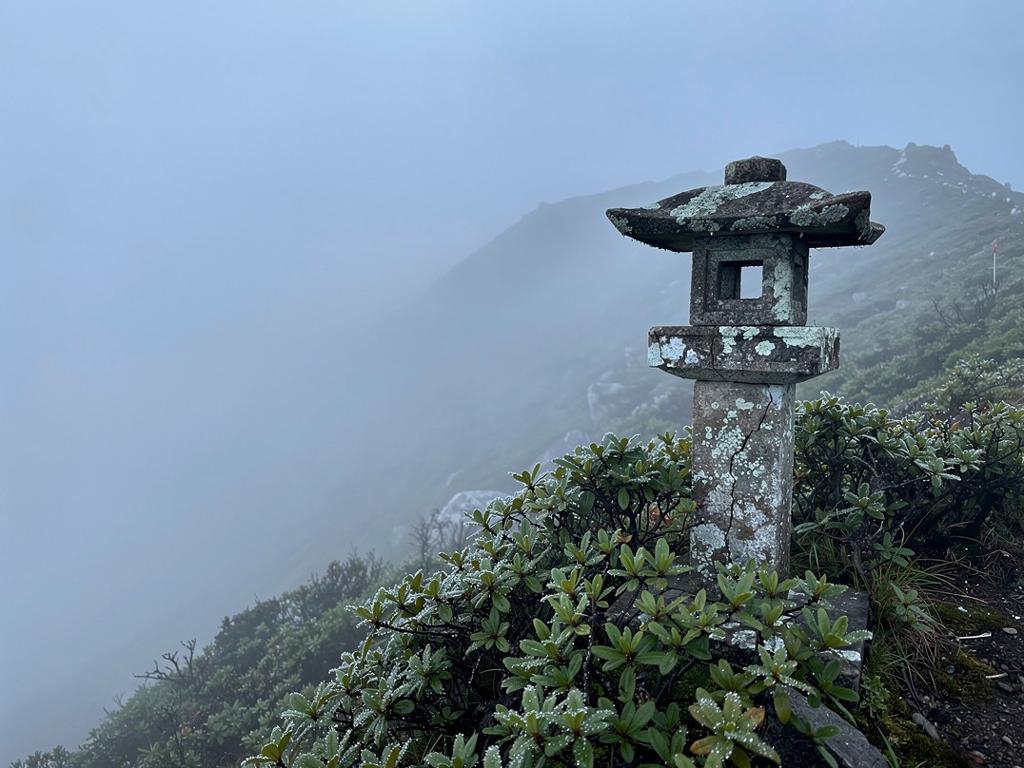
Walk clockwise around any Tibetan stupa at dawn and you'll notice something almost nobody in the West talks about: hardly anyone's hands are empty. There's a mala clicking through fingers here, a small prayer wheel spinning there, sometimes both at once, muttered mantras layered on top. The bodies are doing one thing, the hands are doing another, and somehow the effect isn't scattered — it's the opposite. People look absorbed. Quietly, deeply absorbed. I spent time watching this in India years ago, and it stuck with me. Not as spiritual tourism, but as a genuine observation about how humans behave. Give us something to do with our hands, and our minds seem to settle. Take it away, and we invent something — clicking pens, twirling hair, tapping feet, checking phones. The instinct is old. Much older than most people realize. Archaeologists have found evidence of humans stringing beads over 120,000 years ago. That's not a typo. Long before writing, long before organized religion, long before agriculture, our species was already looping little objects onto cords and, presumably, running them through our fingers. Meditation beads show up in Hindu texts around the 8th century BCE. Prayer beads became central to Christian and Islamic devotional life. Across continents, across belief systems, the same basic gesture keeps appearing — a repetitive tactile motion paired with a repetitive inner practice. The phrase “busy hands, quiet mind” didn't just materialize from nowhere. It's a piece of folk wisdom that survived because it kept being true. Knitting calms people. So does coloring. So does rolling a smooth stone between your fingers. There's something about repetitive tactile input that seems to give the nervous system a job to do — a low-stakes, rhythmic job — and once that's handled, the rest of us can pay attention to whatever's actually in front of us. Which brings us, oddly, to the fidget-toy aisle. The first fidget spinner was patented back in 1993 and went essentially nowhere. Then 2017 happened. Social media caught fire around them, and suddenly every school hallway in the country was orbiting on little bearings. Sensory cubes followed. Stress balls. Silicone popping toys. The whole category ballooned into a global industry worth billions, and the shortages have made the news more than once. What's interesting isn't the merchandise. It's what the merchandise reveals. We spent centuries assuming that stillness was the mark of a focused mind — sit up straight, hands folded, eyes forward. Then a generation of kids started showing up with a different nervous system profile, or maybe just a more honest one, and we discovered that a lot of us focus better when a small part of us is allowed to move. Teachers, therapists, and counselors have started treating fidgets as legitimate attentional aids, not classroom contraband. There's research backing this up. Studies have found that students with ADHD stay on task longer with a fidget in hand. Other work suggests that allowing fidgeting can actually boost creative thinking. Turns out that pinning a body rigidly still might be great for photographs and terrible for cognition. The counselors and clinicians I trust on this all make the same point: a fidget is a tool, not a toy. The moment it becomes entertainment — something that pulls attention toward it rather than freeing attention up for something else — it stops working as designed. A good fidget disappears into the background of awareness. Your eyes stay on the teacher, the therapist, the road, the page. Your fingers do their thing without asking permission. The same distinction applies to mala beads. A practitioner isn't looking at the mala. They're not admiring it. The beads pass one by one, keeping count, keeping rhythm, keeping the body engaged so the mind can go where it needs to go. Whether that's a mantra, a breath, or nothing at all. In therapeutic settings, this quality makes tactile objects genuinely useful. Clinicians working with clients through panic, anxiety, trauma responses, or overwhelming emotion often reach for what they call grounding techniques — small sensory experiences that pull attention back into the present moment. A textured stone in the palm. A weighted object. Cold water on the wrists. A mala, if that's the client's tradition. The mechanism is the same across all of them: the body reminds the mind that this moment, right here, is real and survivable. People researching meditation retreats, plant-medicine ceremonies, or any kind of inner work often arrive with the same worry: my mind won't stop. I can't sit still. I've tried and I can't do it. If that's you, take a breath. The idea that meditation requires the body to become a statue is a Western misreading of what these traditions have actually taught for thousands of years. Zen practitioners align mala rotations with the breath. Tibetan practitioners walk while they pray. Sufi practitioners spin. Christian contemplatives finger a rosary. In ayahuasca ceremonies, icaros — the shaman's songs — often rise and fall in patterns that give the mind something rhythmic to attach to as the medicine takes hold. Kambo sits and Bwiti ceremonies with iboga both involve tactile and auditory anchors. The body is almost never asked to shut down. It's asked to participate in a specific, repetitive, contained way so that awareness can travel elsewhere. If you're preparing for a retreat, a few small practices in the weeks before can help enormously: None of this is a substitute for the deeper work. But it lays a foundation. A person who has already taught their body how to settle around a tactile anchor is going to have a very different experience walking into a maloca than someone whose only strategy for a restless mind is to keep scrolling. We inherited a lot from Descartes, including his famous line about thinking and being. Useful in some contexts, disastrous in others. The idea that the mental and the physical are two separate territories has shaped Western medicine, Western psychology, and Western spirituality for centuries — usually to the detriment of all three. The nervous system doesn't respect that boundary. Neither does trauma. Neither does grief, joy, panic, or awe. Eastern traditions never really carved things up that way. In most contemplative lineages the body is understood as a doorway to the mind and vice versa. Breath changes thought. Posture changes mood. A repetitive gesture with the hands can, quite literally, shift the state of consciousness. Somatic therapists have been saying this for years, and neuroscience keeps catching up with them. Tuning into sensation is the opposite of what most of us do all day. Screens ask us to leave our bodies — to dissociate upward into a stream of images. Tactile engagement asks us to come back down. It engages the parasympathetic nervous system, the one responsible for rest, digestion, and repair. A mala running through the fingers isn't just a devotional accessory. It's a nervous-system regulator that happens to also be pretty. Whether the object is a $2 popping toy from a school gift shop or a hand-carved rudraksha mala blessed at a temple, the underlying human need is the same. We are creatures who think better when our hands are occupied. We ground ourselves through touch. We calm ourselves through rhythm. This is not a bug in our design; it is one of the more elegant features. The current fidget craze is, in that light, less a fad and more a rediscovery. Kids who need a squishy cube to make it through algebra are doing something monks in the Himalayas have been doing for a very long time. Adults who reach for worry stones during hard conversations are participating in an unbroken tradition. And anyone preparing for a serious inner journey — whether through meditation, therapy, or plant medicine — would do well to notice which small tactile anchors already work for them and to build the habit deliberately. For readers considering going further with this kind of work, a curated range of ayahuasca and plant-medicine retreats where sensory grounding and traditional practice are woven into the container can be browsed on our marketplace here. The days of clattering pencils and hidden hand-fiddling under desks might finally be behind us — replaced, quietly, by something our ancestors would have recognized instantly.

Remembering Robert Thurman: A Life in Service of the Dharma
There are certain people whose absence rearranges a room even after they've left it. Robert Thurman was one of them. If you spent any real time in American Buddhist circles over the past four decades — as a student, a curious reader, a retreat-goer working through a Pema Chödrön book on a rainy weekend — you almost certainly encountered his mind, whether you knew it or not. His translations shaped how English-speaking practitioners read Tibetan texts. His friendship with the Dalai Lama helped carry Tibetan Buddhism into living rooms it never would have reached otherwise. And his sheer, roaring presence made the dharma feel less like a museum artifact and more like something a person could actually live inside. Thurman died at 84 at his home in Woodstock, New York. A memorial gathering was held on August 3 at Menla Retreat, the Catskills sanctuary he and his wife Nena built as a place where Buddhist practice and wellness could meet without either watering the other down. That date was, by a coincidence that didn't feel entirely coincidental, his birthday. It also marked the end of the traditional 49-day period Tibetan Buddhists observe after a death — the span of time a consciousness is said to travel through the bardo before its next rebirth. For readers unfamiliar with the tradition, the bardo isn't a metaphor for grief. In Tibetan Buddhist cosmology it's a specific in-between state — a real journey the mind undertakes after the body stops. The 49 days are marked by prayers, offerings, and rituals meant to help the departed find liberation, or failing that, a favorable rebirth. Monks from Sera Jey Monastery in India led the closing puja for Thurman, and the ceremony had the weight of something practiced for centuries — because it has been. What struck me most, hearing about the memorial from people who were there, was how naturally the ancient ritual fit alongside the very American stories being told about Bob's life. His son Ganden spoke. Old students spoke. Friends who had negotiated projects with him spoke, and even they laughed. The bardo puja and the personal eulogies didn't fight each other. That was maybe the most Thurman thing about the whole day. The bare facts: scholar, translator, Buddhist teacher, first Westerner to be ordained a Tibetan monk by the Dalai Lama, longtime professor at Columbia University, founder of Tibet House US, tireless advocate for the Tibetan people, father of the actress Uma Thurman. Any one of those would have made for a substantial obituary. He stacked them. But the bare facts miss the man. What made Thurman singular was the way he refused to let Buddhism sit on a shelf. He treated it as living intellectual territory — something you could argue with, laugh about, wrestle into modern English, and still bow to at the end of the day. His translation of the Vimalakirti Sutra remains, decades on, the version most English-speaking practitioners actually read. His book Inner Revolution made a case for Buddhism as a political and social force in a way that felt more like a manifesto than a religious primer. He also, and this matters, opened up Buddhist studies to practicing Buddhists. That sounds obvious now. It wasn't. For a long time in the Western academy, scholars of Buddhism were expected to keep a polite scholarly distance from anything that smelled like devotion. Thurman didn't play that game. He was a scholar who practiced and a practitioner who scholared, and the tension between those two lives was, if anything, the engine of his work. The word bodhisattva gets thrown around a lot in Western dharma circles, sometimes to the point of losing its meaning. In the classical sense, a bodhisattva is someone who has vowed to attain full awakening not for their own liberation but for the benefit of all beings. It's a serious vow. It's also, in most traditions, not a title you claim for yourself. People who worked closely with Bob describe the same thing over and over: the single question that seemed to organize his decisions was some version of what creates the most benefit? Not what looks best, not what wins the argument, not what the funders want. What actually helps. That orientation is rarer than you'd think in any field, let alone one as prone to spiritual ego as this one. Here's a shortlist of what that looked like in practice: You might be reading this because you're weighing your own contemplative path — maybe a silent retreat, maybe something more intensive, maybe a plant-medicine journey you've been circling around for months. What does an obituary of a Tibetan Buddhist scholar have to do with any of that? More than you might think. Thurman's life is a reminder that the traditions we borrow from — Buddhist, shamanic, Vedic, Sufi — are not lifestyle accessories. They are technologies of transformation developed by real cultures over long stretches of time, and they were kept alive by people who took them seriously enough to carry them across oceans and generations. When you sit in a meditation hall in New York or a maloca in the Peruvian jungle, you are benefiting from lineages of people who bothered. Thurman bothered. He learned the languages. He did the retreats. He argued with his teachers and studied under them anyway. He didn't cherry-pick the parts that flattered his ego and leave the rest. And that seriousness — that willingness to actually go the distance — is what makes his life worth pointing at, whether or not you're a Buddhist yourself. Menla, the retreat center Bob and Nena built in the Catskills, continues on. It's the kind of place where you can spend a weekend learning about Tibetan medicine, or a week deep in meditation, or simply walk in the mountains and let a bit of silence do what silence does. It's one physical instantiation of what Thurman was pointing at his whole career: that these teachings work best when they're not abstract, when there's a roof, a schedule, a teacher, a cushion, and a body to sit on it. For readers whose curiosity runs toward the intersection of contemplative practice and deeper healing work — including plant medicine, which Thurman himself spoke thoughtfully about in his later years — a range of meditation and plant-medicine retreats in that spirit can be browsed on our marketplace here. Bob wanted only one thing: to create benefit. He succeeded, and the ripples are still going. Somewhere, in the language of the tradition he loved, he's already moving on toward whatever comes next. The rest of us get to keep working with what he left behind.
Self-Care When Life Won't Slow Down: Practical Nervous System Reset
There's a particular kind of exhaustion that doesn't come from doing too much of one hard thing. It comes from doing seventeen medium things, none of which you can drop, while quietly telling yourself you'll rest once the situation calms down. Spoiler: the situation rarely calms down on its own. I want to talk about the version of self-care that matters when you genuinely don't have time — not the candles-and-bath-salts version, but the kind that keeps your nervous system from turning against you. This is also, quietly, the same territory a lot of people arrive at when they start looking into plant medicine, ayahuasca ceremonies, or psychedelic retreats. Chronic stress, unprocessed grief, caregiving fatigue, the low-grade depression of never being off duty — these are the exact conditions that push people to consider deeper work. Before we get to that, though, let's talk about the ground floor. You've heard the sayings. Can't pour from an empty cup. Put your own oxygen mask on first. They've been quoted so often they've started to sound like something you'd read on a laminated poster in a dentist's waiting room. And yet — annoyingly — they're accurate. Here's what actually happens when you ignore them. Your sleep shortens by twenty minutes, then forty. Your jaw starts clicking. You snap at someone you love over something microscopic — a mug in the wrong spot, a tone of voice — and then spend the rest of the day quietly ashamed of yourself. The body keeps a scoreboard whether you look at it or not. The reason the clichés hang around is because we keep needing them. Most of us don't collapse from one enormous event. We erode. And erosion is easy to miss until something breaks. Consider a common scenario: a parent falls, needs surgery, and you drop everything to help. You cancel a trip, book flights, and rearrange your work around hospital discharge dates. If you can work remotely, you tell yourself it's fine. You'll set up a laptop in the spare bedroom. You'll manage. And you do manage — for a while. But the small tasks stack in ways you don't anticipate. Physiotherapy appointments. Insurance paperwork. A grab rail that needs installing. Prescriptions to collect. Meals that used to happen automatically now require thinking. Meanwhile your own inbox keeps filling, your clients still need you, and by 9 p.m. you're staring at a to-do list you haven't touched. What sneaks up on people in this position isn't the exhaustion itself. It's how quickly you start treating the exhaustion as the new baseline. You stop noticing you're depleted because depleted is Tuesday now. This is the daily lived reality of the sandwich generation — the millions of adults caring for both aging parents and young kids — and it's a fast track to burnout if nothing changes. I like the phrase stress hygiene because it reframes the whole conversation. Nobody argues about brushing their teeth. You don't wait until you're motivated. You don't skip it because you had a productive day. It's just something you do, briefly, so that things don't rot. Stress hygiene works the same way. A few minutes daily to help the nervous system discharge what it's been holding. Not managing stress — releasing it. That distinction matters. Management often looks like reshuffling stress into a slightly tidier pile. Release means the pile gets smaller. Practices that qualify tend to fall into two camps: Some people swear by vagus nerve stimulation gadgets. Some end up as expensive paperweights in a drawer. Both outcomes are honest. The point isn't which practice — it's whether you'll actually do it when things are hard. Here's the honest test. Does it feel like a chore or a small relief? If you have to grit your teeth through every session, you probably picked the wrong one. Plenty of people force themselves into seated meditation because they read somewhere that they should, and then quietly hate every minute of it. That's not a failure of discipline. That's a mismatch. The right practice, for you, will have a slight pull to it. You'll notice you want to do it. Not always — some days everything feels like effort — but often enough that it earns its place in your day. A few honest signs you've found something worth keeping: It might take trying a few things before you land on one. Think of it as dating. Some approaches will bore you, some will feel silly, some will click in a way you didn't expect. The clicking is the whole point. A lot of the people I meet who are researching ayahuasca retreats, psilocybin ceremonies, or ibogaine work aren't chasing a peak experience. They're worn down. They've been running on cortisol for years — caring, coping, performing — and they've realized that nothing in their normal toolkit is actually reaching the place where the exhaustion lives. That's a very common doorway into plant medicine. I'll say this plainly: a retreat is not a substitute for daily nervous system care. If you show up to an ayahuasca ceremony running on fumes, having done zero preparation, expecting the medicine to do the work for you, you'll likely have a harder time than necessary. The people who tend to get the most out of these experiences are the ones who arrive already practicing some kind of stress release, some kind of inward listening. The medicine amplifies what's already moving. It doesn't manufacture stillness in someone who's never sat with themselves. The reverse is also true. If daily practices have taken you as far as they can, and there's a knot that just won't loosen — trauma that predates language, grief that resists talk therapy, an addictive pattern that stays no matter how many books you read — plant medicine is one of the more serious tools humans have for that kind of work. It's not for everyone and it's not casual. But it is real, and the research on psychedelic-assisted healing for depression, PTSD, and addiction has gotten substantially harder to dismiss. If you're in the thick of caregiving, or a demanding job, or both, and the idea of adding one more thing to your day feels genuinely impossible, try these: Our culture treats being busy as evidence of value. Burnout is worn like a merit badge. Job listings still ask for people who thrive under pressure, as if pressure were a nutrient. It's worth asking, occasionally, whether the game is worth playing on those terms. Balance isn't the absence of stress. It's the presence of recovery. If your life includes a way to discharge what the day dumps on you — however small, however unglamorous — you can carry more than you think, for longer than you think, without breaking. If it doesn't, no amount of ambition or love or duty will keep the wheels on indefinitely. For readers whose exploration is pulling them toward something deeper than daily practice — a genuine reset, guided work with plant medicines, or the kind of retreat that gives the nervous system real space to reorganize — a range of curated plant-medicine retreats can be browsed on our marketplace here. Take your time with the decision. The good ones will still be there when you're ready.
Dreaming of a Psychedelic Retreat?
We have the best deals and offers from thousands of organizers all over the world! Get them into your mailbox every week!
We value your privacy. Your email address will never be shared or published.
