 English
 Deutsch
 Français
 Nederlands
 Español

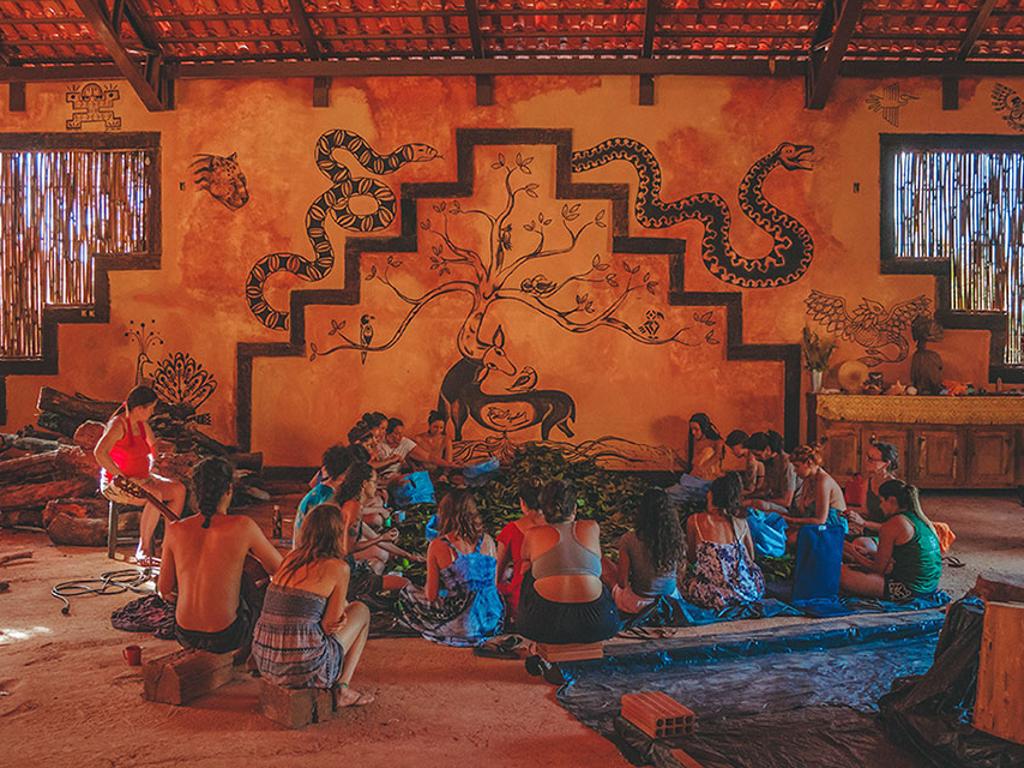
Reset. Heal. Grow.
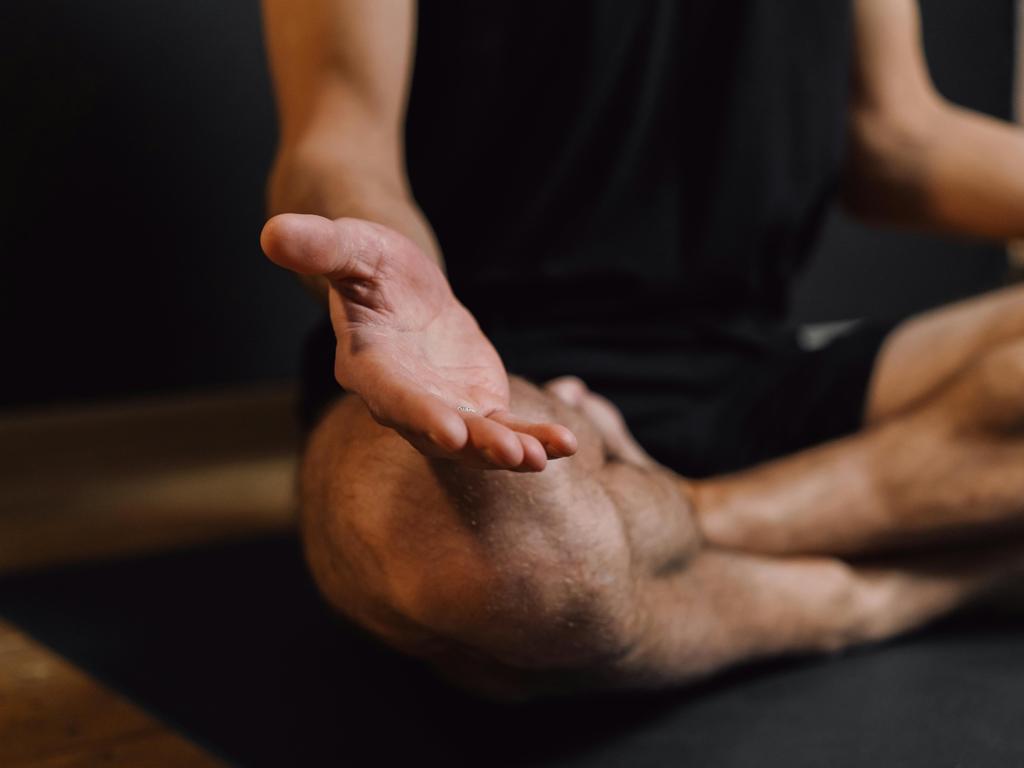
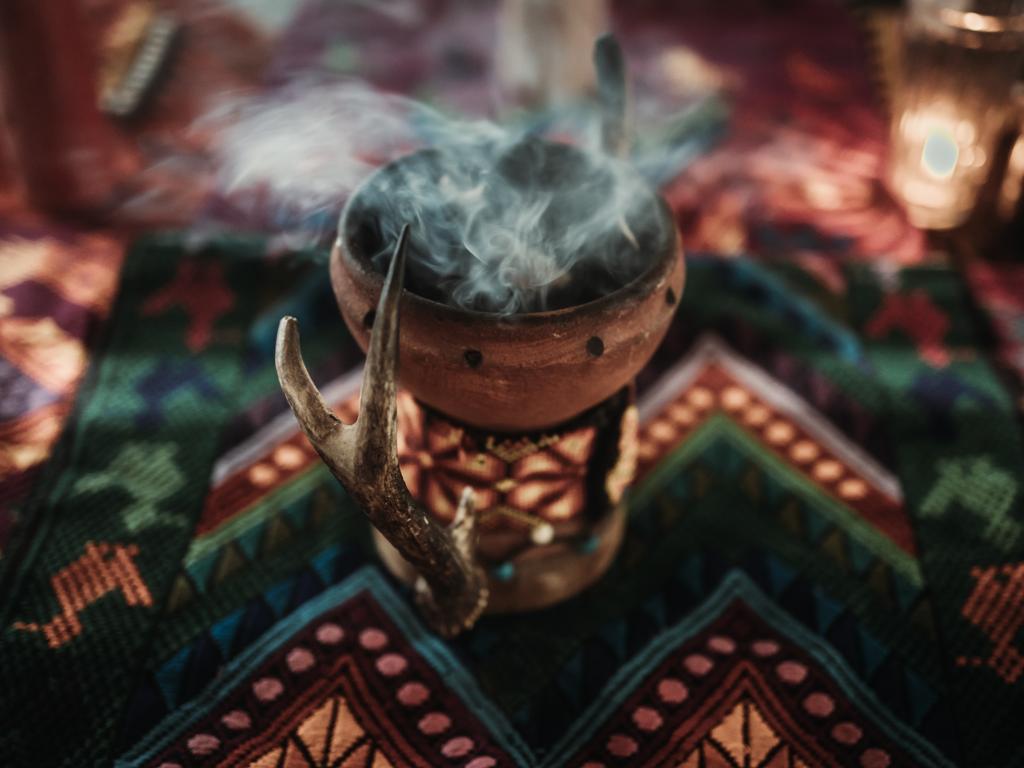
8 Meditation Techniques That Pair Well With Plant Medicine Work
Here's something nobody mentions in the glossy retreat brochures: the people who get the most out of an ayahuasca ceremony usually already know how to sit with their own mind. Not perfectly. Not like a monk. But enough that when the brew kicks in and their thoughts start sprinting in fourteen directions, they have some practiced way of coming back to themselves. That's where meditation fits into the plant medicine picture. It's not a replacement for the work — drinking ayahuasca is its own beast — but it's the scaffolding. The thing that makes the experience navigable instead of overwhelming. And it's what most facilitators will gently suggest you build up in the weeks before you fly to Peru or Costa Rica or wherever you're headed. So let's talk about eight meditation techniques that genuinely help. Not as abstract spiritual practices, but as practical tools you can rehearse at your kitchen table, on your lunch break, or the night before a ceremony when your nervous system is already buzzing. Plant medicines amplify whatever is already in you. If you're a chronic ruminator, ayahuasca will hand you your rumination on a silver platter and ask what you'd like to do about it. If you've never paid attention to your breath, you're going to be very surprised by what happens in your chest at hour two. Meditation doesn't make any of that go away. What it does is give you a familiar place to land when things get strange. Maestros in the Shipibo tradition often say the medicine teaches you, but only if you can stay present long enough to listen. That capacity to stay — to not bolt mentally when something uncomfortable arises — is exactly what meditation trains. The research is also catching up. Studies from Johns Hopkins and Imperial College have repeatedly shown that participants with even a basic mindfulness practice report more meaningful psychedelic experiences and better integration afterward. It's not magic. It's just that a trained attention is a better instrument than an untrained one. If you only learn one technique before sitting in a circle, make it this one. Mindfulness is the practice of noticing what's happening — thoughts, sensations, emotions — without grabbing them or pushing them away. You become a witness to your own inner weather. To practice: sit somewhere quiet. Close your eyes. Let your attention settle on the breath. When a thought arrives (and it will, immediately), name it gently — planning, worrying, remembering — and return to the breath. That's the whole game. You're not trying to empty your mind. You're training the muscle that brings you back. Why this matters in ceremony: ayahuasca will dredge up material. Sometimes beautiful, sometimes terrifying. The participants who flounder are usually the ones who fight what's arising. The ones who flow are the ones who can watch, breathe, and let it move through. Mindfulness is the rehearsal for that. Visualization is mental scene-painting. You construct an image in your mind — a forest, a body of water, a memory of safety — and you furnish it with sensory detail. The smell of pine. The sound of moving water. The temperature of the air. This one's a double-edged tool around plant medicine. On the plus side, having a practiced inner refuge is genuinely useful if a ceremony gets intense — you can return to a steady image while the rest of you rides the wave. On the minus side, ayahuasca and psilocybin do their own visualizing, and trying to direct the experience usually backfires. The smart move: use visualization in your preparation, not during the ceremony itself. Build a calm internal place you can reach for. Then, when the medicine begins its work, let go of the steering wheel. Focused meditation narrows your awareness to a single object. A candle flame. The sensation at your nostrils as breath moves in and out. The sound of a fan. The point of this is concentration — making your attention obedient. This is harder than it sounds. Most of us have attention that behaves like an unleashed puppy. Five seconds on the breath, then suddenly you're thinking about an email from 2023. In ceremony, focused attention is what lets you anchor to the icaros — the songs the curandero sings. Many people describe the icaros as a literal lifeline. You ride the melody through difficult passages. But you have to be able to actually listen, and listening, the deep kind, is a trained skill. You don't have to be religious for this one. Spiritual meditation is the practice of orienting yourself toward something larger than your individual story — call it God, the universe, nature, the mystery, whatever doesn't make you wince. Sit quietly. Acknowledge that you are small. Acknowledge that there are forces you don't understand. Ask for guidance, or just sit in not-knowing. Express gratitude for one or two specific things in your life. That's it. The reason this pairs well with plant medicine work is that ceremonies often dissolve the sense of self that we spend so much energy maintaining. People who arrive already comfortable with surrender — even in small doses — find this less terrifying than people who've never let go of anything. Lie down. Bring your attention to the crown of your head. Slowly, methodically, move it down through your body — forehead, jaw, throat, shoulders, chest, belly, hips, legs, feet. At each stop, notice what's there. Tightness. Warmth. Numbness. Don't try to fix it. Just notice. The body scan is gold for plant medicine work because so much of what comes up in ceremony shows up in the body first. Trauma lives in tissue. The medicine knows this. You'll often find yourself shaking, sweating, feeling pressure in your chest, before you have any cognitive grasp of what's happening. Participants who've spent time scanning their bodies in calm states have a vocabulary for these sensations. They know the difference between fear and excitement (often the same physiology, different interpretation). They can stay with discomfort instead of catastrophizing it. If twenty minutes on a cushion sounds like punishment, walking meditation might be your way in. Walk slowly — slower than feels natural — and pay attention to the lift, swing, and placement of each foot. Notice the shift of weight. Notice the air on your skin. This is especially useful at retreats, where you'll often have downtime between ceremonies. A slow walk through the jungle, paying actual attention rather than scrolling through your mental to-do list, becomes its own kind of medicine. Many retreat centers in the Amazon basin specifically encourage this — wandering trails between sessions, observing without commentary. It's also a great technique for the day after a ceremony, when sitting still can feel impossible because so much is still moving in you. Yoga, in the contemplative sense (not the gym-class sense), is meditation in motion. You move through postures, link them to breath, and use the physical challenge to crowd out mental noise. The body becomes the anchor. Most psychedelic retreats include some yoga in the daily schedule for exactly this reason. After a ceremony, the body has been through something. Gentle movement helps the nervous system reset and metabolize whatever's been stirred up. You don't need to be flexible. You don't need a fancy mat. A basic sun salutation, done with attention to breath, will do more for ceremony preparation than three weeks of trying to force yourself onto a meditation cushion. Repeating a sound, word, or phrase — out loud or in your head — gives the mind something to chew on so it stops chewing on you. Om. So hum. A phrase in your own language: I am here. I am safe. I am loved. Pick something honest, not a slogan. Chanting also pairs interestingly with the icaros in ayahuasca ceremonies. The Shipibo have used song for centuries to shape the energetic field of a ceremony. When you arrive with your own quiet practice of mantra, you're already attuned to the idea that sound can move things. It doesn't feel as foreign. Here's the honest part. Reading about meditation techniques is the easy bit. Sitting down five days a week for six weeks before your retreat is the hard bit. If you've got a retreat booked for two or three months out, you have plenty of runway to build something real. Even fifteen minutes a day, consistently, will change how you arrive. Plant medicines and meditation are pointing at the same territory from different doors. Meditation does it slowly, in increments, over years. Plant medicine does it suddenly, in hours, sometimes brutally. They're complementary, not competitive — and most experienced facilitators will tell you the people who integrate their psychedelic experiences best are the ones who had, or developed, a sitting practice. The retreat itself is the catalyst. The meditation is what makes the catalyst stick. Without some kind of ongoing contemplative practice, the insights from a ceremony tend to fade in three to six months. With practice, they have somewhere to live. If you're weighing a retreat right now and the timing feels right, a curated selection of ayahuasca and plant-medicine retreats can be browsed on our marketplace here. Take your time with the choice — and in the meantime, start sitting. Even five minutes today is worth more than any amount of reading.
Chakra Meditation: A Practical Guide for Plant-Medicine Seekers
Most people who end up at a plant-medicine retreat eventually bump into chakra talk. Maybe the facilitator mentions the heart center opening during a San Pedro ceremony. Maybe a fellow participant describes pressure behind the forehead during ayahuasca and someone whispers third eye. You nod politely. You make a mental note to look it up later. This is later. Chakra meditation isn't fringe woo invented for retreat brochures. It's a body-based contemplative practice with roots going back at least a thousand years in tantric Hindu and Buddhist texts. And it happens to map remarkably well onto the kinds of experiences people report during psychedelic ceremonies — sensations of heat in the gut, tightness in the throat, a melting feeling at the crown. Whether you treat the chakras as literal energy wheels or as a useful metaphor for somatic awareness, the practice has staying power for a reason. So let's walk through what chakras actually are, why this style of meditation keeps showing up in plant-medicine integration circles, and how to do a session tonight without needing incense, a guru, or a leap of faith. The word comes from Sanskrit and means wheel or disk. In the classical model, chakras are spinning centers of subtle energy strung along the spine, from the tailbone up to the crown of the head. Seven of them, in the most common system — though older Tibetan and Indian texts list anywhere from five to dozens. Think of them less like organs and more like dials. Each one corresponds to a cluster of physical, emotional, and psychological themes. When a dial is balanced, the themes it governs tend to feel workable. When it's stuck open or shut, the corresponding part of your life often feels noisy, blocked, or just off. Modern neuroscience doesn't validate chakras as anatomical structures. Fine. But the locations map almost perfectly onto major nerve plexuses and endocrine glands — the gut, the heart, the throat, the pineal. People have been noticing these body-mind crossroads for millennia. The vocabulary changes. The territory doesn't. Anyone who's spent time in ayahuasca, psilocybin, or kambo settings will tell you the body becomes loud. Sometimes uncomfortably loud. Heat rises through the belly. The chest cracks open. Old grief sits in the throat like a stone. These aren't symbolic experiences — they're physical sensations with emotional weight, and they don't always resolve when the ceremony ends. That's where chakra meditation earns its keep. It gives you a vocabulary and a structure for noticing what your body is holding, without needing to intellectualize it. Plant medicine cracks things open. Chakra practice helps you sit with what came out, in the weeks and months that follow. Facilitators I've spoken with — particularly in Peru and Costa Rica — increasingly weave some form of energy-center work into their integration programs. Not because they're trying to be exotic. Because participants keep reporting that the framework fits what they felt during the ceremony better than Western talk-therapy language does. Here's the short tour. Each chakra has a Sanskrit name, a rough physical location, a color often associated with it, and a thematic territory. You don't need to memorize this. You just need to know roughly where to put your attention. Read that list and you'll probably feel a tug of recognition at one or two of them. That's the one to start with. You don't need props. You don't need a guided recording (though one can help). You need maybe twenty minutes and a place where nobody will interrupt you. Here's a stripped-down version that works for beginners and for people coming off a heavy ceremony alike. That's it. The first few times you may feel nothing dramatic, which is normal and not a failure. Subtle work rewards repetition. After ten or fifteen sessions, most people start noticing which centers consistently feel loud and which feel mute — and that information alone is gold. A few things come up over and over when readers email me about chakra practice, so let's handle them. Do I have to believe in it? No. Treat the chakras as a somatic map if you prefer. You're still scanning your body for held tension and emotional weight — a technique that has solid grounding in trauma therapy under names like Somatic Experiencing and Focusing. The map works whether or not you accept its mystical claims. Is this safe after a ceremony? Generally, yes — and often genuinely helpful for integration. The caveat: if a session brings up overwhelming material, stop, ground yourself (cold water on the face, feet firmly on the floor, slow exhales), and reach out to your facilitator or a therapist who understands psychedelic integration. Don't tough it out alone. How often should I practice? Ten to twenty minutes, four or five times a week, beats one heroic ninety-minute session per month. Consistency matters more than duration. Can I combine it with other practices? Yes. It plays well with breathwork, gentle yoga, journaling, and sound work. It does not replace therapy if you're working with serious trauma, addiction, or psychiatric conditions — please don't ask a meditation practice to do a clinician's job. I'll be honest. Chakra meditation alone won't fix a decade of unprocessed grief or rewire an addiction. Neither will a single ayahuasca ceremony, for that matter. The people I've watched make real, durable changes tend to use a stack of practices — some combination of plant medicine when appropriate, therapy with someone who actually understands non-ordinary states, regular body-based meditation like chakra work or vipassana, and a community that doesn't make them feel like a freak for caring about this stuff. The chakra framework is useful precisely because it bridges worlds. It speaks the language of yogis, shamans, and somatic therapists at the same time. For someone integrating a difficult ayahuasca experience, that bridge can be the difference between dismissing what happened and slowly metabolizing it. If you're at the stage of weighing whether to attend a retreat at all, knowing that practices like this exist on the other side of the ceremony is actually relevant information. The medicine is one chapter. Integration is the rest of the book. For readers who want to take the next step, a range of plant-medicine and integration-focused programs can be browsed on our marketplace here. Start small. Sit tonight for ten minutes. Notice which wheel feels stuck. Come back tomorrow. That's the whole practice.
Dreaming of a Psychedelic Retreat?
Get your free guide on how to choose a psychedelic retreat, plus upcoming retreats and new reading every two weeks.
We value your privacy. Your email address will never be shared or published.
